


 Claim Ownership
Capitol Ministries Weekly Bible Study
Subscribed: 0Played: 0
Subscribe

© Copyright Ralph Drollinger
Description
Listen to the Bible studies taught weekly in D.C. in our House, Senate, and Former WH Cabinet Member Bible studies. It is through Christ that real change begins!
141 Episodes
Reverse

Thanksgiving Day is a great time to guide your loved ones in a meaningful time of worship, gratitude, and gospel reflection. Drawing from Psalm 100, this outline offers a simple, intentional model to help you create a God-honoring, memory-building moment around your table that points hearts to Christ.

A biblical exploration of true vs. false belief from Ephesians 5:5–7. Learn why repentance, humility, and obedience reveal authentic saving faith—and why mere profession isn’t enough.

The Christian life is not shaped merely by information, but by transformation. God has not called us to know about Him only, but to truly know Him—to behold His glory, submit to His Word, and be changed from the inside out.
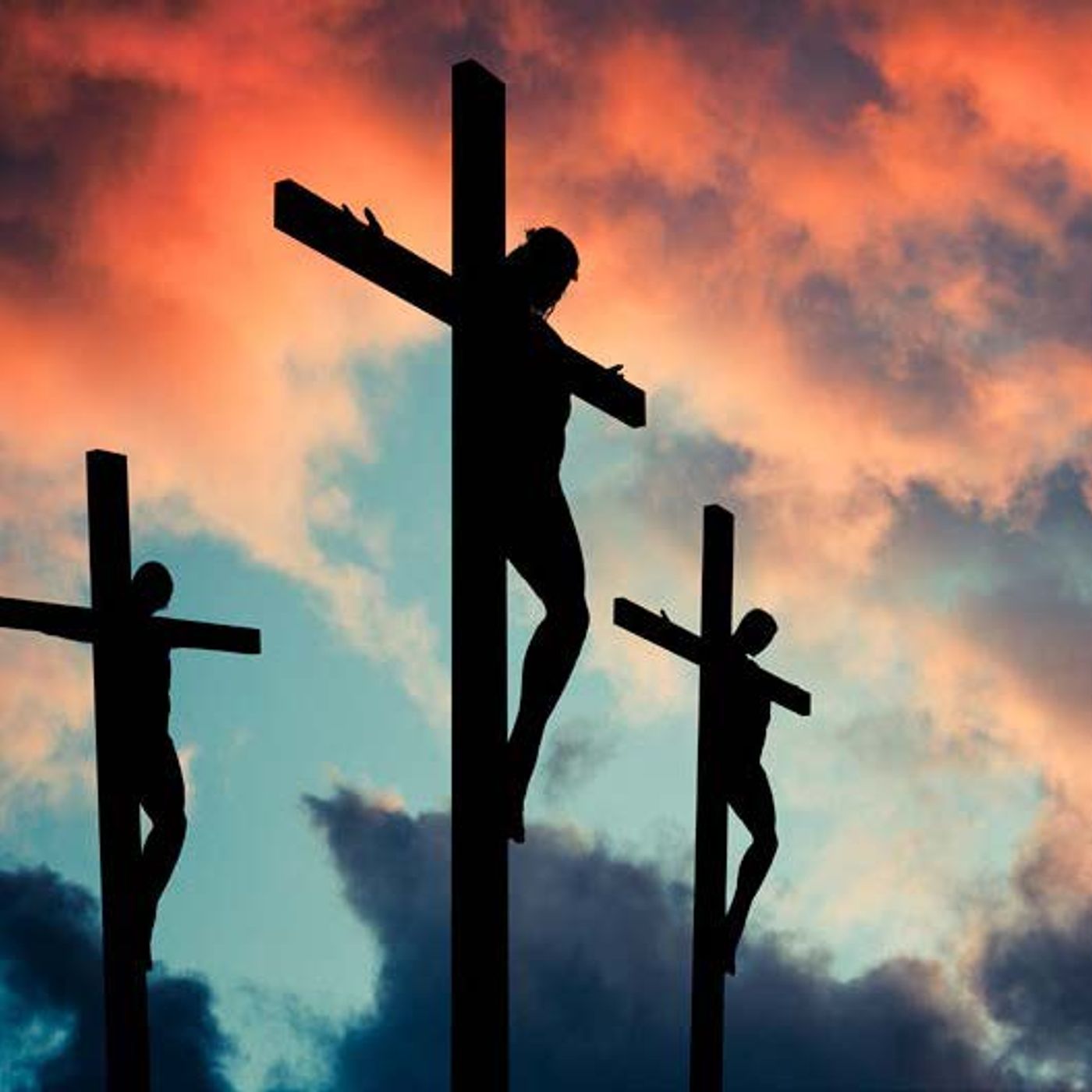
Christ didn’t just teach or inspire—He acted on our behalf. This study unpacks the depth of our need and the fullness of His saving work, showing how His death and resurrection transform everything. A clear and hope-filled look at the heart of the gospel.

Pride is often celebrated in our culture—even in the halls of government. But Scripture speaks clearly: followers of Christ are to hate pride and pursue humility. As Charles Bridges wrote, “On no point is the mind of God more fully declared than against pride.”In this study, we examine how pride subtly manifests in our thoughts, speech, and leadership—and how the apostle Paul models a life shaped by the cross rather than self-promotion (Galatians 2:20).Whether in public service, ministry, or daily life, pride is a relentless enemy of godliness. Yet God gives grace to the humble.Learn:• Six characteristics of prideful people• The consequences of unchecked pride• Biblical practices that cultivate true humility“Humble yourselves in the presence of the Lord, and He will exalt you.” — James 4:10https://capmin.org/deal-with-pride-in-life-and-in-dc/

In this study, Ralph Drollinger examines Scripture to show that private ownership is not merely an economic principle, but a reflection of being made in the image of God. From Genesis to Leviticus, the Bible affirms personal stewardship, responsibility, and accountability—foundations that lead to liberty and national fruitfulness.Join Ralph as he explores what God’s Word teaches about property, stewardship, and the role of government.CHAPTERS:00:00 – Introduction: The Bible contrasts private property with communism.03:22 – God’s Ownership: All things belong to Him, who entrusts stewardship to man.08:10 – Stewardship Mandate: Humanity is called to subdue and manage creation.12:40 – Personal Property Rights: Scripture affirms individual—not governmental—ownership.14:05 – Eighth Commandment: “You shall not steal” assumes rightful personal ownership.17:40 – Tenth Commandment: “You shall not covet” confirms boundaries of individual property.20:12 – Irresponsible Ownership: Accountability and liability define true stewardship.23:50 – Moving a Landmark: Protecting boundaries honors God’s design for ownership.26:25 – Year of Jubilee: Property returns to rightful owners, affirming God’s justice.31:50 – Summary of Property Rights: God’s system produces fruitfulness and liberty.34:40 – Government Overreach: 1 Samuel 8 warns against rulers who take from the people.41:15 – God’s Five Institutions: Marriage, family, commerce, church, and government in balance.45:00 – Proper Role of Government: Reward good, punish evil, and protect freedom.48:25 – Peru and Poverty: Lack of property rights traps nations in poverty.54:40 – Environmentalism’s Impact: Overregulation erodes private property and prosperity.1:01:10 – Big Government and Liberty: Expanding power limits personal freedom and reflection of God.1:07:00 – Conclusion: Free enterprise aligns with Scripture; communism opposes God’s design.

In this final study of the three-part series, Ralph Drollinger examines the last three epochs of American Church history—the rise of Fundamentalism, the birth of Neo-Evangelicalism, and the emergence of the Religious Right.Each movement sought to address the cultural decline of its time, but each also missed the biblical simplicity of Luke 3: that true societal transformation flows from evangelism and personal conversion, not social reform alone.Through this analysis, Drollinger challenges today’s Church to rediscover its primary calling—to make disciples and proclaim the Gospel—so that the next epoch of American Church history might be marked by clarity, conviction, and spiritual renewal.Chapters00:00 Introduction02:30 1920: The Fundamentalist Reaction12:45 1950: The Birth of Neo-Evangelicalism24:10 1975: The Birth of the Religious Right35:00 Summary and Application40:15 Closing Prayer and Reflection

In Part 2 of this three-part series, Ralph Drollinger continues examining the five epochs of American Church history in light of evangelism and discipleship—the Church’s primary calling.This study explores the first two epochs:1776 – The Puritan Pulpit Shapes American Culture; and1877 – The Encroachment of Theological LiberalismDiscover how Postmillennialism shaped early American evangelistic fervor, how the Social Gospel emerged through Theological Modernism, and why these movements continue to influence the Church’s engagement with culture and politics today.Read and download this study at capmin.org.ChaptersIntroduction – Understanding Epochs (00:00)1776 – The Puritan Pulpit Shapes American Culture (02:30)Postmillennialism and Cultural Engagement (07:45)Theological Shifts After the Civil War (12:10)1877 – The Encroachment of Theological Liberalism (16:30)Modernism and the Social Gospel (22:50)Machen’s Response and Biblical Authority (29:00)Lessons for Today’s Church (35:20)Conclusion – Preparing for Epoch 3 (38:10)
The Church is the pillar and support of the truth (1 Timothy 3:15), called to evangelize and make disciples as a preserving and illuminating force in a fallen world (Matthew 5:13–14).Yet throughout major epochs of American Church history, her efforts to engage culture have been marked by clumsy mistakes.For nearly 50 years, much of the American Church’s focus in Washington, D.C. has been on changing laws. While biblical laws are worthy objectives, Luke 3 shows us an even more excellent way: evangelism and repentance as God’s ordained means to bring cultural change.In this first study of a three-part series, Ralph Drollinger explores:Why heart change must precede lasting societal changeJohn the Baptist’s call to repentance in Luke 3:3–14How evangelism transforms individuals, institutions, and nationsThe repeated missteps of the American Church in neglecting evangelismJoin us as we trace how the American Church has bungled her calling, and why the path forward begins with prioritizing evangelism.

This in-depth Bible study explores why both libertarianism and communism fall short of God’s design for government. Drawing from Romans 13, 1 Samuel 12, and other passages, we see a biblical framework for civil society.
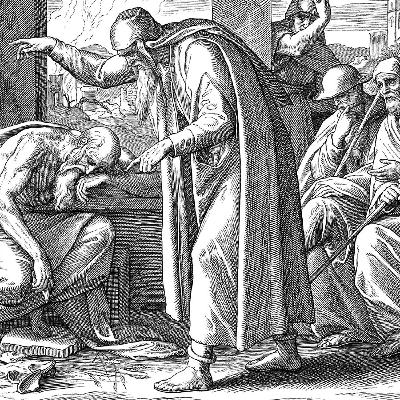
You may be processing the shocking assassination of Charlie Kirk, seeking perspective through a biblical lens...Ralph Drollinger takes us to the book of Job and several more passages as we learn about Theodicy—how God remains sovereign even though evil exists in the world.When our world falls apart Job stands as our example. His life teaches us to hold an unshakable confidence in God’s promises, to persevere through suffering, and to remain faithful no matter the crisis.This study challenges us to consider:Will we trust God when we lack answers?Will we stand firm in faith when life is insurmountable?Will we endure with confidence that God is sovereign, good, and faithful?Join us as we seek wisdom for perseverance, especially for those serving in public office today.

Why has America, in such a short time, become the most prosperous nation in history? This study examines how Christianity—through rational thinking and human dignity—has shaped economic growth and prosperity. Unlike religions that discourage reason or deny God’s incarnation, biblical truth fuels industry, stewardship, and the flourishing of societies. Learn why resource development is good, how governments should foster privately owned resources, and how prosperity aligns with God’s design. Based on Genesis 1:28, Job, and 1 Timothy, this Bible study reveals God’s blueprint for economic strength.

The Bible clearly teaches that today there is to be an institutional separation of Church and State. To think otherwise is to believe in a theocratic or sacerdotal form of government. What the Bible does not teach—and what the secularist would like to say the U.S. Constitution supports—is an influential separation of Church and State.America’s greatest resources are leaders in both institutions who are men and women of character. Without a strong Church making disciples, the State falters.In this study, we’ll explore:The biblical foundation of separation and its distortion by secularistsHow righteousness, not resources, exalts a nation (Proverbs 14:34)Why evangelism is the seedbed of righteous leadershipSix qualities of godly statesmen every nation needs

Possessing a deep sense of personal calling is vital to perseverance, focus, and humility in both difficult and successful seasons. In this study from Ephesians 3:7, Ralph Drollinger examines the Apostle Paul’s perspective on being “made a minister” and applies it to those serving in government today. Learn how affirming your calling as from Christ, discerning what He has called you to accomplish, and fulfilling that calling under His authority equips you to persevere with an indomitable sense of destiny.Chapters:00:00 – Introduction: The importance of personal calling03:45 – Affirm your calling: It is by Him10:22 – Figure out your calling: It is from Him17:30 – Fulfill your calling: It is under Him25:15 – Fuel your calling: It is with Him32:40 – Summary and application for public servants
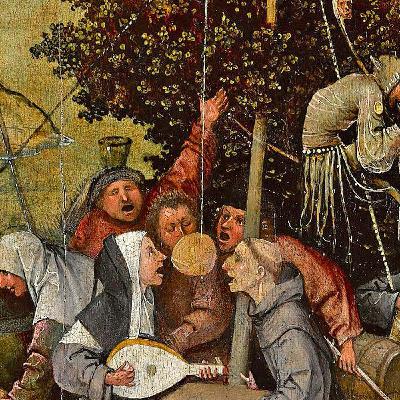
God’s Word emphatically warns against fools and foolishness. In this study, Ralph Drollinger examines twelve biblical indicators of foolishness from Proverbs—ranging from dishonoring parents to rejecting correction and living in arrogance. He also provides ten practical tips for dealing with fools, especially in leadership and office. This study calls us to self-examination, repentance, and growth in Christlikeness by forsaking folly and embracing the wisdom of God’s Word.
![An Upward Countenance in a Downward Culture [Philippians]](https://s3.castbox.fm/09/13/de/978464b3bb2154217ab9e50e123c1256e7_scaled_v1_400.jpg "An Upward Countenance in a Downward Culture [Philippians]")
Paul’s letter to the Philippians teaches that true joy comes not from our circumstances but from trusting in God’s sovereignty and partnering in the gospel. Even in a divided world, Paul’s example provides hope and resilience for us today.Explore how joy can endure in difficult times!

In this sobering yet hope-filled Bible study, Ralph Drollinger walks through the book of Lamentations—a dirge for Jerusalem, and a warning for every nation whose believers drift from God's commands.The study reveals how disobedience, idolatry, exploitation of the innocent, and apathy toward Israel can trigger divine judgment—especially when such behaviors characterize a nation's believers. Yet, even in judgment, God remains full of compassion, offering hope, forgiveness, and restoration to those who repent.Key insights include:Why God judges nations based on the actions of believersHow the American church today parallels ancient JudahThe importance of supporting IsraelThe portrait of Christ revealed in LamentationsThis episode equips public servants and Christian leaders with biblical clarity and spiritual urgency.CHAPTERS:00:00 – Introduction: The Cry of Lamentations04:15 – Why God Judges a Nation’s Believers10:30 – Idolatry: The Syncretism of American Religion17:45 – Disobedience in the Midst of Prosperity24:00 – Exploitation and the Shedding of Innocent Blood29:15 – National Attitude Toward Israel35:00 – The Role of Jeremiah and the Date of Lamentations39:50 – Historical and Theological Themes48:40 – God’s Compassion and Hope52:00 – America’s Warning and the Call to Repentance56:00 – Final Encouragement to Christian Leaders

The New Testament book of Galatians is not only a theological cornerstone of salvation by faith alone, but also one of the most culturally consequential writings in history. It was central to the Protestant Reformation and laid the groundwork for the Protestant Work Ethic—both of which profoundly shaped Western civilization and American governance.In this in-depth Bible study, Ralph Drollinger guides public servants through the sweeping personal and cultural implications of Galatian theology. Learn how the apostle Paul’s passionate polemic against legalism not only protected the early church but continues to fuel faithful service in the public square today.Topics covered:The origin, authorship, and historical background of GalatiansSalvation and sanctification by faith aloneCorrecting theological distortions (e.g., baptismal regeneration, gender roles, eternal security)Personal applications for the believer: zeal, grace, and walking in the SpiritNational applications: self-governance, liberty, and the role of Spirit-led citizensDiscover how the truths of Galatians can empower personal transformation and national renewal through God’s indwelling Spirit.

Good parenting isn’t just a private matter—it’s a public virtue with national consequences.In this powerful and practical study from the book of Proverbs, Ralph Drollinger challenges public servants to embrace the high calling of biblical parenting. Learn how parenting shapes not only your home but the moral fabric of a nation. From instruction and correction to directing and protecting your children, this lesson outlines the God-ordained purposes of parents—and the long-term blessings that flow from faithfully fulfilling them.📚 Topics include:The five purposes of parenting in ProverbsHow poor parenting undermines both the family and societyWhy public servants must prioritize the family above public officeThe relationship between obedience at home and reverence for GodWhat policies can help reinforce the strength of the nuclear family
What informs your beliefs?In this powerful study, we examine the foundation of knowledge—epistemology—and how it shapes our worldview, decisions, and even public policy. Contrasting human reasoning with divine revelation, this episode explores how presuppositions drive moral claims, cultural ideologies, and legislative decisions.We’ll unpack the biblical mandate to take “every thought captive to the obedience of Christ” (2 Cor. 10:5).Epistemology vs. OntologyFaith-based authority and presuppositionsRationalism and EmpiricismHumanism vs. RevelationJesus as the personification of TruthScriptural discernment in politics and cultureA must-listen for anyone seeking to understand how belief systems are formed.

Comments

Download from Google Play

Download from App Store
 United States