


 Claim Ownership
Rare Kidney Disease Show
Subscribed: 5Played: 8
Subscribe
© 2025 Travere Therapeutics
Description
Welcome to the new Rare Kidney Disease Show part of the RKD Scientific Network sponsored by Travere Therapeutics. The Rare Kidney Disease Show is your primary source for cutting-edge insights, expert perspectives, and pivotal updates in nephrology. Led by our panel of experts, explore the advances in glomerular nephropathies through compelling conversations, challenging case studies, and discussions tackling hot topics. Join us as we strive to provide you with the ultimate resource to support your clinical practice and advance patient care.
8 Episodes
Reverse

In this episode, Drs. Jonathan Barratt and Shikha Wadhwani discuss findings from the SPARTAN study, a Phase 2 open-label, single-arm trial evaluating sparsentan in 12 treatment-naïve patients with IgA nephropathy. The conversation explores the trial’s design, including assessments of proteinuria reduction and urinary biomarkers to better understand sparsentan’s mechanism of action. Results from SPARTAN demonstrate a 69% mean reduction in proteinuria at 24 weeks, alongside biomarker trends consistent with decreased glomerular inflammation. Dr. Barratt notes that no new safety signals emerged, with hypotension observed at a rate consistent with prior studies and no adverse hepatic events reported. Together, the experts reflect on how these data support the biological plausibility of sparsentan’s anti-inflammatory properties and may inform the development of biomarker-guided strategies in IgA nephropathy, including ongoing evaluation of sparsentan in the PROTECT trial. Key Takeaways:SPARTAN demonstrated a robust mean reduction in proteinuria (~69%) in treatment-naïve patients with IgA nephropathy after 24 weeks of sparsentan therapy.Biomarker analysis revealed reductions in markers of macrophage activation, complement activity, and inflammatory cytokines, supporting the hypothesis of a potential anti-inflammatory effect.No new safety signals were observed; hypotension rates were consistent with earlier trials, and no clinically significant changes in hepatic function were reported.These findings contribute to our mechanistic understanding of sparsentan and provide a framework for future investigation of biomarkers from samples from larger studies such as PROTECT. Speakers: Dr. Jonathan Barratt, PhD, FRCP. Professor of Renal Medicine at the University of Leicester, where he leads the IgA Nephropathy Research Programme. He is internationally recognized for his leadership in translational and clinical research in glomerular diseases, particularly IgA nephropathy. Dr. Barratt directs the UK’s Rare Disease Group for the UK National Registry of Rare Kidney Diseases (RaDaR).Dr. Shikha Wadhwani, MD, MS, FASN. Associate Professor of Medicine in the Division of Nephrology and Vice Chair of Clinical Research in the Department of Medicine at University of Texas Medical Branch. She is also the inaugural Associate Research Officer for clinical research, overseeing clinical trials across all 5 schools at UTMB. She is the founding member of the International Society of Glomerular Disease (ISGD) and is steering a global effort aimed at supporting the growth and success of physician-trialists. In her spare time, Dr. Wadhwani co-hosts a podcast called Kidney Compass: Navigating Clinical Trials. Disclaimer: Guest speakers of the Rare Kidney Disease Show may be paid consultants of Travere Therapeutics. This podcast episode was recorded on July 25, 2025. Please always consult updated sources for the latest information, as information discussed may have changed since the recording date.
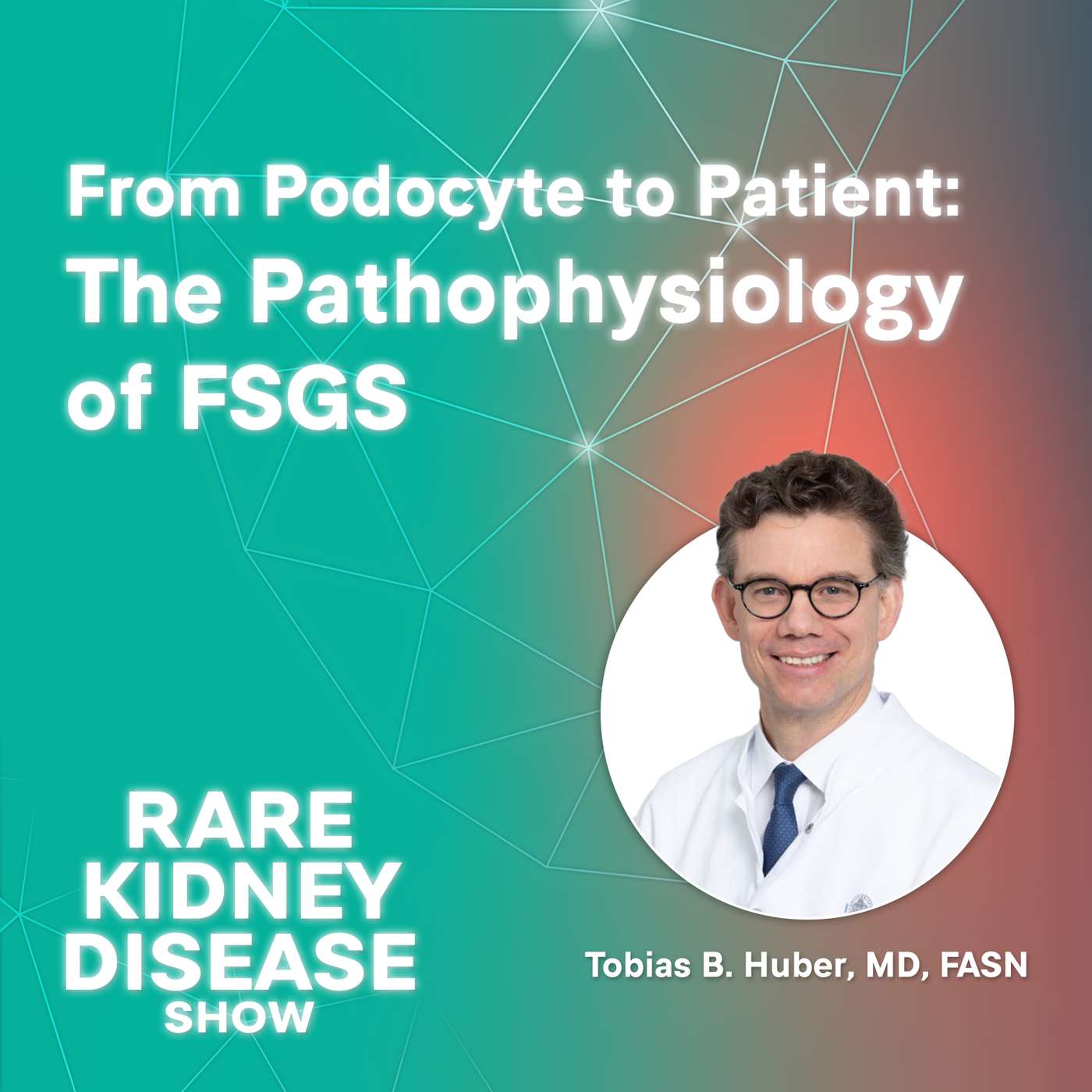
In this episode, Drs. Tobias Huber and Chris Gisler take a deep dive into the critical role of podocytes in kidney health and their involvement in the development and progression of FSGS. They explore how podocyte injury leads to the breakdown of the glomerular filtration barrier and the emergence of proteinuria. They highlight the intertwined roles of endothelin 1 and angiotensin II in worsening podocyte dysfunction and driving disease progression. They discuss current and emerging data, treatment options, and biomarkers, including findings from Dr. Huber’s latest research. Lastly, they emphasize the value of proteinuria as both a marker and mediator of podocyte damage, reinforcing its role as a key therapeutic target in FSGS. Key Takeaways:Podocytes are essential for maintaining the integrity and health of the kidney.Podocyte damage directly contributes to proteinuria and disease progression.Proteinuria is both a symptom and a driver of FSGS disease progression.Endothelin 1 and angiotensin II promote podocyte dysfunction. Speakers: Tobias Huber is the Chair of the Center of Internal Medicine at University Medical Center Hamburg-Eppendorf, Germany and president of the International Society of Glomerular Disease.Chris Gisler is a medical director at Travere Therapeutics and a community nephrologist practicing in Pittsburgh.
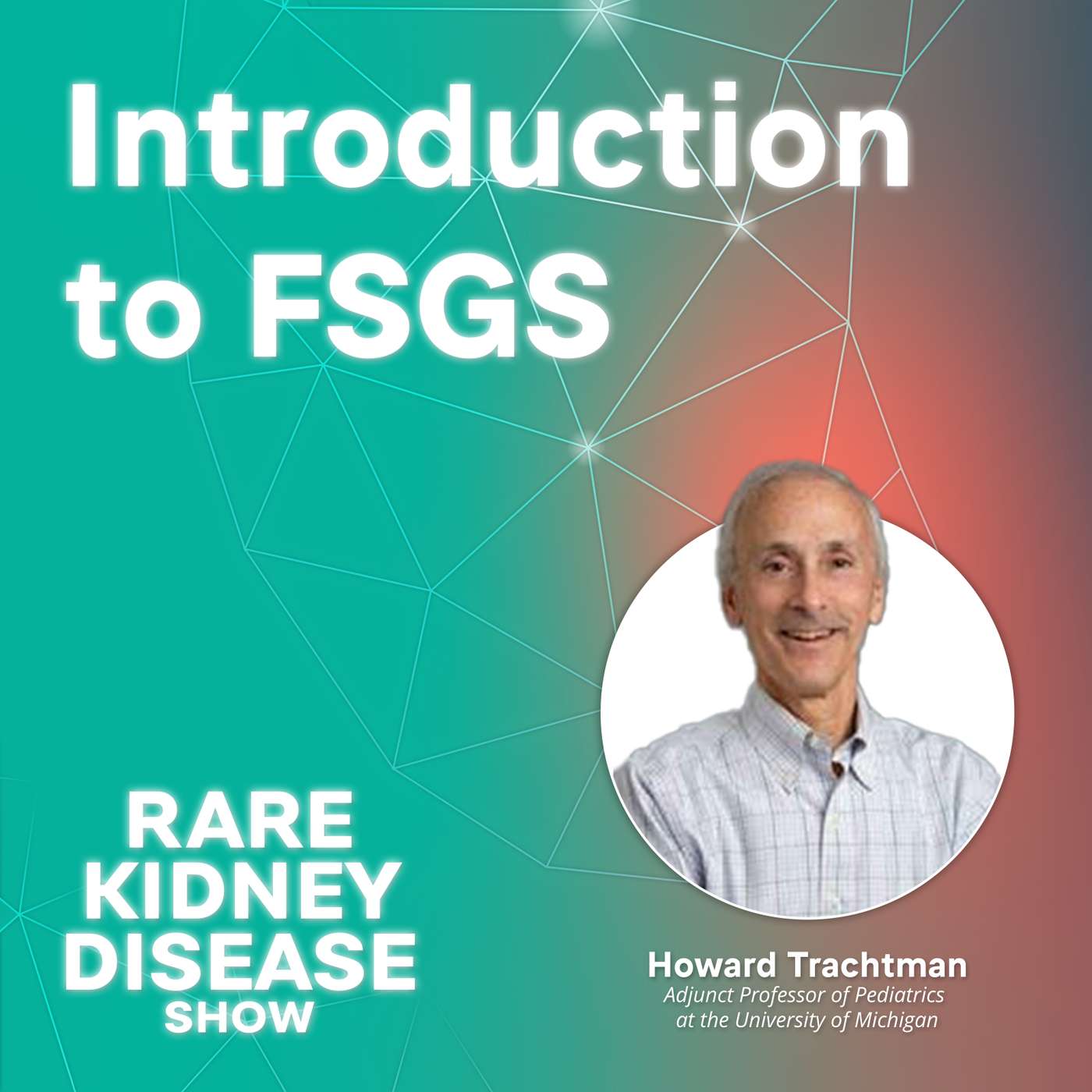
Title: Intro to FSGSEpisode Description: In this episode of the Rare Kidney Disease Show, Howard Trachtman, Adjunct Professor of Pediatrics at the University of Michigan, and Chris Gisler, medical director at Travere Therapeutics, explore the complexities of FSGS, covering its pathophysiology, classifications, and clinical presentation. They discuss key drivers of kidney failure, challenges in diagnosis and management, and the unmet need for safe and effective treatments. Listeners will gain insights into the patient journey, role of precision medicine, disease heterogeneity, and the future of clinical trial design. The episode concludes with how PARASOL is shaping advancements in FSGS research and clinical trials. Key Takeaways:Evolving Classification of FSGS – Once defined primarily by histopathology, FSGS is now recognized as a heterogeneous disorder with distinct genetic, immune, and metabolic etiologies. This shift has critical implications for diagnosis and treatment.FSGS and the Role of Podocyte Injury – Podocyte loss is a key driver of FSGS progression, with genetic, immune, and metabolic insults leading to irreversible damage. Understanding this mechanism is crucial for developing targeted therapies.Challenges in Treatment and Therapeutic Gaps – Current treatment strategies rely on empiric use of steroids and calcineurin inhibitors, with variable efficacy and significant side effects. A more targeted approach is needed to improve patient outcomes.Speakers: Howard Trachtman is the Adjunct Professor of Pediatrics at the University of Michigan.Chris Gisler is a medical director at Travere Therapeutics and a former community nephrologist practicing in Pittsburgh.
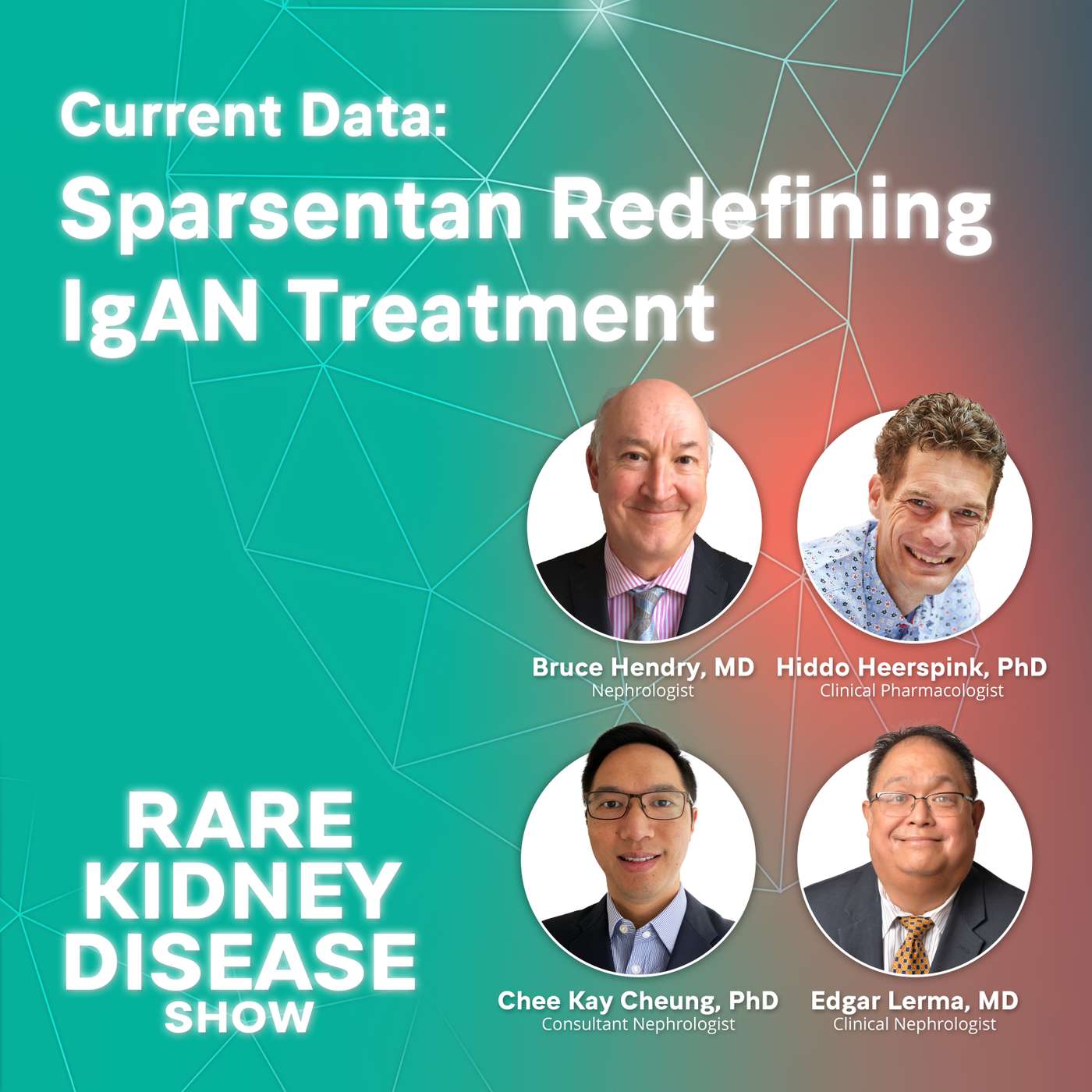
In this episode of the Rare Kidney Disease Show, a panel of nephrology experts explore the latest data on sparsentan, as presented at ASN Kidney Week 2024.Dr. Hiddo Heerspink presents a post hoc analysis of the PROTECT trial comprised of patients who achieved complete proteinuria remission.Dr. Chee Kay Cheung shares interim data from the SPARTAN study on sparsentan therapy in treatment-naïve patients with IgA nephropathy.Lastly, Dr. Bruce Hendry discusses combination treatment of sparsentan with SGLT2i in the SPARTACUS study. These discussions are introduced by Dr. Edgar Lerma, who offers his insights into the possible clinical implications of these data.

Luis Velez, MD is a board-certified community nephrologist in San Antonio, TX with expertise in hypertension and glomerular disorders. Jessica Coleman, MD is a board-certified community nephrologist practicing between Savanah, GA and Charleston, SC with expertise in hypertension and glomerular disorders. In this episode, Drs Velez and Coleman discuss management of IgAN patients from the viewpoint of community nephrologists. They discuss the evolution in their management of IgAN, highlighting the availability of new data such as RaDaR as a key driver of change. With greater awareness of the role of proteinuria, they advocate for early and aggressive treatment to avoid long term complications of IgAN. Key Quotes: “RaDaR taught me that the traditional way of looking at IgA nephropathy is wrong. We realized this is a disease state that absolutely can progress and can progress more rapidly than what we initially appreciated and certainly at a younger age in these patients. (02:25) “When we look at patients with proteinuria, even just 0.5 g/d, a third of patients under 40 are going to progress to end stage kidney disease in ten years [RaDaR].” (04:30)“With the RaDaR data, we see levels of proteinuria 0.5 -0.8 g/d still being significant markers for disease progression.” (08:56)Key Takeaways:IgAN is not a benign diseaseProteinuria is the most important prognostic indicator of disease progression in IgA NephropathyHCPs should be targeting lower proteinuria goals to achieve complete remission <0.3 g/dThe updated KDIGO Guidelines should support clinicians’ decisions to target complete remission
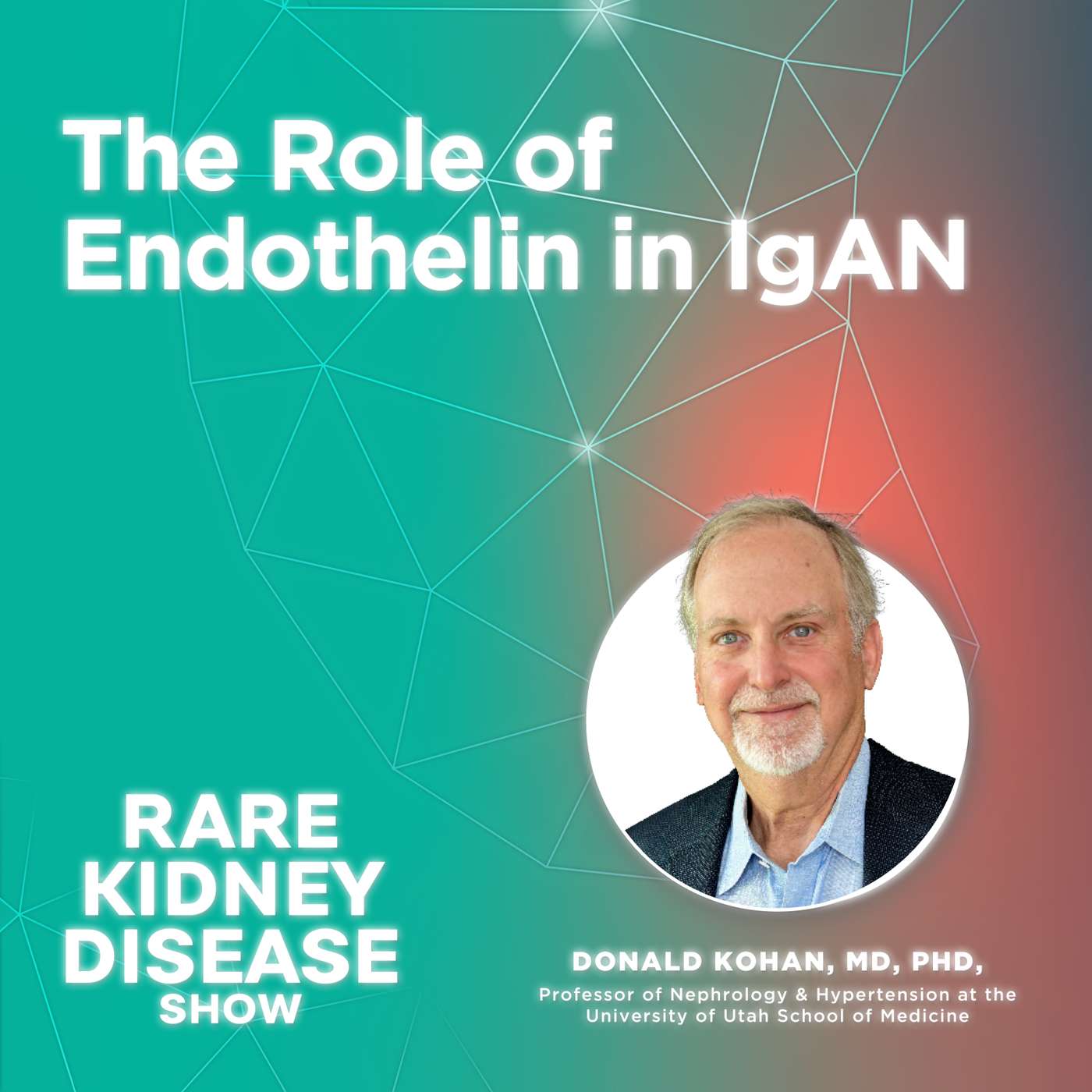
Episode Overview: Donald Kohan, PhD is an Emeritus Professor at the University of Utah Health with expertise in endothelin receptors, sodium transporters, and the renin-angiotensin-aldosterone system in chronic kidney disease.In this episode, Professor Kohan provides an overview of the endothelin system and how it relates to the pathophysiology of chronic kidney disease and IgA nephropathy specifically. Key Quotes: “Endothelin 1 is a really unusual molecule. It's highly stable because it has 2 interchain disulfide bonds that resist degradation. It's extremely potent having about 10 fold higher potency than any other known vasoactive factor.”“Angiotensin and ET-1 cause their effects through different pathways.”“Angiotensin stimulates transient calcium release, which causes more short-term contraction and other effects. While endothelin 1 stimulates more sustained calcium release, which then elicits longer lasting pathophysiologic effects.”Key Takeaways:(04:41) Endothelin-1 acts via ETA receptors to cause vasoconstriction, fibrosis, cell proliferation and other effects that promote chronic kidney disease(06:15) The endothelin and renin-angiotensin systems interact, forming a vicious cycle that worsens kidney injury (12:19) In IgA nephropathy models, combined ETA + angiotensin receptor blockade with sparsentan reduced proteinuria and kidney injury more than angiotensin blockade aloneDisclaimer: Guest speakers of the Rare Kidney Disease Show may be paid consultants of Travere Therapeutics. This podcast episode was recorded on May 7, 2024. Please always consult updated sources for the latest information, as information discussed may have changed since the recording date
Overview:In this episode of the Rare Kidney Disease Show, Professor Jonathan Barratt discusses the need to take a long-term approach when managing IgA nephropathy patients. He presents data from the UK National Registry of Rare Kidney Diseases (RaDaR). During this recording you will hear Professor Barratt discussing the continued risk of progression to end stage renal disease even in patients with proteinuria of less than 1g/day, the current threshold of high risk as per KDIGO guidelines. The data from the UK has been reinforced by recent database studies and these will also be discussed by Professor Barratt.Key Quotes: "If you have IgA Nephropathy and you're diagnosed as a child, half of those children have developed kidney failure at 20 years.""We need to be thinking, what is it like for that patient in front of us being 50 or 60, not necessarily what's going to happen in the next five or ten years.""If we don't think the longer term, we're going to under-treat and not serve our patients well." Key Takeaways:IgA nephropathy patients often have decades of life ahead of them, so physicians should focus on minimizing lifetime risk of kidney failure rather than short-term outcomes (00:02:11)RaDaR data shows high rates of kidney failure among IgA nephropathy patients in the UK, even those diagnosed and treated as children (00:04:05)Per the RaDaR publication, an eGFR decline of <1 ml/min per 1.73 m2 per year must be the target if patients are to avoid kidney failure (00:06:48)In the UK, 1 in 4 IgA nephropathy patients with 0.5-1 g/day proteinuria reach ESRD within 10 years (00:08:23)Recent US database searches confirm high rates of CKD progression and kidney failure in IgA nephropathy patients, even those with lower proteinuria levels (00:13:20)Disclaimer: Guest speakers of the Rare Kidney Disease Show may be paid consultants of Travere Therapeutics. This podcast episode was recorded on April 24, 2024. Please always consult updated sources for the latest information, as information discussed may have changed since the recording date.
Overview: In this episode of the Rare Kidney Disease Show, Dr. Rovin, Professor of Internal Medicine and Pathology at Ohio State University and chair of the RKD Scientific Network and Podcast, discusses advances in the management of IgAN through a patient case study. “IgAN progresses more often than we thought and progresses even in patients with low levels of proteinuria.” “We continue to strive for greater improvements.”“Approaching IgAN with targeted therapies can affect different aspects of IgAN pathogenesis.”Key Takeaways: Understanding the Underlying IgAN pathophysiology: Highlight the 4-Hit Hypothesis and the intricate disease mechanism (4:27)IgAN Case Study Introduction (6:57)Treatment Initiation (8:26)Management of Progression: Question the outcomes of initial intervention for this patient (9:50)Foundational Therapy: Optimization for improved outcomes (10:24)Maintenance Options: Explore available therapies to sustain treatment effectiveness (11:05)Postulated Algorithm: Discover an algorithm for inflammation management and proteinuria reduction (11:49)Closing Remarks: Gain insight into future episodes (14:10)
Comments

Download from Google Play

Download from App Store
 United States