


 Claim Ownership
Stellar Work
Subscribed: 3Played: 86
Subscribe

© Benjamin Igna
Description
Work is broken. Not in a LinkedIn-thought-leader way. In a "we spent 18 months on a transformation and nothing changed" way. Ben unpacks what actually moves the needle with practitioners, engineers, and leaders who've been through it. New episodes every two weeks.
54 Episodes
Reverse
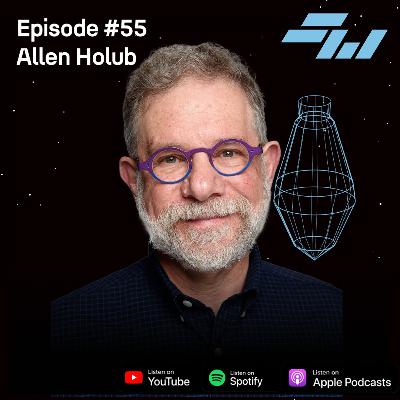
SummaryAgility was supposed to change everything. And it did — just not always in the way we hoped. In this episode, Ben sits down with Allen Holub to talk about how agile methodology shaped the software industry, where it went off the rails, and why AI might be repeating the same mistakes. From the original promise of the Agile Manifesto to the certification industrial complex, and from developer empowerment to the next wave of AI-driven disruption, this is a candid, no-holds-barred conversation about what went wrong and what it takes to actually get it right.Allen Holub is a software development thought leader, consultant, trainer, and author who helps organizations become more effective at creating software. With a career that started building robots and writing compilers, Allen has since served as CTO for early-stage startups, Principal Architect for a medium-sized one, and Distinguished Professor of Computer Science at Mills College where he taught what he calls "real agile," not the Agile-industrial-complex version. He's worked with hundreds of companies from startups to large enterprises, engaging at every level from CEO coaching to mobbing with individual teams. Allen is widely published, with bestselling books like Taming Java Threads and Compiler Design in C (used as a textbook at Berkeley, CalTech, MIT, and IIT), and was a contributing editor at Dr. Dobb's Journal and JavaWorld. He co-moderates the 200K+ member Agile and Lean Software Development group on LinkedIn and is a sought-after international speaker many of his talks are available on YouTube. A dual US-EU citizen, Allen continues to consult and train on both agile process and software architecture, with a focus on building flexible systems that can evolve gracefully over time, with and without AI.Allen on Linkedn: https://www.linkedin.com/in/allenholub/Allens Mail: allen@holub.comAllens Website: https://holub.com/Allen on Mastodon: https://mstdn.social/@allenholubStellar Work:Here is the Stellar Work Newsletter: https://substack.com/@stellarworkCheck out www.stellarwork.com for more information about how evolutionary agile transformations workMake sure to follow us on your podcast player 🔔
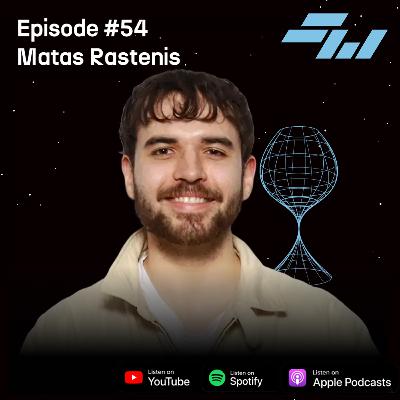
SummaryIn this episode, Ben talks with Matas Rastenis, Senior Staff Engineer at Uber's Developer Platforms team, about what it actually looks like to bring AI tools to one of the world's largest engineering organizations not as a flashy demo, but as production-grade infrastructure that delivers measurable impact. Matas shares how Uber approaches AI augmentation for its engineers: evaluating which tools to adopt, building the enablement infrastructure to support them, and making sure they're reliable and cost-effective at scale.A key focus of the conversation is measurement. How do you actually prove that AI tools are making engineers more productive? Matas breaks down how Uber thinks about quantifying the value of AI-assisted development, moving beyond vanity metrics to real impact on developer velocity and output quality. They also dive deep into the organizational side — the change management challenge of rolling out new AI-powered workflows across thousands of engineers with different habits, skill levels, and levels of skepticism. Matas shares practical lessons on what works when driving adoption: meeting engineers where they are, building trust through reliability, and ensuring tools deliver value beyond slick demos. A must-listen for anyone leading developer experience, platform engineering, or AI adoption initiatives in large organizations.Matas Rastenis is Staff Software Engineer on Uber’s Developer Platform team, building AI devtools that run reliably at scale. He leads AI testing automation and AI quality infrastructure, turning agentic workflows into production-grade systems that are measurable, cost-aware, and dependable. With a foundation in SRE and distributed systems, he focuses on making AI tooling observable, governable, and easy for engineers to trust.Uber at https://www.uber.com/Engineering at Uber: https://www.uber.com/en-US/blog/engineering/Matas on LinkedIn: https://www.linkedin.com/in/matasr/Stellar Work:Here is the Stellar Work Newsletter: https://substack.com/@stellarworkCheck out www.stellarwork.com for more information about how evolutionary agile transformations workMake sure to follow us on your podcast player 🔔
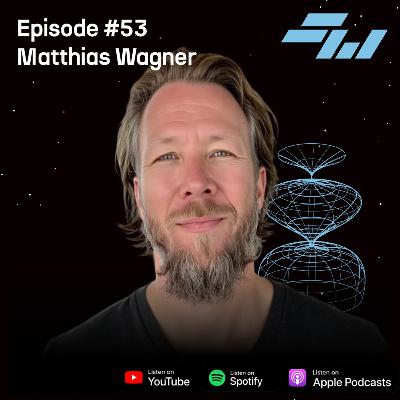
In this episode, Ben sits down with Matthias Wagner, founder and CEO of Flux AI, to explore how artificial intelligence is finally making its way into hardware engineering — a field where design tools have barely changed in decades. While software development has seen wave after wave of innovation, hardware engineers have been stuck with legacy tooling that hasn't kept up. Matthias explains how this gap inspired him to build Flux, a cloud-based platform that acts as an AI-powered hardware engineering assistant, helping engineers go from a product brief to a manufacturable PCB design in a fraction of the time it used to take.Flux is the world’s first AI hardware engineer. Just as Devin and Claude Code have transformed software development, Flux is transforming hardware design with agentic AI by allowing anyone to design PCBs with natural language prompts. Flux is able to understand schematics, PCB layouts, and component constraints, helping teams design, review, and optimize hardware in real time. It makes professionals 10x faster and gives non-engineers the ability to build products they could only dream of in the past. With more than 1 million sign-ups and more than 6 million projects created to date, Flux is pioneering a new era of AI-native hardware design.Matthias Wagner is the founder and CEO of Flux AI, a San Francisco-based hardware design platform that's bringing AI-powered tools to the world of PCB and circuit design. Before founding Flux in 2019, Matthias held product and technology roles for nearly two decades, including product management positions at Meta and as an instructor at General Assembly. His career path is anything but conventional — before returning to the electronics world, he built a company in the music industry whose work sold over a billion units globally, including the viral hit "Axel F" by Crazy Frog, which has amassed nearly 4 billion views on YouTube. Today, Flux serves over 300,000 hardware engineers, including teams at Fortune 500 companies, with the mission of making hardware design as accessible and AI-augmented as modern software development.Relevant links:https://www.flux.ai/https://x.com/BuildWithFluxhttps://x.com/MatthiasWagnerFluxMatthias Wagner🤑Discount Code- 20% off: stellarworkflux🤑No sponsoship, just 20% off for you fam <3Stellar Work:Here is the Stellar Work Newsletter: https://substack.com/@stellarworkCheck out www.stellarwork.com for more information about how evolutionary agile transformations workMake sure to follow us on your podcast player 🔔

SummaryIn this episode, I sit down with Harry Max, author of Managing Priorities, to explore why prioritization is one of the most critical — yet frustratingly difficult — skills in work and life. We unpack what makes managing priorities so challenging, and how the game changes as you move from the personal level to teams and entire organizations. Harry shares practical tips and frameworks for getting it right, whether you're sorting through your own to-do list or aligning an enterprise around what truly matters.Harry Max is the author of Managing Priorities: How to Create Better Plans and Make Smarter Decision, and a seasoned Silicon Valley executive player-coach; a fractional Chief Product Officer who coaches exec teams as a hands-on leader. Harry's specialty is partnering with leaders to manage through transformations and change in chaotic environments.His experience includes having been a founder/CEO, operational leader, and consultant with start-ups, innovators, and global brands, including Apple, Adobe, DreamWorks, Google, Hewlett-Packard, Microsoft, PayPal, Planet Labs, Rackspace, Silicon Graphics, Skype, and Symantec.He lives in Santa Cruz, California, USA with his family and rescue cat.Harrys LinkedIn: https://www.linkedin.com/in/harrymax/Harrys Book: https://www.amazon.de/Managing-Priorities-Create-Smarter-Decisions/dp/B0D932D1R6/ref=sr_1_1?__mk_de_DE=%C3%85M%C3%85%C5%BD%C3%95%C3%91&crid=1LYVHKOTHHVH5&dib=eyJ2IjoiMSJ9.-_Ol0Sgl5lvLR6u5aCdusAUSpSAlS5Rc5Z9WqRhjlu41H33nngz7tK1fXmi8SV7A7HWNpiFd0Zj6fjU6mPVQ9EpEU7F0MLIK5MSS6S30UM0qdVaS_FOnVxWZU0SFOg5wHCjTchpyr7U3eHhurmxXqmx-Q6qY_-z8cb9sERTbcg2GZtwzyVLqAMvPHneyQlhq.0qFhUjc1UxKS4JO6GXq0RUd7a5JAl6oggGIKxF73oos&dib_tag=se&keywords=harry+max+prioritizing&qid=1771549038&sprefix=harry+max+prioritizing%2Caps%2C119&sr=8-1Stellar Work:Here is the Stellar Work Newsletter: https://substack.com/@stellarworkCheck out www.stellarwork.com for more information about how evolutionary agile transformations workMake sure to follow us on your podcast player 🔔

SummaryIn this episode, Benjamin interviews Stuart Munton, CIO at AND Digital, discussing the transformative impact of AI on the consulting industry and software development. They explore how generative AI is reshaping business models, the importance of adapting to new technologies, and the challenges organizations face in integrating AI into their workflows. Stuart shares insights from his experience at AND Digital, including case studies and the evolving role of middle management in an AI-driven world. The conversation emphasizes the need for a shared context in AI integration and the future of agile methodologies in product development.Sander Hoogendoorn:Sander Hoogendoorn is an independant dad, consultant, software craftsman, architect, programmer, coach, personal mentor, speaker, traine, writer and traveller. He is seasoned in (beyond) agile, Scrum, Kanban, continuous delivery, (no) software estimation, agile requirements, design patterns, web development, domain driven design, UML, software architecture, microservices, and writing beautiful code. Sander changes organizations and teams and coaches them to optimize their processes, practices, architecture, code and tests, currently as chief technology officer at ANVA, previously as the CTO for a well-known Dutch insurance company and as global agile thought leader at Capgemini. Sander authored best-selling books such as Microservices. A practical guide, The Continuous Culture, This Is Agile and Pragmatic Modeling with UML and published hundreds of articles in international magazines. He is an inspiring (keynote) speaker at international conferences, he presented hundreds of (in-house) training courses and lectured at many universities.Sander is well known for his enthusiasm and motivational capabilities, innovative skills, team building, deep knowledge of the field, quick adaptation, broad vision, and collaborative skills. An open personality, eager, driven, out-of-the-box thinker. He is not afraid of trying out new paths and techniques and has never been a nine-to-fiver. Having new ideas is a 24/7 process.Check out Sanders Website: https://sanderhoogendoorn.com/ to learn more about him and his work.If you want to get in touch, try Sanders LinkedIn: https://www.linkedin.com/in/aahoogendoorn/Also take a look at AND Digital: https://www.ibood.com/Stellar Work:Here is the Stellar Work Newsletter: https://substack.com/@stellarworkCheck out www.stellarwork.com for more information about how evolutionary agile transformations workMake sure to follow us on your podcast player 🔔 as well as on LinkedIn to never miss out on more content: https://www.linkedin.com/company/stellarwork/Sponsors:This podcast is 100% sponsored by me :)If you need help with you agile transformation and opting for an evolutionary approach seems like something you want to check out, click here and lets meet: https://zeeg.me/stellarworkNote:Stellar Work Podcast hosts and guests may hold assets discussed in this episode. This podcast is not investment advice, and is intended for informational and entertainment purposes only.You should do your own research and make your own independent decisions when considering any financial transactions.

In this episode, Benjamin interviews Stuart Munton, CIO at AND Digital, discussing the transformative impact of AI on the consulting industry and software development. They explore how generative AI is reshaping business models, the importance of adapting to new technologies, and the challenges organizations face in integrating AI into their workflows. Stuart shares insights from his experience at AND Digital, including case studies and the evolving role of middle management in an AI-driven world. The conversation emphasizes the need for a shared context in AI integration and the future of agile methodologies in product development.Stuart Munton:"Community and Curiosity have driven Stuart’s 20+ year digital career, starting with Agile and Digital transformations for major organisations, including ASDA / Walmart and the NHS.Joining AND Digital in 2014 as a startup, Stuart shaped working practices as they grew to 1000+ consultants, working with ~50 cross-industry clients. Now as AND’s ‘Chief for Group Operations & Technology’ Stuart oversees internal technology and AI enablement.Active in closing the Digital Skills Gap and Tech DEI Gap, Stuart is a member of the UK’s Government's Digital Skills Council advising on digital skills adoption, a member of the TechUK Skills and Diversity Council, and a Cornerstone Advisor for the West London Careers Hub,Stuart co-founded the FutureSkills:Reading (formerly Agile Reading) meetup group and is a frequent speaker at international conferences.Stuart lives with his family in Reading, Berkshire, where he is a coach and semi-retired player at his local rugby club."Check out Stuart on LinkedIn: https://www.linkedin.com/in/stuartmunton/Also take a look at AND Digital: https://www.and.digital/Stellar Work:Check out www.stellarwork.com for more information about how evolutionary agile transformations workMake sure to follow us on your podcast player 🔔 as well as on LinkedIn to never miss out on more content: https://www.linkedin.com/company/stellarwork/Sponsors:This podcast is 100% sponsored by me :)If you need help with you agile transformation and opting for an evolutionary approach seems like something you want to check out, click here and lets meet: https://zeeg.me/stellarworkNote:Stellar Work Podcast hosts and guests may hold assets discussed in this episode. This podcast is not investment advice, and is intended for informational and entertainment purposes only.You should do your own research and make your own independent decisions when considering any financial transactions.
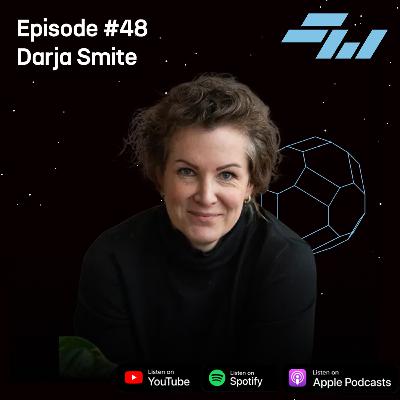
In this conversation, Benjamin and Darja Smite explore the evolution of remote and hybrid work over the past five years, particularly in light of the pandemic. They discuss cultural differences in work practices, the impact of remote work on team dynamics and productivity, and the challenges of onboarding in a fully remote environment. The conversation also touches on the importance of social connections, the changing nature of meetings, and strategies for effective collaboration in a hybrid work setting. Darja shares insights from her research, highlighting the need for companies to adapt their policies to fit their unique cultures and the evolving landscape of work.Darja SmiteDr. Darja Šmite is a leading expert in Global Software Engineering (GSE), dedicated to helping organizations master the complexities of distributed work. As a Professor at the top-ranked Software Engineering Research Lab (SERL Sweden), she combines academic rigor with industrial relevance to improve team efficiency, coordination, and decision-making in offshoring and outsourcing contexts .Her research bridges the gap between theory and practice, with recent work focusing on the post-pandemic evolution of work—moving from “forced work-from-home” to flexible “work-from-anywhere” models . An active consultant and advisor, Dr. Šmite collaborates with industry partners to implement evidence-based improvements in agile processes and distributed team management .Check out Darjas Work: https://scholar.google.com/citations?user=HUHqrTEAAAAJ&hl=enDarja on LinkedIn: https://www.linkedin.com/in/darjasmite/Stellar Work:Check out www.stellarwork.com for more information about how evolutionary agile transformations workMake sure to follow us on your podcast player 🔔 as well as on LinkedIn to never miss out on more content: https://www.linkedin.com/company/stellarwork/Sponsors:This podcast is 100% sponsored by me :)If you need help with you agile transformation and opting for an evolutionary approach seems like something you want to check out, click here and lets meet: https://zeeg.me/stellarworkNote:Stellar Work Podcast hosts and guests may hold assets discussed in this episode. This podcast is not investment advice, and is intended for informational and entertainment purposes only.You should do your own research and make your own independent decisions when considering any financial transactions.
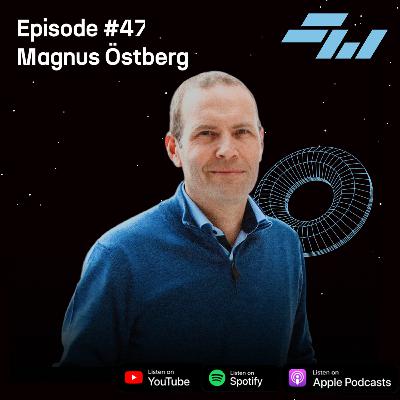
This episode features Magnus Östberg, Chief Software Officer at Mercedes-Benz, discussing how the company is transforming its approach to software and innovation. Magnus explains the development of MB.OS, their custom software platform, and how Mercedes is syncing hardware and software teams with agile methods like the ‘heartbeat.’ The conversation covers balancing tradition with fast-paced delivery, embracing open source and standards, and what’s ahead for software-defined vehicles. Listeners get practical insights on leading digital transformation and the future of connected mobility.Magnus Östberg:Magnus assumes overall responsibility for the MB.OS vehicle operating system as Chief Software Officer at Mercedes-Benz AG since September 1, 2021. Magnus Östberg was born on April 27, 1973 in Sweden. After graduating from Chalmers University of Technology, Gothenburg, with a master’s degree in electrical engineering, he obtained an Executive Master in Business and Administration from the University of Gothenburg in 2006. He started his career in the automotive industry at Mecel, a software and technical consulting company, followed by various management positions at Delphi in Germany and the United States with a focus on vehicle software, infotainment and telematics. Most recently, Magnus Östberg was Vice President Software Platform & System at automotive supplier Aptiv in the US and responsible for development and launch of the ADAS Satellite Architecture at multiple automotive manufacturers.Learn more about the Mercedes Benz Operating System: https://group.mercedes-benz.com/careers/about-us/mercedes-benz-operating-system/interviews.htmlCheck out Magnus Newsletter: https://www.linkedin.com/newsletters/drivingsoftware-7041741069142679552/Magnus on LinkedIn: https://www.linkedin.com/in/magnus-%C3%B6stberg/Stellar Work:Check out www.stellarwork.com for more information about how evolutionary agile transformations workMake sure to follow us on your podcast player 🔔 as well as on LinkedIn to never miss out on more content: https://www.linkedin.com/company/stellarwork/Sponsors:This podcast is 100% sponsored by me :)If you need help with you agile transformation and opting for an evolutionary approach seems like something you want to check out, click here and lets meet: https://zeeg.me/stellarworkNote:Stellar Work Podcast hosts and guests may hold assets discussed in this episode. This podcast is not investment advice, and is intended for informational and entertainment purposes only.You should do your own research and make your own independent decisions when considering any financial transactions.
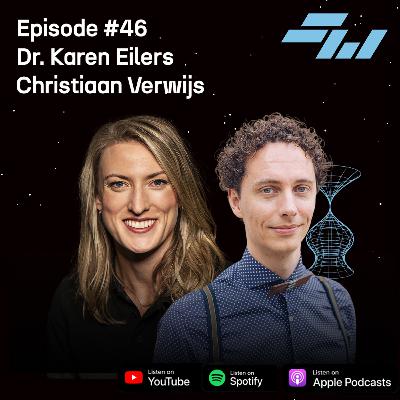
This episode dives into the substance behind “agile mindset,” stripping away jargon to uncover what really makes teams effective in complex, fast-moving environments. Karen and Christiaan share findings from their ongoing research, revealing four shared dimensions of agility within teams. Listeners gain insight into how mindsets shift — both individually and collectively — and why this matters for real-world performance and job satisfaction. The conversation highlights the need for psychological safety, real learning environments, and the limitations of relying solely on rituals or new tools. The research is ongoing, with opportunities for the community to take part and help create actionable, scientific evidence for what makes teams thrive.Dr. Karen Eilers — Business psychologist at BSP Business and Law School in Hamburg. Specializes in the psychology of work in complex environments, with research focusing on psychological safety, mindset, and how teams thrive in uncertainty.Christiaan Verwijs — Organizational psychologist, co-founder of The Liberators and Columinity. Background in software engineering, now focused on applying scientific evidence to improve teams and organizations through research on the agile mindset.Dr. Karen Eilers on LInkedIn:https://www.linkedin.com/in/dr-karen-eilers/Christian Verwijs on LinkedIn: https://www.linkedin.com/in/christiaanverwijs/Contact: https://columinity.com/researchBlogpost about preliminary findings: https://blog.columinity.com/how-a-team-level-agile-mindset-shapes-team-effectiveness/Link for people to participate (and get immediate actionable feedback): https://questionnaire.columinity.com/setup/model/agilemindsetScientific paper on Agile Mindset: https://www.sciencedirect.com/science/article/pii/S0040162522001822Stellar Work:Check out www.stellarwork.com for more information about how evolutionary agile transformations workMake sure to follow us on your podcast player 🔔 as well as on LinkedIn to never miss out on more content: https://www.linkedin.com/company/stellarwork/Sponsors:This podcast is 100% sponsored by me :)If you need help with you agile transformation and opting for an evolutionary approach seems like something you want to check out, click here and lets meet: https://zeeg.me/stellarworkNote:Stellar Work Podcast hosts and guests may hold assets discussed in this episode. This podcast is not investment advice, and is intended for informational and entertainment purposes only.You should do your own research and make your own independent decisions when considering any financial transactions.

SummaryThis episode features a conversation between Marcelo Lopez and Benjamin, exploring themes of professional growth, the impact of AI, and the importance of critical thinking. Marcelo shares his journey as a Certified Scrum Trainer and his experiences in the tech industry, emphasizing the value of giving back and helping others. The discussion delves into the challenges of maintaining critical thinking in a fast-paced, technology-driven world, and the potential pitfalls of over-reliance on AI without human oversight. The episode concludes with a light-hearted exchange about personal hobbies and the importance of taking breaks to refresh one's mind.00:00 Introduction and Catching Up01:17 The Many Names of Marcello03:46 Marcello's Professional Journey05:52 Insights on Agile and Scrum13:24 Challenges and Anecdotes15:20 The Importance of Communication30:08 Legal Issues and Cautionary Tales33:08 Final Thoughts and Future Topics33:50 Discussion on AI Research and Its Implications36:45 Legal Implications of AI in the Courtroom39:39 The Role of Critical Thinking in AI Usage40:53 Studies on Brain Activity and AI Usage44:25 Corporate Challenges with AI Implementation01:03:22 The Importance of Critical Thinking in Business01:09:57 Concluding Thoughts and Future PlansMarcelo Lopez Marcelo Lopez is an accomplished IT and Product Management leader with over 30 years of experience across technology, operations, and organizational transformation. His background includes extensive work in help desk, incident management, and enterprise-level IT support within both distributed and centralized settings. With more than 15 years in senior IT leadership, he has successfully driven change management, process improvement, and business continuity initiatives.He is bilingual in English and Spanish and recognized for his strengths in communications, instructional design, and training. As a Product Management Leader and Enterprise Agile Coach, Marcelo combines technical expertise with strategic guidance to optimize team performance, foster innovation, and align product development with business objectives. His reputation is built on critical thinking, a goal-oriented mindset, and the ability to lead organizations through complex challenges toward long-term success.Marcelo Lopez on LInkedIn: https://www.linkedin.com/in/marcelolopezjr/Marcelos Work https://bold.pro/my/marcelo-lopez-jr-1Stellar Work:Check out www.stellarwork.com for more information about how evolutionary agile transformations workMake sure to follow us on your podcast player 🔔 as well as on LinkedIn to never miss out on more content: https://www.linkedin.com/company/stellarwork/Sponsors:This podcast is 100% sponsored by me :)If you need help with you agile transformation and opting for an evolutionary approach seems like something you want to check out, click here and lets meet: https://zeeg.me/stellarworkNote:Stellar Work Podcast hosts and guests may hold assets discussed in this episode. This podcast is not investment advice, and is intended for informational and entertainment purposes only.You should do your own research and make your own independent decisions when considering any financial transactions.

In this episode of the Stellar Work Podcast, Benjamin interviews Philipp Guth, the CTO of Rittal, about the company's transformation journey. Rittal, a leader in electrical enclosures and cooling solutions, is evolving from a product-centric to a solution-oriented company. Philipp discusses the need for transformation in response to increasing complexity in customer requirements and competition. He outlines his approach to change, emphasizing the importance of awareness, pilot teams, and adapting agile methods in hardware development. The conversation also touches on managing resistance, learning from failures, and drawing inspiration from innovative companies like SpaceX.Philipp Guth Philipp Guth has been Chief Technology Officer (CTO) at Rittal since October 1, 2022. Rittal is the world’s leading provider of enclosures, power distribution, climate control, IT infrastructure, as well as software and services. In his role, Guth heads the Research & Development division and drives the company’s innovation strategy—particularly by integrating mechanical product development with software engineering and digitally supported processes.Before joining Rittal, Guth spent over ten years in senior management positions at Bosch Rexroth and Wittenstein, including serving as CEO of the Automation & Electrification Solutions Business Unit and later as Project Lead for Digitalization in Bosch Rexroth’s central division.Raised in Brussels and educated as a mechanical engineer at the University of Stuttgart, Philipp Guth brings deep expertise in technology, digitalization, and international collaboration. His mission at Rittal is to strengthen the company’s leadership in innovation and accelerate the global digital transformation of product and system development.Philipp Guth on LInkedIn: https://www.linkedin.com/in/phigu/?locale=en_USRittal: https://www.rittal.com/Stellar Work:Check out www.stellarwork.com for more information about how evolutionary agile transformations workMake sure to follow us on your podcast player 🔔 as well as on LinkedIn to never miss out on more content: https://www.linkedin.com/company/stellarwork/Sponsors:This podcast is 100% sponsored by me :)If you need help with you agile transformation and opting for an evolutionary approach seems like something you want to check out, click here and lets meet: https://zeeg.me/stellarworkNote:Stellar Work Podcast hosts and guests may hold assets discussed in this episode. This podcast is not investment advice, and is intended for informational and entertainment purposes only.You should do your own research and make your own independent decisions when considering any financial transactions.Chapters(00:47) Introduction to Rittal and Philipp Guth(04:19) The Need for Transformation(08:18) Approaching Transformation: Steps and Strategies(12:13) Changing Ways of Working: From Silos to Flow(16:10) Managing Resistance and Building Awareness(19:58) The Timeline and Scale of Transformation(24:10) Learning from Failures and Iteration(27:58) Cultural Differences: Hardware vs. Software(31:51) Insights from SpaceX: Rapid Prototyping and Iteration(35:45) Advice for Leaders on Transformation
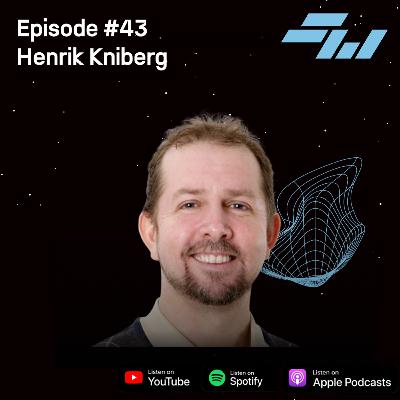
SummaryIn this episode Henrik shares his journey from software development to AI, discussing the evolution of coding practices and the impact of AI on the software industry. He delves into the Spotify model, the importance of Agile methodologies, and how AI is transforming coding and software development. Henrik also addresses hiring practices in the age of AI, the role of junior developers, and the significance of architectural decisions in software projects. He concludes with insights on future trends in AI-assisted coding and how developers can adapt to these changes.Henrik KnibergHenrik Kniberg is a prominent Swedish technologist, agile and lean expert, and entrepreneur who helps organizations become more productive using generative AI and agile principles. He is known for co-founding AI companies (Ymnig.ai, Flitig.ai), creating educational content on generative AI, and pioneering practical AI agent platforms. Kniberg has played key roles at Mojang (as a Minecraft gameplay designer and coach), Spotify, LEGO, and other major companies, shaping both their software and organizational cultures. He is also widely credited for making agile methodologies accessible and for the “Spotify Model” of agile scaling, though he clarifies he helped make it visible rather than inventing it outrightHenrik on LInkedIn: https://www.linkedin.com/in/hknibergAbundly: https://youtu.be/CKXVok7Vsck?feature=sharedhttps://youtu.be/Pic9TKOvmG0?feature=sharedhttps://youtu.be/2IK3DFHRFfw?feature=sharedwww.abundly.aiwww.app.abundly.aiStellar Work:Check out www.stellarwork.com for more information about how evolutionary agile transformations workMake sure to follow us on your podcast player 🔔 as well as on LinkedIn to never miss out on more content: https://www.linkedin.com/company/stellarwork/Sponsors:This podcast is 100% sponsored by me :)If you need help with you agile transformation and opting for an evolutionary approach seems like something you want to check out, click here and lets meet: https://zeeg.me/stellarworkNote:Stellar Work Podcast hosts and guests may hold assets discussed in this episode. This podcast is not investment advice, and is intended for informational and entertainment purposes only.You should do your own research and make your own independent decisions when considering any financial transactions.Chapters[1:02] Introduction to Henrik and His Journey [4:03] The Spotify Model and Its Impact [6:50] Transitioning to AI: A New Frontier [9:59] Building AI Tools: The Egbert Experience [12:54] AI in Coding: Enhancing Productivity [15:59] The Developer's Mindset with AI [18:53] AI in Hiring and Future Prospects [21:52] AI in Hiring: The New Norm [23:56] The Role of Junior Developers in an AI World [26:09] Navigating Job Security Amidst AI Advancements [27:40] The Evolution of Developer Productivity [29:05] Architectural Decisions in AI Development [31:49] Microservices vs. Monolithic Structures [34:44] Managing AI Risks in Development [38:07] Keeping Up with Rapid Tech Changes [39:39] The Future of AI-Assisted Coding
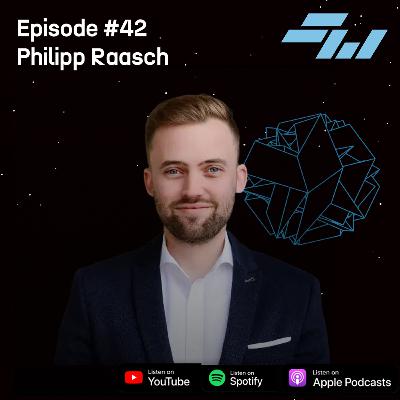
In this episode of the Stellar Work Podcast, Benjamin interviews Philipp Raasch, a prominent automotive newsletter podcaster. They discuss the current transformations in the automotive industry, including the shift from combustion engines to electric vehicles, the challenges faced by legacy automakers, and the dynamics of cost-cutting in a competitive market. Philipp shares insights on regional trends in the German automotive market and offers a future outlook on the industry's evolution.Philipp Raasch:The automotive industry is undergoing its biggest transformation in history – and Philipp Raasch is right at the center of it.With more than 15 years of experience in the sector, including nearly a decade at Mercedes-Benz, Philipp combines a deep understanding of traditional OEMs with sharp insights into emerging tech. In 2020, he launched his entrepreneurial journey with The Autopreneur — a fast-growing platform that now reaches over 15,000 professionals worldwide through a popular newsletter and podcast.Philipp’s mission is clear: to help legacy automakers transform into software-first companies. With a global perspective, he connects key automotive hotspots, identifies trends early, and distills complex shifts in digital transformation, AI, and mobility into actionable insights.Trusted by professionals at Audi, BMW, Mercedes, VW, Porsche, Bosch, and beyond, Philipp has become a go-to voice for leaders navigating the future of mobility.LinkedIn: linkedin.com/in/praaschEmail: team@autopreneur.deNewsletter:🇩🇪 https://www.autopreneur.de/subscribe🇬🇧 https://germanautopreneur.com/subscribePodcast: https://open.spotify.com/show/5l17EDH7zZsW5gn2YWEnOw?si=11d5800a278b4944Stellar Work:Check out www.stellarwork.com for more information about how evolutionary agile transformations workMake sure to follow us on your podcast player 🔔 as well as on LinkedIn to never miss out on more content: https://www.linkedin.com/company/stellarwork/Sponsors:This podcast is 100% sponsored by me :)If you need help with you agile transformation and opting for an evolutionary approach seems like something you want to check out, click here and lets meet: https://zeeg.me/stellarworkNote:Stellar Work Podcast hosts and guests may hold assets discussed in this episode. This podcast is not investment advice, and is intended for informational and entertainment purposes only.You should do your own research and make your own independent decisions when considering any financial transactions.Chapters(01:14) Introduction to the Automotive Landscape(04:02) Philipp Raasch's Journey into Automotive Media(07:10) Current Trends in the Automotive Industry(10:13) Challenges for Legacy Automakers(13:01) Strategies for Transformation in Automotive(16:11) The Role of Partnerships in Automotive Innovation(19:02) Cost-Cutting and Market Dynamics(21:51) Local Market Trends and Consumer Preferences(25:02) Future Outlook for the Automotive Industry
In this episode of the Stellar Work Podcast, Gitte Klitgaard, an agile coach, discusses the importance of human behavior in organizations, the role of emotional intelligence in professionalism, and the challenges managers face in creating safe and engaging work environments. She emphasizes the need for diversity in teams, the impact of leadership on company culture, and the significance of measuring performance beyond just numbers. Gitte also explores the balance between short-term and long-term business strategies and the necessity of building strong relationships and communication within teams.Gitte Klitgaard:Gitte Klitgaard is an agile coach with more than a decade of experience working for companies as well as coaching individuals.Her main focus the last years have been communication and implementing psychological safety as well as responsibility and accountability. It is essential for Gitte to be authentic, to cut to the chase, and help people become themselves, so they can succeed at work and outside. Since 2013 Gitte has been speaking and doing workshops, and keynoting at international conferences across three continents (mainly for developers, agile professionals and testers). Her talks are often about the topics we don’t talk about: stress, mental health, inclusion, vulnerability and courage.LinkedIn: https://www.linkedin.com/in/gitteklitgaard/Email: gitte.klitgaard@yahoo.dkWebsite: https://nativewired.com/BlueSky: https://bsky.app/profile/nativewired.comBeauty in Code 2025: What engineering department would look like with great managers https://www.youtube.com/watch?v=2s-1nZYwjO4Agile world keynote 2021: Psychological safetyhttps://www.youtube.com/watch?v=st-_vRfdyBI&pp=ygUdZ2l0dGUga2xpdGdhYXJkIHBzeWNob2xvZ2ljYWw%3DBook where Gitte wrote a chapter on team safetyhttps://www.jamesshore.com/v2/books/aoad2Session on psychological safety with James Shore, author of the book https://www.jamesshore.com/v2/bookStellar Work:Check out www.stellarwork.com for more information about how evolutionary agile transformations workMake sure to follow us on your podcast player 🔔 as well as on LinkedIn to never miss out on more content: https://www.linkedin.com/company/stellarwork/Sponsors:This podcast is 100% sponsored by me :)If you need help with you agile transformation and opting for an evolutionary approach seems like something you want to check out, click here and lets meet: https://zeeg.me/stellarworkNote:Stellar Work Podcast hosts and guests may hold assets discussed in this episode. This podcast is not investment advice, and is intended for informational and entertainment purposes only.You should do your own research and make your own independent decisions when considering any financial transactions.Chapters(01:20) Introduction to Agile Coaching and Human Behavior(04:18) The Importance of Psychological Safety in the Workplace(07:20) The Role of Managers in Creating a Positive Work Environment(10:07) The Challenges of Leadership and Management(13:01) The Need for Diversity in Teams(16:18) Evaluating Performance Beyond Numbers(19:04) The Impact of Leadership Styles on Company Culture(25:50) The Pressure of Constant Growth(27:29) Rethinking Corporate Profitability(28:58) The Impact of Layoffs on Product Quality(31:48) Balancing Shareholder Expectations and Employee Well-being(33:53) The Importance of Communication in Teams(37:42) Long-term Strategies for Team Dynamics(40:23) Measuring Success in Team Collaboration(41:45) Creating a Safe Space for Honest Conversations
In this episode of the Stellar Work Podcast, Benjamin and Timm delve into the complexities of systemic paradox management within organizations. Timm shares insights from his experiences and his book, discussing how paradoxes are inherent in decision-making processes and how organizations can better manage these challenges. The conversation explores the role of context, the impact of AI on decision-making, and practical strategies for leaders to navigate change and stability effectively. Timm emphasizes the importance of recognizing and addressing paradoxes to foster a more resilient organizational culture.Timm Richter:Timm Richter, graduate mathematician, MBA from the MIT Sloan School of Management; Managing Partner of Simon Weber Friends and NEO Culture; formerly member of the Executive Board of XING SE and Managing Director and senior executive at various companies. & various companies. Publications ¿ publications include Effective Leadership © Co with systems theory (2023, together with T. Groth).LinkedIn: https://www.linkedin.com/in/timm-richter/Email: richter@simon-weber.deWebseite: https://www.simon-weber.de/Buch: https://www.carl-auer.de/zwischen-inszenierung-und-invisibilisierungStellar Work:Check out www.stellarwork.com for more information about how evolutionary agile transformations workMake sure to follow us on your podcast player 🔔 as well as on LinkedIn to never miss out on more content: https://www.linkedin.com/company/stellarwork/Sponsors:This podcast is 100% sponsored by me :)If you need help with you agile transformation and opting for an evolutionary approach seems like something you want to check out, click here and lets meet: https://zeeg.me/stellarworkNote:Stellar Work Podcast hosts and guests may hold assets discussed in this episode. This podcast is not investment advice, and is intended for informational and entertainment purposes only.You should do your own research and make your own independent decisions when considering any financial transactions.Chapters00:00 Introduction to Systemic Paradox Management02:52 Understanding Paradoxes in Decision-Making05:43 The Role of Context in Decision-Making08:51 Managing Paradoxes in Organizations11:42 The Impact of AI on Decision-Making14:46 Practical Tips for Leaders17:45 The Balance of Change and Stability20:50 Conclusion and Future Perspectives
DescriptionIn this episode of the Stellar World Podcast, Benjamin interviews Eva PenzeyMoog, author of 'Design for Safety'. They discuss the various ways technology can be weaponized for interpersonal harm, particularly in the context of domestic violence and abuse. Eva shares insights on how tech can be misused in relationships, the importance of designing products with safety in mind, and the need for customization to empower users. They also touch on the challenges of raising tech-literate children in a digital age, the ethics of surveillance technology, and the role of activism in combating these issues.Eva PenzeyMoog:Eva PenzeyMoog is a US-based activist and designer working to make digital spaces safer for everyone through centering the safety of survivors of domestic violence.In the past, Eva served as a rape crisis counselor, where she served as an advocate to sexual assault victims in emergency rooms. She also delivered a workshop on domestic violence and survivor support information to hundreds of participants, including educators, school support staff, and union groups. After entering the technology field as a designer, she began to focus on the intersections of technology and domestic violence. In 2019, she created the “Framework for Inclusive Safety,” which aims to help other technologists create safe and inclusive products. She is currently creating a set of standards for online and digital safety aimed at helping designers and programmers create safe products.Eva leads design at an ag-tech company based in the midwest of the US, where she lives with her family. When not designing and thinking about safety, she can be found making cyanotype prints, reading apocalyptic novels, and working on new writing projects.Eva on LinkedIn: https://www.linkedin.com/in/evapenzeymoog/Evas Book: https://evapenzeymoog.com/design-for-safetyhttps://evapenzeymoog.com/design-for-safetyEvas Website: https://evapenzeymoog.com/Stellar Work:Check out www.stellarwork.com for more information about how evolutionary agile transformations workMake sure to follow us on your podcast player 🔔 as well as on LinkedIn to never miss out on more content: https://www.linkedin.com/company/stellarwork/Sponsors:This podcast is 100% sponsored by me :)If you need help with you agile transformation and opting for an evolutionary approach seems like something you want to check out, click here and lets meet: https://zeeg.me/stellarworkNote:Stellar Work Podcast hosts and guests may hold assets discussed in this episode. This podcast is not investment advice, and is intended for informational and entertainment purposes only.You should do your own research and make your own independent decisions when considering any financial transactions.Chapters00:00 Introduction to Tech Abuse and Safety Design06:02 The Hidden Dangers of Domestic Violence12:46 Real-World Examples of Safety Improvements21:09 Raising Tech-Savvy Children in a Digital World26:26 Surveillance in the Workplace: Ethical Concerns31:22 The Dilemma of Privacy vs. Convenience37:21 Activism and Political Action Against Surveillance41:13 Exploring New Topics and Themes
DescriptionIn this episode of the Stellar Work Podcast, Benjamin and Stefan Roock discuss the recently published Scrum Guide Expansion Pack. They explore its key features, challenges, and the implications of AI in Scrum practices. The conversation delves into the complexity of the expansion pack, the evolving role of stakeholders, and the future of AI in agile methodologies. Stefan shares his insights on the need for a deeper understanding of Scrum and the importance of adapting practices to fit specific contexts.-> Scrum Guide Expansion Pack: https://scrumexpansion.org/Stefan Roock:Since 1999, Stefan Roock has been an influential figure in the dissemination and evolution of innovative working and organizational approaches within Germany. He was an early adopter and champion of agile methodologies, including Scrum, Kanban, and even less mainstream approaches like Feature-Driven Development (FDD). He has served as a trusted coach and consultant for large-scale transformations involving hundreds to thousands of people, including prominent engagements at mobile.de and Deutsche Telekom. Stefan is a highly sought-after speaker, regularly sharing his insights at conferences, user groups, and within companies. His intellectual contributions are also evident in his extensive publishing record, which includes numerous books and articles. Among his significant works are "Innovative agile Teamkonzepte," "Agile Leadership," "Scrum - verstehen und erfolgreich einsetzen," "Agile Unternehmen," and "Agile Verträge," all of which underscore his profound influence on agile thought leadership.Stellar Work:Check out www.stellarwork.com for more information about how evolutionary agile transformations workMake sure to follow us on your podcast player 🔔 as well as on LinkedIn to never miss out on more content: https://www.linkedin.com/company/stellarwork/Sponsors:This podcast is 100% sponsored by me :)If you need help with you agile transformation and opting for an evolutionary approach seems like something you want to check out, click here and lets meet: https://zeeg.me/stellarworkNote:Stellar Work Podcast hosts and guests may hold assets discussed in this episode. This podcast is not investment advice, and is intended for informational and entertainment purposes only.You should do your own research and make your own independent decisions when considering any financial transactions.Chapters00:00 Introduction to the Scrum Guide Expansion Pack07:29 Insights on the Expansion Pack's Content13:41 Challenges with Complexity and Understanding16:20 The Role of Stakeholders in Scrum23:01 The Impact of AI on Scrum Teams32:42 Speed vs. Outcome in Agile Practices37:39 Key Insights and Takeaways
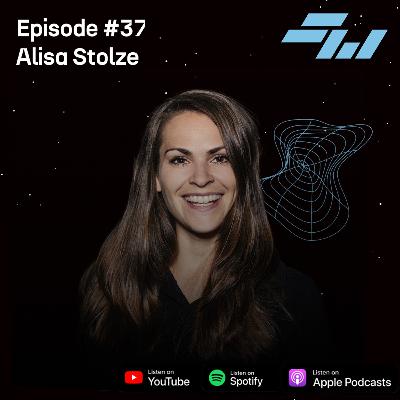
In this episode of the Stellarwork Podcast, Benjamin interviews Alisa Stolze, a Scrum at Scale trainer and author, discussing practical leadership tips, the importance of habits in team dynamics, and effective time management strategies. Alisa emphasizes the need for transparency in teams and how small changes can lead to significant improvements in productivity and team morale.Alisa Stolze:Alisa Stolze is the first German certified Scrum@Scale, Registered Scrum by Scrum Inc., and eduScrum trainer in Germany. She works within the trainer network Scrum Events, at Common Sense Team GmbH, and for Scrum Inc., the company founded by Scrum creator Dr. Jeff Sutherland. Since 2019, Alisa has been one of the Scrum Inc. Trainer Fellows, responsible for the training of Scrum Inc. Scrum trainers.By training, Alisa is a state-certified musical performer and has worked both as a musical actress and as Germany’s first live audio describer for shows on ARD, ZDF, ORF, and NDR. Her passion for quality entertainment, including in the business sector, remains evident today through her co-organization of conferences such as Scrum Day, Women in Agile Europe, Scrum@Scale Summit, and her own podcast “Zusammen mehr Elefant,” which focuses on holistic organizational development from a Lean and Agile perspectiveAlisas LinkedIn: https://www.linkedin.com/in/alisastolze/Alisas Book: https://www.wiley-vch.de/de?option=com_eshop&view=product&isbn=9783527512461Podcast Zusammen mehr Elefant: https://pod.librescrum.org/@zusammen_mehr_elefant/linksStellar Work:Check out www.stellarwork.com for more information about how evolutionary agile transformations workMake sure to follow us on your podcast player 🔔 as well as on LinkedIn to never miss out on more content: https://www.linkedin.com/company/stellarwork/Sponsors:This podcast is 100% sponsored by me :)If you need help with you agile transformation and opting for an evolutionary approach seems like something you want to check out, click here and lets meet: https://zeeg.me/stellarworkNote:Stellar Work Podcast hosts and guests may hold assets discussed in this episode. This podcast is not investment advice, and is intended for informational and entertainment purposes only.You should do your own research and make your own independent decisions when considering any financial transactions.Chapters00:00 Introduction and Background03:40 The Journey of Writing a Book06:22 Insights on Agile Practices09:16 Training and Coaching Dynamics12:18 Evolving Questions in Agile Training15:08 Current Challenges in Team Leadership18:09 Understanding Switching Costs21:06 The Importance of Buffer Time24:01 Time Management and Productivity27:08 Key Habits for Effective Leadership29:58 The Role of Transparency in Teams32:48 Final Thoughts and Conclusion
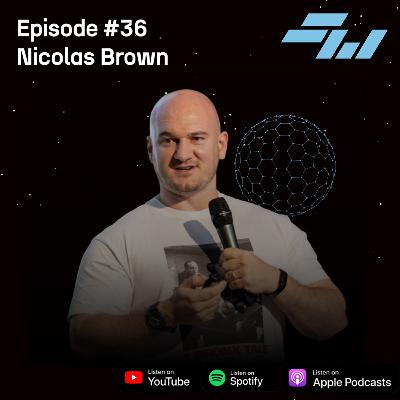
In this episode of the Stellar Work Podcast, host Benjamin and agility consultant Nick Brown discuss the practical application of agile methodologies in real-world contexts. They explore the importance of understanding organizational dynamics, the significance of context in agile practices, and the challenges faced by agile coaches. Nick shares insights from his experiences, emphasizing the need for effective measurement of success, the role of flow metrics, and the necessity of feedback loops in agile transformations. The conversation also touches on the future of agile coaching and offers advice for aspiring practitioners in the field.Nicolas Brown:Nick is a seasoned agility and product consultant with a career spanning eCommerce, financial services, and professional services. He has led on the adoption of agility at companies like PwC, Nationwide, Royal Mail and ASOS, focusing on ways of working, product thinking, and organisational flow. Currently, he works as a Principal Flow Consultant at Thrivve Partners, helping teams build great digital products in the most effective way(s) possible.Nick is incredibly passionate about agility, product, and data, and builds numerous open-source tools that make life easier for teams using Jira and Azure DevOps.Nicks LinkedIn: https://www.linkedin.com/in/nicolasjmbrown/Stellar Work:Check out www.stellarwork.com for more information about how evolutionary agile transformations workMake sure to follow us on your podcast player 🔔 as well as on LinkedIn to never miss out on more content: https://www.linkedin.com/company/stellarwork/Sponsors:This podcast is 100% sponsored by me :)If you need help with you agile transformation and opting for an evolutionary approach seems like something you want to check out, click here and lets meet: https://zeeg.me/stellarworkNote:Stellar Work Podcast hosts and guests may hold assets discussed in this episode. This podcast is not investment advice, and is intended for informational and entertainment purposes only.You should do your own research and make your own independent decisions when considering any financial transactions.Chapters00:00 Introduction to Real World Agility06:03 Understanding Real World Agility11:02 The Importance of Context in Agility15:56 Measuring Success in Agile Practices20:53 Flow Metrics and Their Impact25:44 Feedback Loops and Product Agility30:45 Navigating Organizational Challenges35:46 Advice for Agile Practitioners39:39 Conclusion and Key Takeaways40:10 Introduction to Stellar Work Podcast40:37 Engagement and Community Building
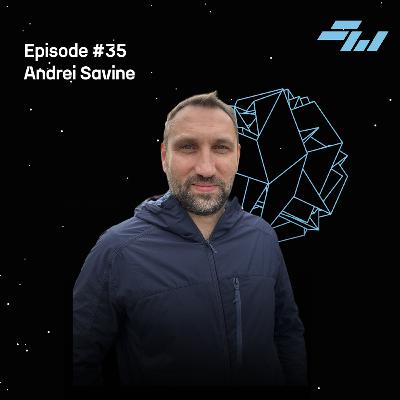
In this episode of the Stellar Work Podcast, Benjamin interviews Andrei Savine, a transformation leader with over 20 years of experience. They discuss the challenges of digital transformations, the importance of data in decision-making, and how AI can enhance management practices. Andrei shares insights on his platform, CapabiliSense, which aims to streamline transformation processes by analyzing organizational documents and providing evidence-based assessments. The conversation also touches on the cultural shifts needed for successful transformations and the future of AI in organizational settings.Andrei SavineWith over two decades of hands-on experience leading transformation at global organizations such as AWS, Decathlon, and Airbus, Andrei is a recognized Transformation Leader known for making change initiatives deliver real results. Throughout his career, he has specialized in designing operating models, steering complex programs, and ensuring that transformation efforts translate into measurable outcomes. Having seen firsthand how recurring challenges can undermine even the most promising initiatives, Andrei is now building CapabiliSense—an AI platform that analyzes an organization’s existing documents to deliver a clear, evidence-based assessment of their readiness for change. Drawing on his extensive experience, Andrei is dedicated to helping organizations sidestep common pitfalls and achieve their most important goals more quickly and effectively.LinkedIn: https://www.linkedin.com/in/savine/Andrei on Medium: https://medium.com/@andreisavineStellar Work:Check out www.stellarwork.com for more information about how evolutionary agile transformations workMake sure to follow us on your podcast player 🔔 as well as on LinkedIn to never miss out on more content: https://www.linkedin.com/company/stellarwork/Sponsors:This podcast is 100% sponsored by me :)If you need help with you agile transformation and opting for an evolutionary approach seems like something you want to check out, click here and lets meet: https://zeeg.me/stellarworkNote:Stellar Work Podcast hosts and guests may hold assets discussed in this episode. This podcast is not investment advice, and is intended for informational and entertainment purposes only.You should do your own research and make your own independent decisions when considering any financial transactions.Chapters00:00 Introduction to Andrei Savin03:34 Understanding Transformations: Beyond Cloud13:23 The Role of Capability Sense in Transformations22:17 AI and Data in Organizational Transformation33:02 Cultural Shifts and Change Management38:28 Real-World Applications and Lessons Learned49:32 Introduction to Stellar Work Podcast50:00 Engagement and Community Building

Comments

Download from Google Play

Download from App Store
 United States