


 Claim Ownership
The Hygge Nurse
Subscribed: 4Played: 6
Subscribe

Description
Welcome to The Hygge Nurse, your cozy corner for wellness, comfort, and mindful living. Hosted by Dr. Rachel Zimmer, a nurse researcher and health expert, each episode guides you through the art of infusing your life with warmth and wellness. From sustainable home transformations to mindful consumption, emotional well-being, and building genuine connections, our episodes are filled with practical tips to help you design a balanced, fulfilling life. Join us for heartwarming conversations and actionable insights that inspire you to create spaces that truly nurture your body, mind, and soul.
25 Episodes
Reverse

When sickness hits your home, it can feel like a never-ending cycle of coughs, sniffles, and exhaustion. In this episode, Dr. Rachel Zimmer, a nurse researcher and food-as-medicine expert, shares practical, research-backed strategies to help you and your family recover faster. From healing foods to simple home adjustments and stress-reducing techniques, these tips go beyond “drink water and rest” to support your body’s ability to heal.In This Episode, We Cover: 🍵 Food as Medicine – What to eat (and avoid) to speed up recovery 🏡 Home Hacks – Small changes that help prevent illness from spreading 🧘♀️ Stress & Immunity – How chronic stress slows healing (and what to do about it) 💡 Quick & Easy Tips – Simple, low-effort ways to care for yourself and your loved onesKey Takeaways: ✔️ 70% of your immune system lives in your gut—nourish it wisely ✔️ Chicken soup, bone broth, and ginger are more than comfort foods—they have science-backed healing properties ✔️ Opening windows and using a humidifier can reduce airborne viruses by up to 80% ✔️ Zinc and vitamin C play a major role in shortening colds—get them through food for better absorption ✔️ Stress weakens immunity, so rest, deep breathing, and cozy comforts matter more than you thinkResources & Recommendations: 🛒 Shop my favorite cozy wellness essentials: Hygge Abode 📚 Want more wellness insights? Subscribe to The Hygge Nurse podcast! 📲 Let’s connect on Instagram! @hyggeabodelifeEnjoyed this episode? Share it with a friend, tag me on Instagram, and leave a review—it helps more people find simple, sustainable wellness tips!Stay well, stay cozy, and I’ll see you next time!
Are you always on—even when you’re supposed to be resting? Do you wake up at 3 AM with a to-do list running through your head? If so, this episode is for you.In today’s conversation, Dr. Rachel Zimmer, nurse practitioner and food-as-medicine researcher, dives deep into the science of true restorative rest—beyond just sleep. Chronic stress, especially for women, is at an all-time high, impacting our health in ways we may not even realize. In this episode, Rachel explores:✅ Why rest is an active state of repair for your body and mind ✅ The latest research on chronic stress and its impact on women’s health ✅ Seven essential types of rest (hint: it’s not just sleep!) ✅ How to build simple, evidence-backed rest practices into your daily life—without guiltIf you’ve ever felt like taking a break is a luxury you can’t afford, this episode is here to change your mind. Because rest isn’t just something you deserve—it’s something your health depends on.Resources & Links: 🌿 Download the free 5-Day Nourish & Unwind Guide – a research-backed meal and mindfulness plan designed to support your body and mind. Get it here!📖 Studies & Reports Mentioned:2023 Stress in America Report by the American Psychological AssociationHarvard Medical School study on gratitude and stress reductionLet’s Connect! 📩 Have a takeaway from this episode? DM Rachel on Instagram @HyggeAbodeLife or email her at Rachel@hyggeabode.com. 💛 If you loved this episode, share it with a friend who needs a reminder that rest isn’t selfish—it’s essential.🎧 Don’t forget to subscribe and leave a review! It helps more women reclaim the rest they actually need.Until next time, take care and be well, friends. 🌿💛
Feeling anxious, overwhelmed, or caught in an endless loop of checking the news? You’re not alone. In this episode of The Hygge Nurse, Dr. Rachel Zimmer shares why our brains are wired to fixate on negative news, how the constant stream of updates impacts our nervous system, and—most importantly—how to break free from the stress cycle while still staying informed.With science-backed strategies and simple mindfulness techniques, Rachel walks us through ways to calm our bodies, set intentional news consumption habits, and take meaningful action instead of spiraling into helplessness. If the weight of the world feels heavy right now, this episode is for you.What You’ll Learn in This Episode:✅ Why doomscrolling triggers stress and anxiety (the science behind negativity bias) ✅ How the news cycle is designed to keep you hooked—and how to disengage ✅ Quick nervous system resets, including the 5-4-3-2-1 grounding method and vagus nerve activation ✅ Practical ways to set healthier news consumption boundaries ✅ How to transform anxiety into action for positive change ✅ The power of community, joy, and nature in restoring balanceTry This Challenge:Pick one small action from today’s episode and try it this week! Whether it’s setting a news check-in time, practicing a grounding exercise, or swapping doomscrolling for a mindful moment—pay attention to how it makes you feel. Let me know what works for you!✨ Loved this episode? Share it with a friend who could use more peace in their life.📌 Connect with me:Website: www.hyggeabode.comInstagram: @hyggeabodelifeEmail: rachel@hyggeabode.com💛 Thanks for being here. See you next time!
Dr. Rachel Zimmer opens up the deep connections between food access, health, and policy in this heartfelt episode of The Hygge Nurse Podcast. She shares personal experiences that have shaped her passion for food as medicine and discusses the real-life impact of programs like SNAP, WIC, Meals on Wheels, and produce prescription initiatives. With policy changes threatening the accessibility of these vital resources, Rachel highlights the human cost of food insecurity and the importance of community-driven solutions.Key Takeaways: ✔️ Food is medicine – Nutrition isn't just about eating; it's a fundamental pillar of health and disease prevention. ✔️ Social determinants of health matter – Up to 80% of health outcomes are shaped by housing, food security, and transportation factors. ✔️ Policy decisions have real-life consequences – Cuts to food assistance programs disproportionately harm low-income families, older adults, and people with chronic illnesses. ✔️ Community-driven solutions work – Research-backed interventions like produce prescription programs show measurable health improvements. ✔️ We all have a role to play – Volunteering, advocating, and fostering connectedness can create healthier, more compassionate communities.Ways to Get Involved: 🔹 Volunteer with Meals on Wheels to help deliver meals to older adults. 🔹 Support organizations like Hope of Winston-Salem, which provides families with fresh produce and nutrition education. 🔹 Learn about and advocate for policies that protect food assistance programs like SNAP and WIC. 🔹 Explore local community-based food initiatives in your area.Relevant Books & Resources: 📖 Food Fix: How to Save Our Health, Our Economy, Our Communities, and Our Planet—One Bite at a Time by Dr. Mark Hyman 📖 The Blue Zones: Lessons for Living Longer From the People Who’ve Lived the Longest by Dan Buettner 📖 What the Eyes Don't See: A Story of Crisis, Resistance, and Hope in an American City by Dr. Mona Hanna-Attisha Connect with Rachel: 💌 Email: rachel@hyggeabode.com 📲 IG: @HyggeAbodeLife ⭐ Love this episode? Leave a rating & review to help support the podcast!Closing Thought: Maybe make yourself a cup of tea, breathe deeply, and consider one small way to contribute to a more connected and nourished world.Stay cozy, stay compassionate, and take care, friends. 💛
In this episode of The Hygge Nurse, Dr. Rachel Zimmer dives deep into the psychology of habits—why we repeat the ones we don’t want and why willpower alone isn’t enough to break them. Whether it's pouring a glass of wine at night, endlessly scrolling on your phone, or stress eating, your brain isn’t addicted to the habit itself—it’s addicted to the relief it brings.Rachel walks through the habit loop—cue, craving, response, reward—and shares science-backed strategies to break unhelpful habits by replacing them with ones that serve you better. She explores: ✔️ The real reason habits stick (hint: it’s not about self-control) ✔️ How to rewire your brain with habit stacking ✔️ Why environment plays a bigger role than motivation ✔️ The power of mindful rituals to replace unhealthy coping mechanisms ✔️ Practical, sustainable alternatives to alcohol for relaxation and connectionIf you’ve ever struggled with breaking a habit, this episode is for you. By the end, you’ll walk away with actionable steps to make new habits stick—without relying on willpower alone.Resources & Links:📖 Atomic Habits by James Clear – A must-read on the science of behavior change 🍵 Rachel’s favorite chamomile tea for a calming evening ritual 📓 Free Habit Tracker – Download to track your new habit swaps 🎧 Connect with Rachel on her website, The Hygge Nurse, and Instagram: @hyggeabodelifeIf you loved this episode, please leave a review! Your feedback helps more people find the show and supports our mission of helping you create a healthier, more intentional life. 💛
Welcome back to The Hygge Nurse Podcast! This is our first episode of the year, and I’m thrilled to introduce my friend and esteemed colleague, Dr. Amber Brooks. She’s a board-certified anesthesiologist and comprehensive pain management physician from Wake Forest School of Medicine,. Today, we’re diving deep into holistic, science-backed ways to manage pain.Dr. Brooks is an incredible advocate for treating pain beyond just medications—she weaves together innovative, whole-body approaches that empower individuals to take control of their health. In this episode, we explore:🔹 The mind-body connection in chronic pain and why addressing stress, sleep, and emotions is key. 🔹 How movement is medicine—and why exercise shouldn’t be intimidating. 🔹 Nutrition for pain relief—what foods and supplements support inflammation reduction. 🔹 How mindfulness and body scanning techniques can help manage discomfort. 🔹 Tips for advocating for yourself at doctor’s appointments and ensuring your concerns are heard.We also share our personal experiences with choosing a word for the year, how simple habits like walking can have mental health benefits, and how biofeedback tools (even checking your heart rate after deep breathing!) can show real-time improvements in well-being.if you seek practical, compassionate strategies to improve your pain management or overall wellness. In that case, this episode contains actionable insights to help you take the next step.Resources Mentioned in This Episode📱 Apps for Pain & Wellness:Yuka – A barcode scanning app that helps you identify hidden food and personal care product additives.Calm – Guided meditations, body scanning, and sleep stories for relaxation and stress relief.Insight Timer – A free meditation app with thousands of mindfulness and pain management practices.🧘♀️ Mindfulness Strategy:Body Scanning – A simple mindfulness technique to help you become aware of tension and pain while activating relaxation responses.🎧 If you enjoyed this episode… ✔ Subscribe to The Hygge Nurse Podcast ✔ Leave a review—it helps others find this content! ✔ Share this episode with a friend who might benefit from these insights.Be sure to follow us for more tips on staying healthy all year! IG: @hyggeabodelife and at our website: The Hygge NurseWishing you a healthy, happy start to the new year—see you next time! 🎙💛
In this episode, Dr. Rachel Zimmer chats with Annael Brown, a registered dietitian nutritionist, busy mom of four (soon to be five!), and founder of Annael Brown Nutrition. Annael lives in Israel and specializes in helping women balance their health and nutrition amidst the beautiful chaos of motherhood.Together, they explore:Why busy moms often prioritize others over themselves when it comes to eating.The challenges of emotional eating and nighttime snacking – and how to address them.Rethinking meal prepping to make it flexible, efficient, and realistic.Tips for creating simple, nutrient-dense snacks and meals that work for busy schedules.How to navigate conflicting nutrition advice and focus on what truly matters for your health.Whether you’re a working mom, stay-at-home parent, or seeking practical ways to improve your nutrition, this episode is packed with actionable insights and relatable stories.Resources Mentioned in This EpisodeAnnael Brown Nutrition: Explore Annael’s services and resources for busy moms here.Connect with UsVisit The Hygge Nurse website for more wellness resources.Follow Rachel on Instagram: @HyggeAbodeLife.
In this cozy and insightful episode, Dr. Rachel Zimmer, nurse researcher, nurse practitioner, and founder of Hygge Abode, guides us through the essentials of winter wellness. From combatting the winter blues to building spaces that nourish both body and mind, Rachel offers practical, research-backed strategies to support your well-being during the colder months. This episode is your gentle reminder that winter doesn’t have to be a season of survival—it can be a time of deep rest, comfort, and care for yourself and your loved ones.What You'll Learn in This Episode:What is Seasonal Affective Disorder (SAD) and How It Affects Your Body: Rachel explains the biological reasons why shorter days impact mood, sleep, and energy—and how to counteract those effects.How to Create a Home That Supports Your Health: Discover why natural light, warm textures, and sensory elements like touch can positively impact your mental and physical well-being.The Power of Light Therapy: Learn how light therapy boxes can increase serotonin and support your circadian rhythm, as well as how to optimize your natural light exposure at home.The Importance of Layering Your Space: From cozy throws to soft textures, Rachel shares how layering materials can offer more than just warmth—it’s also a tool to reduce stress and invite relaxation.Food as Medicine for Winter: Rachel highlights immune-boosting foods, like root vegetables and warming spices, and simple ways to incorporate them into your meals. Plus, learn why bone broth and herbal teas are essential for gut health and overall wellness during the winter months.Clean Air, Clean Mind: Learn how humidifiers, air-purifying plants, and even cracking a window can improve the air quality in your home and boost your immune health. "Winter wellness is not about perfection—it’s about progress. Your goal is not to create a 'perfect' home. It’s to make small, intentional shifts that leave you feeling supported instead of depleted." 🌿 Winter Wellness Guide: Grab your free Winter Wellness Checklist for simple, practical tips to support your health and home this season. This guide is filled with actionable steps to create a warm, wellness-forward space. Follow & Connect: Follow Rachel Zimmer and Hygge Abode on Instagram at @hyggeabodelife for more tips on how to create a peaceful, wellness-centered home.Next Episode: This is our last episode of the year, but we’ll be back in January with fresh ideas for wellness and mindful living. Until then, remember that wellness is not a luxury—it’s a lifestyle. See you in the new year!
In this episode of The Hygge Nurse Podcast, Dr. Rachel Zimmer explores the transformative power of boundaries for physical, emotional, mental, and spiritual wellness. Drawing from her personal experiences as a nurse, nurse researcher, and student of Brené Brown’s work, Rachel explores how boundary issues manifest in our bodies and minds and how setting boundaries can lead to a healthier, more balanced life.What You'll Learn in This Episode🌿 What it means to live “wholeheartedly” and why boundaries are essential to this way of living. 🌿 The mind-body connection and how boundary issues physically impact your body. 🌿 The science behind allostatic load and how chronic stress damages your health over time. 🌿 Why tension headaches, digestive issues, and sleep disturbances may be signals from your body about boundary violations. 🌿 How boundaries can increase compassion and why “clear is kind.” 🌿 Rachel’s 4 Pillars of Boundary Wellness: Physical, Emotional, Mental, and Spiritual Boundaries. 🌿 The NURSE Method for Boundary Setting — a step-by-step approach to setting limits with clarity and confidence.Key Quotes from the Episode 💬 “Setting boundaries isn’t about building walls — it’s about creating healthy gates. You get to decide what comes in and what stays out.” — Dr. Rachel Zimmer💬 “When we consistently override our limits, our bodies release stress hormones like cortisol and adrenaline. Over time, this creates what we call ‘allostatic load’ — the wear and tear on your body from chronic stress.” — Dr. Rachel Zimmer💬 “Boundaries don’t just happen once and stay in place forever. It’s something you wake up every day and think about strategically.” — Dr. Rachel ZimmerThe NURSE Method for Boundary Setting Rachel’s simple yet effective method for setting boundaries in all areas of life: 1️⃣ Notice your needs (physical, emotional, mental, spiritual) 2️⃣ Understand your limits (what’s truly possible for you) 3️⃣ Respond with clarity (clear communication) 4️⃣ Support yourself first (like the oxygen mask principle) 5️⃣ Evaluate and adjust (boundaries need maintenance)Resources 📘 Brené Brown — Books on wholehearted living and boundaries 📘 Henry Cloud — Author of Boundaries: When to Say Yes, How to Say No to Take Control of Your Life;🧾 Free Resource: Download the Seasonal Wellness Rituals for Winter guide for practical tools to support your mental and physical health throughout winter. Get access to ideas for a healing drinks station, tips on light therapy, and a winter wellness checklist. Download the guide here.Support the Show 🌿 Love this episode? Leave a review on Apple Podcasts, Spotify, or wherever you listen. Your support helps us grow!Stay Connected 📍 Website: Hygge Abode 📍 Instagram: @hyggeabodelife 📍 Newsletter: 🌿 For more wellness tips and boundary-setting inspiration Subscribe here
Welcome back to The Hygge Nurse Podcast! In today’s special holiday episode, Dr. Rachel Zimmer dives into the heart of the home—the kitchen—to help you create a space that supports your wellness goals and brings calm and joy to your holiday season.If meal prep chaos, cluttered counters, or mismatched utensils overwhelm you, this episode is here to help. Dr. Rachel shares actionable strategies to simplify, declutter, and organize your kitchen so it becomes a place of ease rather than stress. From the science of decluttering to eco-friendly swaps, you’ll leave with practical tools to transform your kitchen one small step at a time.What You’ll Learn in This Episode:Starting small with one high-traffic area is the key to decluttering success.How visual clutter impacts your brain and stress levels—and how to fix it.The power of a 10-minute decluttering sprint using the Pomodoro Technique.Tips for organizing your kitchen into zones for maximum efficiency.Simple eco-friendly swaps to reduce waste and create a cozy holiday atmosphere.How to let go of sentimental seasonal items and embrace intentional living.Free Resource:Download your free guides: 5 Steps to Creating a Healthier, Stress-Free Kitchen in Just 10 Minutes a Day. Packed with simple, science-backed tips, this guide will help you reclaim and align your kitchen space with your wellness goals.Transform your kitchen into a calm, wellness-focused space with the Mini Kitchen Wellness Overhaul Guide—packed with personalized tips and actionable steps to help you create a more organized, stress-free environment—download it now!Mentioned in the Episode:Marie Kondo’s Tidying Philosophy: Learn to ask, "Does this bring me joy?" when deciding what to keep or let go.Pomodoro Technique: Work in short, focused intervals to stay productive and reduce overwhelm.Additional Resources to Check Out:Decluttering at the Speed of Life by Dana K. White – A practical approach to decluttering and creating a space that works for you.Beeswax Wraps – A reusable alternative to plastic wrap, perfect for reducing waste during the holiday season.Hygge Abode’s Sustainable Kitchen Collection – Beautiful, functional, and eco-friendly items for a mindful kitchen.Stay Connected:Follow Rachel Zimmer on Instagram for more tips and inspiration: @HyggeAbodeLifeIf you enjoyed this episode, share it with a friend and leave a review to help more listeners discover The Hygge Nurse Podcast. Happy decluttering, and here’s to a calmer, more joyful holiday season!
Welcome back to The Hygge Nurse podcast! In today’s episode, we explore how your kitchen can become more than just a cooking space—it’s the heart of your home, a hub for connection, and a powerful tool for your health. This episode is inspired by my upcoming workshop, Five Steps to a Wellness-Centered Kitchen (happening live on December 4th).What You’ll Learn in This Episode:Why is your kitchen a wellness hub, and how does it influence your behaviors?Simple decluttering tips to reduce chaos and decision fatigue.Strategies for creating zones that make healthy choices easy and accessible.The connection between gut health and overall well-being includes actionable tips for incorporating probiotics, prebiotics, and nutrient-dense foods into your meals.How mindful eating and mindful food preparation can transform your relationship with food.Resources Mentioned in This Episode:Workshop Registration: Sign up for the Five Steps to a Wellness-Centered Kitchen workshop on December 4th at 12 PM EST. Learn practical strategies for redesigning your kitchen for health and wellness. Register here!Decluttering Starter Guide: Download my free guide to help you take the first steps toward an organized and intentional kitchen.Books on Gut Health:The Mind-Gut Connection by Dr. Emeran MayerRecommended Products:Glass storage containers for meal prep and reducing waste.Herb garden kits for small spaces.Sustainable kitchen tools from Hygge Abode, like our hand-carved utensils and jute placemats.Recipe Inspiration:Add variety to your meals with these gut-friendly foods:Probiotics: Yogurt (with live cultures), kimchi, sauerkraut, misoPrebiotics: Garlic, onions, bananas (slightly green), asparagusSnack ideas: Roasted broccoli, veggie-packed smoothies, hummus with pre-cut veggiesReady to take the next step? Join me live on December 4th for the Five Steps to a Wellness-Centered Kitchen workshop. Together, we’ll:Create a decluttering action plan tailored to your needs.Design purposeful kitchen zones that make wellness a priority.Share easy, nutrient-dense recipes to incorporate into your weekly routine.Don’t miss out! Click here to register now and transform your kitchen into a space that supports your health and well-being.If you enjoyed this episode, please:Please share and leave a review—it helps others discover the show!Subscribe to my email list for updates, resources, and exclusive access to the workshop details.Let’s nourish your body, mind, and spirit together.
In this episode of The Hygge Nurse Podcast, Dr. Rachel Zimmer explores the transformative power of gratitude—not just as a fleeting feeling but as a practice that can enhance your well-being and your home's atmosphere. Learn about the fascinating science behind gratitude, how it rewires your brain for positivity, and discover five simple, actionable tips to make gratitude a part of your daily life and physical space. From gratitude journals to creating a cozy gratitude nook, this episode is packed with ideas to inspire you this holiday season.What You’ll Learn:The neuroscience of gratitude and its impact on happiness, stress, and sleep.How your home environment can amplify the benefits of practicing gratitude.Five actionable tips to weave gratitude into your everyday life and surroundings.Practical ideas for making gratitude a family tradition and a personal practice.Resources Mentioned in This Episode:Gratitude Journals: Start your gratitude practice with our curated selection of beautiful, sustainably made journals at Hygge Abode. Perfect for reflecting on what you’re thankful for each day.Books on Gratitude:The Gratitude Diaries by Janice Kaplan: A fantastic read about how focusing on gratitude can transform your life.The Little Book of Hygge: Danish Secrets to Happy Living by Meik Wiking. Discover how the Danish practice of hygge intertwines with gratitude, leading to a happier, more balanced life.Mindfulness Resources: Explore gratitude meditations and prompts through the Insight Timer or Calm apps.DIY Gratitude Practices: Create a gratitude jar for your family.The Hygge Abode Blog: Visit our blog here to find inspiration for creating cozy, gratitude-filled spaces in your home with simple, intentional touches.Connect with Rachel: If you enjoyed this episode, tag me on Instagram @HyggeAbodeLife and share how you're cultivating gratitude in your space! Thank you for listening. Remember: a grateful heart leads to a joyful home. Stay cozy, stay warm, and be loved, my friends!
Welcome back to The Hygge Nurse Podcast, exploring wellness, coziness, and finding balance in a chaotic world. In this episode, your host, Dr. Rachel Zimmer, nurse researcher, and wellness enthusiast, dive into the transformative power of the mind-body connection. Learn how breathwork, mindfulness, and gentle movement can help you manage stress, foster resilience, and find moments of peace—all with a touch of Hygge warmth.What You’ll Learn in This Episode:Breathwork Basics: Discover how intentional breathing activates your parasympathetic nervous system, creating calm and grounding.Mindfulness Practices: Simple ways to bring mindfulness into everyday life, from savoring your morning coffee to grounding techniques.Gentle Movement for Stress Relief: Why activities like walking or stretching are powerful tools to calm your nervous system and reconnect with your body.Creating Your Wellness Nook: Tips on designing a small, intentional space in your home to practice rest and mindfulness.Free Resource:Are you seeking a practical first step toward creating a more serene, wellness-centered home? Download my free guide: “Declutter for Wellness: 5 Health Benefits of a More Organized, Eco-Friendly Home”. Learn how simplifying your space can transform your mental and emotional well-being. Stay Connected:Have you tried one of these practices or have thoughts to share? Let’s connect!Find me on Instagram: @HyggeAbodeLeave a comment on the blog: www.hyggeabode.comWellness isn’t about overhauling your life overnight. It’s about small, intentional choices that bring you closer to yourself. Take a deep breath, sip your tea, and take one mindful step at a time. Stay cozy, and I’ll see you in the next episode!
Welcome to The Hygge Nurse Podcast! In today’s episode, Rachel Zimmer dives into the powerful impact of a veggie-forward diet and the transformative effects of mindful eating. Drawing from her Fresh Food RX program, she shares research-backed insights on how increasing access to fresh, nutrient-rich foods has positively impacted participants’ physical and mental health, reducing symptoms like fatigue and improving overall mood.Episode Highlights:- The Fresh Food RX Program: How weekly produce boxes and community sessions improved food security and encouraged a shift toward plant-rich diets.- Why Vegetables?: Dr. Zimmer discusses the science behind leafy greens, cruciferous vegetables, and root vegetables, highlighting essential nutrients like magnesium, potassium, and fiber that play a crucial role in our overall health.- Mind-Body Connection: Discover the link between diet and mental health, and why incorporating more fruits and vegetables can reduce stress, fatigue, and even symptoms of anxiety.- Practical Tips for a Plant-Rich Diet: From starting small with a veggie addition to every meal to batching roasted veggies for easy meal prep, Dr. Zimmer provides simple ways to make eating more vegetables easy and enjoyable.- Mindful Eating Practices: Learn how slowing down to savor each bite can improve digestion, nutrient absorption, and stress levels. Plus, Dr. Zimmer shares tips for creating a mindful eating environment that feels both nourishing and grounding.- Creating a Wellness-Driven Kitchen: Tips on setting up your kitchen to support healthy habits—from visible produce displays to a dedicated prep area, these changes make cooking and healthy eating easier and more inviting.Tune in for a wealth of insights and practical tips to help you integrate more plants into your diet, transform your kitchen, and embrace a more mindful approach to mealtime. As Dr. Zimmer says, “You either pay for your health now or you pay for it later—but if you’re going to pay for it now, enjoy it!”Connect with Dr. Rachel Zimmer For more tips on wellness and hygge living, sign up for her email list at www.hyggeabode.com and follow along on social IG@hyggeabodelife. Let’s keep nourishing our bodies and creating spaces that support a joyful, balanced life!

In this episode, I talk with Dr. Elimarie Caballero, a clinical psychologist focused on trauma-informed care and mental health advocacy for immigrant communities. Dr. Caballero shares her journey into psychology, rooted in breaking generational cycles and promoting culturally competent care. We discuss the mental health challenges faced by immigrant families, how trauma affects physical health, and simple wellness tools that help manage them.We highlight the resilience of immigrant women, the balance they maintain between cultural traditions and new environments, and how small gestures in healthcare can prevent re-traumatization and build trust. Dr. Caballero also introduces Plenitud Colectiva, her empowering new platform for immigrant women, offering wellness tools, community, and skill-building workshops.Recommended ResourcesDr. Quinones suggests several powerful reads for those interested in healing, trauma, and women’s wellness:"Break the Cycle" by Dr. Marie El Buque – A deep dive into generational trauma and healing, available in English and Spanish."The Pain We Carry" by Natalie Gutierrez addresses complex trauma and the search for wholeness amidst life’s burdens."Rise Sister Rise" by Rebecca Campbell – A guide to reconnecting with feminine wisdom, wellness, and empowerment.Key Quotes“It’s okay not to be okay.” — Dr. Caballero on breaking the silence around mental health in immigrant families.“Food is often a language of love and kindness in immigrant communities, a way of showing care and gratitude.” — Dr. Caballero on cultural expressions of love and resilience.ClosingThank you for joining us for this meaningful conversation. To learn more about Dr. Cabarello's work and upcoming projects, follow Plenitud Colectiva online. Be sure to subscribe to The Hygge Nurse Podcast and sign up for our newsletter for more wellness, resilience, and community care discussions.

In this episode of The Hygge Nurse Podcast, Dr. Rachel Zimmer is joined by Dr. David Docusen, author, speaker, and founder of the Neighborliness Center, to dive deep into the importance of community engagement, interconnectedness, and building genuine relationships. Dr. Docusen shares his journey of starting nonprofits and churches, explaining how true transformation comes from listening to the lived experiences of the communities we serve. Together, they explore how creating equitable access to education, housing, economic development, and healthcare fosters stronger, healthier communities. Dr. Docusen also talks about the importance of patience, vulnerability, and curiosity in community work, and how these values help build trust over time. Whether you're involved in community work or simply want to deepen connections in your life, this episode offers practical insights and inspiration.Key Takeaways:- The power of community work is rooted in patience, listening, and building trust.- Understanding the lived experiences of others is essential to making meaningful, long-lasting change.- Dr. Docusen’s framework at the Neighborliness Center focuses on equitable access to four key areas: education, housing, economic development, and healthcare.- True community engagement isn’t about rushing in to fix problems—it’s about slowing down and allowing relationships to develop over time.- Vulnerability and curiosity are foundational to creating authentic connections within communities. About Our Guest: Dr. David Docusen is the visionary behind the Neighborliness Center, an organization focused on creating equitable access to education, housing, economic development, and healthcare. With over 15 years of experience starting nonprofits and churches, Dr. Docusen has dedicated his life to community engagement and empowering others to foster healthier, interconnected communities. He is the author of Neighborliness: Love Your Neighbor, the Way You Love Yourself.Resources Mentioned:- Neighborliness: Love Your Neighbor, the Way You Love Yourself by Dr. David Docusen- [Neighborliness Center Website](https://www.neighborlinesscenter.com)- How to Kill a City by Peter Moskowitz- Poverty, by America by Matthew Desmond- The New Jim Crow by Michelle Alexander- Prophetic Lament by Soong-Chan RahConnect with Dr. David Docusen:- Website: neighborlinesscenter.com- Instagram: @daviddocusenConnect with Rachel Zimmer & Hygge Abode:- Website: www.hyggeabode.com- Instagram: @hyggeabodelife- Email: rachel@hyggeabode.comThank You for Listening! If today’s episode inspired you, we’d love to hear from you! Share your thoughts by leaving a review or reaching out to us on Instagram or via email. Let’s continue to build intentional, connected lives and communities—one small act of kindness and understanding at a time.

In this episode of The Hygge Nurse, Rachel Zimmer explores the transformative power of boundaries as a form of self-care and energy protection. Discover how setting clear, mindful boundaries at home, work, and in everyday life can improve your mental and emotional well-being. Rachel shares practical tips on how intentional design, routine, and communication can help you create physical and mental spaces that nurture your well-being.Whether you’re looking to declutter your space, carve out a cozy corner, or learn how to manage work-life balance, this episode will give you the tools you need to establish healthy boundaries that support a peaceful and fulfilling life.Key Topics Covered:The importance of boundaries for mental and physical healthWhy boundaries aren't about keeping people out but about protecting your energyHow to create mindful spaces at home that promote restThe impact of clutter on mental clarity and emotional well-beingPractical examples for setting boundaries at work to avoid burnoutUsing intentional design, like color choices and lighting, to signal relaxation or focusHow daily routines can serve as boundaries to shift gears between different parts of your daySimple strategies for decluttering and creating capsule spacesTips for effective communication with loved ones about boundariesThe long-term health benefits of setting boundaries for stress reductionChallenge of the Week: Set one new boundary this week, whether at work or at home. Start small and observe how it makes you feel. Consider journaling about the experience and its impact on your well-being.Resources Mentioned:Hygge Abode: Explore our collection of sustainable home goods designed to support your wellness journey. From cozy corner essentials to eco-friendly decor, we have what you need to create a calming and intentional space in your home. Shop nowInstagram: Follow along for more tips and inspiration on setting boundaries and living intentionally. @HyggeAbodeRecommendations for Creating a Wellness-Focused Home:Design a Cozy Corner: Use a chair, soft lighting, a candle, and a plant to create a dedicated space for relaxation.Set Up a Mindfulness Nook: Incorporate calming elements like a meditation cushion, essential oils, and soothing art.Declutter with Intention: Tackle one small area at a time to reduce mental clutter and increase focus.Utilize Color Psychology: Incorporate soft blues and greens for relaxation spaces and energizing yellows for work zones.Thank you for listening! Tune in next week for more tips on intentional living, self-care, and creating a home that supports your well-being. And share with your friends too!✨ Ready to take it a step further? Visit Hygge Abode and sign up for my newsletter and download my free guide, "Declutter for Wellness: 5 Health Benefits of a More Organized, Eco-Friendly Home," to bring more harmony into your life—starting at home!Follow Us:Hygge Abode WebsiteInstagramSubscribe & Review: If you loved this episode, don’t forget to subscribe and leave a review on your favorite podcast platform!
In this episode of the Hygge Nurse podcast, Dr. Rachel Zimmer, a nurse researcher and hygge enthusiast, dives deep into the heart of what it means to create a home that is a true reflection of your values. Your home isn’t just a space—it’s a reflection of your life, your priorities, and what truly matters to you. However, when our spaces become cluttered with things that don’t serve us, it’s easy to feel disconnected from both our environment and ourselves.In this episode, we cover:How to realign your home with your core values, focusing on sustainability, mindful consumption, and incorporating Hygge principles.Simple, eco-friendly swaps you can make to create a healthier and more intentional living space.Practical decluttering tips that support your well-being, from using the “one in, one out” rule to sentimental decluttering strategies.Mindful consumption practices to reduce decision fatigue and make your home a place of peace and clarity.The transformative power of Hygge: how lighting, textures, and natural elements can create warmth, comfort, and connection in your home.Whether you’re looking to refresh your space or make it a true reflection of your personal values, this episode is packed with ideas to help you create a home that feels aligned, intentional, and full of warmth.Key Takeaways:Living sustainably doesn’t mean overhauling your home overnight. Small, thoughtful swaps like using eco-friendly cleaning products or reusable items can make a big impact.Mindful consumption can declutter both your home and mind. Before making purchases, ask yourself if the item aligns with your values and if you truly need it.Hygge is not just about aesthetics; it’s about how your home feels. Incorporating soft lighting, cozy textures, and natural elements can instantly transform your space into a comforting retreat.Decluttering is more than just getting rid of things—it’s about creating space for what matters most in your life.Resources Mentioned:Yuka App: A helpful tool to check the quality and ingredients of products.Zero Waste Home: A resource for sustainable living tips and ideas.Calm Joy Candle Company: Beautiful, hand-poured coconut wax candles for an eco-friendly, Hygge-inspired home.Hygge Abode: Explore thoughtfully crafted items from artisans around the world to add warmth and character to your home.Challenge for Listeners: This week, pick one small change to bring more intentionality into your home. Whether it’s an eco-friendly swap, adding Hygge-inspired lighting, or starting with a single drawer to declutter, every step counts! Tag me on social media @HyggeAbodeLife and let me celebrate your progress.✨ Ready to take it a step further? Visit Hygge Abode and sign up for my newsletter and download my free guide, "Declutter for Wellness: 5 Health Benefits of a More Organized, Eco-Friendly Home," to bring more harmony into your life—starting at home!Connect with Dr. Rachel Zimmer:Hygge Abode WebsiteInstagram: @HyggeAbodeLife
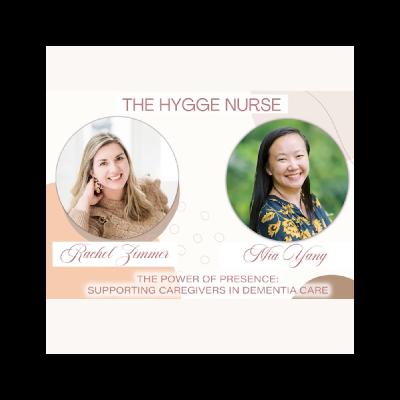
In this enlightening episode of the Hygge Nurse podcast, Rachel Zimmer sits down with Dr. Mia Yang, a dedicated geriatrician with extensive experience in dementia care and caregiver support. Together, they explore the intricacies of caregiving, focusing on the well-being of caregivers and practical strategies to navigate the challenges of dementia care.Key Takeaways:1. Understanding Caregiver Well-Being: - Importance of self-care for caregivers. - Strategies to find moments of respite and self-care activities. - Differentiating between internal thoughts and external constraints to reduce self-blame.2. Navigating the Healthcare System: - Challenges caregivers face in the healthcare system. - Tips for managing transitions of care, such as moving from home to hospital. - Importance of clear communication and finding language-concordant care.3. Practical Tips for Caregiving: - Handling common dementia-related behaviors like refusal to bathe or take medications. - Importance of creating joyful moments despite the challenges. - Utilizing mindfulness, journaling, and bilateral stimulation techniques like brain spotting for stress relief.4. Research Insights: - Overview of a study on the well-being of Black and Latino caregivers. - Impact of cultural and language barriers on caregiver experiences. - Importance of presence and empathetic listening in caregiving.Resources Mentioned:1. UCLA Caregiver Education Videos: - Short, practical videos for managing common caregiving challenges.2. Creating Moments of Joy Along the Alzheimer's Journey by Jolene Brackey: - Humorous and accessible book with practical advice.3. Ask Dr. Mia Podcast: - Dr. Mia’s podcast on aging well and geriatric medicine.4. Dementia Matters Podcast: - Podcast by the Wisconsin Alzheimer's Disease Research Center on memory care research.5. Brain Spotting Music on Spotify: - Bilateral auditory stimulation music for stress relief.Additional Recommendations:- Teepa Snow’s Gem Approach: - Understanding dementia behaviors and levels through a positive framework..- Subscribe to Hygge Nurse Podcast: Stay updated with our latest episodes.- Leave a Review and Share: If you found this episode helpful, share it with friends and family who might benefit.- Visit Hygge Abode: Explore our digital courses designed to help you create serene, wellness-focused spaces at home. [Link to Hygge Abode Courses](https://www.hyggeabode.com/courses)Thank you for tuning in. Stay cozy, connected, and take good care of yourselves and your loved ones.
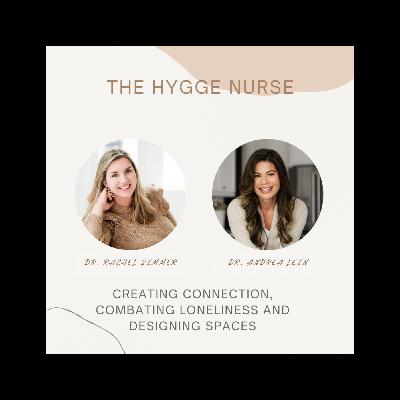
Dr. Andrea Lein, a psychologist with expertise in mental health, positive psychology, and giftedness, shares her insights on holistic mental health and the importance of connection.This episode covers Dr. Lein's journey, her work with gifted individuals, and strategies for fostering holistic mental health. The discussion also delves into the issue of loneliness and social isolation, highlighting the need for connection and belonging. She discusses the importance of prioritizing connection with oneself and others and the role of community in healing and well-being. In this conversation,She also discusses the importance of connection and creating supportive environments and explores the role of boundaries, feedback, and leadership in fostering genuine connections. Andrea emphasizes the impact of our environment on our mental and emotional health, highlighting the concept of milieu therapy.Here are some key takeaways:🌟 Holistic mental health means prioritizing connection with oneself and others.🌟 Loneliness can be felt even when we’re not alone.🌟 Community and safe relationships are crucial for healing and well-being.🌟 Our environment profoundly influences our state of mind.🌟 Practical strategies can enhance our social connections.Rachel and Andrea also discuss several rich resources that can help with connection and home.Recommended resources:'The Art and Science of Connection''Braving the Wilderness' by Brene BrownThe Well Connected Home by Dr. Andrea Lein:https://www.andrealein.com/wellconnectedhomeDigital Courses on Decluttering and Design for Health:https://www.hyggeabode.com/pages/home-design-course-descriptionAnd please be sure to rate our podcast and leave a review if you loved it!For more information about Hygge Abode, visit our webpage at www.hyggeabode.com.

Comments

Download from Google Play

Download from App Store
 United States