


 Claim Ownership
Enlightened Omnivore Podcast
Subscribed: 0Played: 22
Subscribe

© Enlightened Omnivore
Description
A weekly podcast that serves up a delicious mix of food, sustainability, and travel. Host, Steve Sabicer, explores the wonders of mindful eating, digging into stories about our food system, ways to eat more sustainably, and culinary adventures around the globe or right in his very own kitchen. Get ready to expand your palate and your mind. One bite at a time.
enlightenedomnivore.substack.com
enlightenedomnivore.substack.com
25 Episodes
Reverse
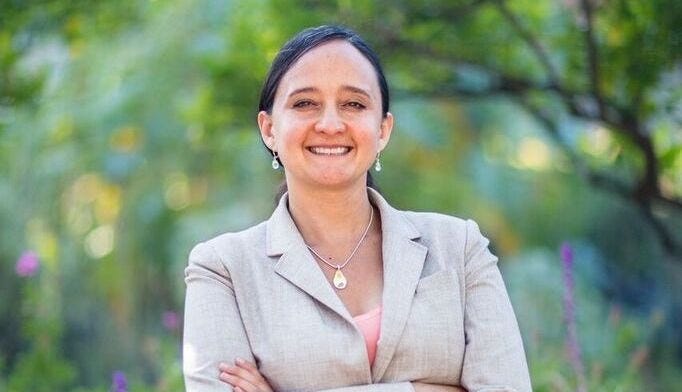
This week on Enlightened Omnivore, I sit down with Nurit Katz, the Chief Sustainability Officer of the University of California, Los Angeles, for a conversation that stretched far beyond campus boundaries.UCLA isn’t just a university. On any given day, it functions like a small city, serving nearly 90,000 people. It has its own power systems, water demands, food operations, transportation networks, and emergency infrastructure. It’s no wonder that it’s a fascinating test case for sustainability—not just in theory, but in practice.UCLA is a “living laboratory,” a place where research doesn’t sit on a shelf, or only get pondered in the classroom. It gets translated into real, shovel-ready projects. One of the most compelling examples we discuss is a recent solar microgrid project. The campus used electric cars like mobile batteries, borrowing electricity from student, staff, and faculty vehicles during evening hours when solar isn’t available. In simple terms: your car can charge during off-peak hours and then send energy back to the grid when demand spikes—earning you money in the process. Enlightened Omnivore is a reader-supported publication. To receive new posts and support my work, consider becoming a free or paid subscriber.That idea—science moving into action—comes up repeatedly in our conversation. Nurit’s work is about bridging worlds: academic research and operational reality, climate ambition and institutional constraints, idealism and pragmatism.And none of these ideas are small in scale. The university’s transition to renewable sources of energy requires enormous shifts that cost billions of dollars. Yes, I used the b-word. But this conversation isn’t just about energy and infrastructure. It’s also about food—something every student, staff member, and listener can immediately relate to.UCLA Dining is consistently ranked among the best in the country, serving thousands of meals a day. That scale brings unique challenges: sourcing responsibly, reducing waste, balancing nutrition, and responding to student demand for more plant-forward menus. We talk about why “eating sustainably” gets complicated fast when you’re feeding a campus of this size, and how some of the solutions might sound familiar to former customers of Electric City Butcher—ideas rooted in sourcing, scale, and transparency.Nurit also shares something more personal: why she’s no longer 100 percent vegan.She became vegetarian as a child out of concern for animal welfare and the harms of industrial agriculture. But over time, the rigid, all-or-nothing food ideologies seemed more divisive than constructive in her work as an environmental leader. She talks about how moderation—eating less meat, sourcing it better, and making plants the center of the plate—often reaches more people and creates greater impact than excluding items from her diet ever could.Our conversation continued to mirror that perspective again and again. Not defending the status quo, but also not pretending there’s a single perfect solution. Progress, as Nurit puts it, comes from approaches that people can actually adopt.Beyond campus, Nurit also serves as a commissioner for the Los Angeles Department of Water and Power, the largest public utility in the United States. There, she’s helping guide ambitious goals like 100% clean energy by 2035, and major investments in water recycling, stormwater capture, and nature-based solutions.One of the most unexpected—and inspiring—threads in our conversation centers on birds of prey. Nurit is a co-director of the Los Angeles Raptor Study, a community-science project that tracks hawks, owls, and falcons nesting throughout the city. Raptors, she explains, are powerful indicators of ecosystem health—and powerful connectors between people and the natural world.When neighbors discover a hawk nesting outside their window, something changes. People pay attention. They care. They start asking questions about pesticides, rodenticides, tree trimming, and habitat. Conservation stops being abstract and becomes personal.Late in the conversation, I get personal and share a lesson I learned the hard way with rodenticide.If you like this episode, there are a few events coming up soon that you might want to consider attending. You might even see me at them:* Show Up and Count 30X30 Webinar: Jan. 22, 2026 10am PT; Webinar; An overview of California’s progress toward the global 30×30 Goal to conserve 30% of land and ocean by 2030.* California Nature-Based Solutions Summit: January 29, 9:00am – 4:00pm; Sacramento; The first ever summit featuring nature-based solutions in California to address climate change. Learn more about what California’s doing in this space.The overarching theme of today’s conversation was connection. It runs through the entire episode. Whether we’re talking about energy grids, food systems, biodiversity, or urban wildlife, Nurit keeps returning to the same idea: we are not separate from nature. Even in cities. Especially in cities.We don’t uncover any easy answers in the hour we spoke, but what it offers instead is something far more valuable: a grounded look at how change actually happens, by someone working at the intersection of policy, science, community, and daily life.If you’ve ever wondered what sustainability looks like when ideals meet reality, or how big institutions can still move the needle, this is a conversation you won’t want to miss.Links and Resources * Nurit Katz – Chief Sustainability Officer, UCLA; Commissioner, LADWP* Pasturebird - Regenerative poultry ranch* Los Angeles Raptor Study - Citizen science bird of prey organization * Robin Wall Kimmerer – Author of Braiding Sweetgrass* Power in Pollinators – Habitat along power transmission corridors* iNaturalist – Community science app for identifying plants and animals* RATS (Raptors Are The Solution) – Non-toxic rodent control educationSubstack Live! February 1st: Food MemoriesDon’t forget, I’m hosting an Ask Me Anything Substack Live on Saturday, February 1st at 8am PT/11am ET. I’ll be sharing some behind the scenes Podcast conversations, talking a little more about how I pick my topics, what I’ve been reading, and what I’m working on for the month.Stay Connected* Follow along on YouTube, Instagram and TikTok for video content, reels, and behind-the-scenes thoughts. I’m also on Facebook and LinkedIn.* Say hi on Substack Notes—I’m posting almost every day about my random reflections on life.* Join me in Chat. It’s a space just for subscribers, kind of like a group text but less embarrassing. Download the app, tap the Chat icon (it looks like two speech bubbles at the bottom), and find the latest “Enlightened Omnivore” thread.Enlightened Omnivore is a reader-supported publication. To receive new posts and support my work, consider becoming a free or paid subscriber. This is a public episode. If you'd like to discuss this with other subscribers or get access to bonus episodes, visit enlightenedomnivore.substack.com/subscribe
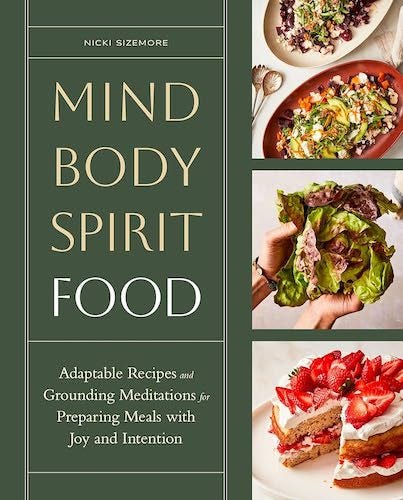
There’s a specific moment that happens in a lot of homes—usually somewhere around 5:30 p.m.—when the day collapses into the kitchen.You walk in carrying all the half-finished thoughts of the day. Someone needs help with something. Someone is hungry. You’re hungry. And even if you love cooking, there’s that split second where dinner stops feeling like nourishment and starts feeling like one more demand.This week on Enlightened Omnivore, I sit down with chef, multi-cookbook author, Nicki Sizemore to talk about that moment—the real one, not the curated one. The one where your nervous system is still running on adrenaline and you’re expected to transform “what’s in the fridge” into a meal that magically brings everyone together.Nicki’s newest book of the same name as her Substack, Mind, Body, Spirit, FOOD, is technically a cookbook. But it reads more like a self-help companion for anyone who has ever loved cooking… and then, somewhere along the way, started dreading it.When dinner becomes the breaking pointNicki has achieved what so many of us are told to do: build something successful, keep producing, keep growing. She built website, From Scratch Fast into a thriving business and went on to write four successful cookbooks. For a while, it was working exactly the way it was “supposed” to work.Until it wasn’t.Nicki soon found herself caught in a cycle familiar to any content creator trying to keep up with the algorithms. Always optimizing instead of creating. Working harder while feeling less alive inside.Then her body started sending signals she couldn’t ignore: chronic indigestion, daily medication, stress rising in a way that didn’t feel sustainable.But the real wake-up came as a simple, sharp realization:She didn’t want to make dinner anymore.Here was someone trained as a classical chef, with decades of experience teaching other people how to get meals on the table… and the thought of doing it for her own family felt impossible.Finding Her Way BackIn our conversation, Nicki explains how she found her way back to the kitchen through one word: intention.Not the overused kind.Not a productivity hack.Not a manifestation trick.More like a direction your nervous system can follow when everything else feels chaotic.A guidepost.Not an outcome.Not a goal.Presence, Ease, Balance, Fun!For me, the conversation reinforced a belief shared with me early in my cooking that feels true every time I’m in a kitchen. The most important ingredient in cooking is love. When you don’t have it for the food you’re making, others can taste it.Yes, we also talk foodDon’t worry, although we spent plenty of time on Mind, Body and Spirit in this conversation, we didn’t forget the FOOD. There was chicken cooked in a pot; creamy, spicy noodles; a clean-out-the-fridge build-a-bowl; and a behind-the-scenes recipe Nicki tested over and over, never quite getting right—until giving up led to something even better.This whole conversation blew by for me because it spoke directly to my values, concerns, and lived reality. I suspect it will resonate with many of you in much the same way.If you’ve ever stood in your kitchen feeling tired, resentful, and confused about why dinner feels so emotionally charged, this episode will feel like someone turning on a light.Because Nicki’s message is simple—but it’s not small:It’s not only what you cook.It’s how you show up to cook.And that “how” might be the missing ingredient you didn’t know you needed. This is a public episode. If you'd like to discuss this with other subscribers or get access to bonus episodes, visit enlightenedomnivore.substack.com/subscribe

Thank you to everyone who joined me live for yesterday’s Ask Me Anything—and to those of you catching up now, I’m sharing the recording . This was the first AMA of 2026, and it felt like a really good way to start the year.We covered a lot of ground yesterday. First, I shared a quick holiday recap (including how my “Prime Fib” turned out), talked through what I’m excited to cook more of this year—venison for one—and gave a preview of what’s ahead for Enlightened Omnivore in 2026.Enlightened Omnivore is a reader-supported publication. To receive new posts and support my work, consider becoming a free or paid subscriber.That includes the weekly Saturday newsletter, monthly AMAs, and wrapping up Season 2 of the podcast, a summer pause, and a even better Season 3 return in the fall with new formats and guests.We also zoomed out a bit. I shared some of the bigger ideas I’ll be exploring this year—omnivores as a model for resilience, regenerative agriculture, nutrition, and flavor.I’ve also been wrestling with a topic that I’ve been reticent to talk about on Substack but means so much to me as a man in the 21st century and father of a teenage boy. I’m beginning to explore and unpack healthy masculinity, and how it intersects with nature, food, and responsibility in the modern world. We’ll see how that shows up in my writing. Yeah, lots of lofty topics in 2026. But don’t worry. There will still be plenty of posts about food, food history, and how food intersects with ecology. Plus all the travels I have in store.As always, the best part of these Substack Live sessions is hearing from you—what you’ve loved, what stuck with you, and what you’d like more of in the year ahead.I really want our times together on Substack Live to feel like sitting around the kitchen table—coffee in hand, a little wandering, lots of good questions, and room to think out loud together. So let me know how I can make them even better.Remember, if you missed it live, you can watch the video above, or listen to it as a podcast wherever you download your episodes. And if you have thoughts, questions, or ideas for future AMAs, put it in the comments below!Here’s to a thoughtful, curious, and delicious start to 2026.-SteveNext Substack Live! February 1st 2026 The next Substack Live will be the first day of February. Put it on your calendar and don’t forget to send topic suggestions in the comments below!Let’s Stay Connected* Follow along on Instagram and TikTok for video content, reels, and behind-the-scenes thoughts. I’m also on Facebook and LinkedIn.* Like the podcast? Please consider leaving a review wherever you listen. It helps so much.* Say hi on Substack Notes—I’m posting almost every day about my random reflections on life.* Join me in Chat. It’s a space just for subscribers, kind of like a group text but less embarrassing. Download the app, tap the Chat icon (it looks like two speech bubbles at the bottom), and find the latest “Enlightened Omnivore” thread.Enlightened Omnivore is a reader-supported publication. To receive new posts and support my work, consider becoming a free or paid subscriber. This is a public episode. If you'd like to discuss this with other subscribers or get access to bonus episodes, visit enlightenedomnivore.substack.com/subscribe
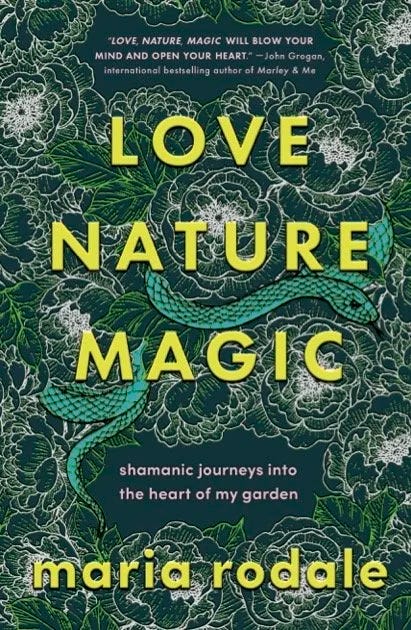
Alright—this week’s episode might be outside your comfort zone. But I encourage you to lean in.My guest is Maria Rodale: writer, publisher, gardener, and lifelong explorer of humanity’s relationship with nature. Maria comes from organic agriculture royalty. Her grandfather popularized the term “Organics,” in the 1940s, and her father launched one of the longest-running side-by-side studies comparing organic and chemical farming—still underway at the Rodale Institute today. Maria herself has spent decades carrying that legacy forward, both as the CEO of the family publishing company, Rodale, Inc. and as a prolific author in her own right of books like The Organic Manifesto, Scratch, and half a dozen Organic Gardening works.But today’s conversation isn’t really about Maria’s accolades in the regenerative agriculture movement. It’s more about how describes herself on her website:An explorer in search of the mysteries of the universe.In this podcast, we get down to some cosmic business discussing Maria’s newest book, Love, Nature, Magic, and delving into her personal practice of drum-based shamanistic journeying—a meditative, imaginative way of communicating with the natural world. No drugs. No dogma. Just a drum, an intention, and a willingness to listen.Yeah, this episode gets a little woo-woo.But I like woo. And if I think there’s something to learn from it, I like sharing other people’s woo.What I loved most about our conversation is how Maria never preaches. She isn’t asking anyone to believe what she believes. In fact, she probably doesn’t even care if you are curious about her drumming journeys. Instead, what comes across in our conversation—and in her book—is an invitation to reconsider how we relate to the living world.Not only the cute plants and animals.Not just the life-giving soil.But even the “pests” and “weeds” we're so quick to wage war against in our gardens.From there, we move seamlessly into the grounded realities she knows so well:* What “organic” really means, and why it still matters* Why farmers often feel trapped in industrial systems they didn’t design* And why reconnecting kids with nature and food may be the most important work of allA theme that keeps resurfacing is healing—not just of land and ecosystems, but of fear, disconnection, and the stories we tell ourselves about control. Maria makes a compelling case that when we stop treating nature as something to dominate, we become better collaborators. both with the planet and with one another.This is a conversation that moves between science, policy, culture, and mystery—and somehow makes all of it feel practical, human, and hopeful.Step outside if you can for this one. Maybe start imagining what you might plant in your garden this spring.And if you’re feeling adventurous, find a drum, a coffee can to bang on, or an app on your phone. It’s time to expand our palates and our minds, one beat at a time. This is a public episode. If you'd like to discuss this with other subscribers or get access to bonus episodes, visit enlightenedomnivore.substack.com/subscribe
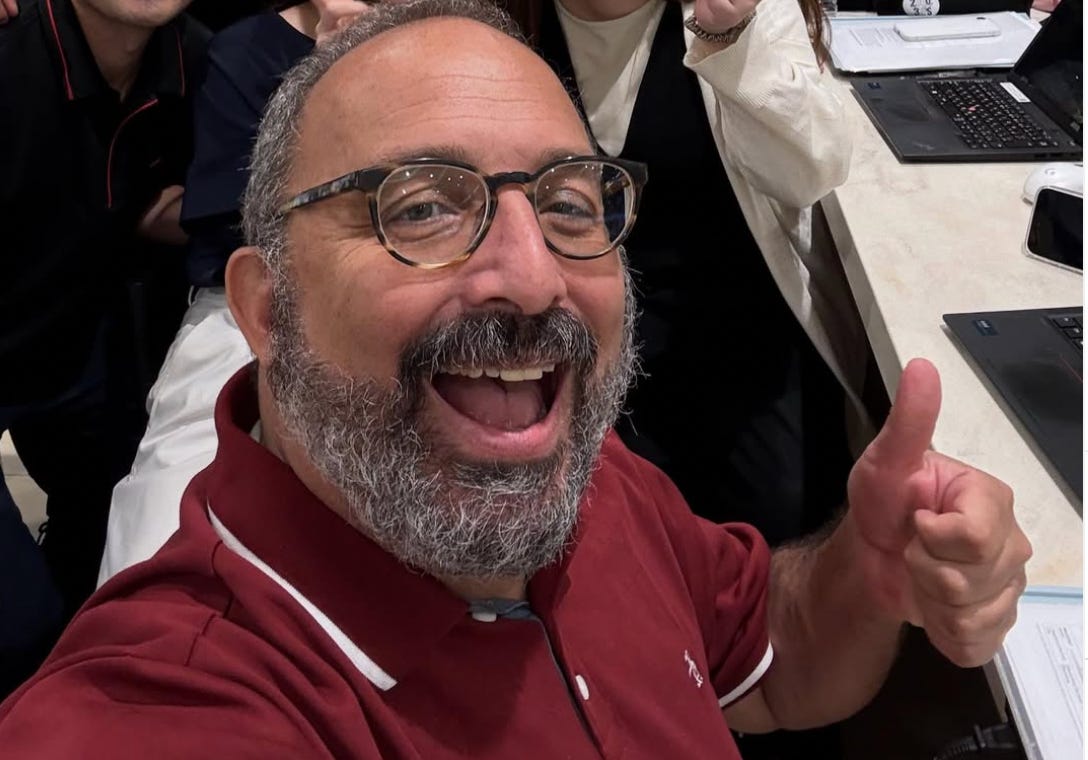
Alright—this week’s episode is a fun one.Peter Giuliano is the Executive Director of the Coffee Science Foundation, and he’s one of those rare people who can talk about coffee in a way that makes you more curious, not more intimidated. He’s been in coffee since he was 18 (barista to shop owner to roaster to buyer to industry leader), but he’s also a serious food-history nerd—and the writer behind one of my favorite Substack newsletters Pax Culinaria., which is basically a weekly rabbit hole into culinary culture, trade, and the stories we tell ourselves about food.We start with a deceptively simple question: what is “specialty coffee,” really? From there, we get into coffee science, why I no longer feel the need to apologize for drinking decaf, and how caffeine actually gets removed from those tiny beans in the first place.Enlightened Omnivore is a reader-supported publication. To receive new posts and support my work, consider becoming a free or paid subscriber.If you’ve ever wanted to learn how to taste coffee like a pro, Peter walks me through how professional coffee tasters do their jobs—cupping, calibration, and the shared vocabulary of fragrance versus aroma, flavor versus aftertaste, acidity, sweetness, and mouthfeel. And if you’ve ever heard someone describe coffee like a poem and thought, I don’t have that gene, you’ll like Peter’s take. Most great tasters aren’t born “super tasters.” They’re trained. We both agree that when you start tasting anything consciously, the world gets richer. Cooking gets better. Eating gets more fun. Even smelling onions in a pan becomes its own little miracle. And that curiosity carries over into what Peter’s newest fascination with what he calls “low foods”: the everyday, unglamorous dishes people actually survive on.Spam.Fish sticks.Cream of mushroom soup.Ketchup cuisine.Peter isn’t romanticizing junk. He’s interrogating status—why we revere certain foods when they’re served on trendy platters in well-reviewed restaurants, but turn others into cultural punchlines when they show up on paper plates in our own kitchens. Comfort food is cuisine. And it matters.No conversation on Enlightened Omnivore would be complete without a stroll through the world of regenerative agriculture. And for once, I have a guest who doesn’t see it entirely through my green-tinted glasses.Peter and I have already gone back and forth in comments on our articles about the topics of sustainability, fair trade, and regenerative farming so our diverse opinions were nothing new. What I appreciate most about our podcast conversation was our ability to disagree while still respecting each other’s perspective. In a world where hyperbole and shouting seem to get the most attention, it felt refreshing to slow down, listen, and find common ground.We don’t solve all the world’s problems in a little over an hour—but we do something rarer: we model how to talk about complicated food and agriculture issues without turning them into tribal warfare.At its core, this episode is a conversation about curiosity—two people geeking out over flavor, farming, and why food is endlessly interesting. Peter is the kind of person I could happily listen to all day over a great cup of coffee, so I encourage you to brew up a pot, sit back and enjoy this hour with him as much as I did.Happy Holidays and if you could, please share today’s episode with someone you know will enjoy it!Links and Resources:* Coffee Science Foundation and Pax Culinaria* My nitrates articles mentioned in the podcast: You Say Nitrate, I Say Nitrite* If you or someone you know suffers from Anosmia, check out these resources* Smell Retraining Therapy * How to Regain Your Sense of Smell* Savorista Decaf Coffee* World Brewer’s CupI Could Use Your HelpIf this conversation sparks something—curiosity, inspiration, a sudden need to brew another pot of coffee, please consider a small form of reciprocity to Enlightened Omnivore.Become a Paid Subscriber: For a limited time, get 20% off your annual subscription so that I can keep bringing you these eclectic conversations on regenerative agriculture, our favorite foods, and the stories behind what we eat. Or give a Gift Subscription to a loved one.Stay Connected* Follow along on YouTube, Instagram and TikTok for video content, reels, and behind-the-scenes thoughts. I’m also on Facebook and LinkedIn.* Say hi on Substack Notes—I’m posting almost every day about my random reflections on life.* Join me in Chat. It’s a space just for subscribers, kind of like a group text but less embarrassing. Download the app, tap the Chat icon (it looks like two speech bubbles at the bottom), and find the latest “Enlightened Omnivore” thread.Enlightened Omnivore is a reader-supported publication. To receive new posts and support my work, consider becoming a free or paid subscriber.Enlightened Omnivore is a reader-supported publication. To receive new posts and support my work, consider becoming a free or paid subscriber This is a public episode. If you'd like to discuss this with other subscribers or get access to bonus episodes, visit enlightenedomnivore.substack.com/subscribe
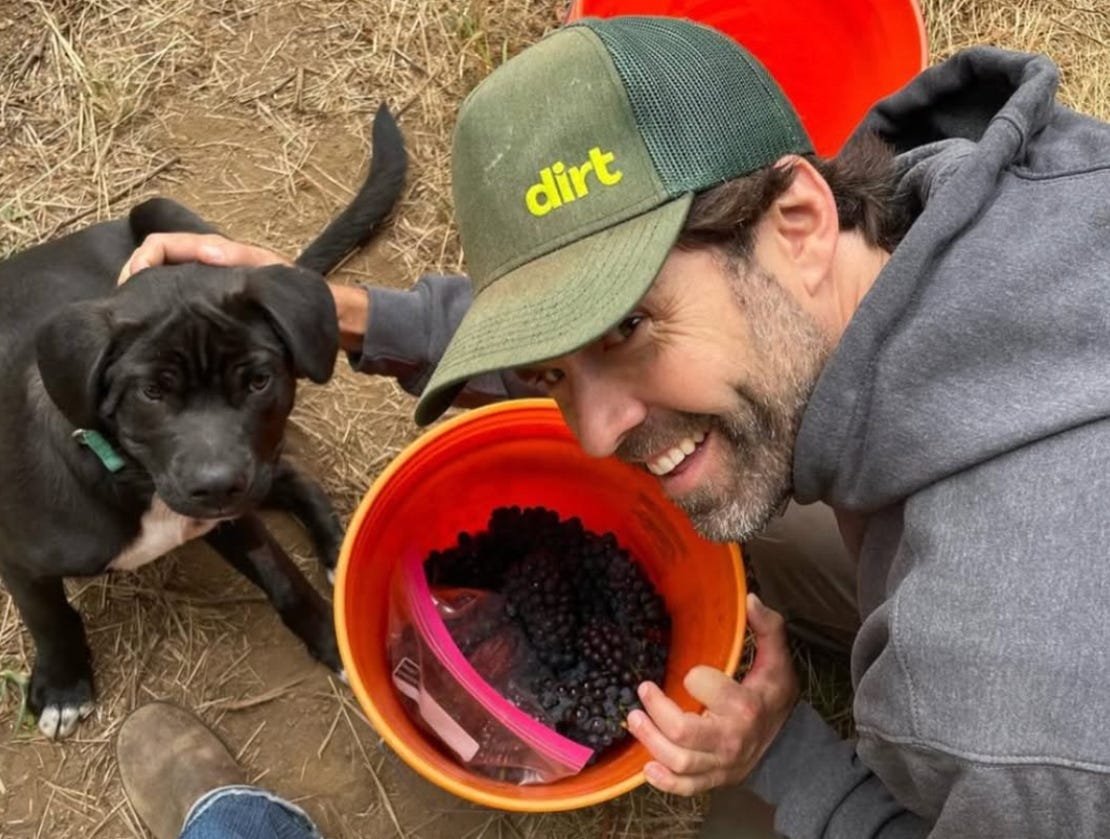
I can’t think of a better sound than when a cork comes out of a bottle of wine. It signals the start of a meal, a laughter-filled conversation with friends, a romantic evening with your special someone.My favorite literary influences loved their wine. Mark Twain had a hankering for champagne. Hemingway drank anything in a glass, but called wine the “most civilized thing in the world.” Jim Harrison had a preference for the Gigondas region of Southern France; my personal favorite as well.Wine is one of the oldest beverages and comes with its own vernacular. Of course there’s terroir, the French word that embodies the characteristics of a wine that give it a “sense of place.” Then there’s vintage and varietal, structure, and tannins, minerality and balance. And to be fair, they’re words with true meaning. A great bottle of wine is the culmination of weather, soil, season, human creativity and care, time, and a little luck. And what a story one can weave out of all those fantastic threads.Enlightened Omnivore is a reader-supported publication. To receive new posts and support my work, consider becoming a free or paid subscriber.But here’s the part we wine lovers have been oddly willing to ignore: most wines today are no longer the result of foot stopped juice and romanic hilltop vineyards. The vast majority of wine these days is highly processed, more kraft cheese than craft wine. Oenology, or the science of winemaking, is more test tubes than terroir, and the bottles you get at the grocery store can be chock-full of preservatives, additives, chemicals, and even juice from other countries. Yet the fancy labels on most wines barely mention the alcohol content or the year they were made.In this week’s episode of the Enlightened Omnivore Podcast, I sit down with Michael Frey, operations manager of Mariah Vineyards and founder of DIRT Wine. Within minutes, our conversation swerves away from tasting notes and into territory most wine markers would rather keep off-label: adulteration, loopholes, bulk imports, and the gap between the romance we buy and the reality we drink.He talks like someone who loves this world enough to be offended by its dishonesty. He seeks clarity, transparency, and respect—respect for consumers, for land, and for the idea that wine should be worthy of the myths we attach to it.That’s the disconnect. We’re learning—sometimes painfully slowly—to scrutinize the modern food system. We ask about seed oils and emulsifiers, glyphosate residue and “natural flavors.” We argue about organics and ultra-processed. Shoot, there are even podcasts, documentaries, and protests. Entire grocery chains are built on the promise of transparency.Yet when we get to the wine aisle… our brains turn off.We buy the hillside.We buy the story.We buy the idea that wine is somehow immune from the agricultural industrial complex.I’m not trying to be alarmist. Many of the additives in our wines are probably quite safe even though some, like sulfites and velcorin, have documented health risks. But if conventional producers are using all these additional ingredients to make their wine “better,” shouldn’t they have to tell us? Don’t we deserve to know what we’re drinking? And if a product wants to trade on purity, place, and tradition, it shouldn’t be allowed to present itself as something it’s not simply because of a regulatory loophole.The episode gets even more uncomfortable (in the way a good conversation should) when we move from additives to origins. “Where did this come from?” is one of the most sacred questions we can ask of a wine. It’s the heart of terroir culture. It’s the entire reason we pay more for certain bottles.And yet Michael drops another fact that feels like a trapdoor opening: you can blend up to 25% non-American juice into a wine and still call it “American.” Sure, I’ve heard about vineyards blending grapes from the vines next door, or from the same region, but a different country? Big and small producers alike are bringing in wines from Chile, Spain and Italy to augment their American vintages without telling us. And what’s worse, U.S. growers with surplus juice of their own are going out of business.There are so many wine trends out there these days: pink wine and orange wine. Natural and organic. Wild wine and regenerative. Michael’s DIRT Wine celebrates a low-intervention philosophy similar to organic, but after something slightly more…regenerative. He uses a phrase that sound like marketing until he explains it: nature positive. Not just “do less harm,” but rather, improve the ecosystem year over year. We touched on another spell that’s breaking, young wine drinkers. They’re simply disappearing into thin air, and that is scaring the industry. Everyone wants to know why. Maybe it’s the hangover. Or maybe it’s because young people are more concerned than ever about what they’re putting into their bodies. And when less alcoholic beverages share calorie counts, ingredients, nutritional information, and even social welfare of their employees, it’s no surprise the youngest consumers are less impressed with secretive wine labels that offer tasting instructions over ingredients.Whether or not you agree with every point Michael makes, it’s hard to ignore the direction of the cultural wind: people want fewer mysteries in their consumables. They want values aligned. They want proof in their purchases. They want trust.That’s why this episode isn’t just “wine talk.” It’s a conversation about the future of a category that’s been allowed to coast on charm while the rest of the pantry gets audited. It’s about whether we’re brave enough to love wine and interrogate it. Whether we can keep the cork-pop magic while insisting the story matches the supply chain.If you’ve ever cared about organic food, regenerative agriculture, ingredient labels, or the slow unraveling of industrial “trust me” marketing—this episode is for you.And if you’ve never thought about those things in relation to wine?Perfect. Start here.Links and Resources:* DIRT Wine and Mariah Vineyards* My most recent wine article The Unfiltered Truth* Regenerative Organic Alliance (ROA)* Savory InstituteI Need Your HelpIf this conversation sparks something—curiosity, inspiration, a sudden need to write a nasty gram to the TTB, please consider a small form of reciprocity to Enlightened Omnivore:* Share the episode with a friend who loves food, ecology, or history.* Become a Paid Subscriber for 20% off: So I can keep bringing you these eclectic conversations on regenerative agriculture, wild foods, and the stories behind what we eat. Or give a Gift Subscription to a loved one. Stay Connected* Follow along on YouTube, Instagram and TikTok for video content, reels, and behind-the-scenes thoughts. I’m also on Facebook and LinkedIn.* Say hi on Substack Notes—I’m posting almost every day about my random reflections on life.* Join me in Chat. It’s a space just for subscribers, kind of like a group text but less embarrassing. Download the app, tap the Chat icon (it looks like two speech bubbles at the bottom), and find the latest “Enlightened Omnivore” thread.Enlightened Omnivore is a reader-supported publication. To receive new posts and support my work, consider becoming a free or paid subscriber. This is a public episode. If you'd like to discuss this with other subscribers or get access to bonus episodes, visit enlightenedomnivore.substack.com/subscribe
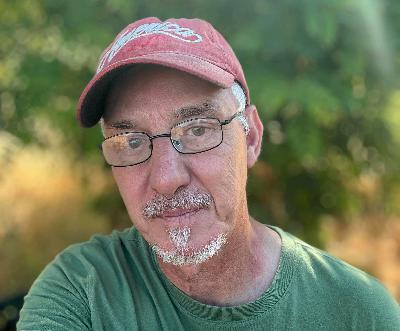
This week on the Enlightened Omnivore podcast, I finally tracked down a guest I’ve been trying to land for months.Pascal Baudar wears a lot of hats: forager, brewer, ceramicist, photographer, survivalist. He’s one of those people who has spent much of his life examining and interacting with the natural world at ground level, sometimes on his hands and knees. He spends most of his time in the hills and mountains above LA, finding wild food, preserving it, making his art, and teaching classes to amateur foragers. Getting him to agree to this interview after several months of email, DMs, and texts felt like its own small triumph. The resulting conversation was worth all the effort. It may very well rearrange the way you think about wild spaces from here on out in Southern California, or anywhere else for that matter.Enlightened Omnivore is a reader-supported publication. To receive new posts and support my work, become a free or paid subscriber.Pascal grew up in a tiny farming village in Belgium, and learned foraging from his grandmother. He realized that most local foragers learned their craft during times of conflict—like World War II—when systems broke down, and food was scarce. Fast forward to the beginning of the 21st Century, Pascal had his own anxieties around Y2K (anyone remember that?). Suddenly, he felt a real need to apply what he’d witnessed in his childhood. For the last quarter century, his fascination with foraging has permeated not only his diet, but also his profession, his art, and his philosophy on life. Like the podcast? Please consider leaving a review wherever you listen. It helps so much.Pascal calls himself a wildcrafter. For him, it’s not just about taking from the land. When he goes out into the field, he’s tending, observing, and engaging with the ecosystem in a way that’s more than transactional. It’s regenerative.“At this point, my activity cannot be just sustainable. Sustainable is not good enough anymore. I want my activity to be beneficial to the environment.”One of the most mind-bending parts of our conversation was when Pascal shared that he focuses his foraging on non-native. About 90% of what he harvests for food around LA are aliens. These “invasive” plants are often considered “problems” or “weeds,” but to Pascal, they are an abundant source of food—and not harvesting them is almost as criminal as throwing away a full dinner plate.He’s just published a new book, Wildcrafted Seeds and Grains, which identifies more than 120 kinds of edible wild grasses right here in Southern California. Not one of them is available at the grocery store.“The supermarket gives you the illusion of abundance. I can collect more edible plants and grains around Los Angeles than you will ever find at the biggest farmers’ market.”Some of these grains make simple flours, while others taste like elegant, rare and nutty rice, or an exotic spice; all for the price of a few hours of picking.In our hour-long chat, we covered a lot of ground:* Why wildcrafting is, at its core, a game of food preservation—and how traditional techniques like lacto-fermentation, brewing, and vinegar-making become essential if you even want to try to incorporate more wild foods into your life.* Attempting to eat only wild food for an entire year is a fantastic weight-loss program, but probably not all that practical for the average civilian.* How his ancient porridge recipes are inspired by the archeological evidence of mummy-like “bog bodies” from Europe—and how he recreates those dishes today using plants growing in Los Angeles.* The way he local microbiomes—wild yeasts and bacteria—can make truly natural wines, beers, and ferments that reflect the land they come from without all the chemicals of modern booze.* How he collects clay from the land, firing it with ash, and serving food in bowls and bottles made from the very soil the meal grew out of, bringing a whole new dimension to the circle of life.Pascal’s French accent and wonderful word choices might make you lean in a bit closer at times. If you’re listening and a sentence flies past you—trust me, it’s worth rewinding. Underneath the humor and the humility is a very clear, very radical message:Our ancestors survived because they knew these plants. We’re might not if we don’t.You may never go out and pick a single patch of nettle or a bunch of mugwort after hearing this episode. But after listening in, I suspect you’ll never look at a weed, a hillside, or even a crack in the sidewalk quite the same way again.Because in the end, the wild isn’t somewhere “out there”—it’s been waiting for us in plain sight.I Need Your HelpIf this conversation sparks something—curiosity, inspiration, a sudden urge to google “dandelion recipes,” please consider a small form of reciprocity to Enlightened Omnivore:* Share the episode with a friend who loves food, ecology, or history.* Become a Paid Subscriber for 20% off: So I can keep bringing you these eclectic conversations on regenerative agriculture, wild foods, and the stories behind what we eat. Or give a Gift Subscription to a loved one.* Buy Pascal’s Book: For that foodie who has everything, consider Wildcrafted Seeds and Grains, just published.Let’s Stay Connected* Follow along on YouTube, Instagram and TikTok for video content, reels, and behind-the-scenes thoughts. I’m also on Facebook and LinkedIn.* Say hi on Substack Notes—I’m posting almost every day about my random reflections on life.* Join me in Chat. It’s a space just for subscribers, kind of like a group text but less embarrassing. Download the app, tap the Chat icon (it looks like two speech bubbles at the bottom), and find the latest “Enlightened Omnivore” thread.Enlightened Omnivore is a reader-supported publication. To receive new posts and support my work, consider becoming a free or paid subscriber. This is a public episode. If you'd like to discuss this with other subscribers or get access to bonus episodes, visit enlightenedomnivore.substack.com/subscribe
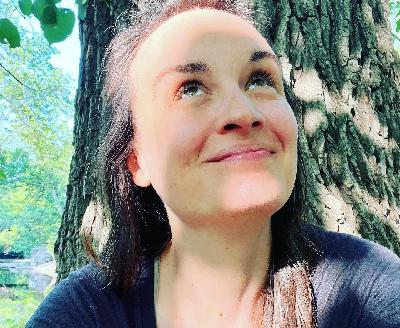
This week’s Enlightened Omnivore Podcast may be the most quietly powerful conversation I’ve had all year. I didn’t want to stop chatting with forest therapy guide, Sarah Abu-Absi about the healing power of nature. And I don’t think you’ll want to stop listening.Sarah wasn’t always a self-proclaimed “tree hugger.” She spent more than a decade working in a high-stress job for the City of Chicago—fast-paced, big stakes, constant urgency. Then her entire department was shut down. Overnight, Sarah was unemployed with two young kids. Worse yet, her body was breaking down from what would eventually be diagnosed as chronic Lyme Disease.Enlightened Omnivore is a reader-supported publication. To receive new posts and support my work, consider becoming a free or paid subscriber.Doctors, specialists, medications—some helped, most didn’t.What did help?Being outside.On the beach with no phone, strolling the woods with no agenda; in nature Sarah’s nervous system could relax, release, recharge.Over the next several years, Sarah learned that she wasn’t the only one who experienced this relief. There was a school for Guided Forest Therapy that trained people to help others feel better outside. Now Sarah makes a living at what she jokingly calls:“Convincing strangers to meet me in the woods so we can sit around and do nothing.”But it’s not nothing.Forest therapy isn’t hiking or a mindfulness exercise. It’s a gateway to remembering something most of us have forgotten. We are nature, too.In our conversation, we discuss:* Why slowing down outdoors rewires our nervous systems* How nature reduces stress, boosts immunity, and even turns down the “pain dial”* The loneliness epidemic—and why the forest never asks who you are* How reciprocity, not fear, might be the real path to protecting the planetSarah quotes writer J. Drew Lanham, who said:“In all my time wandering, I’ve yet to have a wild creature question my identity.”Tell me a more comforting sentence—I’ll wait.If modern life has you fried, numb, or disconnected, this week’s Enlightened Omnivore Podcast is a gentle invitation back to yourself. People Places and Things mentioned in this week’s podcast:* Sarah Abu-Absi (Sarah Abu-Absi) – Forest therapy guide & pain recovery coach, founder of That Forest Feeling; Instagram, Facebook, 7-minute sample forest therapy* Robin Wall Kimmerer (Robin Wall Kimmerer) – Indigenous botanist and author (esp. Braiding Sweetgrass)* J. Drew Lanham (J. Drew Lanham) – Writer, ornithologist, author of The Home Place: Memoirs of a Colored Man’s Love Affair with Nature* The Japanese call it Shinrin-yoku* Association of Nature and Forest Therapy Guides and Programs (ANFT) – Sarah’s training organization* Forest Bathing Finder – Directory to find forest bathing / forest therapy guides* Cleveland Clinic Health Essentials on forest bathing benefitsGive the Gift of Enlightened OmnivoreFinding the perfect gift is about as fun as untangling Christmas light strands and checking for burned-out bulbs. I hope to make your holiday season a little easier with a special offer this year. Give the gift of Enlightened Omnivore for the holidays.I’d love to have more curious food folks join our slightly obsessive Omnivore community. Whether you’re gifting a subscription to your favorite foodie or treating yourself, all paid subscribers get:* The full story archive (120+ articles and podcasts including Space Mushrooms!)* Upcoming paid subscriber-only chats with me!* Pro-level butcher secrets that took me decades to learn* 20 archived recipes and new monthly recipes that actually work (I test them, so you don’t have to)* Access to the comment section, where we debate important topics like whether pineapple belongs on pizza, and to baste or not to baste that turkeyLet’s Stay Connected* Follow along on YouTube, Instagram and TikTok for video content, reels, and behind-the-scenes thoughts. I’m also on Facebook and LinkedIn.* Like the podcast? Please consider leaving a review wherever you listen. It helps so much.* Say hi on Substack Notes—I’m posting almost every day about my random reflections on life.* Join me in Chat. It’s a space just for subscribers, kind of like a group text but less embarrassing. Download the app, tap the Chat icon (it looks like two speech bubbles at the bottom), and find the latest “Enlightened Omnivore” thread.Enlightened Omnivore is a reader-supported publication. To receive new posts and support my work, consider becoming a free or paid subscriber.Enlightened Omnivore is a reader-supported publication. To receive new posts and support my work, consider becoming a free or paid subscriber. This is a public episode. If you'd like to discuss this with other subscribers or get access to bonus episodes, visit enlightenedomnivore.substack.com/subscribe
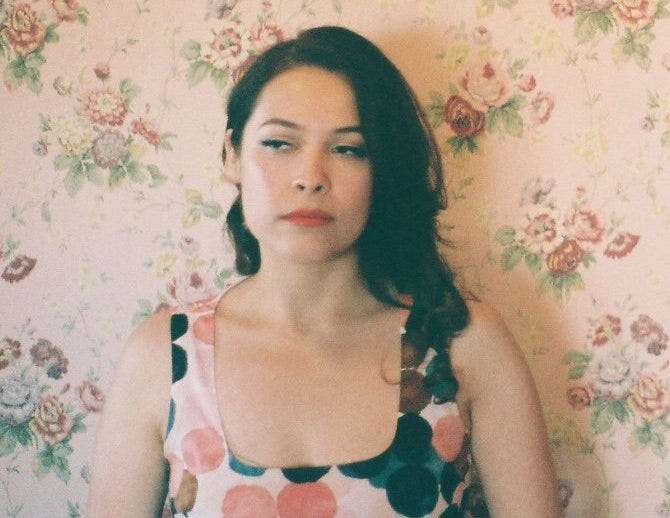
This week on the Enlightened Omnivore Podcast, I chat with someone who has not only reported on, but also shaped Southern California’s food scene.Cynthia Rebolledo is an independent journalist whose work has appeared in OC Weekly, KCET, KCRW, LAist, and a number of other influential publications that define what we think of as SoCal food culture.If you’ve wondered where the best taco is in Boyle Heights, or wanted to hunt down the perfect pupusa on Instagram, or pondered what “Modern Mexican cuisine” really means — you’d benefit from chatting up Cynthia.But like many of us who grew up in the Southland, she first wanted to make movies. In fact, food was just one of the languages she used to understand the world around her. It’s now become a cultural compass she didn’t realize she was carrying all along. And lucky for us, she’s navigated expertly with it.Where Her Story Began: A Cheese Older Than CaliforniaEvery great food writer has an origin story, but Cynthia’s might be the most delicious.She comes from a long line of queseros, cheese makers, from a tiny rancho in Zacatecas, Mexico. Born in Yorba Linda, she can’t remember not eating her family’s specialty, queso añejo, a salty, deeply aromatic, cheese that’s been in her family since the 1800s. Lovingly called queso de pata — “foot cheese” for its pungent aroma, it’s an heirloom of her ancestry— a tangible link to place, history, identity. A reminder that food isn’t just consumed; it’s inherited.Foodways, Not FreewaysCynthia introduced me to the term foodways — the cultural, economic, regional, and historical routes that food travels. And in Southern California, where freeways dominate every map, foodways tell an even truer story of who we are:* They show what ingredients families carried across borders.* They reveal what disappeared through migration — and what survived.* They explain why dishes with the same name can taste completely different, and still be equally “authentic.”Why Authenticity Might Be OverratedMany of us have probably clicked on a link that sought the “most authentic tacos,” or the “best Mexican food!” But Cynthia challenged me to rethink the entire framework, avoiding the term all together.“Food is ever evolving. It’s shared, it’s borrowed, it is always growing.”Her point: Two families from the same town can make the “same” dish completely differently — and both versions are valid.Food isn’t a museum piece. It’s alive. It adapts to migration, memory, scarcity, abundance, neighborhood, and necessity.Authenticity is personal, not universal. That’s a refreshing take in a world obsessed with “Top 10” lists that chase clicks harder than they chase accuracy.Feeding Us While Living in FearWe couldn’t ignore the truth haunting Southern California’s food world right now: fear is being used as a weapon — and it’s aimed at the very people who feed us.Street vendors aren’t setting up. Kitchen crews are shrinking. Farmworkers, the invisible backbone of our food system, are staying home out of fear.Cynthia told the story of Mr. Diablito, a fruit vendor who worked the same Santa Ana corner that my butcher shop was one. When the National Guard arrived, he stayed home for the first time in 30 years.He’s a legal resident. It didn’t matter.This is what happens when fear controls the people with the least power — and why their stories can’t go untold.Food Trends and Cynthia’s Top PicksI always love to hear about the most current food trends, and Cynthia got to offer her thoughts on where things are headed in 2026. Her guess is the continued interest in heirloom corn and tortillas made in-house from regional varieties instead of that mass-produced Maseca stuff. Tortillas are quietly shifting from delivery mechanism to culinary centerpiece.Make sure to stick around until the end of our conversation for some great tips on where to eat in LA, Orange County, and beyond. And you’ll also get a special recommendation for where she sends all her friends for dinner locally.Final ThoughtsMy conversation with Cynthia reminds me of why I started this podcast: Food isn’t just what’s on the plate — it’s who we are, where we come from, how we adapt, how we survive, and how we stay connected.Southern California’s foodways aren’t just delicious, they’re historical, political, ancestral, and alive.If you want to understand why this region tastes the way it does — and why protecting the people behind the food matters — you’ll want to listen in today.Links and Further Readings* Cynthia’s instagram page and her recent piece on El Diablito, Jose Rodriguez* Cynthia talks about her family’s queso añejo tradition in this LA Eater article.* Bill Esparza and his Street Gourmet LA Instagram account* Guelaguetza Restaurant* Karla T. Vasquez and SalviSoul* Broken Spanish by Ray Garcia.* LA Taco – All things taco in the City of Angels* Burritos La Palma* Jonathan Gold LA Times archive and City of Gold documentary about himLet’s Stay Connected* Follow along on YouTube, Instagram and TikTok for video content, reels, and behind-the-scenes thoughts. I’m also on Facebook and LinkedIn.* Like the podcast? Please consider leaving a review wherever you listen. It helps so much.* Say hi on Substack Notes—I’m posting almost every day about my random reflections on life.* Join me in Chat. It’s a space just for subscribers, kind of like a group text but less embarrassing. Download the app, tap the Chat icon (it looks like two speech bubbles at the bottom), and find the latest “Enlightened Omnivore” thread. This is a public episode. If you'd like to discuss this with other subscribers or get access to bonus episodes, visit enlightenedomnivore.substack.com/subscribe

On this week’s episode of the Enlightened Omnivore Podcast, I sit down with my friend Belinda Lau, founder of Elims, a woman-owned sustainable oral care company that’s rethinking both what we put in our mouths and what we toss into our landfills.When I think about sustainability, I tend to think big: system-wide changes, massive infrastructure shifts, moonshot technologies. The kind of megawatt solutions that might actually move the needle on our climate crisis.Belinda, however, started somewhere much smaller and far more personal.Enlightened Omnivore is a reader-supported publication. To receive new posts and support my work, consider becoming a free or paid subscriber.Oral care is one of the most repetitive rituals in our lives. The average American changes their toothbrush every quarter. The result is more than a billion plastic toothbrushes thrown away globally each year. Belinda’s research found that if she wanted to make a sustainable impact on entrepreneurship, the bathroom—yes, the bathroom—was a surprisingly powerful place to begin.In addition to the wonders of “green” dental care, we also got to talk about the holidays. I feel like I have even less time to find presents for my family this year, and I’m really trying to make my gift-giving reflect my values. I tend to buy experiences over things for my loved ones, however, everyone still needs a great stocking stuffer. If you’re starting to think about holiday gifts—and especially those little meaningful extras—you’re going to want to listen to this week’s episode. Belinda offers smart, sustainable gift ideas that people will actually use.One of the most unexpected, and beautiful, parts of our conversation had nothing to do with toothbrushes or gift lists.Belinda opened up about burnout culture, especially in entrepreneurship, and how easy it is to treat exhaustion like a badge of honor. She shared one of her favorite Buddhist teachings that looks to our animal friends for insights on how to heal, and the wisdom we can borrow from their ability to rest. She also revealed her simple creativity practice—one that anyone can do, especially if you live in Southern California.As someone who instinctively fills every quiet moment with noise, news, or motion, I found this part of our conversation deeply grounding, and a nice reminder of the power of silence.And because this is Enlightened Omnivore, we couldn’t end without talking about food. Belinda described her family’s Burmese cuisine as a beautiful collision of Thai, Indian, and Chinese influences. She shared her favorite dishes and where to find them, and I found myself wanting to go straight from the recording to a noodle soup counter.I loved this conversation because it had everything I value most: good friendship, honest answers, food wisdom, creative insights, generosity—and a bit of laughter woven throughout.I hope you enjoy the listen.Let’s Stay Connected* Follow along on YouTube, Instagram and TikTok for video content, reels, and behind-the-scenes thoughts. I’m also on Facebook and LinkedIn.* Like the podcast? Please consider leaving a review wherever you listen. It helps so much.* Say hi on Substack Notes—I’m posting almost every day about my random reflections on life.* Join me in Chat. It’s a space just for subscribers, kind of like a group text but less embarrassing. Download the app, tap the Chat icon (it looks like two speech bubbles at the bottom), and find the latest “Enlightened Omnivore” thread.Enlightened Omnivore is a reader-supported publication. To receive new posts and support my work, consider becoming a free or paid subscriber. This is a public episode. If you'd like to discuss this with other subscribers or get access to bonus episodes, visit enlightenedomnivore.substack.com/subscribe
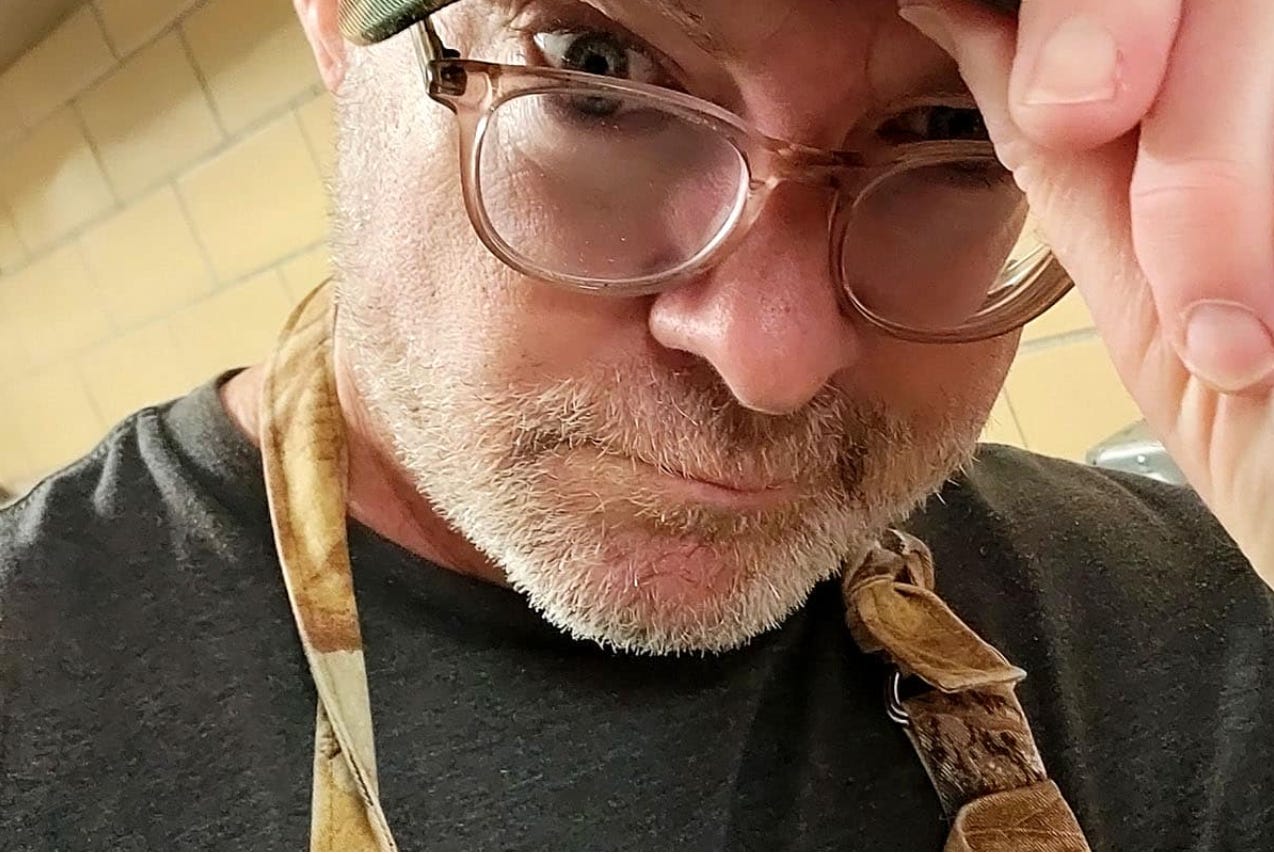
The new episode of Enlightened Omnivore ventures into the wild with Hank Shaw — James Beard Award–winning author, chef, hunter, and one of the more thoughtful voices on eating from the land. Hank’s life defies neat categories: he started out as a sous chef at an Ethiopian restaurant, spent two decades in journalism (including a stint as political bureau chief in California’s Central Valley), and eventually turned his reporter’s precision toward food, foraging, and the ethics of the hunt.Hank didn’t grow up hunting; he learned at 30. That late start sharpened his perspective and let him bring years of kitchen skill to wild game. His work — from Hunter Angler Gardener Cook to his seventh cookbook, Borderlands — treats wild food as an ongoing dialogue between landscape, species, and season. As he told me, “wild cooking is embracing chaos” — every duck, deer, or mushroom carries the story of where it lived, what it ate, and when it was taken.We talked about how diet, region, and even age can change the flavor of wild meat — how a rice-fed mallard tastes nothing like one raised on acorns — and why duck should be cooked like steak, not chicken. We covered nettles and chanterelles, desert mesquite and acorn-finished hogs, and how foraging was his first love, even if it’s a book he’ll never write.It wasn’t all hunting chatter. Hank’s new cookbook, Borderlands, reads like a love letter to the foods of the Southwest and northern Mexico — a region he knows through both taste and terrain. We dug into conservation, public lands, and how our industrial food system so often works against the very soil it depends on.Hank’s view is both pragmatic and hopeful: small acts — planting native prairie, cooking with what’s in season, volunteering at a food bank — all are ways to restore balance, one plate at a time.Our conversation left me thinking that the best food isn’t about perfection, but rather participation — the willingness to role up our sleeves, get close, pay attention, and let the land have a say in what’s for dinner.And somehow, we managed to cover all of that in about an hour. Enjoy! This is a public episode. If you'd like to discuss this with other subscribers or get access to bonus episodes, visit enlightenedomnivore.substack.com/subscribe
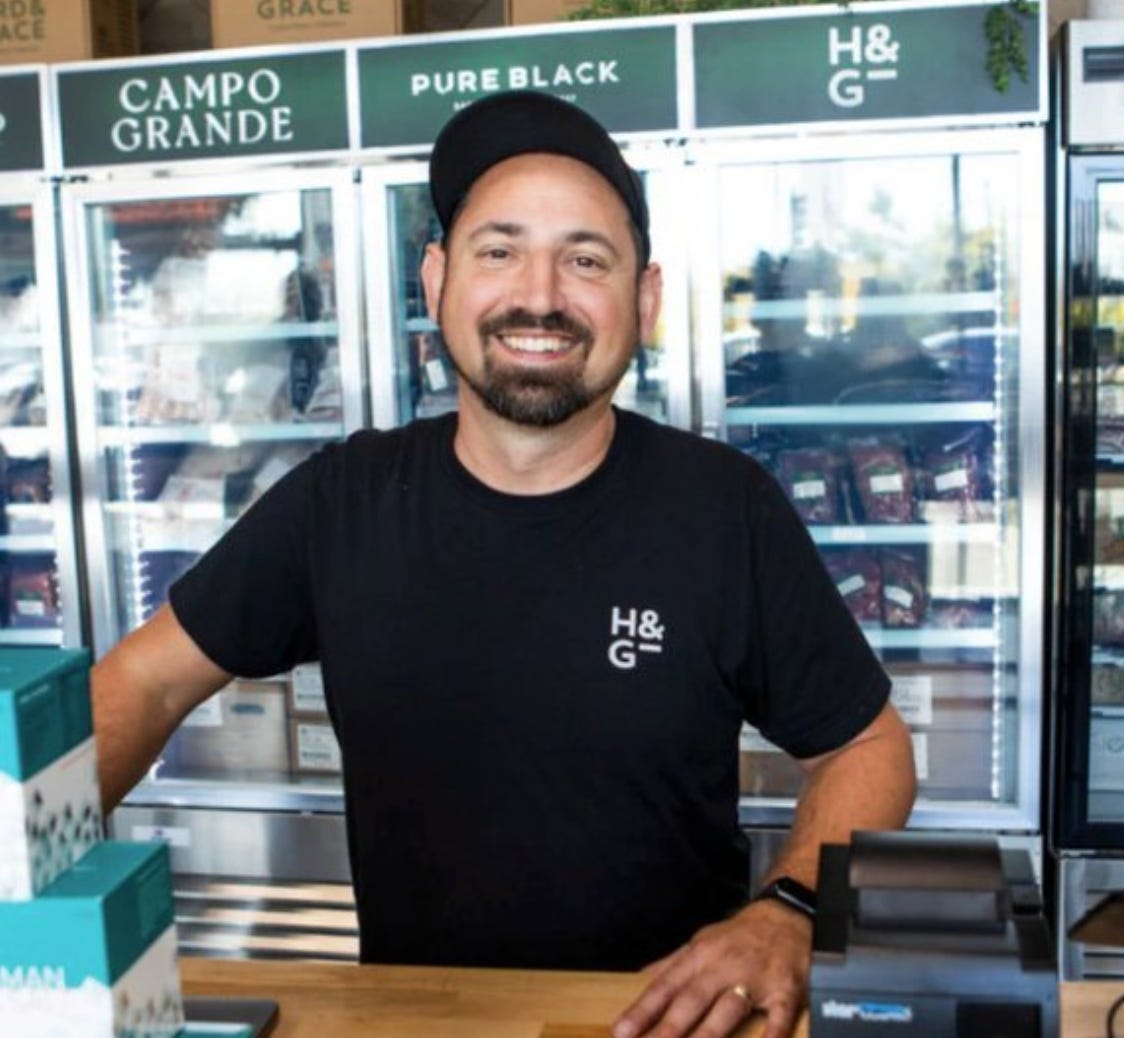
The new season of Enlightened Omnivore opens with my friend and mentor, Michael Puglisi. Michael has worn a lot of hats, airplane de-icer, chef, butcher, and founder of Electric City Butcher, the Orange County shop that became a shrine to craft butchery, and a community hub for responsible agriculture. It was also where I learned almost everything I know about butchery.In our conversation, Michael reflects on what it means to lead in success, to fail publicly, and to let go while always maintaining purpose. We talk about label fog and the ethics of buying better, the trap of consistency, and why imperfect food often tells the truest story.And somehow we got it all recorded in about an hour. Not bad for two guys known to talk…a lot. This is a public episode. If you'd like to discuss this with other subscribers or get access to bonus episodes, visit enlightenedomnivore.substack.com/subscribe
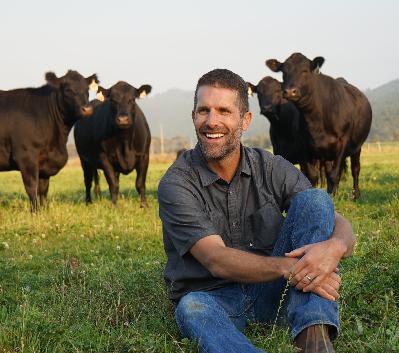
In a world where most people follow predictable career paths, Mark Keller, Director of Operations & Product at Cream Co. Meats, chose to leap from the glamorous runways of international fashion into the muddy boots of regenerative agriculture. His story, shared in the latest episode of the Enlightened Omnivore Podcast, reveals not just an unconventional career change, but a deeply spiritual journey that has shaped decades of pioneering work in sustainable food systems.Enlightened Omnivore is a reader-supported publication. To receive new posts and support my work, consider becoming a free or paid subscriber.From Ralph Lauren to Ranch LifeKeller's journey begins in an unlikely place—the fashion capitals of Europe and New York, where he spent years as a successful international model. Working with major brands and traveling the globe, he was immersed in a world of creativity and passion. But rather than being seduced by the glamour, Mark found himself drawn to the creativity of his colleagues rather than the camera."Being around that many creatives, I found myself really attracted to…the dreamers, the photographers and the designers," Keller reflects. "They were willing to take their insides and bring them out, to manifest them in the world."Mark manifested something of his own realizing he has something deep within himself, a "oneness with the land, with the landscape, with wild places." The courage he witnessed in creative collaborators gave him the strength to pursue his own unlikely dream.The Audacious PivotWhen Keller made the decision to leave modeling, he didn't just change careers—he changed everything. His path led him to study agriculture, where he discovered holistic resource management—a decision-making framework that would become the foundation of his life's work."I have to do things with my hands. I'm not uber intellectual," he explains with characteristic humility. "When I feel it, that's when I become really powerful."And when he started to get his hands dirty, he realized there was a massive gap in the food system that he wanted to fill.Building Bridges in an Unbuilt WorldEarly in his agricultural career, Mark realized that even becoming the world's best regenerative farmer wouldn't matter without the infrastructure to distribute."There was no one to help me bridge from farm gate to the end consumer," he recalls. "So I just said, okay, I'm gonna do this for 10 years. I am going to build the distribution infrastructure."This wasn't naive optimism—it was a true calling coupled with fierce determination. Over the following decades, he would pioneer selling meat at farmers markets, creating industry-first certifications, developing world-class charcuterie, and building a distribution business that now feeds thousands of families.The Sacred Nature of FoodWhat I love most about Mark isn't his business successes, or his tenacious grit. Instead, it's his profound spiritual relationship with food and the life cycles that make it. You can sense the reverence he holds when "something has to lose its life" for our nourishment, maintaining constant awareness of gratitude and interconnectedness."I would never project that any life form, whether it's a bug that just hit my windshield or a chicken that we just ate, has any more or less significance than my own," he shares.Mark and I are cut from the same tablecloth when it comes to the most sacred aspect of food; its power to combat “the most dangerous thing for us human beings—the sense of being alone." The dinner table can be an antidote to loneliness, where simple acts of sharing create an energy that can heal.The Power of OptimismDespite all the obstacles and challenges he’s experienced, Mark’s greatest gift to all of us is his optimism. He sees the big picture: a massive movement of beliefs, efforts, and struggles that seem to be heading in the right direction. I know that sounds unlikely. I haven’t met many folks as knowledgable and as in the middle of it all who see such a silver lining—but that’s what I love about Mark. His optimism isn't blind faith; it's grounded in patience.This month’s podcast is a story of courage–the courage to follow an inner knowing even when the path doesn’t yet exist. It’s about understanding that we are part of a larger whole, connected through the land, and to seasons and cycles of life and death. I count my lucky stars when I can share in this experience through the breaking of bread.Mark offers something rare: informed optimism backed by decades of actually building the infrastructures for change. His journey isn't just an interesting career pivot—it's a masterclass in following a spiritual calling while doing the practical work of creating the world you want to see.Don’t forget, Summer Reruns are ComingI’m traveling this summer to Tanzania, France, Rhode Island and the Adirondacks. While away, I’ll be taking a short hiatus from the newsletter from June 28 to July 26. But Saturdays won't go quiet. Instead, I’m sharing The Enlightened Omnivore Rewind—a four-part summer series revisiting some of my favorite pieces. These aren’t just reruns, they’re thoughtful reintroductions, with a bit more color, context, and seasoning than the first time around. Whether you missed the original post, or want to read them through a new lens, I hope they feel like welcome company this summer.The Rewind Series will arrive every Saturday from June 28th through July 19th. Then I’ll be back at the end of the month recharged and ready to go with new writing, interviews, recipes, reflections, and podcasts, and probably a few summer stories too.Let's stay connected📱 Follow along on Instagram and TikTok for video content, reels, and behind-the-scenes thoughts. I’m also on Facebook and LinkedIn.🎧 Love the podcast? Please consider leaving a review wherever you listen. It helps so much.✍🏼 Say hi on Substack Notes—I'm going to be posting more here about my daily reflections and thoughts on writing.💬 Join me in Substack Chat. It's a space just for subscribers, kind of like a group text for this community. Download the app, tap the Chat icon (it looks like two speech bubbles at the bottom), and find the latest "Enlightened Omnivore" thread. This is a public episode. If you'd like to discuss this with other subscribers or get access to bonus episodes, visit enlightenedomnivore.substack.com/subscribe

Just an hour north of San Francisco's Golden Gate Bridge, nestled in the coastal hills of Marin County, fourth-generation rancher Loren Poncia has been making a name for California grass-finished beef. In this week's episode, I reconnect with Loren for the first time since closing Electric City Butcher to explore how Stemple Creek Ranch has evolved in an ever-changing food landscape.Our conversation may have covered as much ground as the ranch's lush rolling pastures. We explore the economic challenges that first inspired Loren and his wife Lisa to reimagine the ranch, the three secrets to exceptional grass-finished beef, and Loren's candid insights revealing both the science and soul behind regenerative agriculture.Enlightened Omnivore is a reader-supported publication. To receive new posts and support my work, consider becoming a free or paid subscriber.Why This Conversation MattersIn an era of confusing food labels and dubious environmental claims, Loren's straightforward approach is refreshing. As he puts it during our discussion, "We do it the hard, honest, transparent way." But what exactly does that mean in practice? And can this approach actually scale beyond boutique operations to feed more people?These questions sit at the heart of our conversation, touching on the future of grass-fed beef, why Loren no longer calls himself a "cattle rancher," and how COVID-19 dramatically altered the business model for good. The most electrifying moment was when Loren revealed his wild plan to use virtual fencing technology that might transform Southern California's fire-prone suburban landscapes into invisible ranches for nutrient-dense proteins. A Peek Over the FenceWhat comes across most in this conversation is just how difficult it is to raise food the right way. Loren shares both his successes and challenges with complete transparency, just like the way he raises his beef. Whether discussing the economics of regenerative ranching, or revealing his vision for the future of food, Loren offers listeners a rare opportunity to understand what it’s like to produce meat in alignment with nature.It’s Not Just the MeatPerhaps most intriguing is our discussion about what comes next for Stemple Creek and regenerative agriculture more broadly. Loren shares his thoughts on everything from technology's role in sustainable ranching to focusing more on "first-person certified,” which might push the envelope on how you think about buying meat.Living in Rhythm with the LandWhat's striking about Loren isn't just how he raises animals—it's his profound connection to nature's cycles. When asked about his favorite season on the ranch, he couldn't choose just one, revealing how his life pulses with the rhythms of the land. Spring brings lush growth and predictability, fall brings migration and hunting, summer draws him to foggy coastal fishing, and winter has its own quiet gifts. From deer to duck, and fishing to foraging, Loren’s love for the land reiterates how this isn't just about ranching—it's about life lived in conversation with the landscape.Listen NowTune in to hear the full conversation and discover why Loren Poncia isn't just raising exceptional beef—he's cultivating a different relationship between land, animals, and people that could inspire the future of agriculture.Mentions and Tags* Stemple Creek Ranch* Marin Carbon Project* Point Reyes Ranching Controversy* Marin Agricultural Land Trust (MALT)* White Oak Pastures and Will HarrisLet's stay connected📱 Follow along on Instagram and TikTok for video content, reels, and behind-the-scenes thoughts. I’m also on Facebook and LinkedIn.🎧 Love the podcast? Please consider leaving a review wherever you listen. It helps so much.✍🏼 Say hi on Substack Notes—I'm going to be posting more here about my daily reflections and thoughts on writing.💬 Join me in Substack Chat. It's a space just for subscribers, kind of like a group text for this community. Download the app, tap the Chat icon (it looks like two speech bubbles at the bottom), and find the latest "Enlightened Omnivore" thread. This is a public episode. If you'd like to discuss this with other subscribers or get access to bonus episodes, visit enlightenedomnivore.substack.com/subscribe
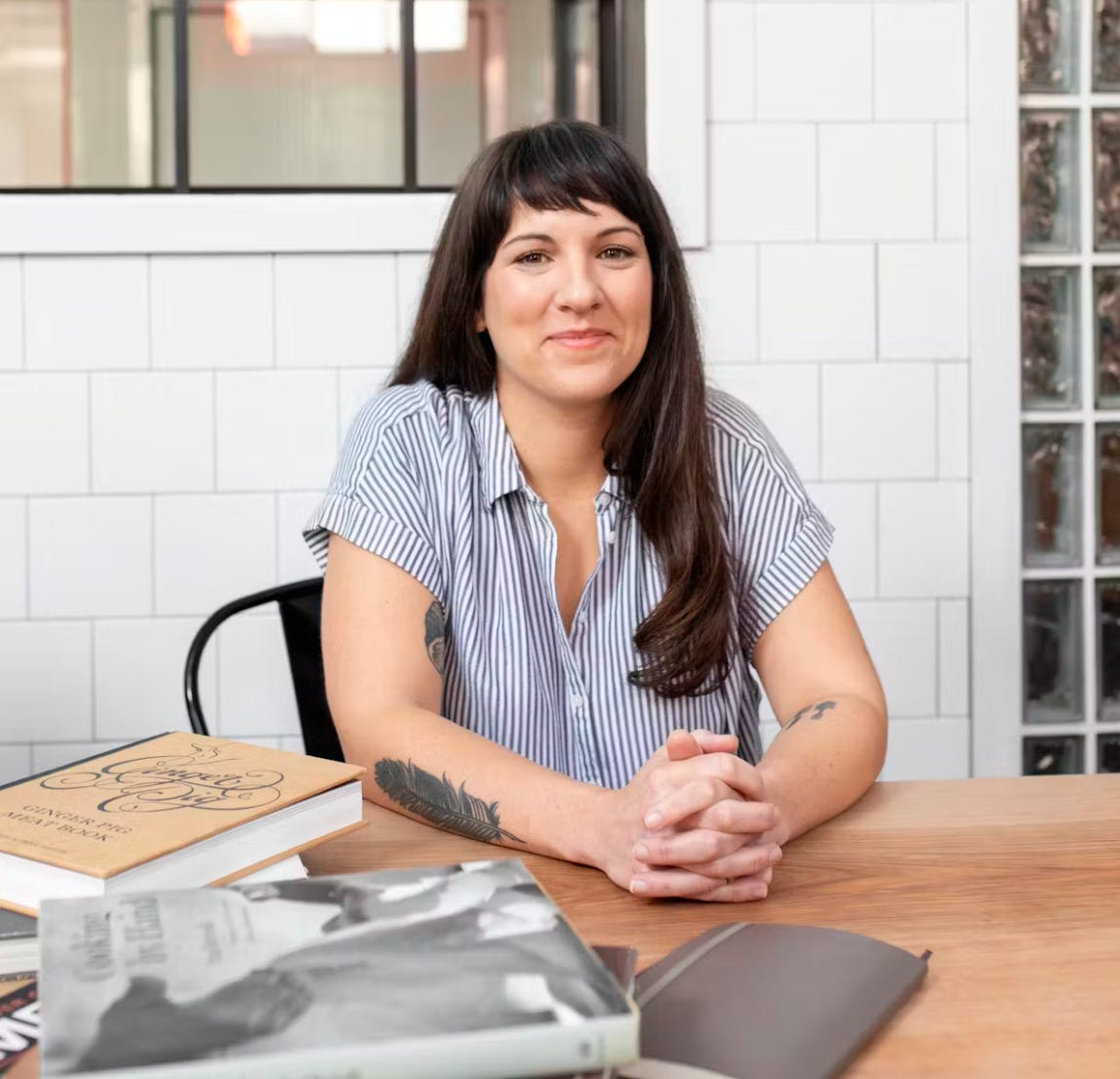
This week, I had the pleasure of reconnecting with my friend Heather Marold Thomason, food system extraordinaire, and author of the popular HUNGRY HEART on Substack. We got to catch up on the next chapter in her fascinating journey since closing the Philadelphia neighborhood butcher shop, Primal Supply. So much has changed in her life, and her insights couldn't be more timely for the the current climate.Our conversation covered crucial ground regarding the challenges facing sustainable agriculture right now. We explored the impacts of the recent federal funding freeze on small farmer support, and how some are facing an existential crisis staring down potential closure of their operations. She also offered a surprising silver lining: while grocery store prices soar, those at farmer's markets have remained relatively stable, potentially making local food more competitive than ever.Enlightened Omnivore is a reader-supported publication. To receive new posts and support my work, consider becoming a free or paid subscriber.Want practical advice for stretching your food dollar? Listen in as Heather shares her passion for beans (yes, beans!), her strategies for cooking in bulk and repurposing meals, and why a chest freezer might be your best kitchen investment. Her tips for making broth from veggie scraps and bones are both economical and delicious.We also dive into Heather's own backyard, including her innovative "hügelkultur mound" gardening technique perfect for difficult woodland soil or the rocky plots in my own home town.In these challenging times, Heather reminds us to lean into our community relationships, and to support and rely on our neighbors. As larger systems falter, knowing the folks on your block matters more than ever.Tune in for a conversation that balances real concern with practical hope - exactly what I needed to hear right now .Heather is always great for recommendations. Here are a few from our chat today.* Circle of Aunts and Uncles - Community loan fund supporting sustainable small businesses* Lundale Farms - Nonprofit preserving farmland and woodland for young regenerative farmers* Pennsylvania Association of Sustainable Agriculture - Supporting climate-smart farming initiatives* Local Food Promotion Project - USDA grant program for local agricultural products* Rodale Institute - Pioneers of the organic movementBooks to read* Love Nature Magic by Maria Rodale - Exploring shamanic journeys in gardening* The Enchanted Edible Forest by Dani Baker - Guide to perennial vegetables and forest gardeningIf you found Heather's kitchen wisdom as nourishing as a pot of homemade bean broth, share this Enlightened Omnivore episode with a friend who could use some practical hope on their plate! Also if you haven’t already, follow me on social:TikTok, Instagram, Facebook, or LinkedIn. This is a public episode. If you'd like to discuss this with other subscribers or get access to bonus episodes, visit enlightenedomnivore.substack.com/subscribe
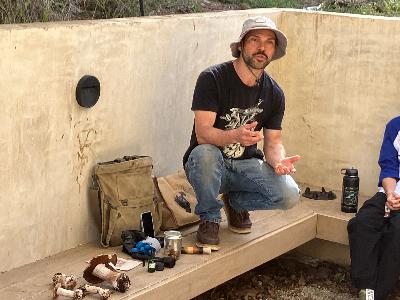
In this week's Enlightened Omnivore podcast, I take you deep into the undergrowth of Southern California's mushroom scene—and discover a perspective on nature that might just transform how you interact with the world around you.On the surface, my conversation with self-proclaimed “mushroom whisperer,” Brando Farr, covers the essential do's and don'ts of mushroom hunting for beginners eager to venture into the newly dampened hills of Los Angeles. With recent rains transforming our parched landscape, there's no better time to learn about the fascinating fungi emerging all around us.But like the mycelium hidden beneath forest soil, our discussion branches into something far richer—a network of insights connecting wellness, spirituality, and ecological wisdom that I couldn't possibly fit into a single hour of audio.Enlightened Omnivore only exists because of the support from readers and listeners like you. Consider becoming a paid subscriber so that I can continue to make great content.What You'll Hear in This Episode* The ethical code every mushroom hunter should follow (and why breaking it damages ecosystems for years)* How to identify "shrumps"—the telltale bumps under leaf litter that signal hidden mushroom treasure* Why tree identification is the secret key to successful mushroom hunting* The surprising importance of north-facing slopes and water tables * The richness of reciprocity with nature that transforms "taking" into an exchangeMeet Your Guide: Topanga's Mushroom WhispererIn a storied pocket of the Santa Monica Mountains, Topanga Canyon has been known for decades as an artists' enclave where Jim Morrison, Woody Guthrie, and Neil Young found inspiration among coastal live oaks and chaparral. It's also a fantastic place to find mushrooms.Born to a musician father with a similar infatuation with fungi, Brando Farr became a forest dweller, chef, and self-described "mushroom whisperer," hunting, picking, and sharing what he knows of the dozens of species that thrive in Southern California's unique microclimates.In our conversation, you'll hear how his approach goes far beyond simply finding elusive edibles in the woods. You'll discover a holistic philosophy that connects ecological stewardship, food preparation, and personal well-being—one that encourages patience, deep observation, and a give-and-take relationship with the natural world.The Underground Network You Never Knew Existed"It looks like this vast, silky threaded webbing, this network that expands and connects from forest to forest or tree to tree," says Brando, describing the hidden mycelium that forms the true body of what we call mushrooms.In the podcast, he breaks down the fundamental misunderstanding most people have about fungi. The mushrooms we see are merely fruiting bodies—like apples on a tree—while the real organism lives underground, forming symbiotic relationships with the roots of trees and plants. Understanding this relationship is key to both finding mushrooms and appreciating their ecological significance.From Taker to Steward: The Ethical EvolutionAs his skill in finding prized chanterelles and porcini mushrooms became known among local chefs and restaurants, Brando witnessed firsthand how human enthusiasm can damage delicate ecosystems."I started to get a little bit sad and jaded, and it started to feel like I was identifying with just being a taker," he explains."I try to share and teach and guide and mentor people in a way that will hopefully steer them in the direction of using their hearts more to feel into why they're compelled to pick or take," Brando says. Now, when he takes people on mushroom observations (rarely picking these days), he asks everyone to pick up trash they find in order to leave the forest cleaner than they found it.Beyond the Episode: What Had to Be Left on the Cutting Room FloorOur conversation ranged so widely that significant portions couldn't fit in this week's episode. If listeners express interest (let me know in the comments!), I might splice together a future episode:* The GAPS Approach to Gut Health: Brando shares insights from the Gut and Psychology Syndrome diet he learned from mentor Hillary Boynton, author of The Heal Your Gut Cookbook. "It's based on a philosophy that we can heal our gut and restore our health and also bring some balance to an otherwise imbalanced mental health," he explains.* Revolutionary Mushroom Cooking Techniques: Despite what most chefs will tell you, Brando advocates for boiling mushrooms—a technique that reportedly enhances both flavor and digestibility by working with mushrooms' unique cellular structure.* Traditional Fermentation Practices: Hear about Brando's home-crafted kefir made with raw, organic, pastured milk and culture grains passed down from his mentor.I only just met Brando a few weeks ago at the LA Mycologist Society meeting at the LA Arboretum. I’d made a comment on social media about his cooking demonstration. A few Instagram DMs, and we were recording. But what I find so authentic and appealing to Brando is how he connects foraging ethics, ecological understanding, traditional food preparation, and culinary innovation into a cohesive vision that aligns with my own budding ethos as an Enlightened Omnivore: regenerative, resilient, and restorative.As Brando puts it, "There's so much more magic and depth and meaning to kingdom fungi rather than just what can I eat. Just go into it open and be prepared, because you're probably going to leave with a lot more than you figured you would."After listening to today’s Podcast in the edit booth I felt like it had something increasingly rare—a guide to rediscovering our place within natural systems rather than merely extracting from them.Also if you haven’t already, follow me on social: TikTok, Instagram, Facebook, or LinkedIn.Recommended Mushroom Books* All That the Rain Promises and More by David Arora - Brando's first personal mushroom field guide. While slightly outdated, it's packed with quirky stories and remains a great starting point for beginners.* Mushrooms Demystified by David Arora - Considered a "mushroom Bible" by many foragers, this comprehensive guide has been a staple since the 70s and 80s.* Mushrooms of the Redwood Coast by Christian Schwarz and Noah Siegel (2017) - Highly recommended by Brando, who credits this book with deepening his exploration of California mushrooms. Features excellent photography and detailed information.* Mushrooms of Cascadia by Schwarz and Siegel - A companion guide focusing on mushrooms of the Pacific Northwest.Join the Mycological CommunityThe Los Angeles Mycological Society (LAMS) hosts regular meetings and identification sessions during mushroom season. Also at @la_mushrooms. Follow BrandoYou can follow Brando Farr on Instagram at @FarrandWild for more mushroom wisdom and culinary adventures.Have questions about mushroom hunting or topics you'd like to hear in a future episode? Drop them in a comment to me below.🍄 If you enjoyed this week’s post, please share it with fellow food and nature enthusiasts! 🍄🍄Keep Enlightened Omnivore going! Consider becoming paid subscriber today.🍄Also if you haven’t already, follow me on social: TikTok, Instagram, Facebook, or LinkedIn. This is a public episode. If you'd like to discuss this with other subscribers or get access to bonus episodes, visit enlightenedomnivore.substack.com/subscribe
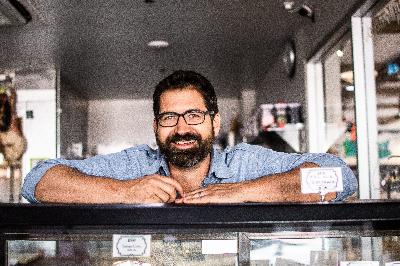
This month's episode of The Enlightened Omnivore Podcast puts me in an unfamiliar position - the guest chair. My friend and previous guest, chicken guru Tyler Dawley of Big Bluff Ranch, takes over hosting duties, turning the microphone around on me to explore my own journey with food, farming, and family. It felt a little vulnerable sharing my story, but once I got the hang of it, Tyler couldn’t shut me up.Although I still consider myself on the path to enlightenment, it hasn't been exactly straightforward. I started as a "big-boned kid" who struggled with weight through childhood, disinterested in where my food came from, I only cared about the quantity. And when I found myself faced with unlimited dining hall options in college, let’s just say I overindulged.Enlightened Omnivore is a reader-supported publication. To receive new posts and support my work, consider becoming a free or paid subscriber.But a couple of college summers working in the fields of a communist kibbutz in Isreal—of all places—really began to shape my understanding of food and farming. In dairy barns, chicken hatcheries and cotton fields, I discovered a connection to agriculture I didn’t realize I had. With dirt under my nails, I realized that growing food was more than a way to make some extra bucks in the summer. It was a newfound spiritual connection to creation, something that would forever affect my appreciation of food and the communities around the world who produced it.Earlier in the week, Tyler asked me to prepare a food philosophy. I don’t know if I have ever really put much thought in such a thing. For months, I’ve had on my to do list to define what I even think an Enlightened Omnivore really is! But when I sat down this week to think about it, things came pretty quickly:* Regenerative: Food that rebuilds our capacity to make more food is the most intuitive and sustainable model we can embrace.* Resilient: Just like nature's most successful species, our superpower as omnivores lies in maintaining a diverse diet that doesn't over-rely on any single calorie source.* Restorative: The most important ingredient in any meal is love - food must nourish not just our bodies, but our minds, spirits, and connections with each other.I go into more depth about what each of these principles mean to me, but I take them seriously, and I realize that they aren’t just what I write about on Enlightened Omnivore, they are also how I put food on my family's dinner table. And as a father of three teenagers, I'm constantly balancing the practical realities of feeding hungry kids with my commitment to quality and responsible sourcing. It’s hard to keep to principles when you have hangry adolescents barking at you.I’ll admit, I go a little off road with our conversation. Somehow the topic of food waste came up–which does deeply trouble me. To clarify what I said, although it’s not a 1-to-1 ratio of food waste, the USDA estimates 30-40 percent of calories raised in America are thrown away. When you consider all the time and energy spent in raising crops and animals, it seems criminal that a third ends up in a landfill.I step higher up on my soap box to talk about alternative approaches to agriculture, and I even challenge the US system to be more like—gasp—France! Where quality is prioritized over quantity. Technically, the French actually spend more per acre in agricultural subsidies than we do in the states. But I would take the results of their policies—the village markets of Provence or the world renown quality of French produce—rather than cheap vegetable oil and prime marbled beef raised in the sterile and polluted soils of Kansas and Iowa. Just ask my friend Austin Frerick how subsidies are serving his community. I can dream that California may one day experiment with agriculture in the same way it has encouraged sustainable energy.But perhaps what I'm most proud of that came out of today’s conversation is the power of sharing meals. In our increasingly digital world, the dinner table remains one of the last places for genuine human connection. It's the only time I see my kids most days, where we share not just food but also our hearts. Most nights we go around the table and ask, “one good, one bad,” offering each other a summarized snapshot of our individual days that often stimulates minutes of conversation. Words I savor more than any bite of food. And it’s no surprise that Harvard University research backs up my assertion - having regular family dinners is one of the best things we can do for our children’s wellbeing. I think of it as medicine for the soul. Please titrate my dose!Tyler was urging me to make this a practical podcast encouraging me to offer suggestions to those intent on making changes in their own lives. I was a bit skeptical that anyone would listen, but I did share a bit of what I do. Asking grocery store clerks where my food comes from. Cooking at least one meal a week with my family. Making the dinner table a phone-free zone. These simple steps can have a profound effect on how we connect with our food and with family.Also for folks who want to get involved in the fathomless depths of agricultural policy, you might consider organizations like MALT or read anything from the fantastic publication, Civil Eats before you get started. Or simply reach out to me with specific policy thoughts. I’ve got plenty of opinions to share.The truth is, striving to be a more enlightened omnivore isn't about perfection - it's about mindfulness and connection. Whether I'm making my twice-monthly batch of spaghetti sauce, or teaching my kids how to cook, I'm constantly reminded that our relationship with food goes far beyond nutrition. It's about how we sustain ourselves, our families, and our communities.I'm grateful to Tyler for this opportunity to share my story. For me, this whole journey has been about better defining what mindful eating really means.And perhaps that's the real enlightenment - recognizing that every meal is an opportunity to nourish not just our bodies, but our relationships, our communities, and our planet. Whether it's a carefully sourced farm-to-table dinner or a hurried weeknight meal with my teenagers, each bite connects us to something larger than ourselves. As I continue this journey, I'm learning that being an enlightened omnivore isn't about reaching some distant destination - it's about staying present for each step along the way.Also if you haven’t already, follow me on social: NEW! YouTube NEW! TikTok, Instagram, Facebook, or LinkedIn.Enlightened Omnivore is a reader-supported publication. To receive new posts and support my work, consider becoming a free or paid subscriber. This is a public episode. If you'd like to discuss this with other subscribers or get access to bonus episodes, visit enlightenedomnivore.substack.com/subscribe
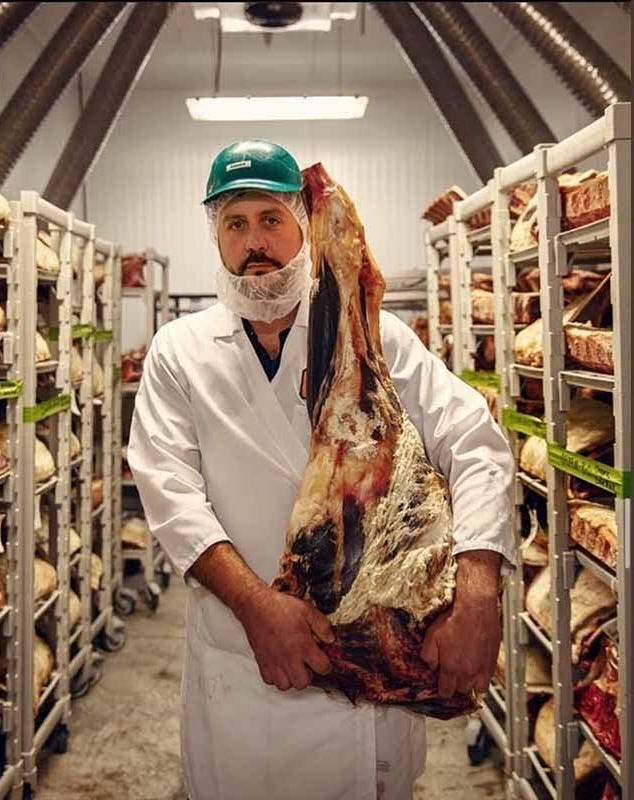
We call it processing, we call it harvesting, we call it slaughter, some just call it kill. Between the pastoral scenes of cattle grazing in green fields, and those perfectly wrapped packages in your grocery store lies a mysterious world behind windowless walls - the slaughterhouse.I think this week’s podcast is my most investigative and fascinating yet, as I try to unlock some of the sterile and misunderstood closed doors of the meat packing plant. In a revealing conversation with friend and industry veteran, David Zarling, we pull back the curtain on a part of the food system that most consumers don’t want to think about, and few ever witness.This isn’t a bloody, butcher’s exposé of the slaughterhouse floor, or a 21st Century social protest sequel to Upton Sinclair’s, The Jungle. It’s an honest attempt at shining some light through the opaque walls of one of the most primal–and important–facets of our food system. Let’s start learning how the sausage is made. It’s not as bad as you think. And hopefully, we also humanize the people who do this hard work every day.David has spent years building, teaching, and preaching the importance of responsibly raised meat. And after years of fighting the good fight, he shares his hope for a new path forward–a shift in the industry–the need for "the meat of the middle" – processing facilities that bridge the gap between massive industrial operations, and artisanal, yet expensive, mom-and-pop shops. This middle ground is even more relevant post-pandemic, when centralized mega-meat processing showed its vulnerabilities, and small scale operations couldn’t keep up with demand.Our conversation takes an interesting turn when I bring up the collapse of Belcampo Meats, a California-based, vertically integrated meat operation that promised consumers complete transparency from farm to table. David, who served as plant director during a critical period just before the company’s fall from grace, shares nuanced insights into its downfall. Rather than a simple scandal of greed and neglect, it might have had more to do with fast paced, Silicon Valley startup culture colliding with the glacial tempo of agricultural realities.We also throw around the polarizing topic of profit. While many have entered the field of butchery for the allure, the romanticism, and the craftsmanship–myself included–successful meat producers and processors require what David calls a "financial hygiene" that industry influencers fail to prioritize, and even fewer practice. This creates a painful paradox: farmers and processors must focus relentlessly on profit margins just to survive, yet most barely break even despite backbreaking work and tremendous risk. Meanwhile, consumers face the impossible choice between cheap industrial meat and "responsibly-raised" options that can cost three to four times as much. When a single grass-fed ribeye steak will set you back $60, we've created a system where doing the "right thing" has become a luxury few can afford. The hard truth is that neither end of the good meat supply chain–not producers, nor consumers–are winning in the current model. I wish I had pushed David harder on the question, “who IS winning?” I’m sure he’ll come back to elaborate.While David and others fight to build a more sustainable middle ground between industrial mega-plants and boutique butcher shops, the challenges remain daunting. The industry must somehow balance transparency with efficiency, quality with scale–and most crucially–ethics with economics. As consumers, we're faced with similar tensions – wanting to support better practices, while wrestling with practical constraints. Perhaps the most valuable insight from our conversation isn't about the technical aspects of processing, or the moving parts of meat packing, but rather the recognition that the people behind those windowless walls are grappling with the same questions we all are: how do we build a food system that works for everyone?The more I listen to seasoned veterans like David, I realize that the answer might not be all that extreme, but rather somewhere in the pragmatic, messy middle – where good intentions meet hard realities, and where people like David work every day to make things just a little bit better.If you haven’t already, follow me on social: TikTok, Instagram, Facebook, or LinkedIn. This is a public episode. If you'd like to discuss this with other subscribers or get access to bonus episodes, visit enlightenedomnivore.substack.com/subscribe
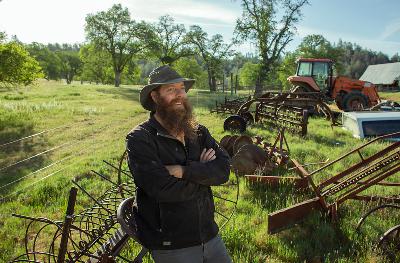
Mother Hens and Mountain ViewsA few weeks ago, I got the opportunity to visit Tyler at his Big Bluff Ranch outside of Red Bluff, CA. The drive took two hours from Sacramento, past miles and miles of Imperial valley agricultural industrial complex, before winding up into the foothills of the Yolla Bolly Mountains. The terrain was dotted with majestic valley oaks that sprouted up and stretched massive arms across an amber carpet of bone-dry rolling pastures. The road turned to dirt a dozen miles before the ranch, its washboard surface challenging the suspension of my rented Malibu. Three miles to the nearest neighbor—and seven to the next – this was California farming at its most remote.When I finally arrived, rattled and dusty, Tyler greeted me with a grin and a story about how the ranch got its name. He loves telling tales of the three generations that have enjoyed this 4,000 acre paradise. You’ll get to hear all about it—and more—in our podcast conversation.As we walked the property, just before sunset, a covey of wild quail scattered. Hundreds of turkeys sat perched along fallen trees in the middle of their pasture. Chickens congregated at a puddle fed by a leaky pipe."The first time we tried processing chickens, we used my mom's stock pot in her kitchen," Tyler chuckled. "You only get to do that once." The distinct aroma of wet chicken, mixed with other farm-fresh scents, apparently doesn't make for great indoor ambiance.From those humble beginnings in 2006 (and Mom's banned stock pot), the ranch grew to process 45,000 birds annually. While that might sound impressive, Tyler quickly put it into perspective: "Perdue does that in a couple of hours." But that's kind of the point – Big Bluff isn't trying to be Perdue. They're trying to be something altogether different."We become the mother hens," Tyler explained, showing me his unique "day range" system. Instead of the industrial approach of cramming birds into warehouses, or even the trendy "chicken tractor" method that moves daily, Big Bluff's birds live in mobile hoop houses with constant access to pasture. They can chase grasshoppers, hide from hawks, feel the sun, and huddle together at night – you know, actual chicken stuff.As the sun set behind the Mendocino National Forest, casting long shadows across the oak-studded hills, Tyler's daughter dropped by. She's in eighth grade and already talking about getting an agricultural business degree to come back and run the ranch. It's a powerful reminder that regenerative agriculture isn't just about better chicken – it's about better farming, better land stewardship, and ultimately, a better future."Regenerative agriculture is going to become just... agriculture,” said Tyler. “If you look at a long enough time horizon, you're going to see that synthetic industrial agriculture is just a little blip."Standing there in the fading light, watching chickens do what chickens do best, surrounded by three generations of ranch history, it's not hard to believe him.Please download the podcast to hear our whole conversation on this month’s Enlightened Omnivore Podcast.PASTURE-RAISED CLAIM: Also, if you'd like to learn more about the USDA's proposed definitions for pasture-raised poultry that Tyler andI discuss in the podcast, click on this link. The public comment period is closed, but you can see how folks responded to creating more concrete claims for responsibly raised poultry.Also, just in time for the holidays, expand the growing circle of enlightened eaters by offering your friends and family gift subscriptions to Enlightened Omnivore this holiday season.And, if you haven’t already, follow me on social: Instagram, Facebook, or LinkedIn. This is a public episode. If you'd like to discuss this with other subscribers or get access to bonus episodes, visit enlightenedomnivore.substack.com/subscribe
In this month's episode, I sit down with Michelle Dowd, author of "Forager: Field Notes for Surviving a Family Cult," for a fascinating discussion about foraging, food culture, and finding connection with nature. Michelle shares how her childhood experiences in a religious cult, where she learned to identify and gather wild foods for survival, shaped her unique relationship with food and the natural world.Michelle sees foraging as both a way to reconnect with the earth, and an act of resistance to modern food systems. She shares her practical advice for aspiring foragers, and challenges common misconceptions about wild food safety, arguing that foraged foods can often be healthier than conventionally grown produce. When you’re done listening, be sure to check out more of Michelle’s thoughts on her weekly newsletter and learn how you might even get to stay in her newly constructed tiny house.The genesis of this month’s podcast came about after my recent wild food adventuring with foraging expert Pascal Baudar. For LA locals who haven't experienced one of his classes - you're missing out. A four-time author on native plant gathering, Pascal is the real deal. After three hours of roadside botanical exploration, Pascal treated us to one of his wild food feasts, complete with an unforgettable mugwort beer.My foraging on the brain then led me to Glendale for the monthly meeting of the LA Mycology Club. I caught an illuminating talk by mushroom guru and social media sensation William Padilla Brown. His mile-a-minute presentation on truffle cultivation left me questioning whether we're cultivating truffles, or are these fascinating fungi actually cultivating us!October finally feels like fall. A month of foraging adventures has left me pondering my place in the natural world, in a good way. The simple act of gathering wild foods reconnects me to an ancient wisdom that feels more relevant than ever. Join me in this week's podcast with Michelle as we explore how foraging might offer unexpected solutions to our most pressing environmental and spiritual challenges. Who knows? The path to our future might just be growing wild along the roadside, waiting to be rediscovered. This is a public episode. If you'd like to discuss this with other subscribers or get access to bonus episodes, visit enlightenedomnivore.substack.com/subscribe

Comments

Download from Google Play

Download from App Store
 United States