


 Claim Ownership
Movement Is My Constant: Real conversations on movement, mindfulness, and making meaningful change - for creatives, caregivers, and mission-driven humans
Subscribed: 3Played: 53
Subscribe

© All rights reserved
Description
This podcast is for the ones who hold space for others—therapists, coaches, educators, healthcare workers, NGO staff, facilitators, and creatives—yet often struggle to make space for themselves.
Hosted by Ana, a mindfulness teacher and embodiment facilitator with a background in UX and a passion for thoughtful living, Movement Is My Constant explores how we can stay present, grounded, and resilient while navigating personal growth, life transitions, and the messy in-betweens.
Through honest conversations with movement experts, scientists, and thinkers across disciplines, you'll get insights and tools that help you reconnect with your body, build emotional resilience, and move through change with more clarity and ease.
You might be wondering...
"How can I feel more grounded when life feels overwhelming?"
"What does mindfulness actually look like in everyday life?"
"How do I keep giving to others without burning out?"
"What role does movement play in emotional and mental clarity?"
"How do I navigate change when I don’t have a clear plan?"
"How can I reconnect with myself after a big life shift?"
"Can I grow without constantly pushing myself?"
"What are the science-backed ways to feel more present and whole?"
If you’re a curious, thoughtful human doing meaningful work—and looking for ways to stay centered while doing it—this podcast is for you.
🎧 Subscribe now and get grounded, insightful episodes that feel like a deep exhale.
Each episode delves into blending movement and mindful (or body-mind) practices, embodiment tools, and lived experiences to support your growth, clarity, and well-being—so you can keep showing up for others without losing yourself.
Hosted by Ana, a mindfulness teacher and embodiment facilitator with a background in UX and a passion for thoughtful living, Movement Is My Constant explores how we can stay present, grounded, and resilient while navigating personal growth, life transitions, and the messy in-betweens.
Through honest conversations with movement experts, scientists, and thinkers across disciplines, you'll get insights and tools that help you reconnect with your body, build emotional resilience, and move through change with more clarity and ease.
You might be wondering...
"How can I feel more grounded when life feels overwhelming?"
"What does mindfulness actually look like in everyday life?"
"How do I keep giving to others without burning out?"
"What role does movement play in emotional and mental clarity?"
"How do I navigate change when I don’t have a clear plan?"
"How can I reconnect with myself after a big life shift?"
"Can I grow without constantly pushing myself?"
"What are the science-backed ways to feel more present and whole?"
If you’re a curious, thoughtful human doing meaningful work—and looking for ways to stay centered while doing it—this podcast is for you.
🎧 Subscribe now and get grounded, insightful episodes that feel like a deep exhale.
Each episode delves into blending movement and mindful (or body-mind) practices, embodiment tools, and lived experiences to support your growth, clarity, and well-being—so you can keep showing up for others without losing yourself.
66 Episodes
Reverse

Episode NotesIn this conversation, Darryl Edwards, founder of the Primal Play method explores the significance of movement and play in enhancing physical and mental health. Darryl shares his journey from a sedentary lifestyle to discovering the Primal Play method, which emphasises the importance of playful movement. We discuss the four pillars of the Primal Play method, the science behind movement, and the emotional and cognitive benefits of being active. The conversation highlights how adults can transform mundane tasks into playful activities, fostering a healthier relationship with movement and encouraging adaptability in their lives. What We CoverFor Darryl movement is the genesis of explorationPlay is a way to discover the inner childMovement is medicineHumans evolution to move is pivotal for hormonesMovement impacts the “feel good” hormonesPlay is an advanced way of working outLearning to turn something mundane into play Timestamps00:00 Introduction to Movement and Health02:39 Darryl's Journey to Movement05:24 The Primal Play Method Explained08:05 The Four Pillars of Primal Play10:40 Exercise Physiology and Health Benefits13:30 Cognitive Neuroscience and Movement18:11 The Role of Play in Movement25:59 Reconnecting with Our Inner Child32:16 The Joy of Movement and Play36:34 Play vs. Exercise: The Focus on Joy43:46 Caution in Adult Movement49:46 Sedentary Behavior and Its Consequences55:18 Adaptability Through Play56:28 Embracing Playfulness in Daily Life59:03 The Serious Side of Play01:03:42 Transforming Mundane Tasks into Play01:13:25 Stress Testing Adaptability through Play About Darryl EdwardsThe Primal Play MethodWhy Working Out Isn’t Working Out (TED Talk)PublicationsX (Twitter)FacebookPinterestInstagramLinkedin Call to ActionSubscribe to Movement Is My Constant wherever you listen. And if this episode sparked something, share it—with someone who could use a bit more play in their life.For more at the intersection of movement, health, and systems change, join the newsletter at movementismyconstant.com/newsletter.🎙️ More Episodes: movementismyconstant.com📱 Follow on Instagram: @movementismyconstant
✨ Want to go deeper? Explore my mindfulness courses and 1:1 sessions at MiCa Mindfulness — designed to support caregivers, creatives, and mission-driven humans.Episode CreditsProduced, Edited and Mixed by Chris ForbesArtwork Design by Utterly CreateMusic is by Pictures of a Floating World from the Free Music archive.orgBe sure to follow and tag Movement is My Constant on Instagram🎧 Subscribe now and get grounded, insightful episodes that feel like a deep exhale

Episode NotesWe talk about how self-sabotage often signals a stagnant mind—and how movement, both mental and physical, can reawaken creativity. Dr. Albert Bramante explains how language models shape perception, how responsibility differs from blame, and why true artistry thrives on intrinsic value rather than external validation.Drawing on his experience as a performance psychologist and talent agent, Dr. Bramante explores the pressures of the entertainment industry, where artists often chase admiration in saturated markets. He offers grounded tools for transforming obstacles into opportunities, developing routines that support creative flow, and understanding the psychology behind sustainable artistic practice.What We CoverAccountability over feelingsHow language shifts perceptionResponsibility versus culpabilityTaking back power through languageStagnation as a form of self-sabotageThe trap of external validationFinding joy in the intrinsic value of artThe role of curiosity in personal growthWhen effort creates resistanceFor artists, creatives, high-performance professionals, and curious movers who feel out of touch with their art in a world driven by external validation.About Dr Albert BramanteDr. Albert Bramante (he/him) is a talent agent, performance psychologist, and mindset expert who has spent over 20 years helping high performers—both in entertainment and beyond—overcome mental roadblocks. With a Ph.D. in Psychology and certifications in hypnosis and NLP, he bridges the gap between talent, business success, and the psychology of peak performance.Call to ActionIf you’ve ever felt stuck by self-doubt, struggled with external validation, or wanted to reconnect with your creative flow, this episode offers practical insights on transforming self-sabotage into growth. Dr. Albert Bramante shares strategies for shifting language, embracing responsibility, and cultivating curiosity so that artists, performers, and high-achievers can approach their work with intrinsic motivation and mental resilience.Subscribe to Movement Is My Constant wherever you listen. If this conversation resonates, share it — with an artist, performer, creative, or anyone seeking to embrace curiosity and flow in their craft.For more at the intersection of movement, health, and systems change, join the newsletter at movementismyconstant.com/newsletter.Let’s Connect🎧 Subscribe to Movement Is My Constant on your podcast app.🎙️ More Episodes: movementismyconstant.com📱 Follow on Instagram: @movementismyconstant
✨ Want to go deeper? Explore my mindfulness courses and 1:1 sessions at MiCa Mindfulness — designed to support caregivers, creatives, and mission-driven humans.Episode CreditsProduced, Edited and Mixed by Chris ForbesArtwork Design by Utterly CreateMusic is by Pictures of a Floating World from the Free Music archive.orgBe sure to follow and tag Movement is My Constant on Instagram🎧 Subscribe now and get grounded, insightful episodes that feel like a deep exhale

Episode SummaryIn this conversation, Steven Puri explores the evolution from hustle culture to a more mindful and embodied way of working and leading. We discuss curiosity, flow states, and intention in daily life, and how leadership rooted in service and humility can unlock personal and collective growth.Episode NotesIn this lively and story-rich episode, Steven Puri—former film executive turned tech entrepreneur and daily yogi—shares the turning points that led him from Hollywood’s high-pressure culture to building Sukha, a flow-state app designed to help people work with greater intention and joy.He talks about the lessons yoga brings to leadership, the balance between focus and busyness, and the feedback loops that sustain creativity and growth. Through personal anecdotes—from tiger forests in India to coding breakthroughs on a flight—Steven reflects on how curiosity and service can shape meaningful, sustainable success.What We CoverThe evolution from “hustle” to mindful productivityHow yoga reshaped Steven’s leadership and lifeTranslating flow and feedback loops into technologyThe role of curiosity and intention in meaningful workLeadership as service: creating the conditions for others to flourishThe importance of community and embodied awarenessAbout Steven PuriSteven Puri has been a senior executive on two major Hollywood lots (DreamWorks and Fox), raised over $20M in venture funding, and led three start-ups—one successful exit and two humbling failures. A daily yogi, he now channels his learning into Sukha, an app built to help knowledge workers and creatives achieve flow through mindful productivity.Call to ActionIf you’ve ever questioned the pressure to keep pushing or wondered how to work with more clarity and purpose, this episode is for you. It offers grounded insights on evolving beyond hustle culture, cultivating flow, and leading through service and mindfulness.Subscribe to Movement Is My Constant wherever you listen. If this conversation resonates, share it — with a teammate, a founder, a leader, or anyone seeking a more intentional way of working and living.For more at the intersection of movement, health, and systems change, join the newsletter at movementismyconstant.com/newsletter.Let's Connect🎧 Subscribe to Movement Is My Constant on your podcast app.🎙️ More Episodes: movementismyconstant.com📱 Follow on Instagram: @movementismyconstant
✨ Want to go deeper? Explore my mindfulness courses and 1:1 sessions at MiCa Mindfulness — designed to support caregivers, creatives, and mission-driven humans.Episode CreditsProduced, Edited and Mixed by Chris ForbesArtwork Design by Utterly CreateMusic is by Pictures of a Floating World from the Free Music archive.orgBe sure to follow and tag Movement is My Constant on Instagram🎧 Subscribe now and get grounded, insightful episodes that feel like a deep exhale
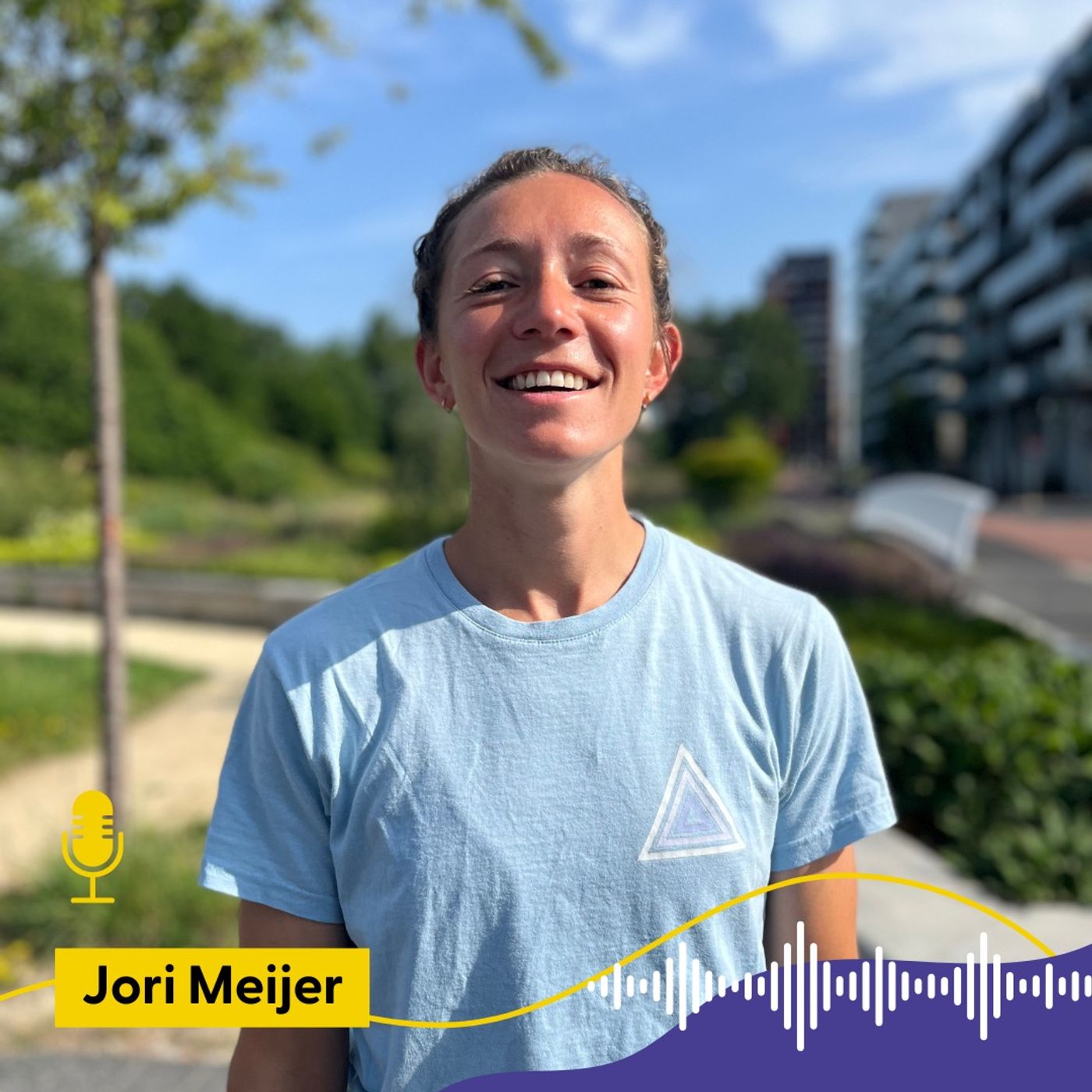
In this episode, Jori Meijer delves into the transformative potential of movement through her work at Hidden Body, a movement school located in the Netherlands redefining physical education for the 21st century. She illuminates how movement is more than mechanics—it’s relational, cognitive, and emotional, connecting us to ourselves and others. From the structural insights of tensegrity to the disciplined experimentation of handstands, Jori emphasizes unlearning, progressive overload, and long-term relationships as catalysts for personal and collective growth.What We Cover:The evolution of human movement and its relevance todayUnderstanding tensegrity and the body as a living, adaptable organismHow progressive overload and unlearning improve efficiencyUsing the handstand as a metaphor for mastering diverse skillsThe relational and subtle dimensions of movement in practiceThe role of micro-communities in fostering growth and connectionAbout Jori Meijer:Jori Meijer is one of the co-founders of HiddenBody, a movement school located in the Netherlands redefining physical education for the 21st century. She guides students to explore both gross and subtle dimensions of movement, fostering curiosity, relational awareness, and embodied learning.Call to Action / Let’s Connect:Learn more about Jori's work at HiddenBody in Amsterdam, or follow her on Instagram at Jori MeijerSubscribe to Movement Is My Constant wherever you listen. For more content at the intersection of movement, health, and systemic change, join the newsletter at movementismyconstant.com/newsletter.
✨ Want to go deeper? Explore my mindfulness courses and 1:1 sessions at MiCa Mindfulness — designed to support caregivers, creatives, and mission-driven humans.Episode CreditsProduced, Edited and Mixed by Chris ForbesArtwork Design by Utterly CreateMusic is by Pictures of a Floating World from the Free Music archive.orgBe sure to follow and tag Movement is My Constant on Instagram🎧 Subscribe now and get grounded, insightful episodes that feel like a deep exhale
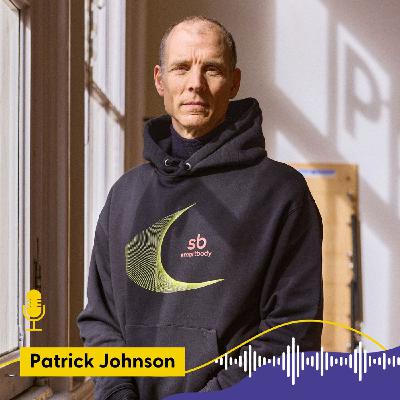
Episode SummaryMany of us try to “fix” our posture by pulling our shoulders back or holding ourselves upright. Patrick Johnson suggests this approach is doomed to fail. Posture, he argues, isn’t a position to hold but a state of being shaped by attention, environment, and emotion.In this episode, Patrick—Alexander Technique teacher, scientist, and co-founder of Smartbody Studio in Amsterdam—explains why posture is less about correction and more about awareness. Drawing on years of teaching, research, and practice, he shows how habits of focus and tension pull us forward at the computer, how expanding awareness changes our embodied state, and why posture is inseparable from stress and presence.What We CoverThe myth of “fixing” posture and why it doesn’t work.How attention, stress, and environment shape our embodied state.The pyramid of practice: from stillness to non-goal-directed movement to everyday life.How running can shift from pushing through discomfort to the rhythmic pleasure of movement.Why Alexander Technique and mindfulness offer different yet complementary tools for presence.The challenge of teaching: embodying what you want students to experience.Patrick’s bigger question: how posture and awareness can help us enjoy life more—and help others do the same.About the GuestPatrick Johnson is an Alexander Technique teacher, scientist, and movement educator based in Amsterdam. Certified in 2010, he has taught internationally and co-runs Smartbody Studio with his wife, Jelena Petrovic. With over 40 peer-reviewed publications, his research explores posture, movement, and the intersection of Alexander Technique and mindfulness. Patrick also teaches anatomy and physiology to Pilates and Alexander teachers, leads workshops on running and walking, and has a long background in contact improvisation dance.Call to ActionLearn more about Patrick’s work at Smartbody Studio in Amsterdam, or follow him on Instagram at smartbody_alexander_technique.Subscribe to Movement Is My Constant wherever you listen. For more content at the intersection of movement, health, and systemic change, join the newsletter at movementismyconstant.com/newsletter.Let’s Connect🎧 Subscribe to Movement Is My Constant on your podcast app.🎙️ More Episodes: movementismyconstant.com📱 Follow on Instagram: @movementismyconstantIf this episode resonated, share it—with a friend, a coach, or anyone who has ever wondered why posture matters beyond “sitting up straight.”
✨ Want to go deeper? Explore my mindfulness courses and 1:1 sessions at MiCa Mindfulness — designed to support caregivers, creatives, and mission-driven humans.Episode CreditsProduced, Edited and Mixed by Chris ForbesArtwork Design by Utterly CreateMusic is by Pictures of a Floating World from the Free Music archive.orgBe sure to follow and tag Movement is My Constant on Instagram🎧 Subscribe now and get grounded, insightful episodes that feel like a deep exhale
Episode SummaryReflexology isn’t just a foot massage — it’s a powerful tool for pain relief, preventive healthcare, and emotional balance. In this episode, Dr. Njideka Olatunde, naturopath, author of Reflexology Today: A Family Affair, and founder of the Focus on Healing Wellness Institute, explains how reflexology works through the nervous system to reduce pain, relieve stress, and restore the mind–body–spirit connection. We explore why reflexology is recognized as healthcare in some countries but overlooked in the US, how intentional touch can act as a peace-making practice, and simple reflexology techniques you can use at home to support your own wellbeing.What We CoverHow reflexology works with the nervous system to relieve pain without medicationThe cultural roots of healing practices and why touch is a universal connectorWhy reflexology is recognized as healthcare in some countries but sidelined in the USReflexology as a peace-making tool for individuals, families, and communitiesThe patient–practitioner relationship and why healing begins with the question, “What do you want?”Practical techniques listeners can try at home, including Njideka’s “touchology handshake”About the GuestDr. Njideka Olatunde is the founder of the Focus on Healing Wellness Institute, a master reflexologist, educator, and consultant specializing in pain relief and preventive care. She is the author of Reflexology Today: A Family Affair and the creator of Touchology Reflexology Therapy. With decades of experience bridging traditional healing and modern healthcare, Dr. Olatunde has helped thousands of people reclaim control of their health without dependency on medication.Call to ActionVisit focusonhealing.com to explore Dr. Olatunde’s offerings.Subscribe to Movement Is My Constant wherever you listen. If this episode resonates, share it — with a friend, a therapist, a changemaker, or even a skeptic.For more at the intersection of movement, health, and systems change, join the newsletter at movementismyconstant.com/newsletter. Let’s Connect🎧 Subscribe to Movement Is My Constant on your podcast app.🎙️ More Episodes: movementismyconstant.com📱 Follow on Instagram: @movementismyconstantShare this episode with someone who’s curious about preventive healthcare or looking for natural approaches to pain relief
✨ Want to go deeper? Explore my mindfulness courses and 1:1 sessions at MiCa Mindfulness — designed to support caregivers, creatives, and mission-driven humans.Episode CreditsProduced, Edited and Mixed by Chris ForbesArtwork Design by Utterly CreateMusic is by Pictures of a Floating World from the Free Music archive.orgBe sure to follow and tag Movement is My Constant on Instagram🎧 Subscribe now and get grounded, insightful episodes that feel like a deep exhale

Editor’s Note – Encore ReleaseAs many of us transition from the slower rhythm of August into the energy of September, this feels like the right moment to revisit my conversation with Rich Andoh. His insights on morning routines, embodied learning, and the mind-body connection are a timely reminder of how movement can help us reset, sharpen focus, and prepare for what’s ahead. Whether this is your first listen or a return visit, notice what resonates with you now, at this point of re-entry.Episode OverviewIn this encore episode of Movement Is My Constant, Rich Andoh explores how movement shapes the mind-body connection, mindset, and personal growth. He unpacks why morning routines set the tone for mental clarity, emotional regulation, and resilience, and he challenges the limitations of traditional education by advocating for experiential, embodied learning.Rich explains why somatic awareness and kinetic intelligence are often overlooked, how attention and presence transform performance, and why educators must embody what they teach. He also offers practical advice for beginners looking to build body awareness and integrate movement into daily life.Episode HighlightsMorning routines as a foundation for clarity and focusReframing frustration to unlock growthMovement as a tool for self-awareness and cognitive developmentWhy direct, hands-on learning outperforms theory aloneThe role of educators in embodying their practicesAttention, focus, and mindfulness in movement trainingThe need for a unified framework for human movement studiesWhy physical experiences remain irreplaceable in a digital worldPractical entry points for starting a movement practiceWhat You’ll Learn✔️ How morning routines shape readiness and well-being✔️ Why reframing frustration creates growth opportunities✔️ The value of experiential learning in education and life✔️ How mindfulness and attention refine movement skills✔️ Simple practices to begin cultivating body awarenessLinks & ResourcesFollow Rich AndohInstagram: @hiddenbody.nlWebsite: hiddenbody.nlFollow Movement Is My ConstantInstagram: @movementismyconstantAll Episodes: movementismyconstant.comAdditional references:Carol Dweck: Growth MindsetAlia Crum: Empowering Mindsets to Optimize Health and Human Performance✨ Your Takeaway?What insight from Rich resonates most with you now? Share your reflections by tagging us on social media or leaving a review.
✨ Want to go deeper? Explore my mindfulness courses and 1:1 sessions at MiCa Mindfulness — designed to support caregivers, creatives, and mission-driven humans.Episode CreditsProduced, Edited and Mixed by Chris ForbesArtwork Design by Utterly CreateMusic is by Pictures of a Floating World from the Free Music archive.orgBe sure to follow and tag Movement is My Constant on Instagram🎧 Subscribe now and get grounded, insightful episodes that feel like a deep exhale

Episode SummaryIn this episode of Movement Is My Constant, I explore the transformative potential of clowning therapy, fooling performance, and Internal Family Systems (IFS) parts work with Holly Stoppit — facilitator, dramatherapist, and artistic director of Beyond The Ridiculous. Holly shares how these creative therapy approaches combine performance, embodiment, and psychology to support neurodivergence, trauma healing, and burnout prevention.We discuss how embodying different parts of ourselves through movement-based therapy and playful improvisation can foster resilience, deepen embodied self-awareness, and open new pathways for growth. Whether you are a therapist, movement practitioner, or someone exploring self-development beyond thought, this conversation offers practical insight into the mind–body connection.What We CoverHome is Right Here, Wherever I Am — Holly’s poem, read by me, on the value of kinesthetic learning and embodied presence.The creative nature of “parts work” in IFS, and how it helps create healthy distance from challenging inner voices.Why pushing for awareness too quickly can lead to burnout, and how fooling can help break the cycle.How meditation begins before the cushion — posture, breath, and arriving as you are — plus Holly’s own tips for building a sustainable practice.About the GuestHolly Stoppit is the artistic director of Beyond The Ridiculous, a collective of solo improvisers who use authentic impulses to create truthful performance. As a facilitator, educator, dramatherapist, IFS therapist, clinical supervisor, and creative consultant, Holly offers embodied, creative, and reflective approaches to exploring the human condition.🔗 About HollyCall to ActionIf you want to understand why certain behaviours still drive actions you wish to change — or if you work with others to uncover unconscious patterns — this episode is for you. It offers fresh perspectives on using clowning in therapy, fooling for self-discovery, and somatic approaches to trauma recovery.We also explore how movement-based therapy can complement meditation and mindfulness, shifting from constant “doing” into genuine “being.” I share how my own teacher training shaped this approach, with a new US-based cohort opening soon. Find out more here and use this link to join, and your registration will also support the podcast.Subscribe to Movement Is My Constant wherever you listen. If this episode resonates, share it — with a friend, a therapist, a changemaker, or even a skeptic.For more at the intersection of movement, health, and systems change, join the newsletter at movementismyconstant.com/newsletter.Let's Connect🎧 Subscribe to Movement Is My Constant on your podcast app.🎙️ More Episodes: movementismyconstant.com📱 Follow on Instagram: @movementismyconstant
✨ Want to go deeper? Explore my mindfulness courses and 1:1 sessions at MiCa Mindfulness — designed to support caregivers, creatives, and mission-driven humans.Episode CreditsProduced, Edited and Mixed by Chris ForbesArtwork Design by Utterly CreateMusic is by Pictures of a Floating World from the Free Music archive.orgBe sure to follow and tag Movement is My Constant on Instagram🎧 Subscribe now and get grounded, insightful episodes that feel like a deep exhale
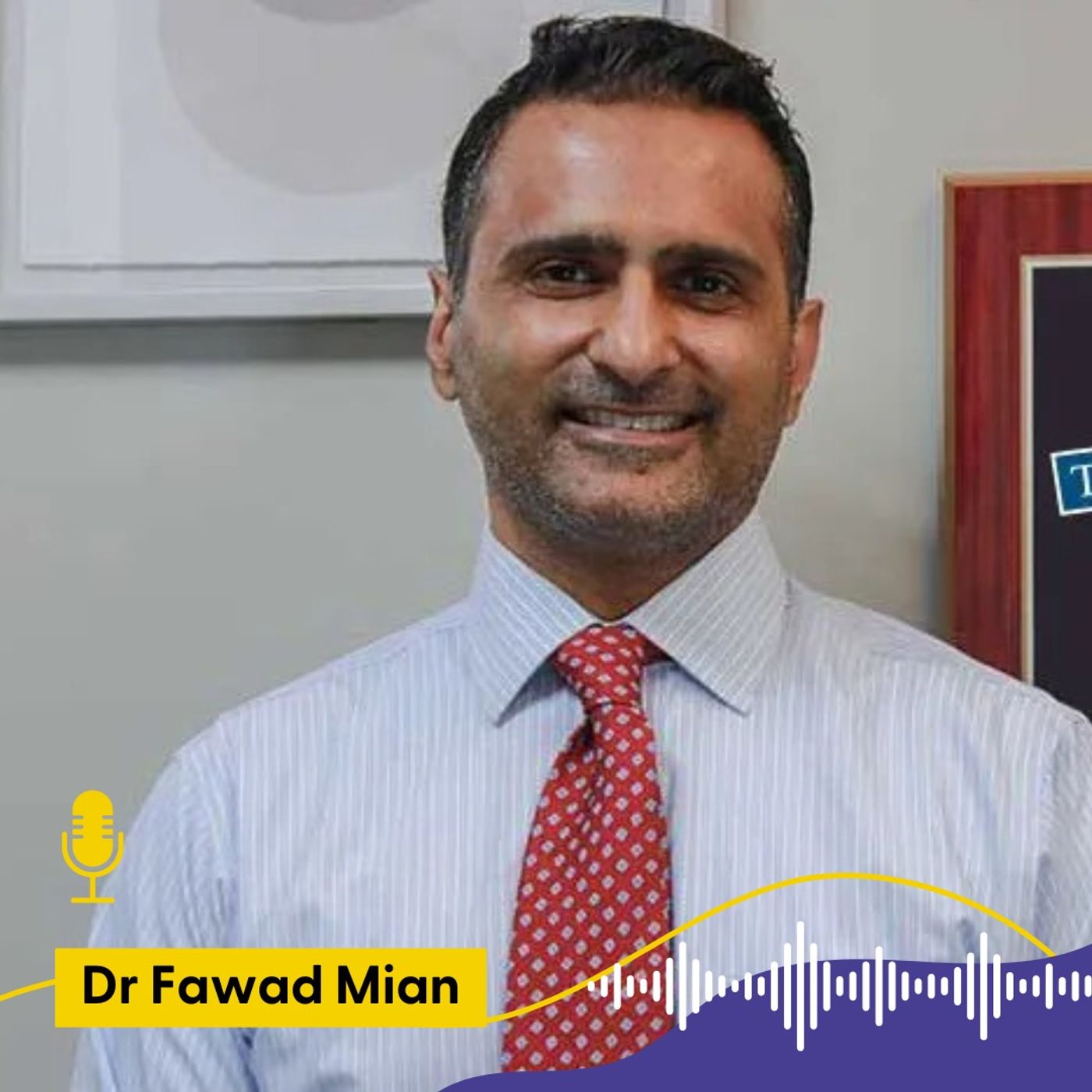
What if chronic pain isn’t a life sentence—but a system failure?In this episode of Movement Is My Constant, I speak with Dr. Fawad Mian, a board-certified neurologist and regenerative medicine specialist, about why so many high-performing adults struggle to recover from chronic injuries—and what can actually help.We dig into the biology of chronic pain, why conventional treatments often fail, and how regenerative approaches like PRP, prolotherapy, and movement re-education are providing new options for those who’ve been told:"Take the pills, book the surgery, and learn to live with it."Whether you're an athlete, therapist, coach, or someone who refuses to accept surgery as the only answer, this conversation offers practical insights and a different path forward.What We CoverWhat chronic pain really is—and why it persistsWhy conventional treatments and insurance frameworks fall shortRegenerative therapies explained: PRP, prolotherapy, and moreMovement as medicine: what most rehab protocols missRewiring your mindset to become an active participant in healingWhy surgery isn’t always the only—or best—optionNotable QuotesThe problem with the steroid is that it has a couple of different effects. Number one, it's toxic to the cartilage, it's toxic to the bone, it's toxic to tissue, ultimately. - Dr. Fawad MianI always challenge people, look, I mean, let's just get you moving first. If that's what you can do, start doing that. - Dr. Fawad MianAbout the Guest:Dr. Fawad Mian is the founder of Vitality Integrative Wellness in New Jersey. He combines diagnostics, regenerative treatments, and movement re-education to help adults over 55 recover from chronic pain without drugs or surgery.🔗 Dr Fawad’s website: prolohealing.com📘 Getting to Pain Free — available on bookshop.orgCall to ActionIf you’re dealing with chronic pain—or have been told surgery is your only option—this episode is for you. There are alternatives. Start by listening, get informed, and begin building a healing plan that fits your body, not just the system.For more on movement-based recovery and building trust in your body, visit movementismyconstant.com/episodes/Let’s Connect🎧 Subscribe to Movement Is My Constant on your podcast app.📩 Join MiMC newsletter for movement-based resources and podcast updates.📱 Follow on Instagram: @movementismyconstantDisclaimer: This episode is for educational purposes only and is not medical advice. Please consult a qualified healthcare professional before making any decisions about your health or treatment.
✨ Want to go deeper? Explore my mindfulness courses and 1:1 sessions at MiCa Mindfulness — designed to support caregivers, creatives, and mission-driven humans.Episode CreditsProduced, Edited and Mixed by Chris ForbesArtwork Design by Utterly CreateMusic is by Pictures of a Floating World from the Free Music archive.orgBe sure to follow and tag Movement is My Constant on Instagram🎧 Subscribe now and get grounded, insightful episodes that feel like a deep exhale
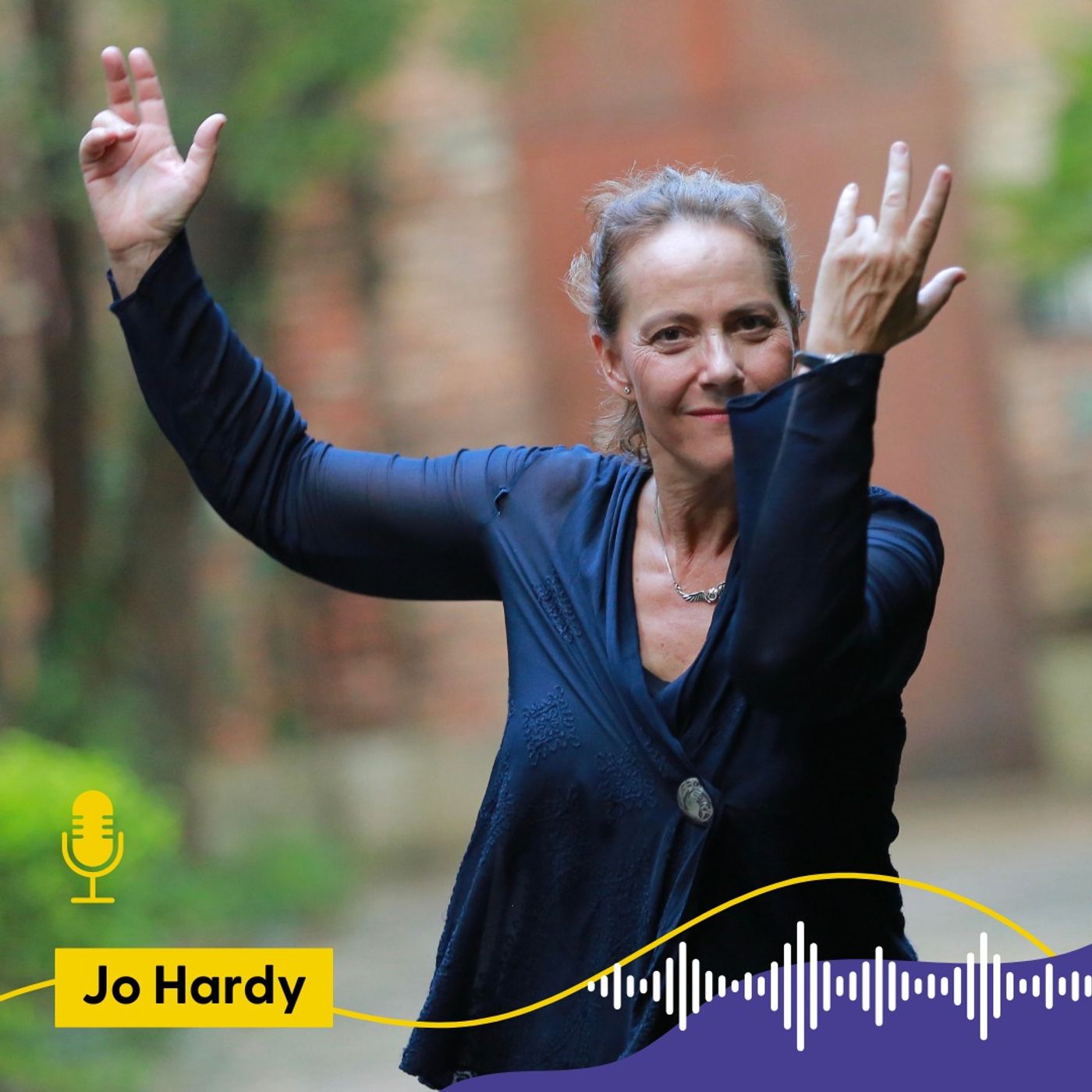
Episode Highlights 🌀 Dance as Divine ConnectionJo reflects on how movement becomes a form of prayer—a personal and collective ritual where “the dance space is also the divine.”🌀 Training Through Movement, Not Just TalkIn The Change Weaver, movement isn’t optional. Jo outlines how dance, hands-on exercises, and embodied presence are central to how she teaches facilitation.🌀 From Sitting to SensingJo shares her evolution from a mindfulness-heavy somatic psychotherapy practice to one that embraced standing up, moving, and listening through the body in motion.🌀 Breaking Free from PerformanceWhy trained dancers often arrive in embodiment spaces feeling trapped by perfectionism—and how conscious dance can return movement to a place of freedom and inquiry.What you'll learn Why movement can be a deeper form of inquiry than wordsHow trained facilitation supports emotional processing and somatic integrationThe difference between freeform movement and held embodiment practiceHow culture, trauma, and personal history show up in our bodiesThe ethics and subtle skills of facilitating embodied spacesHow embodiment supports emotional resilience, presence, and trustNotable Quotes“Movement can be a form of inquiry.”“Every cell in your body has the potential to perceive the wisdom of the moment.”“Facilitation is not just holding space—it’s participating in the space with integrity.”“The dance space is also the divine.”Chapters00:00 Welcome to Movement Is My Constant02:45 Jo’s Path from Therapy to Dance Facilitation09:19 Embodiment as Inquiry, Not Performance16:48 Facilitating Emotional and Somatic Process21:02 The Cultural Layers of Movement25:51 Building Safety and Trust in Embodied Spaces35:40 Movement as Integration: From Personal to Collective45:06 Spiritual Dimensions of Embodied Work51:17 Training the Next Generation of Facilitators59:18 Final ReflectionsResources and MentionsJo Hardy's websiteFollow Jo Hardy on Instagram: @consciousdanceJo's current training offering: The Changeweaver programLet's Connect🎧 Subscribe to Movement Is My Constant on your podcast app.📩 Join MiMC newsletter for movement-based resources and podcast updates.📱 Follow on Instagram: @movementismyconstant
✨ Want to go deeper? Explore my mindfulness courses and 1:1 sessions at MiCa Mindfulness — designed to support caregivers, creatives, and mission-driven humans.Episode CreditsProduced, Edited and Mixed by Chris ForbesArtwork Design by Utterly CreateMusic is by Pictures of a Floating World from the Free Music archive.orgBe sure to follow and tag Movement is My Constant on Instagram🎧 Subscribe now and get grounded, insightful episodes that feel like a deep exhale
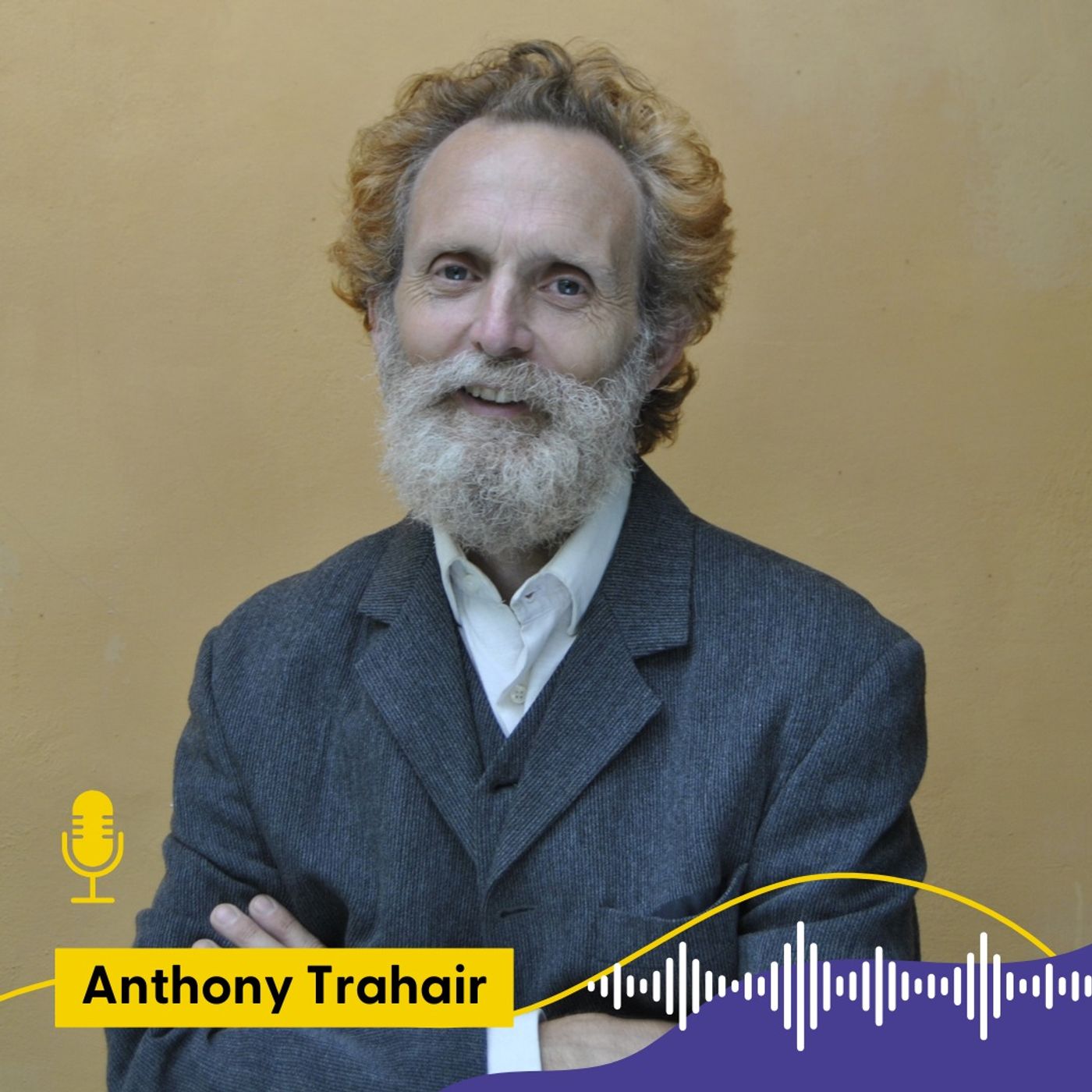
In a world that glorifies urgency and endless productivity, what if the key to clarity, focus, and meaning lies in something as simple—and radical—as play? In this episode, Anthony Trahair shares his journey from chemistry student to circus performer to wellness coach, offering deep reflections on the role of movement and creativity in mental wellbeing.Whether you're feeling burnt out, overstimulated, or just disconnected from your creative edge, this conversation offers practical tools and fresh insights into how we might live, move, and work with more intention.Episode HighlightsWhy urgency makes us feel important (and why that's dangerous)Burnout culture, productivity myths, and nervous system overloadMovement as a form of emotional regulationFlow state, attention, and the link with neurodivergenceJuggling as metaphor and method for mental healthThe problem with “watch out!” and the power of mindful languageWhy screen time ruins downtimeThe value of daily practices before touching your phoneCreativity, curiosity, and how children learn presence through playKey Ideas & ReferencesMarshall Rosenberg – founder of Nonviolent Communication; referenced in how we can shift language to support emotional safety and creativity.The book PlayDHD by Kirten Milliken PhD – mentioned in the context of neurodivergence and reframing attention as a creative strength.The Urgency-Importance Matrix (also known as the Eisenhower Matrix) – used to explain how urgency often feels like importance but is usually a trap.The idea that school is no longer a clear path to employment or purpose, which contributes to disengagement.The importance of having a practice—something grounding you do daily before engaging with tech.🧩 Memorable Quote"If you start your day with your phone, your nervous system’s already hijacked. A practice, before anything else, is a way to claim your mind back." — Anthony Trahair🔗 Links & Resources🌐 Anthony Trahair – Official Website📘 Pearls of Juggling – Book by Anthony Trahair (available on his website)🧠 Marshall Rosenberg – Nonviolent Communication📚 PlayHD by Christine Miskinis – Book Info🎙️ More Episodes at Movement Is My Constant📲 Follow the Podcast on Instagram @movementismyconstant📣 Call to ActionIf you’re navigating a creative block, mental fatigue, or just want to bring more joy into your work, tag a friend or fellow mover who needs to hear this. Rate and review if it resonated
✨ Want to go deeper? Explore my mindfulness courses and 1:1 sessions at MiCa Mindfulness — designed to support caregivers, creatives, and mission-driven humans.Episode CreditsProduced, Edited and Mixed by Chris ForbesArtwork Design by Utterly CreateMusic is by Pictures of a Floating World from the Free Music archive.orgBe sure to follow and tag Movement is My Constant on Instagram🎧 Subscribe now and get grounded, insightful episodes that feel like a deep exhale

What happens when we stop talking and start listening with our bodies?In this candid conversation, dancer and facilitator Tom Goldhand reveals how contact improvisation became a tool for emotional intelligence, embodied self-awareness, and relational trust. Starting dance at 25, Tom was drawn to the space between structure and spontaneity—where movement speaks louder than words.We explore how touch and play open pathways to transformation, why creating safe spaces is vital for partner work, and how curiosity fuels the flow state in dance. This episode is essential listening for teachers, dancers, and anyone exploring contact improvisation as a somatic practice for self-development. Episode HighlightsTom’s late start in dance and his journey from beginner to facilitatorHow touch unlocks emotional awareness and the challenges it bringsThe balance between safety and bravery in contact improvisationCuriosity and responsiveness as keys to flow and growthTeaching consent and boundaries through movement, without wordsPlayfulness as a serious tool for emotional transformationHolding space for emotional memory triggered by touchThe importance of community in your dance journeyThe washing machine metaphor: surrendering to collective rhythmApplying contact improvisation lessons beyond the dance floor What You’ll Learn✔️ How contact improvisation supports emotional healing and somatic awareness✔️ Why non-verbal communication can reveal deeper truths than words✔️ Strategies for creating emotionally safe and consent-aware movement spaces✔️ Differentiating touch as a technique vs. relational inquiry✔️ Cultivating bravery and presence over performance in dance✔️ Teaching and learning through structured spontaneity and flow✔️ Recognizing healthy, supportive dance communities for growth✔️ Preparing facilitators to hold emotional content safely✔️ Understanding how the body stores and releases emotional memory✔️ Practical methods to teach consent, boundaries, and risk in partner dance Links & Resources🌐 Tom Goldhand – Official Website📘 Facebook: Tom Goldhand🎙️ More Episodes at Movement Is My Constant📲 Follow the Podcast on Instagram @movementismyconstant
✨ Want to go deeper? Explore my mindfulness courses and 1:1 sessions at MiCa Mindfulness — designed to support caregivers, creatives, and mission-driven humans.Episode CreditsProduced, Edited and Mixed by Chris ForbesArtwork Design by Utterly CreateMusic is by Pictures of a Floating World from the Free Music archive.orgBe sure to follow and tag Movement is My Constant on Instagram🎧 Subscribe now and get grounded, insightful episodes that feel like a deep exhale

🎧 Episode Highlights:🔹 The Power of Volunteering: How simple acts of service become catalysts for transformation and connection—for both giver and receiver🔹 Loneliness Across Generations: Why older adults and remote-working young adults face different versions of the same silent epidemic🔹 Reframing Aging: Challenging the outdated beliefs that reduce elders to care recipients, instead of full participants in society🔹 The Symbolism of a Bike Ride: Why “the right to feel the wind in your hair” is about freedom, dignity, and belonging🔹 Emotional Movement: How shared experiences in physical movement create emotional openness and trust🔹 Community Healing: How grassroots volunteer projects like Pedalar Sem Idade spark social change from the ground up🔹 Global Insights: Lessons from Portugal’s adaptation of a worldwide movement—and what every country can learn from it🧠 What You’ll Learn in This Episode:✔️ Why loneliness often goes unspoken—and how to recognize it in yourself and others✔️ How intergenerational volunteering can dissolve stereotypes and build empathy✔️ The emotional benefits of volunteering beyond physical movement✔️ How movement can become a medium for connection, storytelling, and healing✔️ What “being old” really means—and how to rewrite the narrative✔️ The importance of supporting community-based projects with donations and time✔️ Why small, consistent gestures are a powerful form of activism🔗 Links & Resources:🌍 Pedalar Sem Idade – Website📖 Cycling Without Age – Global Movement📸 Follow the Movement: Instagram @pedalarsemidadeportugal🎙️ More Episodes: movementismyconstant.com | Instagram @movementismyconstant✨ What Moved You?Did Margarida’s story shift how you think about aging, connection, or purpose?Share your reflections and tag us—we love hearing what landed with you.And don’t forget to subscribe, share this with a changemaker friend, or leave a review.Your voice helps the ripple keep moving.
✨ Want to go deeper? Explore my mindfulness courses and 1:1 sessions at MiCa Mindfulness — designed to support caregivers, creatives, and mission-driven humans.Episode CreditsProduced, Edited and Mixed by Chris ForbesArtwork Design by Utterly CreateMusic is by Pictures of a Floating World from the Free Music archive.orgBe sure to follow and tag Movement is My Constant on Instagram🎧 Subscribe now and get grounded, insightful episodes that feel like a deep exhale

In this episode of Movement Is My Constant, I talk to Julia Johannsen, founder of the Institute of Systemic Laughter and SenseWise, about the deep, embodied power of laughter. We explore how laughter is more than just a joyful release — it’s a serious tool for healing trauma, resetting the nervous system, and creating instant connection. Julia shares micro practices and reflections that bring laughter into coaching, daily life, and even high-performance contexts.Whether you're a coach, a curious mover, or a self-development enthusiast, this episode invites you to reconnect with laughter as a natural resource for resilience and well-being.Episode HighlightsWhy laughter is older than language and a natural human bonding toolHow laughter can shake the body, reset the nervous system, and even release traumaThe link between laughter and embodiment: it’s movement, voice, and breath combinedPractical micro practices to shift your emotional state in minutesUsing laughter to access self-confidence, joy, and perspective before high-stakes momentsThe cultural layers of laughter and how it transcends verbal communicationHow to use laughter as a coaching resource — both in group and solo contextsWhy “joy is serious work” — and how it can serve your personal and professional growth🔗 Links & Resources:🌐 Julia’s Website – SenseWise📲 Follow Julia on Instagram🎙️ More episodes: movementismyconstant.com | Instagram @movementismyconstant✨ What Moved You?Did Julia’s wisdom spark a shift in your perspective? Tag us with your reflections or leave a review with your favorite takeaway. And don’t forget to subscribe for more episodes that blend movement, healing, and conscious growth.
✨ Want to go deeper? Explore my mindfulness courses and 1:1 sessions at MiCa Mindfulness — designed to support caregivers, creatives, and mission-driven humans.Episode CreditsProduced, Edited and Mixed by Chris ForbesArtwork Design by Utterly CreateMusic is by Pictures of a Floating World from the Free Music archive.orgBe sure to follow and tag Movement is My Constant on Instagram🎧 Subscribe now and get grounded, insightful episodes that feel like a deep exhale

In this episode, theoretical physicist and musician Sky Nelson-Isaacs joins me to explore how synchronicity, grief, and joy shape the way we move through the world. Grounded in physics but deeply human in approach, Sky shares insights from his books Living in Flow and Leap to Wholeness—revealing how our experiences are not random, but part of a deeper web of meaningful connection.We unpack what it means to live in alignment with your values, how to work with emotional projection and disappointment, and why tuning into joy—even during struggle—can be a guiding force in decision-making. You’ll hear how grief isn't only about death, but also shows up in the small disappointments of life—and how honoring those emotions helps us avoid self-sabotage and build deeper relationships.This conversation bridges quantum physics, free will, embodied awareness, and inner healing, offering tools for those seeking to live more consciously—whether you’re navigating uncertainty, making hard choices, or simply trying to feel more at peace with yourself. Episode Highlights:🔹 Synchronicity & Meaning: How patterns in life aren’t random—and what they reveal about choice and awareness🔹 Grief as Emotional Flow: Reframing grief as an essential part of processing disappointment and reconnecting with authenticity🔹 Projection in Relationships: How our unresolved emotions shape the stories we tell about ourselves and others🔹 Free Will & Conscious Choice: Sky explains how physics supports the idea that our choices matter—especially when guided by joy🔹 Joy vs. Happiness: Why joy is a more reliable compass than fleeting happiness🔹 Embodiment for Emotional Regulation: Using awareness of the body to interrupt negative spirals and build resilience🔹 Inner Work + Collective Change: How doing the personal work creates authentic societal impactWhat You’ll Learn in This Episode:✔ How synchronicity can reveal meaning in daily life✔ Why grief and emotional honesty are key to breaking self-sabotage cycles✔ How to notice projections and reduce conflict in relationships✔ The science behind flow states and how to access them✔ How joy—not perfection—can guide sustainable decision-making✔ Why doing inner work supports authentic action in the world Links & Resources:📘 Living in Flow + Leap to Wholeness by Sky Nelson-Isaacs🔗 Sky’s Website | Instagram @skynelsonisaacs🎙️ More Episodes: movementismyconstant.com | @movementismyconstant ✨ What Moved You?Did Sky’s story or ideas spark something in you? Tag us with your reflections or leave a review with your favorite insight. And don’t forget to subscribe for more conversations that blend embodiment, meaning-making, and conscious performance.
✨ Want to go deeper? Explore my mindfulness courses and 1:1 sessions at MiCa Mindfulness — designed to support caregivers, creatives, and mission-driven humans.Episode CreditsProduced, Edited and Mixed by Chris ForbesArtwork Design by Utterly CreateMusic is by Pictures of a Floating World from the Free Music archive.orgBe sure to follow and tag Movement is My Constant on Instagram🎧 Subscribe now and get grounded, insightful episodes that feel like a deep exhale

Rachel Blackman explores how imagination, failure, and embodiment shape the creative process—and why safety, solitude, and nuance are essential for personal growth in a tech-driven world.She explains why imagination is central to creativity, how failure fuels discovery, and why safety is foundational in both coaching and personal growth.The conversation dives into the iterative nature of the creative process, the discomfort that often accompanies transformation, and how embodied practices can help us navigate uncertainty with resilience. Rachel also explores the political dimensions of embodiment, the nuanced understanding required around trauma, and why titration—balancing effort and rest—is key to sustainable growth.With increasing reliance on digital connection, Rachel reflects on the importance of solitude, the difference between being alone and feeling lonely, and how imagination can serve as a powerful tool for self-reflection, transformation, and reconnection. The episode concludes with a hopeful lens on adaptability, and the human capacity to remain resilient through change.Episode Highlights:Creativity, Iteration & the Role of FailureRachel shares how creativity is less about perfection and more about discovery, embracing mistakes as essential learning tools.Imagination as a Portal to the SacredFar from being frivolous, imagination is presented as a serious, transformative force that connects us to deeper truths and possibilities.The Importance of Safety in CoachingWe explore how psychological and emotional safety create the conditions for real growth, especially when navigating trauma or big life transitions.Titration in Personal DevelopmentRachel introduces the concept of titration—moving between challenge and rest—as a method for sustainable growth and nervous system regulation.Embodiment Is PoliticalWhy the body is not neutral in today’s world, and how becoming more aware of our embodied experiences can shift societal narratives.Solitude vs. LonelinessRachel makes a distinction between these two often-conflated states and reflects on how solitude can be a powerful space for reflection.Technology & DisconnectionHow modern tech impacts our ability to connect with ourselves and others—and what we can do to restore that connection.Imagination as a Tool for ReconnectionImagination isn’t just for creatives—it’s a tool for everyone seeking transformation, clarity, or a sense of belonging.What You’ll Learn in This Episode:Why creativity involves iteration, failure, and discoveryThe role of imagination in navigating uncertainty and changeHow trauma-informed approaches to coaching support growthWhy balancing effort and rest is essential for long-term developmentHow the body plays a central role in social and political awarenessWhat it means to be alone vs. to feel lonely—and why that mattersPractical ways to reconnect to yourself in a tech-heavy worldHow to use embodied imagination as a tool for resilience Links & Resources:Follow Rachel BlackmanInstagram: @rachel_blackmanWebsite: vibrantbody.co.uk Follow Movement Is My ConstantInstagram: @movementismyconstantAll Episodes: movementismyconstant.com Recommended Reading– The Politics of Trauma by Staci K. Haines– Radical Imagination by Max Haiven✨ What’s Your Key Takeaway?Did Rachel’s insights spark something in you? We’d love to hear your reflections! Tag us on Instagram or leave a review with your favorite moment from the episode. And don’t forget to subscribe to Movement Is My Constant for more conversations that blend embodiment, performance, and personal growth.
✨ Want to go deeper? Explore my mindfulness courses and 1:1 sessions at MiCa Mindfulness — designed to support caregivers, creatives, and mission-driven humans.Episode CreditsProduced, Edited and Mixed by Chris ForbesArtwork Design by Utterly CreateMusic is by Pictures of a Floating World from the Free Music archive.orgBe sure to follow and tag Movement is My Constant on Instagram🎧 Subscribe now and get grounded, insightful episodes that feel like a deep exhale

Rich explains why somatic awareness and kinetic intelligence are often overlooked and how embodied learning can transform focus, performance, and mental resilience.The conversation dives into the importance of attention and awareness in movement training, the necessity of holistic movement practices, and why educators must embody the practices they teach. Rich also introduces the concept of neuromuscular development, explaining how direct experiences help individuals overcome fear and frustration, fostering a growth mindset that leads to deeper learning.With the rise of digital learning, Rich emphasises that physical experiences remain irreplaceable and discusses the future of human movement studies, calling for a unified movement education framework. The episode concludes with practical advice for beginners, highlighting how to develop body awareness, the benefits of mindfulness techniques, and how to use movement for mental clarity and emotional resilience.Episode Highlights:🔹 The Power of Morning RoutinesRich Andoh shares why starting the day with intention sets the tone for mental clarity, physical readiness, and overall well-being.🔹 Reframing Challenges for GrowthDiscover how shifting perspectives on frustration can transform obstacles into opportunities for learning and development.🔹 The Body-Mind Connection in MovementRich emphasizes that movement isn’t just physical—it’s an essential tool for deepening self-awareness and enhancing cognitive function.🔹 Experiential Learning in Physical EducationWhy traditional education falls short in valuing movement and how direct, hands-on experiences create lasting understanding.🔹 The Role of Educators in MovementEducators must embody what they teach—Rich discusses why personal engagement in physical practices is crucial for effective learning.🔹 Attention, Focus, and the Art of MovementHow refining attention sharpens movement skills and enhances overall mindfulness in daily life.🔹 A Unified Framework for Human Movement StudiesRich explores the need for a holistic approach to movement education that integrates different disciplines and perspectives.🔹 Embodied Experiences in a Digital AgeWith increasing reliance on screens, Rich highlights why real-world, physical experiences remain irreplaceable for learning and development.🔹 Starting Your Journey: Practical Advice for BeginnersIf you're new to movement awareness, begin with simple physical practices and cultivate a mindset of curiosity and openness.What You’ll Learn in This Episode:✔️ How morning routines shape mental and physical readiness✔️ Why reframing frustration can unlock growth in movement and life✔️ The importance of direct, experiential learning in physical education✔️ How educators can embody the practices they teach✔️ The role of mindfulness and attention in refining movement skills✔️ Why movement education should be integrated into everyday life✔️ Practical ways to start a movement practice and develop a growth mindsetLinks & Resources:Follow Rich AndohInstagram: @hiddenbody.nlHiddenBody: hiddenbody.nlFollow Movement Is My ConstantInstagram: @movementismyconstantAll Episodes Online: movementismyconstant.comCarol Dweck: Growth MindsetAlia Crumb: Empowering Mindsets to Optimize Health and Human Performance✨ What’s Your Key Takeaway?Did Rich’s insights resonate with you? We’d love to hear your thoughts! Share your favorite moment from this episode by tagging us on social media or leaving a review. Don’t forget to subscribe to Movement Is My Constant for more inspiring conversations on movement, resilience, and transformation!
✨ Want to go deeper? Explore my mindfulness courses and 1:1 sessions at MiCa Mindfulness — designed to support caregivers, creatives, and mission-driven humans.Episode CreditsProduced, Edited and Mixed by Chris ForbesArtwork Design by Utterly CreateMusic is by Pictures of a Floating World from the Free Music archive.orgBe sure to follow and tag Movement is My Constant on Instagram🎧 Subscribe now and get grounded, insightful episodes that feel like a deep exhale

In this conversation, My Nguyen explores the transformative power of dance in personal growth and emotional healing. My shares her journey from a childhood love of dance to a professional career, highlighting how dance helped her cope with grief after losing her mother. Using four pillars of dance as a tool for transformation: physical movement, cognitive focus, emotional expression, and community connection, My emphasises the importance of creating a safe space for self-expression in her dance classes, fostering confidence and belonging among her students.In this conversation, My Nguyen shares transformative stories of her dance classes, highlighting how they empower individuals to step out of their comfort zones and embrace personal growth. She discusses the importance of community and connection in dance, the role of movement in team building, and the valuable life lessons that can be learned through dance. My emphasises the significance of consistency and playfulness in both dance and everyday life, encouraging listeners to embrace joy and self-expression through movement. Episode Highlights:The Transformative Power of DanceMy Nguyen shares how dance serves as a powerful tool for personal growth, healing, and self-discovery, helping individuals connect with themselves on a deeper level.Overcoming Grief Through MovementMy opens up about using dance to process emotions and find solace after the loss of her mother, demonstrating how movement can be a pathway to healing.The Four Pillars of Dance as TransformationUnderstanding dance as a holistic tool for change: physical movement, cognitive focus, emotional expression, and community connection.Creating a Safe Space for Self-ExpressionMy highlights the importance of fostering an inclusive, judgment-free environment in her dance classes, allowing students to build confidence and embrace their authenticity.Community and Connection in DanceDance is more than movement—it’s a shared experience that builds trust, belonging, and support among participants.The Role of Playfulness and Joy in MovementSustaining a long-term relationship with movement means making it enjoyable. My emphasizes consistency, playfulness, and finding joy in every step.Empowerment Through Stepping Out of Comfort ZonesGrowth happens outside of comfort zones. My shares stories of how her classes help students develop confidence by embracing new challenges.Dance as a Tool for Team Building and MindfulnessFrom corporate environments to personal development, movement fosters communication, empathy, and mindfulness in everyday life.What You’ll Learn in This Episode:How dance can be a tool for personal transformationWhy movement is essential for emotional and mental well-beingThe importance of community and connection in personal growthHow to create a safe space for self-expressionWhy consistency and playfulness lead to lasting progressThe impact of dance on confidence and empowermentHow stepping out of your comfort zone leads to self-growthPractical ways to integrate movement into daily lifeRetreat:Don't forget to mention Movement is My Constant when booking your spot: She Blooms: A Holistic Self-love Retreat for WomenLinks & Resources:Follow My NguyenInstagram: @the_confidanceWebsite: The ConfidanceYouTube: The ConfidanceFollow Movement Is My ConstantInstagram: @movementismyconstantAll Episodes Online: MovementisMyConstant.com✨ What’s Your Key Takeaway?Did My’s story resonate with you? We’d love to hear your thoughts! Share your favorite moment from this episode by tagging us on social media or leaving a review. Don’t forget to subscribe to Movement Is My Constant for more inspiring conversations on movement, resilience, and transformation!
✨ Want to go deeper? Explore my mindfulness courses and 1:1 sessions at MiCa Mindfulness — designed to support caregivers, creatives, and mission-driven humans.Episode CreditsProduced, Edited and Mixed by Chris ForbesArtwork Design by Utterly CreateMusic is by Pictures of a Floating World from the Free Music archive.orgBe sure to follow and tag Movement is My Constant on Instagram🎧 Subscribe now and get grounded, insightful episodes that feel like a deep exhale

In this episode, I sit down with Tenille Hoogland, an integrated health and sport performance coach, to explore how training, nutrition, and recovery can be transformed for female athletes. Tenille shares her expertise on the unique challenges women face in sports, particularly during perimenopause and beyond, and highlights the importance of cultivating an athlete mindset.We dive into essential topics such as metabolic health, recovery, and the role of joy in movement, while also addressing common misconceptions about women’s fitness and performance. Whether you’re a professional athlete, a recreational enthusiast, or simply interested in optimising your health, this conversation provides valuable insights on how to train smarter, recover better, and embrace a holistic approach to well-being.Episode Highlights:The transformative approach to female athletic trainingTenille emphasizes the need for a paradigm shift in how female athletes approach training, considering hormonal changes and metabolic health.Understanding the athlete mindsetBeing an athlete isn’t just about competition—it’s about striving to be your best at any level of sport or movement.Why recovery is where real gains are madePrioritizing rest and recovery is crucial for optimizing performance and avoiding burnout.Metabolic health and its role in performanceEspecially for women in perimenopause and beyond, understanding how metabolism shifts is key to sustaining energy and strength.The power of finding joy in movementLong-term engagement in sports and fitness comes from embracing movement as something enjoyable rather than just a means to an end.The foundation of nutrition in training and recoveryProper fuelling supports performance, muscle growth, and resilience in training.Challenging misconceptions about aging and athleticismFitness progression can happen at any age, and muscle growth isn’t limited to youth.Holistic approaches to training and well-beingMental and emotional health play a vital role in an athlete’s success.Using grounding and visualisation techniques for motivationMindset tools can enhance performance and help athletes stay focused and inspired.Bridging the gap between recreational and elite athletesEffective coaching should be personalised and adaptable, catering to each individual’s needs and goals.What You’ll Learn in This EpisodeHow to redefine training for female athletes at all stages of lifeWhy recovery is as important as training itselfThe impact of metabolic health on performanceHow to cultivate an athlete mindset for successThe importance of joy in sustaining long-term movement habitsWhy nutrition plays a foundational role in fitness and well-beingHow to challenge outdated beliefs about aging and athleticismPractical ways to integrate visualisation and mindset strategies into trainingLinks & ResourcesTenille Hoogland’s Website & SocialsInstagram: @tenillehooglandWebsite: tenillehoogland.comYouTube: Tenille HooglandBooks and Resources MentionedEckhart Tolle, The Power of NowDr. Peter AttiaFollow Movement Is My ConstantInstagram: @movementismyconstantAll Episodes Online: MovementisMyConstant.com💬 What’s Your Key Takeaway?If Tenille’s insights resonated with you, we’d love to hear from you! What inspired you most from this episode? Don’t forget to subscribe to Movement Is My Constant for more stories on movement, resilience, and performance. Share this episode with someone who could benefit from these insights, and let us know your favorite moment by leaving a review or tagging us on social media!
✨ Want to go deeper? Explore my mindfulness courses and 1:1 sessions at MiCa Mindfulness — designed to support caregivers, creatives, and mission-driven humans.Episode CreditsProduced, Edited and Mixed by Chris ForbesArtwork Design by Utterly CreateMusic is by Pictures of a Floating World from the Free Music archive.orgBe sure to follow and tag Movement is My Constant on Instagram🎧 Subscribe now and get grounded, insightful episodes that feel like a deep exhale

In this episode, I sit down with Tom Swales, a movement expert and holistic health practitioner, to explore the powerful connection between movement, trust, and healing. Tom breaks down the five lenses of holistic health—psychology, neurology, biology, chemistry, and physics—and explains how they influence our ability to recover and perform. He also shares insights on the role of trust in healing, the nervous system’s role in movement and pain, and how early movement development in children offers clues about efficient movement patterns.Whether you’re a movement enthusiast or someone looking for a holistic approach to well-being, this episode offers valuable takeaways on how awareness, consistency, and self-assessment can transform your health.Episode Highlights:The five key elements of holistic health and how they shape movement and healing Tom shares the five lenses of holistic health—psychology, neurology, biology, chemistry, and physics—offer a comprehensive framework for movement and recovery.Why movement is a feedback loop and how it reveals nervous system function. Tom shares that understanding pain and nerve function is crucial for movement efficiency as the The nervous system plays a critical role in healing and adaptation.How small breakthroughs in movement shift belief systems and accelerate recovery. Working with his clients Tom finds Trust and communication are essential in any healing process, while Consistency in practice leads to long-term benefits.The role of child development in movement efficiency.From his experience as a parent, Tom shares what we can learn from how kids transition from crawling to walking and why we often need to relearn natural movement patterns as adults.How to track progress with self-assessment techniques,Self-assessment enhances body awareness and proprioception and the key is to start small and find low barriers to entry for improving your health.What You’ll Learn in This Episode:Why building trust is essential for healing and recoveryHow self-awareness through movement leads to better outcomesThe importance of early childhood movement patterns in adult mobilityHow pain and nerve function influence movement efficiencyThe five lenses of holistic health and their role in rehabilitationWhy consistency and self-assessment are key to long-term progressHow movement can be used as a feedback loop for healingLinks & Resources:Tom Swales' Website & SocialsInstagram: @tom.swalesYouTube: @TommyswalesLinkedin: Tom SwalesBooks and ResourcesDr Mathew Walker: Why We SleepTom Swales' Free Masterclass: 8 Neurohacks for Rapid Client Results – How to Reduce Pain and Get Them Moving Faster and Better in 60 Seconds or LessMovement is My Constant Episode: Building Strength: Cindy Ngamba’s Journey from Challenges to TriumphFollow Movement is My ConstantInstagram: @movementismyconstantAll Episodes Online: MovementisMyConstant💬 What's Your Key Takeaway? If Tom's story resonates with you, we want to hear from you! What inspired you most from this episode? Don’t forget to subscribe to Movement Is My Constant for more extraordinary stories about resilience and adaptability. Share this episode with someone who could use a dose of inspiration, and let us know your favorite moment by leaving a review or tagging us on social media!
✨ Want to go deeper? Explore my mindfulness courses and 1:1 sessions at MiCa Mindfulness — designed to support caregivers, creatives, and mission-driven humans.Episode CreditsProduced, Edited and Mixed by Chris ForbesArtwork Design by Utterly CreateMusic is by Pictures of a Floating World from the Free Music archive.orgBe sure to follow and tag Movement is My Constant on Instagram🎧 Subscribe now and get grounded, insightful episodes that feel like a deep exhale

Comments

Download from Google Play

Download from App Store
 United States