


 Claim Ownership
Aussie Bourbon Lovers
Subscribed: 2Played: 3
Subscribe

© Copyright 2025 All rights reserved.
Description
Australian Bourbon Lovers enjoying one pour at a time, sharing the magic of bourbon whiskey with Australia.
96 Episodes
Reverse
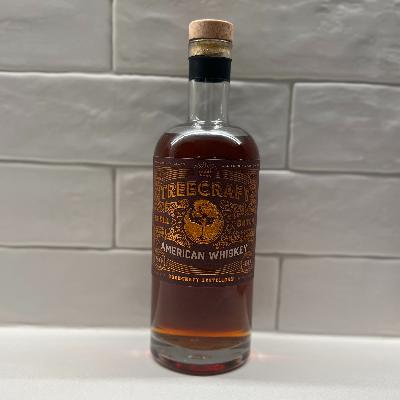
This episode is about a whiskey with a story that changed after we bought it.
We’re drinking Treecraft Small Batch American Whiskey, picked up directly from a small distillery on Treasure Island in San Francisco Bay. At the time, it stood out because it was local, unusual, beautifully packaged, and worth supporting. It wasn’t a favourite pour then, and it still feels a little young now, but the story behind it has become far more meaningful.
Since that visit, Treecraft has shut down. That means this bottle has become something rare: a whiskey from a distillery that no longer exists.
We talk through what it tastes like today, why the nose and palate feel so different, whether more barrel time might have changed everything, and why trying and supporting small distilleries is still worth doing, even when the end result isn’t perfect.
This one also turns into a broader reflection on the people who take a chance on distilling, the stories they create while they’re doing it, and why some bottles matter for more than just the liquid inside them.
Chapters
00:00 No pop and first impressions
00:45 Treecraft Small Batch American Whiskey
01:30 Why it’s not bourbon
02:10 Treasure Island and the distillery visit
03:40 Buying the bottle to support them
05:30 Finding out Treecraft shut down
06:20 Nose vs palate
07:00 Should it have stayed in the barrel longer
07:35 Supporting small distilleries
0:800 Young whiskey and what distillate matters
09:05 Redwood Empire and future trips
09:20 A toast to the people who have a crack
![Inside The Blending House With Master Blender Ashley Barnes [Extended Episode]](https://pbcdn1.podbean.com/imglogo/ep-logo/pbblog18848603/Blending_House_Blending_mqqpi7.jpg "Inside The Blending House With Master Blender Ashley Barnes [Extended Episode]")
This is a different kind of episode and an extra long one, because Ashley Barnes takes us deep into the actual process of blending bourbon at The Blending House in Kentucky.
Ashley is the Master Blender here, and instead of simply pouring us a finished whiskey, she walks us through how a real blend comes together. Starting with 18 barrels, she explains how she evaluates them, separates them into flavor groups, and builds them back up into something balanced, expressive and true to the intended profile.
We talk about base notes, fruit notes, top notes, vanilla-forward barrels, and why some barrels are better as single barrels while others need to be part of a bigger blend. Ashley also explains how blending can work across mash bills, how she can often predict when a barrel will nose-dive with age, and why proofing is one of the biggest turning points in the whole process.
Along the way, she shares the chemistry behind flavor, how compounds behave differently in ethanol and water, why she lets blends rest before making decisions, and how she brings in outside palates to challenge her assumptions and refine the final product.
If you’ve ever wondered how a bourbon brand keeps its flavour profile consistent, or how much work really happens behind the scenes before whiskey hits the bottle, this episode is a proper masterclass.
Chapters
00:00 Why this episode is different
00:45 Meet Ashley Barnes
02:00 Starting with 18 barrels
04:30 Separating flavor groups
05:45 Evaluating barrels
07:15 Vanilla, corn and chemistry
09:15 Blending across mash bills
10:45 Predicting ageing performance
12:00 Learning from legends
14:15 Tasting the base blend
15:30 Mixing paint and building flavor
16:15 Vanilla-forward barrels
17:30 Single barrels vs blend-friendly barrels
19:30 Letting others taste the work
20:45 Why technique matters
22:10 The “dump and pray” blend
23:30 Same barrels, different result
24:45 Gathering outside feedback
26:00 Letting a blend rest
27:10 Finding the perfect proof
28:00 Holiday Toast and flavour goals
29:30 Keeping detailed notebooks
30:30 Final thoughts
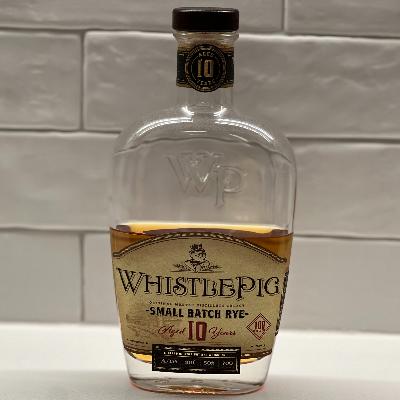
This episode is all about rethinking rye whiskey.
We’re drinking WhistlePig 10 Year Small Batch Rye, a Vermont whiskey that helped change our minds about rye.
WhistlePig started as a non-distilling producer, sourcing whiskey before eventually building its own distillery. Under the guidance of legendary Master Distiller Dave Pickerell, the brand became one of the most recognised names in American rye.
The whiskey itself is surprisingly fruity and approachable. We’re picking up apricot, nectarine, spearmint freshness, white chocolate sweetness and a gentle pepper spice on the palate.
Along the way we talk about why rye grows better in northern climates, how bourbon drinkers often evolve into rye drinkers, and the growing whiskey tourism scene including WhistlePig’s impressive tasting experience in Louisville called The Vault.
Most importantly, we talk about how one bottle can completely change your opinion about a style of whiskey.
If you’ve ever said “I’m not a rye drinker”, this episode might convince you otherwise.
Chapters
00:30 WhistlePig 10 Year Small Batch Rye
01:10 The WhistlePig backstory
02:00 What an NDP is
03:00 Stone fruit notes on the nose
04:00 White chocolate and mint notes
05:00 Fruity palate with pepper spice
06:30 The Liquid Death collaboration
07:00 Where rye grows best
07:30 WhistlePig’s Louisville tasting experience
08:40 Becoming a rye drinker
09:20 Gateway rye whiskeys
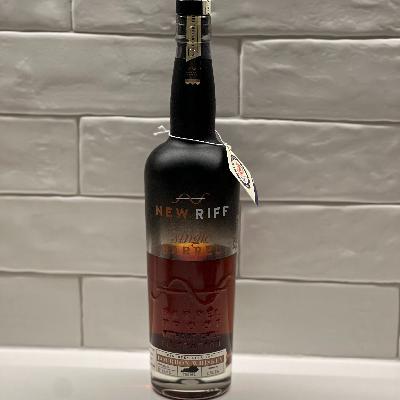
We’re cracking open a New Riff Single Barrel from Kentucky Bourbon Festival 2025, signed by Master Distiller Brian and chosen as a Distiller’s Row pick.
New Riff built its name on transparency and tradition, non chill filtered, bottled in bond releases, and a commitment to quality. This single barrel clocks in at 116 proof and delivers deep caramel, dried fruit, leather and earthy richness from nose to finish.
But the bigger question we explore is this: when you’re surrounded by incredible bourbon at a festival like KBF, how do you decide which single bottle gets the precious luggage space?
We unpack what makes a single barrel special, whether blends are actually more reliable, and whether the market is starting to feel saturated with “single barrel” labels that don’t always carry the same meaning.
This one stood out not because it shouted the loudest, but because it felt balanced, layered, and genuinely unique.
Chapters
00:00 The pour and the signature
00:45 New Riff’s backstory
02:00 Philosophy – non chill filtered and bottled in bond
03:10 Nose – Werther’s and leather
04:45 Palate – caramelized date richness
06:00 Choosing one bottle at KBF
08:00 Unique vs too different
09:30 Single barrel vs blend
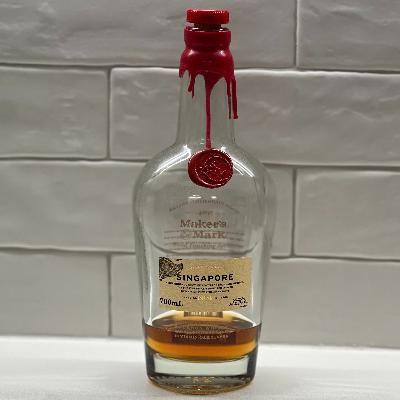
This episode is about more than bourbon. It’s about travel, memory, and the way a bottle can take you straight back to a moment in time.
We’re drinking the Maker’s Mark Singapore City Expression from the Wood Finishing Series, one of the international airport exclusives that can only be purchased in that specific city.
Using Maker’s unique stave finishing process, this release builds on the familiar Maker’s profile but layers in rich cherry confectionery notes, milk chocolate, custard sweetness and gentle spice.
We unpack how the stave finishing works, why these bottles are surprisingly difficult to get, and what makes airport-exclusive bourbon hunting such a strange and wonderful challenge.
Most of all, we talk about how certain bottles carry personal meaning. This one takes us straight back to a family holiday in Singapore, late nights, incredible food, and a few slightly questionable footwear decisions outside a bar.
Sometimes the best story in the glass is your own.
Chapters
00:10 The pop and first impressions
00:40 What the Singapore City Expression is
01:50 How Maker’s stave finishing works
03:10 Tasting notes – cherry and chocolate
04:40 What makes this different to standard Maker’s
06:00 Airport-only exclusives explained
07:40 The Singapore family trip memories
09:00 Why Maker’s is always approachable
10:40 Sentimental bottles and storytelling
12:00 Can you still find these

Denver Cramer is back, and we’re finishing a bottle the right way: on the mic, with a Michter’s Barrel Strength Rye (2016).
We talk about the signature Michter’s profile and why it hits so consistently. Denver’s take is simple and convincing: barrels, careful temperature control during ageing, and that lower barrel entry proof mindset that prioritises flavour over efficiency.
Then we get nerdy about glassware. Denver explains what the glass is doing by pushing off volatile alcohol so the flavours show up cleaner, which becomes immediately relevant when we wildly underestimate the proof.
From there it turns into a broader conversation about rye. Why it’s harder to distil, why a truly great rye is rare, and how the real world of whiskey includes commercial decisions: barrels that don’t fit the “house profile”, blending constraints, and why some great liquid never becomes the product people expect.
If you’ve ever wondered why Michter’s feels so recognisable, this one connects a lot of dots.
Chapters
00:00 Intro and bottle kill
00:26 Michter’s Barrel Strength Rye (2016)
00:55 Why rye is difficult to distil
01:15 The Michter’s profile
01:55 Proof guess and reveal
02:28 What the glass is doing
03:00 Passion vs commerce
03:30 Do we actually like rye?
04:50 Secret samples and rye rabbit holes
05:35 Barrels that don’t fit the profile
06:40 Why Denver loves Michter’s
07:35 The “no 10-year release” philosophy
09:10 Picking Michter’s in a blind tasting
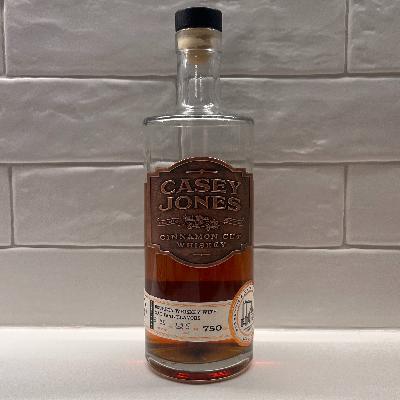
This episode is a little different. We’re drinking Casey Jones Cinnamon Cut Whiskey, a pour that doesn’t pretend to be subtle and doesn’t try to be bourbon.
The aroma hits instantly. Cinnamon scrolls, bakery air, full-bodied spice. If you love cinnamon, this one is impossible to ignore.
We unpack the incredible Prohibition-era story of Casey Jones, the master still maker whose square copper stills were designed to be portable and fit into getaway vehicles. Today, the brand is being revived by the family using the final still Casey himself built.
We also break down the two bourbon rules this whiskey deliberately breaks, why it’s labelled as a whiskey instead of a bourbon, and why starting with real bourbon before adding natural cinnamon, vanilla and clove makes all the difference.
This isn’t Fireball. It’s smoother, richer, and more intentional. It might even be the perfect gateway whiskey for someone who loves cinnamon but hasn’t quite found their way into bourbon yet.
Chapters
00:00 Pour and first impressions
00:40 Cinnamon on the nose
01:45 Why we bought this bottle
02:30 Casey Jones and Prohibition stills
03:40 Square still design and portability
04:45 The bourbon rules it breaks
06:10 Why it’s a cinnamon cut whiskey
07:10 Gateway whiskey conversation
08:30 Fireball comparison
09:45 Who this is for

We’re back at Bardstown Bourbon Company with Jake Sulek in the Heritage Library to taste the Origin Series High Wheat, the newest addition to Bardstown’s flagship lineup.
This one pushes wheated bourbon into a big territory, with 39% wheat and only 53% corn in the mash bill. Jake walks us through what makes a bourbon “wheated”, why wheat tends to drink softer than rye, and the flavour lane he gets from this bottle: stone fruit, baked peaches, crème brûlée, lemon cake, and a mellow, easy-sipping finish.
Then we go deep on one of the most interesting parts of the conversation: barrel entry proof and why Bardstown fills this whiskey at 108 proof, far lower than the 120 proof used across the rest of the Origin series. The key idea is solubility: some oak compounds dissolve better in water and some dissolve better in alcohol, which means entry proof can influence whether you pull more wood sugars (caramel, butterscotch, toffee) versus more vanillin.
We also talk about Bardstown’s custom distilling program (300+ partners), and the very real experiment happening in their glass-fronted warehouse, where sunlight and heat exposure could be creating entirely new ageing outcomes over time.
Chapters
00:00 Back in the Heritage Library
00:25 Origin High Wheat overview
00:55 Wheated bourbon basics
01:40 What wheat contributes to flavour
02:40 Low barrel entry proof explained
03:20 Water vs alcohol extraction
03:50 Ageing water in a barrel?
04:40 Proof reveal and why it drinks easy
05:30 Rye vs wheated preferences
06:05 “Barrel-aged water” as a concept
06:35 Custom distilling program
07:10 The glass rickhouse wall
08:20 Why the experiment matters
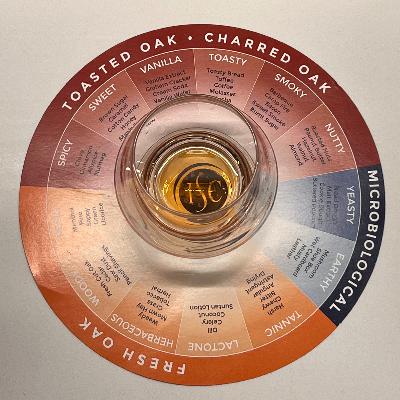
This episode is all about barrels and why they matter more than most bourbon drinkers realise.
While sipping Booker’s bourbon, we unpack our visit to Independent Stave Company in Kentucky. From hand-selecting oak staves to steam-bending barrels with no glue, the craftsmanship behind every barrel blew our minds. We talk through why barrels are built the way they are, how different distilleries specify their own unique barrel profiles, and why something as simple as seasoning time can dramatically change flavour.
We also learned something surprising. An empty barrel has a shelf life. Once it’s made, it needs to be filled quickly or it starts losing its ability to function properly. It’s a detail we’d never considered before and it completely reframed how we think about bourbon production.
If you’ve ever wondered why two bourbons made from similar mash bills can taste wildly different, this episode gives you a big part of the answer.
Chapters:
00:00 Opening pour and Booker’s
00:45 Why barrels are everything
01:40 Visiting Independent Stave Company
02:45 From tree to stave
04:10 Building barrels without glue
05:45 Steam bending oak
07:10 Distillery barrel specifications
08:40 The two-week barrel window
09:45 Why cooperage tours matter
10:10 Final thoughts on wood and flavour

We’re back in Lawrenceburg, Kentucky with Greg from Larrikin Bourbon Company to taste a fresh release that just launched at the Bourbon Festival: Larrikin Cigar Lounge.
It’s a nine-year-old, high-rye bourbon built from five finishing barrels, including French cognac, Spanish Madeira, maple syrup barrels, and Brazilian jackfruit wood, plus the smallest possible “whisper” of Ambarana to make the whole blend snap into place. Greg explains why the goal was to get the Ambarana on the nose without letting it take over the palate, and why Cigar Lounge is designed as that end-of-the-day, after-dinner pour whether or not you ever touch a cigar.
We also get into what a “cigar blend” actually means (and doesn’t mean), what flavors show up when you taste it, what’s coming next at Larrikin (including a surprisingly good American Light Whiskey around 145 proof), and why Kentucky’s bourbon industry has such a strong culture of generosity and camaraderie. Plus a classic Jimmy Russell story that says everything about the community here.
Chapters
00:00 Back at Larrikin in Lawrenceburg
00:35 Cigar Lounge release details (age, proof, high rye)
01:10 “What is a cigar blend?”
02:00 The five finishing barrels
02:45 The Ambarana “whisper”
04:05 Tasting reactions and dessert notes
06:10 Why Cigar Lounge needed cigar-blend DNA
07:05 Next release: American Light Whiskey explained
09:05 Aussie culture and bourbon culture
10:10 Kentucky distilleries helping each other
11:35 Jimmy Russell stories
13:45 Wrap and where to find Larrikin
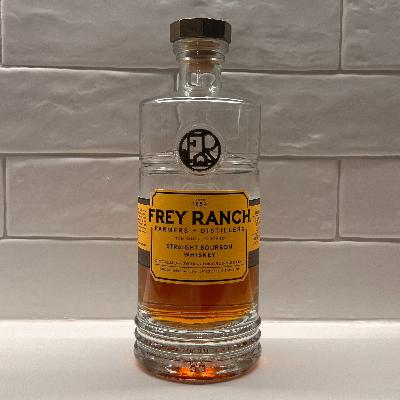
We’re kicking off the year with a bourbon that doesn’t come from Kentucky, and that’s exactly why we wanted to talk about it.
This episode features Fray Ranch straight bourbon whiskey from Fallon, Nevada. A true farm-to-bottle operation where every grain is grown, malted, distilled, and bottled on site. That approach gives this bourbon a flavour profile that surprised us straight away, with bright fruit notes, a waxy mouthfeel, and a personality that feels genuinely different.
From there, the conversation opens up into plans for the year ahead. Distilleries we want to visit, trips we’re planning around bourbon, and why meeting other bourbon lovers in Australia has become one of the most rewarding parts of the journey so far.
A relaxed start to the year, a bottle with a great story, and a reminder that some of the most interesting bourbons live well outside Kentucky.
Chapters
00:10 Opening pour and a bold choice
00:45 Why this bourbon isn’t from Kentucky
01:50 First tasting impressions
03:00 What makes Fray Ranch farm-to-bottle
04:30 Growing and malting grains on site
06:10 Why this bottle matters to us
07:30 Bourbon travel plans for the year
09:00 The Aussie bourbon community
10:00 Final thoughts and cheers
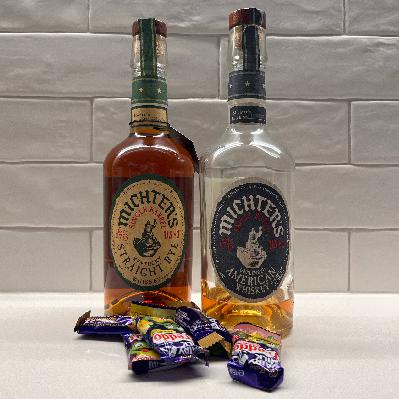
This is a different kind of Aussie Bourbon Lovers episode. There’s no pop, no pour, and no whiskey consumed during the recording.
While visiting Michter’s in Shively, Kentucky, we spent the day with Dan McKee and Andrea Wilson and surprised them with something unexpected: Australian chocolate. We brought Cadbury Caramello Koalas and Cadbury Furry Friends and asked them to pair each chocolate with Michter’s whiskeys.
What followed was not polite answers or throwaway suggestions. It became a genuinely insightful exploration of flavour, texture, sweetness, and balance, and an eye-opening look at how professionals think about pairing whiskey with food.
This episode is funny, warm, and surprisingly educational, and it perfectly reflects the curiosity and joy that runs through everything Michter’s does. If you want to play along at home, grab a couple of Michter’s expressions, some Aussie chocolate, and see where your palate takes you.
Recorded in Shively, Kentucky with Dan McKee and Andrea Wilson.
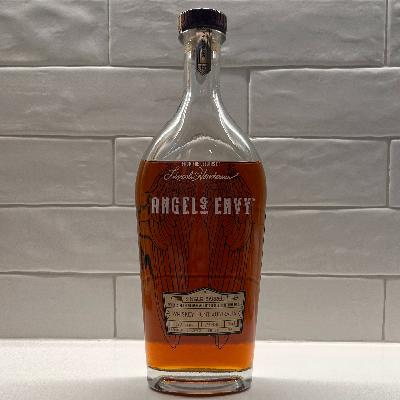
Merry Christmas from Aussie Bourbon Lovers. For this special Christmas Day episode we crack open a gift bottle: an Angel’s Envy Whiskey Hunt Australia single barrel pick.
Angel’s Envy is famous for its port finished bourbon and it’s easy to find in Australia, but this one is different. It’s a single barrel pick chosen by the Whiskey Hunt team, and it arrives in a bottle that just feels made for gifting. We talk about why Angel’s Envy has become such a well known finished bourbon, why we love the novelty and sweetness of finished whiskey, and why barrel picks are one of the most fun ways to drink something familiar in a completely unique way.
Merry Christmas and cheers.
Chapters
00:00 Merry Christmas and the bottle pop
00:35 What this bottle is and why it’s a great gift
01:10 Angel’s Envy, port finishing and why it’s everywhere in Australia
02:10 Finished bourbon, the tour experience and why it’s fun
03:15 Nosing and tasting, and the “nose vs palate” surprise
04:25 Plum and Christmas spice notes arrive
05:35 Cinnamon bark and where the heat hits
06:30 Creamy jammy texture and mouthfeel
07:20 Why Aussie barrel picks are worth chasing
08:30 Price, scarcity and the single barrel dilemma
09:30 Merry Christmas wrap

We’re back at the Bardstown Bourbon Company with Jake Sulek, the experience and education manager, recording in the Heritage Library surrounded by dusty bottles and stories from Kentucky’s whiskey past.
We’re tasting the Origin Series Rye, a minimum six year rye that’s produced, aged and bottled at Bardstown Bourbon Company and available in Australia. While the mash bill looks familiar at 95 percent rye and 5 percent malted barley, the flavour comes from a finishing barrel designed for innovation.
The conversation turns to whiskey history. Jake shares stories about defunct distilleries around Bardstown, preserved warehouses still used today, what Prohibition did to the industry, how brands consolidated afterward, and how the bourbon glut pushed Kentucky down to just nine active distilleries by the year 2000.
If you want a rye that feels different, or you love the history behind American whiskey, this episode is for you.
Podcast chapters
00:00 Back at Bardstown with Jake Sulek
00:27 Origin Series overview
00:59 Mash bill and why this rye is finished
01:20 The cherrywood barrel challenge
01:55 Zebra barrel and infrared toasting
02:52 What flavours cherrywood and toasting bring
03:12 Tasting notes and the rye that doesn’t burn
04:26 Label transparency and what you’re drinking
05:01 Single barrel and cast strength talk
05:36 Heritage Library and defunct distilleries
07:14 Prohibition impact
08:28 Rebooting distilleries after Prohibition
09:17 The bourbon glut and the year 2000 low point
11:08 Growth across Kentucky and the US
11:22 Cheers and wrap
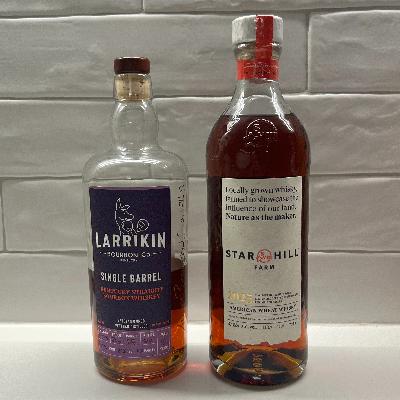
To close out the year we pour a Larrikin single barrel Delta 5 from Kentucky, signed by Greg, and use it as the starting point for a chat about our bourbon highlights from 2025.
The idea was simple. Each of us had to choose a bourbon of the year and then pick a single bourbon memory that fits inside 120 seconds. In practice it was a lot harder, because 2025 has been full of ridiculous opportunities, generous hospitality and moments we never imagined we would have.
If you have enjoyed following along with our trips, tastings and distillery visits this year, this episode is an easy, end of year reflection with two special pours and a look ahead to 2026.
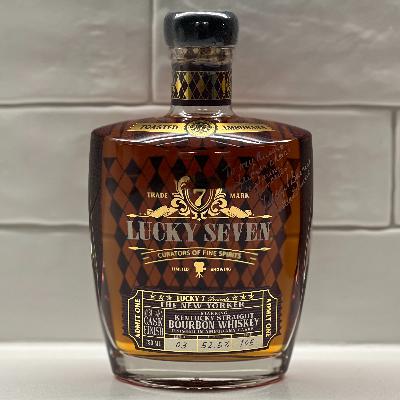
We visit the Blending House in Kentucky and sit down with Ashleigh Barnes, the master blender behind Lucky Seven and Curley. Ashleigh brings us the New Yorker, an Amburana finished bourbon that tastes like hummingbird cake, oatmeal cream pies and dessert in a glass. She explains how she manages such a powerful finishing wood by tasting at day five, pulling liquid at the exact moment it peaks, and reusing the same barrels to create deeper and more controlled layers.
Ashleigh also walks us through the new blending and bottling facility, the innovative rick houses and the approach to scaling without losing craft. She tells stories about the teams she works with, the people she blends for, and the festival moments that make the bourbon world feel like family.
Chapters:
00:13 The perfect pop
00:49 Meeting Ashleigh at the Blending House
01:23 What Amburana really does
02:23 Dessert notes and childhood memories
04:47 Building the blending facility
06:11 Rick houses and innovation
07:42 Blending and meeting drinkers
09:10 Bourbon, stories and family
10:35 Ashleigh’s path through Buffalo Trace and Four Roses
11:30 The Elmer T. Lee project
12:17 Keeping memories in every bottle
We talk through her background at Buffalo Trace and Four Roses, the skills she learned from legendary mentors, and the moment she helped blend the commemorative Elmer T. Lee release. It is a conversation filled with flavour, memory and joy, and the perfect look at what it means to shape a bourbon from idea to bottle.

We’re back at Star Hill Farm in Kentucky, sitting in the Heritage Room at Maker’s Mark, joined by Dr. Blake Layfield, the master distiller and head of innovation and blending. It’s the perfect day for bourbon, and Blake takes us through one of the most fascinating tastings we’ve ever done on the show.
In front of us are three glasses that tell the whole story of Maker’s Mark: the classic cask strength expression that represents the founders’ original taste vision, an eleven and a half year over-aged barrel that shows what happens when oak and tannin push a whiskey outside those guardrails, and finally the new Maker’s Mark Cellar Aged release, a blend of eleven, thirteen and fourteen year old whiskey that is rich, dark and complex without drifting into bitterness.
Blake explains how Maker’s Mark has kept the same mash bill, yeast and process since 1953 and why they focus on intensity, velocity, complexity and finish instead of simply naming tasting notes. He talks about what makes wheat spice feel so different to rye spice, why age is not a measure of quality in American whiskey, and what “age to taste” really means inside the distillery.
We hear the story of the limestone cellar, why dynamiting a hill changed what was possible for Maker’s Mark, and how the Cellar Aged project shows a new dimension of the classic house style. Blake also lifts the curtain on their blending process, where weeks of blind tasting eventually shape each year’s release.
If you’ve ever wondered how far Maker’s Mark can push maturity, what really happens in their warehouses, or why Cellar Aged tastes the way it does, this episode is a brilliant deep dive right from the source.
Chapters:
00:00 Welcome from Star Hill Farm and the Heritage Room
00:13 Introducing Dr Blake Layfield and why this room matters
00:35 Heritage, culture and what makes Maker’s Mark unique
01:08 Returning to Maker’s, where you first fell in love with bourbon
01:20 Three glasses on the table and what each one is
01:50 Glass 1: Maker’s Mark Cask Strength and the founder’s taste vision
02:32 How Maker’s has kept the same recipe since 1953
03:00 How Blake thinks about tasting: intensity, velocity, complexity and finish
04:10 Cherry notes from the yeast and wheat spice versus rye spice
05:49 Mash bill details and why the high malted barley is unusual
06:11 Velocity in the glass and how aroma meets you halfway
06:46 The history of classic 45 percent Maker’s and the first innovation, Maker’s 46
08:10 Opening up Cask Strength as a regular offering
08:36 Glass 2: an eleven and a half year over aged Maker’s Mark at cask strength
09:30 Why age is not automatically better and how American oak can take over
11:08 Tannins, dryness and the “I want water” reaction
12:16 Learning that bitterness and astringency are a choice, not a requirement
13:19 Talking about hand rotation, ricked barrels and low entry proof
14:09 Age to taste, not to a number
15:10 The limestone cellar and the birth of Maker’s Mark 46
16:10 Glass 3: Maker’s Mark Cellar Aged, dark, rich and complex, no bitterness
17:26 Aroma and flavor of Cellar Aged, bright cherry to dark cordial cherry
18:05 How long it spends in warehouses versus the cellar
18:33 Year by year blends and showing what cellaring can do to flavor
19:04 Inside the blending team and how they choose the final profile
19:45 Beth’s winning streak and Rob Samuels’ final sign off
20:32 How old can the cellar go, and where they expect the inflection point
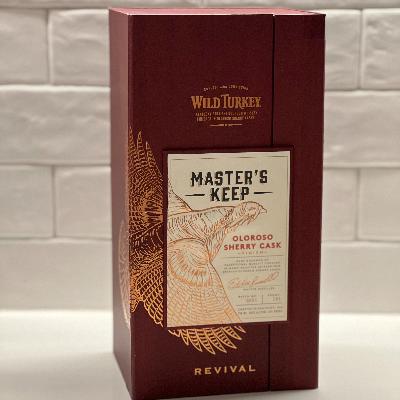
In this episode of Aussie Bourbon Lovers we crack open
Wild Turkey Master’s Keep Revival a barrel finished bourbon that sparks one big question should you drink it or collect it?
We are joined by Denver Cramer from Denver & Liely
who tells the story of being paid by Wild Turkey’s owners, Campari not in cash but in bottles, two of every Master’s Keep release.
Together we talk about
What Master’s Keep is and where Revival fits in the series
Why barrel finishes do not always taste like the label suggests
and why that is sometimes the whole point
Eddie Russell’s experimentation and what Bruce Russell might bring next
Why Wild Turkey has such a huge following in Australia
especially through RTDs and mixers
How to move from cans to special pours and really taste what Turkey can do
Denver’s favourite distillery memory
drinking old Dusties with Bruce at Wild Turkey
Which Wild Turkey bottles are great value in Australia
including Wild Turkey 12 Year and Wild Turkey 101
We also dig into how mood, timing and glassware change the experience why some bottles do not land on night one
and then become magic on another night.
If you love Wild Turkey, or you are just starting to explore beyond RTDs this episode is a relaxed, honest chat about flavour, memories and why these bottles matter.
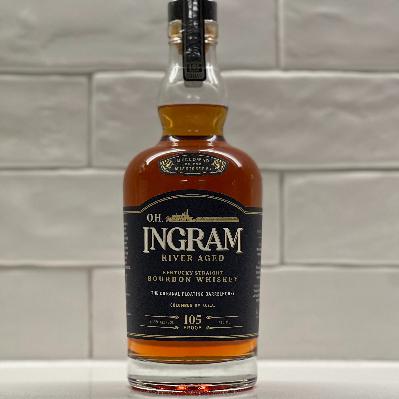
In this episode of Aussie Bourbon Lovers, we taste O.H. Ingram River Aged Kentucky Straight Bourbon Whiskey — a bourbon that ages on a floating barge on the Mississippi River.
We discuss how the movement of water, temperature fluctuations, and humidity create a completely different aging environment, producing a rich, smooth, and surprisingly “juicy” bourbon that feels far older than its four years.
From the story of O.H. Ingram to the science behind river aging and our own tasting notes, this episode explores how a simple idea ... putting bourbon on a barge, has turned into one of the most fascinating aging experiments in Kentucky.
Chapters:
00:00 – Opening pour & introducing O.H. Ingram River Aged Bourbon
01:00 – The story behind Ingram and its floating rickhouses on the Mississippi
02:30 – Tasting begins – vanilla, lemon tart and creamy pastry notes
04:00 – Explaining river aging: temperature swings, humidity & movement
06:00 – Colour and maturity from constant barrel contact
08:00 – Why motion matters: the science behind “liquid in motion”
10:00 – Does it taste like Green River Bourbon? We compare
12:00 – Gimmick or genius? Our verdict on river aging
Recorded at Michter’s Shively Distillery in Kentucky, this episode features a sit-down with Master Distiller Dan McKee and Master of Maturation Andrea Wilson — two icons of modern bourbon.
We dive into the origins of Michter’s Toasted Sour Mash Whiskey, the innovation that helped spark the toasted barrel movement, and taste it alongside the classic US*1 Sour Mash.
Dan and Andrea share insights on Michter’s meticulous small-batch process, why they age “to taste” instead of by age statement, and how they keep consistency at the core of everything they bottle.
Plus — a lighthearted conversation about toasted marshmallows, Bourbon Heritage Month, and what makes Michter’s one of Kentucky’s most beloved distilleries.
If you love bourbon history, innovation, and authenticity, this one’s for you.

Comments

Download from Google Play

Download from App Store
 United States