


 Claim Ownership
Raghav's Take
Subscribed: 54Played: 197
Subscribe

© 2024 The Quint
Description
The Quint’s editor-in-chief Raghav Bahl speaks on business, politics and policies.
69 Episodes
Reverse
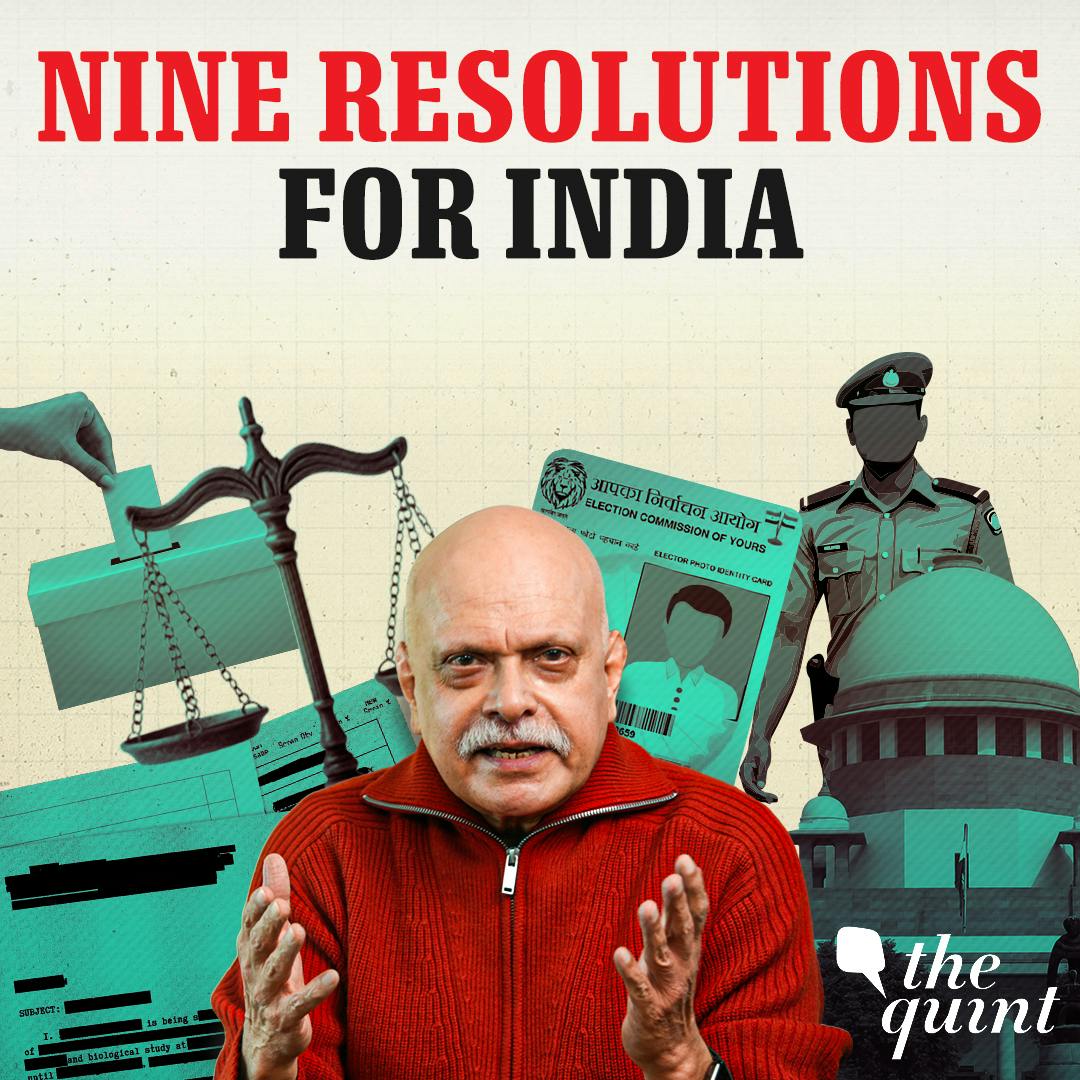
We break down nine vital resolutions India needs in 2026 to strengthen its democracy and revive its economy.
We cover the key ideas shaping the debate on democratic trust, election integrity, judicial accountability, economic reforms, and the deep structural issues holding India back.
Learn more about your ad choices. Visit megaphone.fm/adchoices
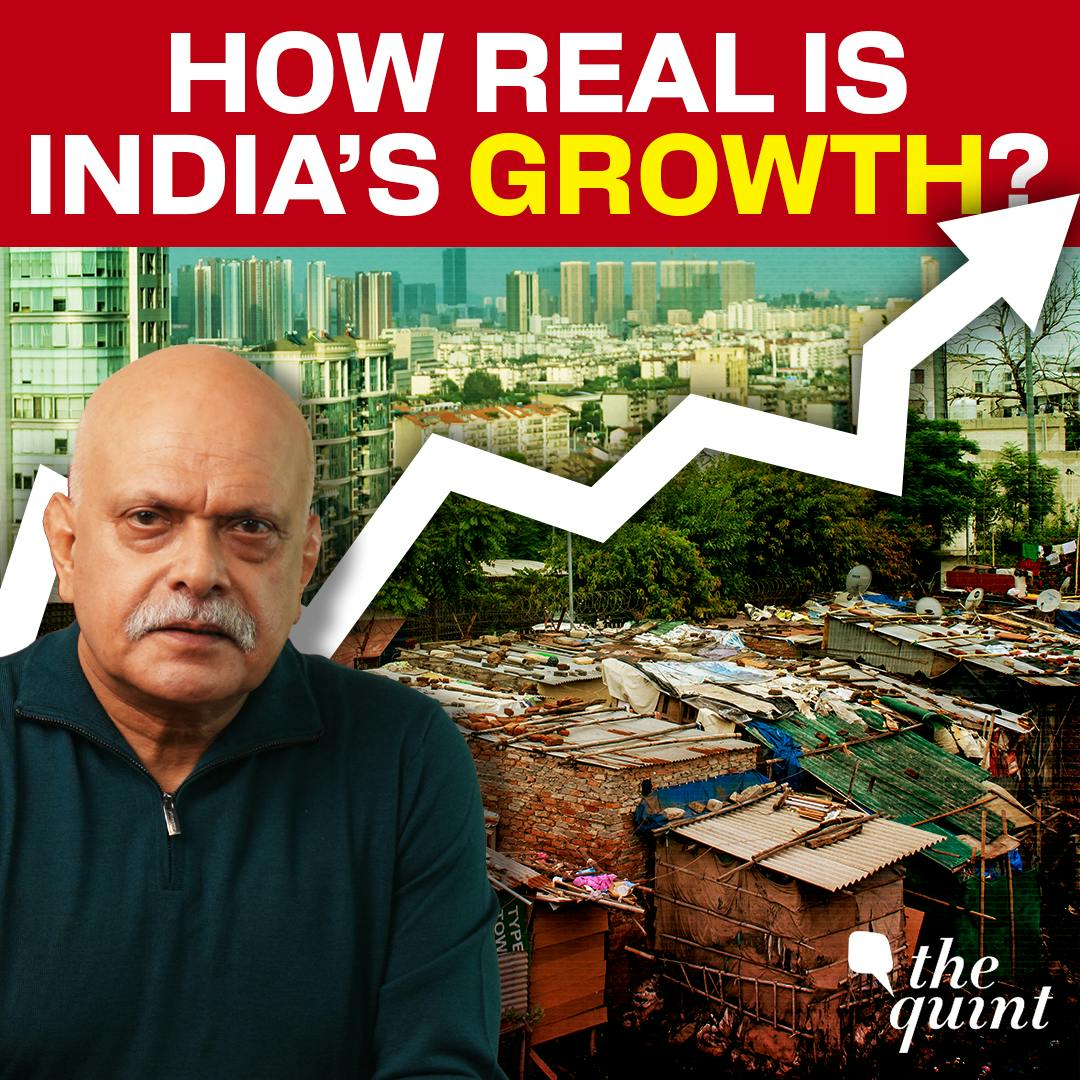
India just posted a stunning 8.2% GDP growth number. At the same time, the rupee slid sharply and interest rates were cut.
Economists argued. Politicians celebrated. Twitter exploded.
But here’s the uncomfortable question: do these numbers actually reflect economic strength?
This video breaks down why GDP, the number we obsess over the most, is a deeply imperfect measure. It’s an estimate, not a hard fact. It can rise even when real lives don’t improve. And it often distracts us from what actually matters.
Instead of debating whether GDP is ‘real’ or ‘cooked’, this conversation looks at something more tangible: economic muscle. Not slogans. Not rankings. Real capacity.
Learn more about your ad choices. Visit megaphone.fm/adchoices
In this video, we explore a compelling Raghav's Take that revisits an important 'what-if' question: What if India had built its democratic system on Proportional Representation (PR), like South Africa did in 1994?
After the end of apartheid, South Africa faced violent ethnic conflict, deep political divisions, and existential fear—much like India did at the time of independence. Yet, its negotiated transition embraced a proportional system that ensured representation for multiple groups and avoided winner-takes-all outcomes.
We break down:
• What Proportional Representation (PR) means and how it worked in South Africa
• How the 1994 elections brought inclusive outcomes and power-sharing
• Why India chose the First Past the Post (FPTP) system instead
• Whether India’s democracy would look different today under PR
• Key lessons for electoral reform and representative politics
Learn more about your ad choices. Visit megaphone.fm/adchoices
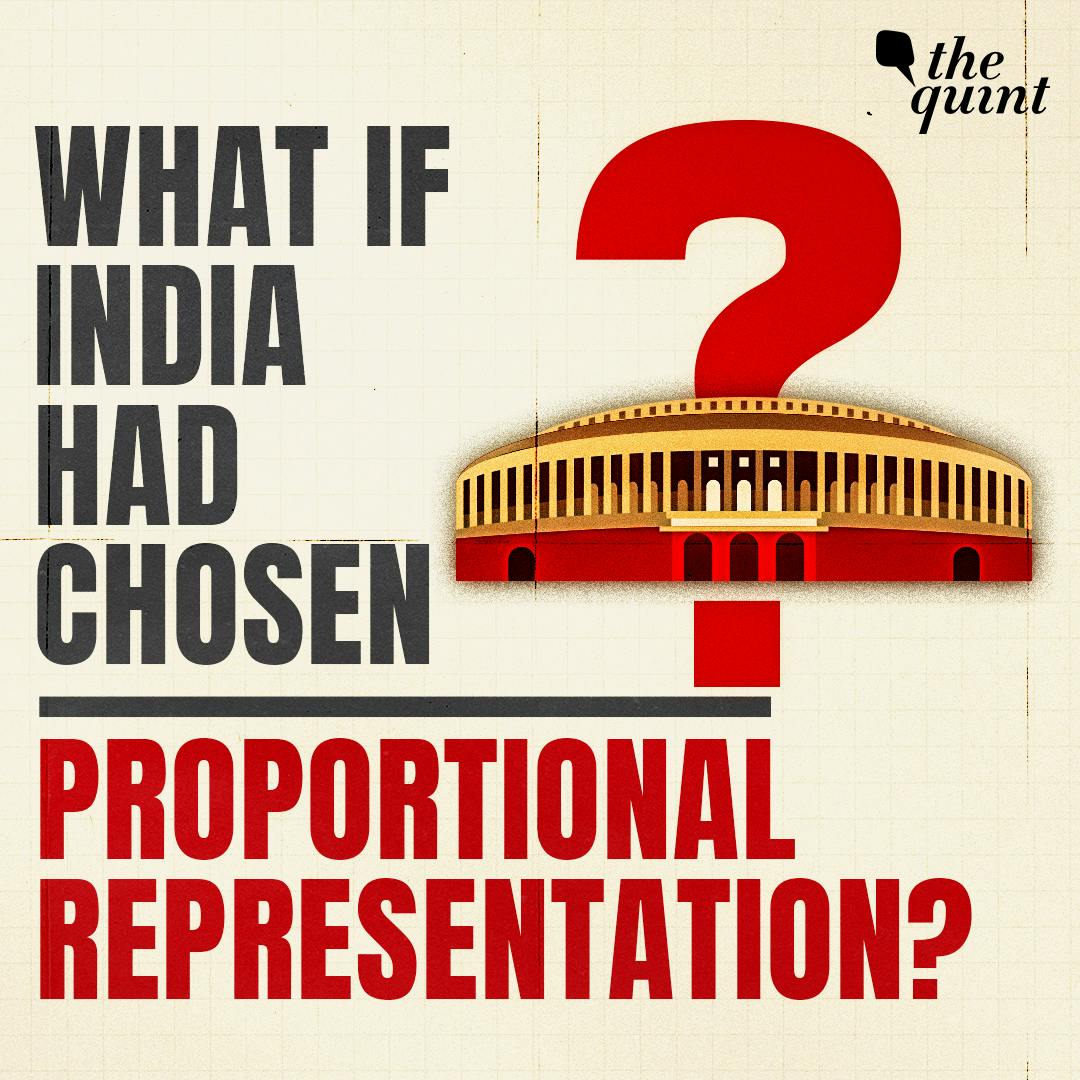
What if India didn’t use First Past the Post (FPTP) for its parliamentary elections? In this video, we break down The Quint’s opinion on how India’s electoral system shapes our democracy and why many of the world’s top democracies use Proportional Representation (PR) instead.
We explore how FPTP can amplify majorities with minority vote shares, how PR could boost inclusion, and whether India’s founding leaders missed an opportunity to build a different kind of democracy.
Learn more about your ad choices. Visit megaphone.fm/adchoices

In an America split between red rage and blue outrage, could the center be making a comeback?
Raghav Bahl’s sharp political chronicle, “Is Centrist Thought Re-Emerging in Intensely Polarized America?”, travels through Donald Trump’s America — DTA, the self-proclaimed “Divine Democracy.”
Through the shocking assassination of Charlie Kirk, his widow Erika’s stunning act of forgiveness, and unexpected moments of empathy from Jimmy Kimmel and Megyn Kelly, this film traces the faint, fragile revival of moderation and civility in a country consumed by extremes.
Is this the beginning of a centrist awakening — or just a fleeting pause before the next storm?
Watch Raghav Bahl decode the moral paradox of modern America: Can reason still survive when hate is holy?
Learn more about your ad choices. Visit megaphone.fm/adchoices
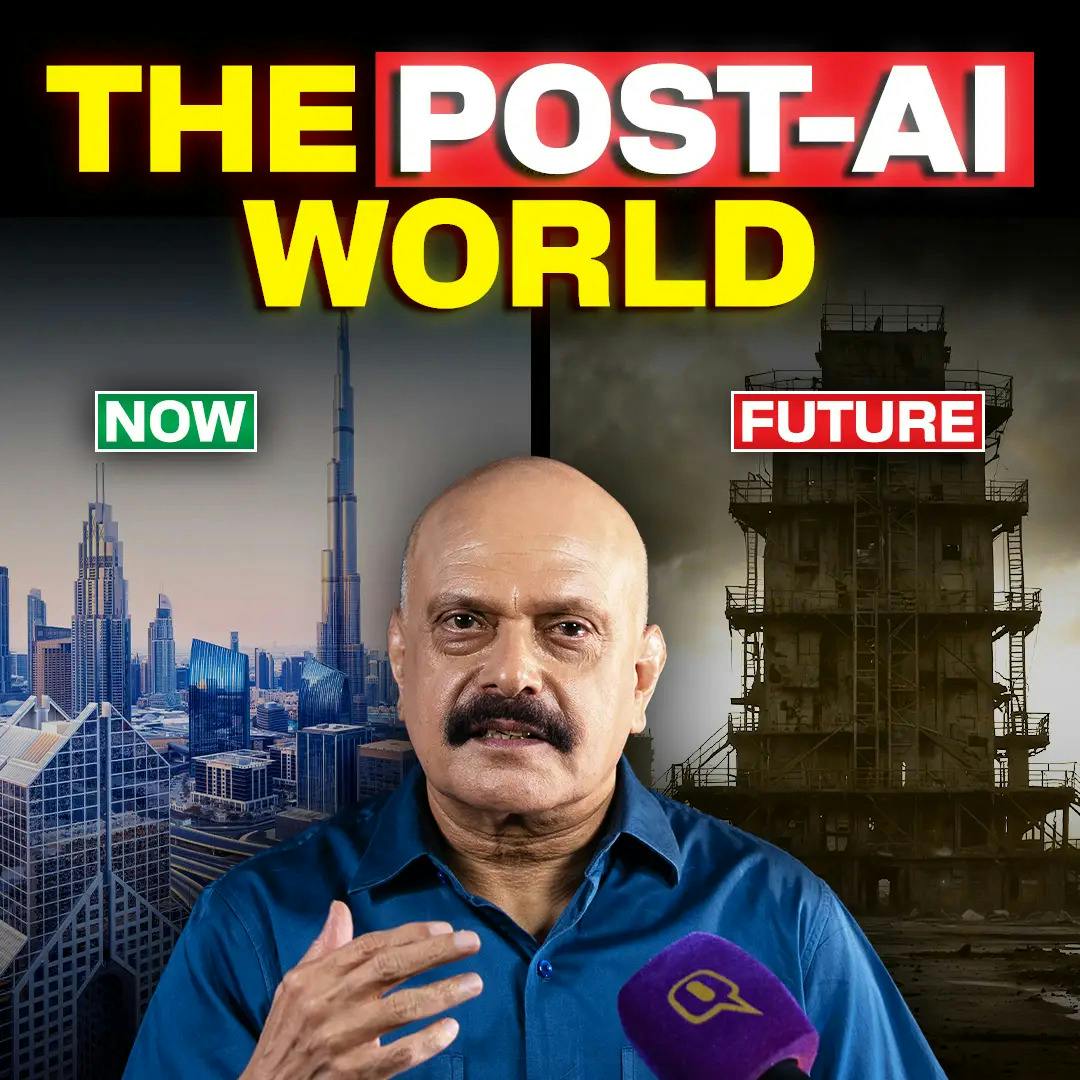
In Part 2 of his provocative AI series, Raghav Bahl continues his stream-of-consciousness dive into the post-AI world. After asking *“What the @#$ is AI?” in Part 1, he now takes on the bigger question — *“How the @#$ will AI change our world?”
From the rise of trillionaires and tech oligarchies to the collapse of traditional labour markets, Bahl explores five existential questions:
Will AI flip the Capital-Labour balance forever?
Can universal income and robot taxes save us from inequality?
Will worklessness free us—or destroy us?
Could AI trigger digital colonialism between nations?
And will physical experiences gain value in a hyper-digital world?
Learn more about your ad choices. Visit megaphone.fm/adchoices

In this episode of Raghav’s Take, we dive into the chaotic, fascinating world of Artificial Intelligence and how it’s reshaping everything we know. From writing desks to codebases, from newsroom editors to lights-out factories run by robots, AI is upending industries at a pace that challenges classical economic thinking. While understanding AI in its entirety remains a challenge, its power and its consequences are impossible to ignore. Raghav Bahl breaks down what AI is really doing to our jobs, our economy, and our future.
Learn more about your ad choices. Visit megaphone.fm/adchoices

India’s macroeconomy looks strong: low inflation, falling fiscal deficit, record capex, booming stock markets. Yet private investment and consumption are stagnant.
In this sharp analysis, Raghav Bahl explores why India’s so-called Goldilocks Economy is anxious, trapped in what he calls the 'Invisible Spectrum' of un-reforms.
From FDI outflows and millionaire migration to bans on new industries, judicial overreach, and endless tax disputes — the hidden forces sapping growth are revealed.
Learn more about your ad choices. Visit megaphone.fm/adchoices

India's GST is critiqued as a 'loser' using the ludicrous example of popcorn, which was earlier taxed at three different rates: 5%, 12%, and 18%. This complexity enabled corruption and draconian abuse. Will the proposed reforms truly fix it?
In this episode of Raghav’s Take, Raghav Bahl breaks down the new GST structure, the business community’s response, and his five essential fixes to make GST a fair, transparent, and workable tax system.
(Note: The video was recorded before the new GST rates were announced.)
Learn more about your ad choices. Visit megaphone.fm/adchoices

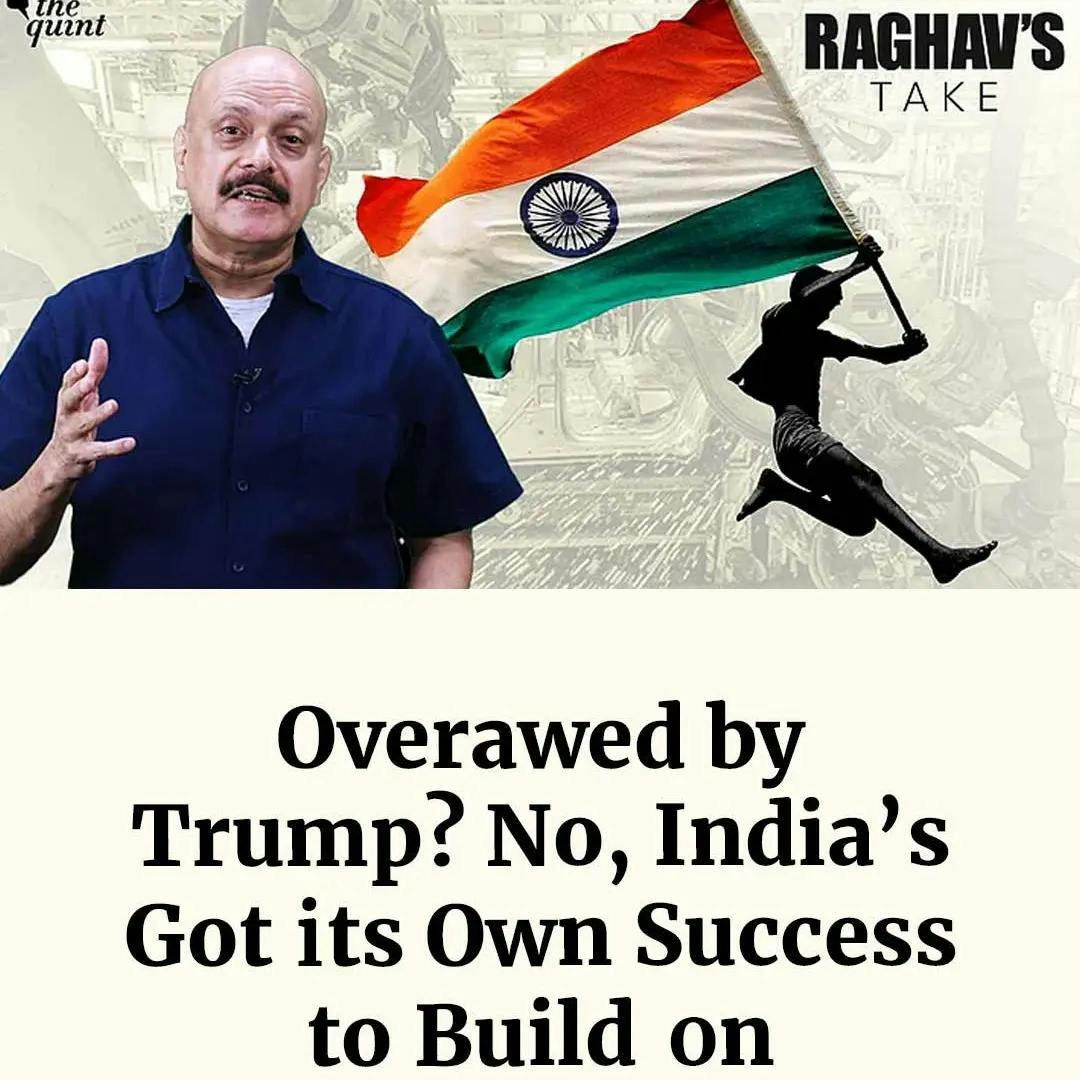
India and America have never had a simple relationship - moving from supplicants to adversaries, and finally, strategic partners. But with Donald Trump shaking up global trade, where does that leave India?
In this episode of Raghav’s Take, Raghav Bahl argues why India should not feel overawed or bullied by America and how our regulations, digital power, and economic resilience give us an edge.
Learn more about your ad choices. Visit megaphone.fm/adchoices
Learn more about your ad choices. Visit megaphone.fm/adchoices

Barack Obama’s presidency reshaped South Asia’s geopolitics. From exposing Pakistan’s duplicity on bin Laden and nukes to backing India for a permanent UN Security Council seat, Obama left behind a legacy of mistrust with Islamabad and strengthened ties with New Delhi.
This final episode of our 7-part series explores how Obama’s decisions—from drone strikes and the Abbottabad raid to defence deals and strategic diplomacy—reshaped the America-India-Pakistan equation.
Watch the full series to see how 12 US presidents influenced South Asia’s balance of power.
Learn more about your ad choices. Visit megaphone.fm/adchoices

In Part 6 of the special "America-India-Pakistan" series, Raghav Bahl dives into the transformative role played by President George Bush Jr in reshaping US-India relations. During his tenure, Bush Jr ended India's nuclear isolation, lifted economic sanctions, and fostered deep cooperation between the two nations. Despite the post-9/11 shift in US policy towards Pakistan, Bush Jr’s focus on strengthening ties with India remained pivotal. This episode explores how the India-US nuclear deal, military exercises, and shared strategic interests marked a historic period in global diplomacy.
Learn more about your ad choices. Visit megaphone.fm/adchoices
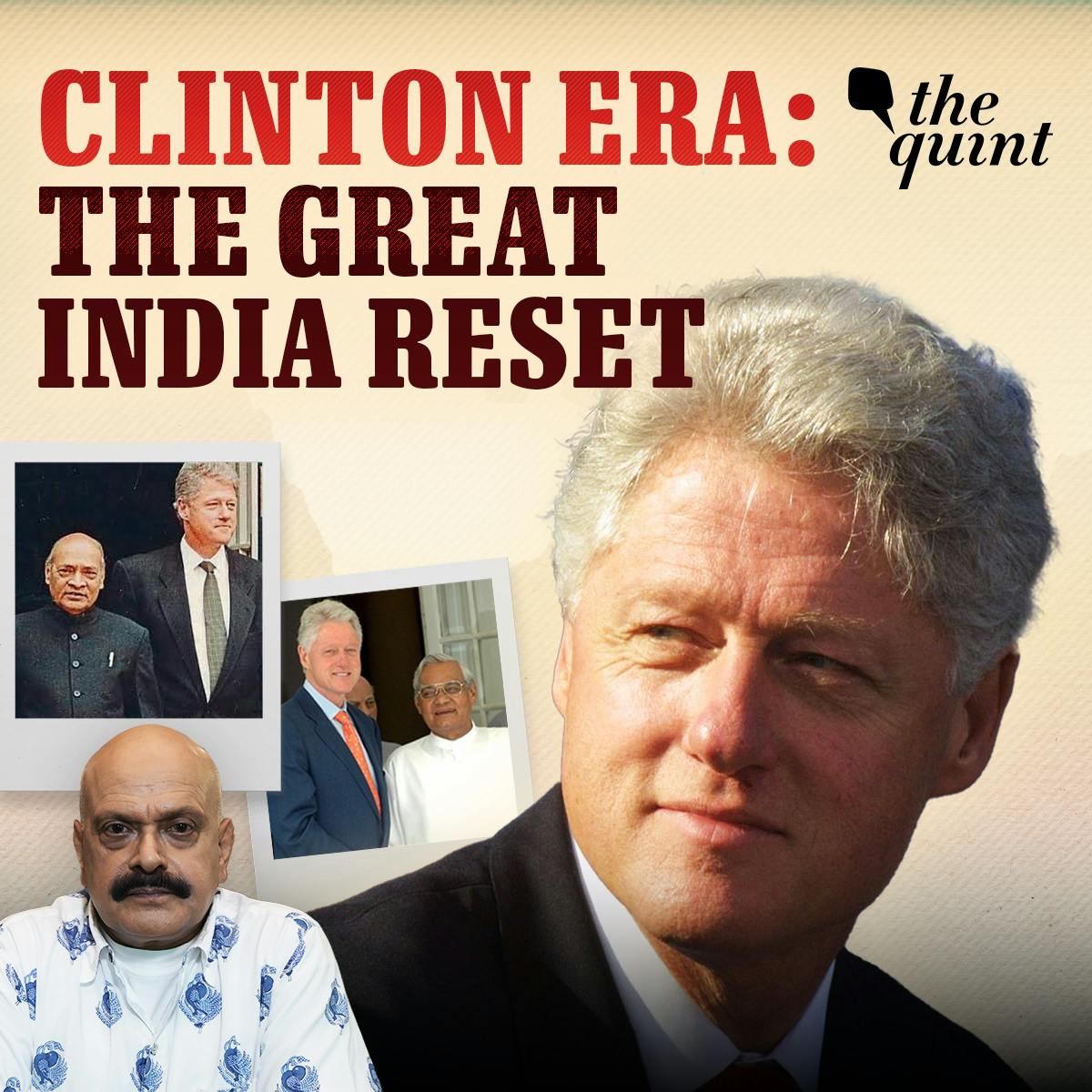
In Part 5 of the series, Raghav Bahl delves into how after the Cold War ended, India and America went from estranged democracies to strategic partners. Clinton’s five-day India visit and frosty Pakistan stopover marked the moment the balance tipped. This is how trust was built - step by step.
This episode unpacks:
End Of Estrangement between India and US
Growing Isolation of Pakistan
Clinton’s Landmark Visit to India
Pressure On Pakistan
Don’t miss Part 1 to 4 on Truman, Nixon, Carter and others, and stay tuned for Part 6 on George Bush Jr. and 9/11.
Learn more about your ad choices. Visit megaphone.fm/adchoices
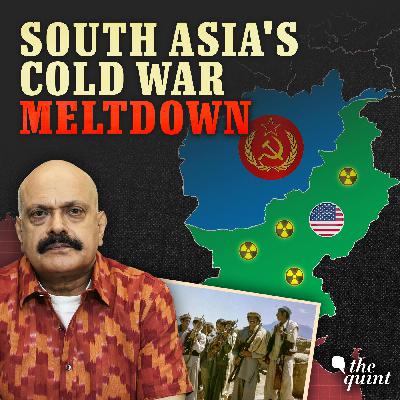
Part 4 of Raghav Bahl’s riveting historical series on the triangular relationship between America, India, and Pakistan dives into the high-stakes Cold War era of the late 1970s through early 1990s. As the world reeled from the Soviet invasion of Afghanistan and South Asia drifted into nuclear brinkmanship, US foreign policy under Presidents Jimmy Carter, Ronald Reagan, and George H.W. Bush underwent dramatic shifts.
From Carter's brief love affair with India to Reagan's billion-dollar arms deal with Pakistan and Bush Sr's sanctions on Islamabad’s nuclear programme, this episode unpacks:
1. India’s refusal to sign the NPT
2. Pakistan’s secret nuclear ambitions
3. Reagan’s covert support for Afghan Mujahideen
4. Indira Gandhi’s frosty ties with Washington
5. The changing strategic importance of Pakistan
Learn more about your ad choices. Visit megaphone.fm/adchoices
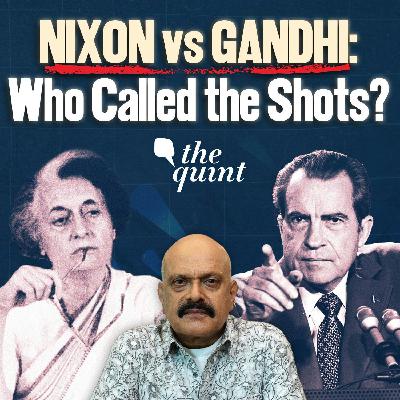
Why did Richard Nixon favour Pakistan while Indira Gandhi stood firm on India’s sovereignty? This video dives deep into a forgotten Cold War chapter when the US-India relationship hit rock bottom. From Nixon’s secret China deal brokered through Pakistan to his infamous "tilt" during the 1971 Bangladesh Liberation War, we decode the geopolitics that shaped South Asia. Watch how Indira Gandhi pushed back against US hostility, signed a landmark treaty with the USSR, and turned India into a nuclear power. A gripping story of diplomacy, betrayal, and resistance.
🔔 Subscribe for more episodes from our US-India-Pakistan mini-series.
Learn more about your ad choices. Visit megaphone.fm/adchoices
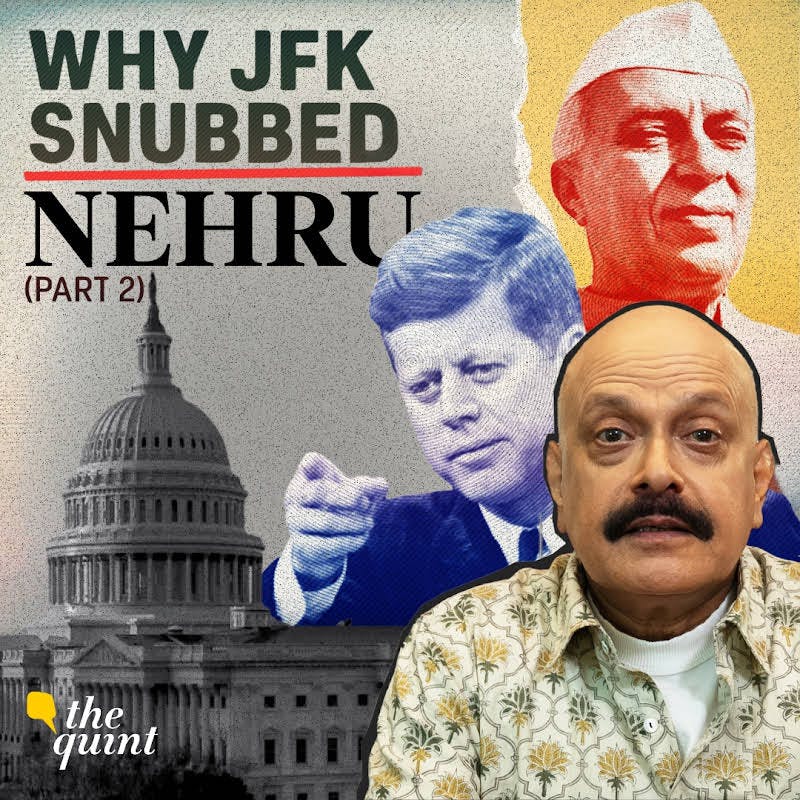
In Part 2 of our Cold War mini-series on the US-India-Pakistan triangle, we explore how Pakistan won over the Kennedy White House while India struggled to keep up. From Nehru’s waning influence and Ayub Khan’s charm offensive to Kennedy’s diplomatic missteps and the Indo-China war, we unpack a volatile decade that shaped the region’s geopolitics.
We also examine LBJ’s humiliating ‘ship-to-mouth’ food policy towards India, Indira Gandhi’s criticism of the US over Vietnam, and India’s growing resolve to go nuclear.
Learn more about your ad choices. Visit megaphone.fm/adchoices
America’s foreign policy towards India and Pakistan has shifted since the 1940s, often influenced by global politics and the personalities of US presidents. Early years saw the US favouring Pakistan due to India’s nonalignment and socialist leanings. Raghav Bahl asks: Could America’s changing stance reshape South Asia’s power balance?
Learn more about your ad choices. Visit megaphone.fm/adchoices
In this thought‑provoking video by Raghav Bahl, we explore three devastating incidents — the Pahalgam terror attack, the RCB fan‑stampede, and the Air India crash — to understand what they reveal about life, death, and human resilience. Watch as we question our mortality, confront grief, and affirm the meaning behind loss.
Learn more about your ad choices. Visit megaphone.fm/adchoices
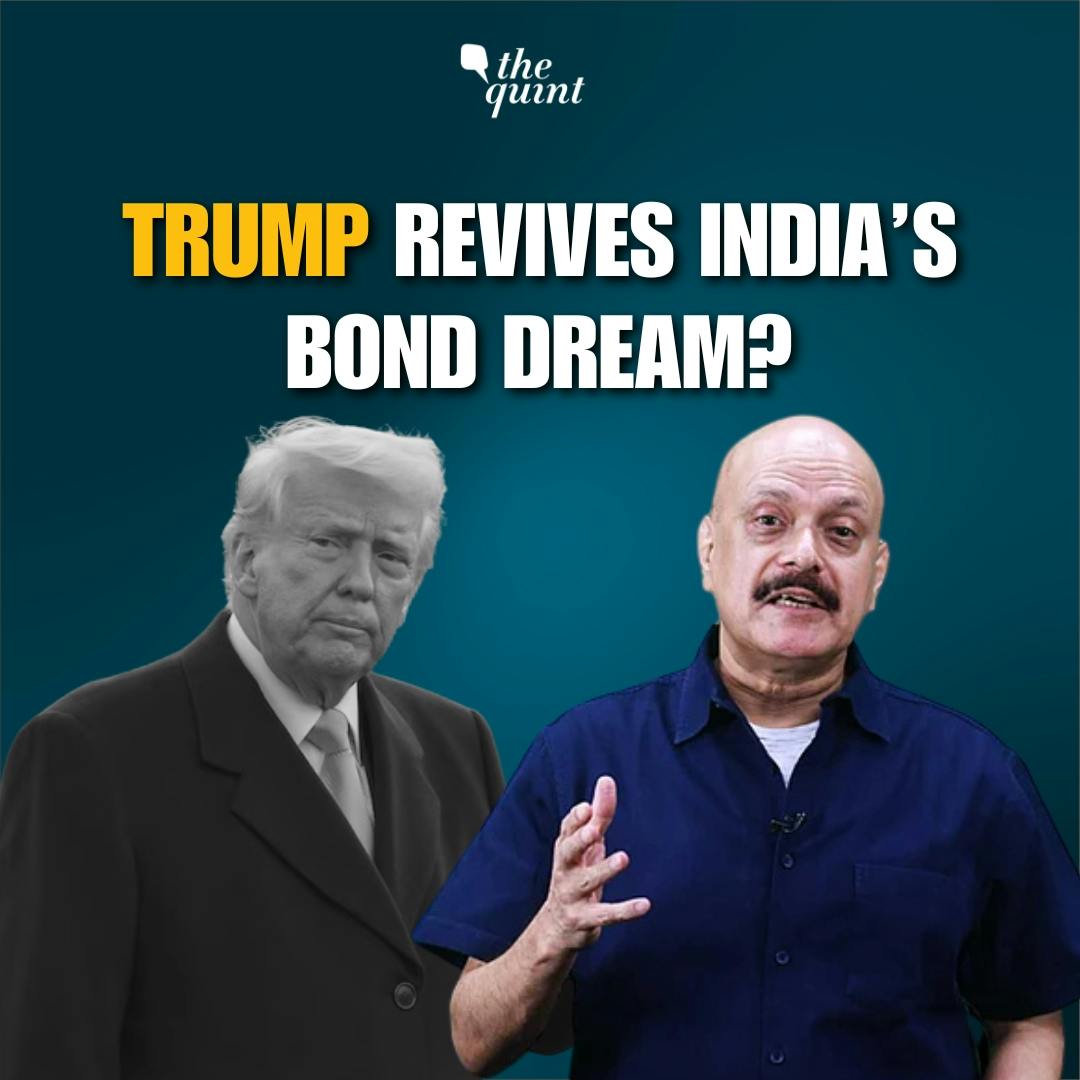
In this episode of Raghav's Take we discuss how President Trump's Mar-a-Lago Accord could pave the way for India to reintroduce its sovereign dollar bonds. We explore the historical context, the challenges faced during the 2019 attempt, and the potential benefits of this strategic move for India's economy. Watch as we analyze the implications of this development and what it means for India's financial future.
Learn more about your ad choices. Visit megaphone.fm/adchoices

Comments

Download from Google Play

Download from App Store
 United States