


 Claim Ownership
Becoming Bridge Builders
Subscribed: 3Played: 285
Subscribe

© 2024 Becoming Bridge Builders
Description
Discover how God is raising up modern-day bridge builders on “Becoming Bridge Builders” with host Keith Haney. Each episode highlights transformational leaders who are living out their faith by healing divides, uplifting others, and reflecting Christ’s love in a broken world.
Through powerful testimonies, deep conversations, and practical leadership insights, this podcast reveals how everyday people use their unique gifts to bridge divides, foster unity, and spark positive change. From faith leaders and activists to innovators and storytellers, these guests shed light on what it truly takes to build understanding in a fractured world.
What you’ll experience:
Inspiring interviews with remarkable changemakers
Honest, thought-provoking discussions about leadership and purpose
Practical wisdom for living out your legacy with courage and compassion
Christ-centered perspectives on leadership, justice, reconciliation, and service
Encouragement to become the bridge in your family, church, and community
If you’re ready to be encouraged, challenged, and equipped to make a Kingdom impact, this podcast is for you.
Subscribe now and join us on the journey of becoming bridge builders in a divided world.
Through powerful testimonies, deep conversations, and practical leadership insights, this podcast reveals how everyday people use their unique gifts to bridge divides, foster unity, and spark positive change. From faith leaders and activists to innovators and storytellers, these guests shed light on what it truly takes to build understanding in a fractured world.
What you’ll experience:
Inspiring interviews with remarkable changemakers
Honest, thought-provoking discussions about leadership and purpose
Practical wisdom for living out your legacy with courage and compassion
Christ-centered perspectives on leadership, justice, reconciliation, and service
Encouragement to become the bridge in your family, church, and community
If you’re ready to be encouraged, challenged, and equipped to make a Kingdom impact, this podcast is for you.
Subscribe now and join us on the journey of becoming bridge builders in a divided world.
469 Episodes
Reverse

Today's conversation with Christy Pretzinger is a masterclass on redefining leadership through kindness and cultural awareness. As the owner and CEO of WG Content, Christy has woven a workplace culture that emphasizes personal growth, inclusivity, and, yes, kindness as a cornerstone for success. We explore the profound impact that a nurturing environment can have on both individual and organizational performance, challenging the notion that kindness is a sign of weakness. Instead, Christy argues that it’s a powerful tool for fostering clarity and connection among teams. Join us as we delve into her journey, insights from her book "Cultural Balance Sheet," and practical strategies for creating workplaces where people not only work but truly thrive.In this episode of the Becoming Bridge Builders podcast, host Keith Haney speaks with Christy Pretzinger, CEO of WG Content, about the importance of kindness in leadership and workplace culture. Christy shares insights from her book, 'Cultural Balance Sheets,' emphasizing the need for personal growth, the role of culture in business success, and the challenges women face in leadership roles. The conversation explores how to create environments where people can thrive, the significance of hiring for culture fit, and the impact of kindness on organizational performance.Takeaways:In today's episode, we discussed how kindness in leadership isn't a weakness but a vital strength that fosters growth and inclusivity in the workplace.Christy Pretzinger shared her journey of creating a culture where people thrive, emphasizing the importance of personal growth as essential for business success.The concept of a cultural balance sheet was explored, highlighting that workplace culture is often overlooked yet is critical for financial performance and employee wellbeing.We learned that setting clear boundaries is essential in preventing burnout and maintaining a healthy work-life balance, especially in virtual environments.Christy shared her insights on hiring practices, advocating for a slow hiring process to ensure cultural fit, and the importance of curiosity in candidates.In discussing the Better Leader Project, Christy expressed her passion for fostering humane leadership practices that empower individuals while promoting a supportive community.Links referenced in this episode:christypretzinger.comwgcontent.comChristy Pretzinger ➤ Your Cultural Balance Sheet: Building a Thriving Company CultureChristy Pretzinger ➤ SPEAKINGJoin Becoming Bridge Main for Inspirational Leadership Content | Listen Now!Mentioned in this episode:My friend Dr. Noah St. John calls this 'the invisible brake.' He's giving our listeners a free Revenue Ceiling Audit to help you see what’s REALLY holding you back. You’ll also get a FREE 30-day membership to Noah Bot, giving you access to Dr. Noah’s 30 years of experience to help you reach your next level. But hurry, because there are only 50 available this month. So if you're tired of being stuck at the same revenue level and want to finally break through, get your FREE Revenue Ceiling Audit at https://www.noahvault.com?aff=d28bf6c78150c7f09896297dfe1701c1cd191ac6fc9976779212cec5d38e94d6

Today, we dive deep into the transformative journey of building authentic confidence with Simone Knego, an international speaker and award-winning author who specializes in helping individuals reconnect with their worth. At the forefront of our discussion is her innovative framework, the Real Method, which stands for respecting yourself, embracing failures, asking what you truly want, and living without limits. Simone shares her personal story of overcoming self-doubt, including her monumental climb of Mount Kilimanjaro, which became a pivotal moment in recognizing her capabilities. We explore how confidence is not merely a trait but a skill that can be developed through intentional practices, and we touch on the importance of self-reflection and embracing imperfections. So, whether you’re looking to quiet that inner critic or seeking inspiration to live boldly, this episode is packed with insights and practical strategies that can help you step into a more confident version of yourself.In this episode of Becoming Bridge Builders, host Keith Haney speaks with Simone Knego, an international speaker and confidence expert, about her journey to building real confidence. They discuss her new book, 'Real Confidence,' which offers practical tools for overcoming self-doubt and embracing one's worth. Simone shares her REAL method for building confidence, emphasizing the importance of self-respect, embracing failure, and living without limits. The conversation also touches on the significance of authenticity, mindset hacks, and the impact of personal experiences on confidence. Simone's insights aim to empower listeners to lead more meaningful lives and embrace their true selves.TakeawaysConfidence is a skill that can be built over time.Embracing failure is essential for growth and learning.Self-respect is foundational to building confidence.Living without limits means challenging self-imposed restrictions.Authenticity is more powerful than faking confidence.Mindset hacks can help shift negative thoughts to positive ones.It's important to ask yourself what you truly want in life.Comparison to others often leads to feelings of inadequacy.Talking about struggles can foster connection and understanding.Every experience contributes to who we are today.Exploring the intersection of self-doubt and personal empowerment, this episode brings to life the remarkable journey of Simone Canego, a confidence expert who has transformed her struggles into a framework for success. As we dive into her compelling narrative, Simone shares her own battles with self-doubt, a journey that was punctuated by her daunting climb up Mount Kilimanjaro—a metaphorical and literal peak that reshaped her understanding of what it means to be confident. With her new book, "Real Confidence: A Simple Guide to Go From Unsure to Unshakeable," Simone introduces listeners to the 'Real Method'—a refreshing approach that emphasizes self-respect, embracing failures, and living without limits. Through a series of relatable anecdotes and practical exercises, she invites us to rethink our relationship with failure and self-worth. This conversation is not just about building confidence; it’s about reclaiming our narratives and understanding that confidence is a skill that can be cultivated over time, much like any other practice in life.Takeaways: In this episode, we explored how Simone Knego transformed self-doubt into unshakeable confidence through her experiences and methodologies, emphasizing personal growth. Simone's framework for building confidence, known as the Real Method, focuses on respecting oneself, embracing failures, and living without limits, which challenges societal norms. The conversation highlighted the importance of vulnerability, as Simone shared her journey from feeling inadequate to realizing her worth and capability, inspiring listeners to do the same. Emphasizing that confidence is a skill built over time, Simone encourages everyone to actively cultivate a positive mindset and engage in daily affirmations to combat self-doubt. We discussed the common struggle many face in asking themselves what they truly want, highlighting the need for self-reflection and prioritization in personal goals. Simone reminded us that the way we talk to ourselves shapes our reality, urging us to replace negative self-talk with empowering narratives to foster genuine confidence. Links referenced in this episode:becomingbridgebuildersherunshakableconfidenceextraordinaryunordinaryyouthrealmethodrealconfidenceMentioned in this episode:My friend Dr. Noah St. John calls this 'the invisible brake.' He's giving our listeners a free Revenue Ceiling Audit to help you see what’s REALLY holding you back. You’ll also get a FREE 30-day membership to Noah Bot, giving you access to Dr. Noah’s 30 years of experience to help you reach your next level. But hurry, because there are only 50 available this month. So if you're tired of being stuck at the same revenue level and want to finally break through, get your FREE Revenue Ceiling Audit at https://www.noahvault.com?aff=d28bf6c78150c7f09896297dfe1701c1cd191ac6fc9976779212cec5d38e94d6
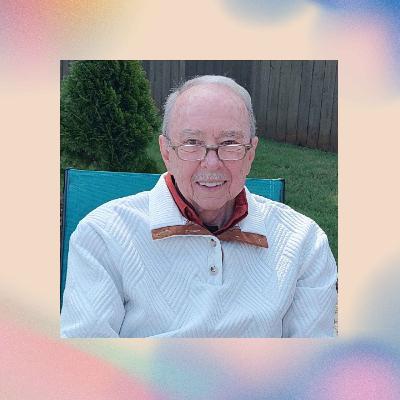
Rethinking our relationship with God is the cornerstone of this episode, in which we dive deep into the enlightening analogy of cat-and-dog theology. Gerald Robison, drawing from a wealth of experience in ministry and coaching, shares a profound piece of advice: don’t waste time on tasks that others can handle when you have unique contributions to make. This principle not only helps manage workload but also frames a critical discussion of how our perspectives shape our spiritual growth. We explore the common pitfalls of viewing God as a mere servant to our desires, much like a cat expects its staff to cater to its whims, versus the faithful, devoted relationship exemplified by dogs. Through humor and insightful anecdotes, we challenge listeners to embrace a God-centered faith that truly glorifies Him, rather than a self-serving approach that leads to disappointment and spiritual stagnation.Exploring the intricate dynamics of our relationship with God, the episode delves into the thought-provoking concept of 'Cat and Dog Theology.' This analogy, presented by our guest, humorously illustrates the contrasting attitudes between dogs, who view their owners with reverence and gratitude, and cats, who often act as if they are the center of the universe. The discussion kicks off with a profound piece of advice: prioritizing tasks that only we can do, inspired by Eisenhower's Matrix—a tool for effective time management that encourages us to distinguish between what must be done by us and what can be delegated. As we navigate through the episode, the conversation transitions to the heart of spiritual maturity, examining how our interactions with God often mirror a cat's self-serving attitude. The guest emphasizes that many believers treat God as a mere staff member, calling upon Him only when in need, rather than recognizing Him as the sovereign authority deserving of our devotion and service. The episode doesn't shy away from addressing contemporary challenges faced by the Church, where a tendency to pursue grand visions without concrete strategies can lead to isolated congregations. Gerald points out that this introspective focus can stunt spiritual growth, urging listeners to embrace a more communal approach that aligns with God's purpose for the Church—to reach all nations with the Gospel. As the conversation unfolds, listeners are encouraged to reflect on their prayers, dissecting the often selfish nature of petitions that prioritize personal desires over divine will. Through witty anecdotes and insightful reflections, we are invited to reconsider our spiritual practices, shifting from a 'me-centered' faith to a 'God-centered' one, in which glorifying God becomes paramount. In a world that often equates success with personal gain, the episode poignantly reminds us that true fulfillment lies not in seeking comfort but in embracing the challenges that shape our faith. The guest's compelling narrative reveals how adversity can serve as a vehicle for growth and a deeper understanding of divine purpose, encouraging us to trust in God's overarching plan rather than our limited perspective. As we conclude, the episode leaves us with a powerful call to action: to live for God's glory, to build bridges within our communities, and to foster a global perspective that seeks to honor Him in all aspects of life.Takeaways: The best advice often involves focusing on what only you can do, avoiding distractions. Eisenhower's decision-making matrix helps prioritize tasks by asking if they need to be done by you now. Cat and dog theology illustrates how many treat God as a mere staff member instead of a master. Christians often misuse God for personal gain rather than recognizing their purpose in serving Him. The concept of 'winner's circle theology' can distort our understanding of God's plan in times of hardship. Missions work thrives when we align our goals with God's purpose for all nations, not just ourselves. Links referenced in this episode:geraldrobison.comMentioned in this episode:My friend Dr. Noah St. John calls this 'the invisible brake.' He's giving our listeners a free Revenue Ceiling Audit to help you see what’s REALLY holding you back. You’ll also get a FREE 30-day membership to Noah Bot, giving you access to Dr. Noah’s 30 years of experience to help you reach your next level. But hurry, because there are only 50 available this month. So if you're tired of being stuck at the same revenue level and want to finally break through, get your FREE Revenue Ceiling Audit at https://www.noahvault.com?aff=d28bf6c78150c7f09896297dfe1701c1cd191ac6fc9976779212cec5d38e94d6
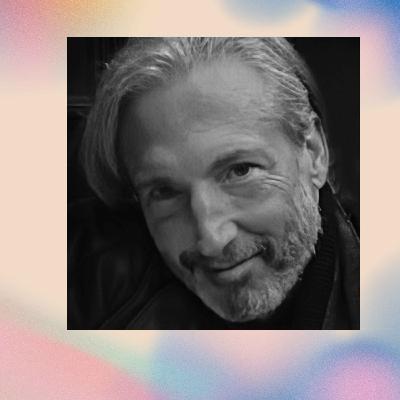
Today, we delve into the transformative journey of Anthony Freda, a multifaceted artist whose work has transcended the boundaries of commercial art to embrace a deeply spiritual calling. Anthony's remarkable story takes us through his moral crises sparked by his experiences in the advertising world, including a pivotal moment while working on the Joe Camel campaign, when he questioned the ethics of marketing cigarettes to children. His path leads to a profound reorientation towards Christian art, driven by a renewed faith and a desire to illuminate truth through his creative expressions. We explore how his understanding of art as a spiritual battle shapes his current projects, including the ambitious Jesus Park, a sculptural earth garden designed for prayer and meditation. Join us as we reflect on the intersection of faith, art, and personal transformation, and consider how each of us can contribute to a culture that values truth and beauty in a world that often seeks to obscure them.Exploring the transformative journey of Anthony Freda, a multifaceted artist and professor, we delve into his remarkable evolution from commercial illustrator to a creator of Christian art. With a background steeped in the elite circles of the art world, including accolades from prestigious publications like The New Yorker and Rolling Stone, Anthony's path took a profound turn following a harrowing personal crisis. The episode unfolds a gripping narrative as he recounts a life-altering incident involving his partner's near-death experience and the subsequent spiritual awakening that reshaped his artistic vision. In this candid conversation with host Keith Haney, Anthony reflects on how his moral dilemmas in the advertising world—specifically his involvement in campaigns like Joe Camel—prompted a deep introspection about the implications of his work. He candidly shares how these experiences compelled him to pursue truth and faith, ultimately leading him to embrace a mission of creating art that glorifies God and engages the spiritual battle he believes is at the root of societal issues. This episode not only illuminates Anthony's artistic journey but also serves as a call to action for listeners to engage in their own moral and spiritual introspections, reminding us that our creative pursuits can be a reflection of our faith and values.Mentioned in this episode:My friend Dr. Noah St. John calls this 'the invisible brake.' He's giving our listeners a free Revenue Ceiling Audit to help you see what’s REALLY holding you back. You’ll also get a FREE 30-day membership to Noah Bot, giving you access to Dr. Noah’s 30 years of experience to help you reach your next level. But hurry, because there are only 50 available this month. So if you're tired of being stuck at the same revenue level and want to finally break through, get your FREE Revenue Ceiling Audit at https://www.noahvault.com?aff=d28bf6c78150c7f09896297dfe1701c1cd191ac6fc9976779212cec5d38e94d6
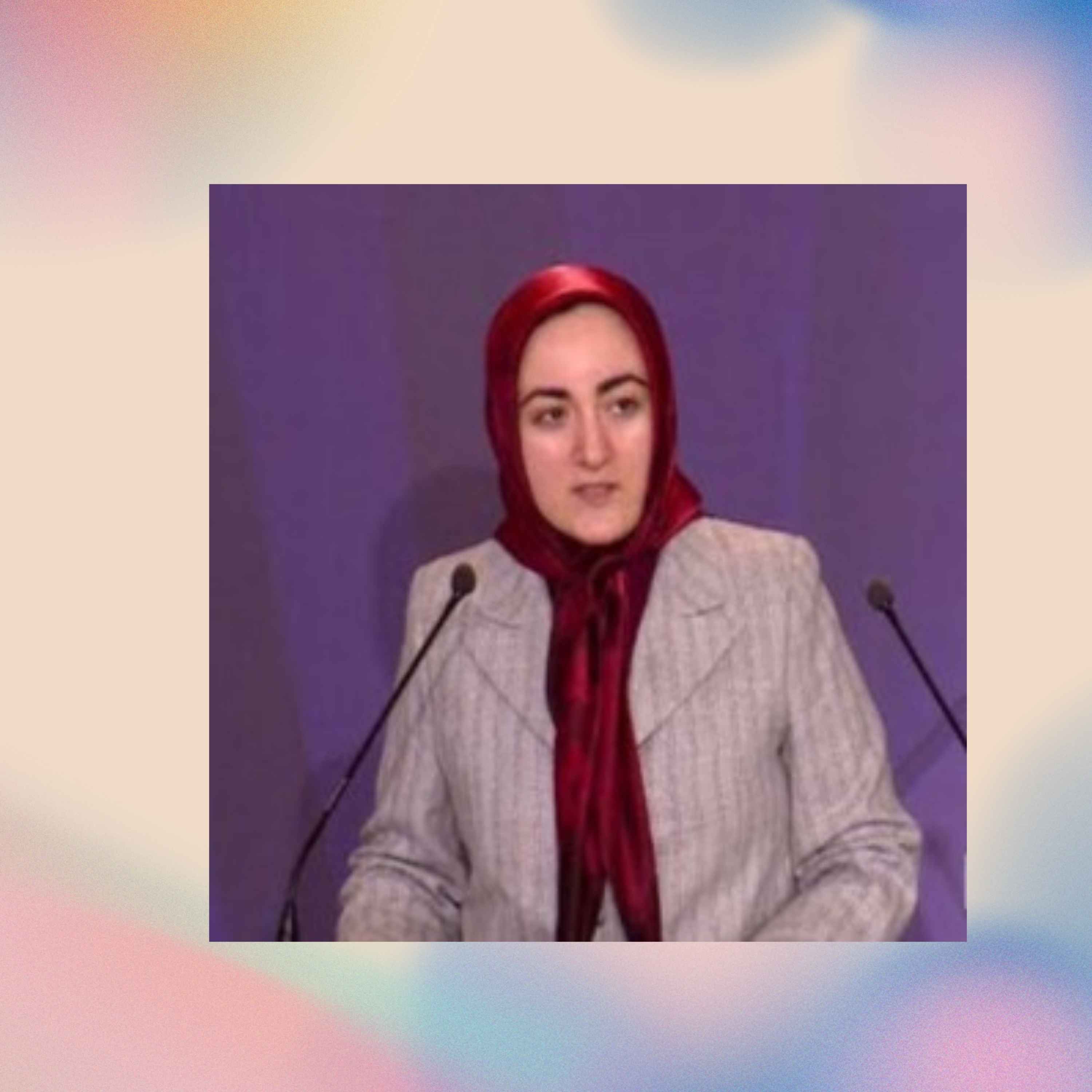
The main focus of today's discussion is the urgent human rights crisis in Iran, highlighted through the powerful stories of our guest, Zolal Habibi, an Iranian human rights activist whose life is deeply linked to the fight for freedom, dignity, and justice. For over twenty years, Zolal has been a strong voice advocating for the silenced, especially on women's rights and democratic reform during times of significant societal upheaval. As we explore the challenging situation in modern Iran, marked by unprecedented protests, a militarized crackdown, and severe human rights abuses, we will examine Zolal’s insights on the effects of recent regime changes and the persistent resilience of the Iranian people. The complex geopolitical issues, along with the worsening economic conditions caused by ongoing conflict, offer a multi-layered perspective on this urgent humanitarian crisis. Our discussion aims not only to shed light on the struggles of those oppressed in Iran but also to consider the wider implications for global peace and stability, stressing the importance of supporting the Iranian people's pursuit of self-determination and justice.In a powerful exploration of Iran's fight for justice and human rights, Zola Habib shares her compelling insights with Rev. Dr. Keith Haney. The podcast goes beyond simple discussion, immersing listeners in the harsh realities faced by the Iranian people during an unprecedented national uprising. Zola describes the seismic changes happening in Iran, especially after the death of the Supreme Leader and the subsequent increase in state violence. This conversation serves as a call to recognize the human toll of political repression, as Zola recounts firsthand stories of brutality against protesters and the systematic targeting of dissenters. Additionally, the discussion examines the strategic impact of international responses to these crises and advocates for strong support for those daring to challenge the regime. The podcast ultimately aims to equip its audience with knowledge and empathy, urging a collective commitment to the Iranian resistance and a deeper critique of the geopolitical factors that worsen human suffering in the region.Takeaways: The current state of Iran is characterized by unprecedented protests and governmental repression, resulting in a humanitarian crisis. Zolal Habibi's advocacy for human rights in Iran stems from personal tragedy, as her father was a victim of political violence. The Iranian regime's attempt to maintain control through lethal force has led to widespread casualties and arrests, creating a volatile environment. The transitional leadership in Iran, marked by the ascendance of Khamenei's son, indicates a continuity of the regime's oppressive policies rather than a departure from them. The international community's response to the Iranian plight must prioritize supporting the resistance movement rather than engaging in appeasement tactics. The resilience of the Iranian people amidst severe repression highlights their unwavering commitment to democracy and justice, necessitating global solidarity. Links referenced in this episode:iranfreedom.orgaction@iranfreedom.orghttps://maryamrajavi4change.com/https://www.linkedin.com/in/zolalhabibi/https://www.ncr-iran.org/en/https://www.becomingbridgebuilders.org/podcastMentioned in this episode:My friend Dr. Noah St. John calls this 'the invisible brake.' He's giving our listeners a free Revenue Ceiling Audit to help you see what’s REALLY holding you back. You’ll also get a FREE 30-day membership to Noah Bot, giving you access to Dr. Noah’s 30 years of experience to help you reach your next level. But hurry, because there are only 50 available this month. So if you're tired of being stuck at the same revenue level and want to finally break through, get your FREE Revenue Ceiling Audit at https://www.noahvault.com?aff=d28bf6c78150c7f09896297dfe1701c1cd191ac6fc9976779212cec5d38e94d6
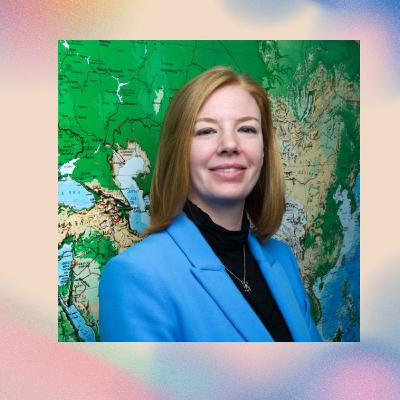
Morgan DeNicola, the Executive Director of the DeNicola Family Foundation, joins us today to share her impactful journey in humanitarian work and cultural diplomacy. With a strong background that includes collaborations with the U.S. Congress and the United Nations, Morgan exemplifies the power of bridging gaps between different cultures and causes. We explore her foundation's four main pillars: humanitarian recognition, global health, cultural diplomacy, and conservation, each reflecting her family's values and experiences. Throughout our conversation, she shares personal stories, including her transformative first trip to Africa, which sparked her passion for making a difference. Join us as we discuss the details of her work, the challenges she's faced, and the important lessons learned in the effort to foster understanding and support worldwide.Takeaways:Morgan DeNicola emphasizes the importance of listening to communities' needs rather than imposing solutions from the outside, highlighting a crucial aspect of effective humanitarian work.The podcast discusses how cultural diplomacy can bridge gaps between diverse groups, making it essential for fostering understanding and collaboration in global initiatives.DeNicola's journey in humanitarian efforts began with a deeply impactful experience in Africa, showcasing how personal stories can ignite a lifelong passion for helping others.A major focus of the DeNicola Family Foundation is on health, conservation, cultural diplomacy, and humanitarian recognition, which together aim to create a more interconnected and healthier world.The realization that every culture has strengths and valuable practices is vital in humanitarian work, as it encourages mutual respect and effective collaboration in addressing global challenges.DeNicola believes that true leadership involves humility and the willingness to learn from others while recognizing the broader impact one can have in their communities.Links referenced in this episode:humptydumptyinstitutedenicolafamilyfoundationMentioned in this episode:My friend Dr. Noah St. John calls this 'the invisible brake.' He's giving our listeners a free Revenue Ceiling Audit to help you see what’s REALLY holding you back. You’ll also get a FREE 30-day membership to Noah Bot, giving you access to Dr. Noah’s 30 years of experience to help you reach your next level. But hurry, because there are only 50 available this month. So if you're tired of being stuck at the same revenue level and want to finally break through, get your FREE Revenue Ceiling Audit at https://www.noahvault.com?aff=d28bf6c78150c7f09896297dfe1701c1cd191ac6fc9976779212cec5d38e94d6
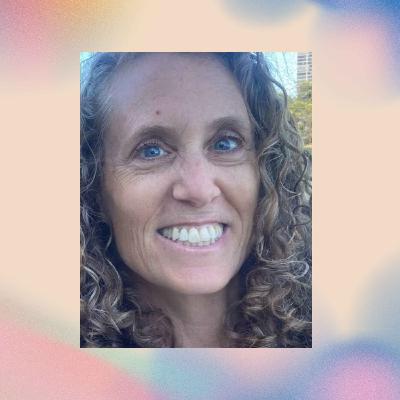
Today's conversation dives deep into the transformative power of anger with our guest, Bronwyn Schweigerdt, a licensed psychotherapist and author of the podcast "Angry at the Right Time, at the Right Things." Bronwyn challenges the stigma surrounding anger, emphasizing its role as a vital emotion that can lead to healing and resilience when expressed authentically. Through her personal journey, she illustrates how suppressing anger can contribute to mental health struggles, revealing that acknowledging and understanding this emotion can prevent the onset of depression and anxiety. We explore the importance of distinguishing between healthy and reactive anger and how this awareness can empower us to navigate our relationships and personal histories. Join us as we uncover insights that encourage us to embrace our emotions, particularly the ones we often shy away from, and learn to build bridges within ourselves and with others.Exploring the intricate relationship between our emotions and mental health, Bronwyn Schweigerdt, a seasoned psychotherapist and author, delves deep into the underappreciated realm of anger in this enlightening podcast episode. The conversation begins with a heartfelt narrative from Bronwyn about her journey into therapy, spurred by her own experiences with depression and the realization that unexpressed anger can lead to mental health struggles. She emphasizes the importance of recognizing anger not as a negative force but as a necessary emotion that can guide us towards action and self-advocacy. We share anecdotes about how society often stigmatizes anger, urging listeners to reconsider their perceptions and embrace this emotion as a vital part of the human experience. Bronwyn offers practical insights, such as the notion of anger acting as a warning signal, akin to a dashboard light indicating something is amiss, inviting us to heed our emotional cues rather than suppress them. As we navigate through Bronwyn's therapeutic techniques, we touch on the transformative power of expressing anger healthily, which can lead to healing and resilience, empowering individuals to reclaim their narratives while fostering healthier relationships. This episode serves as a call to action, encouraging listeners to confront their feelings and engage with their anger constructively, ultimately paving the way for personal growth and emotional well-being.Takeaways:The podcast emphasizes the importance of reconnecting with our anger as a form of healing, urging us to view it not as a threat, but as a vital signal for self-awareness and boundary-setting.Brownwyn Schweigerdt shares her personal journey from depression to becoming a therapist, highlighting how suppressed anger can manifest into mental health challenges and how acknowledging it can lead to resilience.Listeners are encouraged to externalize their feelings, especially those related to trauma and shame, through creative exercises like writing letters to their past selves or those who have wronged them.The discussion stresses that feelings of anger and shame are God-given emotions meant to elicit movement towards healthier choices, reminding us that it's okay to feel and express these emotions without guilt.The episode dives into the concept of healthy versus reactive anger, explaining how understanding our triggers can help us respond more appropriately in relationships and avoid projecting past wounds onto others.Lastly, it points out that the path to healing often involves listening to our bodies and integrating our emotional experiences, leading to a more authentic and fulfilled life.Links referenced in this episode:angryattherightthingslinkedin.comfacebook.comyoutube.comMentioned in this episode:My friend Dr. Noah St. John calls this 'the invisible brake.' He's giving our listeners a free Revenue Ceiling Audit to help you see what’s REALLY holding you back. You’ll also get a FREE 30-day membership to Noah Bot, giving you access to Dr. Noah’s 30 years of experience to help you reach your next level. But hurry, because there are only 50 available this month. So if you're tired of being stuck at the same revenue level and want to finally break through, get your FREE Revenue Ceiling Audit at https://www.noahvault.com?aff=d28bf6c78150c7f09896297dfe1701c1cd191ac6fc9976779212cec5d38e94d6

Kevin Hughes, a best-selling author and passionate advocate for mental health, takes us on a compelling journey through his life experiences marked by resilience and transformation. Growing up in Lynchburg, Virginia, Kevin faced the daunting challenges of poverty and abuse, all while serving in the United States Navy and eventually graduating from Lynchburg University. His debut book, "SocioMom," unveils the harrowing tale of surviving a psychopathic mother, a narrative woven with themes of identity, survival, and ultimately, redemption. As we delve into Kevin’s story, we explore the intricate relationship between trauma and healing, and how the process of writing this deeply personal account offered him not just catharsis, but also a profound understanding of forgiveness and grace. Join us for an inspiring conversation that underscores the importance of mental health, the power of storytelling, and the possibility of thriving against all odds.Kevin Hughes's life story is a powerful narrative that captures the essence of resilience and redemption. From his difficult upbringing in Lynchburg, Virginia, to his current role as a best-selling author and mental health consultant, Kevin's journey is a deep exploration of the human spirit's ability to overcome hardship. In this engaging episode, he opens up about his tumultuous childhood, shaped by the traumatic experiences of living with a psychopathic mother. His book, *Social Mom*, serves as a touching reflection of his struggles with dissociation and the long journey toward healing. Kevin's honest revelations about his past not only illuminate his personal battles but also give listeners a relatable look into the complexities of trauma and recovery. Listeners will find Kevin's perspective refreshing and thought-provoking as he encourages us to embrace our vulnerabilities and seek help when needed. His belief that faith and mental health are essential aspects of overall health resonates throughout the episode, reinforcing the idea that we are not alone in our struggles. Kevin's journey serves as a beacon of hope, illustrating that no matter how dark our past may be, there is always a path toward healing and growth. This episode is a must-listen for anyone looking to understand the intricacies of mental health, the importance of community support, and the incredible power of resilience in our lives.Takeaways: Kevin Hughes discusses his journey of overcoming childhood trauma and abuse, emphasizing the importance of resilience and faith in recovery. His debut book, 'SocioMom', explores the complexities of living with a psychopathic parent and the long-term effects on mental health and identity. The podcast highlights the transformative power of sharing one's story to inspire others facing similar struggles and to break the stigma surrounding mental health. Forgiveness is a recurring theme, with Kevin illustrating how it evolves over time and is essential for personal healing and growth. The discussion reinforces that mental health is integral to overall health and advocates for a shift in societal perceptions of mental well-being. Kevin's experience as a caregiver for his mother after years of abuse adds layers to his understanding of redemption and the challenges of familial relationships. Links referenced in this episode:mysocialmom.comVsvItkLDQ0qMcGd0cJWbMentioned in this episode:My friend Dr. Noah St. John calls this 'the invisible brake.' He's giving our listeners a free Revenue Ceiling Audit to help you see what’s REALLY holding you back. You’ll also get a FREE 30-day membership to Noah Bot, giving you access to Dr. Noah’s 30 years of experience to help you reach your next level. But hurry, because there are only 50 available this month. So if you're tired of being stuck at the same revenue level and want to finally break through, get your FREE Revenue Ceiling Audit at https://www.noahvault.com?aff=d28bf6c78150c7f09896297dfe1701c1cd191ac6fc9976779212cec5d38e94d6

This episode takes a deep dive into the powerful journey of Julie Barth, a mother of six and a resilient advocate for women in crisis. Julie's life, a tapestry woven from love, loss, and perseverance, serves as the backdrop for her compelling writings, including her memoirs, *Notes from a BlackBerry* and the forthcoming *From Thorns to Blossoms*. Her experiences, particularly in navigating the challenges of caring for her special needs daughter and her husband’s battle with cancer, illuminate the raw realities of caregiving and the profound lessons learned through adversity. As the founder of Colin James Barth Outreach, Julie not only shares her personal story but also empowers other women facing similar hardships by connecting them with vital resources. Join us as we explore the intricate balance of joy and heartbreak in Julie’s life, and glean insights on resilience, compassion, and the importance of community support.Exploring the intricate tapestry of human experience, this podcast episode offers a profound glimpse into the life of Julie Barth, a mother of six, a dedicated writer, and the founder of the Colin James Barth Outreach. Julie's journey is not just a personal saga of love and loss, but a testament to resilience and the transformative power of vulnerability. As she recounts the trials faced during her daughter's medical challenges and her husband's battle with cancer, listeners are invited to reflect on the complexities of caregiving and the emotional toll it can take. By sharing her story, Julie aims to connect with those who may feel isolated in their struggles, offering a sense of community and understanding that transcends the barriers of personal pain. Through her advocacy work, she emphasizes the importance of prioritizing well-being and the necessity of reaching out for support, transforming her experiences into a beacon of hope for others navigating similar paths.Throughout the conversation, the host, Keith Haney, guides the dialogue with thoughtful questions that peel back the layers of Julie's narrative. From discussing the meaning of her book, described as an 'uncommon love story,' to the intimate moments that shaped her understanding of love and loss, the episode is rich with emotional depth. Listeners gain insight into the delicate balance of joy and sorrow that coexists in caregiving, as Julie shares how she learned to embrace both without losing hope. The episode ultimately serves as a reminder that while life can present unimaginable challenges, it also offers opportunities for growth and connection, encouraging us all to build bridges of compassion in our communities.Takeaways: In this episode, Julie Barth shares her journey of resilience through personal tragedies and triumphs, emphasizing the importance of authentic storytelling in healing and connection. Julie discusses how her experiences as a caregiver shaped her understanding of compassion and the significance of reaching out to others in times of crisis. The conversation highlights the misconception that caregivers can manage everything alone, advocating instead for the importance of community support and shared burdens during difficult times. Julie’s nonprofit, Colin James Barth Outreach, aims to assist women-led households in crisis, reflecting her commitment to empowering others through practical resources and compassionate advocacy. The podcast sheds light on the delicate balance between joy and heartbreak, illustrating how embracing both can provide a deeper appreciation for life's fleeting moments. Through her memoir, Julie encourages readers to recognize their own strength and resilience, reminding them that they are not alone in their struggles and that shared experiences foster healing. Links referenced in this episode:juliebarthauthor.comcjboutreach.orgMentioned in this episode:My friend Dr. Noah St. John calls this 'the invisible brake.' He's giving our listeners a free Revenue Ceiling Audit to help you see what’s REALLY holding you back. You’ll also get a FREE 30-day membership to Noah Bot, giving you access to Dr. Noah’s 30 years of experience to help you reach your next level. But hurry, because there are only 50 available this month. So if you're tired of being stuck at the same revenue level and want to finally break through, get your FREE Revenue Ceiling Audit at https://www.noahvault.com?aff=d28bf6c78150c7f09896297dfe1701c1cd191ac6fc9976779212cec5d38e94d6
Exploring the intricate intersection of law, finance, and civil liberties, this episode features Evan W. Turk, a distinguished legal expert and the founder of the American Rights Alliance. From his beginnings on Wall Street to his current practice across multiple states, Evan shares insights drawn from his extensive experience in family law and wealth strategies, emphasizing the importance of passion over profit in the legal profession. We dive into his thought-provoking books, *Asset Protection by Design* and *Inside the January 6 Cases*, shedding light on the discrepancies between media narratives and legal realities surrounding pivotal events. As we navigate these complex issues, Evan challenges us to reconsider our understanding of justice and free speech, advocating for a society that values dialogue over division. Join us as we unpack these themes and explore how unity can emerge from our shared differences in the pursuit of a more harmonious future.In this conversation, Evan W. Turk discusses the fundamental importance of free speech, emphasizing that it must include the right to express unpopular or offensive opinions. He reflects on the evolution of societal views, particularly regarding marriage, illustrating how public opinion has shifted over time. Turk argues that the ability to engage in debate, even on contentious issues, is essential for a free and evolving society.Delving into the intricacies of law and civil liberties, this episode of Becoming Bridge Builders features the astute insights of Evan W. Turk, whose diverse background spans finance, law, and social advocacy. The dialogue kicks off with Evan's personal journey, where he recounts his transition from Wall Street to the courtroom, emphasizing the importance of passion over profit in a field often perceived as cutthroat. His reflections on the advice passed down through generations highlight a fundamental truth: true fulfillment comes from doing what you love, a message that resonates universally.As the conversation unfolds, Evan shifts focus to the politically charged events surrounding January 6, providing a nuanced perspective that challenges the mainstream narrative. He discusses how the actions of individuals during that day were often mischaracterized, leading to legal repercussions that many believe were disproportionate. His analysis encourages listeners to critically engage with media narratives, underscoring the dangers of conflating protest with insurrection. This discussion reveals the complexities of civil liberties in a polarized political climate, underscoring the importance of understanding the legal ramifications of such events to foster informed discourse.The episode culminates in a compelling call for unity and understanding amidst societal division. Evan asserts that the strength of American identity lies in its diversity and shared values, urging us to recognize that our differences should not divide us but rather enrich our collective experience. With a vision for a more united future, he advocates civil discourse to bridge divides and foster a society that thrives on mutual respect. This episode not only educates on legal matters but also inspires action towards a more harmonious community.Takeaways: Evan Turk emphasizes that pursuing passion over profits leads to a fulfilling career, especially in law, where passion is crucial for quality work. The podcast highlights the importance of learning from history and mentors, as they provide invaluable insights into both law and life. A significant theme discussed is the polarizing nature of current events and how they impact justice and media narratives in America. Evan warns against the dangers of political polarization, urging for unity and understanding among diverse perspectives within society. The conversation delves into the complexities of free speech, stressing that true freedom requires the ability to tolerate and engage with disagreeable viewpoints. Evan's personal journey illustrates how diverse career experiences, such as finance, can enrich one's legal practice and perspective on life. Links referenced in this episode:americanrightalliance.orgturklawgroup.comMentioned in this episode:My friend Dr. Noah St. John calls this 'the invisible brake.' He's giving our listeners a free Revenue Ceiling Audit to help you see what’s REALLY holding you back. You’ll also get a FREE 30-day membership to Noah Bot, giving you access to Dr. Noah’s 30 years of experience to help you reach your next level. But hurry, because there are only 50 available this month. So if you're tired of being stuck at the same revenue level and want to finally break through, get your FREE Revenue Ceiling Audit at https://www.noahvault.com?aff=d28bf6c78150c7f09896297dfe1701c1cd191ac6fc9976779212cec5d38e94d6
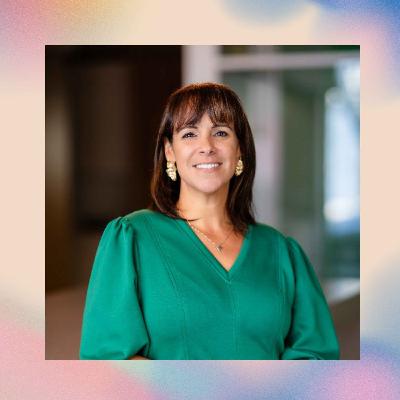
In the current discourse on creativity and leadership, Amy Vaughan emerges as a formidable force, redefining paradigms in the digital landscape. This episode elucidates her multifaceted approach to empowering women in technology and marketing, a mission that is both timely and critical in today's evolving corporate environment. As the Chief Executive Officer of Together Digital, she champions a network that facilitates strategic connections among over 500 women, fostering a community built on collaboration and innovation. Furthermore, her role as Managing Director of Marketeer Collaborative demonstrates her commitment to cultivating spaces conducive to creativity and collective growth. Throughout our dialogue, we traverse her personal journey, her visionary insights on team dynamics, and the imperative of intentional networking within professional spheres, emphasizing that meaningful connections serve not only as a foundation for success but also as an essential element of personal well-being.Amy Vaughn joins us to share her remarkable journey of transforming creativity and leadership in the digital age. As a seasoned creative director and the CEO of Together Digital, Amy champions the empowerment of women in tech, pushing boundaries and advocating for innovation that makes a tangible impact. She emphasizes the importance of building meaningful connections and community, which she views as essential to personal and professional growth. During our conversation, we delved into the challenges women face in the tech sector, including the persistent pay gap and the need for greater representation. Tune in as we explore how fostering a culture of collaboration and understanding can pave the way for a more equitable future in the workplace.Takeaways:The importance of running towards aspirations rather than fleeing from fears is a fundamental principle for personal and professional growth.Building an effective team necessitates a focus on cultural addition rather than mere conformity, thereby enhancing diversity of thought and experience.Time management is paramount for fostering creativity; establishing structured periods for deep work facilitates innovation and productivity.Networking is critical; leveraging connections can significantly enhance career opportunities, especially in hidden job markets that are not publicly advertised.Women in tech and marketing face systemic challenges, including the persistent gender pay gap and underrepresentation, necessitating proactive measures from leadership to promote equity.Embracing a hybrid work model is essential for modern organizations, as it accommodates the evolving preferences of a workforce increasingly valuing flexibility and autonomy.Links referenced in this episode:togetherindigital.comthemarketercollab.comhttps://www.becomingbridgebuilders.org/Mentioned in this episode:My friend Dr. Noah St. John calls this 'the invisible brake.' He's giving our listeners a free Revenue Ceiling Audit to help you see what’s REALLY holding you back. You’ll also get a FREE 30-day membership to Noah Bot, giving you access to Dr. Noah’s 30 years of experience to help you reach your next level. But hurry, because there are only 50 available this month. So if you're tired of being stuck at the same revenue level and want to finally break through, get your FREE Revenue Ceiling Audit at https://www.noahvault.com?aff=d28bf6c78150c7f09896297dfe1701c1cd191ac6fc9976779212cec5d38e94d6

Manny Faces joins us to explore how hip hop can be a powerful catalyst for change in various sectors, including education, health, and social justice. As an award-winning journalist and cultural strategist, Manny shares his journey of using hip hop to unlock innovation and drive progress within marginalized communities. He discusses the often-overlooked potential of hip hop to address trauma and facilitate meaningful dialogue among youth, particularly in environments where traditional communication methods may fall short. Through engaging anecdotes and insightful reflections, Manny illustrates how hip hop not only serves as an artistic expression but also as a bridge for connecting diverse experiences and fostering understanding across generations. Join us as we delve into this transformative art form that has the potential to reshape culture and ignite positive change in our society.Exploring the transformative power of hip hop, Manny Faces, an award-winning journalist and cultural strategist, joins Keith Haney on this episode of Becoming Bridge Builders to unravel how the genre can serve as a catalyst for social change. The discussion delves deep into Manny's journey, from his early days as a wannabe rapper to his evolution into a prominent voice in hip hop journalism. He shares insights from his acclaimed podcast, 'Hip Hop Can Save America,' highlighting how hip hop culture can redefine education, health, and social justice. Manny's personal anecdotes provide a rich tapestry of experiences that showcase the resilience and creativity embedded in hip hop, illustrating its potential to uplift marginalized communities. Throughout the conversation, listeners are encouraged to consider the impact of hip hop not just as a musical genre, but as a vital tool for cultural expression and communal healing, challenging the often negative perceptions surrounding it. The episode also touches on the nuances of hip hop's evolution, especially how it has been perceived across generations. Manny argues that while older generations may lament the state of contemporary rap, there exists a wealth of talent and meaningful expression still thriving within the culture. He emphasizes the importance of understanding the socio-economic contexts that shape these narratives and the role of storytelling in fostering empathy and connection among diverse audiences. By bridging the gap between hip hop enthusiasts and skeptics, Manny advocates for a more inclusive dialogue that recognizes the genre's ability to articulate the struggles and dreams of a generation. This episode serves as an invitation to engage with hip hop as a living, breathing force for good, urging listeners to explore how they can harness its power to create positive change in their own communities.In a thought-provoking dialogue, Manny Faces discusses the intersection of hip hop and social change with Keith Haney, revealing the profound ways in which rap music can influence education, mental health, and community engagement. Drawing from his extensive background in journalism and cultural strategy, Manny reflects on his personal connection to hip hop, recounting stories from his youth that shaped his understanding of the genre's significance. He argues that hip hop is not just music; it's a cultural movement that speaks to the heart of societal issues, offering a voice to those often unheard. Their conversation highlights key initiatives where hip hop has been utilized in educational settings, demonstrating its effectiveness as a medium for self-expression and personal development among youth.Listeners are treated to an engaging exploration of how hip hop can serve to address systemic issues faced by marginalized communities. Manny shares examples of programs that leverage rap to foster healing and empowerment, illustrating that hip hop can be a bridge to understanding and addressing complex social problems. As the discussion unfolds, it becomes clear that the essence of hip hop is rooted in resilience and innovation, qualities that can inspire individuals to overcome adversity. By the end of the episode, listeners are left with a renewed appreciation for hip hop's potential to transform lives and communities, as well as a call to action to support initiatives that celebrate and amplify the voices within this vibrant culture.Takeaways: Hip hop serves as a powerful cultural tool, capable of driving innovation in various sectors like education and social justice, highlighting its transformative potential. The journey of creativity often involves breaking conventional norms, as emphasized by Manny's advice to 'remix' ideas and think outside the box. Manny Faces illustrates how hip hop can be integrated into therapeutic settings, providing young people with avenues for expression and healing through music. The conversation underscores the importance of recognizing the societal issues impacting marginalized communities, advocating for deeper understanding beyond surface-level narratives. Manny's experiences reveal how the blending of diverse musical genres, like hip hop and bluegrass, can foster dialogue and understanding among different cultural groups. Ultimately, hip hop's legacy lies in its ability to connect people, address systemic issues, and empower communities, making it a vital part of contemporary cultural discourse. Links referenced in this episode:manifaces.comhiphopcansaveamerica.comhttps://www.becomingbridgebuilders.org/Companies mentioned in this episode: SUNY Old Westbury Hip Hop Can Save America Cornell Kumo D Dr. Ian Levy Gangsta Grass Old Town Road Accidental Racist Rikers Island Mentioned in this episode:My friend Dr. Noah St. John calls this 'the invisible brake.' He's giving our listeners a free Revenue Ceiling Audit to help you see what’s REALLY holding you back. You’ll also get a FREE 30-day membership to Noah Bot, giving you access to Dr. Noah’s 30 years of experience to help you reach your next level. But hurry, because there are only 50 available this month. So if you're tired of being stuck at the same revenue level and want to finally break through, get your FREE Revenue Ceiling Audit at https://www.noahvault.com?aff=d28bf6c78150c7f09896297dfe1701c1cd191ac6fc9976779212cec5d38e94d6
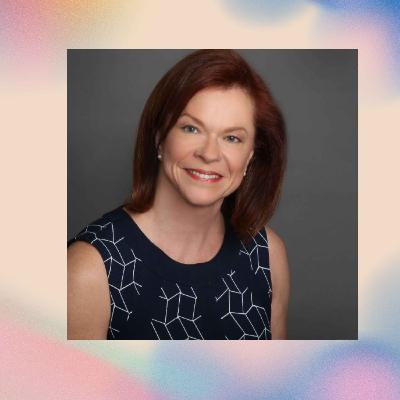
Mentorship is the focal point of our discussion today, as we explore its profound impact on individuals and organizations with Dr. Kim Nugent. Dr. Nugent has spearheaded groundbreaking mentorship programs that not only shift mindsets but also foster leadership in diverse environments, from correctional facilities to corporate teams. Her innovative approach reveals how structured mentorship can transform lives and cultivate a culture of accountability, as evidenced by her work in prisons where rule violations significantly decreased among participants. We’ll delve into her journey, her insightful book, and the practical strategies she offers for effective mentorship. Join us as we uncover the transformative power of mentoring and its ripple effect on personal and organizational growth.Takeaways: Mentorship transcends environments; from correctional facilities to corporate teams, its transformative power is universal. The combination of changing mindsets and behaviors proves critical in mentorship, especially for those reentering society. A robust mentorship program requires structure and expectations, ensuring consistent engagement and meaningful conversations. Effective mentorship not only benefits the mentee but also fosters a culture of growth and accountability within organizations. The mindset plays a pivotal role in successful reentry from incarceration; believing in possibilities can lead to better outcomes. Dr. Nugent's work demonstrates that investing in mentorship can significantly reduce rule violations in correctional settings, showcasing its powerful impact. Links referenced in this episode:https://drnugentspeaks.com/https://drnugentspeaks.com/shop/https://www.becomingbridgebuilders.org/Mentioned in this episode:My friend Dr. Noah St. John calls this 'the invisible brake.' He's giving our listeners a free Revenue Ceiling Audit to help you see what’s REALLY holding you back. You’ll also get a FREE 30-day membership to Noah Bot, giving you access to Dr. Noah’s 30 years of experience to help you reach your next level. But hurry, because there are only 50 available this month. So if you're tired of being stuck at the same revenue level and want to finally break through, get your FREE Revenue Ceiling Audit at https://www.noahvault.com?aff=d28bf6c78150c7f09896297dfe1701c1cd191ac6fc9976779212cec5d38e94d6
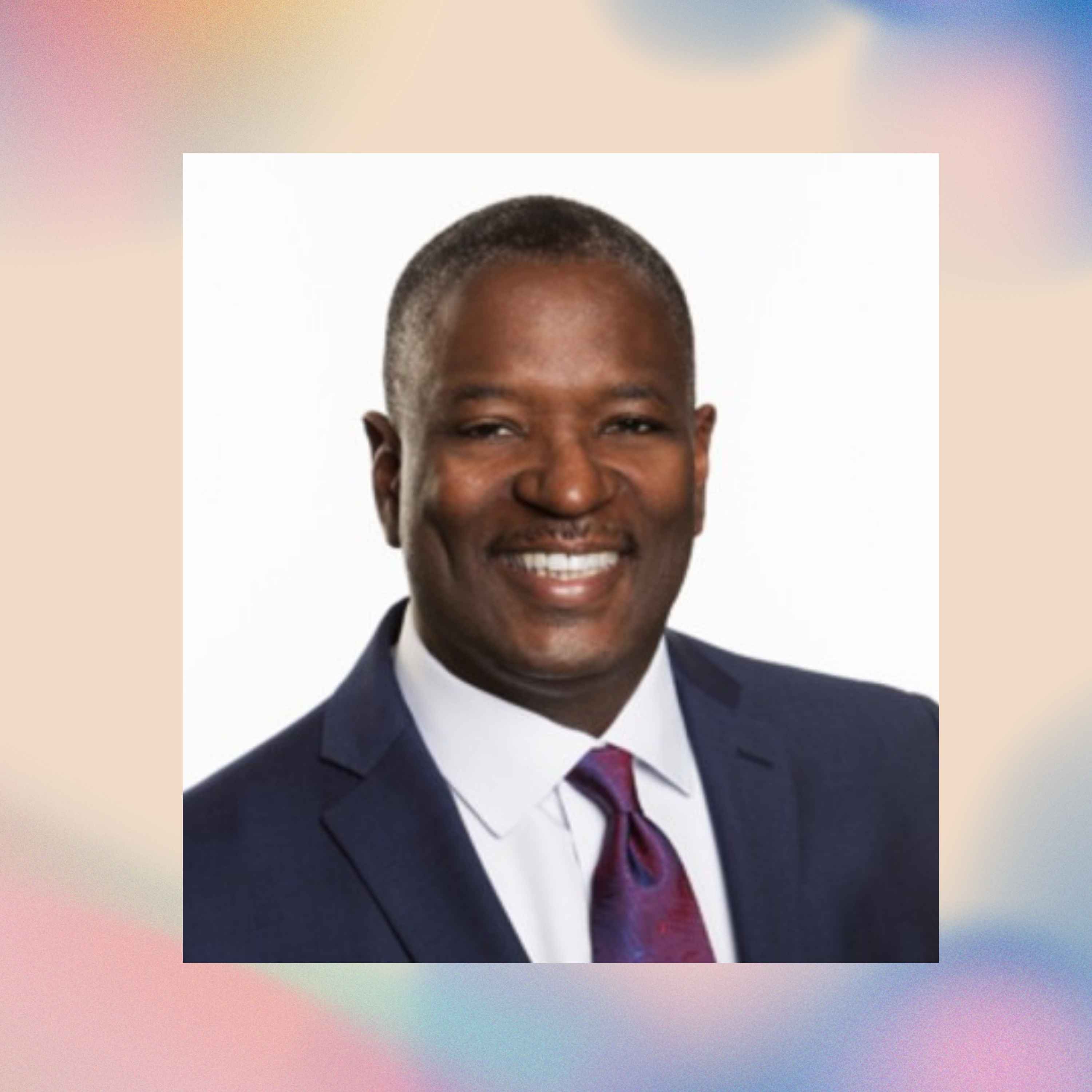
Celebrating Black History Month, we delve into the legacies of African American leaders and their profound impact on society in today’s insightful conversation. Our guest, Barron Witherspoon Sr., is not only a best-selling author and renowned leadership expert but also the founder of Black Exec LLC, an initiative that empowers the next generation of black executives. We explore the pressing challenges faced by black professionals in leadership roles, emphasizing the importance of personal mastery and the ability to perceive beyond immediate circumstances. Barron shares his wisdom on overcoming societal myths that often hinder progress, including the myth of inferiority and the myth of silence, while encouraging young leaders to amplify their voices and embrace a lifelong learning journey. Join us as we unpack these pivotal discussions and learn how we can all contribute to building bridges across our communities.The dialogue between hosts Keith Haney and Barron Witherspoon Sr. delves into the multifaceted significance of Black History Month, illuminating its essence as a celebration of resilience, achievement, and the profound impact of African American leaders throughout history. Witherspoon, a distinguished speaker and leadership expert, shares his own journey, emphasizing the importance of reflecting on the past while actively shaping the future. He articulates how figures like Carter G. Woodson laid the groundwork for recognizing the contributions of Black individuals, countering narratives that diminish their role in shaping society. The conversation promotes a critical discourse on the importance of understanding history as a means of empowerment, urging listeners to recognize their legacy as a source of pride and motivation. As they explore the complexity of contemporary leadership challenges faced by Black professionals, Witherspoon advocates for a mindset rooted in mastery—both experiential and environmental—as a tool for overcoming obstacles. This episode is a rich tapestry woven with personal anecdotes, insightful observations, and a clarion call for future leaders to embrace their heritage while forging paths of innovation and collaboration.Takeaways: In today's episode, we delve into the profound importance of Black History Month, emphasizing the need to honor the narratives and contributions of African American leaders throughout our history. Barron Witherspoon Sr. shares invaluable insights on the necessity of critical thinking, urging us to consider multiple perspectives rather than rushing to judgment or dismissal of differing opinions. The podcast explores the pressing leadership challenges faced by Black professionals today, particularly the concept of 'mastery' in understanding one's environment and maximizing opportunities for growth. A key takeaway is the myth of silence, where Byron highlights the importance of amplifying one's voice through impactful communication, whether spoken or written, to ensure ideas are recognized and valued. The discussion touches on the significance of personal mastery, which involves both experiential and environmental mastery, crucial for effectively navigating complex organizational landscapes. Finally, Barron emphasizes the necessity of continuous learning and self-discovery as foundational elements for aspiring leaders, encouraging them to remain open-minded and adaptable in their professional journeys. Links referenced in this episode:theblackexec.comMentioned in this episode:My friend Dr. Noah St. John calls this 'the invisible brake.' He's giving our listeners a free Revenue Ceiling Audit to help you see what’s REALLY holding you back. You’ll also get a FREE 30-day membership to Noah Bot, giving you access to Dr. Noah’s 30 years of experience to help you reach your next level. But hurry, because there are only 50 available this month. So if you're tired of being stuck at the same revenue level and want to finally break through, get your FREE Revenue Ceiling Audit at https://www.noahvault.com?aff=d28bf6c78150c7f09896297dfe1701c1cd191ac6fc9976779212cec5d38e94d6
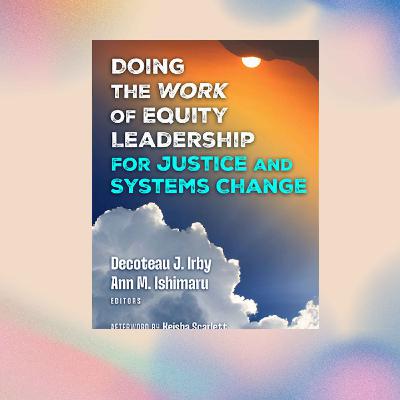
Today, we're diving into a critical discourse on equity in education with our guests, Ann Ishimura and Decoteau Irby, who are unveiling their forthcoming book, *Doing the Work of Equity Leadership for Justice and System Change*. This episode addresses the challenges school leaders and educators face as they work to create equitable learning environments amid rising resistance to diversity, equity, and inclusion initiatives. Drawing on nearly a decade of research, Ann and Decoteau show that despite political pushback, many educators remain committed to equitable practices. We’ll explore the cyclical nature of equity leadership through their "mornings, middays, and evenings" framework, showing how leaders can navigate their roles and drive systemic change. They emphasize actionable steps such as implementing school-wide equity audits, fostering inclusive decision-making processes, and providing ongoing professional development on equity issues. Join us as we unpack the intricacies of leading for justice and the importance of action over awareness in pursuing educational equality.Exploring the confluence of education, equity, and leadership, the latest Becoming Bridge Builders podcast features a discussion with Ann Ishimura and Decoteau Irby, esteemed education researchers and co-authors of the forthcoming book, 'Doing the Work of Equity Leadership for Justice and System Change'. This episode examines the transformative practices school leaders and educators use to foster equity amid mounting resistance and backlash against diversity, equity, and inclusion initiatives. Drawing on nearly a decade of collaboration with educators nationwide, Ishimura and Irby unpack the challenges and strategies that define equity-focused leadership today. They introduce the concept of 'mornings, middays, and evenings' as a framework to guide educators through the daily cycles of equity work. The 'mornings' focus on setting intentions and building momentum, 'middays' involve navigating the inevitable obstacles and maintaining progress, and 'evenings' are about reflection and recalibration. These phases can be applied through real-life scenarios, such as starting the day with an equity planning meeting (morning), adjusting strategies during a midday teacher collaboration session (midday), and ending with a reflective debrief (evening). By emphasizing action, they show that real progress requires a commitment to change beyond surface-level initiatives. This episode sheds light on the historical context of equity movements in education and critiques the cyclical nature of progress and resistance, urging listeners to reflect on the ongoing journey toward justice in educational systems.Takeaways: The podcast emphasizes the critical need for equity in education, highlighting how systemic barriers affect students differently based on their backgrounds. Ann Ishimura and Decoteau Irby discuss their decade-long research that underpins their book, focusing on the practical actions leaders must take to promote equity. Listeners are encouraged to understand the cyclical nature of progress in equity work, likening it to daily cycles of morning, midday, and evening leadership efforts. The conversation reveals that the political dynamics of education are essential, as they shape who has access to resources and opportunities in schools. A key insight shared is that education can't be viewed in a vacuum; the socio-emotional context of students plays a vital role in their learning outcomes. The hosts and guests stress that awareness must lead to action, urging educators to go beyond surface-level commitments to effect meaningful change in schools. Links referenced in this episode:dakotaerby.comannyshimaru.comamazon.combookshop.orgMentioned in this episode:My friend Dr. Noah St. John calls this 'the invisible brake.' He's giving our listeners a free Revenue Ceiling Audit to help you see what’s REALLY holding you back. You’ll also get a FREE 30-day membership to Noah Bot, giving you access to Dr. Noah’s 30 years of experience to help you reach your next level. But hurry, because there are only 50 available this month. So if you're tired of being stuck at the same revenue level and want to finally break through, get your FREE Revenue Ceiling Audit at https://www.noahvault.com?aff=d28bf6c78150c7f09896297dfe1701c1cd191ac6fc9976779212cec5d38e94d6
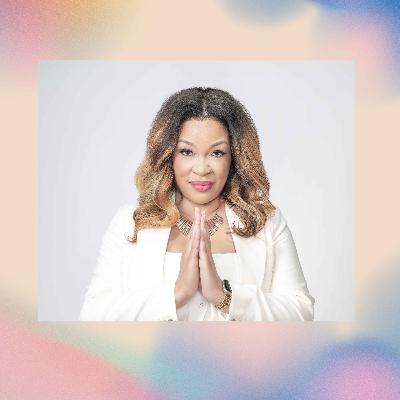
Transformative leadership takes center stage as we welcome L. Michelle Smith, a dynamic force in executive coaching and cultural communication. With extensive experience as a Fortune 100 advisor and an upcoming book titled "10 Leadership Lessons from the Black Church," Michelle blends science and cultural insights to inspire leaders toward meaningful change. We dive deep into the foundational concepts of call and response, a powerful framework rooted in African traditions and prevalent in both spiritual and secular contexts. Through our conversation, we explore how these cultural practices can foster resilience, accountability, and hope in leadership, proving that effective leadership isn't just about authority but about connection and collaboration. Join us as we uncover strategies to elevate our leadership game and reshape organizational culture for the better.Exploring the intersection of culture, science, and leadership, the conversation delves deep into the transformative power of embracing one’s roots while striving for excellence. L. Michelle Smith, a seasoned executive coach and author, draws on her extensive experience in communications to highlight how cultural frameworks, particularly those of the Black church, can inform and enhance leadership practices across diverse organizations. As she recounts her journey of growth, Michelle emphasizes the importance of acquiring skills and experiences along the way—advice from her father that resonates throughout her narrative. By incorporating principles of positive psychology and neuroscience, she reveals how understanding the human mind can lead to more effective leadership. The discussion pivots around the concept of 'call and response'—a practice rooted in African traditions and prevalent in Black church culture—showcasing its relevance as a leadership model that fosters engagement and accountability. With rich anecdotes and strategic insights, this episode encourages leaders to adopt a holistic approach to development, one that is as much about emotional intelligence as it is about professional competency.Takeaways:Effective leadership intertwines science and culture, fostering trust and connection in organizations.L. Michelle Smith emphasizes the importance of collecting skills and tools throughout one's career journey.The concept of call-and-response serves as a powerful framework for leadership development and community engagement.Gospel music exemplifies how hope, perseverance, and resilience are integral to effective leadership practices.Implementing cultural traditions from the Black church can create more emotionally intelligent and innovative leaders.Humility in coaching involves asking powerful questions that allow clients to discover their own answers, rather than providing solutions.Links referenced in this episode:https://www.lmichellesmith.com/nosiloscommunications.comculturesouppodcast.comhttps://www.lmichellesmith.com/callandresponse/Mentioned in this episode:My friend Dr. Noah St. John calls this 'the invisible brake.' He's giving our listeners a free Revenue Ceiling Audit to help you see what’s REALLY holding you back. You’ll also get a FREE 30-day membership to Noah Bot, giving you access to Dr. Noah’s 30 years of experience to help you reach your next level. But hurry, because there are only 50 available this month. So if you're tired of being stuck at the same revenue level and want to finally break through, get your FREE Revenue Ceiling Audit at https://www.noahvault.com?aff=d28bf6c78150c7f09896297dfe1701c1cd191ac6fc9976779212cec5d38e94d6
Today's conversation revolves around the profound insights of Joe Smarro, a decorated combat veteran and former police officer, who has dedicated his life to fostering empathy, connection, and effective communication in high-stress environments. With his experiences as a Marine in Operation Enduring Freedom and Operation Iraqi Freedom, Joe shares how these formative years shaped his understanding of leadership and the psychological toll of trauma. We dive deep into his groundbreaking book, "Unarmed: De-Escalating Techniques for Cultivating Courage, Compassion, and Connection," which offers invaluable strategies that extend beyond law enforcement to enrich everyday relationships. Joe highlights the critical importance of seeing the person behind the behavior and advocates a shift in how we approach conflict resolution in our personal and professional lives. Through witty anecdotes and heartfelt reflections, we explore how embracing vulnerability and shared humanity can bridge the divides that often separate us, ultimately leading to a legacy built on love and understanding.A deep dive into the essence of humanity and the art of connection, this episode features Joe Smarro, a former combat veteran turned police officer and mental health advocate. Joe's journey is a testament to resilience, as he shares how his experiences in Operation Enduring Freedom and Operation Iraqi Freedom shaped his understanding of leadership and empathy. Through candid reflections, Joe discusses the psychological toll of combat and the struggles many veterans face during their transition back to civilian life, bringing to light the often-unspoken challenges of mental health in the military and policing sectors. He emphasizes the importance of building lives we don’t need to escape from, a mantra that resonates at the core of his mission.As Joe transitions from the battlefield to the community, he highlights his role in the San Antonio Police Department's mental health unit, pioneering techniques that have garnered national attention. His book, “Unarmed: De-Escalating Techniques for Cultivating Courage, Compassion, and Connection,” encapsulates his philosophy of viewing people as individuals with stories, rather than mere statistics or problems to be solved. The conversation flows seamlessly through topics of trauma, the importance of empathy in law enforcement, and practical strategies for de-escalating tense situations. Joe’s insights serve as a beacon for both first responders and civilians alike, illuminating the path toward a more compassionate society.Listeners will find themselves captivated by Joe’s honest storytelling and the wisdom he shares from his own trials and triumphs. This episode is more than just a recounting of experiences; it’s an invitation to reflect on our own lives and the connections we forge with others. As we navigate through the complexities of human interaction, Joe’s message is clear: the foundation of effective communication lies in understanding, empathy, and love. A must-listen for anyone seeking to bridge the gaps in their own relationships and communities, this episode of Becoming Bridge Builders is a powerful reminder of the strength found in vulnerability and the transformative power of compassion.Takeaways:The podcast emphasizes the importance of building a life that you don't need to escape from, a sentiment echoed by Joe Smarrow, who suggests that this philosophy transforms how we approach daily challenges.Joe's military background and experiences in combat have profoundly shaped his perspective on leadership and empathy, highlighting that flexibility in plans is essential, especially in unpredictable situations.Smarrow's work in the mental health unit of the police department illustrates how de-escalation techniques can lead to real connections and understanding, significantly reducing the need for force in crisis situations.The conversation reveals that true communication is rooted in seeing the person behind the problem, advocating for a human approach that prioritizes empathy over authority in all interactions.The significance of the 988 mental health crisis line is underscored as an important resource that many are still unaware of, showcasing a need for greater public awareness about mental health support.Joe’s upcoming book, '12 Laws of Maximizing the Human Experience', aims to provide insights and practical tools for individuals seeking to enhance their emotional intelligence and interpersonal relationships, reinforcing the idea that love is at the core of every human interaction.Links referenced in this episode:https://joesmarro.com988https://www.unarmedbook.com/checkout-pagehttps://www.facebook.com/joseph.smarro.754https://www.linkedin.com/in/joesmarro/Mentioned in this episode:My friend Dr. Noah St. John calls this 'the invisible brake.' He's giving our listeners a free Revenue Ceiling Audit to help you see what’s REALLY holding you back. You’ll also get a FREE 30-day membership to Noah Bot, giving you access to Dr. Noah’s 30 years of experience to help you reach your next level. But hurry, because there are only 50 available this month. So if you're tired of being stuck at the same revenue level and want to finally break through, get your FREE Revenue Ceiling Audit at https://www.noahvault.com?aff=d28bf6c78150c7f09896297dfe1701c1cd191ac6fc9976779212cec5d38e94d6

Today, we delve into the often misunderstood realm of criminal defense, featuring Saul Bienenfeld, a seasoned New York attorney with over thirty years of experience. Saul's candid insights shed light on the critical realities surrounding CSAM, a topic that carries profound implications for both legal practitioners and society at large. He emphasizes that CSAM is not merely a legal concern; it represents a deeply troubling violation of children's rights and dignity. With a zero-nonsense approach, Saul discusses the misconceptions surrounding defense attorneys and the vital importance of treating every individual with respect, regardless of the circumstances. Join us as we explore the nuances of the legal system, the ethical obligations of defense lawyers, and the pressing need for prevention and awareness in combating this grave issue.A deep and engaging conversation unfolds as Saul Bienenfeld, an experienced criminal defense attorney, shares insights into criminal law and the complexities of defending clients facing serious charges. Saul's extensive experience, including time as a New York City Assistant District Attorney, enriches the dialogue as he reflects on the misconceptions surrounding lawyers and the legal system. This episode delves into the profound responsibility attorneys hold when representing clients, especially those accused of heinous crimes. Saul emphasizes the importance of treating every individual with dignity, regardless of their circumstances, and discusses how this ethical approach can profoundly impact both the attorney-client relationship and the broader justice system. He candidly shares anecdotes from his career, illustrating the delicate balance between legal ethics and the harsh realities of the courtroom, reminding listeners that behind every case is a real person with a life story. The episode takes a serious turn as Saul addresses the alarming rise of CSAM in the digital age, illuminating the legal ramifications and the psychological underpinnings that lead individuals to engage with such material. His perspective sheds light on the often-overlooked aspects of these crimes, including the societal factors that contribute to the escalation of harmful behaviors. Saul passionately advocates for prevention and awareness, urging listeners to recognize the signs of unhealthy online behaviors before they lead to devastating consequences. This thought-provoking discussion not only informs but also challenges societal perceptions of crime and punishment, and the role of defense attorneys in advocating for justice and redemption.In the latter part of the episode, the conversation shifts to practical advice for individuals who may feel they are on a precarious path towards illegal activity. Saul stresses the importance of seeking help early, emphasizing that the key to prevention lies in understanding one's urges and seeking accountability. He encourages open dialogues within families about the dangers of online behavior, aiming to create safe spaces for teenagers to express their concerns without fear of judgment. With a blend of humor and sincerity, Saul provides actionable steps for listeners to safeguard themselves and their loved ones, fostering a sense of hope amidst the harsh realities of the justice system. This episode is a compelling blend of legal insight, ethical reflection, and a call to action for personal responsibility and community awareness.Takeaways: Treating everyone with dignity can create rewarding relationships, even in challenging environments. Misconceptions about lawyers often paint them as self-serving; however, many genuinely care about their clients. The serious legal implications surrounding CSAM highlight the urgent need for public awareness and prevention efforts. Understanding the psychological escalation that leads to CSAM offenses can help prevent tragic outcomes. Criminal defense attorneys advocate for clients while striving to uphold ethical standards and protect constitutional rights. Raising awareness about the devastating impact of CSAM on victims is crucial for fostering societal change. Links referenced in this episode:https://www.bienenfeldlaw.com/https://www.bienenfeldlaw.com/category/real-life-stories/Mentioned in this episode:My friend Dr. Noah St. John calls this 'the invisible brake.' He's giving our listeners a free Revenue Ceiling Audit to help you see what’s REALLY holding you back. You’ll also get a FREE 30-day membership to Noah Bot, giving you access to Dr. Noah’s 30 years of experience to help you reach your next level. But hurry, because there are only 50 available this month. So if you're tired of being stuck at the same revenue level and want to finally break through, get your FREE Revenue Ceiling Audit at https://www.noahvault.com?aff=d28bf6c78150c7f09896297dfe1701c1cd191ac6fc9976779212cec5d38e94d6
Today's conversation shines a spotlight on the transformative power of educational leadership through the lens of Dr. James Lane, a visionary who has significantly influenced education at various levels. We delve into his inspiring journey, beginning with his unexpected transition from a musician to an educational leader, where he discovered his passion for making a difference in students' lives. Dr. Lane emphasizes the critical importance of equity in education and shares his ambitious vision for the future, including addressing the pressing teacher shortage and enhancing the quality of education nationwide. Our dialogue navigates the intricate balance between policy-making and real-world classroom realities, shedding light on how engaged communities can advocate for better resources and conditions for teachers. As we explore Dr. Lane's insights and experiences, it's clear that the path to meaningful change in education lies in building strong connections among teachers, parents, and community leaders, all united by a common goal: creating an environment where every child can thrive.In an inspiring dialogue that traverses the nuances of educational leadership, Dr. James Lane shares his transformative journey from a full-time musician to a prominent figure in the educational landscape. With a career spanning local school districts to the U.S. Department of Education, Lane reflects on the pivotal moments that have shaped his leadership philosophy. He emphasizes the importance of being exceptional in one’s current role as a precursor to future opportunities—a sentiment he and his mentor echo. This principle, ‘be great where you are,’ serves as a cornerstone for Lane, who believes that respect for one’s work fosters future opportunities.As the conversation unfolds, Lane provides a candid analysis of the current challenges facing education, particularly the teacher shortage and the pressing need for systemic change. He underscores the importance of teacher support, competitive pay, and positive working conditions as essential elements in attracting and retaining quality educators. By sharing his new initiatives and the focus of his upcoming role at University Instructors, Lane not only breaks news but also underscores the urgency of addressing the teacher crisis. His insights serve as a rallying cry for those invested in the future of education, urging them to advocate for meaningful change and to recognize their agency in fostering a supportive educational ecosystem.Takeaways:Dr. James Lane's journey from musician to educational leader highlights the importance of adaptability and following one's passion.The key to effective leadership in education lies in inspiring and empowering teachers, not just managing them.Engagement between parents and teachers is crucial, as better communication leads to improved student outcomes and community support.Addressing the teacher shortage requires understanding the root causes, such as pay and working conditions, to attract and retain quality educators.Successful educational reform must balance policy with the realities teachers face in the classroom, requiring practitioners to guide decision-making.Dr. Lane emphasizes the need for a systemic approach to education that includes collaboration among all stakeholders for the benefit of students.Links referenced in this episode:leadingwithlaserfocus.compdkinternational.orguniversityinstructors.com
Confidence isn’t just a buzzword; it’s a crucial skill that can shape a teen’s journey through the tumultuous landscape of adolescence. In our latest conversation, I had the pleasure of speaking with Chuck Barnard, a master educator and author with over three decades of experience, who has dedicated his life to helping teens and those who guide them cultivate resilience and self-assurance. Chuck's new book, *Confidence with a New Chapter for the Family*, is a thought-provoking exploration that seeks to bridge the gap between traditional parenting and the unique challenges faced by today’s youth. Through his innovative storytelling approach, he emphasizes the importance of fostering a nurturing environment where parents act as guides rather than protectors, empowering their children to develop unshakable confidence. Join us as we dive into Chuck’s transformative methods for rewiring mindsets, tackling limiting beliefs, and establishing lasting habits that can help teens navigate life's inevitable storms with grace and strength.A heartfelt conversation unfolds in the latest episode of the Becoming Bridge Builders podcast, where host Keith Haney welcomes Chuck Barnard, a seasoned educator and author, to discuss his new book, *Confidence with Teens: A New Chapter for the Family*. Chuck draws on over 30 years of experience working with teens, sharing poignant stories of transformation that highlight the struggles families face today in nurturing their children's confidence and resilience. The episode dives deep into the challenges of parenting in an age where teens encounter unprecedented pressures, from social media to academic expectations, often feeling overwhelmed and uncertain. Through Chuck's insights, listeners are encouraged to shift their perspectives on confidence, emphasizing that it is not merely a byproduct of success but rather a mindset that can be cultivated. Chuck emphasizes the importance of storytelling in his book, where fictional characters represent real-life struggles, making the advice relatable and actionable. By weaving narrative with practical wisdom, he aims to fill the gaps left by traditional self-help and parenting guides, offering families a fresh, engaging way to approach the complexities of teenage development. Listeners will glean valuable strategies for fostering open communication within families and learn how to become guides rather than protectors for their children. As the episode unfolds, Chuck shares the gardening metaphor, illustrating how we must tend to our emotional landscapes and pull out the weeds of negativity that hinder growth. With warmth and humor, he encapsulates the essence of resilience, urging parents to embrace the messiness of life as a part of the learning journey for both themselves and their teens. Ultimately, this episode serves as a beacon of hope, inspiring families to build strong, supportive relationships that empower teens to thrive in an ever-changing world.Takeaways:Chuck Barnard's journey from grief to purpose illustrates how personal experiences can fuel transformative methods for helping teens navigate challenges.The podcast emphasizes the importance of rewiring mindsets rather than relying solely on traditional therapies, showcasing practical techniques for emotional resilience.Parents are encouraged to act as guides rather than protectors, fostering environments where teens can learn from failures and grow confidently.The 10-week transformation process outlined in Chuck's book focuses on building lasting habits that empower teens to control their emotions and cultivate positivity.Links referenced in this episode:coachchuck360.comhttps://a.co/d/5wiWlTOhttps://www.becomingbridgebuilders.org/podcastMentioned in this episode:My friend Dr. Noah St. John calls this 'the invisible brake.' He's giving our listeners a free Revenue Ceiling Audit to help you see what’s REALLY holding you back. You’ll also get a FREE 30-day membership to Noah Bot, giving you access to Dr. Noah’s 30 years of experience to help you reach your next level. But hurry, because there are only 50 available this month. So if you're tired of being stuck at the same revenue level and want to finally break through, get your FREE Revenue Ceiling Audit at https://www.noahvault.com?aff=d28bf6c78150c7f09896297dfe1701c1cd191ac6fc9976779212cec5d38e94d6

Comments

Download from Google Play

Download from App Store
 United States