


 Claim Ownership
Back in America
Subscribed: 3Played: 41
Subscribe

© Copyright 2024 All rights reserved.
Description
Interviews from a multicultural perspective that question the way we understand America
98 Episodes
Reverse
Clifford Brown was a partner at a Beverly Hills law firm when he saw a newspaper ad that changed his life. He gave up most of his income, left his house over the ocean, and joined the U.S. Agency for International Development. For the next 27 years, he worked in Haiti, Honduras, Guatemala, Nicaragua, Colombia, Kyrgyzstan, Guinea, and Peru.In this conversation, Cliff describes bride kidnapping in Kyrgyzstan, a practice where young men abduct women and force them into marriage. His own wife's older sister was kidnapped. Later, after Cliff spoke out against high-level corruption involving electricity smuggling, his wife was abducted at gunpoint outside a hair salon in Bishkek.We talk about what USAID actually did beyond humanitarian aid: creating agricultural industries that supplied American grocery stores, training accountants in post-Soviet states, building court systems across Latin America. A law called the Hickenlooper Law prohibited the agency from telling Americans about any of it.Cliff spent twenty years fighting his own agency's lawyers over whether the U.S. government could fund translations of Quranic texts that prohibit suicide, to counter radical Islam after 9/11. The lawyers said no, citing excessive entanglement with religion. His argument: it's legal to fund a bullet but not a conversation about scripture. The Washington Post covered his case in 2009.We discuss what USAID got wrong, including the failed counter-narcotics programs in Colombia and the democracy-building efforts that went nowhere in the former Soviet Union. And we talk about what fills the vacuum when America steps back, with China building railroads and mines across Africa on loan terms that countries cannot repay.On January 20, 2025, President Trump signed an executive order pausing nearly all foreign aid. By July 1, USAID officially ceased to exist. More than 80 percent of its programs were terminated. Cliff describes the sadness of watching colleagues lose their pensions overnight, and a former staff member from Kyrgyzstan now working in a grocery store deli.Clifford Brown is the author of Inside USAID: An Odyssey of Foreign Assistance. He writes at cliffordbrown.substack.com.
From the conversation:
"I felt like I was a mental prostitute. I had to think about somebody else's problem as an attorney, and the only reason I was thinking about it was they were paying me to think about it." -- Who Steps In When America Walks Away-
"Half a million jobs in Honduras from an onion experiment. 300 villages in Guatemala connected to electricity for a $30,000 investment. Shrimp, cantaloupe, flour, broccoli, all shipped to American groceries from industry that USAID helped create." -- Who Steps In When America Walks Away-
You might also like:
• Wrongfully Convicted: Darryl Burton Spent 24 Years in Prison for a ...
• Councilwoman Leticia Fraga - From Mexico to Princeton, NJ - A story...
• Denis Devine - Fishtown, Philly - a non-traditional dad, an engaged...
A man's house catches fire. He tells police he ran through the flames saving his belongings. Then detectives pull the data from the pacemaker in his chest. His own heartbeat tells a different story.Andrew Guthrie Ferguson is a professor of law at George Washington University Law School, a former public defender, and the author of Your Data Will Be Used Against You: Policing in the Age of Self-Surveillance. In this conversation, he walks us through the criminal cases, the legal gaps, and the surveillance infrastructure that most Americans don't know they've already built around themselves. We talk about Google search histories used as confessions, smart home cameras that become prosecution witnesses, Palantir's expanding role in immigration enforcement, and what happens when the definition of "criminal" shifts but the data trail stays the same.Ferguson proposes something he calls the tyrant test: design your privacy protections by assuming the worst possible leader will have access to your data. He argues it's not a thought experiment. It's the logic the country was founded on.Book: Your Data Will Be Used Against You (NYU Press)https://nyupress.org/9781479838295/your-data-will-be-used-against-you/Guest: Andrew Guthrie Ferguson, Professor of Law, George Washington University Law School
From the conversation:
"Everything you buy that is a smart device is a surveillance device. And what we've done is sort of build around us this network of smart devices that is revealing who we are and what we do." -- Your Heartbeat Can Convict You
"Your smart pacemaker, almost anything you create with data can be used against you in a court of law." -- Your Heartbeat Can Convict You
You might also like:
• Wrongfully Convicted: Darryl Burton Spent 24 Years in Prison for a ...
• Who should get the vaccine first? We didn’t know so we asked a phil...
• A Pastor Joined the FBI. Then His Kids Came Out.
Eric Robinson spent twelve years in Christian ministry before leaving the pulpit for the FBI. For twenty-four years, he served as a special agent and SWAT operator, working counterterrorism, human trafficking, crimes against children, and public corruption. He also raised two transgender children inside one of the most conservative law enforcement cultures in the country.In this conversation, Eric talks about planting a church built on grace instead of judgment, why his two-year stress headache vanished the day the Bureau accepted him, and how buying a sandwich for a woman facing a trafficking charge helped him rescue a fifteen-year-old girl. He describes what his body did during a deadly force encounter, what his SWAT teammates said when he told them about his kids, and why he moved from "hate the sin, love the sinner" to just loving. We end with the Constitution, ICE, Christian nationalism, and whether the institution he gave his career to still resembles the one he joined.Eric's book, Irreverend: From Saving Souls to Chasing Sinners in the FBI, comes out this fall.Find Eric on LinkedInFollow Eric on Instagram
You might also like:
• The First Amendment: Freedom of Religion and Diversity in America –...
• Zionism, Mysticism, and the Law: Sam Shonkoff and his students on A...
• Toby Fraser - Men Explore Their Masculinity in Philadelphia

Recorded on February 25th at the Alliance Francaise in New York, this special French-language episode features Rabbi Delphine Horvilleur in conversation with Emmanuel Saint-Martin at an event organized by French Morning. One of France's very few female rabbis and a bestselling author, Delphine opens up about the firestorm she faced after speaking out on Gaza, the death threats from both sides, the blind spots that trauma creates, and why the art of disagreement may be the most urgent skill of our time. She shares a stunning street encounter with an Iranian woman during the Israel-Iran war, reflects on the Talmudic roots of real debate, and answers a member of the audience who tells her directly: you lost me. Raw, personal, and deeply relevant to anyone trying to hold onto complexity in an era of noise.Wiki Page
From the conversation:
"People whisper to me what they're afraid to say out loud—thank you for speaking what you think, but you dare not say it. This sentence makes me sick because we can no longer speak." -- Delphine Horvilleur- -People Whisper to Me What They're Afraid to Say Out Loud- (in French)
"The problem is not that we cannot speak, the problem is that we can no longer listen to where the other is when he speaks." -- Delphine Horvilleur- -People Whisper to Me What They're Afraid to Say Out Loud- (in French)
You might also like:
• Zionism, Mysticism, and the Law: Sam Shonkoff and his students on A...
• The First Amendment: Freedom of Religion and Diversity in America –...
• James Baldwin, Black Vernacular, and Why America Can’t ‘Just Move On
A French teenager arrives in Iowa for a year as an exchange student. He falls in love. He spends the next 25 years in France building a career, a family, a life. Then in 2016, his wife gets a job offer in the US, and they move back with their three teenage daughters. What he discovers is that America changed, but more importantly, so did he.This is the story of what makes America fundamentally different. It's the only country where you can truly become something new while keeping everything you were. You can't become French, no matter how hard you try or how long you stay. But you can become American. And that distinction changed everything for Stan.In this episode of Back in America, Stan reflects on the gap between the America he remembered and the America he came back to. He talks about green cards and citizenship, about raising multicultural kids caught between two worlds, about voting for the first time, and about the Statue of Liberty as a symbol of something France could never offer: the chance to belong by choice rather than by bloodline.If you've ever wondered what it actually takes to become a citizen, what you gain and what you keep, this conversation answers it.What You'll Learn:The difference between a Green Card and US citizenship (and why both matter)What the naturalization process actually requiresHow America's immigration model fundamentally differs from countries like FranceWhy Stan's journey proves that you can be two things at once You might also like: • A German Turned Deputy Sheriff in Arizona: Tom Peine’s Unlikely Ame... • Councilwoman Leticia Fraga - From Mexico to Princeton, NJ - A story... • Carole Jury - 'La femme de...' se réinvente aux Etats-Unis et devie...
"What we take for granted is opportunity. Opportunity is just the door being open. Once it's open, you're going to have challenges. But the door is open."Meet Norman Randolph, from Randolph's Shoe Care Service in Hightstown, New Jersey, the man who sees your soul through your shoes. From repairing a diabetic woman's shoes in an emergency to navigating racial perceptions in corporate offices, this episode explores the life of a man who built a legacy with his hands.In this episode:Why the condition of your heels reveals your personality.How he turned a 70/30 split with dry cleaners into a passive income empire.The incredible story of the "Gumball Machine" that proved humanity transcends class.Why "Old School" responsibility is the only marketing strategy you need.An episode for anyone who wants to know what it takes to walk through the door when it finally opens.
From the conversation:
"Nine out of every ten shoes that I've shined needed some type of repair, so I thought this would be a good idea for convenience to have one stop." -- "They Thought I Was White on the Phone"- From Shoe Shiner to Master Craftsman
"I'm old school. I believe in responsibility, integrity. We honor our work that comes back within a reasonable time and I'll even clean it back up and return it to them." -- "They Thought I Was White on the Phone"- From Shoe Shiner to Master Craftsman
You might also like:
• Eric Marsh - Being a black man today in America
• 19 Year-Old Princeton Student: Being Black in the US is Like Suffoc...
• Listen again: Eric Marsh - Being a Black man today in America
Recorded live in New York City, this Back in America conversation goes straight at a taboo: employment protection for highly paid engineers. Tech entrepreneur and author Oliver Coste argues that strict dismissal rules in countries like France and Germany make it slow and costly to stop failing projects, which blocks the pivots that fuel disruptive innovation.Coste contrasts Meta’s rapid post–ChatGPT restructuring with SAP’s constraints, explains why Europe dominates incremental industries but lags in high-failure-rate tech, and lays out a flexicurity fix modeled on Denmark and Switzerland. We dig into profit dynamics, brain drain myths, and what happens to Europe’s economy by 2030 if nothing changes.If you care about Europe’s next decade, this one is blunt, data-driven, and hard to ignore.
From the conversation:
"Every single disruptive innovation that has appeared since 75 is American or Chinese. And there's one piece of law that each country should change: the condition of dismissal, what is called technically employment protection laws." -- Can Europe Catch Up in Tech- Oliver Coste Says Change This Law
"When you want to let 1000 engineers go in Germany, it takes four years in average. The consequence is that you don't accelerate. You don't take speed. You don't go on risky roads." -- Can Europe Catch Up in Tech- Oliver Coste Says Change This Law
You might also like:
• Trump, cryptocurrency investment, and the Chinese-American voters: ...
• AI in Education: A Fractional CTO on Teaching, Hiring Juniors, and ...
• World Correspondence Chess Champion Jon Edwards on Playing Alongsid...
Dr. Jon Edwards, ICCF Grandmaster and the 32nd World Correspondence Chess Champion, lays out how elite players win by working alongside AI. He explains why openings run on massive databases, how seven piece tablebases end many debates, and where humans still outplay engines in long, fixed pawn structures. Edwards walks through a months long plan to shift a single pawn, the kind of patient maneuvering neural nets miss. He shares the tech behind his home server, training custom neural nets on top correspondence games, and using ChessBase with open databases. We talk Princeton, Bell Labs, and a Sicilian idea that jumped from correspondence boards to classical prep. Edwards closes with fast learning tactics, why a broad liberal arts education still matters in the AI era, and a clear stance on truth in a noisy world. Wikipedia Teach Yourself Visually Chess
You might also like:
• AI in Education: A Fractional CTO on Teaching, Hiring Juniors, and ...
• SETI – Dr. Seth Shostak – Searching for E.T.
• The Promise of a Better Human: James Clement on our Transhuman futures
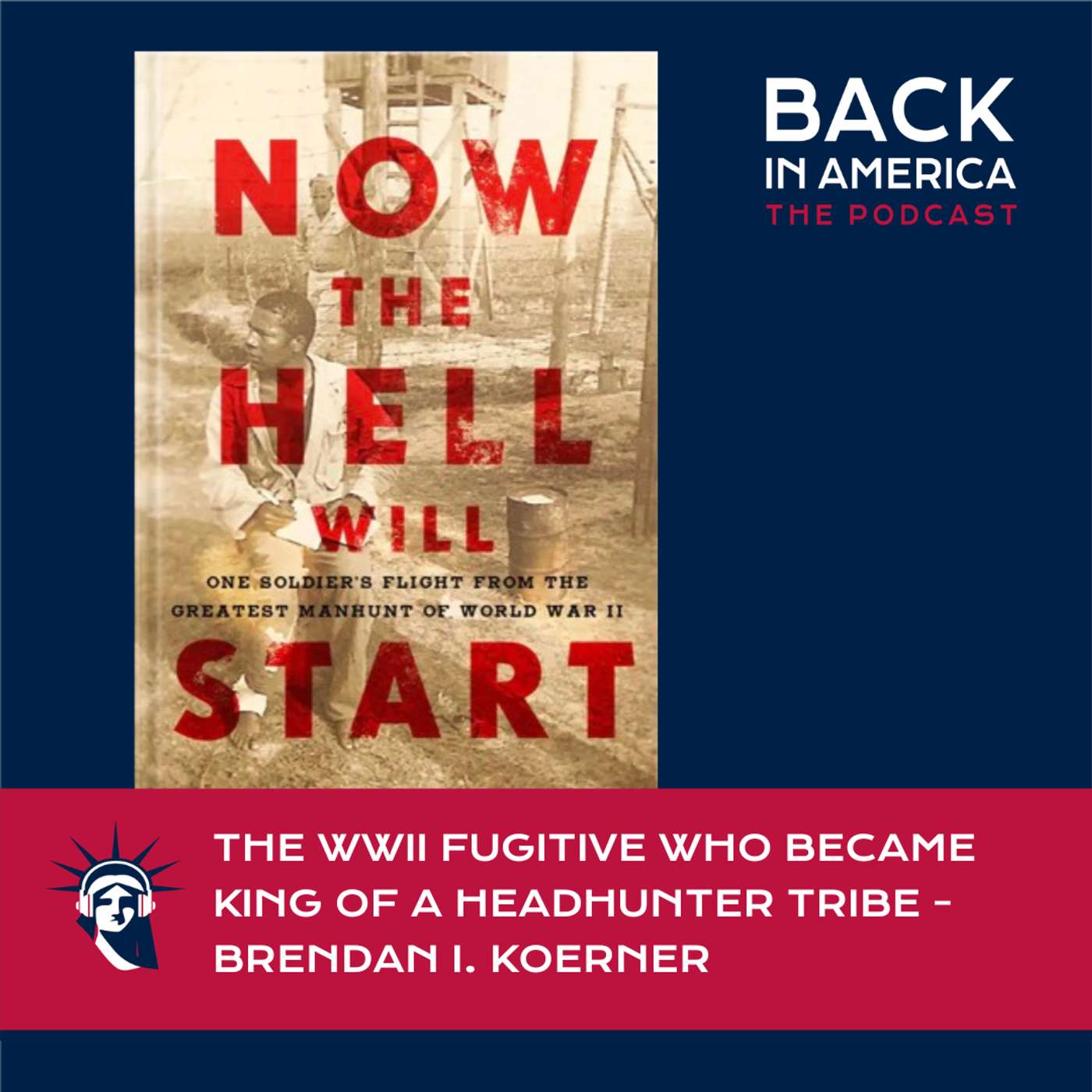
In 1944, a young Black GI shot a white lieutenant on the Ledo Road—and vanished. Months later, Herman Perry reappeared deep in the Indo-Burma jungle, living with a Naga headhunter village, married to the chief’s daughter, speaking the language, and rumored as the “jungle king.” Journalist Brendan I. Koerner, author of Now the Hell Will Start, retraces the greatest manhunt of World War II and the system that pushed Perry to the brink: segregated units, brutal stockades, disease, drugs, and a boondoggle road project that washed away within a year.We dig into how a footnote sent Koerner across archives and mountains—FOIA files, an MP’s long-lost booklet, and a journey along the remains of the Ledo Road. He explains Perry’s mental collapse, his improbable reinvention among the Naga, the Army’s relentless pursuit, and the execution that followed. We also talk about Spike Lee’s option of the book, the missing child Perry fathered in the hills, and what this story reveals about America—race, authority, and who pays for decisions made far from the ground.If you’re into WWII true crime, untold Black military history, and field reporting that smells of mud, opium, and monsoon, this one pulls you upriver.Follow, rate, and share with anyone who thinks they’ve already heard every WWII story. They haven’t.
From the conversation:
"These very young men, mostly teenagers, they get on this ship in New Jersey and they go down underneath the deck and they barely see the sun for weeks and weeks." -- The WWII Fugitive Who Became King of a Headhunter Tribe
"He basically had a mental health breakdown. He'd say, I'm not going back to the stockade, and unfortunately this lieutenant is following him and Perry shoots him in the chest and kills him." -- The WWII Fugitive Who Became King of a Headhunter Tribe
You might also like:
• Divers from the EPIX/ BBC Docuseries “Enslaved”: Diving on Shipwrec...
• Listen again: Divers from the EPIX/ BBC Docuseries “Enslaved”: Divi...
• Wrongfully Convicted: Darryl Burton Spent 24 Years in Prison for a ...
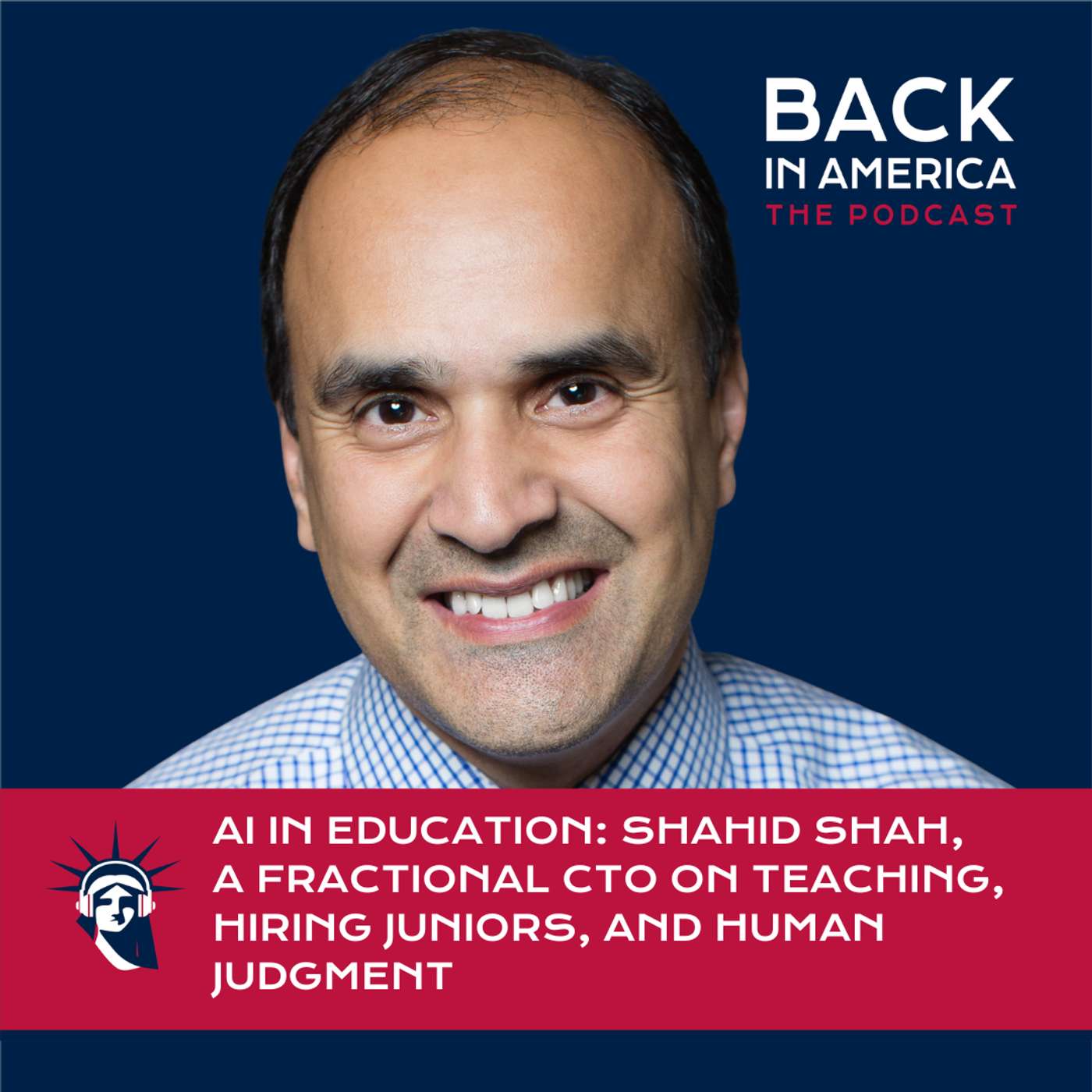
Is our education system ready for AI—or still grading with yesterday’s rules? In this episode of Back in America, Stan talks with Shahid, an award-winning fractional CTO and CISO with 35+ years in regulated industries, from medical devices to federal health tech. He argues that AI isn’t just a tool; it’s a colleague, a co-student, and a force multiplier—if teachers and teams learn context engineering and treat AI as a companion.We dig into:AI in education: hyper-personalized learning, teacher workflows, and why schools must let students “pair program” with AI.Hiring in the AI era: why entry-level jobs are shrinking, how juniors can win by mastering prompts and fundamentals, and the risk of skipping a generation of talent.Safety and ethics: lessons from life-or-death medical device software, where reliability, empathy, and human oversight matter.Parents & teachers: practical ways to co-work with AI without abdicating judgment.Clear take: AI can elevate learning and work—if humans stay in the loop and standards stay high.
From the conversation:
"AI is not just a tool for education—it's an educator and almost a co-student that teachers must use to teach at a hyper-personalized level." -- AI in Education- A Fractional CTO on Teaching, Hiring Juniors, and Human Judgment
"If you're bad at coding, AI makes you a hundred times worse. You don't know what you don't know, and that's the fundamental problem for juniors." -- AI in Education- A Fractional CTO on Teaching, Hiring Juniors, and Human Judgment
You might also like:
• AI Bias and Education: Tamar Huggins on Building Inclusive Tech wit...
• World Correspondence Chess Champion Jon Edwards on Playing Alongsid...
• Doug Steinel: Cancel Culture in Classroom
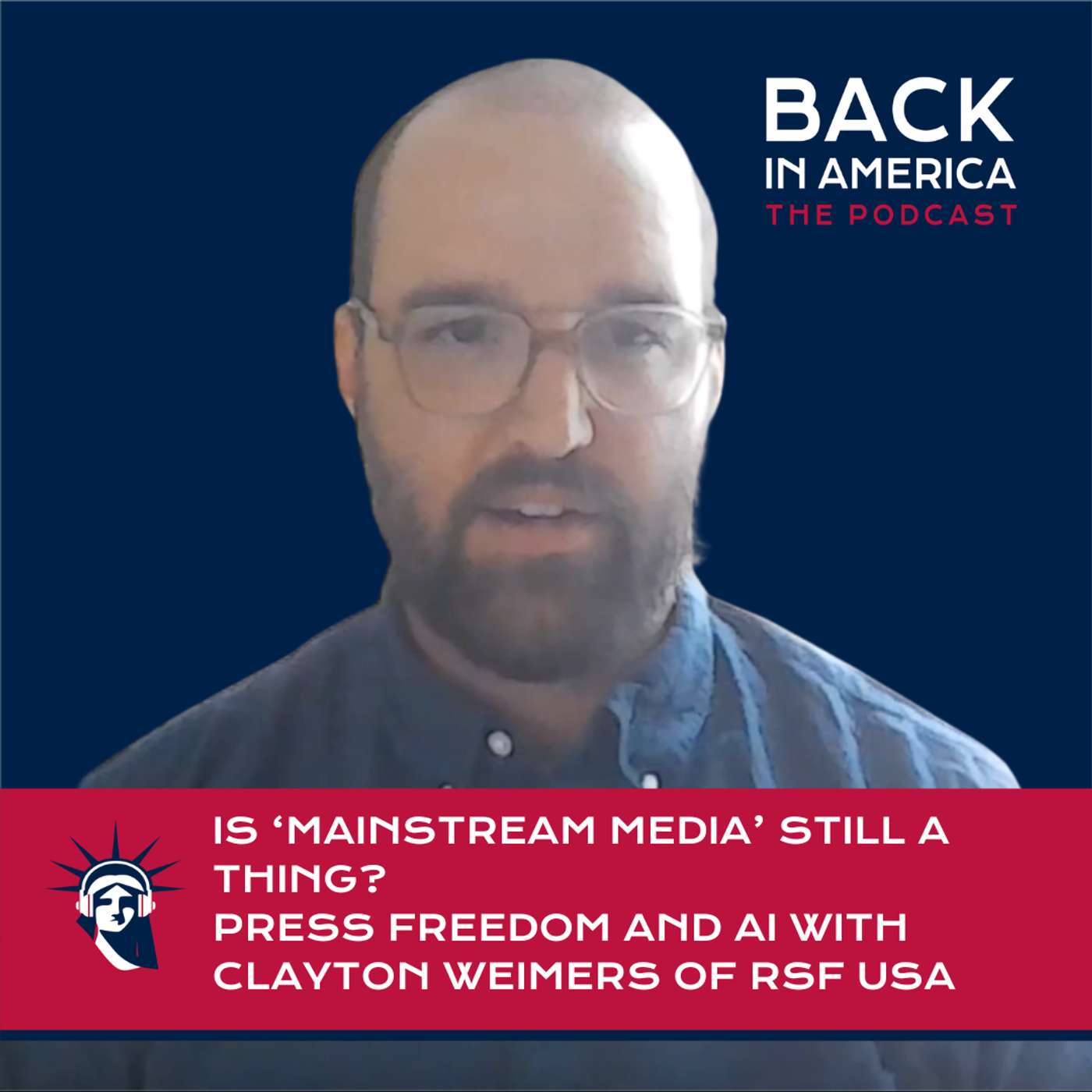
In this episode of Back in America, I sit down with Clayton Weimers, Executive Director of Reporters Without Borders (RSF) USA, to talk about the state of press freedom in America and beyond. From the decline of local journalism to the rise of AI in newsrooms, we explore the paradox of living in an age of information abundance while losing access to trustworthy reporting.Clayton explains why the U.S. now ranks 57th out of 180 countries on the World Press Freedom Index, how economic pressures are creating “news deserts” across the nation, and why trust in journalism continues to erode. We also discuss the role of citizen journalism, podcasts, and independent newsletters in reshaping the media landscape.The conversation touches on broader themes that Back in America often explores: the fight against disinformation, the legacy of democratic ideals, and the tension between freedom of expression and corporate or political power.World Press Freedom Index 2025: over half the world's population in red zoneshttps://rsf.org/en/world-press-freedom-index-2025-over-half-worlds-population-red-zonesAmericans remain concerned about press freedoms, but partisan views have flipped since 2024https://www.pewresearch.org/short-reads/2025/04/24/americans-remain-concerned-about-press-freedoms-but-partisan-views-have-flipped-since-2024/Revitalizing America’s News Desertshttps://progressive.org/magazine/revitalizing-americas-news-deserts-pickard/
From the conversation:
"If you are not willing to be in the business of defending press freedom, you shouldn't be in the news business at all." -- Is ‘Mainstream Media’ Still a Thing- Press Freedom and AI with Clayton Weimers of RSF USA
"70 million Americans live in what we call news deserts, with little or no access to local news." -- Is ‘Mainstream Media’ Still a Thing- Press Freedom and AI with Clayton Weimers of RSF USA
You might also like:
• Rewriting the American Dream: Aquilino Gonell, January 6, and the P...
• David Reaboi: Trump, DeSantis, January 6 and America’s Divided Future
• Doug Steinel: Cancel Culture in Classroom
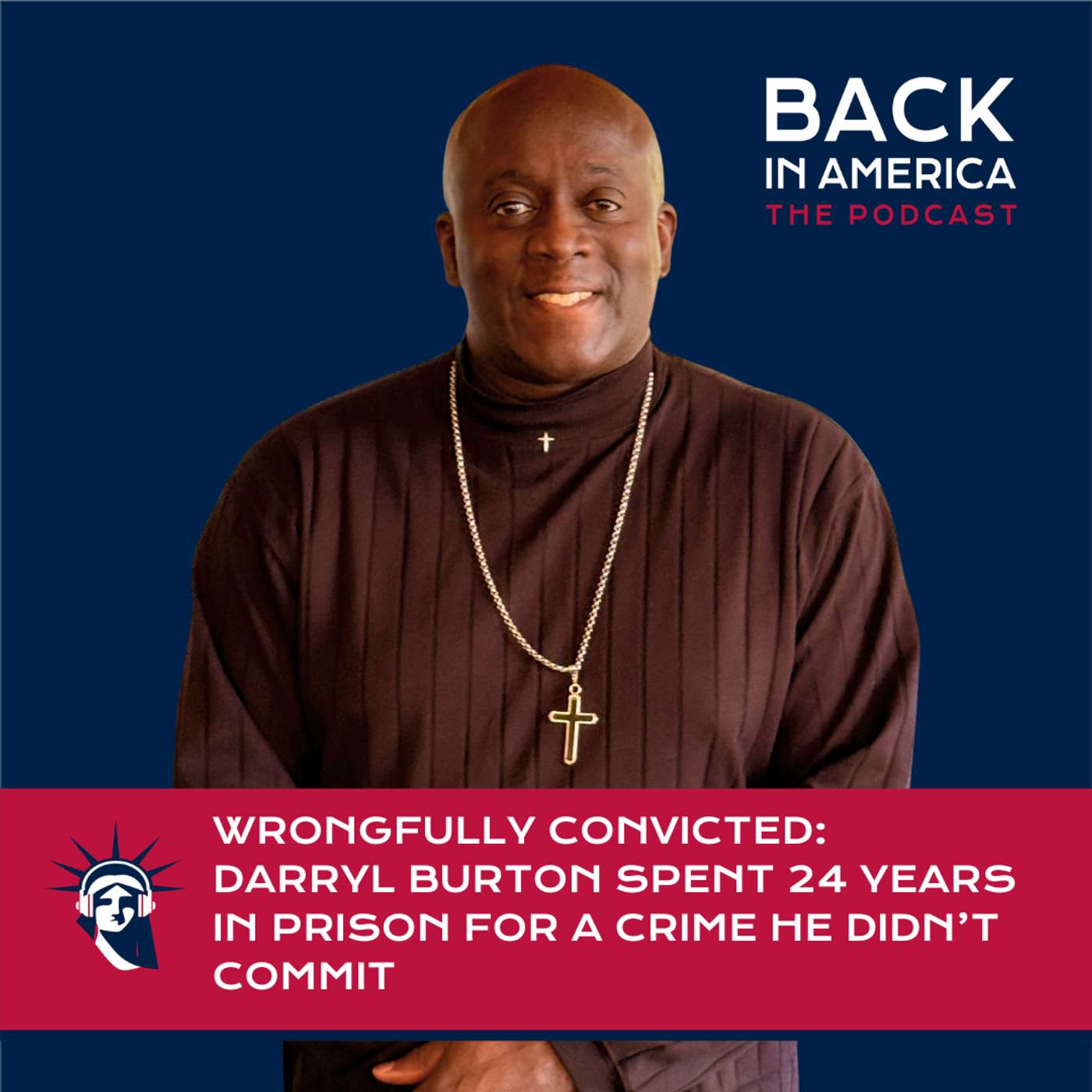
“Leave all your hope, family, and dreams behind.” That’s the banner Darryl Burton saw when he first walked into Missouri State Penitentiary—infamously known as the “bloodiest 47 acres in America.” He was 22. He was innocent.In this episode of Back in America, Darryl shares his extraordinary story: how a false accusation, coached jailhouse informants, and prosecutorial misconduct stole nearly 25 years of his life. With no DNA, no weapon, no motive—and no justice—Darryl was sentenced to life without parole for a crime he didn’t commit.Thanks to the relentless efforts of Princeton, NJ, based Centurion, the pioneering innocence organization, Darryl was finally exonerated. But his story didn’t end there.He founded Miracle of Innocence, a nonprofit helping other wrongfully convicted individuals reclaim their lives—legally, emotionally, and spiritually. As Darryl says, “It’s a miracle to get out of prison. Now, we work to create more miracles.”Contact & SupportLearn more or donate: www.miracleofinnocence.org / Centurion Personal site: www.darrylburton.orgBooks that Inspired Darryl in PrisonMan’s Search for Meaning by Viktor FranklThe Autobiography of Malcolm XLong Walk to Freedom by Nelson MandelaStride Toward Freedom by Martin Luther King Jr.The Bible — especially Luke 23:34: “Father, forgive them, for they know not what they do.”
From the conversation:
"I thought it would take 24 hours. I never dreamed it would turn into more than 24 years." -- Wrongfully Convicted- Darryl Burton Spent 24 Years in Prison for a Crime He Didn’t Commit
"When I went inside of that prison, it was a huge banner. It said, welcome, leave all your hope, family and dreams behind." -- Wrongfully Convicted- Darryl Burton Spent 24 Years in Prison for a Crime He Didn’t Commit
You might also like:
• Who Steps In When America Walks Away?
• Your Heartbeat Can Convict You
• 19 Year-Old Princeton Student: Being Black in the US is Like Suffoc...
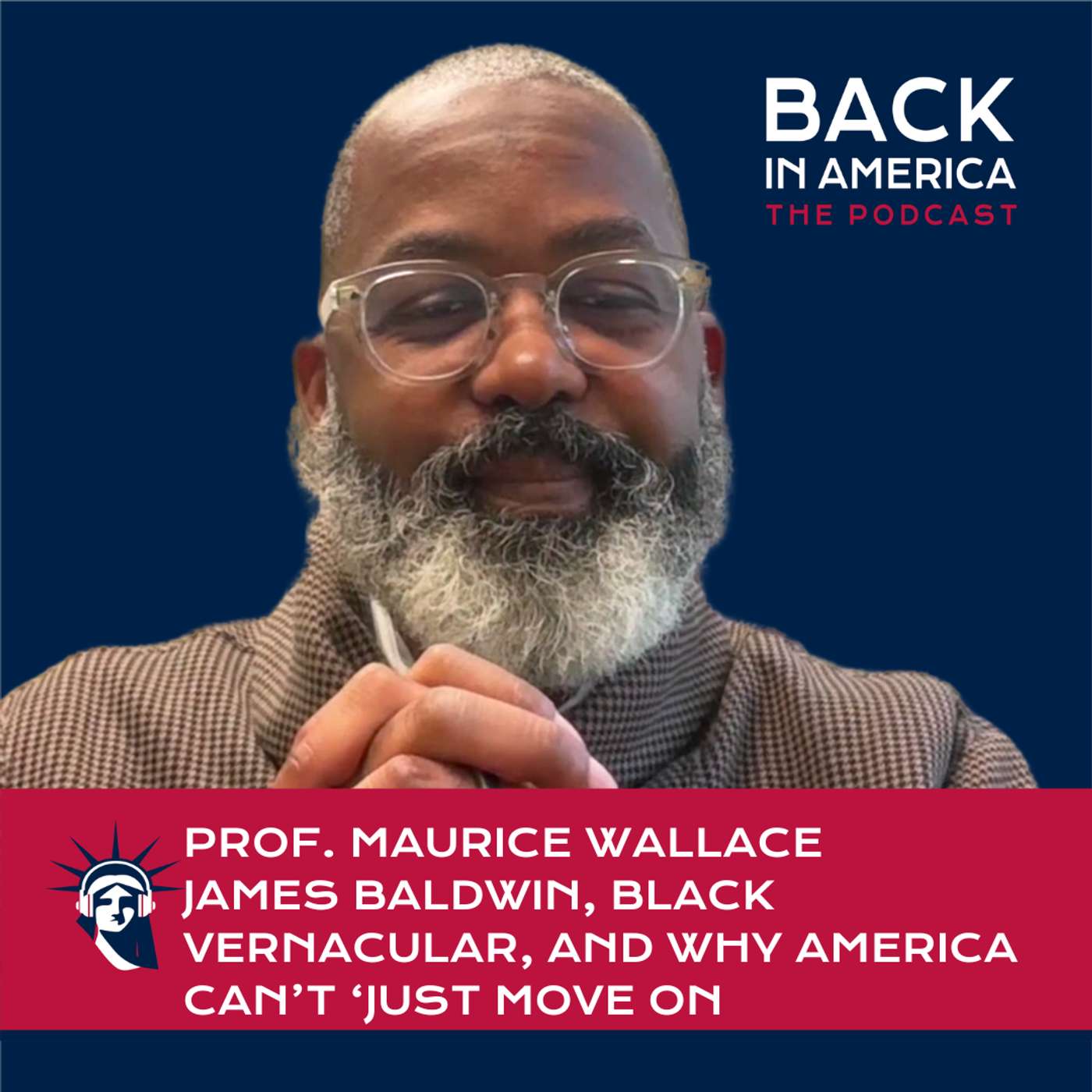
In this episode, Stan speaks with Prof. Maurice Wallace of Rutgers University about the enduring impact of James Baldwin, the evolution of Black American vernacular, and the complex relationship America has with its history of slavery and race. Prof. Wallace explores Baldwin’s profound influence on his own academic journey, how language and sound shape Black cultural identity, and why America continues to struggle with the legacy of emancipation, mass incarceration, and systemic inequality.Through insights into literature, photography, and the “Black modernist soundscape,” this conversation reveals deeper truths about America’s culture, values, and identity.Recommended reading from Prof. Wallace:The Fire Next Time by James BaldwinThe New Jim Crow by Michelle AlexanderListen and subscribe to explore what makes America, America
From the conversation:
"It is convenient and easy to urge us all to move on. Every effort to move on will nevertheless remain haunted by the memory of a certain crime against humanity we'd love to pretend to be innocent in relationship to." -- James Baldwin, Black Vernacular, and Why America Can’t ‘Just Move On
"Slavery is an extreme manifestation of a very American way of mismanaging power. If we don't learn other ways of managing power, we're doomed to keep repeating it." -- James Baldwin, Black Vernacular, and Why America Can’t ‘Just Move On
You might also like:
• Eric Marsh - Being a black man today in America
• 19 Year-Old Princeton Student: Being Black in the US is Like Suffoc...
• Listen again: Eric Marsh - Being a Black man today in America

For over a century, a small group of dedicated cowboys has upheld a fading American tradition: the Highwood Mountains cattle roundup. In this episode of Back in America, we explore Only Roundup Remains, a documentary capturing the grit, camaraderie, and deep generational ties that keep this way of life alive. Filmmakers Brian Liu and Andrew Labens, alongside the cowboys themselves, share their journey of documenting this historic event, the challenges they faced, and the profound reflections on a changing America.From saddle sores to late-night campfire discussions, this is a rare glimpse into a vanishing world where pride, skill, and endurance define the men who refuse to let their heritage slip away. Tune in to hear their stories, their struggles, and why, for these cowboys, the roundup is more than just a job—it’s a way of life.Watch the documentary trailer on YouTube. Follow Only Roundup Remains on Facebook & Instagram for updates. And don’t forget to subscribe to Back in America for more thought-provoking stories.Only Roundup RemainsWatch on Amazon Prime Facebook: https://www.facebook.com/onlyroundupremainsInstagram: https://www.instagram.com/onlyroundupremains/
From the conversation:
"I haven't missed a roundup in 23 years. I've been riding and I missed out on a few things like a wedding and this and that. So it's a high priority on my list." -- Only Roundup Remains- The Last Cowboys of Montana’s Highwood Mountains
"For this roundup, the only thing they do is a cowboy. That's it. You sleep there, you eat with each other, there's a bunkhouse. The old tradition. It's the last of the old ways." -- Only Roundup Remains- The Last Cowboys of Montana’s Highwood Mountains
You might also like:
• John Michael Greer an American Druid on Americans Individualism, So...
• Listen again: John Michael Greer an American Druid on Americans Ind...
• Denis Devine - Fishtown, Philly - a non-traditional dad, an engaged...
A green card interview is supposed to be the last step before legal residency—but what if it’s actually a setup?This episode of Back in America features filmmakers Sam and David Cutler Kreutz discussing their short film, "A Lien," a story about a couple navigating the complexities of the US immigration system. The conversation delves into the film's themes of family, the "banal cruelty" of the immigration process, and the broader political context surrounding immigration in America.Key TopicsDiscuss The Inspiration Behind "A Lien" The New York Times article that sparked the idea for the film and their desire to tell a story that highlights the human side of immigration. They emphasize the film's focus on families and the emotional toll of the legal process.They share their efforts to accurately portray the immigration process, including working with lawyers and individuals who have experienced similar situations. They discuss the specific forms and procedures mentioned in the film The podcast explores the film's unique cinematography, including its use of kinetic visuals and the focus on the wife's perspective through her iPhone.They discuss how the film resonates with the current political climate, particularly concerning immigration.The conversation explores what viewers can do after watching "A Lien" to support immigration reform or get involved in advocacy. They emphasize the importance of dialogue and understanding the human stories behind immigration.In just 15 minutes, A Lien delivers an emotional gut-punch, following an undocumented immigrant from El Salvador and his American wife as they step into what should be a routine interview—only to find themselves entrapped. With haunting cinematography and nail-biting suspense, the film exposes the brutal side of a system designed to keep immigrants on edge.Watch A Lien (link here https://vimeo.com/997805490), then tune in as we break down the film, the real-life cases that inspired it, and what this means for America today.
From the conversation:
"I knew I was a parent, but what I didn't know until four years ago is that I was a parent of a transgender kid." -- Green Cards, ICE, and Uncertainty- The Impact of A lien on Immigration Discourse
"It was not always easy to be an ally because I feel so close, but I also am not a member of the community or the minority." -- Green Cards, ICE, and Uncertainty- The Impact of A lien on Immigration Discourse
You might also like:
• Councilwoman Leticia Fraga - From Mexico to Princeton, NJ - A story...
• Liliana Morenilla - A life dedicated to immigrants in Princeton, NJ
• Cecilia Birge - Anti-Asian racism during the Pandemic - Growing-up ...
What does the First Amendment mean in a modern, diverse America? In this episode of Back in America, host Stan Berteloot speaks with Knox Thames, an international human rights lawyer, advocate, and author with over 20 years of experience across U.S. administrations. Thames, who served as the Special Advisor for Religious Minorities in the Near East and South Central Asia, unpacks the historical roots and contemporary challenges of religious freedom in the United States.From the First Amendment’s foundational promise of freedom of religion to the complexities of pluralism in a globalized world, this thought-provoking conversation delves into the importance of protecting the rights of all religious minorities. Thames also reflects on his book, Ending Persecution: Charting the Path to Global Religious Freedom, offering insights into how the U.S. can lead by example in a world grappling with religious intolerance.#ReligiousFreedom, #HumanRights, #GlobalAffairs, #FirstAmendment, #USForeignPolicy, #ReligiousMinorities, #HumanRightsAbroad
From the conversation:
"The challenge of the 21st century is going to be the challenge of diversity. For the first time in history, literally everybody is everywhere." -- The First Amendment- Freedom of Religion and Diversity in America
"The challenge of pluralism is really about agreeing to disagree on ultimate questions by doing so agreeably, then standing arm in arm with the fundamental belief that everyone has the right to pursue truth as their conscience lays." -- The First Amendment- Freedom of Religion and Diversity in America
You might also like:
• A Pastor Joined the FBI. Then His Kids Came Out.
• Zionism, Mysticism, and the Law: Sam Shonkoff and his students on A...
• Part 1 - Mark Charles - Native American 2020 candidate Asks does 'W...
Host Stan Berteloot welcomes Coco Kee, entrepreneur, blockchain pioneer, and host of the Blockchain Asia Podcast. Coco shares her journey from studying literature and theater at Peking University to becoming a leading figure in cryptocurrency.Coco discusses on the 2024 U.S. elections and offers a unique perspectives on theChinese-American voters.Exploration of the surprising connections between politics and cryptocurrency.Coco opens up about her experiences as an immigrant and how her arts background shaped her approach to technology and business.Insights on how regulatory changes under different U.S. administrations have impacted the cryptocurrency industry.Explanation of Bitcoin's resurgence linked to political shifts and China's stance on crypto, addressing capital control vs. decentralization.Discussion on the convergence of AI and blockchain and how it could decentralize computing power and data ownership, counteracting big tech monopolies.Practical advice for crypto beginners, including ETFs as a safe entry point into digital currencies.Reflection on Coco’s political awakening after the 2016 election and her views on opportunities and freedoms in the U.S.An eye-opening discussion bridging global perspectives, emerging technologies, and a decentralized future.About Back in America Podcast: Back in America is a thought-provoking podcast hosted by French journalist Stan Berteloot offering a multicultural perspective on American identity, culture, and values. With over 25 years of European experience, Stan explores what it means to be American through intimate conversations with diverse guests, tackling complex issues like racism, social justice, and the evolving American Dream. Featuring voices often overlooked in mainstream media, the podcast delves into timely topics and offers a critical yet empathetic view of modern America. Through live interviews and innovative storytelling, Back in America brings diverse perspectives to the forefront.
From the conversation:
"Trump is going to be the first president pro-crypto since 2009 when Bitcoin came into being." -- Trump, cryptocurrency investment, and the Chinese-American voters- A Conversation with Coco Kee
"I pick up the phone and called and people yelled at me. It was very scary in the beginning, but my skin got thicker and thicker." -- Trump, cryptocurrency investment, and the Chinese-American voters- A Conversation with Coco Kee
You might also like:
• David Reaboi: Trump, DeSantis, January 6 and America’s Divided Future
• Cecilia Birge - Anti-Asian racism during the Pandemic - Growing-up ...
• Can Europe Catch Up in Tech? Oliver Coste Says Change This Law
In this episode of Back in America, Stan Berteloot sits down with David Reaboi, a national security expert, media analyst, and Claremont Institute Fellow, known for his incisive takes on political warfare and influence operations. Dubbed a “right-wing Twitter pugilist” by Politico, David shares his unique perspective on some of the most contentious issues shaping the United States today.We discuss his views on Donald Trump, Ron DeSantis, and the evolving dynamics of federalism. David offers his candid take on January 6, the role of political violence, and how America’s fractured unity might lead to a breaking point. Our conversation also explores Hungary’s role as a beacon for some conservatives, the influence of figures like Elon Musk, and whether America needs to reconcile its history of slavery and Native American displacement.David provides a window into his worldview, shaped by his upbringing, intellectual pursuits, and career at the intersection of national security and political commentary.
From the conversation:
"Politics is there to reward your friend and to punish your enemies so that people will want to be your friend and not your enemy." -- David Reaboi- Trump, DeSantis, January 6 and America’s Divided Future
"Nothing lasts forever. All empires fall for the same reason: too many competing ideas about the nature of the good and justice." -- David Reaboi- Trump, DeSantis, January 6 and America’s Divided Future
You might also like:
• BrooklynDad_Defiant: Liberal Online Activist Majid Padellan Talks A...
• How do you feel about the election? Six Interviews with Democrats a...
• Lieutenant Colonel Bryan Price - Afghanistan, Counterterrorism, Set...
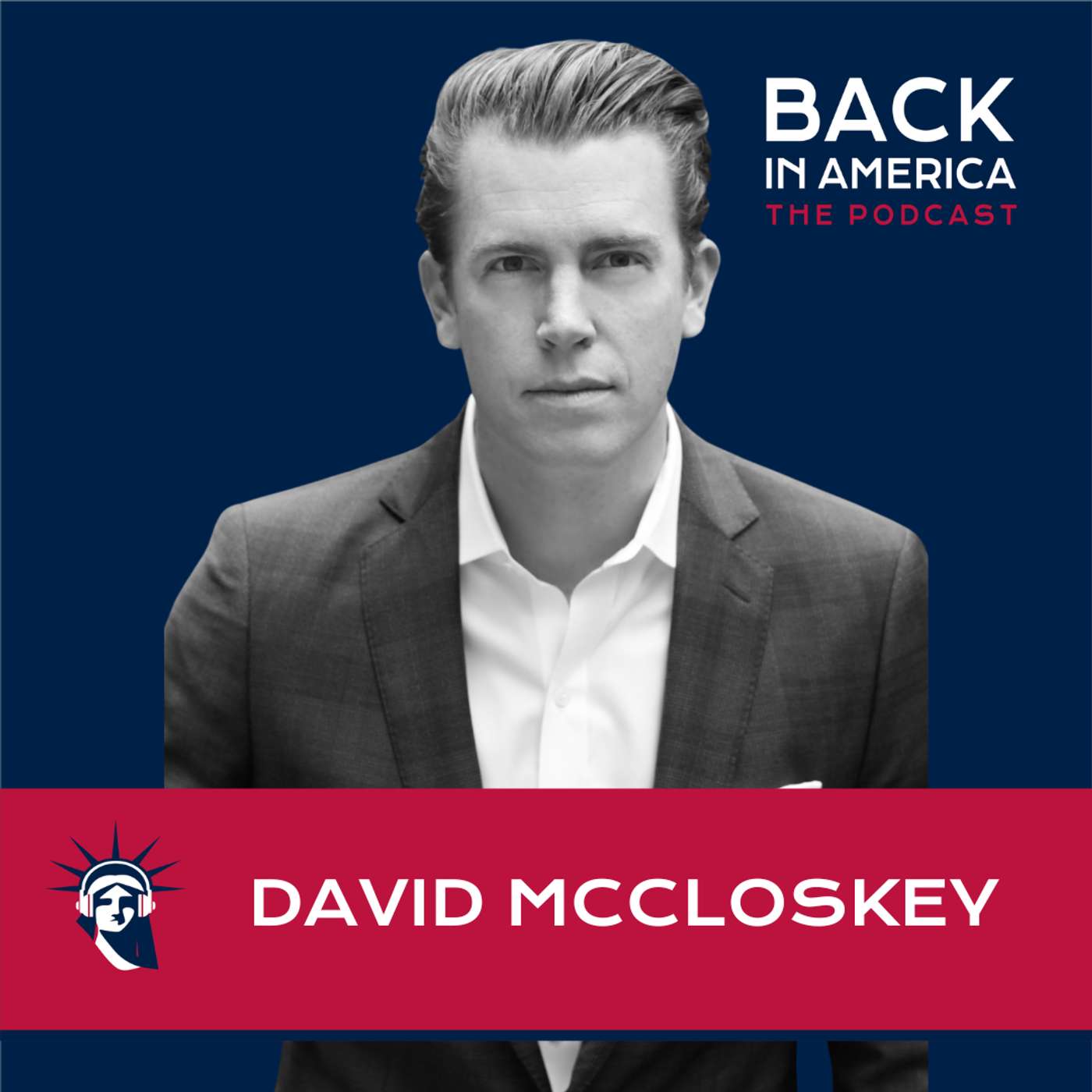
Cia analyst interview with Host Stan Berteloot welcomes David McCloskey, a former CIA analyst and bestselling author. They discuss David's career in intelligence, focusing on geopolitical tensions in the Middle East.David shares insights on current conflicts involving Israel, Lebanon, and Iran.The role of intelligence services in global crises is explored.They delve into the challenges of understanding the world through both personal and professional experiences.David's transition from CIA officer to writing thrillers like The 7th Floor and Damascus Station is examined.The conversation explores how David's experiences shaped his novels and how writing became a form of healing and discovery.Topics include politics, intelligence work, and the American perspective on global issues.David shares how he crafts his books, stressing the importance of connecting with experts and real-life experiences for authenticity.He reveals his goals as a writer, focusing on keeping readers engaged and offering a deeper understanding of the CIA’s culture and operations.On a personal note, David reflects on the idea of America as a dynamic, open society that welcomes all to contribute, regardless of background.The episode is a compelling conversation about storytelling, global geopolitics, and the American ideal.About Back in America Podcast: Back in America is a thought-provoking podcast hosted by French journalist Stan Berteloot offering a multicultural perspective on American identity, culture, and values. With over 25 years of European experience, Stan explores what it means to be American through intimate conversations with diverse guests, tackling complex issues like racism, social justice, and the evolving American Dream. Featuring voices often overlooked in mainstream media, the podcast delves into timely topics and offers a critical yet empathetic view of modern America. Through live interviews and innovative storytelling, Back in America brings diverse perspectives to the forefront.His latest book The Seventh Floor can be found hereTo learn more about David visit his website
From the conversation:
"Russians get high on their own supply and overstate their actual impact on American society pretty consistently." -- Former CIA Analyst to Bestselling Author- David McCloskey on Espionage, Writing, and America's Identity
"In fiction, I could deal with geopolitical topics through the lens of how ordinary people experience them and live through them." -- Former CIA Analyst to Bestselling Author- David McCloskey on Espionage, Writing, and America's Identity
You might also like:
• A Pastor Joined the FBI. Then His Kids Came Out.
• Lieutenant Colonel Bryan Price - Afghanistan, Counterterrorism, Set...
• SETI – Dr. Seth Shostak – Searching for E.T.
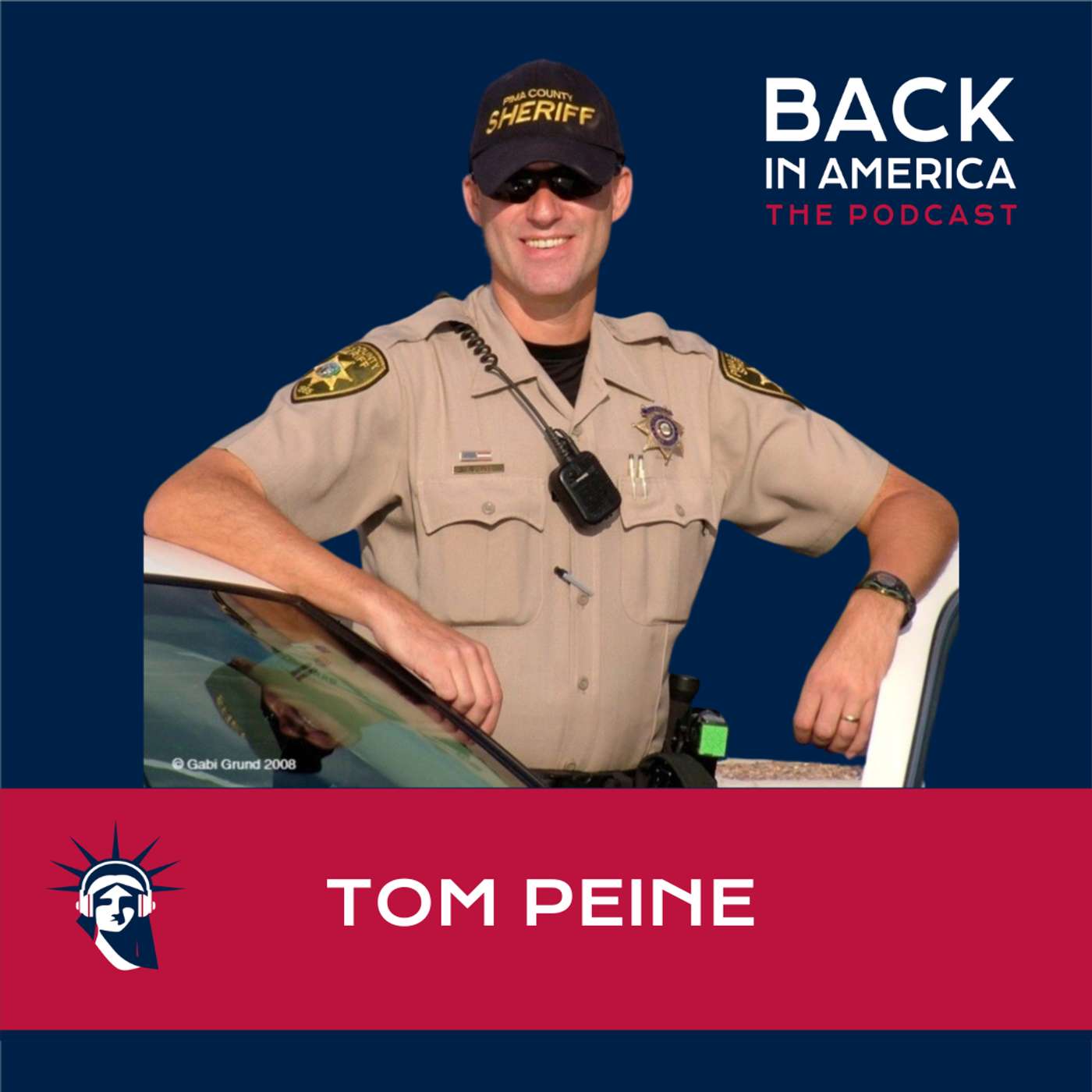
In this episode of Back in America, Stan Berteloot explores the extraordinary life of Tom Peine, who left a corporate career in Germany to become a deputy sheriff in the deserts of Arizona. At 40, Tom stepped into an entirely new world, navigating America’s complex gun culture, immigration, and race dynamics from the front lines of law enforcement. His story challenges assumptions about identity, resilience, and belonging in America. Join us for a conversation on the twists and tensions of Tom’s unique journey—and what it really means to protect and serve as an outsider on the inside.Tom's book: Deputy While Immigrant: The Story of a German Who Became a Deputy Sheriff in Arizona
From the conversation:
"I had the greatest sense of fulfillment during my time as a detective in Crimes Against Children, which is by far the hardest type of work I had to do." -- A German Turned Deputy Sheriff in Arizona- Tom Peine’s Unlikely American Journey
"I feel like I'm coming home. And home isn't foreign anymore. It's a certain kind of warmth that you have when you arrive back from a long trip abroad." -- A German Turned Deputy Sheriff in Arizona- Tom Peine’s Unlikely American Journey
You might also like:
• I'll Always Be French. Now I'm Also a US Citizen.
• Councilwoman Leticia Fraga - From Mexico to Princeton, NJ - A story...
• John Lam: Boston Ballet Principal Dancer a Gay Vietnamese-American ...


Download from Google Play

Download from App Store
 United States
great podcast! congrats.