


 Claim Ownership
Write More with Simon K Jones
Subscribed: 1Played: 1
Subscribe

© Simon K Jones
Description
Tips on how to write serial fiction and be a more productive writer from Simon K Jones. Find more at simonkjones.substack.com.
simonkjones.substack.com
simonkjones.substack.com
65 Episodes
Reverse
Tales from the Triverse is done. After four and a bit years of running the weekly serial, the story is complete. I always say that publishing a weekly serial is closer to running a TV show than it is to writing a novel — not least because it’s a lot easier if you surround yourself with good people. This is a public episode. If you'd like to discuss this with other subscribers or get access to bonus episodes, visit simonkjones.substack.com/subscribe
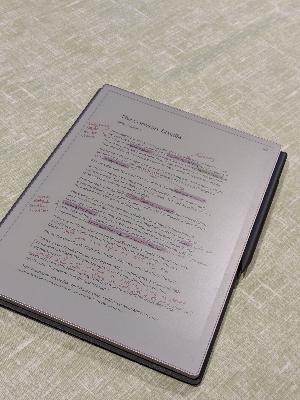
Today I’m outlining the various hardware, software and services I use to write and publish. There’s nothing particularly revolutionary in here, but I’m hoping that having it all in one place might be useful for anyone else doing similar work. This is a public episode. If you'd like to discuss this with other subscribers or get access to bonus episodes, visit simonkjones.substack.com/subscribe
Towards the end of last year I got wind of a plan being hatched by Erica Drayton. There was an idea, to bring together a group of remarkable people, to see if they could deliver a weekend of live readings that would together form a mini online writing festival.A couple of months later and the weekend has come and gone. You can find out more over on the Top In Fiction newsletter, including links to many of the other readings. I’m posting the recording of my reading today.I had originally thought to read the prologue to Tales from the Triverse, because that’s the first chapter of the serial. It was a touch over the word count Erica had set, which prompted me to think of an alternative. I considered ‘Work parties’, but it’s frankly just a bit too grim and unrepresentative of the series as a whole. Choosing ‘The Koth’ made sense, as it functions almost as a second introduction to the series — if the prologue is the ‘pilot’, then ‘The Koth’ is the proper episode 1.Thank you to everyone who showed up to listen to me witter on, including Ben Wakeman, CB Mason | YA Dystopian+Sci-Fi, Tell Me a Mystery, Daniel O’Donnell, Minna, Mike Miller and many others. This is a public episode. If you'd like to discuss this with other subscribers or get access to bonus episodes, visit simonkjones.substack.com/subscribe
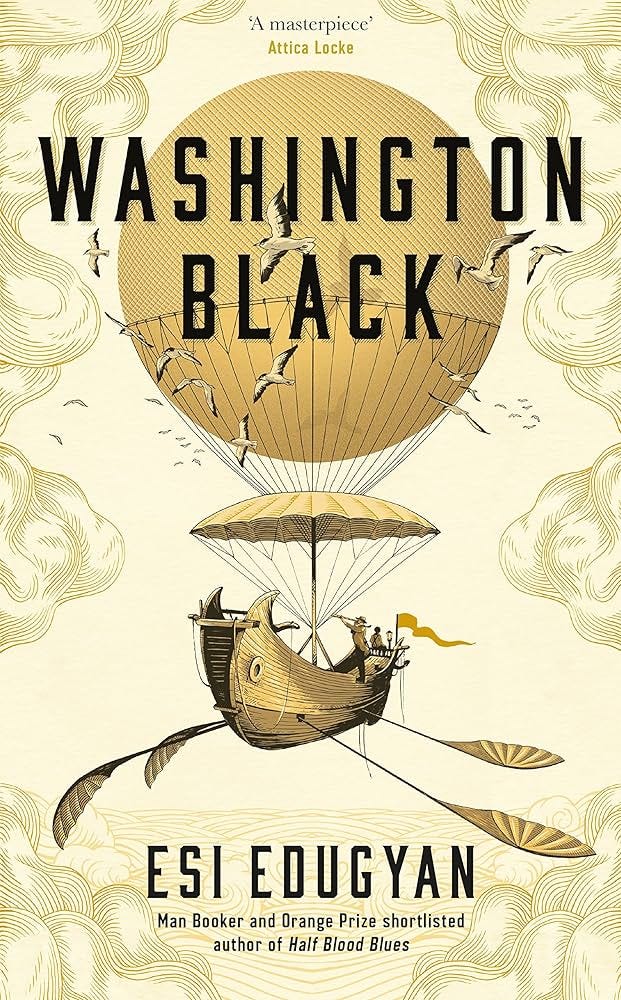
More than any other type of influence, novels are the trickiest one to pick out. Every book I‘ve ever read sloshes around in my brain, influencing my own writing in subtle and undefinable ways. This is a public episode. If you'd like to discuss this with other subscribers or get access to bonus episodes, visit simonkjones.substack.com/subscribe
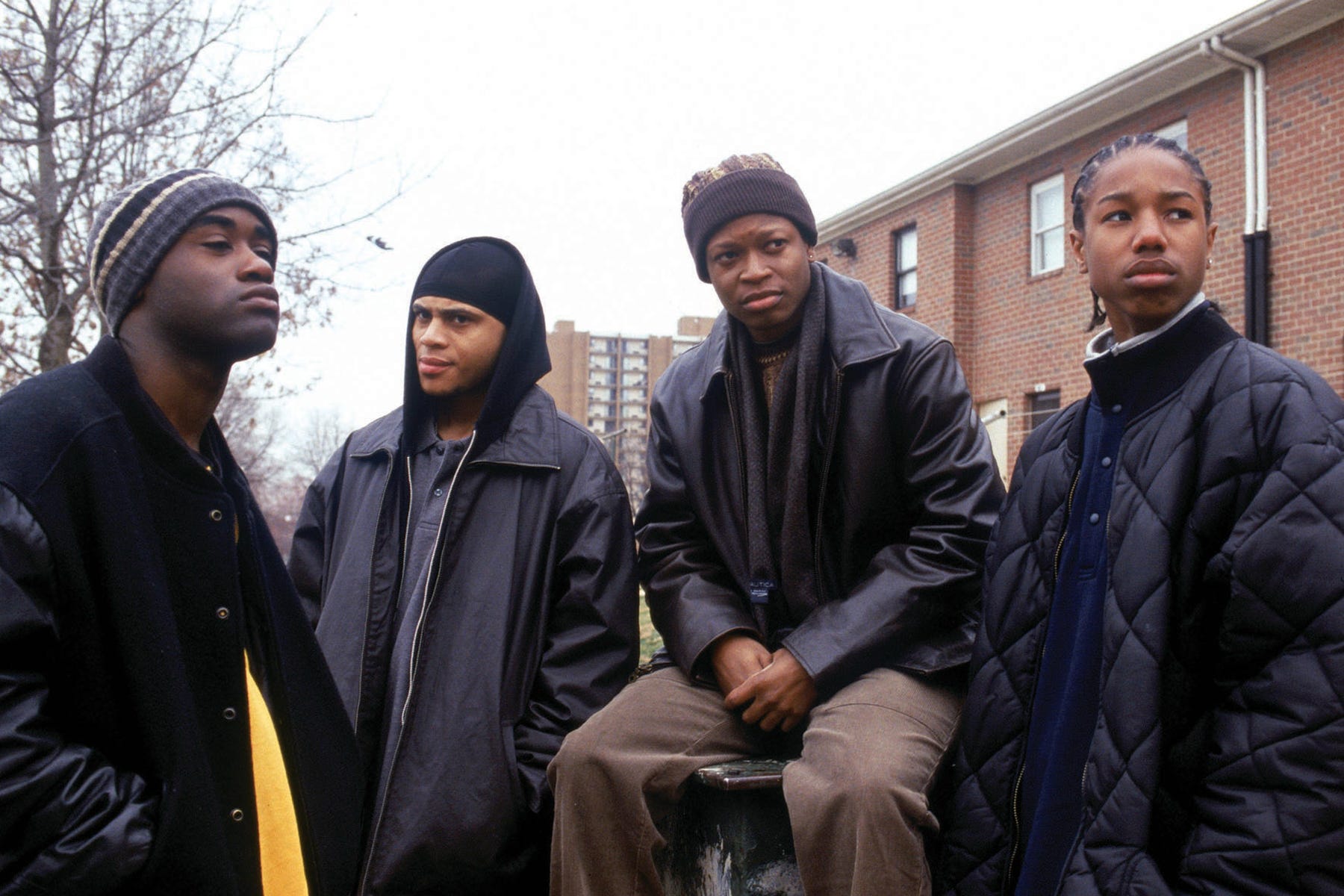
The truth is that everything I have ever experienced goes into my writing, whether I like it or not. Things I’ve done, places I’ve been, people I’ve met — as well as all the books, comics, movies, games and music I’ve enjoyed over the years.This is part one in a short series of posts on the foundational texts that informed and inspired my writing of Tales from the Triverse. Today I’m thinking about core television influences.There are four shows I’m going to be poking at: The Wire, Bablyon 5, The Expanse and She-Ra and the Princesses of Power. Those first three are probably quite obvious to anyone who has read Triverse, while the last might be raising a few eyebrows. This is a public episode. If you'd like to discuss this with other subscribers or get access to bonus episodes, visit simonkjones.substack.com/subscribe
As Tales from the Triverse reaches its final conclusion after four and a half years, I’ve been thinking about the influences that contributed to its early development and design. In this video I take a closer look at some of them, including:* The Wire TV show* Gotham Central comic* Iain M. Banks’ Culture novels* Kim Stanley Robinson’s work, especially the Mars trilogy and Galileo’s Dream* The Expanse TV show and novels* Crime fiction generally, and the Noirwich festival* Babylon 5 TV show* The 1980s UK Transformers comic, specifically Simon Furman’s work on it* She-Ra and the Princesses of Power Netflix remake, showrunner ND Stevenson This is a public episode. If you'd like to discuss this with other subscribers or get access to bonus episodes, visit simonkjones.substack.com/subscribe

I started publishing Tales from the Triverse in September 2021. The weekly serial will likely wrap up in January 2026, or February at the latest. As I wrote last week’s instalment, I had a palpable sensation of coming to the end, of nearing the point at which I say goodbye to the characters and the world in which I’ve been playing these four and a bit years.Unknown territory approaches: this newsletter has never existed without Tales from the Triverse. It’s the biggest, most ambitious project I’ve ever worked on, and I can’t really remember a time now when I wasn’t thinking about it. This is a public episode. If you'd like to discuss this with other subscribers or get access to bonus episodes, visit simonkjones.substack.com/subscribe
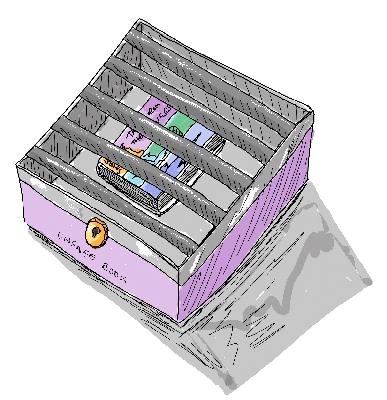
The chapter of Tales from the Triverse that went out a couple of weeks ago fell foul of the UK’s Online Safety Act. If someone in the UK tries to view the chapter on the web and isn’t yet ‘age verified’, they are greeted with this message:Outside of the UK, you won’t be seeing it. And if you’re in the UK but already age verified, you won’t see it. If you’re a paid subscriber to any Substack-powered newsletter you’re automatically verified, apparently, due to having a credit card.Money = freedom, as tends to be the case. This is a public episode. If you'd like to discuss this with other subscribers or get access to bonus episodes, visit simonkjones.substack.com/subscribe
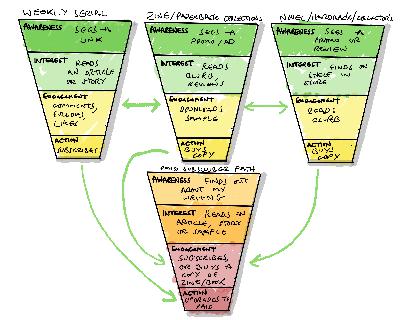
There are many ways of publishing your work, and we’re living in something of a golden age for author choice.My chosen route is to send out chapters in serial form, and I’m now fairly certain that for the last four years I’ve been doing it wrong. This is a public episode. If you'd like to discuss this with other subscribers or get access to bonus episodes, visit simonkjones.substack.com/subscribe
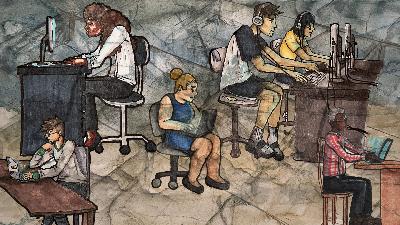
Earlier today I had a delightful chat with Tom Albrighton in which we both tried to not be grumpy about AI and mostly succeeded. I think?Tom’s been a copywriter for a couple of decades, and is someone I found hugely helpful back when I was starting out doing a lot of copywriting myself back in the day. More recently, he’s been especially vocal about the impact of AI on his area of work, and in 2024 published AI Can’t Write But You Can.Anyway, our chat ended up being about what it means to be a human creator, why we bother doing anything at all, and how it doesn’t really matter how good AI ends up becoming because that’s sort of missing the point. This is a public episode. If you'd like to discuss this with other subscribers or get access to bonus episodes, visit simonkjones.substack.com/subscribe
Last week The Guardian published comments from Nigel Newton, chief executive of publisher Bloomsbury.“I think AI will probably help creativity, because it will enable the 8 billion people on the planet to get started on some creative area where they might have hesitated to take the first step…AI gets them going and writes the first paragraph, or first chapter, and gets them back in the zone.”Hmm. I have thoughts. This is a public episode. If you'd like to discuss this with other subscribers or get access to bonus episodes, visit simonkjones.substack.com/subscribe
It’s increasingly hard to care about fiction on TV, with producers of the biggest shows doing everything they can to undermine their own stories. The seemingly inevitable push towards cultural irrelevance is driven by the insatiable hunger of streaming platforms, and all of the issues are entirely self-inflicted.As creators of and audiences for serial fiction, I think it’s worth poking at what’s going on so that we can at least avoid the same traps. This is a public episode. If you'd like to discuss this with other subscribers or get access to bonus episodes, visit simonkjones.substack.com/subscribe
Heroic characters tend to provide diminishing returns. We are often drawn to origin stories because they provide a built-in character arc, where development is part of the package. Once they have reached that apotheosis, going from ordinary person to hero, what then? Often the response is to ramp up the action and spectacle to ever-more absurd levels — and dwindling audience engagement. This is a public episode. If you'd like to discuss this with other subscribers or get access to bonus episodes, visit simonkjones.substack.com/subscribe
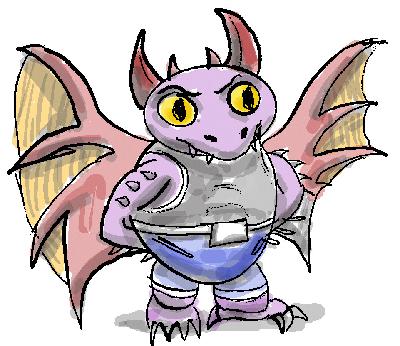
What is Tales from the Triverse? There are so many more of you reading this newsletter now, or passing by on ways to parts unknown, that it’s time for a re-introduction.It's a gritty police procedural set in 1970s London, each case shining a light on the dark corners of society. Each story deals with a particular case and doesn't shy away from difficult topics. People trafficking, drug addiction, illegal immigration, fraud, murder, terrorism, police corruption. It's about the news and the society we live in.It's also science fiction, .diving into the far future to see what becomes of humanity. There are spaceships, flying cars, robots, AI superintelligences. Humanity has colonised the solar system, with stories visiting settlements on Mars, Enceladus and Venus. Go inside the asteroid Ceres, or travel the space elevator into Earth orbit.It's high fantasy, journeying across an unknown land, where magic is real and there are monsters in every cave and canyon. Feudal city states battle with native insurgents lurking in the forests, while fire breathing dragons guard people's houses and dig the mines. The universities rule over everything, pushing at the boundaries of what is possible and the fabric of reality.Tales from the Triverse is, madly, all of those things. This is a public episode. If you'd like to discuss this with other subscribers or get access to bonus episodes, visit simonkjones.substack.com/subscribe
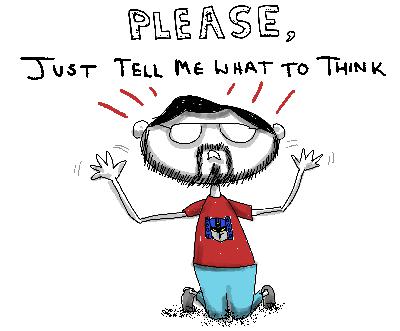
Sometimes a shortcut makes sense, but take too many of them and you might miss something along the route. Going for a walk isn’t always about reaching a destination — sometimes it’s about the walk itself. This is a public episode. If you'd like to discuss this with other subscribers or get access to bonus episodes, visit simonkjones.substack.com/subscribe
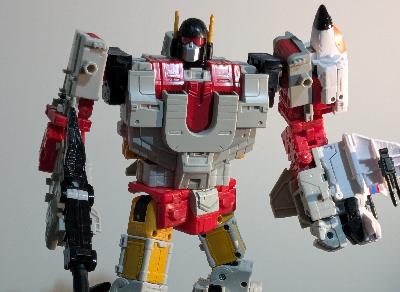
“I might have found my tribe.” EasterCon keynote, 2008Read the news and it’s easy to think that publishing fiction is a waste of time; an indulgence in a world beset by so much horror. Is being a writer a luxury we can’t afford? WELL. This is a public episode. If you'd like to discuss this with other subscribers or get access to bonus episodes, visit simonkjones.substack.com/subscribe
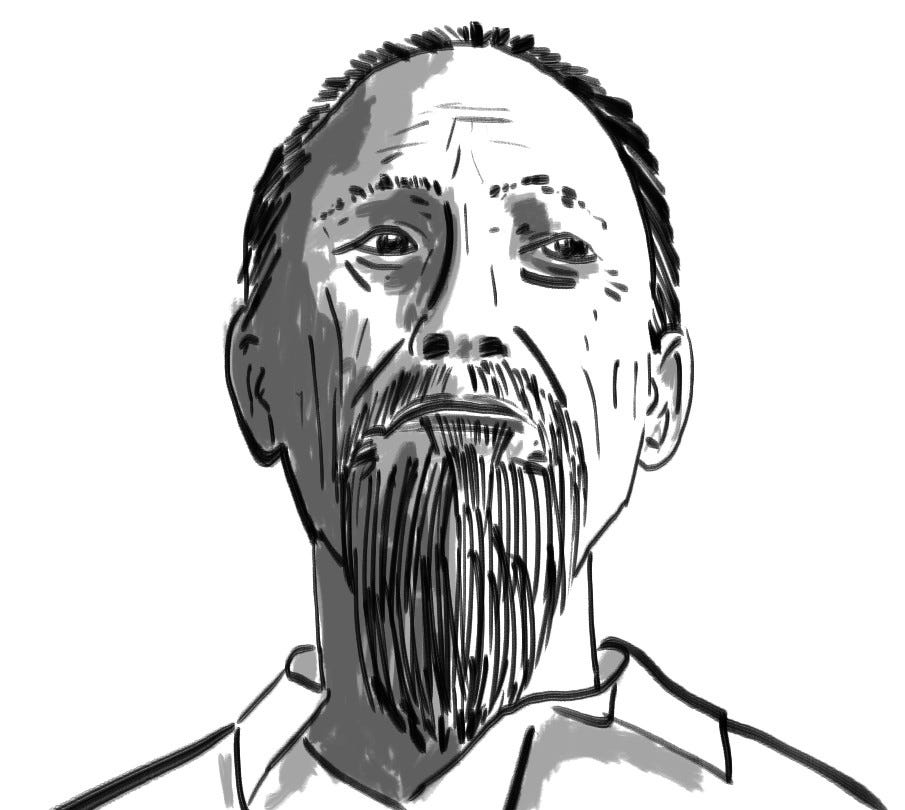
I’ve produced a huge amount of written material over my life, and especially in the last decade since I started serialising stories every week. Hundreds of thousands of words of fiction and non-fiction, and that’s without counting copywriting in the day job. I’m confident in my writing voice.That’s not what I’m going to focus on as an example here. Instead, I’m considering my attempts to be a better illustrator, which are in very early stages. I’m still trying to figure out my visual style, and it’s an interesting process to go through having already gone through it with my writing. This is a public episode. If you'd like to discuss this with other subscribers or get access to bonus episodes, visit simonkjones.substack.com/subscribe
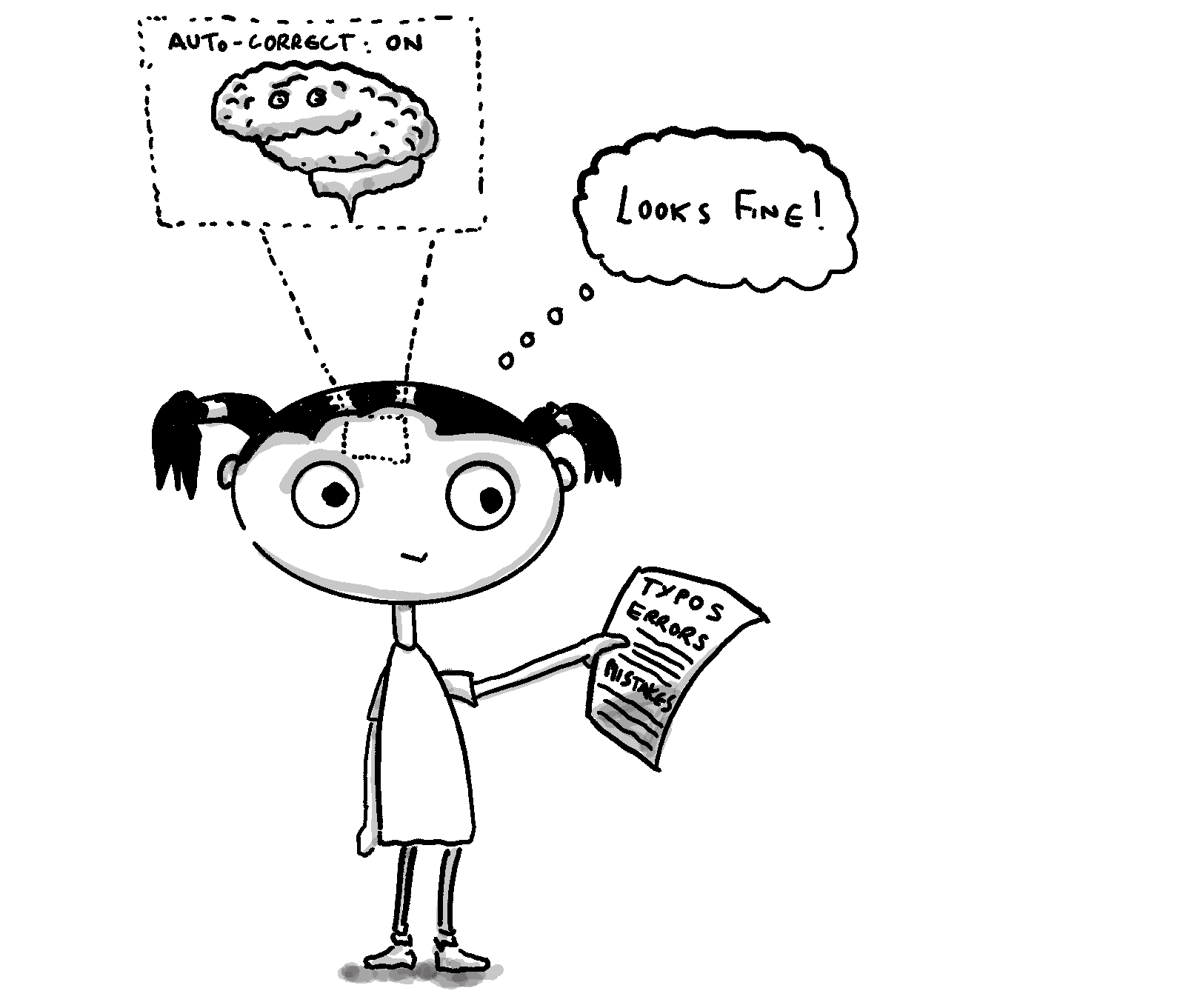
At a literature event programmed and produced by a bunch of teenagers last week, I found myself talking to a 16 year old about the challenge of judging your own work.“It’s really hard to know if what I’m writing is any good,” he lamented. “It’s basically impossible to know if anything is good until I put it in front of an audience.”He’s got a point. This is a public episode. If you'd like to discuss this with other subscribers or get access to bonus episodes, visit simonkjones.substack.com/subscribe
Last week there was a bit of a fracas on Notes. By social media standards, having a bit of a tiff on Notes is a fairly gentle affair. While Twitter is arguing with Mecha Hitler and Bluesky is…doing whatever Bluesky is doing, a major scuffle on Notes is usually a back and forth about an obscure aspect of literature.In this case, it was about how many books per year a writer should read. The focus rapidly became about the specific number (50 seemed to be the commonly cited threshold), rather than any kind of nuance. The implication was that to read fewer than 50 books meant you weren’t serious about writing.It was all very silly, and I don’t want to relitigate it here. That said, I found myself going down a couple of tangential rabbit holes. This is a public episode. If you'd like to discuss this with other subscribers or get access to bonus episodes, visit simonkjones.substack.com/subscribe
Choosing the point of view for your story is the big make-or-break decision. You have to figure this out ahead of time, because it directly affects every aspect of the text. It’s not really something you can decide upon while writing. This is a public episode. If you'd like to discuss this with other subscribers or get access to bonus episodes, visit simonkjones.substack.com/subscribe

Comments

Download from Google Play

Download from App Store
 United States