


 Claim Ownership
@BEERISAC: OT/ICS Security Podcast Playlist
Subscribed: 56Played: 10,171
Subscribe

© Copyright 2026 Anton Shipulin / Listen Notes
Description
A curated playlist of Operational Technology and ICS Cyber Security related podcast episodes [any language] by ICS Security enthusiasts. Contact Anton Shipulin / @shipulin_anton on Twitter or LinkedIn if something is missing. Subscribe!
969 Episodes
Reverse
Podcast: Error Code (LS 27 · TOP 10% what is this?)Episode: EP 83: Cybersecurity and Risk in a Decentralized Energy GridPub date: 2026-03-31Get Podcast Transcript →powered by Listen411 - fast audio-to-text and summarizationThe surge in renewables and decentralized power is reshaping grids—and exposing them to new operational and cyber risks. In this episode, Rafael Narezzi, Co-Founder & CEO of Centrii, explains how rising connectivity widens the attack surface, leaving energy infrastructure increasingly vulnerable.The podcast and artwork embedded on this page are from Robert Vamosi, which is the property of its owner and not affiliated with or endorsed by Listen Notes, Inc.
Podcast: Industrial Cybersecurity InsiderEpisode: You Think Your Plant Is Secure. Your Data Says Otherwise.Pub date: 2026-03-30Get Podcast Transcript →powered by Listen411 - fast audio-to-text and summarizationCraig Duckworth sits down with CIO and Chief Enterprise Architect Shellie D'Angelo to address why so many OT and IT modernization efforts stall out at the foundation.Shellie explains why data governance must come before “another tool,” how inconsistent data quality quietly sabotages reporting and risk decisions, and why leadership transparency is the fastest path to maturity. Craig and Shellie also explore the reality of shadow IT on the plant floor, the growing impact of AI as both a defensive advantage and an attacker accelerator, and the practical steps teams can take to move from reactive chaos to measurable business outcomes.Chapters:(00:00:00) Why honest risk conversations are the starting line(00:01:00) Shellie’s background: rebuilding enterprise tech foundations(00:02:00) OT/IT convergence: start with business drivers and data governance(00:05:00) “Tools first” vs business-first security decisions(00:08:00) Knowing what you have before buying more tools(00:11:00) How far along are most organizations, really?(00:15:00) AI as a double-edged sword: defense vs attacker acceleration(00:18:00) Where to start: inventory first vs governance structure(00:22:00) OT tech is often easier prey: PLCs, HMI/SCADA, cameras(00:25:00) Partnering vs going it alone: don’t reinvent the wheel(00:26:00) Tech debt and why technology can’t be an afterthought(00:29:00) Governance should increase speed, not slow it down(00:30:00) Final advice: “turn chaos into cash” and own your impactLinks And Resources:Shellie D'Angelo on LinkedInWant to Sponsor an episode or be a Guest? Reach out here.Industrial Cybersecurity Insider on LinkedInCybersecurity & Digital Safety on LinkedInBW Design Group CybersecurityDino Busalachi on LinkedInCraig Duckworth on LinkedInThanks so much for joining us this week. Want to subscribe to Industrial Cybersecurity Insider? Have some feedback you’d like to share? Connect with us on Spotify, Apple Podcasts, and YouTube to leave us a review!The podcast and artwork embedded on this page are from Industrial Cybersecurity Insider, which is the property of its owner and not affiliated with or endorsed by Listen Notes, Inc.

Podcast: Digitalization Tech TalksEpisode: Episode 63: From Research to Reality - Closing OT Security Blind Spots and Strengthening DefensesPub date: 2026-03-26Get Podcast Transcript →powered by Listen411 - fast audio-to-text and summarizationIn Episode 63, we conclude a two‑part series on cybersecurity by shifting from research insights to real‑world operational experience. Building on the findings from the recently released Intelligence‑Driven Active Defense Report 2026, this episode focuses on what those findings mean on the plant floor. We are joined by Marco Ayala, a long‑time cybersecurity practitioner with extensive experience across the process industries. Marco also serves as President of InfraGard’s Houston Chapter and National Sector Chief for Energy, offering a unique perspective at the intersection of industry and critical infrastructure protection. The group explores what OT teams are dealing with day to day, where common cybersecurity blind spots exist, and how IT/OT convergence is creating new challenges. They also examine the current of OT defenses, why gaps persist, and what practical first steps organizations can take to strengthen their cybersecurity posture. The episode wraps up with actionable takeaways aimed at helping listeners better understand today’s threat landscape and take meaningful steps toward improving the resilience of their operations. Show Notes:Website: Welcome to InfraGard (https://infragard.fbi.gov/)Website: ISA/IEC 62443 Series of Standards (https://bit.ly/3NUPyfc)Website: ISA/IEC 62443 Cybersecurity Certificate Program (https://bit.ly/4t3ySkx)Website: ABS Industrial and OT Cybersecurity Solutions (https://bit.ly/4bPohTn)Website: Siemens IT/OT Cybersecurity (https://bit.ly/4svqY3z)Video: Increased visibility and security level within the OT (https://bit.ly/3O05AV4)Whitepaper: Intelligence-Driven Active Defense Report 2026 (https://www.siemens.com/en-us/events/s4/)Contact Us:Marco Ayala (marco.ayala@infragardhouston.org and https://www.linkedin.com/in/marco-marc-ayala-a3b26934/)Jonas Norinder (jonas.norinder@siemens.com and linkedin.com/in/jonasnorinder)Don Mack (mack.donald@siemens.com and linkedin.com/in/don-mack)The podcast and artwork embedded on this page are from Siemens, which is the property of its owner and not affiliated with or endorsed by Listen Notes, Inc.
Podcast: PrOTect It All (LS 27 · TOP 10% what is this?)Episode: OT Cybersecurity That Works: Budgets, Soft Skills & AI Reality for Stronger DefensePub date: 2026-03-30Get Podcast Transcript →powered by Listen411 - fast audio-to-text and summarizationStrong OT cybersecurity programs aren’t built on tools alone, they're built on strategy, communication, and smart investment.
In this episode of Protect It All, host Aaron Crow is joined by cybersecurity expert Don C. Weber for a candid, real-world discussion on what it actually takes to build and sustain effective security programs across IT and OT environments.
From CapEx vs OpEx decisions to the growing role of AI in both attack and defense, this conversation cuts through the noise and focuses on what drives real outcomes: understanding business workflows, aligning with leadership, and developing the soft skills needed to turn strategy into action.
You’ll learn:
Why budgeting (CapEx vs OpEx) directly impacts security success
The underrated power of soft skills in driving security programs
How to connect cybersecurity efforts to business value and operations
The role of pen testing and assessments in improving maturity
Where AI adds value and where it introduces new risk
How training and process understanding strengthen long-term resilience
Whether you’re building a new security program or scaling an existing one, this episode delivers practical, experience-driven insights to help you make smarter decisions and drive real impact.
Tune in to learn how to align strategy, people, and investment for stronger OT cybersecurity only on Protect It All.
Key Moments:
05:49 Technical skills and security requirements
09:10 Understanding data workflows
12:29 Building a vulnerability management program
13:26 Understanding organizational decision history
17:44 Budgeting challenges with CAPEX and OPEX
21:36 Steps in a security assessment
24:17 Starting a cybersecurity program
28:02 Prioritizing remote access security
31:21 Discussing AI's impact on cybersecurity
32:55 Using AI in cybersecurity
38:07 AI simplifying complex knowledge
40:35 AI tools making data queries easier
45:02 Detecting and responding faster
46:05 Networking and shared experiences
About the guest:
Don C. Weber is a visionary cybersecurity leader who helps defenders safely prove security where it matters most in industrial operations. He is a SANS Principal Instructor, Founder of Cutaway Security, co-author of SANS ICS613: ICS/OT Penetration Testing & Assessments, and he also teaches SANS ICS410: ICS/SCADA Security Essentials to SANS student around the world. He brings years of field work into creating step-by-step labs and planning methods teams can use right away.
How to connect Don:
LinkedIn: https://www.linkedin.com/in/cutaway/
Cutaway Security: https://www.linkedin.com/company/cutaway-security-llc
CutSec Github: https://github.com/cutaway-security
CutSec GasPot HMI Lab: https://github.com/cutaway-security/gaspot-hmi-lab
SANS ICS ICS613 ICS/OT Penetration Testing and Assessments: https://www.sans.org/cyber-security-courses/ics-ot-penetration-testing-assessments
Connect With Aaron Crow:
Website: www.corvosec.com
LinkedIn: https://www.linkedin.com/in/aaronccrow
Learn more about PrOTect IT All:
Email: info@protectitall.co
Website: https://protectitall.co/
X: https://twitter.com/protectitall
YouTube: https://www.youtube.com/@PrOTectITAll
FaceBook: https://facebook.com/protectitallpodcast
To be a guest or suggest a guest/episode, please email us at info@protectitall.co
Please leave us a review on Apple/Spotify Podcasts:
Apple - https://podcasts.apple.com/us/podcast/protect-it-all/id1727211124
Spotify - https://open.spotify.com/show/1Vvi0euj3rE8xObK0yvYi4The podcast and artwork embedded on this page are from Aaron Crow, which is the property of its owner and not affiliated with or endorsed by Listen Notes, Inc.
Podcast: Nexus: A Claroty Podcast (LS 32 · TOP 5% what is this?)Episode: Raphael Arakelian on Operation Grim BeeperPub date: 2026-03-29Get Podcast Transcript →powered by Listen411 - fast audio-to-text and summarizationRaphael Arkelian, the OT/IOT cybersecurity manager at Accenture, joins the Nexus Podcast to discuss his research into Operation Grim Beeper, the name given to a two-day attack in 2024 in the Middle East where explosives were introduced into pagers and walkie-talkies favored by Hezbollah. The explosions injured more than 1500 and killed dozens. Raphael’s research looks at several aspects of this attack and shares lessons and security gaps that can be applied across the OT and supply chain ecosystems. Subscribe and listen to the Nexus Podcast here. The podcast and artwork embedded on this page are from Claroty, which is the property of its owner and not affiliated with or endorsed by Listen Notes, Inc.
Podcast: Exploited: The Cyber Truth Episode: AI vs. Vulnerabilities: Who Really Wins?Pub date: 2026-03-26Get Podcast Transcript →powered by Listen411 - fast audio-to-text and summarizationArtificial intelligence is transforming cybersecurity but not in the way many expect. While defenders are using AI to accelerate detection, triage, and threat hunting, adversaries are leveraging the same tools to scale reconnaissance, automate exploit development, and dramatically increase the speed of attack.
In this episode of Exploited: The Cyber Truth, host Paul Ducklin is joined by RunSafe Security CEO Joe Saunders and Joe Slowik, Director of Cybersecurity Alerting Strategy at Dataminr, to discuss one critical question: Does AI actually reduce vulnerability risk or just accelerate the conflict?
With a background including MITRE ATT&CK, Dragos, Los Alamos National Laboratory, and U.S. government offensive operations, Slowik offers a dual-lens perspective on how AI is reshaping both sides of cybersecurity.
Together, they explore:
How AI is increasing the velocity of vulnerability discovery and exploitationWhy attackers may benefit from “good enough” AI outputs, while defenders require precisionThe rise in CVEs and why more vulnerabilities doesn’t necessarily mean worse securityThe growing risk in OT, IoT, and unmanaged edge devicesWhy AI is a powerful tool—not a magic bullet—and what that means for defenders
From enterprise security teams to critical infrastructure operators, this episode breaks down what security leaders must understand to stay ahead in an AI-accelerated threat landscape.The podcast and artwork embedded on this page are from RunSafe Security, which is the property of its owner and not affiliated with or endorsed by Listen Notes, Inc.
Podcast: CYBR.SEC.CAST (LS 25 · TOP 10% what is this?)Episode: ICIT’s Val Moon: Fixing Cybersecurity’s Workforce Problem is Essential for National SecurityPub date: 2026-03-24Get Podcast Transcript →powered by Listen411 - fast audio-to-text and summarizationIn this episode, hosts Michael Farnum and Sam Van Ryder sit down with Valerie Moon, Executive Director of the Institute for Critical Infrastructure Technology (ICIT) for a wide-ranging discussion about cybersecurity policy, workforce development, and the growing threats facing critical infrastructure.Things Mentioned:Website for ICIT: https://www.icitech.org/Upcoming CYBR.SEC.Community events: https://www.cybrsecmedia.com/conference/CYBR.SEC.Careers: https://www.linkedin.com/company/cybr-sec-careers/about/ fundraisers:Cards for a Cause: https://www.linkedin.com/posts/cybr-sec-careers_cybrseccareers-nonprofit-cybersecurity-activity-7436794892787359744-v4CzCYBR CLAY SHOOT: https://www.linkedin.com/posts/cybr-sec-careers_cybrclayshoot-cybersecurity-cybercareers-activity-7435353518951084033-1iw9Proceeds support CYBR.SEC.Careers mission is to build a strong, diverse workforce by providing career exposure, access to education and certifications, and mentorship for students and veterans pursuing careers in cybersecurity.Do you have a question for the hosts? Reach out to us at media@cscgroupllc.com Keep up with CYBR.SEC.CON.:LinkedInXFacebookInstagramKeep up with CYBR.SEC.Media:LinkedInXFacebookInstagramCheck out our Conferences and Events:CYBR.SEC.CON.OT.SEC.CON.CYBR.HAK.CON.EXEC.SEC.CON.CSC User GroupSupport CYBR.SEC.Careers Non-Profit EffortsCYBR.SEC.CareersApply to the CYBR.SEC.Careers ScholarshipTaylor Austin Broussard Memorial ScholarshipListen to our other show:CYBR.HAK.CASTThank you to our Media Partners:CYBR.SEC.CON. and OT.SEC.CON. OGGN (Oil & Gas Global Network)UtilSecCYBR.SEC.CON. and CYBR.HAK.CON. BarCode PodcastCyber Distortion PodcastThe podcast and artwork embedded on this page are from CYBR.SEC.Media, which is the property of its owner and not affiliated with or endorsed by Listen Notes, Inc.
Podcast: Bites and Bytes PodcastEpisode: Plot Twist: I Wrote a Book | Kristin King & Securing What Feeds UsPub date: 2026-03-25Get Podcast Transcript →powered by Listen411 - fast audio-to-text and summarizationShe’s back. And she brought a book.After a quieter stretch on the feed, Kristin King returnsto the Bites & Bytes Podcast with a solo episode to announce what she’s been building behind the scenes: Securing What Feeds Us: Cybersecurity in Food and Agriculture, published by Wiley and available for pre-order now, with an official release date of September 29, 2026.In this episode, Kristin breaks down what’s inside the nearly 500-page book, from precision agriculture and operational technology to aquaculture, agroterrorism, food science innovation, and the human layer that runs through all of it. She makes the case for why food and agriculture deserve the same cybersecurity attention we give to the power grid or financial sector and explains who this book is really for (spoiler: it’s anyone who eats).She also talks about where the podcast is headed next andmakes one clear ask of the community that helped get her here.Here are the “Securing What Feeds Us: Cybersecurity in Food and Agriculture” book Pre-Order Links: 📘 US Pre-Order Link (Amazon):https://www.amazon.com/Securing-What-Feeds-Cybersecurity-Agriculture/dp/1394391005#detailBullets_feature_div📘 UK Pre-Order Link (Amazon): https://www.amazon.co.uk/dp/1394391005?ref=cm_sw_r_ffobk_cp_ud_dp_MFWDKT09AMPZSA86K9NH&ref_=cm_sw_r_ffobk_cp_ud_dp_MFWDKT09AMPZSA86K9NH&social_share=cm_sw_r_ffobk_cp_ud_dp_MFWDKT09AMPZSA86K9NH&bestFormat=true📘 Barns & Noble: https://www.barnesandnoble.com/w/securing-what-feeds-us-kristin-king/1149440985📘 Bookshop.org:https://bookshop.org/p/books/securing-what-feeds-us-cybersecurity-in-food-and-agriculture-kristin-king/801d9d7a8eb2741b?ean=9781394391004&next=t⭐ If you prefer to order from a local bookstore, you can give them the ISBN. ---------------Episode Key Highlights00:01:49 The Book Announcement: Securing What Feeds Us00:04:52 The Foreword: Dr. Darren Detwiler00:09:20 The Gap Between Two Worlds ThatNeeded a Book00:11:30 Who This Book Is Really For00:14:03 Food Is Critical Infrastructure00:15:43 The Real Stakes: Ransomware,Precision Ag & Agroterrorism00:23:06 Food Science, 3D Printing & theFuture of Food00:25:38 Resilience Over Compliance00:28:38 The Quote: Mainstream Urgency---------------📘 Sign up for early updates, exclusive previews, and news about Kristin’s book, “Securing What Feeds Us: Cybersecurity in Food and Agriculture,” here.---------------🎤 Book Kristin Demoranville to SpeakTo invite Kristin to speak at your conference, corporate event, webinar, or workshop, visit the website and submit a request.---------------🎤 Bites and Bytes Podcast Info:Website: Explore all our episodes, articles, and more on our official website. Merch Shop: Show your support with some awesome Bites and Bytes gear!Substack: Stay updated with the latest insights and stories from the world of cybersecurity in the food industry.Socials: TikTok;Instagram;LinkedIn;BlueSky---------------🛡️ About AnzenSage & AnzenOTAnzenSage is a cybersecurity advisory firm specializing in security resilience for thefood, agriculture, zoo, and aquarium industries. AnzenSage offers practical, strategic guidance to help organizations anticipate risks and build resilience. Learn more about their offerings at anzensage.com.AnzenOThelps organizations understand and prioritize operational risk faster, without slow or static assessments. Subscription access is available, including a student option. Learn more at anzenot.com.The podcast and artwork embedded on this page are from AnzenSage, which is the property of its owner and not affiliated with or endorsed by Listen Notes, Inc.
Podcast: Nexus: A Claroty Podcast (LS 32 · TOP 5% what is this?)Episode: Adm. Michael Rogers on his time as NSA DirectorPub date: 2026-03-24Get Podcast Transcript →powered by Listen411 - fast audio-to-text and summarizationFormer NSA Director and Commander of U.S. Cyber Command Adm. Michael S. Rogers (Ret. USN) joins the Nexus Podcast. Rogers spoke in advance of an RSA Conference panel discussion today with the other living NSA directors, Keith Alexander, Paul Nakasone, and Tim Haugh, a rare time when the four can be in the same room. Rogers describes the principles that guided his time as director of these intelligence agencies, how the role changes as administrations change, and some of the core strategies that led to success. Subscribe and listen to the Nexus Podcast here. The podcast and artwork embedded on this page are from Claroty, which is the property of its owner and not affiliated with or endorsed by Listen Notes, Inc.
Podcast: Industrial Cybersecurity InsiderEpisode: Two Major Cybersecurity Shifts the Industry Isn't Prepared For with Simon ChassarPub date: 2026-03-24Get Podcast Transcript →powered by Listen411 - fast audio-to-text and summarizationDino Busalachi sits down with Simon Chassar, former Chief Revenue Officer at Claroty and current OT cybersecurity advisor and investor, to explore the evolution and future of industrial cybersecurity. Simon shares insights from his decade-long journey in the space, discussing how OT asset visibility has become commoditized and why the industry is experiencing two major shifts: moving right toward threat-led SOC services and perimeter protection, and moving left toward secure-by-design approaches and attack simulation. They dive into the persistent challenge of self-performing versus partnering with specialized integrators, the critical skills shortage commanding 30-40% salary premiums, and why AI is both accelerating security challenges and offering new solutions. Simon reveals how private equity firms are finally prioritizing OT cybersecurity at the board level, discusses the emerging OT SOC landscape, and explains why the traditional IT security budget model is failing operational technology environments. The conversation addresses the disconnect between IT leadership and the OT ecosystem, the proliferation of unmanaged remote access technologies, and the urgent need for manufacturers to engage their trusted system integrators and OEMs as cybersecurity partners before the next major incident occurs.Chapters:(00:00:00) - Meet Simon : From Claroty's Hypergrowth to OT Security's Next Chapter(00:02:00) - The Commoditization of OT Asset Visibility(00:04:00) - Two Major Industry Shifts: Right and Left(00:07:00) - The Self-Performing Problem: Why OT Security Becomes Shelfware(00:10:00) - IT/OT Convergence and the Skills Gap Crisis(00:13:00) - Secure by Design and the AI Leapfrog(00:15:00) - AI Uncovers Hidden OT Vulnerabilities and Risks(00:18:00) - Funding Models and Private Equity's Cybersecurity Awakening(00:22:00) - Why the OT Ecosystem Must Drive Its Own Security Strategy(00:25:00) - M&A Activity and Consolidation in OT Cybersecurity(00:27:00) - The Rise of OT SOCs and MSP PartnershipsLinks And Resources:Want to Sponsor an episode or be a Guest? Reach out here.Industrial Cybersecurity Insider on LinkedInCybersecurity & Digital Safety on LinkedInBW Design Group CybersecurityDino Busalachi on LinkedInCraig Duckworth on LinkedInThanks so much for joining us this week. Want to subscribe to Industrial Cybersecurity Insider? Have some feedback you’d like to share? Connect with us on Spotify, Apple Podcasts, and YouTube to leave us a review!The podcast and artwork embedded on this page are from Industrial Cybersecurity Insider, which is the property of its owner and not affiliated with or endorsed by Listen Notes, Inc.
Podcast: PrOTect It All (LS 27 · TOP 10% what is this?)Episode: The Striker Attack: What It Reveals About OT Cybersecurity and Why Tabletop Exercises MatterPub date: 2026-03-23Get Podcast Transcript →powered by Listen411 - fast audio-to-text and summarizationCyberattacks don’t just test your systems - they test your preparedness.
In this episode of Protect It All, host Aaron Crow breaks down key lessons from the Striker attack and what it reveals about today’s evolving threat landscape across IT and OT environments. From energy and healthcare to manufacturing systems, attackers are increasingly using sophisticated techniques like “living off the land” - blending into normal operations instead of deploying obvious malware.
Aaron takes this beyond theory, focusing on what organizations must do before an attack happens.
A major theme? Tabletop exercises. Not as a compliance activity - but as a critical tool for building real incident response readiness, improving team coordination, and exposing gaps that tools alone can’t catch.
You’ll learn:
What the Striker attack teaches about modern cyber warfare
How living-off-the-land tactics bypass traditional defenses
Why tabletop exercises are essential for real-world readiness
The role of threat hunting and collaboration across teams
How attackers exploit weaknesses in both IT and OT environments
Why small, consistent actions can dramatically improve resilience
Whether you’re defending critical infrastructure, leading a cyber team, or just starting your security journey, this episode delivers practical insights you can apply immediately.
Tune in to learn how to prepare before the next attack - not react after it - only on Protect It All.
Key Moments:
04:59 "Modern Warfare: Cyber and Beyond"
08:47 "Security Risks of Remote Wipe"
10:31 "Living Off the Land Tactics"
13:11 "Balancing Power and Security"
19:12 "Vulnerabilities Demand Swift Action"
20:21 Prioritize Risk, Justify Investment
25:04 Practice Preparedness Before Crisis
26:48 Weak Links Threaten Cybersecurity
Connect With Aaron Crow:
Website: www.corvosec.com
LinkedIn: https://www.linkedin.com/in/aaronccrow
Learn more about PrOTect IT All:
Email: info@protectitall.co
Website: https://protectitall.co/
X: https://twitter.com/protectitall
YouTube: https://www.youtube.com/@PrOTectITAll
FaceBook: https://facebook.com/protectitallpodcast
To be a guest or suggest a guest/episode, please email us at info@protectitall.co
Please leave us a review on Apple/Spotify Podcasts:
Apple - https://podcasts.apple.com/us/podcast/protect-it-all/id1727211124
Spotify - https://open.spotify.com/show/1Vvi0euj3rE8xObK0yvYi4The podcast and artwork embedded on this page are from Aaron Crow, which is the property of its owner and not affiliated with or endorsed by Listen Notes, Inc.
Podcast: Casos de Ciberseguridad IndustrialEpisode: 3/4 Accionesde Auditoría de seguridad OTPub date: 2026-03-22Get Podcast Transcript →powered by Listen411 - fast audio-to-text and summarizationEn este episodio se propone un rediseño de las auditorías modernas, planteando el uso de simulación de escenarios y «gemelos de incidentes» como evidencias de confianza. Explica la importancia de integrar la seguridad industrial con la seguridad funcional y la continuidad operativa para gestionar el riesgo sistémico de forma integral.The podcast and artwork embedded on this page are from Centro de Ciberseguridad Industrial, which is the property of its owner and not affiliated with or endorsed by Listen Notes, Inc.
Podcast: Nexus: A Claroty Podcast (LS 32 · TOP 5% what is this?)Episode: Michael Pyle on Securing Internet-Facing OT and ICS AssetsPub date: 2026-03-22Get Podcast Transcript →powered by Listen411 - fast audio-to-text and summarizationMichael Pyle, Director of Product Cybersecurity at Schneider Electric, joins the Nexus Podcast to discuss Internet Exposure Prevention, a new SE approach to preventing illicit connections to operational technology and industrial control systems that are insecurely connected to the internet. Attackers are adept at enumerating exposed devices and leveraging OT and ICS to access process and corporate networks. Pyle explains that Internet Exposure Prevention drops inbound traffic that the asset did not initiate. Checks are made on the IP address initiating the connection and whether it's a routable source IP, and an allow/deny decision is made. Pyle explains the risk to exposed devices, and the need to shut down illicit connections. Subscribe and listen to the Nexus Podcast here. The podcast and artwork embedded on this page are from Claroty, which is the property of its owner and not affiliated with or endorsed by Listen Notes, Inc.
Podcast: Hack the Plant (LS 35 · TOP 3% what is this?)Episode: Cyber-Informed Engineering: Moving Beyond the FirewallPub date: 2026-03-18Get Podcast Transcript →powered by Listen411 - fast audio-to-text and summarizationFor the last episode of season 5, host Bryson Bort sat down with Andrew Ohrt, Resilience Director at West Yost Associates. A civil engineer specializing in water infrastructure, Andrew bridges the gap between traditional engineering and digital risk. Andrew walks us through the "invisible" nature of water systems, the impact of data centers on utility resilience, and how Cyber-Informed Engineering (CIE) protects our most essential resource.
How did a drive under a rebuilt bridge in Minneapolis pivot Andrew’s career toward critical infrastructure? Why did a single wastewater release shut down Waikiki Beach for an entire week? And what happens when a cybersecurity team finds a client’s PLC exposed on the open internet?
“To me, the integration of understanding cyber or digital risk in our critical infrastructure, the engineers picking that understanding up, building awareness, building skill sets, figuring out how to manage that risk, is one of the most important things that we've been working on,” he said.
Join us for this and more on this episode of Hack the Plan[e]t.
The views and opinions expressed in this podcast represent those of the speaker, and do not necessarily represent the views and opinions of their employers.
Hack the Plant is brought to you by ICS Village and the Institute for Security and Technology. The podcast and artwork embedded on this page are from Bryson Bort, which is the property of its owner and not affiliated with or endorsed by Listen Notes, Inc.
Podcast: CYBR.SEC.CAST (LS 25 · TOP 10% what is this?)Episode: Episode 64: Rob LeePub date: 2026-03-19Get Podcast Transcript →powered by Listen411 - fast audio-to-text and summarizationDragos CEO and U.S. National Guard Lt. Col. Rob Lee joins hosts Michael Farnum and Sam Van Ryder to discuss why he returned to military service, the growing cyber threats to critical infrastructure, and the role exercises like Cyber Fortress play in preparing both government and private sector operators for real-world cyber incidents. SHOW NOTES:Things Mentioned:Cyber Fortress 2026: https://va.ng.mil/Cyber-Fortress/Upcoming CYBR.SEC.Community events: https://www.cybrsecmedia.com/conference/CYBR.SEC.Careers: https://www.linkedin.com/company/cybr-sec-careers/about/ fundraisers:Cards for a Cause: https://www.linkedin.com/posts/cybr-sec-careers_cybrseccareers-nonprofit-cybersecurity-activity-7436794892787359744-v4CzCYBR CLAY SHOOT: https://www.linkedin.com/posts/cybr-sec-careers_cybrclayshoot-cybersecurity-cybercareers-activity-7435353518951084033-1iw9Proceeds support CYBR.SEC.Careers mission is to build a strong, diverse workforce by providing career exposure, access to education and certifications, and mentorship for students and veterans pursuing careers in cybersecurity.Episode 64 Timestamps:6:48 – Why Lee returned to military serviceLee explains how calls from government and military leaders prompted him to return to the National Guard to help address unresolved questions around defending operational technology (OT) during conflict.9:33 – Role in the 91st Cyber BrigadeLee describes his position as executive officer and the mission of the Army National Guard’s cyber brigade.14:52 – Cyber Fortress exercise explainedLee walks through the origins of Cyber Fortress and how it evolved from a state-level exercise into a broader operational technology training environment.17:53 – How Cyber Fortress worksThe exercise combines training, red-team simulations, and participation from infrastructure operators to practice responding to real OT cyber incidents.20:10 – Cyber conflict and civilian infrastructureLee discusses the growing risk of state actors targeting hospitals, utilities, and other civilian infrastructure.24:23 – Cyber attacks that lead to loss of lifeLee argues the cybersecurity community must acknowledge that cyber operations have already contributed to real-world deaths.27:04 – The role of cyber in modern warfareThe discussion explores how cyber capabilities are increasingly intertwined with traditional military conflict.Do you have a question for the hosts? Reach out to us at media@cscgroupllc.com The podcast and artwork embedded on this page are from CYBR.SEC.Media, which is the property of its owner and not affiliated with or endorsed by Listen Notes, Inc.
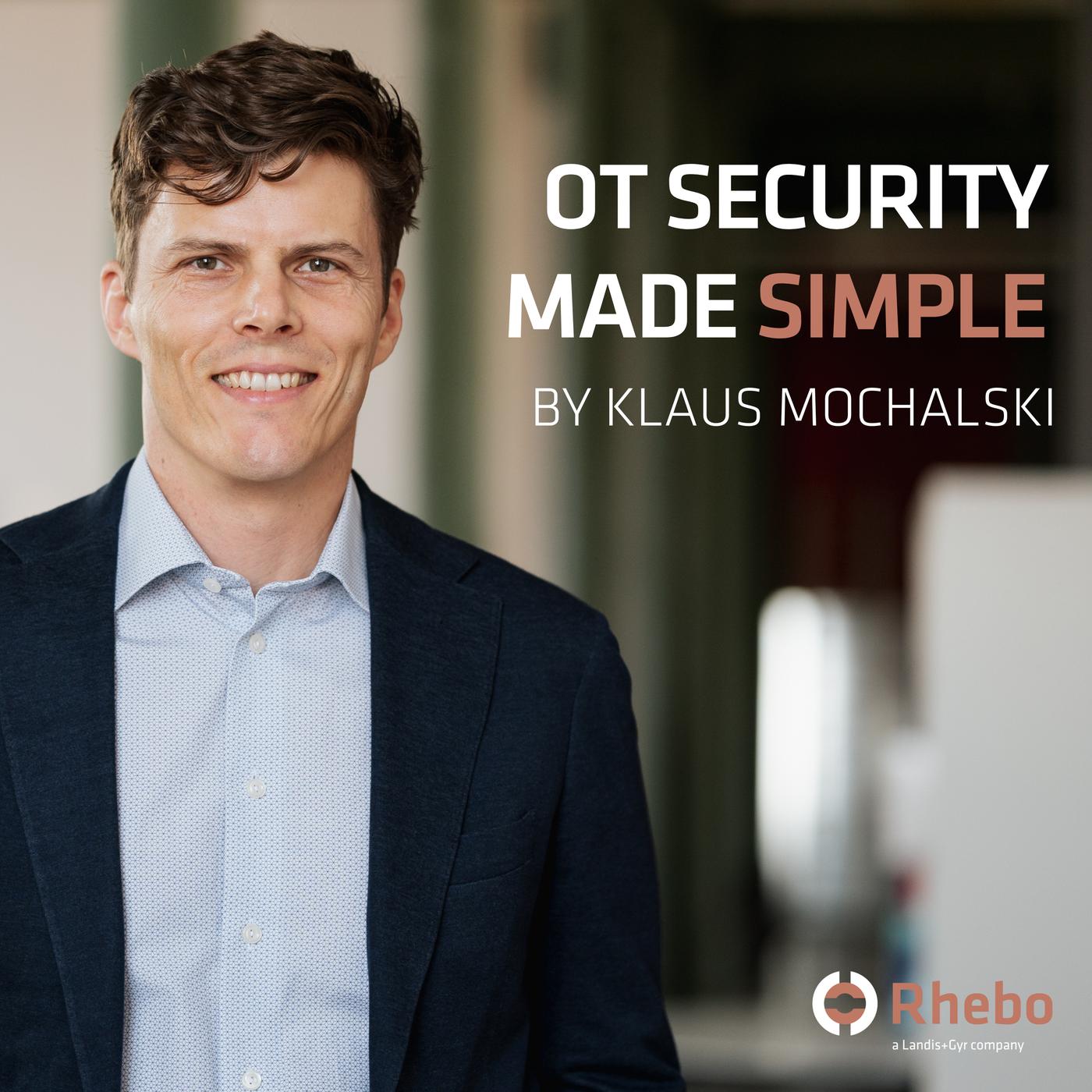
Podcast: OT Security Made SimpleEpisode: The Hard Reality of Patch Management in OT Networks | OT Security Made SimplePub date: 2026-03-17Get Podcast Transcript →powered by Listen411 - fast audio-to-text and summarizationJoin Klaus Mochalski and Westermo’s CISO Niklas Mörth to explore why OT patch management differs from IT. Discover the challenges of safety, the importance of system baselines, and alternative mitigations like zero trust to keep your critical infrastructure secure.You can find more information on OT Security Made Simple at rhebo.com or send us your ideas, questions, or guest suggestions at podcast@rhebo.com. The podcast and artwork embedded on this page are from Klaus Mochalski, which is the property of its owner and not affiliated with or endorsed by Listen Notes, Inc.
Podcast: Industrial Cybersecurity InsiderEpisode: The Connected Plant Floor: What S4X26 RevealedPub date: 2026-03-16Get Podcast Transcript →powered by Listen411 - fast audio-to-text and summarizationCraig and Dino recap their experience at S4X26, the leading global OT cybersecurity conference in Miami.They discuss the conference's "connected" theme and how AI is creating an inflection point in industrial cybersecurity, driving unprecedented connectivity between IT and OT environments.The hosts explore the challenges of the "silver tsunami" as experienced engineers retire, how AI-powered tools are being embedded directly into edge devices and industrial products from vendors like Cisco and Fortinet, and why the regulatory landscape in Europe is advancing faster than other regions.They emphasize the importance of connecting with peers and partners in the OT security community, highlight key vendors and technologies showcased at the event, and explain why both IT and OT professionals should attend S4X together to bridge the knowledge gap.The episode concludes with details about next year's expanded conference in Tampa, February 8-11.Chapters:(00:00:00) - Random Encounter with Team USA Hockey in Miami(00:01:00) - S4X26 Conference Kickoff: The "Connected" Theme(00:03:00) - AI as the Inflection Point for OT Connectivity(00:05:00) - AI Embedded in Edge Devices and Vendor Technologies(00:07:00) - First-Time Attendee Experiences and Key Takeaways(00:10:00) - Europe's Cyber Resiliency Act and Regulatory Advancements(00:12:00) - Vendor Presence and the OT Technology Marketplace(00:14:00) - S4X27 Moving to Tampa: February 8-11, 2027(00:16:00) - AI's Role in Addressing the Silver Tsunami(00:18:00) - Final Thoughts: Why IT and OT Teams Should Attend TogetherLinks And Resources:Want to Sponsor an episode or be a Guest? Reach out here.Industrial Cybersecurity Insider on LinkedInCybersecurity & Digital Safety on LinkedInBW Design Group CybersecurityDino Busalachi on LinkedInCraig Duckworth on LinkedInThanks so much for joining us this week. Want to subscribe to Industrial Cybersecurity Insider? Have some feedback you’d like to share? Connect with us on Spotify, Apple Podcasts, and YouTube to leave us a review!The podcast and artwork embedded on this page are from Industrial Cybersecurity Insider, which is the property of its owner and not affiliated with or endorsed by Listen Notes, Inc.
Podcast: PrOTect It All (LS 27 · TOP 10% what is this?)Episode: OT Under Siege: How to Defend Critical Infrastructure From Nation-State Cyber ThreatsPub date: 2026-03-16Get Podcast Transcript →powered by Listen411 - fast audio-to-text and summarizationGlobal conflicts are no longer confined to physical battlefields - they’re spilling into cyberspace.
In this urgent episode of Protect It All, host Aaron Crow breaks down the rising wave of cyber threats targeting critical infrastructure, from energy and water utilities to manufacturing and transportation systems.
Drawing on recent global events and real-world incidents, Aaron explores how nation-state actors, hacktivists, and advanced adversaries are increasingly targeting operational technology environments. These attacks often rely on “living off the land” techniques - leveraging existing tools and access inside networks rather than deploying obvious malware.
But this episode isn’t about panic. It’s about practical defense.
Aaron outlines the immediate steps OT security teams can take to strengthen resilience - even with limited resources and tight budgets.
In this episode, you’ll learn:
Why global instability increases cyber risk for critical infrastructure
How attackers exploit existing tools using living-off-the-land tactics
The importance of vigilance, monitoring, and patching in OT environments
Why access control and identity management are critical defenses
How organizations can improve security posture without massive investments
The role of collaboration and awareness in defending essential systems
Whether you operate power systems, water facilities, industrial plants, or transportation infrastructure, this episode provides real-world guidance to help you stay ahead of evolving threats.
Tune in to learn how OT teams can strengthen defenses and protect the systems society depends on - only on Protect It All.
Key Moments:
03:41 "Rising Cyber Threats Amid Tensions"
08:24 Nation-State Cyber Threats Unveiled
11:23 "Advanced Cybersecurity and Monitoring"
14:24 Prioritizing and Addressing Security Risks
17:24 Practical Steps for Cybersecurity Improvements
19:34 "Focus on Resources and Action"
Connect With Aaron Crow:
Website: www.corvosec.com
LinkedIn: https://www.linkedin.com/in/aaronccrow
Learn more about PrOTect IT All:
Email: info@protectitall.co
Website: https://protectitall.co/
X: https://twitter.com/protectitall
YouTube: https://www.youtube.com/@PrOTectITAll
FaceBook: https://facebook.com/protectitallpodcast
To be a guest or suggest a guest/episode, please email us at info@protectitall.co
Please leave us a review on Apple/Spotify Podcasts:
Apple - https://podcasts.apple.com/us/podcast/protect-it-all/id1727211124
Spotify - https://open.spotify.com/show/1Vvi0euj3rE8xObK0yvYi4The podcast and artwork embedded on this page are from Aaron Crow, which is the property of its owner and not affiliated with or endorsed by Listen Notes, Inc.
Podcast: Casos de Ciberseguridad IndustrialEpisode: 2/4 Análisis de Auditoría de seguridad en OTPub date: 2026-03-16Get Podcast Transcript →powered by Listen411 - fast audio-to-text and summarizationEn este episodio se cuestiona si las organizaciones actuales auditan controles teóricos o su capacidad real de resistir incidentes industriales. Se explora la paradoja de las empresas que, a pesar de superar auditorías, siguen siendo frágiles ante amenazas, y se analiza el peso de la cultura de decisión frente a la arquitectura técnica.The podcast and artwork embedded on this page are from Centro de Ciberseguridad Industrial, which is the property of its owner and not affiliated with or endorsed by Listen Notes, Inc.
Podcast: Nexus: A Claroty Podcast (LS 32 · TOP 5% what is this?)Episode: Gus Serino on a Massachusetts Water Cybersecurity CollaborativePub date: 2026-03-15Get Podcast Transcript →powered by Listen411 - fast audio-to-text and summarizationGus Serino, President of I&C Secure, joins the Nexus Podcast to discuss the formation and evolution of an ongoing water utility cybersecurity collaborative that leans on a collective defense model to share resources and threat intelligence among six water & wastewater companies in the commonwealth. Serino helped put together this coalition, and he explains how a feasibility study came together resulting in a shared grant that member utilities can use to improve their security programs. Gus talks about the origins of this collaborative and how other utilities can follow this model to improve cybersecurity in this struggling, resource-strapped critical infrastructure sector.Subscribe and listen to the Nexus Podcast here. The podcast and artwork embedded on this page are from Claroty, which is the property of its owner and not affiliated with or endorsed by Listen Notes, Inc.

Comments

Download from Google Play

Download from App Store
 United States