


 Claim Ownership
Stuck in the Middle Podcast
Subscribed: 0Played: 0
Subscribe
Description
Welcome to the Stuck in the Middle Podcast, your go-to resource for navigating the challenges of being sandwiched between raising children and caring for aging parents. Host Brian Sacks shares personal stories, insights, and practical advice drawn from decades of experience balancing these "middle" responsibilities. Each episode, tune in for inspiring interviews with industry leaders, insiders, and guests who share relatable stories and expert tips. Whether you're feeling the financial, emotional, or physical strain of being stuck in the middle, this podcast offers support, community, and practical solutions to help you thrive.
38 Episodes
Reverse
About Mariam Parineh: Mariam Parineh is the co-founder of Viva Valet, a concierge support service designed to help older adults live independently at home with dignity, confidence, and control. Drawing from decades of personal experience caring for her grandparents, her 94-year-old husband, and her aging parents spread across Iran, Malaysia, and the San Francisco Bay Area, Mariam created the “confidence aging” framework, which focuses on preserving nine types of confidence in older adults rather than just prioritizing safety and longevity.Through Viva Valet, Mariam and her team provide confidence-informed concierge support—coordinating vetted local services, everyday tasks, and practical help—so that older adults can age in place while adult children are relieved of the “case manager” role. She also works directly with adult children as a coach, helping them release guilt, redefine their role from caregiver to cheerleader and partner, and navigate the emotional and logistical challenges of being “stuck in the middle.”Mariam splits her life across continents and time zones, modeling what it looks like to honor elders’ autonomy while still caring deeply—and practically—for the people we love.In this episode, Brian and Mariam Parineh discuss: Confidence Aging and autonomy in older adulthoodEmotional burden of adult children caring for aging parentsBalancing respect for aging parents’ choices with safety concernsConcierge support models to help older adults age in placeKey Takeaways:Caring for aging parents isn’t about perfect decisions; it’s about caring. When you stop obsessing over the “right” choice and focus on genuine care, the pressure and guilt of caregiving ease.Respecting aging parents’ choices can matter as much as keeping them safe. Sometimes, honoring how they want to live — even when it looks risky — is the deepest form of love and respect.You don’t have to be your parents’ case manager to be a good child. Shifting from “manager” to “cheerleader and partner” can protect your own life, marriage, and kids while still supporting your parents.Aging in place works best when confidence, not just safety, is the priority. "Our parents have the most amount of years lived, and what we forget is that means the most life experience that they're sitting at the helm of their choices." — Mariam Parineh Connect with Mariam Parineh: Website: https://www.vivavalet.com/ LinkedIn: https://www.linkedin.com/in/mariam-parineh-620452257/ Instagram: https://www.instagram.com/mariamgetsolder/ Host contact information: Email: briansacksnewsletters@gmail.com Sign up for your FREE WEEKLY NEWSLETTER at www.stuckinthemiddlenews.com
About Michelle Walters: Michelle Walters is a digital marketing professional turned hypnotherapist whose life has been shaped by profound caregiving experiences, personal loss, and remarkable resilience. After earning her MBA and building a 20-year career working with major brands in the advertising and corporate marketing world, Michelle found herself repeatedly “stuck in the middle” — caring for partners with severe medical conditions while raising her son and maintaining her career.Her first husband lived with cystic fibrosis and later suffered a devastating stroke. Years later, the partner she fell in love with was diagnosed with a rare blood disorder. Through these challenges, Michelle learned how mindset, intentional action, and emotional balance can help people survive life’s hardest seasons. Today, she is a hypnotherapist, author, app creator, and teacher who helps others navigate stress, grief, career uncertainty, and personal transformation with clarity and confidence.In this episode, Brian and Michelle Walters discuss: Navigating the emotional, physical, and financial realities of long-term caregivingHow repeated adversity shaped Michelle’s resilience and purposeUsing mindset, manifesting principles, and tangible action to create career and life changesThe role of hypnotherapy in managing stress, grief, and personal growthKey Takeaways:Even in overwhelming seasons, optimism can be cultivated — a positive mindset doesn’t erase hardship, but it strengthens your ability to endure it.Resilience grows when you learn to take deliberate action rather than staying stuck in fear or self-doubt; movement, even small movement, creates momentum.Everything is connected: your environment, your energy, your routines, and your mental patterns all influence how opportunities show up in your life.Careers rarely follow a perfect linear path; embracing starts, stops, and reinventions can open unexpected doors to fulfillment and purpose.“I'm a big believer in both dreams and prayers, but the point of life is really learning how to take action for things. And if you just sit around having dreams or prayers, the universe does not take that very seriously. The Universe wants to listen to people who are actually activating things…” — Michelle Walters Connect with Michelle Walters: Website: https://www.michellewalters.net/LinkedIn: https://www.linkedin.com/in/michelleoliverwalters/ Instagram: https://www.instagram.com/mindpowerjunkie/ Facebook: https://www.facebook.com/michellewaltersauthor YouTube: https://www.youtube.com/@mindpowerjunkie Book: https://www.amazon.com/Alignment-Spirit-Finding-Work-Love/dp/1737263726 Host contact information: Email: briansacksnewsletters@gmail.com Sign up for your FREE WEEKLY NEWSLETTER at www.stuckinthemiddlenews.com
About Julie Barth: Julie Barth, author of Notes from A BlackBerry, From Blackberries to Thorns, and upcoming from Thorns to Blossoms, is a mother to six children and a professional writer whose life experiences transcend the boundaries of fiction. Her journey, marked by love, loss, and an unwavering spirit, lends authenticity to her writing. Julie's narrative style is deeply rooted in her belief that life's true essence is discovered in its most challenging moments. Her work reflects a dedication to finding joy and meaning in every experience, inspiring readers to embrace their own journeys with courage and gratitude.Julie Barth is also the CEO and founder of the Colin James Barth Outreach, a nonprofit dedicated to helping women-led households with the resources and aid necessary to find security and stability in times of crisis. Her mission is to use her experiences as a caregiver, special needs parent, and trauma survivor to encourage women in similar situations to think resourcefully and always protect themselves without stigma or feelings of selfishness.In this episode, Brian and Julie Barth discuss: Coping with emotional, financial, and physical challenges after life-altering eventsThe power of community and resource networks for women-led householdsTransforming personal tragedy into purpose through charity workResilience, optimism, and practical strategies for surviving crisis and rebuilding lifeKey Takeaways:When faced with overwhelming hardship, focusing only on what’s directly in front of you can keep you grounded and help you move forward one step at a time.Life doesn’t always give us a choice in the cards we’re dealt, but we do have control over how we play them — with courage, resourcefulness, and faith.Women in crisis often fall through the cracks of available support systems; building bridges between local resources can make the difference between despair and recovery.Pain doesn’t have to end with suffering. When you turn it into purpose, it becomes a source of healing—not just for yourself, but for others too."How great of a world would it be if we all just took that little situation, did what we could to make it better, used our experience to whatever part of it, to change it so that the next person going through doesn't have to go through it. And it really is not that hard." — Julie Barth Connect with Julie Barth: Website: https://www.juliebarthauthor.com/ Facebook: https://www.facebook.com/julie.e.barth Instagram: https://www.instagram.com/julie_barth_author/ LinkedIn: https://www.linkedin.com/in/juliebarthauthor/ The Colin James Barth Outreach: https://www.cjboutreach.org/ Host contact information: Email: briansacksnewsletters@gmail.com Sign up for your FREE WEEKLY NEWSLETTER at www.stuckinthemiddlenews.com
About Joanna Lilley: Joanna Lilley holds a Master’s degree in Counseling from West Virginia University and is a Nationally Certified Counselor. Before entering the consulting field, she spent more than a decade working with struggling adolescents and young adults through both state-run and private wilderness therapy programs. She also served as a coach for students on academic probation and worked on a university treatment team supporting students in recovery.After years of helping young adults find stability and direction, Joanna transitioned to consulting, where she now serves as an independent matchmaker between families and the resources their young adult needs—rather than acting as the coach or therapist herself. Known for her balance of empathy, honesty, and directness, she builds trust with both parents and young adults, helping families move from confusion to clarity with compassion and transparency.In this episode, Brian and Joanna Lilley discuss: Understanding the unique challenges faced by young adults when parents are balancing elder care and work stressHow therapeutic consulting provides neutral, qualified guidance for struggling familiesThe importance of setting clear and consistent boundaries as children transition into adulthoodBuilding collaborative support systems that include parents, professionals, and mentorsKey Takeaways:Parents must take care of their own mental and emotional health first; without stability and rest, they can’t effectively support their children.Boundaries are not punishments; they’re safeguards that protect both parents and young adults while fostering respect and accountability.Having a neutral, qualified third party, such as a therapeutic consultant or life coach, can transform family dynamics by easing conflict and restoring communication.Consistency between parents is vital. When caregivers present a united front and follow through on expectations, young adults feel secure and guided rather than confused or rebellious.“If you set any type of boundary but you don't uphold it, then that's the biggest sin, because at this point, you've just allowed your child to disregard anything that you put in front of them that feels like a rule or an expectation.” — Joanna Lilley Connect with Joanna Lilley: Website: https://lilleyconsulting.com/ LinkedIn: https://www.linkedin.com/in/joanna-lilley-ma-ncc-12546566/ Facebook: https://www.facebook.com/LilleyConsultingLLC/Podcast: https://podcasts.apple.com/us/podcast/success-is-subjective-podcast/id1499891712 YouTube: https://www.youtube.com/@LilleyConsulting/featured Host contact information: Email: briansacksnewsletters@gmail.com Sign up for your FREE WEEKLY NEWSLETTER at www.stuckinthemiddlenews.com
About Shari Ross: Shari Ross is a senior living consultant, author, and aging and caregiving resource expert who has spent over a decade guiding families through the emotional and logistical complexities of elder care. A former corporate travel director and marketing executive, she brings both professional insight from senior living communities and a personal connection to dementia care through her own family experience. Shari is the author of Senior Living Made S.I.M.P.L.E.: A Real World Guide for Navigating Senior Care for Your Loved One, a practical and compassionate roadmap designed to replace confusion with clarity. Known for her warm, no-nonsense approach, she empowers caregivers with tools, checklists, and humor to navigate one of life’s toughest transitions.In this episode, Brian and Shari Ross discuss: Navigating the emotional and logistical challenges of transitioning a loved one into senior livingUnderstanding modern assisted living and memory care optionsManaging family dynamics and communication during caregiving decisionsUsing education and guided planning to reduce chaos and confusion in senior care transitionsKey Takeaways:Establishing a strong foundation of emotional, professional, and logistical support early in the senior care journey prevents exhaustion and confusion when urgent decisions arise.Following the SIMPLE framework—which emphasizes Support, Information, Mindset, Planning, Logistics, and Execution—gives families a structured roadmap that turns panic and guilt into confidence and organized action.The most effective way to approach resistant parents is through empathy and gradual, question-based conversations that allow them to feel respected, independent, and part of the decision-making process.Advances in senior living now allow residents to age in place with increasing levels of care—often including 24/7 nursing, therapy, and hospice—reducing the need for multiple disruptive moves. "The journey doesn’t end just when they get to the community. There’s a lot, and it takes time for your loved one to settle in. And there are a lot of bumps along the way." — Shari Ross Connect with Shari Ross: Website: https://seniorlivingmadesimple.com/Book: Senior Living Made S.I.M.P.L.E.: https://www.amazon.com/Senior-Living-Made-S-I-M-P-L-Real-World/dp/B0FFQ8J5LBLinkedIn: https://www.linkedin.com/in/shari-jill-ross1975/Host contact information: Email: briansacksnewsletters@gmail.comSign up for your FREE WEEKLY NEWSLETTER at www.stuckinthemiddlenews.com
About Anil Gupta: Dr. Anil Gupta, internationally known as “The Love Doctor,” is a renowned relationship expert, coach, and author who has dedicated his life to helping singles, couples, and families create deeper connections and lasting fulfillment. He has spoken on global stages including Harvard, TED, and Fox News, and has shared his insights in over 18 countries across four continents, impacting audiences of more than 10,000 people. Anil has mentored celebrities, athletes, and executives, while also guiding everyday individuals toward stronger relationships, emotional clarity, and greater happiness. His bestselling book, Immediate Happiness, and widely recognized Happiness Formula continue to transform lives worldwide by offering practical tools to overcome adversity and unlock true fulfillment.In this episode, Brian and Anil Gupta discuss: The role of love, respect, and communication in healthy relationshipsChallenges couples face when balancing family, caregiving, and work stressDifferences between therapy, coaching, and mentorship in personal growthThe importance of forgiveness, presence, and small daily acts in building intimacyKey Takeaways:Men thrive when they feel respected and women when they feel loved, so openly asking a partner “What makes you feel loved or respected, and what else can I do?” creates clarity, reduces misunderstandings, and strengthens emotional connection.True intimacy comes not from grand gestures but from the discipline of being fully present — setting aside distractions like phones or work stress and giving a partner undivided attention in daily interactions.Small, consistent acts of care, such as a spouse lovingly putting toothpaste on a toothbrush, can become powerful symbols of devotion and create long-lasting trust, comfort, and intimacy.Forgiveness toward partners, parents, and ourselves is not optional but necessary, because each moment we hold onto resentment or blame slowly erodes our emotional well-being and weakens our relationships. "In the moment you give authentically, all the pain and suffering disappeared." — Anil GuptaConnect with Anil Gupta: Website: https://meetanil.com/Book: Immediate Happiness: https://www.amazon.com/Immediate-Happiness-Practical-Proven-Results-ebook/dp/B00DAD3CMWLinkedIn: https://www.linkedin.com/in/anilgupta-lovedoctor/Host contact information: Email: briansacksnewsletters@gmail.comSign up for your FREE WEEKLY NEWSLETTER at www.stuckinthemiddlenews.com
About Jennifer Johnson: Jennifer Johnson is a seasoned Emergency Room nurse turned bestselling author whose unique blend of intuition-driven nursing expertise and raw, lived memoirs has resonated with readers worldwide. With over seventeen years of hands-on experience in emergency departments ranging from rural single-nurse facilities to high-volume trauma centers across Ontario, Jennifer brings unmatched authenticity and emotional intensity to her work, immersing readers in the high-stakes reality of emergency medicine.Her debut book, Nursing Intuition, has already become a must-read for healthcare professionals and general audiences alike, praised for its gripping stories that reveal not only the chaos and urgency of life-or-death moments but also the profound humanity that underpins them.Beyond her writing, Jennifer is a strong advocate for healthcare workers' mental health and resilience. She speaks regularly at conferences and workshops, sharing her experiences to inspire and support fellow professionals. Her essays on the emotional toll of nursing and the critical importance of resilience have been featured in leading medical journals and popular publications, cementing her as both a literary voice and a healthcare thought leader.In this episode, Brian and Jennifer Johnson discuss: Navigating the emergency room experienceThe realities of patient care and treatment in urgent situationsDifferences in healthcare systems and wait timesPreparing yourself and loved ones for unexpected medical emergenciesKey Takeaways:Walking into the ER without clear information often creates unnecessary panic, so knowing that if it were truly life-threatening, your loved one would already be rushed inside can help you stay calmer and make better decisions.Calling an ambulance in serious situations like chest pain or stroke symptoms not only gets you medical care on the way but also alerts the ER to prepare a room and treatment plan before you arrive, which can save critical time.Bringing a written or digital list of medications, past surgeries, and recent treatments prevents dangerous delays, because nurses cannot safely provide care without knowing exactly what a patient has taken or undergone.How you treat ER staff matters—patients and families who show kindness, patience, or even small gestures of appreciation tend to experience smoother, quicker care compared to those who yell, curse, or act aggressively. "When you’re riding high on opiates, it’s time to cut the dose back, even if this has been prescribed by a physician." — Jennifer Johnson Connect with Jennifer Johnson: Website: https://www.nursejenn.ca/Email: jenn@nursejenn.caBooks: https://www.amazon.com/stores/Jennifer-A-Johnson-RN/author/B0D1NBF18KLinkedIn: https://www.linkedin.com/in/jennifer-johnson-bscn-rn/Instagram: https://www.instagram.com/ernurse.jenn/Host contact information: Email: briansacksnewsletters@gmail.comSign up for your FREE WEEKLY NEWSLETTER at www.stuckinthemiddlenews.com
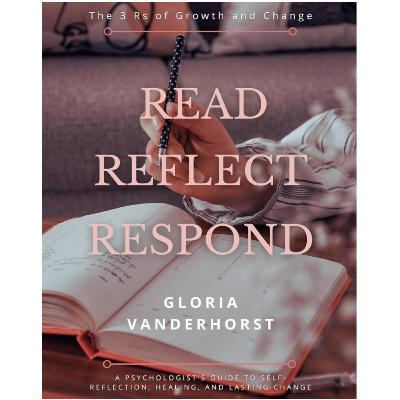
About Gloria Vanderhorst: Dr. Gloria Vanderhorst is a licensed psychologist offering virtual therapy in Maryland and Washington, DC. With over 40 years of clinical experience, she has worked with preschoolers, teens, adults, and couples, guiding them through life’s challenges with compassion and expertise.Her therapeutic approach integrates Emotion Focused Therapy, Internal Family Systems, and Traumatic Incident Reduction. She focuses on healing early trauma, improving emotional functioning, and strengthening relationships. Dr. Vanderhorst also supports the court system with co-parenting guidance and reunification services for families.In her free time, she enjoys watercolor painting and playing her baroque recorder.In this episode, Brian and Gloria Vanderhorst discuss: Balancing the overlapping demands of family caregiving and personal responsibilitiesUsing reflection and journaling as tools for growth and healingThe impact of cultural expectations on men’s emotional expressionHow family stress affects the emotional needs of children and teenagers.Key Takeaways:The journaling method of reading, reflecting, and responding allows people to unlock hidden memories and emotions stored in images or sensations rather than words, giving them a deeper understanding of how past experiences continue to shape their present.Men are socially conditioned from infancy to suppress vulnerability and emotional expression, which not only creates lifelong struggles with intimacy and openness but also leads many to rely on unhealthy coping mechanisms that manifest physically and emotionally.Parents who become consumed by the responsibilities of caring for aging relatives can unintentionally neglect their teenagers’ need for connection, making it crucial to intentionally carve out small but meaningful moments that reassure children of their continued importance.Boys naturally begin life with a wider range of emotional expression than girls, but repeated subtle withdrawals and corrections from caregivers gradually narrow that range, teaching them to mute their feelings and leaving lasting consequences on their ability to fully experience and share emotions. "We deny men the capability of expressing themselves emotionally. We put them in a narrow little box." — Gloria Vanderhorst Connect with Gloria Vanderhorst: Website: http://www.drvanderhorst.com/Book: Read, Reflect, Respond - The 3 Rs of Growth and Change: https://www.amazon.com/Read-Reflect-Respond-Growth-Change/dp/1633023036LinkedIn: https://www.linkedin.com/in/gloria-vanderhorst-ph-d-730826b Facebook: https://www.facebook.com/drvanderhorstHost contact information: Email: briansacksnewsletters@gmail.comSign up for your FREE WEEKLY NEWSLETTER at www.stuckinthemiddlenews.com
About John Fela: John Fela (Felageller) serves as the Ministry Relations Manager at Joni and Friends Chicago, where he partners with churches to equip and train them to better support individuals and families impacted by disability. Before stepping into ministry work, John spent nearly two decades in education, teaching and leading in roles ranging from classroom teacher to school director. He lives in Lyons, IL, with his wife, Faith, and is the proud father of his son Christopher, who is autistic and nonverbal. In addition to his advocacy, John is a sought-after public speaker, podcast guest, and contributor to special needs platforms including Key Ministry’s Special Needs Family blog, Hope Anew, and The Mighty.In this episode, Brian and John Fela discuss: Caregiving responsibilities across different generationsFinancial and legal preparation for future care needsParenting a child with disabilitiesBuilding support systems through community and faithKey Takeaways:The overwhelming monthly expenses of long-term elder care—ranging from $5,000 to $8,000—often force families to liquidate assets such as homes, leaving children without inheritance and creating financial strain that lasts for years.Establishing a special needs trust and working with a qualified special needs attorney ensures that children with disabilities can maintain eligibility for Medicaid and other state programs while protecting family savings for supplemental needs throughout their lifetime.Many families postpone critical legal steps such as creating wills, assigning power of attorney, or establishing guardianship, which results in court intervention, delays in care, and significant stress when a parent’s health suddenly declines.Beyond financial and legal preparation, caregivers must lean on both personal grounding—whether through faith or other belief systems—and trusted community connections to survive the emotional isolation, fatigue, and unpredictability that caregiving inevitably brings. "There is no such thing as too much [planning]… if you don’t have protections for your child, the system can very easily take advantage of them." — John Fela Connect with John Fela: Website: http://johnfela.com/Twitter: https://x.com/jfelageller74Facebook: https://www.facebook.com/johnsspecialneedsblogHost contact information: Email: briansacksnewsletters@gmail.comSign up for your FREE WEEKLY NEWSLETTER at www.stuckinthemiddlenews.com
About Dr. Corinne Auman: Dr. Corinne Auman is a recognized gerontologist with over 20 years of experience working directly with older adults and their families and is the author of Keenagers: Telling a New Story about Aging.She is a Nationally Certified Guardian, Certified Senior Advisor, and an Advanced Professional member of the Aging LifeCare Association. She received her Ph.D. from NC State University, where she studied developmental psychology with a specialty in adulthood and aging.Dr. Auman speaks to audiences about aging in America and the real-world impact of age bias.As a gerontologist with a profound commitment to making a difference, Dr. Auman continues to champion the cause of older adults and their families. Her multifaceted approach, encompassing caregiving, education, activism, and authorship, positions her as a true advocate for a new narrative around aging.In this episode, Brian and Dr. Corinne Auman discuss: Caregiving challenges faced by families juggling multiple responsibilitiesGuidance and coordination provided by care managers in eldercareConflicts between independence and safety during the aging processPlanning ahead to prepare for future aging and caregiving needsKey Takeaways:Families often avoid discussing or preparing for eldercare until a crisis forces them to act, which results in costly mistakes, stress, and lost opportunities for financial support that could have been available with proactive planning.A care manager can serve as a central coordinator—helping families understand their options, connect with resources such as VA benefits, and make informed decisions that can prevent financial and emotional exhaustion.Adult children frequently face painful choices where they must prioritize safety over their parents’ desire for independence, leading to guilt and conflict, yet care managers emphasize that cognitively intact elders still have the right to make risky decisions.Hiring a neutral third party to evaluate care situations can ease family tensions, provide objective reassurance about safety and well-being, and create balanced solutions where both elders and adult children feel respected and supported. "There's always this push-pull between freedom, which is what our older adults typically want, and safety, which is what our adult children want." — Dr. Corinne Auman Connect with Dr. Corinne Auman: Website: https://corinneauman.com/ & https://www.navigateseniorcare.com/Book: Keenagers: Telling a New Story about Aging: https://corinneauman.com/books/LinkedIn: https://www.linkedin.com/in/corinneauman/Host contact information: Email: briansacksnewsletters@gmail.comSign up for your FREE WEEKLY NEWSLETTER at www.stuckinthemiddlenews.com
About Rabbi Shlomo Slatkin: Rabbi Shlomo Slatkin, M.S., LCPC is a marriage therapist, Imago Relationship Therapy expert, and founder of The Marriage Restoration Project. With nearly two decades of experience, he specializes in helping couples, families, executives, and teams repair and transform high-stakes relationships through his proprietary Relationship & Repair Intelligence™ (RQI) framework. Known for turning breakdowns into breakthroughs, he guides clients from reactivity and conflict toward curiosity, connection, and deep trust. Whether working with couples on the brink of divorce or leadership teams in distress, Rabbi Slatkin brings clarity, compassion, and practical tools to foster lasting repair. He also consults with organizations seeking to improve psychological safety, communication, and culture.In this episode, Brian and Rabbi Shlomo Slatkin discuss: Navigating marriage and relationship challenges while managing caregiving responsibilitiesHow past emotional wounds affect present-day communication in relationshipsThe importance of intentional self-care within high-stress family dynamicsTools and strategies to restore and strengthen emotional connections in couplesKey Takeaways:Many relationship conflicts are intensified not by the present moment but by unresolved emotional wounds from childhood, making it essential for each partner to become aware of their triggers and how they project them onto their spouse.Instead of relying solely on slow-moving weekly counseling, couples in high-stress or crisis—like those in the sandwich generation—can benefit from immersive two-day intensives that offer rapid communication tools and emotional reconnection.Even amidst overwhelming responsibilities, setting aside just ten undistracted minutes per day with each child can foster emotional security and prevent them from internalizing the household’s adult stress and tension.Learning to pause and emotionally regulate before engaging with loved ones—especially after a stressful day—can dramatically reduce reactive behavior and create more intentional, calm, and loving family interactions."Your marriage is what’s going to give you the strength to your modeling for your children a healthy relationship." — Rabbi Shlomo Slatkin Connect with Rabbi Shlomo Slatkin: Website: https://themarriagerestorationproject.com/YouTube: https://www.youtube.com/user/rabbishlomoslatkinLinkedIn: https://www.linkedin.com/in/themarriagerestorationproject/Facebook: https://www.facebook.com/themarriagerestorationproject/Instagram: https://www.instagram.com/marriagerestorationproject/ Host contact information: Email: briansacksnewsletters@gmail.comSign up for your FREE WEEKLY NEWSLETTER at www.stuckinthemiddlenews.com
About Katharine Giovanni: Katharine Giovanni is a three-time award-winning, best-selling author, international speaker, and Transformation Mentor with over two decades of experience. She specializes in intuitive development, emotional healing, and forgiveness, helping individuals release guilt, shame, and long-held emotional patterns.Before stepping into this work, Katharine was a recognized pioneer in the global concierge industry. She authored The Concierge Manual, trained professionals around the world, and worked with several Fortune 500 companies. Her work has been featured on Good Morning America, ABC News Nightline, MTV, Time, Forbes, and The New York Times, and she has appeared on over 120 podcasts globally.She’s handled VIP clients, cosmic insights, and everything in between. Sometimes at the same time.In this episode, Brian and Katharine Giovanni discuss: Navigating complex emotions while caring for aging parents and raising childrenThe psychological burden and long-term impact of unresolved family traumaUnderstanding and practicing forgiveness for personal emotional freedomEmotional energy and its influence on mental and physical healthKey Takeaways:Katharine’s forgiveness system offers a practical, step-by-step method to process emotional pain privately by listing people to forgive, ranking their emotional weight, and addressing each one gradually to create space for healing.Forgiveness is reframed not as reconciliation or approval, but as a personal decision to evict painful memories and people from your mental space so they no longer drain your energy.Even in cases of trauma where direct forgiveness feels impossible, emotional relief can begin by forgiving the energy around people, objects, or environments tied to the memory.Letting go of emotional residue, even without forgetting or interacting with those involved, can significantly reduce stress, improve well-being, and unlock the ability to move forward in life."Forgiveness for me is very simple—I want you out of my head, and I want to live my life again with you, not in my head." — Katharine Giovanni Connect with Katharine Giovanni: Website: https://www.katharinegiovanni.comBook: The Ultimate Path to Forgiveness: https://www.amazon.com/Ultimate-Path-Forgiveness-Unlocking-Power/dp/1931109265LinkedIn: http://www.linkedin.com/in/katharinegiovanniHost contact information: Email: briansacksnewsletters@gmail.comSign up for your FREE WEEKLY NEWSLETTER at www.stuckinthemiddlenews.com
About Len Hayduchok: Len Hayduchok is a Certified Financial Planner™ with over 25 years of experience in the financial services industry. He is the founder and President of Dedicated Financial Services and Dedicated Senior Advisors, where he delivers comprehensive wealth management solutions for individuals approaching or living in retirement. A graduate of both the Wharton School of Business and Biblical Theological Seminary, Len combines financial expertise with a values-driven approach. With advanced training in securities and life insurance, he is deeply committed to acting in his clients’ best interests. Beyond his advisory work, Len is passionate about education, regularly providing resources and guidance on a wide range of retirement-related topics to both clients and the broader community.In this episode, Brian and Len Hayduchok discuss: Caregiving identity dynamicsThe emotional and financial strain of elder careDisruption of personal fulfillment and purposeNavigating family roles and relationship boundariesKey Takeaways:When adult children begin to see themselves as caregivers rather than sons or daughters, it creates emotional and relational dysfunction that undermines both their well-being and their connection with their parents.Accepting that you cannot be the sole provider of care—physically or financially—allows you to prioritize more critical roles in your life, such as being present for your children or sustaining your career, without living under the weight of guilt.Utilizing available resources like Medicaid and redefining what “support” really means can help families avoid devastating financial sacrifices while still honoring and caring for aging parents in meaningful ways.True peace and lasting fulfillment are found not in over-functioning for others but in aligning your actions with a deeper identity rooted in love, purpose, and acceptance of your human limitations. "What we do doesn't define us, but the more we do something, the more we become that person who does that thing." — Len Hayduchok Connect with Len Hayduchok: Website: https://maxamazing.com/ & https://dedicatedfinancial.com/Show: MaxAMAZING Your Retirement: https://podcasts.apple.com/us/podcast/maxamazing-your-retirement-with-len-hayduchok/id1702480610LinkedIn: https://www.linkedin.com/in/dedicatedfinancialservices/Host contact information: Email: briansacksnewsletters@gmail.comSign up for your FREE WEEKLY NEWSLETTER at www.stuckinthemiddlenews.com
About Sarah JanTausch: Sarah JanTausch is a speaker, coach, and founder of SRJ Coaching & Consulting, specializing in values-based careers and generosity-based networking. With a rich background in government leadership roles under Ohio Governor John R. Kasich, she brings extensive experience in public outreach, program management, and advocacy. Sarah holds a Bachelor’s in Politics & Government and a Master’s in Management and Leadership, and actively contributes to career development communities. Outside of work, she enjoys community volunteerism and quality time with her family and cats.In this episode, Brian and Sarah JanTausch discuss: Strategic approaches to job searching and professional developmentThe importance of workplace flexibility and aligning career valuesLeveraging networking and personal assessments for career growthOvercoming career stagnation through strategic personal development Key Takeaways:Clarify your core values to assess whether your current role or employer aligns with what truly matters to you, and look for ways to lean into those values even before making a big career shift.Start small with career changes—even if you feel “handcuffed” by responsibilities, begin exploring potential paths now, since meaningful transitions can take a year or more to plan effectively.Use a two-pronged job search strategy: combine selective, high-quality job applications with "generosity-based networking" to uncover opportunities in the hidden job market.Tailor your resume into focused “buckets” aligned with different interests or skills, rather than one generic version, to increase your chances of breaking into multiple career directions. "I help people identify the work that they really want to be doing... finding those passions and aligning with their work, with their lifestyle, because flexibility is really important, I think, especially for most people today." — Sarah JanTauschConnect with Sarah JanTausch: Website: https://www.valuesbasedcareers.com/LinkedIn: https://www.linkedin.com/in/sarah-jantausch/Facebook: https://www.facebook.com/profile.php?id=100093106125367Instagram: https://www.instagram.com/sarah_jantausch/Spotify Playlist: https://open.spotify.com/playlist/12iyEjLB28I96APWmFcuucHost contact information: Email: briansacksnewsletters@gmail.comSign up for your FREE WEEKLY NEWSLETTER at www.stuckinthemiddlenews.com
About Amy Friesen: Amy Friesen is a senior living expert, business coach, and the Founder and CEO of Tea & Toast Inc. She leads a team that helps families navigate eldercare decisions and supports professionals in building thriving senior care businesses. A best-selling author and speaker, Amy is known for her clear guidance and compassionate approach. She is also a Forty Under 40 honoree and the 2019 Emerging Entrepreneur Businesswoman of the Year.In this episode, Brian and Amy Friesen discuss: Navigating the challenges of eldercare and making decisions for aging parentsFinancial, legal, and logistical planning required for long-term senior careThe emotional and relational strain of being in the “sandwich generation”The role of advocacy and proactive communication in caregiving transitions Key Takeaways:Proactively initiating conversations around aging, care needs, and future plans—long before a medical or safety crisis arises—can help families avoid panic decision-making and allow for thoughtful, step-by-step preparation.Because assisted living and retirement communities offer widely varying levels of care and amenities, asking detailed questions (like whether they support two-person transfers or palliative care) is essential to ensure the facility can accommodate future health decline.Visiting senior care facilities at unpredictable times—not just scheduled visits—can reveal the true quality of care and hold staff accountable, as consistent, unscheduled check-ins often lead to noticeable improvements in attentiveness and service.Without early access to critical legal and financial documents like powers of attorney, wills, and long-term care directives, caregivers risk making uninformed or delayed decisions during emergencies, potentially compromising their loved ones’ safety and wishes."What you want to make sure is that you don't run out of money, that you've budgeted properly, and that you don't run out of care." — Amy Friesen Connect with Amy Friesen: Website: https://www.amyfriesen.com/ & https://www.teaandtoast.ca/Book: Breadcrumbs by Amy Friesen: https://www.amazon.com/Breadcrumbs-Familys-through-Eldercare-Journey-ebook/dp/B0DJ3HGC7VLinkedIn: https://www.linkedin.com/in/amyfriesen1Host contact information: Email: briansacksnewsletters@gmail.comSign up for your FREE WEEKLY NEWSLETTER at www.stuckinthemiddlenews.com
About Anastasia Arauz: Anastasia Arauz is a Licensed Clinical Mental Health Counselor (LCMHC), Registered Play Therapist (RPT), and certified family coach with over 20 years of experience supporting children and families. She holds advanced training in EMDR, trauma-informed care, and parent-child relational work, and is a certified facilitator for the Circle of Security program. Anastasia is also a former National Board Certified Teacher and has served on several boards, including the North Carolina Association for Play Therapy and Zing Zumm Children’s Museum. Through her private coaching practice, she helps overwhelmed families create healthy routines, strong communication, and sustainable support systems. Anastasia blends her clinical expertise with real-world parenting insight to guide families toward healing, connection, and balance.In this episode, Brian and Anastasia Arauz discuss: The struggle to stay mentally and emotionally present during overwhelming life phasesNavigating communication challenges in family dynamicsThe emotional toll of being stretched across multiple demanding rolesThe importance of setting boundaries and practicing self-care Key Takeaways:Taking time to journal about your limits and responsibilities can help clarify what you can realistically handle and what support you need to ask for.Creating a weekly schedule that includes personal self-care time, such as breaks, fun, or recharging moments, is essential to avoid burnout and stay emotionally available to loved ones.Open communication with children and partners about ongoing caregiving situations builds mutual understanding and creates space for them to become part of your emotional support system.Bringing in outside help—whether through services like meal delivery or hiring someone to drive your child—can lighten the load and make space for being fully present with those who need you. "Figuring out where you can pull supports in is very helpful." — Anastasia Arauz Connect with Anastasia Arauz: Website: https://www.anastasiaarauz.com/LinkedIn: https://www.linkedin.com/in/anastasia-arauz-322b4598/Instagram: https://www.instagram.com/anastasia.arauz/Host contact information: Email: briansacksnewsletters@gmail.comSign up for your FREE WEEKLY NEWSLETTER at www.stuckinthemiddlenews.com
About Leigh Shulman: Leigh Shulman is a writer, educator, and founder of The Inspired Writer Community, where she mentors women and non-binary writers around the world. With over 20 years of teaching and writing experience, she helps writers build confidence, develop consistent practices, and share their stories with impact. Her work has appeared in The New York Times, Washington Post, Wired, Vox, and more. Leigh also hosts private writing retreats and is the author of The Writer’s Roadmap, a #1 Writing How-To bestseller.In this episode, Brian and Leigh Shulman discuss:Balancing caregiving responsibilities with personal and family needsSetting emotional boundaries while supporting aging parentsUsing journaling and writing as tools for managing caregiving stressNavigating difficult family decisions related to aging and health Key Takeaways:Caregivers must recognize personal limitations and learn to set boundaries to prevent guilt and emotional burnout during challenging family transitions.Journaling provides a therapeutic and practical method for tracking critical details and processing emotional experiences during intense caregiving periods.Navigating sensitive conversations about aging parents' safety and medical needs requires a compassionate yet assertive approach that balances respect with necessary intervention.Writing about personal caregiving experiences can serve as both an immediate emotional outlet and a potential future resource for storytelling and sharing insights. "Journaling is amazing for getting [emotions/stress/internal turmoil] out of your system. It's amazing for problem solving. It's also, particularly if you journal—do gratitude journaling—like, there was a study that showed if you write down three good things that are in your life each day, it improves your physical and mental health." — Leigh Shulman Connect with Leigh Shulman: Website: https://leighshulman.com/LinkedIn: https://www.linkedin.com/in/leighshulmanTwitter: https://x.com/theLeighShulmanPinterest: https://www.pinterest.com/leighshulman/Facebook: https://www.facebook.com/leighshulmanInstagram: https://www.instagram.com/theleighshulman/The Writer's Roadmap: Paving the Way to Your Ideal Writing Life: https://www.amazon.com/Writers-Roadmap-Paving-Ideal-Writing/dp/0999697307Claim your exclusive group coaching session today and take the next step in your writing journey with a vibrant, supportive community of women writers: https://leighshulman.com/podcast/Host contact information: Email: briansacksnewsletters@gmail.comSign up for your FREE WEEKLY NEWSLETTER at www.stuckinthemiddlenews.com
About Lindsay Miller: Lindsay Miller is a kids' mindfulness coach, educator, and host of The Stress Nanny Podcast, where she helps children develop emotional intelligence, resilience, and self-awareness in fun and engaging ways. With over 20 years of experience in child development and mindfulness education, she specializes in teaching practical tools that help kids manage stress, navigate challenges, and build confidence. Known for her suitcase tricks and playful laugh, she brings creativity and warmth to her coaching, making deep breathing and mindfulness exciting for young learners. Her insights have been featured on numerous podcasts, platforms, and publications, leaving a lasting impact on families and educators alike.In this episode, Brian and Lindsay Miller discuss: Managing stress while balancing family responsibilitiesThe emotional and physical toll of life transitionsMindfulness and stress management strategiesThe impact of family dynamics on personal well-being Key Takeaways:Acknowledging stress is the first step to managing it, and writing down all the people and responsibilities relying on you can bring much-needed clarity while reducing feelings of guilt or self-blame.Setting firm boundaries and prioritizing responsibilities allows for a better balance, making it easier to focus on urgent family needs without feeling constantly overwhelmed or stretched too thin.Holding regular family meetings, such as a Sunday night check-in, creates space for open communication, ensuring that everyone has the chance to voice their concerns and feel supported.Prioritizing self-care is not selfish but necessary, as taking care of personal well-being improves both physical and mental health, making it easier to support and care for others more effectively. "Giving yourself permission to feel what you’re feeling, giving yourself permission to access the help that you need is a crucial part of keeping yourself afloat." — Lindsay MillerConnect with Lindsay Miller: Website: https://www.thestressnanny.com/Show: The Stress Nanny with Lindsay Miller: https://podcasts.apple.com/us/podcast/the-stress-nanny-with-lindsay-miller/id1488383546LinkedIn: https://www.linkedin.com/in/lindsay-seil-miller-79a409149/Twitter: https://x.com/thestressnannyFacebook: https://www.facebook.com/thestressnannyInstagram: https://www.instagram.com/thestressnannyHost contact information: Email: briansacksnewsletters@gmail.comSign up for your FREE WEEKLY NEWSLETTER at www.stuckinthemiddlenews.com
About Michelle Choairy: Michelle Choairy is a dedicated advocate, speaker, and mentor for parents of complex children. As the founder of Collective Wisdom for Complex Kids, she helps families navigate healthcare, education, and support systems using strategies she developed while advocating for her son with TBR1 genetic disorder. A bilingual keynote speaker, she has collaborated with Apraxia Kids, March of Dimes, and Special Olympics, raising awareness and funds for special needs children. Through her work, Michelle provides parents with guidance, community, and the tools to become their child’s best advocate.In this episode, Brian and Michelle Choairy discuss: Challenges of raising a child with a complex conditionNavigating healthcare, education, and insurance as an advocateAccessing state-funded programs and disability resourcesBalancing family life and emotional well-being Key Takeaways:Parents of children with developmental differences often endure years of uncertainty and misdiagnoses, making it essential to trust their instincts and persistently push for deeper medical evaluations that could reveal rare conditions.Successfully advocating for a child with complex needs requires navigating confusing healthcare systems, fighting for the right educational accommodations, and learning how to work through insurance policies and state-funded assistance programs.While a formal diagnosis may not change the daily challenges a child faces, it can be the key to unlocking vital long-term resources, disability benefits, and specialized support programs that ensure care well beyond childhood.Many parents struggle with guilt over their child’s condition, but recognizing that genetic disorders and other complex diagnoses are beyond their control can help them shift their focus from self-blame to proactive advocacy and support. "I'm my best success story, and that is what I want every mom to say, because that's what—that's what I'm going to prepare them to be. They're going to be their own success story." — Michelle Choairy Connect with Michelle Choairy: Website: https://wisdom4complexkids.com/ & https://michellechoairy.com/LinkedIn: https://www.linkedin.com/in/michellechoairyFacebook: https://www.facebook.com/groups/wisdom4complexkids/ & https://www.facebook.com/ChoairymInstagram: https://www.instagram.com/michelle.choairy/Host contact information: Email: briansacksnewsletters@gmail.comSign up for your FREE WEEKLY NEWSLETTER at www.stuckinthemiddlenews.com
About Mike Fink: Mike Fink is a clarity coach, author, and personal development expert with over two decades of experience and a Master of Science in Psychology from Yale University. He is the creator of The Decoding Grid™, a groundbreaking process that helps women struggling with the decision to divorce gain absolute clarity and confidence in just 30 days. Drawing from both professional expertise and personal experience, he guides clients through structured decision-making to overcome fear, guilt, and uncertainty. Since 2021, he has been on a mission to help women break free from indecision and move forward with peace of mind. He is also the author of Divorce Decision Decoded: The Revolutionary Process for Women to Make the Right Decision with Confidence.In this episode, Brian and Mike Fink discuss: Decision-making in relationships and marriageThe emotional and psychological toll of indecisionUnderstanding and defining essential relationship valuesThe importance of external guidance in complex life decisionsKey Takeaways:Your primal brain resists change because it perceives maintaining the current situation as the safest option, even if that situation is making you miserable.Clarity about essential values helps individuals make confident choices about whether to stay or leave a relationship.People must distinguish between “essential” and “optional” needs in a partner to determine if their relationship is sustainable.Many people, especially women, stay in relationships believing their partner will eventually change, but long-term fundamental change is rare and unrealistic. "The first step to get clarity is to gather all the pieces of the puzzle—because if you're trying to solve a 1,000-piece jigsaw puzzle with only 200, well... that ain't gonna happen. Most people think they're considering all the relevant elements in their relationship, but they aren't." — Mike Fink Connect with Mike Fink: Website: https://www.getabsoluteclarity.com/Book: Divorce Decision Decoded: https://www.amazon.com/Divorce-Decision-Decoded-Revolutionary-Certainty/dp/1738345726/LinkedIn: https://www.linkedin.com/in/mike-fink-get-absolute-clarityFacebook: https://www.facebook.com/MikeFinkGetAbsoluteClarity/Host contact information: Email: briansacksnewsletters@gmail.comSign up for your FREE WEEKLY NEWSLETTER at www.stuckinthemiddlenews.com

Comments

Download from Google Play

Download from App Store
 United States