


 Claim Ownership
The Shmuz
Subscribed: 134Played: 7,278
Subscribe

© JewishPodcasts.fm
Description
Welcome to The Shmuz Podcast! Here’s your chance to
infuse an inspiring dose of ruchnius, encouragement and positivity into your
day. But don’t just stop here. Go to TheShmuz.com and gain access to hundreds
of motivational Shmuzin that are guaranteed to accelerate your spiritual
growth
1276 Episodes
Reverse

In parshas Vayikra, we learned how the cornerstone of all middos is humility. In this week’s Shmuz, Rabbi Shafier builds upon this fundamental principle by exploring the devastating influence of arrogance. We all agree that arrogance is ugly, but our mesorah goes further: arrogance will inevitably lead a person to forget Hashem. After all, when we’re so sure of our competence and independence, we don’t need a Master. We are in this world to serve Hashem, but when we are consumed by gaaveh, our avoda is ruined, because our intentions define every action. Arrogance will make us hated in this world and empty in the World to Come. It’s the essential work of a lifetime to rid our hearts of it completely, but where do we start? In Master and Servant Rabbi Shafier gives us practical tools that are guaranteed to cut through our illusions of grandeur, maintain our sense of self and reconnect to our ultimate Master and Benefactor.
This podcast has been graciously sponsored by JewishPodcasts.fm. There is much overhead to maintain this service so please help us continue our goal of helping Jewish lecturers become podcasters and support us with a donation: https://thechesedfund.com/jewishpodcasts/donate

In this compelling and eye-opening shiur, Rabbi Shafier uncovers the hidden forces shaping our decisions, revealing how even the greatest minds — like Moshe Rabbeinu — can be subtly influenced by something as small as a trace of laziness. Through vivid examples, sharp insights, and practical guidance, he shows how our thoughts are not passive but actively shape who we become, and how the “voice in our head” can either elevate us or subtly lead us off course. If you’ve ever wondered why you make certain choices, how to trust your inner voice, or how to take control of your growth, this shiur will fundamentally change the way you understand yourself.
This podcast has been graciously sponsored by JewishPodcasts.fm. There is much overhead to maintain this service so please help us continue our goal of helping Jewish lecturers become podcasters and support us with a donation: https://thechesedfund.com/jewishpodcasts/donate
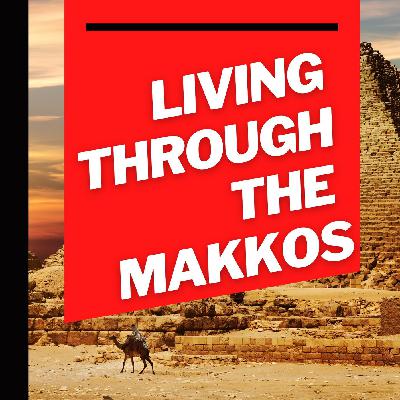
The makos begin. The mitzrim are toyed with, antagonized and finally punished-exactly measure for measure. The world is shown that not only is there a Creator, there is also a Melech Hamishpat, a King who forgets nothing, and who punishes accordingly. In part three of Living Through the Makos, Rabbi Shafier draws on the Rishonim, Gemorah, Midrash Rabbah and Midrash Tanchumah to bring the eser makos into glorious high definition.Learn why Hashem chose such specific plagues, and what they symbolize. Visualize with astonishing detail what it was like to be in Mitzrayim during that time. Go beyond tradition. Immerse yourself in Living Through the Makos and start making the Ribbono Shel Olam a genuine reality in your life.
This podcast has been graciously sponsored by JewishPodcasts.fm. There is much overhead to maintain this service so please help us continue our goal of helping Jewish lecturers become podcasters and support us with a donation: https://thechesedfund.com/jewishpodcasts/donate

This class uncovers the deeper meaning of leaving Mitzrayim: breaking out of the mental and spiritual patterns that keep us trapped. If you want to understand what it really means to leave your personal exile, this shiur will change the way you see the world around you.
This podcast has been graciously sponsored by JewishPodcasts.fm. There is much overhead to maintain this service so please help us continue our goal of helping Jewish lecturers become podcasters and support us with a donation: https://thechesedfund.com/jewishpodcasts/donate
The word ‘vayikra’ is written in a sefer Torah with a small aleph. Moshe Rabbeinu was uncomfortable with the Torah recording that Hashem called out to him, and begged Hashem to alter the wording of the posuk. When Hashem refused, Moshe Rabbeinu wrote ‘vayikra’ with a small aleph instead. The Baal HaTurim comments that this is a sign of Moshe’s incredible level of humility. Yet, it begs the obvious question: a humble person listens to their Creator and obeys their commands. Against this backdrop, Rabbi Shafier guides you through the often misunderstood middah of anavah, and discusses what it means for your own sense of self and emotional well-being. We are all gifted with incredible talents and abilities - how can we utilize our inherent potential while remaining grounded in humility and gratitude?
This podcast has been graciously sponsored by JewishPodcasts.fm. There is much overhead to maintain this service so please help us continue our goal of helping Jewish lecturers become podcasters and support us with a donation: https://thechesedfund.com/jewishpodcasts/donate

What if the people who frustrate you the most are actually messages from Hashem?
In this thought-provoking shiur, Rabbi Shafier explores the deep struggle between Yaakov and Esav and reveals a powerful perspective on criticism, conflict, and difficult relationships. Instead of seeing these moments as random or unfair, he shows how they may be carefully orchestrated opportunities for growth.
If you want to learn how to hear the messages Hashem is sending through the challenges and people in your life — and transform frustration into real spiritual growth — this shiur will change the way you see every interaction.
This podcast has been graciously sponsored by JewishPodcasts.fm. There is much overhead to maintain this service so please help us continue our goal of helping Jewish lecturers become podcasters and support us with a donation: https://thechesedfund.com/jewishpodcasts/donate
Living Through the Makos continues with a detailed explanation on how Moshe ended up in Midian, his meeting with Tzipporah and his first encounter with the Ribbono Shel Olam at the Sneh. Rabbi Shafier gives a clear and articulate delivery of the events that subsequently unfold, shedding light on how Shevet Levi managed to be excluded from the shibud. He also gives some poignant moments to contemplate, such as Moshe’s reticence to communicate with Hashem, Paroh’s absolute belief that he really was a god, and Dosan and Aviram’s persistent malice.
Living Through the Makos dramatically brings to life the ancient story of our people. This Nissan, be mekabal the mitzvah of sippur Yetzias Mitzrayim with a refreshed perspective and step into your seder with a reaffirmed sense of wonder and hakaras hatov.
This podcast has been graciously sponsored by JewishPodcasts.fm. There is much overhead to maintain this service so please help us continue our goal of helping Jewish lecturers become podcasters and support us with a donation: https://thechesedfund.com/jewishpodcasts/donate

In this remarkable Derech Hashem shiur, Rabbi Shafier explores not only the hidden mechanics of nevuah, ruach hakodesh, and how Hashem reveals knowledge to man, but also the staggering inner world of Moshe Rabbeinu and Aharon HaKohen. What emerges is a portrait of greatness that is almost hard to comprehend: leaders so pure, so selfless, and so elevated that even the offer of ultimate spiritual access could be turned down rather than cause another Jew pain. Listen to this shiur to deepen your understanding of nevuah, sharpen your appreciation for Chazal and the gedolei Yisrael, and walk away with a far bigger vision of what true greatness looks like.
This podcast has been graciously sponsored by JewishPodcasts.fm. There is much overhead to maintain this service so please help us continue our goal of helping Jewish lecturers become podcasters and support us with a donation: https://thechesedfund.com/jewishpodcasts/donate

Most people think one clear miracle would change everything. Rabbi Shafier shows why that’s not true.
In this powerful shiur, he takes you back into Mitzrayim and asks a haunting question: how did the Egyptians watch open miracles, month after month, and still refuse to believe? The answer opens up something deeply uncomfortable about human nature, free will, and the stories people choose to tell themselves.
This podcast has been graciously sponsored by JewishPodcasts.fm. There is much overhead to maintain this service so please help us continue our goal of helping Jewish lecturers become podcasters and support us with a donation: https://thechesedfund.com/jewishpodcasts/donate

What if the physical world is only the surface of something much bigger?
In this powerful Derech Hashem shiur, Rabbi Shafier uncovers the spiritual forces that operate behind the scenes of creation: forces that ancient civilizations understood far better than we do today.
Why did Pharaoh believe he could fight Hashem?And what does that reveal about the hidden power every Jew holds?
Once you hear this, you’ll never look at the world the same way again.
This podcast has been graciously sponsored by JewishPodcasts.fm. There is much overhead to maintain this service so please help us continue our goal of helping Jewish lecturers become podcasters and support us with a donation: https://thechesedfund.com/jewishpodcasts/donate
You know that contemplating the events of Yetzias Mitzrayim is central to your avodas Hashem. Recognizing that this house has a Master is the very purpose of your life in this world. It is therefore your holy obligation to learn as much as you can about Pesach and gain a detailed understanding of the events that transpired.
In the first session of Living Through the Makos, Rabbi Shafier explains how Klal Yisroel went from being a privileged nation in Egypt to tortured slaves. He discusses the rise of anti-Semitism amongst the Mitzri, and how their hatred of others ultimately led to their hatred of themselves. Packed with valuable life-lessons, this series is guaranteed to give you the ultimate in Pesach preparation and elevate your Sedarim like never before.
This podcast has been graciously sponsored by JewishPodcasts.fm. There is much overhead to maintain this service so please help us continue our goal of helping Jewish lecturers become podcasters and support us with a donation: https://thechesedfund.com/jewishpodcasts/donate
In this week’s parsha, we come to the making of the kiyor, fashioned from the mirrors of the Jewish women. Moshe Rabbeinu was initially reluctant to accept this offering, wary that something that was used for female beautification would be inappropriate in the Mishkan. Hashem replies that these mirrors are actually the most beloved. Why did Moshe think Hashem wouldn’t want the mirrors? What does this week’s parsha teach us about the role of female beauty? Listen now to discover the role of attraction in marriage, some fundamental differences between men and women and how to achieve pure love with your spouse.
This podcast has been graciously sponsored by JewishPodcasts.fm. There is much overhead to maintain this service so please help us continue our goal of helping Jewish lecturers become podcasters and support us with a donation: https://thechesedfund.com/jewishpodcasts/donate

Most mitzvah items like a shofar or tzit tzit are kadosh while you use them, but then get demoted once their time is up. But tefillin, mezuzah, and a Sefer Torah are different for one reason:
Hashem’s Name is written inside.
And in Torah, a “name” is an essence. Which raises a wild question: if Hashem is infinite and beyond definition… how can there be “Names” at all?
This shiur shows why Hashem gave those Names, what they actually activate in the world, and why a simple “Baruch Atah Hashem…” said with awareness can change you more than you think.
This podcast has been graciously sponsored by JewishPodcasts.fm. There is much overhead to maintain this service so please help us continue our goal of helping Jewish lecturers become podcasters and support us with a donation: https://thechesedfund.com/jewishpodcasts/donate
In today’s society, you are relentlessly bombarded with two fallacies: One, that money equals happiness and two, that your net worth should define your sense of self. The Torah rejects both of these ideas, and yet we see from this week’s parsha that attraction to money is something inherent in the briah. In this uncomfortably relevant Shmuz, Rabbi Shafier encourages you to take a long, hard look at how you judge yourself and others- are your attitudes towards money in line with Torah hashkafa? Or are you constantly pursuing the next best thing, hoping that it will give you the elusive satisfaction for which we all crave?
This podcast has been graciously sponsored by JewishPodcasts.fm. There is much overhead to maintain this service so please help us continue our goal of helping Jewish lecturers become podcasters and support us with a donation: https://thechesedfund.com/jewishpodcasts/donate

In the fourth session on Megillas Esther, Rabbi Shafier brings the conclusion of the Megillah dramatically to life. From Haman’s sudden demise to our own swift salvation, this class will explain the final perakim with additional insight and depth. Discover why Purim is considered to be greater than the kabbola at Har Sinai, how Haman’s unchecked arrogance inevitably led to his downfall and what forced Mordechai to leave the Sanhedrin. If you’re looking to reach a higher madreiga this Purim, having an understanding and appreciation of the words of the Megillah is essential. Tune in here and go beyond the externals this Purim with The Shmuz.
This podcast has been graciously sponsored by JewishPodcasts.fm. There is much overhead to maintain this service so please help us continue our goal of helping Jewish lecturers become podcasters and support us with a donation: https://thechesedfund.com/jewishpodcasts/donate

Purim is not what you think it is.
Achashverosh wasn’t the squishy, dumb king you see in your kids megillah. He was a hardened, ruthless anti-Semite who was just as eager as Haman to destroy every Jew. And Esther’s decision to invite Haman to the party? It looked shockingly reckless. In reality, it was a calculated move designed to push Klal Yisrael into absolute desperation… because only then would we finally turn to Hashem with total sincerity.
And that’s not ancient history. It’s the real test of our lives too — how much do we rely on our effort, and how much do we actually trust Hashem? When rockets are intercepted, enemies implode, and everything looks like brilliant strategy… do we see “systems,” or do we see the hidden Hand?
This shiur connects Purim, current events, and our daily struggles into one uncomfortable question: Who do you really believe is running the world?
This podcast has been graciously sponsored by JewishPodcasts.fm. There is much overhead to maintain this service so please help us continue our goal of helping Jewish lecturers become podcasters and support us with a donation: https://thechesedfund.com/jewishpodcasts/donate

Who are you? Not your name. Not your body. Not even your brain. In this mind-opening class, Rabbi Shafier walks you through a Musar exercise that sounds simple but changes everything: identifying the real “you.” He explains why you are not a physical being having spiritual moments, but a spiritual being temporarily wearing a body. Along the way, he unpacks the tension you feel every day — the pull between your higher self and your animal instincts — and why sometimes you don’t even recognize your own behavior. Using powerful analogies and practical tools, he shows how to cut through the noise and access the deeper voice inside that already knows the right thing to do. If you’ve ever felt conflicted, confused, or disconnected from yourself, this class will give you clarity about who’s actually in charge — and who you truly are.
This podcast has been graciously sponsored by JewishPodcasts.fm. There is much overhead to maintain this service so please help us continue our goal of helping Jewish lecturers become podcasters and support us with a donation: https://thechesedfund.com/jewishpodcasts/donate
Esther stands at the threshold of the throne room, prepared to forfeit her life in this world and the next. Instead, she is assisted by three melachim, achieves ruach hakodesh and is the catalyst for Klal Yisroel’s eventual salvation. Aside from the obvious message that Hashem can always flip things around in an instant, there are many other life lessons to be learnt. Firstly, Esther’s people skills are exemplary. Want to ask for a raise? Just follow Esther’s three point plan on how to submit a request. Need chizuk in following daas Torah? Use Esther as an example. And if we want a clear warning on how not to behave, we need look no further than Haman. His relentless drive for kavod shows us how if a person doesn’t control his middos, he’s destined to be utterly miserable in this world. It’s all here. Genuine, Torah-true hashkafa and timeless messages laid open for you this Purim.
This podcast has been graciously sponsored by JewishPodcasts.fm. There is much overhead to maintain this service so please help us continue our goal of helping Jewish lecturers become podcasters and support us with a donation: https://thechesedfund.com/jewishpodcasts/donate

Why does “just a little more” never feel like enough? Why do high achievers still feel restless and often collapse under their own success?
In this hugely powerful shiur, Rabbi Shafier uncovers the hidden drive inside every human being: a hunger for greatness that can either elevate your life or subtly drive you crazy. He reveals why recognition is one of the deepest human needs, why a single compliment can be transformative, and why the most dangerous voice you’ll ever hear might be your own.
If you’ve ever felt driven, dissatisfied, or ridiculously hard on yourself, this one will hit home.
This podcast has been graciously sponsored by JewishPodcasts.fm. There is much overhead to maintain this service so please help us continue our goal of helping Jewish lecturers become podcasters and support us with a donation: https://thechesedfund.com/jewishpodcasts/donate
Parshas Tetzaveh: Learning to Forgive
We hear plenty on the importance of doing teshuvah, on loving our fellow man and learning how to be mevater. All incredibly important concepts that are essential for a Torah Jew to work on and internalize. But how often do we hear about the importance of forgiving ourselves? We are capable of becoming greater than melachim, the absolute pinnacle of creation on which the entire world rests. And yet, we have faults, and so many failings! How can we possibly achieve our purpose in this world?
By recognizing that failing is a part of growth. Failing doesn’t mean we are failures. It means we are human beings. Hashem doesn’t demand perfection; He only wants us to grow, so that we can become the very best versions of ourselves. When we stop blaming ourselves for our nature, we can learn to forgive ourselves, forgive others, and walk through life with a healthy sense of self. In this week’s podcast, learn how to let go of your failings and gain the emotional freedom to achieve your tafkid.
This podcast has been graciously sponsored by JewishPodcasts.fm. There is much overhead to maintain this service so please help us continue our goal of helping Jewish lecturers become podcasters and support us with a donation: https://thechesedfund.com/jewishpodcasts/donate

Comments

Download from Google Play

Download from App Store
 United States