DiscoverThe Lost Art Of the Skilled Trades
The Lost Art Of the Skilled Trades
Claim Ownership

The Lost Art Of the Skilled Trades

Author: Andrew Brown

Subscribed: 11Played: 66
Share

Description

<html>

<body>

Welcome to The Lost Art of the Skilled Trades, the ultimate podcast dedicated to celebrating and exploring the world of skilled trades. Hosted by Andrew Brown, a passionate advocate for the trades industry, this podcast is your go-to source for knowledge, inspiration, and practical advice. Andrew brings a unique perspective shaped by years of hands-on experience, entrepreneurial success, and a deep commitment to elevating the trades.


<pr>
</pr>

Dive into the fascinating and ever-evolving world of skilled trades, where creativity, problem-solving, and dedication come together to build the world around us. From carpentry and HVAC systems to electricians, plumbers, millwrights, and beyond, every episode uncovers the grit, determination, and artistry that define the people behind these essential professions.


Andrew’s journey began with a life-changing moment on September 11, 2001, when he worked alongside tradespeople, first responders, and community helpers at Ground Zero. This experience inspired him to dedicate his life to advocating for the unsung heroes of the trades. Through his company, Andrew has helped provide tools, equipment, and resources to industry professionals worldwide. Now, through this podcast, he continues his mission to spotlight the craftsmanship, hard work, and dedication of tradespeople everywhere.


<pr>
</pr>

Each episode features in-depth interviews with industry experts, seasoned professionals, and rising stars in the trades. From contractors and electricians to HVAC specialists, plumbers, carpenters, and more, listeners will gain insider knowledge about the skills, tools, and strategies needed to thrive in these essential fields. Andrew also speaks with educators, advocates, and business leaders who are working to inspire the next generation of tradespeople, offering a fresh perspective on the value and opportunities within the trades.


<pr>
</pr>

At its core, The Lost Art of the Skilled Trades is more than just a podcast — it’s a celebration of a culture built on pride in craftsmanship and an unwavering commitment to excellence. In a time when traditional career paths are overemphasized, this podcast shines a light on an alternative: rewarding careers in skilled trades that offer creativity, financial stability, and the satisfaction of building something tangible.


<pr>
</pr>

Whether you’re a seasoned trades professional, an aspiring craftsman, or simply curious about the industry, this podcast is your ultimate guide to the untold stories and secrets of success in trades like refrigeration, building, plumbing, and construction. Join Andrew Brown as he celebrates the artistry, resilience, and innovation of the skilled trades — and inspires a new generation to pick up the tools that keep our world running.


<pr>
</pr>

About Andrew Brown

Andrew Brown is a fervent advocate for the skilled trades and is dedicated to addressing and then fixing the trades shortage gap. Through platforms such as social media, podcasts, and live events, he tirelessly promotes the benefits of the trades to students, parents, and educators. For over 23 years Andrew along with his co-founder has built one of the country’s largest on-line tools and equipment eCommerce companies - Toolfetch - focused specifically on the Industrial & Construction Supply Industry.


<pr>
</pr>
Follow Andrew Brown

YouTube: https://youtube.com/@andrewbrowntrades

LinkedIn: https://www.linkedin.com/in/andrew-brown-b1736a5/

TikTok: https://www.tiktok.com/@andrew.l.brown


</body>
</html>
85 Episodes
Reverse
The welder shortage has never improved in 30 years. Kris Scherm of ESAB explains why — and what it will take to fix the pipeline.When Kris Scherm entered the welding industry in the nineties, the American Welding Society reported a 150,000 welder shortage. Three decades later, that number is projected at 320,500 by 2029 — and it has never once gotten smaller. With the average shipbuilder now in their late 50s, the pipeline problem is about to get a whole lot worse before it gets better.Kris Scherm is a 30-year veteran of the welding industry and Global Product and Business Director for Light Industrial Plasma at ESAB — one of the world's leading welding and cutting companies. He's worked at the Bay Bridge, SpaceX facilities, Ford manufacturing plants, Newport News Shipbuilding, and dozens of facilities across North America. This conversation was recorded live at ESAB in Denton, Texas.This episode is for anyone who works in the skilled trades, leads a manufacturing or welding operation, or is trying to figure out how to attract the next generation to a career with their hands. Kris breaks down the workforce crisis, the Blue Collar Tour bringing welding to high schools, and why — once you realize how much welding holds the world together — you'll never walk anywhere the same way again.IN THIS EPISODE(00:00) – Introduction: Andrew and Kris open live from ESAB in Denton, Texas, where Kris shares how a Norwegian grandfather who built PT boats in WWII set him on a lifelong path in the trades.(00:04) – Why Welding Captures You: Kris explains what makes welding unlike any other trade — and why "if you can weld, you're a demigod" who can join metal in ways no hammer and nail ever could.(00:09) – The 300,000 Welder Shortage: The AWS shortage number has never improved in 30 years. Kris breaks down what's driving it, why AI won't save us, and what happens when an entire generation of welders ages out at once.(00:14) – The Blue Collar Tour: Western Welding Academy is taking welding on the road to high schools across the country — and ESAB is alongside them. Kris describes what happens when a kid sees a live weld for the first time.(00:19) – Mentorship and Giving Back: Kris gets personal about why mentorship matters — and why the operator who's run that machine for 10 years knows more than any outside expert walking in the door.(00:25) – The Wildest Problem-Solving Story: A mystery that warrantied two power supplies, stumped a team for days, and was finally cracked by a cigarette break and a string of passing cars.Key TakeawaysThe welder shortage has existed for over 30 years and has never improved — the AWS projects a shortage of 320,500 welders by 2029 in the U.S. alone; globally, the gap is in the millions.Welding is a technology that touches everything from the Bay Bridge to smartphones to aircraft carriers — and once you start seeing welds everywhere, you can't stop.AI is not going to replace the welder: someone still has to perform the weld, spec the process, and solve the problem on the floor — and that requires a human with hard-won skills.The most valuable expert on any production line isn't the outside consultant — it's the operator who's been running that machine every day and knows every sound it makes.About the GuestKris Scherm is the Global Product and Business Director for Light Industrial Plasma and Engine Driven Welders at ESAB, one of the world's leading manufacturers of welding and cutting equipment. With 30 years in the welding industry, Kris has worked on-site at some of the most impressive manufacturing facilities in the world — from the Bay Bridge project and SpaceX to Newport News Shipbuilding, where the U.S. Navy's aircraft carriers are built.Kris's work takes him across the globe to help manufacturers improve productivity, reduce costs, and introduce the next generation to the craft of welding. He is an active supporter of the Blue Collar Tour and Western Welding Academy's mission to bring hands-on welding experiences to students across the country.Keywordswelder shortage, welding career, skilled trades workforce, plasma cutting, welding jobs, workforce development, blue collar careers, trade careers, Gen Z in trades, apprenticeship, manufacturing jobs, shipbuilding, CNC plasma cutting, ESAB, Kris Scherm, American Welding Society, AWS, Western Welding Academy, Blue Collar Tour, Andrew Brown, Lost Art of the Skilled Trades, welding industry, industrial tradesRESOURCE LINKS Kris Scherm on LinkedIn: https://www.linkedin.com/in/krisscherm/ ESAB Website: https://www.esab.com American Welding Society Workforce Data: https://www.weldingworkforcedata.com Western Welding Academy: https://westernweldingacademy.comSUPPORT THE SHOWIf you found value in this episode, please leave a review on Apple Podcasts and share it with someone who needs to hear it. Your support helps us keep telling the stories of the skilled trades.
Welder and metal artist Sarah Stork went from farm chores to SkillsUSA national champion — and built a thriving sculpture business on her own terms.When the guys on her SkillsUSA team laughed her off on the spot, Sarah didn't sulk — she found a new event, taught herself welded sculpture from scratch, and placed second in the country on her first attempt. The year after that, she won gold. That's not beginner's luck. That's what happens when someone with the right instincts finally finds the right trade.Sarah Stork is a Georgetown, Texas-based welder, metal artist, and owner of her own sculpture studio. She holds an associate degree in welding technology from Austin Community College and certificates in plate, pipe, and structural fabrication. She's competed at the highest levels of SkillsUSA, built a wait-listed commission business, and has become one of the most recognized welded sculpture artists in the skilled trades community.This episode is for anyone who's ever been told they don't belong in the trades — and for anyone trying to turn a welding skill into a business. Sarah breaks down how she got started, what it really takes to build a welding career from scratch, and why the metal industry will always have a place for people willing to put in the work.IN THIS EPISODE(00:00) – Welcome & Sarah's Origin Story: Why a Texas farm wife enrolled in welding school in 2012 — and how a plan to build a simple fence launched a career in metal sculpture.(05:30) – Getting Laughed Off — Then Winning Gold: How being rejected from a team fabrication event led Sarah to discover welded sculpture, compete at SkillsUSA nationals, and win first place in 2016.(15:00) – From College Shop to Home Studio: The path from lab technician at Austin Community College to walking off a pipeline job and launching a full-time welding sculpture business in 2018.(23:00) – Women in Welding & The Metal Sandwich: Sarah's response to being told to "go make a sandwich" — and what she built instead. Why skilled trades work isn't about gender, it's about skill.(31:00) – Using LinkedIn and Social Media to Build a Client Base: How Sarah found her first commission clients online, why LinkedIn outperforms Instagram for serious buyers, and what posting consistently during COVID did for her welding business.(40:00) – The Craft, the Process, and the Blue Heron: What it takes to hand-form a six-foot steel bird with hundreds of individual feathers, why the best sculptures are "the ones that are done," and the one tool that changed everything.Key TakeawaysSkillsUSA competitions aren't just for high schoolers — college students compete too, and placing nationally can redefine your entire welding career trajectory.You don't need a website to build a thriving welding business — Sarah runs her entire client pipeline through LinkedIn, Instagram, and TikTok under her own name.TIG welding is one of the cleanest, highest-paid paths in the skilled trades — and states like Texas are actively investing in clean room welding training facilities right now.Mentorship is the fastest shortcut in the trades — Sarah credits her ACC instructor Thomas Hinkle for recognizing her talent and steering her toward welded sculpture before she even knew it was an option.About the GuestSarah Stork is a welder, metal sculptor, and business owner based in Georgetown, Texas. She holds an associate degree in welding technology and certificates in plate, pipe, and structural fabrication from Austin Community College. A two-time SkillsUSA competitor, she placed second at nationals in 2015 and won first place (gold) in welded sculpture in 2016. In 2018 she launched her full-time sculpture studio from her 14-acre Texas property, where she creates commissioned wildlife and abstract steel pieces for clients across the country.Her work is known for seamlessly blending welding technique and artistic finish — some clients mistake her welded steel pieces for cast sculpture. She is active on LinkedIn, Instagram, and TikTok under her name, Sarah Stork.Keywordswelding careers, metal sculpture, skilled trades, women in welding, welded sculpture, SkillsUSA, welding school, TIG welding, Austin Community College, welding business, six-figure trades, fabrication, welding certificate, Sarah Stork, Andrew Brown, Lost Art of the Skilled Trades, Fabtech, metal art, trades entrepreneurship, Gen Z trades careers, welding salaryRESOURCE LINKSSarah Stork on LinkedIn: https://www.linkedin.com/in/sarah-stork-a8435a127/Sarah Stork on Instagram: https://www.instagram.com/sarah_stork_/SUPPORT THE SHOWIf you found value in this episode, please leave a review on Apple Podcasts and share it with someone who needs to hear it. Your support helps us keep telling the stories of the skilled trades.
HVAC systems are changing. The margin for error is shrinking.Host Andrew Brown sits down with Jay Henderek, Sales Director at ESAB, to examine why process discipline in the Skilled Trades matters more today than it did even a decade ago. As HVAC industry trends push systems to become smaller, more complex, and increasingly influenced by A2L refrigerant legislation, shortcuts that once caused minor issues can now create serious safety risks.Jay explains why nitrogen purging for brazing is no longer a “best practice” but a baseline requirement. What some technicians still treat as optional directly impacts contamination control, joint integrity, and long-term system performance. Under modern refrigerant standards, HVAC technician safety is tied to every step of preparation and execution.The conversation also explores contractor tool buying research and why disciplined professionals evaluate tools with the same care they apply to installation. In today’s environment, preparation separates respected contractors from reactive ones.From HVAC to Plumbing, Electrical, and the broader Construction trades, this episode reinforces a clear reality: as systems evolve, standards must rise with them.IN THIS EPISODE(00:00) – Why Skipping Steps Carries Greater Risk Today: How modern HVAC industry trends increase system complexity and raise the stakes for HVAC technician safety.(02:45) – Nitrogen Purging for Brazing: Protecting Joint Integrity - Why nitrogen purging for brazing prevents contamination and failure in sealed systems.(04:40) – A2L Refrigerant Legislation and Flammability Considerations: How A2L refrigerant legislation shifts risk profiles and demands tighter execution standards.(08:25) – Contractor Tool Buying Research: Discipline Before the Purchase: Why professional contractors evaluate tools deliberately instead of chasing features or price alone.(12:05) – Long-Term Strength vs. Quick Fixes: Why proper brazing preparation outperforms temporary patches in durability and safety.(16:45) – Reinforcing Standards Across the Skilled Trades: How manufacturers, educators, and contractors share responsibility in raising industry standards.Key TakeawaysModern HVAC systems demand greater discipline because tighter tolerances and evolving refrigerant standards reduce the margin for error.Nitrogen purging for brazing protects system integrity by preventing oxidation and contamination inside sealed lines.A2L refrigerant legislation increases flammability considerations, making preparation and procedural adherence essential for HVAC technician safety.Contractor tool buying research reflects professionalism. The best contractors approach purchases with evaluation, peer insight, and long-term thinking.In the Skilled Trades, standards do not stay static. As technology evolves, responsibility must evolve with it.About the GuestJay Henderek is Sales Director at ESAB, a global manufacturer of welding, brazing, and cutting technologies. Through brands such as TurboTorch, ESAB supports HVAC technicians, plumbers, electricians, millwrights, and contractors working in demanding field conditions.Jay focuses on advancing HVAC technician safety, reinforcing nitrogen purging for brazing standards, and helping contractors navigate HVAC industry trends and A2L refrigerant legislation through disciplined processes and education.KeywordsHVAC Industry Trends, Nitrogen Purging for Brazing, A2L Refrigerant Legislation, HVAC Technician Safety, Contractor Tool Buying Research, Skilled Trades, Trades Industry, HVAC, Plumbing, Electrical, Construction, Contractors, Craftsmanship, Andrew Brown, Jay Henderek, ESAB, Skilled Trades Advisory CouncilRESOURCE LINKSLinkedIn: https://www.linkedin.com/in/jay-henderek/ESAB Website: https://esab.com/us/nam_en/SUPPORT THE SHOWIf you’re getting value from these conversations and want to help keep the mics on, consider supporting the show here → https://andrewbrowntrades.kit.com/products/toolboxEvery contribution helps us continue bringing experience-backed insights from the trades—focused on safety, standards, and long-term performance.
Brazing best practices, nitrogen purge brazing, and air fuel vs oxy fuel system decisions all reveal the same principle: the best tradesmen never cut corners.Host Andrew Brown sits down with John Henderson, Sales Director of Gas Equipment at ESAB, live from AHR Expo to examine why disciplined fundamentals—not speed—separate respected contractors from those constantly fixing preventable mistakes.John explains why nitrogen purge brazing is often skipped on job sites and why experienced tradesmen refuse to treat it as optional. What may look like a small time-saver can introduce internal oxidation, long-term system damage, and costly callbacks. The conversation also explores how choosing between an air fuel vs oxy fuel system requires understanding heat demands, portability, and application—not default habits.Beyond equipment and technique, Andrew and John discuss how skilled trades training and mentorship instill the discipline that defines craftsmanship. From HVAC technicians to plumbers, electricians, and construction professionals, this episode reinforces a simple truth: reputation is built on standards upheld when no one is watching.IN THIS EPISODE(00:00) – Why the Best Tradesmen Refuse to Cut Corners(02:18) – Job Site Shortcuts: Where Contractors Sacrifice Time or Standards(07:47) – Air Fuel vs Oxy Fuel System: Choosing Tools That Match the Work(09:05) – Nitrogen Purge Brazing: Why Fundamentals Protect System Integrity(11:08) – Skilled Trades Training and Mentorship: How Standards Are Passed Down(15:13) – Tool Durability and Maintenance: Real-World Demands vs Demo ConditionsKey TakeawaysThe best tradesmen protect their reputation by upholding fundamentals, even when shortcuts seem faster.Nitrogen purge brazing prevents internal oxidation and protects long-term system performance.Tool selection—including air fuel vs oxy fuel systems—should be based on job requirements, not convenience.Short-term speed often creates long-term rework, callbacks, and lost trust.Skilled trades training and mentorship reinforce the standards that define true craftsmanship.About the GuestJohn Henderson is Sales Director of Gas Equipment at ESAB and a 40-year veteran of the Trades Industry. He works closely with contractors across HVAC, plumbing, and construction sectors, focusing on safety, performance, and tool durability under real-world job site conditions.John is committed to strengthening skilled trades training and mentorship rooted in fundamentals. His work centers on helping contractors build durable reputations through disciplined technique and sound equipment decisions.KeywordsBrazing Best Practices, Nitrogen Purge Brazing, Air Fuel vs Oxy Fuel System, Skilled Trades Training and Mentorship, Contractor Tool Durability and Maintenance, Skilled Trades, Trades Industry, Construction, HVAC, Electricians, Plumbers, Millwrights, Carpentry, Tradespeople, Trades Careers, Andrew Brown, John Henderson, ESAB, Skilled Trades Advisory Council, Craftsmanship, Contractor Efficiency, Standards, Mentorship, Problem-Solving, Industry ExpertsRESOURCE LINKSLinkedIn Profile: https://www.linkedin.com/in/john-henderson-12943611/ESAB Website: https://esab.com/us/nam_en/SUPPORT THE SHOWIf you’re getting value from these conversations and want to help keep the mics on, consider supporting the show here → https://andrewbrowntrades.kit.com/products/toolboxEvery contribution helps us continue bringing experience-backed insights from the trades—focused on standards, discipline, and real-world performance.
Skilled trades careers offer another path. Tony Bertolino explains plumbing apprenticeships, on-the-job training, and why apprenticeships aren’t “less than” college.Host Andrew Brown sits down with fourth-generation plumber, contractor, apprenticeship instructor, and business owner Tony Bertolino to break down how trades careers actually develop, from plumbing apprenticeship programs and on-the-job training to the shift from technician to owner.Recorded during live apprenticeship competitions, Tony shares what sets top apprentices apart: mindset, self-discipline, and pride in doing the work well. The conversation explores why classroom learning has limits, how hands-on repetition builds real mastery, and why trades education works best when theory and field experience reinforce each other.Tony also addresses common misconceptions about plumbing, explaining its role in public health and why the work is often undervalued precisely because it’s done so well. For those considering entrepreneurship, he offers a reality check on ownership—covering responsibility, risk, mentorship, and the importance of community.Whether you’re exploring an apprenticeship, alternative education, or ownership in the trades, this episode offers grounded perspective from someone who’s lived every stage.IN THIS EPISODE(00:01) – Skilled Trades Careers Today: Pride in the work and why demand keeps rising(05:12) – Plumbing Apprenticeship Programs: What textbooks teach—and what they can’t(11:40) – On-the-Job Training in the Trades: Why hands-on repetition builds mastery(18:55) – Trades Entrepreneurship: Why ownership isn’t “overnight success”(26:30) – Mentorship, PHCC, and community: Why business owners shouldn’t operate alone(34:10) – Alternative Education Pathways: Why apprenticeships aren’t better or worse than college—just differentKey TakeawaysSkilled trades careers are built through pride, responsibility, and consistent effort—not shortcuts.Plumbing apprenticeship programs work best when classroom theory is paired with real on-the-job training.Hands-on repetition and tool confidence are difficult to teach without field experience.Plumbing protects public health through safe water and sanitation, even though the work is often invisible.Trades entrepreneurship brings freedom, but also nonstop responsibility and financial complexity.Mentorship and professional community reduce isolation and help owners make better decisions under pressure.Failure is part of learning in the trades, and progress depends on how people respond to mistakes.About the GuestTony Bertolino is a fourth-generation plumber, contractor, apprenticeship instructor, and co-owner of Bertolino Plumbing and Heating. He also serves as a national VP within the Plumbing-Heating-Cooling Contractors Association (PHCC), where he supports workforce development, mentorship, and modern apprenticeship education.Tony focuses on strengthening the trades through real-world training, honest conversations about ownership, and long-term investment in people.KeywordsSkilled Trades Careers, Plumbing Apprenticeship Programs, On-the-Job Training Trades, Trades Entrepreneurship, Alternative Education Pathways, PHCC, Plumbing-Heating-Cooling Contractors Association, Plumbing Contractor, Apprenticeship Instructor, Workforce Development, Mentorship, Trades Industry, Trades Careers, Tradespeople, Contractors, Plumbing, HVAC, Electricians, Construction, Craftsmanship, Problem-Solving, Andrew Brown, Tony Bertolino, ToolfetchRESOURCE LINKSLinkedIn Profile: https://www.linkedin.com/in/tony-bertolino-795456367/Website: https://bertolinoinc.com/Plumbing-Heating-Cooling Contractors Association: https://www.phccweb.org/SUPPORT THE SHOWIf you’re getting value from these conversations and want to help keep the mics on, consider tipping the show here →https://andrewbrowntrades.kit.com/products/toolboxEvery dollar helps us keep bringing unfiltered, experience-backed insights from the trades—straight to your ears.
Before skill, before technology, trades careers are built on responsibility and showing up.Andrew Brown and Dan Callies, President of Oak Creek Plumbing, break down what actually sustains blue-collar careers: character, mentorship, and earned respect.Andrew and Dan explore how plumbing apprenticeships develop more than technical skill, why hire for character, train for skill remains a durable leadership principle, and what it really takes to grow from apprentice to journeyman to business owner. Drawing from decades in the field and in leadership, Dan explains how accountability, attitude, and consistency shape long-term success in the trades.The conversation also examines the AI impact on skilled trades, not as a threat to craftsmanship, but as a tool to support efficiency, diagnostics, training, and operations. Dan shares how Oak Creek Plumbing uses technology to digitize routine processes while preserving the human judgment required for hands-on problem-solving.Whether you’re considering skilled trades careers, currently in a plumbing apprenticeship, leading blue collar teams, or trying to understand how AI fits into construction and contracting, this episode delivers experience-backed insight from someone who has built both people and businesses in the trades.IN THIS EPISODE(00:00) – Skilled Trades Careers Today: Why the trades remain the backbone of the economy(06:10) – Hire for Character, Train for Skill: What leaders actually look for on job sites(14:45) – Plumbing Apprenticeships Explained: Earning while learning and building mastery(24:30) – The AI Impact on Skilled Trades: Digitize what you can, humanize what you must(35:50) – Blue Collar Careers vs College Debt: Time, patience, and long-term payoff(49:20) – Advice for Young People Entering Skilled Trades Careers TodayKey TakeawaysSkilled trades careers are built through consistency, responsibility, and showing up, before skill ever takes over.A plumbing apprenticeship develops technical ability, discipline, and leadership over time.Hiring for character and training for skill creates stronger tradespeople and healthier companies.The AI impact on skilled trades improves efficiency and training but cannot replace hands-on judgment or craftsmanship.About the GuestDan Callies is the President of Oak Creek Plumbing and a second-generation plumber with decades of experience in the field and in leadership. He has worked through every stage of the trade, from apprenticeship to ownership, and remains deeply involved in mentorship, workforce development, and industry advocacy.Dan is a strong proponent of apprenticeship training, union education, and responsible technology adoption. He believes the future of blue collar work depends on character, accountability, and leaders willing to invest in people over time.KeywordsSkilled Trades Careers, Plumbing Apprenticeship, Hire for Character Train for Skill, Blue Collar Leadership, AI Impact on Skilled Trades, Skilled Trades, Trades Industry, Trades Careers, Tradespeople, Contractors, Construction, Craftsmanship, Problem-solving, Plumbers, Electricians, HVAC, Carpentry, Millwrights, Andrew Brown, Dan Callies, Oak Creek Plumbing, Toolfetch, Skilled Trades Advisory CouncilRESOURCE LINKSLinkedin: https://www.linkedin.com/in/daniel-callies-6a641613/Website: https://www.oakcreekplumbing.com/SUPPORT THE SHOW:If you’re getting value from these episodes and want to help keep the mics on, consider tipping the show here → https://andrewbrowntrades.kit.com/products/toolboxEvery dollar helps us keep bringing unfiltered insights from the trades, straight to your ears.
Welding careers, welding apprenticeship programs, and the welding skills gap—Arc Junkies host Jason Becker breaks down what today’s welders need to know.Host Andrew Brown sits down with Jason Becker, Marine veteran, longtime welder, educator, and host of the Arc Junkies podcast, to explore the real-world journey from hands-on welding work to industry-wide storytelling and advocacy.This episode unpacks how years of hands-on welding experience shaped Jason’s voice as an industry advocate and podcast host—learning welding through repetition, hard work, and decades in the trade and how he went on to hosting his own podcast where he’s spent 450+ episodes amplifying honest conversations about welding careers, workforce development, and the growing welding skills gap.Together, Andrew and Jason break down what today’s welders need to know about welding apprenticeship programs, trade school for welding, mentorship, pay progression, and why the trades struggle to attract and retain the next generation. The conversation also highlights how platforms like the Arc Junkies podcast help reshape how young people view welding and the broader Skilled Trades.Whether you’re considering a career in welding, already working under the hood, or interested in how storytelling can influence the Trades Industry, this episode delivers grounded, experience-backed insight.IN THIS EPISODE(00:01) – From Under the Hood: Jason Becker’s welding origin story(07:45) – Military welding, ironwork, and decades in the field(16:10) – To the Mic: Taking over the Arc Junkies podcast(27:30) – Welding Apprenticeship Programs vs Trade School for Welding(40:50) – The Welding Skills Gap: pay, perception, and mentorship failures(55:40) – Why storytelling matters for the future of welding careersKey TakeawaysWelding careers are built through time under the hood—real skill takes repetition, patience, and mentorship.Welding apprenticeship programs and trade school for welding both play critical roles, depending on career goals and access.The welding skills gap is driven as much by culture, pay stagnation, and weak mentorship as by labor shortages.Moving from the shop floor to platforms like the Arc Junkies podcast shows how tradespeople can lead industry advocacy and education.About the GuestJason Becker is a Marine veteran, professional welder, educator, and host of the Arc Junkies podcast. With decades of experience in welding, construction, and workforce training, Jason has become a trusted voice in conversations around welding careers, skills development, and the future of the Skilled Trades. His work bridges hands-on craftsmanship with industry-wide storytelling and advocacy.KeywordsWelding Careers, Welding Apprenticeship Programs, Welding Skills Gap, Trade School for Welding, Arc Junkies Podcast, Skilled Trades, Trades Industry, Trades Careers, Tradespeople, Contractors, Industry Experts, Skilled Trades Advisory Council, Construction, Carpentry, HVAC, Electricians, Plumbers, Millwrights, Jason Becker, Andrew Brown, Arc Junkies, Toolfetch, Craftsmanship, Problem-solving, Creativity, Education, AdvocacyRESOURCE LINKSLinkedIn Profile: linkedin.com/in/jason-becker-45407b72Arc Junkies Podcast: https://arcjunkies.com/SUPPORT THE SHOW:If you’re getting value from these episodes and want to help keep the mics on, consider tipping the show here → https://andrewbrowntrades.kit.com/products/toolboxEvery dollar helps us keep bringing unfiltered insights from the trades, straight to your ears.
The first thing a superintendent said to Valerie Butler on a jobsite was: ‘You’re not who we want out here.’”Host Andrew Brown sits down with Valerie Butler, a plumbing apprentice at P.I.P.E. Incorporated, to explore how to build a successful plumbing career path in today’s skilled trades industry. Valerie shares her journey from the Marine Corps to a hands-on plumbing apprenticeship, offering real insight into military to trades career transitions, job site realities, and the value of skilled trades mentorship.This episode takes an honest look at what it’s like being one of the first women in a company’s apprenticeship program, how plumbers actually get started without industry connections, and why the trades offer long-term opportunity without college debt. If you’re exploring women in the skilled trades, considering a plumbing apprenticeship, or looking for a proven plumbing career path, this conversation delivers practical guidance from someone living it.IN THIS EPISODE(00:01) – From Military to Trades Career: How Valerie transitioned from the Marine Corps into a plumbing apprenticeship(07:58) – Plumbing Apprenticeship 101: How to get hired, what first-year plumbers actually do(15:40) – Women in the Skilled Trades: Navigating job sites, skepticism, and earning respect(26:22) – Skilled Trades Mentorship: Why the right foreman changes everything(35:55) – Plumbing Career Path & Pay Progression: Apprentice wages vs journeyman income(47:30) – Advice for Gen Z & Career Changers: How to test trades careers without long-term risk Key TakeawaysA plumbing apprenticeship provides paid education and long-term career security without student loan debt.Women in the skilled trades are reshaping construction culture through planning, leadership, and problem-solving.Military to trades career transitions offer a strong advantage, especially in discipline, confidence, and adaptability.Skilled trades mentorship accelerates learning, builds confidence, and shortens the path to mastery. About the GuestValerie Butler is a plumbing apprentice at P.I.P.E. Incorporated and a passionate advocate for women in the skilled trades. After leaving the Marine Corps due to injury, Valerie pursued a plumbing apprenticeship, proving that a military to trades career can lead to stability, growth, and fulfillment.As one of the first women apprentices in her company, Valerie actively supports skilled trades mentorship, participates in career fairs, and uses LinkedIn to help more women explore sustainable plumbing career paths in the trades industry.KeywordsWomen in the Skilled Trades, Plumbing Apprenticeship, Military to Trades Career, Skilled Trades Mentorship, Plumbing Career Path, Skilled Trades, Trades Industry, Andrew Brown, Valerie Butler, P.I.P.E. Incorporated, Toolfetch, Plumbers, Electricians, HVAC, Carpentry, Millwrights, Construction, Trades Careers, Tradespeople, Craftsmanship, Problem-solving, Creativity, Advocacy, Contractors, Industry Experts, Education, Skilled Trades Advisory CouncilRESOURCE LINKSWebsite: https://pipeinc.net/SUPPORT THE SHOW:If you’re getting value from these episodes and want to help keep the mics on, consider tipping the show here → https://andrewbrowntrades.kit.com/products/toolboxEvery dollar helps us keep bringing unfiltered insights from the trades, straight to your ears.
Aircraft maintenance is the backbone of aviation safety. Andrew Brown and Jason Pfaff break down the aircraft maintenance technician shortage, FAA A&P certification, and aviation careers.Host Andrew Brown sits down with Jason Pfaff, CEO of the Aviation Institute of Maintenance, to explore the unseen world of aircraft maintenance and why the growing aircraft maintenance technician shortage is becoming a serious issue across the aviation industry.They unpack what goes into keeping planes airworthy, why FAA A&P certification is one of the most rigorous credentials in the skilled trades, and how aviation maintenance school serves Gen Z, career changers, and hands-on problem solvers alike. The conversation also maps the long-term aviation mechanic career path, including pay progression, mobility, and opportunities beyond commercial airlines.This episode is essential listening for anyone curious about Skilled Trades, the Trades Industry, or high-impact careers built on craftsmanship, precision, and responsibility.IN THIS EPISODE(00:00) – Aircraft Maintenance Explained: What the public doesn’t see behind every flight(01:27) – The Aircraft Maintenance Technician Shortage: Why aviation is facing a workforce gap(08:17) – FAA A&P Certification: Why aviation mechanics are held to a higher standard(13:40) – Aviation Maintenance School: Program length, structure, and return on investment(18:56) – Career Placement & Mobility: Airlines, MROs, space, and advanced aerospace roles(26:05) – The Aviation Mechanic Career Path: Earnings, leadership tracks, and long-term growthKey TakeawaysAircraft maintenance is a highly coordinated, safety-critical system that most passengers never notice—until something goes wrong.The aircraft maintenance technician shortage is structural, driven by retirements, reduced trade pipelines, and rising travel demand.FAA A&P certification provides standardized credibility, portability, and strong employer demand across aviation and aerospace.An aviation maintenance school pathway offers a high-ROI skilled trade with a scalable aviation mechanic career path.About the GuestJason Pfaff is the CEO of the Aviation Institute of Maintenance, one of the nation’s largest aviation training organizations. He leads initiatives focused on workforce development, FAA-aligned education, and career placement across commercial aviation, MROs, and aerospace employers. Jason is a vocal advocate for Trades Careers, education access, and strengthening the skilled trades pipeline nationwide.KeywordsAircraft Maintenance, Aircraft Maintenance Technician Shortage, FAA A&P Certification, Aviation Maintenance School, Aviation Mechanic Career Path, Skilled Trades, Trades Industry, Trades Careers, Tradespeople, Craftsmanship, Problem-solving, Creativity, Advocacy, Education, Skilled Trades Advisory Council, Andrew Brown, Jason Pfaff, Aviation Institute of Maintenance, Carpentry, HVAC, Electricians, Plumbers, Millwrights, Construction, Contractors, Industry ExpertsRESOURCE LINKSLinkedin: https://www.linkedin.com/in/jason-pfaff-210a3578/Website: https://aviationmaintenance.edu/SUPPORT THE SHOW:If you’re getting value from these episodes and want to help keep the mics on, consider tipping the show here → https://andrewbrowntrades.kit.com/products/toolboxEvery dollar helps us keep bringing unfiltered insights from the trades, straight to your ears.
Host Andrew Brown tackles the growing welding workforce shortage and explains why it’s one of the most urgent challenges facing the construction and skilled trades industries today. As experienced tradespeople retire and fewer young workers enter the pipeline, the future of welding jobs in the U.S. hangs in the balance.Andrew breaks down how to get into the welding trade, why traditional advice is failing Gen Z, and what’s missing from today’s education system. He explores skilled trades careers for Gen Z, highlighting how craftsmanship, problem-solving, and creativity are being overlooked in favor of outdated college-only narratives.The episode also compares welder apprenticeship vs trade school, showing contractors, parents, and young workers how to evaluate real career pathways not marketing promises. Along the way, Andrew ties welding to the broader ecosystem of carpentry, HVAC, electricians, plumbers, millwrights, and the entire trades industry, calling for stronger advocacy and leadership from industry experts, contractors, and organizations like the Skilled Trades Advisory Council.IN THIS EPISODE(00:00) Why This Episode Matters: The Welding Workforce Shortage & AWS Summit Context (02:19) 9/11, the Trades, and Why This Mission Became Personal (05:13) From IT to Trades Advocacy: Building Toolfetch and Telling Trade Stories (07:28) Why Gen Z Isn’t Entering the Trades: Shop Class, Guidance Counselors, and Perception (09:47) Trade School vs Reality: Barriers to Entry and Early-Career Frustration (11:49) How to Get Into the Welding Trade: Standing Out, Follow-Up, and Personal Branding (14:17) The Future of Welding Jobs in the U.S. and Why AI Won’t Replace the Trades (16:44) Final Advice: Earning Your Stripes, Staying Patient, and Building a CareerKEY TAKEAWAYSThe welding workforce shortage is a long-term structural problem driven by retirements, broken education pipelines, and poor messaging.The future of welding jobs in the U.S. remains strong, stable, and essential to construction, infrastructure, and manufacturing.Choosing between welder apprenticeship vs trade school depends on mentorship, employer commitment, and real job placement—not tuition price alone.Skilled trades careers for Gen Z must be reframed around purpose, creativity, problem-solving, and long-term opportunity.KEYWORDS:Welding workforce shortage, How to get into the welding trade, Skilled trades careers for Gen Z, Welder apprenticeship vs trade school, Future of welding jobs in the U.S., Carpentry, HVAC, Electricians, Plumbers, Millwrights, Construction, Craftsmanship, Problem-solving, Creativity, Tradespeople, Advocacy, Trades Careers, Industry Experts, Contractors, Education, Skilled Trades Advisory CouncilABOUT THE HOSTAndrew Brown is the host of The Lost Art of the Skilled Trades podcast and the founder of Trades Media. He works with industry leaders, educators, and employers to close the skilled trades workforce gap by telling real, on-the-job stories that resonate with the next generation. Andrew focuses full-time on elevating trades careers through podcasting, keynote speaking, and live event activations across North America.SUPPORT THE SHOW:If you’re getting value from these episodes and want to help keep the mics on, consider tipping the show here → https://andrewbrowntrades.kit.com/products/toolboxEvery dollar helps us keep bringing unfiltered insights from the trades, straight to your ears.
Want to start a plumbing career? Charles Goede joins host Andrew Brown to break down trade school training, union apprenticeships, and the SkillsUSA competition.Host Andrew Brown sits down with Charles Goede , the U.S. competitor for WorldSkills Plumbing & Heating 2026, to explore how a young tradesperson rises through trade school training, excels in the SkillsUSA competition, and builds a long-term plumbing career.Charles opens up about mentors who shaped him, the reality of union apprenticeships, what it’s like to compete on a world stage, and how the skilled trades create life-changing opportunities—from travel to high-earning work to lifelong craftsmanship.Whether you’re curious about entering the trades industry, pursuing plumbing, or navigating union vs. non-union opportunities, this episode delivers raw, real-world insight from someone who’s lived it.IN THIS EPISODE(00:01) – Starting a Plumbing Career Through Trade School Training. How Charles discovered trade school training, joined SkillsUSA, and realized the skilled trades were the right path.(05:22) – SkillsUSA Competition: Pressure, Performance & Personal Growth. Charles explains competing at the SkillsUSA competition, winning Connecticut, and placing second in the nation—plus the nerves of performing in front of thousands.(12:18) – Family Influence, Mentorship & Finding the Right Trade. Why he chose a plumbing career over welding or electrical, and how mentors, teachers, and his cousin guided him through early decision-making.(18:40) – Big Mechanical Systems & Daily Problem-Solving in the Skilled Trades. A look at boilers, chillers, steam systems, blueprints, and why problem-solving is the heart of craftsmanship in the skilled trades.(24:50) – Union Apprenticeships: Pay, Benefits & How to Get In. Charles breaks down why he recommends union apprenticeships, how competitive they are, and how persistence helps apprentices get accepted.(32:15) – Preparing for WorldSkills 2026: Metric Systems, Training & Mental Toughness. Inside the intense world of WorldSkills: simulations, training on European plumbing systems, mental discipline, and representing the U.S. next year.KEY TAKEAWAYSTrade school training opens real pathways into high-earning, meaningful careers in the skilled trades.Union apprenticeships offer unmatched pay, training, and benefits, but require persistence and commitment.The SkillsUSA competition builds confidence, problem-solving skills, and exposure to elite craftsmanship.A successful plumbing career combines hands-on learning, mentorship, field experience, and adaptability—especially on major construction projects.ABOUT THE GUESTCharles Goede is a rising leader in America’s skilled trades and the official U.S. competitor for WorldSkills Plumbing & Heating 2026. After launching his plumbing career through trade school training, Charles excelled in the SkillsUSA competition, winning Connecticut and placing second nationally.A proud member of his union, he advocates strongly for union apprenticeships, hands-on education, and real-world mentorship while training full-time to compete on the world stage.KEYWORDSSkilled Trades, Plumbing Career, Union Apprenticeships, SkillsUSA Competition, Trade School Training, Trades Industry, Andrew Brown, Charles Goede, HVAC, Electricians, Plumbers, Carpentry, Millwrights, Construction, Craftsmanship, Problem-Solving, Creativity, Tradespeople, Advocacy, Trades Careers, Contractors, Industry Experts, Skilled Trades Advisory CouncilRESOURCE LINKSSkillsUSA: https://www.skillsusa.org/WorldSkills: https://worldskillsusa.org/SUPPORT THE SHOW:If you’re getting value from these episodes and want to help keep the mics on, consider tipping the show here → https://andrewbrowntrades.kit.com/products/toolboxEvery dollar helps us keep bringing unfiltered insights from the trades, straight to your ears.
Career change at 40? Learn how skilled trades careers, plumbing apprenticeships, and the Trade Up Program help adults start working with your hands.Host Andrew Brown sits down with Lixil America’s Senior National Sales Trainer Vinny Arnese to unpack what it really looks like to make a career change at 40, begin a plumbing apprenticeship, join the Skilled Trades, or shift into a hands-on career through the Trade Up Program.They break down the rising demand for skilled trades careers, why so many people over 40 are ditching white-collar stress for working with your hands, and how Lixil’s national initiatives support contractors, educators, and the next generation through real advocacy.Whether you're exploring a career change at 40, researching skilled trades careers, or considering a plumbing apprenticeship, this episode delivers grounded advice, personal stories, and real industry insight you won’t hear anywhere else.IN THIS EPISODE:● (00:00) – Why Skilled Trades Careers Are Exploding: Demand, wages, and why more people make a career change at 40.● (04:52) – Is It Too Late at 40? Real stories of adults shifting careers and finally enjoying working with your hands.● (10:41) – Inside the Trade Up Program: How Lixil America is reshaping pathways into skilled trades careers through advocacy & education.● (18:22) – What a Plumbing Apprenticeship Really Looks Like: Earn-while-you-learn, tuition support, and contractor pathways.● (25:55) – Gen Z, School Counselors & Trades Education: Why the industry needs more structured messaging and exposure.● (32:14) – Purpose & Fulfillment Through Hands-On Work: Problem-solving, craftsmanship, and why working with your hands transforms lives.Key Takeaways:● A career change at 40 is not only realistic—it’s becoming one of the fastest-growing entry points into skilled trades careers.● A plumbing apprenticeship gives you paid training, fast advancement, and long-term job security without student debt.● Lixil America’s Trade Up Program is helping adults and students find real pathways into the trades through advocacy and hands-on exposure.● Working with your hands offers creativity, purpose, problem-solving, and financial stability in a way many white-collar roles no longer provide.About the Guest Vinny Arnese is the Senior National Sales Trainer for Lixil America, representing American Standard, GROHE, and DXV. He leads Lixil’s nationwide Trade Up Program, an initiative designed to close the talent gap by guiding students, adults, contractors, and educators toward skilled trades careers—including mechanical, plumbing, HVAC, electricians, millwrights, and construction.A passionate advocate for the Skilled Trades, Vinny works closely with educators, unions, contractors, and industry experts. His mission is to help anyone—from high school students to those making a career change at 40—discover the stability and fulfillment of working with your hands through training, mentorship, and access to proper education pathways like a plumbing apprenticeship.Keywords Career Change at 40, Skilled Trades Careers, Plumbing Apprenticeship, Trade Up Program, Working With Your Hands, Skilled Trades, Trades Industry, Andrew Brown, Vinny Arnese, Lixil, Lixil America, Toolfetch, Carpentry, HVAC, Electricians, Plumbers, Millwrights, Construction, Craftsmanship, Problem-Solving, Creativity, Tradespeople, Advocacy, Trades Careers, Contractors, Industry Experts, Education, Skilled Trades Advisory CouncilResource Links:Linkedin Profile: https://www.linkedin.com/in/vinny-arnese-7a71006b/Lixil Website: https://www.lixil.com/SUPPORT THE SHOW:If you’re getting value from these episodes and want to help keep the mics on, consider tipping the show here → https://andrewbrowntrades.kit.com/products/toolboxEvery dollar helps us keep bringing unfiltered insights from the trades, straight to your ears.
Union-backed skilled trades careers create long-term opportunity. Tom Bigley joins host Andrew Brown to break down trade school options, union benefits, and how to launch a successful path in the trades industry.Host Andrew Brown sits down with Tom Bigley, Director of Plumbing Services for the United Association, to explore how today’s skilled trades careers really work—covering everything from plumbing union entry requirements to why modern apprenticeships and trade school pipelines offer unmatched union benefits and long-term security.Tom shares 40+ years of insights on recruitment, opportunities for women, career advancement, pension programs, and how the next generation can thrive across plumbing, welding, HVAC, carpentry, and other trades.Whether you’re a student, a parent, or someone considering a mid-life pivot into the skilled trades, this episode provides clear, real-world guidance from one of the most respected leaders in the trades industry.IN THIS EPISODE00:01 – Skilled Trades Benefits & Union Advantages: How pensions, healthcare, and union benefits make trades careers uniquely stable.04:18 – Plumbing Union Career Paths: Tom explains the United Association, leadership roles, and how the plumbing union builds future tradespeople.11:02 – What Makes Great Apprentices?: Communication, work ethic, and the essential soft skills behind successful apprenticeships.17:45 – Trade School & Technology Evolution: How modern trade school programs and training centers raise the bar for today’s skilled workers.25:30 – Recruiting Gen Z & Educating Parents: Why awareness of skilled trades benefits must start at home.34:40 – How to Join the Union: Step-By-Step: Application tips, timelines, requirements, and how anyone can begin a skilled trades career.KEY TAKEAWAYSApprenticeships in the plumbing union provide unmatched union benefits, from paid training to pensions and healthcare—making them one of the strongest entry points into the skilled trades.Trade school and apprenticeships create a debt-free, high-income pathway, often outperforming traditional college outcomes.The plumbing union develops more than just craft skills—it produces leaders, project managers, and industry innovators.Skilled trades careers offer stability, upward mobility, and real purpose, especially as labor shortages increase opportunities nationwide.ABOUT THE GUESTTom Bigley is the Director of Plumbing Services for the United Association, representing nearly 400,000 tradespeople across plumbing, HVAC, welding, sprinkler fitting, and pipeline work in the U.S. and Canada. With over 44 years in the skilled trades, Tom has served as a business manager, international leader, and Chairman of the World Plumbing Council. He is a lifelong advocate for apprenticeships, trade school pathways, strong union benefits, and building the future of the skilled trades workforce.KEYWORDS Skilled Trades, skilled trades careers, Plumbing Union, plumbing union benefits, Apprenticeships, apprenticeship programs, Trade School Training, union benefits, Trades Industry, Trades Careers, Tradespeople, Craftsmanship, Carpentry, HVAC, Electricians, Plumbers, Millwrights, Construction, Problem-solving, Creativity, Andrew Brown, Tom Bigley, Toolfetch, Plumbing Services of United Association, Industry Experts, Contractors, Skilled Trades Advisory Council, Education, Workforce Development, Labor Shortage Solutions, Union vs Non-UnionResource LinksWebsite: https://ua.org/plumbers/PHCC website: https//phccweb.orgPHCC membership web page: https//phccweb.org/membershipSUPPORT THE SHOW:If you’re getting value from these episodes and want to help keep the mics on, consider tipping the show here → https://andrewbrowntrades.kit.com/products/toolboxEvery dollar helps us keep bringing unfiltered insights from the trades, straight to your ears.
Behind every home built and tool lifted, the Home Depot Foundation is powering skilled trades careers through its Path to Pro trade programs. Courtney Jenkins from the Home Depot Foundation joins host Andrew Brown to discuss how to start a career in the trades, and what’s next for the trades industry.Host Andrew Brown welcomes Courtney Jenkins, Manager of National Programs and Strategic Partnerships at the Home Depot Foundation, for a deep dive into the future of skilled trades careers. Discover how trade programs, Path to Pro, and national partnerships are training thousands for construction jobs, HVAC, carpentry, plumbing, and electrical careers.Whether you’re exploring education in the trades, a contractor seeking new talent, or someone curious about craftsmanship and problem-solving, this episode shows how advocacy, access, and mentorship are closing the skilled labor gap.IN THIS EPISODE(00:00) – Skilled Trades as Option A: Why trades careers deserve to be the first choice, not a fallback.(06:45) – Home Depot Foundation’s $50M Commitment: How investment fuels trade programs nationwide.(13:10) – Path to Pro Platform: Training, mentorship, and scholarships for construction jobs and trades careers.(22:30) – Fixing the Labor Shortage: How the trades industry is rebuilding America’s workforce.(33:50) – Real-Life Impact Stories: From high school programs to veterans finding their calling.(46:15) – Get Involved: How to join Path to Pro, volunteer, or start your own skilled trades initiative.Key TakeawaysThe Skilled Trades = Essential Careers: The trades industry fuels America’s economy with construction jobs, HVAC, electricians, carpenters, and plumbers who create lasting impact.$50M in Action: Home Depot Foundation’s Impact: Through national trade programs like Path to Pro, the Home Depot Foundation has trained 60,000+ participants and introduced 490,000 people to skilled trades opportunities.Education + Advocacy Build the Pipeline: The next generation of tradespeople needs strong mentors, inclusive education, and a culture that celebrates craftsmanship and problem-solving.Path to Pro = Path to Success: With free training, scholarships, and job connections, Path to Pro makes starting in the skilled trades accessible, debt-free, and rewarding.About the GuestCourtney Jenkins serves as Manager of National Programs and Strategic Partnerships at the Home Depot Foundation, leading initiatives that expand access to trade programs, strengthen the trades industry, and help close the construction jobs gap. Through Path to Pro, she advocates for education, diversity, and long-term career growth in the skilled trades.Keywords Skilled Trades, Construction Jobs, Home Depot Foundation, Trade Programs, Path to Pro, Trades Industry, Andrew Brown, Courtney Jenkins, Toolfetch, Carpentry, HVAC, Electricians, Plumbers, Millwrights, Construction, Contractors, Craftsmanship, Problem-solving, Creativity, Tradespeople, Advocacy, Trades Careers, Industry Experts, Education, Skilled Trades Advisory CouncilResource LinksHome Depot's Path to Pro Website: https://pathtopro.comLinkedIn Profile: https://www.linkedin.com/in/courtneyjenkins90/SUPPORT THE SHOW:If you’re getting value from these episodes and want to help keep the mics on, consider tipping the show here → https://andrewbrowntrades.kit.com/products/toolboxEvery dollar helps us keep bringing unfiltered insights from the trades, straight to your ears.
Electrician apprenticeship, union vs non-union electricians, and the career change to trades — a story for anyone wondering if it’s too late to start over.Host Andrew Brown sits down with Brandon McKane, a former Trader Joe’s manager who walked away from corporate life at 36 to begin an electrician apprenticeship and rebuild his life in the skilled trades industry.With over 80,000 electricians needed every year through 2030, Brandon’s journey offers a real-world look at why so many people are leaving their desks behind for hands-on work — and how a career change to trades can bring purpose, stability, and pride.They talk about the emotional and financial leap of starting over, the reality of apprentice pay, what it’s like to explain the shift to your family, and how the right mentors can change everything. Brandon also shares the unfiltered truth about the union vs non-union electrician experience, and what it takes to go from shop helper to journeyman.IN THIS EPISODE: 00:00 – The electrician shortage: why 80,000 are needed every year02:35 – Meet Brandon McKane: from Trader Joe’s to trades07:10 – The pay cut, the leap, and family conversations12:42 – Apprenticeship reality: pay, training, and safety19:18 – Union vs non-union: pros, cons, and real numbers25:36 – Mentorship and learning from journeymen32:10 – Social media’s impact on the new generation of tradespeople38:20 – Why it’s never too late to start over44:55 – The future of electrification and opportunityKEY TAKEAWAYS:Why America needs 80,000 electricians a year — and where that demand is coming fromHow Brandon left a 15-year corporate career to start over at 36The truth about apprentice pay vs. long-term earningsUnion vs non-union electricians: what he learned on both sidesHow tradespeople often earn more than many white-collar careersThe mindset shift: finding purpose, progress, and pride in hands-on workWhy mentorship and the right foreman can change your lifeHow the trades can become more welcoming to everyoneWhy it’s never too late for a career change to tradesABOUT THE GUEST:Brandon McKane is a non-union apprentice electrician at Sunlight & Power (Berkeley, CA). After 15+ years in retail management, he made a career change to trades, attends night classes, and works on prevailing-wage solar projects. He’s passionate about safety, mentorship, craftsmanship, and helping others navigate how to become an electrician through the electrician apprenticeship route—union or non-union.KEYWORDS:electrician apprenticeship, skilled trades careers, electrician shortage 2030, union vs non-union electricians, career change to trades, Skilled Trades, Trades Industry, Andrew Brown, Brandon McKane, Toolfetch, Carpentry, HVAC, Electricians, Plumbers, Millwrights, Construction, Craftsmanship, Problem-solving, Creativity, Tradespeople, Advocacy, Trades Careers, Industry Experts, Contractors, Education, Skilled Trades Advisory CouncilRESOURCE LINKS:LinkedIn Profile: https://www.linkedin.com/in/brandonjmckane/overlay/photo/SUPPORT THE SHOW:If you’re getting value from these episodes and want to help keep the mics on, consider tipping the show here → https://andrewbrowntrades.kit.com/products/toolboxEvery dollar helps us keep bringing unfiltered insights from the trades, straight to your ears.
Cobot welding, welding automation, and collaborative robots are transforming skilled trades careers amid a major welder shortage.Host Andrew Brown talks with Sam Noland of ITW Miller Welding Automation about how cobot welding empowers Tradespeople across Carpentry, HVAC, Electricians, Plumbers, Millwrights, and Construction. They explore training, ROI, and how automation is elevating—not replacing—the Skilled Trades Industry.Whether you're a Contractor, Industry Expert, or student exploring Trades Careers, this episode uncovers how collaborative robots bridge technology and Craftsmanship, fueling the next generation of Problem-solving and Creativity in the Trades Industry.IN THIS EPISODE:(00:00) — What cobot welding is and why it’s reshaping Skilled Trades Careers.(06:12) — How collaborative robots extend the careers of veteran welders and reduce fatigue.(12:45) — The welder shortage: how automation and trade-school reform create opportunity.(19:30) — Real-world welding automation ROI and cost breakdown for small shop owners.(27:05) — Partnering with Toolfetch, Contractors, and Industry Experts for training and Education.(33:50) — Future of Skilled Trades: how Automation, Craftsmanship, and Advocacy intersect.Key Takeaways:Cobot welding and welding automation expand—not eliminate—jobs by enhancing Craftsmanship and efficiency in Skilled Trades.Collaborative robots speed up production while keeping quality high, addressing the growing welder shortage.Skilled trades careers in HVAC, Carpentry, Electricians, Plumbers, and Millwrights are evolving to include robotics and automation skills.Partnerships with Toolfetch, Industry Experts, and the Skilled Trades Advisory Council are critical to advancing Education, Problem-solving, and Creativity in the Trades Industry.About the Guest:Sam Noland is an Advanced Process Specialist at ITW Miller Welding Automation, where he leads initiatives in cobot welding and welding automation integration for global manufacturing clients. A champion for Tradespeople and Skilled Trades Education, Sam helps shops leverage collaborative robots to boost quality, efficiency, and career longevity. His work embodies the next evolution of Craftsmanship—where technology meets human skill.Keywords:Cobot Welding, Welding Automation, Collaborative Robots, Welder Shortage, Skilled Trades Careers, Skilled Trades, Trades Industry, Tradespeople, Contractors, Industry Experts, Skilled Trades Advisory Council, Toolfetch, Carpentry, HVAC, Electricians, Plumbers, Millwrights, Construction, Craftsmanship, Problem-solving, Creativity, Education, Advocacy, Andrew Brown, Sam NolandResource Links:LinkedIn Profile: https://www.linkedin.com/in/sam-noland-66285262/
Welding careers, skilled trades, and welding apprenticeship programs take center stage as Andrew Brown sits down with John King of JK Welding at the FABTECH welding expo.Host Andrew Brown explores how welding careers grow through passion, not just pay, and why Skilled Trades like construction, HVAC, plumbing, and carpentry remain the backbone of the Trades Industry. From welding apprenticeship programs to pipeline welding jobs, John King shares his real-world lessons on leadership, craftsmanship, and mentoring the next generation of tradespeople.If you’re curious about trades careers, the Skilled Trades Advisory Council, or how to scale a fabrication business like JK Welding, this episode delivers practical guidance for aspiring industry experts, contractors, and hands-on creators.IN THIS EPISODE:(00:00) – Welding Careers & Passion: Why passion fuels long-term success in the Skilled Trades and welding careers more than money ever could.(07:45) – Gen Z & Apprenticeship Programs: How to build a stronger welding apprenticeship pipeline and inspire new tradespeople through education.(16:20) – Is Welding a Dying Trade?: The truth about the Trades Industry shortage and how pipeline welding jobs offer growth opportunities.(24:05) – From Welder to Entrepreneur: John King on building JK Welding, scaling with craftsmanship, and leading skilled contractors.(33:10) – Career Growth Paths: How trades careers in construction, millwrighting, and electricians compare to pipeline welding jobs for earning potential.(42:30) – Skilled Trades Advocacy: How the Skilled Trades Advisory Council, Toolfetch, and industry experts strengthen education across the trades.KEY TAKEAWAYS:● Welding careers begin with passion. The most successful tradespeople master craftsmanship, problem-solving, and creativity before chasing paychecks.● Welding apprenticeship programs are the cornerstone of education in the Trades Industry, helping Gen Z build lifelong trades careers.● Pipeline welding jobs and field work can lead to six-figure incomes—but balance matters for family life and stability.● Collaboration among industry experts, contractors, Toolfetch, and the Skilled Trades Advisory Council drives advocacy and long-term sustainability for the Skilled Trades.ABOUT THE GUEST:John King, founder and CEO of JK Welding, transformed his love for welding into one of Texas’s leading fabrication shops. A self-taught entrepreneur, John built his company on craftsmanship, problem-solving, and mentorship—helping grow welding apprenticeship opportunities for the next generation of tradespeople. His leadership in the Trades Industry has made him a respected voice for education, advocacy, and Skilled Trades innovation showcased at the FABTECH welding expo.Keywords Welding Careers, Skilled Trades, Welding Apprenticeship, Pipeline Welding Jobs, FABTECH Welding Expo, Trades Industry, Construction, Carpentry, HVAC, Electricians, Plumbers, Millwrights, Contractors, Industry Experts, Craftsmanship, Problem-Solving, Creativity, Tradespeople, Education, AdvocacyResource Links: LinkedIn Profile: https://www.linkedin.com/in/john-king-15675117/Website: https://jkwelding.net/Instagram: https://www.instagram.com/jkwelding/SUPPORT THE SHOW:If you’re getting value from these episodes and want to help keep the mics on, consider tipping the show here → https://andrewbrowntrades.kit.com/products/toolboxEvery dollar helps us keep bringing unfiltered insights from the trades, straight to your ears.
Skilled trades careers and welding salaries revealed! Host Andrew Brown talks with Western Welding Academy’s Tyler Sasse about apprenticeships, high-pressure pipe welding, and how Gen Z is reshaping the trades industry.Host Andrew Brown talks with Tyler Sasse, CEO of Western Welding Academy, to uncover the realities of skilled trades careers today. From welding jobs salary myths to the truth about welding apprenticeship programs and why high-pressure pipe welding remains one of the most lucrative specialties, they dig into how young Tradespeople can build rewarding Trades Careers in construction, HVAC, Electricians, Plumbers, Millwrights, and more.They also discuss the role of Craftsmanship, Problem-solving, and Creativity in the Trades Industry, plus the impact of advocacy groups advocacy efforts like the Skilled Trades Advisory Council and industry partners (like Toolfetch) that support gear, learning, and growth.Timestamps00:00 — Why Skilled Trades matter now: Host Andrew Brown sets the stage; introducing Tyler Sasse and Western Welding Academy; outcomes vs. myths around welding jobs salary.04:12 — Gen Z motivations & training: Hands-on learning, Education pathways, and how welding apprenticeship programs build Problem-solving and Creativity.12:45 — Where the money is: Why high-pressure pipe welding commands top rates; clarifying Trades Careers across HVAC, Electricians, Plumbers, Millwrights, and Construction.21:30 — From worker to owner: Craftsmanship, leadership, and scaling impact; connecting with Industry Experts, Contractors, and tools suppliers like Toolfetch.31:05 — Curriculum & outcomes: How Western Welding Academy measures success; pay-stub proof of welding jobs salary; advancing within the Trades Industry.42:18 — Advocacy & next steps: Building community through the Skilled Trades Advisory Council; practical routes into skilled trades careers and sustaining Tradespeople growth.Key TakeawaysOutcomes beat opinions: Real welding jobs salary data and pay-stubs show strong earnings—especially via high-pressure pipe welding and structured welding apprenticeship programs.Talent needs direction: Gen Z brings Creativity and grit; the right Education pathway in Skilled Trades turns potential into professional Craftsmanship and career mobility.Broader ecosystem matters: Success spans Construction, HVAC, Electricians, Plumbers, Millwrights—with Industry Experts, Contractors, and partners like Toolfetch supporting tools, training, and hiring.Advocacy drives access: The Skilled Trades Advisory Council and community voices (e.g., Andrew Brown, Tyler Sasse) elevate Trades Careers, Problem-solving, and long-term paths in the Trades Industry.About the GuestTyler Sasse is the CEO/founder of Western Welding Academy, a training organization focused on production-grade quality, work ethic, and job-ready outcomes. His team emphasizes welding apprenticeship programs, advanced techniques like high-pressure pipe welding, and career coaching that leads to real-world gains in welding jobs salary across the Trades Industry.Keywords:Skilled Trades Careers, Welding Jobs Salary, Western Welding Academy, High-Pressure Pipe Welding, Welding Apprenticeship Programs, Skilled Trades, Trades Industry, Trades Careers, Tradespeople, Construction, Carpentry, HVAC, Electricians, Plumbers, Millwrights, Andrew Brown, Tyler Sasse, Toolfetch, Industry Experts, Contractors, Craftsmanship, Problem-Solving, Creativity, Education, Advocacy, Skilled Trades Advisory CouncilResources:Instagram: https://www.instagram.com/realtylersasse/?hl=enYouTube: https://www.youtube.com/@RealTylerSasseWebsite: https://www.westernweldingacademy.com/SUPPORT THE SHOW:If you’re getting value from these episodes and want to help keep the mics on, consider tipping the show here → https://andrewbrowntrades.kit.com/products/toolboxEvery dollar helps us keep bringing unfiltered insights from the trades, straight to your ears.
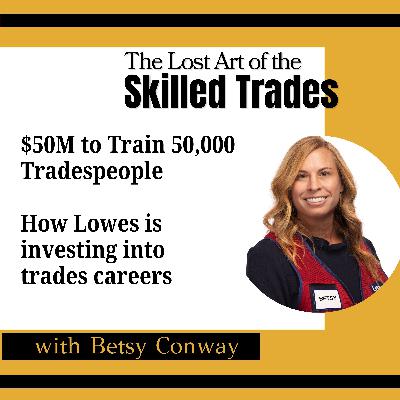
What would you do with $50 million? Lowe’s decided to invest it into the future of the skilled trades—training 50,000 people for careers in plumbing, welding, electrical, HVAC, and more.Host Andrew Brown sits down with Betsy Conway, Director of the Lowe’s Foundation, to explore how skilled trades careers are being shaped by Lowe’s Foundation grants, plumbing apprenticeship programs, and SkillsUSA training programs. They dive deep into how nonprofits, community colleges, and industry experts are tackling the welding workforce shortage, empowering new electricians, plumbers, carpenters, HVAC techs, and contractors.Whether you’re just starting in the trades industry or looking to grow, this episode delivers insights into mentorship, craftsmanship, problem-solving, and trades careers advocacy that define the future of the skilled trades.IN THIS EPISODE:● (00:00) – Skilled Trades Careers Overview: Why the trades industry needs plumbers, electricians, carpenters, and HVAC pros now more than ever.● (02:15) – Lowe’s Foundation Grants: Investing $50M to train 50,000 people for rewarding trades careers.● (08:40) – Welding Workforce Shortage: Why the U.S. needs 320,000 welders by 2029 and how SkillsUSA training programs are stepping in.● (15:10) – Plumbing Apprenticeship Programs: How mentorship, apprenticeships, and education change lives.● (23:30) – Education & Access: Mobile training labs bringing opportunity to underserved communities.● (35:55) – Tools of the Trade Advice: Betsy Conway’s no-limits mindset for aspiring tradespeople.Key Takeaways:● Lowe’s Foundation grants are fueling innovation at community colleges and nonprofits, making skilled trades careers more accessible.● The welding workforce shortage is real—hundreds of thousands of welders are needed, and SkillsUSA training programs are preparing the next generation● Plumbing apprenticeship programs and mentorship create viable career paths for women, career changers, and young professionals.● Success in the trades industry relies on craftsmanship, creativity, advocacy, and strong peer networks of tradespeople.About the Guest:Betsy Conway is the Director of the Lowe’s Foundation, where she leads initiatives to tackle America’s skilled trades workforce crisis. Through strategic Lowe’s Foundation grants and partnerships with nonprofits, community colleges, and SkillsUSA training programs, she helps create accessible plumbing apprenticeship programs, addresses the welding workforce shortage, and champions opportunities for future electricians, carpenters, HVAC techs, contractors, and millwrights.Keywords:Skilled Trades Careers, Lowe’s Foundation Grants, Plumbing Apprenticeship Programs, Welding Workforce Shortage, SkillsUSA Training Programs, Skilled Trades, Trades Industry, Carpentry, HVAC, Electricians, Plumbers, Millwrights, Construction, Contractors, Tradespeople, Andrew Brown, Betsy Conway, Lowes Foundation, Toolfetch, Skilled Trades Advisory Council, Industry Experts, Advocacy, Craftsmanship, Problem-Solving, Creativity, Education, Mentorship, Trades Careers GrowthResource Links:Linkedin Profile: https://www.linkedin.com/in/betsy-conway/Lowe’s Foundation: https://lowesfoundation.orgInstagram: @LowesFoundationSUPPORT THE SHOW:If you’re getting value from these episodes and want to help keep the mics on, consider tipping the show here → https://andrewbrowntrades.kit.com/products/toolboxEvery dollar helps us keep bringing unfiltered insights from the trades, straight to your ears.
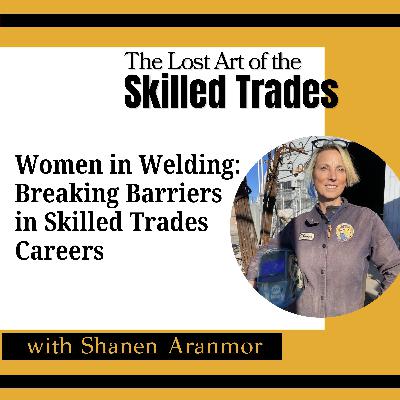
Women in welding, skilled trades careers, and welding education programs take center stage. Shanen Aranmor of Weld Like a Girl joins host Andrew Brown to explore virtual welding training, SkillsUSA welding, and how mentorship and early exposure shape the next generation of tradespeople.Host Andrew Brown sits down with Shanen Aranmor, founder of Weld Like a Girl, to discuss breaking stigmas in the trades industry and opening doors to rewarding skilled trades careers. From welding education programs and virtual welding training to SkillsUSA welding competitions, Shannon shares actionable ways to inspire tradespeople—from second graders to Gen Z apprentices.Whether you’re interested in carpentry, HVAC, electricians, plumbers, or millwrights, this episode reveals how craftsmanship, problem-solving, and creativity fuel career growth in the skilled trades.IN THIS EPISODE:(00:00) – Why skilled trades careers matter and the stigma facing women in welding(04:35) – Encouragement, guidance counselors, and role models for women in welding(12:20) – Early exposure: shop classes, welding education programs, and community colleges(22:50) – Tech that sparks interest: virtual welding training, gamification, and simulators(35:30) – Homeschool competitions, mentorship, teamwork, and craftsmanship(52:15) – Inside SkillsUSA welding: sculpture judging, soft skills, and employer expectationsKey TakeawaysExposure changes everything. Kids can’t pursue skilled trades careers if they’ve never seen welding booths, tools, or shop classes.Representation is powerful. Role models show that women in welding belong in the trades industry.Tech builds bridges. Virtual welding training creates safe and scalable on-ramps for students and schools.Soft skills matter. SkillsUSA welding competitions reward teamwork, communication, and professionalism as much as technical skills.About the GuestShanen Aranmor, founder of Weld Like a Girl, is a certified welding inspector, educator, and fabricator based in Yuma, AZ. She develops welding education programs for schools, veterans, and youth, advocates for women in welding, and champions pathways into skilled trades careers.KeywordsWomen in Welding, Skilled Trades Careers, Welding Education Programs, Virtual Welding Training, SkillsUSA Welding, Shanen Aranmor, Weld Like a Girl, Andrew Brown, Michael Krupnicki, Skilled Trades, Trades Industry, Carpentry, HVAC, Electricians, Plumbers, Millwrights, Construction, Craftsmanship, Problem-Solving, Creativity, Tradespeople, Advocacy, Education, Skilled Trades Advisory Council, Industry Experts, Contractors, Toolfetch, SkillsUSAResourcesLinkedIn Profile: https://www.linkedin.com/in/shanenaranmor/Website: https://weldlikeagirl.us/SUPPORT THE SHOW:If you’re getting value from these episodes and want to help keep the mics on, consider tipping the show here → https://andrewbrowntrades.kit.com/products/toolboxEvery dollar helps us keep bringing unfiltered insights from the trades, straight to your ears.
loading
Comments