


 Claim Ownership
Speak Arizona
Subscribed: 1Played: 13
Subscribe

© Copyright 2019 All rights reserved.
Description
Welcome to Speak Arizona, the ultimate podcast for professionals looking to elevate their speaking skills in the workplace, meetings, and beyond. Whether you’re aiming to captivate an audience, lead a successful meeting, or enhance your professional presence, this podcast is your go-to resource for actionable tips, expert insights, and inspiring stories. Join us as we delve into the art of effective communication, share proven strategies, and interview top speakers and coaches who have mastered the craft. Tune in to Speak Arizona and unlock your potential to speak with confidence, influence, and impact. Powered by District 3 Toastmasters. Subscribe now and take the first step towards becoming the speaker you’ve always wanted to be!
85 Episodes
Reverse
In this episode of Speak Arizona, hosted by Serban Mare and powered by District 3 Toastmasters, listeners will explore the 'silent killer'—the fear of public speaking—and understand why it can significantly impact career progress and personal growth. Serban discusses his own struggles with this fear and introduces a three-step process to reframe fear into fuel: naming the fear, exposing oneself to low, medium, and high-stakes speaking, and turning anxiety into excitement. Practical tools like deep breathing methods and adopting power stances are also highlighted to help listeners conquer their speaking anxieties and elevate their professional presence.
Visit speakarizona.com for more information.
00:00 Introduction to Speak Arizona
00:48 The Silent Killer: Fear of Speaking
01:52 Personal Experiences with Fear
03:21 Three-Step Process to Overcome Fear
03:31 Step 1: Name the Fear
04:14 Step 2: Micro Exposure
06:34 Step 3: Turn Anxiety into Excitement
07:55 Practical Tips and Conclusion
In this episode of Speak Arizona, hosted by Serban, listeners are introduced to essential strategies for improving their speaking skills in professional settings. The podcast delves into the 'Three C's' of effective communication: Clarity, Confidence, and Connection. Serban offers actionable tips on simplifying messages, projecting confidence, and establishing a deeper connection with the audience. Additionally, he emphasizes the value of descriptive language to enhance storytelling. The episode concludes with a call to action, encouraging listeners to observe and apply successful communication techniques in their interactions.
Visit Speakarizona.com for more information.
00:00 Introduction to Speak Arizona
00:47 Identifying Communication Barriers
02:27 The Three Cs of Effective Communication
02:56 Clarity: The First C
05:16 Confidence: The Second C
08:21 Connection: The Third C
11:56 The Power of Descriptive Language
13:08 Practical Tips and Conclusion
In this episode of Speak Arizona, hosted by Serban Mare, listeners are introduced to six unexpected but crucial skills gained through participation in Toastmasters. The episode emphasizes the value of Toastmasters as a safe and supportive space for practicing speaking and leadership skills, and explores additional benefits such as community building, thinking on your feet, receiving and giving constructive feedback, and developing active listening skills. Serban hopes to inspire listeners to join a Toastmasters club and take their communication abilities to new heights.
Visit speakarizona.com for more information.
00:00 Introduction to Speak Arizona
00:36 Meet Your Host: Serban
01:27 The Power of Toastmasters
02:42 Skill 1: Safe Practice Environment
04:54 Skill 2: Supportive Community
05:55 Skill 3: Building a Sense of Belonging
07:48 Skill 4: Thinking on Your Feet
09:27 Skill 5: Giving and Receiving Feedback
12:30 Skill 6: Active Listening
14:23 Conclusion and Call to Action
In this episode of Speak Arizona, host Sara Mayer discusses the significance of storytelling for leaders by exploring the book 'The 10 Stories Great Leaders Tell' by Paul Smith. Sarah emphasizes the impact of stories in creating connections, inspiring action, and leaving lasting impressions, and outlines the 10 crucial stories that leaders should master: 'Where We Came From,' 'Why We Can't Stay Here,' 'Where We're Going,' 'How We're Going to Get There,' 'What We Believe,' 'Who We Serve,' 'What We Do for Them,' 'Why We're Different,' 'Why I Lead the Way I Do,' and 'Why You Want to Be Here.' She offers practical tips on how to start crafting these stories and highlights their importance for leaders in various settings. Future episodes will delve deeper into each of the individual stories.
Visit Speakarizona.com for more information.
00:00 Welcome to Speak Arizona
01:09 The Power of Storytelling for Leaders
01:59 Introduction to The 10 Stories Great Leaders Tell
02:13 Overview of the 10 Essential Stories
04:40 Tips for Practicing Your Stories
06:17 Final Thoughts and Encouragement
07:21 Subscribe and Stay Connected
In this episode of Speak Arizona, host Peter Salazar welcomes Tania Will Jeppesen, a leadership expert and the founder of The Prepared Leader. Tania shares her journey from operational excellence to leadership development, discussing the driving force behind 'The Prepared Leader' and the role of branding, storytelling, and preparation in effective leadership. She also highlights common mistakes speakers should avoid and the impact of receiving authentic audience feedback. The episode not only provides invaluable tips for aspiring leaders but also underscores the importance of genuine stories in connecting with and transforming an audience. Tune in to gain actionable insights and be inspired by Tanya’s experience in empowering and preparing leaders to excel.
Visit Speakarizona.com for more information
00:00 Introduction to Speak Arizona
01:24 Meet Tania Will Jeppesen
02:03 The Origin of The Prepared Leader
04:11 The Importance of Personal Branding
05:55 Overcoming Speaking Challenges
16:28 Effective Storytelling in Presentations
21:55 The Power of Testimonials
23:45 Conclusion and Sign-Off
In this episode of Speak Arizona, hosted by Serban Mare, listeners are introduced to three effective methods for structuring presentations to make them engaging and memorable. Sponsored by District 3 Toastmasters, the podcast emphasizes the importance of having a strong introduction and closing. The methods discussed include the simple 'What did you learn, and who taught you?' approach by Ryan Avery, the structured premise-three points-call to action method by Patricia Flip, and the more complex PSSW method (Pain, Solution, So what, Now what). Additionally, the STAR method (Specific, Tangible, Actionable, Realistic) is provided as a bonus tip to ensure clarity and impact in presentations. Join us to elevate your speaking skills and leave a lasting impression on your audience.
For more information visit speakarizona.com
00:00 Introduction to Speak Arizona
00:43 The Importance of Structuring Your Presentation
02:55 Method 1: The Ryan Avery Approach
05:01 Method 2: The Patricia Flip Technique
08:05 Method 3: The Hero's Journey
11:01 Bonus Tip: The STAR Method
13:04 Conclusion and Call to Action
Sara Mayer, host of Speak Arizona, guides listeners through the process of creating a personal development plan. She discusses her own journey from feeling stuck to achieving significant personal and professional growth through structured planning. Listeners will learn the importance of setting inspiring goals, actionable steps, and the necessity of reflecting on past achievements to shape future growth. Mayer shares practical advice on maintaining accountability, the significance of flexibility, and the importance of regular check-ins. The episode emphasizes the transformative power of a well-crafted development plan.
00:00 Welcome to Speak Arizona
00:08 The Power of a Personal Development Plan
00:43 Sara's Personal Story of Transformation
02:42 Why You Need a Development Plan
04:12 Reflecting on Your Past Year
08:02 Setting Bold and Inspiring Goals
11:52 Creating an Actionable Plan
12:43 Staying on Track and Celebrating Wins
13:38 Practical Tips for Your Development Plan
14:23 Conclusion and Challenge
Visit Speakarizona.com for more information.
In this episode of Speak Arizona, Peter Salazar shares valuable tips for improving your public speaking skills at year-end holiday events. From making genuine connections to seizing opportunities to communicate effectively, listeners will learn how to navigate these social gatherings with confidence and purpose.
Visit Speakarizona.com for more resources.
Introduction
Importance of Holiday Events
Making Connections
Engaging with Coworkers
Participating in Activities
White Elephant Gift Exchanges
Starting Conversations
Keeping Conversations Open
Conclusion
In this episode of Speak Arizona, host Serban Mare discusses overcoming the fear of speaking in front of large audiences. Drawing from personal experiences and his journey with Toastmasters, Serban emphasizes the importance of practice, acceptance of initial failures, and the belief in one's ability to improve. He outlines a four-step process to conquer this fear: acknowledging the reality of being initially bad, willingness to embarrass oneself, believing in the possibility of improvement, and continuously practicing speaking. Serban encourages listeners to seize the next opportunity to practice and apply these steps to enhance their communication skills.
Visit speakarizona.com for more resources.
00:00 Introduction to Speak Arizona
00:37 Overcoming the Fear of Speaking
03:51 Personal Experience with Public Speaking
10:01 The Four-Step Process to Conquer Speaking Anxiety
22:20 Conclusion and Encouragement
In this episode of Speak Arizona, hosted by Sara Mayer, listeners are guided through the process of setting communication goals for the upcoming year. The podcast, powered by District 3 Toastmasters, aims to enhance professionals' speaking skills. The discussion covers self-reflection on personal communication styles, identifying areas for improvement, managing tough conversations, delivering feedback, and inspiring others. Practical tips are provided for setting achievable goals and exploring learning opportunities through resources like Toastmasters, workshops, and online classes. Listeners are encouraged to reflect on their communication strengths and weaknesses and choose specific areas to focus on and practice for growth.
Visit speakarizona.com for more resources.
00:00 Introduction to Speak Arizona
00:45 Setting Communication Goals
01:14 Reflecting on Personal Communication Style
02:18 Overcoming Communication Challenges
03:21 Professional Communication in the Workplace
06:49 Identifying Areas for Growth
08:39 Opportunities for Learning and Practice
10:22 Weekly Communication Challenge
11:20 Conclusion and Next Steps
In this debut episode of Speak Arizona, hosts Sara Mayer, Peter Salazar, and Serban Mare introduce themselves and share their personal journeys into public speaking. The podcast lays out its mission to help professionals improve their communication skills through expert insights, practical tips, and inspiring stories. Each host discusses their background and speaking superpowers, as well as the challenges they've overcome. They also highlight what listeners can expect in future episodes, including interviews with professional speakers, confidence-building strategies, and the psychology of communication. The next episode will focus on setting communication goals for the new year.
Visit speakarizona.com for more resources.
00:00 Welcome to Speak Arizona
00:35 Meet the Hosts
02:09 Podcast Mission and Expectations
04:12 Target Audience
05:14 Fun Questions for the Hosts
07:31 Overcoming Speaking Challenges
10:31 Favorite Speaking Moments
15:25 Excitement for Future Episodes
18:25 How We Started Our Speaking Journey
22:56 What to Expect in Upcoming Episodes
25:04 Conclusion and Next Episode Teaser
Welcome to Speak Arizona, the ultimate podcast for professionals looking to elevate their speaking skills in the workplace, meetings, and beyond. Whether you’re aiming to captivate an audience, lead a successful meeting, or enhance your professional presence, this podcast is your go-to resource for actionable tips, expert insights, and inspiring stories. Join us as we delve into the art of effective communication. Speak Arizona is powered by District 3 Toastmasters. Subscribe now and take the first step towards becoming the speaker you’ve always wanted to be!
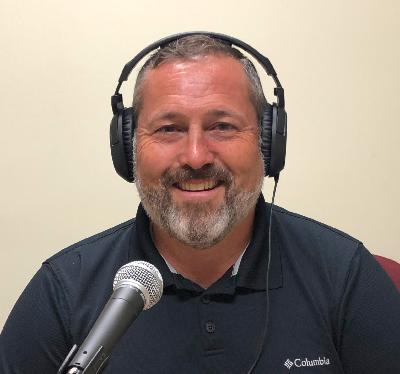
When he joined Toastmasters, Steve Enteman just wanted to improve his speaking skills, but he soon learned he had a talent for winning speech contests. Listen as Steve recounts his most recent contest experience and the people in his club who helped get him started. (Recorded October 15, 2019)
Career change can feel like a mix of rejection, identity shake-ups, and pressure to have it all figured out fast. In this episode, Rupesh sits down with Caitlin Magidson to explore how self-awareness can reduce stress, sharpen decision-making, and strengthen how you communicate when the stakes feel high. They connect mindfulness to career pivots, unpack what is really underneath public speaking fear, and talk through how to separate who you are from a single tough moment. You will also hear practical ways to build emotional vocabulary and self-trust so you can show up with more clarity in work and life. Perfect for professionals in transition who want to make calmer decisions and communicate with confidence.
Key takeaways
- Career change stress often comes from identity disruption, not just tactics like resumes and LinkedIn.
- Mindfulness builds the awareness needed to respond instead of react in high-pressure moments.
- Public speaking fear is often tied to past experiences and the stories we keep replaying.
- Self-trust grows when you separate what happened to you from who you are.
- Emotional vocabulary helps you name what you feel so you can choose how you show up.
Chapters
00:00 - Cold open
01:29 - Caitlin's Intro
02:51 - Caitlin's background
06:19 - Career change and rejection
10:03 - Identity beyond your title
16:20 - Public speaking fear
21:38 - One bad stage moment
27:38 - Values as an anchor
34:56 - Regulate before you respond
36:16 - Emotional vocabulary
38:50 - Rapid fire and closing
Guest
Caitlin Magidson is a career coach, psychotherapist, and corporate speaker who helps individuals and organizations build clarity, confidence, and meaningful growth.
Connect
- Website: https://www.caitlinmagidson.com/
- LinkedIn: https://www.linkedin.com/in/cmagidson/
- Instagram: @caitlinmagidson
In Part 2 of our conversation with The Bridge Improv Theater, host Rupesh Parbhoo and cohost Rachel Perez dig into how improv skills translate directly to stronger leadership. Guests David Raftery and Jess Klemm share how "going with the flow" helps leaders navigate constant change, why leadership is a shared activity (not a single role), and how "Yes, And" creates momentum and trust on teams. They also explore the power of third spaces for community, and why authenticity will matter even more as AI and automation accelerate. Perfect for leaders and communicators who want to build trust, presence, and authentic connection.
Key takeaways
- Leaders improve outcomes when they can adapt in real time and keep moving forward.
- "Yes, And" is a practical framework for shared leadership and stronger collaboration.
- Listening and empathy create connection, especially when people drop the "masks" they wear.
- Third spaces help people build community outside of work and home.
- Authenticity becomes more valuable as AI makes communication easier and less human.
Chapters
00:00 - Introduction
01:16 - The Bridge Improv returns
02:19 - Recap Part 1
03:11 - Leadership as improvising
04:22 - "No one person is the leader"
08:24 - The "third space" and why community matters
14:30 - Why people are craving authentic connection
16:52 - Improv celebrates being human
33:25 - Where to find The Bridge
Guests and cohost
Jess Klemm is the education director at Bridge Improv Theater and began her improv journey in 2018.
Connect
- https://www.bridgeimprovtheater.com/
- https://www.instagram.com/bridgeimprovtheater/
- https://www.linkedin.com/company/bridge-improv-theater/
David Raftery is a co-owner of Bridge Improv Theater and has been performing and teaching improv in Arizona since 2012.
Connect
- https://www.linkedin.com/in/david-raftery-7ab689212/
- https://www.bridgeimprovtheater.com/
- https://www.facebook.com/bridgeimprov/
Rachel Perez is a brand identity designer and runs Composion, a one-person design studio.
Connect
- https://www.composion.design/
- https://www.linkedin.com/in/rachel-perez-composion/
In Part 1 of our conversation with Bridge Improv Theater, co-owner David Raftery and education director Jess Klemm join host Rupesh Parbhoo and co-host Rachel Perez (Composion) to explore how improv builds confident communicators. You will hear simple warm-up games to spark creativity, why presence and active listening beat memorizing a script, and the real meaning of "yes, and" as agreement and support. They also clear up common misconceptions about improv and share how a playful mindset can reduce speaking anxiety and strengthen connection with any audience. Perfect for professionals, leaders, and speakers who want to show up more present, confident, and connected.
Key takeaways
- Presence and listening reduce anxiety more than memorizing a perfect script.
- Quick warm-up games help you think faster and loosen up before speaking.
- Improv is collaborative discovery, not standup or "being funny on command."
- "Yes, and" is really agreement - supporting what is happening and building together.
- Repetition in a safe, playful environment builds confidence and connection.
Chapters
00:00 - Cold open
00:55 - Welcome to Speak Arizona
01:38 - Meet co-host Rachel Perez
02:56 - Meet Bridge Improv Theater
04:51 - Warm-up games
10:13 - What improv is and what happens on stage
14:24 - Stop clutching the script
18:14 - How Jess and David got into improv
23:41 - Misconceptions
28:56 - Confidence and community
37:38 - "Yes, and"
43:14 - How to visit Bridge
Guest
Jess Klemm is the education director at Bridge Improv Theater and began her improv journey in 2018.
Connect
- https://www.bridgeimprovtheater.com/
- https://www.instagram.com/bridgeimprovtheater/
- https://www.linkedin.com/company/bridge-improv-theater/
David Raftery is a co-owner of Bridge Improv Theater and has been performing and teaching improv in Arizona since 2012.
Connect
- https://www.linkedin.com/in/david-raftery-7ab689212/
- https://www.bridgeimprovtheater.com/
- https://www.facebook.com/bridgeimprov/
Rachel Perez is a brand identity designer and runs Composion, a one-person design studio.
Connect
- https://www.composion.design/
- https://www.linkedin.com/in/rachel-perez-composion/
Remote work makes communication more visible - and more fragile. In this episode, host Rupesh Parbhoo talks with leadership coach Kelly Soifer about how to create clarity across time zones, tools, and work styles without burning people out. They unpack why many meetings feel draining, how to balance asynchronous and synchronous work, and what it looks like to set expectations and boundaries around responsiveness. You will also hear practical ways leaders can model healthy norms, like clarifying response windows and removing pressure from late-night messages. Perfect for managers, team leads, and individual contributors who want to communicate with more clarity and less stress in remote or hybrid teams.
Key takeaways
- Stop using meetings for status updates. Move updates to async and use meeting time for decisions and discussion.
- Make expectations explicit: response times, channels, and what is truly urgent.
- Meetings should earn their place on the calendar (brainstorming, professional development, trust and team building).
- Healthy boundaries are a leadership skill, model them so your team does not feel "always on".
- Zoom fatigue is often a meeting-design problem, not a Zoom problem.
Chapters
00:00 - This could have been an email
01:33 - Introduction
02:32 - Remote, hybrid, and distributed realities
09:27 - Replace live reporting with async updates
11:48 - What meetings are really for
16:46 - Setting response-time norms and discussing responsiveness across channels
18:03 - Model boundaries with late-night email disclaimers and clear cues
21:39 - Cameras on/off, engagement, and why "Zoom fatigue" happens
23:46 - The "golden rule" for communication in remote teams
26:49 - Rapid fire collaboration preferences + closing
Kelly Soifer is an ICF-certified leadership development and career coach at KS Leadership Development. For nearly 40 years, she has guided professionals through personal and career transitions, helping them clarify identity, values, and purpose. Her approach blends emotionally intelligent coaching with practical tools that support leaders navigating change.
Connect
- Website: ksleadershipdevelopment.me
- LinkedIn: https://www.linkedin.com/in/kellysoifer/
Most speakers lose the room before the first slide. In this episode, Rupesh sits down with Serban Mare to break down the most common opening mistakes that kill momentum, and the simple fixes that help you earn attention fast. They walk through 10 “how not to start” tips, including the cold “Hi, my name is…” opener, nervous disclaimers, tech checks, purposeless questions, housekeeping first, time excuses, and more. Each tip comes with a better alternative that helps you establish value, confidence, and clarity in the first seconds. If you present to customers, leadership, or cross-functional teams, this one will upgrade your opening immediately.
Key takeaways
- Your opening should create value fast, not apology, nerves, or admin.
- If you ask the audience something, have a purpose and use the response.
- Avoid time excuses and “I didn’t prepare” signals. They lower trust instantly.
- Humor is high risk early. Use it only when it supports the message.
- Memorize your first 2-3 sentences and your last 2-3 sentences to deliver with presence.
Chapters
00:00 - Introduction
03:50 - Tip 1: “Hi, my name is…” (why it is a weak start and what to do instead)
05:56 - Tip 2: “I’m so nervous…” (how it undercuts authority)
10:17 - Tip 3: “Can anybody hear me?” (avoid tech fumbling as your opener)
13:23 - Tip 4: “How are you doing today?” (stop asking questions with no purpose)
16:23 - Tip 5: Starting with housekeeping and logistics (why it kills momentum)
18:09 - Tip 6: “I only have ten minutes…” (do not waste time talking about time)
20:26 - Tip 7: “I didn’t have enough time to prepare…” (what it signals to the room)
22:47 - Tip 8: The weak joke opener (when humor backfires)
26:16 - Tip 9: Starting with a negative example or confusing setup (how it loses the room)
30:00 - Tip 10: Over-explaining your title, background, or topic (start with the point)
31:58 - Practical tactic: Memorize your first 2-3 sentences (and your last 2-3)
44:00 - Where to connect and closing thoughts
About the guest
Serban Mare is PMP-certified Technical Program Manager with 20 years of experience in the semiconductor industry, leading complex mixed-signal IC projects from concept to mass production. Serban is a corporate speaker specializing in stress resilience, energy management, and workplace well-being.
Connect
- https://www.linkedin.com/in/serban-morea-pmp/
- https://serbanmare.com/
What happens when the story you tell yourself is “I can’t speak” - and you decide to rewrite it? In this episode, Rupesh sits down with Matthew Malan to unpack his journey from a childhood stutter and years of hiding to finding confidence on stage through Toastmasters, coaching, and consistent reps. Matt shares how fear shows up (and how it lies), why all-or-nothing thinking stalls growth, and how changing your words can change your future. You’ll also hear the role a mentor played in helping him practice, believe again, and keep showing up. Perfect for professionals who want to speak with confidence even when they feel nervous.
Key takeaways
- Confidence is built through reps, not waiting until you “feel ready.”
- Reframe mistakes as feedback so you can improve without spiraling into shame.
- The words you repeat become beliefs, and beliefs shape behavior.
- Surround yourself with positive people and find a coach or mentor who will challenge you.
- Baby steps and consistency beat perfectionism every time.
Chapters
00:26 - Welcome to Speak Arizona
01:22 - Meet Matt Malan and why his story matters
02:09 - The moment fear won: skipping his first speech
03:10 - Childhood stutter and speech therapy
08:07 - Hiding to stay safe and the decision to change
09:21 - Words, beliefs, and the “spell” fear can cast
09:41 - Growth mindset: learning from flops and building confidence
12:03 - The power of a mentor: meeting Don and relentless practice
17:18 - Training under pressure: the 26 posture sequence analogy
23:52 - “Speeches aren’t written, they’re rewritten” - how to get better fast
40:29 - Closing encouragement: take risks, change things up, and keep going
Guest
Matthew Malan is a sales representative at Vemo Smart Energy.
Connect
- Instagram: @mattmalan6
- LinkedIn: https://www.linkedin.com/in/matt-malan-766a15208/
Introverted and tired of networking that feels like forced small talk? In this episode, Rupesh Parbhoo sits down with Rachel Perez, Owner and Creative Director of Composion, to share low-pressure ways to build real professional relationships. They talk about why deep listening is an introvert superpower, how arriving early makes conversations easier, and simple icebreakers that feel natural. Rachel also shares how improv classes helped her get comfortable thinking on her feet. Perfect for introverts and quiet professionals who want to grow their network with confidence and authenticity.
Key takeaways
Lead with curiosity, not an agenda. People can feel when you are trying to sell.
Arrive early to events so conversations start one-on-one, not in a big group.
Use easy icebreakers: shared context (like the food), genuine compliments, and thoughtful questions.
Regulate the anxiety: zoom out, keep it playful, and remember the stakes are smaller than they feel.
Practice outside your comfort zone (like improv) to build social confidence over time.
Rachel Perez is the Owner and Creative Director of Composion. She specializes in branding, logo design, and website design for small, service-based businesses in the human and animal health and wellness space, with 14+ years of experience and a degree in Visual Communication.
LinkedIn: https://www.linkedin.com/in/rachel-perez-composion/
Website: https://www.composion.design/
Instagram: https://www.instagram.com/mrs.rachelperez/
Chapters:
00:00 - Welcome to Speak Arizona
00:57 - Why networking can feel hard for introverts
01:16 - Meet Rachel Perez and Composion
04:55 - Building confidence with improv reps
06:09 - What networking is really about
11:20 - Network without an agenda
12:48 - Brownies and other easy icebreakers
15:10 - Arrive early to make it easier
15:35 - The "floating rock" perspective shift
18:24 - Following up after events (Instagram and LinkedIn)
26:01 - Speaking gigs, confidence, and practice
28:46 - Box breathing and where to connect with Rachel
29:36 - Closing and outro

Comments

Download from Google Play

Download from App Store
 United States