


 Claim Ownership
The Stress Puzzle
Subscribed: 7Played: 55
Subscribe

© 2024
Description
The Stress Puzzle engages both researchers and the broader community in the cutting-edge field of stress science by promoting high-quality research that doesn't shy away from the nuances of the work.
18 Episodes
Reverse
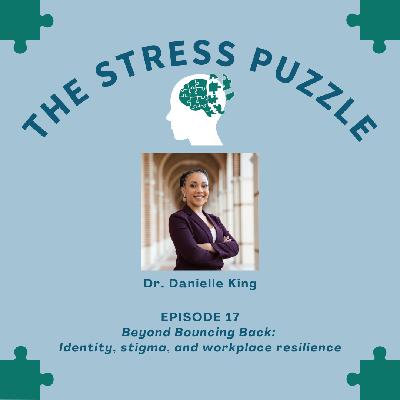
In the midst of this season of gratitude, I feel especially grateful to be able to share this episode with you featuring Dr. Danielle King and focusing on the meaning and measurement of resilience. Our conversation focused primarily on resilience in the workplace and how stigma, chronic stress, and systemic factors shape the opportunity for resilience - drawing from her recent paper in American Psychologist outlining a stigma-conscious framework for resilience. Throughout this conversation, Dr. King also explained the limitations of trait-based definitions of resilience, emphasizing the importance of dynamic and context-sensitive measurement. Dr. Danielle King is an Associate Professor of Organizational Psychology and the Associate Dean of Graduate and Postdoctoral Studies at Rice University. She is the founder and principal investigator of the WorKing Resilience Research Laboratory. Her research and teaching portfolios focus on promoting motivation, leadership, resilience, thriving, voice, and belonging. Her research is frequently published in top journals like American Psychologist and popular media outlets including Harvard Business Review. Dr. King's research has been funded by the National Science Foundation, including a prestigious 5-year NSF Career Award, which is designated for scholars who serve as role models and leaders in research and education by advancing science for the betterment of society. She has also received some of the top awards in the field from both APA and APS. Topics Discussed: Resilience Employee Resilience Identity Stigma Goal Pursuit Physiological Costs Microaggressions Papers and Resources Discussed: King, D. D., Lopiano, G., & Fattoracci, E. S. M. (2024). A stigma-conscious framework for resilience and posttraumatic change. American Psychologist, 79(8), 1155–1170. King, D. D., Newman, A., and Luthans, F. (2016) Not if, but when we need resilience in the workplace. J. Organiz. Behav., 37: 782–786. What Leaders Get Wrong About Resilience - Dr. King in the Harvard Business Review. Tugade MM, Fredrickson BL. Resilient individuals use positive emotions to bounce back from negative emotional experiences. J Pers Soc Psychol. 2004 Feb;86(2):320-33. King, D. D., Fattoracci, E. S. M., Hollingsworth, D. W., Stahr, E., & Nelson, M. (2023). When thriving requires effortful surviving: Delineating manifestations and resource expenditure outcomes of microaggressions for Black employees. The Journal of applied psychology, 108(2), 183–207. King, D.D., Hall, A.V., Johnson, L. et al. Research on Anti-Black Racism in Organizations: Insights, Ideas, and Considerations. J Bus Psychol 38, 145–162 (2023). King, D. D., Lyons, B., & Phetmisy, C. N. (2021). Perceived resiliency: The influence of resilience narratives on attribution processes in selection. Journal of Vocational Behavior, 131, 103653. Wilkerson, I. (2020). Caste: The origins of our discontents. Random House. Bennett, B. (2020) The Vanishing Half. Riverhead Books. King, D. D., DeShon, R. P., Phetmisy, C. N., & Burrows, D. (2022). What is resilience? Offering construct clarity to address "quicksand" and "shadow side" resilience concerns. In Examining the paradox of occupational stressors: Building resilience or creating depletion (Vol. 20, pp. 25-50). Emerald Publishing Limited. -- The Stress Puzzle is hosted by Dr. Ryan L. Brown (https://www.ryanlinnbrown.com/) and supported by the UCSF Stress Measurement Network, an NIH/NIA funded network which aims to better understand the relationship between stress and health by improving the measurement of stress in research studies. Learn more about available resources to support stress research at: www.stressmeasurement.org. Have burning questions about stress? Email us at stresspuzzlepod@gmail.com and we may feature your question in a future episode!
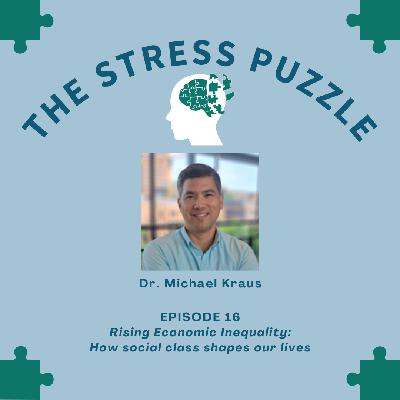
For this episode, I spoke with Dr. Michael Kraus about the widening gap between the richest and the poorest in our society (aka rising economic inequality). We discussed how social class shapes every domain of our lives and how class segregation creates distinct cultural patterns and norms. Dr. Kraus also emphasized how quickly and acurately people can perceive social class, the psychological mechanisms that perpetuate inequality, and the profound ways economic inequality affects our social interactions and well-being on a daily basis. Dr. Michael Kraus is a Professor of Psychology at Northwestern University and Morton O. Schapiro Faculty Fellow at the Institute for Policy Research. Dr. Kraus is a social psychologist who studies how inequality fundamentally shapes the dynamics of human social interactions. Much of his research focuses on the behavioral and emotional states that maintain and perpetuate economic and racial inequality in society. His research is consistently published in top journals and has been highlighted by numerous media outlets including ABC World News, National Public Radio, and the Wall Street Journal. Topics Discussed: Social Rank Social Hierarchies Social Class Relative Rank Socioeconomic (SES) Status Societal Health Economic Inequality Power/Agency Social Mobility Perception/Status Signals Papers and Resources Discussed: Tan, J. J. X., Kraus, M. W., Carpenter, N. C., & Adler, N. E. (2020). The association between objective and subjective socioeconomic status and subjective well-being: A meta-analytic review. Psychological bulletin, 146(11), 970–1020. Kraus, M. W., Adler, N., & Chen, T. W. (2013). Is the association of subjective SES and self-rated health confounded by negative mood? An experimental approach. Health psychology : official journal of the Division of Health Psychology, American Psychological Association, 32(2), 138–145. Pew Research Center on Global Economic Inequality Kraus, M. W., Piff, P. K., & Keltner, D. (2011). Social Class as Culture: The Convergence of Resources and Rank in the Social Realm. Current Directions in Psychological Science, 20(4), 246–250. Kraus, M. W., Park, J. W., & Tan, J. J. X. (2017). Signs of Social Class: The Experience of Economic Inequality in Everyday Life. Perspectives on Psychological Science, 12(3), 422–435. Kraus, M. W., & Tan, J. J. X. (2015). Americans overestimate social class mobility. Journal of Experimental Social Psychology, 58, 101–111. Carey, R. M., & Markus, H. R. (2017). Social class shapes the form and function of relationships and selves. Current Opinion in Psychology, 18, 123–130. Markus, H. R. (2017). In This Together: Doing and Undoing Inequality and Social Class Divides. Journal of Social Issues, 73(1), 211–221. Becker, J. C., Kraus, M. W., & Rheinschmidt-Same, M. (2017). Cultural Expressions of Social Class and Their Implications for Group-Related Beliefs and Behaviors. Journal of Social Issues, 73(1), 158–174. Work of Nancy Adler Work of Frantz Fanon Work of Jim Sidanius Stress Puzzle episode on Sir Michael Marmot's contributions -- The Stress Puzzle is hosted by Dr. Ryan L. Brown (https://www.ryanlinnbrown.com/) and supported by the UCSF Stress Measurement Network, an NIH/NIA funded network which aims to better understand the relationship between stress and health by improving the measurement of stress in research studies. Learn more about available resources to support stress research at: www.stressmeasurement.org. Have burning questions about stress? Email us at stresspuzzlepod@gmail.com and we may feature your question in a future episode!
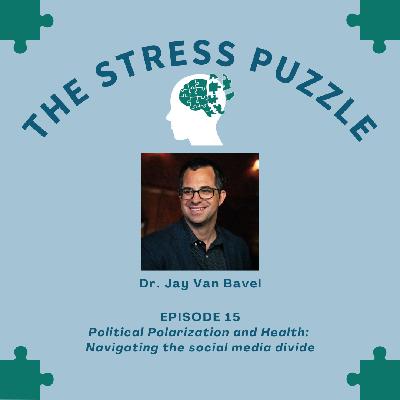
For this episode, I spoke with Dr. Jay Van Bavel about political polarization as a threat to individual and societal health, which is particularly salient as we're seeing more politically-motivated violence. Specifically, we discussed the dangers of rising political polarization, how social media incentives contribute to polarization, and why we should consider political polarization as a social determinant of health. Through this episode, listeners will learn more about the psychological mechanisms behind polarization, potential interventions to reduce social and political tensions, and how social media drives polarization. Dr. Jay Van Bavel is a Professor of Psychology & Neural Science at New York University, an affiliate at the Stern School of Business in Management and Organizations, Professor at the Norwegian School of Economics, and Director of the Center for Conflict & Cooperation. His research examines how collective concerns—group identities, moral values, and political beliefs—shape the mind, brain, and behavior. He studies these issues using a combination of neuroimaging, lesion patients, social cognitive tasks, economic tasks, cross-cultural surveys, and computational social science. Dr. Van Bavel has published over 150 academic papers in top journals (including in Science, Nature, PNAS) and is a Clarivate highly cited researcher (meaning he's in the top 1% of researchers worldwide!). Beyond his research, I deeply admire his excellent science communication and the way he has translated his research for both the public and policymakers. For example, he co-authored The Power of Us: Harnessing Our Shared Identities to Improve Performance, Increase Cooperation, and Promote Social Harmony (which won the APA William James Book Award). His work has also been cited in the US Supreme Court and Senate and he has consulted with the White House, United Nations, European Union, and World Health Organization. Topics Discussed: Social Identity Political Polarization Ideological Polarization Affective Polarization Partisanship/Partisan Animosity In-Group/Out-Group Megastudy Information Sharing Misinformation/Disinformation Social Inclusion Social Media Psychology of Virality Science Communication Trust in Science Papers and Resources Discussed: Van Bavel, J.J., Gadarian, S.K., Knowles, E., & Ruggeri K. (2024). Political polarization and health. Nature Medicine, 30(11), 3085–3093. World Economic Forum Global Risks Report 2024 Bavel, J.J.V., Baicker, K., Boggio, P.S. et al. Using social and behavioural science to support COVID-19 pandemic response. Nat Hum Behav 4, 460–471 (2020). Rathje, S., & Van Bavel, J. J. (2025). The psychology of virality. Trends in cognitive sciences, S1364-6613(25)00173-1. Advance online publication. Brady, W. J., & Van Bavel, J. J. (2025). Social identity shapes antecedents and functional outcomes of moral emotion expression. Journal of experimental psychology. General, 154(6), 1505–1522. Voelkel, J. G., Stagnaro, M. N., Chu, J. Y., Pink, S. L., Mernyk, J. S., Redekopp, C., Ghezae, I., Cashman, M., Adjodah, D., Allen, L. G., Allis, L. V., Baleria, G., Ballantyne, N., Van Bavel, J. J., Blunden, H., Braley, A., Bryan, C. J., Celniker, J. B., Cikara, M., Clapper, M. V., … Willer, R. (2024). Megastudy testing 25 treatments to reduce antidemocratic attitudes and partisan animosity. Science (New York, N.Y.), 386(6719), eadh4764. Further Readings and Resources: Van Bavel, J. J., & Pereira, A. (2018). The partisan brain: An identity-based model of political belief. Trends in cognitive sciences, 22(3), 213-224. Van Bavel, J. J., Robertson, C. E., Del Rosario, K., Rasmussen, J., & Rathje, S. (2024). Social media and morality. Annual review of psychology, 75(1), 311-340. Finkel, E. J., Bail, C. A., Cikara, M., Ditto, P. H., Iyengar, S., Klar, S., ... & Druckman, J. N. (2020). Political sectarianism in America. Science, 370(6516), 533-536. Rathje, S., Van Bavel, J. J., & Van Der Linden, S. (2021). Out-group animosity drives engagement on social media. Proceedings of the national academy of sciences, 118(26), e2024292118. Van Bavel, J. J., Harris, E. A., Pärnamets, P., Rathje, S., Doell, K. C., & Tucker, J. A. (2021). Political psychology in the digital (mis) information age: A model of news belief and sharing. Social Issues and Policy Review, 15(1), 84-113. Brady, W. J., Gantman, A. P., & Van Bavel, J. J. (2020). Attentional capture helps explain why moral and emotional content go viral. Journal of Experimental Psychology: General, 149(4), 746. Rathje, Steve, James K. He, Jon Roozenbeek, Jay J. Van Bavel, and Sander Van Der Linden. "Social media behavior is associated with vaccine hesitancy." PNAS nexus 1, no. 4 (2022): pgac207. Van Bavel, J. J., Harris, E. A., Pärnamets, P., Rathje, S., Doell, K. C., & Tucker, J. A. (2021). Political psychology in the digital (mis) information age: A model of news belief and sharing. Social Issues and Policy Review, 15(1), 84-113. -- The Stress Puzzle is hosted by Dr. Ryan L. Brown (https://www.ryanlinnbrown.com/) and supported by the UCSF Stress Measurement Network, an NIH/NIA funded network which aims to better understand the relationship between stress and health by improving the measurement of stress in research studies. Learn more about available resources to support stress research at: www.stressmeasurement.org. Have burning questions about stress? Email us at stresspuzzlepod@gmail.com and we may feature your question in a future episode!
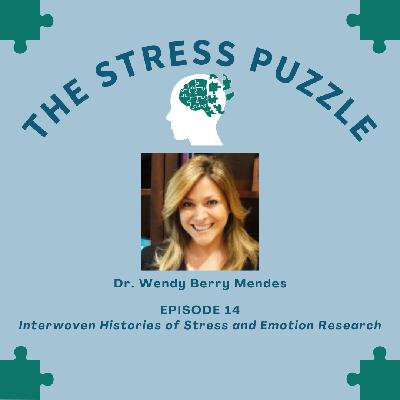
Season 2 is here and we're focused on stress in context! In this episode, I chatted with Dr. Wendy Berry Mendes about the evolution of stress and emotion research and how these fields have grown together. We also talk about distinctions between stress and emotions, and how their differences lead to meaningful differences in measurement. We wrap up with a discussion around the importance of contextual factors (like culture or social status) in stress and emotion research and give examples of how context can affect the experience and expression of emotions. Dr. Wendy Berry Mendes is the Chris Argyris Professor of Psychology at Yale University, where she also leads the Emotion, Health and Psychophysiology lab. She's an international leader in social psychophysiology and has trained generations of students. She's a rigorous experimentalist, which has led to dozens of discoveries about the human social stress response. Her research on stress often goes beyond thinking about the individual to characterize how one person's stress impacts another person's emotions and physiology. Learn more about her research: https://www.wendyberrymendes.com/ Topics Discussed: Emotions, Emotion Regulation, Emotion Measurement Acute Stress, Chronic Stress, Good vs. Bad Stress Sympathetic and Parasympathetic Nervous System Responses Stress and Coping, Coping Styles, Coping Strategies Cognition and Emotion Papers and Resources Discussed: Shenhav, A., & Mendes, W. B. (2014). Aiming for the stomach and hitting the heart: dissociable triggers and sources for disgust reactions. Emotion, 14(2), 301–309. Stress Measurement Network's Physiological Toolbox: https://www.stressmeasurement.org/physiological-measures Ekman, P. (1992). An argument for basic emotions. Cognition and Emotion, 6(3–4), 169–200. Ekman, P. (1989). The argument and evidence about universals in facial expressions of emotion. In H. Wagner & A. Manstead (Eds.), Handbook of social psychophysiology (pp. 143–164). John Wiley & Sons. -- The Stress Puzzle is hosted by Dr. Ryan L. Brown (https://www.ryanlinnbrown.com/) and supported by the UCSF Stress Measurement Network, an NIH/NIA funded network which aims to better understand the relationship between stress and health by improving the measurement of stress in research studies. Learn more about available resources to support stress research at: www.stressmeasurement.org. Have burning questions about stress? Email us at stresspuzzlepod@gmail.com and we may feature your question in a future episode!
In honor of a new academic year, we wanted to share some advice and reflections from our Season 1 guests. This is a mix of clips with some that have been included in prior episodes and some that we've saved just for this episode. We wanted to have these reflections consolidated so it would be easy for you to share with trainees and early-career researchers, as well as anyone who may be thinking about pursuing interdisciplinary research. Check back tomorrow for our new season of the podcast focused on stress in context. Outline of Episode: 1:09: How have you handled mistakes in your career? 8:50: Non-traditional experiences and hobbies 12:03: Advice for current trainees 22:29: Reflections on collaborating 30:20: What do you see as the future of stress science? -- The Stress Puzzle is hosted by Dr. Ryan L. Brown (https://www.ryanlinnbrown.com/) and supported by the UCSF Stress Measurement Network, an NIH/NIA funded network which aims to better understand the relationship between stress and health by improving the measurement of stress in research studies. Learn more about available resources to support stress research at: www.stressmeasurement.org. Have burning questions about stress? Email us at stresspuzzlepod@gmail.com and we may feature your question in a future episode!
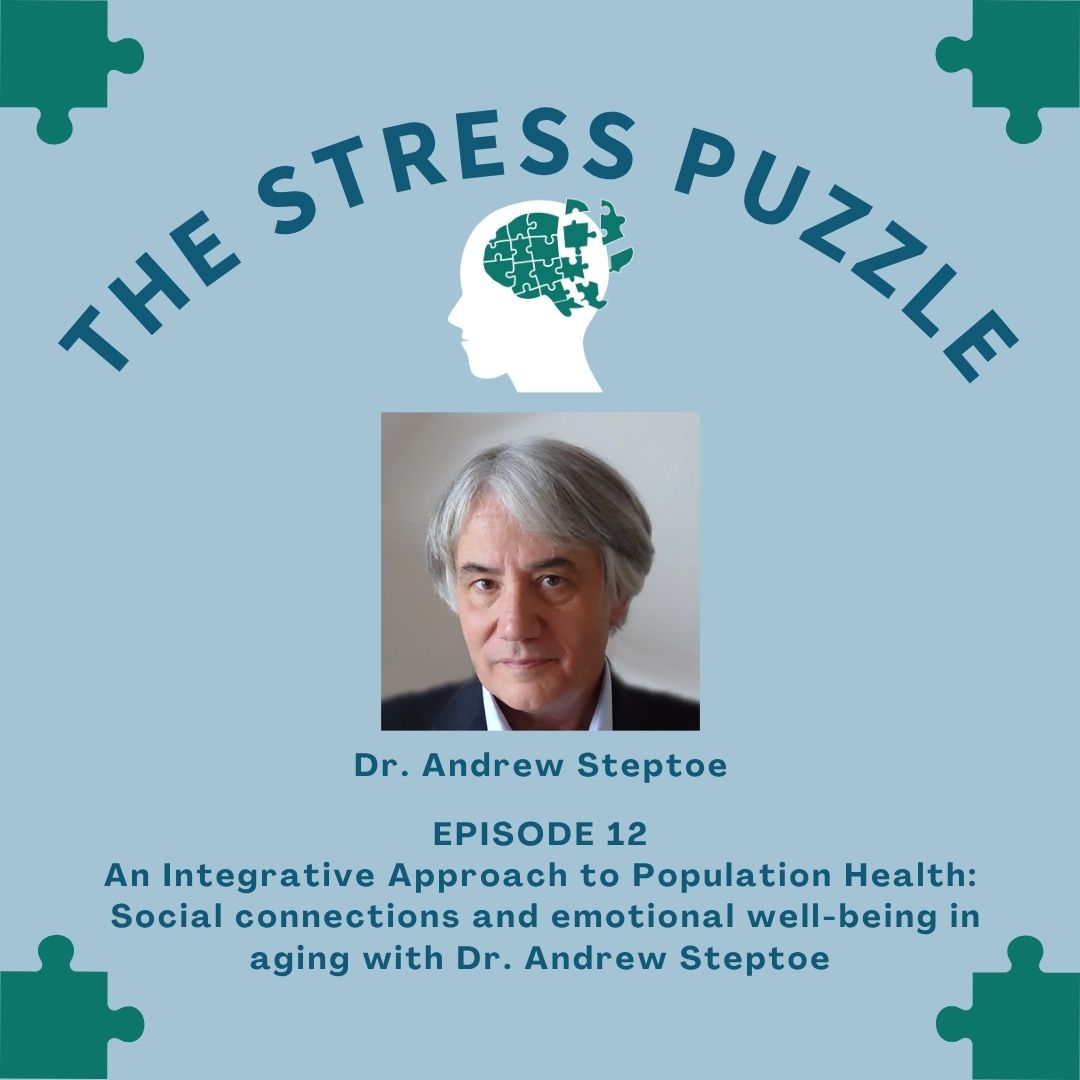
For our final episode of Season 1, I spoke with Dr. Andrew Steptoe about social relationships as we age, the need for interdisciplinary research, and emerging biomarkers of interest to stress scientists. Dr. Steptoe is both a prolific and brilliant scientist whose work has identified psychobiological pathways linking low socioeconomic status with cardiovascular disease progression. I especially enjoyed hearing Dr. Steptoe reflect on research surrounding positive well-being and health, as well as the next steps for intervention science that we need to move forward as a field. Stay tuned for Season 2 of the Stress Puzzle this Fall! Dr. Andrew Steptoe is a Professor of Psychology and Epidemiology at University College London. He was a founding editor of the British Journal of Health Psychology. He also directs the Psychobiology Research Group and the English Longitudinal Study of Ageing (ELSA). He is one of the most impactful researchers in the field of health psychology as his work has identified crucial mechanisms through which social and psychological circumstances influence cardiovascular disease and aging. He was recently honored with the Distinguished Scientist Award from the Society for Biopsychosocial Science and Medicine. Outside of the lab, Dr. Steptoe has written on the cultural background of Mozart operas and has contributed to research on Renaissance and 18th century history. Dr. Steptoe also coedited the second edition of A Matter of Life, which is a book about how his father (Patrick Steptoe) and Robert Edwards developed the procedure for in vitro fertilisation (IVF). Topics Discussed: Psychobiology Social Status/Socioeconomic Status Population Studies/Cohort Studies Biomarkers Biological Processes/Biological Aging Psychoneuroimmunology Stress Measurement Social Connection Papers Mentioned: ELSA (English Longitudinal Study of Aging): https://www.elsa-project.ac.uk/ Whitehall II: Marmot MG, Smith GD, Stansfeld S, Patel C, North F, Head J, White I, Brunner E, Feeney A. Health inequalities among British civil servants: the Whitehall II study. Lancet. 1991 Jun 8;337(8754):1387-93. doi: 10.1016/0140-6736(91)93068-k. PMID: 1674771. Hamilton, O. S., Iob, E., Ajnakina, O., Kirkbride, J. B., & Steptoe, A. (2024). Immune-neuroendocrine patterning and response to stress. A latent profile analysis in the English longitudinal study of ageing. Brain, behavior, and immunity, 115, 600–608. -- The Stress Puzzle is hosted by Dr. Ryan L. Brown (https://www.ryanlinnbrown.com/) and supported by the UCSF Stress Measurement Network, an NIH/NIA funded network which aims to better understand the relationship between stress and health by improving the measurement of stress in research studies. Learn more about available resources to support stress research at: www.stressmeasurement.org. Have burning questions about stress? Email us at stresspuzzlepod@gmail.com and we may feature your question in a future episode!
In today's episode of the Stress Puzzle, I chatted with Dr. David Almeida all about how we experience and respond (emotionally and physiologically) to daily stressors. We talked a fascinating finding of his that ~10% of people report no daily stressors and what he's learned about these folks. We also discussed how everyday stress and emotion processes shift as we age, and what we gain from experiencing minor stressors in our daily lives. Finally, Dr. Almeida shared what he is looking forward to for the future of stress science and offered advice to anyone who may a current trainee or may be interested in stress science in their future. Dr. David Almeida is a Professor of Human Development and Family Studies at The Pennsylvania State University. He is a lifespan developmental psychologist who has focused his research on how daily stress experiences and processes relate to healthy aging. Dr. Almeida developed the Daily Instrument of Stressful Experiences to support this research, which has now been used in numerous large scale epidemiologic and intervention studies on stress and health. Dr. Almeida is the Principal Investigator of the National Study of Daily Experiences, which is an in-depth daily study embedded in the MacArthur Foundation National Survey of Midlife in the United States (MIDUS) and the largest longitudinal diary study of daily experiences and health in the US. Topics Discussed: Lifespan Psychology Daily Stressors Stress Exposure Stress Responses/Stress Reactivity/Stress Recovery Social Support Stress Physiology/Measurement/Biomarkers (Cortisol/Salivary Amylase) Passive Measurement Just-In-Time Interventions Mistakes and Lessons Learned Future Directions in Stress Science Papers Mentioned: Charles, S. T., Mogle, J., Chai, H. W., & Almeida, D. M. (2021). The mixed benefits of a stressor-free life. Emotion (Washington, D.C.), 21(5), 962–971. Rush, J., Ong, A. D., Piazza, J. R., Charles, S. T., & Almeida, D. M. (2024). Too little, too much, and "just right": Exploring the "goldilocks zone" of daily stress reactivity. Emotion, 24(5), 1249–1258. Toledo, M. J. L., Zawadzki, M. J., Scott, S. B., Johnson, J. A., Marcusson-Clavertz, D., Kim, J., Lanza, S., Almeida, D. M., Sliwinski, M. J., & Smyth, J. M. (2024). Exploring the Utility of a Real-Time Approach to Characterising Within-Person Fluctuations in Everyday Stress Responses. Stress and health, 40(6), e3501. Jenkins, A. I. C., Le, Y., Surachman, A., Almeida, D. M., & Fredman, S. J. (2023). Associations among Financial Well-Being, Daily Relationship Tension, and Daily Affect in Two Adult Cohorts Separated by the Great Recession. Journal of social and personal relationships, 40(4), 1103–1125. Almeida, D. M., Rush, J., Mogle, J., Piazza, J. R., Cerino, E., & Charles, S. T. (2023). Longitudinal change in daily stress across 20 years of adulthood: Results from the national study of daily experiences. Developmental psychology, 59(3), 515–523. Vodovotz, Y., Arciero, J., Verschure, P. F. M. J., & Katz, D. L. (2024). A multiscale inflammatory map: Linking individual stress to societal dysfunction. Frontiers in Science, 1. Additional Resources Referenced: Stress Measurement Network's Toolkit: https://www.stressmeasurement.org/measurement-toolbox -- The Stress Puzzle is hosted by Dr. Ryan L. Brown (https://www.ryanlinnbrown.com/) and supported by the UCSF Stress Measurement Network, an NIH/NIA funded network which aims to better understand the relationship between stress and health by improving the measurement of stress in research studies. Learn more about available resources to support stress research at: www.stressmeasurement.org. Have burning questions about stress? Email us at stresspuzzlepod@gmail.com and we may feature your question in a future episode!
In today's episode, I had the privilege of speaking with Dr. Cheryl Woods Giscombé, a health scientist who discusses her research on Superwoman Schema, which is a conceptual framework highlighting stress and coping mechanisms among African American women. The framework identifies five characteristics: obligation to present strength, obligation to suppress emotions, motivation to succeed despite limited resources, resisting feelings of vulnerability and dependence, and prioritization of caregiving over self-care. Dr. Giscombé's research shows that while some characteristics are protective, others can lead to negative health outcomes - we dig into those nuances in this episode! Her critical work aims to develop interventions that balance strength with self-care to improve health disparities among Black women. Dr. Cheryl Woods Giscombé is the Melissa and Harry LeVine Family Distinguished Term Professor, Senior Associate Dean, and Chief Wellness Officer at the University of North Carolina at Chapel Hill School of Nursing with a secondary faculty appointment as a Professor in the Department of Social Medicine at the UNC School of Medicine. Dr. Woods-Giscombé's research focuses on biopsychosocial factors that influence health and health disparities through psychological stress and coping pathways. She is a Fellow of the American Academy of Nursing, the National Academy of Medicine, the Academy of Behavioral Medicine Research, and the Mind & Life Institute. She recently authored The Black Woman's Guide to Coping with Stress: Mindfulness and Self-Compassion Skills to Create a Life of Joy and Well-Being. Learn more about Dr. Giscombé's research and writing: https://www.drcherylwoodsgiscombe.com/ Topics Discussed: Stressors, Gender-Related Stressors, Race-Related Stressors Resilience Self-Care Superwoman Schema Cost of Caring Emotional Suppression Health Disparities Maternal Health Disparities Adverse Birth Outcomes Coping Strategies: Mindfulness, Present Moment Awareness, Self-Compassion Interventions Papers Mentioned: Woods-Giscombé CL, Lobel M, Zimmer C, Wiley Cené C, Corbie-Smith G. Whose stress is making me sick? Network-stress and emotional distress in African-American women. Issues Ment Health Nurs. 2015;36(9):710-7. doi: 10.3109/01612840.2015.1011759. Giscombé, C. L., & Lobel, M. (2005). Explaining Disproportionately High Rates of Adverse Birth Outcomes Among African Americans: The Impact of Stress, Racism, and Related Factors in Pregnancy. Psychological Bulletin, 131(5), 662–683. https://doi.org/10.1037/0033-2909.131.5.662 Woods-Giscombé C. L. (2010). Superwoman schema: African American women's views on stress, strength, and health. Qualitative health research, 20(5), 668–683. https://doi.org/10.1177/1049732310361892 Allen, A. M., Wang, Y., Chae, D. H., Price, M. M., Powell, W., Steed, T. C., Rose Black, A., Dhabhar, F. S., Marquez-Magaña, L., & Woods-Giscombe, C. L. (2019). Racial discrimination, the superwoman schema, and allostatic load: exploring an integrative stress-coping model among African American women. Annals of the New York Academy of Sciences, 1457(1), 104–127. https://doi.org/10.1111/nyas.14188 Kyalwazi, A. N., Woods-Giscombe, C. L., Johnson, M. P., Jones, C., Hayes, S. N., Cooper, L. A., Patten, C. A., & Brewer, L. C. (2024). Associations Between the Superwoman Schema, Stress, and Cardiovascular Health Among African-American Women. Annals of behavioral medicine, 58(12), 863–868. https://doi.org/10.1093/abm/kaae047 Woods-Giscombe CL, Allen AM, Black AR, Steed TC, Li Y, Lackey C. The Giscombe Superwoman Schema Questionnaire: Psychometric Properties and Associations with Mental Health and Health Behaviors in African American Women. Issues Ment Health Nurs. 2019 Aug;40(8):672-681. doi: 10.1080/01612840.2019.1584654. Woods-Giscombe, C. L., Gaylord, S. A., Li, Y., Brintz, C. E., Bangdiwala, S. I., Buse, J. B., Mann, J. D., Lynch, C., Phillips, P., Smith, S., Leniek, K., Young, L., Al-Barwani, S., Yoo, J., & Faurot, K. (2019). A Mixed-Methods, Randomized Clinical Trial to Examine Feasibility of a Mindfulness-Based Stress Management and Diabetes Risk Reduction Intervention for African Americans with Prediabetes. Evidence-based complementary and alternative medicine, 2019, 3962623. https://doi.org/10.1155/2019/3962623 Woods-Giscombe, C. L., Gaylord, S., Bradford, A., Vines, S., Eason, K., Smith, R., Addo-Mensah, D., Lackey, C., Dsouza, V., Sheffield-Abdullah, K., Day, T., Green-Scott, K., Chilcoat, A., Peace-Coard, A., Chalmers, L., Evenson, K. R., Samuel-Hodge, C., Lewis, T. T., Crandell, J., Corbie, G., … Faurot, K. (2024). Protocol of the HARMONY study: A culturally relevant, randomized-controlled, stress management intervention to reduce cardiometabolic risk in African American women. Contemporary clinical trials, 146, 107604. https://doi.org/10.1016/j.cct.2024.107604 Woods-Giscombé, C. L., & Gaylord, S. A. (2014). The Cultural Relevance of Mindfulness Meditation as a Health Intervention for African Americans: Implications for Reducing Stress-Related Health Disparities. Journal of holistic nursing, 32(3), 147–160. https://doi.org/10.1177/0898010113519010 -- The Stress Puzzle is hosted by Dr. Ryan L. Brown (https://www.ryanlinnbrown.com/) and supported by the UCSF Stress Measurement Network, an NIH/NIA funded network which aims to better understand the relationship between stress and health by improving the measurement of stress in research studies. Learn more about available resources to support stress research at: www.stressmeasurement.org. Have burning questions about stress? Email us at stresspuzzlepod@gmail.com and we may feature your question in a future episode!
Today's episode builds on the discussion of puberty as a sensitive period from the previous episode with Dr. Megan Gunnar. Featuring developmental scientist Dr. Ronald Dahl, this conversation explores early adolescence as a pivotal transition, highlighting the unique vulnerabilities and opportunities for positive growth during this formative window. Dr. Dahl emphasizes the importance of supporting prosocial learning, cultivating positive emotions, and addressing inequities through integrative, interdisciplinary approaches to improve the lives of children and adolescents. Tune in next month for an episode on Superwoman Schema with Dr. Cheryl Woods Giscombé! Dr. Ronald Dahl is a pediatrician and developmental scientist whose research focuses on early adolescence as a developmental period with unique opportunities for early intervention to support behavioral and emotional health. He is the Director of the Institute of Human Development at the University of California, Berkeley, where he also serves as a Professor in the School of Public Health and the Joint Medical Program. He is also the Founding Director of the Center for the Developing Adolescent. His research is interdisciplinary and bridges between basic developmental research (emphasizing social and affective neuroscience) and the translation of this work into clinical and social policy relevance. He has published extensively on child and adolescent development, sleep disorders, behavioral/emotional health in children, adolescent brain development and on the policy implications of this work. He has been elected as a Fellow of organizations including: Association for Psychological Science, American Academy of Pediatrics, New York Academy of Sciences and American Academy of Sleep Medicine. He is a Founding Editor of the journal Developmental Cognitive Neuroscience and is a Past President of the Society for Research in Child Development. We especially appreciate his focus on integrative developmental science and translating this area of research into clinical and social policy that can improve the lives of children and adolescents. Topics Discussed: Adolescent Development Integrative Developmental Science Social Transitions Fitting In vs. Standing Out Self-Other Concept Prosociality Population Health Sleep and Digital Technology Youth Involvement/Co-Creation Papers Mentioned: Dahl, R. E., Armstrong-Carter, E., & Van Den Bos, W. (2024). Wanting to matter and learning to care: A neurodevelopmental window of opportunity for (Pro) social learning? Developmental Cognitive Neuroscience, 69, 101430. https://doi.org/10.1016/j.dcn.2024.101430 Shoib S, Siddiqui MF, Saleem SM, Chandradasa M. Sir Michael Rutter (2022). Pioneer, legend, and father of modern child psychiatry. Ind Psychiatry J. 2022 Jul-Dec;31(2):384-386. doi: 10.4103/ipj.ipj_244_21. Schleider, J. L., Zapata, J. P., Rapoport, A., Wescott, A., Ghosh, A., Kaveladze, B., Szkody, E., & Ahuvia, I. L. (2025). Single-Session Interventions for Mental Health Problems and Service Engagement: Umbrella Review of Systematic Reviews and Meta-Analyses. Annual review of clinical psychology, 10.1146/annurev-clinpsy-081423-025033. Advance online publication. https://doi.org/10.1146/annurev-clinpsy-081423-025033 Sotomayor, I., *Chang, Y., *Szkody, E., Fox, K., & Schleider, J. L. (under review). A digital, minority stress-focused single-session intervention benefits multiply-marginalized sexual minority adolescents. Preprint CERES Project (Sleep in Ukrainian Teens) -- The Stress Puzzle is hosted by Dr. Ryan L. Brown (https://www.ryanlinnbrown.com/) and supported by the UCSF Stress Measurement Network, an NIH/NIA funded network which aims to better understand the relationship between stress and health by improving the measurement of stress in research studies. Learn more about available resources to support stress research at: www.stressmeasurement.org. Have burning questions about stress? Email us at stresspuzzlepod@gmail.com and we may feature your question in a future episode!

For today's episode, I had the honor of speaking with Dr. Megan Gunnar, a developmental psychologist who discusses her research on early life adversity and stress biology showing the importance of puberty as a window of biological flexibility. Dr. Gunnar discussed work from earlier in her career that led her to pursue these questions through an interdisciplinary lens. Tune in next month to hear more on the importance of adolescence from Dr. Ronald Dahl. Dr. Megan Gunnar is a Regents Professor and Distinguished McKnight University Professor at the University of Minnesota. Her doctoral training was in Developmental Psychology at Stanford University. She then completed her post-doctoral fellowship in Psychoneuroendocrinology at Stanford Medical School. Since then, she has built a remarkable career studying how stress biology affects neurobehavioral development and the processes that help children regulate stress hormones. Dr. Gunnar is a fellow of the National Academy of Sciences and has numerous lifetime achievement awards across many societies and disciplines including the Association for Psychological Science and the International Society for Psychoneuroendocrinology. Learn more about Dr. Gunnar's research: https://innovation.umn.edu/gunnar-lab/ Topics Discussed: Developmental Psychoneuroendocrinology Stress System Calibration and Recalibration Stress Reactivity Puberty Chronic Stress HPA Axis Early Life Adversity Papers Mentioned: Gunnar, M. R., DePasquale, C. E., Reid, B. M., Donzella, B., & Miller, B. S. (2019). Pubertal stress recalibration reverses the effects of early life stress in postinstitutionalized children. Proceedings of the National Academy of Sciences, 116(48), 23984–23988. https://doi.org/10.1073/pnas.1909699116 Gunnar, M. R., & Vazquez, D. M. (2001). Low cortisol and a flattening of expected daytime rhythm: Potential indices of risk in human development. Development and Psychopathology, 13(3), 515–538. https://doi.org/10.1017/S0954579401003066 Engel, M. L., & Gunnar, M. R. (2020). The development of stress reactivity and regulation during human development. International review of neurobiology, 150, 41–76. https://doi.org/10.1016/bs.irn.2019.11.003 Gunnar, M. R. (2017). Social Buffering of Stress in Development: A Career Perspective. Perspectives on Psychological Science, 12(3), 355–373. https://doi.org/10.1177/1745691616680612 -- The Stress Puzzle is hosted by Dr. Ryan L. Brown (https://www.ryanlinnbrown.com/) and supported by the UCSF Stress Measurement Network, an NIH/NIA funded network which aims to better understand the relationship between stress and health by improving the measurement of stress in research studies. Learn more about available resources to support stress research at: www.stressmeasurement.org. Have burning questions about stress? Email us at stresspuzzlepod@gmail.com and we may feature your question in a future episode!
Can you believe it's almost the end of 2024?! Join me for a conversation with Dr. Aric Prather about stress, sleep, and social experiences at the holidays + what we know about links between those and our susceptibility to infections and severity of illness. We chatted about foundational knowledge drawn from studies where people are experimentally exposed to rhinovirus (aka the common cold) before moving to a conversation about health behaviors through the holidays. We hope this episode encourages you to indulge in social support and lean into the joy of this holiday season! Dr. Aric Prather is a Professor and Pritzker Family Fund Endowed Chair in Health and Community in the Department of Psychiatry and Behaviroal Sciences at the University of California, San Francisco. He co-directs the UCSF Aging, Metabolism, and Emotions Center, is the Director of the UCSF Center for Health and Community, and Associate Director of the Stress Measurement Network. His research focuses primarily on links between sleep and health, particularly immune health, and his work is regularly featured in the New York TImes, NPR, and the Today Show. Topics Discussed: Psychoneuroimmunology Susceptibility to Illness Severity of Illness Health Behaviors Sleep and Health Glucocorticoid Resistance Common Cold/Rhinovirus Social Support Resilience and Self-Care Research Mentioned: Cohen S. Keynote Presentation at the Eight International Congress of Behavioral Medicine: the Pittsburgh common cold studies: psychosocial predictors of susceptibility to respiratory infectious illness. Int J Behav Med. 2005;12(3):123-31. Prather, AA, Janicki-Deverts, D, Hall, MH, & Cohen, S. Behaviorally Assessed Sleep and Susceptibility to the Common Cold. Sleep. 2015;38(9):1353–1359. Cohen S, Janicki-Deverts D, Turner RB, Doyle WJ. Does hugging provide stress-buffering social support? A study of susceptibility to upper respiratory infection and illness. Psychol Sci. 2015 Feb;26(2):135-47. Access the Pittsburgh Common Cold Study data for yourself! Spiegel K, Rey AE, Cheylus A, Ayling K, Benedict C, Lange T, Prather AA, Taylor DJ, Irwin MR, Van Cauter E. A meta-analysis of the associations between insufficient sleep duration and antibody response to vaccination. Curr Biol. 2023 Mar 13;33(5):998-1005.e2. Newman DB, Gordon AM, Prather AA, Berry Mendes W. Examining Daily Associations Among Sleep, Stress, and Blood Pressure Across Adulthood. Ann Behav Med. 2023 May 23;57(6):453-462. -- The Stress Puzzle is hosted by Dr. Ryan L. Brown (https://www.ryanlinnbrown.com/) and supported by the UCSF Stress Measurement Network, an NIH/NIA funded network which aims to better understand the relationship between stress and health by improving the measurement of stress in research studies. Learn more about available resources to support stress research at: www.stressmeasurement.org. Have burning questions about stress? Email us at stresspuzzlepod@gmail.com and we may feature your question in a future episode!
Welcome back to the Stress Puzzle! This is the second of two episodes highlighting winners of the Stress Measurement Network's (SMN) Stress Science Paper Award. Today we'll hear from the lead author of the winning paper in the Human Empirical/Clinical category, Dr. Tené Lewis. We discussed the findings of their paper, which highlights the importance of stress experienced by close loved ones (e.g., family, friends) for African-American women's cardiovascular health. We also chatted about the strength of her team's methodology, how they disseminate the research to women who participated in their study, and the importance of these findings for conversations around self-care, care work (whether formal or informal), and the enormous responsibility that falls to women who end up as the social safety net. Dr. Tené Lewis is a Professor in the Rollins School of Public Health at Emory University where she studies health psychology and psychosocial epidemiology with an emphasis on cardiovascular health in women. Much of her research investigates the psychological and social factors underlying cardiovascular health disparities for African-American women compared to women of other racial or ethnic groups. Dr. Lewis' research has been honored by the Health Psychology Division of the American Psychological Association, as well as the recently renamed Society for Biopsychosocial Science and Medicine. Her work has been featured by NPR, Essence Magazine, and the Washington Post. SMN Stress Science Paper Award Winner (Human Empirical/Clinical): Lewis TT, Parker R, Murden R, Spikes T, Erving C, McKinnon II, Van Dyke ME, Booker B, Quyummi A, Vaccarino V, Moore RH. Network stressors, personal stressors, and ambulatory blood pressure in African-American women - Does Superwoman Schema Play a Role? Health Psychol. 2023 Jul;42(7):485-495. doi: 10.1037/hea0001309. Topics Discussed: Network stressors vs. personal stressors Cardiovascular risk African American women's health Social networks and social support Social safety nets Ambulatory blood pressure Superwoman Schema Dissemination Self-care Ecological validity Additional Research Mentioned: Woods-Giscombé CL, Lobel M, Zimmer C, Wiley Cené C, Corbie-Smith G. Whose stress is making me sick? Network-stress and emotional distress in African-American women. Issues Ment Health Nurs. 2015;36(9):710-7. doi: 10.3109/01612840.2015.1011759. PMID: 26440874; PMCID: PMC7220100. Woods-Giscombé CL. Superwoman schema: African American women's views on stress, strength, and health. Qual Health Res. 2010 May;20(5):668-83. doi: 10.1177/1049732310361892. Epub 2010 Feb 12. PMID: 20154298; PMCID: PMC3072704. Work of Jasmine Abrams (e.g., Abrams JA, Hill A, Maxwell M. Underneath the Mask of the Strong Black Woman Schema: Disentangling Influences of Strength and Self-Silencing on Depressive Symptoms among U.S. Black Women. Sex Roles. 2019 May;80(9-10):517-526. doi: 10.1007/s11199-018-0956-y) Holding it Together: How women became America's safety net by Jessica Calcaro -- The Stress Puzzle is hosted by Dr. Ryan L. Brown (https://www.ryanlinnbrown.com/) and supported by the UCSF Stress Measurement Network, an NIH/NIA funded network which aims to better understand the relationship between stress and health by improving the measurement of stress in research studies. Learn more about available resources to support stress research at: www.stressmeasurement.org. Have burning questions about stress? Email us at stresspuzzlepod@gmail.com and we may feature your question in a future episode!
Welcome back to the Stress Puzzle! This is the first of two episodes highlighting winners of the Stress Measurement Network's (SMN) Stress Science Paper Award. Today we'll hear from the lead author of the winning paper in the Basic Science category, Dr. Natalia Bobba-Alves. We discussed the findings and implications of their paper (particularly around hypermetabolism, chronic stress, and accelerated cellular aging), directions to move the field forward, and how exciting of a moment it is for interdisciplinary stress science. Dr. Natalia Bobba-Alves is a Postdoctoral Researcher working at the National Institute on Aging where she focuses on how stress signaling affects cellular energetics and aging. She received numerous awards that supported both her undergraduate and master's degrees in Uruguay, and then was awarded a Fulbright Foreign Grant, which supported her PhD in Nutritional and Metabolic Biology at Columbia University in New York. There she worked with Dr. Martin Picard in the Mitochondrial PsychoBiology Lab to quantify the energetic cost of stress and the impact on cellular aging. SMN Stress Science Paper Award Winner (Basic Science): Bobba-Alves, N., Sturm, G., Lin, J., Ware, S. A., Karan, K. R., Monzel, A. S., Bris, C., Procaccio, V., Lenaers, G., Higgins-Chen, A., Levine, M., Horvath, S., Santhanam, B. S., Kaufman, B. A., Hirano, M., Epel, E., & Picard, M. (2023). Cellular allostatic load is linked to increased energy expenditure and accelerated biological aging. Psychoneuroendocrinology, 155, 106322. https://doi.org/10.1016/j.psyneuen.2023.106322 Topics Discussed: Allostasis/Allostatic load/Wear and Tear Chronic Stress Glucocorticoid signaling Cellular energy expenditure Mitochondria/mitochondrial psychobiology Homeostasis Hypermetabolism Social stress vs. molecular stress Additional Research Mentioned: Sterling, P., & Eyer, J. (1988). Allostasis: A new paradigm to explain arousal pathology. In S. Fisher & J. Reason (Eds.), Handbook of life stress, cognition and health (pp. 629–649). John Wiley & Sons. Stress Puzzle episode with Dr. Michael Marmot Stress Puzzle episode with Dr. Jenny Tung Bobba-Alves N, Juster RP, Picard M. (2022) The energetic cost of allostasis and allostatic load. Psychoneuroendocrinology, 146:105951. doi: 10.1016/j.psyneuen.2022.105951. -- The Stress Puzzle is hosted by Dr. Ryan L. Brown (https://www.ryanlinnbrown.com/) and supported by the UCSF Stress Measurement Network, an NIH/NIA funded network which aims to better understand the relationship between stress and health by improving the measurement of stress in research studies. Learn more about available resources to support stress research at: www.stressmeasurement.org. Have burning questions about stress? Email us at stresspuzzlepod@gmail.com and we may feature your question in a future episode!
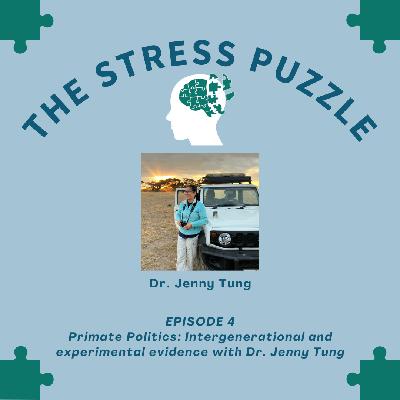
Welcome back to the Stress Puzzle! I had the joy of speaking with Dr. Jenny Tung, an evolutionary anthropologist and geneticist who discusses her intergenerational and experimental research showing how the social environment affects health and lifespan in non-human primates. She shared about her creative methods to experiment with social hierarchies and the special experience of collaborating with the other women who have led the Amboseli Baboon Research Project in Kenya. For more on human hierarchies and health, check out our last episode with Dr. Michael Marmot. Dr. Jenny Tung is the Director of the Department of Primate Behavior and Evolution at the Max Planck Institute for Evolutionary Anthropology in Leipzig, Germany and a Professor of Evolutionary Anthropology and Biology at Duke University. She co-directs the Amboseli Baboon Research Project, which started in 1971 and is one of the longest running primate field sites in the world located in Kenya. Dr. Tung investigates the genetic and genomic consequences of social environments in baboons, rhesus macaques, and other social mammals. She has advanced the science on social determinants of health by adding DNA analyses to the decades of behavioral observations in baboons to advance lifespan understanding of social influences on health. She has also combined these lifespan studies with creative experimental methods that provide greater causal evidence for the impact of the social environment and on health. Dr. Tung was named a MacArthur Fellow in 2019 for the depth and translational importance of her research. Learn more about Dr. Tung's research: http://www.tung-lab.org/ Topics Discussed: Social Hierarchies and Health in Non-Human Primates Lifespan Studies and Social Relationships Plasticity of the Immune System to Changes in Social Environment Methodological Challenges and Future Directions Intergenerational Effects of Social Environment Collaborative Research through the Amboseli Baboon Research Project Papers Mentioned: Tung, J., Archie, E. A., Altmann, J., & Alberts, S. C. (2016). Cumulative early life adversity predicts longevity in wild baboons. Nature communications, 7(1), 11181. https://doi.org/10.1038/ncomms11181 Zipple, M. N., Archie, E. A., Tung, J., Altmann, J., & Alberts, S. C. (2019). Intergenerational effects of early adversity on survival in wild baboons. Elife, 8, e47433. https://doi.org/10.7554/eLife.47433 -- The Stress Puzzle is hosted by Dr. Ryan L. Brown (https://www.ryanlinnbrown.com/) and supported by the UCSF Stress Measurement Network, an NIH/NIA funded network which aims to better understand the relationship between stress and health by improving the measurement of stress in research studies. Learn more about available resources to support stress research at: www.stressmeasurement.org. Have burning questions about stress? Email us at stresspuzzlepod@gmail.com and we may feature your question in a future episode!
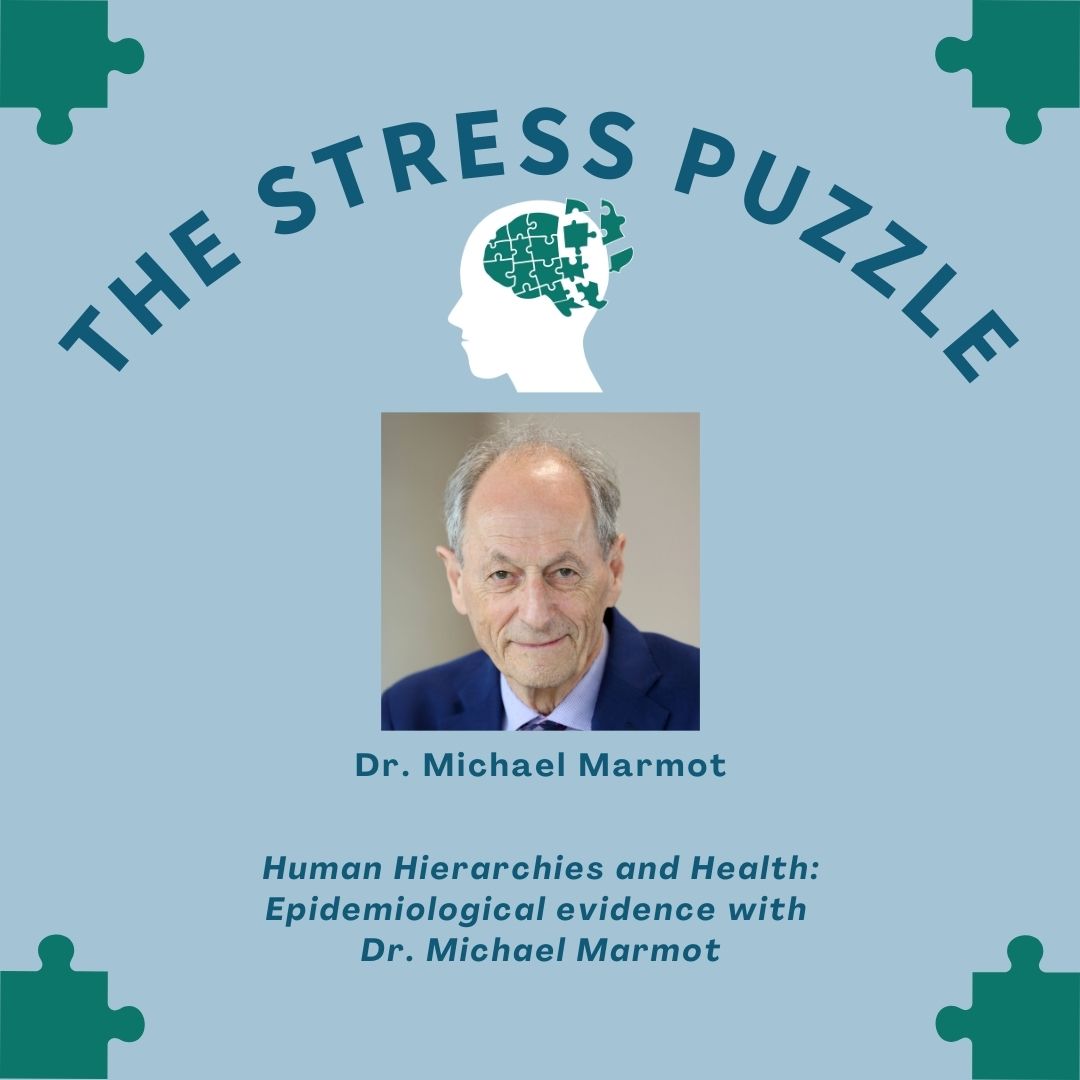
Welcome back to the Stress Puzzle! For this episode, I was joined by Dr. Michael Marmot who is an expert on social status and health. We discussed his seminal work on the Whitehall Studies of British Civil Servants, translating research into policy, and how he remains an "evidence-based optimist" through it all. Tune in next month to hear about complementary research conducted by Dr. Jenny Tung on social status and health in nonhuman primates! Dr. Michael Marmot is a Professor of Epidemiology at University College London, Director of the UCL Institute of Health Equity, and Past President of the World Medical Association. He has led multiple longitudinal cohort studies that have massively impacted our understanding of how social conditions influence health and aging, including the Whitehall Studies of British Civil Servants and the English Longitudinal Study of Ageing. Professor Marmot has also chaired the Commission on Social Determinants of Health for the World Health Organization and conducted a Strategic Review of Health Inequalities in England to produce evidence-based policy recommendations to support population health. He was recognized as a global health hero at the World Health Assembly in 2019. Topics Discussed: Social determinants of health / health disparities Impact of social policy on health equity Challenges of policy implementation Prevention science Research Mentioned: Fair Society, Health Lives: The Marmot Review: https://www.instituteofhealthequity.org/resources-reports/fair-society-healthy-lives-the-marmot-review/fair-society-healthy-lives-full-report-pdf.pdf Whitehall I: Marmot MG, Rose G, Shipley M, Hamilton PJ. Employment grade and coronary heart disease in British civil servants. J Epidemiol Community Health (1978). 1978 Dec;32(4):244-9. doi: 10.1136/jech.32.4.244. PMID: 744814; PMCID: PMC1060958. https://pubmed.ncbi.nlm.nih.gov/744814/ Whitehall II: Marmot MG, Smith GD, Stansfeld S, Patel C, North F, Head J, White I, Brunner E, Feeney A. Health inequalities among British civil servants: the Whitehall II study. Lancet. 1991 Jun 8;337(8754):1387-93. doi: 10.1016/0140-6736(91)93068-k. PMID: 1674771. https://pubmed.ncbi.nlm.nih.gov/1674771/ Destitution in the UK: https://www.jrf.org.uk/deep-poverty-and-destitution/destitution-in-the-uk-2023 -- The Stress Puzzle is hosted by Dr. Ryan L. Brown (https://www.ryanlinnbrown.com/) and supported by the UCSF Stress Measurement Network, an NIH/NIA funded network which aims to better understand the relationship between stress and health by improving the measurement of stress in research studies. Learn more about available resources to support stress research at: www.stressmeasurement.org. Have burning questions about stress? Email us at stresspuzzlepod@gmail.com and we may feature your question in a future episode!
Welcome back to the Stress Puzzle! For our second episode, I was joined by Dr. George Slavich who is an expert on the conceptualization, assessment, and management of life stress. In this conversation, we talked about the history of how stress has been thought of and measured, the limitations of many of these approaches, and the kind of research we need moving forward to really be able to translate the science to be actionable in people's lives. Dr. George Slavich is a Professor in the Department of Psychiatry and Biobehavioral Sciences at UCLA where he is the Founding Director of the Laboratory for Stress Assessment and Research. He is an expert with enthusiasm for bettering the conceptualization, assessment, and management of life stress and for identifying psychological and biological mechanisms that link stress to mental and physical health. He has received numerous awards for his research, mentorship, and teaching, and he brings this experience and passion for precision stress science to his role as an Associate Director of the Stress Measurement Network. Learn more about his research: https://www.uclastresslab.org/ Topics Discussed: History of Stress Science Stress Conceptualization Across Time Notable Figures in Stress Science Challenges in Measuring Stress Theories of Life Stress Stressnology Muti-omics Research Mentioned: Charles Darwin: Darwin CR. (1859). On the origin of species. London: John Murray Sir Clifford Allbutt: Allbutt C. (1895). Nervous diseases and modern life. Contemp. Rev. 67:210–217. Walter Bradford Cannon: Bodily Changes in Pain, Hunger, Fear and Rage: An Account of Recent Researches into the Function of Emotional Excitement (1915) Cannon WB. (1929). Organization for physiological homeostasis. Physiol. Rev. 9:399–431. The Wisdom of the Body (1932) Hans Selye: Selye, H. (1936). A Syndrome produced by Diverse Nocuous Agents. Nature, 138(3479), 32–32. https://doi.org/10.1038/138032a0 Selye, H. (1973). The Evolution of the Stress Concept: The originator of the concept traces its development from the discovery in 1936 of the alarm reaction to modern therapeutic applications of syntoxic and catatoxic hormones. American Scientist, 61(6), 692–699. George Slavich: Slavich, G. M. (2019). Stressnology: The primitive (and problematic) study of life stress exposure and pressing need for better measurement. Brain, Behavior, and Immunity, 75, 3-5. https://www.uclastresslab.org/pubs/Slavich_BBI_2019.pdf Slavich, G. M., & Shields, G. S. (2018). Assessing lifetime stress exposure using the Stress and Adversity Inventory for Adults (Adult STRAIN): An overview and initial validation. Psychosomatic Medicine, 80, 17-27. https://www.uclastresslab.org/pubs/Slavich_PsychosomaticMedicine_2018.pdf Slavich, G. M., Stewart, J. G., Esposito, E. C., Shields, G. S., & Auerbach, R. P. (2019). The Stress and Adversity Inventory for Adolescents (Adolescent STRAIN): associations with mental and physical health, risky behaviors, and psychiatric diagnoses in youth seeking treatment. Journal of Child Psychology and Psychiatry, 60, 998-1009. https://www.uclastresslab.org/pubs/Slavich_JCPP_2019.pdf Slavich, G. M., & Irwin, M. R. (2014). From stress to inflammation and major depressive disorder: A social signal transduction theory of depression. Psychological Bulletin, 140, 774-815. https://www.uclastresslab.org/pubs/Slavich_Irwin_PsychBull_2014.pdf Slavich, G. M. (2020). Social safety theory: A biologically based evolutionary perspective on life stress, health, and behavior. Annual Review of Clinical Psychology, 16, 265-295. https://www.uclastresslab.org/pubs/Slavich_AnnualReview_2020.pdf Slavich, G. M., Roos, L. G., Mengelkoch, S., Webb, C. A., Shattuck, E. C., Moriarity, D. P., & Alley, J. C. (2023). Social Safety Theory: Conceptual foundation, underlying mechanisms, and future directions. Health Psychology Review, 17, 5-59. https://www.uclastresslab.org/pubs/Slavich_HealthPsychReview_2023.pdf Keely Muscatell: Muscatell KA, Inagaki TK. (2021). Beyond social withdrawal: New perspectives on the effects of inflammation on social behavior. Brain Behav Immun Health, 16:100302. https://www.ncbi.nlm.nih.gov/pmc/articles/PMC8474589/pdf/main.pdf Feldman MJ, Jolink TA, Alvarez GM, Fendinger NJ, Gaudier-Diaz MM, Lindquist KA, Muscatell KA. The roles of inflammation, affect, and interoception in predicting social perception. Brain Behav Immun. 2023, 112:246-253. https://www.ncbi.nlm.nih.gov/pmc/articles/PMC10528976/pdf/nihms-1914636.pdf Holmes and Rahe: Life Change Stress Test: https://www.dartmouth.edu/eap/library/lifechangestresstest.pdf Holmes, T. H., & Rahe, R. H. (1967). The social readjustment rating scale. Journal of Psychosomatic Research, 11(2), 213–218. https://doi.org/10.1016/0022-3999(67)90010-4 ME Seligman: Maier SF, Seligman ME. (2016). Learned helplessness at fifty: insights from neuroscience. Psychol.Rev. 123:34967. Lazarus and Folkman: Lazarus R. S., Folkman S. (1984). Stress, Appraisal and Coping. New York: Springer Aaron Beck: Clark DA, Beck AT.1999. Scientific Foundations of Cognitive Theory of Depression. New York: Wiley George Brown and Tirill Harris: Allan O. House, Harry B. Andrews, Life events and difficulties preceding the onset of functional dysphonia, Journal of Psychosomatic Research, Volume 32, Issue 3, 1988, Pages 311-319, ISSN 0022-3999, https://doi.org/10.1016/0022-3999(88)90073-6. https://www.amazon.com/Life-Events-Illness-Brown-Harris/dp/0898627230/ref=sr_1_1?s=books&ie=UTF8&qid=1341329487&sr=1-1&keywords=Life+events+and+illness Paul Gilbert: Gilbert P. 2005. Social mentalities: a biopsychosocial and evolutionary approach to social relationships. In Interpersonal Cognition, ed. MW Baldwin, pp. 299–333. New York: Guilford Press. Gilbert P, Allan S. 1998. The role of defeat and entrapment (arrested flight) in depression: an exploration of an evolutionary view. Psychol. Med. 28:585–98. Stress and Adversity Inventory (STRAIN): Overview & Articles: https://www.uclastresslab.org/projects/strain-stress-and-adversity-inventory/ Adolescent STRAIN: Slavich, G. M., Stewart, J. G., Esposito, E. C., Shields, G. S., & Auerbach, R. P. (2019). The Stress and Adversity Inventory for Adolescents (Adolescent STRAIN): associations with mental and physical health, risky behaviors, and psychiatric diagnoses in youth seeking treatment. Journal of Child Psychology and Psychiatry, 60, 998-1009. https://www.uclastresslab.org/pubs/Slavich_JCPP_2019.pdf Adult STRAIN: Slavich, G. M., & Shields, G. S. (2018). Assessing lifetime stress exposure using the Stress and Adversity Inventory for Adults (Adult STRAIN): An overview and initial validation. Psychosomatic Medicine, 80, 17-27. https://www.uclastresslab.org/pubs/Slavich_PsychosomaticMedicine_2018.pdf Multi-Omics: Mengelkoch, S., Miryam Schüssler-Fiorenza Rose, S., Lautman, Z., Alley, J. C., Roos, L. G., Ehlert, B., Moriarity, D. P., Lancaster, S., Snyder, M. P., & Slavich, G. M. (2023). Multi-omics approaches in psychoneuroimmunology and health research: Conceptual considerations and methodological recommendations. Brain, Behavior, and Immunity, 114, 475-487. https://www.uclastresslab.org/pubs/Mengelkoch_BBI_2023.pdf Mengelkoch, S., Gassen, J., Lev-Ari, S., Alley, J. C., Schüssler-Fiorenza Rose, S. M., Snyder, M. P., & Slavich, G. M. (2024). Multi-omics in stress and health research: Study designs that will drive the field forward. Stress, 27, 2321610. https://www.uclastresslab.org/pubs/Mengelkoch_Stress_2024.pdf -- The Stress Puzzle is hosted by Dr. Ryan L. Brown (https://www.ryanlinnbrown.com/) and supported by the UCSF Stress Measurement Network, an NIH/NIA funded network which aims to better understand the relationship between stress and health by improving the measurement of stress in research studies. Learn more about available resources to support stress research at: www.stressmeasurement.org. Have burning questions about stress? Email us at stresspuzzlepod@gmail.com and we may feature your question in a future episode!

Welcome to the first episode of the Stress Puzzle! For this episode, I was joined by experts in the field of stress, Dr. Elissa Epel and Dr. Wendy Berry Mendes. Dr. Elissa Epel has focused on linking chronic stress to health, and Dr. Wendy Berry Mendes has focused on characterizing acute stress responses. They've been working together for over 10 years and have been co-leading the Stress Measurement Network. In this conversation, we discussed challenges and opportunities in the field of stress science, as well as the goals of this podcast. Dr. Elissa Epel is a Professor and Vice Chair in the Department of Psychiatry and Behavioral Sciences at the University of California San Francisco, where she also leads the Aging, Metabolism and Emotion center. She's one of the most cited researchers across fields for her research examining how psychological stress affects biological aging processes. Learn more about her research: https://www.elissaepel.com/ Dr. Wendy Berry Mendes is the Charles C. and Dorathea S. Dilley Professor in the Department of Psychology at Yale University, where she also leads the Emotion, Health and Psychophysiology lab. She's an international leader in social psychophysiology and has trained generations of students. She's a rigorous experimentalist, which has led to dozens of discoveries about the human social stress response. Her research on stress often goes beyond thinking about the individual to characterize how one person's stress impacts another person's emotions and physiology. Learn more about her research: https://www.wendyberrymendes.com/ Topics Discussed: Acute vs. Chronic Stress Responses NIH Stress Measurement Network Scientific Networks Wearables/Wearable Technology Stress Interventions Mind-Body Practices Future of Stress Science Papers Mentioned: Crosswell, A. D., Mayer, S. E., Whitehurst, L. N., Picard, M., Zebarjadian, S., & Epel, E. S. (2024). Deep rest: An integrative model of how contemplative practices combat stress and enhance the body's restorative capacity. Psychological review, 131(1), 247–270. https://doi.org/10.1037/rev0000453 Lin, J., & Epel, E. (2022). Stress and telomere shortening: Insights from cellular mechanisms. Ageing research reviews, 73, 101507. https://doi.org/10.1016/j.arr.2021.101507 Newman, D. B., Gordon, A. M., Prather, A. A., & Berry Mendes, W. (2023). Examining Daily Associations Among Sleep, Stress, and Blood Pressure Across Adulthood. Annals of behavioral medicine: a publication of the Society of Behavioral Medicine, 57(6), 453–462. https://doi.org/10.1093/abm/kaac074 Bobba-Alves, N., Sturm, G., Lin, J., Ware, S. A., Karan, K. R., Monzel, A. S., Bris, C., Procaccio, V., Lenaers, G., Higgins-Chen, A., Levine, M., Horvath, S., Santhanam, B. S., Kaufman, B. A., Hirano, M., Epel, E., & Picard, M. (2023). Cellular allostatic load is linked to increased energy expenditure and accelerated biological aging. Psychoneuroendocrinology, 155, 106322. https://doi.org/10.1016/j.psyneuen.2023.106322 -- The Stress Puzzle is hosted by Dr. Ryan L. Brown (https://www.ryanlinnbrown.com/) and supported by the UCSF Stress Measurement Network, an NIH/NIA funded network which aims to better understand the relationship between stress and health by improving the measurement of stress in research studies. Learn more about available resources to support stress research at: www.stressmeasurement.org. Have burning questions about stress? Email us at stresspuzzlepod@gmail.com and we may feature your question in a future episode!
Comments

Download from Google Play

Download from App Store
 United States