


 Claim Ownership
YOUR HOME. THEIR WORKPLACE.
Subscribed: 1Played: 1
Subscribe

© 2024
Description
Often, as a result of a life changing event, many people unwittingly become employers of care staff in their homes. A loved one had an accident or incident that results in a brain injury or trauma, spinal injury or multiple complex disabilities that changes their life - as well as all those around them; their families, their friends, even their work colleagues. Caregivers, support workers, rehabilitation assistants are employed to provide complex care for them, sometimes on a 24/7 basis. These people could be friends or relatives, or professional caregivers. Families or individuals are placed in a position of being an employer and meeting their legal obligations to their employees. Not meeting these obligations can mean costly claims to an employment tribunal. With over 20 years' experience complying with employment law, HR specialist, author of Employing Care Staff in Your Home, and advocate for people who employ care staff in their homes, working with case managers and deputies appointed by the Court of Protection, Cecily Lalloo is host of 'YOUR HOME. THEIR WORKPLACE.' In these episodes, Cecily shares tips and information with people who employ care staff in their homes so that they get to know what they don't know about employing people.
Profile linkedin
linkedin.com/in/cecilylalloo
Newsletter
https://www.linkedin.com/newsletters/employing-people-in-your-home-7062524266134548480
Profile linkedin
linkedin.com/in/cecilylalloo
Newsletter
https://www.linkedin.com/newsletters/employing-people-in-your-home-7062524266134548480
21 Episodes
Reverse
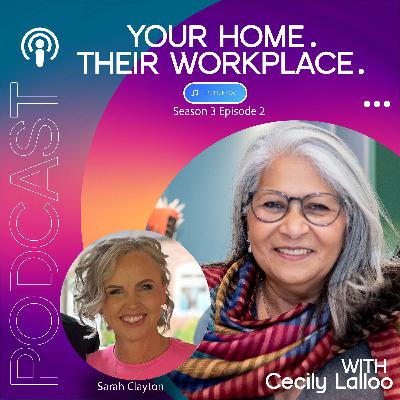
Sarah Clayton founded Simple Stuff Works to provide practical equipment and training that supports postural care and prevents avoidable complications for people with limited mobility. In this episode, she shares how her background in education and research led her to build a role that didn't previously exist. We explore how gravity affects body shape, comfort, and pressure risk — and why positioning must always be personalised. Sarah discusses the importance of collaboration between families, therapists, and care teams, using objective measures to guide decisions. She highlights the need for early intervention, regular reviews, and clear communication to manage both postural and pressure care effectively. The key message: simple, well-informed positioning strategies — delivered early and collaboratively — can significantly improve comfort, safety, and quality of life. In the chat with Cecily, Sarah mentioned a referral tool which she says "is also a fantastic resource for documenting a person's postural care provision - there are often multiple agencies involved which can quickly become overwhelming." Here are the links: Tool: https://changingourlives.org/wp-content/uploads/2023/12/Postural-Care-Overview- MASTER.pdf Website: https://changingourlives.org/our-work/health-inequalities/ To Contact Sarah, Find her on LinkedIn https://www.linkedin.com/in/sarah-clayton-simplestuffworks/? originalSubdomain=uk Or her website https://www.simplestuffworks.com/ Contact Cecily, buy her book, subscribe to her newsletter and listen to her podcast at cecilylalloo.com.
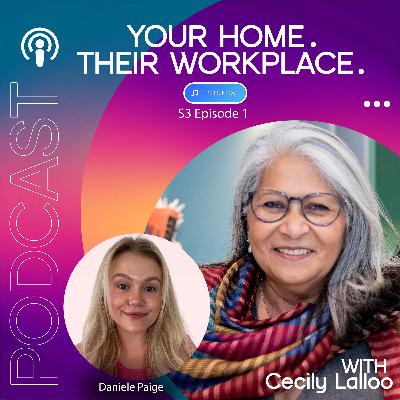
In this episode, Cecily is joined by Dani, a specialist moving and handling practitioner, for an in-depth conversation on what moving and handling really involves — far beyond basic transfers. They explore the importance of comprehensive moving and handling assessments, why this work must be fully integrated into multidisciplinary team (MDT) care, and how collaboration between OTs, physios, carers, and specialists is essential for safety and dignity. The discussion dives into real-world challenges such as planning holidays for people with complex needs, including air travel, specialist equipment, and emergency evacuation plans. Dani shares practical insights into staff training, competency assessments, and why consistent education across all shifts is critical. A key part of the conversation focuses on adult intimacy and sex support in care settings — why avoiding the topic creates risk, how clear intimacy support plans protect both clients and carers, and the need for open, professional communication around boundaries, consent, and cultural sensitivities. The episode highlights the value of proper qualifications, honest scope-of-practice conversations, and tailored training plans to ensure safe, respectful, and holistic care. To Contact Dani : Visit her email dani@supportiveaction.com or find her on LinkedIn http://linkedin.com/in/daniele-paige Contact Cecily, buy her book, subscribe to her newsletter and listen to her podcast at cecilylalloo.com.
In this episode S2 E9 Cecily ends 2025 and looks forward to 2026. She gives a brief recap of the episodes over the past 18 months, invites you to catch up on any you've missed, and offers you a copy of her book, Employing Care Staff in Your Home. Cecily wishes you the best health and wellbeing in 2026, joy and sunshine in your life - these things that money can't buy. Keep in touch with Cecily at cecilylalloo.com.
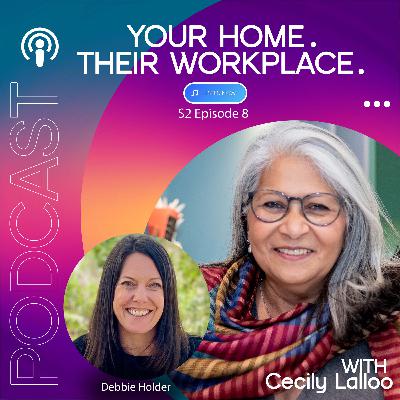
In this episode, Cecily speaks with Debbie Holder, an occupational health expert with over 30 years of experience. They break down what occupational health is, how it differs from occupational therapy, and why it's essential for anyone employing care staff at home. Debbie explains how Occupational Health supports both employers and employees, especially when health issues, sickness absence, or performance changes arise. In this episode of YOUR HOME. THEIR WORKPLACE learn about How occupational health supports situations like long-term sickness, repeated absence, stress, safety concerns, and changes in performance How Occupational Health assesses the progression of health conditions and recommends realistic adjustments to keep someone working How Occupational Health works alongside GPs and can highlight when treatment may need review How Occupational Health distinguishes between medical fitness issues and capability issues What information makes a strong referral — including employer observations, existing adjustments, sickness records, fit notes, and the physical/mental demands of the role Occupational health offers reassurance, practical guidance, and fair assessment to ensure safe, appropriate support for both employer and employee. Listen in for: practical guidance, real -life examples, and clear explanations that help employers confidently navigate occupational health decisions. To Contact Debbie : Visit her website www.ohsltd.co.uk or reach her at 07742 245450 Contact Cecily, buy her book, subscribe to her newsletter and listen to her podcast at cecilylalloo.com.
In this episode, host Cecily Lalloo sits down with Janet Shreeve, Director of Shreeve Care Services, to explore the realities, challenges, and rewards of live-in care — a personalised alternative to care homes that helps people remain in the comfort of their own homes. In this episode of YOUR HOME. THEIR WORKPLACE learn about What live-in care means and how it differs from traditional care models. The benefits of staying at home for both clients and families. Overcoming common misconceptions and resistance around having a carer live in. How clients are matched with carers — and why compatibility and companionship matter. The process from initial consultation to setting up care with trusted partners. Managing breaks, shifts, and maintaining healthy work-life balance for carers. Why awareness and advocacy are key to making live-in care a recognised, accessible option. Live-in care is not just about support — it's about choice, comfort, and connection. Janet emphasises that the heart of good care lies in trust, respect, and understanding each person's individuality. Listen in for practical insights, warm storytelling, and a behind-the-scenes look at how live-in care truly transforms lives. You can Contact Janet at : Visit her website shreevecareservices.co.uk Or reach her at janet.shreeve@shreevecareservices.co.uk / 07827 324 590 Contact Cecily, buy her book, subscribe to her newsletter and listen to her podcast at cecilylalloo.com.
I met Kim, through my gym. We were partnered to do what's called an Engine Race - I hadn't heard the term till then! What stayed with me after our first meeting was the fact that Kim Farmer was caring for her older brother, and had been since she was a child. I knew that Kim would have experiences that I couldn't imagine and also knew she would have stories to share with other siblings, with parents, and with care staff and other professionals. So, here we are in YOUR HOME. THEIR WORKPLACE. delving into those experiences. A 'take home' tip from Kim for those working in this space is - listen to the siblings, they know more than you think they do and give siblings the time and space to be who they are - a child, a teenager. Kim also talks about the impact on the next generation - her children. Kim, throughout, acknowledges that these are her experiences, her views, her family dynamics and that each person and family will be different. Environment and time impact everyone differently. I thank Kim for her heartfelt and passionate talk with me and for sharing as she has. I'd love you to leave a comment, ask a question or tell me your thoughts on this topic or any other. CONTACT Cecily, buy her book, subscribe to her newsletter and listen to her podcast at cecilylalloo.com. =========
In this episode, Cecily speaks with David Robson of Mark Bates Ltd, specialists in disability insurance. David shares his journey into the insurance industry and explains why home employment insurance is essential for families and individuals who employ carers or personal assistants in their homes. We discuss: Why employers' liability is a legal requirement and what it really covers How home employment insurance goes beyond the basics — including redundancy, personal possessions, legal support, PA or carer replacement, shopper cover and even holiday cancellation cover Common risks employers face when hiring carers at home The importance of choosing the right level of cover for peace of mind David also highlights the additional specialist insurance products available for people with disabilities, from mobility equipment to travel cover, and why having the right support matters when making a claim. 📩 Contact David: david.robson@markbatesltd.com| markbatesltd.com ☎️ 07821 680361 Find Cecily on LinkedIn, buy her book, and subscribe to her podcast at cecilylalloo.com
In this episode, host Cecily Lalloo is joined by Kate Marston, former Detective Sergeant in the Metropolitan Police and now Founder & CEO of MAST People Support, an HR and investigations consultancy. Kate shares her unique journey from policing to corporate HR and unpacks the complex challenges faced by families who employ care staff in their homes. Together, they explore: ● What the legal duty to prevent harassment means for home employers ● How to handle complaints sensitively while fulfilling legal obligations ● The difference between bullying and harassment ● Why intention doesn't outweigh impact ● The importance of clear reporting pathways, boundaries, and respectful communication ● How to manage tricky situations involving family, friends, and carers Whether you're a new or long-time employer of care staff, this conversation offers practical tools, real-life insight, and thoughtful guidance to help you navigate your responsibilities confidently and with compassion. You can contact Kate Marston, Founder & CEO of MAST People Support at: https://www.mastpeoplesupport.co.uk/ http://linkedin.com/in/kate-marston-104104 Find Cecily on LinkedIn, buy her book, and subscribe to her podcast at cecilylalloo.com
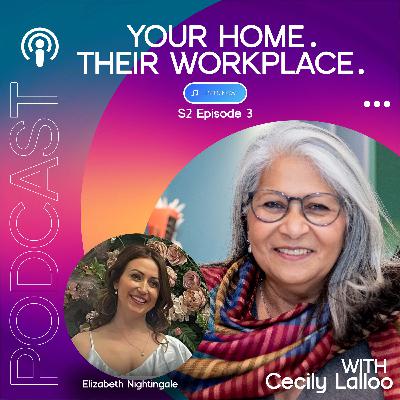
S2 Ep 3 with guest Elizabeth Nightingale on Music as Therapy Elizabeth Nightingale is a Qualified Music Therapist & Registered Neurologic Music Therapy Fellow specialising in brain injury, working as a practitioner in Level 1 rehabilitation and in the community with case managed individuals. For over ten years she has worked with children and adults in NHS, private and community settings, using carefully selected music-based techniques to leverage neuroplasticity and support goals ranging from improved speech to enhanced motor function. In her sessions, Elizabeth provides most of the specialised instruments herself, then develops home programs using video and audio recordings or suggests affordable instruments and apps for families to use between her visits. She trains siblings and care staff in simple, motivating activities - such as taking turns with a switch or rhythmic movement exercise - building their confidence through joint practice and feedback from her, so the family and carers can continue the work independently. Typically seeing her case managed clients once a week, Elizabeth tailors at-home practice to each family's schedule, the client's energy levels, and resources. She emphasises that beyond functional gains, music therapy brings emotional and social rewards - laughter, connection, and shared joy - reminding us that "if you want to give someone the best opportunity to respond and engage, try using music." Listen to Elizabeth chat with me, discuss some case studies and how best she supports her clients. Elizabeth will be pleased to hear from you if you contact her at her email address elizabeth@nightingalenmt.co.uk or through her website Nightingalenmt.co.uk . Find Cecily on LinkedIn, buy her book, and subscribe to her podcast at cecilylalloo.com
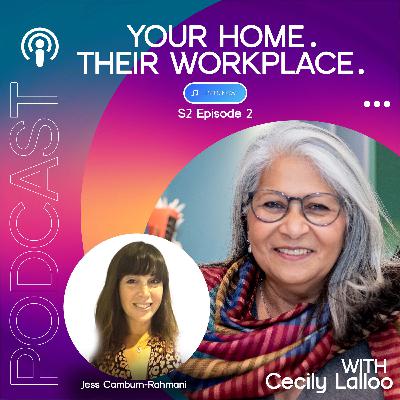
In this episode, Cecily Lalloo speaks with Jess Camburn-Rahmani, the new CEO of Cerebra, a UK charity supporting children with neurological conditions. Jess, who brings a background in international development, shares her passion for breaking down barriers to services for families of children with disabilities. She discusses Cerebra's inclusive approach — offering free access to resources such as books and sensory toys through their library — and the organisation's commitment to bringing both support and joy to families, carers, and children. Jess also introduces important new research into how service interactions can unintentionally traumatise families. She explains how Cerebra's legal team steps in to provide expert advice, helping families challenge decisions around support and services. Listen to Jess talk about major research on continence support for children, sleep exhaustion, and her encouragement to take care of our own wellbeing especially when caring for others. Finally, Jess invites everyone to "Relay Your Way," an inclusive fundraising initiative designed for people of all abilities or disabilities. The event reflects Cerebra's mission to provide everyone with the opportunity to take part in sport across Scotland, England and Wales. Cerebra is proud to include 30 SEND schools and over 9,000 children. For more information, visit Cerebra's website: https://cerebra.org.uk and https://www.relayyourway.org Find Cecily on LinkedIn, buy her book, and subscribe to her podcast at cecilylalloo.com
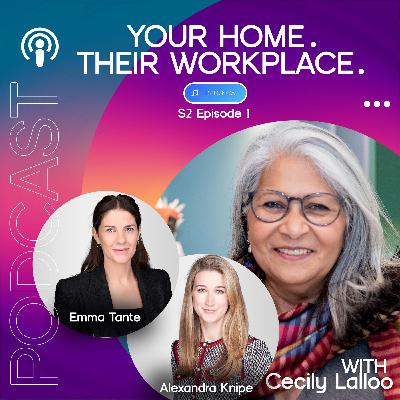
Series 2 of my podcast YOUR HOME. THEIR WORKPLACE is the start of a new chapter for me as I delve into more creativity, step away from regular operational HR work through Embrace HR, whilst still advocating for people who unwittingly become employers which was not in their plans. Alexandra Knipe and Emma Tante from Anthony Gold Solicitors join me as my guests for this Episode 1 of Series 2. They share what it means to be a Deputy appointed by the Court of Protection. We talk about the real challenges of employing care staff in their clients' homes. It can be an unnatural situation having people work sometimes 24/7, knowing your very personal business, your arguments with loved ones, living alongside your family on a daily basis. There are goods and bads and as Alexandra and Emma point out, communication, communication, communication is the key to good relationships. This is a fact, of course, in all walks of life. Alexandra, the Head of the Court of Protection Team at Anthony Gold solicitors, has been specialising in the field for over twenty years and acts as a deputy for many clients. Emma, a Partner at Anthony Gold Solicitors, has been working in the Court of Protection area for many years too, and deals with the day-to-day running of many files under deputyships. Emma, talks about the whole day employment conference dedicated to all things employment that the Professional Deputies Forum (PDF) organised. Emma is an active member of the PDF who recognise the importance and challenges of their clients' employing staff in their homes. Alexandra discusses her role as Deputy, primarily focusing on property and affairs management, and occasionally handling welfare needs, explaining that they act for clients with significant compensation awards, who require extensive care, that can cost hundreds of thousands of pounds annually. Furthermore, as the employer on behalf of clients, she facilitates employment contracts for clients who cannot do so themselves. Emma added that the appointment of a deputy can be initiated by either a professional or a lay individual, especially when significant sums or contentious issues are involved. They clarify that while professional deputies are favoured for complex cases, lay individuals such as family members can also be appointed in some circumstances. We discuss the challenges of employing carers in a family home setting, highlighting the importance of open communication, setting clear expectations, and understanding the legal rights of carers. The need for ongoing training and supervision to ensure a safe and stress-free environment for both carers and clients is covered. Alexandra and Emma discussed the potential risks associated with employing carers, including unfair dismissal, discrimination, bullying, and harassment. They emphasised the importance of effective communication and active management to prevent such issues from escalating. Cecily acknowledged the challenges faced by families in managing these situations and agreed that openness and collaboration is important. Emma added that family members often unintentionally become managers and emphasised the need for clear communication channels to address any issues promptly. Creating a safe environment goes beyond health and safety, and can include addressing issues such as language barriers and personal relationships. The conversation concluded with the recognition that the challenges of employing carers in a home environment are unique and require a different approach compared to a corporate setting. It was an honour to speak with Alexandra and Emma and I very much appreciate the time they took to share their knowledge and experience. Should you want more information from them or want to talk with them, this is Alexandra's contact page and here is a link to Emma's. https://anthonygold.co.uk/team/alexandra-knipe/ https://anthonygold.co.uk/team/emma-tante/ About this podcast YOUR HOME. THEIR WORKPLACE. Often as a result of a life changing event, many people unwittingly become employers of care staff in their homes. A loved one had an accident or incident that results in a brain injury or trauma, spinal injury or multiple complex disabilities that change their life, as well as all those around them - families, friends, work colleagues. Caregivers, support workers, rehabilitation assistants are employed to provide complex care, sometimes on a 24/7 basis. These people could be friends or relatives, or professional caregivers. Does this resonate with you? Are you placed in a position of being an employer or managing people in your home? Are you meeting your legal obligations to the people who have become employees? It can be extremely costly if an employer does not meet their employment obligations and an employee wishes to bring a claim to an employment tribunal. Over many years Cecily Lalloo has provided HR support for families, case managers and deputies appointed by the Court of Protection and their teams. She has brought her experience to this unique sector and, as she retires from operational HR, she is an advocate for people who employ care staff in their homes and unwittingly become employers. She is the author or "Employing Care Staff in Your Home" where she shares tips and advice on HR best practice. This podcast, YOUR HOME. THEIR WORKPLACE provides you with tips and advice from professionals, parent carers, and others who support the employment journey when your home is their workplace. Cecily is happy to hear from you if you would like to guest on the podcast, if you have any feedback or suggestions for future topics. Her contact details are: cecilylalloo.com
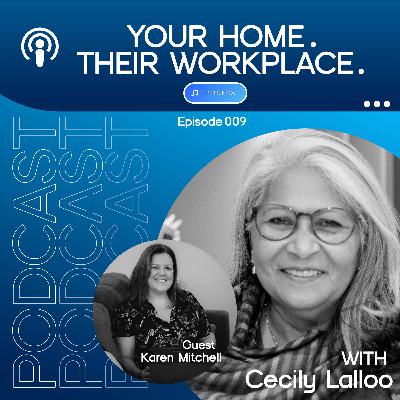
Season 1 Episode 9 : Karen Mitchell of KMHR Solutions talks to Cecily about HR challenges and good practice. Episode description In Season 1 Episode 9 of YOUR HOME. THEIR WORKPLACE, Karen Mitchell from KMHR Solutions, shares experiences and thoughts on providing HR support for you as families and individuals who employ care staff in your home. As HR professionals, the emphasis is on the importance of balancing employer and employee responsibilities and providing practical solutions. We chat about the challenges of managing employer/employee relationships within a home, setting expectations and boundaries, the need for clear policies and procedures to protect both the employer and the employee. One of Karen't top tips is to take time to learn about HR practices and seek advice from your HR provider. We all face challenges in a workplace when boundaries become blurred. This is even more difficult in a home environment where close relationships are forged. How is this managed? How can difficult conversations be navigated using your HR professional? Even though the same employment issues can arise when your home is a workplace, as they do in conventional businesses, sensitivity, flexibility, and open communication is important. If you'd like to find out more from Karen, here are her contact details: Website: https://www.kmhrsolutions.co.uk/contact-us LinkedIn: nkedin.com/in/karen-mitchell-a618ba4b About this podcast YOUR HOME. THEIR WORKPLACE. Often as a result of a life changing event, many people unwittingly become employers of care staff in their homes. A loved one had an accident or incident that results in a brain injury or trauma, spinal injury or multiple complex disabilities that change their life, as well as all those around them - families, friends, work colleagues. Caregivers, support workers, rehabilitation assistants are employed to provide complex care, sometimes on a 24/7 basis. These people could be friends or relatives, or professional caregivers. Does this resonate with you? Are you placed in a position of being an employer or managing people in your home? Are you meeting your legal obligations to the people who have become employees? It can be extremely costly if an employer does not meet their employment obligations and an employee wishes to bring a claim to an employment tribunal. Over many years Cecily Lalloo has provided HR support for families, case managers and deputies appointed by the Court of Protection and their teams. She has brought her experience to this unique sector and, as she retires from operational HR, she is an advocate for people who employ care staff in their homes and unwittingly become employers. She is the author or "Employing Care Staff in Your Home" where she shares tips and advice on HR best practice. This podcast, YOUR HOME. THEIR WORKPLACE provides you with tips and advice from professionals, parent carers, and others who support the employment journey when your home is their workplace. Cecily is happy to hear from you if you would like to guest on the podcast, if you have any feedback or suggestions for future topics. Her contact details are: cecilylalloo.com
S1 008 Ep – May you smile at the memories in time to come This episode is my thoughts on the loss of a client through death. The impact this can have on not only the family, but on the other people around them who have built up relationships is immense. We have just lost a young person and my heart is with their mother, siblings and family. Birth and death are certainties. We're not all ready to face talking about this fact of life, but it happens. In the fifteen years that I have provided HR support to families with children, young adults or adults with multiple complex disabilities (the client), we have lost three children and two young adults. I feel for the parents, the families, as well as the employees, the team who support them and their family. The employees, the care givers, may have worked for the client for years and are a part of the family in many ways. Unfortunately, the employees lose their jobs immediately – it's called frustration of contract. They are in essentially in a redundancy situation. It's a hard time losing someone and losing your job. Many families are upset about the situation that their staff are in, whilst at the same time grieving the loss of their loved one. It is such a difficult time for everyone. I'd like to share this poem with everyone who has lost a loved one. May you feel their love. May you smile at the memories in time to come. By Donna Ashworth from her book "Loss" TAKE THE LOVE Take the love you had for me and turn it into laughter turn it into bling light to shine on your thereafter. Take the love you have for me and who it to the world something so amazing needs to blossom and unfurl Take the love that made us keep it burning bright let that fire guide you let it warm you through the night Take the love you shared with me and spread it out with gladness my life will not have been in vain if you can fight the sadness Take the love my darling it's yours to carry on grow that love forever more and then I won't be gone.
YOUR HOME. THEIR WORKPLACE. - Episode 7 – Linda Sayers Safeguarding with a capital 'S' starts with a little niggle says Linda Sayers, in this episode of YOUR HOME. THEIR WORKPLACE. I chatted with Linda Sayers about the importance of safeguarding where support workers, rehabilitation assistants, personal assistants are employed to care for someone in their own home. In this show note references will be made to 'support worker' which means any of the above titles. Linda shares her extensive experience in the field of safeguarding and emphasises the need for proper recruitment and induction processes which contribute to safeguarding. We discussed the importance of training for workers, the need for ongoing supervision, and the importance of listening to one's gut instincts. Linda pointed out that she sees safeguarding with a lowercase 's' as a responsibility of everyone and should be an every day concern. But that what she calls Safeguarding with an uppercase or capital 'S' it something bigger "that starts with a little niggle". Linda's background is in both social work and human resource management hence her bringing her experience in both fields to share the importance of balancing safeguarding with employment considerations in the home, as in any organisation. Linda, is a social worker by profession, with extensive experience in case management and safeguarding. Linda talks about the importance of establishing clear house rules and safeguarding measures in family homes where care is provided. The need to train staff in health and safety, moving and handling, medication, and safeguarding practices, amongst other things must not be taken lightly. Linda also highlights the need to address safeguarding concerns, even if they involve family members, as part of a professional's duty. We discuss why workers may find it difficult to report instances where they feel there may be a safeguarding concern. In a family home the workspace is more informal, and closer relationships are formed. Workers may be concerned about falling out with family or colleagues if they get it wrong, and it may have an impact on their job. Linda points out that even family members have concerns with regard to reporting and shares a personal case from her professional experience as a case manager. She recounts a situation involving a 24/7 support team for an adult client with severe brain and spinal injuries. A support worker reported a colleague's rough handling of the client, which led to the colleague's suspension, full investigation, and eventual conviction. The case highlighted the importance of support workers feeling safe to report concerns and the need for effective management of such situations. Linda also shares her ongoing relationship with the client's mother, who expressed gratitude for Linda's intervention as case manager. We cover the importance of safeguarding training for support workers and the need for families to be involved in such discussions. Safeguarding training should be mandatory and should start from the beginning of employment, says Linda. The training should not be just a tick-box exercise but should involve understanding emotions, dealing with dilemmas, and recognising indicators of abuse. It is important to set out the house rules and the need for families to share these rules with their workers. Linda shares a particular frustration that could have been avoided if the family had shared with the worker a simple house rule. We discuss different ways to train as it is not an easy task to get all workers together at the same time in order to train. We discuss the need for ongoing supervision and team meetings to keep safeguarding practices alive. Linda reminds us how professional curiosity, not dismissing gut feelings about potential issues, setting boundaries and expectations are the mainstay of safeguarding, as is early intervention in addressing issues before they escalate. Contact Linda Sayers, Director of Sayers Social Care Consultancy, to find out about her company's training offers for employees, families, deputies and case managers. Sayers Social Care Consultancy LinkedIn: https://www.linkedin.com/in/linda-sayers-0bb66551
Episode 6 Take the headache out of record-keeping Wishing you Compliments of the Season and all the very best wishes for a positive 2025 – may all your dreams come true. Episode 6 of Series 1 of Your Home. Their Workplace. introduces another way to take the headache out of record-keeping in 2025. Host of the show, Cecily Lalloo discusses Sam Milliken-Smith the formation and purpose of Heba, a platform designed to support families and care professionals in managing and navigating care. Sam, who co-founded Heba, shared his personal motivation for creating the platform, citing experiences as volunteering for charities supporting children with developmental differences. Cecily acknowledged the importance of record-keeping in their field and expressed her belief that Heba could make a significant difference by streamlining information and saving time. Sam, emphasizing that Heba is designed to help users understand and share information, Sam explained that Heba Care was initially set up to assist with care coordination, particularly through the lens of the family, but is now used by various care professionals and case management firms. The tool offers care management features, access to expert guidance and resources, and a collaborative way of working which is designed to support care teams and facilitate collaboration among family members and care professionals. It allows users to track and share symptoms, medications, events, appointments, and exercises, and can be used by families with case managers or care support workers. The software solution, Heba, is used by families to track their children's health and by care professionals to manage their shifts and keep track of events. The tool is designed to be flexible and accessible, with over 10,000 app sessions recorded by some users. Cecily inquired about the ease of setting up the tool and Sam said that they prioritised user-friendliness and intuitiveness in its development. He said the availability of a new app, which can be downloaded from the app store within 30 seconds. The app is designed to be user-friendly and accessible, with a free version available for trial. It can be used on various devices, including iPhones, Android devices, and tablets. The app is intended for families and professionals to manage care circles, with the option to invite others to join. Heba plan to develop a web app for laptop use in the future. Sam emphasised that they have invested heavily in data security and privacy and have undergone various processes to ensure compliance with bodies such as the NHS. They also mentioned that they have certifications like Cyber Essentials and Cyber Essentials Plus. He assured Cecily that the data is safe, secure, and accessible to users, who can decide how to use it. The conversation also touched on the potential for HR functions like holiday management to be integrated into Heba in the future. Meet Sam and co-founder Uzay Marcar on their website https://www.heba.care/about and sign up for a free trial. Cecily has been pointing her clients to this website to take a look as many express the fact that information sharing is repetitive, and they look for ways to streamline processes within their teams, keep accurate records, and share vital information. I do hope that this will be a solution that will help families with both children and adults who need constant care. Let me have your feedback, your views and suggestions for future shows. Cecilylalloo@gmail.com Subscribe to my LinkedIn Newsletter Read my book or listen to the audibook - "Employing Care Staff in Your Home" Listen to more episodes in the podcast Your Home. Their Workplace. Employing Care Staff in Your Home at Amazon or Lulu https://www.amazon.co.uk/Employing-Care-Staff-Your-Home/dp/1447849485 https://www.lulu.com/shop/cecily-lalloo-and-cecily-lalloo/employing-care-staff-in-your-home/paperback/product-75d44g.html?page=1&pageSize=4

Welcome to Episode 5 in this Series 1 of YOUR HOME. THEIR WORKPLACE. Join me as I record from beautiful Cape Town. In this episode it's all about employing people you love – your family and friends. This is one of the most difficult and important work relationships. It can work wonderfully if everyone knows what the expectations are and respect them. Or it can be an awful disaster and end some of the most beautiful relationships. Something that is not discussed in the podcast – is the fundamental expectation that the employment relationship may end at some time. How will this be managed? If your family or friend decides that they want to work elsewhere, or they want to give up working, are you prepared to not take their decision as a personal affront against you? In any relationship sometimes you have to be cruel to be kind. Sometimes being kind and giving in to requests and demands can put you in a difficult position. Your kindness can come back to haunt you! This time of the year is often busy for many. Preparing for Christmas, school activities, end of term, travelling, seeing friends and relatives ... shopping! As a parent carer or family member taking care of a loved one, the festive season and what it brings, on top of your daily routine, adds extra pressure. Be kind to yourself and take some time out if you can. Thank you for joining us on YOUR HOME. THEIR WORKPLACE. Subscribe to the podcast so you don't miss our next show next month. I'd love you to connect with me on LinkedIn and sign up to receive my LinkedIn newsletter, called HR with Cecily - Employing People in Your Home. Find my book - Employing Care Staff in Your Home - on Amazon or Lulu.com. It's in paperback or e-book. But if you prefer to listen to your books get the audiobook. Be the first two people to subscribe this month to YOUR HOME. THEIR WORKPLACE and receive a free paperback copy of Employing Care Staff in Your Home. All you have to do is email me at cecilylalloo@gmail.com and tell me that you've subscribed and suggest a topic for a future episode, ask a question relating to employing care staff in your home, or write a review. Remember, YOUR HOME is THEIR WORKPLACE, so make it a space that inspires you and inspires the people you employ to care for your loved one. I look forward to spending time with you and in the meantime, stay safe. Stay well. This podcast is brought to you by Cecily Lalloo, advocate for employers employing care staff because YOUR HOME is THEIR WORKPLACE. Links: Employing Care Staff in Your Home at Amazon or Lulu https://www.amazon.co.uk/Employing-Care-Staff-Your-Home/dp/1447849485 https://www.lulu.com/shop/cecily-lalloo-and-cecily-lalloo/employing-care-staff-in-your-home/paperback/product-75d44g.html?page=1&pageSize=4
Ep 4 – Dr Shabnam Berry Khan of Psychworks Associates on trauma, interdisciplinary wheel, value-based recruiting and more Welcome to Episode 4 in this Series 1 of YOUR HOME. THEIR WORKPLACE. In this episode I talk about "Teleworkers" – the name in the 1980s for Virtual Assistants of today. Then I talk with Dr Shabnam Berry Khan, psychologist, case manager, business owner of Psychworks Associates. As a case manager, Shabnam and her team work with people with multiple complex disabilities. The majority of her clients have care staff – support workers, rehabilitation assistants, buddies and more - who work in the clients' homes. What are the challenges that are faced? There are many. As a psychologist, you'd expect Shabnam to deal with trauma, she says: " The bottom line is we're working with people and where there's people, there's trauma. That's the truth of it and it informs everything we say, everything we do, how we interact with one another. So in order to be a good anything with people - case manager, HR person - you have to consider employees, you have to think about that trauma informed perspective. What is this person bringing? That's the issue right here and right now. But what is all the other baggage that they're bringing with them that is colouring how they're interacting with me right now." There is much to unpack and Shabnam brings an honest perspective – it's not all roses. We talk about how to recruit in this very difficult sector that encroaches on people's private lives. It's not only about the job role, but about the people involved. The different layers of people. I loved Shabnam's description of what I have heard of as a "multidisciplinary team". She says: "So we try and work more interdisciplinary. Everyone is connected to everyone else. And I describe it as kind of like a wheel. You've got the hub, the clients, and then you've got the spokes going out. But if you don't have the tyre around the edge ..." In essence, the case manager's role is bringing people together, helping the employees carry out their role, to bring ideas to the table, to meet certain standards, to support their performance, whilst realising that not all suggestions and ideas will work for a particular client or a particular family. The case manager needs to ensure that the carers are valued, even though there is not really a clear career path, and the role may prove monotonous, or they may not fit with a client of a family - another aspect of employing care workers. Shabnam ends by saying "May God bless the support worker!" Thank you Shabnam for your time and very interesting points of view. Visit Psychworks Associates webpage and follow them on LinkedIn. https://www.linkedin.com/in/dr-shabnam-berry-khan-psychworks/ Thank you for joining us on YOUR HOME. THEIR WORKPLACE. Subscribe to the podcast so you don't miss our next show next month. I'd love you to connect with me on LinkedIn and sign up to receive my LinkedIn newsletter, called HR with Cecily - Employing People in Your Home. Find my book - Employing Care Staff in Your Home - on Amazon or Lulu.com. It's in paperback or e-book. But if you prefer to listen to your books get the audiobook. Be the first two people to subscribe this month to YOUR HOME. THEIR WORKPLACE and receive a free paperback copy of Employing Care Staff in Your Home. All you have to do is email me at cecilylalloo@gmail.com and tell me that you've subscribed and suggest a topic for a future episode, ask a question relating to employing care staff in your home, or write a review. Remember, YOUR HOME is THEIR WORKPLACE, so make it a space that inspires you and inspires the people you employ to care for your loved one. I look forward to spending time with you and in the meantime, stay safe. Stay well. This podcast is brought to you by Cecily Lalloo, advocate for employers, employing care staff because YOUR HOME is THEIR WORKPLACE. Links: Employing Care Staff in Your Home at Amazon or Lulu https://www.amazon.co.uk/Employing-Care-Staff-Your-Home/dp/1447849485 https://www.lulu.com/shop/cecily-lalloo-and-cecily-lalloo/employing-care-staff-in-your-home/paperback/product-75d44g.html?page=1&pageSize=4
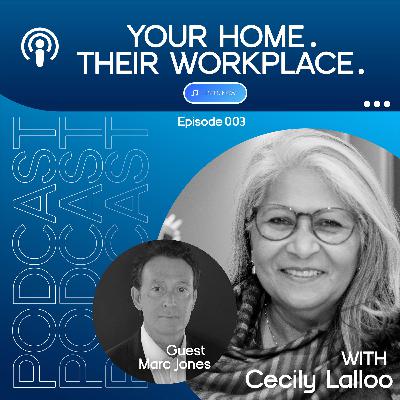
Show Notes Episode 3 in this Series is a chat with Marc Jones who owns and operates Marjon Law, specialist employment lawyers. Marc has been an employment lawyer for nearly 25 years now. He originally trained as a barrister and transferred to become a solicitor who has always 'done' employment law. As he says, this is his forte. I have worked with Marc for many years and he has advised me on employment matters. Marc's contact details are below in these show notes. I asked Marc what the one bit of advice would be that he'd offer people who employ staff in their homes so that they don't get on the wrong side of the law. He said "Oh, well, that's easy. They have to have a written contract … to misquote a famous quote: a verbal contract is not worth the paper it's written on, and that's unfortunately how a lot of disputes arise because it's all evdenced by he-said-she-said. Once you've got something in writing, it governs the relationship between the parties." Marc talks about a horrendous example of a relationship breakdown that can happen when family and friends are employed, and how best to manage such situations. We also talk about holidays, breaks, self-employment and what claims might arise if an employment contract is not provided! If you would like to contact Marc, below are Marjon Law's details: Email: info@marjonlaw.co.uk Phone: 0333 533 0606 Web: marjonlaw.co.uk LinkedIn https://www.linkedin.com/company/marjonlaw/ DON'T FORGET Subscribe to my podcast YOUR HOME.THEIR WORKPLACE and when you do so, send me an email for a chance to win a FREE copy of my book, Employing Care Staff in Your Home by sending me an email and let me know what other topics you'd be interested in, leave me a review, or ask a question. Email cecilylalloo@gmail.com The paperback or e-book Employing Care Staff in Your Home is available on Amazon, Lulu.com and other platforms. https://www.lulu.com/search?sortBy=RELEVANCE&page=1&q=Cecily+lalloo&pageSize=10&adult_audience_rating=00

Thank you for joining us on YOUR HOME. THEIR WORKPLACE. Subscribe to the podcast so you don't miss our next show next month. I'd love you to connect with me on LinkedIn and sign up to receive my LinkedIn newsletter, called HR with Cecily - Employing People in Your Home. Find my book - Employing Care Staff in Your Home - on Amazon or Lulu.com. It's in paperback or e-book. But if you prefer to listen to your books, watch out for the audiobook. Be the first two people to subscribe this month to YOUR HOME. THEIR WORKPLACE and receive a free paperback copy of Employing Care Staff in Your Home. All you have to do is email me at cecilylalloo@gmail.com and tell me that you've subscribed and suggest a topic for a future episode, ask a question relating to employing care staff in your home, or write a review. Remember, YOUR HOME is THEIR WORKPLACE, so make it a space that inspires you and inspires the people you employ to care for your loved one. I look forward to spending time with you and in the meantime, stay safe. Stay well. This podcast is brought to you by Cecily Lalloo, advocate for employers, employing care staff because YOUR HOME is THEIR WORKPLACE. Links: Employing Care Staff in Your Home at Amazon or Lulu https://www.amazon.co.uk/Employing-Care-Staff-Your-Home/dp/1447849485 https://www.lulu.com/shop/cecily-lalloo-and-cecily-lalloo/employing-care-staff-in-your-home/paperback/product-75d44g.html?page=1&pageSize=4 YouTube: About Rachel Wright (from her LinkedIn profile) Director/founder of Born at the Right Time provider of CPD certified courses, parent workshops and curators of a new way to work. Qualified nurse and unqualified parent 3, one with complex needs. Dedicated to #BridgingtheGap between families of people with complex needs and the practitioners in education, health and social care who supported them. Passionate about communication and co-production; putting personalised care at the heart of clinical practice. Reluctant runner and devotee of salt 'n vinegar crisps with hummus. Memoir, The Skies I'm Under, shares the road of becoming a parent to a child with complex needs and life-limiting epilepsy. Expert by experience and passionate advocate and public speaker for families loving people with disabilities - determined to make you laugh. Woman of faith who believes brokenness doesn't always need fixing. #bridgingthegap between faith and real life, promoting equality, inclusion and diversity within the church. Co-author of Shattered; God's view through life's broken windows. Links Find the links to Rachel's podcast The Skies We're Under and her books here. https://www.bornattherighttime.com/about/
Often, as a result of a life changing event, many people unwittingly become employers of care staff in their homes. A loved one had an accident or incident that results in a brain injury or trauma, spinal injury or multiple complex disabilities that changes their life - as well as all those around them; their families, their friends, even their work colleagues. Caregivers, support workers, rehabilitation assistants are employed to provide complex care for them, sometimes on a 24/7 basis. These people could be friends or relatives, or professional caregivers. Families or individuals are placed in a position of being an employer and meeting their legal obligations to their employees. Not meeting these obligations can mean costly claims to an employment tribunal. With over 20 years' experience complying with employment law, HR specialist, author of Employing Care Staff in Your Home, and advocate for people who employ care staff in their homes, working with case managers and deputies appointed by the Court of Protection, Cecily Lalloo is host of 'YOUR HOME. THEIR WORKPLACE.' In these episodes, Cecily shares tips and information with people who employ care staff in their homes so that they get to know what they don't know about employing people. Profile linkedin linkedin.com/in/cecilylalloo Newsletter https://www.linkedin.com/newsletters/employing-people-in-your-home-7062524266134548480

Comments

Download from Google Play

Download from App Store
 United States