


 Claim Ownership
Cinema Callback
Subscribed: 2Played: 16
Subscribe

© Cinema Callback
Description
Cinema Callback is a voicemail-based film podcast hosted by Andy and Michael, two lifelong movie lovers . Each week they exchange voice messages dissecting cult classics, hidden gems, and new releases. From horror to noir, indie to blockbusters, it’s an honest, playful take on cinema’s best. New episodes weekly.
90 Episodes
Reverse
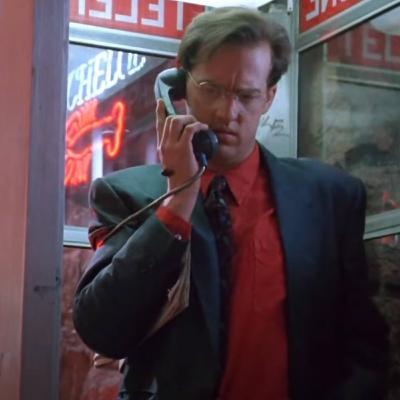
In this episode of Cinema Callback, Andy and Michael discuss Miracle Mile (1988), Steve De Jarnatt’s strange, urgent blend of romantic drama and apocalyptic thriller set over the course of one increasingly frantic night in Los Angeles.Through the show’s voice note conversation format, the hosts talk about the film’s tonal shift from dreamy meet cute to nuclear countdown nightmare, and how that pivot never feels ironic or detached. They explore the film’s ticking clock structure, its portrait of late 80s Cold War anxiety, and the way ordinary people react when faced with unimaginable news.They also discuss how Miracle Mile balances sincerity with absurdity, why its emotional core gives weight to its high concept premise, and how its ending reframes the film less as spectacle and more as a tragic love story caught in the machinery of history.
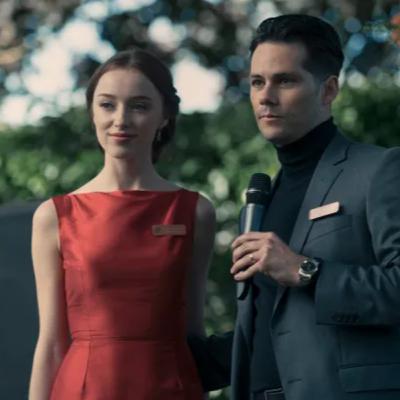
In this episode of Cinema Callback, Andy and Michael discuss Anniversary (2025) directed by Jan Komasa, a tightly controlled psychological drama that begins in recognisable domestic territory before quietly shifting into something far more disquieting. What initially feels like a familiar life invasion setup gradually opens into a study of control, desire, and emotional power.Through the show’s voice note conversation format, the hosts talk about the film’s precise tone, its slow tightening of perspective, and how it locates tension in behaviour and subtext rather than overt plot. They explore how the film plays with expectations of the genre, where it aligns with classic life invasion cinema, and where it deliberately resists easy readings, allowing discomfort and ambiguity to linger.The episode also features special voice notes from screenwriter Lori Rosene-Gambino, responding directly to ideas raised in the discussion and offering insight into the writing process, character construction, and the thematic intentions behind the film.

In this episode of Cinema Callback, Andy and Michael discuss Triangle (2009), Christopher Smith’s mind bending psychological thriller that begins as a simple sailing trip and spirals into a labyrinth of repetition, dread, and existential punishment.Through the show’s voice note conversation format, the hosts talk about the film’s shifting structure, how it weaponises déjà vu, and the way it gradually reframes what first appears to be a survival story into something closer to a moral puzzle. They explore the mechanics of its time loop, the emotional logic beneath its horror, and how the film invites viewers to piece together meaning rather than spelling it out.
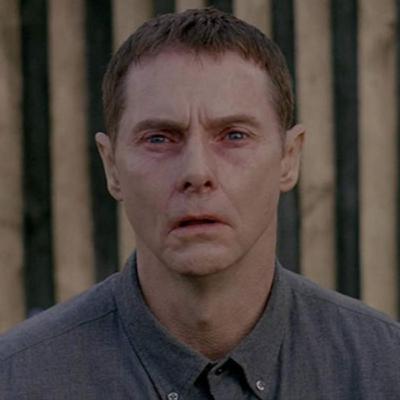
In this episode of Cinema Callback, Andy and Michael discuss Possum (2018), Matthew Holness’s deeply unsettling debut feature that strips horror back to mood, repetition, and psychological decay. Set in a bleak, unnamed England, the film follows a man returning to his childhood home, carrying with him both a literal and emotional burden he cannot escape.Through the show’s voice note conversation format, the hosts talk about the film’s oppressive atmosphere, its use of sound and absence, and how it withholds explanation in favour of sustained dread. They explore the symbolism of the Possum puppet, the film’s relationship to childhood trauma and repression, and how its slow, punishing rhythm becomes the point rather than an obstacle.
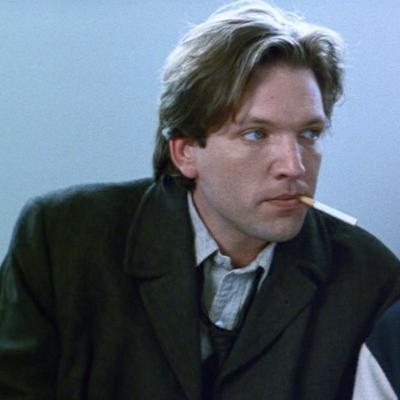
In this episode of Cinema Callback, Andy and Michael discuss Trust (1990), Hal Hartley’s breakthrough indie film that blends romance, comedy, and philosophical inquiry with a distinctly deadpan tone. Centered on the unlikely connection between Maria and Matthew, the film reframes young love as an act of resistance against social expectation and emotional inertia.Through the show’s voice note conversation format, the hosts talk about Hartley’s stylised dialogue, rigid framing, and minimalist performances, and how these choices create a world that feels both artificial and emotionally sincere. They explore the film’s relationship to American independent cinema at the start of the 1990s, its scepticism toward institutions, and its belief in honesty as a moral position.They also discuss how Trust balances irony with genuine feeling, why its awkward tenderness still resonates, and how Hartley’s precise, controlled style turns small gestures and conversations into quietly radical moments.
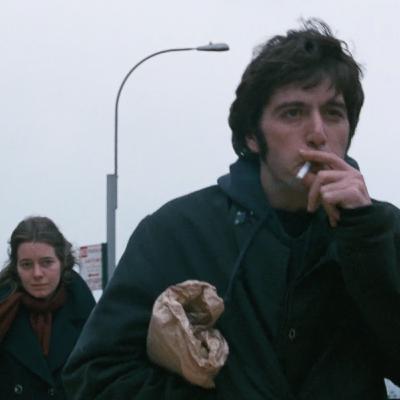
In this episode of Cinema Callback, Andy and Michael discuss The Panic in Needle Park (1971), Jerry Schatzberg’s raw, unsentimental portrait of addiction and dependency in early-70s New York, starring Al Pacino and Kitty Winn.Through the show’s voice note conversation format, the hosts talk about the film’s stripped back realism, its immersion in street level life, and how it resists moralising or narrative comfort. They explore Pacino’s early star presence, Kitty Winn’s devastating performance, and how the film frames romance as something slowly hollowed out by need rather than melodrama.
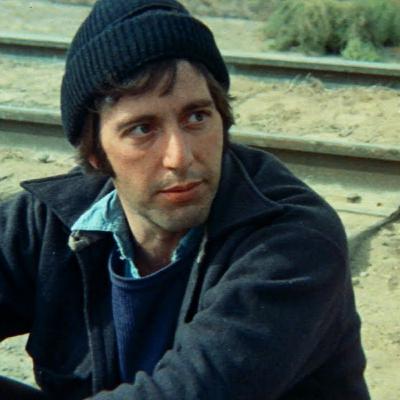
In this episode of Cinema Callback, Andy and Michael discuss Scarecrow (1973), Jerry Schatzberg’s tender, wandering road movie starring Al Pacino and Gene Hackman as two drifters moving across America with little more than dreams and unresolved pasts.Through the show’s voice-note conversation format, the hosts talk about the film’s loose, episodic structure and how it lets character take precedence over plot. They explore the evolving friendship between Pacino and Hackman, the way masculinity is expressed through vulnerability and performance, and how the film quietly dismantles the myth of the American Dream without ever announcing its intentions.They also discuss the film’s tonal shifts from humour to devastation, its humanist perspective, and why Scarecrow remains a deeply affecting, often overlooked entry in 1970s American cinema.
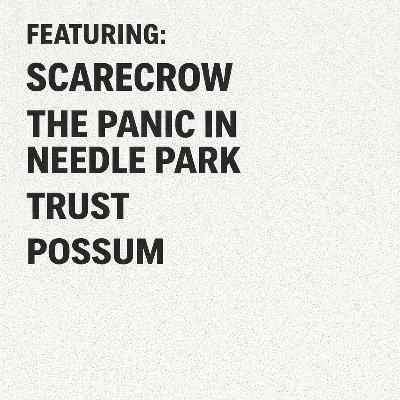
This is a quick film-club preview of the next four Cinema Callback episodes.We’ll be covering Scarecrow (1973), The Panic in Needle Park (1971), Trust (1990), and Possum (2018). , so if you want to watch along, now’s the time — and then check out the episodes when they drop.Scarecrow - 13/01/2026The Panic in Needle Park - 20/01/2026Trust - 27/01/2026Possum - 04/02/2026
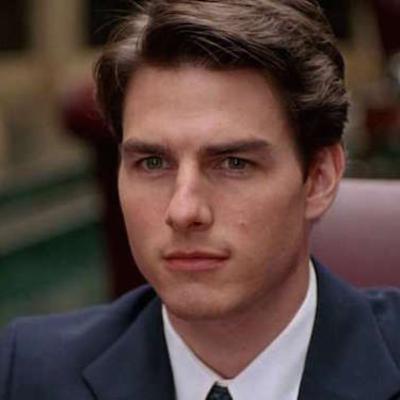
In this episode of Cinema Callback, Andy and Michael discuss The Firm (1993), Sydney Pollack’s slick legal thriller starring Tom Cruise at the peak of his early-90s stardom. What begins as a glossy story of professional success slowly reveals itself as a paranoid nightmare about power, control, and the cost of getting exactly what you want.Through the show’s voice-note conversation format, the hosts talk about the film’s shifting tone from aspirational career fantasy to claustrophobic conspiracy and how Cruise’s star persona is used to lure both the character and the audience into a false sense of security. They explore the film’s depiction of institutions that feel benevolent until they don’t, and how its Southern setting adds to the sense of unease beneath the polish.They also discuss how The Firm reflects 90s anxieties around corporate loyalty and upward mobility, why its slow-burn structure still works, and whether its thriller mechanics hold up in an era far more cynical about money, work, and authority.
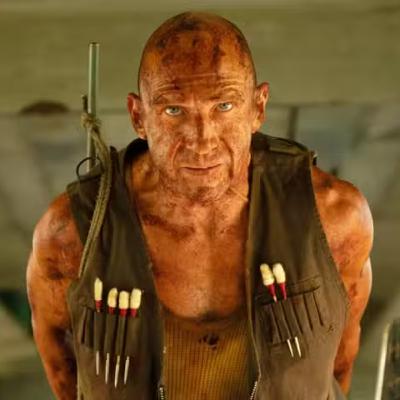
In this episode of Cinema Callback, Andy and Michael discuss 28 Years Later, the long-gestating return to Danny Boyle’s infected Britain and what it means to revisit a world that once defined post-millennium horror.Through the show’s voice-note conversation format, the hosts talk about how the film reframes rage, survival, and collapse through the lens of time, aging, and generational trauma. They explore whether the film evolves the original’s feral energy or deliberately cools it into something more reflective, and how Britain itself feels changed socially, politically, and emotionally since 28 Days Later first hit screens.They also discuss the risks of legacy sequels, the weight of cultural memory, and whether 28 Years Later earns its existence by saying something new or by letting the past echo loudly enough on its own.
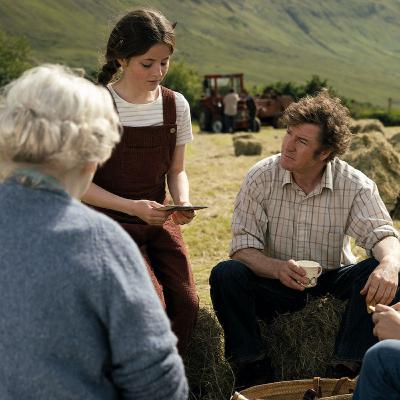
In this episode of Cinema Callback, Andy and Michael discuss That They May Face the Rising Sun (2023), the quietly powerful Irish film adapted from John McGahern’s novel. Set in rural Ireland, the film observes everyday life, community bonds, and the passing of time with a patient, unshowy eye.Through the show’s voice-note conversation format, the hosts talk about the film’s observational style, its relationship to Irish identity, and how it finds drama in stillness rather than plot. They also discuss how the adaptation handles McGahern’s work, and why the film’s restraint makes it such a distinctive piece of Irish cinema.Spoilers throughout.🎧 Cinema Callback — where movies call you back.
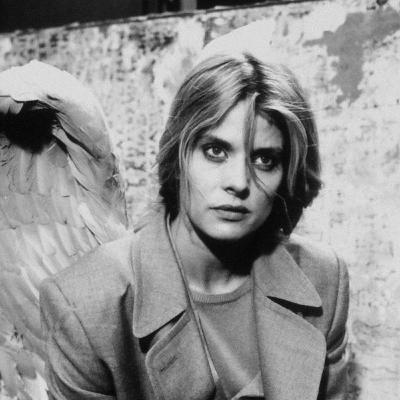
In this episode of Cinema Callback, Andy and Michael turn their attention to Faraway, So Close! (1993), Wim Wenders’ follow-up to Wings of Desire. Continuing the story of angels observing human life in Berlin, the film shifts tone, scale, and ambition — raising questions about freedom, consequence, and what it really means to be human.Using the show’s voice-note conversation format, the two hosts trade thoughts on how the sequel expands Wenders’ ideas, its visual style, political backdrop, and how it compares to the quiet poetry of the original film. They also discuss whether Faraway, So Close! works best as a companion piece or as its own, stranger continuation.Spoilers throughout.🎧 Cinema Callback — where movies call you back.
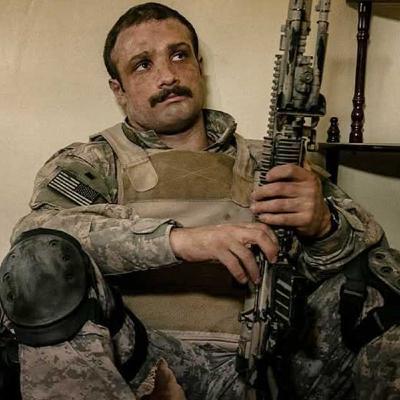
In this episode of Cinema Callback, Andy and Michael dive into Warfare (2025), Alex Garland’s tense, grounded drama built around real-world military events and the political fallout surrounding them. We look at how Garland handles the material, the performances that carry the film, and the film’s commentary on loyalty, power, and the human cost of conflict.As always, the episode is built around our voice-note conversation format, where we trade messages back and forth and unpack the film’s details, themes, and moments that stood out.Perfect for anyone looking for deeper context, analysis, and discussion of one of 2025’s most talked-about releases.

Andy and Michael swap voice notes as they explore The Remarkable Life of Ibelin (2024), the moving documentary about Norwegian gamer Mats Steen — known online as “Ibelin”. Stricken by Duchenne muscular dystrophy and confined to a wheelchair, Mats found escape, purpose and connection within the world of World of Warcraft.Through interviews, archive footage and animated recreations of his in-game life, the film shows how a community of strangers became something more — a support system, a friendship network, a chosen family.In this episode, the hosts talk about the film’s emotional power, the importance of online communities, and what it says about isolation, identity and belonging in the digital age.🎧 Cinema Callback — where movies call you back.

Michael and Andy are back in each other’s voice notes — but this week they’re dodging slow-motion doves, leather jackets, and John Woo explosions as they dive into Mission: Impossible 2 (2000).In this episode, the lads break down that wild tonal shift, the stunt-heavy insanity, the operatic melodrama, and whether the movie’s style-over-sense approach secretly makes it the most fun entry in the franchise. They debate:Did Tom Cruise reinvent Ethan Hunt too hard, too soon?Is Woo’s over-the-top action misunderstood or just mental?And… is MI2 actually better than people remember?All discussed through their trademark back-and-forth voice-note format, full of tangents, rants, and accidental comedy as the boys relive the most chaotic film in the series.Perfect for fans of action cinema, franchise deep-dives, and extremely unserious film analysis.
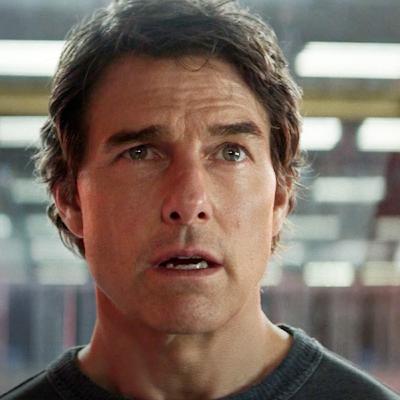
Andy and Michael return with a new batch of chaotic, cinematic voice notes as Cinema Callback tackles Mission: Impossible – The Final Reckoning (2025). In this spoiler-filled episode, the lads break down Tom Cruise’s final outing as Ethan Hunt — the stunts, the twists, the emotional beats, and whether the franchise sticks the landing after nearly 30 years.Told through their signature voicemail-style back-and-forth, the conversation jumps between set-piece highlights, character arcs, production drama, and how this finale compares to the rest of the series. Expect hot takes, surprise opinions, and plenty of “did you see THAT?!” energy.Listeners can join the chat and leave their own voice messages using the link in the About section. Spoilers throughout!
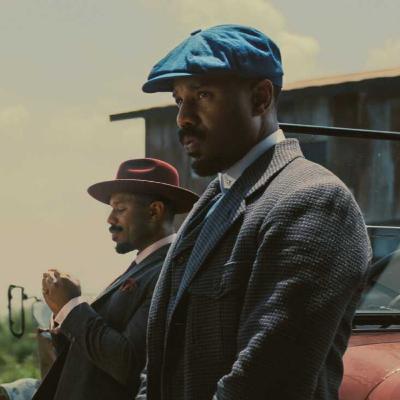
Andy and Michael return to the line for a charged discussion of Sinners (2025), Ryan Coogler’s long-awaited comeback and one of the year’s most talked-about films. Told through their signature voice note exchanges, the pair unpack Coogler’s daring mix of faith, family, and moral collapse — a film that asks whether redemption is possible in a world built on compromise.Expect a raw, honest breakdown filled with spoilers, personal tangents, and the kind of late-night film talk that defines Cinema Callback.Join the chat via the link in our About section to leave your own voicemail message for the show — your take might feature in a future episode.
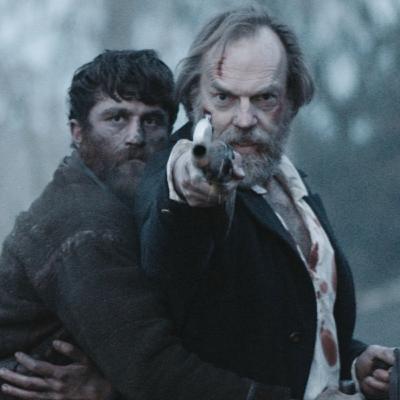
Andy and Michael leave voice notes across continents to discuss Black ’47 (2018), Lance Daly’s brutal revenge western set during Ireland’s Great Famine.In this emotionally charged episode, they explore how the film fuses genre grit with historical trauma — from James Frecheville’s haunted performance to Hugo Weaving’s moral complexity. They talk about its striking cinematography, mythic tone, and what it means to tell a story of famine through the language of vengeance.
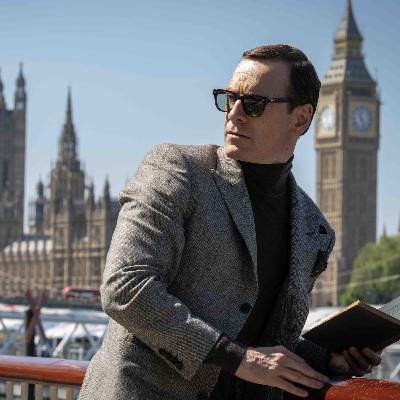
Andy and Michael swap voice notes about Black Bag (2025), Steven Soderbergh’s sleek return to the spy genre starring Cate Blanchett and Michael Fassbender.In this episode, they unpack its tension, tone, and the director’s obsession with control — asking whether Black Bag feels like a comeback or a cold exercise in style. Along the way, they debate the movie’s surprising restraint, Fassbender’s performance, and Soderbergh’s shifting relationship with genre filmmaking.

Andy and Michael leave each other a string of voice notes about Robot Dreams (2023), the beautifully melancholic animated film from Pablo Berger. Through their conversation, they explore the film’s quiet emotional pull — a wordless story about connection, loss, and how even machines can make us cry.This week’s episode moves between laughter and reflection as the two hosts unpack how Robot Dreams captures the loneliness of modern life without a single line of dialogue.

Comments

Download from Google Play

Download from App Store
 United States