


 Claim Ownership
What behaviors and attitudes ensure freelance dancers' career longevity? Does compassion help?
Subscribed: 1Played: 0
Subscribe

© Rachel
Description
This podcast is part of my MA Research Project at the University of Salford's Professional Practice and Performance Course.
Freelance dancers face unique challenges due to unstable work conditions and lack of support. This study identifies behaviours and mindsets promoting long careers, focusing on injury prevention, stress management, emotional regulation, and professional development. The goal is to offer recommendations and resources to help dancers extend their careers and improve their quality of life, filling a gap in existing research.
Freelance dancers face unique challenges due to unstable work conditions and lack of support. This study identifies behaviours and mindsets promoting long careers, focusing on injury prevention, stress management, emotional regulation, and professional development. The goal is to offer recommendations and resources to help dancers extend their careers and improve their quality of life, filling a gap in existing research.
15 Episodes
Reverse
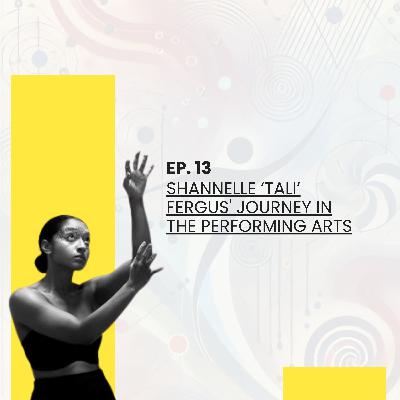
"I think there's a level of acceptance that needs to come with being where you are because of what you're doing and not thinking that you're doing all you can and the world just hasn't rewarded you for your efforts yet."
Tali, explores her multifaceted career from commercial dance to choreography and beyond. Tali shares her journey through the dance scene, her transitions between different styles and companies, and how she manages her identity within the ever-evolving dance industry.
00:00 - Introduction
00:02 - Tali's start in dance and early influences
02:13 - Auditioning for 'Into the Hoods' and the shift to a full-time dance career
04:05 - Working with top artists and transition to teaching
05:03 - Development of 'Identity Ideas Industry'
07:05 - Balancing passion and career
10:41 - The impact of social media on dance careers
15:21 - Financial realities of commercial dance vs. teaching
22:39 - Well-being practices and the importance of support systems
36:30 - Balancing multiple roles in the dance industry
42:48 - Conclusion and reflections on personal growth and career paths
Tali is a renowned figure in the dance community known for her dynamic approach to hip hop theatre and commercial dance. With a career spanning over two decades, she has performed with notable artists like Pink, Rihanna, and Kylie, and has significantly contributed to dance education and choreography.
Contact Tali here:
Website
Instagram

"Compassion is what sets this whole thing apart."
In this episode, Rachel delves into the intricacies of Paul Gilbert’s model of compassion and its application to freelancers, particularly freelance dancers. Rachel, a student at the University of Salford, explores the psychological and physiological impacts of compassion, discussing how it can foster career longevity and well-being among freelance dancers.
Timestamps:
00:00 - Introduction to compassion and its importance
05:00 - Understanding the brain and social mentalities
12:30 - The threat system and its effects on freelancers
20:45 - The role of society in shaping our responses
25:00 - The soothe system and the power of self-compassion
35:00 - Implications for freelance dance artists
45:00 - The physiological impact of compassion
55:00 - Conclusion and preview of next episodes
Balanced Minds. (n.d.). Three system model. Balanced Minds. Retrieved July 24, 2024, from https://balancedminds.com/three-system-model/
Gilbert, P. (2010). The compassionate mind: A new approach to life's challenges. London: Constable.
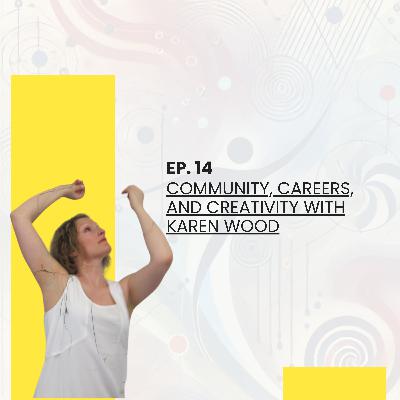
"Artist-led networks put the artist in charge, creating their own opportunities."
In this episode, we delve deep with Karen Wood, a seasoned dancer and researcher, into the intricacies of the dance community and freelance careers. Karen discusses her journey through dance, the significance of artist-led networks, and the challenges and opportunities within the dance sector.
Timestamps:
00:32 - Karen’s background in dance and academia
01:31 - Access to dance and motivations for research
02:01 - Policy engagement and social change research
03:23 - Formation of the Manchester Dance Consortium
05:09 - Integration of research and practical application in dance
06:02 - The impact of artist-led networks on professional development
09:17 - Challenges of freelancing and union roles
13:31 - Financial instability and support systems for freelancers
21:10 - The role of creative identities and artist-led initiatives
27:16 - Essential skills for freelancers and leaders in the dance sector
34:11 - Policy implications and future directions in dance freelancing
41:50 - The potential of artist-led networks in shaping the dance industry
Guest Information:Karen Wood - Dancer, Researcher, and Advocate for the dance community. Karen has extensive experience in both performing and academic aspects of dance, focusing on policy engagement and community-led initiatives.
Resources
https://www.mcrdansortium.com/
https://birminghamdancenetwork.co.uk/
https://freelancedance.uk/about/
"The compassionate approach isn't to say, 'This is too hard, let's just avoid it.' It's to turn towards that difficulty and find a way through."
"Taking a more compassionate approach is really helpful for managing some of the distress that will come up somewhat inevitably through some of those things that people like freelance dancers will face."
In this episode, Courtney Walton, a researcher and psychologist, discusses the importance of self-compassion in performance-oriented environments such as elite sports and performing arts. He explains how self-compassion can help performers manage distress, overcome perfectionism, and foster a supportive community. Courtney also shares practical strategies for developing self-compassion and highlights the need for compassionate approaches within training environments.
Timestamps:
00:02 – Introduction to Courtney Walton and her background
00:32 – Courtney’s work in elite sports and performing arts
01:28 – Experience at a dance school and its impact on her research
02:22 – Discussion on self-compassion in performers
03:16 – Defining a compassionate approach
05:12 – How understanding the brain helps in managing distress
06:38 – Compassion-focused therapy in practice
08:06 – The role of self-compassion in handling criticism and comparison
10:24 – Addressing resistance to self-compassion
11:20 – Misconceptions about self-compassion
14:17 – The analogy of compassionate vs. critical teaching
17:22 – Developing self-compassion as a skill
20:02 – Practical exercises for nurturing self-compassion
23:44 – The impact of compassionate meditations on performers
27:11 – The role of compassion in combating perfectionism
32:48 – Community support and self-compassion for freelancers
38:08 – Future research directions in compassion and performance
Check Courtney's website here
"Learning to grieve a project is essential for creative rest."
"Your gift will make room for you."
In this episode, we chat with Dannielle Rhimes LeCointe, a prominent figure in the hip-hop theater and creative arts scene. In this episode, Dannielle discusses her transition from a performer in hip-hop theatre to a leadership role in the creative arts. She emphasises the importance of recognising and leveraging one’s strengths, dealing with creative fatigue through unique rest methods, and seeking support and mentorship. Dannielle also shares her journey into coaching, highlighting the value of reinvention and self-awareness for long-term career success.
Timestamps:
00:02 - Introduction and Danielle's background
01:28 - Transition from performer to leadership roles
03:19 - The importance of leadership in Danielle's journey
05:16 - Milestones and recognizing leadership qualities
09:28 - Dealing with creative fatigue and finding rest
13:33 - The importance of unique rest methods for creatives
17:54 - Prioritizing and grounding oneself amidst various projects
19:22 - Support systems for freelancers and the importance of mentorship
25:06 - Danielle's transition into coaching and mentorship
32:44 - Key factors for career longevity and reinvention
36:39 - Understanding identity outside of creative work
Dannielle's creative account
Dannielle's Biz account
"Creating a portfolio career that I'm proud of rather than one that just impresses others."
"The pressure to perform was so high"
In this episode, we speak with Hannah Miles, a dancer who has shifted her focus from technical perfection to finding joy and authenticity in her work. Hannah shares her journey in the dance sector, her experiences with freelancing, the importance of community, and her recent transition to working in the NHS while continuing her passion for dance. This conversation is filled with insights on maintaining a sense of self and well-being in the demanding world of dance.
Timestamps:
00:00 – Introduction and welcome
00:29 – Hannah’s role in the dance sector
02:23 – Finding a sense of self in dance
03:21 – The impact of saying yes to everything
06:24 – Realizing how to be a creative
07:21 – Transitioning to the NHS
08:50 – Balancing freelance work and NHS
11:08 – Financial stability and mental health
12:06 – The impact of an ankle injury
13:04 – The challenges of freelancing with an injury
17:15 – The importance of self-awareness
19:10 – The benefits of a new job
21:24 – Shifting approach to health and well-being
25:14 – Managing self-expectations
29:40 – The role of support and community
37:16 – Learning from tour life
41:06 – Accepting support from others
47:34 – Final reflections
Resources:
https://www.healthcareers.nhs.uk/
https://www.onedanceuk.org/
Hannah's Instagram
"If you don't allow yourself to name what you want, it's very unlikely that it's gonna happen."
In this episode, we chat with Nicole, a principal dancer with Matthew Bourne's New Adventures and founder of The Performer Circle. Nicole shares her inspiring journey from starting ballet at four to becoming a professional dancer, and how a passion for fitness helped her navigate personal challenges and transitions in her career. We dive into her experiences with coaching, the importance of mental well-being, and how she maintains balance in her multifaceted life.
00:00 – Introduction and welcome
00:24 – Nicole’s early life and start in dance
01:22 – Journey to professional dance and joining Matthew Bourne's New Adventures
01:51 – Transition to coaching and personal training
02:50 – Working in a gym and learning from colleagues
03:44 – Founding The Performer Circle
04:44 – Balancing coaching with performing
05:40 – Importance of fitness in dance
06:38 – Identity and fulfillment in dance
08:33 – Challenges and mental health
10:23 – Overcoming depression and personal growth
12:12 – Defining milestones and career decisions
14:35 – Shift in mindset and career breakthrough
16:26 – Finding joy and balance in a demanding career
18:18 – Non-negotiables for well-being
20:37 – Coaching techniques and common challenges
24:18 – Vision and goal setting for dancers
27:13 – Managing multiple roles and priorities
30:17 – Accepting imperfections and prioritizing effectively
34:57 – Key factors contributing to a successful and fulfilling career
37:48 – Final thoughts and message for listeners
Nicole's instagram
"I think everybody needs to see themselves as equally capable of creating something good, as all the other names out there."
"In the hip hop community, the most important thing is how individual you are and how you develop your own voice."
In this episode, Vasilliki discusses her journey from hip hop and ballroom Latin to contemporary dance, emphasizing the importance of individuality and personal movement language. She reflects on the influence of the hip hop community, the challenges of freelancing, and the role of journaling and counseling in her artistic development. Through her unique path, Vasilliki inspires listeners to embrace their strengths and develop their own artistic voice.
Vasilliki's Instagram
"Freelancers with an understanding of compassion report improvements such as reconnecting with their creative selves and finding stability and fulfillment in diverse activities."
In this episode of the Mid-Project Ideas Podcast, Rachel, an MA Dance Performance and Professional Practices student at the University of Salford, delves into the complex world of freelance dance. Exploring the challenges freelance dancers face, Rachel examines how compassion and adaptive behaviors can contribute to career longevity. The episode features insights from coaches, researchers, and dancers, shedding light on the realities of freelancing, perfectionism, and self-identity within the dance industry.
Timestamps:
00:00 - Introduction to the Podcast
02:15 - Overview of Freelance Dance Industry Challenges
06:30 - Insights from "The Compassionate Mind"
10:45 - Interview Highlights: Nicole, Principal Dancer and PT Coach
14:20 - Common Struggles: Financial Instability and Self-Identity
20:00 - Personal Reflections on Perfectionism
25:40 - The Unspoken Hierarchy in Dance
30:15 - Redefining Success for Freelance Dancers
35:50 - The Impact of Neoliberalism on Dance and Art
40:30 - Perfectionism in Dance: Insights from Andrew Hill
45:00 - Creating a Supportive Environment
50:20 - Future Episode Teaser: Interview with Courtney C. Walton
Resources & Links:
The Compassionate Mind by Paul Gilbert
Defining Terms Podcast Episode
Reference List:
Aujla, I. J., & Farrer, R. (2015). The role of psychological factors in the career of the independent dancer. Frontiers in Psychology, 6, 1688. https://doi.org/10.3389/fpsyg.2015.01688
Aujla, I. J., Farrer, R., Jenkins, L., King, N., & Win, S. (2021). The role and impact of freelancers in the UK dance sector. Medical Problems of Performing Artists, 36(4), 233-237. https://doi.org/10.21091/mppa.2021.4030
Bennett, D. (2019). Careers in Dance: Beyond Performance to the Real World of Work. Routledge.
Gilbert, P. (2014). The Compassionate Mind. New Harbinger Publications.
Hill, A. P., Mallinson-Howard, S. H., Madigan, D. J., & Jowett, G. E. (2016). Perfectionism in sport, dance, and exercise: An extended review and reanalysis. Psychology of Sport and Exercise, 27, 101-111. https://doi.org/10.1016/j.psychsport.2016.08.013
Mosewich, A. D., Crocker, P. R. E., Kowalski, K. C., & DeLongis, A. (2013). Applying self-compassion in sport: An intervention with women athletes. Journal of Sport and Exercise Psychology, 35(5), 514-524. https://doi.org/10.1123/jsep.35.5.514
Sommers-Spijkerman, M., Trompetter, H. R., Schreurs, K. M. G., & Bohlmeijer, E. T. (2017). Compassionate attributes and skills: An exploration in the context of enhancing well-being. Mindfulness, 8, 344-353. https://doi.org/10.1007/s12671-016-0602-6
Stigler, B. (2018). Lose Yourself to Dance. Dance Research, 36(2), 203-220.
Walton, C. C., Osborne, M. S., Gilbert, P., & Kirby, J. N. (2022). Nurturing self-compassionate performers. Psychology of Music, 50(5), 743-760. https://doi.org/10.1177/0305735619868287
Wood, K. (2017). UK dance graduates and preparation for freelance working: The contribution of artist-led collectives and dance agencies to the dance ecology. Research in Dance Education, 18(3), 282-297. https://doi.org/10.1080/14647893.2017.1362431
Wood, K. (2017). Freelance dance artists’ working ecology. Dance Research, 35(2), 135-150. https://doi.org/10.3366/drs.2017.0196
"It's always been about solving the problem and thinking, 'How can I resolve this?' rather than getting bogged down by it."
"Being a good person and having good communication skills can make or break your career."
In this episode, Faye Stoeser shares her experiences navigating the freelance dance industry, highlighting her journey through various dance styles and her transition into choreography. She discusses the importance of versatility, maintaining physical and mental well-being, and the value of community and relationships. Faye offers practical advice for sustaining a freelance dance career and handling the inevitable challenges and rejections with resilience and a positive mindset.
Timestamps:
00:00 - Introduction and initial greetings
00:29 - Faye's self-description and career overview
02:55 - Key milestones and highlights in Faye's career
08:08 - How milestones influenced her career sustainability
16:45 - Routines and practices for maintaining well-being
19:32 - Balancing multiple jobs and saying no
22:47 - Challenges faced and redirection of energy
26:27 - Importance of community and relationships
32:06 - Handling setbacks and rejections
35:47 - Key factors contributing to long-term success
40:35 - Closing thoughts and advice for freelancers
Resources
Faye's instagram
"Dance was my way of expressing myself and feeling safe."
"I value my wellbeing and inner peace more than pursuing a dream that may never come to fruition."
"The dance industry needs more genuine mentorship and community."
Christina Demetriou, a dancer with a rich multicultural background, shares her journey from South Africa to Cyprus and eventually to London. She discusses the challenges of navigating the freelance dance industry, the impact of social media on her career, and the importance of self-awareness and personal wellbeing. Christina emphasises the need for genuine mentorship and community support within the dance world to help dancers thrive amidst financial and competitive barriers.
h Africa to Cyprus and the start of her dance journey
02:00: Professional training and experiences in New York
05:19: Transition to the UK and balancing dance with other life responsibilities
06:40: The competitive nature of the dance industry and social media's impact
11:18: The role of dance in Christina's identity and personal growth
16:29: Current thoughts on pursuing a professional dance career
20:27: Barriers in the freelance dance industry
26:01: Practices for personal wellbeing and maintaining joy in dance
31:58: The importance of slowing down and self-awareness
37:16: The significance of friendships within and outside the dance industry
43:57: Support and changes needed in the industry to help dancers thrive
49:11: Final thoughts on financial barriers and the need for mentorship
Resources & Links:
Broadway Dance Center
Westminster University
Bucks New University
Christina's Instagram
"Self-care isn’t just face masks and hot baths; it’s about removing stresses that aren’t helping you."
"Understanding your values is crucial for maintaining well-being and performance."
In this episode, we have the pleasure of talking with Manisha, a trainee sport and exercise psychologist pursuing her professional doctorate at John Moores University. Manisha shares her inspiring journey into the field of sport psychology, the unique challenges faced by dancers and athletes, and the importance of mental health and well-being in performance. We delve into her work with dancers, the impact of COVID-19 on recent graduates, and her ongoing research and projects.
00:02 - Introduction and greetings.
00:29 - Manisha's background and current work.
01:26 - Journey into sport and exercise psychology.
03:20 - Catalyst for focusing on dancer's mental health.
04:47 - The Dancer's Mindset initiative.
06:43 - Importance of psychology for performers.
10:28 - Common challenges in performance psychology.
14:12 - Developing self-awareness and strategies for improvement.
19:23 - Techniques like mindfulness and visualization.
20:52 - Example of using values in psychological work.
26:14 - Team values and identity in football.
29:20 - Self-care and well-being practices.
35:39 - Resistance in the dance industry to psychological practices.
41:31 - Traits that help dancers resist adverse circumstances.
45:51 - Manisha’s current research projects.
51:27 - Factors influencing career longevity for dancers.
56:13 - Building resilience and maintaining passion.
Resources & Links:
John Moores University
The Dancer's Mindset on Instagram
Dance for Parkinson's
Mindfulness and Performance
"Befriending rejection and closing the gap between setbacks and getting back on track is crucial."
"Meditation and energy therapy help me let go of fears and focus on what I truly desire."
"Balance depends on what's important to you in that moment and how you manage your time."
In this episode, Rachel interviews Frankie, a dancer, Pilates instructor, and mindset coach. They discuss Frankie's journey from a career-halting injury to becoming a multifaceted professional, the importance of mindset, and the role of energy therapy in overcoming fears. Frankie also shares insights on balancing a freelance dance career with personal well-being and the significance of community support.
Timestamps:
00:03 - Introduction and setting the scene
00:27 - Frankie's career journey and introduction
01:24 - Impact of injury and discovering new passions
02:25 - Discussing milestones and significant experiences
03:25 - Most rewarding aspects of Frankie's career
05:28 - The concept of identity in the arts
07:24 - Techniques for supporting physical and mental health
09:51 - Integrating practices into a dance career
11:11 - Challenges and overcoming rejection
16:28 - Importance of relationships in the dance community
19:42 - Overcoming resistance to support and growth
25:37 - The idea of work-life balance for freelance dancers
27:31 - Scheduling and prioritizing as a freelancer
36:43 - Compassion and motivation in a dance career
38:11 - Growing professionally and practically as a dancer
42:54 - Book recommendations for personal and professional growth
Resources & Links:
Books Mentioned:
The One Thing by Gary Keller and Jay Papasan
The Miracle Morning by Hal Elrod
The Artist's Way by Julia Cameron
"If I'm only focused on dance, then if my career isn't going the way I want it to go, then I feel like a failure as a person. Whereas if I have taken the time to create relationships and nurture the relationships that I want, or I've taken the time to develop hobbies and communities outside of dance, then even if my career isn't going according to plan...I don't necessarily feel like a failure as a human being."
In this episode, we dive into an insightful conversation with Crystal Nichols, a health and performance coach who specialises in helping performers thrive both on and off stage. Crystal shares her journey from being a professional dancer to becoming a coach, her experience with burnout, and how she helps performers build healthy, sustainable careers.
Timestamps:
00:00 - Introduction and background of Crystal Nichols
00:27 - Crystal's work with performers
00:56 - Journey from Barbados to professional dancing
01:25 - Experience with Princess Cruises and The Lion King
03:18 - Struggling with burnout and discovering health and wellness
04:38 - Transition to health and performance coaching
05:06 - Developing a coaching program during the pandemic
06:26 - Collaborations with organizations like Applause for Thought
07:50 - Typical clients and their challenges
09:46 - Crystal's approach to wellbeing and performance
13:25 - The importance of being a healthy human for peak performance
16:11 - Transformation through focusing on basic needs
19:57 - Career satisfaction and success
21:47 - Importance of knowing your strengths
24:37 - The balance between dedication and having a life outside of performing
29:47 - Strategies for achieving balance and wellbeing
33:40 - Emotional intelligence and its role in wellbeing
41:20 - Impact of emotional awareness on coaching
44:14 - Final thoughts and creating a stress toolkit
Resources & Links:
Applause for Thought
Susan David's Emotional Agility
Stress Container Concept
https://www.instagram.com/crystal_nicholls/

"Thinking positively can improve your mood, which then encourages productive actions, creating a positive cycle."
"Our brains evolved to ensure our survival in a very different environment from the one we live in today."
Rachel, an MA Dance Performance and Professional Practices student at the University of Salford, defines key terms crucial to her research on career longevity among freelance dancers. She explains that behaviours are the specific actions and routines of dancers, while attitudes are their mental approaches. Rachel discusses the Cognitive Behavioral Therapy (CBT) model and Paul Gilbert’s Three System Model to highlight the interconnectedness of thoughts, emotions, and behaviours. She explores wellbeing through Ryff's Model, the Six Dimensions of Wellness, and Engel's Biopsychosocial Model, emphasising physical, mental, emotional, social, environmental, and existential health. Career longevity is defined as sustaining a professional dance career over time, balancing wellbeing and adaptability. Rachel introduces her sub-question on whether compassion can facilitate adaptive behaviours and attitudes, setting the stage for future episodes.
Resources & Links:
CBT Model of Emotions
Three System Model by Paul Gilbert
Ryff's Model of Psychological Wellbeing
Six Dimensions of Wellness
Precision Nutrition’s Deep Health Concept
References:
Aujla, I., & Farrer, R. (n.d.). Independent dance sector in the UK: Challenges and opportunities. University of Bedfordshire.
Aujla, I., & Farrer, R. (2016). Independent dancers: Roles, motivations and success.
Aujla, I., Farrer, R., Jenkins, L., King, N., & Win, S. (2019). The role and impact of freelancers in the UK dance sector. University of Bedfordshire.
Cognitive Behavioral Therapy Los Angeles. (n.d.). CBT model of emotions. https://cogbtherapy.com/cbt-model-of-emotions
Doom, J. R. (n.d.). Mapping future directions to test biopsychosocial pathways to health and well-being. Department of Psychology, University of Denver.
Farmer, C., & Kindred, H. (Eds.). (n.d.). The ‘female’ dancer: A soma-scientific approach. Middlesex University.
Clarke, G., & Millward, F. (n.d.). Supporting, stimulating, sustaining independent dance. Independent Dance, Siobhan Davies Studios.
Harrison, C., Ruddock, S., Mayes, S., Cook, J., O’Halloran, P., Ferrar, K., & Ruddock-Hudson, M. (2020). Self-reported wellness in training and performance: A comparison of professional ballet dancers and professional athletes. Medical Problems of Performing Artists.
Hettler, B. (1976). Six dimensions of wellness. © National Wellness Institute, Inc.
Hoffman, M. D. (2018). Ultra-obligatory running among ultramarathon runners. Research in Sports Medicine, 26(2), 211–221.
Karunamuni, N., Imayama, I., & Goonetilleke, D. (2021). Pathways to well-being: Untangling the causal relationships among biopsychosocial variables. Social Science & Medicine.
Mazerolle, S., Eason, C. M., Lazar, R. A., & Mensch, J. M. (2016). Exploring career longevity in athletic training: Factors influencing persistence in the NCAA Division I setting. International Journal of Athletic Therapy & Training, 21(6), 48-57. https://doi.org/10.1123/ijatt.2016-0026
Precision Nutrition Team. (n.d.). Precision Nutrition level one course: Deep health and the biopsychosocial model.
Salvo, S. (2019, May 29). Self-care and massage: Career longevity and the wellness model.
Balanced Minds. (n.d.). Three system model. https://balancedminds.com/three-system-model/
Comments


Download from Google Play

Download from App Store
 United States