


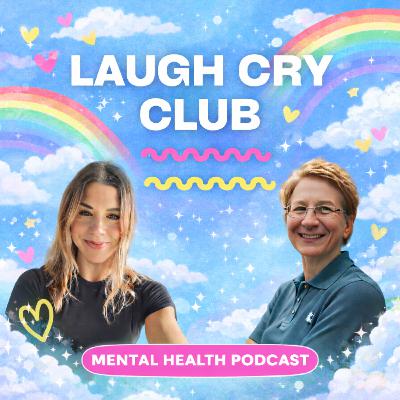
Laugh Cry Club
Subscribed: 8Played: 468
Subscribe

© Joy Parrish, LPC // Rebecca Zeleny, LCSW
Description
Hosted by licensed mental health therapists who laugh and cry as much as you do. New episodes every Monday.
We explore the psychology behind the stories everyone is talking about—from documentaries and reality TV to relationships, current events, and everyday life. With compassion, humor, and practical insights, we help you better understand yourself and others. Every emotion is welcome, every story has something to teach us.
We explore the psychology behind the stories everyone is talking about—from documentaries and reality TV to relationships, current events, and everyday life. With compassion, humor, and practical insights, we help you better understand yourself and others. Every emotion is welcome, every story has something to teach us.
115 Episodes
Reverse
When the News Re-Triggers Sexual Assault Trauma: Setting Boundaries and Grounding ToolsJoy returns from a work trip to Porto, Portugal, sharing highlights like seafood, pastel de nata pastries, and tasting port wine, before she and Rebecca—licensed therapists—address a listener question about feeling triggered by sexual assault stories in the news and on social media. They briefly summarize the Cornell Seven case timeline and note how such coverage can reawaken past trauma or lead people to reframe previously normalized experiences as non-consensual. They recommend managing media intake (taking breaks, limiting time, avoiding comments), preparing and grounding before opening apps, and using practical strategies like changing iPhone app icons. They emphasize validating emotions, allowing space to grieve, seeking support from friends or a therapist, and provide the National Sexual Assault Hotline (RAINN) at 800-656-HOPE.00:00 Welcome Back Portugal Recap00:56 Sardines And Tinned Fish01:49 Pastel De Nata And Pastries02:39 Port Wine In Porto03:27 Listener Question Triggering News04:56 Cornell Seven Case Overview07:22 When News Reopens Trauma11:31 Control Your Media Intake12:09 Reframe And Allow Grief13:38 Set Intentions Before Scrolling14:13 Old Media Versus Algorithms15:59 Newspaper Era Reflections16:41 Doomscrolling Local News17:10 Mindless App Habits17:55 Tint Your iPhone Icons20:18 Blocking Apps and Timers21:27 Boundaries and Grounding Tools22:33 Therapy and an Army of Tools24:39 Why Survivors Don’t Report27:39 Stop the Comment Section28:41 Validation and Resources29:34 Hotline and Sign-Off
Build Happiness, Not the Finish Line: Hard Things and the Four PillarsLicensed therapists Joy and Rebecca continue discussing Arthur Brooks’ Build the Life You Want (part two), shifting from the “arrival fallacy” and social-media-driven chasing to actively building happiness through four pillars: family, friendship, work, and faith/spirituality, while noting this is a tool—not a cure for clinical depression. They reflect on aging as a privilege, inspired by Anderson Cooper’s grief podcast and his interview with Sheryl Sandberg, and emphasize that difficulty, grit, and meaningful challenges create satisfaction more than pleasure or “shiny” dopamine hits. They discuss avoiding productivity and salary as primary measures of worth, using small daily connection habits (birthday messages, thoughtful acts, talking to neighbors), and making one-degree changes rather than overhauls. They preview a brief hiatus due to Joy’s travel and encourage listeners to get uncomfortable and report back.00:00 Welcome To Laugh Cry Club01:13 Part Two Setup01:29 Birthday Mindset Shift02:50 Grief Podcast Lessons07:12 Arrival Fallacy Explained07:56 Happiness Is Built12:02 Social Media Reality Check14:44 Hard Things Build Joy16:41 Spinning Wheels And Avoidance17:54 Ads vs Real Joy18:49 Connection Takes Effort19:41 Grit Builds Satisfaction21:44 Work Trap and Meaning27:01 No Finish Line Mindset29:53 Four Pillars in Daily Life32:13 Small Steps Not Shopping34:55 Mood Check and Tools35:57 Wrap Up and Challenge
Happiness Isn’t the Goal: Tolerating Emotions, Avoiding the Arrival Fallacy, and Building a Life You WantThe Depression BookLicensed therapists Joy and Rebecca discuss themes from Arthur Brooks’ book Build the Life That You Want (with Oprah), emphasizing that happiness is not the goal and unhappiness is not the enemy. They describe how society and social media promote an “arrival fallacy” (believing happiness will come after marriage, money, or achievements) and how dopamine-driven habits like scrolling, shopping, substances, or even candy can become attempts to escape discomfort. They argue negative emotions are necessary information for safety and growth, and that emotional pain is processed similarly to physical pain, requiring tools and sometimes professional or medical support (noting clinical depression and hormone-related midlife mental health concerns). They encourage mindfulness, defining personal meaning, and focusing on daily actions that reliably trend toward happiness, such as movement, nature, learning, and relationships.00:00 Welcome to Laugh Cry Club00:33 Why It Finally Clicks01:26 Book Topic Setup02:50 Happiness Myth Culture04:13 Unhappiness Not Enemy05:31 Self Help and DSM Story08:28 Arrival Fallacy Explained12:27 Lean Into Sadness14:12 Emotions as Survival Data15:47 Physical vs Emotional Pain17:55 Stop Stuffing Feelings18:50 Depression Fear Check In20:18 Tools Over Avoidance22:25 Dopamine Trap Culture24:07 Welcome Every Emotion26:07 Build Happiness Daily31:31 Mindfulness Over Hits32:57 Arrival Fallacy Reframe34:09 Wrap Up And Connect
Living With Uncertainty: Scams, Jump Scares, and Staying EmpoweredJoy and Rebecca return to the Laugh Cry Club after a week off—Rebecca attended and presented at a medical conference in Seattle while Joy celebrated her wedding anniversary in New Mexico. They share laughs, including Rebecca being jump-scared by the series Widow’s Bay and Joy accidentally ordering flowers from a scam-looking website. The episode focuses on uncertainty: why human brains hate not knowing, how it triggers anxiety, rumination, and checking behaviors, and why attempts to eliminate uncertainty (excessive researching, over-planning, calendar-checking, or avoidance) bring only temporary relief. They emphasize distinguishing control vs. no-control, preparing in practical ways, separating possibility from probability, avoiding contagious “anxiety talk,” and building resilience and self-trust, including seeking therapy or coaching when needed.00:00 Welcome Back Updates00:28 Seattle Conference Vibes01:25 Hot Pot First Timer04:25 Today Topic Uncertainty04:40 Jump Scare Storytime06:59 Pillsbury Pop Scares08:21 Flower Scam Panic13:17 Scams And Vulnerability14:55 Why Uncertainty Matters15:26 Why Uncertainty Hurts16:35 Checking And Rumination Spirals17:46 Building Tolerance For Discomfort22:01 Mindfulness Over False Control23:34 Work Rumors And Job Anxiety25:14 Prepare What You Can Control31:09 Avoid Contagious Anxiety Talk34:36 Possibility Versus Probability36:28 Thriving Through Hard Seasons37:41 Support And Closing Thoughts
Managing a Partner’s “Bad Habits”: Self-Regulation, Stages of Change, and Better ConversationsHosts Joy and Rebecca of the Laugh Cry Club, two licensed therapists, open with Joy’s birthday reflections and light conversation before addressing a listener email about managing a partner’s bad habits. They discuss how habits often function as self-regulation and coping skills shaped by upbringing, nervous-system baseline, trauma, and environment, and become “bad” when they interfere with life or relationships. They emphasize that partners cannot force change, and recommend approaching concerns with curiosity on neutral ground, setting conversation ground rules, and considering couples therapy. Joy shares breaking her own conflict “template” by pausing and changing scenery. They review the stages of change (pre-contemplation through maintenance), suggest habit stacking, and recommend Gottman resources for daily relationship check-ins. They announce a week off and future book-club plans, including Arthur C. Brooks’ “Build the Life You Want.”00:00 Birthday Sleep Win01:50 Gratitude and Messages02:56 Trader Joes Fall Finds04:25 Decor Tangents and Toilets06:24 Treat Yourself Spending07:42 Catching Up and Podcast Intro09:48 Listener Question Setup10:12 Why Habits Form12:04 Childhood Chaos and Regulation14:39 Coping Skills Not Bad Habits16:10 How Environment Shapes Addiction16:45 Talking Without Criticism19:17 Breaking Reactive Templates26:36 Assumptions And Relationship Fear30:14 Stages Of Change Explained32:10 Habit Stacking And Letting Go35:44 Investing In The Partnership38:10 Book Club And Final Wrap

Comments

Download from Google Play

Download from App Store
 United States