


The Slow Living Collective
Subscribed: 42Played: 737
Subscribe


© Amy Pigott
Description
Welcome to the slow living collective podcast, a podcast all about living a simple life, on your own terms. I’m Amy, mama of two from the UK who is on a quest to live life on my own terms and step into my own authenticity. Listen in while I delve into slow, simple and seasonal living, pottering around my allotment garden, home educating my children outside of the school system, being intentional, embracing my life as a homemaker and not being afraid to share who I am.
Join me as we slow down, rest and dive into the nitty gritty topics of every day life.
theslowlivingcollective.substack.com
Join me as we slow down, rest and dive into the nitty gritty topics of every day life.
theslowlivingcollective.substack.com
151 Episodes
Reverse
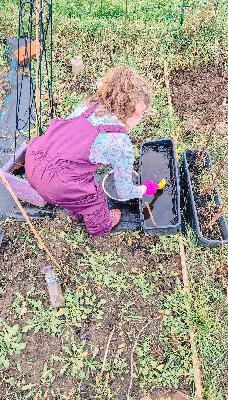
Enoughness is often spoken about as if it’s something you can simply decide, almost as if there is a simple switch you can and flip or some kind of thought that you can just install into your brain, and then poof everything suddenly settles down.It’s almost as if it’s saying that the discomfort we feel in our lives is just a misunderstanding that can be corrected with the right perspective, that if you could just think differently, feel differently, want differently… then what you have would finally feel like enough. This is a public episode. If you'd like to discuss this with other subscribers or get access to bonus episodes, visit theslowlivingcollective.substack.com/subscribe
Living small is rarely framed as a finished decision in our society is it? It’s usually spoken about as a phase, a ‘starter home or a stepping stone. Maybe a place you pass through on the way to something bigger, better, more impressive. A “starter home”, as if your real life is waiting elsewhere. But sometimes, the place you thought was temporary becomes the place where your life actually happens. This is a public episode. If you'd like to discuss this with other subscribers or get access to bonus episodes, visit theslowlivingcollective.substack.com/subscribe
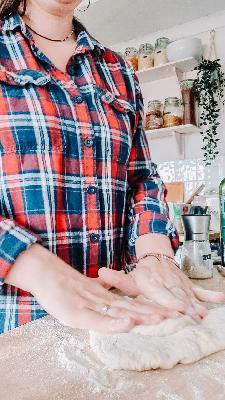
Support this work | Podcast | Join the membership | ResourcesThere’s a version of slow living that lives almost entirely online, I am sure you know the one, the one that is purely an aesthetic. It is quiet, spacious and lives inside sunlit kitchens, long morning and it suggests to us mere mortals that being present is something we can achieve easily and life uniterrupted is just the norm. This is a public episode. If you'd like to discuss this with other subscribers or get access to bonus episodes, visit theslowlivingcollective.substack.com/subscribe
There is a version of slowing down that doesn’t ask you to erase your life in order to deserve relief and today. I want to share with you all about what slow living can truly look like, because I think as a phrase and a meaning it’s been co-opted in place of the aesthetic version that fills our social media feeds.You can find me on Substack or on Instagram. This is a public episode. If you'd like to discuss this with other subscribers or get access to bonus episodes, visit theslowlivingcollective.substack.com/subscribe
There’s something quietly powerful about the end of the year. Not the sparkle and rush of the Christmas season or the Pinterest perfect countdowns. But the hush that creeps in beneath it all if you let it.December, for me, isn’t about resolutions or big reinventions. I’m not trying to change my life in a flurry of pressure and self-improvement. I’m trying to listen. I’m trying to land. I’m trying to make space, not just in my calendar, but in my mind, my home, my nervous system.Looking Back Before Looking ForwardEvery December, before I even think about what’s next, I pause and look back. And not in a “Did I smash all my goals?” kind of way. That energy can stay in corporate-land as far as I’m concerned. This is more of a heart check. A quiet moment to ask:– What happened this year that really mattered?– What shifted — even slightly, that deserves noticing?– What parts of me feel stronger now? Softer? Clearer?I’m not chasing the highlights reel. I’m interested in the quiet wins. The emotional heavy lifting. The boundaries I held. The messy bits I got through. The growth that didn’t come with a certificate or a like count, but left its mark just the same.Clearing Space: Physically, Emotionally, SpirituallyAs the year ends, I naturally start tidying corners of the home, but also corners of my mind. The kitchen drawer that hasn’t closed properly since June gets sorted. So does the internal voice that’s been whispering unhelpful things all year. I ask:– What did I carry too long?– What did I say yes to that didn’t sit right?– What am I done pretending I need?I let those questions simmer while I potter about, sort through clothes, wipe down forgotten shelves. I don’t need a formal ritual or a vision board. I just need time. Space. A bit of silence. That’s where reflection lives, in the margins. In the not doing.Resetting the Rhythm (Not the Entire Life)I also take this time to check in on the rhythms we’ve built as a family. Especially around home education. What’s working? What’s feeling forced? What do we want to bring with us into the new year and what do we want to quietly leave behind?We talk about it as a family. My kids are part of this life, not just passengers in it. And I want them to grow up knowing that reflection isn’t something you squeeze into a single night before New Year’s, it’s a muscle. A way of moving through the world with intention.The same goes for work. I ask:– Did I enjoy what I created this year?– Did my work support the life I want, or get in the way of it?– Am I still aligned with what I set out to do?If the answer is no, I don’t panic, I just adjust, slowly and gently and with full permission to evolve.The Only Questions That MatterI don’t set big goals anymore. I’ve let go of trying to overhaul myself every January. Instead, I ask better questions. Questions that centre my life, not my to-do list.– How do I want to feel next year?– What kind of energy do I want in my mornings?– What rhythms support my peace?– What’s worth continuing and what’s done now?I’m not interested in striving just for the sake of it. I want to live. Fully, deeply, and slowly. I want to keep choosing contentment over comparison, presence over perfection.This is EnoughIt’s easy to get swept up in the idea that we should be doing more, earning more, achieving more by the time December rolls around. But I think that kind of thinking misses the point.I don’t want a new year that starts with pressure. I want one that starts with peace. And the only way I know to get there is to end this one with intention. With stillness. With space to breathe.So I clear the clutter.I tidy my thoughts.I honour what this year held, even the bits that didn’t go to plan.I forgive myself for the moments I fell short.I celebrate the ways I showed up.And I carry forward what still feels true.That’s it. That’s the practice.A New Year, Without the NoiseIf you’re feeling the tug to close this year slowly, follow it.Let the world hustle. You can soften. You can quiet the noise. You can decide that your version of “success” doesn’t need to come wrapped in urgency.There’s no need for a glow-up and no need to reinvent yourself. You are allowed to enter the new year gently, with gratitude, clarity and a deep knowing that this life, the one you’re already living, is worth honouring.Here’s to a soft landing. And a slower, deeper start. This is a public episode. If you'd like to discuss this with other subscribers or get access to bonus episodes, visit theslowlivingcollective.substack.com/subscribe
There was a time when I thought success had a very specific look. It came with upgrades; a bigger home, a full calendar, promotions, excess, and maybe, eventually, a kitchen island. It was a life of steady expansion, of always reaching for the next thing. That’s what we’re sold, isn’t it? That progress is linear, tangible, and measurable. That you prove you’re doing well by stacking visible achievements on top of each other like building blocks. Bigger.Better.More.But eventually, I got tired. Not in the “I need a weekend off” kind of way but in a tired in my bones, in my brain and in my soul kind of way. Because the more I chased, the more I realised there was always something else to catch. One more rung on the ladder. One more level up. And it was never enough. The finish line just kept moving.When “Success” Stops Feeling SuccessfulWhat no one really tells you is that conventional success can become its own trap. It looks good from the outside'; shiny, impressive, easy to measure. But it’s often built on a foundation of pressure, pace, and self-abandonment. You start shaping your life around an image that was never actually yours. And one day, you realise that everything you’re chasing is costing you the very things that matter most: peace, presence, clarity, joy.That’s where I found myself. Living a life that looked “on track” but didn’t feel rooted. So I did something unexpected: I stepped off the path.These days, I don’t have a five-year plan or a desire to scale. I don’t have a dream home on my vision board. We live in a small 650 sq ft split level flat and plan to stay here permanently. We grow food in containers on the balcony and out our allotment. My Husband works from home full time, I work from home when I have time, I home educate my children and I say no to things that pull me out of alignment even if they look good on paper.And strangely, in the quiet of all that notchasing, I’ve found the version of success that actually fits me.For me now, success is being able to wake up slowly with my kids. It’s sitting down to lunch without rushing through it. It’s making food from scratch and knowing exactly where it came from. It’s writing words I believe in here. It’s going to bed with a calm nervous system and a full heart. It’s living in integrity with what I value, not with what I’ve been told to value.Letting Go of the Upgrade NarrativeRedefining success has meant releasing the belief that more automatically equals better. And that process is uncomfortable. Because the world doesn’t hand out awards for opting out. People don’t always understand when you say, “We’re not moving, actually.” Or, “No, I don’t want to grow this bigger.” Or, “That’s not the kind of busy I’m interested in”. But I’m not here to live for the applause. I’m here to live a life that feels like mine. Even if it doesn’t look like anyone else’s.There’s this cultural script that tells us we have to move fast to matter and that success is built in speed and hustle. But the more I slowed down, the more I realised that everything I wanted, connection, calm, clarity, was already here. It was just buried under noise.“No”One of the hardest, and most liberating, skills I’ve learned is how to say no. No to opportunities that look shiny but feel off. No to timelines that rush me. No to business tactics that don’t sit right in my gut. No to the idea that my worth is tied to how much I can produce.And that quiet voice that sometimes whispers, shouldn’t you be doing more?I hear it. I thank it. And then I let it go.Success now looks like saying, “This is enough for today.” It looks like resting without guilt. It looks like building a life I don’t need a holiday from.What If This Is Already Enough?The irony is, once I stopped chasing more, life started to feel more abundant. Not because I had more, but because I noticed more and noticed the feeling of being exactly where I’m supposed to be. We’re taught to associate success with expansion. But sometimes the real expansion happens when we choose to stay and when we root into the life we have instead of constantly reaching for something shinier.If you’ve been feeling tired of the chase, I want you to know that you’re not alone. There’s nothing wrong with you. You’re just waking up to the possibility that different doesn’t mean less. That maybe the life you’re building quietly, without the noise, without the spotlight, is more successful than you think.You’re allowed to want less.You’re allowed to stay small and steady.You’re allowed to redefine success on your own terms and mean it.Because the kind of success that matters isn’t something you climb toward. It’s something you grow into. And if you’re growing slowly and gently, in a way that actually feels like you? This is a public episode. If you'd like to discuss this with other subscribers or get access to bonus episodes, visit theslowlivingcollective.substack.com/subscribe
There’s a point in the year, sometime after the clocks change and the air cools, when everything in me starts to shift gears. Not in a big dramatic way. More like an exhale I didn’t realise I was holding. The sun barely clears the horizon before it’s on its way down again, and I feel that pull inward. A sense that it’s time to quieten things down.It’s in that stretch between late autumn and early winter that I start preparing, not in the frantic, pre-Christmas way, but in a softer, steadier rhythm. A slow return to the essentials. The kind of preparation that says you don’t need to brace — you just need to be ready to rest.Creating a Home That Welcomes Winter InI always start with the space itself. Our flat is small, and once winter sets in, we’re in it together, both literally and figuratively. So I start by making room. Not for more stuff, but for the season itself. I clear surfaces. Tuck away the remnants of summer. Shift furniture ever so slightly to make space for what we’ll actually be doing, more reading, more snuggling, more long afternoons that never seem to get light.The blankets come out. I do a quick sweep of the kitchen, not for aesthetic reasons, but because we’re about to spend a lot more time there, stirring pots and making endless cups of herbal tea or coffe. I check the pantry for the staples that make winter cooking feel effortless: dried herbs, oats, tinned tomatoes, cinnamon. Essentially the building blocks of slow food.And I do a little mental check-in: Will this space carry us well through the colder days? Can we stretch out in it without bumping into stress? That’s really the goal. Not perfection. Just ease.Winter Is a MindsetOnce the physical space starts to feel more settled, I turn inward. Because winter, for me, anyway, isn’t about ticking off tasks. It’s about allowing a different kind of rhythm. A softer one. It’s when I stop expecting myself to run at the same speed as I did in the light-filled months of spring and summer.This season has a weight to it, but not in a bad way. It just asks more gently. It doesn’t push. It doesn’t shout. It simply says, you can go slower now. And so I listen. I pare back the calendar. I loosen my grip on what I thought I “should” be doing. I let mornings be slower. I let plans fall away without guilt. I look for what feels necessary — and what I can leave until spring.Home Education, But SofterOur home ed rhythm changes, too. The content doesn’t disappear but the delivery does. It becomes lighter and less about checking boxes, more about leaning into curiosity. We bring blankets to the floor and learn from under them. The world outside slows down, and I try to let our learning reflect that.I’m not trying to force productivity when everything around us is asking for presence instead. Some of the richest conversations we’ve had have come from cold walks, a cup of hot chocolate and a question asked out of nowhere. I make room for those moments, because they don’t happen when we’re rushing.The Subtle Work of Tuning InwardThere’s a kind of quiet personal work that surfaces at this time of year, a re-evaluation that happens naturally if you give it enough silence to rise. I don’t plan it. It just arrives.This is when I start asking different questions. Not “What’s next?” but “What do I actually need?” Not “How do I do more?” but “What’s quietly asking to be let go of?” I give myself the time to reflect, to notice what’s feeling heavy and what might not need to come with me into the new year.This kind of reflection doesn’t look impressive. It’s not always neat. But it clears mental space the same way tidying a shelf does. And it prepares me far more than any to-do list ever could.Holding Space for the Messy BitsOf course, it’s not all serene candlelight and cosy corners. Winter can bring up resistance. The stillness can feel itchy. The early darkness can feel suffocating. The quiet can be loud in its own way. And I think it matters to say that. Winter can feel restorative and raw. It’s not one or the other.So part of preparing for this season is reminding myself that I’m allowed to feel it all, the rest and the restlessness, the joy and the slump. I don’t need to perform contentment. I just need to let myself be in the season I’m in.And that leads nicely into letting winter be what it’s meant to be. I’ve stopped expecting winter to behave like spring. I’ve stopped expecting myself to bloom in a season that’s meant for stillness. That shift, from resisting the quiet to embracing it, has changed how I experience this part of the year.Preparing for winter now means slowing the pace on purpose. It means letting rest be a rhythm, not a reward. It means choosing calm over chaos — not because I’ve got it all together, but because I’ve learned that pushing through only leaves me more tired come January.So I take a little off our plates. I close the laptop earlier. I light the candles before it gets fully dark. I find the rituals that hold us through the coldest months — and I try not to overcomplicate them. This is a public episode. If you'd like to discuss this with other subscribers or get access to bonus episodes, visit theslowlivingcollective.substack.com/subscribe

There’s something about this time of year, as the days shorten and the cold settles in, that makes me want to clear space. Not in a panic-clean-before-Christmas kind of way. More in a quiet, intentional sort of way. It’s not about perfection or ticking every box on a checklist. It’s about feeling like I can breathe again. As we shift into the darker half of the year, I feel a pull to pare back. To release what’s not serving us. To let go so the season ahead feels more spacious and less suffocating.And yes, Christmas plays a part. The tinsel, the influx of stuff, the mental load of it all, it can build up fast. But for me, this isn't about creating some perfect minimalist home before December 1st. It’s about getting clear on what I actually want this season to feel like. Because I don’t want to spend December buried under clutter and chaos. I want to be present. I want to notice the good stuff. And that starts by letting go of the things, both physical and mental, that make it harder to do that.This Isn’t About Minimalism — It’s About SanityLet me be clear: I live in a 650 sq. ft. flat with two children, countless muddy boots, and a cat who acts like a third toddler. I’m not decluttering to achieve a pristine aesthetic. I’m decluttering because clutter, visual, physical, emotional, affects us. It wears us down. And heading into the busiest, most overstimulating season of the year? That clutter becomes the tipping point.So I don’t wait until the new year to reset. I use autumn, this slow, introspective season, as a chance to gently release. To create room before everything starts coming in again. Because December is so much easier to hold when I’ve already made space for it.Start With What You Can SeeI usually begin with the physical stuff. Not because it's the most important, but because it’s the most immediate. The visual clutter. The things we trip over. The stuff we shove into corners that silently drains us. I go one drawer at a time. One corner. One surface that’s been collecting junk since the start of term. No pressure. Just asking: Do I really want to carry this into winter? Do I want to keep managing this? Cleaning it? Storing it? Thinking about it?For us, the high-traffic areas always come first; the kitchen, the hallway, the toy shelves. These are the spots where mess seems to breed overnight, and where the energy of our home feels the most “loud.” Clearing them brings an almost instant exhale. Not because the space looks perfect, but because it feels more peaceful.Teach Your Kids That Space Is ValuableWhen it comes to the kids, I don’t force a clear-out. But I do invite them into the process. Not with sticker charts or bribes because that’s not our vibe here, just honest conversation. “What toys do you still love playing with?” “Is this coat still comfy?” “Which books can we pass on to someone else?” We don’t get it right every time. Sometimes they want to keep everything. But over time, they’re learning that letting go isn’t a loss, it’s part of the cycle. Space isn’t just empty. It’s powerful.Declutter Your Mind, TooNow here’s the part that most people skip: mental clutter. We clean the cupboards but keep the chaos in our heads. Especially in the lead up to Christmas, when pressure starts creeping in from all sides. The lists. The expectations. The comparison. The sense that we need to do more, buy more, be more.This time of year, I sit down and ask myself: What expectations am I still carrying that don’t feel good anymore? What am I holding onto out of habit, guilt, or pressure? Sometimes it’s traditions that no longer feel joyful. Sometimes it’s a belief that I need to make everything magical for everyone. Sometimes it’s just a nagging feeling that I’m not doing enough, even when I clearly am.Letting go of those stories is just as freeing as letting go of stuff. Maybe more so.Choose Space Over SpectacleOnce the clutter, both physical and mental, has started to ease, there’s this beautiful opportunity to get intentional. Not just about what’s going out, but what you’re letting in. Because that’s what decluttering really does, it reveals what matters.For me, what matters is a home that feels cosy, calm, and lived in. A December that doesn’t feel like a sprint. Space to sit with my kids and read. Evenings where dinner doesn’t feel like a battlefield. A season that isn’t about performing some idealised version of Christmas, but about actually enjoying the parts that make sense for us.Do It Now, Not LaterSo many people wait until January to “start fresh.” But honestly? This time of year is the perfect time to clear space. Nature’s already shedding. The energy is slowing down. Why not use that momentum and make a little room in your home, and your head, before December arrives with all its intensity?You don’t need to gut your house. You don’t need a skip on the driveway. You just need to notice where the tension lives and start loosening your grip.If this resonates with you, and I’m guessing it might, I want to gently invite you to join me for my seasonal workshop, which is designed exactly for this moment in the year. It’s a cosy, no-pressure space to help you slow down, simplify, and create a Christmas season that actually feels good. Not performative. Not exhausting. Just grounded, intentional, and kind to your nervous system. We’ll talk about simplifying traditions, making space in your home, and crafting a season rooted in connection rather than chaos. If you’re craving that, it’s there for you.Join the Slow & Simple Christmas WorkshopThe goal isn’t to do it all.It’s to do what matters, and to have enough room to enjoy it. This is a public episode. If you'd like to discuss this with other subscribers or get access to bonus episodes, visit theslowlivingcollective.substack.com/subscribe
There’s a shift that happens every year, somewhere between the clocks going back and the first frost. It’s not sudden. It creeps in quietly. I catch myself sighing more often. Feeling a little heavier. My motivation goes a bit hazy, and everything, even the small stuff, starts to feel like a climb. I used to treat it like a glitch. Like something to push through or fix. But I’ve learned over the years that this isn’t failure. It’s winter arriving.Winter gets a bad rap. And yes, it’s hard. Especially if you’re juggling a lot; kids, home education, work, meals, housework, your own mental health. But it doesn’t have to feel like complete survival mode. You don’t have to hustle your way through it. What I’ve found is that the season gets easier when I stop fighting it and start working with it. I’ve learned to let winter be what it is, slower, quieter, darker, and shift the way I move through it accordingly.Why Rhythm Helps More Than RoutineThere’s a lot of pressure in winter to “stay on track,” whatever that means. But personally? I don’t respond well to rigid routines this time of year. They feel brittle. Unforgiving. What I need, what my family needs, is rhythm. Gentle anchors to hold onto when the days start to blur together.For me, that means slow, intentional starts to the day. I light a candle in the kitchen before the kettle’s even boiled. I keep the fairy lights up well past December because the extra light helps more than I can explain. We make time for a walk most afternoons, even if it’s a soggy loop around the block. And I try to get dinner started before the sky goes black at 4 p.m. These aren’t strict rules. They’re soft points of focus… things I return to that help me feel like I’m still rooted, even when my energy dips.Letting Go of Summer EnergyOne of the biggest shifts I’ve made is learning to stop expecting summer-level energy in winter. Because it’s just not realistic; not for me, not for my kids, not for our life. Motivation in winter isn’t the same buzzing, bright momentum. It’s quieter. Slower. And it disappears entirely some days. I used to panic about that. I used to push harder. Now I pause.Winter is the season of compost. Of dormancy. Of everything underneath the surface doing quiet work. Trees drop their leaves. Seeds go still. Nothing blooms, but it doesn’t mean nothing’s happening. We don’t need to constantly produce to prove we’re growing. Sometimes the most powerful thing we can do is rest and tend to what’s already here.Scaling Back to What Really MattersIt’s easy to feel behind in winter, like you should be “doing more” because others are. But I’ve learned that winter is when I need to protect my energy most. I don’t try to keep up. I cut back. I give myself permission to simplify everything. Home education slows down. Our meals become less experimental, more familiar. Our calendar empties out a bit. We focus on what’s essential and let the rest wait.And when I say we slow down, I don’t mean we stop living. I just mean we don’t try to stretch beyond what we have to give. We aim for depth, not breadth. We give ourselves grace. That’s the rhythm that gets us through.Nature Is Still There - Even in the GreyThe hardest part of winter, sometimes, is feeling stuck inside. But getting outside, even for ten minutes, always helps. Always. I never want to go. And I never regret it. Even just standing on the balcony with a cup of tea or walking the dog down the same road I’ve walked all year... it shifts something.Nature’s quieter in winter, but it’s not gone. The bare trees, the cold air, the stubborn little birds that still show up, they remind me that stillness isn’t emptiness. It’s rest. It’s recalibration.Food as Grounding, Not Just FuelThe other thing that holds me together in winter? Food. And not in a performative, Instagrammable way. Just simple, warm, seasonal food that grounds me in the present moment.Porridge. Thick soups. Crumbles. Casseroles. Roasted roots. Meals that warm the kitchen and make the whole flat smell like care. This isn’t just about nourishment. It’s about rhythm. About comfort. About whispering to my nervous system, “You’re okay. You’re safe. You’re held.”Little Joys Are Not OptionalI’ve stopped waiting for the “big” joy. Winter doesn’t hand it out easily. So I look for the small stuff and I let that be enough.These things matter. They’re not silly. They’re survival.If you feel slower, heavier, less focused… that doesn’t mean you’re failing. It means your body is responding to the season. You’re not lazy. You’re not broken. You’re just wintering.And wintering doesn’t mean giving up. It means adapting. It means listening. It means doing what matters and letting that be enough. You don’t need to be full of energy. You don’t need to stay “productive.” You just need to stay rooted.This Is the Season to Loosen Your GripYou don’t have to thrive in winter.You just have to keep going; gently, slowly, at your own pace.That is more than enough.And here’s the truth I come back to again and again: even here, in the dark, you’re still growing.It just looks different.Let it. This is a public episode. If you'd like to discuss this with other subscribers or get access to bonus episodes, visit theslowlivingcollective.substack.com/subscribe
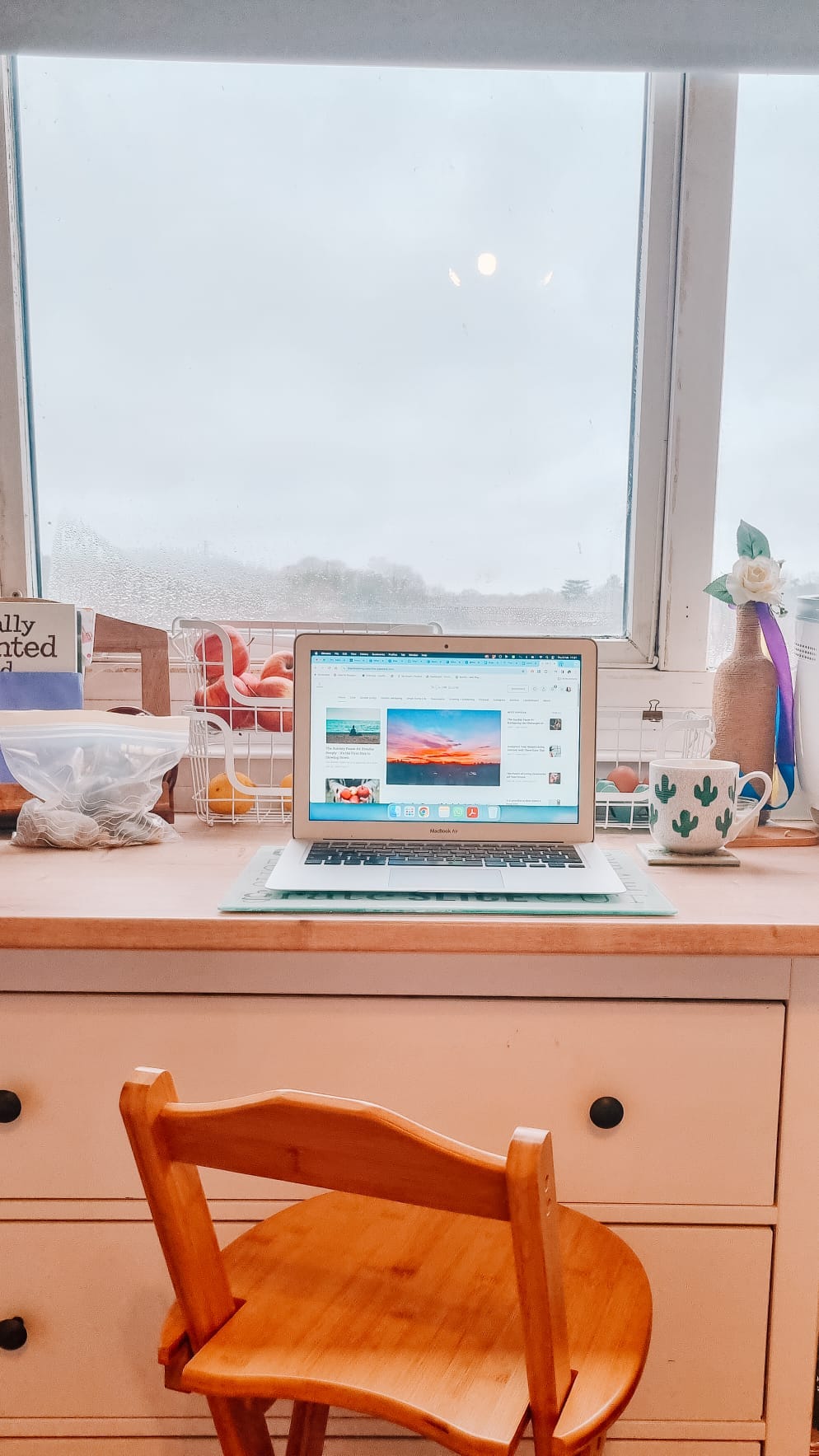
It’s taken me longer than I’d like to admit to learn that “more” isn’t always the answer. More space, more stuff, more goals, more plans… they sound good in theory. But in reality? More often leads to burnout, not contentment. The more I tried to add, the more scattered I felt. And eventually, I had to ask myself the question no one wants to face: What if I already have enough and just didn’t notice?So this is a reflection on enoughness. Not in a theoretical, minimalist sort of way, but in the real-life, real-mess, small-flat-with-kids kind of way. Because if there’s one place that’s taught me how to live inside the word enough, it’s this 650-square-foot home, with its shared bedrooms, balcony garden, books stacked in corners, and never-quite-empty laundry basket.From “Passing Through” to Choosing to StayWhen we first moved in, it felt temporary. A stepping stone. Something we’d outgrow. That’s the story, isn’t it? That small homes are a phase to get through before you graduate to something bigger. Bigger house, bigger life. It’s what we’re told to aim for.But somewhere along the way, I stopped waiting for the upgrade. I stopped planning the next move. I stopped thinking of this space as something I had to get out of and started seeing it as something I could grow into.And that changed everything.Small Space, Big LessonsLiving small has forced us to be deliberate. We can’t accumulate without consequence. Every item has to earn its keep. Every corner has to work. But that’s not a burden, it’s a gift. It’s made us intentional. It’s made us creative. It’s made us notice what we truly value and what we really don’t.This home isn’t picture-perfect. It’s loud. Lived in. Sometimes chaotic. The laundry dries wherever there is space, the kids share a bedroom (ours!), and storage is… let’s call it “inventive.” But none of that feels like a limitation anymore. It feels like a choice. Not “we make it work,” but this works because we’ve chosen it. And that? That’s enough.Enoughness Is a MindsetThis way of living has changed how I see everything. It’s not about settling. It’s about rooting into what’s already here. Enoughness, for me, has become a kind of rebellion, a refusal to keep chasing just because the world says I should.And it’s everywhere. It shows up in our home education, not as a curated Pinterest-perfect setup, but as learning that happens at the kitchen table, on the sofa, out on walks, in the real rhythms of our life. We don’t need a separate classroom or a shelf full of printables. We need books, conversation, curiosity and space to be together. That’s enough.Cooking Slower & Living DeeperIn the kitchen, enoughness tastes like from-scratch meals made with simple ingredients and zero pressure to be impressive. Our kitchen isn’t huge. Our tools are basic. But the food is real, made with love, and often stirred while someone reads out loud or tells me a wild story about the Ice Age.We grow what we can, even on a second floor balcony and our allotment. We preserve what we’re able to. We waste less. We eat better. Building a Business That Doesn’t Burn Me OutIt’s also shaped the way I run my business. I’ve stopped buying into the idea that growth always means scaling. Bigger isn’t always better, not if it costs me my time, my values, or my presence with my family. I want my work to fit inside my life, not overtake it.Enoughness in business means building something sustainable. Honest. Grounded. Something that pays the bills and makes an impact without requiring me to trade my whole self to keep it afloat. For me, that’s success.Embracing enoughness has given me breathing room. Margin. The space to enjoy my life instead of constantly trying to upgrade it.This Is More Than EnoughThere’s this myth that living well means always levelling up. More square footage. More output. More ambition. But I think a lot of us are just tired. Full in all the wrong ways. Drowning in choices and clutter and pressure. And in that noise, it becomes almost impossible to feel present, to enjoy what’s actually here.But when you choose enoughness? Things start to shift. The edges soften. The pressure loosens. Life starts to feel like something you’re in, not something you’re behind on.Let Yourself Bloom HereSo if you’re reading this from a space that feels small, or temporary, or not what you thought it would be, I want you to know: you don’t have to wait for more to feel at peace. You don’t have to move house to feel rooted. You don’t have to keep chasing. You’re allowed to stop. To breathe. To look around and say, actually, this is good.Once you stop chasing what you think you should have, you finally get to notice what you already do.And sometimes, that’s where the real abundance lives. This is a public episode. If you'd like to discuss this with other subscribers or get access to bonus episodes, visit theslowlivingcollective.substack.com/subscribe
There’s something deeply satisfying about harvesting in autumn. Even if it’s just a handful of herbs you’ve kept alive on your windowsill or a single carrot pulled out of the soil looking a bit wonky and surprised to see you, it hits different this time of year. It’s not just food. It’s a pause. A quiet moment where you realise: the work I did months ago? It mattered.And today, I want to talk about that harvest.Not the romanticised, golden field version.The small, scruffy, real kind; balcony baskets, allotment beds, pots tucked into corners, and whatever else you’ve managed to coax into growing.Because even now, even as the days shorten and the weather cools, there’s still so much growing to be done. And when it comes to eating seasonally, cooking with what’s in front of you, and preserving those small harvests? Autumn is where it all comes together.Growing in Small Spaces (Yes, Even Now)If you’ve been here a while, you’ll know: we don’t have a sprawling garden. Our main growing spaces are: a 1m x 4m balcony, two floors up, with patchy light and random gusts of wind, and a small, scruffy allotment plot.And still nine seasons in we’re pulling food from it and loving it.Tomatoes that made it through summer. Courgettes that tried to take over the world. Herbs tucked into every available corner.The Allotment in Autumn: Messy, Honest, and MagicDown at the allotment, things are winding down, but it’s not over. Far from it. This is the season of roots, storage crops, and putting the soil to bed.The courgettes have usually packed it in by now. The tomatoes are sulking. But the beans are drying on the vine, the squash is fattening up, and the carrots and onions are waiting for the fork. I like to head down in the early evening, basket in hand, and come home with muddy veg and cold fingers. It’s one of the most grounding feelings I know.There’s also the clean-up… pulling old plants, clearing space, layering mulch or cardboard to protect the soil over winter. It’s the kind of work that doesn’t give you instant gratification, but it matters. It’s slow stewardship. It’s thinking ahead, even when the garden’s starting to look like it’s giving up.And there’s still time to sneak in some autumn sowings, overwintering onions, garlic, broad beans. The stuff that sits patiently through the cold and explodes into life in spring. It’s quiet, humble gardening. The long game. My favourite kind.Autumn in the KitchenOnce the food’s in the basket (or bag, or jumper — no shame), the real magic starts. The kitchen turns seasonal too.This is when the slow cooking starts. Big pots of soup. Roasted roots. Crumbles. Casseroles with everything chucked in. Bowls that steam up your glasses when you lean in.We make tomato sauce from the glut, freeze berries, whizz up pesto from the last of the basil, and stuff herbs into ice cube trays with olive oil. It’s not fancy. It’s practical. It’s “future me will thank you” food.And I’ll be honest… we don’t have a giant freezer or a dreamy pantry. Our kitchen is small. Our storage is small. But every year, we still manage to tuck away a bit of autumn. And when I pull out that tomato sauce in January, it’s like the season left me a note: Hey, remember this? You grew it. You made it. You’re still doing it.Real Meals, No Aesthetic RequiredI’m not here for curated meal prep shots. I’m here for traybakes made from whatever’s in the allotment basket. Omelettes with herbs you snipped from a pot next to the washing line. One-pot pastas that somehow feel fancy because there’s garlic and kale in them.This is the kind of cooking that feels good. Not because it’s complicated, but because it’s connected.It’s the kind of cooking where you remember: this food didn’t just show up. It came from somewhere. Maybe even from your own hands. And that matters.Sometimes we light a candle at dinner. Not for the vibes, but to mark the moment. To slow down. To give thanks, quietly, for the work that went in. For the fact we get to eat this way. I want my kids to remember that food isn’t just something you grab. It’s part of the cycle. Part of the season. Part of us.If You’re New to Growing — Start HereIf you’re reading this and thinking, I don’t grow much, that’s okay. Start small. One pot of herbs. One tray of roasted veg. One soup that uses what’s in season. That’s enough.You don’t need to be a farmer. You don’t need a huge kitchen or a big garden or a fancy dehydrator. You just need the willingness to notice what’s growing, and work with it. Let it feed you. Let it teach you. Let it slow you down.The Season of EnoughAutumn isn’t here to tell you to do more. It’s here to remind you what enough feels like. Enough food. Enough work. Enough harvest. Enough you.So whether you’re pulling a few carrots from the soil, or just adding a handful of balcony herbs to your dinner, you’re doing it. You’re part of the rhythm. You’re part of the season. This is a public episode. If you'd like to discuss this with other subscribers or get access to bonus episodes, visit theslowlivingcollective.substack.com/subscribe
There’s this moment, right at the start of autumn, where everything changes, but not all at once. It’s the cooler air before the sun rises. The soft light slanting in through the window. The damp earth smell after it rains. The trees start their slow colour change, the shadows grow a little longer, and the energy of everything shifts. If you watch and listen you can feel it.And in our home, when the seasons shift, so does our learning.This time of year doesn’t scream new term to me. It doesn’t scream anything. It quietly taps you on the shoulder and says, you can slow down now. So we do.Ditch the Pressure to “Get Back On Track”September rolls in and the world loses its mind. Everyone’s sprinting back to something; school, routine, productivity. Even in the home ed world, there’s this creeping sense that we should be ramping things up.But here’s the thing: if you’re home educating, you’re not bound to that calendar. You don’t need to make your learning look more “official” just because it’s a new academic year. Honestly? Autumn is the perfect time to do the opposite. To slow down. To tune in. To trust that learning doesn’t get better when it gets louder, it gets better when it gets deeper.Let’s slow down and journey together through the seasons with simplicity and intention. Subscribe to receive simple musings directly in your inbox.Learning What’s Actually Happening OutsideWe don’t follow some idealised seasonal Pinterest plan over here. We look outside. That’s it. Autumn gives us all the prompts we need. Leaves changing colour. Birds on the move. Spiders spinning webs in the corners of everything. Mushrooms popping up where yesterday there was nothing. We go for a walk, and the questions come naturally:“Why are the leaves red now?”“Where are the geese flying to?”“Do worms sleep in winter?”That’s science. That’s literacy. That’s wonder.No worksheets needed. Just curiosity and luxury of time to follow it.Yes, We Do Crafts…Do we do seasonal crafts? Yes. But I’m not cutting out 20 felt leaves while my kids ignore me and the kitchen looks like a Pinterest fail. I’m talking simple stuff… beeswax candles, leaf prints, lanterns for those darker evenings, salt dough if we can be bothered.We make things that feel like the season. That’s the point. Not the matching aesthetic or the perfect Instagram reel, just that tangible, grounded reminder: this is where we are right now. That matters more than any curriculum.More BooksSomething about autumn makes us all crave story. The darker evenings, the earlier bedtimes, the slow afternoons, it just fits. So we lean into that.Our seasonal book basket gets heavy: autumn, migration, harvest, myths, forest stories. We read aloud more. It’s not always peaceful. But it is seasonal.And honestly, if reading does a lot of the heavy lifting in our “curriculum” for a few months, I’m fine with that. Some seasons are about projects and energy. Others are about listening, resting, and letting words do the work.The Season of Introspection (and Not Just for the Kids)There’s something about this time of year that naturally pulls us inward. So we make space for that too.We keep it simple, like drawing what we noticed on our walk or writing poems if the mood strikes, or just naming how the season feels in our bodies.Sometimes we do seasonal self-portraits. “How are you changing right now?” is a big question, but kids get it in a way adults forget. And that’s all learning, too: emotional literacy, art, identity, connection.If You Want to Tick the Boxes, You Still CanFor the record — if you want to tie it all back to subjects, that’s easy:* Science: fungi, hibernation, decay, seed dispersal* Maths: baking, measuring, conker-counting* Literacy: journalling, poetry, seasonal vocabulary* History: harvest traditions, ancestral celebrations, equinox mythsIt’s all right there, hidden in plain sight. But you don’t have to make it formal to make it meaningful.Slow the Hell Down (Seriously)If I could shout one thing from my balcony this season, it would be:You don’t need to speed up just because everyone else is.Autumn is not the time to sign up for five new classes, start a full on unit study (although I am kinda doing that, but in our defence we did start in the summer), and overhaul your rhythm. It’s the time to do less. To go slower. To sink into one or two things deeply, rather than skimming across ten.The world is obsessed with more. But we know better. And we teach better when we live like we know better.Your Rhythm Is Allowed to ShiftMaybe you start your mornings slower now. Maybe nature walks are your main lesson. Maybe your kids want to go to bed earlier and read for longer. Maybe you do way less “schoolwork” than you planned — and it still counts.Let it shift. Let it breathe. You’re not locked into the schedule you made in August when your brain was fried from the heat.And If You Don’t Home Educate?You’re still welcome here. You can still bring the season into your child’s life, through slow walks, stories and conversations about the weather. You don’t need a curriculum to connect.Even just protecting a bit of your evenings or weekends from the rush? That’s enough. That’s seasonal learning too.Autumn Doesn’t Ask for MoreIt asks for presence. It asks for you to notice. To soften. To respond.This isn’t about doing seasonal education “right.” It’s about living it. And trusting that when you live it, the learning comes naturally.So if you’re feeling like you should be doing more… don’t.Do less, with more care.Do less, with more connection.Do less, and let it matter more.The books. The muddy walks. The soup. The slower rhythm. That’s the curriculum. That’s enough.That’s autumn.Thanks for reading The Slow Living Collective! This post is public so feel free to share it. This is a public episode. If you'd like to discuss this with other subscribers or get access to bonus episodes, visit theslowlivingcollective.substack.com/subscribe
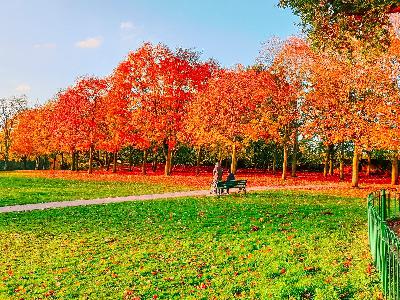
As the crisp air settles in and the leaves begin to fall, there’s an undeniable pull to hustle — to get ready for the holidays, to finish up the year’s goals, to be productive. But here’s the truth: autumn is not the time to rush. It’s a season for nourishment, for slowing down, and for truly recharging both your body and soul. In today’s episode of The Slow Living Podcast, we’re diving deep into the beauty of using autumn as a time to nurture yourself — not as a luxury, but as a necessity. This is a public episode. If you'd like to discuss this with other subscribers or get access to bonus episodes, visit theslowlivingcollective.substack.com/subscribe
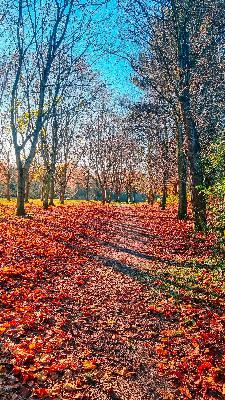
As the crisp air settles in and the days start to get shorter, autumn naturally invites us to slow down. However, if you're anything like most people, you might feel the exact opposite pressure - the hustle. The message is loud and clear: “It’s time to get back on track,” and before we know it, our calendars are packed with work, to-do lists, and dare I say it, Christmas prep.But what if this season isn’t about speeding up? What if autumn is a time to rest, reflect, and prepare for the months ahead without the guilt of doing less?In today’s episode of The Slow Living Podcast, I dive deep into this exact topic. We challenge the common narrative that autumn requires us to hustle, accomplish, and check off endless boxes. Instead, let’s honour the natural rhythm of autumn, when things naturally wind down, and permit ourselves to lean into rest, reflection, and intentional preparation for the winter months.In This Episode, You’ll Learn:* Why autumn doesn’t have to be a season of hustle: We explore the pressure that comes with the fall months and why it’s important to resist it.* How to honour the season’s natural rhythm: Autumn is about winding down, not ramping up. I’ll share practical tips on how to slow down and embrace the beauty of this time of year.* Letting go of guilt: You don’t need to “do more” to prove you’re productive. Learn how to enjoy the simple pleasures of autumn without guilt.* Preparing for winter, intentionally: This is a time of transition — a moment to reset, refuel, and prepare, so that we can enter winter feeling grounded, not burnt out.Autumn is not a time to be rushing through the to-do lists, but a moment to lean into rest and honour your needs without feeling like you’re falling behind. Let’s explore how you can embrace autumn with intention and do less without the guilt.Follow me on Instagram for daily inspiration This is a public episode. If you'd like to discuss this with other subscribers or get access to bonus episodes, visit theslowlivingcollective.substack.com/subscribe
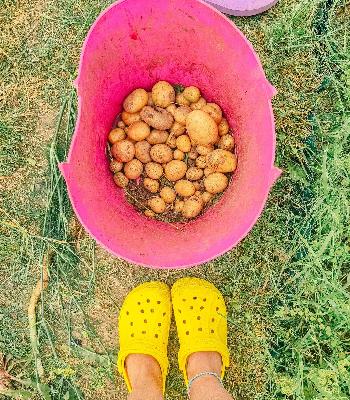
Let’s talk about something wildly underrated: rest. Real rest. Not the kind you cram into the five minutes before a Zoom call or the kind you feel guilty for taking because your inbox is overflowing. I’m talking about deep, intentional rest, the kind that only comes when you decide to do less. Not once. Not just on Sundays. But as a way of living.I used to think rest was something you earned. Like a prize for making it to the end of your to-do list (spoiler: that list never ends). I measured my worth in how productive I was, how many balls I could keep in the air, how often I could say “I’m so busy” with pride. If I wasn’t exhausted, was I even trying?You probably know how this story goes: burnout came knocking. Not once, but repeatedly. Each time more insistent, more draining. I’d built a life that looked good on paper but felt awful to live inside of. It was all noise and motion and achievement, yet I was rarely present. Rarely rested. Rarely me.Eventually, I reached a point where I realised something had to change. I could no longer pretend that pushing through was sustainable. That always being available, always saying yes, always “making it work” was healthy or heroic. I had to do less. And not just temporarily. Permanently.The Glorification of BusyWe live in a culture that celebrates being busy as a badge of honour. Productivity is treated like morality, like the more you do, the more you’re worth. Rest, on the other hand, is often dismissed as laziness or indulgence. Even when we do rest, we’re expected to make it look productive: meditate with an app, stretch while listening to a podcast, journal our gratitude list while lighting the perfect candle.But here’s the hard truth:* You can’t heal your exhaustion with more output.* You can’t find stillness by constantly chasing it.* And you can’t live intentionally when your life is dictated by everyone else’s urgency.We are bombarded with messages to hustle, scale, grow, and maximise. But what if the real work is in slowing down, scaling back, and learning to be instead of do? What if the bravest thing we can do is opt out of the race altogether?Doing less is not failure. It’s wisdom. It’s recognising that your energy is not infinite, and your life is not a project to optimise.What Doing Less Really MeansDoing less doesn’t mean abandoning your responsibilities or opting out of life. It means becoming discerning. It means creating space, not just in your calendar but in your mind. It means letting go of what drains you and making more room for what nourishes you.To me, doing less means:* Saying no to things that don’t align with my values, even if I could technically “fit them in.”* Not filling every gap in my day with noise or scrolling or productivity.* Choosing quality over quantity—in conversations, in work, in how I show up for the people I love.* Allowing slowness, even when urgency feels like the default.This work is uncomfortable, especially at first. Slowing down brings up things we’ve long ignored. The fears we’ve buried under busyness. The questions we’ve avoided by staying distracted. But once the dust settles? What’s left is a life that feels rooted and real.My Journey to RestLike so many others, the pandemic was my reckoning. When everything came to a standstill, I finally saw how exhausted I was. How performative my life had become. How disconnected I felt from the version of motherhood, entrepreneurship, and womanhood I was trying to maintain.The pause was uncomfortable, yes. But it was also illuminating. Without all the noise, I could hear myself again. And I didn’t like what I heard at first. I was tired. I was unfulfilled. I was running a life that didn’t reflect my values.So I began to let go. Slowly. Imperfectly. I gave myself permission to stop trying so hard. To rest without earning it. To stop equating success with being “on” all the time.Now, rest is no longer a reward I grant myself for surviving the chaos. It’s a foundation I build my days on. It’s in how I work, how I mother, how I simply exist.Slowness isn’t something I slip into when I have a break. It’s the frame through which I view everything now.Rhythms of Everyday RestRest doesn’t have to be grand or Instagram-worthy. It’s often quiet. Unseen. Unshared. It’s saying no to a commitment that drains you. It’s a slow cup of tea without your phone in hand. It’s going to bed earlier, not because you’re old or boring, but because you respect your body enough to let it recharge.Here are a few small ways I intentionally weave rest into my days:* I leave space between tasks instead of back-to-backing my day.* I let myself sit without a podcast or distraction, just breathing.* I cook slowly, not to impress, but to nourish.* I put my phone in another room when I rest, because I know it steals more energy than it gives.* I choose one big thing to do in a day instead of five, and I let that be enough.These are small acts, but together they change the entire tone of my life.A Change of Pace for the PodcastAs part of walking my talk, I’ve decided to shift the podcast to a fortnightly schedule this summer. Instead of weekly episodes, you’ll hear from me every other week.This isn’t about stepping back. It’s about stepping in. Deeper into my values. Deeper into the slower rhythms that summer invites. I want to enjoy this season, not just plough through it. I want to sit in the garden with my children. To watch the light change. To live the slower life I talk so much about.The podcast will still bring you intentional, meaningful conversations. But they’ll come with more space around them. And hopefully, that space becomes something you feel too, a nudge to create breathing room in your own life.The Radical Act of RestingIn a world that thrives on speed, choosing slowness is radical. Choosing to rest not when you’re broken, but before, is an act of rebellion.You don’t need to be on the brink to take a break. You don’t need to do it all before you can do nothing. You don’t need to earn your peace.You are allowed to rest. You are allowed to stop. You are allowed to be.So this summer, I hope you’ll make space. Not because it’s productive. Not because you’re preparing for something big. But because your soul is worthy of quiet. Of stillness. Of enoughness that isn’t measured in checklists.Here’s to naps in the sun. To unfinished to-do lists. To slow dinners and long conversations. To choosing less, and finding so much more. This is a public episode. If you'd like to discuss this with other subscribers or get access to bonus episodes, visit theslowlivingcollective.substack.com/subscribe
There’s a particular kind of magic that settles over the world this time of year. Maybe you’ve felt it too, that gentle call to exhale, to let things soften a little. To stop chasing the next thing and instead linger in the moment, barefoot in the garden with dirt under your nails and absolutely no idea where your phone is (and honestly, not caring either).Summer has its own rhythm. She doesn’t rush. She unfurls. She shows up unapologetically, sun-kissed, slightly overgrown, humming with bees and possibility. And every year, I find myself needing to answer her invitation again. To slow down. To live with less noise. To breathe more deeply.And if I’m honest, this year more than ever, I need that exhale.Walking the Walk (Even When It Feels Uncomfortable)I talk a lot on the podcast, here on Substack, on Instagram, about slow living, simple living, seasonal living. I share practical ways to strip back the chaos, to live more intentionally, to reconnect with rhythms that feel more human and less machine.But here's the thing: sharing about slow living is not the same as actually living it.I’ve had to sit with that recently. Because while I believe deeply in everything I write and teach and podcast about… I can also be incredibly good at staying busy in service of slowness. Isn’t that wild? I can fill my calendar with things that all “support” my values and still end up frazzled, overstretched, and a little bit disconnected from the very life I’m advocating for.So this summer, I’m choosing to walk the walk. For real. Which means creating more space in my schedule and energy. Saying no, kindly but firmly. Letting some things rest. Including, most notably: the podcast.🎙️ A Gentle Shift: What’s Happening With the PodcastStarting this month, The Slow Living Collective Podcast will be moving to an every-other-week rhythm for summer. No big drama. No huge announcement. Just a quiet recalibration to match the season.This isn’t about burnout. It’s not about stepping away.It’s about alignment.It’s about recognising that slow living isn’t a marketing message. It’s a lived experience and one I want to fully step into over these next few months. The podcast is still a core part of my work, and I’ll continue showing up there with love and thoughtfulness. But with more space. More intention. More… summer.Think of it like this: the podcast is taking a long, luxurious exhale just like the rest of me.What This Actually Means (And What It Doesn’t)It doesn’t mean I’m disappearing.It doesn’t mean the podcast is any less valuable to me or to you.It doesn’t mean you’ll stop getting thoughtful, heartfelt, seasonal content.It does mean that I’m choosing to let things breathe.It does mean that I’m putting my values into practice, even when it’s a bit uncomfortable.It does mean that I’m honouring this season, both literally and metaphorically, and giving myself space to feel it fully.And maybe, it’s an invitation for you too.Slowing Down With MeI think so many of us are tired of being told to go faster. To do more. To produce, perform, and push through no matter the cost. But the cost is real, isn’t it? Exhaustion. Disconnection. That foggy, always on feeling that leaves us wondering when life will actually feel like ours again.Slowness is not the enemy of success.It’s the soil from which meaningful, sustainable, joy filled lives grow.So this summer, I’m giving myself permission to rest more. To be outside more. To put my feet in the grass and my face in the sun. To write when inspiration strikes, not because there’s a deadline looming. To read books that aren’t “productive.” To eat tomatoes warm from the vine on my balcony. To notice. To live.Maybe you’re craving that too.So here’s your permission, if you need one.To listen to fewer things.To unsubscribe from urgency.To let some things be undone.To say, “That can wait.”Because here’s the truth: the world will keep spinning whether you respond to that email or not. And in the meantime? There’s a whole summer waiting for you. Sunlight through trees. Sand between your toes. Cold drinks, warm friends, long dinners that stretch lazily into the evening. A slower, simpler, softer version of life that’s not just possible but available, right now, if we let it be.What You Can Expect (And a Few Teasers)On the podcast: A new episode every other week, filled with the same thoughtful, grounded reflections you’ve come to expectvjust delivered at a slower, more nourishing pace. I’m actually excited to go deeper, not wider, with the stories I share.Here on Substack: I’ll still be writing regularly. Some longer essays, some short seasonal notes, and maybe the occasional behind-the-scenes of what slow living actually looks like with a home-educating household and a second-floor balcony garden.And behind the scenes? I’m dreaming into future offerings that support slow, small-space living, slow business, and the ongoing unraveling of hustle culture.But for now… I’m sinking into the slowness.And I hope you will too.P.S. If you’ve been feeling the itch to slow down but needed someone to go first, consider this your sign. I’m with you. This is a public episode. If you'd like to discuss this with other subscribers or get access to bonus episodes, visit theslowlivingcollective.substack.com/subscribe
When I look around online all I ever see is the traditional depiction of a homestead. People living in the countryside, surrounded by fields, with their own land, maybe some chickens and ample space to grow and live.But let’s be honest, that isn’t the reality for most of us, and the thing is I used to think that was my dream too. Until I actually refocused my vision and focused on where I am at right now. It was then that I realised I have everything I want, that the other influences weren’t actually what I was desiring, and I found so much love and joy in what I already have.When I scroll through my feed or browse the internet, it feels like everywhere I look, I see the same picture-perfect vision of homesteading: people living in the countryside, surrounded by acres of land, fields stretching out as far as the eye can see, chickens clucking happily in the yard, and rows upon rows of produce growing in neat little garden beds. The dream is often painted in soft, idyllic tones, filled with the promise of self-sufficiency, rustic charm, and an idyllic, peaceful life.For a long time, I thought that was my dream too. I imagined the quiet mornings on the porch, the scent of fresh bread, the satisfaction of growing everything I need, and a life deeply rooted in nature. It felt right, like the life I was supposed to live.But here’s the thing: that dream wasn’t my dream at all.Let me explain.The Reality of "Homesteading"I’ve spent a lot of time romanticising the life of a traditional homesteader, imagining myself surrounded by wide open spaces. But in reality, I live in a small, 650 sq. ft. home in a city, with limited space. I don’t have acres of land to grow fruit and veggies. And you know what? I’m okay with that. Actually, more than okay,I’m thriving.You see, there’s something about being constantly exposed to these “ideal” depictions that makes you think they’re the only way. You start believing that unless you have a sprawling farm, you’re somehow missing out, that your life isn’t complete. But what I realised is that the traditional homesteading life isn’t the only path to living simply and intentionally.Refocusing My VisionI had to take a step back. I stopped comparing myself to the “ideal homesteading” narrative and took a good hard look at my own life. And when I did, I saw something different: I have everything I need right where I am.It wasn’t the land or the chickens that I was truly longing (definitely not the chickens, they definitely aren’t for me) for. It was the connection to nature, the rhythm of the seasons, and the joy of slowing down and living intentionally. I wanted a life that was simple, but I realised that simple doesn't have to mean “country living” or a traditional homestead.A Radical Realisation: I Didn’t Want Land (or Chickens)And here’s the part that might raise a few eyebrows in the homesteading world: I didn't want land. I didn’t want a huge garden to tend to, and I definitely didn’t want chickens.Yes, I know. Radical, right? In a world where homesteading is often synonymous with raising animals and owning large property, saying that you don’t want these things can feel like an unpopular opinion. But the truth is, I’ve found that you can live a homesteading inspired life, rooted in simplicity, even if your reality doesn’t match the traditional vision.Finding Joy in What I HaveLiving in a small space, with a modest balcony garden, and a focus on creating a slower, more intentional life has brought me so much joy. I still have my own little corner to grow herbs and vegetables, I make things from scratch, and I’ve learned to embrace the natural rhythms of the seasons, even within my limited space. This is the homesteading lifestyle I’ve come to love: one that’s flexible and real, where it’s not about achieving some perfect image, but about finding joy in the here and now.In truth, I’ve found that the slow, simple, and seasonal life is much more about the mindset and choices we make than the property we own or the animals we raise. It’s about prioritising what matters to us, wherever we are. It’s about living in alignment with nature, rather than striving to match an ideal.Embracing the JourneySo, here I am, living a life that’s far from the traditional homesteading fantasy, and I’m grateful. I’ve learned that the dream doesn’t have to be the same for everyone. We can all create our own versions of what a slow, simple life looks like — no matter how big or small our space is.If you find yourself feeling like you don’t fit the “traditional” homesteading mould, I want to encourage you: You don’t have to. There’s beauty in whatever you’re doing right now, and it’s okay to let go of someone else’s idea of the perfect life. You can create your own, and it will be just as fulfilling. This is a public episode. If you'd like to discuss this with other subscribers or get access to bonus episodes, visit theslowlivingcollective.substack.com/subscribe
If you had asked me a few years ago what my secret to success was, I’d have told you, hands down, that it was productivity. I was obsessed. I mean, who wasn’t? The hustle culture was in full swing, and I bought into it whole heartedly. If I wasn’t ticking things off my to do list, I felt like I wasn’t doing enough, like I wasn’t good enough. Every moment of my day was crammed with tasks, plans, and deadlines. My life was a race, and I was determined to keep running.But here’s the thing: I wasn’t winning the race. In fact, I was burning out. And I was missing out on something I didn’t even realise I had lost – peace.Let’s slow down and journey together through the seasons with simplicity and intention. Subscribe to receive simple musings directly in your inbox. This is a public episode. If you'd like to discuss this with other subscribers or get access to bonus episodes, visit theslowlivingcollective.substack.com/subscribe
In today’s fast-paced world, it’s easy to feel disconnected from the natural rhythms that have guided humanity for centuries. With artificial lighting, technology, and a never-ending stream of tasks, we’ve lost touch with the cycles of nature, the changing seasons, the ebb and flow of life that comes with each shift in the weather.Join me for Show Notes & more:Join me on SubstackJoin me on Instagram This is a public episode. If you'd like to discuss this with other subscribers or get access to bonus episodes, visit theslowlivingcollective.substack.com/subscribe

A fair few years ago, I thought I had it all figured out. I’d made a vow to slow down, to simplify, to live intentionally. I was going to build this beautiful, peaceful life where every moment was carefully curated, where every meal was from scratch, every chore was perfectly executed, and every season was embraced in its full, slow living glory.Sounds dreamy, right?But here’s the kicker: trying to create the perfect slow life made me feel anything but slow.It was like I was chasing this ideal, this perfect picture of a slow life that I’d seen on Pinterest and Instagram, thinking that I could somehow embody it in my own life. I wanted to cultivate this utopia of peace, simplicity, and balance. But as much as I tried, the more I was running after this vision, the more stressed I felt.The perfection I was striving for was becoming my own enemy.It wasn’t until I let go of this idea of a perfect slow life that I began to feel the true magic of slowing down. And here’s why…Join me for Show Notes & more:Join me on SubstackJoin me on Instagram This is a public episode. If you'd like to discuss this with other subscribers or get access to bonus episodes, visit theslowlivingcollective.substack.com/subscribe

Comments

Download from Google Play

Download from App Store
 United States