


 Claim Ownership
The Science or Fiction Podcast
Subscribed: 2Played: 24
Subscribe

© The Science or Fiction Podcast
Description
We interview researchers to separate the science from the fiction in news headlines. Catch new episodes on the first Monday of the month.
www.scienceorfiction.co.uk
www.scienceorfiction.co.uk
25 Episodes
Reverse
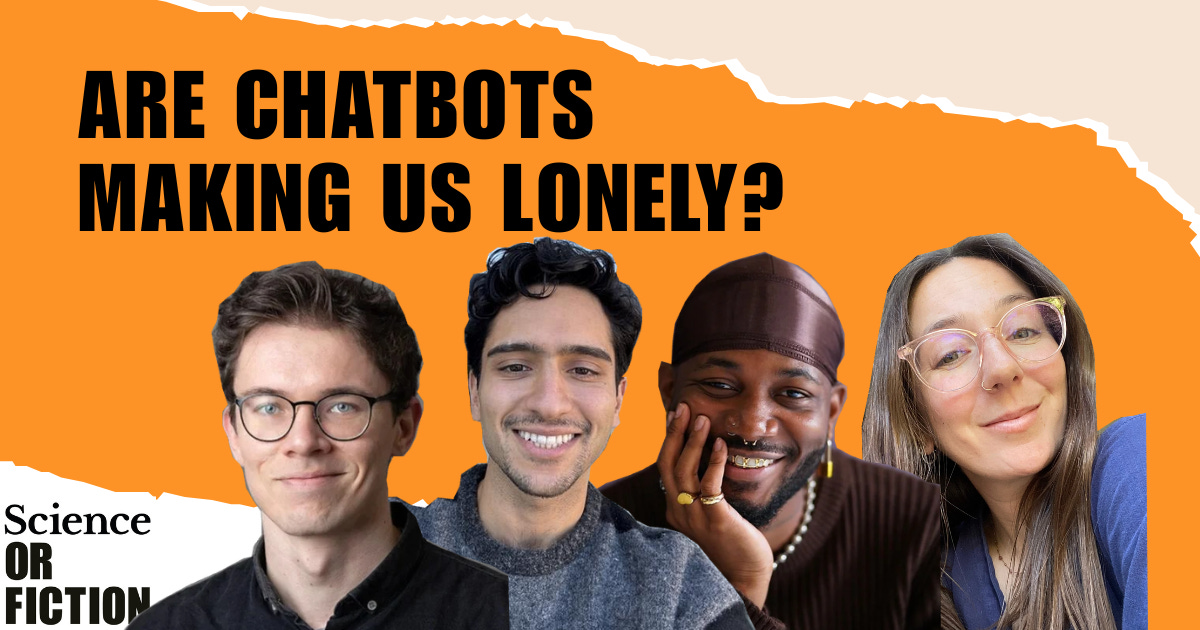
Not only can we get any question answered at any time, but we can also have human-like conversations without interacting with a single person. AI-powered chatbots, systems like ChatGPT that simulate two-way conversations with the user, are now widely available. Many are turning to chatbots for relationship advice and mental health support - with some saying they find it easier to talk to chatbots than people.Experts are worried about this increasing reliance on non-human interaction. In a recent paper published in the British Medical Journal, researchers raised concerns around people further isolating themselves and pointed out that we do not have a clear understanding of how relying on chatbots for relationship or mental health advice is affecting our well-being. Concerned about his friends and wanting clarity on the evidence, third-year undergraduate psychology student, Ahmad Muntadhar, sought to answer the question: Are AI chatbots making us lonely?In each episode, we dive into the evidence behind the issues that matter to you. We interviewed Arthur Bran Herbener, a PhD student at Aarhus University, about his latest research on whether there is a link between talking to chatbots and loneliness in young people. We also spoke to New York-based therapist and social worker, Shahem McLaurin, to find out what is happening in practice and whether it is safe to turn to chatbots for mental health support. What you’ll find in this episode* Beginning - Kathryn and Ahmad introduce the topic.* 04:06 - Arthur explains what we know about social relationships and AI from the research.* 07:57 - Arthur talks about stigma and why people turn to AI. * 10.46 - Arthur describes the research findings on talking to AI like a friend was linked to loneliness.* 15:19 - Arther explains the evidence around why we need to be vulnerable with other people.* 18:33 - Shahem explains his concerns around using AI for therapy. * 23:06 - Shahem talks about co-dependency and why we need to self-sooth.* 26.05 - Shahem speaks about the importance of maintaining our agency.* 28.51 - Shahem explains why we need to build trust and community with others.* 32:33 - Kathryn and Ahmad reflect on the interview and answer the question: AI chatbots are making us lonely, is it science or fiction?Resources and recommendationsThe paper we discussed:* Are lonely youngsters turning to chatbots for companionship? The relationship between chatbot usage and social connectedness in Danish high-school students, by Herbener & Damholdt and published in International Journal of Human-Computer Studies in February 2025The headlines covered in the episode:* Experts raise alarm about people using ChatGPT and other AI systems to help with loneliness, published in the Independent in December 2025, linked here* ‘I spoke to ChatGPT 8 times a day’ - Gen Z’s loneliness ‘crisis’, published by the BBC in January 2026, linked hereHow to access free mental health support:* For urgent mental health support, call Samaritans on 116 123 or contact online here* Access the Mix for support for under 25’s here* To find support and advice or access resources around mental health, access YoungMings hereThe views and opinions expressed by guests on this podcast are their own and do not necessarily reflect those of the host or The Science or Fiction Podcast. This is a public episode. If you would like to discuss this with other subscribers or get access to bonus episodes, visit www.scienceorfiction.co.uk
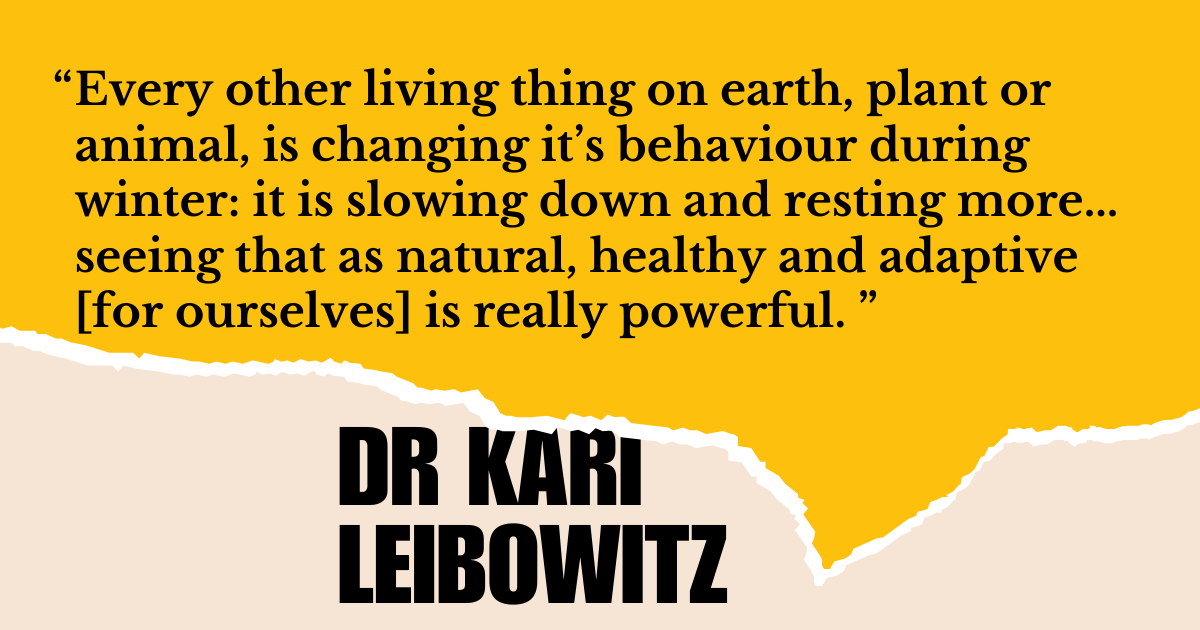
It is the first week of February and my alarm has woken me up to another dark, Monday morning. As I make a cup of tea with my eyes half closed struggling against the big light in the kitchen, I’m already dreaming of sunny summer days and dreading the fact that when I get home from work - surprise! - it is going to be dark again.My current mindset is unhelpful: it is only going to make me feel worse. I could shift my perspective. I likely feel sleepy because evidence suggests we need more sleep in winter. I put the big light on to try and force myself awake, but why? I could put on soft lamps and ease myself into the day.In this episode, Leibowitz explains the concept of wintertime mindsets, answers listeners’ questions about ways to feel better in winter, explains some misconceptions about seasonal affective disorder (SAD) and how we can draw from evidence from different settings, daily practices and science to better understand our wellbeing.We hope you enjoy this rewind of “Can embracing winter improve mental health?” - we’d love to hear your thoughts and the small yet meaningful ways you are enjoying winter.Recommendations from the episodeThe journal article discussed: Leibowitz and Vittersø (2020), Winter is coming: Wintertime mindset and wellbeing in Norway, published in International Journal of WellbeingMore information on Kari’s book and newsletter: https://www.karileibowitz.comWhat you’ll find in this episode10:00-15:00 > What is a wintertime mindset?15:00-20.00 > Seasonal affective disorder: explaining the misconceptions20.22-26.25 > Treatments for seasonal affective disorder and the link with winter mindsets26.39-35.00 > Focus on the paper: Is there evidence to show wintertime mindsets are associated with wellbeing?35.35-41.55 > Why it is important to explain the evidence clearly41.55-46.20 > Listener question: “I want to lean in to rest in winter, but struggle when the workload doesn’t change. Is it common to feel less motivated when you’re working in the winter months, and how do you address that?”46.23-49.50 > What if we have limited flexibility over our workday?49.53-51.40 > Sleep in the winter51.45-53.50 > Slowing down, seasonal living, and welcoming the darkness53.53-55.00 > Getting outside more in winterLinks to free mental health supportSamaritans contact information: https://www.samaritans.org/how-we-can-help/contact-samaritan/The Mix online chat and phone helplines for under 25s: https://www.themix.org.uk/get-supportMind Charity contacts: https://www.mind.org.uk/information-support/for-children-and-young-people/useful-contacts/The views and opinions expressed by guests on this podcast are their own and do not necessarily reflect those of the host or The Science or Fiction Podcast. This is a public episode. If you would like to discuss this with other subscribers or get access to bonus episodes, visit www.scienceorfiction.co.uk
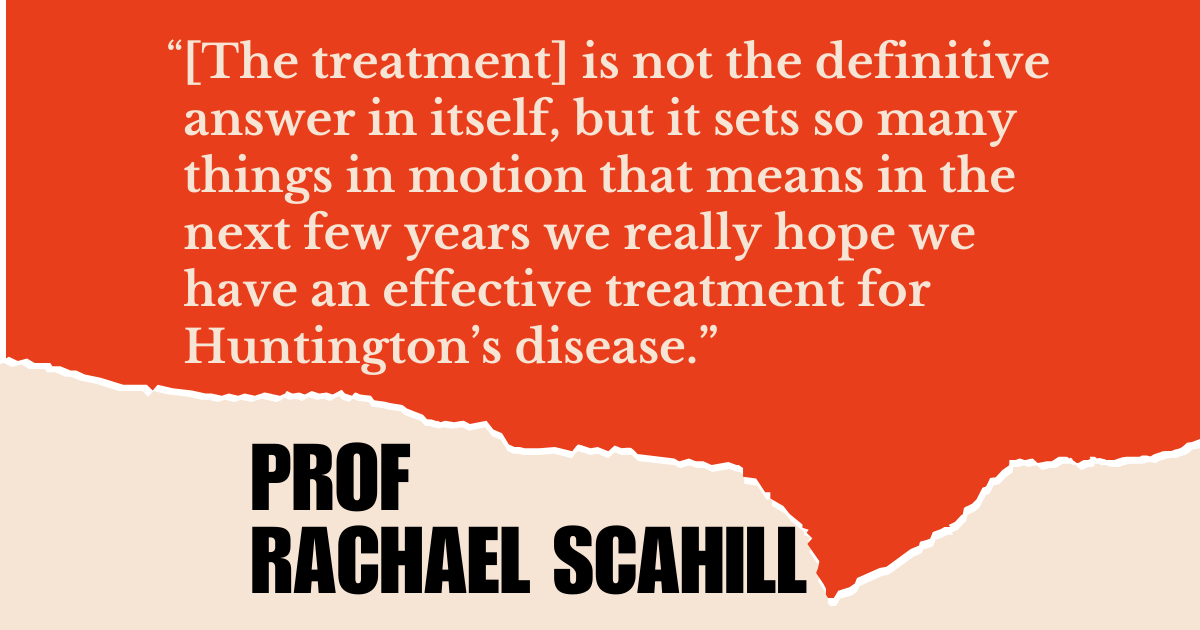
Huntington’s disease is an inherited condition that causes neurodegeneration - the progressive loss of neurons in the brain. This can lead to changes in movement, thinking, and mood. Reports of a breakthrough hit the headlines last week: a press release from a clinical trial reported that using gene therapy they have managed to slow disease progression for the first time.Some are warning that it is too early to say we have a cure for Huntington’s given that these results are very early and have not yet been reviewed.What does it mean to treat a neurodegenerative disease like Huntington’s? How is slowing the progression of a disease different from curing it? And what do the results of this trial mean for families living with the condition today?In this episode, we speak with Professor Rachael Scahill, Associate Director of the Huntington’s Disease Centre at University College London. We discuss how Huntington’s affects the brain, what this gene therapy involves, and what these results could mean for the future of neurodegeneration research.This episode is part of our neuroscience series, produced by PhD student Chloe Carrick, Youth Advisor Anushka De, and Research Fellow Dr. Kathryn Bates. Click the subscribe button on this page to get episodes straight to your inbox!Resources* Read more about the work of the Huntington’s Disease Centre directed by Sarah Tabrizi* Read about Huntington’s Disease news in plain language on HDBuzz* Read about uniQure, the company who led this trialWhat you’ll find in this episode* 3:05 - What is a neurodegenerative disease like Huntington’s?* 8:42 - Gene therapy explained* 10:50 - Interpreting results of the trial* 16:00 - What role do companies play in clinical trials?* 20:00 - Slowing a disease’s progression vs curing a disease* 23:00 - Implications of the trial’s findings* 26:35 - Next steps in working towards a treatmentThe views and opinions expressed by guests on this podcast are their own and do not necessarily reflect those of the host or The Science or Fiction Podcast.This episode was supported by the King’s Public Engagement Small Grant funding scheme. This is a public episode. If you would like to discuss this with other subscribers or get access to bonus episodes, visit www.scienceorfiction.co.uk
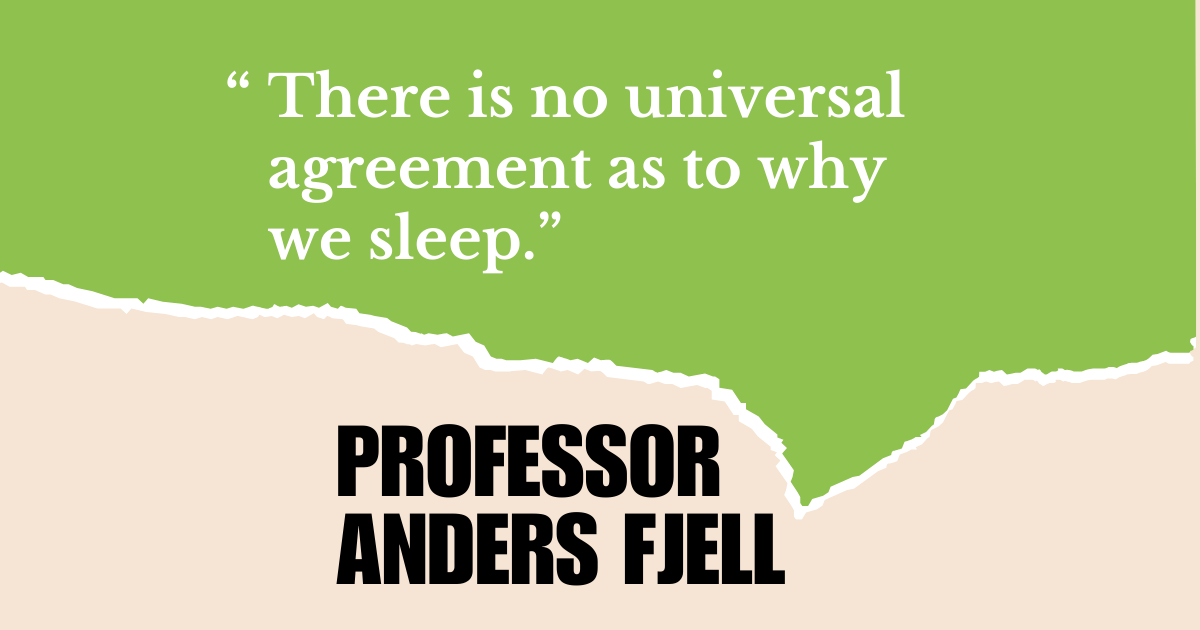
Most of us spend about a third of our lives asleep. We feel the effects of a bad night of sleep, waking up groggy and turning to caffeine to get through the day. While we might think that our sleep habits have a strong influence on brain health, the evidence is not so clear.There is a lot of advice out there on how to get a good night’s sleep, as well as reports about the consequences of poor sleep. But sleep doesn’t look the same for everyone: age, sex, gender, and culturecould influence sleep patterns.Why do we sleep? What does “good sleep” mean for different people? And how does sleep affect brain health?In this episode, we interviewed Professor Anders Fjell, sleep expert and Professor of Cognitive Psychology at the University of Oslo to answer these questions.This episode is the second of our neuroscience series, produced by PhD student Chloe Carrick, Youth Advisor Anushka De, and Research Fellow Dr. Kathryn Bates. Click the subscribe button on this page to get the episodes straight to your inbox – we’d love to hear what you think!Resources* Read more about the work of the Lifespan Centre for Brain and Cognition, co-lead by Professor Anders Fjell and Professor Kristine Walhovd* Read the article on the cultural differences in association between sleep duration and health: here* Theories for why we sleep, age differences in sleep patterns, and the association between sleep and brain health are discussed further in this review article, co-authored by Anders and Kristine* Read about the survey on public perceptions of the role of sleep in brain health hereWhat you’ll find in this episode* 04:20 - Theories and evidence for why we sleep* 07.45 – Different sleep stages* 09.55 – Why are there individual differences in sleep?* 14:20 – The relationship between sleep duration and health differs across countries* 17:55 – The importance of sleep for brain health: Public perceptions vs. research evidence* 20:05 – Why do we feel so bad when we don’t sleep?* 24:15 – There is no universal guideline for optimal sleep durationThe views and opinions expressed by guests on this podcast are their own and do not necessarily reflect those of the host or The Science or Fiction Podcast.This episode was supported by the King’s Public Engagement Small Grant funding scheme. This is a public episode. If you would like to discuss this with other subscribers or get access to bonus episodes, visit www.scienceorfiction.co.uk
Brain-Computer Interfaces, or BCIs for short, are all over the news (like here and here). These systems – which can be implanted into the brain – have the potential to help people with neurological conditions control devices (from mobile phones to robotic arms) using only their thoughts.Headlines often use futuristic terms like ‘mind reading’. These phrases might grab our attention, but they could also distort our understanding of what BCIs are capable of (and what they are not).In this episode, we interviewed Dr. Hunter Schone, BCI expert and post-doctoral researcher at the University of Pittsburgh. We discussed what a BCI looks like, how they can help patients with severe clinical disorders, and the roles of universities, companies, and regulators have in their development. We also discuss the work that needs to be done before these devices are made more widely available for patients.This is an episode to watch: from 09.42 you’ll see our jaws DROP when Hunter pulled out a 3D model of a patient’s brain to demonstrate how BCIs work!This episode is the first of our neuroscience series, produced by PhD student Chloe Carrick, Youth Advisor Anushka De, and Research Fellow Dr. Kathryn Bates. New episodes for this series will be released on the first Monday of the month. Click the subscribe button on this page to get them straight to your inbox.Resources* Read more about the work of the Rehab Neural Engineering Labs at the University of Pittsburgh* Watch this video with Dr. Sergey Stavisky on how BCIs have been used to restore speech in participants with ALS* UCLH launches a clinical trial of Neuralink’s N1 Implant: The GB-PRIME StudyWhat you’ll find in this episode* 07.40 - What is a brain-computer interface and how does it work?* 09.42 - How are brain-computer interfaces inserted into the brain and how do they operate?* 16.32 - Can brain-computer interfaces read your mind? What are the limits?* 19.33 - Current advancements in supporting speech* 22.14 - Importance of managing expectations of what they are capable of* 24.35 - What Neuralink is currently capable of* 28.44 - What happens to the data extracted?* 32.00 - Can the public trust companies to handle this technology and the data produced?* 36.45 - Everybody’s brain is different. How can we be sure these technologies will work for many people?* 43.50 - Current advancements in supporting vision * 47.00 - Hopes for the futureThe views and opinions expressed by guests on this podcast are their own and do not necessarily reflect those of the host or The Science or Fiction Podcast.This episode was supported by the King’s Public Engagement Small Grant funding scheme. This is a public episode. If you would like to discuss this with other subscribers or get access to bonus episodes, visit www.scienceorfiction.co.uk
In this second episode of our two part series on chronic pain, we spoke to Misha Gardner to discover how healthcare providers can address the structural bias and inequalities to better support people with chronic pain. The PEACs (Pain: Equality of Care and Support in the Community) programme was co-designed with Black people to develop a person-centred and bio-psycho-social approach to treating chronic pain in diverse communities. Black women are twice as likely to experience chronic pain than white women, and less likely to be referred to tertiary care. The PEACs programme was developed with Black communities to ensure better support, empowerment, and improved quality of life for people living with chronic pain.In this episode, produced by Trainee Clinical Psychologist, Mariam Shah, and Research Fellow, Dr Kathryn Bates, we find out why Black people face inequalities in chronic pain treatment, how healthcare programmes can be developed with communities and for communities, and we learn about the outcomes and next steps for the programme. There are important insights for healthcare providers, clinical psychologists, and those living with chronic pain or interested to find out more. Make sure you stay till the end to find out the impact of the programme. The first episode of this two part series on what it means to live with chronic pain can be found here.We’d love to hear what you think! DM us on social media or reach out at info@scienceorfiction.co.uk Make to subscribe to receive the latest episode in your inbox. Please rate and subscribe in your favourite podcast platform - it really helps us reach more people!What you’ll find in this episode:00:51 - What is chronic pain1:30 - Misha Gardner and PEACS introduction07:40 - Access to quality healthcare and healthcare inequalities09:32- 10:29 - Lack of trust from marginalized groups in healthcare systems12:29 - Impact and stigma of chronic pain22:14 – How codesign was approached for PEACS 7-stage pathway34:00 – Changing our approach to healthcare36:00 – Biopsychosocial approach to pain management38:55 – Recommendations and impact of the PEACs programme Resources and recommendations:* PEACS Impact and Evaluation Reports can be found here: PEACs: King’s Health Partners* Kings Health Partners, Mind & Body Programme can be found here: Mind & Body Programme* PEACS Patient Case Studies: Pain: Equality of care and support in the community (PEACS) project - KHP Mind & Body Programme - YouTube* Pain Free Mindset by Dr Deepak Ravindran: Book - Dr Deepak Ravindran* Gabor Mate resources Mind/Body Health: Mind/Body Health - Dr. Gabor MatéThe views and opinions expressed by guests on this podcast are their own and do not necessarily reflect those of the host or The Science or Fiction Podcast. This is a public episode. If you would like to discuss this with other subscribers or get access to bonus episodes, visit www.scienceorfiction.co.uk
What is chronic pain, and why is it different for different people? How do we begin to treat chronic pain? If my pain fluctuates, what can I do about it? We answer these questions and more in our latest episode. This is the first of two episodes about chronic pain, produced by Trainee Clinical Psychologist, Mariam Shah, and Research Fellow, Dr Kathryn Bates. In this first episode, we interviewed Dr Anna Hood, Lecturer at the University of Manchester and expert in the biological, psychological and social challenges experienced by young people living with chronic pain. This eye-opening conversation reveals how individuals experience chronic pain, as well as the structural and social barriers many people face when they are trying to seek help. We discuss how chronic pain is defined, why people feel they need to hide their chronic pain, and how a better understanding of the complexity of chronic pain and the bias present in healthcare could improve access to support. We answered listener questions in this episode - make sure you follow us on instagram to see the shoutouts to contribute to episodes. Please rate and subscribe in your favourite podcast platform - it really helps us reach more people! You can also click the subscribe button on this page to receive a monthly newsletter with our latest episode.What you’ll find in this episode:00:26 - Chronic pain introduction08:56 - Explaining pain and hiding pain – what might lead people to hide and what can make it easier12:32 - Ken’s lived experience story16.06 - Moving away from a medical approach and incorporating biopsychosocial and structural18.05 - Disparities and racism in healthcare19:26 - Discrimination in sickle cell disease21:00 - Examples from the research on pain care discrimination23:27 - Young people experience of pain and phones29:05 - Mind body connection and science behind it34:06 - What to do if your experiencing chronic pain36:55 - Fluctuations in chronic painResources and recommendations from the episode:* Article we discussed: “Racism in pain management causes needless suffering” by Dr Anna Hood, published in the British Medical Journal: https://www.bmj.com/content/389/bmj.r848* Pain UK: a charity with resources and information about support groups: https://painuk.org* NHS information on chronic pain: https://www.nhsinform.scot/illnesses-and-conditions/brain-nerves-and-spinal-cord/chronic-pain/The views and opinions expressed by guests on this podcast are their own and do not necessarily reflect those of the host or The Science or Fiction Podcast. This is a public episode. If you would like to discuss this with other subscribers or get access to bonus episodes, visit www.scienceorfiction.co.uk
Mental health, climate science, ethnicity, LGBTQ, disability, inequality, gender, women, elderly make up just 10 of the 200 terms now banned from research with US government funding. And this is not just in the US, but in other countries that receive US funding.The National Institute of Health, which funds billions of dollars of medical research, has already pulled funding from hundreds of grants, including projects on discrimination in healthcare and LGBTQ+ teen health.Diversity, equity, and inclusion programs have also been terminated – several companies have dropped diversity targets and scholarships to support people from marginalised communities have been cancelled.This isn’t just about limiting what science can study - it is about who gets to do the science in the first place. We spoke to Professor Christina Pagel, a Professor of Operational Research at University College London, and the author of a new report How Diversity Makes Science Better to understand the full impact of these restrictions and why diversity is important in science.Christina's 3-page report, How Diversity Makes Science Better, published with Independent SAGE can be found here. This is a public episode. If you would like to discuss this with other subscribers or get access to bonus episodes, visit www.scienceorfiction.co.uk
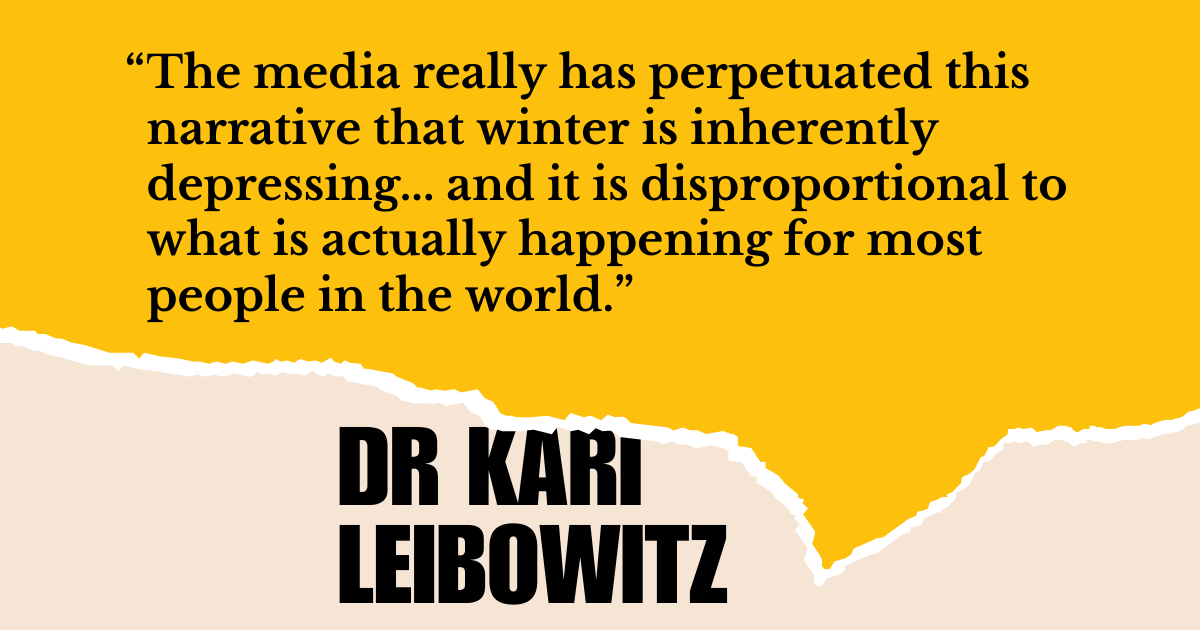
It is December: it is darker and colder, and seasonal affective disorder, or SAD, has come up in conversation again. Articles are popping up left, right, and center on how to beat the winter blues. It can be difficult to be positive about the winter; especially in the UK where complaining about the weather comes before “hey, how are you?”. It can sometimes feel like we’re surviving this season until the days, and our moods, become brighter. Dr Kari Leibowtiz is challenging our gloomy view of winter. Kari is a Health Psychologist with a PhD from Stanford University – she has spent her career studying how our mindsets affect our health. In her research and her new book “How To Winter”, she argues we need to change our mindsets about winter. Can winter mindset improve our mental health in this season? How does this fit with what we know about seasonal affective disorder?In this episode, Kari talks about the issues with how we have traditionally diagnosed seasonal affective disorder, how changing our mindsets about winter is associated with our well-being, and what the evidence shows us (and what it doesn’t).Part of the problem with a lot of pop science books is that they make big claims about associations or correlational evidence. Kari’s book, on the other hand, is balanced. It is clear when the evidence is limited or when she is drawing on other areas of the research, and where experience and culture come into the strategies. I asked her why it was important to write her book in this way and Kari talked us through piecing together the parts of the puzzle and ensuring she transparently presented the science.I hope you enjoy this episode and it brightens your wintery day! We’ve been thinking about winter wins on Instagram and posting little snippets of something wintery that made us feel good - click reply to this email or tag us on Instagram to let us know your winter wins.Resources and recommendationsThe journal article discussed: Leibowitz and Vittersø (2020), Winter is coming: Wintertime mindset and wellbeing in Norway, published in International Journal of WellbeingMore information on Kari’s book and newsletter: https://www.karileibowitz.comThanks for reading The Science or Fiction Podcast! Subscribe for free to receive new posts and support our work.Help and supportIf you are affected by any of the issues discussed in the episode, you can access free support via the following links:Samaritans contact information: https://www.samaritans.org/how-we-can-help/contact-samaritan/The Mix online chat and phone helplines for under 25s: https://www.themix.org.uk/get-supportMind Charity contacts: https://www.mind.org.uk/information-support/for-children-and-young-people/useful-contacts/The views and opinions expressed by guests on this podcast are their own and do not necessarily reflect those of the host or The Science or Fiction Podcast. This is a public episode. If you would like to discuss this with other subscribers or get access to bonus episodes, visit www.scienceorfiction.co.uk
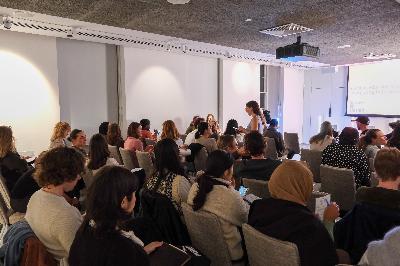
Our very first live episode recording is here! Thank you to everyone who joined at the Science Gallery London and online, it was lovely to meet so many of you!In case you missed it, this week we hosted our first live podcast recording with ADHD experts Ellie Dommett and Shauna Campbell on self-diagnosing ADHD. For our sold-out event, we hosted an interview and audience Q+A, we had a subscription raffle where the winner took home a stack of popular science books signed by the authors (congratulations Lise!), and everyone took home a Science or Fiction Live tote bag. Make sure you subscribe to be the first to hear about the next live recording!In this episode, we sift through the speculation around self-diagnosis of ADHD. Why are rates of ADHD increasing? How can we use social media as a tool to understand ADHD but still be conscious of the quality? Should we be worried about online self-diagnosis? This episode answers these questions. We learnt so much from the experts—Ellie Dommett is a Professor of Neuroscience and lead of the ADHD Research Lab, and Shauna Campbell is the Podcast Director of ADHD Babes, an award-winning community organisation for Black women and non-binary people with ADHD. As always, the resources and recommendations from the interview are below, as well as links to free mental health support. We’d love to hear your thoughts on the event or the episode! Just respond to this email or send us a message on social media.Resources and recommendations* Journal article discussed: Yeung and colleagues (2022), TikTok and Attention-Deficit/Hyperactivity Disorder: A Cross-Sectional Study of Social Media Content Quality* Ellie also mentioned the diagnostic manuals DSM and ICD, you can read more about them here and here* Ellie talked about this systematic review on digital media use and ADHD symptoms and this meta-analysis on screentime and child ADHD* How to ADHD - content on tools and strategies created by ADHDer Jessica McCabe* ADHD Babes - community organisation for Black women and non-binary people with ADHD * ADHD UK – platform created by people with ADHD for people with ADHD with evidence-based support and resources* ADHD Foundation - neurodiversity charity with support and resources * Information on how to apply for access to work support can be found hereHelp and supportIf you are affected by any of the issues discussed in the episode, you can access free support via the following links:Samaritans contact information: https://www.samaritans.org/how-we-can-help/contact-samaritan/The Mix online chat and phone helplines for under 25s: https://www.themix.org.uk/get-supportThank you to the ESRC Social Science Festival 2024 for funding this event. Thank you to Lucy Foulkes, Sarah-Jayne Blakemore, Ellie Middleton and David Speigelhalter for donating books to the raffle!The views and opinions expressed by guests on this podcast are their own and do not necessarily reflect those of the host or The Science or Fiction Podcast. This is a public episode. If you would like to discuss this with other subscribers or get access to bonus episodes, visit www.scienceorfiction.co.uk
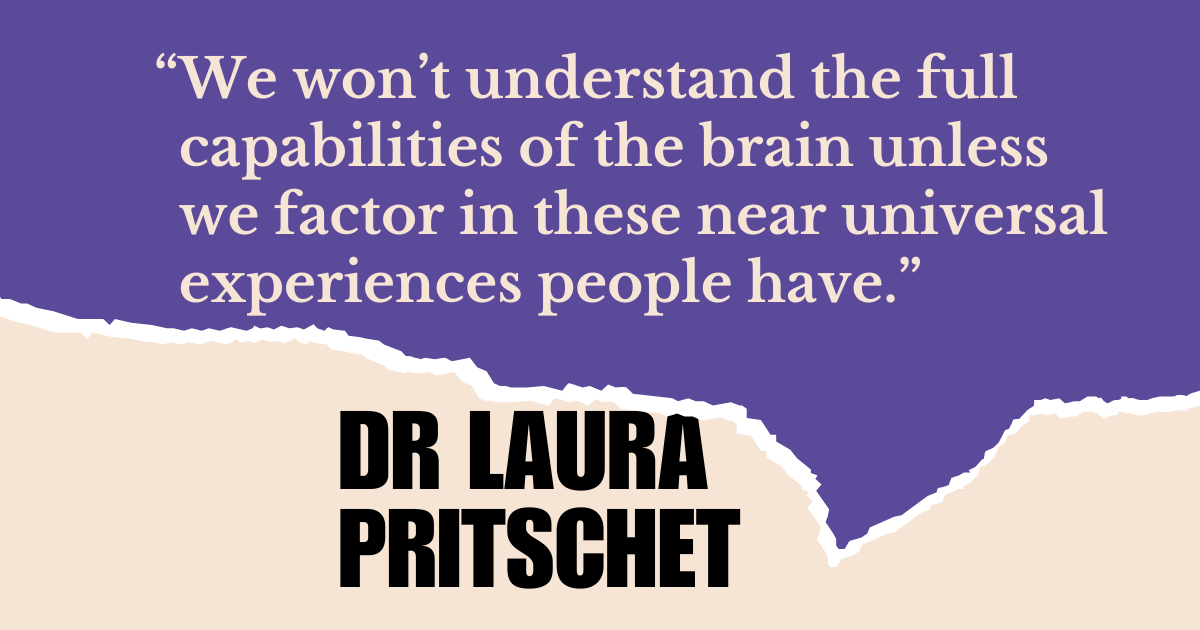
It’s October, which means, our first live event is just weeks away! Very excited (only a little bit terrified). Thank you to everyone who has signed up! We have sold out of in-person tickets but we do have a waiting list - if you’d like to come along please sign up. We also have an online option, which will remain open. More info and tickets here.Content warning: in this episode, we are discussing pregnancy. We use the terms 'women' and 'female' to discuss pregnancy-related topics, but we recognise that not all women will experience pregnancy, and not all who experience pregnancy identify as women.In this month’s episode, we talked to Dr Laura Pritschet about what happens to the brain during pregnancy.Around 140 million births take place each year, and 85% of women are likely to get pregnant when not taking contraception. This is a huge proportion of the population – but we know surprisingly little about what happens to the brain during pregnancy. Only 0.5% of neuroscience research is conducted on women’s health, let alone pregnant women’s health.A new study scanned a first-time mother’s brain 26 times throughout her pregnancy – this study has really captured people’s attention: it has been featured in over 300 news articles at the time of recording, including in the New York Times, Fox News, the BBC, the list goes on. Why has this study made such a splash and what have we learned about the brain? Kathryn and Chloe Carrick (PhD student studying structural brain development) interviewed the lead author of the paper, Dr Laura Pritschet, to answer these important questions. This is our first time covering a neuroscience topic! Make a coffee and settle in; Laura explains what brain changes mean, how the brain changes over the lifespan, and why we must understand brain changes in pregnancy. We’d love to hear your thoughts on this issue and whether you’d like to hear more about the brain in future episodes.Resources and recommendationsThe journal article discussed: Laura Pritschet and colleagues (2024), Neuroanatomical changes observed over the course of a human pregnancy, published in Nature NeuroscienceBowers Women’s Brain Health Initiative: more info hereWe also talked about adolescent brain development, here are some resources on this topic:Help and supportIf you are affected by any of the issues discussed in the episode, you can access free support via the following links:Samaritans contact information: https://www.samaritans.org/how-we-can-help/contact-samaritan/The Mix online chat and phone helplines for under 25s: https://www.themix.org.uk/get-supportMind Charity contacts: https://www.mind.org.uk/information-support/for-children-and-young-people/useful-contacts/Thanks for reading The Science or Fiction Podcast! Subscribe for free to receive new posts and support our work.The views and opinions expressed by guests on this podcast are their own and do not necessarily reflect those of the host or The Science or Fiction Podcast. This is a public episode. If you would like to discuss this with other subscribers or get access to bonus episodes, visit www.scienceorfiction.co.uk
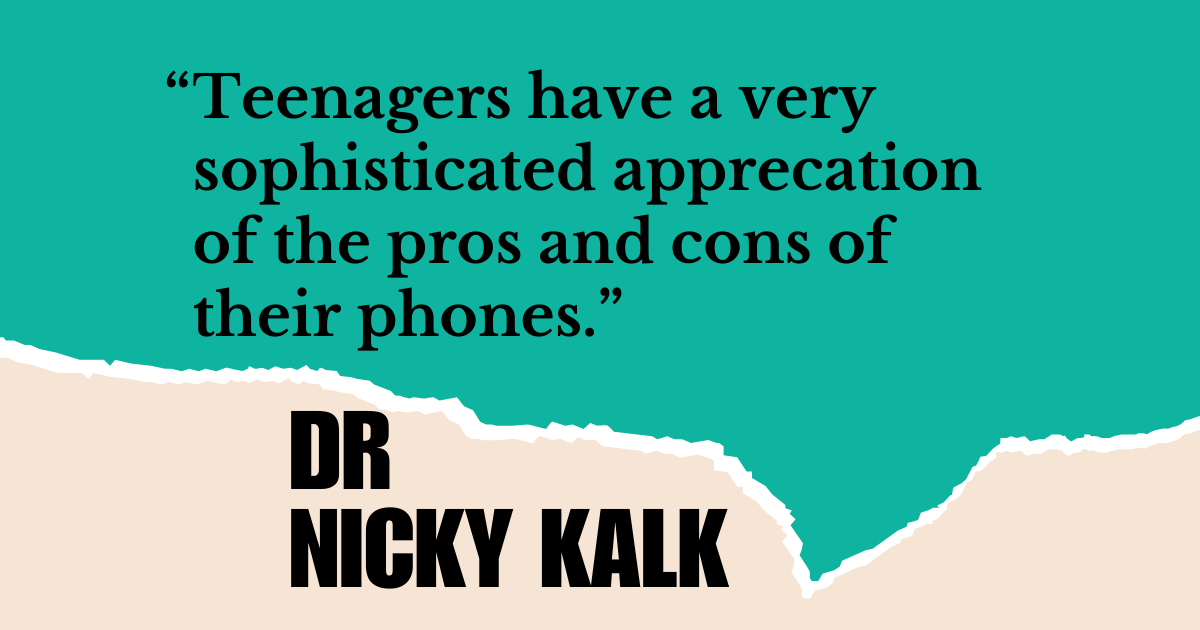
We've been very busy in our month off! We have launched our very first Science or Fiction Live, we’ve got a snapshot of ADHD Babes in this month’s episode, and our new episode covers the latest findings on problematic smartphone use and mental health. First, the live event! We are hosting our first Science or Fiction Live: a live podcast recording in London and streamed online. We will be interviewing ADHD researcher Professor Ellie Dommett (King’s College London) and ADHD advocate and podcast director Shauna Campbell (ADHD Babes) on self-diagnosing ADHD: social media, statistics and everything in between. The live event is on Monday 28th October at 6.30pm at the Science Gallery London in London Bridge. There will be prizes, merch and nibbles if you come in person, or you can stream online and still send in your questions for the experts. All the information is on our webpage and you can sign up for free tickets on the eventbrite – hope to see you there! Let’s get into this week’s episode. The debate as to whether young people should be using smartphones, how much they should use them and what they should use them for is all over media (for example, here and here) – and there is little consensus on what we should do. Some are calling for a smartphone ban – author Jonathon Haidt has claimed smartphones should be banned for under 14s and social media for under 16s. Not all scientists agree – digital health researcher Dr Amy Orben has said recently that we are a digital society and children and young people have the right to be a part of it.Two studies published by researchers at King’s College London have delved deeper into how young people feel about their smartphone use, and how problematic smartphone use is related to mental health symptoms.What makes smartphone use problematic and how does it affect us? Is there evidence to suggest we should ban smartphones for young people?This month we interviewed Dr Nicky Kalk, author of the two studies in question, and research and clinical lead at King’s College London, to find out. Listen here, wherever you get your podcasts, or watch on YouTubeResources and recommendationsJournal articles we discussed: * A multi-school study in England, to assess problematic smartphone usage and anxiety and depression, published in Acta Paediatrica* ‘There’s more to life than staring at a small screen’: A mixed methods cohort study of problematic smartphone use and the relationship to anxiety, depression and sleep in 13–16-year-old students in the UK., published in BMJ Mental Health* Problematic smartphone use: What can teenagers and parents do to reduce use?, published in Acta PaediatricaRecommedations:* Nicky recommended The Conversation for articles written by scientists providing overviews of their research* I recommend Lucy Foulkes’ article discussing the nuances of this issueHelp and supportIf you are affected by any of the issues discussed in the episode, you can access free support via the following links:Samaritans contact information: https://www.samaritans.org/how-we-can-help/contact-samaritan/The Mix online chat and phone helplines for under 25s: https://www.themix.org.uk/get-supportMind Charity contacts: https://www.mind.org.uk/information-support/for-children-and-young-people/useful-contacts/The views and opinions expressed by guests on this podcast are their own and do not necessarily reflect those of the host or The Science or Fiction Podcast. This is a public episode. If you would like to discuss this with other subscribers or get access to bonus episodes, visit www.scienceorfiction.co.uk
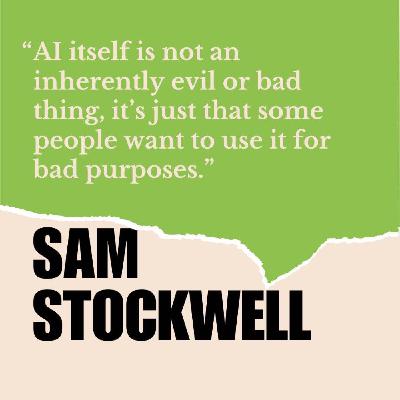
This month, we are talking about artificial intelligence and the potential impact on the integrity of elections and our democracy as a whole.A recent report on this topic published by AI researcher, Sam Stockwell, from the Alan Turing Institute hit the headlines. We unpack the evidence, explained the implications, and Sam outlined recommendations for what governments and regulators need to do to protect our democratic process.How do we measure the impact that AI might be having? Does AI pose a real danger to the future of elections across the globe?Read the report here:Briefing paper by Sam Stockwell and colleagues: AI-Enabled Influence Operations: The Threat to the UK General ElectionRecommendationsElectoral Commission voter guidance on disinformationCETaS research publication pageCETaS generative AI reportTuring Public Policy misinformation surveyBrennan Center for Justice AI and Democracy article seriesHosted on Acast. See acast.com/privacy for more information. This is a public episode. If you would like to discuss this with other subscribers or get access to bonus episodes, visit www.scienceorfiction.co.uk
In the first episode of our new series, Under Review, where a youth advisor takes over as host, Mariam Shah interviews Dr. Kathryn Bates, founder and producer of The Science or Fiction Podcast, to discover why we make the podcast, how science communication needs to adapt to the ever-changing landscape of social media, and what the podcast has coming up this year.Hosted on Acast. See acast.com/privacy for more information. This is a public episode. If you would like to discuss this with other subscribers or get access to bonus episodes, visit www.scienceorfiction.co.uk

The gender pay gap is identified as the difference in pay between men and women. A new report from the Higher Education Policy Institute has revealed that women are paid on average 11.9% less than men in higher education institutions – that’s colleges and universities across the UK where students undertake undergraduate and postgraduate degrees.Women outnumber men at university – 57% of undergraduate students are women – and they make up just under 50% of the higher education workforce – so why does the pay gap still exist and what are we doing to eliminate it?A new report from the Higher Education Policy Institute reveals insights into the statistics and what changes we need to make.This week we interviewed a panel of scientists and policymakers, including the author of the report to find out why the gender pay gap persists and how we can eliminate it.The panel:Rose Stephenson, author of the report and Director of Policy and Advocacy at the Higher Education Policy InstituteDr Sophie Scott, Professor of Cognitive Neuroscience and Director of the Institute of Cognitive NeuroscienceDr Salim Hashmi, Lecturer in Psychology Education and Culture, Diversity, Equity and Inclusion lead at King’s College LondonThe report discussed:Stephenson (2024), Show me the money: an exploration of the gender pay gap in higher education:https://www.hepi.ac.uk/wp-content/uploads/2024/03/Show-me-the-money-an-exploration-of-the-gender-pay-gap-in-higher-education-2.pdfHosted on Acast. See acast.com/privacy for more information. This is a public episode. If you would like to discuss this with other subscribers or get access to bonus episodes, visit www.scienceorfiction.co.uk
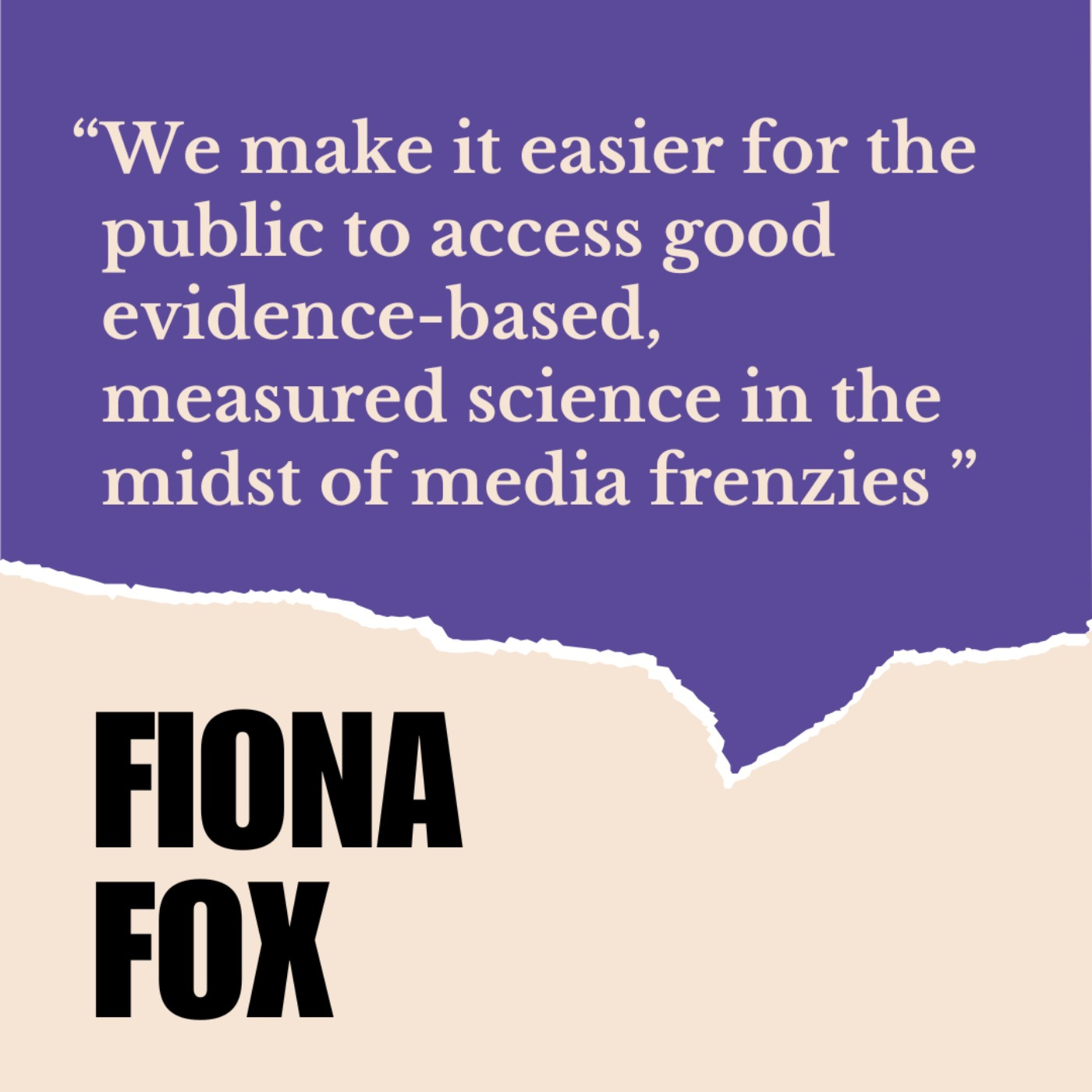
Instead of talking to a researcher or scientist about a controversial headline, we interviewed Fiona Fox, CEO of the Science Media Centre and author of Beyond the Hype: Inside Science’s Biggest Media Scandals from Climategate to Covid to find out how the science makes it into the headlines.When news articles cover new research findings, you’ll often see a quote from a scientist giving their opinion on the evidence. This journalist has likely gone via the Science Media Centre to find an expert to comment on the story.Communication between journalists and scientists is not always smooth sailing. News articles can have sensational headlines and can include exaggerated research findings – which is part of the motivation for us to make this podcast.Journalists and news outlets aren’t always the ones to blame. Journalists are under pressure to write interesting stories and catch people’s attention, but scientists are under pressure to generate evidence and explain complex concepts in an accessible way. This week we find out: how scientists and the media community and how science makes it into the headlines.Hosted on Acast. See acast.com/privacy for more information. This is a public episode. If you would like to discuss this with other subscribers or get access to bonus episodes, visit www.scienceorfiction.co.uk
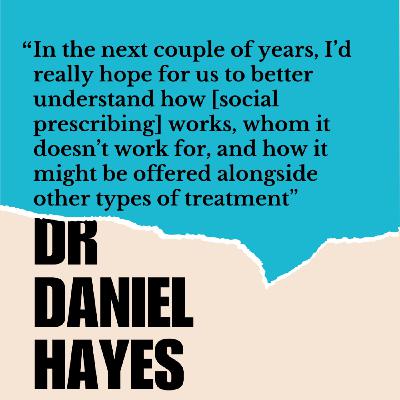
The latest NHS figures show that in December 2023 nearly 750,000 children and young people were in contact with NHS mental health services. Reports from the previous year suggested young people waited on average between two weeks and 3 months to be seen by mental health professionals. The NHS is not keeping up with the need for mental health support. Could social prescribing be the answer?Social prescribing involves connecting young people with the community, through activities like cinema clubs and nature walks. NHS England launched a social prescribing service in 2018 to link patients with non-medical support in the community. And it has been suggested that young people on waiting lists for child and adolescent mental health services or CAMHS might benefit from social prescribing.But what does the evidence show? Young people are often in crisis by the time they are referred for mental health support – is there evidence to suggest that social prescribing improves young people’s mental health?We interviewed Dr. Daniel Hayes, Senior Research Fellow at University College London, to find out.You can read the article we discussed here: Hayes and colleagues (2023), The impact of social prescribing on children and young people’s mental health and wellbeing: https://socialprescribingacademy.org.uk/media/lrif2emh/evidence-review-the-impact-of-social-prescribing-on-children-and-young-peoples-health-and-wellbeing.pdfResearcher recommendationsFind out more about the research on The Social Biobehavioural Research Group website: https://sbbresearch.orgHelp and supportIf you are affected by any of the issues discussed in the episode, you can access free support via the following links:The Mix online chat and phone helplines: https://www.themix.org.uk/get-supportSamaritans contact information: https://www.samaritans.org/how-we-can-help/contact-samaritan/Mind Charity contacts: https://www.mind.org.uk/information-support/for-children-and-young-people/useful-contacts/Hosted on Acast. See acast.com/privacy for more information. This is a public episode. If you would like to discuss this with other subscribers or get access to bonus episodes, visit www.scienceorfiction.co.uk
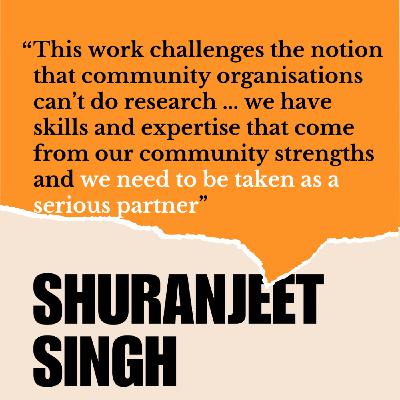
The mental health research findings we see in the news are not always produced by academic research teams. They often come from research conducted by charities.Mental health charities can shape the research and mental health support landscape; they are the organisations working directly with and for communities.How do charities conduct research? Who is it aimed at? And what can we learn from it?To answer these questions, we interviewed Shuranjeet Singh and Dr Gurmukh Panesar from Taraki: a charity reshaping the approach to mental health in Punjabi communities. They talk us through their work and their recent report on depression in Punjabi communities.Recommendations from the episodeRead Taraki’s latest report on depression in Punjabi communities: https://www.taraki.co.uk/knowledge-hub/literature-summary-depression-and-punjabi-communitiesHelp and supportIf you are affected by any of the issues discussed in the episode, you can access free support via the following links:The Mix online chat and phone helplines: https://www.themix.org.uk/get-supportMind Charity contacts: https://www.mind.org.uk/information-support/for-children-and-young-people/useful-contacts/Samaritans contact information: https://www.samaritans.org/how-we-can-help/contact-samaritan/Hosted on Acast. See acast.com/privacy for more information. This is a public episode. If you would like to discuss this with other subscribers or get access to bonus episodes, visit www.scienceorfiction.co.uk
This week, we talk a bit more about why we make this podcast, what we’ve got coming up in the new year, and some highlights from previous episodesThank you so much to everyone who listens! Please keep getting in touch - we love to hear from you. Follow us on social media and subscribe about for new episode, updates, and event info!Happy New Year and can’t wait to show you what we have in store for 2024Hosted on Acast. See acast.com/privacy for more information. This is a public episode. If you would like to discuss this with other subscribers or get access to bonus episodes, visit www.scienceorfiction.co.uk
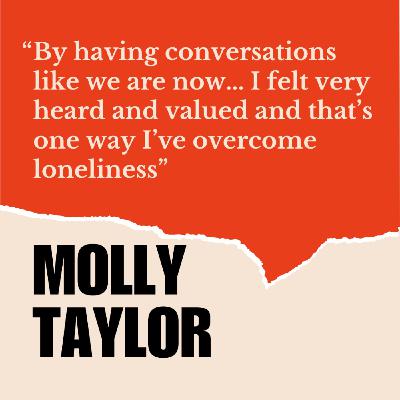
We all experience loneliness to some degree but there is still stigma around it. Our awareness of loneliness has spiked since the COVID-19 pandemic when many people were isolated due to restrictions on movement and socialising. Media coverage has recently claimed we’re experiencing an epidemic of loneliness, and in November 2023, the World Health Organisation declared loneliness a global threat. Research has found young people aged 16-29 years are more likely to experience loneliness than over 70sWhy are young people lonely? How can we prevent loneliness? We asked Dr. Lily Verity and Molly Talyor these important questions. Recommendations from the episodeUK Youth: https://www.ukyouth.org/Jo Cox Foundation: https://www.jocoxfoundation.orgKnow Your Neighbourhood initiative: https://www.gov.uk/guidance/about-the-know-your-neighbourhood-fundCamerados: https://camerados.orgPodcast series: Anatomy of Loneliness on BBC RadioHelp and supportIf you are affected by any of the issues discussed in the episode, you can access free support via the following links:The Mix helplines: https://www.themix.org.uk/get-supportMind Charity contacts: https://www.mind.org.uk/information-support/for-children-and-young-people/useful-contacts/Samaritans contact information: https://www.samaritans.org/how-we-can-help/contact-samaritan/Hosted on Acast. See acast.com/privacy for more information. This is a public episode. If you would like to discuss this with other subscribers or get access to bonus episodes, visit www.scienceorfiction.co.uk

Comments

Download from Google Play

Download from App Store
 United States