


 Claim Ownership
Eyes on Eurasia with Glen Howard
Subscribed: 3Played: 30
Subscribe

© Glen Howard
Description
Hi Everyone,
I have had such a great reaction to my articles that I decided to begin releasing interviews with guests who follow regional security issues more closely and are experts on the subject matter. To kick things off please be my guest to listen in on the issues of the day and how these events may continue to unfold. My personal Substack is about developments and trends that shape the geopolitics of Eurasia.
glenhoward.substack.com
I have had such a great reaction to my articles that I decided to begin releasing interviews with guests who follow regional security issues more closely and are experts on the subject matter. To kick things off please be my guest to listen in on the issues of the day and how these events may continue to unfold. My personal Substack is about developments and trends that shape the geopolitics of Eurasia.
glenhoward.substack.com
25 Episodes
Reverse
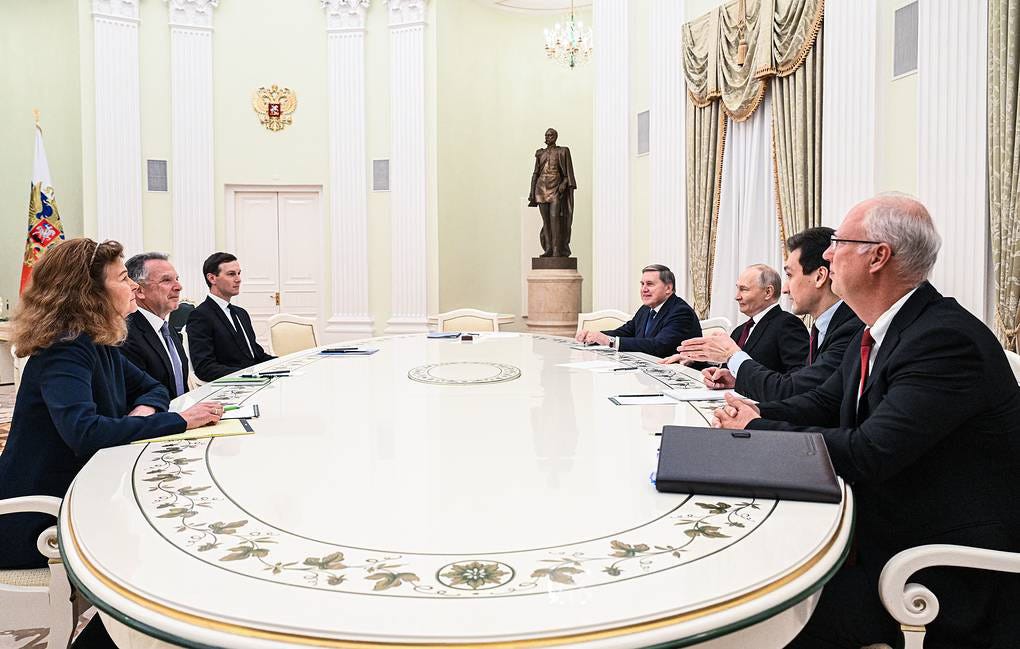
Hi everyone,Welcome to Episode 24 of my Eyes on Eurasia podcast with Glen Howard. This episode is available exclusively to paid subscribers of Glen’s Substack. If you’d like to unlock the full podcast and get access to all premium content, consider upgrading to a paid subscription. Your support helps keep this publication going and brings you even more great episodes. Simply click below to subscribe and start listening!We have a great lineup for this podcast and are going to examine in-depth the recent mission to Moscow by US special envoy Steve Witkoff. Having recently traveled to Moscow and held a five-hour meeting with Russian President Vladimir Putin and a small group of Kremlin advisers. US negotiations efforts have taken a new turn. The past week has been a whirlwind of news about bringing peace to Ukraine, first with a US-imposed Thanksgiving deadline for Ukraine as part of a revised US peace plan that has been whittled down from 28 points to 19-20 points that serve as a new diplomatic goal for the Trump Administration. Helping us to dissect all of this news is Ambassador Daniel Fried, a Distinguished Senior Fellow at the Atlantic Council, who is one of America’s most seasoned and influential diplomats. Over a remarkable career spanning seven US presidential administrations, Ambassador Fried has helped shape U.S. strategy toward NATO expansion and America’s long-running approach to Russia. Our second speaker is former Kremlin insider Andrei Illarionov, who once served as a presidential adviser to Vladimir Putin on the Russian economy. Mr. Ilarionov is now a Senior Fellow at the Center for Security Policy and a frequent commentator on US-Russian relations and a frequent guest on my Eyes on Eurasia podcast.Enjoy the show! Glen! Get full access to Glen’s Substack at glenhoward.substack.com/subscribe
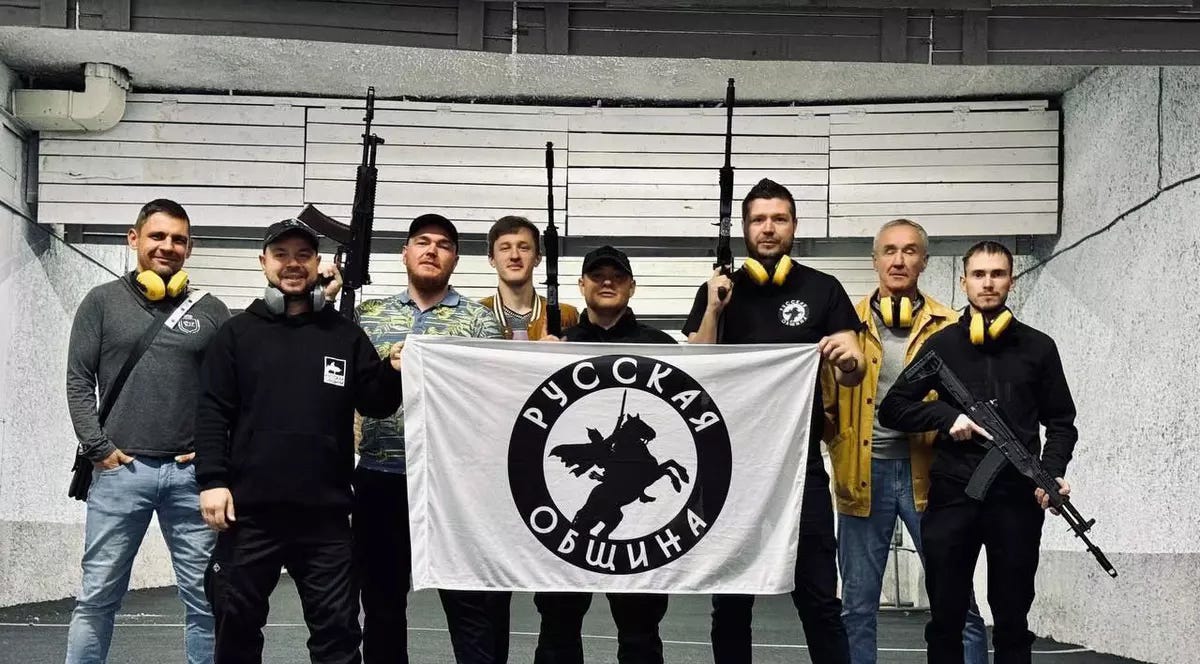
Hi everyone,Welcome to the Eyes on Eurasia podcast with Glen Howard! Another menacing cloud is emerging within Putin’s Russia known as: Russkaia Obshchina (Russian Community), which is a new utra right wing nationalist group that is rapidly attracting thousands of new followers across the country. Once a marginal nationalist initiative, Russkaia Obshchina has rapidly evolved into a powerful, state-linked paramilitary formation that fuses xenophobic populism, Orthodox fundamentalism, and ultranationalist ideology. Russkaia Obshchina bears a disturbing ressemblance to the anti-semitic Black Hundreds group that terrorized Russia’s Jewish community in Tsarist pre-revolutionary Russia prior to World War I and continued to plague Russian society until the country’s collapse in 1917. Helping us to examine the rise of Russkaia Obshchina—its similarities and differences with the Black Hundreds, and the nature of Russian state support for the group—are two leading experts on the issue: Sergey Sukhankin, a Senior Fellow at The Saratoga Foundation and Paul Goble, a Distringuished Fellow Emeritus at The Saratoga Foundation and author of the blog: Window on Eurasia. Enjoy the podcast!Glen Get full access to Glen’s Substack at glenhoward.substack.com/subscribe
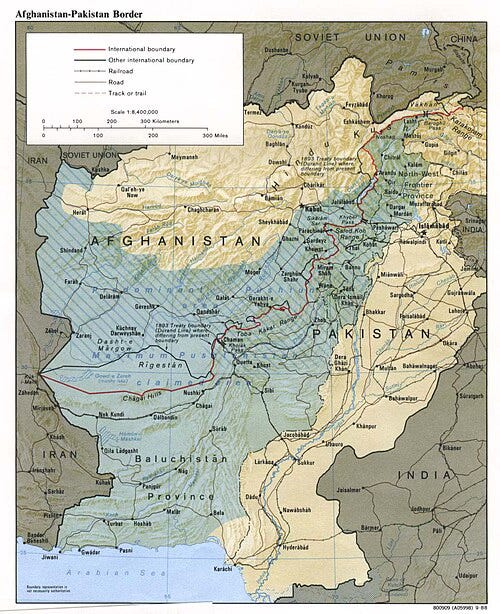
Hi everyone,Welcome to Episode 22 of the Eyes on Eurasia podcast with Glen Howard. Pakistan and Taliban-ruled Afghanistan are back in the news. This time it is not about Pakistan’s support for the Taliban but an eruption in border fighting between the two countries that has created the worst tension between the two countries in recent memory. At the heart of this conflict is the still unresolved Pashtun question. My podcast dives into the headlines on the recent clashes along the Afghan-Pakistan border to discuss the recent fighting and explore the deep rooted nature of this current round of tension. During the past week, tensions have surged between the two countries after the Taliban-led government in Kabul claimed its forces killed 58 Pakistani soldiers in a retaliatory operation along the 2,600-kilometer frontier. This latest confrontation marks one of the most serious border clashes in years and highlights the worsening relationship between the two countries.Helping me to dissect the roots of the conflict between the Taliban ruled government in Kabul and Islamabad is Abubakar Siddique, a journalist, author, and research scholar specializing in coverage of Afghanistan and Pakistan. He has reported on South Asia and the Middle East for Radio Free Europe/Radio Liberty for nearly two decades and is widely recognized as one of the leading experts on the region.Mr. Siddique’s expertise is reflected in his landmark 2014 book, The Pashtun Question: The Unresolved Key to the Future of Pakistan and Afghanistan — a work considered among the most insightful analyses of the deep-rooted tensions shaping relations between Kabul and Islamabad. Siddique frequently speaks at leading think tanks across Europe and North America, contributes to research publications, and is regularly cited in major Western media outlets.Enjoy the podcast!GlenGlen’s Substack is a reader-supported publication. To receive new posts and support my work, consider becoming a free or paid subscriber. Get full access to Glen’s Substack at glenhoward.substack.com/subscribe
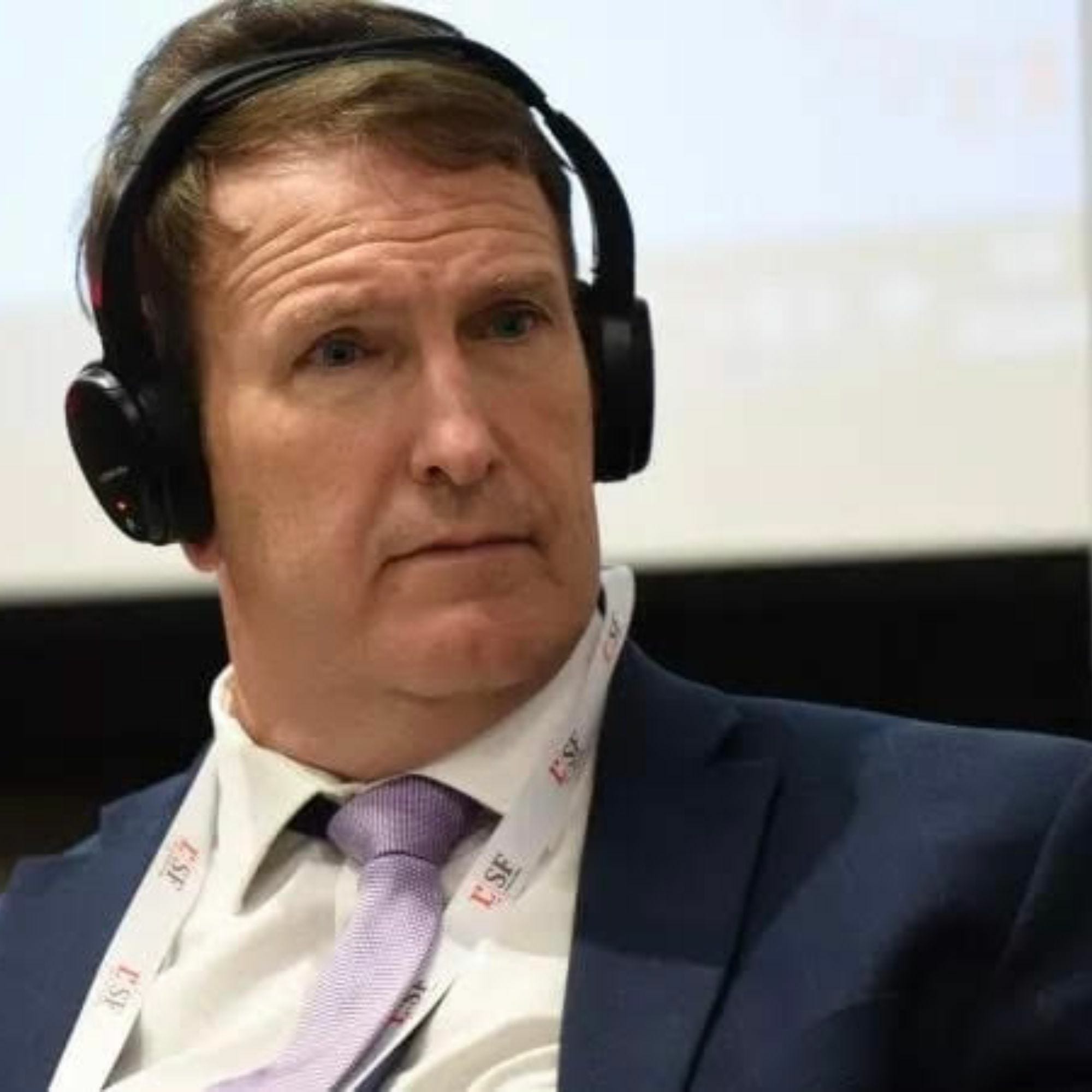
Hello everyone,Welcome to Episode 21 of my Eyes on Eurasia podcast with Glen Howard — a special edition on the recent Alaska Summit! This is a particularly timely issue. Superpower summits are back: last Friday, President Trump met in Anchorage, Alaska with Russian leader Vladimir Putin. Earlier this week, he hosted seven European leaders at the White House, including NATO Secretary General Mark Rutte, following his meeting with Ukrainian President Volodymyr Zelensky. Now, speculation is growing about a possible trilateral summit between Trump, Putin, and Zelensky. At the heart of the debate: the mysterious “NATO-style” security guarantee being discussed for Ukraine — despite the absence of a ceasefire — as Washington pursues the unusual strategy of seeking a peace agreement with Russia first, while simultaneously floating potential land swaps between Russia and Ukraine as part of those negotiations.To help us make sense of these fast-moving developments in U.S.–Russia relations, I’m joined by Andrei Illarionov — former presidential adviser to Vladimir Putin on the Russian economy, former Kremlin insider, and now a Senior Fellow at the Center for Security Policy. A frequent commentator on Russian affairs, Andrei will share his impressions of the Alaska Summit, the recent meetings in Washington, and what we can expect in the weeks ahead.Enjoy the show!GlenGlen’s Substack is a reader-supported publication. To receive new posts and support my work, consider becoming a free or paid subscriber.* Get full access to Glen’s Substack at glenhoward.substack.com/subscribe
Hi Everyone,Welcome to the 20th episode of my Eyes on Eurasia Podcast! Things have been heating up in the Caspian as a new series of events has unfolded regarding Russian relations with Azerbaijan in recent weeks. Tensions between Moscow and Baku have gone off the rails since the deaths of two ethnic Azerbaijani brothers—Huseyn and Ziyaddin Safarov in the Russian city of Yekaterinburg on June 27.To the outside world, Presidents Ilham Aliyev and Vladimir Putin have often appeared to maintain stable and neighborly relations. Some even claim that Russia and Azerbaijan were allies due to Russian backing for Azerbaijan in its recent wars with Armenia over Karabakh. Nevertheless, beneath that veneer, long-standing frictions have persisted—and now, they’ve erupted into a full-blown diplomatic crisis.The recent unraveling in Azerbaijan-Russian relations began last year, when Russian air defenses in Chechnya struck a civilian Azerbaijani Airlines (AZAL) flight, which led to the crash of the AZAL airliner in western Kazakhstan on December 25, 2024, killing 38 of the 67 people on board, Since then, the government of Azerbaijan has repeatedly demanded an apology from Moscow and accountability from the Russian side, but no such acknowledgement has been made.Following the deaths of the Safarov brothers, the situation escalated further: Azerbaijan detained several Russian journalists working for the Russian state outlet Sputnik, canceled high-level diplomatic visits, and accused Moscow of deliberately targeting ethnic minorities.Behind these developments, Moscow is quite unhappy as it now senses it is losing influence in the South Caucasus to Turkey following Armenian President Pashinyan’s June 21st visit to Istanbul and meeting with Turkish President Tayip Erdogan. The Russia-Azerbaijan crisis certainly reflects a deep transformation occurring in post-Soviet geopolitics, signaling not just a bilateral breakdown but the potential unraveling of Russian influence throughout the South Caucasus.Joining us today to discuss these recent events are Ambassador Farid Shafiyev, Chairman of the Center for Analysis of International Relations, and Ambassador Matt Bryza, former US Ambassador to Azerbaijan and a senior American diplomat with over 30 years of experience covering Russia, Azerbaijan, and the Caspian region.Enjoy the podcast!Glen Speaker Bios:Ambassador Shafiyev is Chairman of the Center of Analysis of International Relations (AIR Center) a Baku-based thinktank and a former diplomat in the Azeri Foreign Ministry who previously served as Azerbaijan’s ambassador to the Czech Republic from 2014 to 2019. In 2009, Farid Shafiyev was appointed Ambassador of Azerbaijan to Canada, where he served until July 2014. From July 2014 to February 2019, Dr. Shafiyev was the Ambassador of Azerbaijan to the Czech Republic. Dr. Shafiyev is the author of numerous op-eds, articles and several academic publications, including “Resettling the Borderlands: State Relocations and Ethnic Conflict in the South Caucasus” by McGill-Queen’s University Press (2018). Farid Shafiyev has been lecturing in the field of International Relations and Foreign Policy in Baku. Currently, he is an Adjunct Lecturer at ADA University.Ambassador Matthew Bryza is a former US Ambassador to Azerbaijan and a 23-year career as a U.S. diplomat that ended in 2012. Ambassador Bryza served as Deputy Assistant Secretary of State (2005-2009) and Director on the National Security Council Staff at the White House (2001-2005) for Turkey, Cyprus, Greece, Central Asia, and the South Caucasus.From 1998 to 2001, Ambassador Bryza was the Deputy Special Advisor to the President and Secretary of State on Caspian Basin Energy Security. He also served in the U.S. Missions to Russia (1995-1997) and Poland (1989-1991).Bryza is a frequent commentator in media outlets that have included CNN, Al Jazeera, The BBC, Fox News, Skye News, The Financial Times, Washington Post, New York Times, Wall Street Journal, Bloomberg, and Chicago Tribune, as well as numerous outlets in Turkey and the South Caucasus. Get full access to Glen’s Substack at glenhoward.substack.com/subscribe
Hello everyone,Welcome to Episode 19 of my Eyes on Eurasia podcast with Glen Howard! In this episode, we’re taking a close look at what’s happening inside Belarus, which recently became the focus of U.S. diplomacy with the June 21st visit of Keith Kellogg, President Trump’s Ukraine envoy. Kellogg is now one of the highest-ranking American officials to visit Belarus since February 2020, when Secretary of State Mike Pompeo made a landmark trip — the first by a U.S. secretary of state to Minsk since 1993.The success of Kellogg’s visit was underscored by the release of 14 political prisoners following a six-hour meeting with Belarusian President Aleksandr Lukashenka — a major signal of improving U.S.–Belarus relations.During President Trump’s first term, we witnessed a remarkable shift in bilateral ties, marked by high-level visits to Minsk from Secretary Pompeo, former National Security Advisor John Bolton, and A. Wess Mitchell, the former Assistant Secretary of State for European and Eurasian Affairs. These visits helped pave the way for a transformation in U.S.–Belarus relations.To many observers, this renewed engagement indicates that Minsk is once again seeking to balance its strategic relationship with Russia — a key ally and neighbor of both Belarus and Ukraine — while reengaging with the United States. Belarus also borders three NATO member states: Latvia, Lithuania, and Poland, making its geopolitical positioning especially significant.Joining the podcast to explore the positive trajectory of U.S.–Belarus relations are Grigory Ioffe, Professor Emeritus at Radford University in Virginia, and Dr. Yauheni Preiherman, founder and director of the Minsk Dialogue Council. Dr. Preiherman also organized the now-suspended Minsk Forum, a major conference that brought together leading foreign policy experts from across Europe to discuss Belarus’s role in international affairs.Enjoy the podcast!GlenSpeaker Bios:Grigory IoffeDr Grigory Ioffe is Professor Emeritus, Radford University, Radford, Virginia. Dr. Ioffe immigrated to the United States from Russia in 1989. Active in Belarusian studies since 2002. He has authored and co-authored multiple peer-refereed articles on Belarus. Ioffe’s book, Understanding Belarus and How Western Foreign Policy Misses the Mark, was published by Rowman and Littlefield in 2008 and again in 2014. Published in 2014 by Palgrave Macmillan, his book Reassessing Lukashenka: Belarus in Cultural and Geopolitical Context is based on extensive interviews with the Belarusian leader. Ioffe also co-authored the third edition of Historical Dictionary of Belarus, published by Rowman and Littlefield in 2018. He used to regularly write about Belarus for the Eurasia Daily Monitor.Yauheni PreihermanDr. Yauheni Preiherman is the founder and director of the Minsk Dialogue Council on International Relations, a Belarus-based think tank that focuses on analysis and Track-2 engagement on regional security in Eastern Europe. His main research interests include the foreign policies of small states, international affairs in Eastern Europe, and Euro-Atlantic and Eurasian security.Glen’s Substack is a reader-supported publication. To receive new posts and support my work, consider becoming a free or paid subscriber. Get full access to Glen’s Substack at glenhoward.substack.com/subscribe
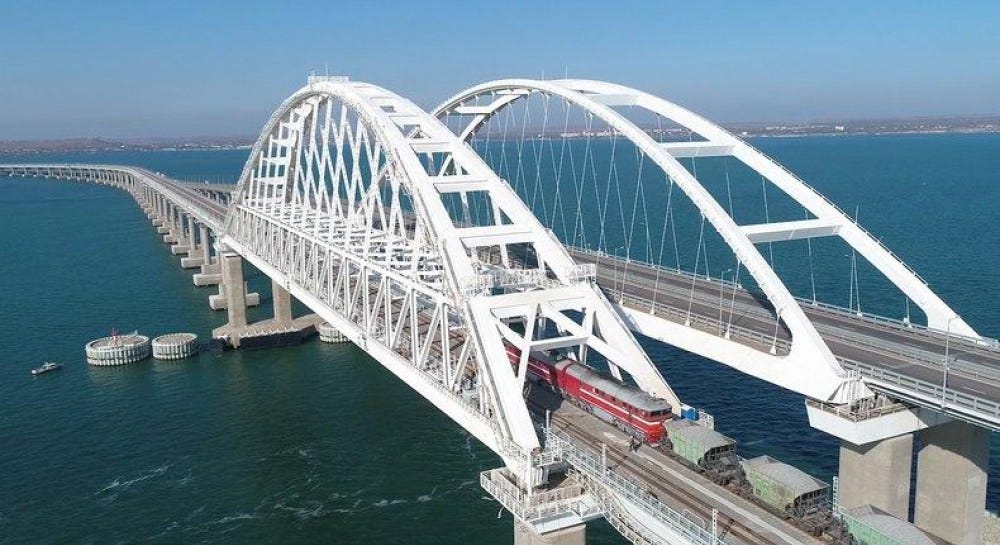
Hello everyone! Welcome to Episode 18 of my Eyes on Eurasia podcast with Glen Howard. In this episode I am excited to interview two prominent Ukrainian naval experts on Black Sea security. My guests are retired Ukrainian Admiral Ihor Kabanenko and Captain Andrii Ryzhenko.Part one of the interview will address the recent Ukrainian drone attack on Russia known as Operation Spiderweb where I will obtain their military assessments on the continuing fallout from the devastating Ukrainian drone attacks on Russian strategic aviation. My guests will also share their views about how the devastaiting strikes affect the future of the Russian strategic nuclear Triad. Part two of the podcast will focus on the future of the Kerch Strait bridge. Earlier this week a Magura 7 Uncrewed Surface Vechicle (USV), or sea drone, attacked the Kerch Straits bridge penetrating several layers of Russian security attempting to destroy one of the four vulnerable pillars holding up the bridge. What makes the future of the Kerch Straits Bridge so timely to discuss is the belief among some Ukraine experts that Germany finally delivered the long-awaited Taurus bunker busting cruise missile to Ukraine. If true….then it is could be a matter of weeks if not days when Ukraine could use the missile to strike the bridge making it inoperable. Loss of the Kerch Straits bridge would have a a major impact on Russia’s ability to resupply Crimea and could be a turning point in the war and we will discuss all these aspects in this extended podcast. Enjoy, GlenGuest Bios:Ihor KabanenkoIhor Kabanenko is an expert on the Russian navy and Ukrainian defense and security issues. A retired admiral with the Ukrainian Navy, Kabanenko served in the Soviet navy from 1983 to 1990, in various positions up to Commander of the ship and Chief of Staff of Missile Ships Division. Since 1993, he served in the Ukrainian Armed Forces. He was appointed to the positions of Chief of Operations and Chief of Staff of the Ukrainian Navy, the Military Representative of Ukraine to NATO, Chief of Operations of the Ukrainian Armed Forces, and the First Deputy Chief of Defence. He retired in 2013, with the rank of Admiral. From May to August 2014, Admiral Kabanenko served as the Ukrainian Deputy Minister of Defense, and from August to October 2014—as Deputy Minister of Defense of Ukraine for European Integration. Currently, he works for the private industry and is an expert on defense and security issues.Andrii RyzhenkoCaptain (ret.) Andrii Ryzhenko is an expert on Russian naval forces and naval strategy. He is a former officer in the Ukrainian Navy and retired from the Armed Forces of Ukraine with the rank of Navy Captain. Captain Ryzhenko served over 35 years at sea and ashore: aboard surface warships, at Ukrainian Navy HQ on maritime tactics and PfP exercises, and as defense and strategic planner. He also worked on Ukrainian Navy transformation to Euro-Atlantic standards and on the contribution to NATO-led operations and NATO Response Forces. He served in NATO on partner nation units’ evaluation methodology (OCC E&F) at Supreme Allied Headquarters Europe (SHAPE) (Mons, Belgium), and he developed maritime aspects of the National Security Strategy in Ukraine. Capt. Ryzhenko is currently a strategic expert at the defense and logistics consultant firm, Sonata.Glen’s Substack is a reader-supported publication. To receive new posts and support my work, consider becoming a free or paid subscriber. Get full access to Glen’s Substack at glenhoward.substack.com/subscribe

Hi everyone,Welcome to my 17th episode of my Eyes on Eurasia podcast, where I welcome back Dr. Benjamin Schmitt, a former guest on the program who is a noted expert on Russian energy weaponization and safeguarding Euro-Atlantic energy infrastructure. Ben has returned to my podcast to discuss a new report he has co-written with two other authors, commissioned and published by the University of Pennsylvania. The 138-page report can be read here: Underwater Mayhem: Countering Threats to Energy and Critical Infrastructure Across the NATO Alliance and Beyond (Volume 1). You may also watch the online presentation of the report on the Atlantic Council website. In this episode of my podcast, Ben finally gets to the bottom of what happened with the Nordstream 2 gas pipeline explosion, including Ben’s assessment of all the other underwater mayhem Moscow has been stirring up in the Baltic and elsewhere (Svalbard) since early 2022. PS - I hope you like the pic of Ben above, which was taken of him in the Baltic scanning the horizon looking for future acts of Russian sabotage (and even lost U-boats). Anyway, I thought this fit the subject of the podcast today. Enjoy the podcast!GlenDr. Benjamin Schmitt is a former energy analyst at the US State Department, who is one of the leading experts in the United States on Russian energy security. "Dr. Schmitt is currently a Senior Fellow with a joint academic appointment at the University of Pennsylvania in both the Department of Physics and Astronomy and the Kleinman Center for Energy Policy. He is also an associate of the Harvard-Ukrainian Research Institute and an affiliate of the Harvard-Smithsonian Center for Astrophysics. Get full access to Glen’s Substack at glenhoward.substack.com/subscribe

Hello everyone,Welcome to my Eyes on Eurasia with Glen Howard podcast. Quite a lot has been happening on the diplomatic front in the Russia-Ukraine war in the past month as ceasefire talks evolve among the United States, Russia, and Ukraine. Last Sunday President Putin announced a 30-hour Easter ceasefire but that pledge failed to last as the war continues and talks on ending the war remain elusive. Given all the recent discussions about the political side of events of the war, I wanted to turn to the military dimension of the conflict and assess what has been happening inside the Ukrainian military after three years of war. More importantly, I want to also discuss what potential military lessons there are for the West as Ukraine successfully fights the Russian army to a stalemate on the battlefield. Helping us to understand the military challenges pressing Ukraine today is retired British Army Colonel Glen Grant. Colonel Grant is a frequest travetler to Ukraine and he will discuss recent military developments inside the Ukrainian military and share some of the key lessons learned from the war for the United States and its NATO-allies.Enjoy the podcast!GlenBiography: Colonel (ret.) Glen GrantLieutenant Colonel Glen Grant served 37 years in the British Army in a wide variety of postings and jobs and was among the first foreign advisors to help the Ukrainian Ministry of Defense when Russia invaded Crimea and Donbas in 2014. Colonel Grant has worked in Ukraine as a defense contractor for the US and UK and others since 2014. He is currently a defense analyst with the Ukrainian Institute for the Future and has regular contact with the Ukrainian military and NGOs supporting Ukrainian frontline forces. Get full access to Glen’s Substack at glenhoward.substack.com/subscribe
Hello everyone,Welcome to my - Eyes on Eurasia podcast with Glen Howard. Today’s podcast marks our 15th episode, and since a lot has been happening in US-Russian relations regarding Ukraine we thought it would be a good idea to catch up on US-Russian relations on ending the Ukraine War. With a big meeting taking place on Monday, March 25, in Riyadh, this episode will help you learn more about the two Kremlin officials dispatched by President Putin to lead the Russian negotiators. These are Sergey Beseda, an FSB General previously in charge of its fifth directorate who played a key role in organizing the Russian invasion of Ukraine in February 2022, and Grigory Karasin, a former diplomat who is a member of the Russian Federation Council. To learn more about these two Russian officials and the Kremlin's negotiating approach to the talks in Riyadh, Saudi Arabia, we sat down with former Kremlin insider Andrei Illarionov to learn more about how the Kremlin is interacting with President Trump on talks to end the war. More importantly, we will learn who exactly is manipulating whom in these upcoming negotiations between the United States, Russia, and Ukraine now described by US officials as ‘technical talks’ - on ending Russia’s war against Ukraine. Andrei first appeared in our podcast on February 1st, entitled: Trump-Putin 2.0 and the Future of US-Russia Relations, which ranked as one of our most popular podcast interviews so far in our Eyes on Eurasia podcast series. Andrei is a former economic adviser to Russian President Vladimir Putin who now lives in the United States and is currently a Senior Fellow with the Center for Security Policy and a frequent commentator on Russian politics and foreign policy.Enjoy! Glen**For more information on how a Russia-Ukraine ceasefire might affect Black Sea security, please check out the recent analysis that I wrote for The Saratoga Foundation at the link below: Get full access to Glen’s Substack at glenhoward.substack.com/subscribe

Hello everyone,Welcome to my podcast - Eyes on Eurasia with Glen Howard. Today’s podcast marks our 14th episode and I wanted to thank everyone for listening. I am grateful to those of you who support these interviews by becoming paid subscribers. For our episode today, it is a great privilege to have Paul Goble joining us. Paul is a legendary American expert on Russian/Soviet nationalities questions – whose experience dates back more than five decades. And if ever there was anyone who could be considered a true national treasure in terms of his wealth of knowledge of Russia and its nationalities, it would be Paul Goble. For those of you listening who are not familiar with Paul Goble, he is a longtime specialist on ethnic and religious questions – first on the Soviet Union and later on Eurasia. He currently writes a fortnightly blog called Windows on Eurasia that is circulated bi-weekly and consists of 50 items related to Russia and Eurasia in each issue. During his long distinguished career, he served in a variety of capacities in the U.S. government, ranging from the US State Department, to the Central Intelligence Agency, and finally at Radio Free Europe/Radio Liberty. Paul will be discussing the future of the Russian Empire and its remaining nationalities which continue to make up one third of the Russian population and the role of Prometheanism in undermining Russian control over its nationalities - first championed by the Polish stateman Josef Pilsudski in the 1930s and now embraced by the new heirs of Promethianism inside Ukraine. Throughout his distinguished career, Paul has been decorated by the governments of Estonia, Latvia, and Lithuania for his work in promoting Baltic independence and remains one of the leading American experts on Russia and the nationalities of the post-Soviet space, as well as its remaining captive nations which currently make up one-third of the Russian population.Enjoy!Glen **For more information on Ukraine’s role as the new heir of promoting Promethianism inside Russia please check out Paul Goble’s recent analysis for The Saratoga Foundation at the link below. Get full access to Glen’s Substack at glenhoward.substack.com/subscribe
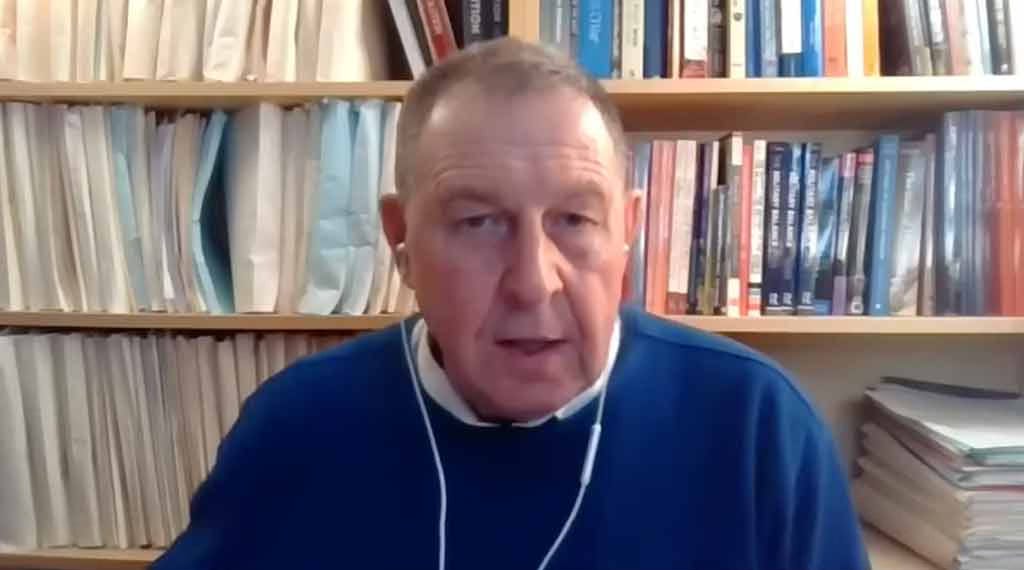
Hello everyone!Welcome to the 13th episode of my Eyes on Eurasia podcast with Glen Howard!2025 marks a new year for my podcast, and we are excited about offering a new slate of interviews with prominent experts from Eurasia extending from East Central Europe to the Caspian and beyond. With a new US administration taking over the White House I thought we would look at the future of US-Russia relations in this podcast featuring a former Kremlin insider - Andrei Illarionov. Trump-Putin 2.0 promises to be much different than the previous administration as the dynamic between the two seems to be changing. Since President Trump took office the trajectory of ties is not exactly going in the direction many experts anticipated. Shortly after Trump’s inauguration, the newly elected President began talking about sanctions against Russia if the war in Ukraine is not stopped. A key Trump adviser Keith Kellogg, for example, indicated a new US strategy would be introduced that is aimed at lowering the price of oil to $45.00 a barrel as a new tool to pressure Russia to end the war. This statement indicated that a new framework for negotiations with Moscow is unfolding under the incoming administration that could change the course of US-Russian relations.Joining us to discuss what to expect in US-Russia relations and explore this changing dynamic is Andrei Iliaronov, a former presidential adviser to Russian President Vladimir Putin on the Russian economy and a former Kremlin insider who now lives in the United States. Andrei is currently a Senior Fellow with the Center for Security Policy and a frequent commentator on current developments inside Russia.Enjoy!GlenGlen’s Substack is a reader-supported publication. To receive new posts and support my work, consider becoming a free or paid subscriber. Get full access to Glen’s Substack at glenhoward.substack.com/subscribe
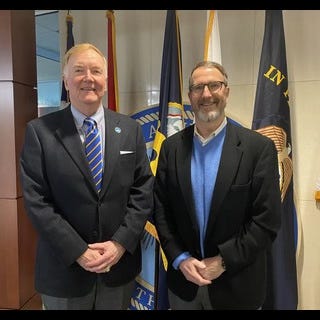
Hello everyone,The Black Sea has emerged as a pivotal theater in the Ukraine war, with Ukrainian Unmanned Surface Drones (USV) playing a decisive role in reshaping the conflict’s trajectory against Russian naval dominance. In this extensive interview for the Maritime Nation podcast, I speak with Admiral (ret) James Foggo, Dean of the Center for Maritime Strategy, to discuss the various land and sea strategies used during the war, as well as assess the future challenges, and implications of naval operations in the Black Sea.From the geopolitics of Black Sea grain, to the 1936 Montreux Convention and Ukrainian USV strategy to curtail Russian seapower, I discus the future of Russian naval dominance in the Black Sea. My extended conversation with Admiral Foggo provides a unique perspective on an often-overlooked dimension of the Russia-Ukraine war. For those too busy to watch the extended interview please feel free to visit my Youtube channel here to watch a shorter 5 minute clip from my January 9 interiew with my esteemed shipmate, James Foggo!Enjoy!GlenThanks for reading Glen’s Substack! This post is public so feel free to share it. Get full access to Glen’s Substack at glenhoward.substack.com/subscribe

Hello everyone,Welcome to the 12th episode of my podcast - Eyes on Eurasia with Glen Howard. Today, we have a special podcast dedicated to recent developments in Syria that resulted in the downfall of the Assad regime – a family dynasty that ruled this important Middle Eastern country for over 50 years. The tidal wave of events in Syria in the past couple of weeks has led to the emergence of a major rebel group known as Hayat Tahrir al-Sham (HTS) led by an enigmatic leader who goes by the name of Abu Mohammad al-Jolani. Little is known about al-Jolani or his rebel group HTS, which was previously based in the northern Syrian province of Idlib and, in a matter of weeks seized the Syrian city of Aleppo and has now captured the Syrian capital of Damascus.With Syrian leader Bashar al-Assad now in Moscow, a diverse array of groups are struggling for power in post-Assad Syria, which will likely affect the country’s future as a new interim government is being formed in Damascus. However, some outside experts fear post-Asad-Syria could become a repeat of post-Saddam Iraq as it seeks to overcome more than a decade of civil war. Joining me to discuss these developments is former BBC World Correspondent and Islamic affairs expert Murad Batal Shishani. Mr Shishani is a leading expert on militant jihadist groups in the Middle East who has closely tracked groups like HTS, Islamic State, and its predecessor al-Qaeda. Murad is a Senior Resident Fellow at the New Lines Institute - Middle East Center and the Founder of Remarks on Political Violence research group.Enjoy the podcast!GlenGlen’s Substack is a reader-supported publication. To receive new posts and support my work, consider becoming a free or paid subscriber. Get full access to Glen’s Substack at glenhoward.substack.com/subscribe
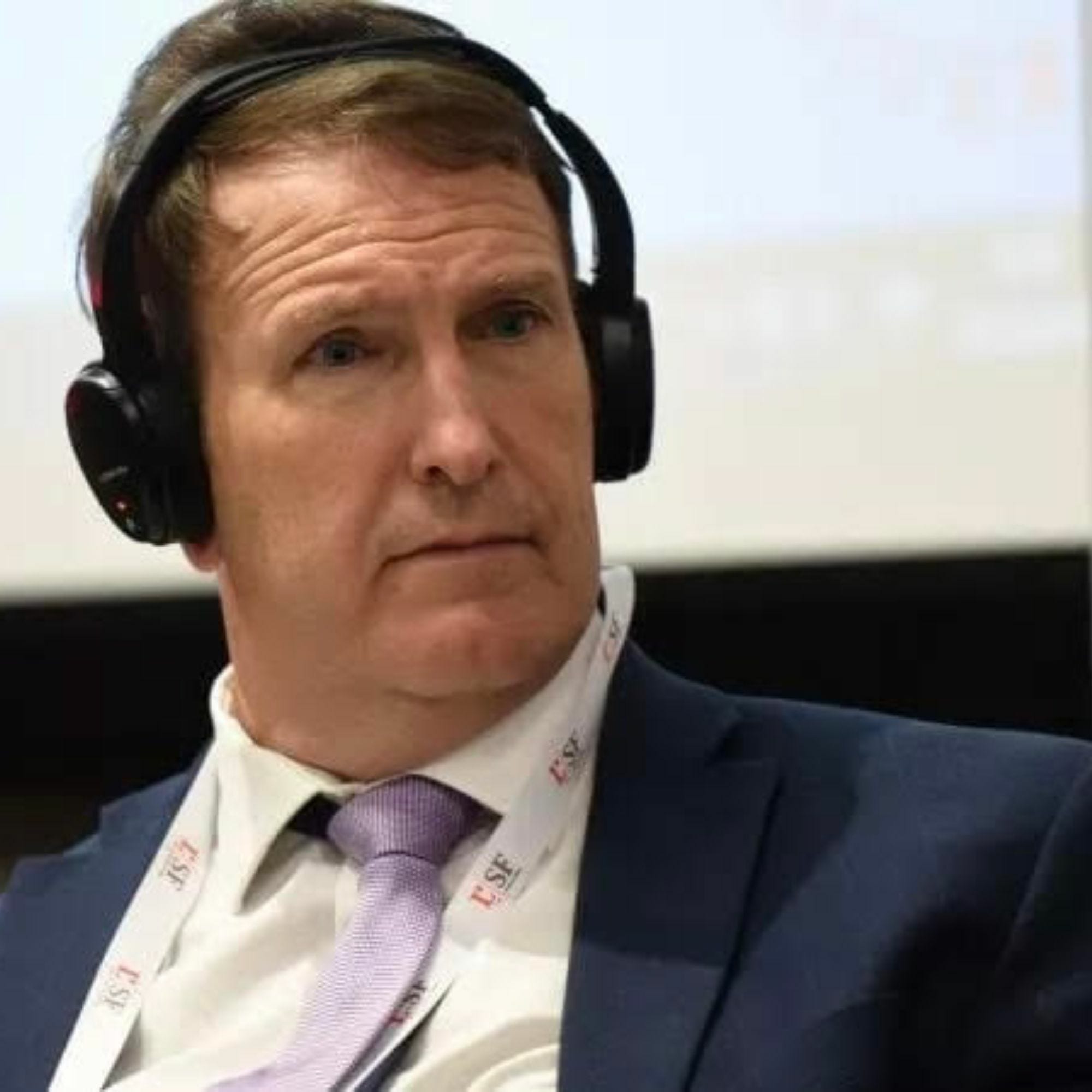
Hello everyone,Welcome to my podcast - Eyes on Eurasia with Glen Howard!In recent months, Armenia and Azerbaijan have been moving closer and closer to signing a major peace agreement in their ongoing efforts to end their territorial dispute and normalize relations. The prospects for peace continue to improve due to a series of important confidence-building measures that have taken place between the two countries, significantly improving the prospects for peace in the South Caucasus. Emboldened by these developments the President of Azerbaijan, Ilham Aliyev has stated that there have been tangible results in negotiations with Armenia, while the President of Armenia Nikol Pashinyan has said that he would do everything possible to sign an agreement with Azerbaijan before the end of the year. With a new US administration taking the helm of US foreign policy early next year Azerbaijan continues to occupy an important role in the Caspian and remains a strategically important country on the radar of the incoming administration after President-elect Trump spoke with President Aliyev earlier this week. Joining us to discuss these recent developments is Elchin Amirbayov, who is Special Envoy of the President of Azerbaijan and is directly involved in the ongoing diplomatic negotiations. Mr Amirbayeov will shed some light on recent developments in the ongoing talks and examine Azerbaijan’s long journey to normalizing relations with Armenia.Enjoy the podcast!Glen Get full access to Glen’s Substack at glenhoward.substack.com/subscribe
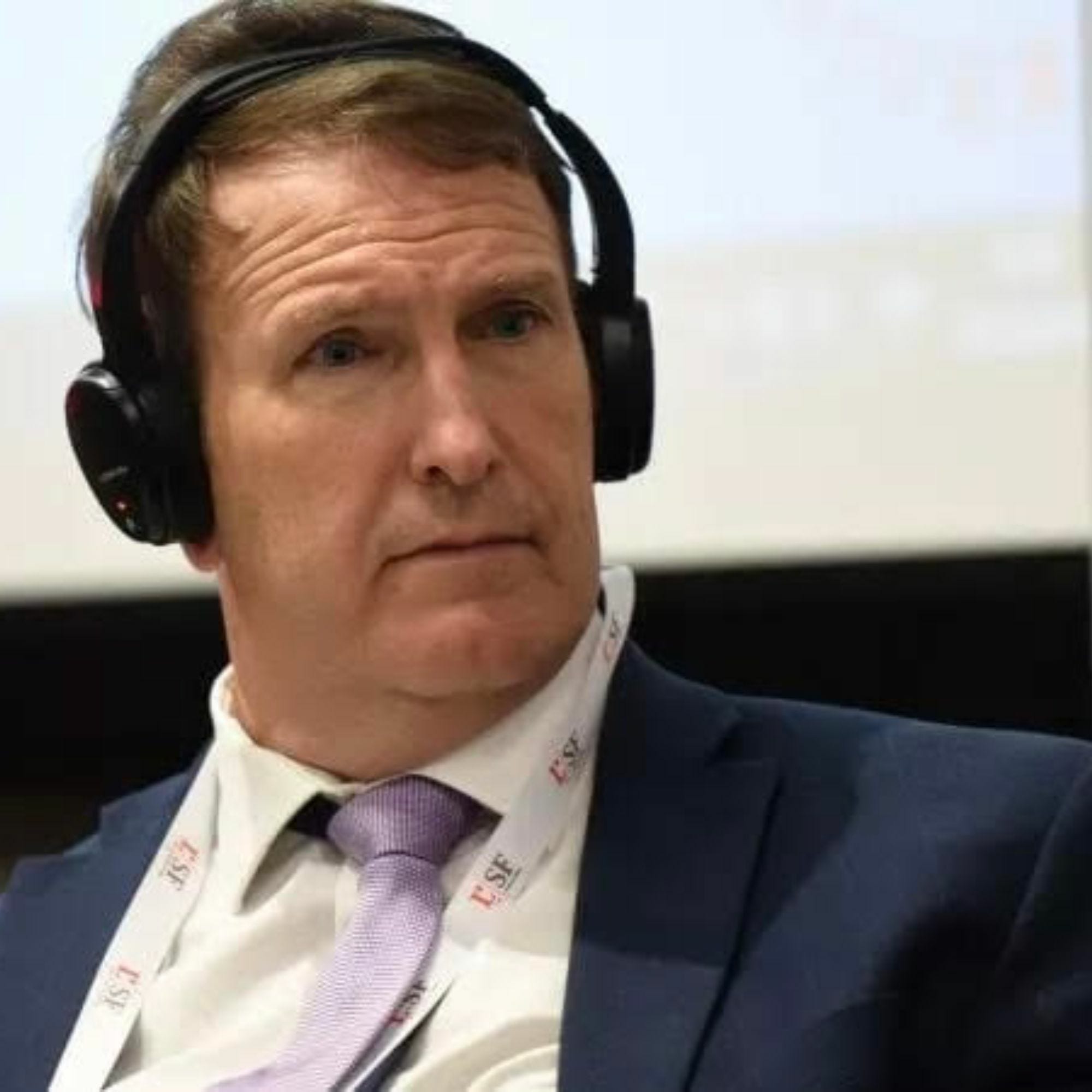
Hello everyone,Welcome to the tenth episode of my podcast - Eyes on Eurasia with Glen Howard. Today I venture into the little-discussed world of the South Caucasus to examine the recent turmoil in Abkhazia. We are joined in this podcast by Ghia Nodia, Professor of Politics at Ilia Chavachadze State University in Tbilisi and Chairman of the Caucasus Institute for Peace, Democracy and Development. Ghia will be discussing the recent unrest in Abkhazia and will share his thoughts on the situation in Georgia’s breakaway province. Abkhazia experienced a bloody Russian-backed conflict in 1993 effectively ending Georgian rule that resulted in the creation of a Russian-backed protectorate still in existence for the past several decades. One of Abkhazia’s enduring features is it is blessed with a subtropical climate and an undeveloped beachfront property long coveted by Kremlin generals and Russia’s policymaking elite. Ghia will update us on the situation inside Abkhazia and examine whether recent unrest in the Abkhazian capital of Sukhumi could become an Abkhaz version of Ukraine’s 2014 “Maidan” revolution. Ghia will also update us on the tense political situation in Georgia following the October 26 parliamentary elections and the ongoing political standoff between the Georgian Dream-ruled government and the Georgian opposition that has disrupted Georgia’s political stability for the past year. Please note that the taping of this episode occurred before the resignation of Abakhazian President Aslan Bzhania on Tuesday, November 19. The situation in Abkhazia continues to evolve as Bzhania’s resignation was a concession to Abkhaz protestors who agreed to end their occupation of government buildings upon his resignation. Get full access to Glen’s Substack at glenhoward.substack.com/subscribe
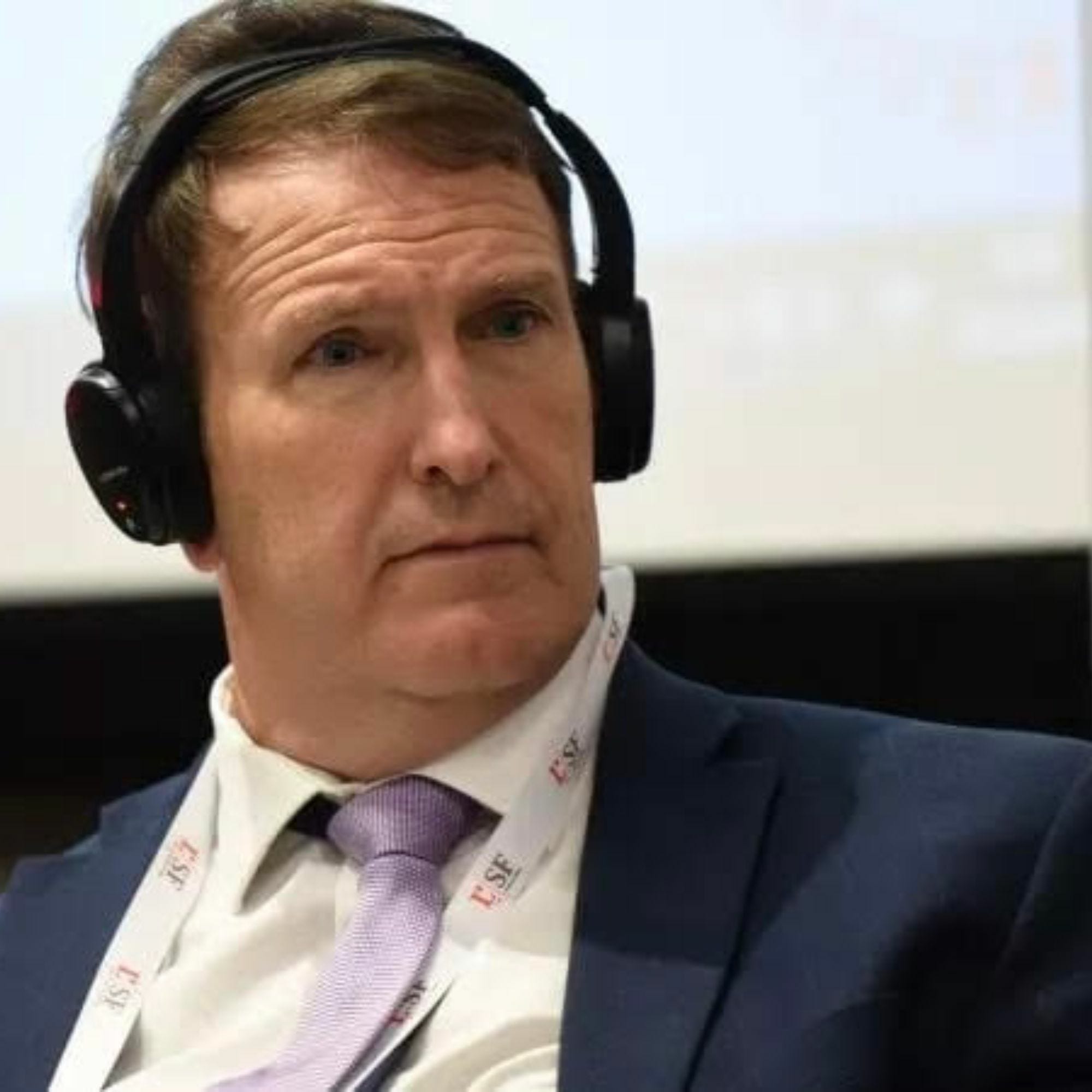
Hello everyone,Welcome to my podcast Eyes on Eurasia, with Glen Howard! Today we are joined by Thomas Kent who is a Strategic Communications Senior Fellow at the American Foreign Policy Council (AFPC) in Washington, DC. Tom is a long-time expert on Russian propaganda and the author of two books on Disinformation.His first book published in 2020 is entitled: Striking Back: Overt and Covert Options to Combat Russian Disinformation, while his second and most recent book is: How Russia Loses: Hubris and Miscalculation in Putin’s Kremlin published in 2023 by Lynne Rienner Publishers via The Jamestown Foundation.Tom currently teaches at Columbia University about disinformation, and consults for governments, NGOs, news organizations, and corporations. From 2016 to 2018, Kent was president and CEO of Radio Free Europe/Radio Liberty, a congressionally-financed company providing independent news in 27 languages to 23 countries. Before that, he was a correspondent and executive at the Associated Press, where he where he worked in a variety of positions, including Moscow bureau chief, as chief of operations in Iran during the Iranian Islamic Revolution, and as a correspondent at NATO and the European Union.In my podcast, Tom will explore the world of Russian information operations which has taken a surprising turn in recent months beyond what we have been accustomed to. Russian propaganda has become more sophisticated in recent months as it has become more intertwined with espionage and money throughout Europe. Enjoy the podcast!Glen Get full access to Glen’s Substack at glenhoward.substack.com/subscribe
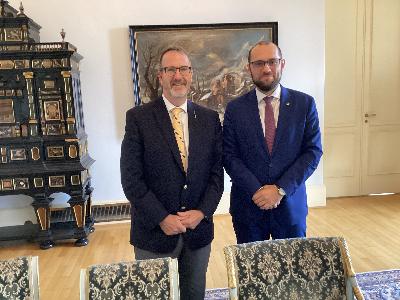
Hello everyone,Welcome to my 8th Eyes on Eurasia podcast! For the past year, the Czech Republic has played a major role in launching a NATO-backed arms initiative to secure ammunition for Ukraine in its David versus Goliath struggle with Russia.Since Czech President Petr Pavel first announced this initiative during the Munich Security Conference in February 2024, the Czech Republic has taken on the daunting challenge of helping Ukraine to secure 500,000 rounds of artillery munition using its global network of contacts in Europe, Africa, and Asia. On average, Russia uses around 10,000 rounds per day in its intense artillery war against Ukraine, while Kyiv in turn, uses as much as 5,000 rounds of munition a day to counter Russian attacks. Needless to say, the artillery dimension of the war poses an enormous challenge for Ukraine and its NATO allies, as Europe lacks the defense industrial capacity to meet this threat.Joining me to discuss the Czech arms initiative is Tomáš Kopečný who is the Czech Republic’s special envoy to Ukraine for the Czech ammunition initiative. Mr. Kopečný is a former Deputy Defense Minister in Czechia who has more than a decade of experience in defense and defense industrial base-related issues. In an interview with the Wall Street Journal Journal, earlier this year he used the phrase from J.R.R. Tolkien to describe the Czech arms initiative in this way: “We are like hobbits - small and peaceful but in a moment of crisis we jump to forge alliances with more powerful countries and deliver results.”Enjoy the podcast!Glen Get full access to Glen’s Substack at glenhoward.substack.com/subscribe

Hello everyone,Welcome to my 7th podcast Eyes on Eurasia with Glen Howard. In this episode, I will be discussing the looming Israeli military response to the Iranian ballistic missile attack that took place against Israel on October 1st - an unprecedented missile strike that involved nearly 200 Iranian ballistic missiles. In the coming days and weeks ahead Israel is likely to launch a retaliatory response that in the words of Israeli Prime Minister Benjamin Netanyahu will come “at a time of our own choosing.”Joining me to share insight on how Iran might respond to an Israeli retaliatory attack is long-time Iran expert Alex Vatanka. Alex is the Director of the Iran Program at the Middle East Institute. Alex is the author of several books on Iran, and his most recent work is “The Battle of the Ayatollahs in Iran: The United States, Foreign Policy, and Political Rivalry since 1979,” published by I.B. Taurus books in 2021. In today’s discussion, Alex will be assessing the recent series of setbacks for Iran and its proxies in Lebanon that preceded the Iranian ballistic missile attack against Israel on October 1st. Alex will help us obtain a clearer picture of how Iran might respond to an Israeli retaliatory attack which may involve either one counter-strike or a whole host of retaliatory actions - ranging from an attack on Iran’s Persian Gulf oil terminal at Kharg Island - or a concentrated attack on Iranian nuclear facilities - all of which could occur on the eve of a major US Presidential Election in the United States.Enjoy the podcast! Glen Get full access to Glen’s Substack at glenhoward.substack.com/subscribe
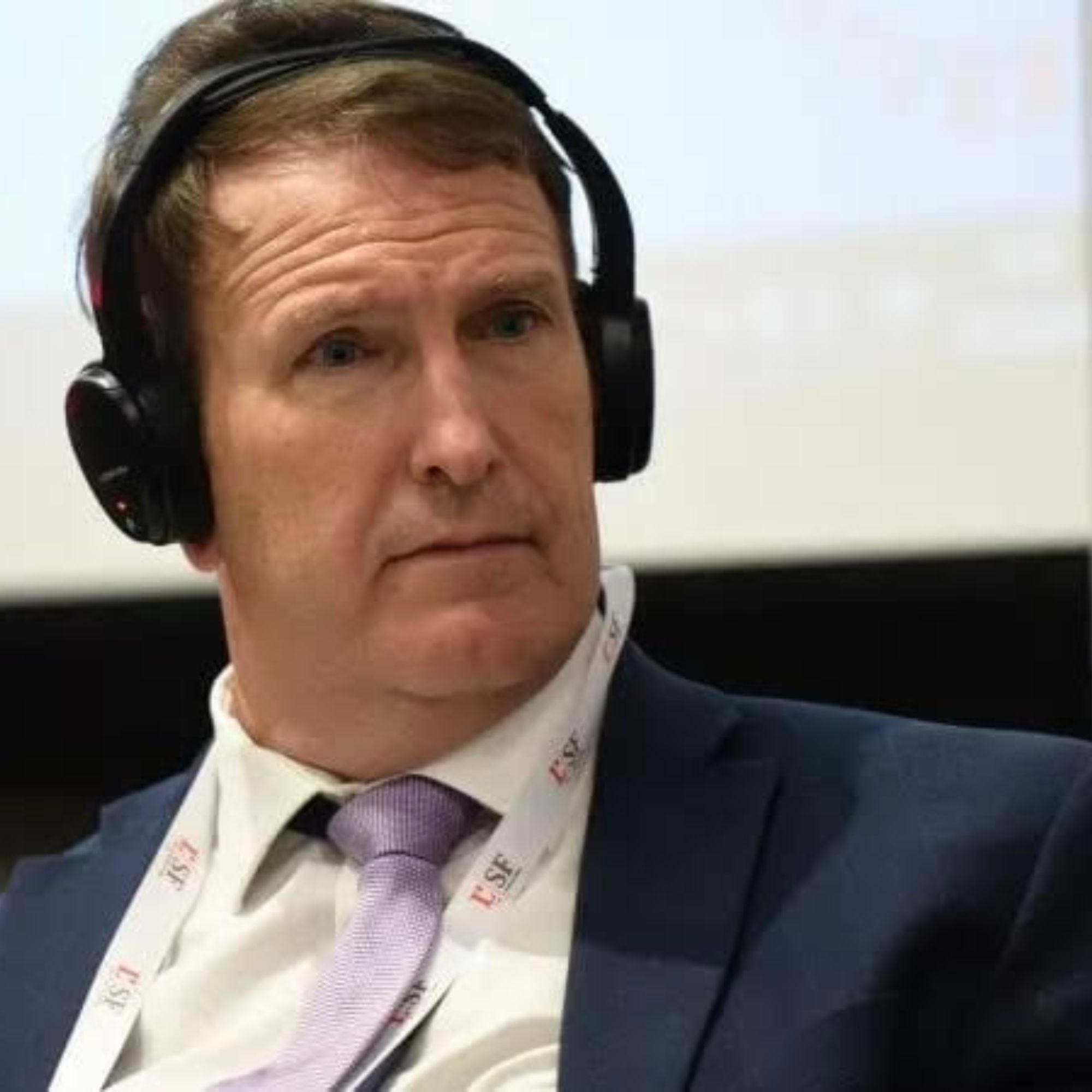
Hello everyone,Welcome to my sixth podcast Eyes on Eurasia with Glen Howard! In this episode, I will be discussing a recent Eye on Eurasia Special Report written by guest contributor Tim Thomas. The report is entitled The Ukraine Battle Lab: Russian Adaptations to Contemporary War’s High-Tech Developments and you can find a copy of this report prominently displayed on my substack website.For those of you who are not familiar with Tim Thomas, he is one of the leading American experts on the Russian military. Tim is a retired U.S. Army Lieutenant Colonel and analyst with more than 27 years of experience at the Foreign Military Studies Office (FMSO) at Fort Leavenworth, Kansas. Tim is here today to discuss his recent report on how Russia has adapted to the war in Ukraine.Enjoy the podcast!Glen Get full access to Glen’s Substack at glenhoward.substack.com/subscribe

Comments

Download from Google Play

Download from App Store
 United States