


 Claim Ownership
Menopause Balance
Subscribed: 2Played: 5
Subscribe

© 2026 Copyright
Description
These Podcasts are for finding Health Balance, moving through Menopause smoothly, gracefully and with Balance. They aim to help you find the point of good health or even great health again.
They are to help shift the way we in the western communities see our health and how we can help ourselves become our own Health Champions and achieve the Balance that is essential for good health.
Each podcast will deal with individual topics that can seen together as a way to acquire that different lens so as to see how to achieve that Balance.
17 Episodes
Reverse
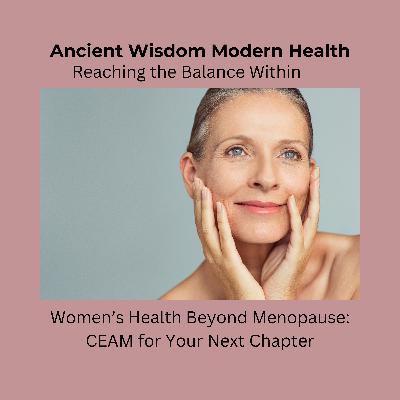
Hello and welcome to the Sagire Health Podcast, where we explore timeless wisdom and modern approaches to women’s health. I’m your host, Dr Ian Dummett and I am a Doctor of Chinese Medicine, and today we’re diving into an inspiring journey—“Women’s Health Beyond Menopause: CEAM for Your Next Chapter.” Menopause is often framed as an ending, but in Classical East Asian Medicine, it’s seen as a natural, graceful transition—a move from peri-menopause through menopause into a stage of wisdom, freedom, and possibility. Today, we’ll explore how CEAM supports vitality, balance, and emotional health through this powerful phase of life. The CEAM Perspective on Menopause Let’s begin by understanding how CEAM views menopause. Rather than a decline, it is a shift—a transition into a new phase marked by knowledge and grace. This is the Autumn of life, a season rich with opportunity to craft a life that feels full and abundant. CEAM believes that when Yin no longer controls Yang effectively, especially in the Yang-dominant summer season, Yang can ‘float,’ leading to symptoms like hot flashes, night sweats, anxiety, and mood changes. But this isn’t a flaw—it’s a signal. A guidepost showing us where balance has shifted. Let me share a story of a patient. She came to me feeling overwhelmed by hot flashes and restless sleep. Through CEAM, we recognised her Yin was struggling to anchor Yang, causing heat to rise. With targeted acupuncture and herbal formulas, She gradually felt her body cooling and her mind calming. This was a profound change for her as she had started to believe that there was no light at the end of her tunnel. Identifying Imbalances So, what happens when this transition isn’t smooth? CEAM uses diagnostic tools like pulse and tongue analysis, along with understanding your symptoms, to uncover where balance has been lost. Quick Aside here, for more on how CEAM sees symptoms and comes to a treatment protocol you might listen to a previous podcast called “What can CEAM Treat?” Now back to this podcast, perhaps sleep is elusive, emotions feel overwhelming, or energy levels fluctuate. These signs help guide us to identify how we can move back to balance. For example, when the pulse feels rapid or the tongue is red with little coating, it suggests internal heat. Conversely, a pale tongue might reveal cold or poor blood flow. These subtle signs give us insight into how best to support you. Herbal medicine, acupuncture, dietary adjustments, and mindful practices all work together in CEAM to restore harmony, easing symptoms and supporting a smooth, empowered transition. Embracing the New Chapter So, what does life beyond menopause look like when we restore balance? Imagine waking with steady energy, feeling emotionally grounded, and moving through your day with confidence and grace. This stage of life is about freedom—freedom to create, to explore, and to fully embrace who you are. Let’s consider another story—this patient, who after menopause, felt lost and disconnected. Through CEAM, she discovered practices that reconnected her with her body’s natural rhythms. Today, she volunteers at her local art centre and feels more vibrant than ever. Menopause became her turning point. By understanding and supporting your body’s natural rhythms, CEAM empowers you to move forward with vitality and clarity. This is your time to craft the life you desire. Practical Steps to Begin Let’s talk about a few ways to begin this journey today: **Mindful Observation**: Start tracking your symptoms—notice patterns in sleep, mood, and energy. This self-awareness is powerful. 2. **Gentle Movement**: Incorporate daily movement, like walking, tai chi, or stretching, to support circulation and balance. 3. **Balanced Eating**: Focus on nourishing, seasonal foods that align with your body’s needs. Think warm, cooked foods in winter and lighter meals in summer. 4. **Restorative Practices**: Explore acupuncture or herbal support to ease symptoms and promote balance. 5. **Journaling**: Reflect on this life stage. What brings you joy? What do you want to create in this next chapter? Emotional and Spiritual Growth Menopause is not just a physical transition; it’s deeply emotional and spiritual. This is a powerful time to reconnect with yourself, honour your journey, and let go of societal pressures. CEAM encourages nurturing not just the body but also the heart and spirit. Consider practices like meditation, breathwork, or even creative pursuits to express and explore your evolving identity. Remember, menopause is not an ending—it’s a doorway. A beautiful transition into a life filled with wisdom, freedom, and joy. Classical East Asian Medicine offers a compassionate, holistic path to guide you through. Thank you for joining me today. If you found this helpful, I invite you to explore more resources on our website sagire.com.au or consider joining our community for deeper support. Until next time, take care of yourself with balance, confidence, and grace.
Hello, and welcome to my podcast series Menopause Balance. This is where I get to explore how classical East Asian medicine views and treats the human body. These episodes cover specific symptoms, theoretical frameworks, and foundational classical East Asian medicine concepts to help you better understand your health and your wellbeing. It is important, however, for you to understand that the information covered in these podcasts is not to be taken or used for diagnostic purposes. It is for general information only, and as a general guide, if these podcasts raise any health issues that are of concern to you, then you need to have a full and proper consult with your appropriate healthcare professional. Okay. I'm your host, Dr. Ian, and I'm a doctor of Chinese medicine. With degrees in human biology and Chinese medicine, as well as a postgraduate diploma in classical East Asian medicine. Now, I have been treating people in regional Australia with East Asian Medicine for over 20 years, and I have helped them through classical East Asian Medicine to see their symptoms in a new way. I see them through the lens that is classical East Asian medicine. With its warm, rich, insightful, functional, and above all practical ways with its use of lifestyle, diet, and then combine that with herbal medicine and acupuncture so as to enable you to reach the balance within. Now, I assume that if you have found me here, then you are someone who is looking for answers to your health issues, answers that make sense. Give you an understanding, a clarity, and allows you to have control of your health problems and provides practical solutions that can make you your own health champion. I also understand that you are somebody who is looking for some ancient wisdom to give you an understanding of your modern health issues, and that can show you how to reach the balance within. Classical Easter Asian medicine can provide that different lens for which to see the issues of health, women's health, menopause, dietary issues, stress, sleep issues, some seasonal awareness, even men's health or straight pain management. You can do this through the lens that is east asian east asian medicine and help. It can help you achieve the balance within. So please join me now as we journey through the ancient wisdom that is classical East Asian Medicine and discover how it can be a positive impact on your modern life and bring your health back to balance. Let's explore the ancient wisdom and reach the balance within together. So let's start this month's podcast spring. So welcome back to my podcast and I'm Dr. Ian. And today we are diving into the vibrant energy of spring and its connection to the wood element in classical East Asian 📍 Medicine . Now, this season is all about renewal. It's about expansion and movement both in nature and within your body. You may well, and if you've been feeling a little sluggish, that's fine because you're coming outta winter, or you may be experiencing some seasonal shifts in your health, and I hope this episode will help you realign and rejuvenate and explain why those things might be happening. So let's explore how you can support your body and your mind as we step into the energy that is spring. Spring is the wood element, and in east asian east asian medicine, spring is linked to that wood element representing growth, flexibility, and vision. Now the wood element is made up of the liver and the gallbladder organs and there's supporting systems and these correspond with wood playing key roles in detox. Playing key roles in detoxification, in decision making, and ensuring the smooth flow of Q or energy. When these organs are balanced, we feel motivated, clearheaded, and adaptable. However, when they are imbalanced, you may be experiencing such things as frustration, headaches, irritability. Or even some digestive issues, some signs that the liver, isn't moving properly is that you might be feeling stuck. You've lost your motivation. You're, you know, you really are, you're stagnant. You're sitting still, you're not moving forward and you can get easily frustrated feeling that sense that just things just. Not working. You may suffer some physical symptoms like abdominal bloating, headaches that seem to come on really quickly, suddenly some muscle stiffness, and you're going, I haven't done anything to warrant this stiffness, or Your allergies seem to be even more sensitive, or you have some that you've never had before. You might be waking in the middle of the night feeling, why am I waking up? And it seems to be the same time every night. You know, it's somewhere around one o'clock, two o'clock, something like that. So that's the one to three O am liver time according to the body clock, that is a sign that the liver. Is not being happy. It needs some attention. It's trying to tell you something. You may combine that and you have cravings for sour foods. Sour is associated with the liver. That's the taste of the liver. So the liver responds well to that sour food flavor and when you start thinking about it. Sour food flavor can lead us into what should we be eating? So how can we support our, your, our liver and our gallbladder through this spring period? In the early spring, you want to be looking really to new shoots, fresh shoots. So, and a lot of those are going to have a slightly sour. Paste to them, or a sour energy. So you eat for the seasons, so you need to increase your fresh greens and those slightly sour foods like leafy greens, some lemon water even, or fermented foods, they're all going to help stimulate the liver to be in. Its help stimulate the liver to be in its appropriate condition. Now we talked about the liver is responsible for the movement of energy or qi. Well, we can help that by having daily move that are daily movements that are simple, slow, gentle. We need to incorporate stretching. So what am I talking about? You could be doing out, you know, getting outdoors now after winter. We're talking initially is particularly in the early stages of spring gentle movements, so just gentle walks. Gentle tai chi, gentle yoga, not vigorous hard. Go out like a bullet, a gate. That's LA for later in the year. This time we're talking about waking our bodies up, if you like, gently moving it towards that. Stage that was winter, which was inactivity, internalness. Now we're looking to start moving about. We need to manage our stress. This can be done through journaling. Health journaling is something I really strongly recommend. This is where you journal everything about you, your sleep patterns. As I say, what time are you waking up? If you're waking up, is it the same time every night? Are you waking up with feelings of anxiety, depression, anger, a sense of doom? These symptoms all can help start to make patterns. Are you sleeping badly after eating something? What is it that you're eating? Are you finding that you're feeling bloated, sluggish, depressed? After eating. So what are you eating? If you're not recording it, you don't know. We're not talking about allergies. We're talking about things that may cause you to have adverse reactions. So a sensitivity to something, and you may not see it necessarily unless you go looking for it. And the longer you've been journaling, the more detailed you journal, the more you can see. You might wanna start incorporating mindfulness techniques like meditation and meditation is anything really that helps your mind become clear and unfettered. What we're looking to do is teach our mind to not run away with itself so that you have control, you have the ability to say to yourself. I'm not talking about or thinking about the dishes right now. What I'm doing is I'm breathing in and out slowly. Or it might be that you meditate by reading, so that you get so deep into the book you are reading, that you forget about all other things. That is a type of meditation. It could be that you go out and you're a gardener, so you can sit there and garden and literally stick your hands in the dirt, put your toes in the dirt. You are earthing yourself, grounding yourself, and that ability to set aside all other concerns. Your mind is now yours to control. That's the aim of meditation and mindfulness technique. It allows you to give yourself the energy to support and be emotionally flexible. You may need external professional help in the form of acupuncture and or herbal medicine support, and this is where classical East Asian treatments can help balance the flow of Q and support the transition into spring. Part of the classical way of treating in classical East Asian medicine is that everybody should attend to their doctor at the change of seasons. If only just to be told everything's okay, you are on track, your body is balanced. If not. Herbs and or acupuncture, and perhaps to talk about what you're not doing in the way of eating correctly or you've forgotten to do something. That support can come through the professional, east asian Asian medicine practitioner, seasonal adjustments going to keep you healthy so that you don't need long-term treatments. Okay, you should now have an idea of spring its connection to the liver and gallbladder and how you may be able to help manage your transition from winter into spring, through spring and beyond. Now, as part of this, as we step into spring, please take a moment to reflect. Where do you feel the need to for renewal in your life? That's spring. What small changes can you make to align with this season of movement and growth? Now, if you'd like deeper guidance, join my Sagire Health community. This is where we explore seasonal transitions together. It's like a Facebook page, but it's private. It's a place where you can get to talk to other like-minded people, host questions, answer other people's questions, tell people what you've been doing and what's been working for you. Ask questions of me and then help me to create more informational
Hello and welcome to the podcast, **Ancient Wisdom, Modern Health: Reaching the Balance Within**. Today, we’ll explore how the ancient wisdom of Classical East Asian Medicine (CEAM) interprets pain and how this understanding can help us approach pain management differently. In CEAM, we have a distinct view of pain. It’s not just about what pain is, but rather, what’s causing it. At the moment, pain is quite a hot topic in medicine, with research examining it from multiple angles—neuropathic, hormonal, and physical. Each perspective offers new insights into what’s happening in our bodies when we experience pain. One current area of focus in pain research is neuroplasticity. Studies suggest that the brain can become 'hard-wired' to perceive pain, even after an initial injury has healed. This has led to efforts aimed at retraining the brain to respond differently to pain signals. Techniques such as mindfulness play a crucial role in this, helping us to learn how to reframe and manage pain sensations. I’ve kept my explanations here simple and general, but if you'd like to explore this further, there are links to some relevant research papers in the transcript: - [Neuroplasticity in Chronic Pain and CBT](https://www.medrxiv.org/content/10.1101/2021.07.13.21260466v1) - [Meditation and Pain Neural Mechanisms](https://www.jneurosci.org/content/31/6/2254) One of the common therapeutic approaches in this area is Cognitive Behavioural Therapy (CBT). CBT focuses on understanding and altering thought patterns and behaviours that contribute to emotional distress and chronic pain. It’s widely used for managing conditions like anxiety, depression, and chronic pain, as it addresses the negative cognitive and emotional patterns that often accompany long-term pain. Another key consideration in pain treatment is how we communicate what we feel. Pain is a unique experience for each individual, making it difficult to describe. Most practitioners use some form of scale, such as a 0-10 scale where 0 represents no pain and 10 represents extreme pain. However, this scale can be misunderstood as a global measure rather than the subjective guide it’s meant to be. Essentially, it’s a way to help both the patient and practitioner track progress and assess treatment effectiveness. It could just as easily be smiley faces indicating varying levels of discomfort! In CEAM, we take this a step further by wanting to know more about the sensations. Is the pain sharp, dull, heavy, or dragging? Does it feel hot or cold, wet or dry, throbbing, focused or vague? Is it in a fixed location, or does it move? These details are essential, as they provide insights into the type of blockage or imbalance occurring. At its core, CEAM views pain as a blockage in the flow of Qi, blood, or body fluids. When these elements flow freely, we experience health; when they don’t, pain or discomfort arises. Each type of blockage presents its own symptoms. For example, blood stagnation typically causes pain that feels fixed and stabbing, while Qi stagnation can lead to vague, shifting discomfort. Stagnant body fluids might result in deep, heavy sensations. Of course, these patterns often combine. For instance, if there’s bruising with swelling, the bruising might indicate blood stagnation, while the swelling points to fluid stagnation. Understanding these distinctions helps guide our treatment approach. The primary goal in CEAM is to restore flow. As I mentioned earlier, where there is flow, there is health. So, we use herbs, acupuncture, and other techniques to encourage this flow. So, in CEAM we see pain or discomfort as a blockage in this flow, and if we can narrow the location of the blockage down to a specific pathway or meridian then be placing needles, in the case of acupuncture, in the right place to help open that blockage, then the discomfort or pain is reduced if not removed. If we were to take a Herbal path, then the pathway that is affected can help to guide the selection of which herbs to be placed in the formula to help bring about the flow again. Now it would be very easy here to imply that, that once the flow is established, then it will stay flowing for evermore. However, as I am constantly telling my patients, acupuncture, herbs; me; don’t fix you! Your body heals itself, with our assistance. So, you may feel a reduction in the pain or discomfort whilst the needles are in, and this will on average last about 3 to 4 days, then there will be a slight move back toward the original level of discomfort. So, the next treatment will improve on this again and so on until the blockage is removed and there is flow again constantly. If we were to use herbs instead of needles then the process is similar, in that the herbs are working on assisting your body to heal itself by helping to open the blockage, and so allow the body to gain the balance that it needs to achieve health. In both cases, as the body gets stronger, healthier or closer to balance, then both the frequency of acupuncture or herbal dosage will reduce and ultimately there will be no need for the body to need support. Another aspect of our treatment is the importance of warmth, and in CEAM this cannot be overstated. We believe that “warmth creates flow; cold restricts it.” This principle guides our approach—unless there is obvious heat emanating from the injury, warmth is typically our preferred choice. That said, we do occasionally use cooling treatments, but only when necessary. For example, if you can see and feel warmth radiating from an injury, then cooling might be appropriate. But as a rule, warmth is life. To wrap up today’s episode, I’d like to thank you for listening. If you have any questions or want to discuss this topic further, feel free to reach out through my website, **sagire.com.au**. Become a member of the **Sagire Health Community** to receive early access to podcast episodes, transcripts, and our library of resources and courses. Thank you once again for joining me on **Ancient Wisdom, Modern Health**. Until next time, may you continue to find balance within.
Winter Podcast: Ancient Wisdom, Modern Health Hello, and welcome to my podcast series, “Ancient Wisdom, Modern Health. Reaching the Balance Within” I’m thrilled to have you join me as we explore how Classical East Asian Medicine, can guide us through the winter months. In today’s episode, we’ll dive into what winter represents within CEAM, how to stay in balance during this season, we will also have a look at practical steps to support your body and mind. We’ll cover topics like preventing winter colds, managing seasonal aches, choosing nourishing foods, and embracing activities that align with the season’s energy. So, make yourself a warm drink, settle in, and let’s explore winter through the lens of CEAM. The Meaning of Winter in CEAM Winter in CEAM is more than just a cold season. It’s a time of profound significance, and it is associated with the Water Element and the Kidney and Bladder organ systems. It represents the end of the seasonal cycle, a time to slow down, reflect, and prepare for the energy of spring. In CEAM, seasonal rhythms guide us toward balance. Winter calls for introspection and conservation of energy. If we follow this natural rhythm, we might feel drawn to spend more time indoors, to rest, and engage in quiet activities. Think of it as a time to mend—both physically and emotionally. However, when the Water Element is out of balance, the body might struggle to adapt. Symptoms can include feeling perpetually cold, experiencing lower back pain, urinary issues, menstrual irregularities, or signs of weakness in the pelvic area, such as prolapses or haemorrhoids. These imbalances signal that the Kidney and Bladder systems need attention. The Water Element and Your Health To visualise the Water Element’s role in the body, imagine the Kidneys as two icebergs floating in an ocean—this ocean represents the Bladder system. If the water around the icebergs freezes, the icebergs can no longer float, and the body’s systems slow down. This metaphor illustrates the importance of keeping the Water Element in motion and maintaining warmth within. A common manifestation of a sluggish Water Element is coldness in the lower body, often felt as icy feet, stiffness, or a general inability to get warm. These signs indicate that the body's internal balance is out of sync with the season. Gentle Movement for Winter Balance In CEAM, movement is essential for health, but it must be adapted to the season. Winter is a time for slow, deliberate activity—movements that keep energy flowing without overstimulating the body. Consider incorporating practices like Yin Yoga, Tai Chi, or gentle walks. These activities promote circulation and warmth without straining your energy reserves. Unlike high-intensity workouts, which can exhaust the body’s resources, these gentle exercises align with winter’s inward focus. Now, for those of you who love winter sports, don’t despair! It’s not about avoiding activity altogether—it’s about moderation and balance. If you’re skiing, snowboarding, or hiking in the cold, listen to your body and ensure you’re not pushing too hard. Remember, winter is about conserving energy for long-term health. Speaking of long-term health, let’s touch on a key CEAM principle: balance across a lifetime. Overexertion in your youth—ignoring seasonal rhythms—can lead to premature ageing of your body’s systems. By respecting winter’s call for rest and moderation, you’re investing in vitality that will serve you well for years to come. Nourishing Foods for Winter Winter is the perfect season to embrace warming, nourishing foods. In CEAM, diet is seen as a cornerstone of health, and what we eat should harmonise with the season. Traditional Western winter meals, like a Sunday roast, offer excellent inspiration. Slow-cooked meats and seasonal vegetables provide the deep nourishment your body craves during this time. The act of slow cooking infuses Yang energy into the food, helping to sustain warmth and vitality. For lighter meals, soups and stews are ideal. Let me share a favourite recipe from Zoey Xinyi Gong’s *The 5 Elements Cookbook*: Chestnut and Mushroom Cream Soup. This dish combines chestnuts, which tonify Qi and nourish Kidney Essence, with Reishi and Shiitake mushrooms, known for their powerful Kidney-supporting properties. By incorporating foods like these into your diet, you can help fortify your body against the cold while providing the deep, stabilising nourishment it needs. When choosing ingredients, focus on seasonal produce. Root vegetables, dark leafy greens, and hearty grains are excellent choices, as they align with winter’s grounding energy. Spices like ginger, cinnamon, and cloves can add gentle warmth to meals, supporting digestion and circulation. Preventing Winter Colds and Aches Winter often brings colds, runny noses, and general aches. While it’s impossible to avoid every germ, there are practical steps you can take to minimise your risk. First, protect yourself from harsh weather. Limit exposure to wet, windy conditions, and when you do go out, dress warmly—especially around your lower back and feet, as these areas are particularly vulnerable in winter. If you do get chilled, a hot bath followed by a warming drink, like ginger tea, can help restore your internal warmth. Pair this with a light, nourishing meal to support your immune system without overtaxing your digestion. Another tip: keep your living environment warm, but not stuffy. Fresh air circulation is vital for preventing stagnation, which can exacerbate winter illnesses. Winter’s Connection to Spring Winter is often called the mother of spring in CEAM. The restorative work you do now lays the foundation for the growth and renewal of the coming season. Think of winter as a time to build your reserves, much like planting seeds that will sprout in spring. By embracing winter’s quiet energy, you allow your body and mind to recharge. This preparation ensures you can transition into spring with vitality and enthusiasm, ready to take on new challenges and opportunities. Final Thoughts Winter in CEAM is a season of deep rest and reflection, but it’s also a time of opportunity—a chance to strengthen your body, nourish your energy, and align with the natural rhythms of life. By incorporating gentle movement, warming foods, and mindful habits, you can keep your Water Element balanced and vibrant throughout the colder months. Remember, this season is not about doing less but doing what’s right for your body and mind. Thank you for joining me today. Stay warm, stay balanced, and I’ll see you next time on *“Ancient Wisdom, Modern Health.”* --- Reference Gong, Z. X. (2003). ‘The Five Elements Cookbook: A Guide to Restoring Balance Through Food.’ New York: Harper Collins. Access options: Available through Amazon, Booktopia, Abe Books, and other retailers.
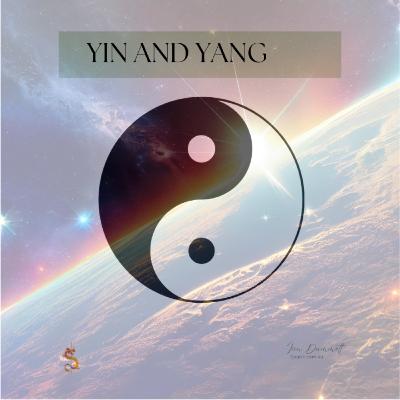
This podcast addresses the question of what is Yin and Yang and how is it relevant to our health.
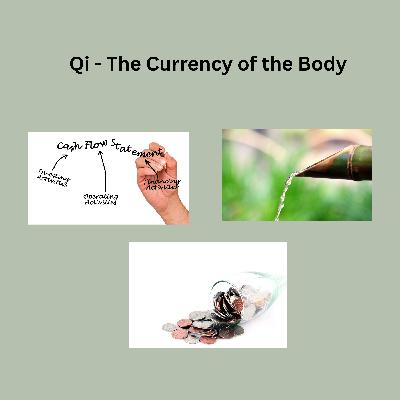
Hello and welcome to my podcast series, Menopause Balance. This is where I get to explore how classical East Asian medicine views and treats the human body. These episodes cover specific symptoms, theoretical frameworks, and foundational classical East Asian medicine concepts to help you better understand your health and your well being. Disclamer It is important however, for you to understand that the information covered in these podcasts is not to be taken or used for diagnostic purposes. It is for general information only and as a general guide. If these podcasts raise health issue that are of concern to you, then you need to have a full and proper consult with your appropriate health care professional. I am you host, Dr Ian and I am a Doctor of CM with degrees in Human Biology and CM as well as a postgraduate Diploma in Classical East Asian Medicine. I have been treating people in Regional Australia with East Asian Medicine for over 20 years, and I have helped them to see their symptoms in a new way, through the lens that is CEAM, with its; warm, rich, insightful, functional and practical ways, with its use of life style, diet combined with herbal medicine, and acupuncture, so as to ‘Reach the Balance within.’ I assume that if you have found me here, then you are someone who is looking for answers to your health issues that make sense. That gives you an understanding, a clarity, and allows you to have control of your health problems and provides practical solutions that can make you you own health champion. I also understand that you are someone who is looking for some Ancient Wisdom to give an understanding of your modern health issues and that can show how to Reach the Balance within. CEAM can provide that different lens with which to see the issues of; Women’s Health, Menopause, Dietary Issues, Stress, sleep issues, seasonal awareness, Mens Health, or pain management. Through this lens you can achieve the Balance Within. So, please come join with me now as we journey through the ancient wisdom that is Classical East Asian Medicine and discover how it can have a positive impact on your modern life and bring your health back to Balance. Lets explore that Ancient Wisdom and Reach the Balance Within together! So lets jump in. Hi and welcome to Menopause Balance Podcast. I’m Dr Ian, and today we’re talking about something I’ve been using more and more in clinic—something my patients really seem to connect with. And that’s the idea that **Qi is like money.** In Classical East Asian Medicine, we talk a lot about Qi—how it flows, where it gets stuck, when there’s not enough of it, or when it’s not anchored. But what if we thought about it as a currency? Something we earn, spend, save… and sometimes overspend. This metaphor has helped so many women understand what’s really happening in their bodies—especially during transitions like menopause. So today, I’d love to unpack that idea with you, and explore how you can **spend, save, and invest your Qi** to support your long-term health. Part 1: Understanding Qi as Currency Qi is your body’s energy—but more than that, it’s **function, vitality, animation**. It’s what allows your digestion to work, your heart to beat, your mind to think, your spirit to feel joy. Every single thing you do requires Qi. So let’s say Qi is your money. Every day you wake up with a certain balance. And throughout the day, everything you do either **costs you** Qi, or **replenishes it**. The goal is balance. To make sure you’re not spending more than you’re earning—and to build up some reserves for when life gets stressful or unpredictable. Part 2: Where Your Qi Comes From – Your Income In CEAM, Qi is created through: - **Food and digestion**—what you eat and how well you digest it. - **Breath**—yes, deep, full breaths actually help build Qi. - **Sleep and rest**—your body restores Qi while you sleep. - **Joy, calm, and connection**—not just fluff! Emotional harmony feeds the spirit. - And of course, **acupuncture and herbs**—which help regulate and support your internal economy. This is your income stream. Part 3: Where Your Qi Goes – Your Expenses Now, here’s where Qi gets spent: - **Working, thinking, planning**—mental activity is expensive! - **Physical movement**—even exercise costs energy. If you're already depleted, too much can tip you over. - **Digesting food**—especially heavy, cold, or raw food. - **Emotions and stress**—anger, worry, anxiety… all very costly. - And **screen time**—yep, it might seem passive, but it drains Qi through your eyes and mind. Part 4: Qi Debt – When You Overspend If you keep spending without earning, your body starts borrowing—from reserves you don’t want to touch. These are like your emergency savings: Jing, your constitutional essence. And when you borrow too much, that’s when symptoms show up: - Exhaustion that sleep doesn’t fix - Hot flushes or night sweats from unanchored Yang - Mood swings, irritability, or anxiety - Poor digestion or slow healing Menopause is one of those times where **Qi needs to be managed wisely**. Yin may not be able to hold down Yang, and if you're already in Qi debt, the symptoms get louder. Part 5: Investing in Your Qi Just like a good financial planner, CEAM asks: what are you doing to invest in your future? - Stillness. Quiet. Meditation. - Gentle, flowing movement—Tai Chi, Qi Gong. - Warm, seasonal food that doesn’t stress your digestion. - Connection. Rest. Nature. - And acupuncture or herbs when you need extra support. It’s not about doing more—it’s about doing what builds you up. Closing Reflection So let me ask you: - Are you overspending your Qi? - Where could you earn more? - What would it look like to invest in your own well-being today? You don’t need to overhaul everything. Just notice. Start small. Build awareness, and the rest follows. Thanks so much for joining me today. If you’d like to go deeper, you can download the free **“Qi is Money” guide** from my website [insert link here], or join our community for more resources like this. Until next time, take care—and take care of your Qi.
Hello, and welcome to another episode of "Ancient Wisdom, Modern Health: Reaching the Balance Within," where we explore the wisdom of Classical East Asian Medicine and how it applies to modern life. I’m Dr Ian and I’m your host, and today we’ll be diving into the magic of autumn—what it means for our health, our emotions, and how we can align ourselves with the energy of the season.* In CEAM, autumn marks a shift—a drawing back of energy, a time of reflection, and a moment to prepare ourselves for the quieter, more restful energy of winter. It’s a beautiful time to pause, reassess, and release what no longer serves us, both physically and emotionally. We’ll explore how the Metal element, which governs autumn, is associated with our lungs and the emotion of grief. And I’ll share some tips on how to nourish our bodies and minds as we move through this season, from breathing practices to eating styles. So, let’s begin. Autumn is a season that encourages introspection and letting go. In nature, we see the trees shedding their leaves, and in ourselves, we may feel an emotional pull to reflect and release. This is a time to simplify, to hold onto what’s important, and to gently let go of anything that is no longer necessary. In Classical East Asian Medicine, autumn is governed by the Metal element, which is connected to the Lungs and the large intestine. It’s no coincidence that this season is about grief and letting go. Just as the trees let go of their leaves, we may find ourselves processing feelings of loss or releasing old emotions. It’s a natural part of the cycle of life. Take a moment to reflect on what you might need to release this season. It could be something emotional—grief, fear, or frustration—or perhaps a habit or pattern that no longer serves you. Autumn invites us to honour these changes, knowing that they create space for new growth in the future. One of the key aspects of autumn in CEAM is dryness, which has a big impact on the lungs, our skin, and even our digestion. The air becomes crisper, and this dryness can lead to issues like dry coughs, rough skin, or even constipation. Since the lungs are the organ most affected by autumn, this is a time to really focus on breathing, hydration, and nourishing foods. Moistening foods are key during autumn. Things like pears, white radish, and even almonds are wonderful for keeping the lungs moist and healthy. Another simple way to care for your lungs is by practicing deep, mindful breathing. Let’s take a moment together to try it. As we breathe deeply, we nourish the lungs and prepare our bodies to move through the changes that autumn brings. If you practice this for just a few minutes every day, you’ll not only strengthen your lungs but also calm the mind. Autumn is also a time of energetic transition. In the warmer months, we’re in the peak of Yang energy—active, outward, full of vitality. But as we move into autumn, Yang begins to decline, and the more introspective, inward energy of Yin starts to rise. This transition calls us to slow down. You may feel a natural pull to spend more time resting, reflecting, or simply being still. Honour that instinct. It’s a sign that your body is preparing for the winter months, where energy conservation is key. To support this shift, I recommend incorporating more warming and grounding practices into your routine. Light activities like slow walking, Qigong, or gentle yoga are perfect for keeping the body moving without overstimulating it. Think of it as a time to recharge rather than push forward. In Classical East Asian Medicine, we align our eating with the seasons to support the body’s natural rhythms. In autumn, we focus on foods that are warming, moistening, and easy to digest. This is the season of Metal, so we want to nurture both the lungs and large intestine with foods that help balance dryness. Think of root vegetables like sweet potatoes, pumpkins, and carrots—foods that grow down into the earth. They have a grounding quality that helps us connect with the energy of autumn. Grains like rice, oats, and barley are also wonderful for this time, as they are easy to digest and warm the body. And let’s talk about flavours. In CEAM, the pungent flavour is associated with the Metal element and can be used to stimulate the lungs and promote circulation. So, adding a little ginger, garlic, or onion to your meals is a great way to keep your system warm and healthy. But balance is key, so pair pungent foods with sweet and sour flavours, which help nourish Yin. If you’re looking for a simple recipe, try making a warming autumn soup with carrots, ginger, and a touch of white radish. It’s perfect for nourishing the lungs and keeping the body hydrated. Autumn is also a beautiful time for mindful practices. Journaling or quiet reflection can help us process emotions and prepare for the inward focus of winter. You might take a few minutes each evening to write down what you’re grateful for, what you’ve learned from the day, or what you feel ready to let go of. Pairing this with a breath work or meditation practice can really help you stay grounded during this transitional time. By letting go of old patterns and clearing emotional clutter, we create space for new growth in the months to come. To round out our autumn discussion, let’s talk about some herbal remedies that can help you stay balanced during this season. One of my favourites for autumn is pear and almond tea. Pears are wonderful for hydrating and nourishing the lungs, while almonds help support respiratory function. Another great option is to add honey to warm water. Honey is naturally moistening and has a soothing effect on the throat and lungs, especially if you’re dealing with dryness or a cough. For those of you who enjoy herbal teas, consider sipping on marshmallow root or licorice tea. Both of these herbs are known for their ability to soothe dryness and support lung health. Just be mindful if you have any conditions that require you to limit liquorice intake. As we close today, I encourage you to embrace the slower pace of autumn. Take time to rest, reflect, and nourish yourself as we transition into the cooler months ahead. By aligning with the energy of the season, we can support our bodies, minds, and spirits in a way that feels balanced and peaceful. *Thank you for joining me on this journey. I hope today’s insights help you to move through autumn with ease and grace. Stay tuned for our next episode. Until next time, take care and be well.
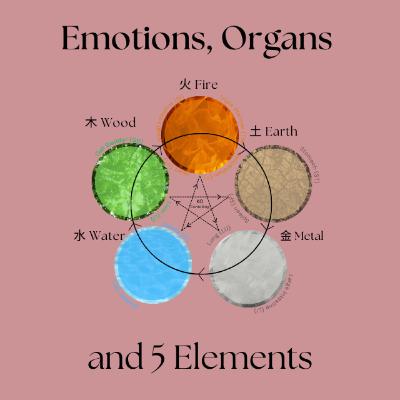
Hello and welcome to my podcast series, Menopause Balance. This is where I get to explore how classical East Asian medicine views and treats the human body. These episodes cover specific symptoms, theoretical frameworks, and foundational classical East Asian medicine concepts to help you better understand your health and your well being. Today I want to delve into a question that was raised in the SIGCHI Health Balance Community Forum. Now for those of you You may not know. I do have a membership that includes access to a private supportive community forum. Now in this space, members can post questions, share their experiences and participate in a live Q and a session with me once a month. Now back to this podcast. Okay. Now, initially. I thought the question might be too broad for a short answer, but after discussion within the group, I realized there was enough interest to explore it further in a podcast. The question that arose during the discussion was about how in menopause, the heart and the kidney or the fire and the water elements, they have to be in harmony to support restful sleep. This basically led us to explore further into the emotions connected with each of the organ systems within the classical East Asian medicine framework. Now, before I get any deeper in this, it is important to to clarify the classical East Asian medicine, what it means when we refer to an organ, because unlike Western medicine, which tends to view the organs as discrete physical structures studied from the microscopic level down to individual cells, Classical East Asian medicine takes a different approach. In classical East Asian medicine, we tend to focus on what I think of as more the macro rather than the micro. The macro level connections between organ systems, rather than their cellular structure. Each organ is seen as part of a larger system. It interacts dynamically with all the other organs. For example, the heart is not just an isolated organ. It is connected to the small intestine through the yin and yang relationship. Both, however, belong to the fire element. Which is associated with summer, heat, joy, and sadness. And the fire element also serves as the mother to the next one in the sequence, sequence, which is the earth element, or the spleen and stomach, creating a continuous cycle of independence. Sorry, a continuous cycle of interdependence. Now each organ system is associated with specific emotions. And imbalances, when they're not happy, when they're not healthy, when they're not happy. Now these imbalances can manifest as emotional or physical symptoms and understanding these relationships can offer insights into how emotions affect our overall well being. However, it is essential to note that this discussion is not a suit, not a substitute for psychological or emotional counselling. Instead, it provides a framework to observe how emotions and physical health. intertwine within Classical East Asian Medicine. Let's explore how the emotions correspond to the five elements, beginning with the first element in the traditional cycle of wood. The liver is responsible for regulating the smooth flow of qi and blood, and it is part of the wood element, along with the gallbladder, which is your yin and your yang connection. However, when you have an imbalance, this can lead to irritability, frustration, or perhaps a tendency to, say, fly off the handle. The liver's function is to regulate the flow of qi. is to move chi. It is what we call and what we would refer to as responsible for the free flow. flow of qi, and that means that it is, if it's unhappy, you get what we refer to as stagnation or lack of flow. Now, this can also contribute to emotional disturbances in other elements because if the cheese's not flowing, because the liver's not happy, then all the other organs may suffer. Not all at once, but they all have a potential. As an example, when the water element. isn't happy, or is in disharmony, or out of balance, that can lead to a sense of fear, , or uncertainty, or perhaps even a deep foreboding. Now a counterbalance to this can be introduced joy. So that emotion is associated with the fire element or the heart. And just as warmth prevents water from freezing, joy can help the living help lift that heavy, dark emotional link that is weakened water element. If the water element becomes excessively cold, for instance, then you're going to have movement. That is going to slow down or become sluggish. And that's both physical and emotional. Now this can manifest as a deep fatigue, low motivation, or even a depressive mood. And by introducing fires warmth through social interactions. Laughter, even just straight out laughing or engaging in uplifting activities. This is all what I refer to as just finding something to insert in your life and do simply for the unadulterated joy of it. Doesn't give you anything else, doesn't cost you anything, doesn't produce anything except joy. This is going to help restore that sense of movement and flow. Let's move on to another element. So let's look at the earth element, which is the spleen and stomach. Now, the emotions there would be worry and stability. The earth element is linked really closely to overthinking and worry. When it's out of balance, an individual may feel stuck, unable to move forward or make decisions. They may be oscillating and procrastinating. Now, in order to counter this, we might want to think of engaging the wood element, which can help you take action, even in small ways. Therefore that can break that cycle of worry and procrastination. Now let's just flip that same situation. So we're still talking about wood and earth. However, conversely, if a person is overly assertive or impulsive, which is Liver lacking control or unbalanced, then by bringing in the earth element, you can, while you're slowing things down, you are learning to contemplate, you are perhaps being a bit more careful in the consideration of your choices that can create stability and balance within the liver. Now, the only organ system element we haven't talked about so far is the metal element and the metal element is the lungs. And the large intestine, that's your yin and your yang connection. And the emotions usually associated with the mental element are grief and the ability to let go or not let go. Now, the mental element governs the ability to process grief and let go. When it's imbalanced, however, an individual may become stuck. They might become stuck in sadness. unable to move forward. This is where fire's joy can again act as a counterbalance to that. It's the force that's going to help bring things back to balance by bringing warmth and that light mood to counter the heaviness of that prolonged grief. Now, by recognizing the natural interplay between the elements, I believe we can develop a deeper understanding of how our emotions influence our physical health and conversely how your physical health can influence your emotional balance. If one of your elements is not balanced, you can look at its counterpart for a way to restore that harmony. Now, the final thing here, the final thoughts, is that the five elements, it gives us a framework, provides a valuable lens through which we can view the emotional and physical health of our body. By understanding how emotions are linked to the organ systems, perhaps we can take small steps. To bring balance back into our lives, whether through movement, mindfulness, or simple lifestyle adjustments. This brings me to the end of this short look into five elements, the emotions, and the organ systems. So thank you for joining me today. And if you found this discussion interesting, I do encourage you to share your thoughts through the Saguaro Health Balance Community page. And I will be returning soon with more insights from classical East Asian medicine. So until then, take care and stay balanced.
This podcast is Sleep, Menopause and CEAM. What I would like to talk about in this podcast is the importance of good quality sleep, its impact on our health,
Hello, and welcome back to "Ancient Wisdom, Modern Health: Reaching the Balance Within." Today, we’re diving into the vibrant energy of summer and how Classical East Asian Medicine (CEAM) can guide us to live in harmony with its seasonal shifts. Summer is a time of expansion, growth, and abundance—not only in nature but within ourselves too. In CEAM, summer is associated with the Fire element, which governs the heart and small intestine. Now, when we talk about the heart, we’re not just referring to the physical organ but also to our Shen—or our spirit, emotions, and mind. The warmth of summer naturally encourages us to open up, connect with others, and express joy—feelings that are very much linked to the heart. But just like a summer day, that can shift from pleasant warmth to intense heat, so to can our bodies, they also can move from balance to imbalance if we don’t align with the season’s energy. In today’s episode, we’ll explore how CEAM’s principles can help you nurture your energy, enjoy the season, and stay healthy during the height of summer. Let’s start by understanding the nature of summer. As I mentioned, summer is a time of expansion, with Yang energy at its peak—bright, active, and outward-moving. Many of us feel more energetic, social, and extroverted during this time. However, this surge in energy can burn us out if we’re not mindful. It’s important to respect the Fire element without letting it consume us. So, how do we stay in balance during the most Yang time of the year? Let’s begin with activity. Summer inspires us to get outside, and that’s wonderful for our health. But CEAM teaches us to be mindful of how we use our energy. Excessive physical exertion in the heat can easily lead to imbalances, like heat exhaustion or dehydration. The key is to adjust your activity to the environment. Try exercising in the early morning or late evening when the heat is less intense, allowing you to move your Qi without draining your body. And while we’re on the subject of Qi, summer is the perfect time to circulate your energy with gentler practices like Yoga, Tai Chi or Qigong. These practices keep the heart’s energy flowing without overheating or overexerting the body. The Fire element encourages us to move outward, but with balance—so stay active, but listen to your body. Next, let’s talk about eating style. Summer is a season of abundance, and CEAM reminds us to align our diet with the season’s energy. To stay balanced, we focus on foods that cool and hydrate the body, as the heat can easily dry us out. Water-rich fruits like watermelon, cucumbers, and tomatoes are perfect choices—not just for their taste but because they nourish your Yin energy, helping you stay cool and hydrated. It's also a good idea to lighten up your meals. Just as summer feels light and expansive, so too should our meals. Avoid heavy, greasy, or overly rich foods that tax the digestive system and create internal heat. Instead, think of cooling soups, salads, and lightly cooked vegetables. And remember, nature provides what we need—seasonal foods like berries, leafy greens, and herbs like mint and basil help support our health during this time. But summer isn’t just about physical health. As I mentioned earlier, summer is a time for emotional expression and connection. CEAM encourages us to nurture our Shen by building relationships and sharing joy with others. So, if you feel drawn to spend more time with family and friends, embrace it! That said, balance is key. The Fire element can also make us feel restless or anxious, so it’s important to create moments of stillness for quiet reflection or meditation to calm the heart. In terms of lifestyle, it’s also important to make time for rest. The long, active days of summer are wonderful, but don’t forget to recharge—especially during the hottest parts of the day. While summer encourages us to be on the go, we need to balance Yang with Yin. Rest is crucial for maintaining the strength of our heart and mind during this active season. I also want to take a moment to speak directly to menopausal women. In CEAM, menopause is viewed a little differently than in TCM. Rather than seeing menopause as a decline in Yin, CEAM views it as Yin struggling to control Yang. Summer, with its dominant Yang energy, can make it harder for Yin to maintain balance. When this happens, Yang can rise uncontrollably, manifesting as symptoms like hot flashes. Understanding this balance between Yin and Yang, rather than focusing solely on a decline in Yin, is key to managing menopausal symptoms through CEAM’s lens. In summary, summer is a time of growth and expansion, but we can only expand in a healthy way when we balance that growth with awareness. By adjusting our activity, eating cooling foods, nurturing our relationships, and getting plenty of rest, we can fully enjoy this vibrant season without depleting ourselves. For menopausal women, summer requires even more care to ensure that Yin is nourished, keeping the internal heat in check. Thank you for joining me on this episode of "Ancient Wisdom, Modern Health: Reaching the Balance Within." If you have any questions or suggestions for future topics, please reach out using the links in the podcast description. Until next time, enjoy the warmth of summer—but remember to keep an eye on balance.
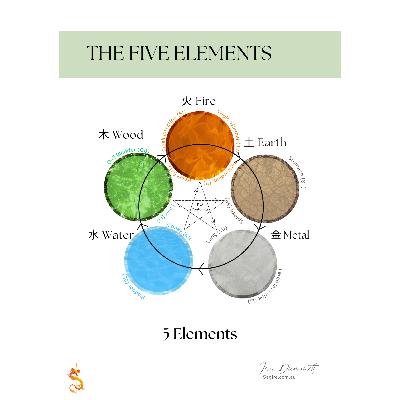
This podcast is focused on a theory within Classical East Asian Medicine (CEAM), that theory is 5 Element Theory. We will answer the question, what is 5 Element Theory?

In this podcast I would like to address a question that I am asked almost every day; no matter where i am, once people know what I do, the inevitable question comes up, can you treat…..?, and then the person will give a disease or condition.
Welcome to the second part of Menopause Got Your Mojo?
This episode, we will look into how CEAM looks at Spring and how it is relevant to our Health Balance.

Welcome to my podcasts Ancient Wisdom, ModernHealth: Reaching the Balance within. This podcast is focused on Classical East Asian Medicine (CEAM) and Women’s Health. The title or focus of this podcast is Menopause Got your MOJO, or Balancing Life: The Tao of Women’s Health. This is Part 1 of 2.
Comments


Download from Google Play

Download from App Store
 United States