


 Claim Ownership
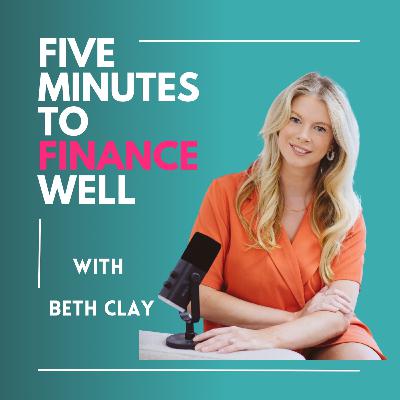
5 minutes to Finance Well
Subscribed: 4Played: 44
Subscribe

© Beth Clay
Description
Bite size financial tips to become financially well one podcast a time.
We'll address common financial concerns like ending up with no money, feeling guilty after spending, and handling awkward financial conversations with family. Dive into topics including why wealthy people use debt to grow their money, how much you should be getting paid, and effective saving strategies. Join us weekly for honest, judgment-free discussions designed to improve your financial well-being and make you feel good about managing your money. Subscribe, share, and tell us your biggest money challenges.
We'll address common financial concerns like ending up with no money, feeling guilty after spending, and handling awkward financial conversations with family. Dive into topics including why wealthy people use debt to grow their money, how much you should be getting paid, and effective saving strategies. Join us weekly for honest, judgment-free discussions designed to improve your financial well-being and make you feel good about managing your money. Subscribe, share, and tell us your biggest money challenges.
40 Episodes
Reverse
In this latest episode we explore the psychology behind having readily available money and its impact on your financial wellbeing, known as the salient data effect. We'll discuss why seeing real-time bank balances provides comfort and a sense of control, and discuss strategies to balance this need with effective financial planning.Learn how to ensure your money is both accessible and working for you through high-interest accounts and investments.Tune in for valuable insights and practical tips on maintaining financial health.00:00 Introduction to Readily Available Money00:35 Understanding Salient Data Effect01:27 Psychological Comfort of Accessible Balances02:57 Balancing Accessibility and Investment04:00 Tracking and Automating Savings05:00 Evaluating Net Worth05:54 Conclusion and Next Steps
In this episode, we discuss the importance of accountability in managing your finances. We explore various methods such as leveraging automatic banking tools, budgeting apps, and coaching to keep your finances on track. Learn how to automate savings and debt payments to reduce stress and maintain consistency. Discover tools and strategies to help you make informed financial decisions without the mental burden. Stay tuned till the end for insights on the Finance Her Well membership designed to support your financial journey. As always like, follow, and subscribe for more financial tips and discussions.00:00 Introduction to Accountability in Finance00:11 The Importance of Financial Accountability01:03 Leveraging Automatic Tools for Financial Management02:27 Automating Savings and Debt Payments03:16 Budgeting Apps and Tools03:43 Manual Tracking and Consistency04:24 Conclusion and Membership Information
In this episode we explore the psychology behind the 'ostrich effect,' a common phenomenon where individuals avoid distressing financial information, such as debt and bank balances, to reduce anxiety. We delve into why people adopt this coping mechanism, the long-term consequences of such avoidance, and actionable steps to overcome it. Tune in to learn how to face your debts, create a realistic payment plan, and gain confidence in managing your financial health. Join us for practical advice and empowering tips to pull your head out of the sand.Let us know your thoughts on the ostrich effect and write in with any money challenges you'd like addressed on the show.Beth x00:00 Introduction to the Ostrich Effect01:08 Understanding the Ostrich Effect03:02 Psychological Reasons Behind the Ostrich Effect03:46 Overcoming the Ostrich Effect04:03 Practical Steps to Manage Debt04:47 Seeking Help and Celebrating Wins05:25 Conclusion and Final Thoughts
Have you ever held both savings and debt? You're not alone.In this episode we delve into the concept of co-holding, which involves maintaining both savings and debt simultaneously. We explore the psychological reasons behind this practice, the importance of managing high-interest debt, and strategies such as debt consolidation and automation to manage finances effectively. Tune in to learn how to balance financial responsibilities and achieve long-term security.00:00 Introduction to Co-Holding00:29 Understanding Co-Holding01:04 Psychological Aspects of Co-Holding02:51 Managing Debt and Savings03:58 Practical Tips for Co-Holders05:44 Conclusion and Final Thoughts
In this week's episode we're addressing the mindset around your finances as an entrepreneur, and how we treat ourselves.Can we live a sustainable life as an entrepreneur and how do we invest in ourselves?Tune into the episode to see how you can reinvest in yourself and your business and set yourself up for success.Let us know if you're self-employed and struggle spending on yourself.As always please follow, like and rate the show.Beth xP.S. I also wanted to share a podcast I think you'll love. If you enjoy the expert advice here, check out "Talking to Teens" hosted by Andy Earle. It's like what we do, but for parenting teenagers - short, focused conversations with experts that offer practical tips you can use right away. I found it incredibly helpful for navigating the teenage years. Subscribe at talkingtoteens.com
In this latest episode we discuss the challenges and mindset shifts required when moving from a stable corporate job to the unpredictable world of entrepreneurship. We'll address the crucial aspects like budgeting, flexibility, building an emergency fund, tracking realistic income goals, and diversifying income streams. This is ideal for anyone considering starting their own business in the near future, this episode provides practical advice on how to handle the financial instability and embrace the opportunities that come with being your own boss.Please get in touch if you're thinking about moving from a corporate to entrepreneurial role and have any money question.As always please follow, live and rate our show.Beth xChapters00:00 Introduction and Welcome Back00:10 Transitioning from Corporate to Entrepreneurial Life00:46 Mindset Shift: Fixed Salary to Fluctuating Income02:25 Budgeting and Financial Planning04:13 Tracking Income and Setting Realistic Goals05:24 Embracing Uncertainty and Diversifying Income07:55 Long-term Growth and Strategic Management08:50 Conclusion and Call to Action
In this episode we explore the nuanced debate around buying property: is it an asset or a liability? Drawing from financial experts lwe discuss the long-term costs and benefits of home ownership.
We also consider the cultural factors influencing the 'American Dream' of owning a home and provide strategic advice for those looking to invest in property.
Join us as we unpack the psychological and financial dimensions of this critical decision and offer practical tips for making informed choices.
Drop Beth a DM with your thoughts on whether or not you're considering buying a home?
00:00 Introduction to Property Buying
00:12 Is a Home an Asset or Liability?
00:51 Cultural Significance of Home Ownership
01:42 Financial Considerations of Owning a Home
02:50 Strategic Property Buying Tips
04:03 Balancing Emotional and Financial Factors
05:49 Conclusion and Personal Reflections
In this first episode of 2025, we explore how to use credit cards effectively. We'll discuss how to avoid the pitfalls of overspending and high-interest rates by understanding the importance of paying off balances in full each month.
We discuss the benefits of credit cards, such as reward points, travel perks, and sign-up bonuses, and how to leverage these without going over budget. Learn how to set strict spending limits and automate payments to ensure financial responsibility.
Recommended books for further reading include 'I Will Teach You to Be Rich' by Ramit Sethi and 'The Total Money Makeover' by Dave Ramsey.
Drop us a DM and let us know your thoughts on credit cards.
00:00 Introduction to Credit Card Usage
00:27 Understanding Credit Card Risks
01:47 Benefits of Using Credit Cards
02:46 Choosing the Right Credit Card
03:51 Effective Credit Card Management Tips
05:23 Maximizing Credit Card Rewards
06:25 Recommended Reading and Conclusion
In this episode we explore the fundamental aspect of pricing, which applies to both job seekers and entrepreneurs.
Learn how to price your skills, services, and products without overpricing or undervaluing yourself. We explore strategies for salary negotiations, competitive market research, understanding your worth, and communicating your value effectively.
Gain insights into industry benchmarks, research tools like Glassdoor and PayScale, and the importance of showcasing your accomplishments.
Plus, discover recommended reads for further mastering negotiation skills including Lean In by Sheryl Sandburg and Never Split the Difference by Chris Voss.
00:00 Introduction to Pricing Strategies
01:05 Understanding Your Worth
02:30 Researching Industry Benchmarks
04:34 Effective Salary Negotiation
05:15 Entrepreneurial Pricing Tips
06:11 Mastering Negotiation Skills
07:27 Recommended Reading and Conclusion
Investing 101: Tackling the Anxiety of Tied-Up Money
In this episode we address the common anxiety around investing and the psychological struggle with liquidity (having readily accessible cash).
We explore the idea of investing in assets like property or businesses, which can tie up your money, and the importance of having an emergency fund to maintain a sense of financial security.
We discuss strategies for shifting your perspective on investments from short-term anxiety to long-term growth.
For further reading on handling emotional around money explore The Behavior Gap' by Carl Richards.
00:00 Introduction to Investing and Liquidity
00:42 Understanding Asset Investment and Anxiety
01:52 Psychological Aspects of Liquidity
02:55 Shifting Perspectives on Investing
03:55 Building an Emergency Fund
05:04 Investment Tools and Resources
05:38 Conclusion and Viewer Engagement
In this episode we explore the rising threat of bank and money scams.
We talk through the increasingly sophisticated methods scammers use to exploit your trust and how you can protect yourself. We'll cover important steps such as recognizing phishing attempts, verifying unsolicited calls and texts, using low-limit cards for online transactions, and enabling two-factor authentication.
If you've been a victim of a scam or have any financial challenges, share your experiences and suggestions for future episodes.
Don't forget to like and subscribe for more valuable content and reach out to Beth with any money challenges you have.
00:00 Introduction to Bank Scams
00:49 Recognizing Sophisticated Scams
01:39 Personal Experience with a Scam
02:35 Steps to Safeguard Your Finances
03:49 Using Technology for Protection
05:32 Final Tips and Conclusion
In today's episode of we return from a brief hiatus to discuss the influence of negative financial news on our perception of investment risk.
We address common fears about market instability and why you need to consider a balanced approach to media consumption.
We dive into how our natural negative bias affects financial decisions and offers strategies to maintain a positive mindset and make informed, rational investment choices.
For further resources we recommend reading 'The Psychology of Money' by Morgan Housel and 'I Will Teach You to Be Rich' by Ramit Sethi for deeper insights.
00:00 Introduction and Upcoming Plans
00:40 Understanding Risk and Negative Financial News
01:48 The Impact of Negative News on Financial Decisions
03:48 Strategies to Manage Media Consumption and Financial Risk
05:26 Recommended Reading and Conclusion
In this episode of Five Minutes to Finance Well, we look into the surprising truth that wealth doesn't always translate into financial wellness. Despite possessing substantial wealth, many people still struggle with financial trauma, fear of loss, and unhealthy money habits.
We'll discuss how these psychological aspects impact their lives and provide guidance on how a healthier relationship with money can be achieved through mindful spending .
Join the conversation and reach out to Beth (@financeherwell) to share your own money challenges.
00:00 Introduction to Financial Wellness
00:15 The Surprising Truth About Wealth and Financial Wellness
01:20 Psychological Traits of Wealthy Individuals
01:49 Fear of Loss and Financial Anxiety
02:21 Money as a Defense Mechanism
03:13 Survivor's Guilt Among the Wealthy
04:03 Mindful Spending and Financial Therapy
05:23 Reframing Your Relationship with Money
05:59 Conclusion and Viewer Engagement
In this episode we explore the 'ick factor' associated with asking for money. We'll go through the psychological and cultural conditioning that makes money conversations uncomfortable and offer strategies to reframe and normalise these discussions.
Learn how to confidently ask for money by emphasising the value and benefit you provide, shifting your mindset, and rehearsing positive outcomes.
Tune in to understand how to break the taboo and embrace financial conversations with confidence.
00:00 Introduction to the Ick Factor
00:58 Cultural Conditioning and Money
02:00 Fear of Rejection and Self-Worth
02:59 Reframing Money Conversations
04:46 Visualizing Positive Outcomes
06:27 Conclusion and Call to Action
In this episode of Five Minutes to Finance Well, we dive into the topic of financial uncertainty and how to manage it effectively. We'll discuss the emotional and psychological challenges that come with financial instability, such as the anchoring bias and the importance of cognitive reframing.
Importantly we'll learn practical strategies for building resilience, including creating an emergency fund, budgeting, and investment planning.
Finally why it's okay to experience financial uncertainty and discover ways to turn these uncertain times into opportunities for growth.
Tune in for actionable advice on achieving financial wellness despite the unknowns.
00:00 Introduction to Financial Uncertainty
00:26 Common Sources of Financial Stress
02:21 Psychological Aspects of Financial Uncertainty
04:08 Strategies for Managing Financial Uncertainty
05:40 Building Financial Resilience
06:46 Conclusion and Listener Engagement
In this episode we dig deep into the importance of having an emergency fund as a financial safety net. We discuss the benefits of keeping three to six months' worth of living expenses set aside for unexpected events like job loss, medical emergencies, or car repairs.
We talk throughhow to start small, budget effectively, automate savings, and find the right type of savings account for your emergency fund.
Tune in to find out why this financial strategy is essential for reducing stress and ensuring peace of mind amidst life's uncertainties.
00:00 Introduction to Emergency Funds
00:13 The Importance of a Financial Safety Net
01:03 Common Unexpected Financial Challenges
02:46 Building Your Emergency Fund
04:02 Automating Your Savings
05:44 Final Thoughts
In this episode of Five Minutes to Finance Well, we talk through the triggers behind impulse spending and explore strategies to manage it.
We explore why emotions like stress, boredom, and social influences drive us to make unplanned purchases. Learn practical tips like the 24-hour rule and creating a 'fun fund' to help manage these impulses effectively.
Tune in for insights on transforming impulsive buying habits into more mindful spending decisions.
Let us know your thoughts around impulse spending and write in with any money challenges you have to Beth @financeherwell on Instagram.
00:00 Introduction to Impulse Spending
01:16 Understanding the Triggers
02:28 Emotional Triggers and Reactions
03:26 Strategies to Manage Impulse Spending
04:29 Alternative Ways to Cope
05:32 Conclusion and Final Thoughts
In this episode, we discuss the fear around committing to money, especially when it comes to making upfront payments.
We explore the psychological reasons behind this fear, such as concerns over value and security. We talk through how to mitigate this fear, including listing potential gains, creating comfort buffers, and looking for payment security indicators.
As always don't forget to like, share, and subscribe for more financial insights and write in to Beth with any money challenges you have @financeherwell on Instagram.
00:00 Introduction to Fear of Committing to Money
01:16 Understanding the Fear of Upfront Payments
02:47 Strategies to Overcome Financial Commitment Anxiety
04:55 Conclusion and Final Thoughts
In today's episode we diving into the trending topic of debt-free living, particularly among Gen Z and Millennials.
We discuss the rising popularity of the debt-free revolution on social media, the FIRE movement, and methods to achieve financial independence.
Additionally, we explore the differences between good debt and bad debt, emphasising the importance of managing debt responsibly.
Tune in for insights on how younger generations are navigating student loans, credit card debt, and personal loans in today's financial landscape.
00:00 Introduction to the Debt-Free Revolution
00:41 The Popularity of Debt-Free Living
01:53 Challenges Faced by Younger Generations
02:59 Alternative Financial Strategies
03:55 Understanding Good Debt vs. Bad Debt
06:01 Conclusion
In today's episode we're talking about the concept of zero balance accounts. We explore how these accounts, which don't require a minimum balance and help you avoid fees, can benefit freelancers, students, expats, or anyone with a fluctuating income.
Learn why more banks are offering these accounts and how they can provide financial predictability and convenience.
Link to options for zero balance bank accounts in the UAE -
https://www.policybazaar.ae/best-zero-balance-savings-account-in-the-uae-baart/
00:00 Introduction to Zero Balance Accounts
00:33 Understanding Zero Balance Accounts
01:14 Benefits for Freelancers and Students
01:40 Banks Offering Zero Balance Accounts
02:31 Managing Financial Unpredictability
03:50 Conclusion and Viewer Engagement

Comments

Download from Google Play

Download from App Store
 United States