


 Claim Ownership
AI Lawyer
Subscribed: 4Played: 4
Subscribe

© Copyright 2026 AI Lawyer
Description
Conversations with leading experts on how law is shaping powerful new AI technology and how AI is reshaping law. Join host, Joel Cohen and brilliant guests as they explore legal battles over IP rights within AI models, autonomous AI weapons, the legal ethics of AI, regulating AI as a monopoly, and more...
Guests include Professor Tanina Rostain of Georgetown Law Center, Professor Tejas Narechania of Berkeley Law, Professor Sham Balganesh of Columbia Law, and more... Executive produced by the legal education website www.talksonlaw.com.
Guests include Professor Tanina Rostain of Georgetown Law Center, Professor Tejas Narechania of Berkeley Law, Professor Sham Balganesh of Columbia Law, and more... Executive produced by the legal education website www.talksonlaw.com.
7 Episodes
Reverse

Guest: Prof. Daniel Solove, George Washington University Law School.Artificial intelligence is radically shifting how our personal information is collected, shared and analyzed — and our traditional privacy laws are scrambling to keep up. In this episode we sit down with privacy scholar Prof. Solove, a leading expert on privacy law, to explore how AI is exposing the limits of the American right to privacy. From the third‑party doctrine to the landmark decision in Carpenter v. United States, Solove traces how government reliance on privately‑gathered data enables surveillance to expand without constitutional oversight. He argues that the privacy framework built for discrete searches is ill‑suited to a world of continuous, AI‑driven streams of personal data. Tune in to understand where we are, how we got here, and what might come next for privacy in the AI era.Daniel Solove is a professor of law at George Washington University Law School and a leading scholar on privacy and data protection.For attorneys, a CLE version of this interview can be found at www.talksonlaw.com or by following this link.

Guest: Prof. Tejas Narechania, Berkeley Law School.This episode of the AI Lawyer Podcast explores the legal challenges of AI market concentration and competition with Professor Narechania, an expert in telecommunications law and antitrust policy. As the costs of developing advanced AI models rise, Professor Narechania examines whether AI is headed toward a natural monopoly and what that means for fairness, innovation, and legal accountability.Will a small group of companies dominate AI development? What legal risks arise from monopolistic control over critical technologies? Professor Narechania breaks down the structural market forces driving AI consolidation and explains how antitrust laws, interoperability requirements, and public infrastructure models could shape the future of AI governance.For attorney listeners, a CLE version of this interview can be found at www.talksonlaw.com.
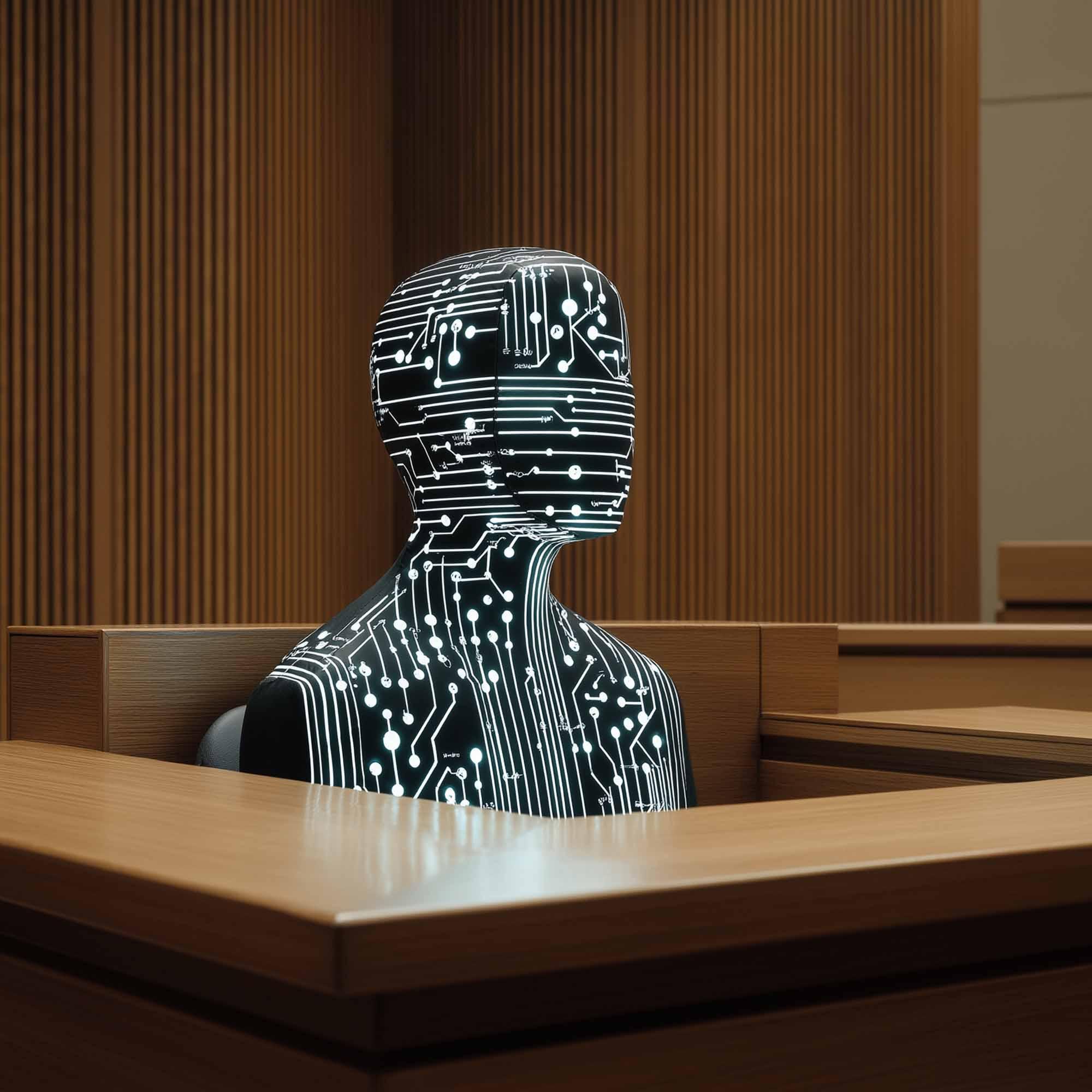
Guest: Judge Paul Grimm, Duke Law Professor and former U.S. District Judge.This episode of the AI Lawyer Podcast explores the “perfect evidentiary storm” created by generative AI and deepfakes in the courtroom. Judge Grimm, a leading expert on evidence and artificial intelligence, unpacks the legal, ethical, and practical challenges of AI in the justice system.How can courts manage audio and video deepfakes that appear undeniably real? What are the dangers of relying on "black-box" AI systems in pivotal legal decisions? Judge Grimm provides essential insights and explains why the rules of evidence must evolve to meet the demands of AI-driven technology.

Guest: Prof. Mitt Regan, Georgetown Law School.As autonomous weapons become a reality on the modern battlefield, their ethical and legal implications are sparking intense debate. Georgetown Law Professor Mitt Regan dives into the complexities of AI-enabled weapon systems, exploring how these technologies challenge the principles of international humanitarian law (IHL). With conflicts in Ukraine and Israel showcasing the rapid deployment of AI-driven military tools, Professor Regan unpacks the risks of automation bias, the importance of meaningful human oversight, and the gaps in existing legal frameworks.Mitt Regan is a professor of law at Georgetown Law Center and an expert on the laws of war and international law. For attorneys, a CLE version of this interview can be found at www.talksonlaw.com or by following this link.

Guest: Prof. Shyam Balganesh, Columbia Law School.The growing integration of AI models across industries has ignited fierce legal battles over the training of large language models (LLMs) and the use of copyrighted material. Columbia Law Professor Shyam Balganesh sits down with AI Lawyer to unpack the intricate legal questions surrounding AI and copyright, highlighting how LLMs depend on extensive datasets, often incorporating copyrighted works, to generate their outputs. High-profile cases, such as The New York Times v. OpenAI and Getty Images v. Stable Diffusion, are forcing courts to decide whether the use of copyrighted material for AI training qualifies as fair use or infringes on intellectual property rights.In this episode, Professor Balganesh discusses the technical intricacies of AI model training, the fair use doctrine’s role in AI litigation, and how the future may shift toward licensing models to resolve these disputes. Balganesh offers an inside look at the evolving legal landscape and what it could mean for the future of AI development.Shyam Balganesh is a professor of law at Columbia Law School. For attorneys, a CLE version of this interview can be found at www.talksonlaw.com or by following this link.
Guest: Tanina Rostain, Georgetown Law School.Increased adoption of AI by law firms raises questions about how lawyers can harness artificial intelligence consistent with their professional responsibilities. Georgetown Law Professor Tanina Rostain answers questions about the transformative impact of AI on law and how the rules of professional conduct apply to the new ways that attorneys are using AI tech to conduct research, draft documents, and interact with clients. As AI models show increasing proficiency in performing legal work, when may technology cross the line into unauthorized practice of law (UPL). Professor Rostain discusses what constitutes the “practice of law” when it comes to AI and suggests that the legal profession may eventually need to bend. According to Rostain, the benefits of AI for people who need legal assistance cannot be stifled by financial protectionism with superficial claims of protecting the public.Tanina Rostain is a professor of law at Georgetown Law Center. For attorneys, a CLE version of this interview can be found at www.talksonlaw.com or by following this link.

Increased adoption of AI by law firms raises questions about how lawyers can harness artificial intelligence consistent with their professional responsibilities. Georgetown Law Professor Tanina Rostain answers questions about the transformative impact of AI on law and how the rules of professional conduct apply to the new ways that attorneys are using AI tech to conduct research, draft documents, and interact with clients. As AI models show increasing proficiency in performing legal work, when may technology cross the line into unauthorized practice of law (UPL). Professor Rostain discusses what constitutes the “practice of law” when it comes to AI and suggests that the legal profession may eventually need to bend. According to Rostain, the benefits of AI for people who need legal assistance cannot be stifled by financial protectionism with superficial claims of protecting the public. Tanina Rostain is a professor of law at Georgetown Law Center.
Comments

Download from Google Play

Download from App Store
 United States