DiscoverAIDS: The Lost Voices
AIDS: The Lost Voices
Claim Ownership

AIDS: The Lost Voices

Author: William Hampson

Subscribed: 6Played: 128
Share

Description

In "AIDS: The Lost Voices," hosts William Hampson and Gloria take a profound look back at the often overlooked narratives of individuals affected by the AIDS crisis in the 80s and 90s.

They navigate through the archives of British newspapers, shedding light on the lived experiences that were overshadowed by sensationalist headlines. Hampson, drawing from his own harrowing experiences as detailed in his book 'The Lost Boys of Soho', highlights the personal toll of the pandemic, revealing how stigma and fear shaped the lives of countless individuals within the gay community.

Together, they aim to honour the voices that were lost amidst the chaos, providing a platform for understanding the human stories that contributed to the history of AIDS in Britain.

65 Episodes
Reverse
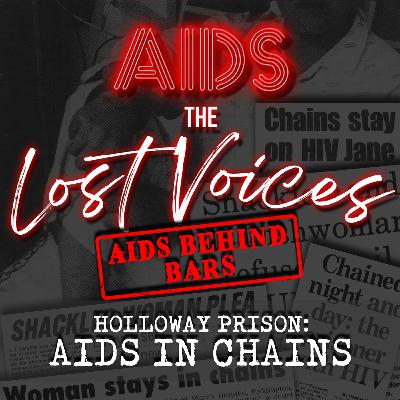
A forgotten and overlooked aspect of the AIDS pandemic was how people diagnosed in prison were treated when their illness advanced: rather than receive dignified medical care, many were transported to hospitals in chains and shackles. In 1991 a male prisoner testified to being taken to hospital still chained, and in 1996 a woman on remand, ‘Jane’ — not convicted, with no previous offences — was held in the AIDS ward at St Mary’s Hospital, London, chained to a guard round the clock; so weak she could barely walk the corridor, her chain was wrapped in a jacket at night to stop it from rattling and keeping her awake.Press coverage and photographs provoked national outrage and became a scandal for the then Conservative government, which was forced to review the policy of shackling women on hospital visits. That episode exposes how stigma, punishment and institutional inertia compounded the suffering of people with HIV in custody, consigning compassion and basic human dignity to the margins.All articles and relevant documents from this episode are available on the:XTRA Tea Blog AIDS: THE LOST VOICES - AIDS in Chains----------------------------------------------------Music / Instrumental by Aries Beats 'A Sin' + WEBSITE----------------------------------------------------Third-party media: Used under 'fair use' for the sole purpose of education, criticism and/or research relating to HIV/AIDS, featured in this podcast which has no (Zero) commercial gain. No copyright infringement intended -British Newspaper Archives / NewspapersNews Audio Clips - ITN (Known presenters self identified)'Anne Widdecombe Song' from Victoria Wood's 'All the Trimmings' 2000 - BBC
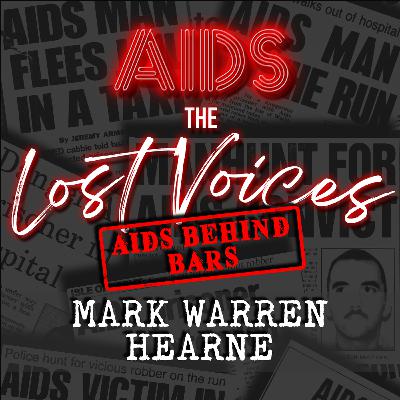
Mark Warren Hearne was diagnosed with AIDS in 1988 at the age of 22 and told he had only three months to live; he nevertheless survived for another nine years, during which time he was convicted of robbery in 1992 and sentenced to five years' imprisonment.While serving that sentence at HMP Camp HIll on the Isle of Wight he was admitted to St Mary's Hospital on the island with an AIDS-related illness; either because doctors believed him immobile or because he persuaded them he was, his prison guard was stood down, and Mark subsequently escaped from the hospital and the country was alerted.We search the newspaper archives in a bid to piece together snippets of this young man's life, starting with a single clipping that announced the discovery of his lifeless body by neighbours in his London flat in August 1997 — he was 31.All articles and relevant documents from this episode are available on the:XTRA Tea Blog AIDS: THE LOST VOICES - Mark Warren Hearne----------------------------------------------------Music / Instrumental by Aries Beats 'A Sin' + WEBSITE----------------------------------------------------Third-party media: Used under 'fair use' for the sole purpose of education, criticism and/or research relating to HIV/AIDS, featured in this podcast which has no (Zero) commercial gain. No copyright infringement intended -British Newspaper Archives / Newspapers
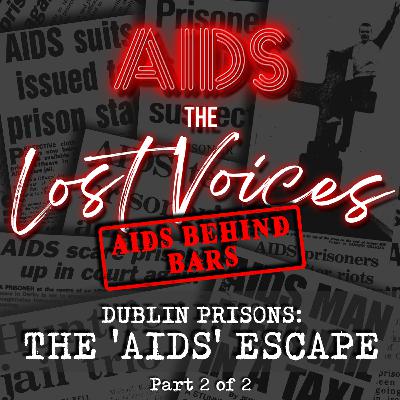
In 1986, Dublin’s Mountjoy and Arbour Hill prisons opened separation wings for inmates diagnosed with AIDS — a policy prisoners likened to being “treated like lepers” that sparked a wave of desperate protests: dirty protests, prolonged sit‑ins and rooftop demonstrations that only drew sustained media attention once visible, dramatic resistance began. Men and women confined to segregation described humiliating conditions — paper pillowcases and sheets, food served on paper plates, exclusion from work and education, and strict prohibitions on mixing with others — measures that compounded the isolation of illness and drove three men to escape while prompting public acts of defiance that forced the outside world to confront punitive, fear‑driven policies behind bars.The punishment for their crimes was a prison sentence, not an HIV/AIDS diagnosis, yet by standing up, using their voices and exercising their right to protest they exposed inadequate medical care, entrenched stigma and human rights abuses in the prison system. In doing so they became unwitting activists: their resistance helped secure improvements in conditions and access to treatment for incarcerated people living with HIV and warrants recognition in the history of AIDS not only for their offences but for the role they played in advancing dignity and humane care.All articles and relevant documents from this episode are available on the:XTRA Tea Blog AIDS: THE LOST VOICES - MOUNTJOY & ARBOUR HILL----------------------------------------------------RTÉ - Irelands National Television & Radio Broadcaster----------------------------------------------------Music / Instrumental by Aries Beats 'A Sin' + WEBSITE----------------------------------------------------Third-party media: Used under 'fair use' for the sole purpose of education, criticism and/or research relating to HIV/AIDS, featured in this podcast which has no (Zero) commercial gain. No copyright infringement intended -British Newspaper Archives / NewspapersRTÉ - Back to the Joy (Mountjoy Revisited Documentary) YouTube
In 1986, Dublin’s Mountjoy and Arbour Hill prisons opened separation wings for inmates diagnosed with AIDS — a policy prisoners likened to being “treated like lepers” that sparked a wave of desperate protests: dirty protests, prolonged sit‑ins and rooftop demonstrations that only drew sustained media attention once visible, dramatic resistance began. Men and women confined to segregation described humiliating conditions — paper pillowcases and sheets, food served on paper plates, exclusion from work and education, and strict prohibitions on mixing with others — measures that compounded the isolation of illness and drove three men to escape while prompting public acts of defiance that forced the outside world to confront punitive, fear‑driven policies behind bars.The punishment for their crimes was a prison sentence, not an HIV/AIDS diagnosis, yet by standing up, using their voices and exercising their right to protest they exposed inadequate medical care, entrenched stigma and human rights abuses in the prison system. In doing so they became unwitting activists: their resistance helped secure improvements in conditions and access to treatment for incarcerated people living with HIV and warrants recognition in the history of AIDS not only for their offences but for the role they played in advancing dignity and humane care.All articles and relevant documents from this episode are available on the:XTRA Tea Blog AIDS: THE LOST VOICES - MOUNTJOY & ARBOUR HILL----------------------------------------------------RTÉ - Irelands National Television & Radio BroadcasterAll audio from RTÉ News Television Bulletins - Links below to watch:Prisoners with AIDS, Arbour Hill - 20 January 1986Transfer of AIDS Prisoners - 21 January 1986News AIDS Prison Unit - 23 January 1986Prison AIDS Scare - 25 January 1986Prison Rooftop Protest (Arbour Hill) - 11 March 1986----------------------------------------------------Music / Instrumental by Aries Beats 'A Sin' + WEBSITE----------------------------------------------------Third-party media: Used under 'fair use' for the sole purpose of education, criticism and/or research relating to HIV/AIDS, featured in this podcast which has no (Zero) commercial gain. No copyright infringement intended -British Newspaper Archives / NewspapersRTÉ - All Audio News Bulletins from RTÉ Archive Website
Brian Nugent was diagnosed with AIDS in October 1986 at the age of 33. Originally from Waterford, Ireland, he trained as a cordon bleu chef in Paris before relocating to Sydney, Australia, in 1979, where he carved out a career in journalism as social editor for Sydney & City Magazine and later Panache.In 1987 Brian began sharing his experience of living with AIDS through a collaboration with journalist Jill Margo; together they devised a regular column for The Sydney Morning Herald that chronicled the personal, social and political dimensions of the epidemic in Australia, giving a public voice to a deeply private struggle at a time of widespread fear and misunderstanding. Forty years on, Brian’s diary stands as a stark, intimate testament to that era — a record that not only documents the daily realities of illness and care but also interrogates the cruelty of stigma.His entries perform a dual work: they commemorate the quiet courage of one man confronting mortality, and they demand renewed attention to the lessons of compassion, advocacy and collective responsibility that remain just as important today.All articles and relevant documents from this episode are available on the:XTRA Tea Blog AIDS: THE LOST VOICES - BRIAN NUGENT'S AIDS DIARY----------------------------------------------------Music / Instrumental by Aries Beats 'A Sin' + WEBSITE----------------------------------------------------'Amazing' Grace by Celtic Woman - Follow on InstagramYouTubeApple MusicAmazon Music ----------------------------------------------------'Take Me Home' by Celtic Thunder - Follow on InstagramYouTubeApple MusicAmazon Music----------------------------------------------------Third-party media: Used under 'fair use' for the sole purpose of education, criticism and/or research relating to HIV/AIDS, featured in this podcast. No copyright infringement intended -British Newspaper Archives / NewspapersBrian's diary published in: The Sydney Morning Herald (1987)Written by Brian Nugent & Jill Margo, then Journalist for The Sydney Morning Herald
Brian Nugent was diagnosed with AIDS in October 1986 at the age of 33. Originally from Waterford, Ireland, he trained as a cordon bleu chef in Paris before relocating to Sydney, Australia, in 1979, where he carved out a career in journalism as social editor for Sydney & City Magazine and later Panache.In 1987 Brian began sharing his experience of living with AIDS through a collaboration with journalist Jill Margo; together they devised a regular column for The Sydney Morning Herald that chronicled the personal, social and political dimensions of the epidemic in Australia, giving a public voice to a deeply private struggle at a time of widespread fear and misunderstanding. Forty years on, Brian’s diary stands as a stark, intimate testament to that era — a record that not only documents the daily realities of illness and care but also interrogates the cruelty of stigma.His entries perform a dual work: they commemorate the quiet courage of one man confronting mortality, and they demand renewed attention to the lessons of compassion, advocacy and collective responsibility that remain just as important today.All articles and relevant documents from this episode are available on the:XTRA Tea Blog AIDS: THE LOST VOICES - BRIAN NUGENT'S AIDS DIARY----------------------------------------------------Music / Instrumental by Aries Beats 'A Sin' + WEBSITE----------------------------------------------------Third-party media: Used under 'fair use' for the sole purpose of education, criticism and/or research relating to HIV/AIDS, featured in this podcast. No copyright infringement intended -British Newspaper Archives / NewspapersBrian's diary published in: The Sydney Morning Herald (1987)Written by Brian Nugent & Jill Margo, then Journalist for The Sydney Morning Herald
We take a look at the AIDS quilts commemorating figures from fashion and nightlife whose lives intersected with celebrity, creativity and activism: Tommy Nutter, the Savile Row tailor whose daring cuts and showmanship in the 1970s made his suits a zeitgeist item coveted by a generation — friends and clients included Bianca Jagger, Twiggy, Andrew Lloyd Webber, Elton John, Cilla Black and The Beatles — and whose quilt honours a maker who reshaped menswear. Nearby is the panel for Peter von Werffelli, the son of a prominent Swiss family and master furrier with ties to Dior. Peters a master furrier himself and now living in London create a range from couture furs to audacious ‘micro’ beach pants; his quilt recalls a craftsman who bridged high fashion and playful saucy style. And there is Ronald Heyfron, better known on stage as Juicy Lucy, a celebrated figure in the 80s London drag scene who appeared in pop videos — including the Frankie Goes to Hollywood iconic ‘Relax’ — and, despite his own AIDS diagnosis, channelled creativity into activism with his ‘Juice’ nights to raise funds for AIDS charities; his quilt is both a memorial and a testament to the community care and defiant joy that sustained so many through the crisis.All articles and relevant documents from this episode are available on the:XTRA Tea Blog AIDS: THE LOST VOICES - Behind the StitchesUK AIDS Quilt Website ---> DONATE HERE <----View Tommy's QuiltView Peter's QuiltView Ronnie's / Juicy's Quilt----------------------------------------------------MARKET TAVERN - "JUICE" NIGHT - rare video cam footageby Alan Cross >>>WATCH HERE YOU TUBE<<<----------------------------------------------------Holly Johnson/Frankie Goes to Hollywood:Holly Johnson Instagram'Relax' - Frankie Goes to Hollywood Spotify----------------------------------------------------Music / Instrumental by Aries Beats 'A Sin' + WEBSITE----------------------------------------------------Third-party media: Used under 'fair use' for the sole purpose of education, criticism and/or research relating to HIV/AIDS, featured in this podcast. No copyright infringement intended -British Newspaper Archives / NewspapersUK AIDS Memorial Quilt Website
In this special tribute episode, "Remembering Roger Youd," published on the 40th anniversary of Roger’s untimely passing on 16 December, intimate recollections from his brother Carlton Youd sit alongside an inspiring interview with Paul Fairweather — a close friend and longstanding, respected LGBT and HIV/AIDS activist who helped establish Manchester’s AIDS line along with the picket and protest in response to Roger’s unlawful detainment.We also hear first‑hand accounts of Roger’s deep friendship with Ian, a bond so close they mischievously called one another “sisters,” a small, wry testament to the humour that sustained them. Roger’s catalogue of imported disco records — traded for the use of Ian’s solarium — made for a friendship that endured through ordinary joys and the looming, unknowable crisis to come, AIDS.This episode stitches personal memories into a tender, unflinching tribute to a much-loved son, brother and friend, showing Roger as far more than a historical footnote or the press’s reductive label, “the Monsall patient.”. Together these testimonies map how Roger's fight for his freedom and care helped redefine support for a whole generation living with HIV/AIDS.All articles and relevant documents from this episode are available on the:XTRA Tea Blog AIDS: THE LOST VOICES - Remembering Roger Youd----------------------------------------------------Music:Saving All My Love - Whitney Houston (1985)Apple Music Amazon Music YouTube Music----------------------------------------------------Reflections - Evelyn ThomasApple Music Amazon Music YouTube Music----------------------------------------------------Sisters Are Doin' It for Themselves - Eurythmics (1985)Apple Music Amazon Music YouTube Music----------------------------------------------------TV Interview/ReportTV Eye - AIDS and You (1985) Thames TV/Freemantle----------------------------------------------------Third-party media: Used under 'fair use' for the sole purpose of education, criticism and/or research relating to HIV/AIDS, featured in this podcast. No copyright infringement intended -British Newspaper Archives / Newspapers
After visiting the UK AIDS Memorial Quilt on display at the Turbine Hall at the TATE in the summer of 2025, I found myself deeply moved by the creativity and craftsmanship evident at all levels, alongside the poignant individual stories embedded in each panel.This led me to research various quilts that particularly caught my eye, focusing on those lovingly made for Sandy Kane, a Canadian who moved to London to work for the Government. Along with the Quilt made for Richard "Richie" McMullen, his life story is stitched with survival and relentless activism: abused by his father and, by his early teens, driven into sex work in Liverpool before leaving for London at 15, Richie turned his trauma into a mission, founding ‘Streetwise’ to support rent boys and later co-founding Survivors, a helpline for rape victims. He campaigned tirelessly for legal recognition and reform on male rape and, after being diagnosed with HIV/AIDS, confronted stigma head-on — writing and publishing four acclaimed books that combined personal testimony with campaigning urgency, ensuring his voice remained central to the movements he helped build.We also look at a quilt dedicated to "SMASH" discovering his real name was Philip Maurice Tolson. But as we start to establish certain aspects of his life we lack personal testimony to the kind of man he was and his story becomes an appeal in the hope friends of old come forward to share more about the life of this handsome young man.All articles and relevant documents from this episode are available on the:XTRA Tea Blog AIDS: THE LOST VOICES - Behind the StitchesUK AIDS Quilt Website ---> DONATE HERE <----View Sandy's QuiltView Richard's QuiltView Philip's Quilt----------------------------------------------------Music / Instrumental by Aries Beats 'A Sin' + WEBSITE----------------------------------------------------Third-party media: Used under 'fair use' for the sole purpose of education, criticism and/or research relating to HIV/AIDS, featured in this podcast. No copyright infringement intended -British Newspaper Archives / NewspapersUK AIDS Memorial Quilt Website
After visiting the UK AIDS Memorial Quilt on display at the Turbine Hall at the TATE in the summer of 2025, I found myself deeply moved by the creativity and craftsmanship evident at all levels, alongside the poignant individual stories embedded in each panel. This led me to research various quilts that particularly caught my eye, focusing on those lovingly made for Mark Freeman, an actor and former principal dancer with the Royal Ballet. Among these, the quilt created by Roy, Denny’s partner of six years, stands out, commemorating Dennis Williams, affectionately known as ‘Denny’ to those who knew him best. Another quilt of note is that of Tom Dwyer, originally from Scotland, who was drawn to London by its vibrant cultural scene and had a particular passion for disco music. All articles and relevant documents from this episode are available on the:XTRA Tea Blog AIDS: THE LOST VOICES - Behind the StitchesUK AIDS Quilt Website ---> DONATE HERE <----View Mark's QuiltView Denny's QuiltView Tom's Quilt----------------------------------------------------'Cherish' by Kool & the GangYouTubeAmazon MusicApple Music----------------------------------------------------'Don't Leave me this Way' by Thelma HoustonYouTube,SpotifyApple Music----------------------------------------------------Music / Instrumental by Aries Beats 'A Sin' + WEBSITE----------------------------------------------------Third-party media: Used under 'fair use' for the sole purpose of education, criticism and/or research relating to HIV/AIDS, featured in this podcast. No copyright infringement intended -British Newspaper Archives / NewspapersUK AIDS Memorial Quilt Website
After visiting the UK AIDS Memorial Quilt on display at the Turbine Hall at the TATE in the summer of 2025, I found myself deeply moved by the creativity and craftsmanship evident at all levels, alongside the poignant individual stories embedded in each panel. Whether driven by curiosity or the absence of a permanent memorial commemorating those lost in the AIDS pandemic, I found myself repeatedly pondering who these individuals were and how life had treated them.This reflection led me to research various quilts that particularly caught my eye—especially those that displayed only a forename. This choice, whether intentional by design or a reflection of the fear surrounding openly memorialising loved ones with their full names, added layers of mystery and anonymity that invited further contemplation on the personal and societal impact of the epidemic, whilst also learning more about who they were.All articles and relevant documents from this episode are available on the:XTRA Tea Blog AIDS: THE LOST VOICES - Behind the StitchesUK AIDS Quilt Website ---> DONATE HERE <----View Roy's QuiltView Andrew's Quilt AJ's LetterView Elaine's Quilt----------------------------------------------------Piano cover: 'Only Love Can Hurt Like This' by Riyandi KusumaYouTubeSpotifyApple MusicInstagram----------------------------------------------------Music / Instrumental by Aries Beats 'A Sin' + WEBSITE----------------------------------------------------Third-party media: Used under 'fair use' for the sole purpose of education, criticism and/or research relating to HIV/AIDS, featured in this podcast. No copyright infringement intended -British Newspaper Archives / NewspapersUK AIDS Memorial Quilt Website
Part 1 of 2: The Allegations & InvestigationWilliam Hampson, host of AIDS The Lost Voices, has recently emerged from the AIDS newspaper archives as the focus of a compelling two-part episode. In January 2025, Will found himself compelled to take legal action against his employer, Fuller’s, Smith & Turner, after enduring persistent discrimination at work due to his HIV disability. Since lodging that claim a troubling paper trail emerges, documenting the pub company’s repeated efforts to obstruct his return to work and dismiss his concerns about illegal activities, compounded by further instances of HIV-related discrimination and Will was subjected to physical assault, followed by the company and its representatives retaliating with unfounded allegations of racism against him. These retaliatory accusations resulted in disciplinary measures and ultimately his dismissal, painting a stark picture of workplace injustice entwined with prejudice and abuse.However, from the outset, Will highlighted the flaws and inconsistencies in the alleged evidence. He pointed out that two witnesses who gave testimony were not present at the time of the incident. One witness, who claimed to have heard and repeated the alleged statement, was revealed to have been absent the entire day, as it was his day off. In the two-part series, Will meticulously dissects Fuller’s supposed evidence, unravelling it piece by piece with remarkable ease. His analysis exposes the company and its representatives as having fabricated claims in a bid to remove him from the organisation, motivated by prejudice against him for being ‘White, British & HIV+’.All articles and relevant documents from this episode are available on the:XTRA Tea Blog - Fired for being: White, British & HIV+----------------------------------------------------Music / Instrumental by Aries Beats 'A Sin' + WEBSITE----------------------------------------------------Third-party media: Used under 'fair use' for the sole purpose of education, criticism and/or research relating to HIV/AIDS, featured in this podcast. No copyright infringement intended -CCTV appeal presentation proving allegations to be false WATCH HERE YouTubeDISCLAIMER: Article 10 of the Human Rights Act protects everyone's right to freedom of expression, which includes holding opinions and receiving/imparting information and ideas without public authority interference. The right applies to various forms of expression, including speech, artistic works, publications, and broadcasting. This encompasses political speech, artistic expression, commercial speech, journalism, and expressions online. The right to have your own thoughts and beliefs. There is no grounds for defamation to be claimed given the evidence that supports the concerns raised along with my right to hold belief and opinions as the person subjected to such actions and behaviours as I have recalled them to the best of my knowledge and recollections.
Part 2 of 2: The Disciplinary & DismissalWilliam Hampson, host of AIDS The Lost Voices, has recently emerged from the AIDS newspaper archives as the focus of a compelling two-part episode. In January 2025, Will found himself compelled to take legal action against his employer, Fuller’s, Smith & Turner, after enduring persistent discrimination at work due to his HIV disability. Since lodging that claim a troubling paper trail emerges, documenting the pub company’s repeated efforts to obstruct his return to work and dismiss his concerns about illegal activities, compounded by further instances of HIV-related discrimination and Will was subjected to physical assault, followed by the company and its representatives retaliating with unfounded allegations of racism against him. These retaliatory accusations resulted in disciplinary measures and ultimately his dismissal, painting a stark picture of workplace injustice entwined with prejudice and abuse.However, from the outset, Will highlighted the flaws and inconsistencies in the alleged evidence. He pointed out that two witnesses who gave testimony were not present at the time of the incident. One witness, who claimed to have heard and repeated the alleged statement, was revealed to have been absent the entire day, as it was his day off. In the two-part series, Will meticulously dissects Fuller’s supposed evidence, unravelling it piece by piece with remarkable ease. His analysis exposes the company and its representatives as having fabricated claims in a bid to remove him from the organisation, motivated by prejudice against him for being ‘White, British & HIV+’.All articles and relevant documents from this episode are available on the:XTRA Tea Blog - Fired for being: White, British & HIV+----------------------------------------------------Music / Instrumental by Aries Beats 'A Sin' + WEBSITE----------------------------------------------------Third-party media: Used under 'fair use' for the sole purpose of education, criticism and/or research relating to HIV/AIDS, featured in this podcast. No copyright infringement intended -CCTV appeal presentation proving allegations to be false WATCH HERE YouTubeDISCLAIMER: Article 10 of the Human Rights Act protects everyone's right to freedom of expression, which includes holding opinions and receiving/imparting information and ideas without public authority interference. The right applies to various forms of expression, including speech, artistic works, publications, and broadcasting. This encompasses political speech, artistic expression, commercial speech, journalism, and expressions online. The right to have your own thoughts and beliefs. There is no grounds for defamation to be claimed given the evidence that supports the concerns raised along with my right to hold belief and opinions as the person subjected to such actions and behaviours as I have recalled them to the best of my knowledge and recollections.
The fifth and final episode in the diary series of Simon Daniels, a young gay man diagnosed with HIV/AIDS in 1993. Prior to his diagnosis, he worked as a restaurant manager and was actively involved in acting as well as HIV/AIDS activism. In addition to these pursuits, Simon became a writer, sharing his personal experiences through his diary entries in a regular column titled Positively Speaking for the Hull Daily Mail. Simon’s candid reflections provided a powerful and intimate insight into living with the illness, raising awareness and fostering understanding during a challenging time.Thirty years on, much has changed in the science and treatment of HIV/AIDS, with advancements in medications turning what was once a fatal diagnosis into a manageable chronic condition. Despite this progress, the stigma surrounding HIV/AIDS remains painfully persistent. While a growing number of people have become educated about the virus, many continue to harbour the ignorance and fear rooted in the 1980s and 1990s. Simon’s legacy endures as a vital insight into the lived experience of HIV/AIDS, reminding us that beyond medical breakthroughs, societal attitudes must evolve to truly support those infected and affected.All articles and relevant documents from this episode are available on the:XTRA Tea Blog - The Diary of Simon Daniels----------------------------------------------------Music / Instrumental by Aries Beats 'A Sin' + WEBSITE----------------------------------------------------Third-party media: Used under 'fair use' for the sole purpose of education, criticism and/or research relating to HIV/AIDS, featured in this podcast. No copyright infringement intended -British Newspaper Archives / NewspapersPositively Speaking - Written by Simon Daniels / Printed Hull Daily Mail'Story of my Life' Neil Diamond 1986 YouTube - Spotify - Apple Music'I Dreamed a Dream' Piano Cover by Francesco Parrino YouTube - Spotify - Apple Music
Simon Daniels was a young gay man diagnosed with HIV/AIDS in 1993. Prior to his diagnosis, he worked as a restaurant manager and was actively involved in acting as well as HIV/AIDS activism. In addition to these pursuits, Simon became a writer, sharing his personal experiences through his diary entries in a regular column titled Positively Speaking for the Hull Daily Mail. Simon’s candid reflections provided a powerful and intimate insight into living with the illness, raising awareness and fostering understanding during a challenging time.Thirty years on, much has changed in the science and treatment of HIV/AIDS, with advancements in medications turning what was once a fatal diagnosis into a manageable chronic condition. Despite this progress, the stigma surrounding HIV/AIDS remains painfully persistent. While a growing number of people have become educated about the virus, many continue to harbour the ignorance and fear rooted in the 1980s and 1990s. Simon’s legacy endures as a vital insight into the lived experience of HIV/AIDS, reminding us that beyond medical breakthroughs, societal attitudes must evolve to truly support those infected and affected.All articles and relevant documents from this episode are available on the:XTRA Tea Blog - The Diary of Simon Daniels----------------------------------------------------Music / Instrumental by Aries Beats 'A Sin' + WEBSITE----------------------------------------------------Third-party media: Used under 'fair use' for the sole purpose of education, criticism and/or research relating to HIV/AIDS, featured in this podcast. No copyright infringement intended -British Newspaper Archives / NewspapersPositively Speaking - Written by Simon Daniels / Printed Hull Daily MailI Dreamed a Dream, Les Misérables by Patti LuPone 1985 Apple Music
Simon Daniels was a young gay man diagnosed with HIV/AIDS in 1993. Prior to his diagnosis, he worked as a restaurant manager and was actively involved in acting as well as HIV/AIDS activism. In addition to these pursuits, Simon became a writer, sharing his personal experiences through his diary entries in a regular column titled Positively Speaking for the Hull Daily Mail. Simon’s candid reflections provided a powerful and intimate insight into living with the illness, raising awareness and fostering understanding during a challenging time.Thirty years on, much has changed in the science and treatment of HIV/AIDS, with advancements in medications turning what was once a fatal diagnosis into a manageable chronic condition. Despite this progress, the stigma surrounding HIV/AIDS remains painfully persistent. While a growing number of people have become educated about the virus, many continue to harbour the ignorance and fear rooted in the 1980s and 1990s. Simon’s legacy endures as a vital insight into the lived experience of HIV/AIDS, reminding us that beyond medical breakthroughs, societal attitudes must evolve to truly support those infected and affected.All articles and relevant documents from this episode are available on the:XTRA Tea Blog - The Diary of Simon Daniels----------------------------------------------------Music / Instrumental by Aries Beats 'A Sin' + WEBSITE----------------------------------------------------Third-party media: Used under 'fair use' for the sole purpose of education, criticism and/or research relating to HIV/AIDS, featured in this podcast. No copyright infringement intended -British Newspaper Archives / NewspapersPositively Speaking - Written by Simon Daniels / Printed Hull Daily MailEastEnders © BBC 3rd June 1996 Grant threatens to expose Mark's HIV YouTubeDiamonds (Rhianna) Piano Cover by Francesco Parrino YouTube - Spotify - Apple MusicPoem: by Keith Parke from How Can You Write a Poem When You're Dying of Aids?
Simon Daniels was a young gay man diagnosed with HIV/AIDS in 1993. Prior to his diagnosis, he worked as a restaurant manager and was actively involved in acting as well as HIV/AIDS activism. In addition to these pursuits, Simon became a writer, sharing his personal experiences through his diary entries in a regular column titled Positively Speaking for the Hull Daily Mail. Simon’s candid reflections provided a powerful and intimate insight into living with the illness, raising awareness and fostering understanding during a challenging time.Thirty years on, much has changed in the science and treatment of HIV/AIDS, with advancements in medications turning what was once a fatal diagnosis into a manageable chronic condition. Despite this progress, the stigma surrounding HIV/AIDS remains painfully persistent. While a growing number of people have become educated about the virus, many continue to harbour the ignorance and fear rooted in the 1980s and 1990s. Simon’s legacy endures as a vital insight into the lived experience of HIV/AIDS, reminding us that beyond medical breakthroughs, societal attitudes must evolve to truly support those infected and affected.All articles and relevant documents from this episode are available on the:XTRA Tea Blog - The Diary of Simon Daniels----------------------------------------------------Music / Instrumental by Aries Beats 'A Sin' + WEBSITE----------------------------------------------------Third-party media: Used under 'fair use' for the sole purpose of education, criticism and/or research relating to HIV/AIDS, featured in this podcast. No copyright infringement intended -British Newspaper Archives / NewspapersPositively Speaking - Written by Simon Daniels / Printed Hull Daily MailBBC Panorama - Princess Diana © BBC
Simon Daniels was a young gay man diagnosed with HIV/AIDS in 1993. Prior to his diagnosis, he worked as a restaurant manager and was actively involved in acting as well as HIV/AIDS activism. In addition to these pursuits, Simon became a writer, sharing his personal experiences through his diary entries in a regular column titled Positively Speaking for the Hull Daily Mail. Simon’s candid reflections provided a powerful and intimate insight into living with the illness, raising awareness and fostering understanding during a challenging time.Thirty years on, much has changed in the science and treatment of HIV/AIDS, with advancements in medications turning what was once a fatal diagnosis into a manageable chronic condition. Despite this progress, the stigma surrounding HIV/AIDS remains painfully persistent. While a growing number of people have become educated about the virus, many continue to harbour the ignorance and fear rooted in the 1980s and 1990s. Simon’s legacy endures as a vital insight into the lived experience of HIV/AIDS, reminding us that beyond medical breakthroughs, societal attitudes must evolve to truly support those infected and affected.All articles and relevant documents from this episode are available on the:XTRA Tea Blog - The Diary of Simon Daniels----------------------------------------------------Music / Instrumental by Aries Beats 'A Sin' + WEBSITE----------------------------------------------------Third-party media: Used under 'fair use' for the sole purpose of education, criticism and/or research relating to HIV/AIDS, featured in this podcast. No copyright infringement intended -British Newspaper Archives / NewspapersPositively Speaking - Written by Simon Daniels / Printed Hull Daily MailEastEnders Mark Fowler HIV storyline 1995 © BBC WATCH EastEnders YouTubeBBC Panorama May 1987 'AIDS - The Fight for Control' © BBCEastEnders Michelle Fowler & Ethel 1995 © BBC YouTubeITV Coronation Street 'Bet Gilroy Leaves' 16 October 1995 © ITV YouTube
Kenny Everett was an English radio DJ and television entertainer renowned for his zany comedic style, captivating millions and becoming a national treasure. Despite his popularity, a media frenzy invaded his private life when he was compelled to publicly disclose his sexuality outside his Kensington home, famously quipping, “two husbands are better than one,” while being photographed with his two partners, Nikolai and Pepe.Subsequently, the media pressured him into revealing his HIV-positive status, which later progressed into what was then termed ‘full-blown AIDS,’ a diagnosis made just prior to the advent of antiretroviral therapies that dramatically altered the course of the disease. Throughout this ordeal, Kenny displayed remarkable determination and courage, consistently responding to intrusive questions about his health with candour and optimism. His resilience and openness have cemented his status as a significant figure and an icon.All articles and relevant documents from this episode are available on the:XTRA Tea Blog AIDS: THE LOST VOICES - KENNY EVERETT----------------------------------------------------Music / Instrumental by Aries Beats 'A Sin' + WEBSITE----------------------------------------------------Third-party media: Used under 'fair use' for the sole purpose of education, criticism and/or research relating to HIV/AIDS, featured in this podcast. No copyright infringement intended -British Newspaper Archives / NewspapersAudio Interviewee's 'Unforgettable Kenny Everett' © ITVAudio Interviewee's 'Kenny Everett: In the Best Possible Taste' © BBC
Terence ‘Terry’ Madeley, a London-born actor, received a positive HIV diagnosis in 1985 after long grappling with a decline in his health. Despite the inevitable challenges, Terry remained steadfast in his magnanimous relationship with his long-term partner, Peter, and vowed to outlive the AIDS virus.In February 1987, during ‘AIDS Week’ on UK television, Terry made a brave decision to disclose his condition publicly, with his mother Lil’ standing by his side. A documentary, produced in collaboration with the BBC and presenter Pattie Coldwell, was underway to tell his story. Tragically, Terry passed away before filming was completed, but the captured footage enabled the BBC and Pattie to release Remember Terry in December 1987. The documentary proved instrumental in raising awareness and fostering tolerance towards HIV/AIDS during a crucial period.All articles and relevant documents from this episode are available on the:XTRA Tea Blog AIDS: THE LOST VOICES - TERRY MADELEY----------------------------------------------------Music / Instrumental by Aries Beats 'A Sin' + WEBSITE----------------------------------------------------Third-party media: Used under 'fair use' for the sole purpose of education, criticism and/or research relating to HIV/AIDS, featured in this podcast. No copyright infringement intended -British Newspaper Archives / Newspapers'Remember Terry' 1987 Pattie Coldwell ©BBC - Watch on YouTube Terry Madeley personal account 'ABC of AIDS' by British Medical Journal 1987
loading
Comments (2)

Illicitly Uphoneous

the guy who said fat people don't have HIV Has lost one of his two brain cells that he had left.

Sep 7th
Reply

Illicitly Uphoneous

After speaking to Will earlier on Instagram! I hunted down this podcast so quickly and I'm really glad I did. I'm only Al.pst through episode one . The conversation is amazing and just keeps flowing. Therefore easier to understand what's going on. Thank you so much! and I'm looking foward to each and every other episode. Excellent work girls and guys! ALWAYS!!!

Sep 6th
Reply
loading