


The Podcast For Doctors (By Doctors)
Subscribed: 2Played: 6
Subscribe

© Dr. Michael Jerkins and Dr. Ned Palmer
Description
Join Dr. Michael Jerkins and Dr. Ned Palmer, practicing physicians and co-founders of Panacea Financial, a national financial platform for doctors, as they have real talk on what matters to doctors and their lives.
36 Episodes
Reverse
Internal medicine resident and AI healthcare researcher Dr. Peter Brodeur joins Dr. Michael Jerkins for a grounded, practical conversation on how artificial intelligence is actually showing up in medicine today and where it’s headed next. From AI scribes and automated workflows to clinical decision support, Dr. Brodeur breaks down what’s delivering real value versus what’s still more promise than payoff. The discussion explores AI’s impact on physician burnout, workflow efficiency, and patient engagement, while unpacking critical concerns around safety, liability, automation bias, and the risk of deskilling clinicians. Dr. Brodeur also shares insights from recent research on where AI performs best, why “human-in-the-loop” systems matter, and how medical education may evolve alongside these tools. Can AI truly improve care without compromising clinical judgment? And how should doctors think about adopting new technology without losing the human side of medicine? Dr. Brodeur closes with a look at what responsible AI integration could mean for the future of healthcare and why cautious optimism, not blind adoption, is the path forward.
Practice owner and dentist Dr. ArNelle Wright joins Dr. Michael Jerkins for an honest conversation about what it really looks like to acquire and lead a dental practice. Drawing from her firsthand experience, Dr. Wright shares the financial surprises she encountered post-acquisition and why mental preparation is just as important as due diligence. The discussion explores how thoughtful patient communication can make or break a transition, from personalized outreach to humanizing leadership during times of change. Dr. Wright also reflects on her commitment to mentorship, building strong team culture, and leading with intention in an increasingly corporate dental landscape. Together, they examine how legislative changes, student borrowing caps, and economic pressures are shaping the future of dentistry and why financial literacy is no longer optional for today’s doctors. What should future dental owners know before taking the leap? And how can leadership, adaptability, and mentorship shape a more sustainable path forward? Dr. Wright closes with reflections on her non-traditional journey into dentistry, balancing ownership with motherhood, and her vision for empowering the next generation of dental leaders.

Board-certified vascular surgeon and chief medical resource advisor at Locum Tenens Dr. Miechia Esco joins Dr. Michael Jerkins for an in-depth conversation on the realities—and misconceptions—of locum tenens medicine. Drawing from a career that spans academia, military medicine, private practice, and locum work, Dr. Esco offers a firsthand look at how locum physicians adapt across diverse clinical environments and why experience, not transience, defines the field. The discussion highlights the critical role locum physicians play in underserved rural and urban communities, helping to bridge gaps created by physician shortages and hospital closures. Dr. Esco and Dr. Jerkins explore the growing demand for locum physicians across all specialties, the flexibility and autonomy locum work can provide, and how it compares to traditional employment in today’s evolving healthcare landscape. They also touch on the influence of technology and AI while reinforcing why human judgment, compassion, and trust remain irreplaceable in patient care. What does it really take to succeed as a locum physician? And how can mission, ethics, and culture shape a more sustainable future for healthcare? Dr. Esco closes with advice for physicians considering locum work, reflections on legacy and leadership, and a reminder that meaningful impact in medicine often comes from meeting communities where they need you most.
Fourth-year medical student and anesthesiology residency applicant Avery Wooten joins Dr. Michael Jerkins for a candid conversation about navigating medical school on the road to the Match. Avery reflects on her path from UNC Chapel Hill to UCSF, the mentorship that helped shape her journey, and how social media became an unexpected tool for transparency and guidance. She shares how she balances clinical rotations, content creation, and interview prep, while offering insight into the modern residency application process from virtual interviews to the power of personal storytelling. The discussion also explores the financial pressures facing today’s medical students, shifting priorities around work-life balance, and why authenticity matters more than ever in the Match. What does it really take to stand out as a residency applicant today? And how can mentorship—both online and offline—help demystify the process for the next generation? Avery closes with reflections on burnout, humor, and staying human while navigating one of the most demanding seasons of medical training.
Board-certified orthopedic surgeon, social media personality, and former professional violinist Dr. Will Kang joins Dr. Michael Jerkins for an engaging conversation on unconventional career paths, surgical culture, and building a life in medicine that extends beyond the operating room. Dr. Kang reflects on his early years as a classically trained musician, the role of parental influence in high-level performance, and how a career-altering shoulder injury ultimately redirected him from the concert stage to medicine. He shares how the COVID-19 pandemic reignited a long-standing interest in media, leading him to create educational and humorous content on social media. The discussion weaves through the realities of surgical training, the stereotypes surrounding different specialties, and why surgeons often develop thick skin, big egos, and an efficiency-first communication style just to survive the field. Dr. Kang also offers a candid look at balancing a demanding surgical career with family life, emphasizing why he’s chosen to prioritize being present at home, even when it comes at a professional cost. Looking ahead, he weighs in on the future of orthopedic surgery, including the growing role of robotics, AI, and real-time imaging. What does it take to pivot when your original dream no longer fits? And how can surgeons build resilience, maintain perspective, and define success on their own terms? Dr. Kang closes with advice for aspiring surgeons, reflections on criticism and self-healing, and why—despite the challenges—he still believes medicine is a career worth choosing.
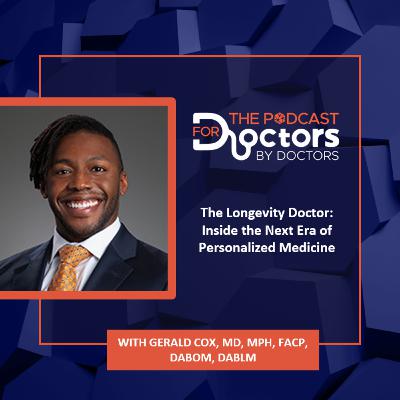
Quadruple board-certified physician Dr. Gerald Cox joins Dr. Ned Palmer for a thoughtful conversation on personalized medicine, obesity care, and the future of longevity. Dr. Cox reflects on his own childhood struggle with obesity and how it shaped his path from personal trainer to physician, ultimately leading him into concierge medicine where deeper relationships and individualized care take center stage. Together, they explore how AI is reshaping clinical practice, why prevention will define the next era of healthcare, and what we can learn from the world’s Blue Zones about living longer, healthier lives. Dr. Cox explains his approach to personalized health plans, the power of motivational interviewing, and the role of precision genomics in cardiometabolic and longevity medicine. What does truly personalized care look like in a system built for volume? And how can technology, motivation, and lifestyle-based medicine converge to meaningfully improve long-term health outcomes? Dr. Cox closes the episode with reflections on passion, purpose, and his mission to combat medical misinformation through digital education, reminding us why the future of medicine depends on both innovation and empathy.
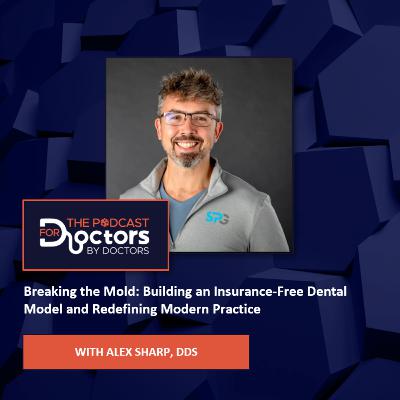
Dentist, entrepreneur, and co-founder of Shared Practices Group, Dr. Alex Sharp joins Dr. Michael Jerkins to share how his unconventional career path—from high-volume associate to multi-practice owner and CEO—shaped his philosophy on patient care, business, and leadership. He opens up about the lessons learned early in his career, the pivotal moment that pushed him toward practice ownership in Arkansas, and how those experiences inspired him to co-found Shared Practices Group, an organization focused on delivering full-arch implant care and achieving independence from insurance-driven dentistry. Dr. Sharp reflects on the realities of running a practice through the COVID-19 pandemic, why differentiation is essential for any insurance-free model, and the balancing act between efficiency, accessibility, and patient advocacy. The conversation also explores how AI and automation are reshaping the field from radiograph analysis to scheduling and why maintaining a personal touch will always be essential in patient care. What does it take to create a thriving, values-driven practice in an industry dominated by insurance and rising costs? And how can new dentists navigate student debt, business ownership, and a rapidly evolving technological landscape without losing sight of their “why”? Dr. Sharp offers candid insights into the state of dental education, the future of dental specialties, and why adaptability and a healthy dose of skepticism toward “expert” advice might be the most valuable skills a dentist can have today.
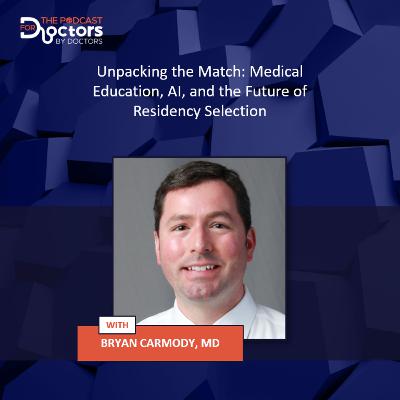
Pediatric nephrologist, educator, and “Sheriff of Sodium” Dr. Bryan Carmody joins Dr. Ned Palmer for a candid deep dive into the world of medical education and residency selection. Known for his sharp analysis and willingness to challenge convention, Dr. Carmody offers a four-star review of the medical education system, praising the outcomes, but questioning the inefficiencies baked into the process. Together, they explore the ripple effects of the USMLE Step 1 exam’s move to pass/fail, the evolving competitiveness of specialties like anesthesiology and pediatrics, and how international medical graduates fit into the shifting landscape. Dr. Carmody also weighs in on the growing presence of AI in residency applications. As the conversation turns toward the future, Dr. Carmody highlights the urgent need to align medical education with real-world competencies and the expectations of residency programs. How can medical education evolve to meet the needs of both students and patients? And what happens when AI, equity, and efficiency collide in the residency match? This episode unpacks the complexities shaping the next generation of physicians.
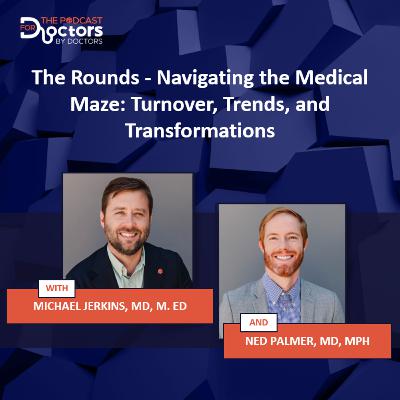
Dr. Michael Jerkins and Dr. Ned Palmer tackle the pressing issues facing today’s physicians. From high turnover rates and burnout to the appeal of direct primary care models, they explore how doctors can regain autonomy, protect their well-being, and find balance in an increasingly complex and demanding healthcare landscape. They discuss the realities of hospital medicine, the pressures of episodic care, and the systemic factors driving many physicians to rethink their career paths. What drives physicians to leave hospital medicine, and how can the next generation avoid the pitfalls of burnout? How can doctors navigate the nuances of job contracts and employment agreements while protecting their time and financial interests? And what lessons can be drawn from the evolving COVID-19 treatment pathways that highlight the need for flexibility and innovation in practice? Dr. Jerkins and Dr. Palmer break down these challenges with candid insights, real-world examples, and a mix of humor and practicality, offering actionable advice for physicians at every stage of their career. Panacea Financial is not a law firm and provides no legal advice of any kind whatsoever. The information regarding legal matters shared on this website is provided for your private use and does not constitute legal advice or substitute for the advice of an attorney. If you require legal advice about a specific matter or question, you should consult with an attorney of your choosing or contact Panacea Legal Services panacea.legal.
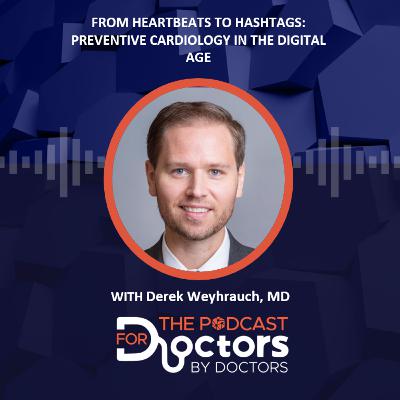
Pediatric and preventative cardiologist, endurance athlete, and social media influencer Dr. Derek Weyhrauch joins Dr. Michael Jerkins to share how intense physical challenges, like swimming from Alcatraz and competing in Ironman triathlons, have shaped his approach to medicine, stress management, and patient care. He details his journey from medical school to becoming a leading voice in preventative cardiology, emphasizing the power of lifestyle changes in combating heart disease. He opens up about the art of balancing a demanding professional life with personal passions, and why exercise and being outdoors are like an antidote for the stress of medical training. How can a physician truly leverage social media to fight a rising tide of health misinformation? And what happens when the conversation shifts from generalized advice to candid talk about topics like cholesterol and vaccines? They dig into the opportunities and challenges of connecting with a broader audience, why human connection and storytelling remain irreplaceable in healthcare, and the enduring value of being a physician who educates through digital platforms.
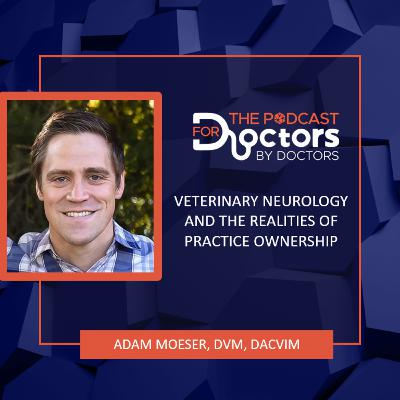
From discovering his calling in veterinary neurology to tackling the realities of practice ownership, Dr. Adam Moeser sits down with Dr. Michael Jerkins for a candid conversation on the highs and hurdles of a veterinary career. He shares how an open mind (and a few detours) led him to neurology, why mentorship and internships are game changers, and what aspiring specialists should know before committing to a path. What is the biggest misconception about owning a veterinary practice? How did COVID-19 reshape demand for care? And where does the industry go as corporate consolidation accelerates? Dr. Moeser pulls back the curtain on everything from his daily neurology cases like epilepsy and intervertebral disc disease to the financial, personal, and systemic challenges veterinarians face today. This episode mixes real talk on family, balance, and the business side of veterinary medicine. And yes, we even settled the cats-versus-dogs debate — Dr. Moeser’s answer might surprise you. Whether you are a vet student, practice owner, or just curious about the future of animal care, this one is for you.
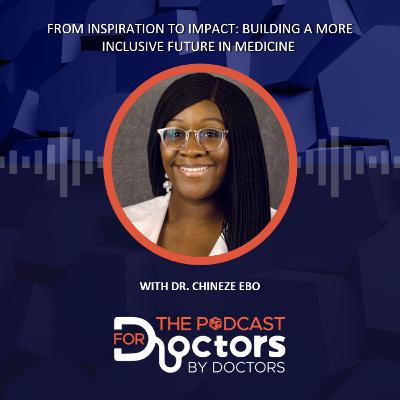
Pediatric endocrinologist, mentor, and co-founder of NextGen Pediatricians, Dr. Chineze Ebo joins Dr. Ned Palmer to share how early exposure to medicine through her mother, an OB-GYN doctor, sparked a career dedicated to long-term patient care. She opens up about the moment she knew pediatric endocrinology was the right path, the joy of seeing patients thrive, and the unique challenges facing this small but vital specialty. How can mentorship completely shift the trajectory of a young doctor’s career? And what happens when diversity in medicine goes from a talking point to a reality? They dig into how mentorship can transform opportunities for underrepresented minority physicians, why diversity is a driver of better patient outcomes, and the systemic shifts needed to attract more specialists to pediatric care. From swapping career-shaping stories to throwing out bold ideas for the future of medicine and bonding over their shared (and admittedly controversial) dislike of Cincinnati chili; this conversation is as real as it gets. Whether you’re a doctor, med student, or just curious , you’ll leave inspired, informed, and maybe a little hungry… just not for chili. Panacea Financial is not a law firm and provides no legal advice of any kind whatsoever. The information regarding legal matters shared on this website is provided for your private use, and does not constitute legal advice or substitute for the advice of an attorney. If you require legal advice about a specific matter or question, you should consult with an attorney of your choosing or connect to Panacea Legal Services panacea.legal.
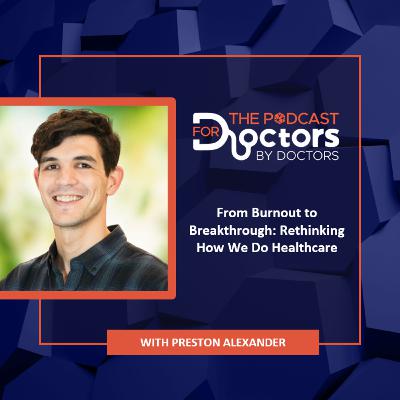
What do clunky insurance networks and subscription-style doctor care have in common? According to Preston Alexander, they’re both part of the same fixable puzzle. Healthcare advocate, writer, and author of The Healthcare Breakdown, Preston joins Dr. Michael Jerkins to explore where the U.S. healthcare system is broken and the quiet, practitioner-led shift already underway. They dig into how insurance-driven incentives frustrate doctors and patients, why employers hold untapped power to change costs, and the growing appeal of subscription models like direct primary care. Preston shares how technology can make care more direct and transparent, how large health systems’ misaligned incentives hold progress back, and why physician voices are essential in decision-making. From legislative barriers to the business skills doctors need to thrive, this conversation blends big-picture strategy with actionable ideas for building patient-centered, sustainable practices. Whether you’re a physician, employer, or simply curious about what’s driving healthcare costs, you’ll walk away with a clear-eyed view of what’s broken and what’s working.

What do boy bands, burnout, and bedside manner have in common? According to Dr. J Mack Slaughter—more than you think. In this episode, emergency medicine physician, musician, and social media creator Dr. J Mack joins Dr. Michael Jerkins to unpack his unlikely path from pop performer to practicing medicine, and how creativity still fuels his career today. Dr. J Mack opens up about what led him to leave the entertainment industry, start over as a pre-med student, and ultimately find a way to merge both passions through his nonprofit, Music Meets Medicine. From the emotional toll of COVID-19 to his advocacy around EM residency reform and healthcare worker mental health, he shares how creating content online has helped him reclaim his voice and fight burnout, while educating the public along the way. We explore the broken incentives in healthcare, how profit-driven systems are failing both doctors and patients, and why giving doctors the tools to speak out is more important than ever. Whether you're a clinician craving inspiration or just someone who wants to understand the person behind the white coat, this episode hits all the right notes.
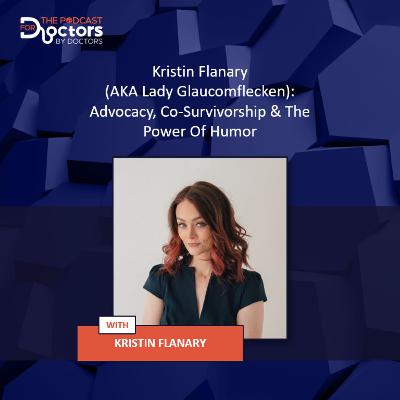
Writer, advocate, and co-creator of the Glaucomflecken universe, Kristin Flanary joins the show to explore the unexpected intersections of humor, healthcare, and co-survivorship. Known online as Lady Glaucomflecken, Kristin shares her journey from casual Twitter banter to public advocacy after performing life-saving CPR on her husband, physician and comedian Dr. Will Flanary, during his sudden cardiac arrest. In a system designed to center only the patient, where does that leave the partner who’s living through the trauma too? And what happens when caregivers are treated as accessories to recovery rather than humans navigating shock, PTSD, and grief of their own? Kristin reflects on the emotional toll of being a co-survivor, the role of humor in healing, and why changing the language we use in medicine is more powerful than we realize. We also unpack what it's like to build a life around a doctor’s schedule, how med school and training affects more than just the trainee, and why prestige in medicine is often overrated. This episode shines a light on the forgotten patients, while challenging doctors to approach families with more intention and empathy. If you’ve ever struggled to be seen in the healthcare system or want to better understand the people who stand beside the patient, this one is for you.
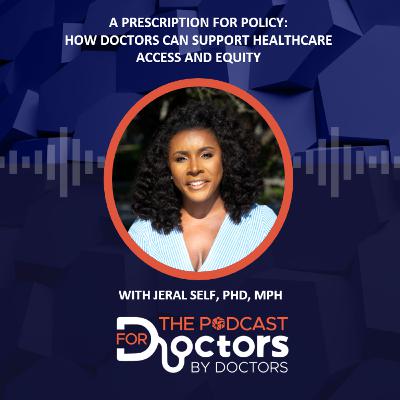
Health policy researcher and advocate Dr. Jeral Self joins host Dr. Michael Jerkins to explore one of the most overlooked yet impactful forces in healthcare: policy. With over 17 years of experience, Dr. Self shares what most people, and even many doctors, misunderstand about Medicaid, and why that matters more than ever. From school-based health initiatives and rural hospital struggles to the rapid rise of telehealth, this episode digs into the real-world effects of policy decisions and the importance of doctor involvement beyond the clinic. Dr. Self also opens up about how motherhood reshaped her perspective on care, and why advocacy can’t be something we only take on after burnout. How do we make sense of a system as complex as Medicaid? Where can doctors make a difference without a policy degree? And how do we keep patients, especially the most vulnerable, at the center of all this? Whether you’re new to health policy or already active in advocacy, this episode is a thoughtful, personal, and practical look at how doctors can be agents of change in a system that desperately needs it. The views expressed by Dr. Self in this podcast are solely her own and do not reflect the opinions or positions of her employer.
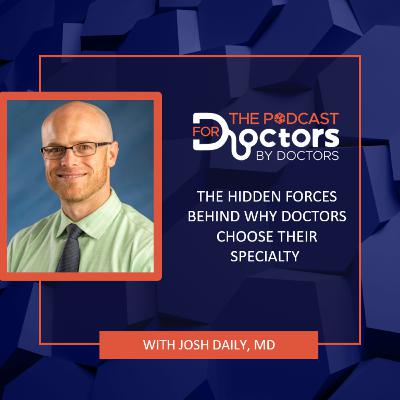
Pediatric cardiologist and educator Dr. Josh Daily joins the show to unpack one of the most pivotal and pressure-filled decisions in medicine: choosing your specialty. From the subtle influence of faculty feedback to the emotional weight of tough rotations, Dr. Daily shares how emotional and cognitive biases often shape career paths more than we realize. In a system that expects clarity before exposure, how can students make informed, fulfilling choices? And what happens when a choice made under pressure leads to burnout later on? Dr. Daily reflects on his own journey, the power of mentorship, and why matching your specialty to your values matters more than chasing prestige. This episode dives deep into the hidden forces behind specialty selection; from confirmation bias and emotional fatigue to the role of coaching, aptitude testing, and systemic reform. We also explore how AI and wearable tech may influence the future of care and whether they’ll help or hinder the next generation of physicians. If you’ve ever questioned your path in medicine (or are guiding someone through theirs), this one’s for you. Tune in for practical insights, candid reflections, and a conversation that challenges the status quo of medical training.
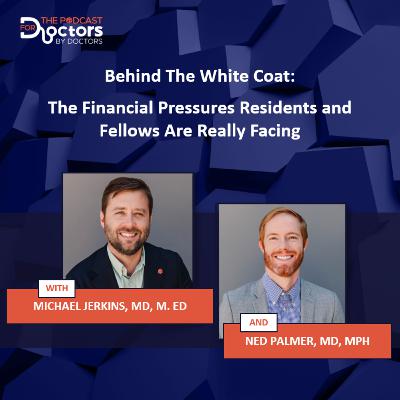
What’s it really like to train in medicine today? Internal medicine-pediatrics physicians Michael Jerkins, MD, M.Ed and Ned Palmer, MD, MPH dive into the results of the Panacea Financial 2025 Annual Residents and Fellows Survey, which captured the voices of nearly 500 medical trainees across the country. The findings? Over half of respondents reported feeling extremely financially stressed—and the stories behind that number paint a deeper picture of the challenges facing today’s doctors-in-training. From rising living costs and ballooning student debt to the emotional weight of working long hours while living paycheck to paycheck, Drs. Jerkins and Palmer explore the toll this financial pressure is taking on the future of medicine. They unpack why student loan stress jumped 26% in just one year, what it means when 1 in 3 trainees wouldn’t choose medicine again, and how instability is hitting certain specialties the hardest. What can we learn from the doctors who are still in the thick of it? How does financial stress impact patient care and what could a better training system actually look like? With data, personal insights, and a dose of realism, this episode is a candid look at what’s working, what’s broken, and why meaningful reform matters now more than ever. Tune in to hear what today’s residents and fellows really want you to know.
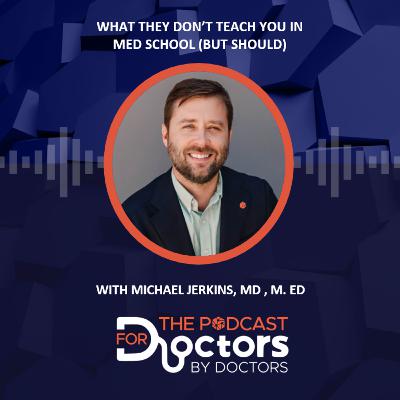
Internal medicine-pediatrics physician, educator, and Panacea Financial co-founder Dr. Michael Jerkins joins us as a guest to share his journey through medicine. From his early days in Memphis to residency in Cincinnati, Dr. Jerkins experienced firsthand the pressures of medical education, ballooning student debt, and the emotional toll of ICU rotations. But what if the system could be different? What if medical school were shorter, more affordable, and designed for how we actually learn today? In this episode, Dr. Jerkins opens up about the parts of his training that now feel obsolete, the lessons hidden inside six-figure student loans, and why AI might just be the assistant doctors didn’t know they needed. How do you stay human in a system that sometimes forgets you are one? What would you change if you had a magic wand—and what does ska music have to do with any of it? Dr. Jerkins shares honest reflections, practical ideas, and plenty of humor in a conversation that reminds us why medicine needs both heart and reform. Tune in for a thoughtful look at what it takes to practice with intention in a world that’s constantly evolving.
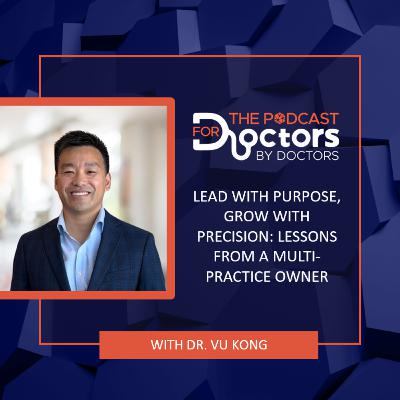
Dentist, practice owner, and entrepreneur Dr. Vu Kong joins us to share his remarkable journey into dentistry and business ownership. Born in a refugee camp in Thailand, Dr. Kong originally planned to pursue mechanical engineering before his father—a former dentist—encouraged him to consider a different path. After graduating amidst a financial crisis, limited opportunities led him from Michigan to Illinois, where he and a friend began conceptualizing a practice just six months out of school; one that would eventually become High Point Dentistry. So how do you go from launching a practice to building a multi-location business? What lessons come from selling it all—and starting again? And how do you lead with purpose while raising a family? Dr. Kong opens up about growth, sacrifice, and what he’s learned about leadership, culture, and data along the way. Tune in for an honest look at what it takes to grow smarter, not just bigger.

Comments

Download from Google Play

Download from App Store
 United States