


 Claim Ownership
Zag Talk
Subscribed: 0Played: 0
Subscribe

© Curbivore
Description
Jonah and Greg give you the low down on all the week's latest urbanism, delivery, mobility and tech policy developments.
www.thecurbivore.com
www.thecurbivore.com
26 Episodes
Reverse

Your favorite podcast — Zag Talk — is back for an all new season. Today we kick things off by chatting with Seth Cohen, Co-Founder of Sweetfin, a 15-unit fast casual restaurant chain focused on poké, raw fish and bowls. Oftentimes on the podcast we talk about delivery innovations — new robotics, product launches, policy changes, etc. — but Seth takes us through the nitty-gritty of making delivery actually work for a real business. And no surprise: it’s not easy! While “the economics used to be very clear,” he makes the case that it’s now very hard to understand how much you’re actually paying for a delivery order, and whether or not restaurants have become overly reliant on price-conscious consumers scrolling the 3PD apps just looking for the best deal.There’s plenty of other industry news to bite into this week as well: I’m joined by Greg and Sela as we discuss the latest robotaxi trials and tribulations (in both the U.S. and Europe,) TrueCar’s interesting go-private deal, and why India and China are trying to crack down on super-fast / super-cheap delivery. Listen in!Thanks for reading The Curbivore! Subscribe for free to receive new posts and support our work.HOT INDUSTRY NEWS & GOSSIPAV overload! Yesterday’s Urban Autonomy Summit was a huge success! Thank you to everyone that came out, we’ll be releasing recordings and photos shortly. In the meantime, some of the most recent news that our esteemed panelists got into: Waabi raised $1 billion (a record for Canadian startups) and plans to move its AV trucking tech into robotaxis for Uber. Meanwhile Lyft and the City of Hamburg are pioneering a framework to launch AV taxis in Germany, while Gatik started commercial autonomous trucking operations. Down in San Diego, the local transportation operator has come out against self-driving vehicles, while Waymos just went live in Miami. Man vs machine: New reports from our partners at Obi and Gridwise paint an interesting picture of the evolving dynamic as AVs and human-powered ridehails go head-to-head. Obi’s data shows Waymo’s price premium over Uber and Lyft has narrowed to 12-27%, while Gridwise showed that driver earnings came down in cities where humans face robotic competition.Micromobility keeps on spinning: Third Lane Mobility, the parent co. of shared micromobility operators Bird and Spin, just raised $20 million in new funding, powering plans to deploy 35,000 new vehicles this year, in markets like Atlanta, LA, Nashville, Seattle, Rome and Tel Aviv. While not the humongous rounds of the ZIRP era, this is a nice validation that the company’s found sustainable financial footing. Third Lane’s also creating a new Transportation Advisory Board, helmed by Gabe Klein, to work with cities on better plans and processes.The sky’s the limit! Drone deliverer Zipline just hauled in $600 million, bringing its total funding to a cool $7.6B. Zipline has now made over two million deliveries, and plans to expand to Houston and Phoenix in the coming months.The world keeps building transit: The Transport Politic has charted out all the new public transit lines that opened in 2025, with China managing to cut the ribbon on a whopping 930 kilometers of new metro and light rail service. Meanwhile, we should give some honorable mentions to cities like Tampere, Finland which inaugurated 4.7 km of new light rail, and Ahvaz, Iran which should open 23.3 km of new metro in 2026. In 1990, America boasted four of the world’s top twenty metro systems; in another few years we’ll have zero…Why can’t we have nice things too? Because we lost the state capacity to keep costs in check! Two fresh examples… LA Metro approved (yay) the Sepulveda Pass Transit Corridor, connecting the San Fernando Valley with the Basin via heavy rail. But the board opted for a modified project, cutting a few miles (and multiple useful rail connections) off the project, which had swollen from an estimated $6 billion to a whopping $24.2 billion (and even that’s in 2023 dollars.) The project is now only about 9 miles, and includes just four stations, so it’ll be unclear what they can blame the costs on when the newest estimates come out. Meanwhile, Arizona legislators pulled the plug on a rail extension that had ballooned to about $400M for just three quarters of a mile of street-running operations.Tesla sturm und drang: Oh Elon… the automaker pulled its safety drivers out of its Austin robotaxi pilot, only for it to be revealed they’re instead just trailing behind in another car (optics, baby!) Meanwhile, at the behest of CA regulators, the company is renaming and rejiggering some of its ADAS products, making its lane-keeping feature only available via subscription. And maybe Tesla doesn’t even want to be an automaker any more; yesterday’s quarterly earnings update saw car sales tumble 9%, with the company planning to discontinue its Model S and X and instead make humanoids and offer transportation as a service. One spot of good news, depending on your perspective, Alex Roy did just managed to drive a Model 3 cross-country without a single disengagement.Not so SMART: In a sad development, SMART grant funding has been zeroed out in 2026 Transportation, Housing and Urban Development (THUD) funding, with the remaining $204M in funds reallocated to other programs. SMART grants have been a big driver of cities’ curbside innovations, alongside other tech-forward deployments. Overall transit funding notched a slight gain in funding, working out to about seven tenths of a percent.Super-app-ifragilisticexpialidocious: InDrive, the bid-based ridehailing platform that’s big in emerging markets, is the latest mobility platform to set its sights on becoming a “super app.” The company’s recently launched grocery delivery and in-app advertising (love those margins!) which has helped grow these new revenue streams to 15% of the overall sales mix.Calling all climate-tech founders! Our friends at the L.A. Cleantech Incubator are launching their Brooklyn Army Terminal innovation hub (talk about an east coast - west coast collab!) and now they’re about to start their first round of pilots. Learn more on Feb. 5 about BATWorks’ plan to support companies deploying technology in live operating environments while building traction with NYC based partners.Well this won’t help our cities rebound… U.S. population growth slowed to some of the lowest levels in history, fueled largely by a huge outflow of immigrants. In a move that will only worsen matters, states like Texas and Florida are now looking to curtail H-1B visa holders. Maaaaybe this immigration and civil rights crack down has gone far enough to shake a few Republicans from the cause: “Latinas for Trump” Co-Founder and Florida State Senator Ileana Garcia says “It’s gone too far” (after she was profiled by TSA at the airport.) I guess the meme about leopards eating faces has finally come true…Still golden: Startup seed funding deal sizes have reached record bigness, with over 40% of seed and Series A investment in the year so far going to rounds of $100M+. And despite all the naysayers, California-based companies pulled in 63% of all startup funding last year, a record high.A few good links: Austin gets ok from feds for watered down light rail. Brightline bonds downgraded to junk. On the need for autonomy-focused infrastructure. Atlanta officials secretly paused plans to advance voter-backed light rail project. Luna raises €1.5M for AI-powered bike and motorcycle rider assistance. Automotus and INRIX partner on real-time curb occupancy data. Foxconn and Mitsubishi Fuso plan EV bus. Trump Admin plans to redevelop DC neighborhood. Jascha Franklin-Hodge steps down as Boston’s Chief of Streets. Samsung scales up food delivery bot. Three years after opening of $12B+ opening, NYC’s East Side Access hasn’t resulted in improved travel times for most commuters. NJ to require e-bike licenses. SF reconsidering delivery bots. New data shows EV adoption results in better air locally. Toronto to open Eglinton Crosstown LRT on 2/8, hopefully it’s faster than the last line they debuted. Amazon gives up on Amazon Fresh branded grocery stores. LA launches new streamlined development services bureau, but local builders think this is more akin to shuffling deck chairs on the Titanic. French government sets goal of 70k carsharing vehicles by 2031 (meanwhile the U.K. is letting their industry whither.) California beats its clean automotive goals. How streets shape behavior. German government delays train improvements. Instead of trying to stop loud NIMBYs from holding up transit projects that have been approved by a super-majority, LA Metro wants the state to undo its just-passed law that upzoned housing near transit. Sacramento to break ground on sorta-light rail, sorta-streetcar project (what’s in a name, anyway?) Hoboken camera enforcement is a policy success but politicians need to grow spines.Don’t forget to score your Curbivore tickets!- Jonah Bliss & The Curbivore Crew This is a public episode. If you would like to discuss this with other subscribers or get access to bonus episodes, visit www.thecurbivore.com
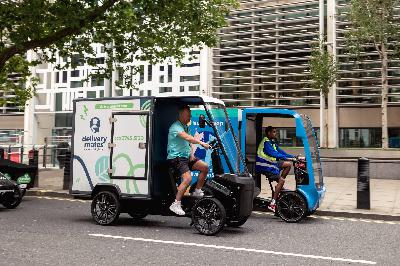
Over the past few months we’ve had the distinct pleasure of digging deep in the world of sustainable delivery: we’ve kicked the tires on the new Honda Fastport, snuck in to Amazon’s NYC equad operations and studied how cities and third party delivery networks are working together to get couriers onto e-bikes.That’s all well and good… but those are huge companies that have big bucks to spend on pilots (or worse yet, PR stunts masquerading as pilots.) What about the every day businesses that want to move their goods a bit more sustainably? And what of the hard scrabble logistics businesses that need green mobility to be not just “the right thing to do,” but actually work profitably?That’s why Jonah was pleased to sit down with Kevin Savage, the COO of Delivery Mates, for the final episode of this season of the Zag Talk podcast. Many others have tried, with a rather spotty track record, to make carbon-free deliveries work. Delivery Mates, with its fleet of electric vans, e-mopeds and equads, and some special sauce around its in-house software, may just have cracked the code on making it work.Do give the episode a listen; Kevin shares plenty of insights from decades in the logistics biz. Plus, Sela and Jonah go deep on London’s latest plan to tackle congestion, the newest sad SPAC saga (hint: it’s Luminar,) Starship’s partnership with Uber and much more. This is a public episode. If you would like to discuss this with other subscribers or get access to bonus episodes, visit www.thecurbivore.com

As robotaxis race towards becoming a regular part of our mobility landscape, it at first looked like Lyft had no interest in joining the competition, instead letting deep pocked competitors like Waymo and Uber push ahead (while wisely avoiding the costly mistakes that took down others like Cruise and Argo AI.) But in the past year, the pink mustache has emerged as a serious AV contender, striking up meaningful partnerships with the likes of May Mobility, Mobileye, Nexar, Tensor, Benteler, Baidu and even Waymo itself. Lyft-branded robotaxis are now rolling around Midtown Atlanta, with more geographies set to come online shortly.Stephen Hayes, Lyft’s VP of Autonomous, Fleets, and Driver Operations, has been leading that charge, alongside other weighty responsibilities like orchestrating the company’s fleet management platform for tens of thousands of vehicles, while trying to keep Lyft’s human drivers from sweating too much about the idea of mechanical competition. (Talk about a tricky job!)Stephen and Jonah chat all about that, Lyft’s evolution over the past decade and a half, the lessons learned from running Flexdrive and much more in a must-listen episode of the podcast. Plus, Zag’s Athena Browning and Jonah Bliss get into all the latest mobility news: what to make of Q3 earnings, the boom in used bikes and top takeaways from Smart City Expo 2025. This is a public episode. If you would like to discuss this with other subscribers or get access to bonus episodes, visit www.thecurbivore.com
Managing policy for DoorDash is no mean feat; the globe-spanning 3PD often finds itself interfacing with cities across all sorts of issues: traffic / road safety, merchant relationships, courier behavior and more (and as the company continues to push into new territory — like drones or its in-house delivery bot — the regulatory interactions will only grow.)That’s why we were delighted to sit down with Max Rettig, Vice President, Head of Global Public Policy at DoorDash, to understand how the company views the policy landscape. Under his leadership, DoorDash has advanced some quite novel policy that has the opportunity — including portable benefits — to ensure gig workers receive health and safety net contributions — that stay with them even as they hop between competing platforms.Also on the pod… Jonah chats with Sela Musa about driverless trains, the latest spac-tacular startup, Telo trucks, the state of micromobility in the UK, and more. Listen in! This is a public episode. If you would like to discuss this with other subscribers or get access to bonus episodes, visit www.thecurbivore.com
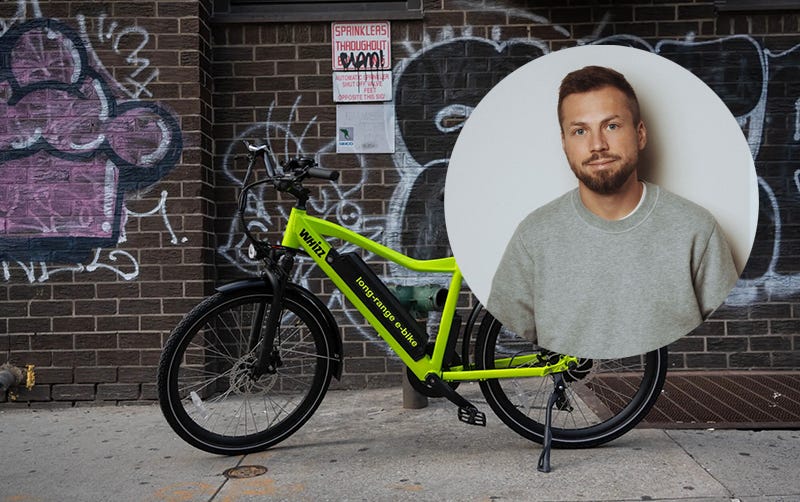
Delivery is tough work, especially in dense, urban environments. Couriers and policymakers often find themselves pulled between competing priorities: cash-strapped workers often don’t have the resources to invest in a good e-bike, driving them to cheaper alternatives that aren’t reliable enough to get the job done and are prone to dangerous battery fires.That’s where Whizz comes in, offering courier-oriented e-bike rentals, while bundling in tricky things like maintenance and charging. And while renting is already easier on the wallet, Whizz is working with both the 3PDs and select cities to further subsidize their bikes, putting sustainable options into the hands of those that need it most.With the Zag Daily podcast now back from its summer break, Jonah caught up with Whizz’s co-founder Mike Peregudov to hear about the company’s latest expansion plans, the lessons he’s learned as he’s scaled the business, what it’s like to work with the big apps and even bigger cities, plus much more. Greg and Jonah also chat about Via’s IPO, while Athena Browning stops by to fill us in on all things connected and aerial. This is a public episode. If you would like to discuss this with other subscribers or get access to bonus episodes, visit www.thecurbivore.com

Hydrogen is having its moment—not because of hype, but because the economics and demand finally line up. Heavy industry, shipping, and aviation are desperate for clean fuels, governments are throwing serious subsidies behind hydrogen production, and technologies that once seemed speculative are now commercially viable. For early-stage investors, this isn’t a science experiment—it’s a chance to back the picks and shovels of the next energy gold rush.On today’s episode of Zag Talk, Jonah Bliss joined by Sam Baker, who not only leads the MobilityVC fund, but has spearheaded a new collaboration with the Monaco Hydrogen Alliance to create the MH2Fund. MH2 will back promising early stage hydrogen startups, and we’re kicking things off with a new round of funding for SunGreenH2, a pioneering developer of low-cost, modular green hydrogen electrolysers.Also on the pod: Greg and Jonah talk Brightline bond troubles, LA’s newest rail lines and much more, while Sela stops by to update us on the UK’s newest twist to its long-running micromobility pilot. This is a public episode. If you would like to discuss this with other subscribers or get access to bonus episodes, visit www.thecurbivore.com
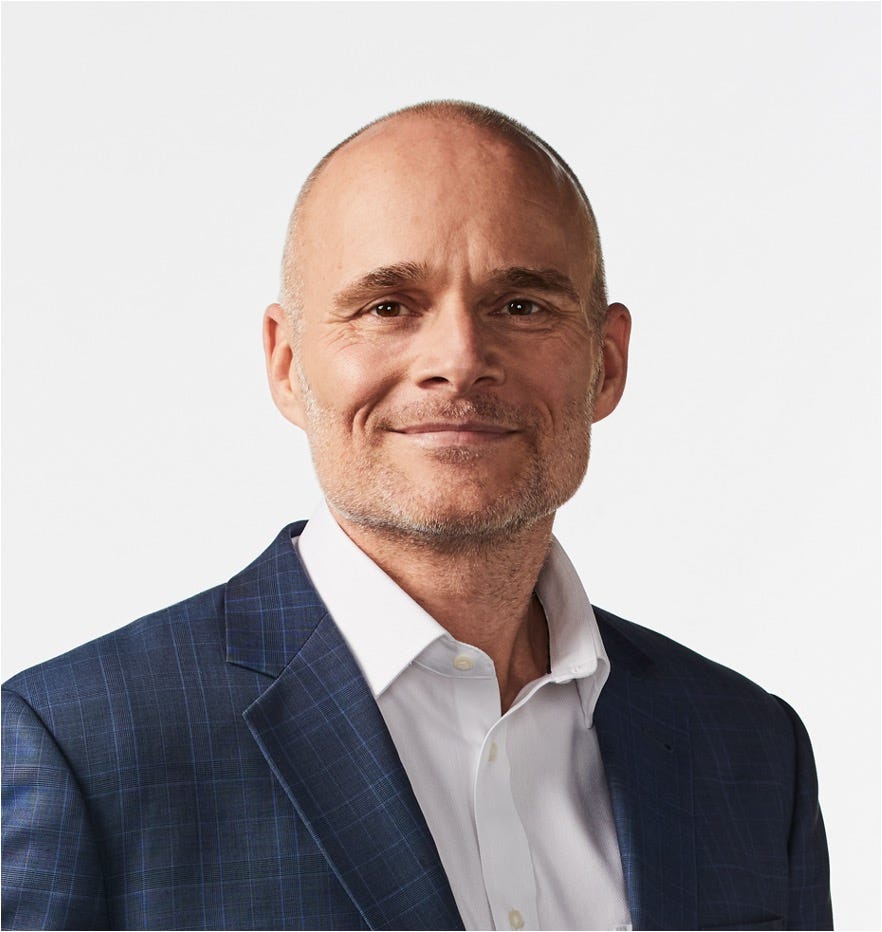
On this week’s episode of Zag Talk, I’m joined by Steve Greenfield, General Partner at Automotive Ventures. Steve knows the mobility industry inside and out, having jumped from Manheim, Autotrader and TrueCar to investing in promising startups like Axion Ray, JOCO, Recurrent and SparkCharge.Steve shares his thoughts on where the industry is headed, but also what he’s found makes for a great entrepreneur, including honesty, integrity, EQ as well as IQ, and the feeling that “you want people that have, somewhere along their journey, found something secret” that they now feel compelled to build or solve.Also on the pod, Greg and I break down Moove’s $1.2B deal, pontificate on the Department of Sustainable Delivery, and also talk about Also; plus, the Zag team heads to the European AV Summit. Listen in! This is a public episode. If you would like to discuss this with other subscribers or get access to bonus episodes, visit www.thecurbivore.com

This week on the podcast, we’re joined by Gita Gupta, VP, Director of Emerging Technology and Digital Economies, Global Technology Risk Practice at Lockton, and we go deep on all things risk, insurance, and fraud: three words that might make founders’ eyes glaze over… right up until they’re eating your company alive.Whether you're scaling a delivery platform, launching a micromobility fleet, or building the next generation of autonomous vehicles, your biggest threat might not be competition — it could be what’s hiding in your terms of service, rider behavior, gig workforce or payout liability. From staged crashes to underinsured drivers, bad actors and blind spots can break even the best product.Gita walks us through the biggest risks emerging mobility and logistics companies face, how insurance can be strategically positioned, and what founders often get dead wrong about coverage. It’s part cautionary tale, part tactical playbook—and essential listening for anyone building in this space. Because at the end of the day, if you don’t understand risk, you (and your investors) can’t understand your business.We’ve also got a few more fun items on this week’s show: Greg and I veer from AVs to politics, and the Zag Daily crew heads to Eurobike for the latest and greatest on two and three wheels. This is a public episode. If you would like to discuss this with other subscribers or get access to bonus episodes, visit www.thecurbivore.com
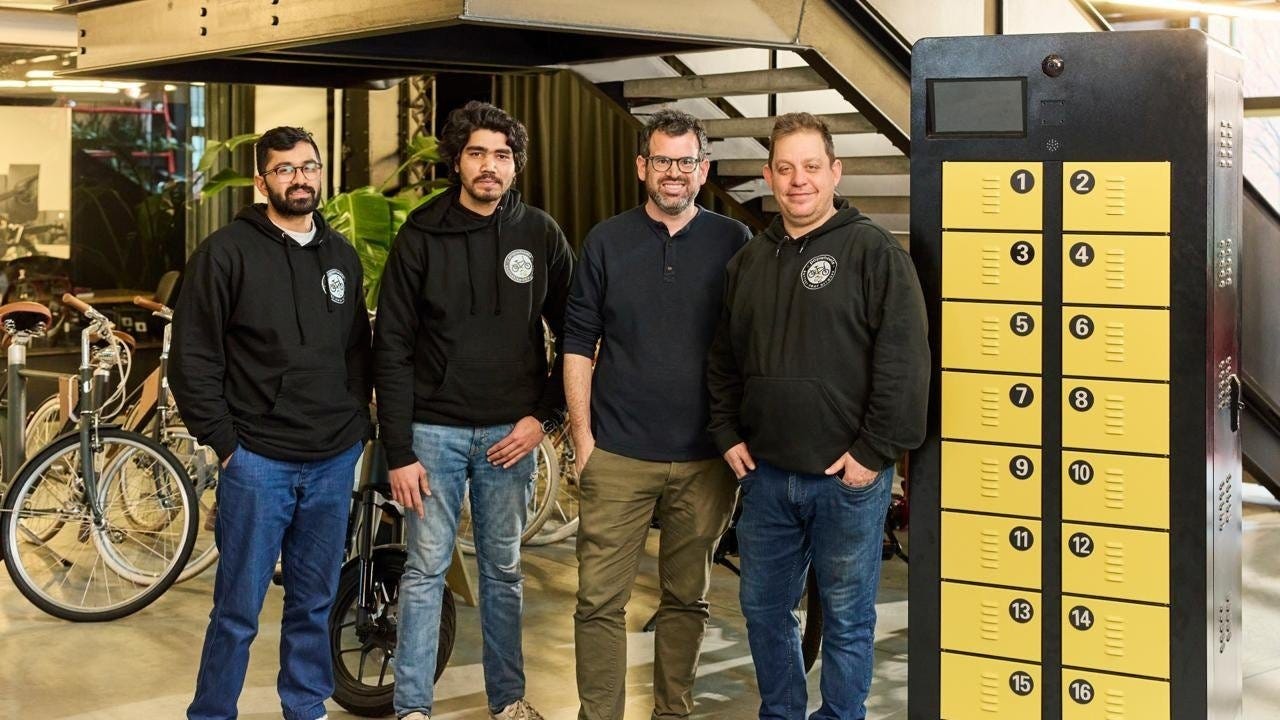
If you step out onto a street corner in NYC these days, you’ll instantly notice the city is buzzing with delivery workers: couriers zip across streets and sidewalks — not always quite following traffic laws — to deliver food, packages, documents and more. It can be a tough job with low pay, meaning these workers can often only afford the most bare-bones of e-bikes to make their jobs tenable.That in turn has led to a battery fire crisis: poorly made batteries, beat-up hardware and shady charging situations have culminated in dangerous conflagrations destroying businesses and homes. And in turn, a number of startups have emerged, hoping to provide more reliable charging solutions to keep couriers, and their livelihoods, safe and sound.On this week’s episode of Zag Talk, Jonah Bliss sat down with PopWheels’ President & Co-Founder David Hammer to hear about his unique path into the hardware space, how to work with cities, fundraising, and the uniquely fun experiences you can have when you’re building a product for delivery workers.And while Greg and Jonah of course also banter about the week’s news, we’ve got another special feature: Sela Musa stopped by Micromobility Europe to report on all the latest two-wheeled innovations fresh on display in Brussels. This is a public episode. If you would like to discuss this with other subscribers or get access to bonus episodes, visit www.thecurbivore.com
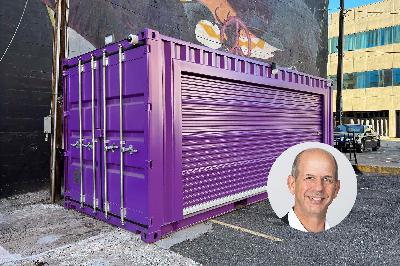
From delivery bots, to cargo bikes, scooters and LEVs… our streets have become a hodgepodge of busy little machines, transporting goods and people to their last mile destinations. But keeping those devices charged, and those packages sorted is no easy feat, especially in cities where real estate is at a premium and when officials are especially guarded about fire safety risks.Tom Schreiber, Founder & CEO of Perch Mobility, has a solution in the form of his eye-catching, modular “Portal” shipping containers, strategically placed in cities like Los Angeles and NYC. But even with marquee customers like Lime and familiar delivery brands, fundraising for a capex-heavy business has proven a challenge. In today’s episode of Zag Talk, Tom and I get into the art of “seed strapping” a business that can outlast the boom-and-bust cycles of the past few years.Greg and I are also joined by Zag’s Senior Correspondent Sela Musa, as we gab about new economic research on surge pricing, North America’s firsts shared dockless cargo bike, leadership shakeups at Uber and much more. Listen in!Get show notes and more news at The Curbivore. This is a public episode. If you would like to discuss this with other subscribers or get access to bonus episodes, visit www.thecurbivore.com

Startup founders often believe so deeply in the mission of their business that they struggle to see how the world could exist any other way. They adopt a mindset akin to “once my product breaks through, all the naysayers will understand they were wrong to doubt its importance.” Or to borrow a phrase from Mark Zuckerberg, they “move fast and break things.”That may work when it comes to scaling a social media app or SaaS platform, but things are a bit different for products that don’t live solely on your phone. Governments and policymakers set up the regulations that govern our mobility options in response to real problems observed in the past. And as frustrating as that may be to some founders, in the end they’ll usually get better results from working with cities, as opposed to against them.That’s why, for the latest edition of Zag Talk, Jonah was so excited to sit down with Sam Roxas, co-founder of Common Good Strategies, to talk about how new mobility startups can better engage with the public sector. Before opening up her own policy shop, Samantha worked for the City of San Francisco, the SF Board of Supervisors, congressional leaders and SPUR, then jumping over to startups like WeWork, REEF and Replica.Beyond Samantha’s sage advice, Greg and Jonah are also joined by Zag editor Ben Hubbard, as we go deep into the past week’s most pressing industry updates. This is a public episode. If you would like to discuss this with other subscribers or get access to bonus episodes, visit www.thecurbivore.com

Your favorite mobility and delivery podcast is back, but with a whole new twist! Jonah Bliss and Greg Lindsay have teamed up with Zag Daily to bring you Zag Talk, bringing you fresh news, in-depth interviews and witty analysis every two weeks.To kick things off, we’re chatting with Zach Rash, CEO & Co-Founder of Coco Robotics. Coco and DoorDash just announced a huge new partnership (shared live from the stage at Curbivore 2025.) Jonah Bliss caught up with Zach beforehand, to get his founding story, why he’s set out to solve urban robotics, the company’s latest hardware developments and the economics of its business model. This is a public episode. If you would like to discuss this with other subscribers or get access to bonus episodes, visit www.thecurbivore.com

A city can spend all the money in the world on making its streets multi-modal, on transit investments and the like, but if all the jobs are still located out in the burbs, commuters will likely opt to stick with their cars. That’s why corporate mobility is so important — the interplay between governments and employers that can nudge workers onto greener mobility options.For this episode of Zag Talk, Jonah Bliss chats with Maria Angelica, an urban planner and consultant at Factual about the challenges that cities, workers and employers face, the carrots and sticks that can be deployed (which can really vary depending on if you’ve got a single job site or a distributed workforce) and innovative approaches being deployed in Europe and worldwide.More importantly, Maria has authored a new course on Corporate Mobility for UMX, the European Union’s free, self-guided educational platform for all things transportation. Interested parties can take a crack at the course now.Also on this week’s pod, Zag Daily Editor Sela Musa and Jonah chat about high-end two-wheelers like Also and Infinite Machine, big transportation changes headed to the U.K., Grubhub’s new partnership with Instacart, the latest plans for California Forever and more. Tune in above, and thank you to our episode sponsors at EITC Urban Mobility. This is a public episode. If you would like to discuss this with other subscribers or get access to bonus episodes, visit www.thecurbivore.com
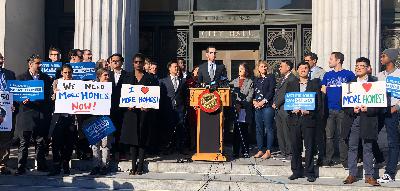
Dense housing and public transit: two great tastes that taste better together. You’d think this classic combo would be a no-brainer, as building mid-rise housing helps with affordability and locating it near rail stations lets folks cut down on commuting costs, while putting more commuters near each metro stop leads to improved transit ridership. Talk about a virtuous cycle!And yet in California, and the nation as a whole, this has been an oddly hard sell. You’ll see rapid transit stations, some over a century old, surrounded by incredibly expensive single family homes. Finally, finally, this is set to change, with Governor Newsom just signing Senate Bill (SB) 79, the Abundant & Affordable Homes Near Transit Act. Championed by state Senator Scott Wiener (D-San Francisco,) this hard-fought win comes after nearly a decade of trying, with similar bills not quite making it all the way to the finish line.On the eve of the bill’s passage, Jonah Bliss caught up with Senator Wiener, to discuss the statecraft that went into creating this landmark legislation, what’s changed to finally get other state leaders ready to embrace more housing, how California can continue to lead the nation, the role he views for the state in an era of a hostile federal government (not to mention a few hostile tech leaders in his home district,) and much more.This is a must-listen conversation, please do tune in to the full thing (which also includes a few news items of the week: new transit routes, air races and drone regulations, and the role of AI in transportation. This is a public episode. If you would like to discuss this with other subscribers or get access to bonus episodes, visit www.thecurbivore.com

Few publications have their fingers on the pulse of new mobility quite like Zag Daily. In just the past month, the UK-based publisher has tracked the rise of the robotaxi market, covered the launch of inventive new micromobility options like the Otherlab solar-powered Lightfoot, and has closely covered the eVTOL industry’s rocky descent. Add in some great op-eds and interviews, and you can see why we’re often linking out to their site.That’s why I really enjoyed today’s interview, where Zag’s Editor Ben Hubbard stopped by (at 29:20) to discuss his high level view of what’s gone right and what’s gone wrong with the overall state of new mobility on both sides of the Atlantic. He also offered up some actionable advice for startups entering the space, including how to make your press pitch stand out in his crowded inbox.Greg and I also get into the week’s news, diving in on juicy topics like Uber’s very Xmas-y feature launch, cyber weekend sales stats, the sad state of Fisker, and our favorite stories from the past year. This is our last episode of The Courier for the season, but expect us to be back in action in 2025 — please pitch us on guest recommendations! This is a public episode. If you would like to discuss this with other subscribers or get access to bonus episodes, visit www.thecurbivore.com

At this point it’s not exactly news that it’s a tough fundraising environment out there for new mobility startups, especially ones with a hardware focus. That’s what makes it all the more impressive that Joseph Cohen was able to raise $9 million for Infinite Machine, with the round led by a16z. While Joe might not have a transport hardware background, he dreamt up an eye-catching vehicle — the P1 — that he hopes will get urban Americans out of cars and onto more sustainable two-wheelers.He’s got big plans for the company's post-$10k halo vehicle: cargo-oriented vehicles, three-wheelers, and more. We talk about that, his design background, how he sold Andreessen on his vision and so much more, in today’s turkey-tastic edition of The Courier. Listen in! This is a public episode. If you would like to discuss this with other subscribers or get access to bonus episodes, visit www.thecurbivore.com

Tatiana Peralta Quirós has had quite the impressive career: educated at both MIT and Harvard, thoughtful research works with the likes of Gensler and the World Bank, before going on to advise the President of Costa Rica on urban mobility and technology, modernizing LatAm’s automotive giant’s Grupo Purdy Motor as Chief Innovation Officer and then launching Kinto in Costa Rica, helping push Toyota towards new mobility in emerging markets. Today she serves as a Partner at MobilityVC, where it’s been an absolute delight to serve alongside her on a few very interesting autotech projects.In today’s wide-ranging interview — starting around 15:20 — she shares all she knows about mobility in Latin America, offers some advice for others looking to jump start their own transportation careers, and offers a general master class in automotive knowledge. Before that, Greg and I riff on our incoming transportation czar, Uber Eats’ top cravings, new IPO news, the surge in grocery delivery and so much more. This is a public episode. If you would like to discuss this with other subscribers or get access to bonus episodes, visit www.thecurbivore.com

If you think about the transportation world as “new mobility” and “old mobility,” it often seems that despite all the innovation of the past few years, it often happens in its own silo, leaving the classic world of American transportation — car dealers — unaffected. So that’s why this announcement, that Connexion Mobility has launched a partnership with Uber, caught our eye. This allows car dealers to dispatch courtesy vehicles for customers who’ve brought their own cars in for service, tapping into Uber’s pool of gig drivers, as opposed to forcing dealerships to maintain their own clunky networks of shuttles (or deal with maintaining a loaner fleet.)Jonah Bliss chats with Connexion’s CEO Aaryn Nanioa about the launch, plus he gets into his own non-traditional path to the mobility world, as well as what it’s like running a publicly listed company. This is a public episode. If you would like to discuss this with other subscribers or get access to bonus episodes, visit www.thecurbivore.com

In this week’s edition of The Courier, Jonah chats with Rick Neubauer, Founder and CEO of Umojo. Rick’s mobility journey is an interesting one, with Umojo getting its start in the glamorous world of parking management. But as the action shifted to the curb, Rick sensed an opportunity, and now Umojo’s NexCity software helps cities like Boulder and Sacramento keep their streets and sidewalks well orchestrated. With an eye to the future, Rick also senses a few complementary uses for his tech that most cities haven’t unlocked yet, either.Rick starts at 20:45; before that hear the latest from Greg and Jonah on transit ballot measures, supply chains, and the financial results from the likes of Uber and Yum! Brands. This is a public episode. If you would like to discuss this with other subscribers or get access to bonus episodes, visit www.thecurbivore.com

Alex Roy knows two things — how the mobility world works, and how to tell a damn good story. On the first front, he established himself on the legendary Cannonball Run race, held the record for fastest lap around Manhattan and served as Director of Special Operations for Argo AI. On the latter, he chaired the board of storytelling org The Moth, co-founded The Drive, co-hosts The Autonocast and even opened iconic nightclub The Box (I’d argue that few businesses rely on stories and mythos more than nightlife.)Now he’s brought those two passions together with a new early stage venture fund — NIVC — that he’s started with ex-Rivian manufacturing maestro Patrick Hunt. Alex is looking to invest in companies that have what he calls “narrative command,” meaning they drive the conversation around their entire vertical. As Alex tells, it’s why the Ubers and Teslas of the world succeed, while the Argos don’t make it. Tune in (starting at the 17:10 mark) for a wide ranging conversation on mobility investments, AV regulations, semantics, charismatic leadership and more. This is a public episode. If you would like to discuss this with other subscribers or get access to bonus episodes, visit www.thecurbivore.com

Comments

Download from Google Play

Download from App Store
 United States