


 Claim Ownership
PassivePockets: The Passive Real Estate Investing Show
Subscribed: 113Played: 5,877
Subscribe

© PassivePockets
Description
Welcome to PassivePockets: The Passive Real Estate Investing Show presented by Equity Trust– your go-to podcast for building and protecting wealth through smart, passive real estate investments. Hosted by Jim Pfeifer, this podcast is designed for investors who want to grow without the grind. Each episode features expert interviews with seasoned LPs (Limited Partners) and GPs (General Partners) who share their insights, experiences, and practical advice.
316 Episodes
Reverse

This Episode
Michael returns to the show after a standout LP Deal Review Q&A, and Chris digs into the full backstory: how Michael went from the Chicago Mercantile Exchange—trading interest rate derivatives bell-to-bell—to building Origin Investments into a multifamily-focused platform built around downside protection and long-term compounding.
They unpack how Michael thinks about “edge” as markets became more efficient, why risk management lives at both the deal level and the company level, and what LPs should pay attention to when evaluating a manager’s balance sheet and decision-making under pressure. The conversation also gets tactical on portfolio construction in today’s environment—why Michael believes credit is being “overcompensated” relative to equity, how Origin evolved from value-add to a build/buy/lend approach, and how cycle awareness influences where (and how) he’s willing to deploy capital.
Chris also asks how current macro uncertainty impacts underwriting and positioning right now, and Michael closes with a set of simple, but hard-earned, LP principles: build a written plan, stay disciplined, keep liquidity, and remember that small performance deltas compound into life-changing outcomes over time.
Key Takeaways
Michael’s path from commodities/derivatives trading to launching Origin and why 2007-2009 was a formative real estate “training ground”
How to think about “edge” in modern real estate when information is ubiquitous and why small advantages still matter
Risk management at two levels: deal structure (leverage, markets, people) and firm structure (bench strength, balance sheet support)
Why Michael would overweight credit today and keep equity exposure selective and how that creates flexibility to rebalance
LP discipline lessons: write your strategy down, don’t fear saying “no,” protect liquidity, and let compounding do the heavy lifting
Disclaimer
The content of this podcast is for informational purposes only. All host and participant opinions are their own. Investment in any asset, real estate included, involves risk, so use your best judgment and consult with qualified advisors before investing. You should only risk capital you can afford to lose. Past performance is not indicative of future results. This podcast may contain paid advertisements or other promotional materials for real estate investment advisers, investment funds, and investment opportunities, which should not be interpreted as a recommendation, endorsement, or testimonial by PassivePockets, LLC or any of its affiliates. Viewers must conduct their own due diligence and consider their own financial situations before engaging with any advertised offerings, products, or services. PassivePockets, LLC disclaims all liability for direct, indirect, consequential, or other damages arising out of reliance on information and advertisements presented in this podcast.

 1
1Chris Lopez is back with Paul Shannon for this month’s PassivePockets Pulse Check, catching up on why Paul stepped back from co-hosting, what he’s focused on now, and what both of them are actually doing with their own portfolios. They get into the real-life tradeoffs that don’t show up in an OM: liquidity vs. deployment, concentration risk vs. investing where you have an edge, and why relationships with operators matter more than ever coming out of the last cycle.
From there, Paul drops a data-heavy market update across multifamily and beyond- where supply is still pressuring rents, which markets are already seeing rent growth again, and how the maturity wall is forcing distressed (and motivated) sellers into the market. Chris shares what he’s seeing in Denver and the Midwest, why he’s leaning toward cash flow and debt for diversification, and how both of them are thinking about positioning for the next 12–24 months without trying to “time” real estate.
They wrap with a quick preview of the 2026 PassivePockets Summit in Denver (April 30–May 2), why the event is built for LPs, and what they’re most excited for- from the small, high-quality attendee base to hands-on learning opportunities like the hotel-to-multifamily conversion property tour.
Key Takeaways
Why Paul stepped back from co-hosting and what he’s prioritizing in business and family life right now
Liquidity as a strategy: when “good deals” still aren’t the right move because cash matters
Multifamily’s bifurcated market: rent growth winners vs. laggards, and why national headlines can mislead
The maturity wall and distress: what refinances look like in a 6–7% rate world and what LPs should ask sponsors
Summit preview: LP-focused networking, sponsor access, and the Denver hotel-to-multifamily conversion tour
Disclaimer
The content of this podcast is for informational purposes only. All host and participant opinions are their own. Investment in any asset, real estate included, involves risk, so use your best judgment and consult with qualified advisors before investing. You should only risk capital you can afford to lose. Past performance is not indicative of future results. This podcast may contain paid advertisements or other promotional materials for real estate investment advisers, investment funds, and investment opportunities, which should not be interpreted as a recommendation, endorsement, or testimonial by PassivePockets, LLC or any of its affiliates. Viewers must conduct their own due diligence and consider their own financial situations before engaging with any advertised offerings, products, or services. PassivePockets, LLC disclaims all liability for direct, indirect, consequential, or other damages arising out of reliance on information and advertisements presented in this podcast.
Hotel-to-multifamily conversions are one of the most interesting “free market” solutions to the affordable housing crunch, and Alex Cartwright is building his entire business around that niche. In this episode, Chris sits down with Alex to break down how (and when) these conversions actually pencil and why the opportunity exists in the gap between hotel cap rates and multifamily cap rates.
They also talk about a real-time example: Alex has a conversion project happening about 15 minutes from the hotel where the 2026 PassivePockets Summit will be held in Denver. Alex will be at the Summit, and attendees will have the chance to tour the project and see what a conversion looks like up close (including what changes once you stop calling them “rooms” and start calling them “units”).
Alex shares the full playbook: what types of hotels make sense, typical basis per “door,” what drives renovation costs (spoiler: electrical), how long zoning and entitlement really takes, how these deals get financed (including CPACE), what the refinance timeline looks like, and the biggest risks LPs should underwrite before wiring a dollar.
Key Takeaways
Why hotel-to-multifamily is a financial arbitrage as much as a physical conversion (hotel cap rates vs. multifamily cap rates)
What makes office-to-multifamily so hard, and why hotels are often a better conversion candidate
Typical acquisition basis and capex ranges (and why “adding kitchens” is the expensive part)
The real timeline: 120–180 day DD/entitlement windows, construction sequencing, and refi timing (often 18–30 months)
Downside risk and mitigation: managing cashflow during construction, experienced construction teams, and conservative terminal cap rates
Disclaimer
The content of this podcast is for informational purposes only. All host and participant opinions are their own. Investment in any asset, real estate included, involves risk, so use your best judgment and consult with qualified advisors before investing. You should only risk capital you can afford to lose. Past performance is not indicative of future results. This podcast may contain paid advertisements or other promotional materials for real estate investment advisers, investment funds, and investment opportunities, which should not be interpreted as a recommendation, endorsement, or testimonial by PassivePockets, LLC or any of its affiliates. Viewers must conduct their own due diligence and consider their own financial situations before engaging with any advertised offerings, products, or services. PassivePockets, LLC disclaims all liability for direct, indirect, consequential, or other damages arising out of reliance on information and advertisements presented in this podcast.
Track Record Assets Deal Page:
https://passivepockets.com/directory/deals/morgan-bay-apartments/
A few weeks after an LP Deal Review with Track Record Assets, PassivePockets member Adam Cranmer realized he’d be in Houston, just minutes from the actual property. So he did what most LPs wish they could do: boots-on-the-ground due diligence, in-person operator time, and a full “does this actually feel real?” check.
Adam walks through the deal at a high level (268-unit Class C value-add in north Houston acquired from a distressed seller, not a distressed property), then shares what he saw on-site and what he learned over lunch with the team—especially the operator’s “secret sauce” for stabilizing workforce housing.
Most importantly, Adam breaks down the one major concern that still gave him pause (exit assumptions / value growth) and why, after ~20 hours of diligence, he ultimately decided to invest anyway—jockey-first, with a clear-eyed view of the risks and the fallback plan.
Key Takeaways
What “value-add” actually looks like on-site (and why this one felt real vs. cosmetic)
How Adam pressure-tested rent comps and the plan after touring the area
The operator edge: creating a tenant “flywheel” that improves safety, collections, and retention
The biggest risk flag: exit price assumptions and how the debt structure reduces downside
Why Adam invested anyway, even with diversification concerns in Houston
Disclaimer
The content of this podcast is for informational purposes only. All host and participant opinions are their own. Investment in any asset, real estate included, involves risk, so use your best judgment and consult with qualified advisors before investing. You should only risk capital you can afford to lose. Past performance is not indicative of future results. This podcast may contain paid advertisements or other promotional materials for real estate investment advisers, investment funds, and investment opportunities, which should not be interpreted as a recommendation, endorsement, or testimonial by PassivePockets, LLC or any of its affiliates. Viewers must conduct their own due diligence and consider their own financial situations before engaging with any advertised offerings, products, or services. PassivePockets, LLC disclaims all liability for direct, indirect, consequential, or other damages arising out of reliance on information and advertisements presented in this podcast.

Scott Trench brings a contrarian 2026 office thesis to the table, starting with the idea first, then stress-testing it with three expert investors: Ash Patel, J Scott, and host Chris Lopez. The group debates where office is truly mispriced, what “trophy” means post-COVID, and why “downtown vs. suburbs” might be the wrong framing without understanding tenant demand, floor plates, and lease-up realities.
They dig into the mechanics of making office work (cash-flowing vs. vacant assets, tenant improvements, buildouts, leasing risk, and financing constraints), plus the biggest wild cards shaping demand going forward, from work-from-home to AI to local policy and migration trends. Ash also shares a real-world case study on buying fragmented suburban office at a deep discount and selling it off in smaller pieces.
By the end, Scott refines his thesis from a binary bet into a spectrum: office may be a compelling buy if you’re surgical on asset selection, capitalization, and operator expertise and realistic about how long the grind to stabilization can take.
Key Takeaways
Downtown vs. suburban office: why pricing, tenant demand, and commute behavior can lead to very different risk profiles
What actually wins in office now: smaller suites, turnkey space, parking, “soul”/amenities, and flexible layouts vs. big single-tenant floorplates
Capital stack reality: why office financing is still tough, and why many plays require low leverage (or all-cash) plus significant TI reserves
Operator selection: how to vet office sponsors when COVID disrupted track records—and why experience managing office matters more than ever
One actionable strategy: buying multi-building suburban office portfolios at a discount and selling off smaller buildings to owner-users (with SBA tailwinds)
Disclaimer
The content of this podcast is for informational purposes only. All host and participant opinions are their own. Investment in any asset, real estate included, involves risk. Nothing here is investment, tax, legal, or financial advice; consult qualified professionals. Past performance is not indicative of future results. This podcast may include paid advertisements or promotional materials and should not be interpreted as a recommendation or endorsement by PassivePockets, LLC or affiliates. Conduct your own due diligence and consider your financial situation before engaging with any offering discussed. PassivePockets, LLC disclaims all liability for any actions taken based on the information presented.

In this LP Deal Review, Chris Lopez and LP panelist Christy Burakovsky sit down with Michael Episcope, Co-CEO of Origin Investments, for a deep dive into Origin’s Select Asset Fund—an intentionally small, vintage-based multifamily development fund built to deploy in 2026.
Michael walks through the macro thesis (supply peaking, concessions stabilizing, and starts slowing), the fund’s structure (targeting five shovel-ready ground-up deals, four-year duration, and an option to continue holding for long-term compounding), and the underwriting guardrails designed to protect downside in a still-volatile environment.
The panel then presses into the details that matter most to LPs: entitlement risk, leverage and loan structure, how Origin avoids “rescue capital,” how the 2021 vintage fund is performing today, and how Origin’s co-invest program works—including potential pathways for group allocations and better terms.
Key Takeaways
Fund design: $100M, focused on 2026 ground-up multifamily development with a four-year duration and optional continuation for long-term hold
Risk mitigation: shovel-ready entitlements, conservative leverage (~65% LTC), and a structure aimed at avoiding cross-collateralization and hidden fund-level risk
Co-invest mechanics: $500K+ fund minimum with 1:1 co-invest eligibility (no fee/no carry), and discussion of potential pooled/group pathways
Vintage reality check: how Origin’s 2021 development fund is performing today (single digits) and what that implies about underwriting discipline in tough vintages
Sourcing + operations: Origin’s multi-office footprint, repeat development partners, and a highly active asset management playbook to drive performance post-delivery
Disclaimer
The content of this podcast is for informational purposes only. All host and participant opinions are their own. Investment in any asset, real estate included, involves risk. Nothing here is investment, tax, legal, or financial advice; consult qualified professionals. Past performance is not indicative of future results. This podcast may include paid advertisements or promotional materials and should not be interpreted as a recommendation or endorsement by PassivePockets, LLC or affiliates. Conduct your own due diligence and consider your financial situation before engaging with any offering discussed. PassivePockets, LLC disclaims all liability for any actions taken based on the information presented.

Logan Freeman is back for his 2026 update on the 18.6-year real estate cycle: breaking down where he believes we are right now (still in the “Winner’s Curse,” but with a messy, sector-by-sector twist) and what signals he’s watching to spot a true shift into contraction.
We dig into the big contradictions investors are feeling: transaction volumes and pricing stabilization on one hand, and real pain in certain sectors (office distress, Sunbelt multifamily oversupply, looming debt maturities) on the other. Logan’s take: we’re in a “rolling recession by sector,” where top-quartile assets and defensive niches can behave like late expansion while over-levered commodity assets behave like early contraction.
Finally, Logan shares how he’s positioning his own capital, why he’s focused on small-bay industrial with yard space, industrial outdoor storage economics, and the land/power/infrastructure race behind data centers, plus his predictions for 2026 transaction volume, rates, and pricing heading into 2027.
Key Takeaways
The 18.6-year cycle refresher: recovery → expansion → Winner’s Curse → contraction, and why psychology + credit matter
Why 2025–early 2026 looks “bifurcated”: office vs. medical office, Sunbelt multifamily vs. Midwest stability, and defensive sectors
The debt maturity wave (2024–2027) as the forcing mechanism that can create both distress and opportunity
What Logan watches now: 10-year Treasury trend, CMBS spread tightening, distress volume, office vacancy, and multifamily rent growth
Where he’s investing: small-bay industrial + yard space, iOS tailwinds, and the land/power path to data center development
Disclaimer
The content of this podcast is for informational purposes only. All host and participant opinions are their own. Investment in any asset, real estate included, involves risk. Nothing here is investment, tax, legal, or financial advice; consult qualified professionals. Past performance is not indicative of future results. This podcast may include paid advertisements or promotional materials for sponsors, funds, or offerings and should not be interpreted as a recommendation or endorsement by PassivePockets, LLC or affiliates. Conduct your own due diligence and consider your financial situation before engaging with any advertised products or services. PassivePockets, LLC disclaims all liability for any actions taken based on the information presented.

Today’s show is part of our Community Spotlight Series, where we feature PassivePockets members who share hard-won lessons to help other LPs invest smarter. Christine Kwasny joins Chris Lopez to walk through a detailed retrospective on her syndication portfolio, what she thought she was buying, what actually happened, and what she’ll do differently going forward.
Christine started investing actively in 2008, building a Portland-area rental portfolio (single-family renovations that eventually grew into fourplexes). After moving abroad in 2013, she shifted into syndications in 2019–2020 but like many investors, she later found that several 2021–2022 vintage deals didn’t play out the way pro formas suggested, which triggered a deep review of her entire process.
In this conversation, Christine breaks down the biggest errors she sees investors make (including “set it and forget it”), how distributions can mask problems, how LPs can quietly fall down the capital stack, and how she used AI to analyze years of offering materials and quarterly reports across 30+ investments. She also shares her “Market Metronome” framework, a simple way to sanity-check underwriting assumptions against real historical ranges and market cycles.
Key Takeaways
“Passive is a tax and legal term, not a verb”: why syndications often require more scrutiny than owning your own rentals
How distributions and quarterly reports can create false confidence—and what to look for in the core updates
Capital stack drift: how mezz/preferred equity can change your risk even without a capital call
Using AI to accelerate due diligence: summarizing OMs, tracking quarter-by-quarter changes, and stress-testing assumptions
The “Market Metronome”: a practical way to pressure-test pro formas against historic highs/lows and cycle reality
Disclaimer
The content of this podcast is for informational purposes only. All host and participant opinions are their own. Investment in any asset, real estate included, involves risk. Nothing here is investment, tax, legal, or financial advice; consult qualified professionals. Past performance is not indicative of future results. This podcast may include paid advertisements or promotional materials for sponsors, funds, or offerings and should not be interpreted as a recommendation or endorsement by PassivePockets, LLC or affiliates. Conduct your own due diligence and consider your financial situation before engaging with any advertised products or services. PassivePockets, LLC disclaims all liability for any actions taken based on the information presented.
FOR MORE - Debt Fund Due Diligence Hub:
www.passivepockets.com/debtdd
Next Steps
Join the discussion + access links/resources: www.passivepockets.com/debtdd
Attend the community Zooms (or watch recordings later)
Dates mentioned in the episode: Feb 18, Feb 25, Mar 3 (check the member dashboard for times/updates)
Attend the 2026 Summit Conference:
https://get.biggerpockets.com/passivepocketssummit2026/
This Episode
We’re officially kicking off PassivePockets’ new Debt Fund Due Diligence Series built around what members told us they want most: capital protection and steady cash flow in an uncertain macro environment. Chris Lopez breaks down what real estate private lending actually is (fix-and-flip, bridge, and ground-up construction), why senior debt sits in the “first paid / last to lose” position on the capital stack, and how lending can reduce downside volatility compared to equity-heavy strategies.
From there, Chris gets tactical on how to evaluate debt funds like a pro, starting with the single most important document: the loan tape. You’ll learn what a loan tape is, what to look for (LTV/LTC/LTARV, borrower quality, defaults/delinquencies, interest reserves, extensions, leverage, fees, and more), and how real-time portfolio data can change the way you assess track record versus longer-cycle equity deals. Chris also shares a field-tested framework for deeper due diligence, including the on-site audit process: reviewing SOPs, pulling and verifying loan files, confirming recorded deeds of trust, and “follow the money” bank reconciliation to reduce lending and fraud risk.
Finally, Chris outlines what’s next for the series community Zooms, expert panels, sponsor spotlights, and ultimately a community-built Debt Fund DD checklist that lives in the membership area as a continuously updated resource.
Key Takeaways
Why we’re starting with debt: members’ #1 fear is losing principal and #1 motivation is steady cash flow
Private lending basics: fix-and-flip, bridge, and ground-up construction loan types—and typical timelines
Real estate credit is massive: a multi-trillion-dollar market many retail investors still have little exposure to
Capital stack 101: why senior debt is “first paid / last to lose,” and how it can reduce return variance
Portfolio strategy: debt often functions like the “bond sleeve” of a real estate portfolio as you rebalance risk
Two approaches: direct lending (control + concentration) vs debt funds (diversification + passivity)
The loan tape: what it is, why it matters, and which columns/metrics actually tell you if risk is controlled
The two risks Chris focuses on: lending risk (staying inside the credit box) and fraud risk (borrower + fund level)
What “real due diligence” can look like: on-site audits, file pulls, deed-of-trust confirmation, and bank reconciliation
Series roadmap: kickoff → community Zooms → panels/fund spotlights → group DD → living DD checklist
Disclaimer
The content of this podcast is for informational purposes only. All host and participant opinions are their own. Investment in any asset, real estate included, involves risk. Nothing here is investment, tax, legal, or financial advice; consult qualified professionals. Past performance is not indicative of future results. This podcast may include paid advertisements or promotional materials for sponsors, funds, or offerings and should not be interpreted as a recommendation or endorsement by PassivePockets, LLC or affiliates. Conduct your own due diligence and consider your financial situation before engaging with any advertised products or services. PassivePockets, LLC disclaims all liability for any actions taken based on the information presented.
Attend the 2026 Summit Conference:
https://get.biggerpockets.com/passivepocketssummit2026/
This Episode
Hotels for passive investors: what actually matters and how it’s different from multifamily. Chris Lopez digs in with Jay Desai and Suraj Reddy on the underwriting stack (ADR, occupancy, RevPAR and RevPAR penetration), why brand fit and comp sets (STAR reports) drive the thesis, and how operations (daily pricing, sales/RFPs, third-party management aligned on expenses) move the needle. They walk through break-even occupancy math (often far lower than MF), margins, bonus depreciation via FF&E/capex, fixed-rate/community-bank capital stacks, and their “no capital calls” policy. Includes a Columbus case study and the macro outlook across business/leisure/extended-stay demand—and what Airbnbs really compete for.
Key Takeaways
Hotels 101: ADR × occupancy = RevPAR; low RevPAR penetration in a strong comp set = value-add target
Break-even is different: hotels can pencil at ~35–60% occupancy vs. ~70–75% in multifamily
Operations > brand alone: daily revenue management, sales/RFPs, and expense discipline drive NOI
STAR reports: how pros build comp sets and gauge RevPAR share before/after capex
Depreciation edge: large year-one bonus depreciation from FF&E and renovations (consult your CPA)
Disclaimer
The content of this podcast is for informational purposes only. All host and participant opinions are their own. Investment in any asset, real estate included, involves risk. Nothing here is investment, tax, legal, or financial advice; consult qualified professionals. Past performance is not indicative of future results. This podcast may include paid advertisements or promotional materials for sponsors, funds, or offerings and should not be interpreted as a recommendation or endorsement by PassivePockets, LLC or affiliates. Conduct your own due diligence and consider your financial situation before engaging with any advertised products or services. PassivePockets, LLC disclaims all liability for any actions taken based on the information presented.

Attend the 2026 Summit Conference:
https://get.biggerpockets.com/passivepocketssummit2026/
It’s our “2026 State of PassivePockets.” Chris Lopez (now lead host, alongside co-hosts Jim Pfeifer and Paul Shannon) shares highlights from the 2025 member survey (96% accredited; 91% already LPs), explains why our Net Promoter Score jumped from -4 (2024) to 44 (2025), and unveils three big initiatives for 2026: (1) community-driven resources that go deep on due diligence—starting with debt funds; (2) using the community’s pooled volume to negotiate better investor terms; and (3) doubling down on what’s working—Sponsor Ratings & Reviews, LP Deal Reviews, the podcast, and a more active private forum. You’ll also hear what members fear most (losing capital), what they want most (steady cash flow), and which asset classes they’re targeting (multifamily and debt tied for #1).
Key Takeaways
Who we are: 96% accredited; 91% already in syndications/funds
NPS turnaround: from -4 (’24) ➜ 44 (’25); top positives—education, trust, community
Biggest pain points: pricing clarity, forum engagement, and site navigation- on our roadmap
What members fear most: capital loss (72%); what they want most: steady cash flow (~30%)
2026 focus #1: Debt investing: series of pods, forums, expert panels, and a living DD checklist
2026 focus #2: Better terms: leverage pooled community capital for lower mins / improved share classes
2026 focus #3: Do more of what works: more Sponsor Ratings & Reviews + LP Deal Reviews + member spotlights
Asset allocation pulse: multifamily & debt tied for top interest; industrial, MHP, self-storage next
Host update: Chris Lopez assumes lead-host role; Jim passes the torch and remains co-host with Paul
Get involved: post sponsor reviews, join the forum threads, and help shape the checklists we’ll all use
Disclaimer
The content of this podcast is for informational purposes only. All host and participant opinions are their own. Investment in any asset, real estate included, involves risk, so use your best judgment and consult qualified advisors before investing. You should only risk capital you can afford to lose. Past performance is not indicative of future results. This podcast may contain paid advertisements or other promotional materials for real estate investment advisers, investment funds, and investment opportunities, which should not be interpreted as a recommendation, endorsement, or testimonial by PassivePockets, LLC or any of its affiliates. Viewers must conduct their own due diligence and consider their own financial situations before engaging with any advertised offerings, products, or services. PassivePockets, LLC disclaims all liability for direct, indirect, consequential, or other damages arising out of reliance on information and advertisements presented in this podcast.

Chris Lopez, Jim Pfeifer, and Paul Shannon run a year-end Pulse Check on what worked in 2025, what did not, and where they are deploying capital in 2026. The hosts compare notes on gold and silver, why hard assets helped, and why many expected more multifamily distress than actually appeared. They dig into operator risk, liquidity as an edge, and the niches they like now, from B-class value add with day one cash flow to flex industrial and neighborhood retail. They also cover contrarian views on office and coastal markets, the interest rate outlook and fixed versus floating debt, non-performing loan plays in multifamily, and fresh survey data on where passive LPs plan to invest this year.
Key Takeaways
2025 recap: hard assets helped. Gold and silver hedged uncertainty while real estate rewarded disciplined underwriting
Fewer fire sales than expected: multifamily distress was patchy and operator specific rather than a broad wave
Liquidity matters: dry powder, lines of credit, and redeemable debt funds enable fast moves on real opportunities
2026 opportunities: multifamily with positive leverage, flex industrial for small business users, and durable neighborhood retail tenants
Class focus: lean toward higher quality assets and cleaner capex profiles when the price is right
Debt positioning: many LPs favor income and down-stack protection; consider fixed rate for sleep-at-night, float selectively if thesis supports it
NPL angle: buying notes on discounted basis can create multiple paths to value if you underwrite conservatively
Market views: watch select coastal recoveries and Midwest affordability tailwinds; expect fewer easy wins and more operator-driven value
Community pulse: survey shows strong 2026 appetite for multifamily and debt, with investors sizing checks meaningfully higher than last year
Disclaimer
The content of this podcast is for informational purposes only. All host and participant opinions are their own. Investment in any asset, real estate included, involves risk, so use your best judgment and consult with qualified advisors before investing. You should only risk capital you can afford to lose. Past performance is not indicative of future results. This podcast may contain paid advertisements or other promotional materials for real estate investment advisers, investment funds, and investment opportunities, which should not be interpreted as a recommendation, endorsement, or testimonial by PassivePockets, LLC or any of its affiliates. Viewers must conduct their own due diligence and consider their own financial situations before engaging with any advertised offerings, products, or services. PassivePockets, LLC disclaims all liability for direct, indirect, consequential, or other damages arising out of reliance on information and advertisements presented in this podcast.

Chris Lopez welcomes Seattle-based investor/author Leka Devatha to unpack how she built from flips to a diversified active/passive portfolio—plus what’s actually working in a high-cost, tenant-friendly market. Leka breaks down her first LP deal (why operator selection and interest-rate caps mattered), a 12-unit Seattle value-add that tripled gross rents, and the creative lending + multi-exit playbook behind her new book, Return on Real Estate. She shares a tactical framework for sourcing, underwriting, and operating in micro-markets—and how middle-housing zoning (ADUs, townhomes, duplexes) is shaping her 2026 pipeline.
Key Takeaways
Operator first: In 2021–22 vintage deals, disciplined sponsors with interest-rate caps, tight PM, and no fee-grab mentality have fared best.
Value-add or bust (in HCOL markets): Buy below market due to deferred maintenance; renovate only what’s required to hit rent and NOI targets.
Operations edge: Strict tenant standards, vigilant expense control, and local PM who understands tenant-friendly statutes are non-negotiable.
Creative capital stack: Build a lender bench (conventional, DSCR, hard money) and use tools like short-term cash-out refis with no prepay to bridge seasonality.
Micro-market focus: Know the streets, views, and comps; Seattle’s middle-housing rules unlock ADUs/townhomes/duplexes on former SF lots.
Stack exits: Example—flip the front house, build/condo-map a DADU, keep as a long-term rental, refi to pull cash while holding quality dirt.
Active → Passive: If you’re newer, learn by placing small LP checks with proven, local operators before scaling your own projects.
Next 12–24 months: Fewer “easy” wins, but more mispriced opportunities for operators who can create value and manage tightly.
Disclaimer
The content of this podcast is for informational purposes only. All host and participant opinions are their own. Investment in any asset, real estate included, involves risk, so use your best judgment and consult with qualified advisors before investing. You should only risk capital you can afford to lose. Past performance is not indicative of future results. This podcast may contain paid advertisements or other promotional materials for real estate investment advisers, investment funds, and investment opportunities, which should not be interpreted as a recommendation, endorsement, or testimonial by PassivePockets, LLC or any of its affiliates. Viewers must conduct their own due diligence and consider their own financial situations before engaging with any advertised offerings, products, or services. PassivePockets, LLC disclaims all liability for direct, indirect, consequential, or other damages arising out of reliance on information and advertisements presented in this podcast.

This Episode
Chris Lopez and Jim Pfeifer sit down with Scott Trench for a frank 2025 recap and a practical 2026 game plan. Scott reviews what he got right (rates staying sticky, supply-driven rent trends) and where the surprises showed up (gold strength, stock market resilience), then opens his playbook: selling a chunk of stocks, buying paid-off 2–4 unit Denver rentals, and allocating a small slice of retirement capital to private credit via a solo 401(k). Looking ahead, Scott focuses on multifamily supply tapering, demand uncertainty, and the 10-year vs. Fed funds dynamic. He also lays out a contrarian Class A office thesis (all equity, patient lease-up, operator quality over leverage) and shares how LPs might think about accessing similar opportunities.
Key Takeaways
Interest rates: policy cuts may not translate to lower mortgages if the 10-year stays elevated
Supply and rents: 2026 likely absorbs the 2024–2025 wave, with rent strength returning market by market
Portfolio moves: swapped high-multiple equities for paid-off small multifamily; reserved retirement dollars for simple-yield private credit
Risk posture: early-career aggression → mid-career capital protection; leverage optionality comes later
Office angle: best-in-market, newer assets with patient, all-equity business plans may offer asymmetric upside
LP lens: prioritize operator track records in one geography, modest leverage, and realistic lease-up/tenant improvement budgets
Disclaimer
The content of this podcast is for informational purposes only. All host and participant opinions are their own. Investment in any asset, real estate included, involves risk, so use your best judgment and consult with qualified advisors before investing. You should only risk capital you can afford to lose. Past performance is not indicative of future results. This podcast may contain paid advertisements or other promotional materials for real estate investment advisers, investment funds, and investment opportunities, which should not be interpreted as a recommendation, endorsement, or testimonial by PassivePockets, LLC or any of its affiliates. Viewers must conduct their own due diligence and consider their own financial situations before engaging with any advertised offerings, products, or services. PassivePockets, LLC disclaims all liability for direct, indirect, consequential, or other damages arising out of reliance on information and advertisements presented in this podcast.

Chris Lopez is joined by Equity Trust’s John Bowens to close out 2025 and prep smart moves for 2026 using self-directed retirement accounts. John walks through contribution and conversion timelines for IRAs, Roth IRAs, HSAs, and Solo 401(k)s, explains the seven-day payroll rule for S- and C-corps, and shares practical strategies like spousal IRAs, backdoor Roths, staged Roth conversions over two tax years, and maximizing early-year compounding. The conversation also covers 2026 limit increases, Solo 401(k) employer vs employee buckets, and the Secure Act 2.0 tax credit for new plans.
Key Takeaways
Roth conversions must post by Dec 31 for the current tax year
Previous-year IRA and HSA contributions allowed until Apr 15 if not on extension
Solo 401(k) employee deferrals for S- and C-corps must be deposited within seven days of payroll
Sole proprietors can set up and fund a Solo 401(k) for the prior year by Apr 15
Use spousal IRAs and backdoor Roths to maximize annual limits
Stage conversions across two years to manage tax brackets while starting compounding sooner
Disclaimer
The content of this podcast is for informational purposes only. All host and participant opinions are their own. Investment in any asset, real estate included, involves risk, so use your best judgment and consult with qualified advisors before investing. You should only risk capital you can afford to lose. Past performance is not indicative of future results. This podcast may contain paid advertisements or other promotional materials for real estate investment advisers, investment funds, and investment opportunities, which should not be interpreted as a recommendation, endorsement, or testimonial by PassivePockets, LLC or any of its affiliates. Viewers must conduct their own due diligence and consider their own financial situations before engaging with any advertised offerings, products, or services. PassivePockets, LLC disclaims all liability for direct, indirect, consequential, or other damages arising out of reliance on information and advertisements presented in this podcast.
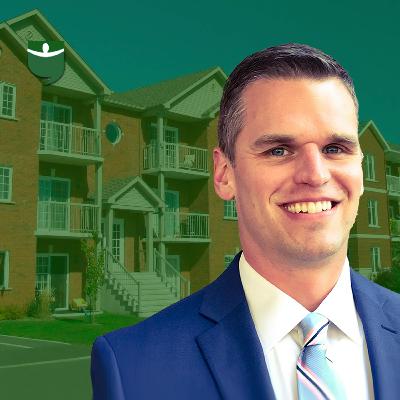
Chris Lopez welcomes Dr. Alex Schloe and Charlie Cameron to demystify residential assisted living. Alex lays out the macro drivers behind the silver tsunami and why small, boutique homes can deliver better care and stronger cash flow. Charlie breaks down the models from LP to lease-to-operator to full operations and development, including typical home specs, licensing basics, private pay vs Medicaid, and realistic risk controls. The trio covers returns, staffing, marketing, and the due diligence questions LPs should ask before backing an operator or sponsor.
Key Takeaways
What residential assisted living is and how it differs from big facilities
Demographics and demand: boomers aging into care, large bed shortage, 10k Americans turning 80 daily
Investment models: LP, lease-to-operator, own-and-operate, and phased development of 10 to 16 bed homes
Typical home criteria: single story preferred, 300 sq ft per resident, abundant beds and baths, sprinklers, roll-in showers
Returns and timelines: value-add and development deals targeting mid 20s IRR ranges with ramp-up occupancy considerations
Risk management: operator vetting, staffing and marketing plans, licensing and insurance, location near labor and hospitals, contingency reserves
LP due diligence: private pay focus, sponsor pipeline for operators, comps via secret shopping and NIC data, personal guarantees and SBA scrutiny
Disclaimer
The content of this podcast is for informational purposes only. All host and participant opinions are their own. Investment in any asset, real estate included, involves risk, so use your best judgment and consult with qualified advisors before investing. You should only risk capital you can afford to lose. Past performance is not indicative of future results. This podcast may contain paid advertisements or other promotional materials for real estate investment advisers, investment funds, and investment opportunities, which should not be interpreted as a recommendation, endorsement, or testimonial by PassivePockets, LLC or any of its affiliates. Viewers must conduct their own due diligence and consider their own financial situations before engaging with any advertised offerings, products, or services. PassivePockets, LLC disclaims all liability for direct, indirect, consequential, or other damages arising out of reliance on information and advertisements presented in this podcast.

Jim Pfeifer and Chris Lopez sit down with investor and author J Scott to recap 2025 and map out what LPs should be watching in 2026. J shares where the year defied expectations (supply, rates, and “real” distress), how he’s positioning for a higher-for-longer rate regime, and the simple filters he’s using to decide between equity and credit today. The conversation covers underwriting discipline, liquidity planning, and why needs-based real estate and inefficient small-multifamily niches may offer the best risk-adjusted plays right now—if you partner with true specialists.
Key Takeaways
2025 reality check: distress was uneven and narrower than headlines; construction delays kept deliveries elevated longer than expected
Rates vs. cap rates: in higher-for-longer, appreciation must come from income growth and operational upside—not cap rate fantasy
Allocation: build durable cash flow with selective debt strategies while reserving dry powder for high-conviction equity dislocations
LP playbook: diversify by sponsor and strategy, avoid tax-driven decisions, and stress test for flat/negative rent growth and refi risk
Where to hunt: needs-based real estate (e.g., senior/medical/data) and imperfect small-multifamily markets where operator edge matters
Operator diligence: prioritize track record, reporting, and downside plans; verify fee alignment and who truly controls execution
Disclaimer
The content of this podcast is for informational purposes only. All host and participant opinions are their own. Investment in any asset, real estate included, involves risk, so use your best judgment and consult with qualified advisors before investing. You should only risk capital you can afford to lose. Past performance is not indicative of future results. This podcast may contain paid advertisements or other promotional materials for real estate investment advisers, investment funds, and investment opportunities, which should not be interpreted as a recommendation, endorsement, or testimonial by PassivePockets, LLC or any of its affiliates. Viewers must conduct their own due diligence and consider their own financial situations before engaging with any advertised offerings, products, or services. PassivePockets, LLC disclaims all liability for direct, indirect, consequential, or other damages arising out of reliance on information and advertisements presented in this podcast.
Chris Lopez and Paul Shannon welcome investor and author Brian Burke to look back at 2025 and set the table for 2026. Brian recaps his “end the dive in 25” thesis, explains why his pivot to senior housing has outperformed, and shares what actually surprised him this year. The group digs into supply, sentiment, and rates, plus the difference between perfect and imperfect markets and why small multifamily and true needs-based real estate may offer the best risk-adjusted plays right now.
Key Takeaways
2025 recap: senior housing led commercial performance while multifamily price declines slowed but did not fully reverse
Surprise of the year: new construction deliveries in multifamily stayed elevated longer than expected, keeping pressure on rents and occupancy
Portfolio moves: Brian co-invested in his senior housing fund, added selectively to individual stocks on pullbacks, explored biotech, and is eyeing Bitcoin on deeper dips
2026 watchlist: investor sentiment in multifamily, supply tapering, and the rate story split between short-term SOFR and the stubborn 10-year
Strategy notes: in a higher-for-longer world, appreciation must come from income growth more than cap rate compression
For LPs: prioritize needs-based real estate like senior housing, medical office, and data centers; consider contrarian but expert-led office plays and inefficient small-multifamily opportunities
Disclaimer
The content of this podcast is for informational purposes only. All host and participant opinions are their own. Investment in any asset, real estate included, involves risk, so use your best judgment and consult with qualified advisors before investing. You should only risk capital you can afford to lose. Past performance is not indicative of future results. This podcast may contain paid advertisements or other promotional materials for real estate investment advisers, investment funds, and investment opportunities, which should not be interpreted as a recommendation, endorsement, or testimonial by PassivePockets, LLC or any of its affiliates. Viewers must conduct their own due diligence and consider their own financial situations before engaging with any advertised offerings, products, or services. PassivePockets, LLC disclaims all liability for direct, indirect, consequential, or other damages arising out of reliance on information and advertisements presented in this podcast.

Give Us Your Ideas For Next The PassivePockets Summit!
https://docs.google.com/forms/d/1vwcvF1z03HYiKmR3a4JN8up0ja4kgKPzG2bCGS6640c/viewform?edit_requested=true
This Episode
It’s the November PassivePockets Pulse Check. Jim Pfeifer, Paul Shannon, and Chris Lopez share what’s new in their portfolios, the real impact of the Fed’s second rate cut, the tool you should use this month (sponsor reviews—now updatable), and how they’re setting concrete goals for 2026. Plus: a big announcement: PassivePockets Summit is in Denver, April 30 (arrival) - May 2. Vote on sessions and networking ideas via the survey in the link above.
Key Takeaways
Portfolio check: capital back from an Aspen Funds industrial deal (tribe structure), 30% return of capital from a Threefold sale, and an unfortunate likely loss tied to the DJE/Ascent situation, why operator integrity and transparency matter
Real deals in motion: Paul’s Indiana acquisition fully subscribed (rate locked), and an Evansville 56-unit true-distress LOI/PSA walkthrough (what those terms mean and why the team thinks it’s a fast operational turn)
Rates: two cuts this fall (~50 bps total) boosted sentiment but barely moved longer-term agency debt; example: 7-yr Treasury + spread shifted only ~6 bps between application and lock
Outlook: expect a trickle, not a tsunami, of distress into 2026 as “extend & pretend” maturities roll; bid/ask is narrowing, which may push lenders to act
Tools & goals: update your Sponsor Reviews (and why “update” notes help the community); Chris is rebalancing toward private credit and Roth-powered compounding, Jim is doubling down on trusted operators and liquidity discipline, and Paul is rotating from cash/metals into equity while keeping a family financial “in case of emergency” plan current
Disclaimer
The content of this podcast is for informational purposes only. All host and participant opinions are their own. Investment in any asset, real estate included, involves risk, so use your best judgment and consult with qualified advisors before investing. You should only risk capital you can afford to lose. Past performance is not indicative of future results. This podcast may contain paid advertisements or other promotional materials for real estate investment advisers, investment funds, and investment opportunities, which should not be interpreted as a recommendation, endorsement, or testimonial by PassivePockets, LLC or any of its affiliates. Viewers must conduct their own due diligence and consider their own financial situations before engaging with any advertised offerings, products, or services. PassivePockets, LLC disclaims all liability for direct, indirect, consequential, or other damages arising out of reliance on information and advertisements presented in this podcast.

Chris Lopez and Paul Shannon sit down with investor and educator Julie Holly for a candid conversation about wins, losses, and leadership as an LP and GP. Julie traces her path from house hacking to syndications, shares the “receive & release” mindset she uses to process setbacks, and explains what changed in her underwriting and operator vetting after a tough year, including one deal where mismanagement led to a total loss. They cover how LPs should share accountability, the exact questions to ask sponsors (who underwrites, how they stress-test, and how they communicate), and why Julie paused new offerings to focus on stewardship and transparency.
Key Takeaways
Start as an LP to learn the experience end-to-end; early distributions can feel great, but plans must survive rate, insurance, and market shifts
“Receive & release”: make space to process losses, own your part, then offload what isn’t yours so you can lead and decide clearly
Trust and verify: dig into vacancy, taxes, insurance, payroll, and who actually underwrites (in-house vs. outsourced/AI); stress-test more than one way
Accountability is shared: GPs must report clearly and often; LPs must understand their risk profile, read docs, and avoid “write first, learn later” FOMO
Choose relationships, not just returns: invest with people who answer candidly, welcome hard questions, and are reachable when things get bumpy
Disclaimer
The content of this podcast is for informational purposes only. All host and participant opinions are their own. Investment in any asset, real estate included, involves risk, so use your best judgment and consult with qualified advisors before investing. You should only risk capital you can afford to lose. Past performance is not indicative of future results. This podcast may contain paid advertisements or other promotional materials for real estate investment advisers, investment funds, and investment opportunities, which should not be interpreted as a recommendation, endorsement, or testimonial by PassivePockets, LLC or any of its affiliates. Viewers must conduct their own due diligence and consider their own financial situations before engaging with any advertised offerings, products, or services. PassivePockets, LLC disclaims all liability for direct, indirect, consequential, or other damages arising out of reliance on information and advertisements presented in this podcast.

Comments

Download from Google Play

Download from App Store
 United States