


 Claim Ownership
PassivePockets: The Passive Real Estate Investing Show
Subscribed: 117Played: 7,255
Subscribe

© PassivePockets
Description
Welcome to PassivePockets: The Passive Real Estate Investing Show– your go-to podcast for building and protecting wealth through smart, passive real estate investments. Hosted by Chris Lopez - this podcast is designed for investors who want to grow without the grind. Each episode features expert interviews with seasoned LPs (Limited Partners) and GPs (General Partners) who share their insights, experiences, and practical advice.
354 Episodes
Reverse

Episode #303
This Episode
Can you build a cash-flowing real estate portfolio without relying on mortgages?
Joel Friedland of Brit Properties joins Chris Lopez to explain how the financial crisis reshaped his approach to investing and led him to focus on debt-free industrial properties. He shares why he targets Chicago buildings under 30,000 square feet, how sale-leasebacks create opportunities, and why he prefers holding great properties for decades over planning a quick exit.
They also explore how investors have sold their ownership interests without selling the underlying building, what makes an industrial property attractive to tenants, and why vacancy and roof replacements still matter without a lender involved. Joel also discusses an exception to his debt-free approach and the limits he places on leverage.
Key takeaways:
• How the 2008 downturn changed Joel’s approach to debt
• Why he targets smaller industrial buildings in Chicago
• How sale-leasebacks can benefit sellers and investors
• Why parking, loading docks, and building layout matter
• How investor-to-investor transfers can provide an exit
• What risks remain when a property has no mortgage
Join a community of passive investors. Start your FREE 7-day trial:
https://passivepockets.com/?utmsource=youtube&utmmedium=description&utm_campaign=none
Listen to the PassivePockets Podcast Anywhere:
https://lnk.to/passivepockets
Subscribe to the Passive Investing Newsletter:
https://www.biggerpockets.com/email-subscribe?utmsource=youtube&utmmedium=description&utm_campaign=none
Join BiggerPockets for free:
https://www.biggerpockets.com/signup?utmsource=ownedmedia
Disclaimer
The content of this podcast is for informational purposes only. All host and participant opinions are their own. Investment in any asset, real estate included, involves risk, so use your best judgment and consult with qualified advisors before investing. You should only risk capital you can afford to lose. Past performance is not indicative of future results. This podcast may contain paid advertisements or other promotional materials for real estate investment advisers, investment funds, and investment opportunities, which should not be interpreted as a recommendation, endorsement, or testimonial by PassivePockets, LLC or any of its affiliates. Viewers must conduct their own due diligence and consider their own financial situations before engaging with any advertised offerings, products, or services. PassivePockets, LLC disclaims all liability for direct, indirect, consequential, or other damages arising out of reliance on information and advertisements presented in this podcast.

Episode #304
This Episode
Can an outdoor hospitality fund deliver strong returns without taking on too much complexity, cost, or related-party risk?
In this LP Deal Review, Rich Delgado presents the DLP Living Fully Communities Fund, a closed-end fund developing and operating cottage resorts, RV sites, campgrounds, and outdoor amenities. The fund targets a 10% preferred return, a two-to-three-times equity multiple, and a six-to-eight-year term.
Chris Lopez, Scott Trench, and Christy Burakovsky examine the fund’s extensive fee structure, affiliated property transfers, debt assumptions, replacement costs, depreciation, and 10% IRR investor buyout provision. They also question the portfolio’s recession resilience, barriers to new competition, hotel brand partnerships, and the acquisition cap rates Rich agrees to provide after the recording.
Key takeaways:
• How the Living Fully Communities Fund invests in outdoor hospitality
• Why some properties are being transferred between DLP-affiliated funds
• How the fund’s management, development, construction, and transaction fees work
• What the 10% IRR investor buyout provision could mean for LPs
• How projected yields compare with the fund’s floating-rate debt
• Whether RV resorts and cottage communities have meaningful barriers to entry
• How depreciation may affect investors’ K-1s
Join a community of passive investors. Start your FREE 7-day trial:
https://passivepockets.com/?utm_source=youtube&utm_medium=description&utm_campaign=none
Listen to the PassivePockets Podcast Anywhere:
https://lnk.to/passivepockets
Subscribe to the Passive Investing Newsletter:
https://www.biggerpockets.com/email-subscribe?utm_source=youtube&utm_medium=description&utm_campaign=none
Join BiggerPockets for free:
https://www.biggerpockets.com/signup?utm_source=owned_media
Disclaimer
The content of this podcast is for informational purposes only. All host and participant opinions are their own. Investment in any asset, real estate included, involves risk, so use your best judgment and consult with qualified advisors before investing. You should only risk capital you can afford to lose. Past performance is not indicative of future results. This podcast may contain paid advertisements or other promotional materials for real estate investment advisers, investment funds, and investment opportunities, which should not be interpreted as a recommendation, endorsement, or testimonial by PassivePockets, LLC or any of its affiliates. Viewers must conduct their own due diligence and consider their own financial situations before engaging with any advertised offerings, products, or services. PassivePockets, LLC disclaims all liability for direct, indirect, consequential, or other damages arising out of reliance on information and advertisements presented in this podcast.

Episode #303
This Episode
What if building wealth starts with changing where you keep your cash? Chris Naugle joins Chris Lopez to share how he went from financial advisor and professional snowboarder to real estate investor, private lender, and founder of Money School. He explains how the 2008 financial crisis nearly pushed him into bankruptcy, why a bank later forced him to sell his apartment portfolio, and how those experiences reshaped his approach to debt, liquidity, and risk.
Chris also breaks down the infinite banking concept, including how specially designed whole life insurance policies can be used to access capital. The conversation then turns to today’s market, why he is buying long-term Treasury bonds, where he still lends on real estate, and how he is preparing for future buying opportunities.
Key takeaways:
• How Chris nearly went bankrupt during the Great Recession
• Why a bank’s lending decision forced him to sell his apartment portfolio
• How the infinite banking concept is designed to create liquidity
• Why whole life insurance should not be viewed as an investment
• How Chris uses private lending and Treasury bonds in his portfolio
• Why he believes investors should prioritize liquidity and principal preservation
• How he is preparing for the next real estate buying opportunity
Join a community of passive investors. Start your FREE 7-day trial:
https://passivepockets.com/?utm_source=youtube&utm_medium=description&utm_campaign=none
Listen to the PassivePockets Podcast Anywhere:
https://lnk.to/passivepockets
Subscribe to the Passive Investing Newsletter:
https://www.biggerpockets.com/email-subscribe?utm_source=youtube&utm_medium=description&utm_campaign=none
Join BiggerPockets for free:
https://www.biggerpockets.com/signup?utm_source=owned_media
Disclaimer
The content of this podcast is for informational purposes only. All host and participant opinions are their own. Investment in any asset, real estate included, involves risk, so use your best judgment and consult with qualified advisors before investing. You should only risk capital you can afford to lose. Past performance is not indicative of future results. This podcast may contain paid advertisements or other promotional materials for real estate investment advisers, investment funds, and investment opportunities, which should not be interpreted as a recommendation, endorsement, or testimonial by PassivePockets, LLC or any of its affiliates. Viewers must conduct their own due diligence and consider their own financial situations before engaging with any advertised offerings, products, or services. PassivePockets, LLC disclaims all liability for direct, indirect, consequential, or other damages arising out of reliance on information and advertisements presented in this podcast.
Episode #302
Connect with Mortar Group:
https://mortargroup.com/?utm_source=passivepockets&utm_medium=referral&utm_campaign=podcast_nov2026&utm_content=episode1
This Episode
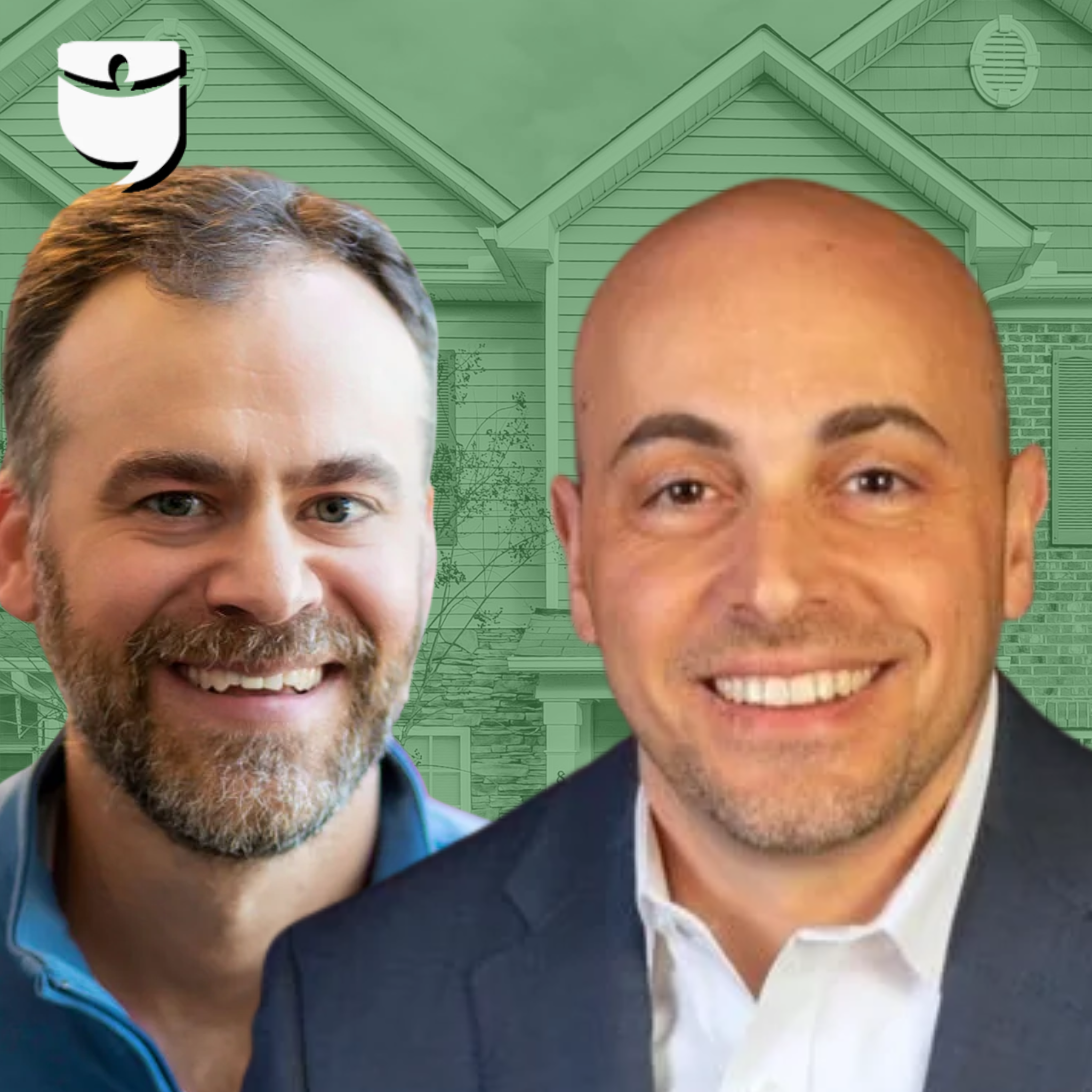
How do you underwrite a short-term condominium development when the debt floats and investor returns depend on selling the finished units?
In this LP Deal Review, Anthony Morena of Mortar Group presents Jackson MG, a two-property value-add development offering in Brooklyn. The approximately $4 million raise targets a 30-month investment period, with Mortar converting smaller residential properties into boutique condominiums for sale.
Chris Lopez, Christy Burakovsky, and Catherine Munaco examine the deal’s construction timeline, floating-rate debt, interest reserves, preferred equity, sales assumptions, and fee structure. They also question tenant vacancy risk, tax treatment, potential loan extensions, key-person risk, and what happens if the project exceeds its budget or timeline.
Key takeaways:
• How Jackson MG plans to convert two Brooklyn properties into condominiums
• Why Mortar begins design and permitting before investor capital is funded
• How floating-rate construction debt and interest reserves are structured
• What protects LPs from project delays, cost overruns, and capital calls
• How Anthony evaluates sales velocity and buyer demand
• Why preferred equity sits ahead of common LP equity
• How the preferred return, fees, and 75/25 profit split work
Join a community of passive investors. Start your FREE 7-day trial:
https://passivepockets.com/?utm_source=youtube&utm_medium=description&utm_campaign=none
Listen to the PassivePockets Podcast Anywhere:
https://lnk.to/passivepockets
Subscribe to the Passive Investing Newsletter:
https://www.biggerpockets.com/email-subscribe?utm_source=youtube&utm_medium=description&utm_campaign=none
Join BiggerPockets for free:
https://www.biggerpockets.com/signup?utm_source=owned_media
Disclaimer
The content of this podcast is for informational purposes only. All host and participant opinions are their own. Investment in any asset, real estate included, involves risk, so use your best judgment and consult with qualified advisors before investing. You should only risk capital you can afford to lose. Past performance is not indicative of future results. This podcast may contain paid advertisements or other promotional materials for real estate investment advisers, investment funds, and investment opportunities, which should not be interpreted as a recommendation, endorsement, or testimonial by PassivePockets, LLC or any of its affiliates. Viewers must conduct their own due diligence and consider their own financial situations before engaging with any advertised offerings, products, or services. PassivePockets, LLC disclaims all liability for direct, indirect, consequential, or other damages arising out of reliance on information and advertisements presented in this podcast.
Episode #301
This Episode
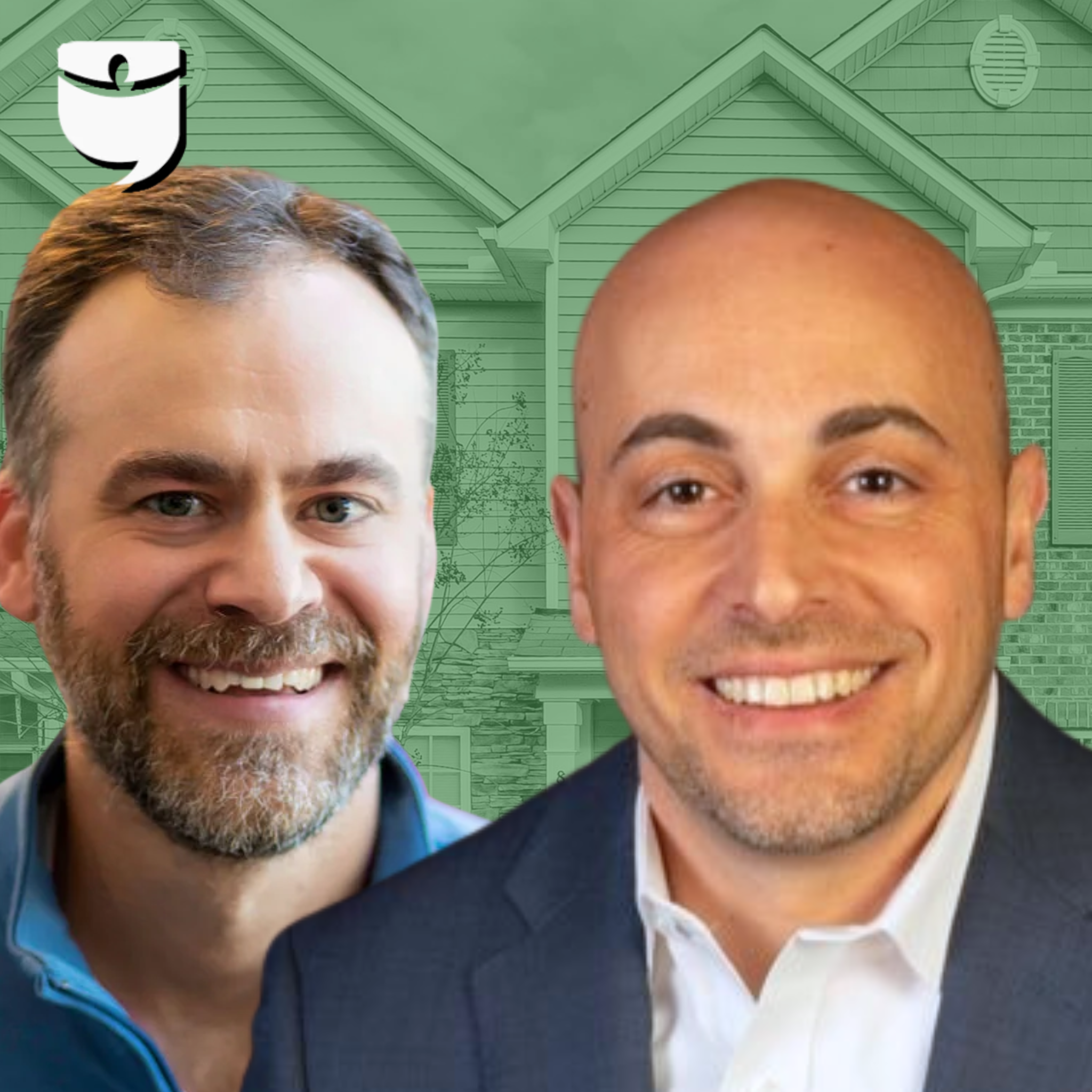
What does it take to develop real estate in one of the country’s most competitive and highly regulated markets?
Following the Jackson MG deal review, Anthony Morena of Mortar Group joins Chris Lopez and Christy Burakovsky to explain how his background as an architect shapes the way he finds, designs, and executes New York City development projects. Anthony shares why local knowledge matters, how he avoids costly permitting and construction delays, and where better design can create additional sellable square footage.
They also discuss New York’s buyer pool, the effects of interest rates and rent regulation, and why Anthony prefers smaller, as-of-right projects over larger developments that require more government approvals. He also explains why he continues using syndications instead of institutional capital and how that choice allows him to maintain control and communicate directly with investors.
Key takeaways:
• How Anthony transitioned from architect to real estate developer
• Why local knowledge is critical when developing in New York City
• How design and zoning expertise can create additional sellable square footage
• Why smaller, as-of-right projects can reduce permitting and political risk
• Who is buying $1.5 million to $3 million New York City condos
• How rent regulation and interest rates are affecting the market
• Why Anthony prefers syndications over institutional capital
Connect with Mortar Group: https://mortargroup.com/?utm_source=passivepockets&utm_medium=referral&utm_campaign=podcast_nov2026&utm_content=episode2
Join a community of passive investors. Start your FREE 7-day trial:
https://passivepockets.com/?utm_source=youtube&utm_medium=description&utm_campaign=none
Listen to the PassivePockets Podcast Anywhere:
https://lnk.to/passivepockets
Subscribe to the Passive Investing Newsletter:
https://www.biggerpockets.com/email-subscribe?utm_source=youtube&utm_medium=description&utm_campaign=none
Join BiggerPockets for free:
https://www.biggerpockets.com/signup?utm_source=owned_media
Disclaimer
The content of this podcast is for informational purposes only. All host and participant opinions are their own. Investment in any asset, real estate included, involves risk, so use your best judgment and consult with qualified advisors before investing. You should only risk capital you can afford to lose. Past performance is not indicative of future results. This podcast may contain paid advertisements or other promotional materials for real estate investment advisers, investment funds, and investment opportunities, which should not be interpreted as a recommendation, endorsement, or testimonial by PassivePockets, LLC or any of its affiliates. Viewers must conduct their own due diligence and consider their own financial situations before engaging with any advertised offerings, products, or services. PassivePockets, LLC disclaims all liability for direct, indirect, consequential, or other damages arising out of reliance on information and advertisements presented in this podcast.

Comments

Download from Google Play

Download from App Store
 United States