


My Rejection Story
Subscribed: 37Played: 321
Subscribe

© Alice Draper
Description
In exclusive interviews, bestselling authors like Tina Wells, Kristen Butler, Jason VanRuler, and Neil Patel share how they navigated the toughest periods of their personal and professional lives, and how this shaped the success they now experience today.
Studies show that the stories we tell ourselves about rejection influence whether these failures fuel our ambition and propel us forward, or stifle our growth and hold us back.
If your rejection story is holding you back, it is time for a reframe.
Studies show that the stories we tell ourselves about rejection influence whether these failures fuel our ambition and propel us forward, or stifle our growth and hold us back.
If your rejection story is holding you back, it is time for a reframe.
76 Episodes
Reverse

In this episode, I bring together four of the smartest, funniest, most relatable ADHD creators I know to unpack one of the trickiest topics in business: self-promotion.We talk about everything from the executive dysfunction that makes “just post it” feel impossible, to the dopamine desert that hits after you finally do. There’s a lot of laughter, a lot of honesty, and a few mic-drop strategies that had me replaying the conversation for days.You’ll hear from:Meredith Carder, ADHD educator and author of It All Makes Sense Now, who breaks down the emotional toll of visibility for neurodivergent creators—and why we so often ghost our own ideas.Jesse J. Anderson, author of Extra Focus, who shares his “pretend your friends and family don’t exist” strategy for posting content without panic.Diann Wingert, host of the ADHD-ish podcast and a business coach for ADHD entrepreneurs, who offers a brilliant reframe on negativity bias and visibility fear.Tayla Blaire, writer, journalist, and creator of the We Are Made of Stories writing course, who opens up about ghosting, grief, and the inner conflict of wanting to be seen while simultaneously hiding.Whether you’re navigating public speaking with ADHD, wondering how to succeed in business with ADHD, or just trying to post consistently without spiraling, this conversation is for you.If you’ve ever Googled things like “self-promotion ADHD” or “ADHD and executive functioning”—or you’ve been paralyzed by the thought of sharing your work—this episode will leave you feeling a lot less alone.Meredith Carder📘 It All Makes Sense Now📰 Subscribe to Meredith’s Substack📲 @hummingbird_adhd on InstagramJesse J. Anderson📘 Buy Extra Focus📝 Sign up to his newsletter📲 @adhdjesse on Instagram and XDiann Wingert🌐 Business coaching services🎧 Listen to ADHD-ish🧠 Take her “What’s Holding You Back?” quiz💼 Connect on LinkedInTayla Blaire✍️ Courses & writing mentorship📲 @scribblingsidehustlers on Instagram💼 Connect on LinkedIn
In this episode, bestselling author and former Hallmark executive Tara Jaye Frank joins Alice to talk about the messy, courageous process of letting go—of careers, of marriages, and of identities that no longer fit. From leaving a long-term marriage to walking away from a lucrative book deal, Tara opens up about what it means to choose yourself when everything in you has been wired for people-pleasing behavior.She shares the subtle shifts that whisper when to leave a marriage—and how she found peace in deciding to leave, even when it meant stepping into uncertainty. Tara also reflects on burnout at work, the identity unraveling that followed her departure from Hallmark, and how she rebuilt her life through what she calls a transformation after midlife.This is an episode for anyone standing at the crossroads of should I leave my marriage or when to call it quits in a marriage, wondering how to move through the end of a marriage or prepare to leave a good marriage without losing yourself in the process.Tara’s story is a reminder that growth doesn’t always look like winning—it often looks like walking away.If you’ve ever found yourself asking, “When should you leave a marriage?” or felt like you’re outgrowing the version of yourself who once fit so neatly into your life, this conversation is for you.Resources & Links:📘 The Waymakers by Tara Jaye Frank: https://www.thelwaymakers.com🌐 Subscribe to Tara’s LinkedIn newsletter You Are Before the World: Tara J. Frank on LinkedIn`Chapters:00:00 The Shy Child Who Learned to Listen03:40 Leaving a 21-Year Career at Hallmark10:02 Preparing to Leave a Marriage—and Trusting Yourself Again17:45 The Law of Least Effort and Accepting What’s True26:50 When the Pain of Staying Outweighs the Fear of Leaving31:40 I Left My Marriage: Learning to Let Go Without Losing Yourself36:10 Publisher Rejection, Creative Alignment, and After 40 Transformation43:00 Burnout, Boundaries, and the Helper’s Dilemma50:00 Knowing What Matters So You Can Do What Counts
What if success takes longer than expected?In this reflective and empowering episode, writer and creative entrepreneur Jamie Varon joins My Rejection Story to talk about the uncomfortable space between effort and outcome. We dig deep into the psychology of delayed gratification vs instant gratification, what it means to stay motivated when the world isn’t watching, and how to keep creating even when the payoff is years away.Jamie shares how she rebuilt her creative process around trusting herself first—detaching from results, resisting the urge to quit too soon, and embracing the art of delayed gratification. She shares raw personal stories, including how she almost walked away from writing entirely—and what brought her back.If you’ve ever burned out from hustle culture, doubted your work after one rejection, or felt crushed when something didn’t “go viral,” this episode will shift how you think about success. It’s a masterclass in delayed gratification motivation and creative resilience, especially for those building something meaningful.In this episode, we discussed:Delayed gratification explained: why it’s harder than ever and how to build itThe emotional cost of creating in a world obsessed with overnight successWhy Jamie no longer ties her worth to her metrics (and how she made that shift)How to reframe “rejection” as a signal—not a stop signInstant and delayed gratification in the context of writing, publishing, and marketingLearning to love the process more than the praiseThe role of delayed gratification in business and why short-term wins can sabotage long-term growthHer viral essay on Main Character Energy—and how the world twisted itJamie’s new approach to creativity: aligned action, not panic performanceWhat most people get wrong about motivation—and how she reclaimed hersOne of our favorite Jamie Varon quotes: “You can’t rush what you want to last.”Quotes:💬 "You might spend two years for a one-minute result. So why not make those two years joyful?"💬 "Trying is brave. And trying again is revolutionary."💬 "Detaching from results isn’t giving up—it’s finally breathing."💬 "Rejection doesn’t mean you were wrong. It might mean you’re early."Chapters:00:00 – Intro02:00 – Delayed gratification motivation and what’s changed in the digital age05:30 – The moment Jamie almost quit writing09:00 – Navigating rejection and rebuilding self-trust12:45 – The fork in the road: believe the rejection, or believe your vision16:20 – How Jamie Varon books have evolved alongside her inner world21:10 – Jamie Varon main character energy—and the backlash25:30 – Letting go of hustle for alignment29:00 – Why we confuse feedback with fact32:00 – Creative longevity and delayed gratification in business36:00 – Writing for soul, not sales40:00 – What she tells herself now when things don’t take off44:00 – The secret to finishing what you startResources:Jamie Varon books: Radically Content, Main Character EnergyWebsite: www.jamievaron.comInstagram: @jamievaronExplore more Jamie Varon quotes and essays at Radically Content
What if the fear of rejection is actually a fear of being fully seen?In this poetic and soul-searching episode, author and spoken word artist Arielle Estoria opens up about what it means to grow beyond who the world expects you to be—and how devastating, liberating, and cyclical that journey can be.Best known for her viral Arielle Estoria poems, her book The Unfolding, and her ability to speak straight to the soul, Arielle shares the deeply personal story behind her own “unfolding.” She discusses the grief of leaving behind old identities, the risk of becoming someone new, and the human need for belonging—especially when you no longer fit the roles that once made you feel loved.We talk about how her relationship with her husband gave her the courage to question inherited beliefs, why creativity is a core value in her life, and what it means to trade approval for truth. Whether you're in the middle of your own unfolding story or afraid to let go of the identity you’ve outgrown, this conversation is a balm for anyone who's ever felt the sting of having no sense of belonging.What We Cover:The awakening: What it feels like to outgrow the life that once felt safeHow Arielle’s husband became a catalyst for growth and authenticityGrief as part of growth: What we don’t talk about when we talk about becomingLetting go of people, labels, and spaces that no longer reflect who you areWhy creativity as a value is about healing, not performanceThe cost of honesty: Losing gigs, friends, and familiarity—and choosing truth anywayWhat it means to rewrite your “too much” narrativeHow her book The Unfolding and her album The Art of Unfolding were created for her own healing firstThe one Arielle Estoria quote every creator needs to hearHow rejection became redirection—and why the work always finds who it’s meant forUsing art to create belonging, not applauseWhy even non-artists can use creativity for healingQuotes That Hit Hard:💬 "I’d rather have friends who love me whole than love me half."💬 "That’s the old story. Now, what’s the new one?"💬 "Creativity is not about sounding good—it’s about speaking soul to soul."💬 "Rejection isn’t a dead end. Sometimes, it’s a reroute to yourself."Chapters:00:00 – Intro01:30 – Awakening vs autopilot living04:45 – How her husband gave her permission to explore08:30 – The grief of growing and letting go12:00 – Rejection, community loss, and spiritual dissonance15:10 – Redefining self-worth and belonging18:20 – How Arielle Estoria poems became a healing practice22:45 – Why her writing isn’t for the ears—but for the soul26:10 – Her response to low book sales and how she redefined success30:45 – Can anyone access healing through art? (Yes.)35:00 – The raw vulnerability of publishing your truth40:00 – What rejection taught her about audience, ego, and trust43:00 – Rewriting the unfolding story in real timeResources:📚 Arielle Estoria books: The Unfolding🎧 The Art of Unfolding – Spoken word album (Spotify, Apple Music, etc.)🔗 Website: www.arielleestoria.com📲 Instagram: @arielleestoria
What happens when the dream ends and you're left with nothing?In this raw and powerful episode of My Rejection Story, former NFL player turned motivational speaker Marques Ogden shares his incredible journey through identity loss, business collapse, and ultimately, self-reinvention.At one point, Marques was at the top: running a $25 million construction company, driving luxury cars, and living the life of a successful ex-athlete. But behind the scenes, ego, poor financial decisions, and misplaced trust led to a devastating fall. He lost it all—his home, his cars, and his sense of purpose.What followed was even harder: a humbling stint as a night-shift custodian, addiction recovery, and facing the painful truth about his role in it all. This episode doesn’t just explore rejection. It unpacks what happens when you stop blaming the world and start taking ownership.Marques shares openly about grief, addiction, bankruptcy, and the moment he decided to rebuild his life—this time on truth, not illusion. If you've ever asked yourself “What is entrepreneurial ego?” or wondered how to bounce back from failure, this one’s for you.What We Cover:Life after the NFL: Why 78% of athletes go broke and how Marques found himself spiralingGrief, addiction, and the tattoo that became his wake-up callBuilding a $25M company from scratch—and the early cracks he ignoredBusiness debt meaning: how undocumented deals led to financial ruinThe fine line between confidence and arrogance in entrepreneurshipLosing it all: how one client’s handshake deal cost him everythingHitting rock bottom as a custodian—and learning to tell the truthHow he became a full-time Marques Ogden speaker and keynote coachHis current relationship with external validation and humilityHow gratitude and discipline helped him reclaim purposeThe importance of listening to your team and trusting the right peopleThe role of Marques Ogden’s wife and daughter during his hardest seasonsWhy rejection is often the best data point we can getChapters00:00 – Intro02:00 – Life after NFL: Expectation vs reality04:30 – Rock bottom: Addiction, grief, and survival mode08:00 – The tattoo incident that changed everything12:30 – From redemption to arrogance: Building and losing the biz18:45 – The phone call that ended everything23:00 – Repossession, foreclosure, and starting over26:00 – Ego and ignored advice: What Marques would do differently30:00 – The moment he realized he was a “fake and a phony”34:00 – The spilled milk story: Rock bottom reenacted37:00 – Becoming a speaker and rebuilding his reputation41:00 – The discipline myth: You don’t need to be gifted43:00 – Gratitude, ego, and redefining successResources Mentioned:Marques Ogden podcast: Get Authentic with Marques OgdenWebsite: www.marquesogden.comThe Marques Ogden App (with exclusive content and coaching offers)Instagram & LinkedIn: @marquesogdenEmail: marques@marquesogden.com
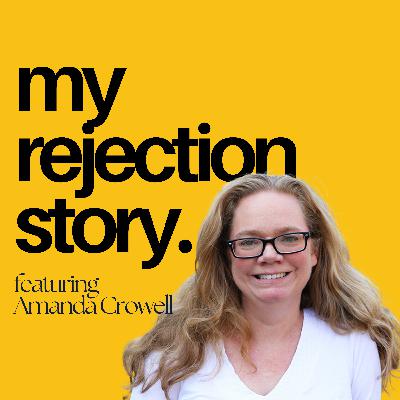
Ever heard of defensive failure? What about productive failure?In this deeply honest and psychologically rich episode, cognitive psychologist and bestselling author Dr. Amanda Crowell unpacks what it means to do the work that truly matters. We explore the Great Work framework, the emotional toll of overachievement, and the quiet sabotage of “defensive failure”—a pattern that stops us from even attempting the things we care about most.Amanda shares her own story of striving for approval, hitting burnout, and experiencing a health collapse that forced her to radically rethink her life. From panic attacks and autoimmune flare-ups to a TEDx talk viewed by 1.7M+ people, her story is a roadmap for finding meaning at work, rediscovering your voice, and finally choosing yourself.This conversation is for anyone yearning to feel more alive—whether by finding purpose at work, outside of work, or figuring out how to enjoy work again after years of burnout. It’s also a must-listen if you’ve ever doubted your potential, or convinced yourself you’re “not that kind of person.”What We Cover:Why most people fail before they even start—and how to spot “defensive failure” in your own lifeThe pressure to overachieve: How childhood patterns, trauma, and external validation drive burnoutAmanda’s breaking point: a panic attack that led to an unexpected health crisis and major life resetWhat “great work” really means—and how to spot your own great work threadThe surprising way intrinsic motivation works (and why competitive goals often backfire)How to build momentum in the smallest ways—and stop self-rejection in its tracksReframing rejection as data, not defeatFinding purpose at work worksheet (included in Amanda’s book!)How to do less, enjoy more, and feel alive againWhy burnout recovery requires joy, not just restChapters:00:00 – Intro02:40 – Her first memory of rejection: the cheerleading squad05:10 – The invisible weight of early identity labels08:05 – How Amanda became a triathlete after years of saying she “wasn’t athletic”11:50 – Intrinsic vs extrinsic motivation: how to enjoy work life again15:45 – The real reason most people never start18:50 – Behind the viral TEDx talk (and the bra strap seen around the world)23:30 – The panic attack that sent her to the hospital26:50 – Finding purpose outside of work (and inside a slower life)31:00 – Giving up the hustle—and discovering Great Work36:45 – Why rejection is an advanced problem40:50 – How to get comfortable being a beginner again44:20 – Two clues to help you find your Great Work48:15 – Free resources and monthly classes to help you go deeperQuotes That Hit Hard:💬 “Rejection is an advanced problem. Most people fail defensively—before they ever start.”💬 “I was hiding inside my own excellence and getting really, really bored.”💬 “You either live in the arena, making mistakes—or you keep doing what you’ve always done.”💬 “Your identity is not a fixed thing. It’s a prison you can walk out of.”💬 “Stop tap dancing for approval. Let the failure happen. It’s not as painful as avoiding it forever.”Resources Mentioned:Amanda’s website: www.amandacrowell.comGet the Great Work book + journal (includes the “Finding Purpose at Work” worksheet!)Free monthly Great Work classes: https://www.eventbrite.com/cc/the-great-work-series-classes-3888663Follow Amanda on LinkedIn: https://www.linkedin.com/in/dr-amanda-crowell-51188130/
What if the thing that hurts the most isn’t rejection itself, but how your brain processes it?In this emotionally resonant solo episode, host Alice Draper unpacks the lived experience of Rejection Sensitive Dysphoria (RSD): a lesser-known but deeply felt condition experienced by many, especially those with ADHD. Through childhood memories, Reddit stories, and peer-reviewed research, she explores why RSD feels like a punch in the gut, and what we can do to cope with it.Alice shares a painful moment from her teenage years that still echoes today: being excluded by a close friend in front of others, and the full-body shutdown that followed. It’s a familiar story for many people with rejection sensitive dysphoria ADHD, particularly rejection sensitive dysphoria women navigating friendships, love, and work in a world that often mistakes sensitivity for weakness.You’ll hear from others too: Stories pulled from rejection sensitive dysphoria Reddit communities that reveal just how common and debilitating these experiences are. Alice also walks through evidence-backed strategies pulled from a rejection sensitive dysphoria workbook by Neurodivergent Insights, and introduces a free rejection sensitive dysphoria test that listeners can use to assess their own experience.Whether you're searching how to cope with rejection sensitive dysphoria, how to overcome rejection sensitive dysphoria, or curious about rejection sensitive dysphoria ADHD treatment options, this episode offers understanding, science, and self-compassion in equal measure.If you’ve ever felt “too sensitive,” this conversation will help you feel a little more seen, and a lot less alone.What We Cover:What rejection sensitive dysphoria (RSD) actually is—and why it’s not just about being overly sensitiveThe neuroscience behind why social rejection activates the same part of the brain as physical painA deeply personal story from Alice’s teenage years and how those feelings still show up todayRaw, relatable Reddit posts from people living with RSDThe staggering statistic that children with ADHD hear 20,000 more negative messages by age 10 (via Dr. William Dodson)A reputable, expert-backed rejection sensitive dysphoria test you can take to assess your symptomsA resource-rich article from Neurodivergent Insights that doubles as a rejection sensitive dysphoria workbookTools and strategies for emotional regulation, black-and-white thinking, and self-compassionWhen (and how) to seek professional help—and what to know about ADHD treatment for rejection sensitive dysphoriaChapters:00:00 Understanding Rejection Sensitive Dysphoria (RSD)04:28 Rejection Sensitive Dysphoria Reddit Stories07:50 How Rejection Sensitive Dysphoria Ended A Friendship Of Mine10:54 Rejection Sensitive Dysphoria Test: An Overview11:47 Rejection Sensitive Dysphoria Workbook12:16 How To Cope With Rejection Sensitive Dysphoria16:18 Rejection Sensitive Dysphoria Regulation Techniques18:13 Case Study On How To Overcome Rejection Sensitive Dysphoria21:33 Seeking Professional Help and Support for Rejection Sensitive DysphoriaResources mentioned:🧠 Take the RSD test by ADDitude Magazine: https://www.additudemag.com/rejection-sensitive-dysphoria-adhd-symptom-test📄 Use this article as a rejection sensitive dysphoria workbook: Neurodivergent Insights - How To Deal With RSD🔍 Read the full article on the 20,000-message stat by Dr. William Dodson: ADDitude article💬 Browse experiences in the rejection sensitivity dysphoria Reddit and rejection sensitive dysphoria ADHD women communities: r/ADHDwomen
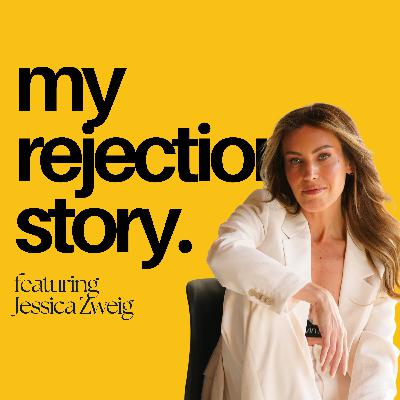
What happens when success becomes a prison?In this candid and soul-baring episode, bestselling author and branding expert Jessica Zweig opens up about the emotional cost of staying in a business that no longer aligned with her truth. She shares the moment she realized it was more painful to stay than to leave—and what followed was a journey of healing, identity loss, and radical self-reinvention.Jessica speaks about the real-life complexities of leaving a business partnership without an agreement, navigating debt in entrepreneurship, and the slow unraveling that comes when you’ve built something that no longer serves your growth. Through her story, we unpack what it really means to change your life—not through hustle, but through alignment.This episode will resonate deeply with anyone feeling stuck, burnt out, or silently questioning the cost of their own ambition.What We Cover:Why Jessica left her first company, even though it looked like a dream from the outsideThe emotional and financial aftermath of splitting a business partnership with no formal exit planThe toll of chronic burnout and situational depression—despite outward “success”How to begin healing when your identity has been tied to achievementThe meaning of spiritual entrepreneurship and how Jessica integrates it into her life todayPractices that supported her transformation and helped her change her life for the betterWhat sovereignty means—and why it’s not a luxury, but a necessityChapters:00:00 – Intro03:15 – The rejection that shaped her confidence06:42 – Building a business from burnout09:30 – Leaving a business partnership without an agreement13:20 – The illusion of success vs. internal collapse17:00 – Depression, debt, and detangling identity from output24:45 – Spiritual awakenings and redefining ambition30:11 – What is a spiritual entrepreneur?34:52 – How to change your life in 30 days40:28 – Letting go of hustle culture for nervous system healing46:05 – How Jessica lives in alignment todayQuotes That Hit Hard:💬 "The pain of staying was greater than the pain of leaving."💬 "I was succeeding outwardly and dying internally."💬 "I walked away with no plan—and found myself in the process."💬 "We are sovereign. We just forget."Resources Mentioned:Jessica’s website: www.jessicazweig.comJessica on Instagram: @jessicazweigJessica’s podcast: The Spiritual Hustler

In this short and powerful replay, ADHD coach, creator, and author Meredith Carder explains why masking happens, what ADHD masking symptoms look like, and how to make strategic choices about when to mask and when to unmask. Many people with ADHD mask their symptoms (at work, with friends, or in public) to fit in and avoid judgment. But masking comes at a cost, and for some, it can lead to ADHD masking burnout. Meredith shares practical ADHD masking examples and her “low-reward masking” approach for reducing the energy drain of constant self-monitoring. We also talk about finding masking accommodations that help you function without burning out, and how community can ease ADHD friendship struggles, ADHD friendship issues, and help you build genuine ADHD friendship groups.The conversation then shifts to ADHD rejection sensitive dysphoria (also called ADHD rejection sensitivity disorder), including what’s happening in the brain during perceived rejection, why rejection sensitive dysphoria in ADHD women can feel especially intense, and how emotional regulation and ADHD are connected. Meredith shares tools for increasing rejection tolerance, the role of executive functioning in ADHD women, and how to apply these strategies in daily life.If you’ve ever looked up an ADHD masking questionnaire, searched for ways to prevent burnout, or wondered how to deal with RSD in a relationship, this episode will give you practical insights and compassionate perspective.What You’ll Learn in This EpisodeThe risks of constant masking and signs of ADHD masking burnoutHow to identify ADHD masking symptoms in yourselfReal-life ADHD masking examples that can actually helpMeredith’s “low-reward masking” approach to conserving energyHow to find masking accommodations that support your needsNavigating ADHD friendship struggles, ADHD friendship issues, and building ADHD friendship groupsUnderstanding ADHD rejection sensitive dysphoria and ADHD rejection sensitivity disorderWhy rejection sensitive dysphoria in ADHD women can feel differentTools for emotional regulation and ADHDThe connection between executive functioning in ADHD women and rejection toleranceHow to deal with RSD in a relationship and practical steps to reduce its impactLinks & ResourcesFollow Meredith Carder on Instagram: https://www.instagram.com/hummingbird_adhd/Read Meredith’s book on adult ADHD: It All Makes Sense Now: Embrace your ADHD brain to live a creative and colorful lifeSubscribe to Meredith's Substacks: Meredith Carder Substack and It All Makes Sense Now SubstackTake an ADHD masking questionnaire to explore your own masking patterns: https://www.bhcsmt.com/aammChapters:01:33 The dangers of masking03:35 How masking can be beneficial04:10 Meredith’s “low-reward masking” approach06:30 Finding masking accommodations07:35 ADHD friendship struggles and friendship groups09:06 Understanding ADHD rejection sensitive dysphoria11:31 What’s happening in the brain during perceived rejection12:46 Emotional regulation and ADHD14:10 Executive functioning in ADHD women and cognitive inflexibility16:07 Why self-awareness matters for managing RSD18:33 How to deal with RSD in a relationship and improve rejection tolerance20:30 Lifestyle factors that increase emotional resilience
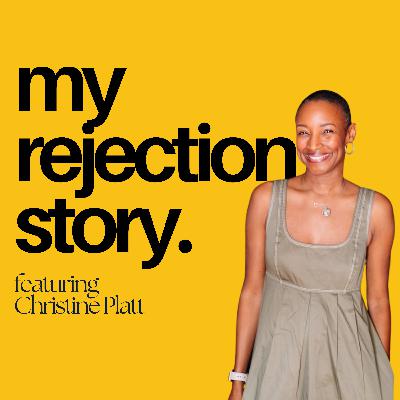
Christine Platt boldly embraces the power of less. She has written more than two dozen books, and spent more than 20 years advocating for social justice and the environment in academia, governments, non-profits and the private sector. After writing The Afrominimalist’s Guide to Living with Less,she became widely known as the Afro-minimalist, a black woman who started a movement. In the book, she radically revisions minimalism, integrating it with history and heritage. In this episode, Christine Platt explores how rejection can lead us to tell self-limiting stories about ourselves. By reframing these rejection stories, we can open up opportunities for personal transformation. She reflects on the development of self-awareness and resilience, and highlights the role of self-talk, and language in letting go of limiting beliefs. She describes the discomfort of learning to “be” instead of constantly “doing” which had led her to a state of overwhelm. She touches on the pandemic and proposes that we are still going through an unspoken cycle of collective grief - that needs attention.Chapters:00:00 Introduction to Christine Platt and Her Journey01:00 The Gift of Parental Support and Career Freedom03:04 Transitioning from Doing to Being06:09 Navigating Uncertainty and Life Cycles10:04 Rejection Stories and Their Impact12:01 The Power of Reframing Rejection17:53 Finding Meaning in Lowest Lows and Highest Highs33:03 Understanding Rejection Stories38:01 The Journey of Self-Discovery42:17 The Importance of Introspection45:53 Navigating Collective Grief56:30 Building Community and ConnectionResources and Links:Her new book “Less Is Liberation: Finding Freedom from a Life of Overwhelm” will be released in October 2025 and you can pre-order here: https://www.amazon.com/Less-Liberation-Finding-Freedom-Overwhelm/dp/153875830X Instagram: @iamchristineplattSubscribe to Christine’s Substack: https://christineplatt.substack.com/To find out more about Christine Platt visit: https://www.iamchristineplatt.com/
This episode is personal, vulnerable, and messy — for a reason.Alice reflects on the fear of saying the wrong thing, the rejection that often follows speaking up, and what happened when influencer Jenna Kutcher finally broke her silence on Palestine.This is a conversation about rejection, shame, activism, and the paralysis of perfectionism in the age of public scrutiny.Chapters:00:00 Opening — fear, paralysis, and why this episode feels scary01:23 Jenna Kutcher’s post on Gaza03:00 Background information on Palestine04:40 Silence after October 7 and influencer inaction06:32 Why some people don’t speak up08:40 The impossible expectations around speaking out10:50 The science of rejection and how it relates to activism12:36 Self-affirmation theory and how it helps us take action14:03 Personal reflection on sharing imperfect thoughts15:42 Final thoughts — rejection, risk, and showing up anywayResources & Mentions:Jenna Kutcher’s Instagram post:https://www.instagram.com/p/DMmA5sbOYG5/?igsh=MTRyOTBpZnR3eHFndw==Alice’s interview with Sarah Rice on This Changes Everything:https://podcasts.apple.com/us/podcast/learning-to-reject-rejection/id1640548625?i=1000708545091Scientific American: Study on why rejection activates the same brain regions as physical pain:https://www.scientificamerican.com/article/why-we-are-wired-to-connect/APA article on self-affirmation theory:https://psycnet.apa.org/record/2007-19538-004

Your loneliness isn't weakness, it's love without a home.In this raw and reflective episode, writer and mindset coach Katie Horwitch joins Alice to explore the emotional roots of identity, self-talk, loneliness, and healing. Katie shares her journey from childhood eating disorders to building a platform that helps others shift their inner narratives—without sugarcoating the messiness of that process.Together, they dive into the stories we tell ourselves when we’re rejected, the parts of us we learn to perform, and why so many high-functioning people are secretly lonely.You’ll hear:Why Katie says “loneliness is love with nowhere to go”How eating disorders were a way to create control and connectionThe cost of being the “good girl” in every roomWhy self-love isn’t the same as self-likeWhat happens when recognition doesn't feel like belongingHow to break fluency in negative self-talk—and learn a new emotional languageThis episode is a compassionate and cutting look at how we reject ourselves before anyone else can—and what it takes to stop.Chapters:00:50 Intro03:02 When Katie realized her dream no longer fit07:44 How eating disorders became a survival strategy10:55 Performing perfection and the cost of control14:20 “I was fluent in shame”16:12 Loneliness as a side effect of masking18:49 Rebuilding identity after letting go of the stage23:03 Self-talk as a learned language26:57 What happens when we stop performing healing30:14 Why recognition felt hollow without real connection34:30 Holding high standards and self-compassion38:08 Katie’s approach to rebuilding community and belonging42:10 Where to find Katie and her workResources & Links:Katie’s book: Want YourselfWebsite: katiehorwitch.comFollow Katie on Instagram: @katiehorwitch
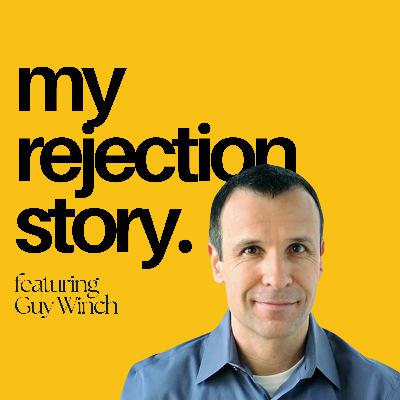
Heartbreak doesn’t just feel like withdrawal. It is withdrawal.In this short, powerful replay, psychologist and author Guy Winch explains why breakups hurt so much and why trying to “stay friends” with your ex might be sabotaging your recovery.He breaks down the neuroscience of heartbreak, compares it to addiction, and shares why going cold turkey - unfollowing, muting, and cutting contact - isn’t dramatic. It’s necessary.You’ll hear:Why heartbreak activates the same brain regions as physical painThe science behind why you’re obsessively thinking about your exHow heartbreak mimics the brain patterns of drug withdrawalWhy unfollowing your ex is a psychological intervention, not a petty moveWhat to do instead of re-reading old messages or checking their feedThis is a must-listen if you, or someone you love, can’t stop going back to the ghost of a relationship.Resources & Mentions:Guy Winch’s TED Talk: How to Fix a Broken Heart, https://www.youtube.com/watch?v=k0GQSJrpVhM&pp=0gcJCfwAo7VqN5tDBook: How to Fix a Broken Heart, https://www.amazon.com/How-Fix-Broken-Heart-Books/dp/1501120123 Podcast: Dear Therapists, https://podcasts.apple.com/us/podcast/dear-therapists-with-lori-gottlieb-and-guy-winch/id1523340696Website: guywinch.com

What if every tiny criticism (real or imagined) felt like a full-body betrayal?In this validating and deeply personal episode, ADHD educator and author Jesse J. Anderson joins Alice to unpack what rejection-sensitive dysphoria (RSD) really feels like, and how it’s shaped his relationships, self-perception, and emotional responses.Jesse shares how RSD used to hijack his nervous system, leading to blow-ups in conversations with his wife and shame spirals that lasted for days. But over time, he’s learned to pause, name what’s happening, and create space for a different response.You’ll hear:How RSD distorts emotional cues and triggers emotional overwhelmWhy Jesse used to “blow up” and what he does differently nowThe therapist phrase that helped him access logic in the middle of a spiralWhat happens when ADHDers interpret normal conflict as deep rejectionWhy emotional regulation looks different for ADHD brains, and why it mattersHow Jesse’s layoff pushed him to lean on community instead of hidingThis episode is a must-listen for anyone with ADHD—or anyone who loves someone with it.Chapters:00:50 Intro02:21 Jesse on being the “bad kid” with undiagnosed ADHD05:33 What rejection-sensitive dysphoria (RSD) actually feels like10:10 The therapist phrase that changed everything13:55 ADHD and marriage: how Jesse nearly blew it17:42 Learning to pause before blowing up21:05 Jesse’s “hand over mouth” moment23:18 Getting laid off and going public26:50 The healing power of community31:45 Why ADHD friendships often fall apart35:22 Jesse’s app idea for remembering friends38:10 Grieving the ADHD kid you were41:03 How Jesse shows up differently now45:12 Where to find Jesse and his workResources & Links:Jesse's book, Extra Focus: https://www.amazon.com/Extra-Focus-Quick-Start-Guide/dp/B0CGKL5FGFFollow Jesse on Instagram: https://www.instagram.com/adhdjesse/Follow Jesse's Substack: https://substack.com/@adhdjesse
Why do we still fear being left out, even in safe, loving friendships?In this solo episode, Alice opens up about a vivid dream that left her in tears and the deeper fears it uncovered. Despite being a grown adult with supportive relationships, her subconscious still clings to the belief that one day, the people she loves might just… stop loving her.This episode dives into the science behind social rejection, the wounds we carry from childhood friendship dynamics, and what rejection-sensitive dysphoria looks like in everyday life (yes, even in dreams). With warmth, insight, and zero toxic positivity, Alice shares how she copes when the fear of being unwanted comes roaring back.You’ll hear:Why our brains process rejection like physical painThe childhood friendship that left a mark—and still shows up in dreamsHow rejection-sensitive dysphoria impacts friendships and self-trustWhy “rejection = redirection” isn’t always helpfulPractical ways to cope with perceived rejection without spiralingWhy diversifying your identity makes rejection hurt lessThis one’s for anyone who’s ever walked away from a group hang wondering, “Did I say something wrong?” or reread a text thread five times to confirm they weren’t being iced out.Chapters:00:50 The dream that triggered this episode03:12 Why safe friendships still feel unsafe sometimes06:40 The science of rejection and why it physically hurts10:45 Childhood friendship wounds and feeling ousted15:05 Why I still carry those fears into adulthood17:00 Lessons from Sarah Rice on dealing with mass rejection20:22 How to cope when social media amplifies rejection23:05 You don’t need to find the lesson right away25:19 Feeling grief and gratitude at the same time28:14 Why nuance matters: people aren't all good or all bad31:08 Diversifying your identity to soften the sting34:35 Reflections on nine months of podcasting36:45 A thank you, and what's next for the showResources:Cyberball study on social rejection (a meta-analysis)My Rejection Story Interview with Whitney Goodman on Toxic PositivityAlice Draper's Interview on Sarah Rice's Podcast "This Changes Everything"Email Alice: alice@hustlingwriters.com
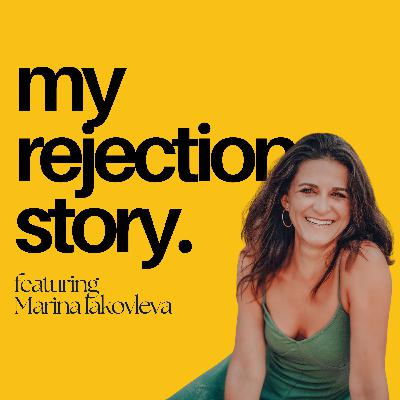
What would you do if a media giant stole your idea—and then went viral with it?In this deeply personal and surprisingly funny episode, Alice sits down with Marina Iakovleva, the creator of Dating Beyond Borders, a wildly popular YouTube channel with over 675,000 subscribers. Marina built her brand from a scrappy video experiment in Panama to a global platform exploring intercultural relationships—and she did it without a team, a big budget, or any media backing.But along the way, her ideas were copied by Buzzfeed and other production companies with massive teams and bigger marketing power. Instead of quitting, she pivoted—and found a new format that reignited her creativity and brought her closer to her audience than ever before.You’ll hear:How a three-day vacation romance inspired Marina’s entire businessWhat she did after Buzzfeed copied her video concept (and commenters said she was the copycat)Why she pivoted from studio shoots to street interviews—and never looked backHer honest take on the loneliness of digital nomad life and not having a place to call “home”Why you’re more attractive when you’re in a city you actually likeHow to make peace with fractured identity—and keep showing up anywayThis is an episode about content, connection, and carving your own lane when no one hands you a map.Chapters:00:50 Intro02:44 Being the anxious kid and earliest rejections05:53 Why teaching felt safe—but wrong08:13 Choosing regret minimization over predictability13:41 “Where do I belong?”—living between cultures24:49 The vacation romance that started it all27:40 How Sebastian the German became Marina’s origin story31:09 Building a business from rejection36:20 How she grew to 100K+ subscribers in under a year43:49 The Rebel Wilson problem—pivoting when your audience doesn’t want you to48:54 Buzzfeed, copycats, and being accused of stealing your own idea51:13 What to do when you’re the underdog in a production war56:25 Boundaries, burnout, and reactivity in business01:00:08 How Marina approaches content growth (and why obsession > perfection)01:05:16 Where to find Marina and hire her as a speakerMarina’s YouTube: Dating Beyond BordersMarina’s podcast: Dating Beyond Borders PodcastMarina’s book: Sex Before Coffee: A Guide to Dating in ScandinaviaSpeaking inquiries: https://ca.linkedin.com/in/marina-iakovleva-dbb
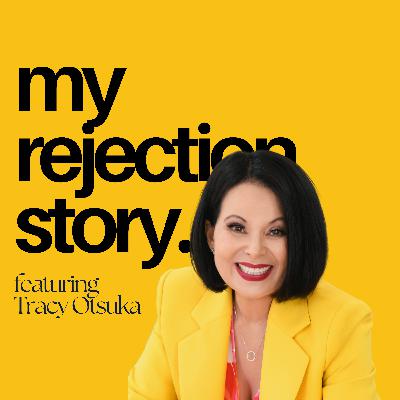
Why does criticism feel like a punch to the gut when you have ADHD? And why do so many women with ADHD go undiagnosed for decades?In this bold and eye-opening episode, bestselling author and podcast host Tracy Otsuka joins Alice to unpack how rejection shows up in the ADHD brain, and why it’s often misunderstood, minimized, or masked.Tracy shares the brain science behind rejection-sensitive dysphoria, the gendered shame baked into our understanding of ADHD, and how her son’s diagnosis ultimately led to her own. You’ll hear candid stories of failure, identity shifts, and the powerful moment a psychologist told her to lower her expectations for her child.You’ll hear:What rejection does to the ADHD brain (and why your mind feels like it “goes offline”)The truth behind why girls often go undiagnosed until adulthoodHow masking, people-pleasing, and perfectionism fuel burnoutThe timer trick Tracy swears by for getting started (even when it feels impossible)Why ADHD is not a productivity problem—it’s an identity oneThis is an episode about shame, stigma, and how to rewrite your internal narrative, on your terms.Chapters:00:50 Intro01:18 The label 'too much' and early rejection03:38 Shame, gender norms, and ADHD in women06:53 What happens in the ADHD brain during rejection10:28 Learned helplessness and internalized criticism12:44 Why girls are misdiagnosed with anxiety and depression13:41 Hormones, dopamine, and maturity-onset ADHD17:02 Moving from inaction to identity-based action22:26 Fun, challenging, and social—the ADHD productivity trifecta25:52 Building a trustworthy identity with micro-habits30:31 Tracy’s time cube hack for procrastination35:00 How her son's diagnosis led to her own38:28 “Your son is too ambitious”—a psychologist’s rejection42:34 How diagnosis changed Tracy’s self-perception45:14 The rejection that comes from not trusting yourself50:50 Where to find Tracy and her workResources & Links:Tracy’s book: ADHD for Smart Ass WomenTracy’s podcast: ADHD for Smart Ass WomenWebsite & Programs: ADHDforSmartWomen.com
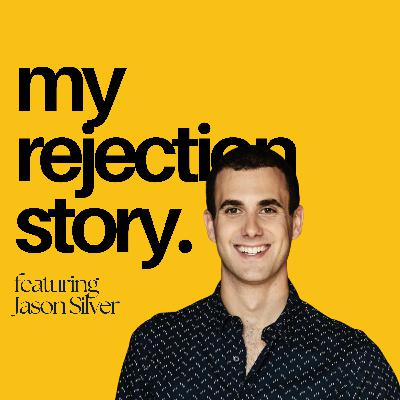
What if success wasn't the reward for grinding through work—but the result of actually enjoying it?In this candid and deeply insightful episode, multi-time founder and former Airbnb leader Jason Silver joins Alice to unpack the often backwards narratives we hold about work, ambition, and rejection.Jason shares the raw story of crashing his startup—and the surprising way that failure led to a life-changing opportunity at Airbnb. He also dives into the neuroscience behind why so many people regret changing jobs, what "hedonic adaptation" has to do with your career dissatisfaction, and how he redefined productivity after a personal tragedy.You’ll hear:Why Jason believes enjoyment is a practice, not a perkHow he almost got fired after presenting the “perfect” plan to Airbnb leadershipA dead-simple question that helped him 9x his resultsThe personal loss that transformed how he approached work and lifePractical frameworks for finding more energy, meaning, and satisfaction in your current jobThis is an episode about failure, but also about designing a working life you don’t need to escape from.Chapters:00:50 Intro02:44 Why quitting your job doesn’t make you happier06:26 Hedonic adaptation at work09:22 The difference between fun and enjoyment13:34 Doing the same task differently19:45 The iPhone list exercise28:00 The 10x Airbnb challenge35:57 What would need to be true?41:46 Defining rejection43:52 Crashing a startup52:24 The grief that changed everything59:51 How Jason has changed1:03:13 Advice to enjoy growing a podcastResources & Links:Jason’s website: thejasonsilver.comJason’s book: Your Grass Is Greener – yourgrassisgreener.comFollow Jason on LinkedIn: Jason Silver
Uncertainty can feel like standing on the edge of a cliff, waiting for instructions that never arrive.In this solo episode, Alice reflects on her early career decision to turn down traditional jobs and lean into freelancing—not because it felt brave, but because it made a strange kind of sense. Years later, she’s still navigating the discomfort of not-knowing, and learning to stay present through the fog.This is a gentle, personal reflection on:The subtle self-rejection baked into chasing certaintyHow clarity doesn’t always come with a five-step planMicro-decisions that help you feel more groundedWhy uncertainty often brings up shame, even when we’re doing the “right” thingAlice also shares tools that help her hold the discomfort without rushing through it—like labeling what’s still certain, making room for nuance, and trusting that inner clarity takes time.🎧 If you're in the middle of a career shift, life decision, or quiet personal reckoning… this one’s for you.
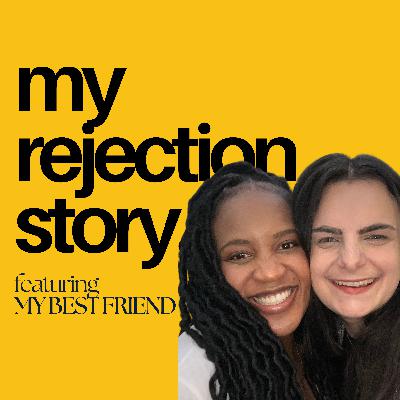
with Senamile ZunguIn this episode, Alice sits down with her best friend Senamile Zungu for the most personal conversation ever recorded on My Rejection Story. Sena opens up about what it took to unravel—and survive—after years of perfectionism, people-pleasing, and pushing through pain.From two psychiatric hospitalizations to setting boundaries that cost her relationships, this is the story of what happens when a woman chooses herself for the very first time.Together, Alice and Sena reflect on friendship, anger, grief, and the violent pressure to be everything to everyone. It’s a raw and unfiltered conversation about burnout, identity loss, and what it takes to reinvent your life from scratch.This episode is about loving someone through the ugliest seasons of their life—and holding onto yourself when the world tells you to disappear.In This Episode, We Cover:Why burnout was just the symptom—and how much deeper the wound wentWhat people-pleasing costs you (and who you have to grieve to stop doing it)What it’s like to survive a suicide attempt and still feel like a burdenThe rage that comes when you finally stop self-abandoningWhy boundaries feel like betrayal—even when they’re saving your lifeHow it feels to lose family, faith, and career—and still want to try againWhat it means to be witnessed in your full, messy, human selfThis episode is about loving someone through the ugliest seasons of their life—and holding onto yourself when the world tells you to disappear.Links & Resources:🎧 Listen to Sena’s podcast, Colour-fullhttps://pod.link/1736137543📘 Read: When The Body Says No by Dr. Gabor Matéhttps://www.amazon.com/When-Body-Says-Understanding-Stress-Disease/dp/0470923350📱 Follow Senamile on Instagramhttps://www.instagram.com/sena_zungu/💼 Connect with Senamile on LinkedInhttps://www.linkedin.com/in/senamile-zungu-a8375627a/Chapters:00:00 The Friendship Behind the Mic06:11 What Burnout Really Looked Like10:42 Surviving Hospitalization—and the Shame That Follows15:33 People-Pleasing and the Loss of Self21:58 Rage, Religion, and Rejection26:40 What Happens When You Start Saying No32:14 Grieving Who You Used to Be36:59 The Rebuild: Boundaries, Healing, and a New Kind of Success41:46 How to Love Someone Who’s Falling Apart47:18 Being Seen and Loved in the Middle of the Mess

Comments

Download from Google Play

Download from App Store
 United States