


 Claim Ownership
Care OutLoud
Subscribed: 3Played: 9
Subscribe

© Mary Coughlin
Description
Caring OUTLOUD isn't about the volume of your voice but the magnitude of your heart expressed by the frequency of your soul. The Care OutLoud Podcast connects with people from all walks of life around the globe Caring OutLoud in big, small and PURPOSEFUL ways!
81 Episodes
Reverse

In this deeply moving episode of Care OUTLOUD, Mary sits down with Gigi Khonyongwa-Fernandez—author of From Rollercoasters to Carousels—for a heartfelt exploration of trauma, healing, and the transformative power of human connection.Gigi shares her journey through profound loss, her time in the NICU as a parent, and how those experiences inspired her to write a book that offers both solace and guidance for families and clinicians alike. Together, Mary and Gigi unpack what it means to “care out loud” in the face of suffering—to bring compassion and humanity into systems too often driven by data and efficiency.This conversation is an invitation to slow down, to listen deeply, and to remember that healing is not linear—it’s a lifelong dance between grief and grace, between breaking and becoming.Highlights include:The emotional realities of NICU life and how trauma manifests in silence.The invisible load families—and clinicians—carry long after discharge.How biases and systemic inequities shape the caregiving experience.The intersection of compassion, presence, and advocacy in trauma-informed care.Gigi’s insight that “compassion first, wisdom second” opens the door to true healing.About Gigi:Gigi Khonyongwa-Fernandez is an occupational therapist, leadership and organizational wellness coach, and the author of From Rollercoasters to Carousels: A Journey Through the Emotions of the NICU and Beyond. Her work centers on emotional wellness, equity, and the universal experience of healing.Resources Mentioned:From Rollercoasters to Carousels (available wherever books are sold)Gigi’s website: https://familiesblossoming.com/Listen wherever you get your podcasts, and don’t forget to subscribe, share, and leave a review.
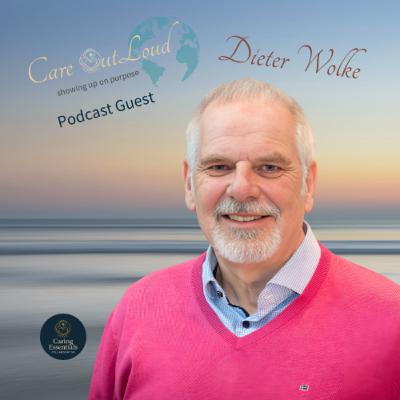
In this powerful episode of Care OutLoud, Mary sits down with Professor Dieter Wolke, a pioneering developmental psychologist whose research has shaped our understanding of prematurity and its lifelong impact.Professor Wolke reflects on his early work in the 1980s, when he challenged the medical community to consider the NICU environment not just as a site of survival, but as a place where sound, light, and human connection profoundly shape infants’ futures. From there, he shares insights drawn from decades of longitudinal studies—including the Bavarian Longitudinal Study, now following participants into their late 30s.Together, Mary and Professor Wolke explore:The origins of developmental care in the NICU and why environment matters.The concept of a “preterm phenotype”—hidden vulnerabilities that may not show up in standard follow-up, but shape social integration and well-being.How parental trauma and overprotection can echo across a child’s life.Why prematurity is not destiny—and how parenting, school support, and peer relationships can alter life trajectories.The urgent need for extended follow-up, case management, and societal investment beyond NICU discharge.This conversation is both grounding and inspiring—a reminder that small moments of care, advocacy, and support can change life courses.Interesting Links:Barda et al. (2025). The impact of socio-environmental factors on brain structure over the early life course of preterm-born individuals - A systematic review Stegmann-Woessner et al. (2025). Forever premature: Adults born preterm and their life challenges Wolke et al. (2019). The Life Course Consequences of Very Preterm Birth
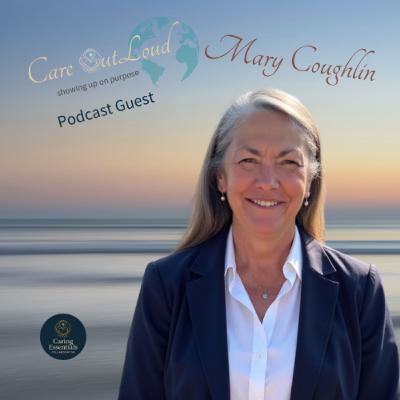
CARE OUTLOUD: The Heart of It All – Final EpisodeThis final episode is both a love letter and a challenge—to see ourselves as healers, citizens, and co-creators of the future.Mary reflects on the REIMAGINE vision, The People’s Declaration, and what it means to leave a legacy of care and courage.Because we are the ancestors of tomorrow—and the future is being written now.Want to go deeper?If this series has stirred something in you, consider becoming a Trauma-Informed Professional (TIP).TIP 2.0 is a transformative certification program that weaves science, soul, and skill to help you lead change—at the bedside, in your community, and in the world.Learn more or enroll HEREDownload the reflection guide
CARE OUTLOUD: The Heart of It All – Solo Series with Mary CoughlinWhen we talk about trauma-informed care, we must also talk about belonging.In this solo reflection, Mary explores how premature babies—and so many of us—are born into systems that were never built for us. The wound of exclusion runs deep, but healing begins with remembering: you were never meant to earn your place here. You already belong.This episode weaves stories from the NICU with generational patterns of disconnection, introduces the FACES–SPACES–PLACES framework by Lisa Cherry, and offers a gentle, powerful invitation to reclaim and redesign spaces of belonging—from the bedside to the ballot box.🎧 Listen in for soul-tending truth and one bold call to action.AffirmationI do not have to shrink to fit in.I belong in the fullness of who I am—and I can create space for others to belong, too.Call to Action:Make space. Amplify a voice that’s been left out. Say, “You belong.”Access the reflection guide: HERELearn more about trauma-informed belonging: HERE
This episode is for the caregivers—the ones who show up with open hearts and weary bones.I invite you into the paradox of caregiving: how the very thing that fuels your purpose can also deplete your reserves. And how honoring your tenderness isn’t weakness—it’s wisdom.You’ll explore what it means to set boundaries without guilt, why emotional fatigue is not failure, and how the Tender Edge of care is actually where healing begins.A balm and a challenge for anyone carrying the weight of the world.Call to Action:Before you step in, step back. Let your body lead.DOWNLOAD The Reflection Guide HEREWant to go deeper?If today’s episode stirred something in you—a remembering, a reckoning, a call—you might be ready to become a Trauma-Informed Professional.The TIP Certification program weaves science, soul, and skillinto a transformative journey for clinicians, educators, and changemakerswho are ready to lead healing—from the bedside to the boardroom.Learn more or enroll at: [TIP 2.0 Program Link]#BecomeATIP #TraumaInformedLeadership #HealingInAction #TIP2Point0
Neutrality may feel like safety—but in trauma-shaped systems, it often reinforces the very harm we say we want to heal.In this solo episode, Mary Coughlin unpacks the myth of neutrality in clinical care, professional culture, and civic life. Drawing from decades of trauma-informed practice and recent personal truths, she explores how care disrupts systems built on disconnection—and why presence can never be passive.This episode is an invitation to speak one truth you’ve been holding.In a whisper or a roar—but speak it.In this episode, Mary reflects on:Why trauma-informed care is never truly apoliticalHow systems reward silence, and what it costs usThe illusion of neutrality in healthcare and beyondHow care becomes an act of disruptionThe politics of presence—and the quiet courage of speaking truth🎧 LISTEN + SHARE📝 Download the Free Reflection Guide🔗 Stay connected:Website: https://caringessentials.net/Newsletter: Monday Musings & NewsInstagram: @caring.essentials #CareOutLoud #TheHeartOfItAll
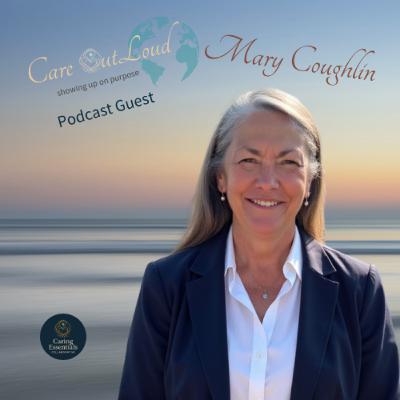
In this inaugural episode of Care OUTLOUD's The Heart of It All solo series, Mary Coughlin explores the profound connection between trauma and healing, science and soul, care and courage. Mary challenges the notion that love is merely sentimental, emphasizing its role as a first medicine and a powerful agent against trauma. She argues that real love involves presence, protection, and relational regulation and is an act of defiance against systems that do not reward love. The episode calls listeners to reflect on their understanding and practice of love and to take actionable steps to embody it in their everyday lives. 00:00 Introduction to Care Out Loud00:30 The Biology of Love00:47 Love in the NICU01:44 Challenges in Systems02:12 The Power of Love03:42 Call to Action04:30 Conclusion and Next StepsLinks and ResourcesWEBSITEReflection GuideTranscript

What happens when the person expected to be the protector is left out of the story entirely?In this heart-opening episode of Care Out Loud, Mary sits down with Alex Zavala, founder of The NICU Dad, to spotlight the overlooked yet vital experience of fathers navigating the NICU. From the trauma of separation and silence to the transformative power of peer support and advocacy, Alex shares his personal journey from NICU parent to national changemaker — and invites us to reimagine how we care.Together, Mary and Alex unravel:The hidden trauma and mental health toll NICU dads carryWhy ignoring fathers isn’t benign — it’s a systemic failure with long-term consequencesWhat true family-centered care looks like when we actually include dadsHow stereotypes about masculinity, emotion, and resilience get in the way of healingPractical strategies for clinicians to support fathers meaningfully and intentionallyAlex doesn’t just name the problem — he’s living the solution. This conversation is a must-listen for anyone working in perinatal or neonatal care, and for every human who believes we can do better by families, starting with the quietest voices in the room.Because when we say family-centered, we have to mean every member of the family.00:00 Introduction to Today's Guest: Alex Zavala00:34 Alex Zavala's NICU Journey Begins01:54 Founding NICU Dad: The Inspiration and Growth03:43 Challenges and Realizations as a NICU Dad05:02 The Role of Dads in the NICU: Personal Experiences07:54 The Importance of Support and Community09:36 Clinician and Dad Dynamics in the NICU12:33 Advocating for Dads: Changing the System20:04 Men's Mental Health and the Future of NICU Dad25:17 Honoring Individual Experiences in Health Care26:21 The NICU Journey: From Hospital to Home28:14 Supporting NICU Dads: Tips and Strategies29:43 The Importance of Physical and Spiritual Health31:59 Addressing the Unique Needs of NICU Dads39:54 The Impact of COVID-19 on NICU Dads43:58 Caring Out Loud: Advocating for NICU Dads48:09 Conclusion: The Future of Trauma-Informed CareConnect with Alex:Website: thenicudad.comInstagram: @thenicudadCall to ActionAfter listening, take one bold step:Ask yourself — Who am I not seeing in the care I give?Clinicians: Bring this episode into your next team huddle.Families: Share this with a NICU dad in your life.
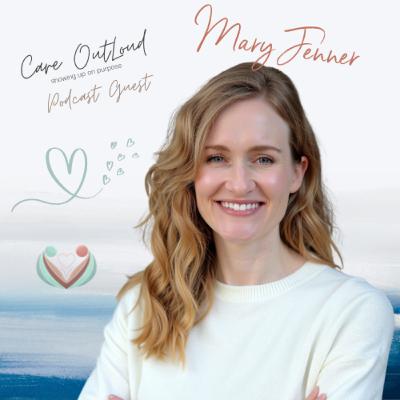
In this heart-opening episode of Care OutLoud, host Mary Coughlin sits down with Mary Jenner—pediatric nurse turned visionary entrepreneur and founder of The Butterfly Pig. What began as a creative spark to help children understand their medical care has evolved into a trauma-informed movement transforming pediatric healthcare through play.Mary shares the moving origin story behind The Butterfly Pig, how medically accurate toys like G-tubes, infusion pumps, and EKGs are helping kids feel safe, seen, and empowered in clinical settings, and why play is not just therapeutic—it’s essential.You’ll hear about:The moment a teddy bear IV sparked a transformation in patient trustThe neuroscience and emotional safety behind play-based educationHow integrating toys into care routines reduces fear and fosters agencyThe vital role of respect, belonging, and connection in trauma-informed pediatric careWhy parents and clinicians alike need to feel empowered—and how toys can helpThis episode is a call to rehumanize care for children and to embrace the creative, curious, and compassionate strategies that support healing on every level.Whether you’re a clinician, parent, educator, or just someone who believes in the power of kindness, this conversation will remind you that even the smallest gestures—like a toy with a feeding tube—can have profound impact.🔗 Resources Mentioned:Learn more about The Butterfly Pig: https://thebutterflypig.com/ Purchase The Butterfly Pig children's book: https://thebutterflypig.com/product/the-butterfly-pig-new-childrens-book/Digital Resources: CareCloud.TheButterflyPig.comConnect with Mary Jenner on Socials (Instagram, Facebook and TikTok): @thebutterflypig

Episode Summary:In this profoundly moving episode, Mary Coughlin sits down with Dr. Emma Jones — palliative care physician, mother, teacher, and author of The Phoenix Blueprint — to explore the raw truths behind burnout, healing, and reclaiming wholeness. Together, they unpack what it means to hit bottom not in a single moment, but over years of self-sacrifice, disintegration, and depletion. Emma shares her personal journey from collapse to renewal, her reflections on the myths of “self-care” and “compassion fatigue,” and the radical reimagining required to transform both healthcare systems and ourselves.This episode is a heart-centered call to stop hiding behind perfection, to embrace the messy fullness of our humanity, and to care out loud — in public, in connection, and in sacred witness to ourselves and each other.What You’ll Hear in This Episode:Emma’s unflinching account of crashing under the weight of burnoutThe false promises of surface-level “self-care” and why true care begins with receivingHow high-achieving healthcare workers mask their wounds until collapseA reframing of compassion, empathy, and the language we use to describe exhaustionInsights on why trauma-informed care must start with self-integrationA candid look at writing The Phoenix Blueprint as part of the healing journeyWhy thriving healthcare systems require thriving healthcare humansGentle wisdom for anyone who feels they are burning and sees no way outEmma’s Whisper to Every Listener:“You are whole — and wholeness isn’t the absence of suffering. It’s being seen, heard, and honored as a whole person, not a problem to be solved.”Resources Mentioned:– Dr. Emma Jones’ book The Phoenix Blueprint– Website: emmajonesmd.com– Find her book wherever books are soldWork With Emma:Emma is currently offering flexible 1:1 sessions through summer and fall — an open invitation for anyone ready to explore their own path toward renewal.Connect + Reflect:What part of Emma’s story resonates with your own journey? Share your reflections with us on social media using #CareOutLoud or leave a review to let others know how this episode touched you.Join the Movement:Subscribe to CARE OUTLOUD to keep listening, reflecting, and learning how caring out loud changes lives — including your own.
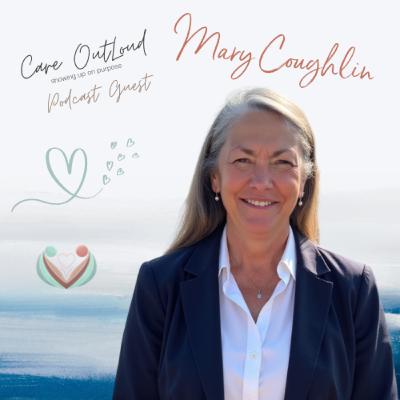
In this final episode (for now), Mary Coughlin explores the profound importance of 'holding' as a central act of care and connection. She discusses the journey from the womb to the incubator, highlighting the need for emotional and spiritual nurturing in NICUs and beyond. The episode touches on themes of justice, belonging, and resilience, emphasizing that true healing and growth begin with the ability to hold space for oneself and others. Coughlin calls for a cultural shift towards presence and tenderness, inviting listeners to honorthe messiness of becoming and the transformative power of simply being there for one another.00:00 Introduction: The Journey of Holding00:39 The Sacred Act of Holding01:12 The NICU: A Mechanical Cocoon02:08 The Power of Being Held03:54 A Blessing for You05:02 Conclusion: The Revolution of Holding
In this episode of 'Womb to World,' Mary Coughlin challenges the typical narrative of trauma recovery, emphasizing that not everyone rises from adversity and that survival itself is courageous and holy. She explores the often-overlooked aftermath of trauma, highlighting the quiet ache and unfinished healing that many experience. By advocating for grace instead of growth, she redefines post-traumatic growth to include small victories and sacred rebellions. Coughlin calls for the recognition of the enduring impacts of trauma and encourages listeners to honor their slow, uneven journey towards healing without the pressure to justify their pace or transform pain into meaning. This heartfelt episode invites reflection on how we view trauma, healing, and the true nature of survival.Quote to Remember:“You don’t have to be a phoenix. Just breathing is a form of becoming.”Reflection Invitation:💭 What stories are you carrying that haven’t had space to be honored?💭 Who told you that you needed to be stronger, sooner?This episode makes space for the slow, honest work of living after survival. Because healing isn’t always about transformation—it’s about tenderness.00:00 Introduction: The Myth ofRising from Trauma00:42 Acknowledging the Aftermath01:07 The Reality of Survival01:34 The Hidden Scars of Trauma02:07 Redefining Post-TraumaticGrowth02:31 The Lingering Effects ofNICU02:51 Small Victories and SacredRebellions03:46 The Path to True Healing04:46 Embracing the Slow HealingProcess05:50 Conclusion: Honoring theAftermath
Summary:In this soul-stirring second episode of Womb to World, Mary Coughlin explores what it means to hold constitutional rights in the earliest moments of life. From the incubator to the delivery room, from presence to policy, this episode challenges us to reimagine justice, dignity, and voice—not as abstract ideals, but as birthrights. Through a trauma-informed, developmental care lens, Mary draws parallels between the NICU and the civic systems we all live within, asking: When do rights begin? And who gets to decide?In This Episode:The NICU as a reflection of societal justice and injusticeThe 9th and 14th Amendments through the lens of infant rightsHow trauma-informed developmental care restores voice, dignity, and belongingWhy presence is political—and powerfulA call to embody justice in every moment of careQuote to Remember:“We don’t just hold babies. We hold the future.”Reflection Invitation:What rights do you believe every baby is born with?How does your presence honor—or unintentionally withhold—those rights?Mentioned Concepts:The U.S. Constitution and the Ninth & Fourteenth AmendmentsDevelopmental care and trauma-informed practice in the NICUThe concept of the incubator as a civic spaceImplicit bias and disparities in parental inclusionJustice as an act of careSubscribe & Share:If this episode moved you, please share it with a colleague, your team, or someone who cares deeply about justice in healthcare. And don’t forget to subscribe to Womb to World wherever you get your podcasts.
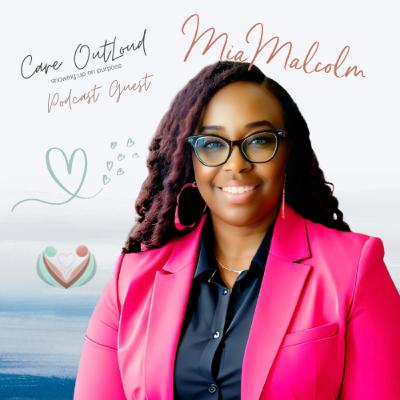
What does it mean to really care out loud? In this specialextended episode, I sit down with the incomparable Mia Malcolm—NICU parent, fierce advocate, and truth-teller. Mia shares her family's 268-day NICU journey, the generational trauma that shaped her perspective, and what healthcareproviders must understand if we ever hope to show up with true compassion, equity, and humility.We talk about systemic racism in medicine, trauma-informed care (and its absence), why being uncomfortable is part of the work, and the one moment of humanity that changed everything. This is more than a podcast—it’s a call toremember who we are, why we’re here, and who’s still drowning in a system that says “care” but often doesn’t show it.⚠️ Warning: This episode contains powerful emotional content and references to medical trauma, racism, and loss.Important Links:Mia's LinkedIn ProfileWatson L. & Malcolm M. (2021). Racism as a Preventable Harm. Nursing Administration Quarterly. 45(4), 302-310. doi: 10.1097/NAQ.0000000000000495. Racism and Quality of Neonatal Intensive Care: Voices of Black MothersWitt, R.E., Malcolm, M., Colvin, B.N., Gill, M.R., et al. (2022). Racism and Quality of Neonatal Intensive Care: Voices of Black Mothers. Pediatrics. 150 (3), e2022056971. 10.1542/peds.2022-056971.
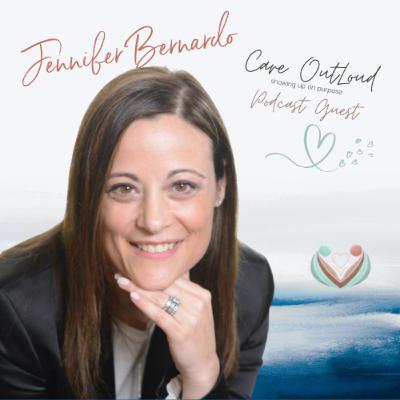
In this episode, Mary sits down with Jennifer Bernardo, a mother of twins born at 26 weeks gestation, who shares her challenging and inspirational journey through the neonatal intensive care unit (NICU). Jennifer discusses the unexpected birth, the four-and-a-half-month NICU stay, and the emotional and physical challenges faced by her family. She explains how this experience inspired her to write the book 'Week 26,' detailing their story of hope and perseverance. Jennifer alsoemphasizes the importance of communication between parents and healthcare professionals, highlighting how critical support and understanding are for families in the NICU. The episode concludes with Jennifer's advocacy efforts and her desire to continue inspiring and supporting other families going through similar experiences. 00:00Introduction to Jennifer 00:23Jennifer's NICU Journey02:19Writing as a Healing Process05:03Challenges and Support in the NICU09:50Transitioning Home and Parenting Reflections15:41The Role of Clinicians and Communication33:30 Future Aspirations and AdvocacyLINKS & RESOURCESThe website: https://www.week26.com/A little more about Jennifer: https://www.week26.com/authorWhere you cvan get the book: https://www.week26.com/purchase-week26

In thisepisode, we explore the profound journey of Dr. Natalie Duffy, a neonatologistwhose career began in Glasgow, Scotland, and has since evolved in Melbourne,Australia. Dr. Duffy shares insights from her 14 years of experience,emphasizing the importance of viewing infants as complex, communicative beings.Her work with neonatal care includes a fascinating blend of biomedicalknowledge and the Newborn Behavioral Observation (NBO) system. She discussesher ongoing PhD research, which delves into the emotional and relationalexperiences of babies in neonatal intensive care units (NICU). The conversationexplores themes of trauma, the power of relationships, and the urgent need fora compassionate, relationship-centered approach in neonatal care. This episodecaptures Dr. Duffy’s dedication to transforming how clinicians connect withtheir tiniest patients and their families, advocating for a holistic approachthat honors the lived experiences of infants. 00:00Introduction to Today's Guest: Natalie Duffy00:19Natalie's Journey from Scotland to Australia01:40Discovering the Human Side of Neonatal Care02:31The Newborn Behavioral Observation System03:48Natalie's PhD Journey and Relational Capabilities05:43Understanding the Baby's Experience in NICU11:04Emotional Complexities and Powerful Connections22:23The Importance of Trauma-Informed Care30:59 Reflections and FutureAspirationsLINKS & ResourcesDuffy, N. et al. (2020). The lived experiences of critically ill infants hospitalised in neonatal intensive care: A scoping review. Early Human Development, 151, 105244. doi: 10.1016/j.earlhumdev.2020.105244. Duffy N, Hickey L, Treyvaud K, Delany C. (2024). 360-degree phenomenology: A qualitative approach to exploring the infant experience of hospitalisation in neonatal intensive care. Early Human Development, 190, 105963. doi: 10.1016/j.earlhumdev.2024.105963.
In thisepisode, Mary welcomes Dr. Zina Yudina, a PhD with a background in biology,chemistry, pharmacology, and translational medicine, currently living inSwitzerland. Dr. Yudina shares her journey from a protein biochemist to aspecialist in human milk, driven by her own experiences of motherhood andrecognizing the underappreciated value of breast milk. She introduces hergroundbreaking invention, BabyLAT—a device designed to concentrate proteins andfats in breast milk, particularly for the nutritional needs of preterm infants.They discuss the challenges of developing and implementing this device, themisconceptions surrounding preterm nutrition, and Dr. Yudina’s vision for thefuture of neonatal care. The conversation emphasizes the importance ofpersonalized, human milk-based nutrition and the broader implications fortrauma-informed care. Dr. Yudina calls for critical reflection from bothclinicians and parents to support this innovative approach to neonatalnutrition. 00:00Introduction to Today's Guest: Zena Edina00:47 Zina'sJourney into Human Milk Research01:44The Vision Behind BabyLAT02:30Challenges and Innovations in Preterm Nutrition04:34The Importance of Protein in Breast Milk06:47Personalization and Emotional Impact10:02Current Status and Future Goals for BabyLAT10:34Technical Details and Clinical Trials31:44Regulatory and Reimbursement Challenges33:57The Bigger Picture: Human Milk vs. Cow Milk38:18 Final Thoughts and Call toActionLINKS LinkedIn Profile BABYLAT Website Youtube video: Babylat: novel device to improve nutrition of preterms
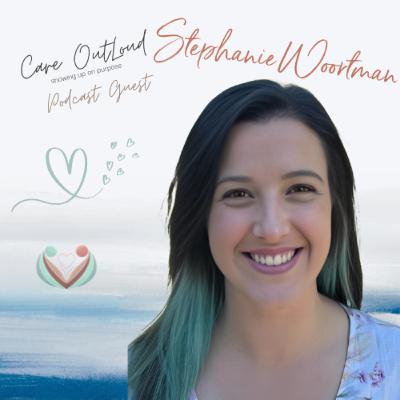
In this episode of the Care OutLoud podcast, host MaryCoughlin explores life after the NICU with Stephanie Woortman, a speech andlanguage pathologist. They delve into the challenges and triumphs of post-NICUlife for babies and their families, emphasizing resilience and the ongoingimpact of trauma. Stephanie shares her approach to fostering communication andfeeding skills, informed by neurodivergent affirming practices, and discussesthe significance of creating supportive, compassionate relationships with herclients. The episode highlights the importance of empowerment, validatingexperiences, and building resilience through connection and care. 00:00 Introduction to the Care Out Loud Podcast00:40 Meet Stephanie Wortmann: Speech and LanguagePathologist02:05 Diving into Resilience Beyond the NICU03:25 Understanding the Impact of NICU Experiences06:12 Building Relationships with Families08:34 Empathy, Compassion, and Clinical Practice11:42 Challenges and Strategies in Speech Pathology21:19 Supporting Families and Bridging Gaps33:09 The Role of Resilience and Empowerment41:37 Conclusion and Reflections on ResilienceWEBSITE:Keira Stone Speech PathologyLinkedIn:https://www.linkedin.com/in/stephspeech/
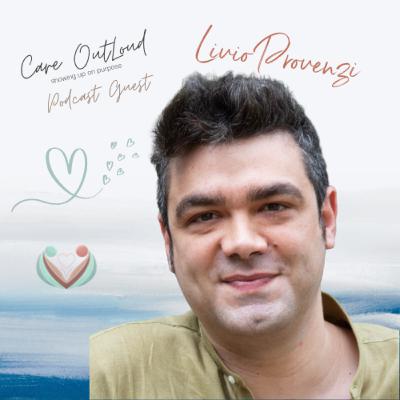
In this remastered episode from January 2023 of the Care
Out Loud podcast, host Mary Coughlin interviews Dr. Livio Provenzi, an
assistant professor at the University of Pavia, Italy. They delve into Dr.
Provenzi's extensive research in the fields of epigenetics and neuroscience,
specifically focusing on the neuropsychobiological aspects of early human
development. Dr. Provenzi discusses the impact of early parent-child
interactions, especially in conditions like preterm birth and sensory deficits.
He highlights the importance of trauma-informed care and the epigenetic
consequences of early experiences. The conversation also touches on the concept
of hidden talents arising from adversity, the significance of bonding and
connectedness in clinical settings, as well as the need for a cultural shift
towards more compassionate and holistic care. Dr. Provenzi shares his vision of
creating a new care culture, emphasizing the unitariness of human experiences
and the importance of collaboration and mutual support in the healthcare field.
00:00 Welcome to Care Out Loud
00:59 Introducing Dr. Livio Provenzi
02:07 Discovering Trauma Informed Care
03:31 The Importance of Early Development
05:06 Epigenetics and Early Human Connections
08:24 Research on Preterm Babies
10:40 The Role of Clinicians and Families
15:58 Bridging the Gap Between Research and Practice
21:19 The Hidden Talents of Adversity
26:51 Changing the Culture of Care
32:56 Final Thoughts and Reflections
Livio's Links:
List of my scientific publications, from PubMed
LinkedIn
ResearchGate
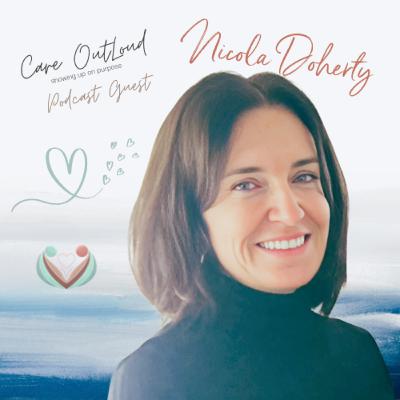
In this enlightening conversation, Mary and the distinguished Nicola Doherty PhD from Northern Ireland delve into the profound impact of compassionate relationships in the neonatal intensive care unit (NICU). They discuss the importance of trauma-informed care, the role of parents in the healing process, and the transformative power of small
interventions in neonatal care. With scientific insights and touching real-life anecdotes, Nicola illustrates how fostering compassionate connections between healthcare providers, infants, and parents can significantly enhance both short-term and long-term outcomes for families. The discussion emphasizes the necessity of self-care for healthcare professionals and proposes practical strategies for incorporating compassion and connection into clinical practice.
00:00 Introduction to Nicola Doherty
00:11 The Science of Compassionate Relationships
01:30 Modifiable Factors in Infant Care
03:39 Disruptors and Interrupters in Development
07:15 Parental Empowerment in NICU
16:29 Long-term Impact of Family-focused Interventions
23:37 The Power of Relationships and Compassion
34:50 Self-Compassion and Staff Well-being
43:44 Final Thoughts and Reflections
RESOURCES
1. Campbell, N., Adair, P., Doherty, N., McCormack, D., & Walsh, A. (2025). A systematic review of clinical practice guidelines for the assessment and management of pain in neonates. Journal of Neonatal Nursing, 31(2), 101603. https://doi.org/10.1016/j.jnn.2024.12.006. [OPEN ACCESS]
2. Doherty. N.N. & McCusker, C.G. (2016) 'The Congenital Heart disease Intervention Program (CHIP) and interventions in infancy' In: Congenital Heart Disease and Neurodevelopment: Understanding and Improving Outcomes. London: Elsevier Academic press.
3. Hollie Rose (August 31, 2021). All those Yesterdays - Hollie-Rose: https://www.youtube.com/watch?v=mi-uUbszGQ0. [MUST VIEW]
3. Long, D.A., Waak, M., Doherty, N.N., & Dow, B.L. (2022). Brain-directed care: why neuroscience principles direct PICU management beyond the ABCs. Children, 9(12), 1938; https://doi.org/10.3390/children9121938. [OPEN ACCESS]
4. McCusker, C.G., Doherty, N.N., Molloy, B., Rooney, N., Mulholland, C., Sands, A., Craig, B., Stewart, M., & Casey, F. (2010). A controlled trial of early interventions to promote maternal adjustment and development in infants born with severe congenital heart disease. Child, 36(1), 110-117. https://doi.org/10.1111/j.1365-2214.2009.01026.x .
5. Sprouts (December 1, 2021). Bronfenbrenner's Ecological Systems: 5 Forces Impacting Our Lives: https://www.youtube.com/watch?v=g6pUQ4EDHeQ. [MUST VIEW]
6. Suarez, C., Adair, P., Doherty, N., & McCormack, D. (2022). Exploring adjustment and parent–infant relations in mothers of premature infants: thematic analysis using a multisensory approach. Journal of Pediatric Psychology, 47(7), 827-839. https://doi.org/10.1093/jpepsy/jsac007. [OPEN ACCESS]
7. Tong, P. & An, I.S. (2024). Review of studies applying Bronfenbrenner's bioecological theory in international and intercultural education research. Frontiers in Psychology, 14, 1233925. doi: 10.3389/fpsyg.2023.1233925. [OPEN ACCESS]

Comments

Download from Google Play

Download from App Store
 United States