


 Claim Ownership
 Homebrewed Christianity
Homebrewed ChristianitySubscribed: 1,639Played: 81,374
Subscribe

© 2008 and beyond
Description
Our goal is to bring the wisdom of the academy's ivory tower into your earbuds. Think of each episode as an audiological ingredient for your to brew your own faith. Most episodes center around an interview with a different scholar, theologian, or philosopher.
952 Episodes
Reverse

Okay, I genuinely don't know how many times Tom Oord has been on this podcasttwenty plus times, but this one felt different, because Tom has officially done the thing: he wrote a Systematic Theology of Love, Volume One, which is also his 50th book, which means his wife has had to endure approximately 50 different versions of "another love book." We dug into what makes this project unusual — a progressive, open relational systematic theology organized around love as its orienting concept, built on abductive reasoning rather than deductive certainty, which turns out to matter a lot when the thing you're centering is inherently vulnerable, risky, and relational. Tom walked us through his claim that God is a universal spirit who is genuinely material without having a localized body, why he's done with creatio ex nihilo and what his very Latin replacement actually means, the distinction between animate organisms and inanimate aggregates (rocks, it turns out, are great for explaining panpsychism), and why he's invented a new word — Gino-Theology — to talk about God as a dynamic becoming rather than a static being. We also covered why he thinks Whitehead solved both the problem of evil and the problem of good, what he's planning for Volume Two around Christology and divine hiddenness, and ended up somewhere around the enchantment of the universe. The chat had 140 people. Tom's substack has chapters. And Volume Two starts in the fall — get in early.
You can WATCH the conversation on YouTube
Join 600+ Listeners, 30 theologians, & 30 God-Pods at Theology Beer Camp 2026 this October 8-10 in Kansas City!
UPCOMING ONLINE CLASS - Theology for Troublemakers: Christian Social Ethics from the Margins
The injustices we face are immense — but they are not unique. Previous generations confronted the same powers with theological conviction and strategic brilliance. The question is whether we'll learn from them.
This 6-week online course, led by Dr. Gary Dorrien and Dr. Aaron Stauffer, recovers the radical tradition of Christian social ethics — from Reverdy Ransom and Reinhold Niebuhr to James Cone and the Welfare Rights Movement — and asks what faithfulness demands of us right now.
Weekly lectures, live Q&A conversations, guest lecturers, and an online community included.
💰 Donation-based — including $0 🔗 Sign up at HomebrewedClasses.com
Thomas Jay Oord is a theologian, philosopher, and scholar of multi-disciplinary studies. He is an award-winning author, and he has written or edited more than twenty-five books. Oord directs a doctoral program at Northwind Theological Seminary and the Center for Open and Relational Theology. He won the Outstanding Faculty Award twelve times as a full-time professor and now speaks at institutions across the globe. Oord is known for his contributions to research on love, open and relational theology, science and religion, and freedom and relationships for transformation.
Love at the Center: Tom Oord’s Systematic Theology Project
A Journey of Faith and Integrity
Faith without Certainty
Big God Questions
Christ, Christmas, & the Incarnation
the Death of Omnipotence!
Brian McLaren & Thomas Jay Oord: a God Worthy of Love
Process This!
Process Theology QnA
Authority, Atonement, Abortion, and a Big Hug
from Pluriform Love to Divine Revelation
Big God Twitter Takes
Trump is (NOT) a Process Theologian & Other Questions
Thomas Jay Oord wants you to know “God Can’t”
Open and Relational Theology Throwdown
Open and Relational Q&A with Thomas Jay Oord
Why Go Wesleyan?
This podcast is a Homebrewed Christianity production. Follow the Homebrewed Christianity, Theology Nerd Throwdown, & The Rise of Bonhoeffer podcasts for more theological goodness for your earbuds. Join over 75,000 other people by joining our Substack - Process This! Get instant access to over 50 classes at www.TheologyClass.com
Follow the podcast, drop a review, send feedback/questions or become a member of the HBC Community.
Learn more about your ad choices. Visit megaphone.fm/adchoices
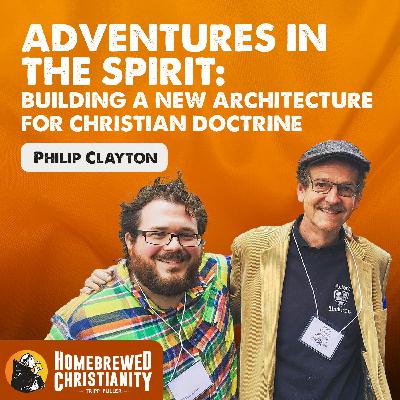
Philip Clayton has been one of the most important conversation partners in my theological life — we literally worked out some of this stuff together at Claremont — so sitting down with him to trace the whole architecture of his thought from the beginning felt less like an interview and more like a reunion at the whiteboard. We started where Philip started: the secular believer, that figure he described in his Yale dissertation who carries doubt not as a problem to be solved before the real theology begins, but as the very medium through which faith moves. From there we mapped his six-level structure for how beliefs actually work — spoiler: about five percent of what Christians believe falls into the "demonstrably true" category, and the rest is a lot more interesting and honest than most of us admit. Philip walked us through what he learned from Pannenberg about doctrine as hypothesis, the racetrack-and-motorcycle story behind his concept of theological "traction," and why the shift from reductionism to emergence in contemporary science matters so much for anyone trying to think seriously about God and the world. We got into panentheism — why it's more compelling than classical theism, what it means for divine action, and how a Korean doctoral student's research on comfort women completely changed the way Philip thinks about where God shows up in the world. By the end, we were talking about what he calls a new architecture for Christian doctrine: not a final set of answers, but a set of questions a follower of Jesus simply has no choice but to keep returning to. This one is the long game. Pour something good.
You can WATCH the conversation on YouTube
Join 600+ Listeners, 30 theologians, & 30 God-Pods at Theology Beer Camp 2026 this October 8-10 in Kansas City!
UPCOMING ONLINE CLASS - Theology for Troublemakers: Christian Social Ethics from the Margins
The injustices we face are immense — but they are not unique. Previous generations confronted the same powers with theological conviction and strategic brilliance. The question is whether we'll learn from them.
This 6-week online course, led by Dr. Gary Dorrien and Dr. Aaron Stauffer, recovers the radical tradition of Christian social ethics — from Reverdy Ransom and Reinhold Niebuhr to James Cone and the Welfare Rights Movement — and asks what faithfulness demands of us right now.
Weekly lectures, live Q&A conversations, guest lecturers, and an online community included.
💰 Donation-based — including $0 🔗 Sign up at HomebrewedClasses.com
This podcast is a Homebrewed Christianity production. Follow the Homebrewed Christianity, Theology Nerd Throwdown, & The Rise of Bonhoeffer podcasts for more theological goodness for your earbuds. Join over 75,000 other people by joining our Substack - Process This! Get instant access to over 50 classes at www.TheologyClass.com
Follow the podcast, drop a review, send feedback/questions or become a member of the HBC Community.
Learn more about your ad choices. Visit megaphone.fm/adchoices
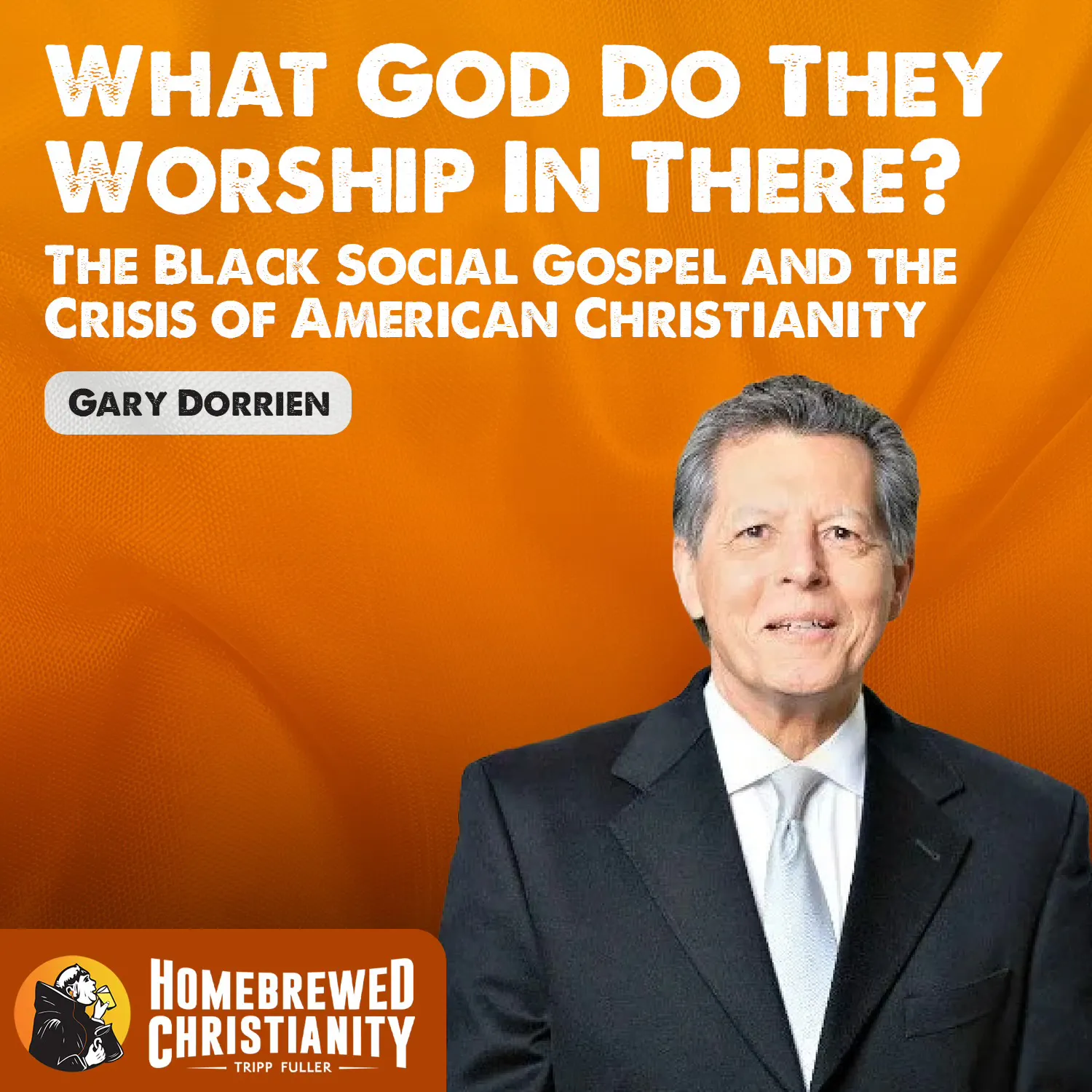
In this episode, theologian and historian Gary Dorrien opens Theology for Troublemakers by recovering two of the most important — and most forgotten — figures in American Christianity: Ida B. Wells and Reverdy Ransom. Dorrien traces the birth of the Black social gospel out of one excruciating question: what would a new abolition be? From Wells's explosive anti-lynching journalism and her landmark pamphlet Southern Horrors, to Ransom's vision of a cooperative commonwealth and his decades of prophetic ministry inside a church that kept trying to expel him, this lecture shows that the roots of liberation theology run far deeper than the 1960s — and that the tradition's most radical voices were being erased even as they were still speaking. If you want to go deeper, Gary Dorrien is teaching a full six-week course alongside Aaron Staufer and Tripp Fuller — covering Niebuhr, James Cone, the Welfare Rights Movement, and the challenge of Christian nationalism today. It's donation-based, including $0. Join us at HomebrewedClasses.com.
You can WATCH the lecture and slides here.
UPCOMING ONLINE CLASS - Theology for Troublemakers: Christian Social Ethics from the Margins
The injustices we face are immense — but they are not unique. Previous generations confronted the same powers with theological conviction and strategic brilliance. The question is whether we'll learn from them.
This 6-week online course, led by Dr. Gary Dorrien and Dr. Aaron Stauffer, recovers the radical tradition of Christian social ethics — from Reverdy Ransom and Reinhold Niebuhr to James Cone and the Welfare Rights Movement — and asks what faithfulness demands of us right now.
Weekly lectures, live Q&A conversations, guest lecturers, and an online community included.
💰 Donation-based — including $0 🔗 Sign up at HomebrewedClasses.com
This podcast is a Homebrewed Christianity production. Follow the Homebrewed Christianity, Theology Nerd Throwdown, & The Rise of Bonhoeffer podcasts for more theological goodness for your earbuds. Join over 75,000 other people by joining our Substack - Process This! Get instant access to over 50 classes at www.TheologyClass.com
Follow the podcast, drop a review, send feedback/questions or become a member of the HBC Community.
Learn more about your ad choices. Visit megaphone.fm/adchoices
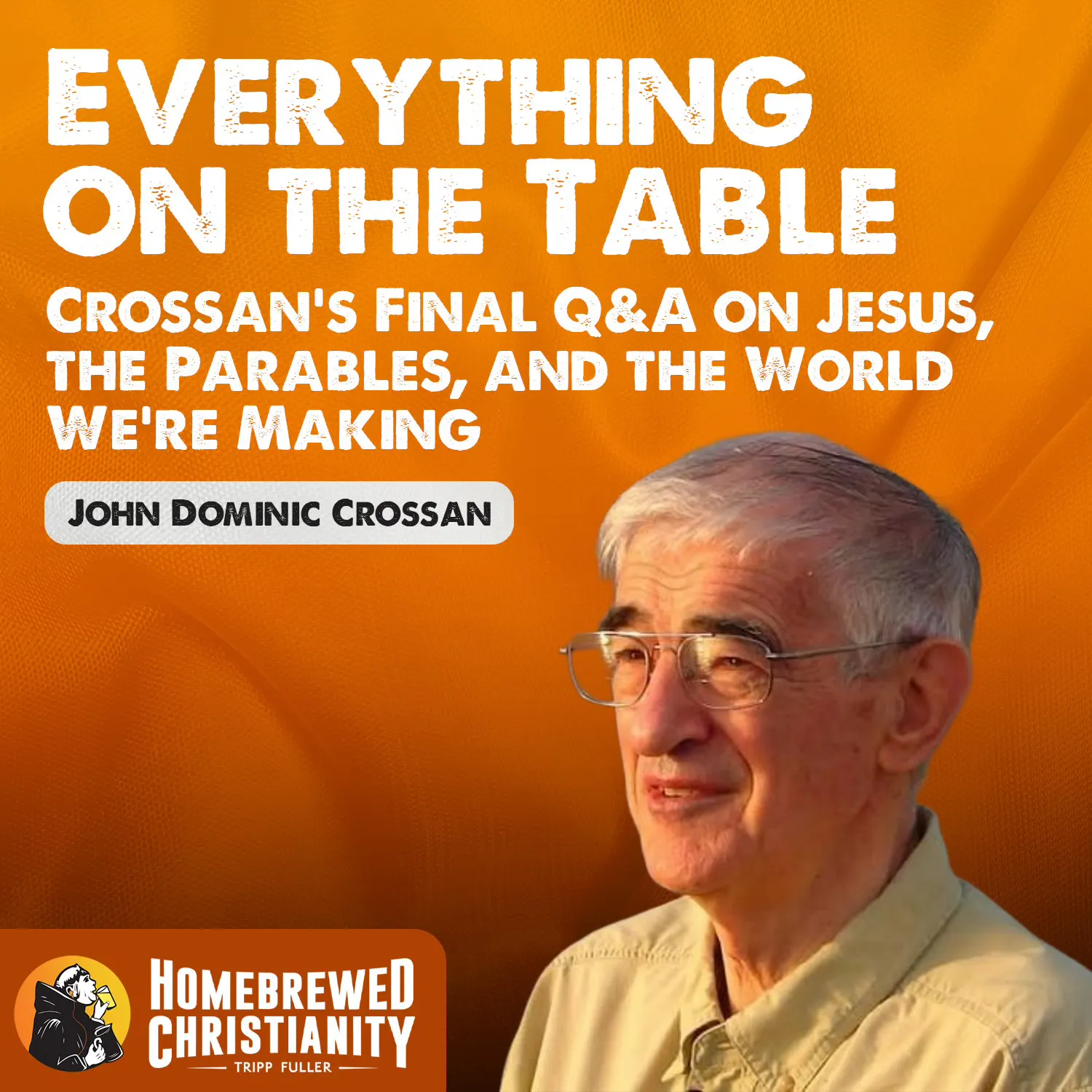
In this final Q&A for our Jesus of Galilee series, I sat down with Dom Crosson to connect the dots between the hills of Galilee and the high-stakes political drama of Passion Week. We dove deep into how Jesus invited us away from the "apocalyptic delusion" of waiting for God to intervene and toward a participatory eschatology where we actually collaborate with the Divine. From unmasking the "asotopic fallacy" of biblical literalism to reimagining the resurrection as a collective human exit from imperial normalcy rather than a solo miracle, Dom reminds us that the Kingdom isn’t a future escape but a present, distributive justice. We even got real about the "escalatory violence" of our own time, discussing what it looks like for faith communities to embody nonviolent resistance while war rages in Iran. It’s a heavy, holy, and deeply subversive conversation to carry with you into Easter. If you want to hear all four lectures behind these Q&As and send in your own questions for our final session, head over to crossanclass.com — you can join for whatever you can give, including zero.
You can WATCH the conversation on YouTube
Join 600+ Listeners, 30 theologians, & 30 God-Pods at Theology Beer Camp 2026 this October 8-10 in Kansas City!
UPCOMING ONLINE CLASS - Theology for Troublemakers: Christian Social Ethics from the Margins
The injustices we face are immense — but they are not unique. Previous generations confronted the same powers with theological conviction and strategic brilliance. The question is whether we'll learn from them.
This 6-week online course, led by Dr. Gary Dorrien and Dr. Aaron Stauffer, recovers the radical tradition of Christian social ethics — from Reverdy Ransom and Reinhold Niebuhr to James Cone and the Welfare Rights Movement — and asks what faithfulness demands of us right now.
Weekly lectures, live Q&A conversations, guest lecturers, and an online community included.
📅 Starts Tuesday, April 14 | 1pm ET 💰 Donation-based — including $0 🔗 Sign up at HomebrewedClasses.com
John Dominic Crossan, professor emeritus at DePaul University, is widely regarded as the foremost historical Jesus scholar of our time. He is the author of several bestselling books, including The Historical Jesus, How to Read the Bible and Still Be a Christian, God and Empire, Jesus: A Revolutionary Biography, The Greatest Prayer, The Last Week, and The Power of Parable. He lives in Minneola, Florida.
Previous Podcast Episodes with Dom & Tripp
Are We Waiting for God, or Is God Waiting for Us?
A Tale of Two Gods: Why C.S. Lewis’s Famous Argument Falls Apart
From Iron Swords to Nuclear Bombs: Tracing 3,000 Years of Escalatory Violence
Paul, Christ, & the Mystery of Execution & Resurrection
Paul & Thecla
Ask JC Anything
This podcast is a Homebrewed Christianity production. Follow the Homebrewed Christianity, Theology Nerd Throwdown, & The Rise of Bonhoeffer podcasts for more theological goodness for your earbuds. Join over 75,000 other people by joining our Substack - Process This! Get instant access to over 50 classes at www.TheologyClass.com
Follow the podcast, drop a review, send feedback/questions or become a member of the HBC Community.
Learn more about your ad choices. Visit megaphone.fm/adchoices

Okay, so confession: my kids had just gone to bed when we started this one, and honestly, the timing felt about right — because this conversation with Jarrod McKenna is the kind of thing you need to sit with after the noise dies down. Jarrod is an Australian activist, peacemaker, and theologian who's been doing this work since he got arrested at a US military base in the middle of the Australian desert back in 2002 — and the wild thing is, the world looks eerily similar now. We talked about what it actually means to follow a nonviolent Messiah when your government just joined a war you didn't vote for, how prayer isn't an escape hatch but a way of composting all the grief and rage so you can actually be useful, and why the just war tradition — which most Christians cheerfully ignore — would rule out basically everything happening right now. We got into the Black church's tradition of Christian socialism, why the megachurch model accidentally trained people to accept autocracy, and how base communities might be the most subversive thing you can plant in the shell of the old world. We also wandered into eschatology, Harry Potter, the Counting Crows, and whether God has been patient enough with this whole experiment for 13 billion years, that maybe we should take a deep breath. It's a lot — in the best way.
Join 600+ Listeners, 30 theologians, & 30 God-Pods at Theology Beer Camp 2026 this October 8-10 in Kansas City!
Australian peace award-winning pastor Jarrod McKenna has been described by Civil Rights legend Rev. Jim Lawson as 'an expert in nonviolent social change'. With over 20 years of experience in pastoral ministry and at the leading edge of climate justice, refugee rights, and nonviolent social change, Jarrod has seen his work featured internationally on the BBC, Al Jazeera, ABC, and The Guardian. Co-host of the InVerse and 'Good on Wood' podcasts, Jarrod pastors at Steeple Church (Melbourne) and Table in the Trees (Perth). He lives in the Perth hills on Whadjuk Noongar Boodja with his beloved, Kat, and their four sons.
UPCOMING ONLINE CLASS - Theology for Troublemakers: Christian Social Ethics from the Margins
The injustices we face are immense — but they are not unique. Previous generations confronted the same powers with theological conviction and strategic brilliance. The question is whether we'll learn from them.
This 6-week online course, led by Dr. Gary Dorrien and Dr. Aaron Stauffer, recovers the radical tradition of Christian social ethics — from Reverdy Ransom and Reinhold Niebuhr to James Cone and the Welfare Rights Movement — and asks what faithfulness demands of us right now.
Weekly lectures, live Q&A conversations, guest lecturers, and an online community included.
📅 Starts Tuesday, April 14 | 1pm ET 💰 Donation-based — including $0 🔗 Sign up at HomebrewedClasses.com
This podcast is a Homebrewed Christianity production. Follow the Homebrewed Christianity, Theology Nerd Throwdown, & The Rise of Bonhoeffer podcasts for more theological goodness for your earbuds. Join over 75,000 other people by joining our Substack - Process This! Get instant access to over 50 classes at www.TheologyClass.com
Follow the podcast, drop a review, send feedback/questions or become a member of the HBC Community.
Learn more about your ad choices. Visit megaphone.fm/adchoices
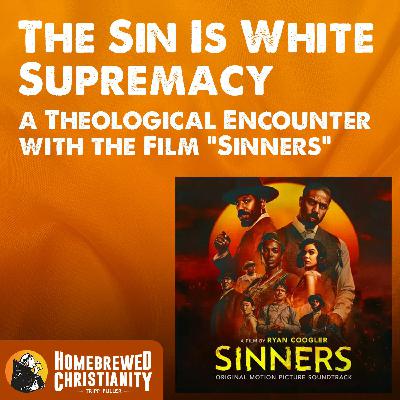
What is the sin in Sinners? — and then four of the most brilliant theologians working today spent an hour doing what great theologians do: they cracked the whole thing open. Set in 1932 Mississippi and layered with blues, hoodoo, vampires, and Black survival, Ryan Coogler's film turns out to be a theological event, and this conversation treats it like one. Adam Clark names white supremacy as the film's central sin — parasitic, predatory, embodied in white vampires who can only survive by consuming Black vitality. Kelly Brown Douglas traces the deep dialectic between the blues and the Black church, and how the juke joint functions as a kind of invisible institution keeping Black faith alive from the underside. Juan Floyd-Thomas goes deep on conjure, Papa Legba, and why Sammy at the crossroads isn't just a blues musician but a gateway between the living and the dead. And Stacey Floyd-Thomas brings the womanist lens that names what the film itself only partially names: the women are the most spiritually powerful figures in the story, and they pay the highest price. By the end, someone looks around the room and says what a lot of us were thinking — Theology Beer Camp is a hush harbor. This is one of the most popular sessions from camp this year, and after you listen, you'll understand why.
Join 600+ Listeners, 30 theologians, & 30 God-Pods at Theology Beer Camp 2026 this October 8-10 in Kansas City!
Panel Members
Kelly Brown Douglas is Visiting Professor of Theology at Harvard Divinity School and Canon Theologian at Washington National Cathedral.
Juan Floyd-Thomas is Associate Professor of African American Religious History at Vanderbilt Divinity School, where he teaches Black religion, race, religion, and film.
Stacey Floyd-Thomas is the Carpenter Professor of Ethics and Society and Chair of African American Studies at Vanderbilt Divinity School.
Adam Clark is Professor of Theology and Director of Civic Engagement at Xavier University.
Will Rose is the co-host of Systematic Geekology, a podcast exploring theology and pop culture for people who geek out on the deeper things.
UPCOMING ONLINE CLASS - Theology for Troublemakers: Christian Social Ethics from the Margins
The injustices we face are immense — but they are not unique. Previous generations confronted the same powers with theological conviction and strategic brilliance. The question is whether we'll learn from them.
This 6-week online course, led by Dr. Gary Dorrien and Dr. Aaron Stauffer, recovers the radical tradition of Christian social ethics — from Reverdy Ransom and Reinhold Niebuhr to James Cone and the Welfare Rights Movement — and asks what faithfulness demands of us right now.
Weekly lectures, live Q&A conversations, guest lecturers, and an online community are included.
📅 Starts Tuesday, April 14 | 1pm ET 💰 Donation-based — including $0 🔗 Sign up at HomebrewedClasses.com
This podcast is a Homebrewed Christianity production. Follow the Homebrewed Christianity, Theology Nerd Throwdown, & The Rise of Bonhoeffer podcasts for more theological goodness for your earbuds. Join over 75,000 other people by joining our Substack - Process This! Get instant access to over 50 classes at www.TheologyClass.com
Follow the podcast, drop a review, send feedback/questions or become a member of the HBC Community.
Learn more about your ad choices. Visit megaphone.fm/adchoices

This is the fourth live Q&A from the Jesus and Galilee class with John Dominic Crossan — recorded, appropriately, on St. Patrick's Day, which means Dom is operating with a slight green halo and absolutely zero intention of slowing down. The questions this week go deep into parable theory: what it actually means for a parable to "point elsewhere," why the Parable of the Sower is not about sowing, what the Parable of the Vineyard Workers is doing to anyone in the crowd who has ever stood all day looking for work and been blamed for standing there, and why Luke's version of the Good Samaritan is both right and a domestication of something far more dangerous. Dom takes apart the three sub-genres — riddle, example, and challenge parables — shows how the tradition keeps sliding one into another, and makes the case that Job, Ruth, and Jonah are all challenge parables of the Hebrew Bible aimed at blowing up the certainties of post-exilic restoration theology. There's a devastating reading of the Eucharist as a public political declaration that you are willing to die for what Jesus died for, a meditation on why comic eschatology is the first great act of resistance against autocracy, and a moment where Dom explains why he became an American citizen in 2000 — and it will not surprise you. If you want to hear all four lectures behind these Q&As and send in your own questions for our final session, head over to crossanclass.com — you can join for whatever you can give, including zero.
You can WATCH the conversation on YouTube
ONLINE LENT CLASS: Jesus in Galilee w/ John Dominic Crossan
What can we actually know about Jesus of Nazareth? And, what difference does it make?
This Lenten class begins where all of Dr. John Dominic Crossan's has work begins: with history. Only by understanding what Jesus' parables meant then can we wrestle with what they might demand of us now.
The class is donation-based, including 0, so join, get info, and join up here.
John Dominic Crossan, professor emeritus at DePaul University, is widely regarded as the foremost historical Jesus scholar of our time. He is the author of several bestselling books, including The Historical Jesus, How to Read the Bible and Still Be a Christian, God and Empire, Jesus: A Revolutionary Biography, The Greatest Prayer, The Last Week, and The Power of Parable. He lives in Minneola, Florida.
Previous Podcast Episodes with Dom & Tripp
Are We Waiting for God, or Is God Waiting for Us?
A Tale of Two Gods: Why C.S. Lewis’s Famous Argument Falls Apart
From Iron Swords to Nuclear Bombs: Tracing 3,000 Years of Escalatory Violence
Paul, Christ, & the Mystery of Execution & Resurrection
Paul & Thecla
Ask JC Anything
This podcast is a Homebrewed Christianity production. Follow the Homebrewed Christianity, Theology Nerd Throwdown, & The Rise of Bonhoeffer podcasts for more theological goodness for your earbuds. Join over 75,000 other people by joining our Substack - Process This! Get instant access to over 50 classes at www.TheologyClass.com
Follow the podcast, drop a review, send feedback/questions or become a member of the HBC Community.
Learn more about your ad choices. Visit megaphone.fm/adchoices
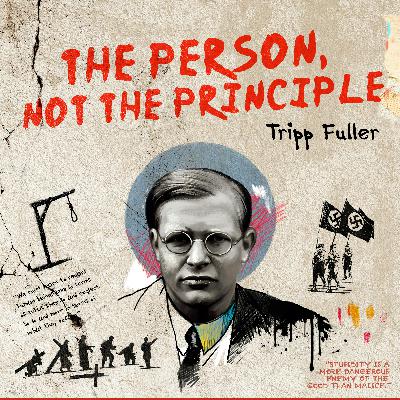
This is an audio essay from Process This, my Substack — head over there if you want more essays like this one, and subscribe if you want them delivered to you. In this one, I'm going deep on a question that sounds biographical but is actually theological: how did Dietrich Bonhoeffer — the man who stood at a lectern in 1933, surrounded by Nazi-pin-wearing theology students, and told them that the historical Jewish particularity of Jesus Christ was "the last truth separating the churches from barbarism" — how did that man become the patron saint of Christian nationalism? The short answer is Eric Metaxas, a bestselling biography, and a fabricated quote. But the real answer is older and more dangerous than any of that, because what Metaxas did to Bonhoeffer is exactly what the German Christians did to Jesus — they turned a Person into a Principle, kept the symbol, and evicted the flesh. Bonhoeffer had a word for it in 1933. He called it Docetism. And here's the thing that should take your breath away: his Christology is not just the subject of the abuse — it is its diagnosis. I'll also tell you about the five-minute rant I recorded and deleted, what Bonhoeffer's Christmas 1942 letter to the resistance said about contempt, and why I think the most important question he leaves us with is not primarily about Eric Metaxas — it's the one he put to those sweat-soaked students, and puts to us now: which are you following — the Person or the Principle?
You can subscribe to the Audio Essay podcast feed here.
Join us at Theology Beer Camp, October 8-10, in Kansas City!
ONLINE LENT CLASS: Jesus in Galilee w/ John Dominic Crossan
What can we actually know about Jesus of Nazareth? And, what difference does it make?
This Lenten class begins where all of Dr. John Dominic Crossan's has work begins: with history. What was actually happening in Galilee in the 20s CE? What did Herod Antipas' transformation of the "Sea of Galilee" into the commercial "Sea of Tiberias" mean for peasant fishing communities? Why did Jesus emerge from John's baptism movement proclaiming God's Rule through parables—and what made that medium so perfectly suited to that message? Only by understanding what Jesus' parables meant then can we wrestle with what they might demand of us now.
The class is donation-based, including 0, so join, get info, and join up here.
This podcast is a Homebrewed Christianity production. Follow the Homebrewed Christianity, Theology Nerd Throwdown, & The Rise of Bonhoeffer podcasts for more theological goodness for your earbuds. Join over 75,000 other people by joining our Substack - Process This! Get instant access to over 50 classes at www.TheologyClass.com
Follow the podcast, drop a review, send feedback/questions or become a member of the HBC Community.
Learn more about your ad choices. Visit megaphone.fm/adchoices
 1
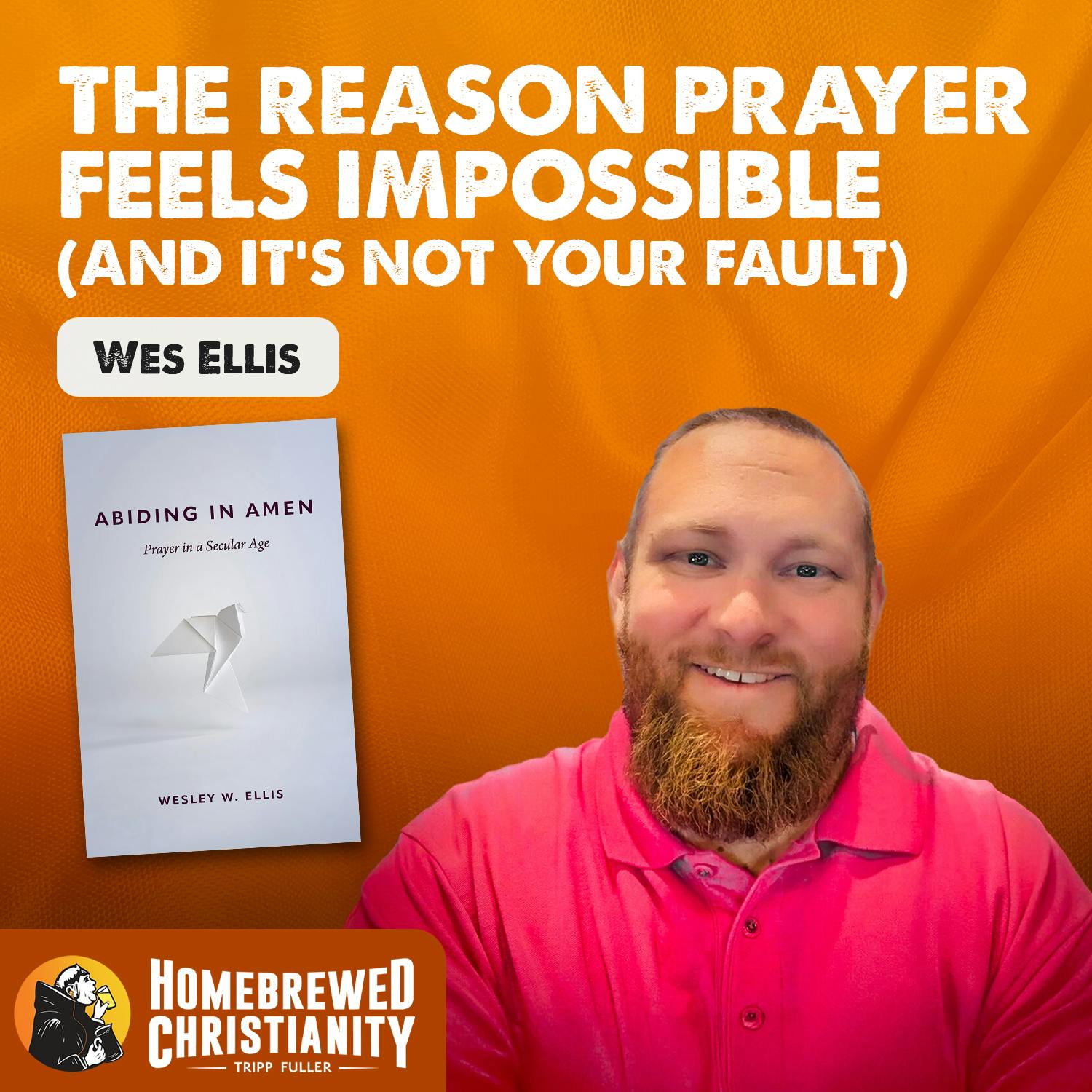
1Okay, so here's a question that sounds simple until it isn't: why is prayer so hard? Not hard like "I need a better technique" hard — hard like something has gone structurally wrong with the way we even think about it. Wes Ellis, practical theologian, pastor, and author of Abiding in Amen: Prayer in a Secular Age, joins Tripp to diagnose what's actually going on — and it turns out the problem isn't your prayer life, it's the framework you've been handed. In a world shaped by achievement culture, algorithmic distraction, and the modern obsession with controlling outcomes, prayer has been quietly turned into a self-optimization project, something you master, measure, and feel guilty about not doing enough of — and Wes wants to blow that whole thing up. Drawing on Charles Taylor, Hartmut Rosa, Henri Nouwen, and yes, the Big Lebowski, Wes makes the case that prayer is not something you do toward God but something God initiates toward you — and our job is less about clamoring upward and more about learning to abide, to wait, to say amen and actually mean it: let it be so. If the inner room Jesus talked about is being colonized by data extraction and constant evaluation, this conversation is a genuinely counter-cultural act. Come sit in the wasted space for a while.
You can WATCH the conversation on YouTube
Dr. Wes Ellis is a practical theologian who actually practices — meaning he doesn't just write about congregational ministry from a distance, he does it, currently serving as a pastor while holding down serious academic theological work at the same time. He's the author of Abiding in Amen: Prayer in a Secular Age and a previous book on youth ministry that develops a theological anthropology beyond the developmental lens .
Join us at Theology Beer Camp, October 8-10, in Kansas City!
ONLINE LENT CLASS: Jesus in Galilee w/ John Dominic Crossan
What can we actually know about Jesus of Nazareth? And, what difference does it make?
This Lenten class begins where all of Dr. John Dominic Crossan's has work begins: with history. What was actually happening in Galilee in the 20s CE? What did Herod Antipas' transformation of the "Sea of Galilee" into the commercial "Sea of Tiberias" mean for peasant fishing communities? Why did Jesus emerge from John's baptism movement proclaiming God's Rule through parables—and what made that medium so perfectly suited to that message? Only by understanding what Jesus' parables meant then can we wrestle with what they might demand of us now.
The class is donation-based, including 0, so join, get info, and join up here.
This podcast is a Homebrewed Christianity production. Follow the Homebrewed Christianity, Theology Nerd Throwdown, & The Rise of Bonhoeffer podcasts for more theological goodness for your earbuds. Join over 75,000 other people by joining our Substack - Process This! Get instant access to over 50 classes at www.TheologyClass.com
Follow the podcast, drop a review, send feedback/questions or become a member of the HBC Community.
Learn more about your ad choices. Visit megaphone.fm/adchoices
In this week's live Q&A, John Dominic Crossan takes questions from over 2,000 students in the Lenten class — and the questions are so good that even Dom says so (which, if you know Dom, is not nothing). The conversation moves fast: from the commons and enclosure as the operating logic of empire, to why Antipas moved his capital to a mosquito-infested lakeside city, to the first-century fishing boat built from twelve types of recycled wood as a symbol of economic squeeze, to why the multiplication of the loaves and fish is not just a miracle story but an act of interference in Antipas's export economy, to the difference between traction and distraction in political movements, to whether Christian theology has any business celebrating GDP growth when the boom doesn't boom for the people at the bottom. Crossan also takes on demons as imperial oppression embodied, Jesus as a healer who makes house calls and never sets up a shrine, and the Hagia Sophia mosaic where John says I am the light of the world and Matthew says you are — and why that single-word difference is the whole theology of participation in one sentence. If you haven't watched the lecture yet, do that first. If you have, this is where it gets applied. To join the class and get access to all four visual lectures, head to CrossanClass.com.
You can WATCH the conversation on YouTube
ONLINE LENT CLASS: Jesus in Galilee w/ John Dominic Crossan
What can we actually know about Jesus of Nazareth? And, what difference does it make?
This Lenten class begins where all of Dr. John Dominic Crossan's has work begins: with history. Only by understanding what Jesus' parables meant then can we wrestle with what they might demand of us now.
The class is donation-based, including 0, so join, get info, and join up here.
John Dominic Crossan, professor emeritus at DePaul University, is widely regarded as the foremost historical Jesus scholar of our time. He is the author of several bestselling books, including The Historical Jesus, How to Read the Bible and Still Be a Christian, God and Empire, Jesus: A Revolutionary Biography, The Greatest Prayer, The Last Week, and The Power of Parable. He lives in Minneola, Florida.
Previous Podcast Episodes with Dom & Tripp
Are We Waiting for God, or Is God Waiting for Us?
A Tale of Two Gods: Why C.S. Lewis’s Famous Argument Falls Apart
From Iron Swords to Nuclear Bombs: Tracing 3,000 Years of Escalatory Violence
Paul, Christ, & the Mystery of Execution & Resurrection
Paul, Josephus, & the Challenge of Nonviolent Resistance
Paul, Rome, & the Violent Normalcy of Civilization
Paul & the Fictional History of Luke-Acts
Paul & Thecla
Ask JC Anything
This podcast is a Homebrewed Christianity production. Follow the Homebrewed Christianity, Theology Nerd Throwdown, & The Rise of Bonhoeffer podcasts for more theological goodness for your earbuds. Join over 75,000 other people by joining our Substack - Process This! Get instant access to over 50 classes at www.TheologyClass.com
Follow the podcast, drop a review, send feedback/questions or become a member of the HBC Community.
Learn more about your ad choices. Visit megaphone.fm/adchoices
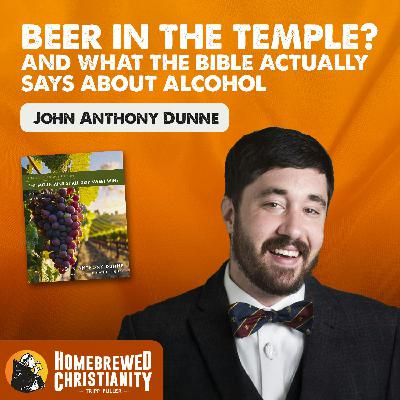
Okay, so most Christians have been handed exactly one question about alcohol — is it okay? — and look, I get it, but what if that question is not just too small, it's actually the wrong one? Because when you sit down with John Anthony Dunne, New Testament scholar, beer nerd, and author of The Mountain Shall Drip Sweet Wine, and you actually let the Bible speak on its own terms, what you find is a text that is soaking in fermented beverages — daily beer libations poured out in the temple, prophets describing God's restoration of all things as mountains literally dripping with sweet wine, and Jesus showing up to a wedding and turning water into not just wine, but the best wine the sommelier had ever tasted — and John's Gospel puts that right next to the temple cleansing, on purpose, because of course it does. John brings this brilliant "varietal" framework to the whole conversation: just like wine comes in Cabernet, Chenin Blanc, Pinot Noir, the Bible's wine symbolism comes in distinct varieties — blessing, judgment, abundance, sacrifice, joy, wrath — and here's the thing, all of them blend together in the Eucharistic cup, which means the Lord's table isn't a symbol of one thing, it's the thematic climax of the entire biblical story. Bible nerds, craft beer lovers, people who've ever wondered if there's more going on at communion than grape juice in a tiny plastic cup — come on. This one's for you.
You can WATCH the conversation on YouTube
Dr. John Anthony Dunne is Associate Professor of New Testament at Bethel Seminary in St. Paul, Minnesota, where he also teaches courses on wine in the Bible. He completed his PhD at the University of St. Andrews under the supervision of N.T. Wright, which means he has the theological pedigree to back up every bold exegetical claim he makes over a pint. John is a co-host of the Two Cities podcast—a collaborative project featuring 15+ scholars and theologians—and volunteers at St. Croix Vineyard in Stillwater, Minnesota, because of course he does.
Join us at Theology Beer Camp, October 8-10, in Kansas City!
ONLINE LENT CLASS: Jesus in Galilee w/ John Dominic Crossan
What can we actually know about Jesus of Nazareth? And, what difference does it make?
This Lenten class begins where all of Dr. John Dominic Crossan's has work begins: with history. What was actually happening in Galilee in the 20s CE? What did Herod Antipas' transformation of the "Sea of Galilee" into the commercial "Sea of Tiberias" mean for peasant fishing communities? Why did Jesus emerge from John's baptism movement proclaiming God's Rule through parables—and what made that medium so perfectly suited to that message? Only by understanding what Jesus' parables meant then can we wrestle with what they might demand of us now.
The class is donation-based, including 0, so join, get info, and join up here.
This podcast is a Homebrewed Christianity production. Follow the Homebrewed Christianity, Theology Nerd Throwdown, & The Rise of Bonhoeffer podcasts for more theological goodness for your earbuds. Join over 75,000 other people by joining our Substack - Process This! Get instant access to over 50 classes at www.TheologyClass.com
Follow the podcast, drop a review, send feedback/questions or become a member of the HBC Community.
Learn more about your ad choices. Visit megaphone.fm/adchoices
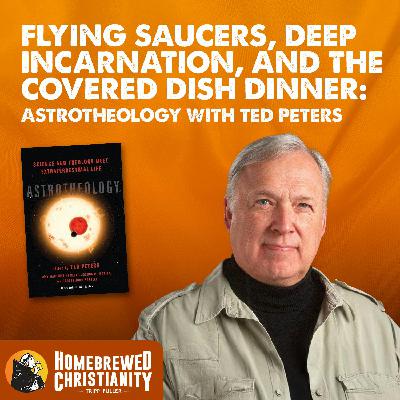
What happens when a Lutheran theologian who grew up reading UFO books and whose parents followed a Venusian contactee cult becomes one of the most rigorous thinkers at the intersection of space science and Christian theology? You get Ted Peters — and one of the most genuinely fun conversations I've had on the podcast. Ted coined the term astro theology and has spent decades asking what the discovery of extraterrestrial life would mean for our doctrines of creation, incarnation, and the common good. We get into why astrobiology is almost a religious science, the ethics of protecting microbial life on Europa, whether Jesus's incarnation is sufficient for the whole cosmos or if God might show up on other planets too, the Copernican fallacy hiding inside a lot of anti-anthropocentric arguments, what Christians should do if a UFO lands at the church potluck (hospitality, obviously), and why both ufologists and astrobiologists need to be at the same barbecue. If the government finally releases the files tomorrow, Ted is the person you want to call — and after this conversation, you'll understand why.
You can WATCH the conversation on YouTube
Ted Peters is a Lutheran theologian, professor emeritus at the Graduate Theological Union in Berkeley, California, and a senior fellow at the Center for Theology and the Natural Sciences (CTNS). He coined the term astro theology to describe theological reflection on the implications of off-earth, non-human intelligence, and has spent decades at the frontier where Christian doctrine meets space science, artificial intelligence, and public ethics. His systematic theology, God — The World's Future, remains one of the most widely used constructive theology texts in graduate education. He is the author and editor of numerous books, including a volume on Astrotheology, and writes the Substack newsletter The Voice of Public Theology, where he engages with science, religion, global politics, and the impact of advancing technology for a broad public audience.
Join us at Theology Beer Camp, October 8-10, in Kansas City!
ONLINE LENT CLASS: Jesus in Galilee w/ John Dominic Crossan
What can we actually know about Jesus of Nazareth? And, what difference does it make?
This Lenten class begins where all of Dr. John Dominic Crossan's has work begins: with history. What was actually happening in Galilee in the 20s CE? What did Herod Antipas' transformation of the "Sea of Galilee" into the commercial "Sea of Tiberias" mean for peasant fishing communities? Why did Jesus emerge from John's baptism movement proclaiming God's Rule through parables—and what made that medium so perfectly suited to that message? Only by understanding what Jesus' parables meant then can we wrestle with what they might demand of us now.
The class is donation-based, including 0, so join, get info, and join up here.
This podcast is a Homebrewed Christianity production. Follow the Homebrewed Christianity, Theology Nerd Throwdown, & The Rise of Bonhoeffer podcasts for more theological goodness for your earbuds. Join over 75,000 other people by joining our Substack - Process This! Get instant access to over 50 classes at www.TheologyClass.com
Follow the podcast, drop a review, send feedback/questions or become a member of the HBC Community.
Learn more about your ad choices. Visit megaphone.fm/adchoices

In this second live Q&A of our Lent 2025 series Jesus in Galilee, Dom works through nearly 40 questions from the more than 2,000 people in the class — and Dom is, as promised, brief. The conversation moves from Cyrus and the economic disruption of Roman Galilee, to the misplaced colon in Isaiah 40 that quietly rewrote John the Baptist's identity, to why Mark borrowed a Roman horror story about a prostitute at a banquet to tell the story of John's execution. Dom defends his claim that Jesus underwent a genuine conversion after John's death — bigger than Paul's, he says, because it involved a different vision of God entirely — and insists that the apocalyptic tradition of waiting for God to intervene is not just a theological mistake but, after 2,000 years, edges toward something harsher than delusion. As always, Dom leaves you with more to think about than when you started. To join the class and get access to all four visual lectures, head to CrossanClass.com.
You can WATCH the conversation on YouTube
ONLINE LENT CLASS: Jesus in Galilee w/ John Dominic Crossan
What can we actually know about Jesus of Nazareth? And, what difference does it make?
This Lenten class begins where all of Dr. John Dominic Crossan's has work begins: with history. What was actually happening in Galilee in the 20s CE? What did Herod Antipas' transformation of the "Sea of Galilee" into the commercial "Sea of Tiberias" mean for peasant fishing communities? Why did Jesus emerge from John's baptism movement proclaiming God's Rule through parables—and what made that medium so perfectly suited to that message? Only by understanding what Jesus' parables meant then can we wrestle with what they might demand of us now.
The class is donation-based, including 0, so join, get info, and join up here.
John Dominic Crossan, professor emeritus at DePaul University, is widely regarded as the foremost historical Jesus scholar of our time. He is the author of several bestselling books, including The Historical Jesus, How to Read the Bible and Still Be a Christian, God and Empire, Jesus: A Revolutionary Biography, The Greatest Prayer, The Last Week, and The Power of Parable. He lives in Minneola, Florida.
Previous Podcast Episodes with Dom & Tripp
A Tale of Two Gods: Why C.S. Lewis’s Famous Argument Falls Apart
From Iron Swords to Nuclear Bombs: Tracing 3,000 Years of Escalatory Violence
Paul, Christ, & the Mystery of Execution & Resurrection
Paul, Josephus, & the Challenge of Nonviolent Resistance
Paul, Rome, & the Violent Normalcy of Civilization
Paul & the Fictional History of Luke-Acts
Paul & Thecla
Ask JC Anything
This podcast is a Homebrewed Christianity production. Follow the Homebrewed Christianity, Theology Nerd Throwdown, & The Rise of Bonhoeffer podcasts for more theological goodness for your earbuds. Join over 75,000 other people by joining our Substack - Process This! Get instant access to over 50 classes at www.TheologyClass.com
Follow the podcast, drop a review, send feedback/questions or become a member of the HBC Community.
Learn more about your ad choices. Visit megaphone.fm/adchoices

In this audio essay from my SubStack ,Process This, I take Stephen Miller's claim that the "real world" is governed by strength and force and use it as a window into something much bigger than one political figure—a diagnosis of the soul of America. Drawing on the thesis Tom Holland developed in Dominion: How the Christian Revolution Remade the World, Reinhold Niebuhr's The Children of Light and the Children of Darkness, and the Black prophetic tradition of King and West, traced by Gary Dorrien in his 3 volume history of the Black Social Gospel movement, I argue that what we're witnessing isn't actually Christian nationalism triumphing—it's post-Christian nationalism wearing Christian clothes. The cross is still everywhere, but the crucified one has been removed, and what's left is just Rome again: empire, domination, and the ancient lie that might makes right. But here's where it gets really interesting—Niebuhr doesn't let progressives off the hook either, naming them as "children of light" who kept the Christian ethics of justice and victim-focus but severed them from grace, forgiveness, and the theological roots that make them sustainable. It's a prophetic call that refuses easy partisanship, traces the American rhetoric of force back through white supremacy to its Roman origins, and ultimately invites us back to the "sublime madness" of King's Beloved Community—where power is redefined not as domination but as the capacity to achieve a shared, constructive purpose.
You can subscribe to the Audio Essay podcast feed here.
Join us at Theology Beer Camp, October 8-10, in Kansas City!
ONLINE LENT CLASS: Jesus in Galilee w/ John Dominic Crossan
What can we actually know about Jesus of Nazareth? And, what difference does it make?
This Lenten class begins where all of Dr. John Dominic Crossan's has work begins: with history. What was actually happening in Galilee in the 20s CE? What did Herod Antipas' transformation of the "Sea of Galilee" into the commercial "Sea of Tiberias" mean for peasant fishing communities? Why did Jesus emerge from John's baptism movement proclaiming God's Rule through parables—and what made that medium so perfectly suited to that message? Only by understanding what Jesus' parables meant then can we wrestle with what they might demand of us now.
The class is donation-based, including 0, so join, get info, and join up here.
This podcast is a Homebrewed Christianity production. Follow the Homebrewed Christianity, Theology Nerd Throwdown, & The Rise of Bonhoeffer podcasts for more theological goodness for your earbuds. Join over 75,000 other people by joining our Substack - Process This! Get instant access to over 50 classes at www.TheologyClass.com
Follow the podcast, drop a review, send feedback/questions or become a member of the HBC Community.
Learn more about your ad choices. Visit megaphone.fm/adchoices

In this first live Q&A of our Lent 2025 series Jesus in Galilee, Dom and I work through 35 questions from the more than 2,000 people who have joined the class — and true to form, Dom tries to honor every single one of them. The conversation ranges from the silver cups of Boscoreale to the Gulf of Mexico, from Josephus's gritted-teeth defense of Judaism to what a State of the Union address might look like if Jesus gave it tonight. Dom argues that the apocalyptic imagination is, bluntly, a loss of faith; that coinage was the only real mass media of antiquity; that nonviolent resistance was invented — not borrowed — in first-century Judea; and that if you want to understand what an autocrat is planning, read very carefully what the autocrat accuses his opponents of. It is, in other words, exactly the kind of conversation I look forward to all year. If you want in on the rest of the series — the lectures, the live Q&As, and the full archive — head to CrossanClass.com.
You can WATCH the conversation YouTube
ONLINE LENT CLASS: Jesus in Galilee w/ John Dominic Crossan
What can we actually know about Jesus of Nazareth? And, what difference does it make?
This Lenten class begins where all of Dr. John Dominic Crossan's has work begins: with history. What was actually happening in Galilee in the 20s CE? What did Herod Antipas' transformation of the "Sea of Galilee" into the commercial "Sea of Tiberias" mean for peasant fishing communities? Why did Jesus emerge from John's baptism movement proclaiming God's Rule through parables—and what made that medium so perfectly suited to that message? Only by understanding what Jesus' parables meant then can we wrestle with what they might demand of us now.
The class is donation-based, including 0, so join, get info, and join up here.
John Dominic Crossan, professor emeritus at DePaul University, is widely regarded as the foremost historical Jesus scholar of our time. He is the author of several bestselling books, including The Historical Jesus, How to Read the Bible and Still Be a Christian, God and Empire, Jesus: A Revolutionary Biography, The Greatest Prayer, The Last Week, and The Power of Parable. He lives in Minneola, Florida.
Previous Podcast Episodes with Dom & Tripp
A Tale of Two Gods: Why C.S. Lewis’s Famous Argument Falls Apart
From Iron Swords to Nuclear Bombs: Tracing 3,000 Years of Escalatory Violence
Paul, Christ, & the Mystery of Execution & Resurrection
Paul, Josephus, & the Challenge of Nonviolent Resistance
Paul, Rome, & the Violent Normalcy of Civilization
Paul & the Fictional History of Luke-Acts
Paul & Thecla
Ask JC Anything
This podcast is a Homebrewed Christianity production. Follow the Homebrewed Christianity, Theology Nerd Throwdown, & The Rise of Bonhoeffer podcasts for more theological goodness for your earbuds. Join over 75,000 other people by joining our Substack - Process This! Get instant access to over 50 classes at www.TheologyClass.com
Follow the podcast, drop a review, send feedback/questions or become a member of the HBC Community.
Learn more about your ad choices. Visit megaphone.fm/adchoices
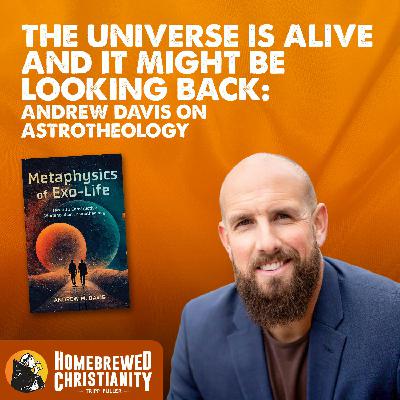
My buddy Andrew Davis is back on the pod, and this time we're talking about aliens — yes, that kind. Andrew is a process philosopher who's been publishing serious academic work in astrobiology, and with Obama casually confirming UFOs are real, the Age of Disclosure documentary making waves, and Spielberg's Disclosure Day film on the way, it felt like the right time to ask: how does a Whiteheadian process thinker engage the question of extraterrestrial life? Turns out, with a lot more philosophical firepower than you'd expect. We dig into Andrew's critical engagement with Steven Dick's cosmo-theology and why he thinks Dick is right that humanity is cosmologically peripheral but wrong to draw the metaphysical conclusion that we're therefore insignificant — because we're an anthropo-cosmic expression of what this universe is doing, not an accident in it. Andrew introduces his concept of exo-axiology (the philosophical exploration of value beyond Earth), and we get into why Whitehead's philosophy of organism flips the modern assumption that the universe is fundamentally dead and life is the weird anomaly. For Whitehead, life, mind, and value go all the way down — which means if you rewind evolution on another planet with the right conditions, something like us might show up again, not because it's designed for us, but because the universe is in the business of producing aesthetic intensities. We tackle the Fermi Paradox, the Dark Forest hypothesis, whether aliens would be hostile or hospitable (Andrew's a cosmological optimist who thinks any civilization advanced enough to reach us would've had to undergo a spiritual evolution to get past the bottleneck), plasma intelligence, UAPs, and why we should take people's encounter experiences seriously without being naive about them. Phil Clayton apparently thinks Andrew is the David Ray Griffin of this generation, so take that for what it's worth — it's worth a lot. Also, if you've had a weird encounter story and want to share it, send it to me. I'm collecting them. And if you've been wanting to get into Whitehead's process philosophy, Andrew's intro course is running in March and April at whiteheadsuniverse.com Listeners who took the last round loved it. Limited space. Go sign up.
You can WATCH the conversation on YouTube
Andrew M. Davis is an American process philosopher, theologian, and scholar of the cosmos. He is the academic and research director for the Center for Process Studies where he researches, writes, teaches, and organizes conferences on various aspects of process-relational thought (Whitehead and Beyond).
Andrew’s Previous visits to the podcast
Whitehead’s Universe: a Guide to Thinking Process
Mind, Value, and the Cosmos.
the Power of Love & the Experience of God
ONLINE LENT CLASS: Jesus in Galilee w/ John Dominic Crossan
This podcast is a Homebrewed Christianity production. Follow the Homebrewed Christianity, Theology Nerd Throwdown, & The Rise of Bonhoeffer podcasts for more theological goodness for your earbuds. Join over 75,000 other people by joining our Substack - Process This! Get instant access to over 50 classes at www.TheologyClass.com
Follow the podcast, drop a review, send feedback/questions or become a member of the HBC Community.
Learn more about your ad choices. Visit megaphone.fm/adchoices

Philosopher and religion scholar Tad DeLay (author of Future of Denial) drops a guest essay on us this week, and it's a barn-burner. Tad brings together Wilhelm Reich, Walter Benjamin, Lacan, Althusser, and Adorno — yeah, the whole squad — to lay out a series of theses on how reactionary consciousness actually works, from repressed sexuality to theological cover stories for raw materialism. He makes the case that white evangelicalism is basically a half-century-old improvisation around whiteness and anticommunism, and that Trumpism is its perfected form — an ecumenical fascism where confessing the dear leader functions like a sinner's prayer. Along the way he unpacks Frank Wilhoit's devastating one-line definition of conservatism, explains why charging evangelicals with hypocrisy is a category error (they simply don't care what they believe), and uses Lacanian psychoanalysis to show how shame, guilt, and anxiety keep the whole machine running. Fair warning: Tad doesn't let liberals off the hook either — the essay's conclusion forces all of us to sit with the moral compromises we've made and what it means to keep breathing in hell.
Tad DeLay, PhD is a philosopher, religion scholar, and interdisciplinary critical theorist. He has written four books, including his latest, Future of Denial: The Ideologies of Climate Change. He is a philosophy professor and lives in Grand Rapids.
ONLINE LENT CLASS: Jesus in Galilee w/ John Dominic Crossan
What can we actually know about Jesus of Nazareth? And, what difference does it make?
This Lenten class begins where all of Dr. John Dominic Crossan's has work begins: with history. What was actually happening in Galilee in the 20s CE? What did Herod Antipas' transformation of the "Sea of Galilee" into the commercial "Sea of Tiberias" mean for peasant fishing communities? Why did Jesus emerge from John's baptism movement proclaiming God's Rule through parables—and what made that medium so perfectly suited to that message? Only by understanding what Jesus' parables meant then can we wrestle with what they might demand of us now.
The class is donation-based, including 0, so join, get info, and join up here.
This podcast is a Homebrewed Christianity production. Follow the Homebrewed Christianity, Theology Nerd Throwdown, & The Rise of Bonhoeffer podcasts for more theological goodness for your earbuds. Join over 75,000 other people by joining our Substack - Process This! Get instant access to over 50 classes at www.TheologyClass.com
Follow the podcast, drop a review, send feedback/questions or become a member of the HBC Community.
Learn more about your ad choices. Visit megaphone.fm/adchoices

We lost a giant. Reverend Jesse Jackson has passed away, and I wanted to share this conversation we had with him back during lockdown in 2020 as part of the Black Theology reading group Adam Clark and I were running with over 3,000 people. We were joined by Grace Ji-Sun Kim, who edited a collection of Jackson's sermons and speeches called Keeping Hope Alive, and the Reverend himself showed up and gave us a masterclass in what it looks like when theology breaks out of its bubble — and that bubble image is the thing that'll stick with you. Jackson talked about growing up in Greenville, South Carolina, where the entire Black community lived behind walls that white people set up for exploitation, and how your theology can either reinforce the bubble or blow it apart. He drew a sharp line between piety — behaving, adjusting, staying safe — and power, which is what happens when you follow a Jesus who challenges domination systems instead of one who follows you to the back of the bus. He gave us the real history of the movement, from Rosa Parks and Emmett Till to Fannie Lou Hamer and Daisy Bates, made a clear-eyed and probably controversial distinction between King and Malcolm — arguing Malcolm never really broke out of the bubble while King changed actual public policy — and told the origin story of both "I Am Somebody" and "Keep Hope Alive." He talked about being one of the first Black ministers to publicly embrace the LGBTQ community, about internationalizing Black identity from "Black" to "African American," and about why Obery Hendricks' The Politics of Jesus changed how he saw Christ. Grace brought the warmth and the theological framing, Adam brought the hard questions about Kwame Ture and SNCC, and I mostly just sat there grateful to be in the room with a man who spent his entire life pulling down walls so the sun could get in.
ONLINE LENT CLASS: Jesus in Galilee w/ John Dominic Crossan
What can we actually know about Jesus of Nazareth? And, what difference does it make?
This Lenten class begins where all of Dr. John Dominic Crossan's has work begins: with history. What was actually happening in Galilee in the 20s CE? What did Herod Antipas' transformation of the "Sea of Galilee" into the commercial "Sea of Tiberias" mean for peasant fishing communities? Why did Jesus emerge from John's baptism movement proclaiming God's Rule through parables—and what made that medium so perfectly suited to that message? Only by understanding what Jesus' parables meant then can we wrestle with what they might demand of us now.
The class is donation-based, including 0, so join, get info, and join up here.
This podcast is a Homebrewed Christianity production. Follow the Homebrewed Christianity, Theology Nerd Throwdown, & The Rise of Bonhoeffer podcasts for more theological goodness for your earbuds. Join over 75,000 other people by joining our Substack - Process This! Get instant access to over 50 classes at www.TheologyClass.com
Follow the podcast, drop a review, send feedback/questions or become a member of the HBC Community.
Learn more about your ad choices. Visit megaphone.fm/adchoices
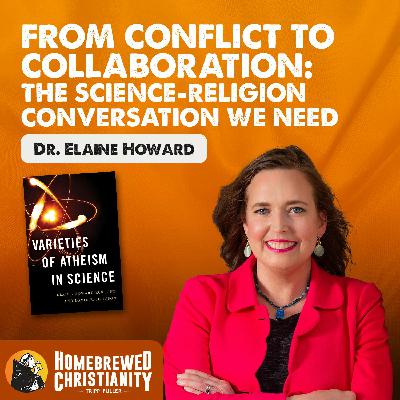
The conflict between science and religion? Turns out it's mostly a myth perpetuated by a handful of really loud voices on both sides. Dr. Elaine Howard Ecklund has spent 15 years using actual social science to study what scientists and religious people really think about each other, and the results are surprising: nearly half of elite scientists maintain religious commitments, most aren't hostile to faith communities, and there are way more varieties of atheism than you'd think (including "religious atheists" who attend church and pray). We dive into her research on "spiritual entrepreneurs," the eight shared values between science and religion (yeah, doubt is on the list for both), what went wrong during COVID, and why the science-religion conflict narrative is particularly American and Western. Plus, we get super practical about what churches can actually do—spoiler: it starts with honoring the scientists already sitting in your pews. This conversation challenged my assumptions, gave me hope, and reminded me that the people doing the real work are way more interesting than the stereotypes suggest.
You can WATCH this conversation on YouTube
Dr. Elaine Howard Ecklund is the Herbert S. Autrey Chair in Social Sciences and Professor of Sociology at Rice University, where she directs the Religion and Public Life Program. A leading scholar in the sociology of science and religion, she has conducted groundbreaking research surveying over 15,000 scientists and interviewing nearly 1,000 across eight countries to understand how scientific and religious communities actually relate to each other. Her books include Science vs. Religion: What Scientists Really Think, Varieties of Atheism in Science (with David Johnson), Why Science and Faith Need Each Other, and Secularity and Science: What Scientists Around the World Really Think About Religion. Her work challenges popular stereotypes, revealing the complex and often collaborative relationship between science and faith—and offering practical wisdom for churches, scientists, and anyone trying to hold these worlds together.
UPCOMING ONLINE LENT CLASS: Jesus in Galilee w/ John Dominic Crossan
What can we actually know about Jesus of Nazareth? And, what difference does it make?
This Lenten class begins where all of Dr. John Dominic Crossan's has work begins: with history. What was actually happening in Galilee in the 20s CE? What did Herod Antipas' transformation of the "Sea of Galilee" into the commercial "Sea of Tiberias" mean for peasant fishing communities? Why did Jesus emerge from John's baptism movement proclaiming God's Rule through parables—and what made that medium so perfectly suited to that message? Only by understanding what Jesus' parables meant then can we wrestle with what they might demand of us now.
The class is donation-based, including 0, so join, get info, and join up here.
This podcast is a Homebrewed Christianity production. Follow the Homebrewed Christianity, Theology Nerd Throwdown, & The Rise of Bonhoeffer podcasts for more theological goodness for your earbuds. Join over 75,000 other people by joining our Substack - Process This! Get instant access to over 50 classes at www.TheologyClass.com
Follow the podcast, drop a review, send feedback/questions or become a member of the HBC Community.
Learn more about your ad choices. Visit megaphone.fm/adchoices
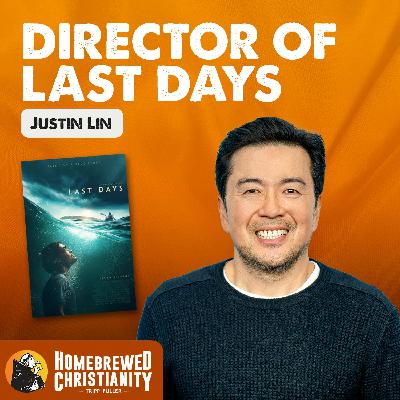
My friend and filmmaker Sarey Concepción and I got to sit down with Justin Lin — yeah, that Justin Lin, the Fast and Furious guy — but this time he's not racing cars, he's exploring the too-fast-too-furious side of evangelical missions gone to the extreme. His new film Last Days tells the story of John Chau, the young American missionary who was killed trying to bring the gospel to the uncontacted Sentinelese tribe off the coast of India. If you remember, two years ago we screened the documentary about this story at Theology Beer Camp, and this is a totally different angle — a scripted Hollywood film from an outsider to Christianity who read the news story, had the same eye-roll most of us did, and then did what good artists do: made something to understand what he couldn't dismiss. What's remarkable is that Justin took the time to get to know the diversity within evangelicalism, so you get characters ranging from the hardcore adventure missionaries who are basically Carmen San Diego with Bibles, to John's immigrant father wrestling with how his roughest years shaped his son's path, to a parallel storyline with an Indian police officer whose own experience with religion's harm makes her a mirror image of John's conviction. It's a film about faith without being a faith-based film — it doesn't mock John or martyrize him — and it creates this cognitive empathy where you get to sit with the logic that says if people really are going to hell, why wouldn't you risk everything? Sarey and I unpack the father-son dynamics, the theological engine of unreached people groups and unlocking the second coming, those surprisingly sexy Australian missionaries, and why the Voyage of the Dawn Treader might be the most spiritually dangerous book in the Narnia series. We also may have invented the entire backstory of the Presbyterian minister with a Tesla who stole someone's missionary girlfriend, and honestly, Justin should use it for the sequel.
You can WATCH the conversation on YouTube
Join us at Theology Beer Camp, October 8-10, in Kansas City!
UPCOMING ONLINE LENT CLASS: Jesus in Galilee w/ John Dominic Crossan
What can we actually know about Jesus of Nazareth? And, what difference does it make?
This Lenten class begins where all of Dr. John Dominic Crossan's has work begins: with history. What was actually happening in Galilee in the 20s CE? What did Herod Antipas' transformation of the "Sea of Galilee" into the commercial "Sea of Tiberias" mean for peasant fishing communities? Why did Jesus emerge from John's baptism movement proclaiming God's Rule through parables—and what made that medium so perfectly suited to that message? Only by understanding what Jesus' parables meant then can we wrestle with what they might demand of us now.
The class is donation-based, including 0, so join, get info, and join up here.
This podcast is a Homebrewed Christianity production. Follow the Homebrewed Christianity, Theology Nerd Throwdown, & The Rise of Bonhoeffer podcasts for more theological goodness for your earbuds. Join over 75,000 other people by joining our Substack - Process This! Get instant access to over 50 classes at www.TheologyClass.com
Follow the podcast, drop a review, send feedback/questions or become a member of the HBC Community.
Learn more about your ad choices. Visit megaphone.fm/adchoices


Download from Google Play

Download from App Store
 United States
The situation in Palestine is a televised holocaust and any Christian who approves or maintains indifference is on the level of a Nazi collaborator. To say nothing of the anti-Trump progressive Christians who conveniently found reasons to support the Biden administration and subsequent Harris campaign in the midst of carrying out this bloodbath.
shit, it has been 15 years.
The land is a part of our spirituality because it represents an alternative symbol of the ancestors who are always present as the life and spirit we can connect to in nature as the living and spiritual reality of the land. 33:38
African mystical perspective of God as a powered energy or spirit that we can connect to at any moment. This led to a pantheism or panentheism that is similar to Sally McFague’s perspective of the universe as God’s body. 32:04
In a secular sense, we are constantly looking forward to a better future. In a theological sense, we are looking back at the past. When are we in the now, in the present moment? 17:24
MSNBC is garbage. Diana is a first-rate intellect but her incessant libbery is troubling. Recommending Bill Kristol's podcast 😠
David Brooks fucking sucks.
I gave it a shot. First episode is full of Biblical misunderstandings. Maybe spend more time in the Bible. Blessings to all.
Nonsense. French Enlightement was influenced by British thought. Major figures of French Enlightement pretty much worshipped everything British.
This was a fabulous episode. Loved Tripp's description of sacred practices.
this guy has a tiny, tiny penis.
Thanks nerds, The argument that God is distant and only resides in the philosophical if God doesn't get angry, as a way of justifying the acts that God commands and allows, in the OT, is weak. I agree God is angry and unhappy with many of the ways we behave BUT God rarely if ever resorts to punishment and then only when it doesn't significantly or permanently harm those punished. This means we have to treat with great suspicion, parts of the Bible that do suggest that is how God behaves. In fact we must admit that these represent a significant misunderstanding of God. Blessings.
Tripp sounds so bored in this podcast.
lol @ respecting David Brooks