


My Mother's Trauma
Subscribed: 5Played: 15
Subscribe

© All rights reserved.
Description
Healing intergenerational trauma needs more than quick fixes and self-care strategies, especially when racism and systemic oppression undermine every aspect of our existence.
How do we do ‘the work’ of unlearning our inherited patterns when we’re exhausted? Join trauma therapist Kim Loliya for a different conversation on how to break the cycle through an anti-oppressive lens of justice and liberation.
10 Episodes
Reverse
In this episode, host Kim Loliya delves into the complexities of mothering and smothering, particularly in the context of intergenerational trauma and societal pressures. Kim reflects on the toxic culture surrounding New Year's resolutions and the systemic forces that shape our desires for change. The conversation transitions into an exploration of smothering behaviors, their roots in fear and anxiety, and the cultural dynamics that perpetuate them. Kim acknowledges the importance of recognizing these patterns and working towards healthier relationships, both as mothers and as individuals who have been smothered.CHAPTERS00:00 Introduction to My Mother’s Trauma Podcast01:33 Resolutions are Colonial06:01 Decolonial Freebies Coming Up at Black Psychotherapy08:59 The Continuum of Harmful Mothering 10:43 Smothering in Black, Brown and Indigenous Mothers15:13 Deconstructing Smothering 18:25 Smothering Ingrained in Culture 19:49 From Smothering (Back) To Mothering30:28 OutroCONTACT INFO Newsletter - Sign up hereQuestion for Kim – Submit hereWebsite - blackpsychotherapy.orgInstagram - @blackpsychotherapyEmail address - info@blackpsychotherapy.orgEPISODE LINKSTranscript –You can find the transcript hereEvents – Register hereEvent - Holding Black Rage CPD for Helping Professionals, on 7th February 2025, online. Tickets can be purchased hereEvent - Justice in Therapy, on 15th March 2025, online. Tickets can be purchased hereCREDITSArtwork – Kim Loliya in collaboration with DALL-EEditor & Producer – ZShed Productions
In this episode Kim Loliya reflects on the recent Justice in Therapy conference, discussing the complexities of engaging in justice work, especially in the context of familial trauma during the holiday season. Kim explores themes of emotional labor, gender dynamics, racial capitalism, and the impact of migration and displacement on holiday experiences. Kim goes on to emphasise the importance of community support, self-care, and the need for mental health resources during this challenging time. The episode concludes with gratitude for the listeners and a hopeful outlook for future discussions on intergenerational trauma.CHAPTERS00:00 Introduction to My Mother’s Trauma Podcast01:08 Intergenerational gifts making justice work possible09:13 Femme labour over the holidays 12:56 Racial capitalism as intergenerational trauma 18:16 Navigating harm from family members26:53 Migration, displacement and loneliness29:58 Breaks in therapy33:10 End of year gratitude36:25 OutroCONTACT INFO Newsletter - Sign up hereQuestion for Kim – Submit hereWebsite - blackpsychotherapy.orgInstagram - @blackpsychotherapyEmail address - info@blackpsychotherapy.orgEPISODE LINKSTranscript –You can find the transcript hereRacial CapitalismEvent - Holding Black Rage: Professionals Training, on 7th February, online. Tickets can be purchased hereEvent - Justice in Therapy, on 15th March 2025, online. Tickets can be purchased hereOther Events – Register hereCREDITSArtwork – Kim Loliya in collaboration with DALL-EEditor & Producer – ZShed Productions
In this episode Kim Loliya explores 'holding the good' amidst the challenges of trauma and cultural barriers. Kim emphasises that goodness can be found in both significant moments and mundane experiences, and discusses the importance of self-love and community in nurturing this practice. The conversation delves into the impact of trauma on our ability to perceive goodness, the cultural conditioning that makes it difficult to celebrate positive experiences, and practical steps to cultivate a mindset that embraces goodness. Kim encourages listeners to take small, manageable steps towards holding the good, while also acknowledging the complexities of trauma and self-worth.CHAPTERS00:00 Introduction to My Mother’s Trauma Podcast03:17 Practicing holding the good04:37 Defining goodness08:11 Trauma responses to goodness15:03 Practical steps to hold the good 24:29 Locating the good26:07 OutroCONTACT INFO Newsletter - Sign up hereQuestion for Kim – Submit hereWebsite - blackpsychotherapy.orgInstagram - @blackpsychotherapyEmail address - info@blackpsychotherapy.orgEPISODE LINKSTranscript –You can find the transcript hereEvents – Register hereEvent - Justice in Therapy, on 15th March 2025, online. Tickets can be purchased hereCREDITSArtwork – Kim Loliya in collaboration with DALL-EEditor & Producer – ZShed Productions
In this episode Kim Loliya explores the complexities of intergenerational trauma, challenging common myths and misconceptions surrounding the topic. Kim emphasises the importance of broadening our understanding of trauma beyond major calamities, recognising the variability in how it manifests across different individuals and communities. The conversation delves into the roles of accountability, forgiveness, and the pressures of healing, while also highlighting the need for a broader perspective that includes community dynamics. Ultimately, the episode encourages a reflection on our own experiences and the impact of intergenerational trauma in our lives.CHAPTERS00:00 Introduction to My Mother’s Trauma Podcast03:43 A consequence of a big calamity like war or famine07:12 Everyone’s suffering will look the same 10:11 You can’t stop IGT from being passed down to your children13:51 IGT affects only Global Majority communities 16:01 It’s all your mother’s fault 19:15 Acknowledging IGT must lead to forgiveness20:45 You can’t enjoy life until you’ve broken the cycle22:27 You can heal IG for your whole family24:30 A misconception that The healing process will be painful 26:57 IGT only relates to your biological family 31:28 OutroCONTACT INFO Newsletter - Sign up hereQuestion for Kim – Submit hereWebsite - blackpsychotherapy.orgInstagram - @blackpsychotherapyEmail address - info@blackpsychotherapy.orgEPISODE LINKSTranscript –You can find the transcript hereEvents – Register hereEvent - Justice in Therapy, on 15th March 2025, online. Tickets can be purchased hereCREDITSArtwork – Kim Loliya in collaboration with DALL-EEditor & Producer – ZShed Productions
In this episode Kim Loliya explores how different cultures relate to the dead during this season of collective remembrance. Kim reflects on a personal experience from 2023 of experiencing Day of the Dead while in Mexico and the significance of community and intergenerational inclusion in processing grief. The conversation delves into the complexities of grief work, the role of joy and the importance of decolonial approaches and rituals that make space for rage and authenticity. Kim encourages listeners to find their own ways to honour their loved ones, which can also include choosing not to do that if it doesn’t feel safe or appropriate to do so. CHAPTERS00:00 Introduction to Intergenerational Trauma05:20 The Benefits of Time Travel 10:52 Day of the Dead Season16:54 Complicated Feelings About The Dead20:13 Reimagining Ancestral Work22:28 Realistic Remembrance28:52 OutroCONTACT INFO Newsletter - Sign up hereQuestion for Kim – Submit hereWebsite - blackpsychotherapy.orgInstagram - @blackpsychotherapyEmail address - info@blackpsychotherapy.orgEPISODE LINKSTranscript –You can find the transcript hereHow Madagascar Celebrates the Day of the DeadVisiting A Voodou Ceremony, Haiti - Fet Gede - Day of the DeadEvents – Register hereEvent - Justice in Therapy, on 15th March 2025, online. Tickets can be purchased hereCREDITSArtwork – Kim Loliya in collaboration with DALL-EEditor & Producer – ZShed Productions
In this episode Kim Loliya explores the theme of harvesting, particularly in the context of living in the diaspora. Kim discusses the significance of land, the challenges faced by those disconnected from it, and the importance of land justice. The conversation transitions into defining harvesting both physically and emotionally, emphasising the need for community support and the potential for emotional healing. Kim invites listeners to reflect on their own emotional harvesting and the tools they may need to gather their realisations and feelings.CHAPTERS00:00 Introduction to Intergenerational Trauma01:49 Ancestral Rites: The Invisible Pull of Land07:45 Improved Recovery With Nature Scenes09:52 Defining Harvesting: Physical and Emotional Perspectives13 41 Emotional Harvesting: Gathering from the Heart16:42 Harvesting Dreams: An Afrofuturist Perspective22:32 Tools for Emotional Harvesting27:07 OutroCONTACT INFO Newsletter - Sign up hereQuestion for Kim – Submit hereWebsite - blackpsychotherapy.org (currently under construction)Instagram - @blackpsychotherapyEmail address - info@blackpsychotherapy.orgEPISODE LINKSTranscript – You can find the transcript hereIncrease Support for Black, Indigenous, and People of Color (BIPOC) FarmersViewing Nature Scenes Positively Affects Recovery of Autonomic Function Healing environment: A review of the impact of physical environmental factorsWolves Lane CentreTo be black in the British countryside means being an outsiderEvents – Register hereEvent - Justice in Therapy, on 15th March 2025, online. Tickets can be purchased hereCREDITSArtwork – Kim Loliya in collaboration with DALL-EEditor & Producer – ZShed Productions
In this episode Kim Loliya explores the theme of reclaiming narratives during Black History Month. Kim discusses the importance of recognizing how external narratives shape our identities and the need to consciously reclaim and redefine our stories. The conversation emphasises the collective nature of this work, the impact of societal structures on personal narratives, and the importance of inclusion and accessibility in community celebrations. Kim encourages listeners to reflect on the narratives they wish to rewrite and to engage in a process of empowerment and healing. CHAPTERS00:00 Introduction to My Mother's Trauma Podcast01:07 Celebrating Black History Month04:26 Reclaiming Narratives: A Central Theme11:16 The Impact of External Narratives20:12 Exploring Black Narratives in History23:01 The Deliberate Act of Reclamation25:33 Inclusion and Accessibility in Black History Month Celebrations27:08 Outro CONTACT INFO· Newsletter - Signup here· Question for Kim – Submit here· Website - blackpsychotherapy.org (currently under construction)· Instagram - @blackpsychotherapy· Email address - info@blackpsychotherapy.org EPISODE LINKS· Transcript – You can find the transcript here· Events – Register here· Event - Justice in Therapy, on 15th March 2025, online. Tickets can be purchased here· Article - A 5-Year-Old Girl Gives Her Verdict on Famous Logos, and Some Fail Miserably CREDITS· Artwork – Kim Loliya in collaboration with DALL-E· Editor & Producer – ZShed Productions
In this episode Kim Loliya delves into the complexities of intergenerational trauma, focusing on the theme of the unknown. Kim discusses how uncertainty intolerance affects individuals, particularly those from marginalised backgrounds, and how this impacts their understanding of family histories. The conversation explores the murky waters of inherited trauma, the challenges of naming and acknowledging past experiences, and the importance of community in navigating these feelings. Ultimately, Kim emphasises the need to embrace uncertainty as a pathway to healing and understanding. CHAPTERS00:00 Introduction to Intergenerational Trauma01:02 Understanding the Unknown03:30 Intolerance for Uncertainty07:03 The Tip of the Iceberg09:37 Defining Trauma Differently12:18 Identifying the Known15:08 Making Assumptions to Manage Uncertainty19:47 Coping with the Unknown23:04 Outro CONTACT INFO· Newsletter - Sign up here· Question for Kim – Submit here· Events – Listed here· Website - blackpsychotherapy.org (currently under construction)· Instagram - @blackpsychotherapy· Email address - info@blackpsychotherapy.org EPISODE LINKS· Transcript – You can find the transcript here· Events – Register here· Event - Justice in Therapy, on 15th March 2025, online. Tickets can be purchased here· Definition of Intolerance of Uncertainty· Questionnaire for Uncertainty Intolerance· Scale for Uncertainty Intolerance CREDITSArtwork – Kim Loliya in collaboration with DALL-EEditor - Salar KhanProducer – ZShed Productions
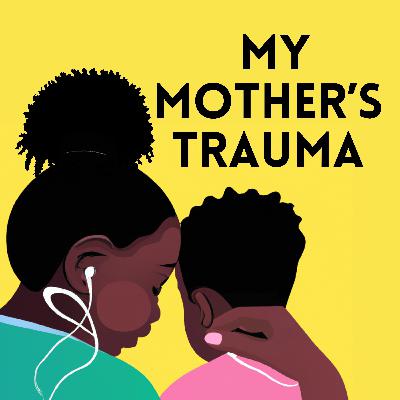
In this inaugural episode of 'My Mother's Trauma', host Kim Loliya explores the themes of intergenerational trauma, family wounding, and the complexities of motherhood. Kim emphasises the importance of understanding these issues within the context of systemic oppression and the need for compassion in healing. The episode also delves into the societal expectations surrounding motherhood and the diverse experiences of those who identify as mothers, highlighting the need for a nuanced conversation around these topics. CHAPTERS00:00 Introduction to My Mother’s Trauma Podcast01:04 Birth of a Podcast08:45 Defining the Mother16:31 Mothering Beyond Gender17:29 Alternatives to Traditional Motherhood22:57 Taking Care Around Trauma25:05 Outro CONTACT INFO· Newsletter - Sign up here· Question for Kim – Submit here· Events – Listed here· Website - blackpsychotherapy.org (currently under construction)· Instagram - @blackpsychotherapy· Email address - info@blackpsychotherapy.org EPISODE LINKS · Transcript – You can find the transcript here.· Events – Register here· Event - Justice in Therapy, on 15th March 2025, online. Tickets can be purchased here· Article - ‘Other’ mothers: motherhood and the African diaspora by Marjorie H Morgan· Website - Word associations CREDITSArtwork – Kim Loliya in collaboration with DALL-EEditor – Ed Bishop
Healing intergenerational trauma needs more than quick fixes and self-care strategies, especially when racism and systemic oppression undermine every aspect of our existence.How do we do ‘the work’ of unlearning our inherited patterns when we’re exhausted?Join trauma therapist Kim Loliya for a different conversation on how to break the cycle through an anti-oppressive lens of justice and liberation.
Comments


Download from Google Play

Download from App Store
 United States