


 Claim Ownership
Healthcare Musings
Subscribed: 4Played: 2
Subscribe

© Copyright 2023-2024 Hesham A. Hassaballa, MD, FCCP, FAASM All rights reserved.
Description
This is the official podcast of Hesham A. Hassaballa, MD, a NY Times-featured Pulmonary and Critical Care Physician, Author, and Healthcare Executive. Healthcare Musings discusses healthcare delivery and healthcare policy, including the effects of artificial intelligence on the medical field.
132 Episodes
Reverse

I was honored to be a guest on the Becker’s Healthcare Podcast.
During the episode, I discussed how AI is transforming clinical care; the irreplaceable human elements of medicine; and the leadership values that guide my work. I also shared insights on physician excellence, system level improvement, and what inspires me as I look ahead to 2026.

Ever since the death of my daughter on June 7, 2009, I have written and reflected on many things that remind me of her, including many popular songs. It is one of the ways the Lord saved my life after her death.
Today, on her birthday, I embark on a new series on Healthcare Musings: "The Soundtrack of My Grief," where I discuss those songs that have helped me cope with her death.
The first song upon which I will reflect is "Clarity," by Zedd.
Song link: https://music.apple.com/us/song/clarity-feat-foxes/1440861976

Can an AI Chatbot version of you make an end-of-life decision if you cannot make it on your own?
This possibility was brought up to me on a previous episode with Eiman Abdelmoneim. I was so intrigued by the possibility that I sat down with Dr. Muhammad Aurangzeb Ahmad, Resident Fellow at the Harborview Medical Center (UW Medicine). He is also Affiliate Assistant Professor in the Department of Computer Science at University of Washington Bothell and Affiliate Faculty member at Responsible AI Systems and Experiences, University of Washington.
One of his main focuses of research is LLMs and end of life. It was a fascinating conversation.

Metabolic encephalopathy is a state of global cerebral dysfunction caused by systemic metabolic or toxic disturbances. Its presence raises the severity of illness of those patients afflicted with it, and it is a frequent denial target of payers.
It is essential that clinicians document this condition in the record when it is present. In this episode, Dr. Hassaballa discusses this diagnosis and provides essential tips on how to properly document this condition.

There are two competing definitions of sepsis, called "Sepsis-2" and "Sepsis-3." They are vastly different, and it is causing enormous confusion with respect to diagnosing and coding for sepsis.
I assembled a panel of experts to discuss the proper coding of sepsis. Does a UTI with fever and tachycardia really constitute sepsis? Does CMS mandate a specific definition of sepsis? What about SOFA scores?
We delve into all of this and more. The panel for this episode is:
Dr. Erin Boyd
Dr. Ronald Hirsch
Dr. Cesar Limjoco
Shirlivia Parker
I learned a lot, and it has definitely affected my approach to patients with sepsis in the ICU. It has also further spawned future episodes about sepsis, so stay tuned.
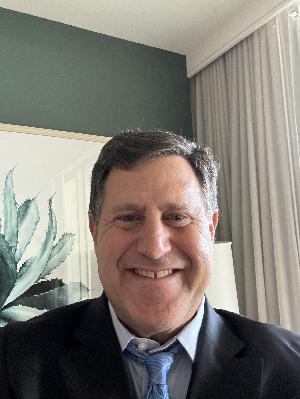
Scott Becker, Founder and Publisher of Becker's Healthcare, has a unique perspective on the state of the healthcare system in the United States. So, I wanted to sit down with him and get his insights as well.
He had amazing observations and thought-provoking suggestions regarding:
Healthcare Coverage for all
Healthcare Quality
Healthcare Cost
Healthcare Access
We delved into each during this fantastic conversation.

The NY Times had an article detailing how people are turning to chatbots because they are frustrated with the medical system. As a physician and patient myself, I completely sympathize with both groups. We need to fix this problem.
In this episode, Dr. Hassaballa
Summarizes the NY Time article (linked below)
Explains why this phenomenon occurs
Suggests what physicians need to do about this fact.
NY Times article: https://www.nytimes.com/2025/11/16/briefing/meet-dr-chatgpt.html?unlocked_article_code=1.2U8.wvrB.zA5xQrxE6LSR&smid=url-share
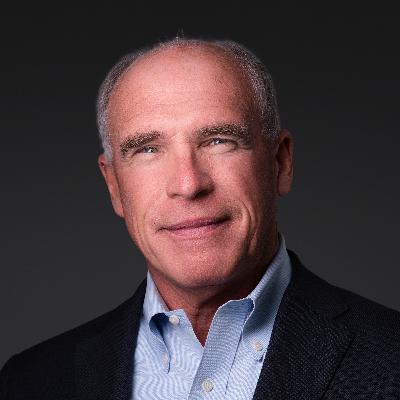
Insurance payers have the money. Providers - hospitals and doctors - want the money. This seems to be an irreconcilable conflict. Is there a middle way?
I asked the perfect person this question: Jeff Alter of Sound Physicians. His insights were invaluable.
Jeff Alter on Linkedin: https://www.linkedin.com/in/jeffreydalter/
Sound Physicians: www.soundphysicians.com

There is a growing battle between payers and providers, each using AI to get the most money. Are doctors and hospitals using these tools inappropriately?
Articles:
AI by Doctors: https://www.statnews.com/2025/08/20/ai-scribe-use-doctors-health-insurance-bills-may-rise/
AI by Insurers: https://www.statnews.com/2025/10/31/health-insurer-ai-fights-hospital-ai-coding-billing/

One of the most challenging aspects of our healthcare system is elder and sick care at home. Who can do it? How can you afford it? It can cause enormous stress.
Neal Shah, CEO of CareYaya, knows this challenge firsthand, and he came up with a brilliant solution that will, in my mind, revolutionize the care economy. I sit down with Neal and hear all about it.
Company: www.careyaya.org
Neal Shah: https://www.linkedin.com/in/neal-shah-careyaya/
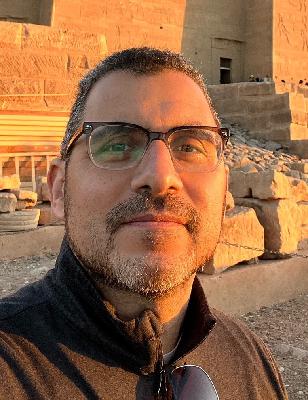
How will Artificial Intelligence affect physicians? Will it take their jobs? Will it kill all of humanity? There are so many questions with respect to AI and healthcare, and so I had the perfect guest on to get answers to all of these important questions.
Eiman Abdelmoneim on LinkedIn: https://www.linkedin.com/in/eimanabdelmoneim/
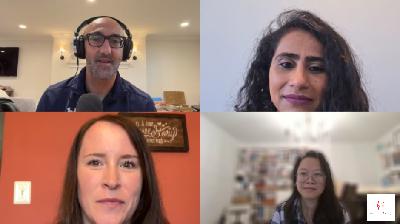
I sat down with three amazing women leaders in the Medical field - Dr. Chia-Shing Yang, Dr. Simran Matta, and April Burke PA - and had a wide-ranging conversation about the challenges facing women in medicine and leadership, and the opportunities they have as well. This is, by far, one of my most favorite episodes.

I understand why so many Radiologists put this phrase in their reports. It can frequently make things worse, and this is one of the many bad things fear of a malpractice suit has wrought.

No matter which ICU in which I work, I am asked to keep the potassium levels more than 4. Is there any evidence for this?

I have railed against some traits and trends of new students and residents these days. My conversation with one of my teachers, Dr. Richard Abrams, taught me a valuable lesson and made me change my attitude.
If an insurance payer denies a claim, and we write an appeal. The very least the payer must do is write a letter in response.
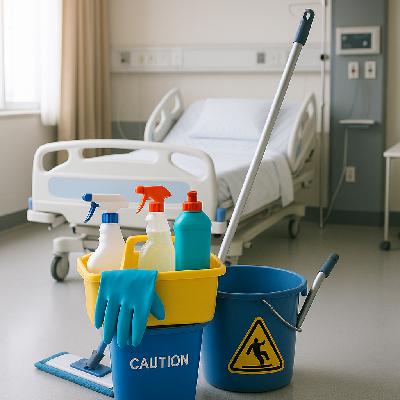
This is Environmental Services Week, where we honor a crucial member of the healthcare community: those who clean hospital rooms.
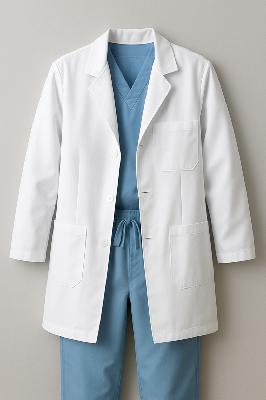
Patients frequently base their relationships with Doctors on their first impression. And research shows that our attire has a lot to do with that first impression. On this week's episode, Dr. Hassaballa reviews the latest evidence on Physician attire and the patient-physician relationship.
Article: https://bmjopen.bmj.com/content/15/8/e100824

What’s it like to be a Teleintensivist? I asked one of the best in the business, Dr. Eugene Yeh of Sound Physicians. He gives us an intimate view of being a remote critical care specialist.
Dr. Yeh on LinkedIn:
https://www.linkedin.com/in/eugene-yeh-39ba1844/
CMS unveiled the WISeR Model, a pilot of prior authorization for traditional Medicare beneficiaries. I have mixed feelings about it.
NYT Article:
https://www.nytimes.com/2025/08/28/health/medicare-prior-approval-health-care.html?smid=nytcore-ios-share&referringSource=articleShare
CMS Press Release: https://www.cms.gov/priorities/innovation/innovation-models/wiser

Comments

Download from Google Play

Download from App Store
 United States