


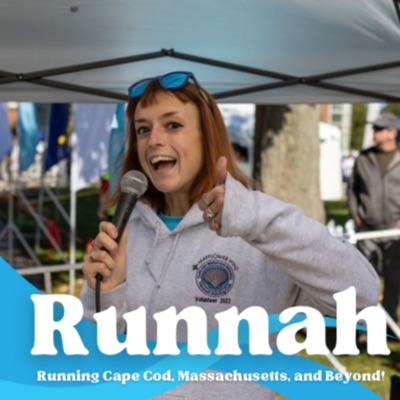
Runnah: Running Cape Cod, Massachusetts, and Beyond!
Subscribed: 1Played: 1
Subscribe

© Julianna Coughlin with The Falmouth Running Club and Falmouth Community TV
Description
Welcome to Runnah, running on Cape Cod, Massachusetts and beyond! Hosted by Julianna Coughlin, an avid marathon runner with a quirky sense of humor and a deep passion for the sport, this podcast is your go-to resource for everything running on the Cape and beyond! Whether you’re a seasoned marathoner or just lacing up your first pair of running shoes, Julianna’s fun and engaging style will keep you entertained and inspired. Each episode delves into local races, tips on the best routes, where to find the closest bubblah, and more wicked smaht stuff!
150 Episodes
Reverse
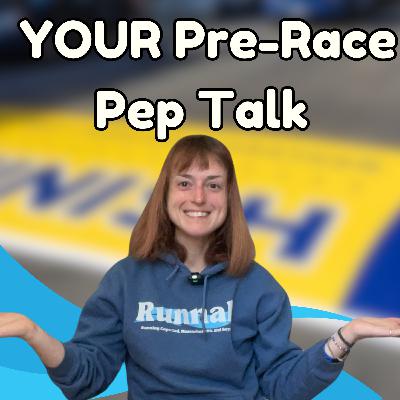
Boston. London. Race day is coming.If you’re running the Boston Marathon, the London Marathon, or any spring marathon—this is your pep talk.In this episode of Runnah, I’m talking directly to you if you’re in that phase of training where things feel hard, your body feels weird, and your brain is starting to spiral a little (or a lot).This is your reminder:• You’ve done the work• You’re more ready than you think• Race day doesn’t have to be perfect to be meaningful• You belong on that start lineWhether you’re chasing a PR, running your first marathon, or just trying to make it to the finish line—this is the reset you need heading into race week.Save this. Come back to it. Listen the night before your race.You’ve got this.🎙 About RunnahRunnah is all about the real side of running—the highs, the lows, and everything in between.📬 Contact RunnahEmail: runnahpod@gmail.comInstagram: @runnahpod
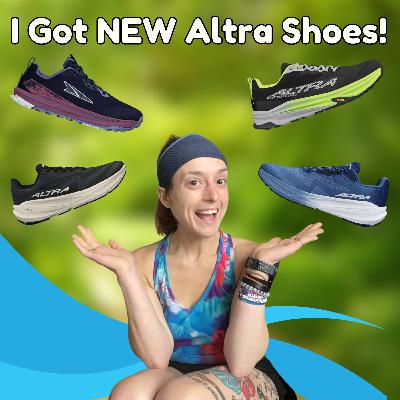
Unboxing day on Runnah… and this one is a GOOD one 👀👟I’m unboxing 3 new running shoes from Altra Running that were gifted to me—and I’m sharing my first impressions as a runner with a disability who’s super picky about what actually works.In this video, I’m opening and talking through:• Altra Lone Peak 9+• Altra Mont Blanc Speed• Altra Experience Flow 3We’ll get into fit, feel, first thoughts, and what I’m most excited (and curious 👀) about before I start putting real miles into them.If you’re into trail running shoes, wide toe box shoes, Altra reviews, or just love a good running shoe unboxing, this one’s for you.And honestly… after thrifting most of my running shoes for years, getting to open brand new pairs like this feels pretty special 💛🎙 About RunnahRunnah is all about the running community—the highs, the lows, and everything in between. Real talk, real runners, real experiences.📬 Contact RunnahEmail: runnahpod@gmail.comInstagram: @runnahpod
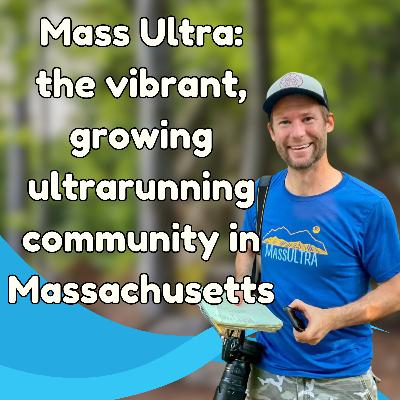
This is what building a running community actually looks like.In this episode of Runnah, I sit down with Chris Wristen from MassUltra to talk about how the trail and ultrarunning community is growing here in Massachusetts—and what it really takes to create spaces where runners feel like they belong.We get into:• How MassUltra is building a strong, welcoming trail running community• What goes into creating races that feel inclusive and connected• Why community matters just as much as the miles• How runners of all levels can find their place in the trail world• The energy and uniqueness of the New England trail sceneThis one is less about splits and more about people, connection, and showing up for each other—which is really what running is all about.🔗 Learn more about MassUltra:https://massultra.com/🎙 About RunnahRunnah is all about the running community—the real stories, the people behind the races, and the connections that keep us coming back.📬 Contact RunnahEmail: runnahpod@gmail.comInstagram: @runnahpod
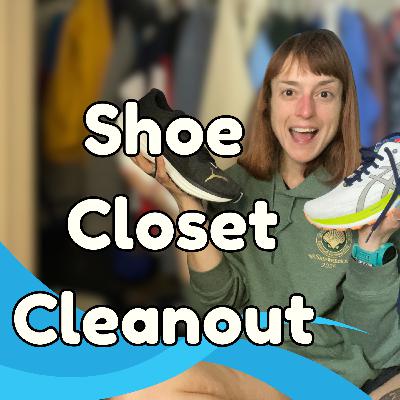
Closet cleanout… but make it runner edition 👟In this episode of Runnah, I’m going through my running shoe closet and selling a mix of new and gently used running shoes for cheap. Some of these just didn’t work for my body, some I’ve outgrown, and some deserve way more miles than I can give them right now.If you’re looking for affordable running shoes, trying new brands, or just love a good deal, this one’s for you.I also talk through:• Why certain shoes didn’t work for me• What I look for in a running shoe (especially as a runner with a disability)• How I rotate shoes (and why I’m simplifying things right now)This is part gear talk, part real life, and part “please take these shoes off my hands so they can go get some miles in” 😅🛍 Shop my closet here:https://poshmark.com/closet/jcoughlin1955🎙 About RunnahRunnah is all about the running community—the highs, the lows, and everything in between. Real talk, real runners, real experiences.📬 Contact RunnahEmail: runnahpod@gmail.comInstagram: @runnahpod
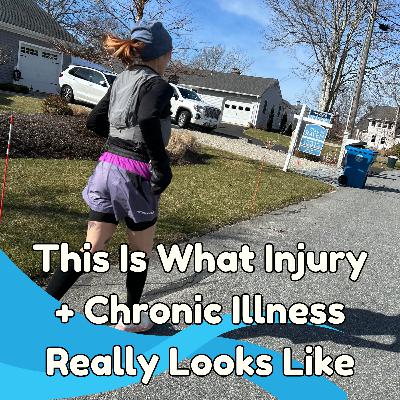
Ben is back on Runnah… but this time he’s turning the mic on me.In this episode, Ben takes over and interviews me about my experience navigating injury and chronic illness as a runner—and how much those two things are actually connected.We get into:• What this injury has really looked like behind the scenes• How my chronic illness plays into it• The mental side of not being able to run the way I want to• What coming back has (and hasn’t) looked like• How I’m redefining what being a runner means right nowThis one is honest. It’s messy. It’s where I’m at.If you’ve ever dealt with injury, chronic illness, or just not feeling like your body is cooperating, I think you’ll relate to this.🔗 Check out Ben / Diamond Ledge Workshop:https://www.instagram.com/diamondledgeworkshop/🎙 About RunnahRunnah is all about the running community—the real stories, the highs, the lows, and everything in between.📬 Contact RunnahEmail: runnahpodc@gmail.comInstagram: @runnahpod
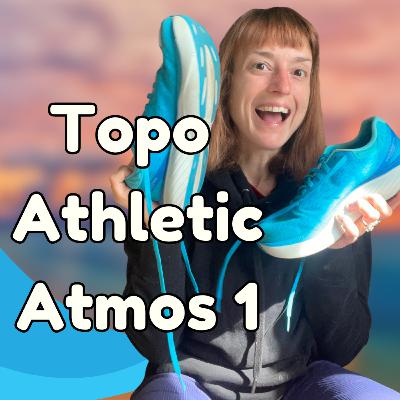
In this episode of Runnah, I’m breaking down my honest experience running in the Topo Atmos 1, a max-cushion daily trainer with a wide toe box and a more natural feel underfoot. Built with Topo’s ZipFoam midsole and neutral stability, this shoe is designed for comfort on long runs—but does it actually deliver?I get into:• Fit and feel (especially for wide-foot runners)• Cushion vs. ground feel• How it performs on easy runs and longer miles• Who this shoe is and isn’t forIf you’re curious about Topo running shoes, max cushion trainers, or alternatives to HOKA, this one’s worth a watch.🔗 Check out the Topo Atmos 1:https://www.marathonsports.com/products/topo-mens-atmos?sku=7483182612541&size=11.5&srsltid=AfmBOoqNdLQJubyLgUxIRDkjvJZGkWh86SBsVQr0K3OzpWn62DrY_4otFZM&width=Medium+%28D%29🎙 Contact RunnahEmail: runnahpod@gmail.comInstagram: @runnahpod
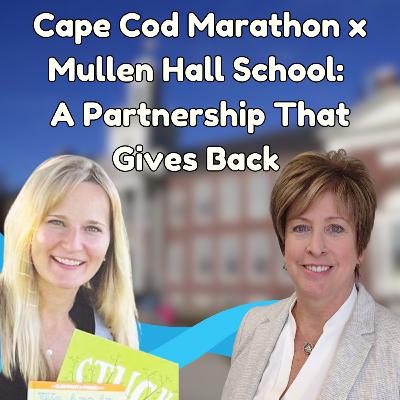
In this episode of Runnah, I’m joined by Falmouth Superintendent Lori Duerr and Mullen Hall School Principal Shannon Carlson to talk about the collaboration between the Cape Cod Marathon and Mullen Hall School—home to our start line, finish line, and race expo.But this isn’t just about logistics. It’s about what happens when a race and a school come together to support something bigger than themselves.We get into:• How Mullen Hall became the home base for the Cape Cod Marathon• What this partnership means for students, families, and the Falmouth community• The impact of bringing runners and community together in one shared space• How events like this can support local schools in meaningful waysThis is one of those conversations that reminds you—running is about more than miles. It’s about community.🔗 Learn more:Falmouth VIPS (Volunteers in Public Schools):https://falmouthvips.org/Falmouth Public Schools:https://www.falmouth.k12.ma.us/Cape Cod Marathon:https://capecodmarathon.com/🎙 About RunnahRunnah is a podcast about the running community—race culture, real stories, and the people who make it all happen. Hosted by runner, announcer, and dietitian Julianna Coughlin, the show highlights the voices behind the miles.📬 Contact RunnahEmail: runnahpod@gmail.comInstagram: @runnahpod
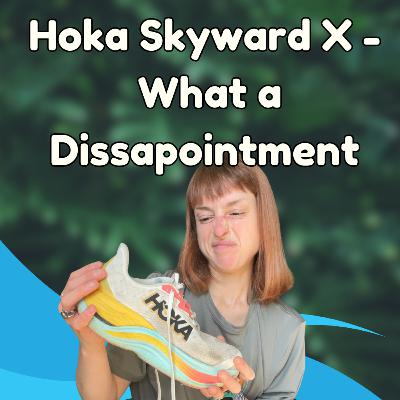
I really wanted to love this shoe… but this one is a no for me.In this episode of Runnah, I’m sharing my honest experience testing out the HOKA Skyward X—and why it just did not work for my body.After getting back into running, I took these out with high hopes. But pretty quickly, something felt off—and not in a small way. I started dealing with SI joint pain, and the more I paid attention, the more I realized this shoe just wasn’t giving me what I personally need as a runner.Here’s what I break down in this episode:• Why the HOKA Skyward X felt unstable for me• My experience with very low / “negative” ground feel• How max cushion can sometimes work against you• The connection between shoe mechanics and SI joint irritation• Why this shoe might work for others—but not for my strideThis isn’t about saying it’s a “bad” shoe—it’s about being real: not every shoe is for every runner. And this one? Not for me.If you’ve ever tried a highly cushioned shoe and felt disconnected from the ground—or had weird aches pop up—this episode will probably hit home.🔗 Check out the HOKA Skyward X:https://www.hoka.com/en/us/mens-everyday-running-shoes/skyward-x/1147911.html🛍 Shop my Poshmark (where this pair might end up 👀):https://poshmark.com/closet/jcoughlin1955📬 Contact RunnahEmail: runnahpod@gmail.comInstagram: @runnahpod
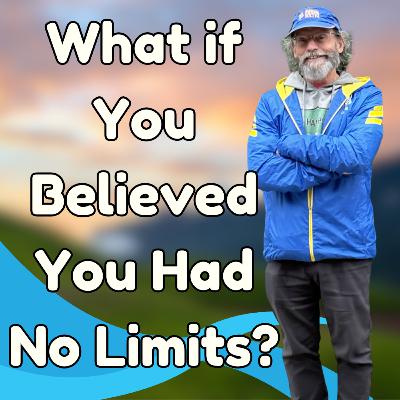
What does it take to run 50 marathons in all 50 states… and keep going?In this episode of Runnah, I sit down with ultramarathoner Brian Patrick Mulligan, a runner who has completed the legendary 50-state marathon challenge and run over 140 marathons during a decades-long endurance journey. Brian is also a member of Front Runners Rhode Island, and in this conversation we dive into:• What inspired him to start chasing marathons across all 50 states• The mental toughness required to stay committed for decades• Lessons from ultramarathons and long-distance racing• The community and camaraderie that keeps runners coming back• Why the journey matters more than the finish timeBrian’s story is also captured in a powerful mini-documentary about his journey to finish the 50-state challenge after nearly 30 years of endurance running and more than 140 marathons. If you’re training for your first marathon, chasing a big running goal, or just love hearing stories from runners who keep showing up year after year—this episode is for you.🎬 Watch Brian’s Documentary: https://www.youtube.com/watch?v=t7v6gag0348🎙 About RunnahRunnah is a podcast celebrating the running community and the people who make it special—from elite athletes to everyday runners chasing big goals. Hosted by Cape Cod runner, announcer, and podcast host Julianna Coughlin, the show explores race culture, marathon stories, and the magic of the running community.📬 Contact RunnahEmail: runnahpodcast@gmail.comInstagram: @runnahpodcast
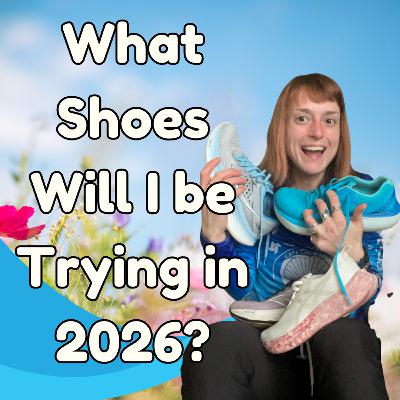
While I’ve been sidelined with an injury, I’ve still been dreaming about running… and of course, running shoes. 👟So I did what any runner would do—I went shoe hunting on Poshmark and managed to score five pairs of running shoes for $99 total. That’s $19.80 per pair, which honestly might be my greatest running deal ever.In this episode of Runnah, I’m sharing the shoes I’m most excited to try when I’m finally back out on the roads and trails in 2026. We’re talking about some fun, interesting, and very different models, including:• Saucony Ride 17• HOKA Skyward X• Topo Atmos 1• ASICS Noosa Tri 16• New Balance 860 v14From max cushion to stability to just plain funky design, I’m breaking down why each one caught my eye, what I’m curious about, and how they might fit into my running rotation once I’m healthy again.If you love running shoe talk, good deals, and a little runner optimism while stuck on the sidelines, this episode is for you.Because even when you can’t run… you can still plan the comeback.🎙 About RunnahRunnah is a podcast celebrating the running community, race culture, and the stories that make runners runners. Hosted by Cape Cod marathon runner and announcer Julianna Coughlin, the show features conversations with athletes, race directors, and everyday runners who keep showing up.📬 Contact RunnahEmail: runnahpodcast@gmail.comFollow & connect:Instagram: @runnahpodcast
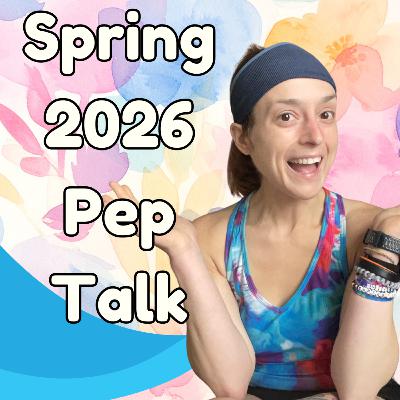
Spring race season is here, RUNNAHs.Whether you’re building mileage, coming back from an injury, chasing a PR, or just trying to stay consistent—this episode is your reminder that the work matters.In this solo episode, I’m sharing a Spring 2026 pep talk for runners. We talk about staying patient with your training, trusting the process, and remembering why you started running in the first place. Because this season isn’t about perfection. It’s about showing up, putting in the miles, and believing in what’s possible.If you’re deep in marathon training, half marathon prep, or gearing up for your next race, this one is for you.Take a breath, lace up, and let’s get after it.Because you are a RUNNAH.Follow & Connect with RUNNAHInstagram: https://www.instagram.com/runnahpodcastYouTube: https://www.youtube.com/@runnahpodcastEmail: runnahpodcast@gmail.com
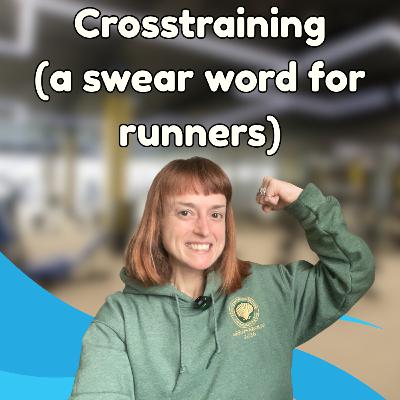
So… you can’t run. But you also can’t just sit there.In this episode of Runnah, I’m talking about cross training while healing from my foot fracture — what’s actually helping, what sounded like a good idea but absolutely was not, and how I’m trying to stay fit without completely losing my mind.Because here’s the thing: cross training during injury recovery is not glamorous. It’s humbling. It’s trial and error. It’s texting your PT “is this normal?” more than you’d like to admit.I share:The cardio that feels safe (for me) right nowThe stuff that flared things upWhat I thought would work but didn’tHow I’m protecting my aerobic fitnessThe mental side of not running the way I want toAnd why “just swim” is not always the simple solution people think it isIf you’re coming back from a foot fracture, stress fracture, or any running injury and trying to figure out how to cross train without messing up your progress — this is the real-time version. Not the textbook version.I’m still in it. Still learning. Still adjusting.And if you’re in that weird in-between space of healing but not healed, trying to stay strong while being careful — you are absolutely not alone.We’ll get through it. Probably with more elliptical than we’d prefer.📧 RunnahPod@gmail.com

What if the limits we believe about age… just aren’t real?In this episode of Runnah, I sit down with Mary — an over-60-year-old ultramarathon runner who continues to show up, lace up, and do big, bold things long after most people think they’re supposed to slow down.Mary isn’t chasing podiums. She’s chasing possibility.We talk about:How she got into ultrarunning later in lifeWhat training looks like at over 60How she handles recovery and setbacksThe mindset that keeps her moving forwardWhat she wants younger runners to understand about longevityThis conversation isn’t about pretending age doesn’t exist. It’s about redefining what it means. Strength doesn’t expire. Grit doesn’t age out. And big goals aren’t reserved for the young.Whether you’re 29, 49, or 79 — this episode will challenge the story you’re telling yourself about what’s possible.If you’ve ever thought, “Maybe it’s too late,” Mary is living proof that it isn’t.📧 Contact Runnah: RunnahPod@gmail.com📍 Recorded at the Falmouth Running Club officeSubscribe for more conversations about running, resilience, and the people who make this sport extraordinary.
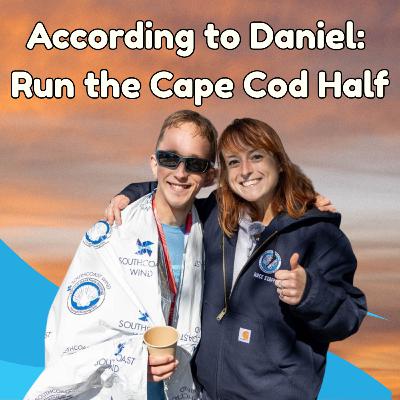
In this episode of Runnah, Daniel makes his case for why the Cape Cod Half Marathon deserves a spot on your race calendar.We talk course vibes, community energy, what makes this race stand out from other half marathons in Massachusetts, and who it’s actually a great fit for — whether you’re chasing a PR, running your first 13.1, or just looking for a race that feels special.Daniel breaks down:What makes the Cape Cod Half uniqueCourse experience and atmosphereWho should (and shouldn’t) run itWhy this race keeps runners coming backWhat makes the Cape Cod Marathon Weekend such a big deal locallyIf you’ve been thinking about signing up but haven’t pulled the trigger, this conversation might be the nudge you need.You can register for the Cape Cod Marathon Weekend (Marathon & Half Marathon) here:👉 https://capecodmarathon.comSpots fill — so don’t wait too long.Have questions about the race? Want to share your training journey?📧 Contact Runnah: RunnahPod@gmail.comThanks for being part of this community — whether you’re racing, volunteering, or cheering from the sidelines. That’s what makes Cape Cod running special.🏃♂️ Ready to Register?
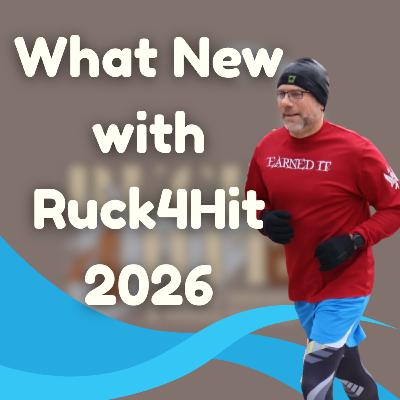
In this episode of Runnah, I’m joined by Matt Carroll to talk all things 2026 Ruck4HIT — what’s new, what’s growing, and why this event continues to matter so much to our community.Ruck4HIT supports Heroes In Transition, an organization dedicated to serving veterans, service members, and military families. This event isn’t just about logging miles — it’s about showing up, carrying weight with purpose, and standing beside those who’ve carried far more.Matt shares:What’s new for the 2026 Ruck4HITEvent details and what participants can expectHow the ruck has evolved over the yearsWhy community involvement is criticalHow you can register, fundraise, or support the missionWhether you’re planning to ruck, run, volunteer, or donate, this conversation gives you everything you need to know about the 2026 event — and why being part of it makes a real difference.If you care about movement with meaning, local impact, and building strong community connections, this one’s for you.🔗 Learn more about Ruck4HIT: https://heroesintransition.org/ruck4hit/📝 Register or donate: https://runsignup.com/samlow2026📧 Contact Runnah: RunnahPod@gmail.com📺 Subscribe for more conversations at the intersection of running, recovery, and community.
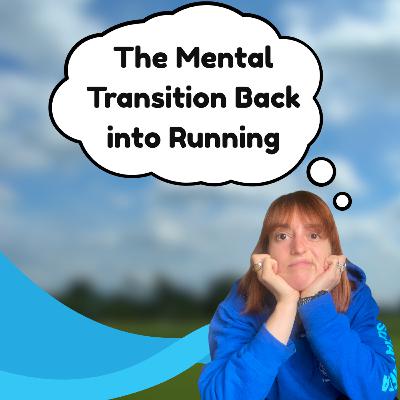
If you’re recovering from a foot fracture, stress fracture, or running injury and wondering why the last part of healing feels the hardest — this episode is for you.In this episode of Runnah, I’m talking about the messy middle and that final 20% of recovery that nobody prepares you for. You’re cleared to run… but it still hurts. You’re “better”… but not back. You’re grateful… and also completely frustrated.Healing from a foot fracture isn’t just physical — it’s mental. And that last stretch? It can feel slow, annoying, discouraging, and honestly kind of debilitating in a way that’s hard to explain to people who haven’t been there.I share:What the final stage of foot fracture recovery actually feels likeWhy the last 20% of healing takes so longThe mental side of returning to running after injuryHow I’m pacing my comeback milesWhy this phase can feel lonelier than the beginningIf you’re coming back from a stress fracture, bone injury, or long running layoff, and you’re stuck in that gray zone between injured and healed — you are not behind, you are not weak, and you are definitely not alone.Recovery is not linear. Returning to running after a foot fracture takes patience, humility, and more emotional energy than most people realize.This episode is real, honest, and for anyone in the middle of it.Subscribe to Runnah for conversations about running injuries, comeback miles, stability shoes, recovery, and the identity shifts that come with healing.RunnahPod@gmail.comInstagram: @RunnahPod
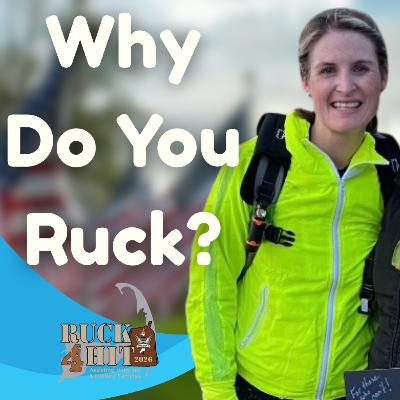
I’m joined by Sam from Ruck for HIT, a powerful event supporting veterans and military families through Heroes In Transition. This isn’t just a race — it’s a community-driven ruck and run that honors service, resilience, and the strength it takes to transition home.We talk about:What Ruck for HIT is and why it mattersThe mission behind Heroes In TransitionWhy rucking is such a powerful way to show up and show supportHow everyday runners can be part of something that truly impacts livesIf you’ve ever wanted your miles to mean more — this is one way to do it.Ruck for HIT supports Heroes In Transition, a nonprofit serving veterans, service members, and military families across Cape Cod and Massachusetts. The event brings people together to ruck, run, and raise funds for programs that provide clinical care, wellness support, housing assistance, and more.You can learn more about the event here:👉 https://heroesintransition.org/ruck4hit/Ready to show up? Register here:👉 https://runsignup.com/samlow2026If you can’t attend but want to contribute, you can donate directly to Sam’s fundraising page here:👉 https://runsignup.com/samlow2026Whether you carry weight on your back or just carry the mission forward, this is about community. It’s about honoring those who’ve served. And it’s about using movement as a way to stand beside someone.Thank you for being the kind of community that cares about more than pace and PRs.📧 Contact Runnah: RunnahPod@gmail.comIG: @RunnahPod
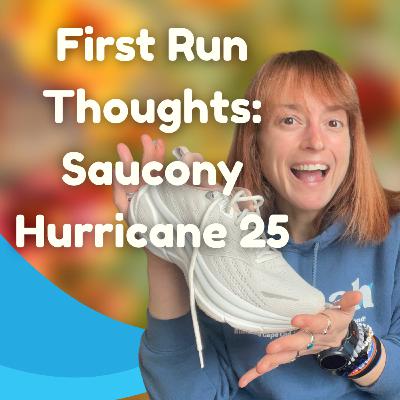
I’m back.And it feels so good.This episode is celebratory because these are my first miles back running after being sidelined for weeks with injury, and I finally got to test the Saucony Hurricane 25.I talk about:How the Hurricane 25 felt on my first tentative miles backStability, cushioning, fit, and everything in real-world miles (not just specs)The weird mix of excitement, nerves, and gratitude that comes with returning to runningHow it feels to finally move again after so much waitingThe miles were cautious, my pace was slow, but my heart was so full. If you’ve ever been injured, frustrated, or just craving that “back on the road” feeling, this one’s for you.🔗 Check out the Hurricane 25: https://www.saucony.com/en/hurricane-25/195021612025.html📧 Contact Runnah: RunnahPod@gmail.com

This week we have a bonus episode of Runnah here for one simple reason: to have fun.I recently hopped on the TV Trivia Podcast as a guest and answered trivia questions all about A Bug’s Life — yes, the Pixar classic, yes, tiny ants, big feelings, and absolutely zero running talk. It was silly, nostalgic, low-stakes joy, and honestly a really welcome break during a heavier season.This episode isn’t about training, injury, or perseverance. It’s about letting your brain rest, laughing a little, and remembering that it’s okay to enjoy something light even when things feel hard.If you’ve been craving something easy, playful, and pleasantly distracting, this bonus episode is for you.🎧 Listen to the TV Trivia Podcast here:https://open.spotify.com/show/4HQq1DMPEsSQJYvqLrnEtuThanks for being here, thanks for riding the highs and lows with me, and thanks for letting Runnah hold space for both the serious stuff and the joyful nonsense.
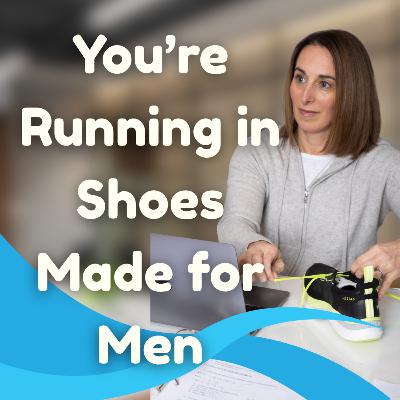
In this episode of Runnah, I’m really excited to sit down with Lindsay Housman, the founder and CEO of Hettas — a Canadian performance footwear brand based in Vancouver that’s on a mission to redefine how athletic shoes are made for women.Lindsay started Hettas in 2023 from her own experience with foot pain and frustration. She kept running into the same problem many of us know too well: footwear that should work but doesn’t — not because of lack of effort or willpower, but because it was never designed with women’s anatomy and real movement in mind. What followed was deep research, intentional design, and a brand built around evidence, experience, and honest insight.We talk about:Why women’s foot anatomy deserves its own performance researchHow Hettas shoes are engineered differentlyLindsay’s personal running and pain-to-purpose journeyWhat it means to create gear that respects variation, comfort, and performanceHow community feedback and science are shaping the future of footwearThis conversation isn’t just about shoes — it’s about seeing a gap and deciding that enough is enough. If you’ve ever felt like your gear wasn’t made for you, or you’ve dealt with foot pain that doesn’t seem to match your effort, this episode will feel like a deep exhale.Learn more about Hettas:https://hettas.com/As always, Runnah is about real runners, real bodies, and the people and tools that help us stay in the sport we love — on our own terms.📧 Contact the show: RunnahPod@gmail.com

Comments

Download from Google Play

Download from App Store
 United States