


 Claim Ownership
The 10 Most Important Things to Know About Event Photography
Subscribed: 0Played: 1
Subscribe

© Julie Diebolt Price
Description
This podcast is for Public Relations professionals who must photograph their events because the budget doesn’t allow for hiring a professional photographer or they think they don’t need one. It's also for Novice photographers who want to expand their offerings with event photography and will find this introduction practical and informative.
juliedieboltprice.substack.com
juliedieboltprice.substack.com
7 Episodes
Reverse
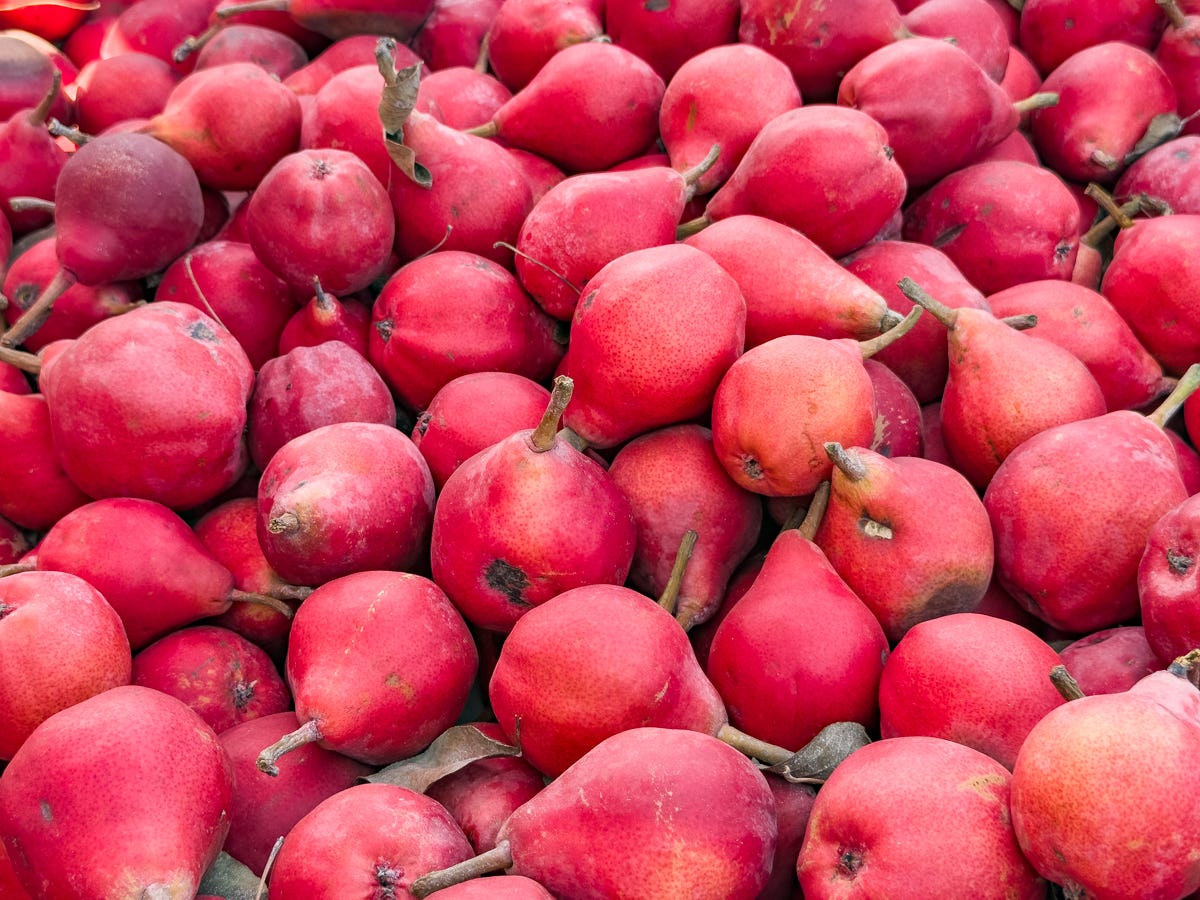
When one subject repeats from edge to edge, the photo stops “documenting” and starts designing—with color and rhythm doing most of the work.You’ve seen this kind of image before: one simple thing, repeated until it becomes a pattern. In this case, red pears piled in a harvest bin. No horizon. No “main” pear. Just abundance, texture, and color, wall-to-wall.That’s not an accident. That’s a compositional choice.Why One Repeated Subject WorksRepetition creates rhythmRepetition gives your viewer a beat to follow—pear, pear, pear—like a visual drumline. The eye moves smoothly because it knows what to expect, even while it discovers small differences.Edge-to-edge makes it feel endlessWhen the subject touches every edge of the frame, the pile feels bigger than the photo. Your brain assumes it continues outside the borders. That’s how you turn a simple bin into a statement about plenty.Small variations keep it aliveEven in a “repetition” photo, nothing matches perfectly:* a stem pointing a new direction* a pear with deeper burgundy skin* a bruise, a scuff, a dusty bloom* a stray leaf tucked between fruitThose tiny imperfections add realism and keep the image from looking flat or fake.Why Red Pears PopRed pulls attention fast. It signals:* energy* ripeness* sweetness* appetite* warmthBut this isn’t one solid red. It’s a whole range, including pink, crimson, raspberry, and even a few pears leaning toward purple. That range gives depth. It also makes the photo feel tactile, as if you could almost feel the pear's skin.Teaching note: Monochromatic color (one color family) can look “simple,” but it often reads as bold because it feels intentional.Thanks for reading The Ageless Adventurer! This post is public, so feel free to share it.The Harvest Story Behind the ImageImages like this don’t happen in isolation. They come from a season and a process.What harvesting looks like (in real life)During harvest, pears move quickly:* picked by hand and placed into bags or bins* sorted by size and quality* packed for shipping or brought to farm stands* stacked in bins like this, ready for the next stepThat bin moment matters because it tells a story: fresh, just picked, not styled. Viewers trust it.When to shoot: harvest seasonIf you want photos like this, plan for harvest time in your region, usually late summer through fall, depending on the variety and climate.Best places to find scenes like this:* orchards during U-pick days* packing sheds (ask permission)* farmers’ markets early in the morning* roadside fruit stands that stack produce in binsHow to Capture This Look Without Overthinking It1) Fill the frame on purposeMove closer until you remove the “extra.” No sky. No ground. No table edge. Let pears dominate the entire picture.Quick check: scan your edges. If you see empty gaps or odd distractions, shift your position.2) Choose light that shows textureGreat light for produce:* open shade (soft, even, rich color)* early morning or late afternoon (warm, dimensional)* cloudy bright (low contrast, very forgiving)Avoid harsh midday sun if you can—it creates shiny hot spots and heavy shadows between fruit.3) Use settings that hold detailA solid starting point:* Aperture: f/4 to f/8 (texture + enough depth)* Shutter: 1/125 or faster if handholding* ISO: as low as your light allowsIf you want every pear sharp, stop down more (f/8–f/11) and keep the camera steady.4) Focus like a designerPick one “plane” of pears and lock focus there. It’s usually the pears closest to the center. If everything goes equally sharp, the image can feel busy. A little softness toward the edges can feel natural and pleasing.5) Edit to honor the colorIn post, aim for:* slightly lifted shadows (so dark gaps don’t swallow detail)* controlled highlights (so shine doesn’t look plastic)* natural saturation (rich, not neon)Why People Love These ImagesThese photos hit a few human buttons:* Abundance: a full bin feels satisfying* Order inside chaos: repetition calms the brain* Nostalgia: harvest scenes remind people of seasons, family, and tradition* Texture: viewers can “feel” the surface with their eyes* Design: they work as backgrounds, prints, packaging, and social postsIn short, they’re simple, but they don’t feel empty.Try This: A 10-Minute Repetition ChallengeNext time you see a repeated subject—fruit, flowers, books, chairs—do this:* shoot one frame that includes context (the stand, the orchard, the market)* then step in and shoot edge-to-edge repetition* take one version straight-on, one at a slight angle, and one from aboveCompare them later. One will feel more “graphic.” One will feel more “real.” You’ll learn your preference fast.Final ThoughtA bin of red pears might not look like “art” at first glance. But when you commit to color and repetition, and let the subject run from edge to edge, you create a photo that feels both honest and designed.If you have specific how-to photography questions, here’s the link to book a quick Zoom call with me:Takeaways* Fill the frame for instant impact. When one subject repeats edge-to-edge, the image feels bigger than the photo and reads as a bold design choice.* Let repetition create rhythm. Similar shapes guide the viewer’s eye, while small differences (stems, scuffs, tones) keep the pattern alive.* Use harvest season for built-in storytelling. Bins, sorting, and abundance add context—your photo carries a “fresh-picked” narrative without extra props.* Soft, even light makes color look rich. Open shade or overcast light holds detail and texture, keeping reds vibrant without harsh glare.* People love these images because they feel satisfying. They signal abundance, order, and texture—perfect for prints, backgrounds, and scroll-stopping visuals.The Ageless Adventurer is a reader-supported publication. To receive new posts and support my work, consider becoming a free or paid subscriber.You don’t have to figure out your camera alone.I’ve helped hundreds of students move from frustration to confidence behind the lens—mastering their cameras, improving composition, and building simple workflows that make photography fun again.👉 Let’s get startedRead the last Photo Friday. It’s about Negative Space and Balance—take a look and compare your take with mine. This is a public episode. If you'd like to discuss this with other subscribers or get access to bonus episodes, visit juliedieboltprice.substack.com/subscribe
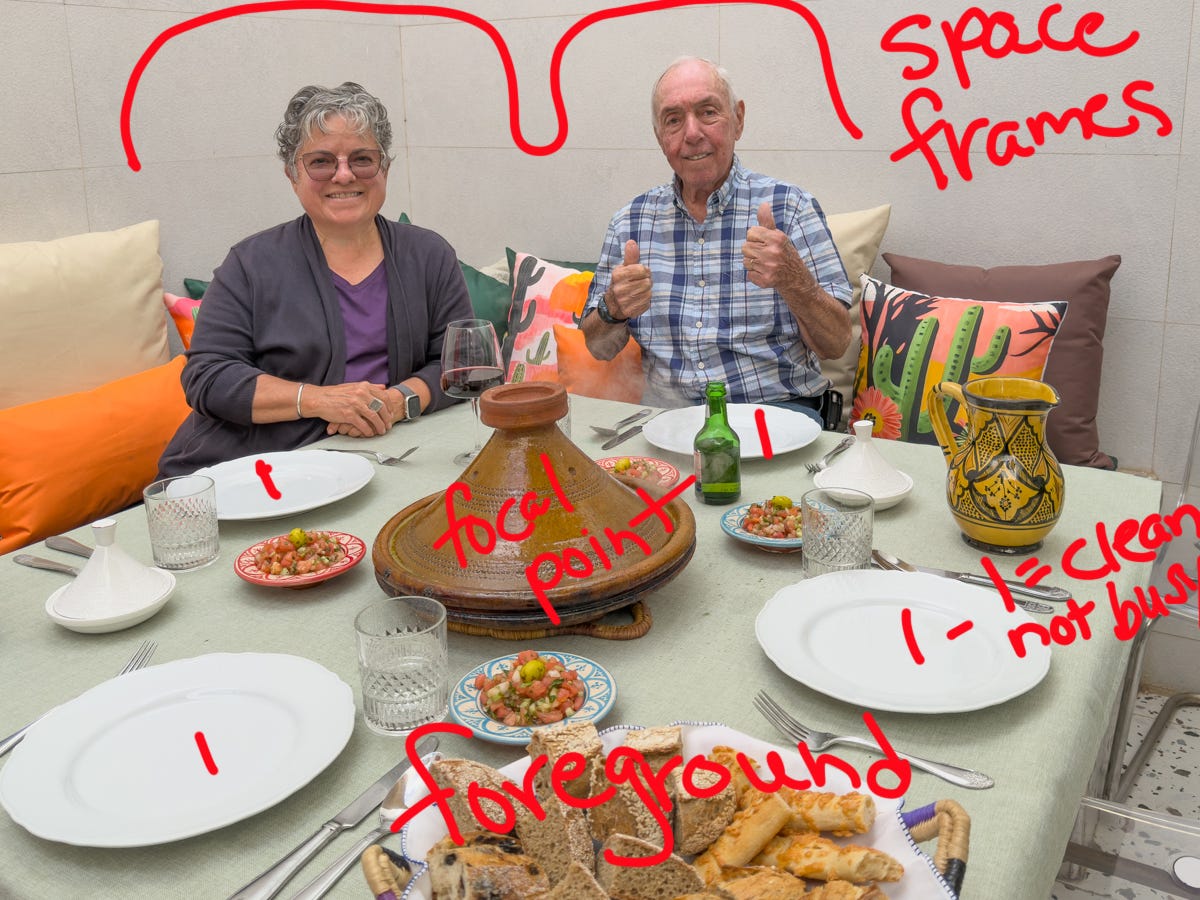
I’ve watched photographers chase “the subject” for decades. They lock focus, nail exposure, and still end up with a photo that feels… off. Not wrong. Just restless.Most of the time, the fix doesn’t live in the subject. The fix lives around the subject.That space—sky, wall, water, shadow, blur, plain distance—doesn’t sit there doing nothing. It does heavy lifting. It shapes the mood. It controls the pace. It tells the viewer where to look and how long to stay.What negative space actually doesNegative space gives your subject room to breathe. It also gives the viewer a place to rest.When you use it well, you get:* Clarity: the subject pops without shouting* Emotion: calm, loneliness, freedom, suspense, elegance* Focus: the viewer lands where you want them to land* Design: simple shapes and clean lines that feel intentionalI think of negative space like silence in music. Silence doesn’t waste time. Silence creates meaning.Notice how you feel when you look at the picture above. The negative space around the subject’s heads creates a sense of calm.The white plates create little ponds of negative space and are balanced throughout the scene.Balance: the invisible “level” inside your frameBalance controls how the photo feels in your body.A balanced photo feels steady. An unbalanced one can feel tense or energetic—sometimes on purpose, sometimes by accident.Here’s what I look for before I press the shutter:* Visual weight: dark tones, bright highlights, sharp detail, faces, text, bold colors* Placement: weight near an edge pulls harder than weight near the center* Direction: a subject looking left creates “pull” toward the leftThe focal point in the photo above, the tagine in the center of the table, anchors the scene, and all table accessories are balanced around it. Notice how the tagine is placed between the two people. You could draw a diagonal line to their chins.The bread plate in the foreground frames the bottom of the picture, adding interest.A simple balance check I useI pause and ask: If I covered my subject, would the frame still feel organized?If the answer comes back “no,” I adjust my angle, my distance, or my background.If you have specific how-to photography questions, here’s the link to book a quick Zoom call:The background behind people’s heads is the make-or-break zoneNothing ruins a portrait faster than background clutter growing out of someone’s head.Poles, tree branches, signs, lamp posts, picture frames, bright windows—those distractions don’t feel “in the background” to a viewer. They feel attached to the person. The viewer can’t unsee them.My rule: protect the head zoneI treat the space behind the head like sacred ground. I want it clear, clean, and simple.Here’s how I do it fast:* Shift left or right: one step often fixes a “branch head” problem* Change height: crouch or rise to slide the background away* Open up negative space: put sky, plain wall, shade, or soft blur behind the head* Watch bright spots: bright windows and sun patches pull attention away from faces* Use shallow depth of field: blur helps, but composition still winsIf I can’t clean the head zone, I don’t shoot yet. I move first.Takeaways* Stop blaming the subject. When a photo feels “off,” the fix usually is in the space around the subject—background, edges, and empty areas.* Negative space does real work. Sky, walls, water, shadow, blur, and open distance guide the viewer’s eye, shape the mood, and slow the scene down.* Negative space boosts impact fast. Use it well, and you get clarity, emotion, focus, and clean design. Your subject stands out without fighting for attention.* Balance controls how a photo feels. A balanced frame reads steady and calm; an unbalanced frame can feel tense or energetic, sometimes on purpose, sometimes by accident.* Use the “cover the subject” test. If the frame doesn’t feel organized without the subject, adjust your position, distance, or background until it does.The Ageless Adventurer is a reader-supported publication. To receive new posts and support my work, consider becoming a free or paid subscriber.You don’t have to figure out your camera alone.I’ve helped hundreds of students move from frustration to confidence behind the lens—mastering their cameras, improving composition, and building simple workflows that make photography fun again.👉 Let’s get startedRead the last Photo Friday. It’s about the 3D Rule of Thirds—take a look and compare your take with mine. This is a public episode. If you'd like to discuss this with other subscribers or get access to bonus episodes, visit juliedieboltprice.substack.com/subscribe
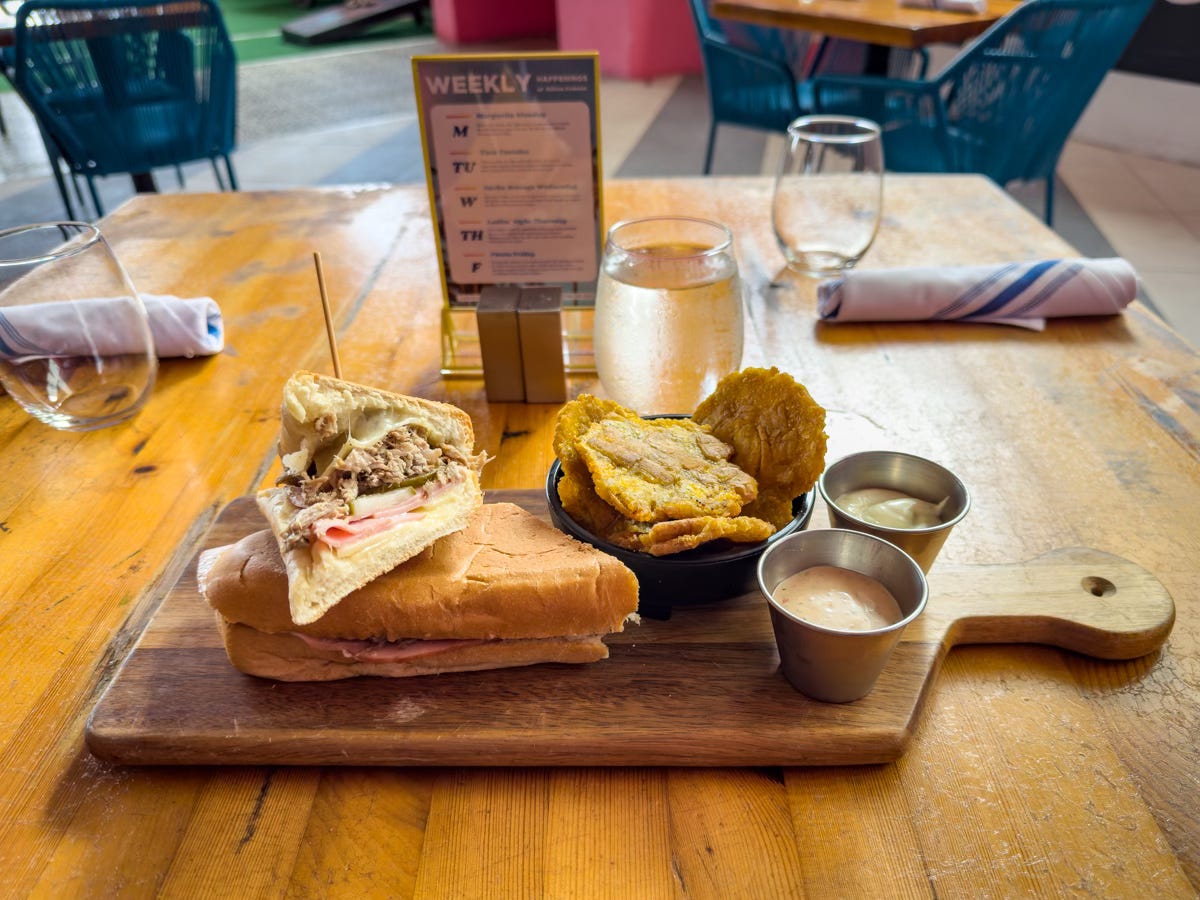
As a travel writer with a special section on my blog (PhotoTravelWrite.com) about Gourmet Travel, I’m exploring world cuisines.The closest I’ve gotten to the Caribbean islands is Key West, which doesn’t count.So, here’s what I’ve learned about Caribbean cuisine. Tell me your favorite Caribbean dish and what’s in it in the comments.About Caribbean CuisineCaribbean cuisine is a fusion of African, Indigenous, European, and Asian influences, reflecting the region's diverse history and geography.Known for its bold, spicy, and flavorful dishes, Caribbean food varies significantly across the islands but shares common ingredients and techniques that reflect the region’s tropical climate and cultural blend.Main IngredientsHere's an overview of the main ingredients, characteristics, and customs of Caribbean cuisine:1. Tropical Fruits* Mango* Papaya* Pineapple* Guava* Plantains* BananasThese fruits are central to Caribbean cuisine, used in savory and sweet dishes.2. Root Vegetables (Ground Provisions)* Yams* Cassava* Sweet Potatoes* Taro* BreadfruitThese starchy vegetables are staples, often boiled, mashed, or fried.3. SeafoodThe Caribbean’s location makes seafood a major part of the diet. * Fish* Snapper* Grouper* Mahi-MahiSalted fish, especially saltfish (cod), is a significant ingredient, often used in dishes like ackee and saltfish.* Lobster* Conch (I enjoyed the conch when I visited Islamorada last year) (It’s pronounced “konk”)* Shrimp* Crab4. Meat and Poultry* Chicken (especially jerk chicken)* Goat (Particularly popular in curries and stews.)* Pork* BeefOften marinated in flavorful spices and grilled or stewed. Oxtail is used in hearty stews, especially in Jamaican cuisine.5. Beans and Rice* Rice and peasA classic Caribbean dish made with rice, coconut milk, and beans (typically pigeon peas or red kidney beans).* Black beans* Pigeon peas* Chickpeas (chana)Often used in soups, stews, or rice dishes.6. Spices and Herbs* Scotch Bonnet PeppersOne of the hottest peppers, essential for jerk seasoning, and many spicy dishes.* Allspice (pimento), ginger, cloves, cinnamon, nutmeg, thyme, and bay leaves are frequently used to flavor dishes.* Green SeasoningA blend of herbs and spices like parsley, cilantro, green onions, thyme, garlic, and hot peppers, often used as a marinade or seasoning base.7. CoconutCoconut milk and shredded coconut are widely used in curries, stews, and desserts, adding a rich, creamy flavor.8. RumA key ingredient in cooking and drinks, rum is distilled across the Caribbean and used to flavor cakes, sauces, and marinades.Characteristics1. Fusion of CulturesCaribbean cuisine reflects a blend of African, Indigenous, European (mainly Spanish, French, British, and Dutch), and Asian (Indian, Chinese) influences, with each culture leaving its mark on the food.Roti and curry dishes reflect Indian influence, while pastelón (a plantain and meat casserole) and sofrito come from Spanish culinary traditions.2. Bold and Spicy FlavorsMany Caribbean dishes are known for their bold flavors, often featuring a combination of heat (from hot peppers like Scotch Bonnets), sweetness (from tropical fruits), and aromatic spices (like allspice and cinnamon).3. Jerk CookingOne of the most famous Caribbean cooking methods, especially from Jamaica, jerk involves marinating meat (often chicken or pork) in a spicy mixture of Scotch Bonnet peppers, allspice, thyme, and garlic, and then slow-cooking it over a fire or grill.While I like the flavor of Jamaican jerk, it is sometimes too spicy for me.4. Hearty and FillingMany Caribbean dishes are hearty and filling, using starchy ingredients like plantains, yams, and rice to create satisfying meals. Stews and soups are also very common.5. Street FoodThe Caribbean has a strong street food culture. Popular street foods include: * Doubles (a Trinidadian dish of curried chickpeas in fried dough)* Patties (Jamaican pastry filled with meat or vegetables)* Bake* Shark (fried shark served in bread)6. Use of Fresh, Local IngredientsBecause of the tropical climate, fresh, locally grown fruits, vegetables, and seafood are widely used, contributing to Caribbean dishes' vibrant and fresh taste.7. Stews and CurriesStews and curries are central to Caribbean cuisine, often made with various meats (goat, chicken, beef), vegetables, and beans. The use of coconut milk in these dishes adds a creamy richness.Popular DishesJerk ChickenChicken marinated in a spicy jerk sauce made from Scotch Bonnet peppers, allspice, and other spices, then grilled or smoked.Ackee and SaltfishJamaica’s national dish is made with salted cod and ackee, a tropical fruit that resembles scrambled eggs when cooked.Rice and PeasA Caribbean staple made with rice and kidney beans or pigeon peas, cooked in coconut milk and seasoned with thyme and scallions.CallalooA leafy green vegetable (like spinach) is used in soups or stews, particularly in Trinidad and Tobago and Jamaica.Curry GoatA dish of tender goat meat cooked in a flavorful curry sauce served with rice or roti.PastelónA Puerto Rican casserole made with layers of sweet plantains, ground meat, and cheese, similar to lasagna.PelauA Trinidadian one-pot dish with rice, chicken, pigeon peas, and vegetables, cooked with coconut milk and spices.CevicheIn the Spanish-speaking Caribbean, ceviche is a popular seafood dish with raw fish marinated in citrus juice, onions, cilantro, and peppers. This is one of my favorite dishes.DoublesA Trinidadian street food consisting of two pieces of fried flatbread filled with curried chickpeas.Customs1. Communal MealCaribbean culture strongly emphasizes family and community, and meals are often communal events, especially during celebrations and festivals. Large gatherings around food are common, with dishes served family-style.2. Carnival and Festival FoodsCaribbean cuisine is central in festivals, especially Carnival, where special foods are prepared, including street snacks like doubles, jerk chicken, and roti. Carnival is celebrated in various countries like Trinidad and Tobago, Jamaica, and Barbados, and food is a significant part of the festivities.3. Influence of Religion and HolidaysCertain foods are associated with religious and cultural events. For example, fish is typically consumed instead of meat in predominantly Christian islands during Easter. During Christmas, dishes like black cake (a fruit cake soaked in rum) are enjoyed.4. Sunday Lunch TraditionIn many Caribbean countries, Sunday lunch is a special meal shared with family, often featuring stewed meats, rice and peas, and a variety of sides. It’s a time for family gatherings and relaxation.5. Roti Shops and Street Food CultureRoti (a flatbread filled with curried meats or vegetables) and other street foods are popular in Caribbean countries like Trinidad and Guyana. These convenient foods reflect the region’s multicultural influences, mainly Indian cuisine.6. Rum and BeveragesRum is the drink of choice throughout the Caribbean, with each island producing distinct varieties. It’s used in cooking and enjoyed as a drink. In addition to rum, sorrel (a hibiscus-based drink), mauby, and ginger beer are popular beverages.Modern TrendsFarm-to-Table MovementLike much of the world, the Caribbean is seeing a growing movement toward sustainable, locally sourced food, emphasizing fresh, organic ingredients.Fusion CuisineAs Caribbean food gains international recognition, there’s a trend toward fusion dishes that blend traditional Caribbean ingredients and cooking techniques with global influences.Health-Conscious OptionsWith more attention to healthy eating, Caribbean cuisine is adapting to include lighter and vegetarian versions of classic dishes while maintaining bold flavors.TakeawayCaribbean cuisine celebrates vibrant cultures, rich history, and bountiful natural resources. From spicy jerk chicken in Jamaica to tasty doubles in Trinidad, Caribbean food is full of bold flavors and exciting dishes, making it one of the most delicious cuisines in the world.My taste buds are yearning for some Caribbean food. Think I’ll see if I can find some here in the Valley of the Sun.The Ageless Adventurer is a reader-supported publication. To receive new posts and support my work, consider becoming a free or paid subscriber. This is a public episode. If you'd like to discuss this with other subscribers or get access to bonus episodes, visit juliedieboltprice.substack.com/subscribe

As a travel writer with a special section on my blog about Gourmet Travel, I’m exploring world cuisines.I’ve been to France several times. Here’s what I learned from boots-on-the-ground and first-hand experience.French cuisine is world-renowned for its finesse, sophistication, and deep-rooted traditions. It encompasses various regional cuisines and styles, from rustic and hearty fare to elegant and complex dishes.France's culinary tradition is built on high-quality ingredients, classic cooking techniques, and a balance of flavors and textures.Here's an overview of French cuisine's main ingredients, characteristics, and customs:Exploring French Cuisine - Main Ingredients* Dairy- Butter and CreamEssential for sauces, pastries, and cooking. French butter is often richer and used generously in cooking.- CheeseFrance is famous for its vast variety of cheeses (over 400 types), including Brie, Camembert, Roquefort, and Comté.* Bread and Pastry- BaguetteThe quintessential French bread, crispy on the outside and soft on the inside.- Croissants and PastriesButtery and flaky, served for breakfast or dessert. Pastry-making is a highly regarded skill in France.* Meat and Poultry- Duck (Canard)Particularly in dishes like Duck à l'Orange and confit de canard.- PorkUsed in charcuterie, sausages, pâtés, and rillettes.- Beef and VealCentral to iconic dishes like steak frites, Boeuf Bourguignon, and veal blanquette.* Seafood- FishTrout, sole, and cod are often prepared simply with butter or cream-based sauces.- ShellfishOysters, mussels (moules marinières), and lobster are popular, especially along the coast.* Vegetables- PotatoesCommon in gratins, soups, and as a side dish.- MushroomsSuch as truffles, chanterelles, and button mushrooms are used in sauces and stews.- Leeks, carrots, and onionsFrequently used in soups, stocks, and stews.* Herbs and Spices- Thyme, rosemary, tarragon, and parsley is used in French cooking for flavoring.- Herbes de ProvenceA mix of dried herbs like thyme, rosemary, and lavender, commonly used in Southern France.* Wine and Spirits- WineWine is both a key ingredient in cooking (red and white wine for sauces, stews, and braising) and a typical accompaniment to meals.- Cognac, Armagnac, and CalvadosOften used in desserts, sauces, or flambé dishes.* Stocks and BrothsA foundational element in many French dishes, with sauces and soups often built from scratch using rich stocks made from bones, vegetables, and herbs.Exploring French Cuisine - Characteristics* Complexity and TechniqueFrench cuisine is often associated with elaborate cooking techniques such as braising, sautéing, roasting, and flambéing. Mastering sauces, pastries, and the perfect balance of ingredients is a hallmark of French cooking.2. Regional Diversity- Northern France (Normandy and Brittany)Known for dairy products (butter and cream), seafood, and apple-based dishes (cider, tarte Tatin).- Southern France (Provence, Languedoc)Lighter and Mediterranean, featuring olive oil, garlic, tomatoes, fresh herbs, and seafood.- Eastern France (Alsace, Lorraine)Influenced by German cuisine, featuring hearty dishes like Choucroute (sauerkraut) and quiche.- Central France (Burgundy and Lyonnais)Rich stews, red wine-based dishes, and sausages are common here.3. SaucesSauces are a central element of French cuisine. Five "mother sauces" in French cooking–Béchamel, Velouté, Espagnole, Sauce Tomat, and Hollandaise–start many secondary sauces.4. Presentation and ArtistryFrench food is often as much about aesthetics as taste. Artfully plated meals showcase the attention to detail.5. Emphasis on Fresh, Seasonal IngredientsFrench cooks often build their menus based on what’s fresh and in season. Local markets are popular throughout France for their seasonal produce.6. Pastries and DessertsFrench cuisine is famous for its desserts, from delicate pastries like éclairs and mille-feuille to rich custards like crème brûlée and tarts such as tarte aux fruits and tarte au citron.7. Wine PairingIn French culture, wine is an integral part of the dining experience. Specific wines complement particular dishes, and the balance of flavors is key to the wine pairing.Popular Dishes* Boeuf BourguignonA rich, slow-cooked beef stew with red wine, onions, and mushrooms, typical of Burgundy.* Coq au VinChicken braised with wine, mushrooms, and onions.* RatatouilleA Provençal vegetable stew made with eggplant, zucchini, peppers, and tomatoes.* Quiche LorraineA savory tart with a custard filling of eggs, cream, and bacon or ham.* CrêpesThin pancakes can be savory (with ham and cheese) or sweet (with chocolate, fruit, and sugar).* EscargotsSnails are usually cooked with garlic butter, and herbs.* Tarte TatinAn upside-down caramelized apple tart.Customs* Meals as Social EventsIn France, meals are a significant part of social life, typically lasting for hours, especially during dinner. Slowly savoring food during meals and conversation between courses means meals are not rushed.* Formal Dining StructureStructured French meals come in courses: entrée (appetizer), plat principal (main course), fromage (cheese course), and dessert. Meals may also include an apéritif (pre-dinner drink) and digestif (post-dinner drink).* Importance of BreadBread, especially baguettes, is a staple at every meal and often served with butter. It is common to place bread directly on the table rather than on a plate.* Cheese CourseCheese is traditionally served between the main course and dessert. It is often eaten on its own or with a bit of bread but rarely with crackers or accompaniments like fruit.* Wine and WaterWine is typically served with meals and water (often mineral water). Expect a glass of red or white wine with lunch or dinner.* Market CultureFresh food markets play an essential role in French life. Many people shop daily for fresh bread, produce, meat, and cheese, emphasizing the importance of quality ingredients.* Sunday LunchA tradition in many French families is to have an elaborate Sunday lunch, often featuring multiple courses and including the extended family. This meal can last for several hours.* Dining EtiquetteFrench culture regards dining manners highly. Keep hands above the table to be polite, and don't start eating until everyone has been served.Exploring French Cuisine - Modern TrendsBistronomyBistronomy is a fusion of bistro and gastronomy, focusing on high-quality food in more casual, affordable settings. Young chefs are reinterpreting traditional French dishes with a modern twist.Focus on Health and SustainabilityThere is a growing movement toward lighter, healthier options and an emphasis on locally sourced and sustainable ingredients.French cuisine combines elegance, tradition, and regional diversity, making it one of the most celebrated culinary traditions globally. Whether enjoying a simple baguette with cheese (or with chocolate, my favorite) or indulging in a multi-course feast, French food is about appreciating both quality ingredients and the pleasure of dining.See more features in our Gourmet Travel section.Thanks for reading Shorts From A Short Girl! This post is public, so feel free to share it.Shorts From A Short Girl is a reader-supported publication. To receive new posts and support my work, consider becoming a free or paid subscriber.Note: The podcast was AI-generated from this article source. This is a public episode. If you'd like to discuss this with other subscribers or get access to bonus episodes, visit juliedieboltprice.substack.com/subscribe

I knew it could be done; I just needed direction and determination.I believed I could manage my blood pressure through diet and exercise, just like I had successfully done three years ago. But this time, I fell short—I didn't follow a good diet, and I didn't exercise the way I should have. It's frustrating, and I feel like I let myself down. I'm sure many of you can relate to this feeling of disappointment when we don't meet our own expectations.What Started the JourneyWhen I went in for a routine colonoscopy, my blood pressure was wildly out of control. Stress because of the procedure, as well as the four-day preparation for it, was the cause.I got a verbal spanking from the anesthesiologist because my blood pressure was so high, and I wasn't taking any medications or other remedies for it. He stated he could bring my BP down for the procedure but strongly advised me to do something about it afterward.That's when I should have left the scene. I didn't, however, and went through with the procedure.Post-OpAfter the procedure, on the way home from the medical facility, I exhibited heart attack symptoms. Rushing to the Urgent Care Emergency Room, I spent several hours being tested and waiting for results.The results indicated a heart attack and an ambulance took me to the Cardiac Care Unit of a hospital over an hour away from home. That was the only bed available in the Valley of the Sun.After two nights of constant monitoring and more tests, the doctors determined that I was dehydrated from the colonoscopy preparation, which caused the heart lining to thicken. It was difficult for my heart to pump enough blood through my system and caused demand ischemia–not a heart attack.The whole time I was in the hospital, an IV drip was in my arm. They started me on blood pressure meds and aspirin to stabilize me. When I was finally discharged, the doctors made it clear that I needed to see the attending physician for a follow-up and stay under cardiac care. It was a sobering moment, a reminder that my health now demanded more attention.Further ComplicationsA week later, I experienced a severe bleeding issue and was rushed to the Urgent Care Emergency Room again. The doctor and staff weren't fully aware of the severity of my condition–they seemed to minimize my symptoms. After performing a CAT scan, they couldn't find anything conclusive other than some fluid in my bowels, which they assumed might be diarrhea.Just as they were preparing to discharge me, I suddenly couldn't breathe, and my blood pressure plummeted. I was losing blood rapidly, and the medical team quickly scrambled to insert IVs for a blood transfusion and other essential fluids.I ended up at another hospital, but all they did was take blood tests until I finally refused. After two nights of getting no real treatment, I insisted on being discharged. Thankfully, I didn't need urgent care because they just left me in a bed and closed the door.They discussed doing a colonoscopy the next morning (Day 2), so I followed the prep instructions, eating only broth and Jello. But the procedure never happened. Instead, the hospital doctor told me I could go home that afternoon. Later, the gastroenterologist Physician's Assistant brought in another doctor, who strongly suggested I stay another night, which I reluctantly agreed to.By the second morning (Day 3), after refusing two more blood draws—since my readings were stable, showing no signs of internal bleeding—I insisted on being discharged. Though they weren't pleased, they finally agreed, but it took until 12:30 pm to be released.Months of Reactions to Prescribed MedicationsFrom November through February, I had reactions from the blood pressure meds, like rashes and itching–to distraction. I underwent allergy testing (all the results were negative for allergies of any kind) and dermatologist appointments, trying to find the cause.I refused to take cholesterol medicine and a second blood pressure medicine because I didn't like the way it made me feel. With all the commercials about prescribed drugs and their side effects, I didn't want to subject myself to that. Plus, the medicine wasn't bringing my blood pressure down to normal.My Primary Care Physician ran out of care options and wrote a referral to a mental health professional for counseling. This referral, I also refused.Taking Matters into My Own HandsAt that point, I decided to take matters into my own hands. I got a referral from a friend for a naturopathic doctor, who ordered extensive blood testing outside the scope of regular lipid panels. (Naturopathic doctoring is not covered by insurance.) Startling discoveries in my blood were revealed, one of which was mercury poisoning. I'll cover this in a future post. This was the moment I decided to take control of my health journey.My naturopath and I agreed on a course of action, which was a six-month detoxification program with clean eating and supplements. It began on July 1–the month I turned 70 years old. Within three days, my blood pressure was coming down, and I was making plans to get off blood pressure meds.Here’s the liver cleanse that I started early in the detox program. It wasn’t as bad as I thought it would be.Bringing My Primary Care Physician Into My PlanI brought my Primary Care Physician into my plans because one can't NOT have a PCP in the health care system. He supported my decision, acknowledging that he hadn't found a solution. We agreed that I would begin gradually reducing the dosage of the blood pressure medication he had prescribed.VictoriesOn September 5, I stopped the one prescription blood pressure medicine because my BP was below average for several days in a row, and I was afraid it would go too low. I was relieved and experienced a sense of accomplishment.Soon, I will have another blood test and report to my PCP. The detoxification program continues for the next three months and includes regular progress reports and consultations with my naturopathic doctor.In the first two months of the detox and clean eating program, I dropped 18 pounds. It hasn't been easy. I'm changing a lifetime of eating habits and indulgences. But the results are encouraging, and I'm motivated to continue on this path.Throughout this journey, I've held onto one belief: I knew it could be done; I just needed direction and determination. I'm living proof that with the right mindset and the right support, we can take control of our health and make significant improvements.Biggest FearMy biggest fear is losing my determination for the lifestyle I'm committed to now. Our society eats highly processed foods and encourages overconsumption. Caution is the name of the game, and that is tiring.I constantly remind myself of my condition in this last year. I must remember my "why".The Health Journey ContinuesMy health journey continues because of the mercury poisoning discovered in my blood test and other health issues. But those stories are for another day.TakeawaysRealize that we are responsible for our own health.Realize that doctors practice medicine as they learned–prescribe drugs to fix a symptom.Realize that natural healing is a way of life and is beneficial to humans, animals, and the planet.Realize that food plays a crucial role in our health.Realize that we don't need to eat as much as we are led to believe.Realize that clean eating is a good way of life.Shorts From A Short Girl is a reader-supported publication. To receive new posts and support my work, consider becoming a free or paid subscriber.Thanks for reading Shorts From A Short Girl! This post is public, so feel free to share it. This is a public episode. If you'd like to discuss this with other subscribers or get access to bonus episodes, visit juliedieboltprice.substack.com/subscribe

Thanks for reading Shorts From A Short Girl! This post is public, so feel free to share it.Shorts From A Short Girl is a reader-supported publication. To receive new posts and support my work, consider becoming a free or paid subscriber.To explore how we might work together or learn more about online photography classes, use this link: This is a public episode. If you'd like to discuss this with other subscribers or get access to bonus episodes, visit juliedieboltprice.substack.com/subscribe

WelcomeI’m launching this space because I want to age gracefully and help others who are going through the same things. When you have company on life’s journey, shared experiences have more meaning. My goals have changed in the last few years, and I want to maintain my zest for life and everything it brings.Short PostsI guarantee that my posts will be 200 words or less. It will be a quick read, short and concise. Please reply if the post resonates with you or if you have your own experience to add.CommunityI invite you to join this community where we share life experiences with no judgment and a little humor mixed with encouragement.What you can expectFree subscriptions receive one post per month.Paid subscriptions receive: * Weekly posts* Monthly online community discussion* Q&A* Periodic bonus offerings Topics:* Acoustic Neuroma* Mercury Poisoning* Detoxing* Health & Wellness* Healing with Food* Prescription Meds* Exercise* Self-Care* Mindfulness & Meditation* Aging & Senior CitizensThanks for reading Shorts From A Short Girl! Subscribe for free to receive new posts and support my work.Thanks for reading Shorts From A Short Girl! This post is public, so feel free to share it. This is a public episode. If you'd like to discuss this with other subscribers or get access to bonus episodes, visit juliedieboltprice.substack.com/subscribe
Comments

Download from Google Play

Download from App Store
 United States