


 Claim Ownership
The Bloomberg Australia Podcast
Subscribed: 62Played: 1,494
Subscribe

© 2026 Bloomberg
Description
Each week, Rebecca Jones and Bloomberg's team of reporters lift the lid on the biggest stories shaping Australia's place in global business.
80 Episodes
Reverse

Australia’s world-first ban on social media for under-16s was designed to protect kids — but just months in, cracks are already showing. Regulators say major platforms may be falling short, while parents and teens report the rules are easy to get around, with workarounds ranging from shared accounts to AI-generated age checks. So is the policy actually changing behavior, or just reshuffling it? Bloomberg’s Ros Mathieson joins the podcast to unpack what’s working, what isn’t, and whether this bold experiment could become a global model — or a cautionary tale.See omnystudio.com/listener for privacy information.

Is Australia at risk of running out of fuel? Panic buying has surged, prices are spiking and some regional stations are already running dry as tensions in the Middle East rattle global supply chains. This week on the podcast, Ben Westcott joins Rebecca Jones to unpack the data behind the headlines — how much fuel Australia actually has, where the system is under strain and why the ripple effects could hit everything from supermarket shelves to farm output.See omnystudio.com/listener for privacy information.
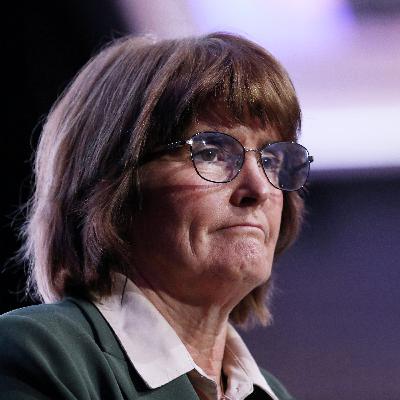
For a second straight meeting, the RBA has lifted interest rates, signaling the fight to curb price pressures isn’t over. But what’s actually driving those decisions behind closed doors? Bloomberg Economics’ James McIntyre joins the podcast to decode the RBA’s thinking: from the data that matters most to how global shocks, like rising energy prices, are shaping the outlook — and what it all means for where rates go next.See omnystudio.com/listener for privacy information.

Australia consumes more cocaine per capita than any other country in the world — nearly double the rate of the US. In this episode, Bloomberg’s Angus Whitley joins host Chris Bourke to unpack the data behind the surge, why a wealthy, remote nation has become such a lucrative market for global cartels, and how cocaine use has spread across professions and age groups. They examine the A$82 billion economic toll of illicit drugs, the role of organized crime, and how shipments — from commercial flights to offshore drops — are slipping into the country. Plus, are authorities making any headway, or is demand simply too strong to curb Australia’s growing appetite?See omnystudio.com/listener for privacy information.

Oil prices are surging as the escalating conflict involving Iran rattles global markets, sending investors scrambling to assess the fallout. While US stocks have been relatively steady, crude’s jump is sharpening concerns about inflation and what it means for interest rates worldwide. In this episode of the Bloomberg Australia Podcast, Rebecca Jones talks to markets reporter Richard Henderson about how the turmoil is flowing through to the ASX, petrol prices and Reserve Bank policy. From energy producers and airlines to haven trades and AI giants, we unpack the winners, losers and the key risks Australian investors should be watching.See omnystudio.com/listener for privacy information.
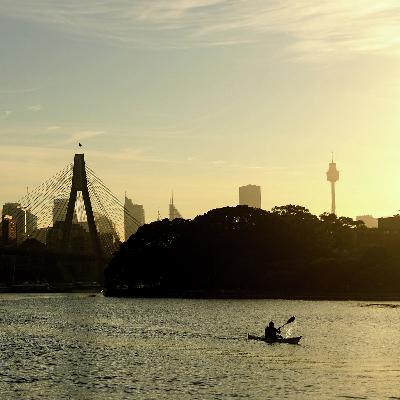
Retiring comfortably in Australia just got a lot more expensive. New figures show couples now need about A$730,000 in super to fund a comfortable retirement — roughly A$40,000 more than six months ago — as living costs continue to climb. On this episode of the Bloomberg Australia Podcast, host Rebecca Jones speaks with pensions reporter Amy Bainbridge about what the new targets mean for workers decades away from retirement, how super funds are adapting to an ageing membership base, and whether new retirement products — from annuities to AI-powered advice — could reshape how Australians spend their golden years.See omnystudio.com/listener for privacy information.
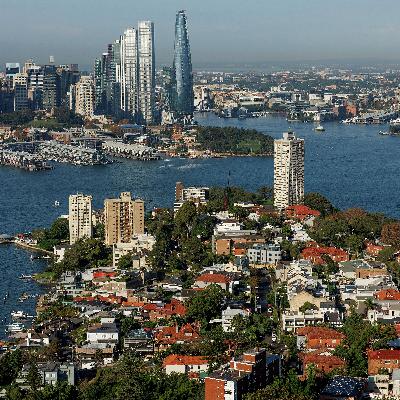
Sydney is one of the least dense major cities in the developed world — but that may be about to change. In the affluent suburb of Woollahra, residents are pushing back against a plan to revive a long-abandoned incomplete train station and build 10,000 new homes nearby. It’s a local fight with national implications, as governments grapple with soaring rents, a deepening affordability crisis and pressure to force wealthier neighborhoods to take on more housing. Bloomberg’s Swati Pandey and Aradhana Aravindan join the podcast to unpack what’s at stake — from property prices and lifestyle trade-offs to productivity, inflation and the Reserve Bank. Can Australia fix its housing crunch without reshaping its most exclusive suburbs?See omnystudio.com/listener for privacy information.

Global markets have been on a rollercoaster, with billions wiped from two of the hottest trades of the past year: Big Tech and Bitcoin. At first glance they might seem unrelated – but both are deeply tied to the same force driving markets right now: the AI boom. As software stocks wobble, crypto swings wildly and tech giants ramp up spending on data centers, investors are being forced to reassess what comes next. On this episode of the Bloomberg Australia Podcast, Rebecca Jones speaks with cross-asset reporter Richard Henderson about what’s behind the volatility, whether the AI trade is cracking or simply cooling off, and why some investors remain surprisingly bullish.See omnystudio.com/listener for privacy information.
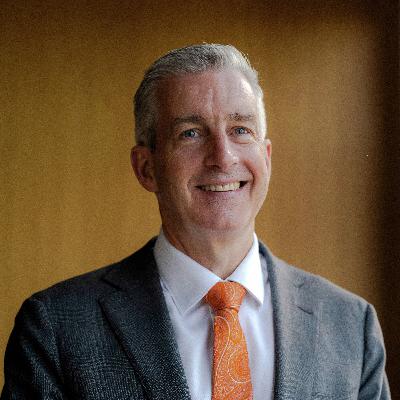
Global markets have started 2026 in chaotic fashion, with wild swings in stocks, a plunging dollar and fresh questions about everything from gold to AI. So what does all that mean for Australia’s super funds — and the retirement savings of millions of workers? This week on the Bloomberg Australia Podcast, host Chris Bourke is joined by AustralianSuper CEO Paul Schroder, who runs the nation’s largest super fund with some A$410 billion under management. They discuss how the fund is navigating market volatility, exposure to US tech and AI, the case for staying invested through uncertainty, and why Australia’s super system still isn’t ready for the retirement wave ahead.See omnystudio.com/listener for privacy information.
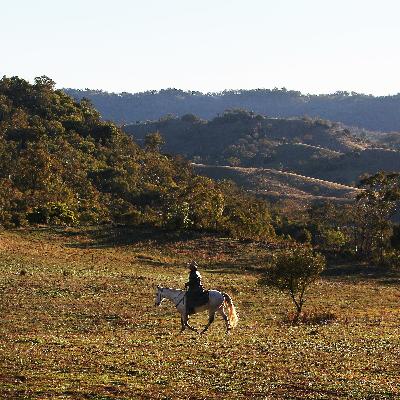
We’re tackling one of the most fraught (and often avoided) conversations in Australian agriculture: farm succession. As families return from summer break and set their goals for the year ahead, reporter Ben Westcott joins host Rebecca Jones to unpack why passing on the family farm has become so complex, emotionally charged and financially risky. With soaring land values, ageing farmers and siblings pulling in different directions, succession planning is no longer something that can wait. What happens when it does… and what should families be doing now?See omnystudio.com/listener for privacy information.

Australia’s political year has opened amid deepening domestic and global tensions. One Nation is now surging in polls, underscoring the erosion of support for traditional parties as cost-of-living pressures and cultural divides reshape the political landscape. In this episode, Bloomberg’s new Canberra correspondent James Mayger joins the podcast to unpack the fallout from the Bondi attacks, the passage of gun and hate-speech laws through a divided Senate, and how global instability — from US politics to China and Taiwan — is feeding into Australia’s domestic debate and shaping the year ahead.See omnystudio.com/listener for privacy information.

The mining sector kicked off 2026 with a bang as Rio Tinto and Glencore confirmed early-stage talks that could create the world’s biggest mining company. In this episode, host Chris Bourke is joined by Bloomberg’s Asia-Pacific head of commodities, Clara Ferreira Marques, to unpack why the deal is back on the table, what’s changed since talks first surfaced last year, and whether the “most obvious” merger in mining can actually get done. They dig into the race for copper at record prices, the cultural and regulatory hurdles standing in the way, and what a tie-up would mean for rivals like BHP. From coal and China to scale, strategy and leadership, the conversation explores why mining’s long-anticipated M&A wave may finally be taking shape.See omnystudio.com/listener for privacy information.

Bondi Beach has long stood as a symbol of Australia’s easygoing spirit—a multicultural meeting place of sunlight, surf and community. But the recent terror attack during a Hanukkah celebration shattered that image, leaving a nation in mourning and reflection. In this episode, host Rebecca Jones is joined by Bloomberg Opinion columnist David Fickling to explore why this attack cuts so deeply, not just for those directly affected, but for the Australian identity itself. They unpack the cultural significance of Bondi, the global ripple effects of local violence, and how public figures and everyday Australians are responding. You can read David’s column on the terror here: Bondi, and Australia, Get Swept Into a Violent World - BloombergSee omnystudio.com/listener for privacy information.

Australia’s hopes for rate cuts in 2026 have dimmed after RBA Governor Michele Bullock signaled they’re no longer on the table – and that a rate hike is now a real possibility. With inflation proving stickier than expected and price pressures broadening on everything from housing to everyday essentials, markets are beginning to reprice the path for interest rates. In this episode, Bloomberg’s Swati Pandey breaks down why the RBA is shifting toward a potential tightening bias, how upcoming inflation data could shape the next move, and what it all means for mortgages, the housing market and Australia’s economic outlook. See omnystudio.com/listener for privacy information.

From next week, Australia’s under 16s will be prevented from accessing platforms including TikTok, Snapchat and Facebook, as the Labor government pushes to curb harms caused by social media.In our latest podcast, Rebecca Jones asks Bloomberg’s Angus Whitley to unpack the origins of the ban, what both parents and children can expect when it comes into force next week – and what the controversial move means for Big Tech.See omnystudio.com/listener for privacy information.
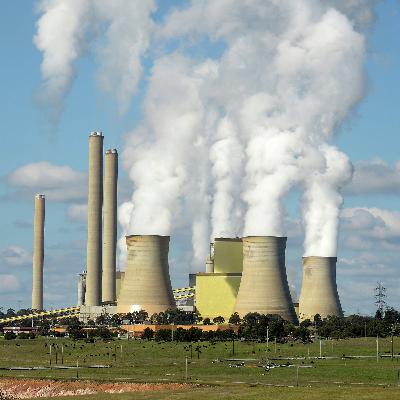
Australia has suffered a major climate setback, losing its bid to host next year’s COP summit in Adelaide. At the same time, the Coalition has reignited Australia’s climate wars by abandoning its commitment to net zero emissions by 2050 – a reversal that resets the political debate just as the world pushes for faster decarbonisation. In this episode, Rebecca Jones asks Bloomberg’s David Stringer to unpack what the failed COP bid means for Australia’s international standing, how the Coalition’s shift could shape the next election and what renewed climate volatility means for investment, energy transition plans and ultimately your power bill.See omnystudio.com/listener for privacy information.

The softer New Zealand dollar means more Australian tourists are flocking across the ditch for holidays and long weekends. Meanwhile, Kiwis are increasingly migrating to Australia to escape their country’s economic weakness. On this week’s Bloomberg Australia Podcast, Chris Bourke talks with Ainsley Thomson in Wellington about why New Zealand’s currency has weakened, the impact on its tourism industry and why Kiwis are leaving in droves.See omnystudio.com/listener for privacy information.

Macquarie’s reputation as Australia’s “millionaires factory” is under strain. The investment giant’s latest profit fell short of expectations, sending its shares sliding and investors questioning whether its golden era is fading. Commodities trading – once the powerhouse of the bank – is losing steam amid regulatory pressure and a calmer market, while leadership faces scrutiny over pay and performance. Bloomberg’s finance editor Adam Haigh joins Rebecca Jones to unpack what’s gone wrong, where the bright spots remain, and whether CEO Shemara Wikramanayake can steady the ship. Plus, how Macquarie stacks up against Australia’s big four banks in an increasingly competitive lending and investment landscape.See omnystudio.com/listener for privacy information.

Gina Rinehart, Australia's richest person, has seen her fortune grow even larger in the last few years, thanks to astute early investing in rare earths. In this episode, we look how the Rinehart-owned Hancock Prospecting Pty almost doubled its stake in Arafura Rare Earths Ltd. and the broader global landscape of the tussle for rare earths.See omnystudio.com/listener for privacy information.
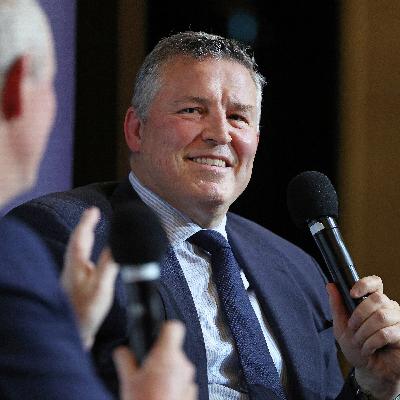
Westpac shares have gained 21% this year, outperforming the broader S&P/ASX 200 Financials index. This week on the podcast, CEO Anthony Miller talks to host Rebecca Jones and finance editor Adam Haigh after delivering his first full-year earnings report. They discuss those results, Miller’s outlook for the Australian economy, AI and hybrid work arrangements.See omnystudio.com/listener for privacy information.

Comments

Download from Google Play

Download from App Store
 United States