



 Claim Ownership
The Materialist : A Podcast from At Present
Subscribed: 2Played: 13
Subscribe

© At Present
Description
An exploration of material culture with At Present Founder Marc Bridge.
Marc is a Materialist. He loves things -- the things artists make, the things we sell, the things we make part of our our lives.
But he was conflicted.
Why do things matter? Why do creative people dedicate their lives to crafting them? What does it mean to obsess about what we buy, wear, and put in our homes. Are we destroying our planet, our children, and ourselves through this obsession?
The Materialist Podcast is an exploration of this and so much more. Join us for conversations with the world's best jewelry designers, stylists, influencers, admirers, environmentalists, academics, and a bunch of just interesting people.
atpresent.substack.com
Marc is a Materialist. He loves things -- the things artists make, the things we sell, the things we make part of our our lives.
But he was conflicted.
Why do things matter? Why do creative people dedicate their lives to crafting them? What does it mean to obsess about what we buy, wear, and put in our homes. Are we destroying our planet, our children, and ourselves through this obsession?
The Materialist Podcast is an exploration of this and so much more. Join us for conversations with the world's best jewelry designers, stylists, influencers, admirers, environmentalists, academics, and a bunch of just interesting people.
atpresent.substack.com
36 Episodes
Reverse
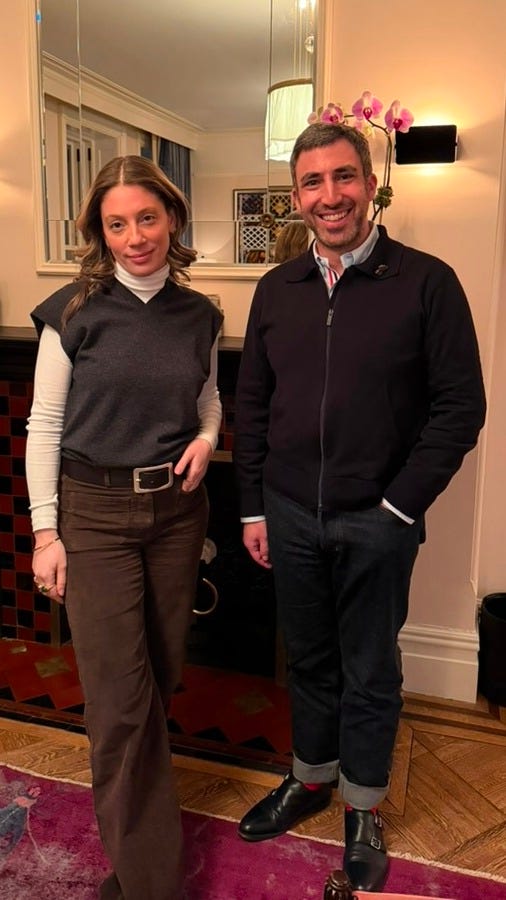
A conversation with Malaika Crawford on flex culture, gatekeeping, and why print still matters.There’s a moment in my conversation with Malaika Crawford—Editorial Director of Hodinkee Magazine, former fashion-world operator (Mel Ottenberg’s assistant in the Rihanna heyday), and current resident anthropologist of the watch internet—where she says the quiet part out loud:“Watches are like jewelry with logos. Period.”It lands because it’s true… and because so much of watch culture is built around pretending it isn’t.This episode is about that tension: watches as craft and watches as status signal, watches as “timeless” objects we tell ourselves we’ll pass down, and watches as the most socially acceptable way to peacock at a dinner table without tossing your car keys down like a cartoon villain.It’s also about something else I love: what happens when an outsider walks into a closed room and names what everyone’s been politely not naming.Who is Malaika Crawford?Malaika comes from the fashion pressure-cooker—shoots, sourcing, customs nightmares, Met Gala-level stakes—and then, through a pandemic-era twist (and a very specific Deepak Chopra “look for a sign” meditation), she finds herself being pulled into watches. Not just collecting, but writing, shaping, and expanding the editorial voice of the most influential watch media brand in the U.S.She didn’t arrive to quietly follow the playbook. She arrived and asked, essentially: why is this hobby acting like a gated institution?The watch world’s fragile egoEarly on, Malaika took heat for writing about watches through a style lens—shooting watches on models, talking about context, clothing, culture. It wasn’t that she wasn’t doing the research. It was that she was threatening the hierarchy.She puts it plainly: a lot of the backlash wasn’t about movements and calibers. It was about who was “allowed” to speak.“A lot of them have a very narrow view of what their hobby should be—and who should be allowed inside their hobby.”And there’s a key distinction she makes that I think explains 80% of watch internet:Collectors vs. enthusiasts.The real collectors—the people with serious, historic, museum-grade collections—are often private. The loudest outrage, on the other hand, tends to come from “the cheap seats.” People emotionally invested in the identity of the thing, whether or not they’re actually buying the thing.Watches as flex culture (and why that’s uncomfortable)Here’s the provocation at the center of the episode:“Most of the time, when you’re buying a Rolex or Patek or AP… you want people to know.”Not everyone. Not always. But culturally? The signal is a feature, not a bug.And watches have the perfect cover story:“Watches have a functional alibi.”You can roll up your sleeve and show the world exactly what you’re wearing while pretending it’s just… timekeeping. That’s why they’ve become, arguably, the most elegant status object on earth. It’s also why people get defensive when someone names it.Because once you say “this is a flex,” the wearer has to ask: what am I trying to say about myself?Why watch design gets stuckOne of Malaika’s most interesting points is structural: watches are engineered first, designed second.In fashion, the creative director is the figurehead and the vision leads. In watches, the movement often dictates the case, and brand “heritage” becomes both asset and shackle.So you get a stalemate:* consumers want the watch that signals the brand* brands want to modernize without losing the totem* enthusiasts want the “old rules” preserved* culture keeps moving anywayWhich helps explain why the “jeans” of watches—Tank, Submariner, Speedmaster—remain dominant. The market rewards recognizability and permanence.The early-2000s era: the most honest watch momentMalaika calls the early 2000s her favorite era from the “Jane Goodall chair.” Oversized everything. Bottle service. Wrapped cars. Murakami Vuitton bags. Watches became loud.Panerai. Big Bang. Offshore. Jacob & Co.Not subtle. Not apologizing.And she argues something I love: watches may be old-fashioned objects, but they’re reflections of the culture that produced them. The early 2000s watches make perfect sense… because the early 2000s were perfect nonsense.The Travis Scott problem (and what it revealed)When Audemars Piguet collaborated with Travis Scott, watch internet lost its mind. Malaika wrote a long piece calling out what she saw underneath the outrage:“This is veiled prejudice… It’s just not for you. Let’s move on.”Her argument is simple: luxury brands have always seeded aspiration. If you can’t afford it now, you’re meant to remember it later. The offense wasn’t the marketing strategy—it was who the strategy was aimed at.And if that made people angry, it probably means the point landed.Print magazines in a brain-melt eraWe also get into Hodinkee Magazine and why a digital-first platform keeps investing in print.Malaika’s case for print is emotional but also practical: print has limits, and limits create meaning. A magazine forces editorial conviction. It’s a form of human “sign-off” that tells the reader: someone cared enough to commit.In an era of infinite content, curation becomes the luxury.The personal stuff: the watches that matterMalaika’s first personal watch purchase: a yellow gold Reverso on bracelet.Her most meaningful piece: a rare 1970s Cartier Paris mini Tank, gifted by her boyfriend (who, naturally, is a specialist in the watch department at Sotheby’s—she “can’t escape”).And that’s the heart of why I love this subject: beyond all the signaling, watches remain an unusually potent way to hold a memory in your hand.Three things Malaika wants you to noticeShe shouts out:* Michael Friedman and his forthcoming brand Pattern Recognition (philosophical, “past/future/present” time-as-idea watchmaking—six-figure, small-batch seriousness)* Sarah Ricci of D’Heine jewelry (modern, nonconformist, artist-led work; bespoke rings that look like nothing else)* Print itself, especially the surge in interiors publishing (she mentions World of Interiors and Never Too Small as part of the new print renaissance)My takeawayWhat I loved most is that Malaika treats watches the way I try to treat jewelry: as objects that sit at the intersection of craft, identity, culture, and desire.Watches aren’t just watches. They’re social artifacts.And once you start looking at them that way, the whole ecosystem—gatekeeping, hype cycles, heritage worship, flex signaling—suddenly makes perfect, human sense.If you listen to the episode, you’ll hear a conversation that is funny, sharp, occasionally heretical, and ultimately affectionate toward the objects themselves—even as it refuses to romanticize the culture around them.And yes: I still can’t stop thinking about the line.“Watches are jewelry with logos.”Listen + subscribeIf you enjoyed this episode of The Materialist, subscribe wherever you get your podcasts, and consider sharing it with the one friend who “doesn’t care about watches” but somehow knows the retail price of a Nautilus.See you next time—Marc This is a public episode. If you would like to discuss this with other subscribers or get access to bonus episodes, visit atpresent.substack.com
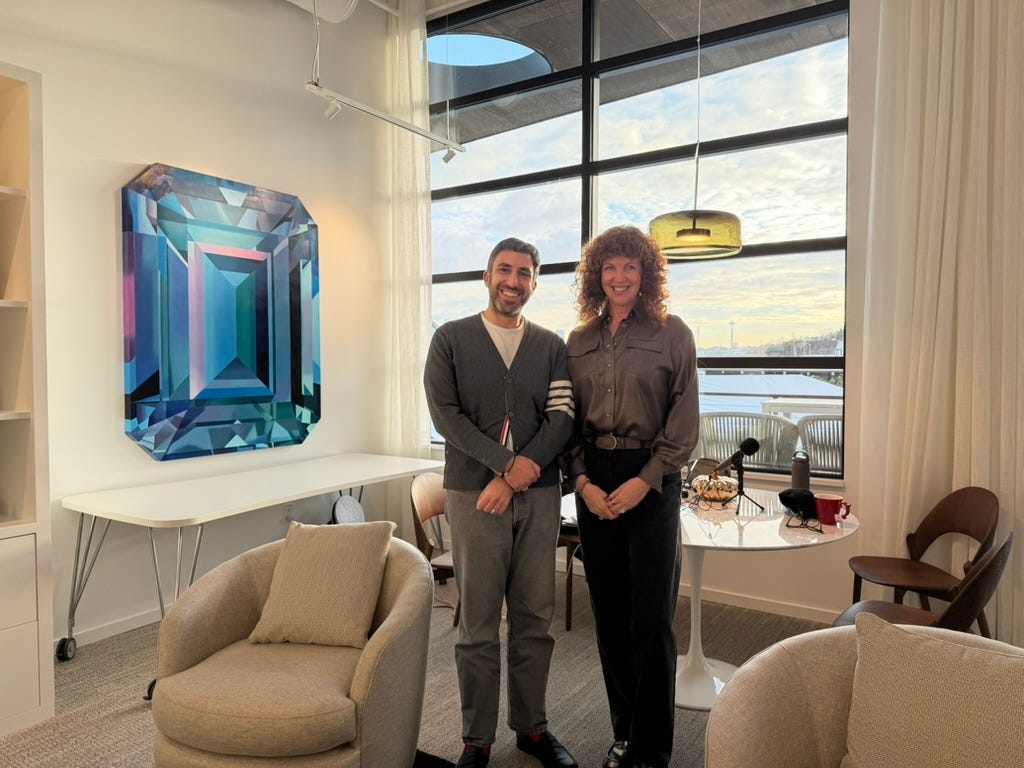
Marc Bridge and Monica Stephenson, Anza Gems Worldwide Headquarters, Seattle, WAMonica Stephenson is the kind of guest who makes you see a familiar object—one you might already love—like it’s brand new. In this episode of The Materialist, we sit together in her Seattle office overlooking Lake Union and the skyline, and we follow a thread that runs from the jewelry counter in a Midwest college town all the way to artisanal gem mines in East Africa—and then back again, into the hands of the designers and collectors who ultimately give these stones a second life.What unfolds is not just Monica’s career story (though it’s a fantastic one), but a bigger argument about what jewelry can do when it’s treated as both beauty and infrastructure: an object that sparks desire on the surface, and—if you care to go deeper—a vehicle for livelihoods, dignity, and long-term economic power.A retailer’s education: why the “floor” mattersMonica’s origin story is refreshingly unromantic in the best way: she starts in retail in the early 1990s, selling jewelry while studying art history and fine art at the University of Iowa. That experience, she argues, isn’t a detour—it’s the foundation. Retail trains you to listen, to understand what customers actually respond to, and to translate a piece of jewelry into a reason someone chooses to bring it into their life.It’s also where she first feels the pull of what she calls the “small sculpture” quality of jewelry—the idea that a piece can be materially precious, artistically rigorous, and emotionally immediate all at once. She remembers being captivated by the intention and artistry of emerging designers, a shift away from mass-manufactured sameness toward jewelry with a point of view. You flip a bracelet over, she says, and it’s as beautiful on the underside as it is on the top—craft as moral clarity.There’s a personal echo too: Monica didn’t grow up in a jewelry family in the classic sense, but her father worked outside sales for a New York designer and would have merchandise spread across the kitchen table. So the objects were always there—close enough to normalize, just far enough away to remain slightly magical.And then she says something that is both funny and true: we’re all magpies on some level. We like the shiny things. But for Monica, the “bug” goes deeper than sparkle. It’s the entire ecosystem—materials, workmanship, makers, and the people who carry the knowledge. It’s a love affair with process.Tech, jewelry, and the limits of a “flat detail page”From the jewelry counter, Monica’s path bends into the early internet. In the late 1990s she buys the domain for a diamond referral concept and builds what amounts to a matchmaking site connecting consumers to local retailers. It’s an early clue of what becomes a recurring theme in her work: jewelry is relational. It moves through networks of trust, story, and access.That blend of jewelry fluency and tech curiosity leads to a once-in-a-lifetime opportunity: Amazon asks her to help launch its jewelry store in 2003. Monica becomes, in her words, “the tech translator to the jewelry industry,” straddling two worlds and learning to speak both languages.What’s especially interesting is her reflection on why Amazon’s vision didn’t fully match the reality. Jewelry can translate to digital—today we have video, richer storytelling, and much better tools for dimensionality and nuance—but at the time, the attempt was to fit a complicated, largely non-branded category into a UPC-driven system. Watches could behave like that. Diamonds and gemstones couldn’t, at least not cleanly. Even within diamonds, there’s real variance from stone to stone, and the effort to “shoehorn” that complexity into a flat product page was harder than it looked.When I ask what she wished the platform could have been, her answer is basically a thesis for modern jewelry commerce: more immersive visuals, more dimensional truth, and more designer storytelling—who made it, why they made it, what the process is, and what’s embedded inside the object beyond its specs. The implication is clear: if you remove story, you remove meaning—and jewelry is meaning-driven.I Dazzle: the closet years and the power of deep storytellingAfter Amazon, Monica steps back for family life, has two daughters, and then—like a lot of high-functioning creatives—hits the point where being “only” a parent isn’t enough for her brain. She needs a creative outlet that isn’t organized around snack time.That’s where I Dazzle returns, this time as a blog. She subscribes to the industry magazines again, starts writing, and—nudged by her husband—channels her ideas into WordPress. What follows is the kind of grassroots editorial work that, in hindsight, feels inevitable: she travels to studios, interviews designers, attends trade shows, reports on trends, and asks the kinds of thoughtful questions that draw people out.One of the most charming moments in the conversation is when the late Cindy Edelstein recognizes Monica across a trade show floor: “You’re I Dazzle,” and tells her she’s required reading. Monica, who has been writing essentially “in a closet” assuming she has seven readers, is suddenly confronted with the reality that she’s built a real audience—and that the industry is listening.Why did it strike a chord? Monica thinks it’s because she was doing something that wasn’t common yet: making the designer and the studio legible. You could see the finished piece, but you couldn’t always access the depth behind it, even in a retail environment. Her blog became a window into the people and the process. It served trade readers and everyday consumers alike, and it sometimes even acted as a matchmaker—connecting retailers to designers, and designers to specific gemstones Monica spotlighted (Tucson DM requests included).It’s also notable how she describes the work: “purely editorial,” not monetized, and financially punishing in the way many truly editorial things are. But she loved it. It was immersive. And it prepared her—without her knowing it—for what came next.The trip that changes everything: “from the dirt to the finger”The hinge point in Monica’s story comes almost by accident: she sees a tweet about a documentary traveling to East Africa to film the journey of a gemstone “from the dirt to the finger.” The premise hits her like lightning. She DMs the organizer. They ask if she wants to come—as the resident blogger, “documenting the documentary.”She does her due diligence, then makes the kind of leap that feels irrational until it becomes destiny: she flies 9,000 miles to the edge of a mine with a group of strangers, having never been to Africa, never been to a source community, never even visited a Montana sapphire mine. It’s the first time she’s seeing the beginning of the supply chain that she’s spent her entire life engaging only at the end.What she finds is not what the average consumer imagines when they hear “mining.” In East Africa, much of the gemstone mining she witnesses is artisanal and small-scale—surface and alluvial work rather than industrial excavation. This isn’t a corporate capital-markets machine with helicopters and sonar. It’s shovels, picks, hand labor, remote terrain, and extreme uncertainty. Miners might work for weeks or months with nothing to show for it. The labor-to-reward ratio is brutal.And yet Monica doesn’t describe it with pity. She describes it with respect: passionate people doing backbreaking work, often as a rational alternative to farming in regions with few options. Many are, in a sense, entrepreneurs—independently funded, operating with minimal infrastructure and limited access to tools, geology, or market knowledge.This is where the episode becomes quietly radical: it reframes the romance of gemstones. The “magic” we associate with a finished stone is real, but the cost of that magic is usually invisible.“We can fix this.” The naïve thought that becomes a real companyMonica returns to Seattle buzzing with adrenaline and ideas. She writes obsessively. Somewhere in that writing, a napkin business plan emerges. Her first thought is naïve in the way all ambitious plans start: the problem is just access—education, opportunity, resources, market connection. If she can connect the dots, then the system can become fairer.By the end of 2014, she has a fully formed model. She names it Anza—Swahili for “begin”—because the whole thing feels slightly insane and totally outside the boundaries of what she’s “qualified” to do. And so she begins.She goes back to East Africa, buys gems at a regional gem market, visits mines, starts building relationships with brokers and dealers, learns export realities, and gradually develops a process. There’s an acknowledgment of the “wild west” element—she’s an unusual buyer in these contexts, a visible outsider, someone not many people have encountered at the market tables. She makes mistakes. Some are costly. But she keeps showing up, keeps buying, keeps investing. Over time, the spectacle becomes credibility.What’s striking is how she describes her approach to cutting: she often gives cutters carte blanche with the rough, allowing them to “work their magic.” That creative trust—miner to cutter to designer—becomes part of Anza’s identity. The brand is known for unusual cutting, and designers are drawn to it because it feels like the stone has lived a full creative life before it ever reaches a jeweler’s bench.And Monica learns the business in the only way you truly can: trial by fire, with live capital, sometimes sweating in the bush. Even valuation isn’t purely rational. Color can be emotional. Sometimes the stone that “should” be most valuable isn’t; sometimes the afterthought becomes the star because it resonates with human desire.Moyo Gems and the work of building a marketAs Anza grows, Monica also becomes central to Moyo Gems (“heart” in Swahili), a collaboration that includes commercial partners and the international NGO Pact, plus pa
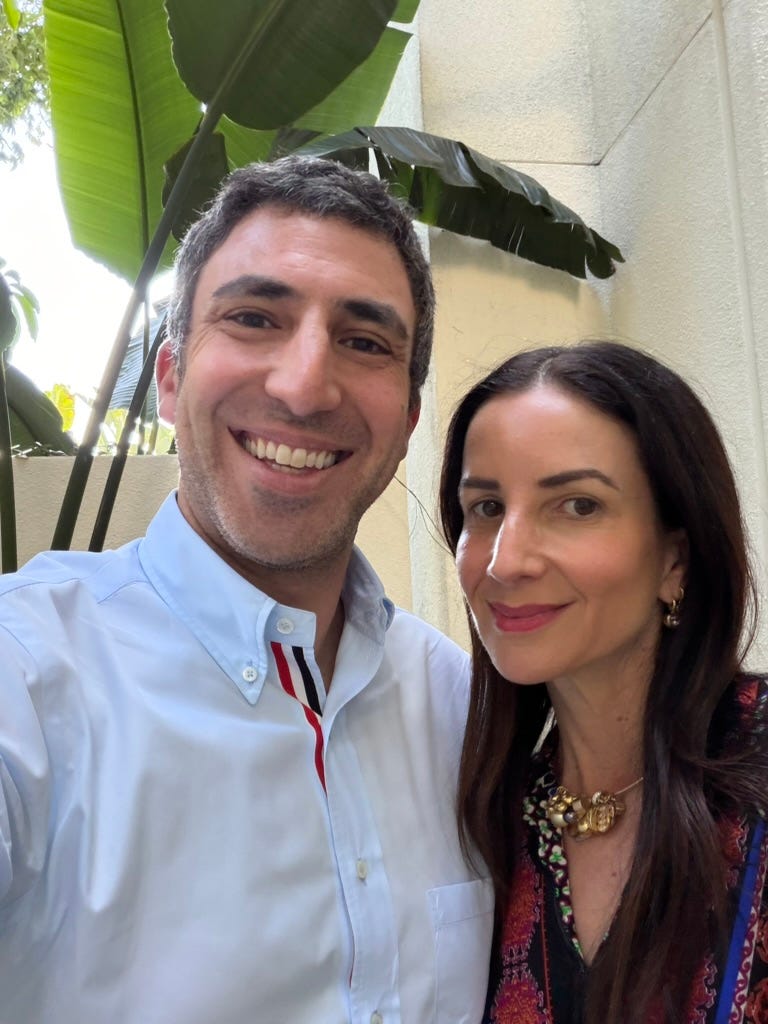
Marc Bridge and Randi Molofsky, The Peninsula Beverly HillsThere are people in the jewelry world who write about it, people who sell it, people who design it—and then there’s Randi Molofsky, whose superpower is weaving all of these worlds together. Randi doesn’t simply work in jewelry. She connects miners to designers, designers to retailers, and collectors to pieces that will live on their bodies and in their lives. She is a translator, mediator, curator, and—by her own admission—a sentimentalist with impeccable taste and a love of objects that carry stories.In this episode, recorded in sun-drenched Beverly Hills, we go deep into the heart of contemporary jewelry: where it comes from, how it gets made, who gets to participate, why it costs what it costs, and how personal style—and personal history—shape the objects we choose to carry with us.But we start at the beginning, with a young woman from a small Maryland town who loved fashion magazines and dreamt of a job at Vogue, only to discover a very different world in the pages of National Jeweler.A Connector Before She Had the Language for ItRandi never set out to work in jewelry. She studied journalism, imagined a career in fashion media, and took an interview at a trade publication she’d never heard of. They hired her—“young, passionate, and totally green”—and that job changed everything.As the fashion editor at National Jeweler, she was suddenly immersed in a universe she didn’t know existed:• trade shows• gem-cutting studios• retailers’ back rooms• global supply chains• and, eventually, gemstone mines in AfricaA trip to the Tanzanite mines in Tanzania was a defining moment. Standing at the foothills of Kilimanjaro, meeting miners and witnessing the challenges and humanity embedded in every stone, Randi began to understand jewelry not as a product but as a global system of craft, risk, beauty, and meaning.That perspective—ground-level humanity fused with aesthetic sensitivity—is what shapes her work today.The Jewelry World’s Great Misunderstanding“There’s nothing harder,” Randi says, “than helping a consumer understand where the value in jewelry actually comes from.”We live in a world where you can buy diamonds at Costco. The average consumer sees sparkle, price, maybe the four C’s—not the miners, cutters, alloy-makers, bench jewelers, or the hands the piece passes through before it lands in a box on a dresser.Randi argues that jewelry suffers from an education gap. We romanticize the final object but rarely discuss its life before us. One of her goals—whether mentoring designers or advising retailers—is to bridge that gap:Jewelry is not a commodity. It is a collaboration between earth, craft, culture, and the deeply personal taste of its wearer.The Case for Uniqueness in a Saturated MarketRandi’s agency, For Future Reference, works with emerging independent designers to shape their identity, build collections, manage wholesale, and navigate a retail landscape that has become simultaneously more crowded and more challenging.She tells every would-be jewelry designer the same thing:“Don’t do it.”Not because she doesn’t love this world—she does—but because the cost of entry is enormous, the margins volatile, and the competition intense. Designers fail not for lack of vision, but for lack of support. Randi’s work is to be that support: part strategist, part editor, part therapist, part guardian.She looks for designers whose pieces form their own vocabulary—work that is visually identifiable, that tells a story only its creator could tell. “Authenticity,” she says, “is the only real differentiator left.”Vintage as Liberation: Lowering the Barrier and Raising the JoyIn addition to championing contemporary designers, Randi has built a thriving business sourcing unsigned vintage fine jewelry—pieces made with craftsmanship equal to the old houses but without the brand stamp or the six-figure premiums.Vintage, for Randi, is more than a category. It’s a philosophy:• sustainable• personal• expressive• democratic• endlessly uniqueShe delights in watching a customer discover a 1960s gold ring or a pair of 1980s carved earrings remade into bangles, realizing—often for the first time—that jewelry can be both exceptional and accessible. Vintage also introduces stakes and emotion: “Nothing will haunt you like the vintage you didn’t buy,” Randi jokes (and every collector knows she’s right).To her, the future of jewelry isn’t mass luxury; it’s individualism.Clown Couture, Sentimental Safety, and the Life We Build Around OurselvesRandi’s personal style is bold, colorful, layered, and full of humor—what she calls “clown couture.” Her wardrobe is primarily vintage; her home is filled with handmade objects created by friends; and her jewelry is a living archive of her life.On the day we spoke, she wore a torque necklace strung with nearly a hundred charms—bat mitzvah gifts, pieces of family history, tokens from her travels. Around her wrists and fingers: Harwell Godfrey rings, a Retrovi piece, a luminous opal from Tucson turned by Jade Ruzzo into a drumhead ring, hand-curated gemstone huggies, and her holy-grail vintage Bulgari Serpenti watch.Every piece had a story. Every story had a person.That’s what jewelry is for Randi: connection made visible.What the Jewelry Industry Still Needs to LearnWhen I asked what the industry still gets wrong, Randi answered without hesitation:we don’t tell the story of process well enough.The market is full of extraordinary artists—like Vanessa Fernandez, who alloys her own gold and sculpts every piece by hand—yet consumers rarely see the labor, mastery, and humanity that make these objects precious.The future of jewelry, in Randi’s view, will belong to those who communicate not just what they make, but how and why they make it.What’s NextRandi’s year has been strong—despite gold price shocks, supply-chain chaos, and a market that feels like the Wild West. She is expanding her roster of designers, growing her vintage business in new, not-yet-public ways, and continuing the work she cares most about:• elevating unique voices• protecting independent creators• educating consumers• and helping people find jewelry that genuinely reflects who they areIf you want to follow her world, you’ll find her at ForFutureReference.com, @forfuturereference on Instagram, and on her personal account @randimolofsky, where she posts outfits, vintage finds, and the maximalist joy that strangers in airports now recognize her for.Randi is adding joy to the world—and there’s nothing better than that. This is a public episode. If you would like to discuss this with other subscribers or get access to bonus episodes, visit atpresent.substack.com
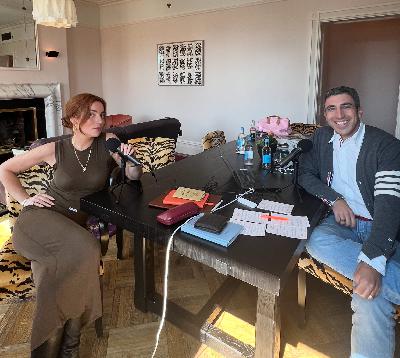
In this episode of The Materialist, Marc Bridge sits down with celebrity colorist Jenna Perry, the artist behind the signature looks of Kendall Jenner, Bella Hadid, and a generation of “It Girls.” Known for transforming hair into a medium of emotion, identity, and self-expression, Jenna shares how a childhood fascination with her grandmother’s salon visits evolved into one of New York’s most coveted creative businesses.She opens up about the emotional connection between women and their hair, why a haircut after a breakup can feel like therapy, and what it takes to turn artistry into enterprise. From a 600-square-foot East Village studio to a 40-person salon empire, Jenna recounts the leap from stylist to founder—and how she learned to balance artistry, leadership, and brand-building without losing her creative soul.The conversation ranges from the personal to the philosophical: what makes a good collaborator, how celebrity and social media shape trends, and why entrepreneurship is as much an art form as coloring hair. Along the way, Jenna reflects on her love of vintage jewelry, creative friendships, and the quiet satisfaction of building something lasting—piece by piece, client by client, strand by strand.It’s an intimate, high-gloss conversation about creativity, control, and the material culture of beauty. This is a public episode. If you would like to discuss this with other subscribers or get access to bonus episodes, visit atpresent.substack.com
If you’ve peeked at modern watch culture in the last few years, chances are you’ve felt Brynn Wallner’s impact—whether you realized it or not. She’s the founder of Dimepiece, the platform that reframed watches through a lens that’s stylish, pop-cultural, and—crucially—women-forward. In our conversation for The Materialist, Brynn unspooled the origin story of Dimepiece, the pandemic moment that sparked it, and why a Cartier on a wrist can carry just as much meaning as a family heirloom or a diploma on the wall.Who Brynn Is—and Why She’s InterestingBrynn came to watches through words. While working on editorial projects at Sotheby’s, she found herself immersed in the mythology of the “greats”—Patek, Audemars Piguet, Rolex—and the pop-cultural stories that made models like the Paul Newman Daytona household names. One problem: in all that coverage, women barely appeared.When the pandemic cost her job, it gave her time. She went to Florida with family, turned 30, and realized she had never once aspired to own a watch. That realization became Dimepiece: first an Instagram moodboard of women (past and present) wearing watches; quickly, a movement. From Princess Diana in a Tank to Rihanna in a Nautilus, Brynn used recognizability to create an accessible on-ramp for new collectors who didn’t speak reference numbers.She blends pop culture fluency with archival curiosity—and she isn’t precious about it. Brynn is the rare voice who can decode a movement, then ask how it looks with your bracelets. She writes for mainstream fashion titles, sits with Swiss brand heads in Geneva, helps private clients source vintage, and now designs: her recent Timex Intrepid “baby diver” collaboration (co-created with dealer Alan Bedwell/Foundwell) scaled a ’95 design down to 36mm with crisp, wearable styling—and promptly sold out.What Dimepiece Changed1) It widened the picture.Dimepiece popularized a simple idea: if you can see women wearing watches—stylishly, contextually—you can picture yourself wearing one too. Instead of “for her” remixes in pink or diamond-festooned minis, Brynn advocated for intention in design: what would a modern woman actually want to wear every day?2) It normalized self-purchasing.In her DMs and interviews, Brynn saw a structural shift: women buying watches to mark promotions, launches, moves, and milestones. The watch as self-made heirloom—not just a gift received—has real cultural weight.3) It reframed how watches are worn.Bracelet stacks next to cases. A Tank with denim. A small diver to the beach. Dimepiece treated watches as part of an outfit, not museum pieces under glass. That styling voice mattered—and brands noticed.4) It nudged brands toward better product.Cartier’s reemergence of the Baignoire on a bangle—explicitly “meant to be stacked”—was designed with women in mind from the start. The secondary-market frenzy that followed proved the point, and other houses (Omega, Hermès) have put real R&D behind smaller mechanical movements rather than reflexive “shrink it and sparkle it.”The Topics We Covered (and Why They Matter)Pandemic acceleration & the waitlist era.From 2020 onward, watches surged alongside art and other “passion investments.” Supply couldn’t (or wouldn’t) match demand; waitlists ballooned; secondary prices spiked. More people paid attention—some for love, many for speculation—and the culture broadened beyond the old forums and trade catalogs.Quartz vs. mechanical, minus the snobbery.Brynn can break down the quartz revolution without turning it into a purity test. The point isn’t to dismiss quartz (or Swatch or Timex); it’s to understand why a movement matters to you—accuracy, romance, serviceability, sustainability, story—and buy accordingly.Styling and agency.Stigma around scratching cases or mixing bracelets is giving way to a wear-your-watch life. That’s not carelessness; it’s use. Patina, in this view, is biography.Heirlooms and meaning.Brynn’s father passed her his 1980s Datejust—an act that subtly rewrote a familiar script (father-to-son). We talked about the way objects carry memory across decades: the watch you buy now can be the most durable thing your family keeps.Buying smarter (and calmer).We got into the collector jargon that can intimidate newcomers—“birth-year watch,” “box and papers”—and landed here: work with trusted sources, focus on quality and condition, and don’t let cardboard + ephemera overshadow the watch itself.From spotting to making.Brynn’s Timex project is meaningful not just because it sold out, but because it models a path: research the archives, find an idea with cultural resonance (JFK Jr.’s 1990s Intrepid), scale and style it for today, price it accessibly, and bring new collectors into the fold.Why Brynn’s Cultural Impact Endures* She made the watch world bigger without dumbing it down. The scholarship is there, but so are Bella Hadid, Spice Girls, and Getty rabbit holes. That blend is the future.* She centered women as protagonists, not props. Not just as recipients of gifts—but as researchers, writers, buyers, curators, and designers.* She bridged media, retail, and product. The same instincts that power a clever Instagram caption can guide a collaboration that sells out and lives on wrists.* She changed how “serious” looks. You can be meticulous about a caliber and still care how it sits with your Carolina Bucci.Where to Start (If You’re Watch-Curious)* Try on everything—from a small steel Cartier Tank Française to a 36mm diver—and notice what you reach for a week later.* Wear it with your life: stack your bracelets, take the beach walk, accept the scratches.* If you’re hunting vintage, prioritize condition and trust over buzzwords.* Mark a milestone for yourself; that’s how heirlooms begin.Explore Brynn’s Universe* Instagram: @dimepiece.co* Features & Interviews: Dimepiece.co* Timex Collaboration: The Intrepid “baby diver” reissue (now sold out—watch the secondary market)If you want to go way down the rabbit hole…* Read Marc’s dissertation on the The Renaissance of the Swiss Watch Industry. This is a public episode. If you would like to discuss this with other subscribers or get access to bonus episodes, visit atpresent.substack.com
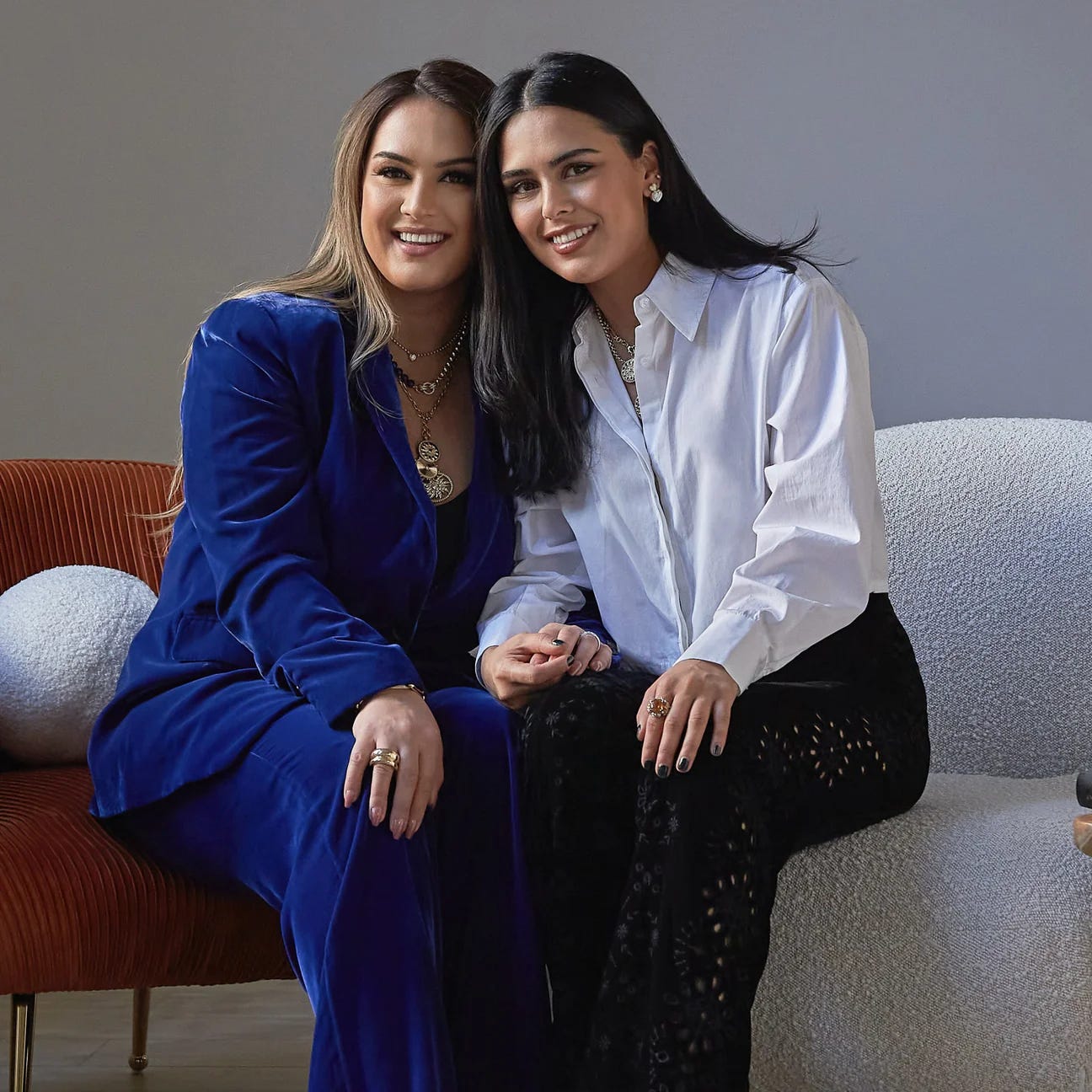
From a small town in Denmark to a sun-splashed bench in New York’s Diamond District, sisters Joy and Sarah Haugaard (the minds behind Lionheart) have built a jewelry universe where heritage, handwork, and human connection matter as much as gold and gemstones. In this conversation, we cover the origins of their partnership, Joy’s second-chance spark in 2020, the storybook that gave Lionheart its name, the community that sustains them, and why their clients don’t want what everyone else has—they want what feels like theirs.The origin story (and why it had to be the two of them)Raised “like twins,” the Haugaard sisters grew up inseparable—then bi-coastal—until the phone call that snapped them back together. In 2020, after a terrifying health crisis, Joy decided there was no more deferring the dream: she had to create Lionheart, not as a mood board but as a life. Sarah dropped everything in LA, flew to New York, and they got to work—7:00 a.m. to past-midnight, fueled by neighbors’ casseroles and customers’ letters.Why Lionheart—and what it really meansThe name is a promise. As kids, they worshiped Astrid Lindgren’s The Brothers Lionheart—a tale about two siblings who always find each other and face down every challenge, together. That devotion now shapes the brand’s ethos: courage, loyalty, and pieces that are made to live multiple lives.Making the personal, universalJoy learned the craft the old-school way—sales floor to polishing wheel to stone-sorting bench—so Lionheart’s pieces feel deeply lived. Motifs recur: birds (for freedom and their grandmother’s spirit), equestrian emblems (from their childhood around horses), and hefty, sculptural chains and charms meant to stack among the “greats” and still speak in their own voice.The Legacy collection & giving backHorses aren’t just a motif—they’re a mission. The Legacy collection supports 13 Hands, an upstate rescue that rehabilitates abused horses (and hosts veterans with PTSD). One signature pendant (their only regular sterling-silver design, also available in gold) sends 100% of proceeds to the nonprofit. It started as a capsule; it’s now permanent.Who buys Lionheart (and why)Lionheart clients are confident individualists: they might stack Van Cleef and Cartier, but they want one piece that feels like theirs. The Haugaard sisters don’t chase sameness or easy identifiability; they prefer conversation-starting forms, personal stories, and made-for-you tweaks. Social media helps, but what sustains the brand is the human exchange—DMs that turn into appointments, heirloom ideas that become rituals, and the occasional Sephora line-check where a stranger whispers, “Are those Lionheart?”Process, practice, and the editJoy sketches 40–50 pieces; Sarah insists on the story and the edit—eight or so designs to start—then opens the door to bespoke variations. That tension (vision vs. viability) keeps the work bold and wearable. Their grandmother’s lessons guide the ritual: wear your jewelry, love it, respect it—then take it off at night so you can wear it again, for decades.Where this is goingGrowth, yes—but with meaning. The Haugaards want Lionheart remembered not just for weighty gold and luminous stones, but for how the work made people feel: stronger, freer, seen. This is a public episode. If you would like to discuss this with other subscribers or get access to bonus episodes, visit atpresent.substack.com
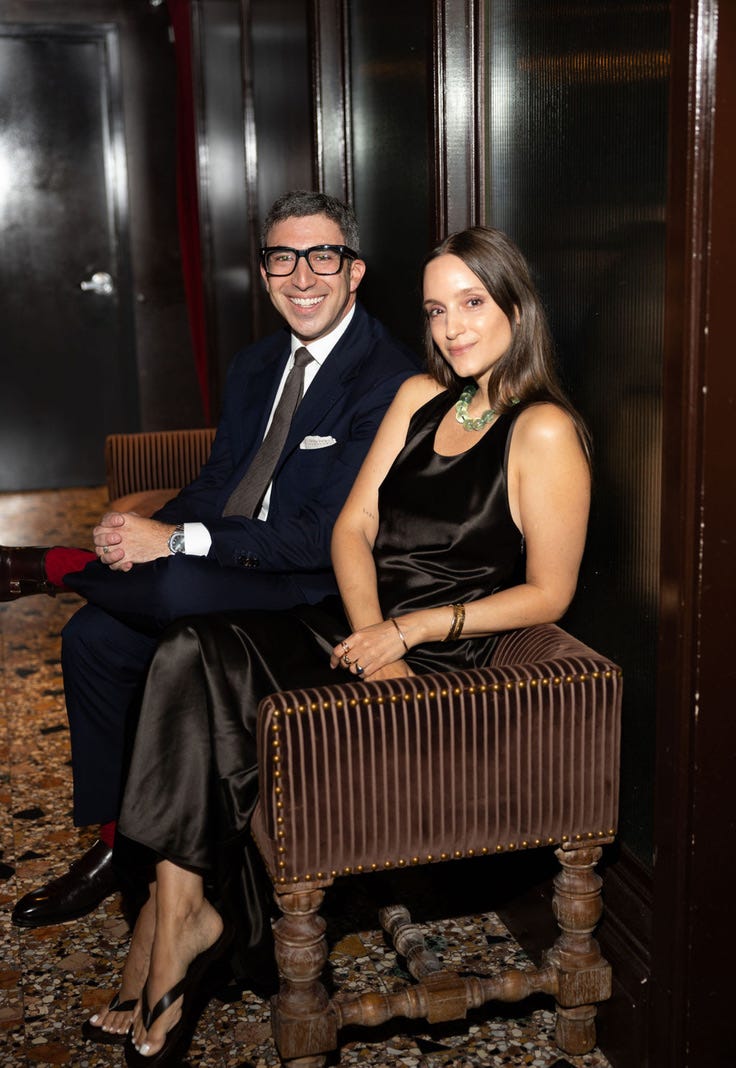
Marc Bridge and Charlotte Groeneveld at the launch dinner for The World of Charlotte Groeneveld, presented by At Present. Raf’s New York, September 9, 2025. Charlotte’s dress is by ALMADA Label, Necklace from At Present.Charlotte Groeneveld—aka The Fashion Guitar—joins me during New York Fashion Week to talk about how blogging became the creator economy, why authenticity (not algorithms) is her north star, and the thrill/terror of debuting our new jewelry capsule together. From front-row politics to fabric snobbery and the “feel” test, Charlotte traces her path from WordPress fits to building a modern luxury business that’s personal, precise, and proudly independent.We get into: how NYFW is regaining its spark, the job-to-be-done for creators and brands, and Charlotte’s rubric for partnerships (“know your audience; be consistent; work hard”). She opens up about the mental gymnastics of invitations, the power of a tight network, and why her style starts with quality—then proportion.Then we unveil highlights from the At Present × The World of Charlotte Groeneveld capsule: an open-front diamond choker that “feels rich” without feeling heavy, its sister version tipped with organic pearls, a rose-quartz-kissed pearl choker, a saturated green fluorite strand with adjustable length, and a (soon!) ear climber. The brief we set for ourselves: make pieces that feel unique yet instantly wearable—day to night, knitwear to gala.Charlotte also shares what’s exciting her now—from TWP’s fabric-and-fit mastery to the return of the Chloé Paddington—plus why emerging designers face a brutal money/creativity tradeoff while mega-houses wrestle with the inverse. We close with where to follow her long-form writing (yes, Substack) and why community—DM by DM—still matters.Callouts & linksHouses & heritage* Chanel – the Karl Lagerfeld photo that inspired her blog’s name and the dream of sitting their shows. * Ralph Lauren – anchoring NYFW’s renewed excitement. * Chloé – current collection inspiration + the return of the Paddington bag. * Valentino – early adopter of working with bloggers. * Burberry – among Charlotte’s first European brand collabs. Contemporary & indie she’s watching* TWP – fabric, fit, and a “keeper” brand; new store out east. * Nordic Knots – rugs; a home brand she admires. * Interior NYC – beloved, now-closed indie; she still wears and tags their pieces* Ellison Studios – Australian home brand; small-batch furniture.People & media* The Fashion Guitar – Charlotte’s platform (site & Substack). * Vogue Runway – street-style time capsule. * Leandra Medine (Man Repeller), Susie Bubble, Bryanboy, Aimee Song – early era peers Charlotte cites.* The Frick Collection – where she plans to wear the diamond choker. Our capsule (At Present × The World of Charlotte Groeneveld)* Open diamond choker – front-closing, twin diamond tips (elegant, breathable “feel”).* Open pearl choker – same silhouette with organic pearl tips.* Pearl + rose-quartz choker – short, sits high; daytime-to-evening.* Green fluorite strand – lush color; subtly adjustable length. This is a public episode. If you would like to discuss this with other subscribers or get access to bonus episodes, visit atpresent.substack.com
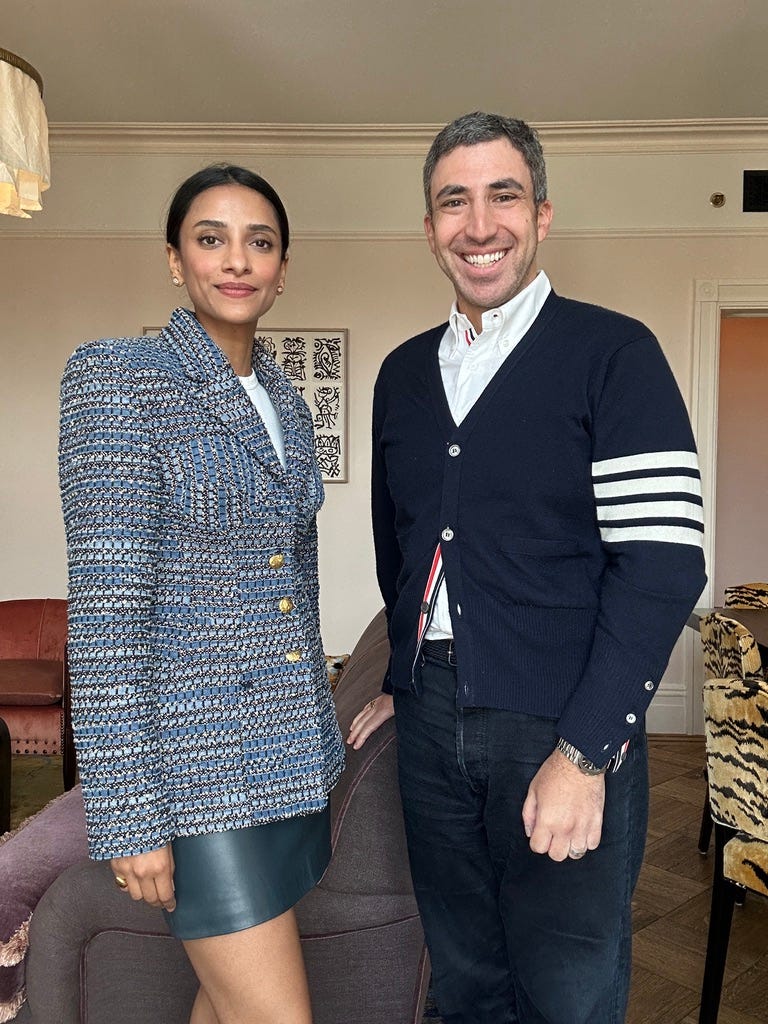
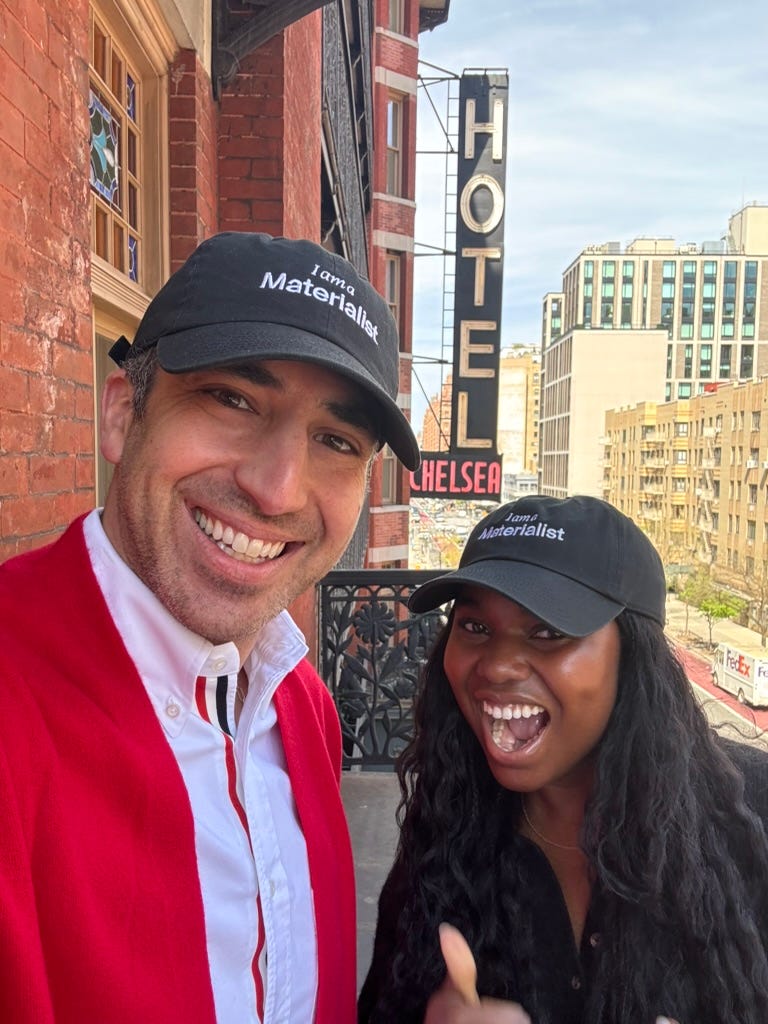
Sommyyah Awan and Marc Bridge, Hotel Chelsea, New York City, September 13, 2025For this episode of The Materialist, recorded during New York Fashion Week, I sat down with Toronto-based content creator, communications strategist, and fashion multihyphenate Sommyyah Awan. Known for her irreverent and stylish “dual life” — corporate strategist by day, luxury fashion influencer by night — Sommyyah brings sharp insights on style, material culture, and what it means to live intentionally with objects.We traced her journey from Houston to Toronto, from Tumblr blogs to TikTok virality, and from sewing her own clothes as a teenager to walking red carpets in Sergio Hudson and Hermès. Sommyyah explained how her training in communications shapes her content, why she thinks of herself as “Hannah Montana,” and how her five beloved F’s — fashion, film, fast cars, flying planes, and foreign policy — drive her creativity.The conversation moves from her playful irreverence (skateboarding with a Birkin, wearing a necklace backwards) to serious reflections on taste, storytelling, and the enduring power of artisanship. We discuss her philosophy of high-low styling, her perspective on Hermès versus hype-driven brands, and her ambitions for the future — including Substack writing, styling services, and the perfect timepiece.Sommyyah reminds us that intentional materialism isn’t about being owned by objects, but about choosing what amplifies who you already are. She brings wit, candor, and joy to a conversation that ranges from handbags to geopolitics, lipstick to algorithms, and the meaning of living life at full tilt. And if you want the full DL on what she chose to wear for our conversation, conveniently she made a video about it here!Find Sommyyah on Instagram, TikTok, and Substack. This is a public episode. If you would like to discuss this with other subscribers or get access to bonus episodes, visit atpresent.substack.com
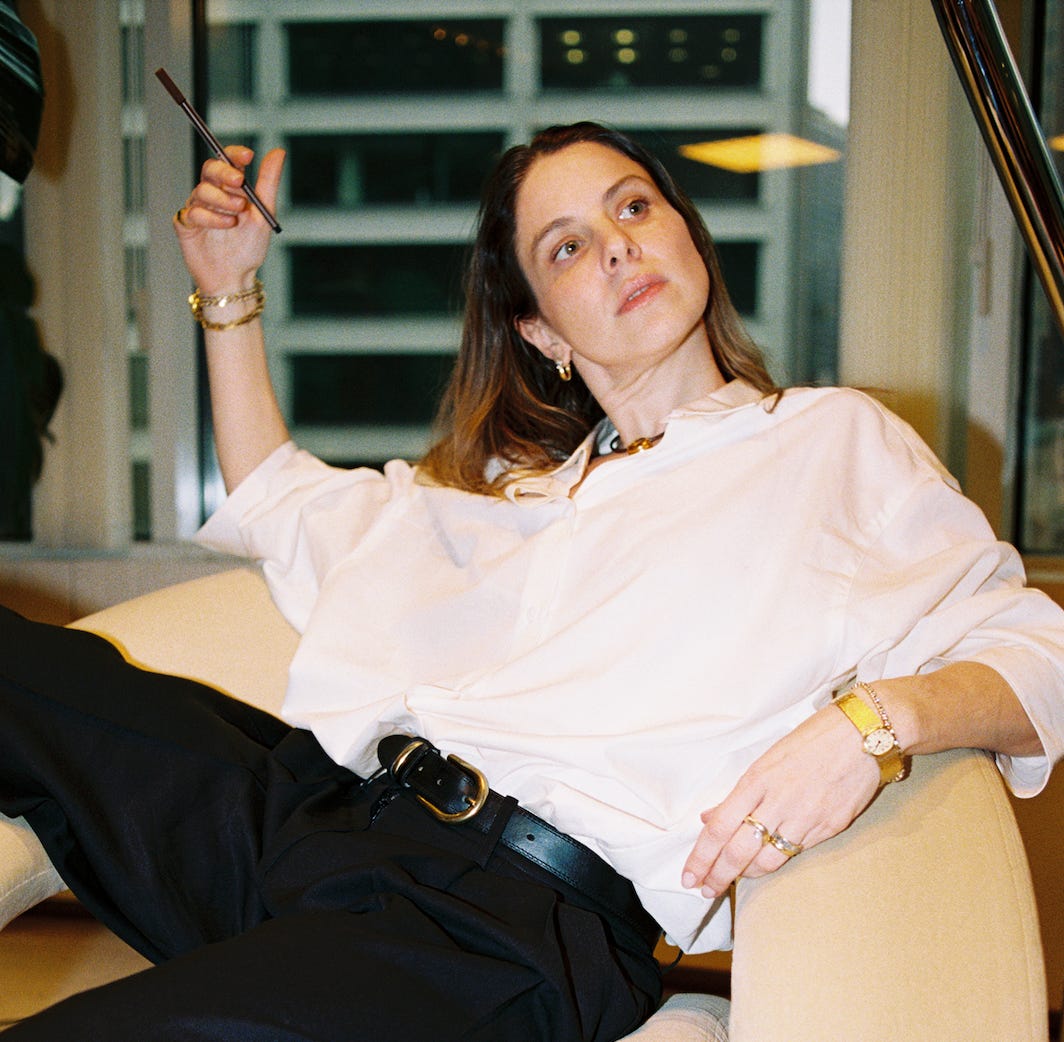
What does it take to translate timeless brands into the digital age—and what happens when you refuse to play by algorithmic rules? This week on The Materialist, I sit down with Ruthie Friedlander, a digital pioneer who has shaped how we see luxury fashion and jewelry online.Ruthie’s story defies linear career paths. She started as Dan Abrams’ assistant in the early days of Mediaite, carved out one of Chanel’s first digital roles, joined the Olsen twins at The Row when the company was barely 25 people, and later helped lead digital strategy at ELLE and InStyle. Today she runs At Large, the creative agency she “accidentally” founded after burning out on editorial quotas that demanded 80 stories a day. Along the way, she has become a leading voice on what it means to build brands that endure.Highlights from our conversation:* On brand integrity: “It’s either right or it’s wrong.” Ruthie draws a through-line from Chanel to The Row to At Large: the best brands refuse compromise.* On digital shortcuts: chasing algorithms creates short-term growth but erodes identity. She explains why so many millennial “playbook brands” fizzled out.* On jewelry’s unique challenge: unlike sweaters, fine jewelry brands must finance inventory, consign pieces, and absorb the risk—making scale almost impossible without deep pockets.* On lab vs. natural diamonds: chemically identical, yes—but “I will always look at natural diamonds and lab diamonds differently from a spiritual perspective.”* On building healthier workplaces: having recovered from an eating disorder exacerbated by fashion’s culture and starting The Chain, a nonprofit dedicated to eating disorder advocacy in fashion and entertainment, Ruthie is committed to running a company where therapy, boundaries, and health are non-negotiable.Why it matters for The Materialist communityJewelry and design aren’t just about objects; they’re about the stories and structures behind them. Ruthie helps us see how storytelling sells, why clarity outlasts trends, and how the jewelry industry mirrors broader questions of value, scarcity, and meaning. This is a public episode. If you would like to discuss this with other subscribers or get access to bonus episodes, visit atpresent.substack.com
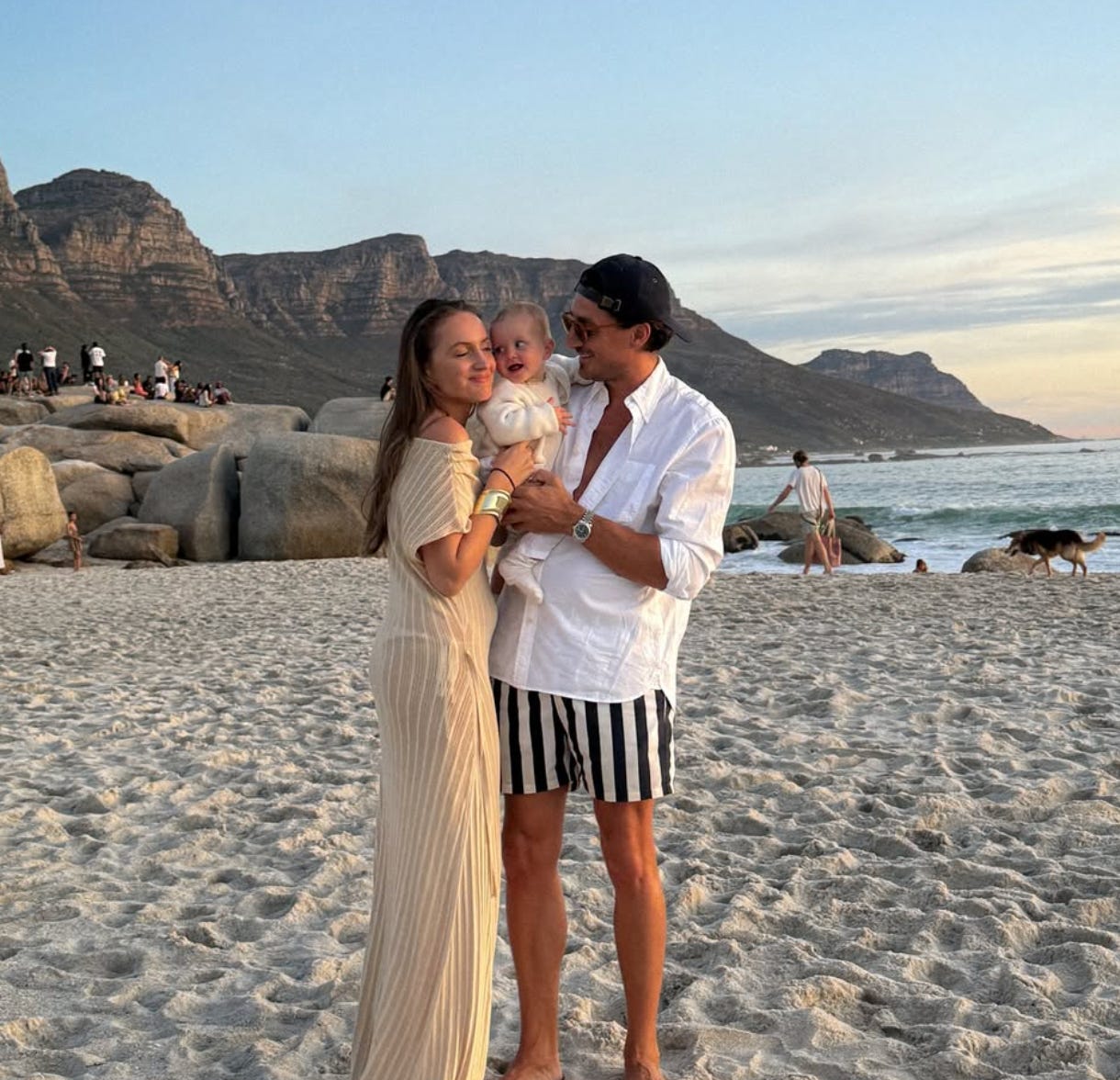
On Instagram, it looks effortless: the infinity pools in the Maldives, the safari sunsets in South Africa, the couture fit checks against a perfect backdrop. Laura and Nicolas Herbert — known to their hundreds of thousands of followers as @laurandnicolas — seem to embody the ultimate lifestyle: global travel, editorial style, and a business powered by beauty.But as Laura reveals in this week’s episode of The Materialist, the dream is much more complicated.From Antwerp to EverywhereLaura began her career in Antwerp’s fashion world. But a six-month trip with Nicolas — meant as a sabbatical — changed everything. They started an Instagram account to document their travels, posted every single day (sometimes setting alarms for 2 a.m. to catch the right window), and slowly transformed a personal experiment into a professional platform. Hotels began reaching out. Fashion brands followed. And eventually, the couple built a dual business: influencer distribution and commercial photography for luxury clients.The Cost of BeautyWhat looks like vacation is actually work. For every perfect sunrise photo, there’s a wake-up call at dawn. For every dreamy campaign, there are countless emails, logistics puzzles, and the stress of feeding an algorithm that rewards relentless output. Laura admits to burnout, to losing the ability to see some destinations as “vacations,” and to the ongoing negotiation of how much intimacy to share with an audience that feels they know you.“It’s our job to make it look like a vacation — but it rarely is.”Style, Mystery, and the Magazine MagicLaura also reflects on how Instagram has changed. Once it was about editorial photography, thoughtful composition, and images that felt like magazine spreads. Now, the push is toward photo dumps, immediacy, and intimacy. Laura misses the mystery and magic of the editorial era — and wonders if there’s a way back. Her own style, she says, is classic but playful: she dresses to the destination, and she believes accessories and jewelry turn an outfit into a statement.The Places That Still Take Her Breath AwayDespite the grind, there is still wonder. For Laura and Nicolas, South Africa remains the most magical place they’ve ever been — from the conservation-driven safaris at Royal Malewane and Tswalu to the light and food of Cape Town. Namibia, just an hour away, is another favorite, with landscapes that feel cinematic. These are the places where the dream and the reality align.Listen NowThis conversation is about more than travel and style — it’s about the costs and rewards of turning passion into profession. Laura Herbert shares what it really takes to live the life that looks like a dream.Laura Herbert and Marc Bridge, The Hotel Chelsea, August 26, 2025 This is a public episode. If you would like to discuss this with other subscribers or get access to bonus episodes, visit atpresent.substack.com
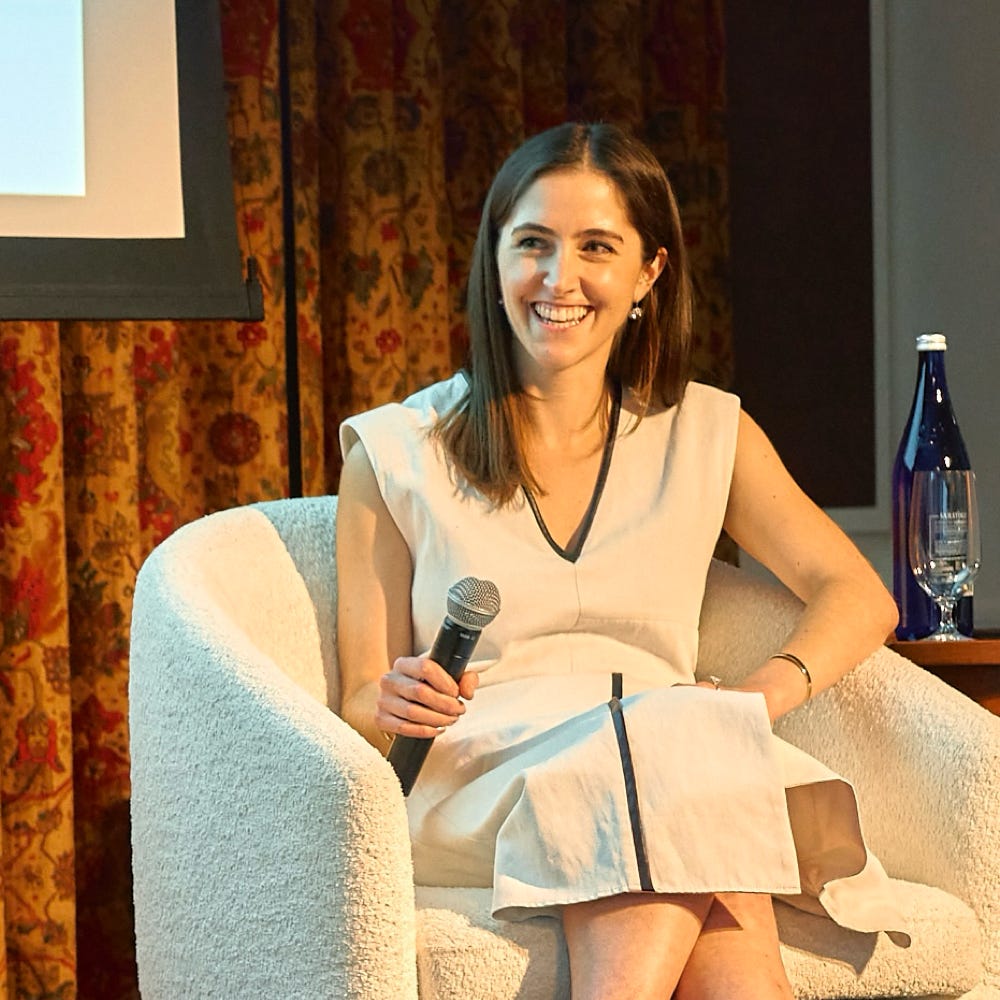
This week on The Materialist, I’m joined by Tiffany Lopinsky — co-founder and president of ShopMy, the platform quietly powering your favorite creators.We cover a lot of ground: the evolution of influencer marketing, why affiliate and subscription revenue might just save the creator economy, and what it takes to build something useful, without a playbook.Tiffany speaks with the clarity of someone who’s seen behind the curtain — first as a content creator herself (shout out to Boston Foodies), and now as the operator behind a platform with 175,000 creators and 30,000 brands.“There’s no playbook for something that hasn’t been done before. Otherwise, you’d have to write the playbook once you do it.”That could be the ShopMy manifesto — and it wouldn’t be a bad one for the rest of us, either.📌 Highlights from Our Conversation• The 3 ways creators make money todayFlat-fee partnerships, affiliate revenue, and subscriptions. (Spoiler: Tiffany thinks the second and third are where freedom — and taste — live.)• Why micro-influence isn’t just a buzzwordThe power isn’t always in scale — it's in specificity. Smart brands know that the right creator with 10k followers can outperform a scripted macro-influencer with a million.• The changing role of press & retailLegacy media and department stores are losing ground. Creators now function like boutique editors and independent shopkeepers — and they’re often better at it.• The invisible architecture of tasteShopMy isn’t just helping brands find creators — it’s helping good taste scale.🛍 Brands Tiffany Loves (and Why)Here are a few brands Tiffany mentions in the episode — all discoverable (and shoppable) through ShopMy:* Le Monde Beryl — Elegant flats rooted in timeless design.* Emme Parsons — Sandals and refined footwear with a minimalist soul.* Porta NYC — Brooklyn-based earthenware shop she can’t stop talking about. This is a public episode. If you would like to discuss this with other subscribers or get access to bonus episodes, visit atpresent.substack.com
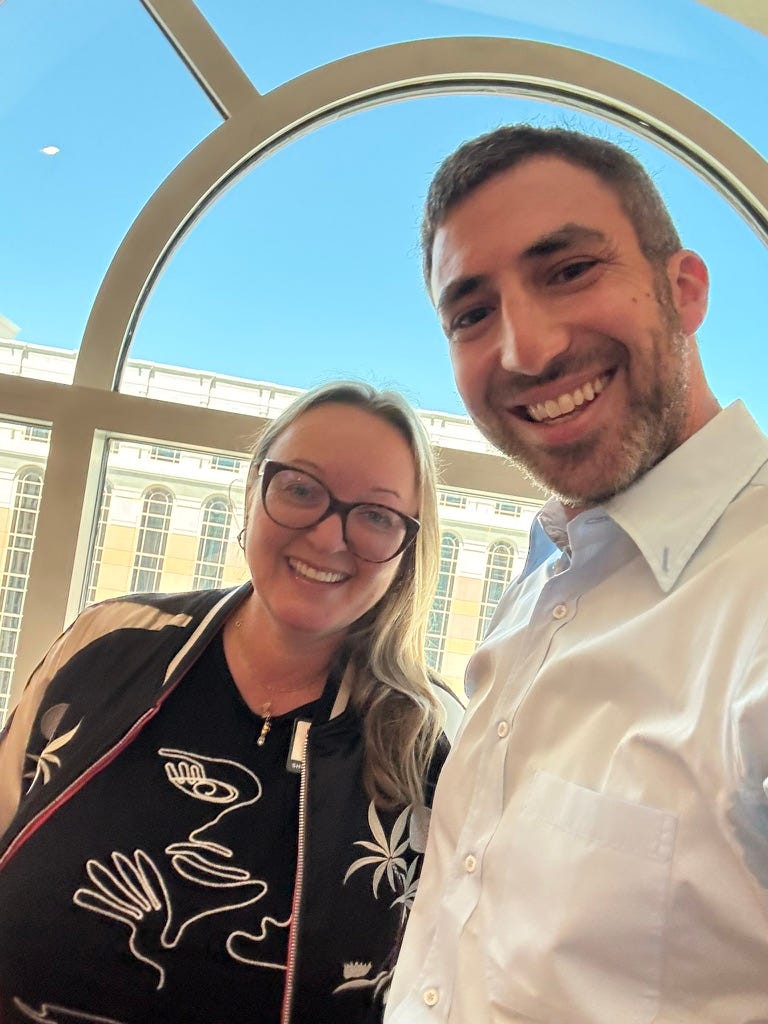
Victoria Gomelsky and Marc Bridge Live from the Fabulous Venetian Hotel and Casino, Las Vegas.Welcome back to The Materialist. I recorded this special episode live from the jewelry shows in Las Vegas—the annual gathering point for the industry’s global village. Fittingly, I sat down with Victoria Gomelsky, Editor-in-Chief of JCK Magazine, contributor to The New York Times, and one of the most thoughtful chroniclers of the jewelry world for over two decades.Victoria and I talked about what keeps her coming back to JCK after 23 years, why jewelry is still a face-to-face business in a screen-filled world, and how she ended up with a watch named after her—literally, The Gomelsky.Some highlights:"This business runs on trust—millennia ago, you only traded gems with people you knew. That legacy still shapes the industry today.""Of all industries, jewelry is the most intimate—and the most global. You walk one aisle and you’ve met people from China, India, Botswana, Sri Lanka… it’s like the U.N. in diamonds.""Shinola’s CEO said, ‘We can’t come up with a name for this watch—what’s your name?’ I said Gomelsky. And that’s how I got a watch line named after me.""Trade press may not be glamorous, but it's where you learn the real business—the players, the politics, the paradoxes."We also get into:* The evolution of women buying jewelry for themselves* Why trade shows still matter in the age of Instagram* How the jewelry press balances journalism with brand hospitality* Her accidental path from Soviet émigré to New York Times travel writer to gemstone editorVictoria’s storytelling reminds to stay open to serendipity as the best experiences—and the best careers—are rarely planned. You can read her latest New York Times stories here and find her on Instagram at @vikavickyvictoria. This is a public episode. If you would like to discuss this with other subscribers or get access to bonus episodes, visit atpresent.substack.com
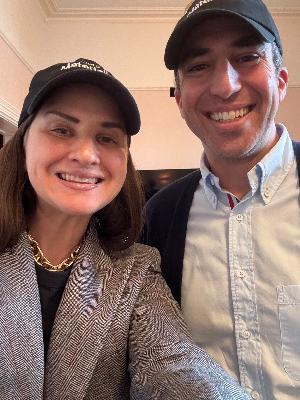
What do you get when a journalism grad, Dallas native, and self-described jewelry “nepo baby” builds a piercing empire in the middle of a pandemic? You get Wildlike—a brand that’s as much about identity, memory, and reinvention as it is about sparkle.This week on The Materialist, I sit down with my friend Alysa Teichman—co-owner of Ylang 23 and founder of Wildlike—to talk about the deeply personal reasons people get pierced (divorce, fertility, “hot girl summer”), the role jewelry plays in our emotional lives, and what it means to grow up inside a family business and then start your own. Alysa is witty, warm, candid, and sharp.We talk:* 🧠 Why piercings are more than aesthetic—they're ritual, rebellion, release* ✨ What it means to treat retail as a form of public service* 🛠️ The real work of “making it happen” when you're spinning 18 plates (and wearing 18 earrings)* 💎 Natural vs lab diamonds: is a lab diamond like a fake Birkin?* 📈 Rising gold prices, TikTok brains, and why “perfection is the enemy of good”* 💬 Scott Galloway quotes, “hey guys” videos, and the elusive balance between authenticity and content fatigueAnd yes, we also talk about her dog. And her favorite piercing (hint: SEO gold).📍Find Alysa at alysa teichman or IRL at her Wildlike stores in NYC and Dallas, and her family’s store, Ylang 23. This is a public episode. If you would like to discuss this with other subscribers or get access to bonus episodes, visit atpresent.substack.com
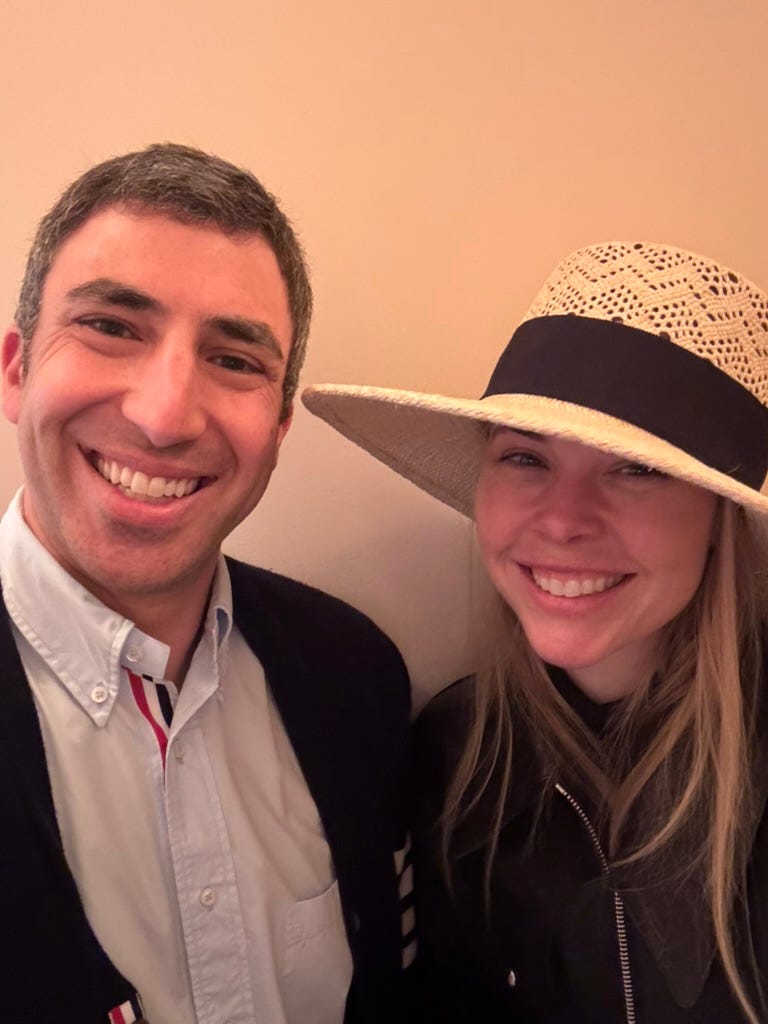
This week on The Materialist, I sit down with milliner and creative force Gigi Burris, founder of Gigi Burris Millinery and the nonprofit Closely Crafted, which champions artisanal production in the U.S.We talk about how Gigi went from sewing hats as a Parsons student to dressing Rihanna and being a CFDA Vogue Fashion Fund finalist—while keeping her studio (and her soft-coated Wheaten Terrier shipping manager, Brooklyn Bow) right in the heart of Chinatown. She shares what it means to build a niche brand in an age of sameness, the surprisingly diverse world of hat-wearers, and why confidence is the accessory that really matters.Highlights from our conversation:* ✂️ The difference between a milliner and a millionaire (and why she hopes to be both one day)* 👒 How Rihanna ended up in a senior thesis hat from Parsons* 🧵 The Vogue Fashion Fund bootcamp that shaped her business* 🇯🇵 Why Japanese department stores get everything first* 🎯 Closely Crafted’s mission to revive U.S.-based artisan production* 💡 “If you're going to be intentional about the way you dress, why would you not do so from head to toe?”* 👛 Shout-outs to fellow makers: Eve Fehren, Lizzie Fortunato, Don’t Let Disco, and Underwater Weaving Studio.Gigi Burris O’Hara at her studio and store in Chinatown, NYCMarc Bridge wearing a Gigi Burris Hat Pin as a Lapel Pin, NYC This is a public episode. If you would like to discuss this with other subscribers or get access to bonus episodes, visit atpresent.substack.com
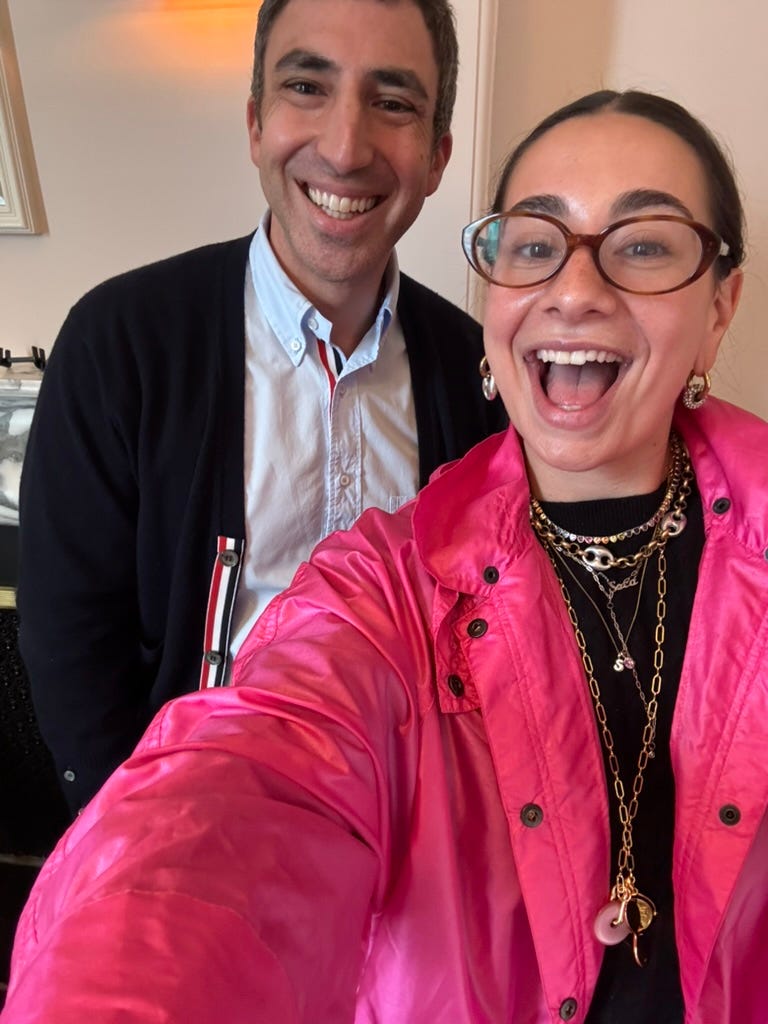
Marc Bridge and Sophie Cohen (@stylewithsoco), The Hotel Chelsea, May 21, 2025In today’s episode of The Materialist, I had the pleasure of speaking with Sophie Cohen, a fashion influencer whose authenticity and vibrant style have garnered a dedicated following across social media. Sophie’s journey from high school style page to full-time influencer is both inspiring and eye-opening, offering a unique behind-the-scenes look into the evolving business of influencer marketing. Here's a recap of some of the best parts of our conversation.The Power of Authenticity in FashionSophie has always believed that fashion is more than just clothes—it’s a powerful way to express who we are. “Fashion was really the thing that was like, this is how I express myself with the world and this is like my thing.” For Sophie, style isn’t just about keeping up with trends; it’s about wearing what feels authentic and reflects her personality.Her bold, maximalist approach—featuring vibrant colors, patterns, and a love for statement pieces—has set her apart in a crowded influencer space. “I love that with jewelry, even when I'm wearing a simpler outfit, or even if I'm just not feeling like getting dressed, I have all of these little things on me. I love having my name on things, I love that it sparks conversation.”The Business of Being an InfluencerBeyond personal style, Sophie shared her journey of building a career as an influencer. “The biggest channel of income for me is brand partnership. So that is like any sort of paid content on an influencer’s page. If a brand is paying them to post a story or a TikTok or a reel, whatever.”Sophie also emphasized the importance of authenticity in these partnerships. She never promotes brands that don’t align with her values or personal aesthetic. “I couldn’t do a deal for something that felt inauthentic,” Sophie explains. This commitment to staying true to her personal brand has allowed her to build genuine relationships with both her followers and the brands she works with.Sophie’s Favorite Brands and CollaborationsSophie’s style is influenced by a mix of high-end brands, vintage finds, and unique pieces from smaller designers. Here are some of the brands and designers she loves:* Jenny Bird: Sophie raves about their timeless yet funky jewelry pieces, particularly the gold bangles she’s worn daily. “They make really classic yet funky pieces that are also timeless.”* Timeless Pearly: Sophie recently collaborated with this whimsical Parisian brand known for their colorful, fun designs. “They just have the most whimsical, joyful pieces. If you’re ever in Paris, you have to go to their showroom."* Nina Runsorf: Sophie loves this designer’s unique approach to classic jewelry, like a ring with pink tourmaline that she treasures. “I love anything that’s like classic with a twist when it comes to jewelry.”* Vintage Jewelry: Sophie also shares her love for collecting vintage jewelry during her travels. “I love getting a piece of jewelry from any city that I go to... even if it’s just like something off the street, like a $10 bracelet.”The Future of Sophie’s CareerLooking ahead, Sophie is excited about the possibilities within the influencer space and beyond. She’s already worked on some amazing collaborations, and she sees herself growing into the luxury space in the coming years. Sophie also shared her dream of owning a vintage shop, which aligns perfectly with her passion for curating unique, one-of-a-kind pieces.“I think my biggest passion is vintage designer clothing... I would love to have my own brand or shop or something of that sort,” she says. As Sophie continues to build her platform, she’s focused on creating a community where her followers can engage with her and feel inspired by her style.Where to Find SophieYou can keep up with Sophie on her various social platforms:* Instagram* TikTok* SubstackSophie also has a special Instagram show called Meet You in Five with her best friend, where they share more personal content and style advice.TakeawaysSophie Cohen’s approach to fashion and social media is refreshing, grounded in authenticity, and centered around self-expression. By staying true to her roots and embracing opportunities that align with her personal style, Sophie has built a career that continues to inspire both her followers and the brands she collaborates with. Whether she’s showcasing a vintage find or curating the perfect stack of jewelry, Sophie reminds us that style is a form of storytelling—a way to share our identity with the world. This is a public episode. If you would like to discuss this with other subscribers or get access to bonus episodes, visit atpresent.substack.com

What does it mean to make something lasting in a world built for speed? In this episode of The Materialist, I sit down with Sam Broekema, Editor in Chief of Only Natural Diamonds, to talk about permanence, disruption, and the enduring power of jewelry.Sam shares his journey from a small town in Wisconsin to the fashion departments of Vanity Fair, Harper’s Bazaar, and InStyle, where he honed his editorial vision. Now, at Only Natural Diamonds, he’s building a platform that champions storytelling over sales — and elevates diamonds not just as luxury goods, but as cultural artifacts rich with meaning.We talk about:* Why the best jewelry stories aren’t about price, but about people.* How legacy publications lost their footing — and what Sam is building instead.* The difference between a Chanel bag and a bracelet from your grandmother.* How Dezso by Sara Beltrán, 10,000 Things, and Nikos Koulis are redefining contemporary fine jewelry.* The joy of imperfection — from salt-and-pepper diamonds to poky stones with soul.We also discuss why print still matters, how Gen Z’s obsession with authenticity is reshaping luxury, and why responsibility and sustainability aren’t in opposition to indulgence — they’re part of it.Sam’s editorial ethos? Surprise. Delight. Tell the story no one else is telling.📸 Follow Only Natural Diamonds on Instagram🛍️ Discover emerging designers we love at atpresent.com This is a public episode. If you would like to discuss this with other subscribers or get access to bonus episodes, visit atpresent.substack.com
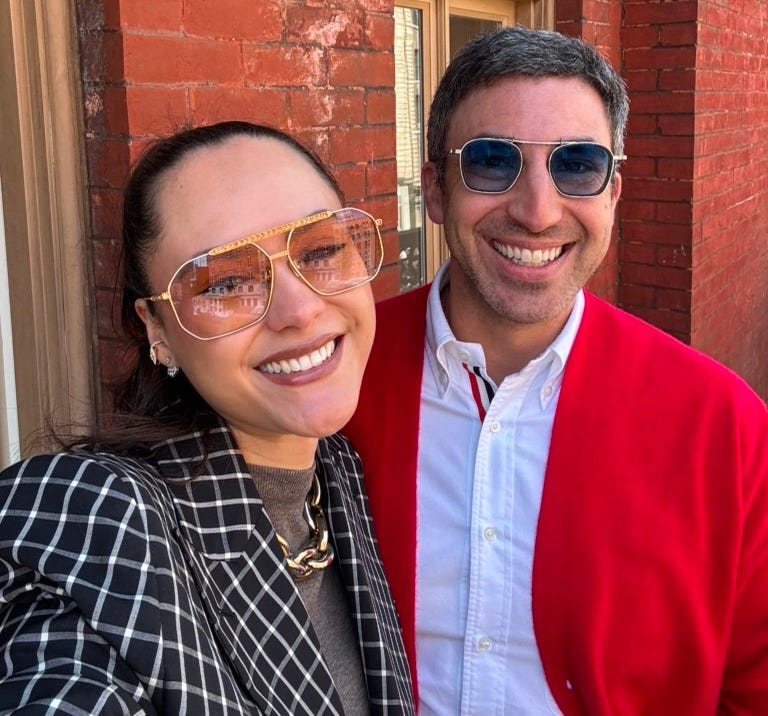
Cassie Thorpe doesn’t just talk about luxury fashion—she makes you feel why it matters. In our latest episode of The Materialist, the undisputed queen of Tiny Bag Energy joins me to unpack the emotional logic behind the circus of style. Cassie is incisive, hilarious, and uncommonly generous about the things that spark obsession: Alexander McQueen blazers, vintage Chanel rings, and bags shaped like plastic pigeons (cheers to you JW Anderson).We talk about what it means to curate a personal archive—and why her “love hand” (yes, that’s a thing) features not only her engagement ring, but also the Chanel Ultra ring her parents gave her at 18. That piece of white ceramic launched an entire aesthetic.She also highlights three standout creators and brands everyone should know:* Tolu Coker – London-based designer merging British tailoring and Nigerian heritage with vibrant storytelling. Her work, especially in light of this year’s Met Gala theme, is unmissable.* Nawbar – A Lebanese jewelry house creating bold, enamel-forward designs like their stunning Atom Collection.* Jeniece Blanchet – An ethereal designer whose sculptural beadwork looks like water droplets suspended in air. Think wearable fantasy.Cassie also shares her favorite personal pieces from designers she loves, including:* Susana Martins – for her signature white ceramic and gold pieces* Unsaid – French jewelry house working exclusively with lab-grown diamonds* Shay Jewelry – her own collab with them includes a lavender ceramic and diamond curb-link bracelet* Monica Vinader – for everyday stackable ringsAnd yes, she found the McQueen piece of her dreams—a 2009 houndstooth blazer—on eBay.Cassie’s worldview is that luxury should delight, not intimidate. Whether you’re deep in the Hermès trenches or just starting to figure out your ring stack, this is a conversation for anyone who finds joy in the details. This is a public episode. If you would like to discuss this with other subscribers or get access to bonus episodes, visit atpresent.substack.com
Every so often, a guest joins The Materialist who manages to collapse categories: intellect and indulgence, strategy and sparkle, Prada and Gramsci. This week, that guest is Tariro Makoni.Tariro is a strategist, writer, and the voice behind Trademarked, one of the smartest (and funniest) Substacks on the internet. She writes about fashion, politics, and consumer behavior with such clarity and candor that you’ll never look at a sweater—or a tariff—the same way again.In our conversation, we dig into:* The emotional logic of “frivolous” purchases* Why women drive 85% of consumer spending (and what that means for power)* The return of smoking as a sign of late-capitalist burnout* And why what’s happening on the Prada runway is an economic indicator—even if your professor doesn’t think so.But we also talk jewelry. Not as trend, but as text. Symbols, signals, little indulgences that reveal how we see ourselves—and what we want others to see.What’s on Tariro’s wrist (and mind):* A Carolina Bucci Lucky Bracelet — silk and gold, worn until the threads say something new* A Cartier Juste un Clou — flipped backwards to reclaim its meaning* A Charm Factory Star Bracelet — substantial, a little magical* And rings by Vanessa Hernandez — “the light of my life,” as Tariro puts itEach of these pieces comes with a story. A context. A cultural echo. And that’s what this episode is about: the meaning beneath the sparkle.🛍 Explore jewelry that tells a story📩 Subscribe to Tariro’s Substack: Trademarked This is a public episode. If you would like to discuss this with other subscribers or get access to bonus episodes, visit atpresent.substack.com
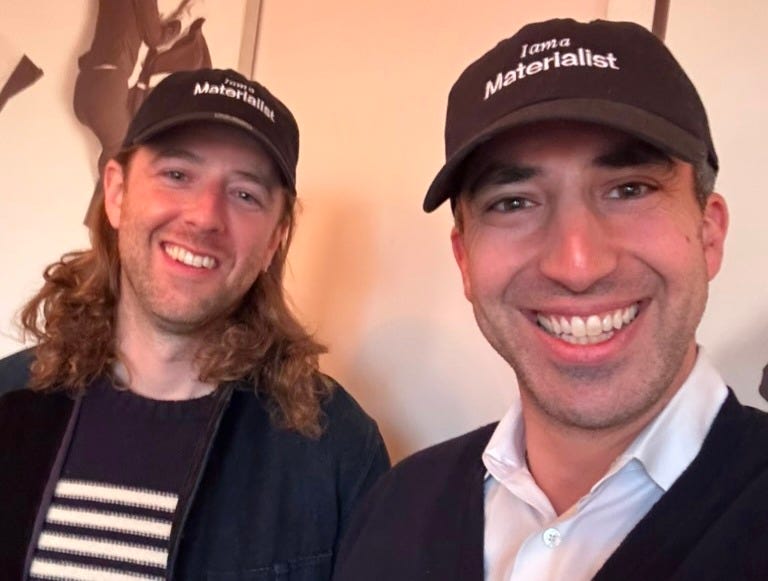
This week on The Materialist, I had the joy of sitting down with Colin Keane Lynch, the artist and jeweler behind Keane. His work has been part of At Present’s assortment for years, but this conversation offered the time to slow down, zoom out, and ask how meaning is made—through hands, history, and a thousand degrees of heat.Colin’s pieces are hand-formed from glass in his Brooklyn Navy Yard studio—each one made by him, start to finish. But as we talked, it became clear that the true through-line in his work isn’t just craftsmanship or aesthetics—it’s curiosity. The kind that spans childhoods spent among zookeepers and chemists, travels to glassblowing ateliers in Italy, and hours upon hours of studio time where intention meets improvisation.Three Pea Ring, Silver/RedWe talked about how value is created—economically, emotionally, and artistically. And about how hard it is to define what’s “worth it” in a world where perception can feel like quicksand.From Zoo Animals to Murano GlassColin grew up in St. Louis. His father was a zookeeper at the St. Louis Zoo, and his mother ran her family’s industrial coatings business—formulating everything from Steinway piano lacquers to experimental nail polish for dentists. (“Don’t ask,” he said, which of course only made me want to ask more.) His parents also ran an artisan import business sourcing from Central Mexico and Italy, where their connections eventually led Colin to spend a summer in Murano learning to blow glass from some of the world’s masters—at just 15.That summer was a turning point, not just creatively but conceptually. He described the experience as a kind of apprenticeship-in-motion, where the discipline of making met the thrill of learning without limits. It was like being sent to basketball camp and finding out your coach is Michael Jordan.RISD, Raves, and the Real Work of Art SchoolColin later studied in the glass program at RISD—not a technical program, but a conceptual one. Students weren’t asked to replicate historical forms; they were asked to investigate identity, systems, form, and meaning through material. The prompts were abstract (“Make something about identity”), and the materials were sometimes unconventional: crushed brick, spun sugar, yarn. He learned how to think about materials not as tools, but as collaborators.It was, he said, intimidating. And invaluable.From Menswear to MeaningAfter graduating into the 2008 financial crisis, Colin pivoted briefly into menswear—joining the team at Odin, one of the first high-concept men’s boutiques in New York. There, he helped launch their in-house apparel line and quickly became immersed in the design and production side of fashion. That experience taught him not just how to source and manufacture, but how to prototype, iterate, and communicate ideas to customers.And more importantly, it gave him a retail laboratory. He could make jewelry—small-batch, experimental pieces—and see in real time what resonated. The first piece he ever sold? A simple glass vial necklace with gold leaf suspended inside. Not precious, but poetic.On Glass, Value, and What's Really RareWe spent time in this conversation probing a recurring theme: how value gets ascribed. Colin sees parallels between precious jewelry and high-end clothing—when it’s done well and with intention, the materials and the story matter. But he’s wary of value that’s based solely on scarcity or branding. We talked about diamonds. We talked about perception. We talked about the ancient Egyptians, who once considered glass more valuable than gold because of the rarity of the knowledge it took to make it.“Most people don’t know how anything is made,” Colin told me. “But when they visit the studio and see even a glimpse of the process, it completely changes how they see the work.”It’s true. The moment you understand what goes into something—time, technique, the moment-to-moment improvisation of molten material—you stop seeing it as just a product. It becomes a story. Pea Necklace, Night ShadeCreative Influence and ProcessColin’s own process remains deeply hands-on and exploratory. He starts with a theme—Missouri cave systems, '90s rave culture, pigment and color—and lets the material guide him. Some collections come from research, others from intuition. Often, the best ideas come from scraps—pieces of failed experiments or discarded glass that yield unexpected inspiration.We also talked about the artists who influence him:* Wolfgang Laib, who collects marigold pollen by hand to form luminous floor installations—art born from patience and process.* Gordon Matta-Clark, who carved and deconstructed architecture as sculpture.* René Lalique, the French glassmaker whose fluid Art Nouveau forms continue to echo in the work of artists today.The Future of KeaneWhen I asked him what comes next, Colin’s answer wasn’t a five-year plan. It was a hope: more balance. Maybe a day off here or there. Maybe a production assistant who understands the medium enough to help. But he’s wary of compromising the intentionality that defines his work. Every piece is still made by hand. One at a time. By him.He wants to make work that’s both beautiful and accessible—something that someone like his younger self, shopping at thrift stores in St. Louis, could afford. That democratic vision sits at the heart of Keane.If you’ve ever worn one of Colin’s pieces—or admired it from across a room—you’ve already felt it. The material magic. The play between transparency and color. The sense of something made with care, meant to last.I’m honored we curate Keane on At Present. And I’m grateful to Colin—not just for this conversation, but for showing us what it means to build a life and a practice out of intention, iteration, and the willingness to start over.📷 Explore Keane on At Present This is a public episode. If you would like to discuss this with other subscribers or get access to bonus episodes, visit atpresent.substack.com
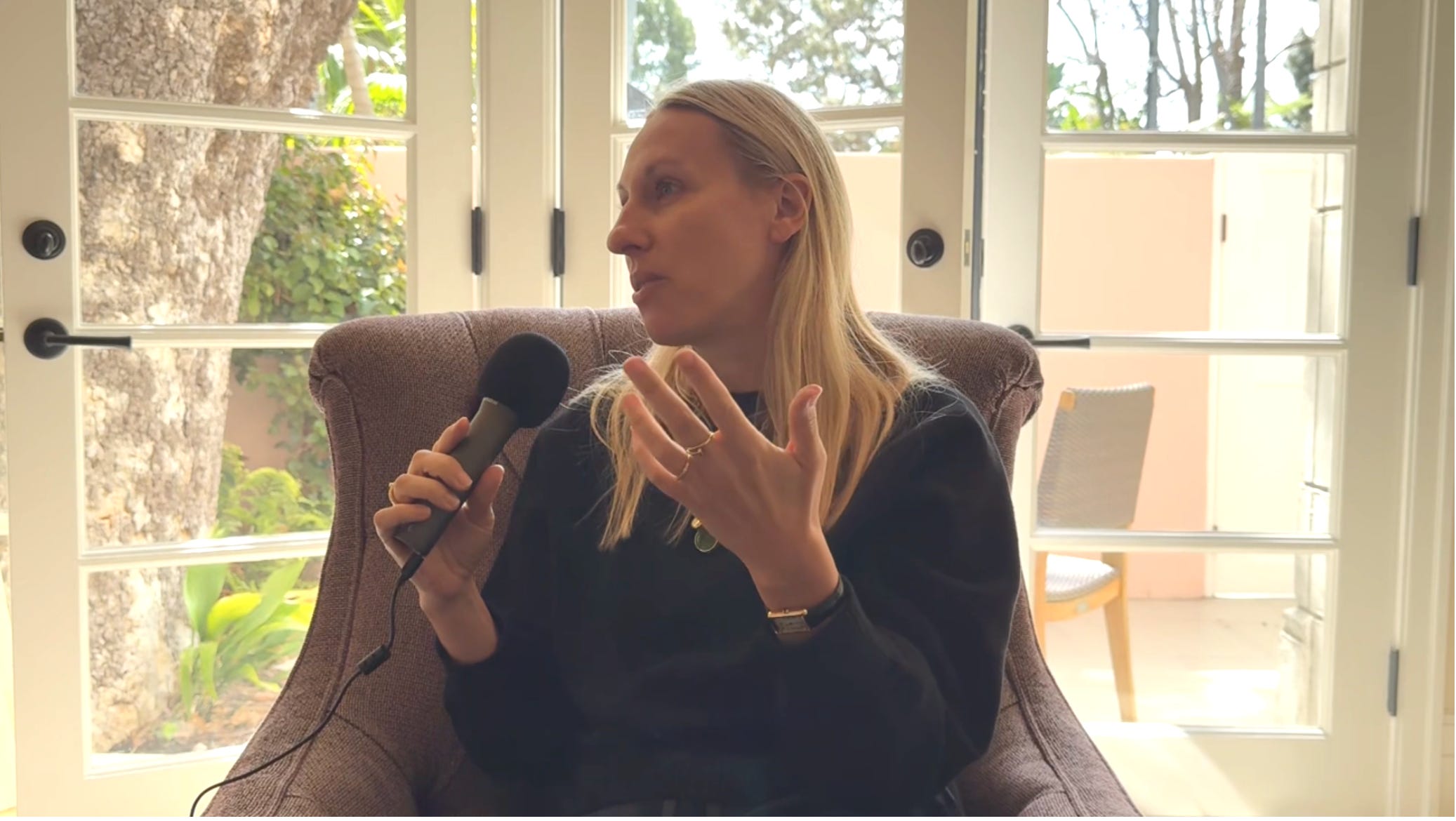
“You may not have heard of Ali Pew, but you are probably — indirectly — wearing something she told you to,”— Harriet Walker, the fashion editor of The Times of LondonAli Pew, stylist, creative director, and creator of the influential newsletter Uniform, joins The Materialist to unpack the power of intentionality in personal style and curating life's meaningful objects. Ali shares her career journey from Conde Nast Traveler and W Magazine to Goop, offering insightful perspectives on how editorial fashion translates into real-world dressing. Our conversation spans the California wellness scene ($18 smoothies!), the art of finding timeless wardrobe essentials, and the evolving landscape of digital media and fashion.Ali thoughtfully explores her philosophy around building a lasting wardrobe, emphasizing quality, versatility, and emotional resonance. She highlights her favorite fashion houses and designers—including Phoebe Philo, Proenza Schouler, JW Anderson, Prada, Maria McManus, High Sport, and Peter Mulier at Alaïa. Ali also discusses how jewelry uniquely captures sentimental value, noting standout brands such as Cartier, Sherman Field, Tabayer, Kloto, and the thoughtful curation at At Present.Tune in for Ali's reflections on navigating the ever-changing fashion landscape, why certain pieces feel truly indispensable, and how the objects we choose to surround ourselves with shape our personal narratives and sense of identity.Ali Pew with At Present Stylist-in-Residence Jalil Johnson and Booth MooreHotel Bel-Air, March 27, 2025 This is a public episode. If you would like to discuss this with other subscribers or get access to bonus episodes, visit atpresent.substack.com

Comments

Download from Google Play

Download from App Store
 United States