


 Claim Ownership
Audio research news
Subscribed: 287Played: 14,841
Subscribe

© Simons Foundation
Description
Your latest update from The Transmitter, an essential resource for the neuroscience community, dedicated to helping scientists at all career stages stay current and build connections. Read more: https://www.thetransmitter.org/
456 Episodes
Reverse

The “intuitive” neuropharmacologist pushed against the status quo.
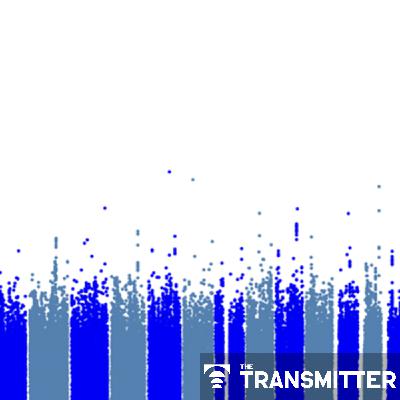
Adjusting genetic analyses could help plug autism’s heritability gap, according to a new preprint.
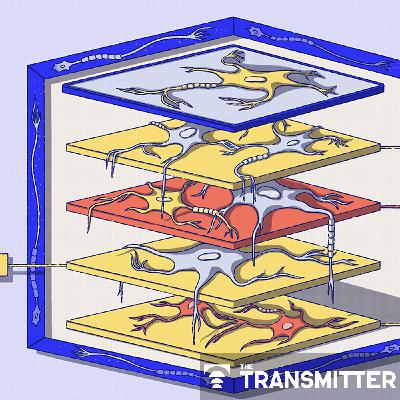
In a 2011 Neuron study, Stephan Lammel and his colleagues showed that dopamine neurons with different projections have different physiological properties. The work inspired Lerner to think about how to challenge widely held assumptions in the field.
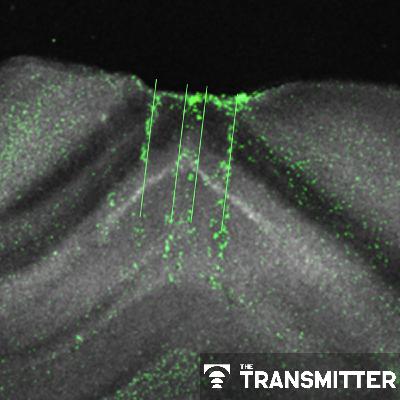
New cross-species findings may help settle a long-standing debate about whether the hippocampus is required for passive learning.

Finding creative ways to keep early-career researchers in academia—for example, through part-time roles—can help the field weather the storm.
Dynamic coding helps explain how the brain processes multiple features of speech—from the smallest units of sounds to full sentences—simultaneously.
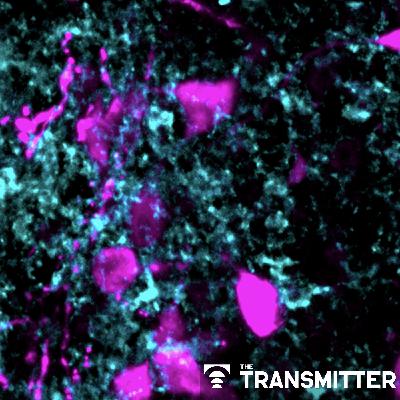
The cells amplify oxytocin—and may be responsible for sex differences in social behavior, two preprints find.

Carola Städele, a self-proclaimed “tick magnet,” studies the arachnids’ sensory neurobiology—in other words, how these tiny parasites zero in on their next meal.

Simple math suggests that small groups of scientists can significantly bias peer review.
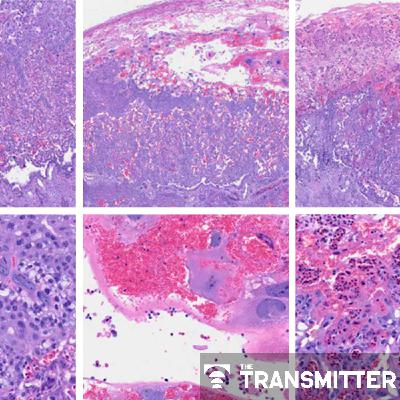
The immune-conflict between dam and fetus could help explain sex differences in neurodevelopmental conditions.

Sam Wang, a neuroscientist running for the U.S. House of Representatives, has been considering American democracy for decades.
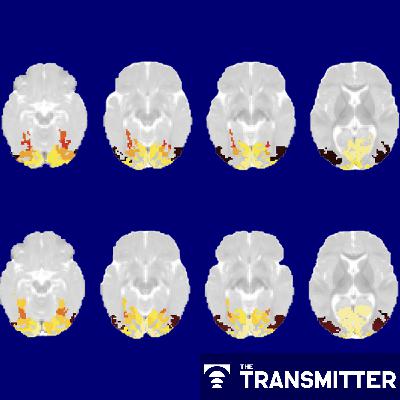
Brain activity patterns in the ventral visual cortex appear to distinguish images across 12 categories, including birds and trees, longitudinal functional MRI scans suggest.
After a clinical research career, an interlude at Apple and four months in early retirement, Raphe Bernier found joy in teaching.
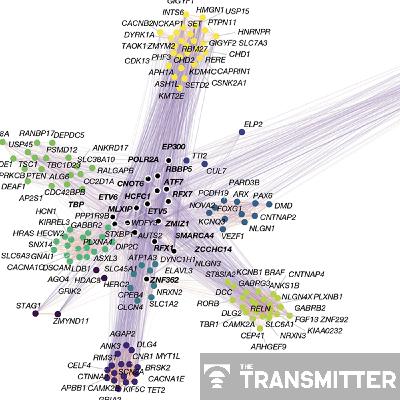
The genetic variants initially affect brain development in unique ways, but over time they converge on common molecular pathways.

Studying individual synapses has the potential to help neuroscientists develop new theories, better understand brain disorders and reevaluate 70 years of work on synaptic transmission plasticity.
If our field is serious about building general principles of brain function, cross-species dialogue must become a core organizing principle rather than an afterthought.
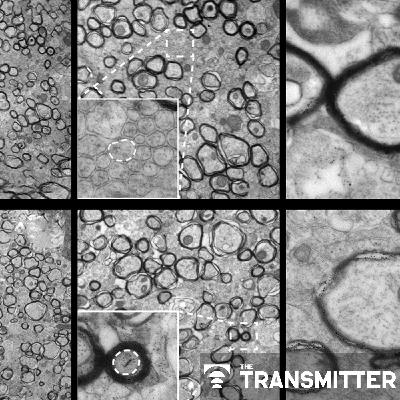
Without the mechanosensor TMEM63A, the cells cannot deposit the appropriate amount of insulation, according to a new study.
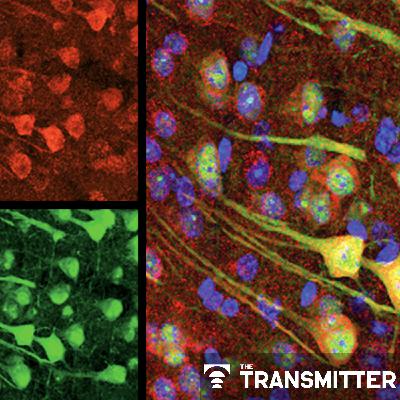
Degradation-resistant proteins pass from neurons to glial cells in a process that may spread protein clumps around the brain, according to a study in mice.
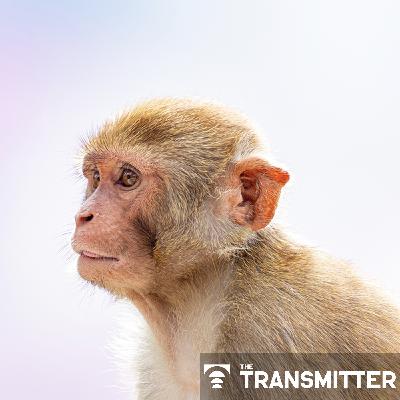
The board of directors at Oregon Health & Science University, which runs the primate center, voted unanimously in favor of the move.
Defining brain cell types is no longer a matter of classification alone, but of embedding their genetic identities within the dynamical organization of population activity.


Download from Google Play

Download from App Store
 United States
great show, very informative, and always moving with the times.