


 Claim Ownership
Trailblazers & Titans
Subscribed: 0Played: 0
Subscribe

© Copyright 2026 Dr. Keith Haney
Description
To empower aspiring and seasoned leaders by distilling the mindsets, breakthroughs, and actionable strategies of the world’s most influential entrepreneurs into a roadmap for personal and professional excellence.
Welcome to Trailblazers & Titans, your premier destination for high-stakes insights and transformative leadership wisdom. In a world that moves at lightning speed, staying ahead requires more than just hard work—it requires the specific blueprints used by those who have already conquered the summit.
What to Expect
Each episode features raw, in-depth interviews with groundbreaking founders, visionary innovators, and high-impact executives. We go beyond the surface-level highlights to uncover:
Real-World Challenges: The gritty truths of scaling businesses and navigating failure.
Pivotal Breakthroughs: The "aha" moments that changed the trajectory of entire industries.
Proven Strategies: Actionable advice you can implement immediately to sharpen your competitive edge.
Join the Journey
Whether you are a first-time founder, a seasoned executive navigating corporate complexity, or a high achiever driven to make a meaningful impact, this podcast serves as your weekly masterclass.
Welcome to Trailblazers & Titans, your premier destination for high-stakes insights and transformative leadership wisdom. In a world that moves at lightning speed, staying ahead requires more than just hard work—it requires the specific blueprints used by those who have already conquered the summit.
What to Expect
Each episode features raw, in-depth interviews with groundbreaking founders, visionary innovators, and high-impact executives. We go beyond the surface-level highlights to uncover:
Real-World Challenges: The gritty truths of scaling businesses and navigating failure.
Pivotal Breakthroughs: The "aha" moments that changed the trajectory of entire industries.
Proven Strategies: Actionable advice you can implement immediately to sharpen your competitive edge.
Join the Journey
Whether you are a first-time founder, a seasoned executive navigating corporate complexity, or a high achiever driven to make a meaningful impact, this podcast serves as your weekly masterclass.
74 Episodes
Reverse
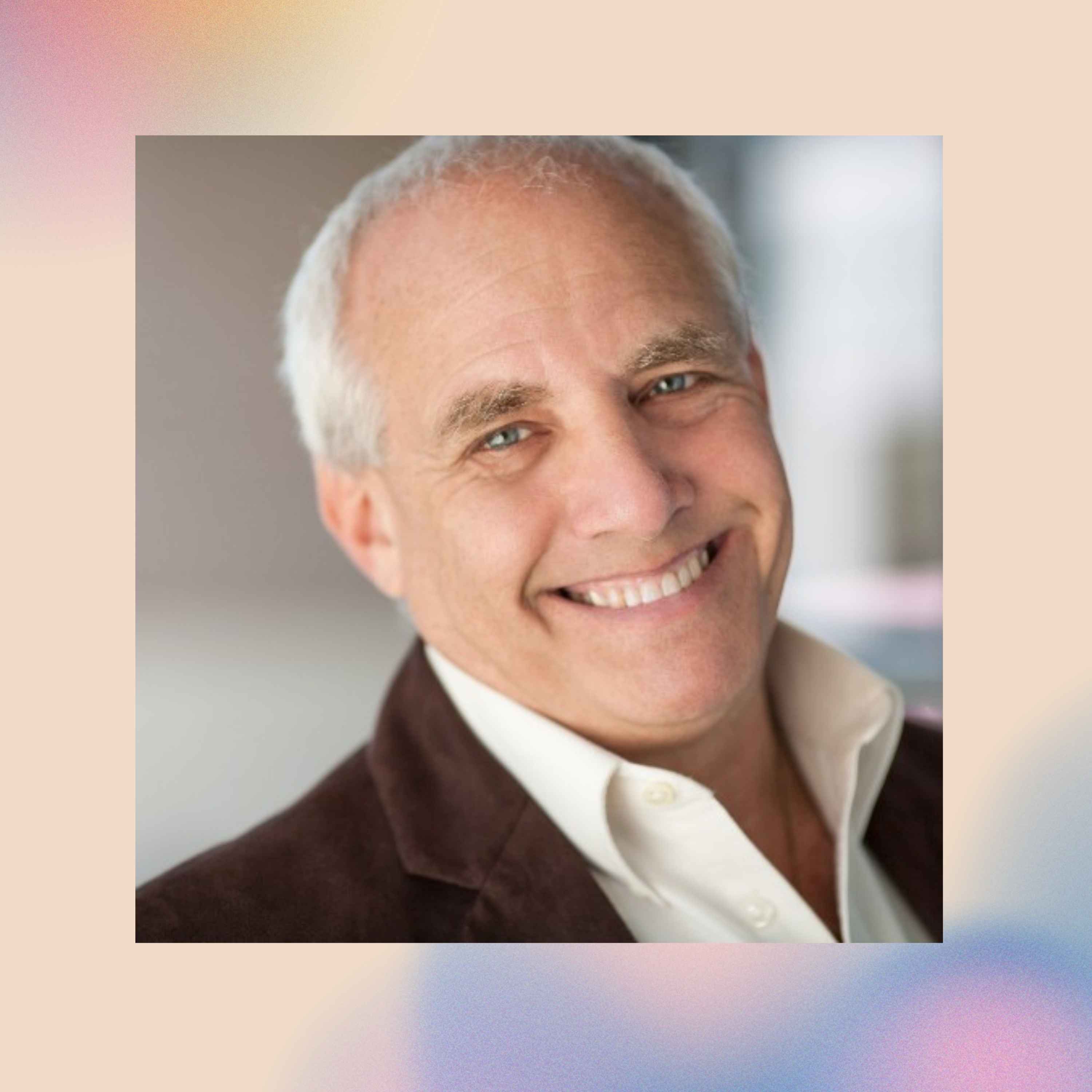
The primary focus of this discussion centers around the transformative concept of the Living Organization, as articulated by our esteemed guest, Norman Wolf. As the founder and CEO of Quantum Leaders, Norman elucidates a revolutionary perspective on leadership and organizational dynamics, positing that organizations should be viewed not as mechanistic entities, but as living systems that necessitate nurturing and development. Drawing upon over three decades of experience in advising executive teams, he emphasizes the imperative for leaders to adopt a more human-centric approach that integrates business outcomes with human development, fostering sustainable and soulful growth. Throughout our conversation, we explore the philosophical underpinnings of this framework and its practical implications for rethinking the foundational DNA of organizations. Norman's insights yield a compelling narrative that challenges conventional paradigms, urging leaders to cultivate environments where both individuals and organizations can thrive in tandem.Engaging in a profound exploration of leadership and organizational dynamics, this episode features Norman Wolf, an esteemed figure in the realm of business consultancy and the founder of Quantum Leaders. Norman introduces his groundbreaking concept of the Living Organization, which advocates for a paradigm shift in how leaders perceive and interact with their organizations. Rather than viewing organizations as mechanical constructs driven solely by efficiency metrics, he argues for recognizing them as living systems that thrive on human development and emotional engagement. This perspective is particularly crucial in a world where traditional approaches to leadership have often led to disillusionment and disengagement among employees.The dialogue reveals a startling statistic: approximately 70% of organizations struggle to effectively implement their strategies. Norman attributes this widespread failure not to a lack of competence among leaders but to a pervasive mindset that treats organizations merely as machines. He emphasizes the need for leaders to rethink their approaches, proposing that the key to unlocking success lies in nurturing the human aspects of their teams. This involves fostering a culture of trust, collaboration, and shared purpose, which in turn can lead to sustainable growth and extraordinary results.As the conversation deepens, Norman shares insights on how leaders can cultivate an environment conducive to human flourishing within their organizations. He discusses the importance of creating opportunities for employees to contribute meaningfully to their work and the organization’s mission. By reframing the relationship between results and personal development, leaders can not only achieve their strategic objectives but also enhance the emotional and relational health of their teams. This episode serves as a vital resource for any leader or organizational stakeholder seeking to navigate the complexities of modern business by embracing a living organization mindset that honors both the human spirit and the pursuit of excellence.Takeaways: The conversation emphasizes the importance of viewing organizations as living systems rather than mechanical structures, which fundamentally alters leadership strategies. Norman Wolfe articulates the transformative concept of the Living Organization, integrating business outcomes with human development for sustainable growth. The podcast discusses the paradigm trap that leaders often face, which limits their ability to execute strategies effectively and develop their organizations. Leaders must recognize that fostering human development is essential for achieving organizational growth and that people are not merely resources but vital contributors to success. The discussion highlights that a shift in mindset is necessary for leaders to engage their teams meaningfully and foster ownership rather than mere buy-in. Norman Wolfe's insights suggest that the future of leadership requires a focus on relationship-building and emotional intelligence to enhance organizational maturity. Links referenced in this episode:quantumleaders.comthelivingorganization.com
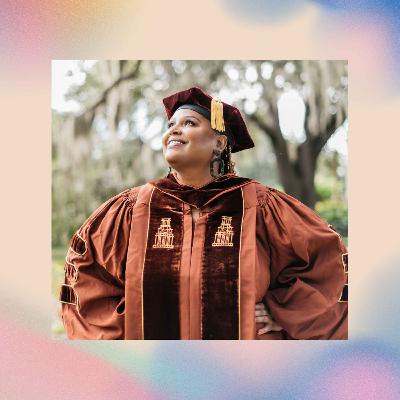
This podcast episode centers on the transformative power of financial literacy, featuring the esteemed educator and advocate Dr. Paris Woods. Our discussion elucidates Dr. Woods' insights into financial empowerment, particularly for marginalized communities. She highlights her groundbreaking work, including her book, "The Black Girl's Guide to Financial Freedom," which addresses the unique financial challenges faced by Black women. Additionally, we delve into her upcoming publication, "The Student's Guide to Financial Freedom," designed to equip teenagers with essential money management skills needed to navigate adulthood with confidence. Through her personal narratives and professional expertise, Dr. Woods aims to dismantle generational cycles of financial illiteracy and inspire a new generation to achieve lasting prosperity.The podcast delves into the transformative journey of Dr. Paris Woods, an esteemed educator and advocate for financial literacy, particularly among marginalized youth. With a commitment to breaking generational cycles of poverty, Dr. Woods shares her story of overcoming financial adversity and how education helped her succeed. The discussion highlights her acclaimed publication, 'The Black Girl's Guide to Financial Freedom', which serves as a beacon of hope and guidance for Black women seeking financial empowerment. This episode emphasizes the significance of authenticity in one's life journey, as Dr. Woods reflects on the importance of being true to oneself to attract opportunities and support. The conversation also touches on her forthcoming book, 'The Student's Guide to Financial Freedom', which aims to equip adolescents with the tools to navigate financial challenges as they transition into adulthood. The episode is rich with insights on the intersection of education, financial independence, and the empowerment of future generations, making it a vital listening experience for anyone interested in personal finance and social justice.Takeaways: In this episode, Dr. Paris Woods emphasizes the importance of financial literacy among youth and advocates for comprehensive education on money management. The discussion highlights the transformative power of authenticity, urging individuals to embrace their true selves to attract the right opportunities. Dr. Woods shares her personal journey of overcoming financial hardships, illustrating how education and informed financial choices can empower. The upcoming book, 'The Student's Guide to Financial Freedom,' aims to equip teenagers with essential financial skills as they transition into adulthood. We encourage you to take a proactive approach to debt management, recognizing it as a barrier to financial freedom that can be overcome with informed decisions. The episode emphasizes the importance of mentorship and guidance in shaping the financial futures of young people, particularly in underserved communities. Links referenced in this episode:pariswoods.com
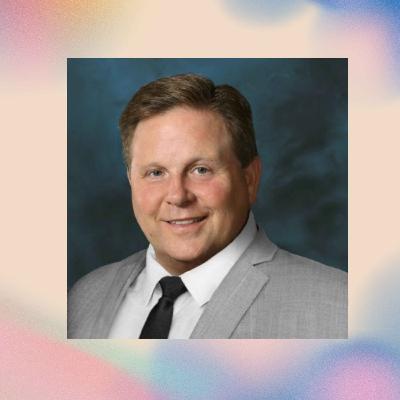
Today, we engage in an enlightening dialogue with Scott Alldridge, a distinguished leader in cybersecurity whose extensive experience spans more than three decades. Our conversation delves into the critical principles of the Total Control Framework and the transformative concept of Zero Trust, elucidating how these methodologies empower leaders to convert compliance into a formidable competitive advantage. Alldridge articulates the need for organizations to transcend traditional cybersecurity paradigms and adopt a strategic business discipline that prioritizes security as integral to operational excellence. Through his insights, we explore the importance of fostering a culture of cybersecurity awareness and the pivotal role that leadership plays in this endeavor. Join us as we navigate these pressing themes, offering invaluable perspectives that every business leader must consider in an era increasingly defined by digital risk.In this episode of Trailblazer and Titans, host Keith Haney speaks with cybersecurity expert Scott Alldridge about the evolving cybersecurity landscape. They discuss the importance of integrating cybersecurity into business strategy, debunk common myths, and explore the Total Control Framework and Zero Trust principles. Scott emphasizes the need for a security-first mindset among executives and the role of education in fostering a culture of cybersecurity awareness. The conversation also touches on emerging trends, including the impact of AI on cybersecurity, and offers actionable steps for leaders to enhance their organization's security posture.Takeaways: The podcast features a deep dive into cybersecurity principles, emphasizing the critical need for leaders to understand them to safeguard their organizations. Scott Alldridge discusses the importance of implementing a zero-trust framework, which is essential for minimizing vulnerabilities within business networks. The conversation highlights the necessity of continual vulnerability assessments and penetration testing to ensure robust cybersecurity practices are in place. Listeners are encouraged to adopt a security-first mindset, integrating cybersecurity into their overall business strategy to protect revenue and maintain operational integrity. Alldridge's latest book, 'Visible Ops Cybersecurity', presents methodologies that align IT processes with security objectives, thereby enhancing organizational resilience. The episode underscores the alarming statistic that approximately 60% of businesses do not survive a significant cybersecurity breach, stressing the urgency of proactive measures. Links referenced in this episode:scottalldridge.com

Today's discourse centers on the remarkable journey of Chris Capuano, a testament to the notion that one's origins do not dictate one's destiny. Chris, who has traversed a diverse array of vocations—from Uber driver to steam pipe fitter—has emerged as a successful entrepreneur, with his enterprise processing over one billion dollars in payments. His narrative is not merely one of vocational achievement; it encapsulates themes of resilience and transformation, particularly as he shares the profound insights detailed in his latest publication, "No Ceiling, No Excuses." This book serves as a compelling narrative that articulates the significance of accountability, perseverance, and the relentless pursuit of purpose in the face of adversity. Join us as we delve into the pivotal lessons gleaned from Chris's life and the strategies he advocates for overcoming self-imposed limitations.In this moving episode, Chris Capuano shares his remarkable journey from a tumultuous past filled with addiction and chaos to achieving notable entrepreneurial success. Hosted by Keith Haney, the conversation uncovers the core principles that have guided Chris throughout his life, culminating in the release of his book 'No Ceiling, Nowork not only details his experiences but also acts as a motivational blueprint for those striving to overcome their own challenges. Chris's story serves as a powerful reminder that one's beginnings do not define their potential, and through perseverance and accountability, anyone can carve a path to success. Excuses.' This The discussion highlights several key themes, including the importance of grit and personal accountability. Chris explains that the 'no ceiling' in his book's title represents the lack of barriers to growth and achievement, while 'no excuses' emphasizes the importance of taking responsibility for one’s circumstances and results. He introduces his Hustle framework, which covers strategies for success in both business and life. Throughout the episode, Chris shares powerful stories, including lessons learned from the tragic loss of an employee, which deepened his understanding of empathy and the significance of supportive leadership.Listeners are encouraged to reflect on their own journeys and the ceilings they may have set for themselves. Chris advocates taking action, even when faced with, emphasizing that imperfect action is much better than doing nothing. The episode serves as a call to aspiring entrepreneurs to embrace their unique stories, learn from their struggles, and pursue their dreams with relentless determination. Chris’s ultimate goal is to leave a legacy that touches others, to help them realize their full potential, and to make a meaningful difference in the world. Takeaways:The podcast introduces Chris Capuano, a successful entrepreneur who overcame a chaotic childhood marked by addiction to achieve remarkable success in business.Chris emphasizes the importance of taking responsibility for one's actions and outcomes to foster personal growth and achievement.His book, 'No Ceiling, No Excuses,' serves as a memoir, blueprint, and workbook, offering insights into resilience and transformation.Listeners are encouraged to take imperfect action rather than succumb to perfection paralysis when pursuing their entrepreneurial aspirations.The Hustle framework presented in the podcast outlines essential principles for achieving success and generating passive income.Chris shares a profound moment in his life that highlights the necessity of empathy and understanding the struggles of others in both personal and professional contexts.Links referenced in this episode:noceilingnoexcuses

This podcast episode delves into the transformative power of kindness in leadership, featuring the insights of Christy Pretzinger, CEO of WG Content. Christy elucidates how cultivating a workplace culture grounded in kindness, personal growth, and inclusivity not only enhances employee satisfaction but also drives organizational success. Through her experiences and the principles outlined in her book, "Cultural Balance Sheet," she emphasizes the necessity for leaders to prioritize the well-being of their teams. Our conversation explores practical strategies for fostering an environment where individuals can flourish and emphasizes the significance of living one's organizational values rather than merely articulating them. Join us as we unravel the profound impact of compassionate leadership on both individuals and organizations alike.In this episode of the Trailblazers and Titans podcast, host Keith Haney speaks with Christy Pretzinger, CEO of WG Content, about the importance of kindness in leadership and workplace culture. Christy shares insights from her book, 'Cultural Balance Sheets,' emphasizing the need for personal growth, the role of culture in business success, and the challenges women face in leadership roles. The conversation explores how to create environments where people can thrive, the significance of hiring for culture fit, and the impact of kindness on organizational performance.The discussion with Christy Pretzinger, CEO of WG Content, delves into the profound impact of cultivating a workplace culture characterized by kindness and inclusivity. Drawing on her extensive experience, Christy articulates that the essence of leadership is not merely to direct but to nurture an environment in which individuals can thrive. Through the lens of her book, 'Cultural Balance Sheet,' she proposes a framework that emphasizes the importance of cultural assets over mere financial metrics. Central to her philosophy is the notion that leaders' personal growth directly correlates with their organizations' success. Christy encourages leaders to embrace vulnerability and authenticity, fostering connections that transcend traditional hierarchical structures. This episode serves as a clarion call to recognize the intrinsic value of human capital in shaping not only the workplace but society at large.Takeaways: The podcast emphasizes the significance of fostering a culture rooted in kindness and inclusivity within organizations to enhance leadership effectiveness. Christy Pretzinger advocates that leaders prioritize personal growth and self-awareness as essential components of business success and employee satisfaction. The conversation highlights the need to create environments where individuals feel valued, enabling them to thrive both personally and professionally. The Better Leader Project serves as a resource for leaders seeking to cultivate empathy and connection within their teams, ultimately leading to more cohesive and productive workplaces. Listeners are encouraged to recognize that a company's culture can significantly impact financial performance, with culture often being overlooked as a crucial business asset. Christy stresses the importance of hiring individuals who embody curiosity and a willingness to engage with colleagues in meaningful ways, thereby fostering a collaborative workplace. Links referenced in this episode:christypretzinger.comwgcontent.com

Aisha Makara, a remarkable global citizen and creative force, exemplifies the spirit of resilience and joy in the face of adversity. Orphaned at the tender age of two in Mongolia, Aisha has traversed over 60 countries, transforming her life's challenges into a vibrant tapestry of artistry and purpose. As the founder of a boutique hotel in Lisbon and a civil engineer in training, she embodies the essence of a multifaceted innovator. Notably, in 2023, her artwork was launched into outer space, symbolizing the boundless potential of human creativity. In this episode, we delve into Aisha's extraordinary journey, her philosophy of joyful living, and the profound impact she has made in inspiring others to find beauty and balance amidst life's chaos.Aisha Makara's extraordinary journey unfolds as a testament to resilience and creativity, shaped by her early life experiences in Mongolia, where she was orphaned at the tender age of two. Growing up amidst the vast Siberian landscape, she developed a sense of adventure and exploration that has defined her life. Aisha's artistic journey began as a means of self-expression, a way to channel her emotions and experiences into vibrant, original works. With a passport boasting over sixty countries, she has embraced a nomadic lifestyle, selling her unique art from a personalized van across the United States. As a multifaceted individual, Aisha is not only an artist but also a civil engineer in training, a property manager in Lisbon, Portugal, and the founder of a boutique hotel. Her recent achievement of sending her artwork into outer space signifies her unwavering commitment to her dreams. Aisha's philosophy centers around joyful living, which she encapsulates in her latest creation, the 'Joyful Living Guidebook.' This guidebook serves as a beacon of practical wisdom and artistic expression, providing readers with simple actions to cultivate joy and balance in a fast-paced world. Through her journey, Aisha inspires others to seek beauty and purpose even amidst chaos, embodying the essence of a true global citizen.Takeaways:Aisha Makara's resilience is epitomized by her journey from being orphaned in Mongolia to becoming a celebrated global artist and entrepreneur.She emphasizes the importance of remaining present in the moment, which has greatly influenced her approach to life and creativity.Her artwork was recently sent into space, showcasing her commitment to pushing artistic boundaries and realizing her dreams.Aisha's 'Joyful Living Guidebook' blends practical wisdom with original art, encouraging individuals to cultivate joy amidst life's chaos.Throughout her travels, Aisha has learned to embrace both the beauty and challenges of forging connections with diverse communities.She believes in the transformative power of art, asserting that it allows individuals to express their emotions and connect deeply with their experiences.Links referenced in this episode:aisha.todayamazon.comjoyfullivingguidebookz5GKJWwx3coOEKddqiPn
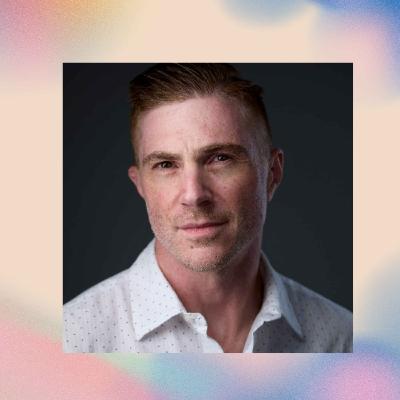
The salient point of this podcast episode revolves around the significance of presence and confidence, as articulated by our esteemed guest, James Stewart, a specialist in precision coaching and photography. James elucidates how effective headshots and brand portraits serve as powerful tools for executives and top performers, projecting an image of leadership and authenticity that can shape perceptions even before a conversation begins. His extensive experience, encompassing work with law firms, senior executives, and championship athletes, underscores the transformative impact of capturing one's true essence through photography. Throughout our discourse, we delve into how confidence is not merely an innate trait but a cultivated skill that can be fostered through deliberate practice and the right guidance. Join us as we explore the intricate relationship between visual representation and personal branding, and how one can harness these elements to enhance their professional trajectory.The Trailblazing Titans podcast presents an engaging discourse on the significance of presence and confidence, featuring a distinguished guest, James Stewart, a professional photographer renowned for his ability to encapsulate the essence of leadership and authenticity through his work. Stewart, whose clientele includes executives, law firms, and championship athletes, shares his profound insights on the transformative power of a well-executed headshot. He elucidates how an individual's initial perception is often shaped by their visual representation, asserting that confidence is projected long before any verbal interaction. This episode delves into James's unique approach, which combines artistic photography with performance coaching, enabling clients to confidently present their most authentic selves. Throughout the dialogue, Stewart recounts his journey from sports photographer to headshot expert, emphasizing the need to adapt one’s skill set to meet the evolving demands of the digital age. He articulates the importance of updating one's professional image, particularly in an era where online presence is paramount. As he reflects on his career, Stewart shares invaluable lessons from both successes and failures, underscoring the importance of taking risks and embracing the learning opportunities they offer. The discussion culminates in practical advice for listeners seeking to enhance their personal brand through effective visual communication, ultimately reinforcing the idea that a compelling headshot is not merely a photograph but an essential business asset that can significantly impact one’s professional trajectory.In addition to exploring the technical aspects of photography, the conversation also touches on the psychological element of confidence and how it can be influenced through the photographic process. Stewart’s methodology encourages a collaborative approach, where he works closely with clients to elicit genuine expressions that resonate with their true selves. This not only alleviates the discomfort often associated with being photographed but also fosters trust between the photographer and the subject, thereby enhancing the overall outcome. The episode serves as a reminder that, in professional representation, taking the initiative to present oneself authentically is imperative, with the headshot serving as a critical first impression in a competitive landscape.Takeaways: The podcast episode emphasizes the paramount importance of projecting confidence through effective headshots and personal branding. James Stewart discusses how coaching helps individuals present their authentic selves before they even say a word. The conversation highlights the significance of presence in shaping perception within professional environments. Listeners are encouraged to pursue their passions now rather than waiting for ideal circumstances, echoing the advice given by James' mother. A key takeaway is the necessity of updating one's headshot regularly, as it serves as a crucial business asset in today's digital landscape. James shares that embracing technological advancements, such as AI, can significantly enhance one's professional journey and personal branding efforts.

This podcast episode presents a profound dialogue featuring Amy Vaughan, a visionary leader who is actively transforming the realms of creativity and leadership within the digital landscape. At the forefront of our discussion is Amy's commitment to empowering women in the fields of digital and technology through her role as the CEO of Together Digital, a platform that has already made a significant impact by connecting over 500 women. With an illustrious career that includes leading innovative campaigns for global brands, Amy shares her insights on the importance of community building and strategic networking in fostering professional relationships. Furthermore, we delve into her latest endeavor, the Marketer Collaborative, which serves as a co-working space designed to facilitate creativity and collaboration among professionals. During our conversation, we explore the barriers women face in tech and marketing, emphasizing actionable steps that leaders can take to dismantle these obstacles and create more inclusive environments.The discussion centers around the transformative journey of Amy Vaughan, a creative leader who has significantly impacted the realms of digital marketing and brand development. With over fifteen years of experience, Amy has redefined the intersection of creativity and leadership, advocating for purpose-driven innovation that empowers individuals and organizations alike. As the CEO of Together Digital, she has established a robust platform that supports women in technology and digital domains, facilitating strategic networking and community building. This episode delves into her personal evolution, highlighting her transition from a career marked by isolation to one enriched by collaboration and connection, illustrating her commitment to fostering environments where creativity and innovation can flourish. Moreover, the conversation explores the importance of intentional team-building, emphasizing the need for diversity in perspectives and experiences within teams. Amy articulates the concept of hiring not just for culture fit, but for culture add, recognizing that varied backgrounds and communication styles enhance team dynamics and foster greater creativity. Listeners are invited to reflect on the significance of understanding individual motivations and the role of effective feedback in cultivating a loyal and high-performing team. The episode serves as a compelling narrative on the power of community and the essential nature of human connection in today’s workplace, especially for women navigating the challenges of the tech industry.Takeaways: The podcast emphasizes the importance of community and connection in both personal and professional life, especially in the post-pandemic world. Amy Vaughan, the guest, highlights the significance of empowering women in digital and tech through strategic networking and community building. The discussion reveals that hiring for diversity and inclusion is crucial for creating effective and innovative teams in the workplace. Listeners are encouraged to seek out meaningful connections and to view networking as a form of self-care, particularly in combating feelings of isolation. Amy Vaughan shares insights on the challenges women face in tech, including the persistent pay gap and the importance of pay transparency. The conversation underscores the need for flexibility in work environments, balancing remote work preferences with the necessity for in-person collaboration. Links referenced in this episode:togetherindigital.comthemarketercollab.com

The salient point of this podcast episode is the exploration of fear-based leadership and its pervasive impact on individuals and organizations. I, Keith Haney, serve as your host, leading a profound dialogue with our esteemed guest, Kate Lowry, who possesses extensive experience navigating the treacherous terrains of Silicon Valley. Together, we delve into the psychological mechanisms underpinning fear-based leadership, revealing how such leaders often operate from a place of insecurity and manipulation. Kate shares invaluable insights, encapsulated in her book *Unbreakable*, which serves as a crucial resource for individuals seeking to thrive in environments dominated by fear. Our conversation emphasizes practical strategies for reclaiming agency and fostering resilience amidst chaotic leadership dynamics.Takeaways: In navigating fear-based leadership, it is crucial to foster a relationship with oneself, as self-awareness can significantly aid in managing external pressures. Fear-based leaders often operate from a place of insecurity, leading to predictable tactics that can be anticipated and strategically addressed. To effectively deal with fear-based leaders, it is essential to withhold personal information and understand their commodities of power, such as attention and information. The chaotic environment created by fear-based leaders stifles innovation and morale, ultimately resulting in suboptimal performance and creativity within teams.

The salient point of our discussion centers on the transformative journey from being a high achiever to becoming a high-impact leader, as illuminated by our distinguished guest, Mark Silverman. Mark, a notable figure in both corporate and coaching realms, has successfully generated over 90 million in sales and has devoted over a decade to executive coaching, fostering clarity and purpose among leaders. Throughout our conversation, we delve into the mindset, habits, and strategies that underpin sustainable success and the essential elements that elevate one's leadership potential. We explore the nuances that differentiate high achievers from effective leaders, emphasizing the significance of interpersonal skills and the capacity to influence within organizational hierarchies. By addressing common leadership blind spots and advocating for a holistic approach to personal and professional development, we aim to equip our listeners with actionable insights that will enhance their leadership effectiveness.The discourse presented in this episode illuminates the transformative journey of high achievers as they transition into impactful leaders. Our guest, Mark Silverman, a distinguished figure in executive coaching, articulates the nuanced distinctions between mere achievement and effective leadership. He asserts that while high achievers often excel in their individual pursuits, the requisite skills for leadership—such as influence, motivation, and inspiration—demand a different skill set altogether. Silverman emphasizes the importance of understanding that leadership is fundamentally about guiding others, fostering relationships, and harnessing the unique strengths of each team member. This conversation serves as a clarion call for listeners to reflect upon their own leadership practices and to recognize that true effectiveness lies not only in personal success but in elevating those around them to achieve collective goals.Takeaways: In this episode, Mark Silverman elaborates on the pivotal importance of understanding that effective leadership requires significantly more time dedicated to interpersonal interactions than most individuals initially perceive. He emphasizes the necessity for leaders to confront their personal triggers, which can disrupt their professionalism and effectiveness when faced with challenges. Mark discusses how high achievers often struggle with the transition to effective leadership due to their reliance on personal accomplishments rather than developing people-oriented skills. The conversation highlights the critical need for leaders to foster relationships and understand the diverse motivations of their team members to inspire and guide them effectively. Mark also reflects on the dangers of burnout among leaders, suggesting that they must prioritize their well-being and personal lives over relentless ambition and work-related pressures. Lastly, the podcast underscores the holistic approach to success, advocating for a balance between professional achievements and personal fulfillment to prevent the detrimental effects of a singular focus. Links referenced in this episode:markjsilverman.com

Today's conversation centers on the transformative journey of entrepreneurship, exemplified by our esteemed guest, Catherine Mitchell, founder of Ms. Cat Consulting. With over a decade of experience, Catherine adeptly guides aspiring entrepreneurs from mere hustlers to fully-fledged, funding-ready CEOs. She emphasizes the critical importance of a comprehensive business architecture that integrates legal structures, funding strategies, and client acquisition systems into a cohesive operational framework. Throughout our dialogue, we delve into the challenges faced by burgeoning business owners, the necessity of mentorship, and the mindset shifts required to foster sustainable growth. Ultimately, we explore Kathryn's unwavering commitment to empowering individuals to transcend the boundaries of survival and embrace a thriving entrepreneurial existence.Takeaways: The podcast features Catherine Mitchell, a prominent entrepreneur and founder of Ms. Cat Consulting, who specializes in transforming hustlers into funding-ready CEOs. Catherine emphasizes the importance of understanding foundational business structures to avoid costly mistakes in entrepreneurship. A key takeaway is that embracing failures is essential for growth and resilience in the entrepreneurial journey. The discussion highlights the need to separate personal finances from business finances to ensure clarity and accountability in managing a business. Mentorship and coaching are underscored as vital components for aspiring entrepreneurs to navigate their journeys successfully and avoid common pitfalls. The episode advocates integrating AI tools into business practices to remain competitive and progressive in an ever-evolving marketplace. Companies mentioned in this episode: Ms. Cat Consulting Concept to Company Both Sides of the Check

The focal point of today's discussion revolves around the transformative impact of real estate through the lens of Gladys Margarita Diaz, a distinguished bilingual Cuban American whose innovative approach blends architecture with community enhancement. Based in Miami, she exemplifies the integration of purpose with profitability, advocating for spaces that resonate emotionally with inhabitants while also serving a greater societal need. As a Cornell University alumnus and an accomplished architect, Gladys poses an essential question to all stakeholders in real estate: “What kind of space do you want to create?” This inquiry underscores her commitment to fostering environments that uplift neighborhoods rather than merely generate revenue. Our dialogue with Gladys promises to deliver profound insights into sustainable living, the nuances of property development, and the vital role of creativity in shaping the future of urban landscapes.The current dialogue features an illustrious guest, Gladys Margarita Diaz, whose profound influence and innovative vision in real estate has established her as a formidable presence in the industry. A bilingual Cuban American residing in Miami, Gladys imbues her property developments with a distinct Latina flair, prioritizing purpose alongside profit in her endeavors. Her educational background, including an architecture degree from Cornell University, enables her to approach real estate not merely as transactions of square footage and price tags, but rather as opportunities to create meaningful spaces that foster community engagement and emotional resonance. This transformative approach is evident in her work with Urbanization Group, where she has spearheaded multibillion-dollar projects, deftly navigating complex negotiations and advocating for sustainable housing solutions such as the tiny house movement and award-winning accessory dwelling unit developments featured on HGTV.Throughout the conversation, Gladys articulates her vision for real estate as a sensory experience, emphasizing the significance of emotional connections in the buyer's journey. She poses a pivotal question: "What kind of space do you want to create?" This inquiry underscores her commitment to not only enhancing neighborhoods but also uplifting the lives of individuals within them. Gladys's endeavors in transforming distressed properties into flourishing homes exemplify her dedication to sustainable living, while her leadership in the industry positions her as a trailblazer reimagining real estate's potential. Listeners can anticipate a rich exchange of insights as Gladys shares her experiences, advice, and the heart behind her impactful work, ultimately inspiring a new generation of real estate professionals.Takeaways: Gladys Margarita Diaz exemplifies the fusion of passion and innovation within the real estate sector, thereby transforming spaces not merely for monetary gain but for profound societal impact. Her multifaceted approach encapsulates a blend of design, emotional resonance, and community upliftment, creating environments that significantly enhance neighborhood dynamics. The conversation underscores the importance of mentorship and continuous learning, highlighting how these elements can empower individuals to overcome challenges and achieve their aspirations. Gladys emphasizes the pivotal role of imagination in architecture, which enables professionals to envision transformative possibilities for spaces and communities. She advocates for affordable housing and sustainable living solutions, showcasing her commitment to enhancing the quality of life for underserved populations in urban environments. The discussion reveals the significance of cultural identity in shaping one's professional journey, particularly for minorities in fields traditionally dominated by others.

In this episode of "Becoming Bridge Builders," host Keith Haney sits down with Sara Blackmer, a decorated U.S. Air Force veteran turned tech executive. Sara shares her journey from the military to the boardroom, offering insights into servant leadership, innovation, and the importance of empowering teams. Discover how Sara's experiences in the Air Force have shaped her approach to leadership in the tech industry, and learn about her vision for the future of technology and cybersecurity. Tune in for an inspiring conversation that explores the intersection of discipline, strategy, and meaningful impact.

The central theme of today's discussion revolves around the concept articulated in Alan Gregerman's latest publication, "The Wisdom of Ignorance," which posits that embracing ignorance, or what he terms "enlightened ignorance," may serve as a pivotal asset in our rapidly evolving world. This perspective challenges the prevailing notion that expertise is the sole path to innovation, suggesting instead that the absence of preconceived answers can lead to remarkable breakthroughs. Throughout our dialogue, Alan elucidates a six-part framework emphasizing traits such as purpose, curiosity, humility, respect, future focus, and a degree of paranoia, all of which are instrumental in unlocking the latent potential within individuals and organizations. His insights are bolstered by compelling anecdotes and a clear call for leaders to foster environments where curiosity and experimentation are not merely encouraged but celebrated. We invite you to engage with Alan's thought-provoking ideas and reflect on how they might inform your own approach to leadership and innovation.In this episode, we delve into the transformative ideas presented by Alan Gregerman, whose latest work, 'The Wisdom of Ignorance,' challenges the conventional reverence for expertise. Alan argues that in an era characterized by rapid change, the ability to embrace uncertainty and ask the right questions is paramount. He delineates six essential traits—purpose, humility, curiosity, respect, future focus, and a touch of paranoia—that are instrumental in driving innovation. Each trait is explored in depth, illustrating how they interconnect to foster a culture of creativity and resilience within organizations. The episode is rich in practical insights, drawing on Alan's extensive experience in consulting with various industries, ultimately inspiring listeners to rethink their approach to leadership and innovation.Takeaways: The concept of enlightened ignorance suggests that not knowing can lead to greater innovation. Alan Gregerman emphasizes the importance of curiosity in unlocking creative potential and ideas. Purpose-driven leadership fosters a sense of belonging and motivation within organizations. Organizations often fail to innovate because they rely solely on conventional industry practices. Links referenced in this episode:alangregerman.com

The central theme of this podcast episode revolves around the profound significance of mentorship and the intricate dynamics of succession planning in leadership. We engage in a thoughtful dialogue with our esteemed guest, Mark, who elucidates the invaluable advice imparted to him by his father: "If you ask, you might get; if you do not ask, you will not get." This principle serves as a poignant reminder of the necessity for proactive engagement in seeking opportunities and cultivating relationships. Mark further shares his journey into the realm of process consulting, emphasizing the importance of understanding the delicate interplay between continuity and succession within organizations. The episode culminates in a reflection on the legacy one leaves, underscoring the imperative to foster meaningful connections and invest in the growth of future leaders.A salient feature of this episode is the in-depth examination of the multifaceted nature of mentorship and the indelible mark it leaves on personal and professional trajectories. The dialogue commences with a thought-provoking inquiry regarding the most impactful advice received by the guests. This question serves as a catalyst for a broader discourse on the essence of seizing opportunities and the inherent risks associated with asking for what one desires. The speaker articulates a profound principle inherited from a paternal figure: action is a precursor to opportunity, whereas inaction breeds missed chances. This maxim sets the tone for a rich exploration of the significance of mentorship, particularly in leadership roles, and the vital relationships that foster growth and development.As the conversation unfolds, personal anecdotes illuminate the transformative influence of mentorship on one’s career trajectory. A poignant narrative recounts the experiences of the speaker with a mentor who consistently emphasized the potential for greatness within him, thereby illustrating the profound impact that encouragement and belief can have on a young person's self-perception and ambition. This narrative underscores the notion that success is not solely an individual endeavor; rather, it is often a product of communal support and the nurturing of relationships that inspire individuals to reach their fullest potential. The discussion invites listeners to reflect on their roles as mentors and the legacies they aspire to cultivate, thereby reinforcing the idea that investing in others is a vital aspect of leadership.The latter segments of the episode transition into a discussion about the evolving nature of consulting and leadership, particularly the emergence of process consulting as a distinct and impactful practice. The speaker delineates the core competencies that define effective consulting, which encompass deep listening, collaborative assistance, and a commitment to learning. This exploration not only demystifies the consulting profession but also highlights the relational dynamics that are essential for fostering effective leadership. Ultimately, the discourse serves as a call to action for listeners to consider how they can contribute to the growth and development of others, thereby enriching their own journeys and the journeys of those they mentor.Takeaways: The best advice shared in the podcast underscores the importance of asking questions, as articulated by speaker B, who reflects on the wisdom imparted by his father regarding the opportunities that arise from inquiry. Mentorship emerges as a pivotal theme, with speaker B emphasizing the vital role mentors play in shaping one's leadership journey and the significance of providing guidance to others in return. A pressing issue discussed pertains to the integration of continuity and succession planning within organizations, highlighting the necessity for a cohesive approach to ensure long-term success. Speaker B's narrative illustrates the transition of leadership within a company, showcasing the importance of thoughtful and deliberate succession planning to foster ongoing growth and stability. The conversation touches on the evolving landscape of consulting, where emerging trends, such as the influence of artificial intelligence, are reshaping the nature and expectations of consulting relationships. Finally, the podcast encourages listeners to consider their own legacy and the lasting impact of their leadership on future generations, emphasizing the importance of nurturing relationships and fostering growth in others. Links referenced in this episode:marklvincent.comamazon.combarnesandnoble.com

The central theme of this podcast episode revolves around the concept of "blind blaming," as elucidated by our distinguished guest, Kevin D. St Clergy. Kevin, a breakthrough specialist and the acclaimed author of "Beyond Blind Blaming," challenges listeners to confront the often unseen obstacles that inhibit personal and professional growth. Through his innovative RCD method—Reflect, Connect, Decide—he elucidates how individuals can transcend self-imposed limitations and blame. This episode delves into the psychological frameworks that perpetuate blame and the necessity of external perspectives in fostering genuine transformation. Ultimately, Kevin's insights serve as a clarion call for those entrenched in cycles of blame to embrace clarity and decisiveness as pathways to profound change.In this episode, we dive deep with Kevin D. St. Clergy, a breakthrough specialist and bestselling author of "Beyond Blind Blaming." Known for his direct and disruptive approach, Kevin shares his journey from a successful entrepreneur to a coach who helps leaders uncover the real problems behind their challenges. Discover Kevin's signature RCD method and blame loop framework, which blend behavioral psychology and personal transformation to spark rapid breakthroughs in mindset, health, relationships, and business. Join us as Kevin reveals how to move beyond blind blaming and make impactful decisions that transform lives.Takeaways: The podcast emphasizes the importance of reflecting on underlying issues one cannot visibly identify. Kevin D. St Clergy's RCD method is a structured approach to overcoming blind blaming effectively. Understanding that how one does anything reflects on all other aspects of life is crucial for personal growth. The significance of connecting with external perspectives is essential for breaking free from limiting beliefs. Links referenced in this episode:blindblaming.comkevindstclerky.comted.com

Our discussion today centers on the remarkable journey of Tommy Kilpatrick, a man who has navigated diverse and transformative experiences throughout his life. Currently residing in the Philippines, he dedicates his efforts to educating farmers on sustainable practices, including constructing bamboo dome structures and cultivating food vertically. Tommy's multifaceted background encompasses a double major in abnormal psychology and accounting, along with roles as an author, teacher, entrepreneur, and spiritual seeker. After a significant life change, he embraced a vow of poverty, which led him to live on farms and walk in faith. Throughout our conversation, Tommy shares profound insights on financial awareness and challenges the conventional notions surrounding debt, inviting us to reconsider our understanding of ownership and financial responsibility.Takeaways: Tommy Kilpatrick, a retired American, now resides in the Philippines and teaches farmers to create sustainable structures using bamboo. He has a diverse educational background with degrees in abnormal psychology and accounting, which have influenced his multifaceted career. After a significant life change, Tommy embraced a vow of poverty and embarked on a transformative journey towards self-reliance and community empowerment. Tommy's mission today focuses on educating individuals about health, healing, and the importance of questioning conventional financial systems. He advocates for a critical approach to perceived debts, suggesting that many individuals are victims of systemic fraud by financial institutions. The conversation emphasizes the necessity of being skeptical about established norms and encourages listeners to actively seek knowledge and truth in their financial dealings.
Today, we engage with John Odberg, an exemplary figure in leadership, innovation, and impact. As the co-founder of Pricinia Health, John has dedicated his career to transforming the management of type 2 diabetes, a chronic condition that significantly affects millions globally. This episode delves into John's extensive journey through entrepreneurship and healthcare innovation, emphasizing how his strategic insights and operational excellence facilitate thriving amidst complexity. We explore the profound implications of his work, which not only aids organizations in navigating change but also empowers individuals grappling with chronic diseases. Through our conversation, we uncover the essential relationship skills and mindset necessary for effective leadership and the pivotal role of patient engagement in achieving health successes.The dialogue commences with an introduction to John Odberg, a notable leader in healthcare innovation and entrepreneurship. With a career marked by diverse roles—including founder, CEO, and professor—John embodies a wealth of experience that spans various industries. His insights into leadership and strategic management are particularly valuable as he navigates the complexities of organizational growth and conflict resolution. A significant aspect of the conversation centers around Pricinia Health, which he co-founded alongside Dr. Dustin Williams. This organization is dedicated to transforming the management of type 2 diabetes, a chronic disease that has long posed challenges for patients and healthcare providers alike.John's narrative unfolds as he reflects on his journey through leadership, highlighting a pivotal transition from a transactional approach to one that prioritizes relational dynamics. He discusses the importance of understanding personal connections and emotional intelligence in fostering an environment conducive to peak performance. This introspective analysis reveals the transformative nature of leadership, as John emphasizes the necessity of accountability, trustworthiness, and vulnerability within professional relationships. The conversation also delves into common blind spots in leadership, particularly in first-line management, showcasing the need for a more nuanced understanding of team dynamics and individual motivations.The episode transitions into an exploration of Pricinia Health's systematic approach to diabetes management, known as the START protocol. John shares compelling success stories from pilot studies, illustrating how personalized care and patient engagement can lead to remarkable health improvements. By focusing on small, incremental changes, the protocol demonstrates that effective chronic disease management is both attainable and sustainable. This conversation not only highlights John's visionary leadership but also serves as an important call to action for a reimagining of healthcare practices. It advocates for a shift toward an empathetic, patient-centered model that prioritizes collaboration and innovation in addressing chronic diseases.Takeaways: The episode features John Odberg, a multifaceted leader known for his innovative approaches to healthcare and chronic disease management. John emphasizes the importance of making informed decisions in life, particularly regarding relationships and personal values. The discussion reveals how John's career in healthcare led to the founding of Pricinia Health, focusing on transforming type 2 diabetes management. Listeners learn about the START protocol, which emphasizes systematic therapeutic alignment and personalized care for patients with chronic diseases. John notes the significance of training healthcare providers to meet patients where they are, enhancing their engagement in treatment. The episode underscores the goal of affecting a billion lives positively through improved health outcomes and innovative healthcare solutions. Companies mentioned in this episode: Pricinia Health USC

Dr. Debi Silber, a pioneering authority on betrayal and recovery, joins us to share her transformative insights derived from groundbreaking research. As the founder and CEO of the Post Betrayal Transformation (PBT) Institute, she has dedicated her career to understanding the nuances of betrayal and the subsequent healing processes. Dr. Silber's work has unveiled that betrayal constitutes a distinct type of trauma, necessitating a tailored approach to recovery that involves navigating through five predictable stages. Throughout our discourse, she emphasizes the paramount importance of intentional healing, asserting that time alone is insufficient for recovery. Together, we explore the profound implications of her findings and the strategies individuals can use to reclaim their health, relationships, and overall well-being after experiencing betrayal.Dr. Silber articulates that traditional beliefs, such as the notion that 'time heals all wounds', are fundamentally flawed when it comes to betrayal. Through her extensive research, she highlights alarming statistics from her Post Betrayal Syndrome quiz, revealing that many individuals continue to grapple with the repercussions of betrayal long after the event has passed. The discussion emphasizes the necessity of intentional healing, as merely waiting for time to pass will not suffice. Listeners are encouraged to recognize that healing from betrayal is a deliberate process requiring active engagement and self-reflection, ensuring that individuals do not unwittingly carry the burden of unhealed trauma into future relationships and experiences.Takeaways: Dr. Debi Silber is a pioneer in the field of betrayal recovery and transformation, having founded the Post Betrayal Transformation Institute. Through her extensive research, she discovered that betrayal constitutes a distinct type of trauma, fundamentally different from other forms of trauma. The process of healing from betrayal can be mapped out in five predictable stages, which individuals must navigate to achieve true transformation. Time does not inherently heal all wounds; intentional and deliberate efforts are necessary for recovery from betrayal. Dr. Silber's work emphasizes the importance of understanding the impact of betrayal on one's self-worth and relationships, necessitating a comprehensive approach to healing. The Post-Betrayal Transformation Institute offers a structured program that certifies practitioners to aid individuals dealing with the effects of betrayal, promoting healing and recovery. Links referenced in this episode:thepbtinstitute.com
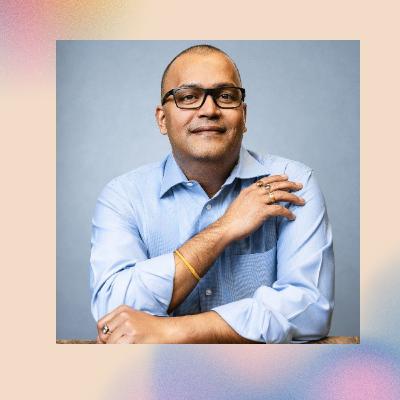
The principal focus of today's discourse is on the transformative power of mindfulness in leadership, as articulated by our esteemed guest, Singh. With over two decades of experience in enhancing organizational performance and nurturing high-functioning teams, Singh delineates how mindfulness serves as a pivotal tool for leaders navigating the complexities of a high-pressure environment. Through his innovative frameworks, the Ascendancy Action System and the Mindful Leadership Mastery Compass, he elucidates the significance of cultivating presence, clarity, and compassion in leadership practices. Singh's insights are not merely theoretical; they are grounded in practical applications that empower leaders to transcend challenges and unlock their fullest potential. As we engage in this profound conversation, we invite you to reflect on your own leadership journey and consider the pivotal role of mindfulness in fostering resilience and effective communication.The dialogue with Singh unveils a compelling narrative about the evolution of leadership in the modern era, where the pressures of rapid change and complexity demand a new approach. Singh, a seasoned leader with a wealth of experience, articulates how mindfulness has become a cornerstone of effective leadership. He discusses the detrimental effects of operating on autopilot and the necessity for leaders to cultivate presence in their interactions. This episode delves into Singh's practical methodologies, including the Ascendancy Action System and the Mindful Leadership Mastery Compass, which provide structured approaches for leaders to enhance their effectiveness through mindfulness. Singh emphasizes the importance of intentionality and presence in achieving organizational goals, urging leaders to engage deeply with their teams and foster a culture of mindfulness. The conversation is rich with personal anecdotes and insights, illustrating how mindfulness can not only transform individual leaders but also create a ripple effect throughout organizations. Through Singh's perspective, listeners are encouraged to reconsider their approach to leadership, recognizing that true effectiveness lies in being fully present and engaged.Links referenced in this episode:singleadership.com

Comments

Download from Google Play

Download from App Store
 United States