


 Claim Ownership
Enlightened
Subscribed: 0Played: 0
Subscribe

© Copyright 2024 All rights reserved.
Description
A podcast covering the mandatory content in National 5 and Higher RMPS and Philosophy.
55 Episodes
Reverse
In this episode we introduce National 5 Judaism by discussing 'beliefs about God' this is followed up by a discussion with two pupils about 'knowledge and understanding' and exam style questions.
In this episode we ponder whether evolution and creationism can co-exist within a single belief system.
A clear, classroom-friendly dive into core Jewish beliefs about the nature of God. We explore the ideas of oneness, omnipotence, omniscience, and omnibenevolence, alongside covenant and the significance of the Shema. Ideal for understanding how these beliefs shape Jewish identity and practice.
This episode unpacks the Jewish view that humans are created with both yetzer tov (the moral conscience) and yetzer hara (the survival instinct). We look at what this means for moral responsibility, daily decision-making, and Jewish ideas about what it means to live a good life.
A straight-to-the-point explanation of why free will is central in Jewish belief. We explore how free choice underpins mitzvot, moral accountability, and the covenant relationship with God. Includes examples students can use in Nat 5 and Higher essays.
This episode examines Jewish perspectives on suffering, including the role of free will, the dangers of blaming God, and the idea of suffering within a covenant relationship. We also touch on historical and contemporary responses without drifting into Holocaust theology.
In this episode, we trace the development of the Jewish covenant from its beginnings with Abraham to its renewal through Moses. We explore God’s promises, the responsibilities placed on the Jewish people, and why the covenant is central to Jewish identity and practice. From Abraham’s call and the sign of circumcision to Moses, the Exodus, and the giving of the Torah, this is a clear, curriculum-aligned guide to one of Judaism’s most important beliefs.
A lively walkthrough of the Exodus narrative as a foundational moment for Jewish identity. We explore Moses, liberation, covenant renewal, and how these themes shape the celebration of Pesach today. Perfect for revising symbolism, historical importance, and links to Jewish beliefs about freedom and divine action.
A crisp overview of Jewish beliefs about judgment. We look at divergent views within Judaism, the importance of righteous action, and why Judaism often focuses more on life here-and-now than detailed afterlife descriptions.
In this episode, we take a blissfully unnecessary detour about the books in my study before diving into one of Judaism’s big ideas: the Messiah and the Messianic Age. We unpack where the belief comes from, how different Jewish movements understand it, and why the hope for a better world — whether led by a future leader or built by humanity — still matters today. A tidy shelf, a big topic, and plenty to think about.
In this episode, we explore Olam Ha-Ba — the “World to Come” in Jewish thought. What do Jewish people believe happens after death? Do all Jewish people even believe Olam Ha Ba refers to the afterlife?! How do ideas of reward, purification, and spiritual closeness to God shape ethics, daily life, and hope? We’ll unpack diverse interpretations and why this ancient concept still inspires reflection and moral responsibility today... for some.
In this episode, we explore what it really means to live a Jewish life shaped by the Commandments. From the Ten Commandments to the 613 mitzvot found in the Torah, we look at how Jewish people understand divine law, why obedience matters, and how these commandments guide everyday behaviour.
In this episode, we explore the High Holy Days — Rosh Hashanah and Yom Kippur — the most spiritually charged period in the Jewish year. We look at Rosh Hashanah as a time of creation, renewal, and honest self-assessment, exploring traditions like blowing the shofar, attending synagogue, and sharing symbolic festive meals. Then we follow the journey into Yom Kippur, the Day of Atonement, with its themes of confession, forgiveness, and starting anew. From the solemnity of fasting and the Vidui confessions to the closing Ne’ilah prayers, we consider why this intense ten-day period remains profoundly meaningful for Jewish people today, wherever they live.
This episode dives into what worship means in Judaism and why it plays such a central role in Jewish identity. We explore the significance of the synagogue as a place of prayer, study, and community, and take a closer look at Shabbat — the weekly rhythm of rest, reflection, and connection to God. Finally, we examine the balance between individual and communal worship, including the importance of praying with a minyan, and how worship continues to shape Jewish life around the world today.
This episode includes a discussion about The Greatest Happiness Principle and it's main features. A discussion with pupils about potential exam questions then follows.
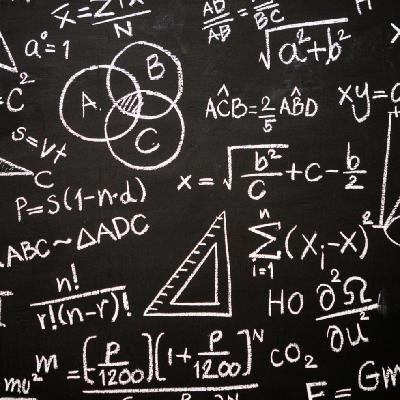
In this episode, we discuss Jeremy Bentham's Hedonic Calculus, and potential questions in the N5 Philosophy exam. Did you know that philosophy can also be maths? Mathosophy!

In this episode we discuss JS Mill's development of Utilitarianism with a focus on his 'Higher and Lower Pleasures' we then discuss possible exam questions and responses.

In this episode we explore the three main criticisms of utilitarianism, and discuss three problems with making moral decisions on the basis of predictions.
In this episode we explore Natural Moral Law as our 'other moral theory' that we can use in the exam!
In this episode we look at the difference between everyday disagreements and philosophical arguments.

Comments

Download from Google Play

Download from App Store
 United States