


 Claim Ownership
The Deep View: Conversations
Subscribed: 15Played: 180
Subscribe

© 2026 The Deep View
Description
From frontier labs and enterprise platforms to emerging startups reshaping entire industries, The Deep View: Conversations podcast interviews the brightest minds and the most influential leaders in AI.
37 Episodes
Reverse

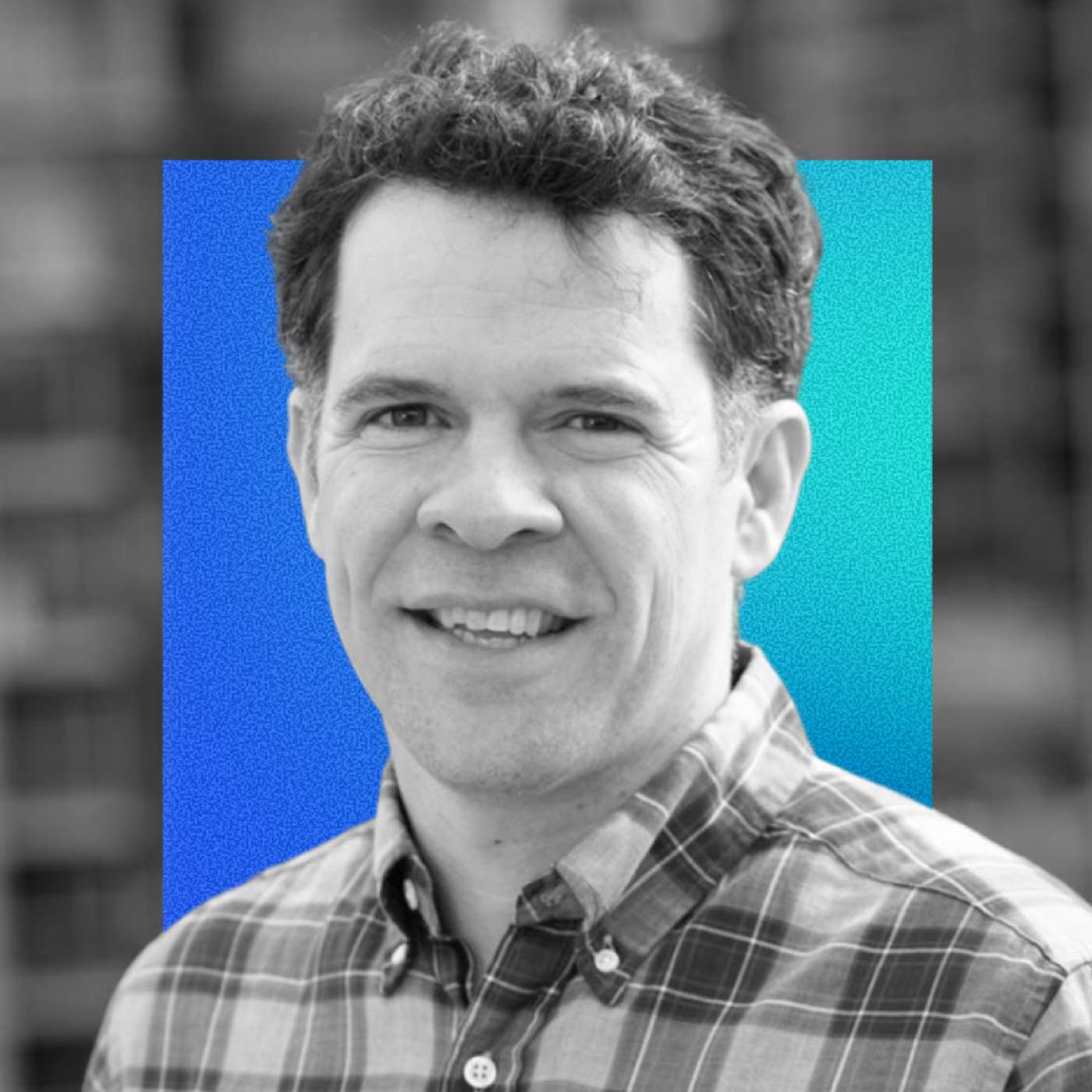
What happens when a startup's mission perfectly aligns with the biggest trend in tech? That's exactly where Guild AI finds itself in 2026.James Everingham, CEO of Guild AI, joins The Deep View Conversations to talk about building a safety layer for AI agents. The product launched in fall 2025 and found itself at the center of the most important movement in enterprise AI just months later.In this conversation, James breaks down how Guild's platform deploys dozens of workflow-specific agents across different parts of a business, while giving developers the tools to iterate, spin up custom agents, and operate in a safe environment that tracks everything agents do and protects companies from unpredictable outcomes.Topics covered:+ The enduring power of bottom-up innovation+ How Guild AI's agent supervision platform works+ Why safety infrastructure is the new competitive moat+ Lessons from James' earlier career at Netscape and Meta+ Open-source vs. proprietary models: how it plays out over the next few years+ A standout leadership tip for sparking innovation on your team + His best advice for getting maximum impact from today's AI tools.If you want to understand where AI agents are headed and what it takes to build them responsibly, this conversation is a powerful place to start.Subscribe for weekly conversations with the leaders shaping the future of AI.And don't forget to sign up for The Deep View daily newsletter. We don’t just cover AI, we decode it. In a world flooded with hype, we deliver sharp, no-nonsense insights to keep you ahead of the curve and help you put AI to work every day: subscribe.thedeepview.com

Snowflake has been a stalwart of the SaaS economy and a leader in enterprise data for the past decade. But the company is deep in the middle of a transformation that most people haven't recognized yet.In this episode of The Deep View Conversations, senior reporter Nat Rubio-Licht talks with Baris Gultekin, vice president of AI at Snowflake, for a candid look at how the company is navigating the AI era and what it's learning in real time.Gultekin talks openly about how the entire team inside Snowflake is now using coding tools to build skills and automate their work. That includes non-developers who are using Project SnowWork, an AI agent for professionals across all roles.Baris joined Snowflake in 2023 through the acquisition of blockchain startup nxyz and has spent the past three years building and running the AI teams inside the enterprise tech giant. He also brings a rare perspective from his time working on Google Assistant in the pre-LLM era, which gives him a unique lens on how much has changed.Topics covered:+ Why there is no AI strategy without a data strategy, and what enterprises keep getting wrong+ How agentic AI has shifted enterprise data from question-answering to automation+ The SaaSpocalypse and why Snowflake sees AI as a tailwind rather than a threat+ Cortex Code (CoCo), Snowflake's coding agent that lets customers query their data in plain language instead of SQL+ The governance and security challenges that come with multi-agent systems+ How Baris uses coding agents in his own lifeIf you want to understand how a mature SaaS company reinvents itself inside an AI revolution, this one is worth your time.Subscribe to the podcast for more conversations with the leaders, builders, and researchers shaping the future of AI.And don't forget to sign up for The Deep View daily newsletter. We don’t just cover AI, we decode it. In a world flooded with hype, we deliver sharp, no-nonsense insights to keep you ahead of the curve and help you put AI to work every day: subscribe.thedeepview.com

Stefan Weitz thinks AI should not just make companies faster. It should make every individual inside them dramatically more capable.In this episode of The Deep View: Conversations, the HumanX CEO explains how he’s putting that idea into practice, starting with his own team.HumanX calls itself the most important AI conference of the year, but what makes it stand out is how intentionally it’s being built. Stefan and his team are rethinking the entire event experience for 2026, using AI to create a more personalized journey for every attendee, from curated sessions to smarter networking and discovery.In this episode, we talk about:+ Building a new kind of conference in the AI era+ Using vibe coding for rapid prototyping+ Management principles for the AI era+ Turning every worker into a 10x employee+ The AI tool that’s blowing Stefan’s mindBut this conversation goes beyond events. It’s really about leadership in the age of AI.Along the way, Stefan offers a clear view of what it takes to build an organization that can actually apply AI, not just talk about it. He also shares a leadership principle that has shaped his approach.If you’re thinking about how to scale impact across your team, or how to move from AI curiosity to real execution, this conversation delivers practical insights you can use right away. Subscribe to the podcast for more conversations with the leaders, builders, and researchers shaping the future of AI.And don't forget to sign up for The Deep View daily newsletter. We don’t just cover AI, we decode it. In a world flooded with hype, we deliver sharp, no-nonsense insights to keep you ahead of the curve and help you put AI to work every day: subscribe.thedeepview.com

In this episode of The Deep View: Conversations, we talk with Olivia Moore, partner at Andreessen Horowitz (a16z), one of Silicon Valley’s flagship venture capital firms. At a16z, Olivia focuses on the rapidly evolving world of consumer AI apps. She tracks which tools are gaining traction, which ones are breaking out beyond early adopters, and which products are unlocking entirely new capabilities for everyday users.In this conversation, we explore the key trends shaping the next wave of AI apps, including the rise of personal AI agents, the growing importance of context and memory in AI systems, and the way new tools are changing how people build, create, and work.We cover:+ a16z’s Top 100 Gen AI Consumer Apps report and what it reveals+ The rise of OpenClaw and personal AI agents in 2026+ Olivia’s current AI stack and how she uses her favorite tools+ Why context and memory could define the next stage of AI+ Global trends shaping the AI app ecosystem+ The acceleration of coding agentsFew people have their finger on the pulse of the AI app ecosystem like Olivia. If you want to understand which AI tools are gaining momentum and where the next breakthroughs may come from, this conversation offers a valuable window into the space. There’s a great chance you’ll come away from this episode with at least one tool or idea that changes the way you work. Subscribe to the podcast for more conversations with the leaders, builders, and researchers shaping the future of AI.And don't forget to sign up for The Deep View daily newsletter. We don’t just cover AI, we decode it. In a world flooded with hype, we deliver sharp, no-nonsense insights that keep our audience ahead of the curve and help them put AI to work every day: subscribe.thedeepview.com

In a labor market being rewired by AI, CodeSignal is betting that skills, not resumes, will decide who thrives.For this episode of The Deep View: Conversations, I talked with Tigran Sloyan, CEO and co-founder of CodeSignal, the company building a new standard for hiring and career mobility in the age of AI.CodeSignal’s mission starts with a simple but painful truth: resumes and interviews are a flawed way to hire talent. Countless candidates have the skills to thrive in high-paying tech roles but never get a fair shot, while others with polished credentials sometimes land jobs they’re not prepared to do. CodeSignal is flipping that equation with skills-based assessments that help employers discover candidates with real ability, and a free learning platform that helps candidates level up for the next opportunity.In my conversation with Tigran, we talked about:+ Why resumes haven’t meaningfully changed in 100 years, and why it's breaking hiring+ How CodeSignal measures skills, and why simulation beats multiple-choice+ What AI unlocks for assessing non-technical roles such as sales and support+ The dark side of AI: what CodeSignal’s research shows about cheating attempts+ Why entry-level jobs are turning into tasks, and what that means for training+ How CodeSignal makes free learning content work economically+ The future of re-skilling at scale, and why AI tutoring changes everythingWe also dig into what’s changing fast right now: the rise of AI-assisted work, the surge in fraud in hiring assessments, and why foundational skills still matter even when AI can do the task.Tigran shares his background from Armenia to MIT to Google, his most contrarian leadership advice, and the AI tool he'd recommend you start using every day. If you want to understand how AI is being used to fix the problems that AI is causing in the job market, this is the podcast for you. Subscribe to The Deep View: Conversations podcast in your favorite podcast player for more unique conversations with the brightest minds solving the biggest challenges in AI. You can also subscribe on YouTube.And don't forget to sign up for The Deep View daily newsletter. We don’t just cover AI, we decode it. In a world flooded with hype, we deliver sharp, no-nonsense insights that keep our audience ahead of the curve and help them put AI to work every day: subscribe.thedeepview.com

In this episode of The Deep View Conversations, we talked with Wasim Khaled, CEO of Blackbird AI, to explore a provocative idea: What happens when reality itself becomes hackable?Long before generative AI went mainstream, Wasim and his cofounder launched Blackbird to tackle disinformation and narrative manipulation. Their thesis was bold: that part of modern cybersecurity conflict had shifted from infrastructure to information, from networks to narratives.It turned out to be prescient.As AI supercharges the speed, scale, and realism of malicious content — from deepfakes to coordinated influence campaigns — Blackbird has emerged as the leader in combating narrative attacks. In fact, Gartner recently named Blackbird the company to beat in disinformation narrative intelligence in its report on the AI Vendor Race.In our conversation, we explore:+ What “narrative attacks” really are and why they’re so hard to detect+ How AI has fundamentally changed the disinformation battlefield+ Reactive vs. proactive defense strategies in cybersecurity+ How Blackbird evolved from a lab experiment into a national security player+ Why leaders relying on chatbots instead of AI agents are already falling behindWasim also shares how he optimizes his time for maximum leverage, and offers his advice for founders navigating fast-moving technology shifts.If you care about cybersecurity, AI, information warfare, or the future of leadership in the age of intelligent agents, this is a conversation you'll want to hear.Subscribe to The Deep View: Conversations podcast in your favorite podcast player for more unique conversations with the brightest minds solving the biggest challenges in AI. You can also subscribe on YouTube.And don't forget to sign up for The Deep View daily newsletter. We don’t just cover AI, we decode it. In a world flooded with hype, we deliver sharp, no-nonsense insights that keep our audience ahead of the curve and help them put AI to work every day: subscribe.thedeepview.com

What does it actually take for enterprises to adopt AI at scale? In this episode of Deep View Conversations, we sit down with Shibani Ahuja, Senior Vice President of Enterprise IT Strategy at Salesforce. Over the past year, Shibani has met with 587 C-suite leaders to understand how Salesforce can evolve into an agentic AI platform for the world’s largest organizations. We unpack what she’s learned from those conversations, including the real blockers to AI adoption, how leading enterprises are progressing, and why shared context and trust matter more than raw model capabilities. Shibani also breaks down Salesforce’s Agentic Maturity Model, a framework designed to help organizations assess their current AI readiness and chart a path forward. We also explore:+ How AI is reshaping the banking and financial services industry, where Shibani spent a good part of her career+ The story of how Shibani joined Salesforce after challenging Marc Benioff and his leadership team as a customer+ Why clear, jargon-free communication is one of the most underrated skills in AI, and how to do it well in high-stakes settings Shibani is one of the most cogent communicators in tech today, and this conversation is packed with practical insights for anyone leading, building, or communicating about AI inside an organization or in public settings. Subscribe to The Deep View: Conversations podcast in your favorite podcast player for more unique conversations with the brightest minds solving the biggest challenges in AI. You can also subscribe on YouTube. And don't forget to sign up for The Deep View daily newsletter. We don’t just cover AI, we decode it. In a world flooded with hype, we deliver sharp, no-nonsense insights that keep our audience ahead of the curve and help them put AI to work every day: subscribe.thedeepview.com
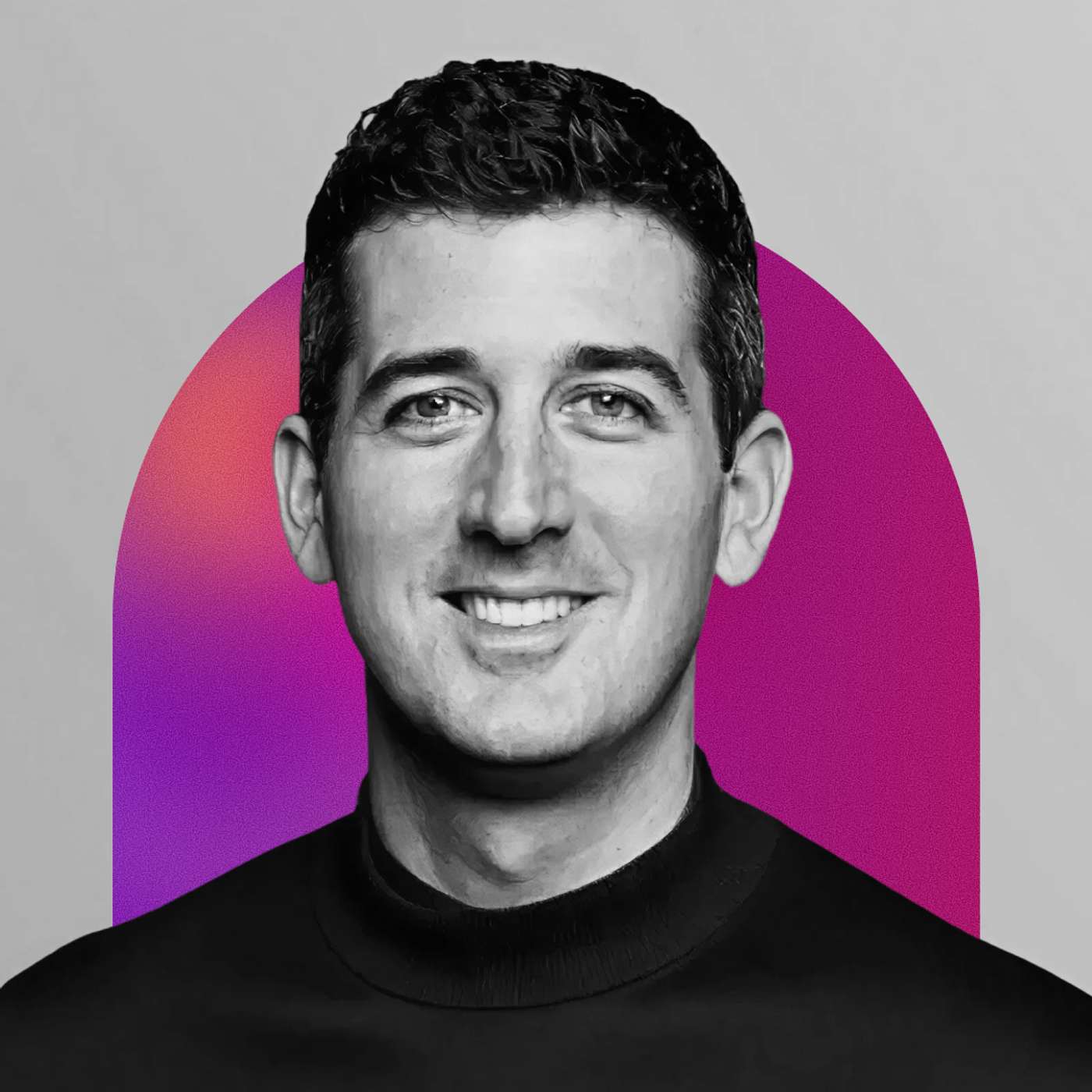
AI agents in business aren't something that will happen in the future. They’re already here, and they're scaling a lot more rapidly than we expected.In this episode of The Deep View: Conversations, Editor-in-Chief Jason Hiner talks to Matt Yanchyshyn, who leads AWS Marketplace at Amazon Web Services. Yanchyshyn's team helps organizations discover, buy, and deploy software on AWS, and one of the biggest shifts they’ve seen over the past six months is the explosion of AI agents in real-world use cases.When AWS unveiled its agent marketplace in mid-2025, the internal goal was initially to launch with 50 agents. By early 2026, that number had surged past 2,600 agents, making it the fastest-growing category in the history of the world’s largest cloud platform.So what’s driving that surge? Yanchyshyn breaks it down.In this conversation, we cover:+ Which types of AI agents are seeing the fastest enterprise adoption+ The industries and use cases leading the charge+ How companies are handling data security and sovereignty concerns+ The role of multi-model orchestration in agent effectiveness+ How AWS is using agents internally to drive lots of different winsIf you're trying to understand where AI agents are actually being deployed — not the hype, but the reality — then this conversation will reset your expectations. It will help you see where agentic AI is already delivering business value, and where it’s heading next.Subscribe to The Deep View: Conversations in your favorite podcast player for more unique conversations with the brightest minds solving the biggest challenges in AI. You can also subscribe here on YouTube.And don't forget to sign up for The Deep View daily newsletter. We don’t just cover AI, we decode it. In a world flooded with hype, we deliver sharp, no-nonsense insights that keep our audience ahead of the curve and help them put AI to work every day: subscribe.thedeepview.comThank you to our sponsor, Deel, an AI-native platform for HR, IT, and payroll. Hire, manage, pay, and equip anyone, anywhere. https://www.deel.com/deepview

AI could change the way we remember, and the way we pay attention. In this episode of The Deep View: Conversations, Editor-in-Chief Jason Hiner sits down with Bobak Tavangar, CEO of Brilliant Labs, one of the most intriguing startups in AI hardware today. While trillion-dollar giants like Meta and Google race to define the future of AI glasses, Brilliant Labs is taking a radically different path: building in public, going open-source with both software and hardware, and centering their next product, the Halo glasses, around something deeply human. The focus? A conversational AI agent for your long-term memories and conversations. This isn’t just about smarter wearables. It’s about a bigger idea: + Can AI help us be more present, not less? + Could technology support memory, reflection, and intention instead of distraction? + What does privacy look like when AI can recall your life? Jason and Bobak also explore: + What he learned during his time at Apple + Why AI hardware is one of the hardest frontiers in tech + The challenging process of finding a co-founder + Bobak’s philosophy on communicating on social media with purpose, not hype Bobak is one of the most thoughtful founders in the AI space, consistently elevating the conversation beyond features and into questions of values, agency, and human experience. If you care about where AI, wearables, memory, and attention intersect, this is a conversation you don’t want to miss. Subscribe to the podcast for more unique conversations with the brightest minds solving the biggest challenges in AI. And don't miss The Deep View daily newsletter. We don’t just cover AI — we decode it. In a world flooded with hype, we deliver sharp, no-nonsense insights that keep our audience ahead of the curve and help them put AI to work every day: https://subscribe.thedeepview.com/

How do you make AI inference affordable enough to deliver real ROI in the enterprise? In this episode of The Deep View Conversations, we talk with Rob May, founder and CEO of Neurometric AI, to break down one of the most urgent challenges in AI today: the soaring cost of inference, and how to bring it down without sacrificing performance. Today's AI is increasingly powerful, but it’s also expensive. For enterprises to see real returns, inference costs have to drop dramatically. Neurometric believes the answer lies in "thinking algorithms" paired with small, specialized models and workload-specific optimization. This approach can significantly reduce costs while often improving accuracy and efficiency. Rob walks through how this works in practice and why it matters as AI moves from experimentation to scaled deployment. We also talk about:+ Why the current AI boom pulled Rob back into operating a startup after multiple exits and a move into investing + How founders should think about AI infrastructure, efficiency, and long-term economics + What startup leaders can do to get journalists to pay attention — and a pivotal early-career conversation that led to coverage which changed the trajectory of one of Rob’s companies If you’re building, deploying, or investing in AI and wrestling with the economics of inference, this conversation offers a clear, practical perspective on what comes next. Thank you to our sponsor, Deel, an AI-native platform for HR, IT, and payroll. Hire, manage, pay, and equip anyone, anywhere. https://www.deel.com/deepview Subscribe to the podcast for more unique conversations with the brightest minds solving the biggest challenges in AI. And don't miss The Deep View daily newsletter. We don’t just cover AI — we decode it. In a world flooded with hype, we deliver sharp, no-nonsense insights that keep our audience ahead of the curve and help them put AI to work every day: https://subscribe.thedeepview.com/

In this episode of The Deep View Conversations, we sit down with Merrill Lutsky, cofounder and CEO of Graphite — a company using artificial intelligence to transform how engineers write, review, and ship code.What started as an internal tool to streamline software deployment has grown into something larger: a vision for how AI can augment, not replace, the craft of engineering — and reshape how teams collaborate at scale.Merrill walks us through Graphite’s early pivots, the development of its AI reviewer Diamond, and how the company is rethinking the bottleneck that stands between building and shipping code.We also go beyond the product to explore deeper questions:Will coding become fully automated?How do we balance speed and safety in an era of AI-written software?And what does craftsmanship mean when machines start to create?

In this episode of The Deep View Conversations, we sit down with Patrick Leung, CTO of Faro Health — a startup using artificial intelligence to streamline and reimagine clinical trials. What began as a push to speed up drug development turned into something bigger: a mission to reduce suffering, elevate consciousness, and reshape how we think about AI’s role in health and society.Patrick walks us through the challenges of clinical trial design, the limits of large language models, and how thoughtful AI implementation could unlock faster, safer, and more inclusive access to medicine.We also go beyond tech to explore deep questions: Is AI truly intelligent? How do we balance speed and safety? And are we building tools — or something closer to gods?
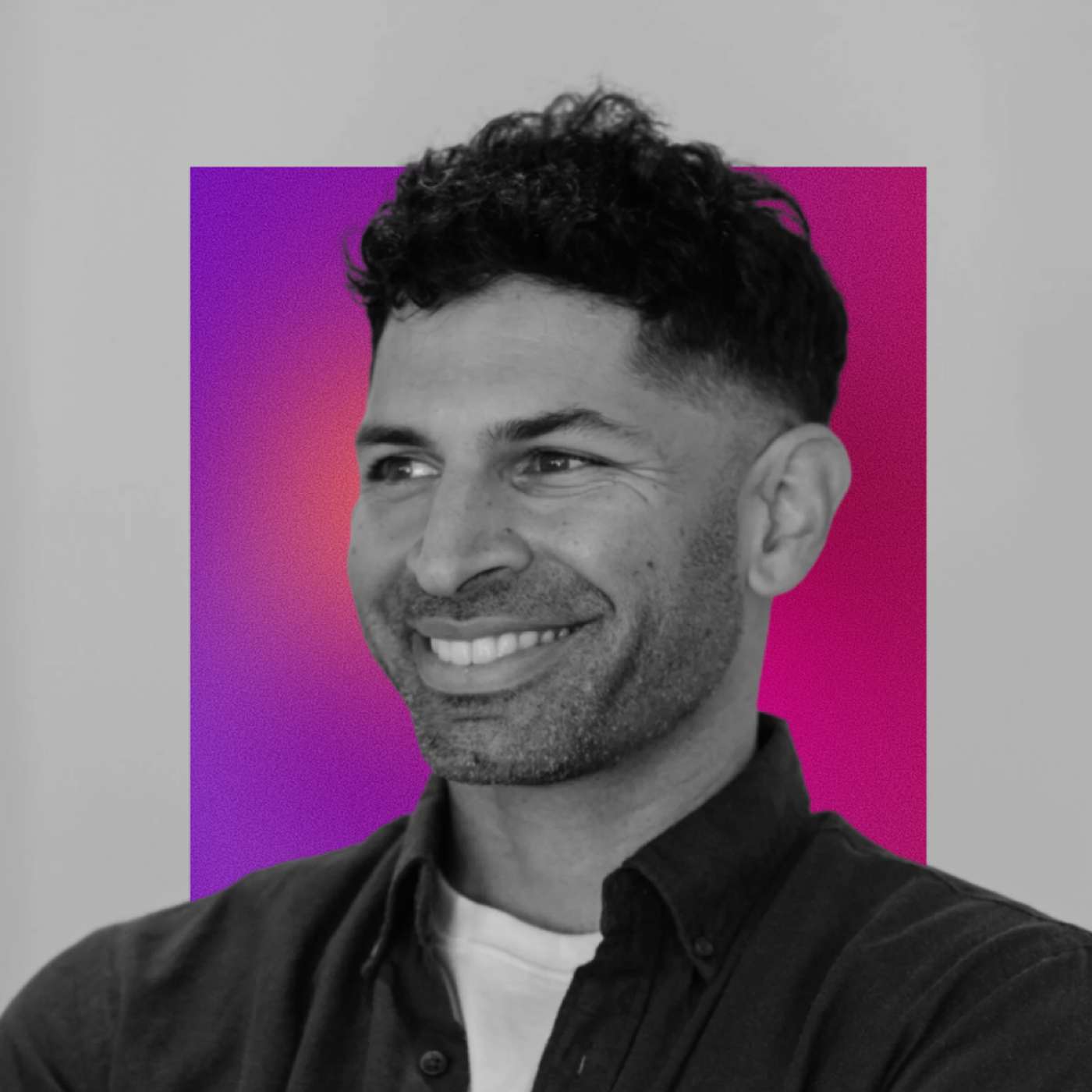
In this episode of The Deep View Conversations, we sit down with Russ d'Sa, founder and CEO of LiveKit — the open-source infrastructure powering voice mode for OpenAI, Character.AI, and a fast-emerging voice-first internet.Russ walks us through how a pandemic side project evolved into the nervous system for the next generation of AI-powered voice applications. But this episode goes far beyond infrastructure. We dive into big, human questions: What does it mean to interact naturally with AI? Are we moving back toward voice as the dominant interface? How will AI reshape work, leisure, and even our sense of identity?From the democratization of high-tech tools to the societal shifts driven by intelligent systems, this is a wide-ranging and deeply thoughtful conversation on what comes next in the age of synthetic intelligence.
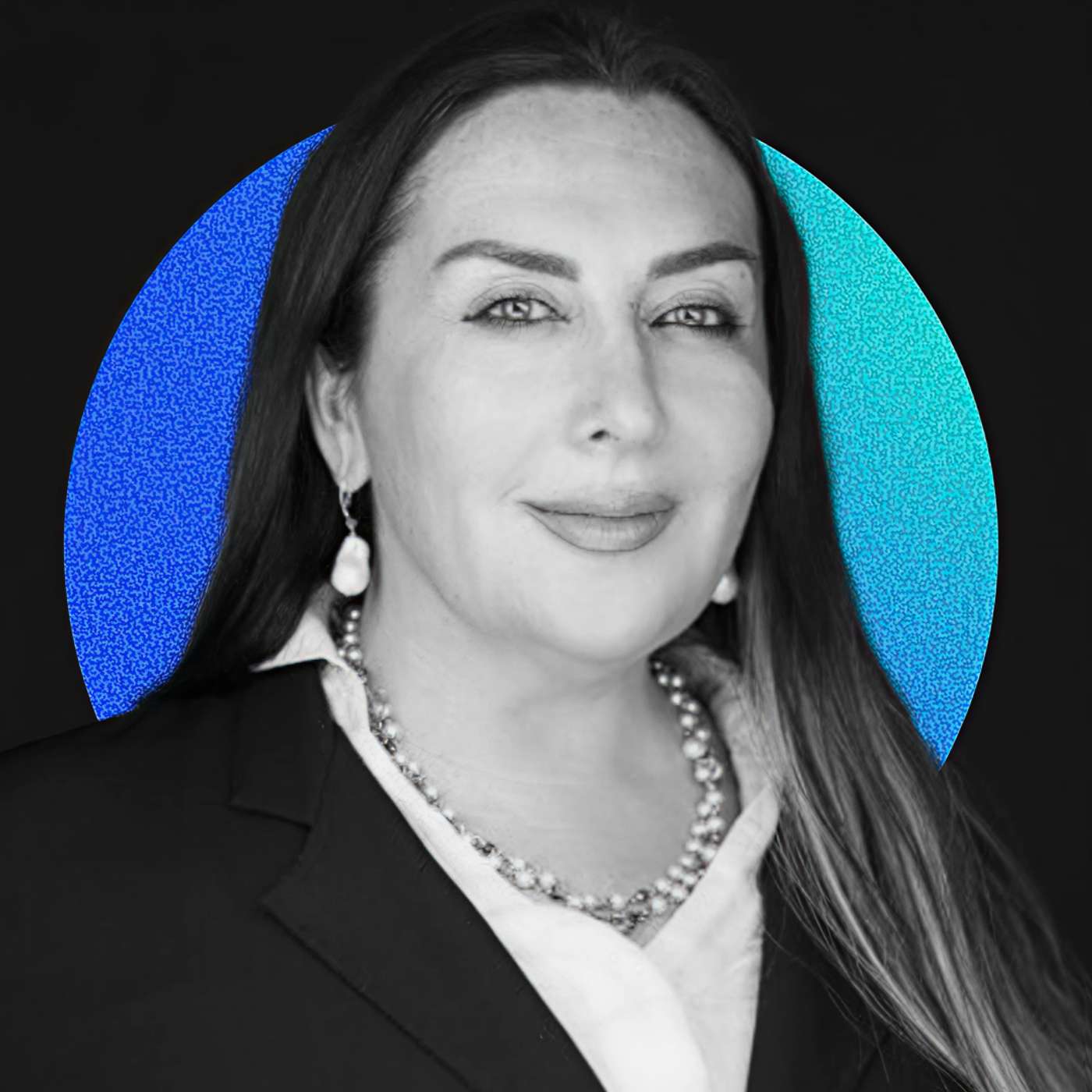
Boost your CRM with Salesforce – tdv.co/sfIn this episode of The Deep View Conversations, we explore the world of machine translation and artificial intelligence with Olga Beregovaya — Smartling’s VP of Machine Translation and Artificial Intelligence. Olga takes us through the evolution of machine translation, from rule-based systems to statistical models to today’s neural networks and large language models.She sheds light on how translation has shifted from being a purely linguistic endeavor to one that now sits at the intersection of data science, AI, and human creativity. We dive into hallucinations, under-resourced languages, the rise of synthetic data, and what it truly means to maintain quality in a multilingual world. If you've ever wondered what makes AI translation tick — and where it's going — this is the episode for you.Get The Deep View — your daily source for in-depth, fact-based reporting on artificial intelligence — in your inbox every morning. Subscribe here! (https://www.thedeepview.co/subscribe)Connect with us on X, TikTok and Instagram. Artificial intelligence is a complicated topic, bound by a number of complex threads — technical science, ethics, safety, regulation, neuroscience, psychology, philosophy, investment and — above all — humanity. On The Deep View: Conversations we break it all down, cutting through the hype to make clear what's important and why you should care.

In this episode of The Deep View Conversations, we dive into the chaotic world of social media, misinformation, and the growing need for scientific credibility with Brinleigh Murphy Reuter — founder of the Harvard-incubated nonprofit, Science to People. Brinleigh unpacks why it’s become so hard to find accurate health and science information online, and how her organization is using generative AI to fix the broken flow of facts between researchers, influencers, and everyday users.We explore everything from the overwhelming noise of algorithm-driven content and the dangers of viral misinformation, to how AI can empower creators with reliable, vetted science. If you’re curious about how tech, trust, and truth collide in the age of TikTok and ChatGPT, this is an episode you won’t want to miss.Get The Deep View — your daily source for in-depth, fact-based reporting on artificial intelligence — in your inbox every morning. Subscribe here! (https://www.thedeepview.co/subscribe)Connect with us on X, TikTok and Instagram. Artificial intelligence is a complicated topic, bound by a number of complex threads — technical science, ethics, safety, regulation, neuroscience, psychology, philosophy, investment and — above all — humanity. On The Deep View: Conversations we break it all down, cutting through the hype to make clear what's important and why you should care.

In this episode of The Deep View Conversations, we dive into the complex intersection of artificial intelligence and healthcare with Pelu Tran, co-founder and CEO of Ferrum Health. Pelu shares his deeply personal motivation behind founding Ferrum, why AI adoption in healthcare is slow, and how Ferrum aims to solve the “last mile” problem of bringing AI into clinical practice.We explore everything from trust in algorithms, systemic challenges, and outdated infrastructure to the ethical implications of AI in medicine and the risk of over-efficiency. If you’re curious about the real-world application of AI in hospitals and how to bridge the gap between innovation and implementation, this is a must-listen.Outline: 00:00 – Intro: AI and healthcare — promise vs. reality01:00 – Meet Pelu Tran, CEO of Ferrum Health03:10 – A personal tragedy leads to a mission: Ferrum’s origin07:00 – The real reason AI adoption is slow in hospitals10:00 – Infrastructure, security & why hospitals still use fax machines13:30 – What Ferrum Health actually does16:10 – Why FDA clearance isn’t enough for AI trust19:00 – Ferrum’s approach: Validating models with AI itself22:30 – AI performance drift & automated monitoring25:00 – Diagnostic tools, LLMs, and AI's current limitations28:40 – The illusion of language fluency and AI “hallucinations”31:00 – Burnout, administrative burden & where AI helps34:30 – Will AI speed things up or make hospitals worse?38:00 – Hospital incentives & risks of productivity pressure41:10 – AI replacing admin, not doctors (yet)44:10 – Communicating AI performance to clinicians47:30 – Measuring outcomes, not just accuracy50:00 – Trust, governance, and safe deployment53:15 – Why flexibility is key for AI in healthcare56:00 – The future: Safe disruption vs. blind disruption59:00 – Will AI replace doctors? Why not anytime soon1:01:00 – Final thoughts: AI’s promise and pitfalls Get The Deep View — your daily source for in-depth, fact-based reporting on artificial intelligence — in your inbox every morning. Subscribe here! (https://www.thedeepview.co/subscribe)Connect with us on X, TikTok and Instagram. Artificial intelligence is a complicated topic, bound by a number of complex threads — technical science, ethics, safety, regulation, neuroscience, psychology, philosophy, investment and — above all — humanity. On The Deep View: Conversations we break it all down, cutting through the hype to make clear what's important and why you should care.
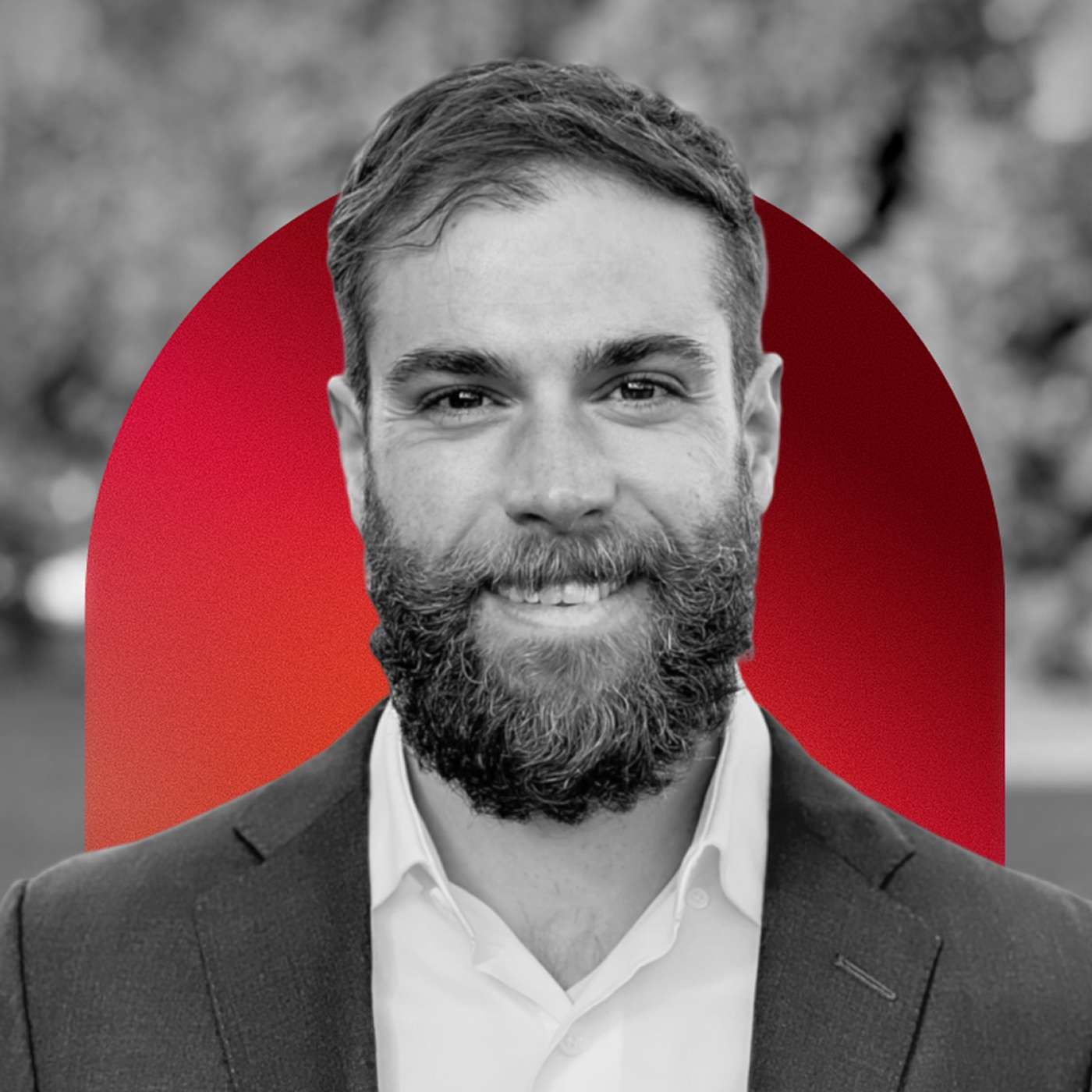
In this gripping episode, we dive into the life-saving mission behind ZeroEyes, a pioneering company using artificial intelligence to detect visible weapons before shots are fired. The Deep View Team sits down with co-founder and Chief Revenue Officer Sam Alaimo, a former Navy SEAL, to explore how a tragic school shooting and military discipline inspired a groundbreaking solution to one of America’s most pressing issues: gun violence.
I sat down with Dr. Aaron Andalman, the Chief Science Officer and co-founder of Cognitiv. Andalman holds a PhD in neuroscience, and so today, we’re breaking down the gaps, connections and inspirations between AI and neuroscience; all the things we’ve learned and the many things we still don’t know. Episode links: The giant squid: https://medium.com/the-quantastic-journal/from-squids-to-ai-how-neuroscience-and-physics-sparked-a-technological-revolution-06d8c291717cNeuroscience and AI: https://neuroscience.stanford.edu/news/neuroscience-and-ai-what-artificial-intelligence-teaches-us-about-brain-and-vice-versaThe specter of AGI: https://www.thedeepview.co/p/how-big-tech-is-using-the-ai-race-and-the-specter-of-agi-to-cement-its-power-agi-openai-googleScale it up: https://www.thedeepview.co/p/progress-predictions-2025-robots-avs-and-technical-advancementsAnimal intelligence: https://www.discovermagazine.com/planet-earth/how-intelligence-is-measured-in-the-animal-kingdomOutline0:00 – Intro1:45 – The roots of AI 7:12 – The different types of intelligence12:05 – Neural networks VS artificial neural networks19:19 – Efficiency in intelligence23:51 – Why pursue AGI at all? 28:44 – Reinforcement learning in machines VS animals35:25 – Advancements in one, advancements in the other43:46 – Being curious in the age of AI Get The Deep View — your daily source for in-depth, fact-based reporting on artificial intelligence — in your inbox every morning. Subscribe here! (https://www.thedeepview.co/subscribe)Connect with us on X, TikTok and Instagram. Artificial intelligence is a complicated topic, bound by a number of complex threads — technical science, ethics, safety, regulation, neuroscience, psychology, philosophy, investment and — above all — humanity. On The Deep View: Conversations, Ian Krietzberg, host and Editor-in-Chief at The Deep View, breaks it all down, cutting through the hype to make clear what's important and why you should care.

I sat down with Brad Zamft, the co-founder and CEO of Heritable Agriculture, to take a deep dive into all the science (both biology and computer science) behind the effort to program plants, why it’s needed and what impacts it might have. Episode links: Heritable Agriculture: https://heritable.ag/Heritable goes after indoor strawberries: https://heritable.ag/heritable-strawberries The sustainability threat of farming: https://vlsci.com/blog/top-issues-in-agriculture-2024/ ; https://www.epa.gov/climateimpacts/climate-change-impacts-agriculture-and-food-supplyThe risks of monoculture and monocropping: https://foodrevolution.org/blog/monocropping-monoculture/The promise of regenerative agriculture: https://theclimatecenter.org/our-work/research/report-the-promise-of-regenerative-agriculture/Farming resiliency in the face of climate change: https://sustainability.mit.edu/article/making-agriculture-more-resilient-climate-changeOutline0:00 – Intro2:18 – Brad’s journey to Heritable Agriculture9:29 – Why we need programmable plants14:23 – Challenges of biology19:38 – Validating the models22:14 – How does this all physically work? 31:05 – The challenge of adjusting 2 billion years of evolutionary success34:48 – The risks of AI cracking plant DNA39:50 – Regenerative Agriculture and tuning for resiliency in the face of climate change47:53 – How farmers view the approach51:59 – Tree adjustments56:28 – The future outlookGet The Deep View — your daily source for in-depth, fact-based reporting on artificial intelligence — in your inbox every morning. Subscribe here! (https://www.thedeepview.co/subscribe)Connect with us on X, TikTok and Instagram. Artificial intelligence is a complicated topic, bound by a number of complex threads — technical science, ethics, safety, regulation, neuroscience, psychology, philosophy, investment and — above all — humanity. On The Deep View: Conversations, Ian Krietzberg, host and Editor-in-Chief at The Deep View, breaks it all down, cutting through the hype to make clear what's important and why you should care.

I sat down with Dr. Nada Sanders, a distinguished professor of supply chain management at Northeastern University, to better understand the impact that tariffs and a trade war could have on the business and field of AI. Episode Links: The semiconductor pipeline: https://datacenterpost.com/ais-hardware-hunger-the-global-semiconductor-supply-chain-under-pressure/The latest on the tariffs and trade war: https://www.bbc.com/news/articles/c62z54gwd22oNvidia’s US push: https://www.thedeepview.co/p/nvidia-to-produce-500-billion-worth-of-supercomputers-in-the-u-s-for-the-first-timeApple’s US push: https://www.apple.com/newsroom/2025/02/apple-will-spend-more-than-500-billion-usd-in-the-us-over-the-next-four-years/Outline: 0:00 – Intro 4:09 – The vulnerability of the AI supply chain19:13 – Is it realistic to bring production back to the US? 27:31 – Innovation could plateau 34:04 – The challenge of navigating uncertainty, even if the tariffs come offGet The Deep View — your daily source for in-depth, fact-based reporting on artificial intelligence — in your inbox every morning. Subscribe here! (https://www.thedeepview.co/subscribe)Connect with us on X, TikTok and Instagram. Artificial intelligence is a complicated topic, bound by a number of complex threads — technical science, ethics, safety, regulation, neuroscience, psychology, philosophy, investment and — above all — humanity. On The Deep View: Conversations, Ian Krietzberg, host and Editor-in-Chief at The Deep View, breaks it all down, cutting through the hype to make clear what's important and why you should care.

Comments

Download from Google Play

Download from App Store
 United States