


 Claim Ownership
Pollinators & Pods: The AI Guide to Milkweed and Insect Life
Subscribed: 4Played: 29
Subscribe

© 2024-2025
Description
Welcome to "Pollinators & Pods" a podcast where artificial intelligence meets the natural world. Join us as we explore the fascinating relationships between milkweed plants and the diverse insects they attract. Using cutting-edge AI from Notebook LM, we distill complex scientific journals into accessible and engaging summaries. Each episode dives into the critical role milkweed plays in supporting pollinators and contributing to biodiversity. Whether you're a botany enthusiast, an ecologist, or simply curious about the intricate connections between plants and wildlife, this podcast offers insightful, AI-generated content that highlights the importance of milkweed in sustaining ecosystems. Pollinators & Pods Is a part of the Grow Milkweed Plants podcast network.
18 Episodes
Reverse

This excerpt from an ecological study investigates the long-held assumption that cattle avoid grazing milkweeds due to their toxicity, focusing on common and showy milkweed in central Nebraska grasslands. The researchers compared milkweed grazing rates and abundance across three management types: ungrazed grasslands and cattle-grazed areas utilizing a patch-burn-grazing system where patches were burned in the study year or previous years. Key findings reveal that cattle regularly graze common/showy milkweed at least as much as surrounding grasses like big bluestem, with no observable negative health effects on the livestock. Crucially, milkweed abundance was found to be significantly lower (34–185 fold) in grazed areas compared to ungrazed controls, suggesting that current grazing practices are contributing to reduced monarch butterfly host plant availability in rangelands, prompting a discussion of alternative grazing deferment strategies for conservation. source: https://grasslandecology.unomaha.community/wp-content/uploads/2023/03/2023_Dickson_Poynor_Helzer.pdf?utm_source=chatgpt.com Briefing: Cattle Grazing of Milkweed and Implications for Monarch Conservation Executive Summary This document synthesizes findings from a study on cattle grazing behavior in central U.S. prairies, revealing a significant and previously underestimated impact on milkweed, the critical host plant for monarch butterflies. The research challenges the long-held assumption that cattle avoid milkweeds due to their toxicity. Key Takeaways: Cattle Actively Graze Milkweed: Contrary to common belief, cattle graze common and showy milkweed ( Asclepias syriaca / speciosa) at rates equal to, and sometimes greater than, surrounding grasses like big bluestem. By August of the study year, over 73% of milkweed stems in grazed grasslands had been grazed, with no observable negative health effects on the livestock. Grazing Drastically Reduces Milkweed Abundance: The study found that milkweed abundance in ungrazed control grasslands was 34 to 185 times higher than in adjacent patch-burn-grazed grasslands. This indicates that current grazing practices are a primary factor suppressing milkweed populations in these ecosystems. Patch-Burn-Grazing Is Ineffective for Milkweed Conservation: The patch-burn-grazing (PBG) management technique, designed to create habitat heterogeneity by concentrating grazing on recently burned patches, failed to provide a refuge for milkweed. Cattle grazed milkweed stems at similar rates in both recently burned and unburned patches, even while preferentially grazing grasses in the burned areas. Significant Implications for Ranching and Conservation: The findings suggest that herbicide control for low-density common milkweed is often unnecessary for ranchers. For conservation, they reveal that rangelands, which cover a vast area of the U.S., have an immense and largely untapped potential to support monarch populations if grazing management is modified. The study proposes periodic grazing deferment during critical milkweed growth periods as a key strategy to increase milkweed abundance without ceasing grazing operations. -------------------------------------------------------------------------------- The Monarch Butterfly Crisis and the Role of Rangeland The monarch butterfly (Danaus plexippus) is facing a severe population decline. The eastern migratory population has an estimated 11-57% likelihood of becoming non-viable by 2035, while the western population has declined by over 99%. This has led the U.S. Fish and Wildlife Service (USFWS) to determine that the species warrants listing as threatened or endangered. A primary driver of this decline is the loss of milkweed (Asclepias spp.), the sole host plant for monarch caterpillars. Conservation efforts have called for the addition of approximately 1.6 billion milkweed stems in the Midwestern U.S. to support the monarch population. Historically, these efforts have largely ignored rangelands for two reasons: The assumption that rangeland management has not changed as dramatically as cropland practices. The belief that cattle inherently avoid milkweed due to its toxic cardenolide compounds, meaning milkweed was likely already at maximum abundance in grazed areas. This study directly challenges the second assumption, investigating the interaction between cattle and two widespread species, common milkweed (A. syriaca) and showy milkweed (A. speciosa), in the central U.S. Research Objectives and Hypotheses The study was conducted in east-central Nebraska on restored prairie grasslands to determine the extent of milkweed grazing by cattle under a patch-burn-grazing system. Primary Objective: To examine the amount of milkweed grazed by cattle and compare milkweed densities between grazed and ungrazed grasslands. Hypothesis 1: Cattle will graze common/showy milkweed at least as much as the surrounding dominant grass (big bluestem). (Supported) Hypothesis 2: Milkweed stem abundance will be higher in ungrazed grasslands than in grazed grasslands. (Supported) Hypothesis 3: Milkweed grazing and abundance will be lower in patches burned in previous years compared to patches burned in the current study year. (Not Supported) Research Methodology The research involved field studies conducted in 2018 and 2019 across grasslands in central Nebraska managed by The Nature Conservancy, Audubon Rowe Sanctuary, the Crane Trust, and the U.S. Fish and Wildlife Service. Management Comparison: The study compared three management types: Ungrazed Control: Burned periodically but without livestock grazing. Grazed, Previously Burned: Patches within a grazed unit that were burned in 2016–2017. Grazed, Currently Burned: Patches within a grazed unit that were burned in 2018. Data Collection (2018): Researchers sampled transects every two weeks from May to September. They counted all milkweed stems, marked individual common/showy milkweed stems with vinyl tags, and recorded grazing incidence on both milkweed and big bluestem grass. Data Collection (2019): To confirm the 2018 results and test whether the vinyl tags attracted cattle, a follow-up study was conducted across a wider geographic area. Instead of tagging plants, researchers marked the ground 50 cm away from each milkweed stem with a small circle of spray paint. Key Findings and Results The study's results provide compelling evidence that cattle grazing significantly impacts milkweed populations in central U.S. rangelands. 1. Milkweed Abundance Suppressed by Grazing The most striking finding was the vast difference in milkweed density between grazed and ungrazed areas. Milkweed abundance was 34 to 185 times higher in ungrazed grasslands compared to grazed grasslands. The median difference was 74-fold. This disparity was consistent across the entire growing season. The dominant milkweed species were common/showy milkweed, comprising over 99% of stems observed. 2. Extensive Cattle Grazing of Milkweed The study fundamentally refutes the assumption that cattle avoid milkweed. In ungrazed control areas, there was virtually no grazing of milkweed by wildlife like deer. In grazed areas, the percentage of milkweed stems consumed by cattle increased steadily through the season. By August, over 73% of marked milkweed stems had been grazed. No negative health effects were observed in the cattle despite this regular consumption. 3. Patch-Burn-Grazing Fails to Create Refuges for Milkweed The patch-burn-grazing (PBG) system, which successfully concentrated cattle grazing of grass, did not protect milkweed. Cattle grazed significantly more big bluestem grass in the patches burned in 2018 compared to patches burned in previous years. However, there was no significant difference in the percentage of milkweed stems grazed between the different burn patches. The study concludes: "...our findings suggest that cattle are regularly grazing common / showy milkweed and that patch-burn-grazing does not provide common / showy milkweeds with a respite from grazing in unburned areas." 4. Milkweed Grazing Preference The data suggests cattle graze milkweed as much as, or more than, the most common grass. 2018 Results (with tags): The percentage of milkweed grazed was significantly greater than the percentage of big bluestem grazed in all patches. 2019 Results (without tags): The follow-up study, designed to eliminate potential tag attraction, found a 1:1 relationship, suggesting cattle grazed milkweed and big bluestem in similar proportions. Even if tags slightly inflated the 2018 numbers, the collective data strongly indicates cattle do not avoid milkweed. Analysis: Deconstructing Milkweed Toxicity The study reviews historical literature to explain why cattle consume milkweed without apparent harm. Low Cardenolide Content: Common and showy milkweed generally have lower concentrations of toxic cardenolide compounds compared to other milkweed species known to cause livestock poisoning. Dosage is Key: Historical poisoning events involved either force-feeding large quantities of milkweed or situations where milkweed comprised a very high percentage of available forage. The 2% Threshold: In the study areas, milkweed consistently made up less than 1% of the total forage biomass. The authors note: "...we have not found a single published account of cattle or sheep death when milkweed made up less than 2% of available forage." Implications and Recommendations The study's findings have profound implications for both ranching operations and monarch conservation strategies. For Ranching Re-evaluate Weed Control: The common practice of using herbicides to control common/showy milkweed appears to be an unnecessary expense in pastures where milkweed abundance is low. Cattle grazing naturally suppresses the plant with no observable harm to the animals. Low Risk of Poisoning: When milkweed constitutes a small fraction (<2%) of available forage, the risk of toxicity to cat
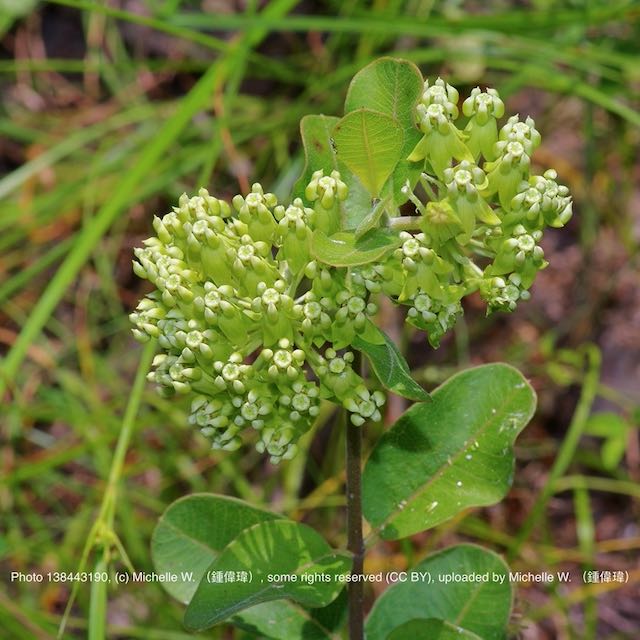
Asclepias Tonkawae - How Genetics Revealed Velvet-leaf Milkweed's Secret Twin https://doi.org/10.1002/ece3.71942 Phylogenomics Reveals Deep Divergences and Cryptic Species Within a Rare Sand‐Dwelling Milkweed, Asclepias tomentosa Elliott This research employs integrative taxonomy and phylogenomics to investigate the rare sand-dwelling milkweed, Asclepias tomentosa, finding significant genetic separation and previously undetected biodiversity. Through multiple genomic analyses, including phylogenies and population structure modeling, the study discovered deep divergences correlating with distinct geographic areas: Texas, Florida, and the Carolinas. Critically, the Texas populations were identified as a new, highly distinct species, now formally described as Asclepias tonkawae, which also exhibits unique floral morphology. This finding underscores the importance of accurate species delimitation for effective conservation efforts.

This compilation of excerpts details Mary Lewis's doctoral dissertation from the University of Georgia (2021), focusing on the hybridization of Asclepias species to create new cultivars. The research addresses the commercial limitations of existing milkweed varieties, such as minimal branching and height issues, by optimizing pollination methods, including a novel inverted pollinia technique. Lewis explores interspecific hybridization using Asclepias tuberosa as the maternal parent, successfully developing hybrid seeds with several other Asclepias species and analyzing inheritance patterns for traits like flower color, pubescence, sap color, foliage, and height. Additionally, the dissertation establishes effective vegetative propagation protocols for A. tuberosa and develops an embryo rescue protocol to overcome seed abortion issues, along with assessing genomic content across various Asclepiasspecies to understand hybridization barriers. The ultimate goal is to improve the commercial viability and conservation efforts for this vital pollinator genus. Pre-18th Century: Asclepias (Milkweed) Species Diversity and Distribution: Asclepias genus, a vital pollinator genus and host plant for monarch butterflies, comprises over 100 species in North America, with 90 species throughout the U.S., Canada, and parts of Central America. This broad native range leads to significant phenotypic diversity and often species isolation. Traditional Milkweed Propagation: In the wild, Asclepias species reproduce via seeds and rhizomatous tubers. Understanding Asclepias Floral Structure: The genus is known for one of the most complex reproductive structures in the plant kingdom, similar to orchids, transmitting pollen via sac-like pollinia in a "lock and key" method. This complexity encourages outcrossing and limits natural interspecific hybridization due to varying pollinia and stigmatic slit sizes. Self-Incompatibility: Asclepias species carry an S-locus gene promoting self-incompatibility, which is late-acting in the ovary and hinders endosperm maturation, often leading to seed pod abortion if less than half the embryos are fertilized. Limited Commercial Production: Most Asclepias species lack commercially desirable traits like good branching, suitable height, and wide color variation, limiting their presence in the ornamental market. Late 18th Century: First Documented Embryo Rescue: Charles Bonnet performs the first recorded embryo rescue, setting groundwork for future plant breeding techniques. Early 20th Century (1900s-1940s): 1904: Hannig refines embryo rescue techniques. 1922: Knudson demonstrates drastically improved germination rates for orchid seeds by prematurely harvesting pods for embryo rescue. 1923: C.B. Hutchings notes the monarch butterfly's migratory habits and dependence on milkweed. 1940: E.D. Putt's observations on sunflower morphology, including branching. 1945: O.A. Stevens documents successful controlled hybridization between A. speciosa and A. syriaca. 1948: Heiser and Whitaker document chromosome numbers in California weeds, including some Asclepias species. 1948: Sparrow and Pearson study pollen compatibility in Asclepias syriaca, noting issues with endosperm fertilization failure leading to embryo starvation. Mid-20th Century (1950s-1970s): 1950: Swift defines C-value (total genomic content). 1954: R.E. Woodson publishes "The North American Species of Asclepias L.", noting 106 species. 1956: Darlington and Wylie's "Chromosome Atlas of Flowering Plants" lists several Asclepias species as diploids. 1960: R. Allard publishes "Principles of Plant Breeding," discussing inheritance of quantitative traits. 1969: J.R. Nolan studies bifurcation of the stem apex in Asclepias syriaca, showing its limited branching capacity. 1970: G.L. Stebbins describes the "lock and key" pollination method in Asclepias. 1972: Evetts and Burnside classify A. tuberosa seedling dormancy as primary, broken by cold-moist stratification, seed coat removal, or Gibberellic Acid. 1976: R. Wyatt publishes "Pollination and fruit-set in Asclepias: a reappraisal," and H.M. Wilbur studies life history evolution in seven milkweed species. 1977: Baskin and Baskin note A. syriaca requires extended cold stratification (a year or more) for good germination. Late 20th Century (1980s-1990s): 1980: Kephart and Heiser report successful controlled hybridizations in Asclepias. 1981: S.R. Kephart studies breeding systems in Asclepias incarnata, A. syriaca, and A. verticillata. R. Wyatt also studies the reproductive biology of A. tuberosa. 1984: Bookman provides evidence for selective fruit production in Asclepias, noting pod abortion if less than half the seeds are fertilized. 1986: T.R. Shannon and R. Wyatt detail the juvenile period and flower production in A. exaltata. 1988: Kephart, Wyatt, and Parrella publish on hybridization in North American Asclepias, including successful crosses like A. exaltata x A. quadrifolia and A. purpurascens x A. syriaca. 1991: R. Wyatt and D.M. Hunt report on hybridization in North American Asclepias using flavonoid evidence, including A. exaltata x A. syriaca. Malcolm studies cardenolide-mediated interactions between plants and herbivores. Albrecht and Lehmann show daylength, cold storage, and production method influence A. tuberosa growth and flowering. 1992: R. Wyatt and S.B. Broyles publish on hybridization in North American Asclepias using isozyme evidence, suggesting habitat overlap influences natural hybridization. 1993: Ecker and Barzilay discuss propagation of Asclepias tuberosa from short root segments, noting optimal conditions for rooting. 1994: M.P. Bridgen reviews plant embryo culture. R. Wyatt and S.B. Broyles review the ecology and evolution of reproduction in milkweeds. 1999: Zalucki and Malcolm study plant latex and monarch larval growth/survival. Early 21st Century (2000s-2010s): 2000: S.R. Lipow and R. Wyatt identify single gene control of postzygotic self-incompatibility in A. exaltata. W. Cullina publishes "Wildflowers: A Guide to Growing and Propagating Native Flowers of North America." 2002: S.B. Broyles studies hybrid bridges to gene flow in milkweeds, specifically A. exaltata and A. syriaca. 2004: Klips & Culley confirm natural hybridization between A. syriaca and A. sullivantii at an Ohio site. 2007: Doležel, Greilhuber, and Suda publish on estimating nuclear DNA content using flow cytometry. 2009: Agrawal and Konno provide a model for understanding latex in plant defense. Agrawal et al. study phylogenetic ecology of leaf surface traits in milkweeds, including pubescence. 2011: Fishbein et al. infer phylogenetic relationships of Asclepias from chloroplast DNA sequences. 2012: Bai et al. report new nuclear DNA content for vascular plant taxa, including some Asclepias species. J.M. Pleasants and K. Oberhauser study milkweed loss and its effect on monarch populations. 2013: Luna and Dumroese review monarch and milkweed interactions and propagation methods. Shearer and Ranney study ploidy levels and genome sizes in dogwood. 2015: K. Weitemier et al. study intragenomic polymorphisms in Asclepias nuclear ribosomal DNA. 2018: Kaye et al. study seed dormancy and germination in milkweeds. 2018: October: Mary Lewis's research team initiates germination of various Asclepias species for parent production at the University of Georgia (UGA) Athens campus. March - October: Mary Lewis's team conducts approximately 7,000 interspecific pollination attempts using an "inverted pollinia method" (optimized by Lewis's team) between A. tuberosa (maternal parent) and seven other Asclepias species. This results in 253 hybrid pods. May - November: Initial germination and growth of hybrid seedlings. June 18: Vegetative cuttings are harvested from mature A. tuberosa stock plants (six weeks after dormancy break) and juvenile seedlings (14 weeks after germination) for propagation experiments. July: Mary Lewis's team develops an Embryo Rescue (ER) protocol for A. tuberosa, including optimal media type (½ MS) and embryo maturity (60 days after pollination, DAP). This is the first documented ER protocol for Asclepias tuberosa. November - February 2019: Hybrid seed germination (both direct-seeded and stratified) continues. 2019: July: A significant spider mite and thrip infestation impacts the hybrid population, requiring some plants to be cut back and placed in cold storage. Throughout the year: Mary Lewis's team collects initial data on hybrid traits (juvenile stage). 2020: January: Mary Lewis's team initiates germination of 15 Asclepias species for genome size assessment. April: Nathaniel P. Hofford submits his undergraduate research thesis on admixture between A. syriaca and A. sullivantii to Ohio State University, finding distinct morphological features and possible extensive admixture. July: Mary Lewis's team completes data collection on remaining hybrid plants (mature stage) after they are removed from cold storage and re-grown. Throughout the year: Flow cytometry is used to assess the total genomic content of 15 Asclepias species and four hybrids, documenting a 2C genome size range of 0.65 to 1.24 picograms. 2021: February: Mary Lewis submits research on the inheritance of qualitative traits (pubescence, sap color, flower color) and quantitative traits (height, leaf length, leaf width, flower height, branching) in Asclepias interspecific hybrids for review. July 29: UGA research on milkweed breeding, led by Mary Lewis and Matthew Chappell, is featured on the cover of HortScience. The article highlights the first successful intentional interspecific hybridization of milkweed species and the potential for novel cultivars. Ongoing: Mary Lewis's research aims to continue to improve commercial production and conservation efforts for Asclepias species. Research by Hofford and his advisors seeks to further clarify the degree of genetic exchange between A. syriaca and A. sullivantii and its conservation imp
Brought to you by Grow Milkweed Plants This research article investigates the impact of shrubs on the survival and establishment of Asclepias curtissii, an endangered Florida milkweed. Researchers conducted experiments examining seed germination and seedling survival rates under different conditions, including shade and proximity to shrubs. The study found that shade significantly improved germination and survival, suggesting that shrubs provide beneficial microsite conditions. While adult plants were often found near shrubs, this wasn't significantly more often than expected by chance. The findings contribute to our understanding of this endangered species' ecology and the potential role of shrubs in its conservation. Curtiss's Milkweed (Asclepias curtissii) Source 1: Wikipedia 1. Description: This section details the physical characteristics of Curtiss's milkweed, including its height, leaf shape and color, and flower color and arrangement. It also mentions that it is a deciduous plant. 2. Ecology: This section describes the toxic sap of the plant and its impact on various animals. It notes that deer and grasshoppers consume the plant, while various insect larvae use it for shelter and food. The relationship between the plant and monarch butterflies is also discussed. 3. Habitat: This section outlines the specific habitat preferences of Curtiss's milkweed, highlighting its presence in well-drained areas of Florida and its association with specific plant species. It also mentions the plant's tolerance for soil disturbance. 4. Reproduction: This section addresses the challenges of pollination for the widely dispersed milkweed populations. It explains how the plant's specialized flowers attract specific pollinators, such as skipper butterflies and hairstreaks. 5. References: This section lists various sources and databases related to Curtiss's milkweed, including scientific classification information and links to other resources. Source 2: Native Florida Wildflowers Blog 1. Overview: This blog post provides a general description of Curtiss's milkweed, emphasizing its rarity and endangered status. It reiterates its habitat preferences and distinctive features. 2. Suitability for Butterfly Gardens: The author discusses the potential of Curtiss's milkweed as a valuable addition to butterfly gardens due to its size and foliage. However, it also notes the lack of propagation efforts and the importance of protecting wild populations. 3. Comments: The comments section highlights the interest in Curtiss's milkweed for restoration projects and the challenges associated with obtaining seeds due to its protected status. Source 3: Southeastern Naturalist Journal Article 1. Introduction: This section introduces the study's focus on the relationship between Curtiss's milkweed and woody shrubs in Florida scrub habitat. It raises the question of whether shrubs facilitate the establishment of this endangered plant species. 2. Methods: This section details the experimental design and methodology used to investigate the effects of shrubs on seed germination, seedling establishment, adult plant distribution, and seed dispersal patterns. 3. Results: This section presents the findings of the study, revealing that shade significantly enhances seed germination and seedling survival rates. It also shows that adult plants and dispersed seeds tend to be found near shrubs, although not more frequently than expected by chance. 4. Discussion: This section discusses the implications of the findings, highlighting the importance of shrubs in facilitating the establishment of Curtiss's milkweed in Florida scrub. It also places the study's results in the context of existing knowledge on plant facilitation in arid environments.
Brought to you by Grow Milkweed Plants This open-access article from the journal Insects details a field study investigating the attraction of beneficial insects to two milkweed species (Asclepias speciosa and Asclepias fascicularis) in Washington State. The researchers used sticky traps to quantify the number and types of insects, including predators, parasitoids, and pollinators, attracted to the milkweeds over multiple seasons. Results showed substantial attraction of beneficial insects to both species, suggesting milkweeds' value in habitat restoration for improved pest management and pollinator conservation. The study highlights the potential of using milkweeds to enhance conservation biological control in agricultural settings while also benefiting monarch butterfly populations. The findings are discussed in relation to previous research on beneficial insect attraction to other native plants. Beneficial Insect Attraction to Milkweeds in Washington State Source: James, D.G.; Seymour, L.; Lauby, G.; Buckley, K. Beneficial Insect Attraction to Milkweeds (Asclepias speciosa, Asclepias fascicularis) in Washington State, USA. Insects 2016, 7, 30. https://doi.org/10.3390/insects7030030 I. Introduction This section establishes the importance of native plants for conservation biological control and highlights the lack of knowledge regarding the benefits of milkweeds to beneficial insects beyond monarch butterflies. II. Materials & Methods - 2.1 Sites - This section details the six locations in central Washington where two endemic milkweed species, Asclepias speciosa and Asclepias fascicularis, were studied. - 2.2 Traps - Describes the use of transparent sticky traps attached to milkweed blooms to capture and study beneficial insects over multiple seasons. - 2.3 Trap Processing - Outlines the process of identifying and categorizing trapped insects into ten beneficial groups and recording pest insect numbers. - 2.4 Data Analysis - Explains the data transformation and statistical methods used to analyze and compare insect counts across milkweed species and years. III. Results - Presents the findings of the study, highlighting the abundance of beneficial insects trapped on both milkweed species across multiple years. - Predatory and Parasitic Flies - This section reports the significant attraction of predatory and parasitic flies to A. speciosa, identifying Dolichopodidae and Empididae as the dominant families. - Parasitic Wasps - Details the dominance of parasitic wasps among beneficial insects attracted to A. fascicularis. - Bees - This section compares the attraction of honey bees and native bees to both milkweed species, noting a significant preference for native bees, particularly on A. speciosa. - Predatory Bugs - Reports the consistent attraction of predatory bugs, predominantly Orius spp., to both milkweed species. - Other Beneficial Insects - Briefly discusses the presence of other beneficial insects like ladybeetles, found in lower numbers compared to the dominant groups. IV. Discussion - This section discusses the significance of the study's findings, emphasizing the potential of both A. speciosa and A. fascicularis for enhancing pest management in Washington agriculture. - Milkweeds as Beneficial Insect Attractants - Compares the beneficial insect attraction of milkweeds with other plant species studied in the region, positioning them as highly attractive options for habitat restoration. - Potential Role in Pest Management - Discusses the potential of milkweeds to support natural enemies of various crop pests, drawing parallels with similar studies and suggesting their integration into pest management strategies. - Benefits for Pollinators and Monarch Butterflies - Emphasizes the additional benefit of milkweeds as a resource for native bees and their crucial role in supporting monarch butterfly populations, advocating for their cultivation in various landscapes. V. Conclusions - Summarizes the study's key findings, emphasizing the attraction of a diverse range of beneficial insects to A. speciosa and A. fascicularis. - Advocates for further research on the role of milkweeds in enhancing biological control and supporting pollinator populations. VI. Acknowledgements VII. Author Contributions VIII. Conflicts of Interest IX. References X. Figures - Figure 1: Map of Washington State showing study locations. - Figure 2: Comparison of beneficial insect categories attracted to A. speciosa and A. fascicularis. - Figure 3: Predatory and parasitic fly families attracted to both milkweed species. - Figure 4: Comparison of native bee and honey bee attraction to both milkweed species. - Figure 5: Predatory bug genera attracted to both milkweed species. XI. Tables - Table 1: List of beneficial insect categories and the specific species, genera, and families included in the study. - Table 2: Number of traps and trapping periods for both milkweed species over the study years.
Brought to you by Grow Milkweed Plants This YouTube video transcript details a three-year research project on Asclepias prostrata, a federally endangered milkweed species in South Texas. The research investigated the plant's distribution, soil preferences, pollinators (including a newly identified wasp species), and successful seed germination techniques. Habitat loss from urbanization, agriculture, and border wall construction threatens the plant's survival. The presenter suggests collaborations with energy companies to utilize cleared land around wind turbines as potential habitat for restoration efforts. High seed germination rates were achieved, offering hope for future conservation. Understanding Asclepias prostrata: An Endangered Milkweed in South Texas Source 1: U.S. Fish & Wildlife Service (FWS), "Endangered and Threatened Wildlife and Plants; Endangered Species Status for Prostrate Milkweed and Designation of Critical Habitat" Official Listing and Habitat Designation: This section provides a brief overview of the FWS's ruling, which officially classifies Asclepias prostrata as endangered and outlines the designation of its critical habitat in Texas. The document details the legal basis for these actions and where to find the full ruling. Source 2: Crime Pays But Botany Doesn't, "The Rarest Milkweed in Texas" Introduction and Discovery: The author introduces Asclepias prostrata and describes its perennial nature, preferred habitat, and the factors contributing to its decline, mentioning the initial discovery by Mark Fishbein. Botanical Observations and Adaptations: This section focuses on the plant's physical characteristics, such as its leaf shape, stem texture, and adaptations to the arid climate of South Texas. The author provides detailed descriptions of the plant's features, highlighting its unique morphology and adaptations for survival. Habitat Description and Coexisting Species: The video shifts to showcasing the plant's habitat, including other plant species found within the same environment, such as various legumes, hibiscus, and cacti. The author emphasizes the importance of understanding plant communities and interactions within a specific ecosystem. Threats to Survival: The author discusses threats to the plant's survival, including habitat destruction due to road grading, land clearance, and invasive species like buffelgrass. The author criticizes the proposed border wall, highlighting its potential negative impact on the already fragile ecosystem. Additional Observations and Reflections: This section features observations of various insects interacting with the milkweed and other plants, including swallowtail butterflies, wasps, and pollinators. The author delves into ecological relationships, emphasizing the interconnectedness of species within a habitat. Final Observations and Advocacy: The video concludes with observations of additional Asclepias prostrata populations, emphasizing their precarious situation. The author reiterates the need for conservation efforts and expresses concern over human activities impacting the plant's future. Source 3: The University of Texas Rio Grande Valley (UTRGV) Graduate College, "Understanding the Distribution and Abundance of Asclepias prostrata in South Texas with Liz Gonzalez" Introduction and Research Objectives: Liz Gonzalez introduces her research, focusing on the distribution, abundance, and threats to Asclepias prostrata, highlighting its recent listing as federally endangered and the need for better understanding its ecological requirements. Background and Conservation Status: Gonzalez provides background information on the plant's taxonomy, life cycle, preferred habitat, and its ranking as critically imperiled. She discusses the various threats to the species, including habitat loss due to urbanization, agriculture, energy development, and the construction of border walls. Soil Mapping and Habitat Suitability: Gonzalez explains her use of soil mapping to identify potential areas of suitable habitat for the plant within protected lands. She details the soil types associated with Asclepias prostrata occurrences and maps their presence on U.S. Fish and Wildlife Service properties, suggesting these areas could be used for restoration efforts. Field Observations and Phenology: Gonzalez shares her observations on the plant's growth patterns, noting its preference for full sun exposure and tolerance for high temperatures and low rainfall. She discusses variations in the plant's appearance, including color changes and shade avoidance syndrome when growing in less ideal conditions. Pollination Ecology and Insect Interactions: This section explores the plant's pollination mechanism, its reliance on outcrossing for reproduction, and the identification of potential pollinators. Gonzalez discusses the challenges in identifying effective pollinators and highlights the importance of insects like spider wasps in the plant's reproductive success. She also documents the monarch butterfly using Asclepias prostrata as a host plant. Extraction, Transplantation, and Root Morphology: Gonzalez describes the unplanned extraction and transplantation of Asclepias prostrata from a ranch slated for border wall construction. She details the process, emphasizing the careful extraction methods used to preserve the plants. Observations about the plant's underground root system, including taproot length and the presence of energy-storing tubers, are shared. Seed Viability and Germination Experiments: This section delves into Gonzalez's investigation of the viability and germination rates of Asclepias prostrata seeds. Comparing her findings to closely related milkweed species, she outlines her experimental methods, including seed collection, storage, germination techniques, and the use of clipping to enhance germination success. Concluding Remarks and Conservation Recommendations: Gonzalez concludes by emphasizing the need for continued research and conservation efforts for Asclepias prostrata, given the ongoing threats to its survival. She proposes innovative strategies for habitat restoration, including partnerships with energy development companies to utilize cleared land around wind turbines as potential habitat for the plant. She advocates for the importance of public awareness, collaboration with landowners, and securing funding for further research and conservation initiatives.
Brought to you by Grow Milkweed Plants The provided texts detail research on monarch butterflies (Danaus plexippus) and their interactions with milkweed plants (Asclepias spp.) and a protozoan parasite (Ophryocystis elektroscirrha). One study focuses on the monarch's transcriptomic response to different milkweed species varying in cardenolide (toxin) concentration, finding that gene expression changes relate to detoxification and possibly sequestration. Another study investigates the medicinal effects of milkweed cardenolides, specifically examining how different cardenolide mixtures affect parasite infection rates. Both studies use experimental designs comparing monarch responses to different milkweed types and parasite infection. The research highlights the complex interplay between plant toxins, herbivore adaptation, and parasite resistance. A Deeper Look at Milkweed, Monarchs, and Their Parasites: A Detailed Table of Contents Source 1: Biology of Danaus chrysippus L. (Lepidoptera: Danaidae): feeding potentials in the larval host plants and adult nectar plants | Semantic Scholar Pupal polymorphism in the butterfly Danaus Chrysippus (L.): environmental, seasonal and genetic influencesSummary: This section investigates the factors influencing pupal color in Danaus chrysippus butterflies, specifically examining the roles of environmental cues, seasonal variations, and genetic predisposition. Studies on the diversity and abundance of butterfly (Lepidoptera: Rhopalocera) fauna in and around Sarojini Naidu college campus, Kolkata, West Bengal, IndiaSummary: This section focuses on surveying the butterfly populations within a specific college campus in India, aiming to contribute to biodiversity restoration efforts and develop sustainable management strategies. Making eggs from nectar: the role of life history and dietary carbon turnover in butterfly reproductive resource allocationSummary: This section explores the link between nectar consumption, life history traits, and the process of egg production in butterflies, highlighting the importance of dietary carbon in reproductive resource allocation. Source 2: Milkweed Cardenolides and Their Comparative Processing by Monarch Butterflies (Danaus plexippus L.) | SpringerLink AbstractSummary: This abstract introduces the milkweed family, highlighting its diverse nature, medicinal uses, and poisonous properties. It further emphasizes the chemical interest in milkweeds due to their cardenolide content and the impact of these toxins on grazing animals. Chapter PDFSummary: The full chapter delves into the intricacies of milkweed cardenolides, examining their chemical structures, distribution within various milkweed species, and the mechanisms by which monarch butterflies process and sequester these toxins for their own defense. Keywords: Cardiac Glycoside, Storage Efficiency, Monarch Butterfly, Adult Butterfly, Amherst College Summary: These keywords provide a quick overview of the chapter's core topics, emphasizing the focus on cardenolides, their storage and utilization by monarch butterflies, and the research context related to Amherst College. ReferencesSummary: This extensive list of references comprises numerous scientific articles that provide detailed insights into the chemistry of milkweed cardenolides, their effects on various organisms, and the co-evolutionary relationship between milkweeds and insects like monarch butterflies. Source 3: Milkweed and its Insects Latex as a Defense Mechanism:Summary: This section describes the function of latex as a primary defense mechanism in milkweed plants. It details the physical and chemical properties of latex, comparing its impact on insects to "getting a gallon of paint thrown into your face". Caterpillar Adaptations to Latex:Summary: This section focuses on the behavioral adaptations of monarch caterpillars that allow them to feed on milkweed despite the latex defense. It explains the trenching behavior, where caterpillars cut leaf veins to reduce latex pressure before feeding. Milkweed as a Microcosm of Plant-Insect Interactions:Summary: This section broadens the scope to discuss the diverse insect community associated with milkweed, emphasizing that the plant's defenses have driven specialization in these insects. It also positions milkweed as a representative example of the broader ecological interplay between plants and insects, highlighting the significance of plant defenses in maintaining a "green world". Source 4: Molecular Ecology | Molecular Genetics Journal | Wiley Online Library Introduction:Summary: This section introduces the concept of sequestration, where insects utilize plant toxins for their own defense. It specifically highlights the monarch butterfly as a model organism and discusses the varying toxicity of different milkweed species due to cardenolide concentration and composition. Materials and Methods:Summary: This section details the experimental procedures used to study the impact of milkweed diet and parasite infection on monarch butterflies. It includes subsections on: Rearing and parasite inoculation: Outlines the methods for rearing monarch larvae, infecting them with the Ophryocystis elektroscirrha parasite, and quantifying parasite load. Chemical analyses: Explains the techniques used to measure cardenolide concentration and composition in milkweed foliage and larval frass. RNA extraction, library preparation, and sequencing: Describes the methods for extracting RNA from gut and body tissues, preparing libraries for sequencing, and obtaining transcriptomic data. Differential gene expression analysis: Explains the statistical approaches employed to analyze and interpret gene expression differences between treatment groups, including infection status and milkweed diet. Gene ontology enrichment analysis: Details the methods used to identify functionally enriched gene categories associated with specific biological processes, molecular functions, or cellular components. Results:Summary: This section presents the key findings of the study, focusing on the minimal impact of parasite infection on gene expression and the significant differences in transcriptional profiles observed between monarch larvae feeding on different milkweed species. Discussion:Summary: This section interprets the results within the context of detoxification, sequestration, and the specialized adaptation of monarch butterflies to milkweed. It compares the findings with existing research on milkweed-feeding insects and discusses the implications for understanding plant-insect coevolution. Acknowledgments and Author Contributions:Summary: This section recognizes the individuals and institutions involved in the research and outlines the specific contributions of each author to the study and manuscript preparation. Source 5: Secondary Defense Chemicals in Milkweed Reduce Parasite Infection in Monarch Butterflies, Danaus plexippus | Journal of Chemical Ecology Introduction:Summary: This section introduces the study's objective: to investigate the impact of milkweed latex and cardenolide concentration on parasite infection in monarch butterflies. It highlights the potential for plant defenses to mediate host-parasite interactions. Methods:Summary: This section details the experimental design and methodology, including: Experimental setup: Describes two experiments manipulating latex exposure and cardenolide levels in milkweed diets for monarch larvae. Parasite inoculation: Outlines the methods for inoculating larvae with the Ophryocystis elektroscirrha parasite. Chemical analyses: Explains the techniques used to quantify cardenolide concentrations in the experimental diets. Statistical analysis: Describes the statistical approaches used to analyze the relationship between cardenolide exposure and parasite load. Results:Summary: This section presents the key findings, demonstrating that increased cardenolide concentration in the diet, particularly through latex exposure, significantly reduced parasite spore load in monarch butterflies. Discussion:Summary: This section discusses the implications of the findings, suggesting that milkweed defenses, especially cardenolides, play a crucial role in mediating parasite infection in monarch butterflies. It highlights the importance of plant secondary metabolites in shaping the dynamics of host-parasite interactions. Source 6: https://agrawal.eeb.cornell.edu/wp-content/uploads/2023/11/Hoogshagen-et-al-JCE-2023.pdf Introduction:Summary: This section introduces the concept of plant secondary metabolites as defense mechanisms against herbivores and pathogens. It focuses on the synergy hypothesis, proposing that complex mixtures of phytochemicals may enhance defense efficacy compared to individual compounds. Funding, Data Availability, and Declarations:Summary: This section provides information on the funding sources for the research, ensures data transparency by indicating its public availability on GitHub, and declares any potential competing interests of the authors. References:Summary: This comprehensive list of references cites relevant scientific literature supporting the research, covering topics such as plant-insect coevolution, cardenolide toxicity, parasite-host interactions, and the ecological significance of phytochemical diversity.
Summary: This research paper examines a 106-year dataset from a Sonoran Desert plant community in Arizona. Researchers analyzed changes in climate and community structure over time, specifically focusing on the impact of decadal-scale climate anomalies on vegetation. They found that while the community has shifted directionally over the years, the climate had minimal influence on this shift, primarily due to nonlinear changes in precipitation anomalies. Decadal-scale climate had the greatest impact on species richness, relative density, and plant cover. The study also investigated the climate sensitivity of individual species and found that over 80% of species were sensitive to climate, but this sensitivity was not associated with growth form, longevity, geographic range, or local dominance. The authors suggest that while climate plays a significant role in community dynamics, the lack of directional changes in precipitation may mask long-term climate signals, making predictions about future community changes difficult. ART I C L E One hundred and six years of change in a Sonoran Desert plant community: Impact of climate anomalies and trends in species sensitivities Charlotte Brown1,2 | Susana Rodriguez Buritica3 | Deborah E. Goldberg4,5 | Frank Reichenbacher1 | D. Lawrence Venable4 | Robert H. Webb6 | Benjamin T. Wilder7 https://esajournals.onlinelibrary.wiley.com/doi/epdf/10.1002/ecy.4194
Summary The sources explore the complexities of native plant restoration, focusing on the debate surrounding the definition of "native" and its implications for conservation practices. The first source examines how professionals and non-professionals perceive plant nativity, highlighting inconsistencies in definitions and emphasizing the need for clarity in conservation efforts. The second source delves into several controversies within native plant restoration, particularly regarding the use of single or multiple sources for seed materials, source distance, and the use of native plant selections. It argues that while some controversies can be resolved through research, others require a clear understanding of project objectives and philosophical perspectives, all while emphasizing the importance of a restoration-oriented definition of "native" to ensure successful and sustainable conservation. Comparing Perceptions of Native Status Steven E Smith, Susan R Winslow Native Plants Journal Mar 2001, 2 (1) 5-11; DOI: 10.3368/npj.2.1.5 https://npj.uwpress.org/content/2/1/5.short Proceedings of the Conference: Native Plant Propagation and Restoration Strategies. Haase, D.L. and R. Rose, editors. Nursery Technology Cooperative and Western Forestry and Conservation Association. December 12-13, 2001. Eugene, OR. https://saveplants.org/wp-content/uploads/2019/05/Common_ground_and_controversy_in_native_plant_rest.pdf A Grow Milkweed Plants Network production. Show Page
Morpho-ecological aspects on the pollination ofCalotropis procera (Asclepiadaceae) in Israel Eisikowitch, D. Morpho-ecological aspects on the pollination ofCalotropis procera (Asclepiadaceae) in Israel. Pl Syst Evol 152, 185–194 (1986). https://doi.org/10.1007/BF00989426 The article, published in Plant Systematics and Evolution in 1986, explores the pollination process of the Calotropis procera plant, a member of the Asclepiadaceae family, in Israel. C. procera flowers have evolved to conceal their nectar to prevent theft by ants and to preserve the nectar's moisture. The article highlights the crucial role of two species of carpenter bees (Xylocopa) as the plant's sole pollinators, and it discusses their specific behaviors while visiting the flowers. The study emphasizes the importance of nectar concentration in controlling pollen germination during the pollination process.
Patterns of Nectar Production in Asclepias curassavica (Apocynaceae)) Broyles, Steven. "Patterns of nectar production in Asclepias curassavica (Apocynaceae)." Journal of Pollination Ecology 25 (2019). This research article published in the Journal of Pollination Ecologyexamines the patterns of nectar production in the milkweed species Asclepias curassavica. The study, conducted in a controlled greenhouse environment, found that A. curassavica secretes nectar mainly during daylight hours and continues at a steady rate for several days. The study also revealed that fresh nectar has a lower sugar concentration than older nectar, which could benefit both insect pollinators and pollen germination. The researchers observed that the unique floral structure of the milkweed allows for the rapid germination of pollen and attracts diurnal pollinators over several days. Furthermore, the study found variations in nectar production among different plants and inflorescences, and this variation is further influenced by the removal of nectar by insects. These findings highlight the potential role of pollinator-mediated selection on nectar traits in milkweeds, suggesting that milkweeds can adjust their nectar production to attract pollinators and promote successful reproduction.
What do monarchs feed on in winter? Nectar sources at hibernation sites Sánchez-Tlacuahuac, N., Pimentel-Equihua, J.L., Espinosa-Hernández, V. et al. What do monarchs feed on in winter? Nectar sources at hibernation sites. J Insect Conserv 27, 181–191 (2023). https://doi.org/10.1007/s10841-022-00433-z This research article examines the nectar sources used by monarch butterflies during their winter hibernation in the Monarch Butterfly Biosphere Reserve in Mexico. The study identified 29 plant species that monarchs frequently feed on, with Asteraceae being the most common family represented. The researchers observed a strong correlation between the number of monarch feeding visits and the abundance of certain plants, particularly those with white or yellow flowers. The findings suggest that promoting these plants in agricultural areas surrounding the reserve could help support monarch populations and mitigate the negative impacts of forest degradation.
Comparison of Common Milkweed and Honeyvine Milkweed (Asclepiadaceae) as Host Plants for Monarch Larvae (Lepidoptera: Nymphalidae) Kenneth V. Yeargan and Cora M. Allard "Comparison of Common Milkweed and Honeyvine Milkweed (Asclepiadaceae) as Host Plants for Monarch Larvae (Lepidoptera: Nymphalidae)," Journal of the Kansas Entomological Society 78(3), 247-251, (1 July 2005). https://doi.org/10.2317/0407.40.1 This study examines the suitability of two milkweed species, common milkweed (Asclepias syriaca) and honeyvine milkweed (Cynanchum laeve), as host plants for monarch butterfly larvae. The authors, Yeargan and Allard, were particularly interested in honeyvine milkweed because it is prevalent in the eastern United States, yet its role as a monarch host plant is understudied. Their research revealed that monarch larvae developed faster on honeyvine milkweed than on common milkweed, suggesting that it could be a more important host plant than previously recognized. Although pupal weight and survival rates were slightly higher on common milkweed, the differences were not statistically significant. The authors argue that honeyvine milkweed deserves further investigation, particularly in the context of natural enemies and potential differences in plant morphology and phytochemicals that could influence the monarch butterfly lifecycle.
New records of pollinators and other insects associated with Arizona milkweed, Asclepias angustifolia, at four sites in Southeastern Arizona Behrstock, R. A. (2021). New records of pollinators and other insects associated with Arizona milkweed, Asclepias angustifolia, at four sites in Southeastern Arizona. Journal of Pollination Ecology, 27. https://doi.org/10.26786/1920-7603(2021)621 This research article, published in the Journal of Pollination Ecology, investigates the insect visitors of Asclepias angustifolia, a type of milkweed that grows in southeastern Arizona. The author, Robert Aaron Behrstock, observed and photographed these insects over two years at four different sites, identifying over 369 insect species, including potential pollinators. The article discusses the types of insects observed, their roles in pollination, and the importance of A. angustifolia for pollinators like monarch butterflies. This research provides valuable information on the insect communities associated with this important plant species and emphasizes the significance of milkweed in supporting biodiversity.
Seasonal windows of opportunity in milkweed–monarch interactions Louie H. Yang, Meredith L. Cenzer First published: 05 September 2019 https://doi.org/10.1002/ecy.2880 Citations: 17 Corresponding Editor: Matthew L. Forister. The research article explores the seasonal windows of opportunity for monarch butterfly larvae to develop successfully on milkweed plants. It examines how the prospects for monarch larval development change throughout the growing season by manipulating the timing of monarch egg introductions to milkweed plants in three different years. The researchers investigated the role of various factors, including abiotic thermal stress, host plant density and quality, and natural enemy risk, in shaping these seasonal windows. By comparing the seasonal patterns of larval success and potential explanatory factors, the study suggests that seasonal variation in abiotic conditions, host plant availability, host plant traits, and natural enemy risk all potentially constrain monarch larval development and population growth. The timing of heat waves has multiyear effects on milkweed and its insect community Olivia L. Cope, Luke N. Zehr, Anurag A. Agrawal, William C. Wetzel First published: 09 February 2023 https://doi.org/10.1002/ecy.3988 Both sources explore the relationship between milkweed plants and their insect communities, particularly monarchs, within the context of changing environmental conditions. The first source focuses on the seasonal windows of opportunity for monarch development, investigating how factors such as temperature, milkweed availability and defensive traits influence monarch larval success throughout the growing season. The second source looks at the multiyear effects of heat waves on milkweed and its insect community, emphasizing how the timing of heat waves impacts plant growth, fecundity, and the abundance of different aphid species over multiple years. Both studies highlight the importance of temporal factors in understanding species interactions and the potential ecological consequences of changing climates.
Butterflies Across the Globe: A Synthesis of the Current Status and Characteristics of Monarch (Danaus plexippus) Populations Worldwide Front. Ecol. Evol., 26 September 2019 Sec. Conservation and Restoration Ecology Volume 7 - 2019 | https://doi.org/10.3389/fevo.2019.00362 This article published in Frontiers in Ecology and Evolutionexamines the global distribution and characteristics of monarch butterfly populations. While monarchs are best known for their long-distance migrations in North America, the butterflies have expanded across the globe over the past two centuries. This study provides a comprehensive overview of the species' range, highlighting significant differences in morphology, migration, overwintering behavior, larval diet, natural enemies, and genetic makeup among populations. The authors argue that these variations enhance the species' adaptive capacity, enabling monarchs to adapt to changing environmental conditions. The article also identifies key gaps in our understanding of monarchs worldwide, highlighting the need for further research to assess population trends and threats, particularly in light of the documented declines in North American populations. Migration and Overwintering in Australian Monarch Butterflies (Danaus plexippus(L.) (Lepidoptera: Nymphalidae): a Review with New Observations and Research Needs David G. James and Teresa A. James "Migration and Overwintering in Australian Monarch Butterflies (Danaus plexippus (L.) (Lepidoptera: Nymphalidae): a Review with New Observations and Research Needs," The Journal of the Lepidopterists' Society 73(3), 177-190, (13 December 2019). https://doi.org/10.18473/lepi.73i3.a7 This excerpt is from a scientific article published in The Journal of the Lepidopterists' Society titled "Migration and Overwintering in Australian Monarch Butterflies (Danaus plexippus (L.) (Lepidoptera: Nymphalidae): a Review with New Observations and Research Needs." The authors, David G. James and Teresa A. James, review the known history of monarch butterfly migration and overwintering in Australia. They highlight that while overwintering aggregations of monarchs were first observed in the 1930s and 1940s, scientific study of these phenomena did not begin until the 1960s. The article also presents new observations of monarch behavior at previously unrecorded overwintering sites in Australia, including the first confirmed overwintering locations in Victoria and on Flinders Island. The authors conclude by emphasizing the need for further research to better understand the annual status, size, and phenology of monarch populations in Australia. Pattern and drivers of danaine butterfly migration in Southern India: implications for conservation Vinayan, P.A., Yathumon, M.A., Sujin, N.S. et al. Pattern and drivers of danaine butterfly migration in Southern India: implications for conservation. J Insect Conserv 27, 505–516 (2023). https://doi.org/10.1007/s10841-023-00473-z This research article investigates the patterns, drivers, and conservation implications of the seasonal migration of danaine butterflies (a type of milkweed butterfly) in Southern India. The authors studied the migration pattern of these butterflies, including their breeding sites and the plants they use to gather pyrrolizidine alkaloids (PAs) - a crucial chemical for their defense and mating. Their findings show that the dominant migrating danaine species, Tirumala septentrionis and Euploea sylvester, breed in the Eastern Ghats and plains of Southern India, not in the Western Ghats where they congregate. This finding highlights the importance of conserving not just the Western Ghats, but also the Eastern Ghats and plains for the successful continuation of the migration. The study also emphasizes the crucial role of PA plants for the survival and reproduction of these butterflies and emphasizes the need for their protection. The authors highlight various conservation challenges facing these butterflies, including habitat loss, invasive species, and climate change. The paper concludes by recommending future research directions and conservation strategies to protect this spectacular migration phenomenon and its ecological importance.

Temporal matches between monarch butterfly and milkweed population changes over the past 25,000 years Boyle, John H. et al. Current Biology, Volume 33, Issue 17, 3702 - 3710.e5 This research paper investigates the long-term population dynamics of monarch butterflies and common milkweed, their primary food source, over the past 25,000 years. The study utilizes genomic data, including a newly-constructed chromosome-level genome assembly for common milkweed, to reconstruct the demographic histories of both species. The authors found that both monarchs and milkweed experienced population expansions during the retreat of glaciers 10,000 to 20,000 years ago and again with the widespread clearing of North American forests in the last few centuries. Importantly, they found no evidence of recent population declines in either species despite well-documented decreases in monarch abundance over the past 40 years. This suggests that the observed monarch decline might not be a reflection of a true reduction in effective population size but rather a mismatch between the overwintering census population and the broader, genetically-diverse population. The study's findings provide valuable insights into the complex interplay between these iconic species and the impact of human activities on their long-term population trajectories. The Evolution of Inflorescence Size in Asclepias (Asclepiadaceae) Willson, Mary F., and Peter W. Price. "The Evolution of Inflorescence Size in Asclepias (Asclepiadaceae)." Evolution, vol. 31, no. 3, 1977, pp. 495–511. JSTOR, https://doi.org/10.2307/2407517. Accessed 1 Oct. 2024. This research article, published in 1977 in the journal Evolution, explores the evolutionary factors influencing the size of flower clusters, known as inflorescences, in the milkweed genus Asclepias. The authors, Mary F. Willson and Peter W. Price, hypothesize that inflorescence size is an evolved trait shaped by selection pressures related to both pollen donation and reception. They investigate this hypothesis by examining the relationship between inflorescence size and various reproductive outcomes like pod initiation, fruit maturation, and pollen donation. They find that larger inflorescences, while advantageous for attracting pollinators and facilitating pollen donation, do not always translate to more mature fruits due to factors like pod abortion and intrabrood competition. They conclude that while larger inflorescences may have a selective advantage in terms of pollen donation, factors like resource limitation, pod abortion, and intrabrood competition play significant roles in limiting inflorescence size, suggesting that the evolutionary trajectory of inflorescence size in Asclepias is likely driven by a complex interplay of these factors.

Citation: Mary E. Endress, Sigrid Liede-Schumann, and Ulrich Meve "ADVANCES IN APOCYNACEAE: THE ENLIGHTENMENT, AN INTRODUCTION," Annals of the Missouri Botanical Garden 94(2), 259-267, (27 July 2007). https://doi.org/10.3417/0026-6493(2007)94[259:AIATEA]2.0.CO;2 https://bsapubs.onlinelibrary.wiley.com/doi/10.1002/ajb2.1067 This is an excerpt from the online journal Annals of the Missouri Botanical Garden containing an introduction to a collection of articles about the Apocynaceae plant family. The authors, Mary E. Endress, Sigrid Liede-Schumann, and Ulrich Meve, present a revised classification system for the Apocynaceae family. They highlight advances in research on the family's phylogeny, biogeography, pollination biology, and even how some butterflies utilize the family's pyrrolizidine alkaloids. The authors make note of the updated classification scheme, which recognizes a new tribe in Rauvolfioideae and three new tribes in Apocynoideae. They also highlight the seven new subtribes recognized in Asclepiadoideae. This article serves as an introduction to the special issue devoted to recent research on the Apocynaceae family, providing a comprehensive overview of the advancements made. Citation: Evolution on the backbone: Apocynaceae phylogenomics and new perspectives on growth forms, flowers, and fruits Mark Fishbein, Tatyana Livshultz, Shannon C. K. Straub, André O. Simões, Julien Boutte, Angela McDonnell, Abbey Foote First published: 07 May 2018 https://doi.org/10.1002/ajb2.1067 This is an article published in the American Journal of Botanythat examines the evolutionary history of the Apocynaceae plant family, which includes milkweeds, oleanders, and periwinkles. The authors conducted a large-scale phylogenetic analysis using genetic data from a significant portion of the family. This analysis resulted in a well-supported evolutionary tree, clarifying relationships between various Apocynaceae groups and shedding light on how traits like growth form, flowers, and fruits have changed over time within the family. The study highlights the importance of extensive sampling and the use of appropriate evolutionary models for understanding the complex evolutionary processes shaping plant diversity.
Comments

Download from Google Play

Download from App Store
 United States