


 Claim Ownership
CyberSecurity Summary
Subscribed: 92Played: 4,245
Subscribe

© Copyright CyberSecurity Summary
Description
CyberSecurity Summary is your go-to podcast for concise and insightful summaries of the latest and most influential books in the field of cybersecurity.
Each episode delves into the core concepts, key takeaways, and practical applications of these books, providing you with the knowledge you need to stay ahead in the ever-evolving world of cybersecurity.
Whether you’re a seasoned professional or just starting out, CyberSecurity Summary offers valuable insights and discussions to enhance your understanding and keep you informed.
You can listen and download our episodes for free on more than 10 different platforms:
https://linktr.ee/cyber_security_summary
Each episode delves into the core concepts, key takeaways, and practical applications of these books, providing you with the knowledge you need to stay ahead in the ever-evolving world of cybersecurity.
Whether you’re a seasoned professional or just starting out, CyberSecurity Summary offers valuable insights and discussions to enhance your understanding and keep you informed.
You can listen and download our episodes for free on more than 10 different platforms:
https://linktr.ee/cyber_security_summary
1427 Episodes
Reverse
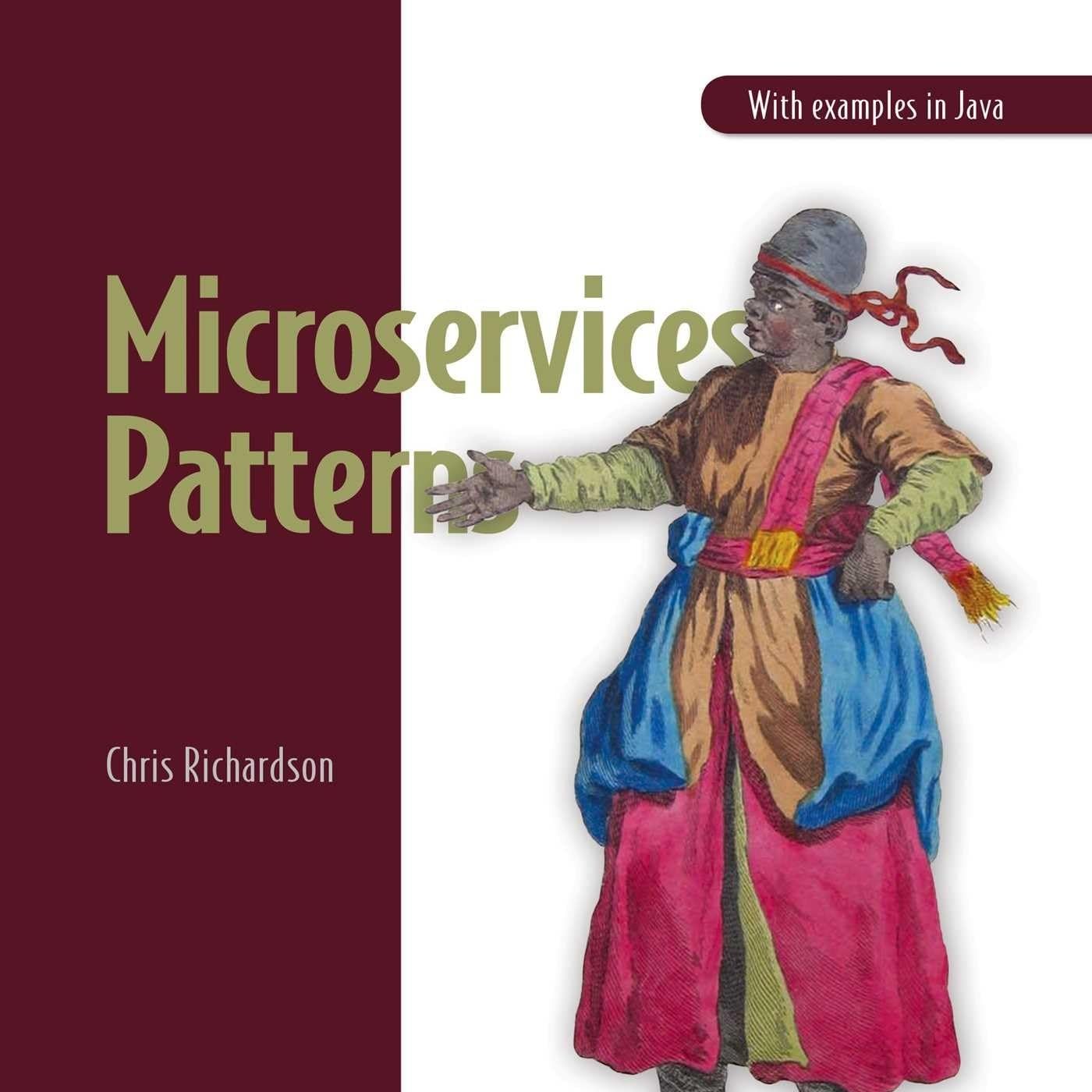
A comprehensive guide for transitioning from monolithic architectures to microservice-based systems. Through the lens of a fictional company called FTGO, the author illustrates the "monolithic hell" that occurs when applications become too large, complex, and slow to deploy. To address these challenges, the source introduces the scale cube model and a detailed pattern language to help architects make objective, trade-off-based decisions. The material covers essential strategies for functional decomposition, interprocess communication, and distributed data management using sagas. It further explores advanced topics such as event sourcing, API gateways, and specialized testing strategies necessary for maintaining reliable distributed systems. Ultimately, the book provides a roadmap for refactoring legacy code and adopting modern DevOps practices to improve software delivery velocity.You can listen and download our episodes for free on more than 10 different platforms:https://linktr.ee/cyber_security_summaryGet the Book now from Amazon:https://www.amazon.com/Microservice-Patterns-examples-Chris-Richardson/dp/1617294543?&linkCode=ll2&tag=cvthunderx-20&linkId=ceed4a837da245709ecfaa63cbab5ca3&language=en_US&gaOptInStatus=true&ref_=as_li_ss_tlDiscover our free courses in tech and cybersecurity, Start learning today:https://linktr.ee/cybercode_academy
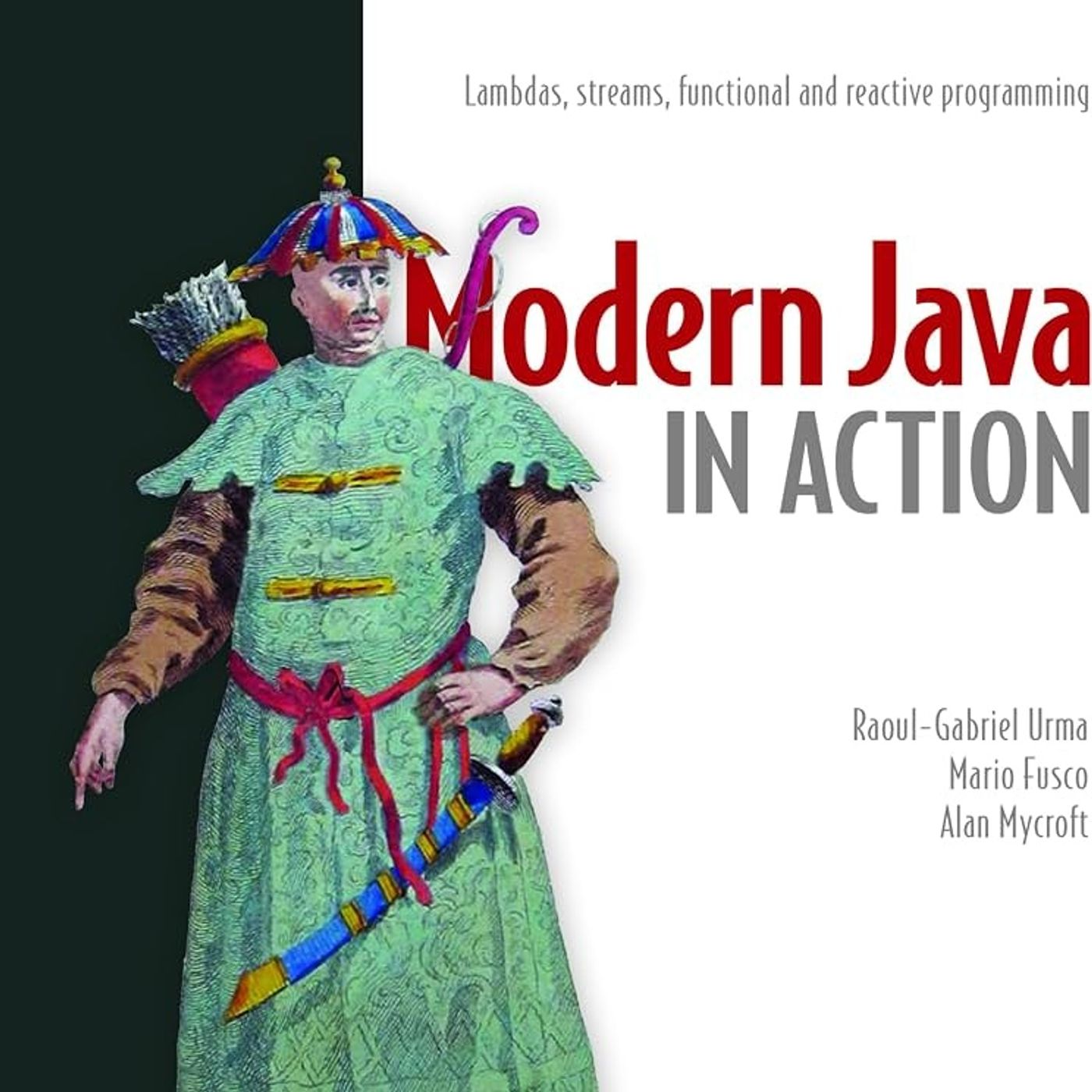
Details major advancements in the Java programming language from version 8 through 11. The authors, Raoul-Gabriel Urma, Mario Fusco, and Alan Mycroft, explain how the language evolved to handle multicore processors and big data by incorporating functional programming concepts. Key technical features highlighted include lambda expressions, the Streams API, and method references, which allow for more concise and maintainable code. The book also covers reactive programming, the Java Module System, and asynchronous programming using CompletableFuture. By transitioning from traditional object-oriented mutation to behavior parameterization, the text illustrates how Java has modernized to stay competitive in the software ecosystem. Ultimately, these sources serve as a comprehensive guide for developers to master declarative data processing and improved concurrency in contemporary Java development.You can listen and download our episodes for free on more than 10 different platforms:https://linktr.ee/cyber_security_summaryGet the Book now from Amazon:https://www.amazon.com/Modern-Java-Action-functional-programming/dp/1617293563?&linkCode=ll2&tag=cvthunderx-20&linkId=99e69f8033a680bd927c61b97a3ca0e4&language=en_US&gaOptInStatus=true&ref_=as_li_ss_tlDiscover our free courses in tech and cybersecurity, Start learning today:https://linktr.ee/cybercode_academy
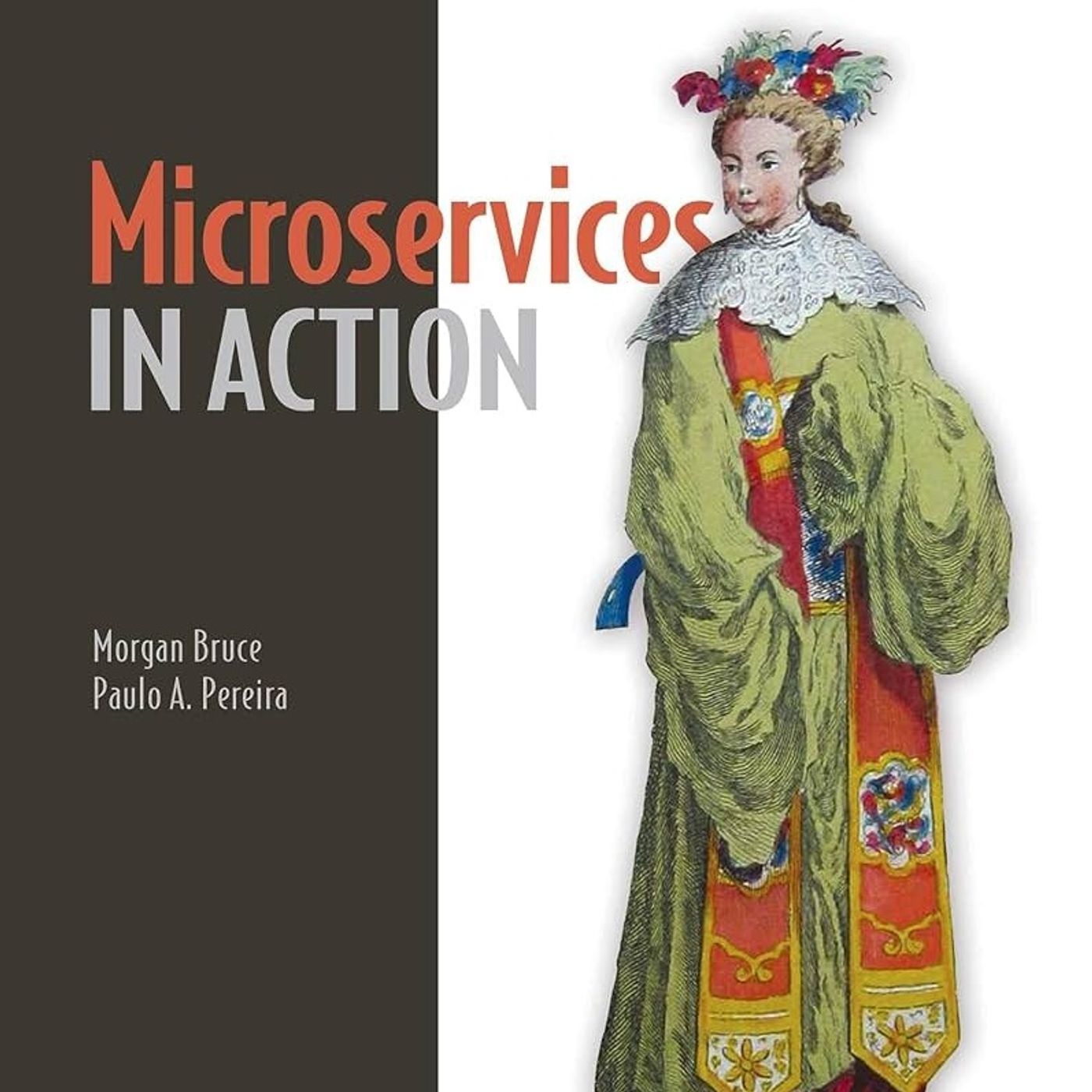
Explores the lifecycle of microservice applications. It defines this architectural style as a collection of autonomous, loosely coupled services designed to improve a team's agility and ability to scale. The authors use a fictional case study, SimpleBank, to illustrate practical challenges in domain modeling, service scoping, and reliable communication. Key technical themes include the use of Docker and Kubernetes for deployment, as well as strategies for achieving system observability through logs and metrics. Ultimately, the book provides a roadmap for transitioning from monolithic systems to modern, production-ready distributed environments while fostering a mature engineering culture.You can listen and download our episodes for free on more than 10 different platforms:https://linktr.ee/cyber_security_summaryGet the Book now from Amazon:https://www.amazon.com/-/en/Morgan-Bruce-ebook/dp/B09782XTJ3?&linkCode=ll2&tag=cvthunderx-20&linkId=060b521bfdf5a04025358c254022473b&language=en_US&gaOptInStatus=true&ref_=as_li_ss_tlDiscover our free courses in tech and cybersecurity, Start learning today:https://linktr.ee/cybercode_academy
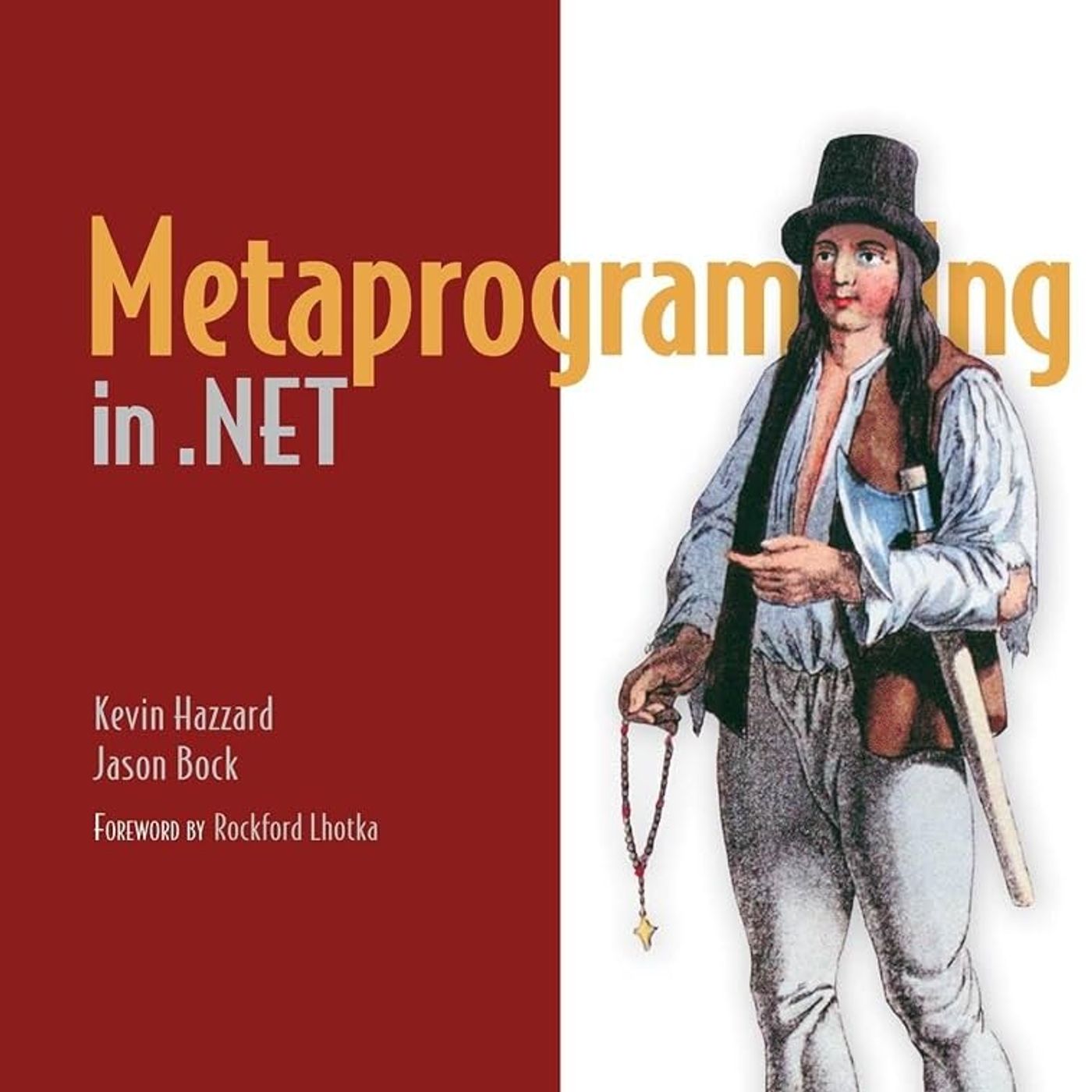
Introduces techniques for writing code that processes or generates other programs. The authors explore foundational concepts such as reflection, code generation, and dynamic objects to help developers reduce software complexity and increase reusability. Detailed chapters cover specialized tools like the CodeDOM for building source code graphs and expression trees for in-memory compilation. Additionally, the text examines the Dynamic Language Runtime (DLR) and Microsoft's Roslyn compiler API as modern methods for creating adaptable applications. Through practical examples like "Hello World" generators and data binding logic, the sources demonstrate how to manipulate metadata and IL at runtime. Ultimately, the book aims to transition programmers from imperative "how-to" commands toward more flexible, declarative programming styles.You can listen and download our episodes for free on more than 10 different platforms:https://linktr.ee/cyber_security_summaryGet the Book now from Amazon:https://www.amazon.com/Metaprogramming-NET-Kevin-Hazzard/dp/1617290262?&linkCode=ll2&tag=cvthunderx-20&linkId=8780cdbc5cba09389df940d6c3497eb0&language=en_US&gaOptInStatus=true&ref_=as_li_ss_tlDiscover our free courses in tech and cybersecurity, Start learning today:https://linktr.ee/cybercode_academy
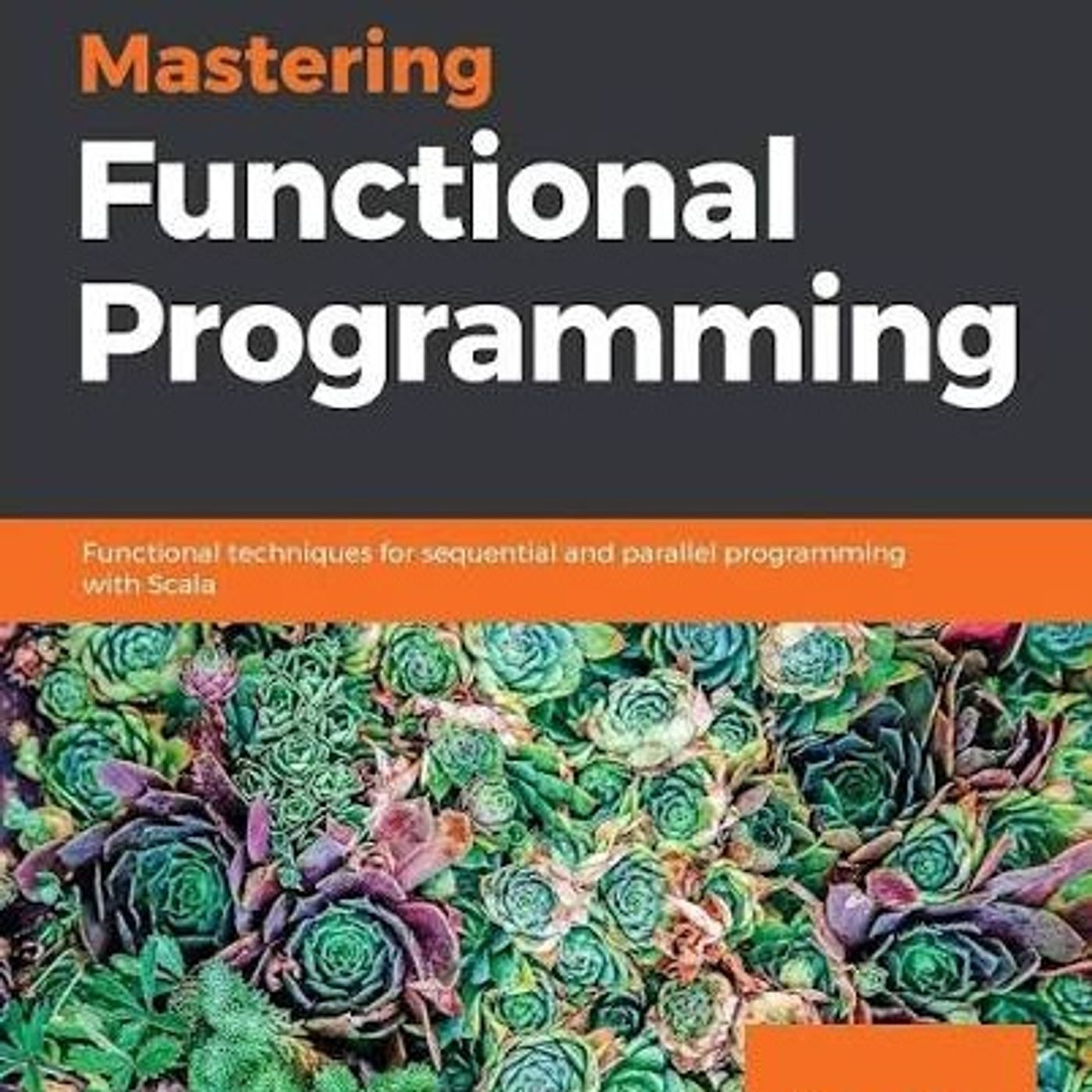
Introduce the core philosophy and practical advantages of the functional paradigm using Scala. The text contrasts imperative programming, which relies on step-by-step algorithms and mutable states, with declarative programming, which focuses on high-level mathematical expressions and algebraic reasoning. A significant portion of the material examines the detrimental impact of side effects, such as exceptions and shared mutable data, which increase a developer's mental workload and lead to bugs. To resolve these issues, the author advocates for pure functions and referential transparency, where code behaves predictably without modifying the external environment. The text also explains how functional data structures like Option, Try, and Future reify phenomena into data, allowing for safer error handling and asynchronous operations. Ultimately, the source serves as a guide for building robust, fault-tolerant systems by abstracting away low-level complexities through elegant functional techniques.You can listen and download our episodes for free on more than 10 different platforms:https://linktr.ee/cyber_security_summaryGet the Book now from Amazon:https://www.amazon.com/Mastering-Functional-Programming-techniques-programming/dp/1788620798?&linkCode=ll2&tag=cvthunderx-20&linkId=bf2f96f903dbda6f2db1646b81188cf2&language=en_US&gaOptInStatus=true&ref_=as_li_ss_tlDiscover our free courses in tech and cybersecurity, Start learning today:https://linktr.ee/cybercode_academy

Comments

Download from Google Play

Download from App Store
 United States