


 Claim Ownership
5 Plain Questions
Subscribed: 9Played: 316
Subscribe

© All rights reserved
Description
5 Plain Questions is a podcast that proposes 5 general questions to Native American and Indigenous artists, creators, musicians, writers, movers and shakers, and culture bearers.
185 Episodes
Reverse
As season 6 draws to a close host Joe Williams thanks you and his guests for making it a completely unforgettable season. And a deep thank you to Art of the Rural, The Waterers, and Common Council for their invaluable support in making season 6 possible. Please checkout their websites and see how you can support them!And be sure to stay tuned in February 2026 for season 7!Make sure to subscribe and checkout elevenwarriorarts.com to find your exclusive 5 Plain Questions podcast merchandise.
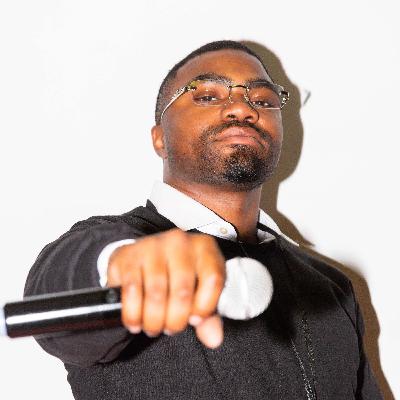
This episode features the esteemed Frederick Edwards Jr., a Creative Director and teaching artist whose transformative contributions to community empowerment are exemplified through initiatives such as Umoja and Fred's Dissonance. Fred articulates his unwavering commitment to fostering narrative justice while redirecting youth towards meaningful careers, thereby addressing societal gaps in the F-M area. Through his profound personal journey, he not only inspires resilience but also emphasizes the importance of connection and cultural awareness in educational paradigms. Our dialogue delves into the significance of youth engagement in community narratives and the dynamic interplay of personal and communal growth. Join us as we explore Fred's insights and experiences, which serve as a testament to the power of creativity and leadership in shaping a more equitable future.Takeaways: Fred Edwards exemplifies unwavering commitment to narrative justice and community empowerment through innovative initiatives. Umoja serves as a transformative leadership program, redirecting youth towards meaningful careers and cultural awareness. Fred's Dissonance, a multi-generational initiative, reshapes educational paradigms with culturally relevant curricula and practices. Fred's compelling spoken word performances resonate across diverse audiences, showcasing his life journey and ability to inspire change. The youth that Fred works with serve as a mirror, challenging him to confront his own struggles and inspire resilience. Fred's personal story, marked by resilience and creativity, underpins his dedication to fostering positive change in his community. Links referenced in this episode:elevenwarriorarts.comwww.waterers.orgumojaincorporated.comemojia inc. on InstagramCompanies mentioned in this episode: Umoja Inc. Food Network Waterers Art of the Rural Watch Fred on Diners, Drive-Ins & Dives with Guy Fieri!https://youtu.be/pYqsP4X4pgM?si=3_4g5UTvNks0fgAQ
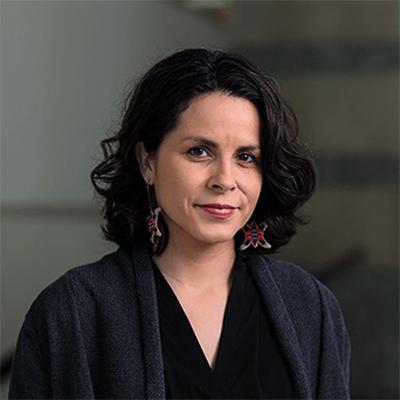
This podcast episode features a profound discussion with Dr. Kate Beane, an esteemed scholar and executive director of the Minnesota Museum of American Art. Dr. Beane, a member of the Flandreau Santee Sioux Dakota and Muscogee Creek nations, delves into her extensive background in American Indian studies and her pivotal role in promoting Indigenous narratives within public art and historical contexts. The conversation highlights her commitment to community-led initiatives, particularly in disrupting traditional philanthropic approaches and fostering local power through art and storytelling. Dr. Beane shares her personal journey, emphasizing the importance of cultural restoration and the reclamation of Indigenous place names, which serve as vital links to heritage and identity. As the episode unfolds, listeners will gain insight into the transformative power of art and education in creating sustainable opportunities for future generations.Links referenced in this episode:waterers.orgelevenwarriorarts.comCompanies mentioned in this episode: Minnesota Museum of American Art Vision Maker Media Lookout Records Minnesota Historical Society Badema Kuska Art Bridges Birch Bark Books
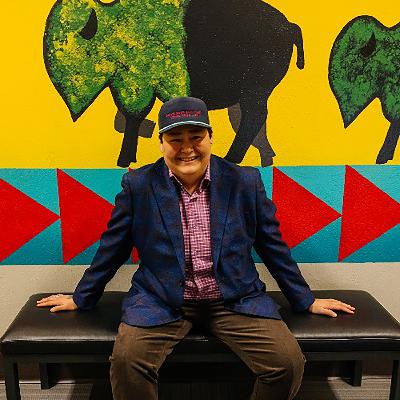
Anna Johnson, an accomplished Native American artist and an enrolled member of the Turtle Mountain Band of Chippewa Indians, endeavors to forge a connection between her contemporary experiences and the rich cultural heritage from which she hails. With a Bachelor of Fine Arts in printmaking and drawing from North Dakota State University, Anna has established her artistic presence in Fargo and throughout North Dakota, engaging in numerous public art projects and community initiatives. Her commitment to her craft is evident through her participation in artist residency programs, educational endeavors in printmaking, and her contributions to significant murals, such as the Greetings from Fargo mural. Additionally, Anna actively serves on the City of Fargo's Arts & Culture Commission and as vice chair of the board at the Plains Art Museum, underscoring her dedication to enhancing the artistic landscape of her community. In this conversation, we explore Anna's journey, her artistic philosophy, and the importance of community engagement in the realm of art.Takeaways: Anna Johnson is a Native American artist from North Dakota, dedicated to bridging cultural gaps through her art. Her work includes public murals and collaborations with community members, fostering local engagement and visibility. Johnson emphasizes the importance of representation on arts boards and actively challenges traditional narratives in art. Through her residency programs, she inspires young artists and advocates for access to art education in rural schools. Links referenced in this episode:waterers.orgelevenwarriorarts.comCompanies mentioned in this episode: Waterers NDSU Art of the Rural
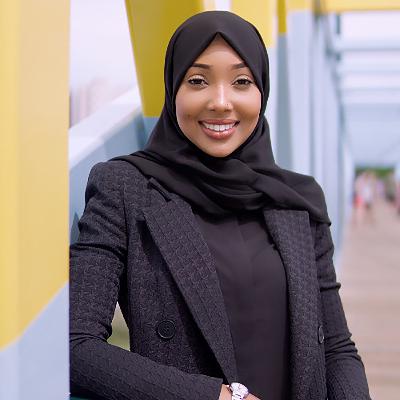
Kowsar Mohamed's profound insights into community resilience and regenerative systems take center stage in this discussion, wherein we delve into her multifaceted career as an economic development practitioner and current doctoral candidate. With a rich background that encompasses leadership roles across various sectors, Mohamed emphasizes the critical need for empathy and community-centered approaches in addressing contemporary challenges. Her experiences navigating the complexities of urban planning and economic inclusion unveil the necessity of reimagining traditional frameworks of philanthropy to better serve our collective needs. The dialogue further explores her commitment to fostering inclusive growth, underscoring the urgent imperative for sustainable governance and environmental stewardship in our rapidly evolving world. Through her narrative, we glean invaluable lessons on the importance of interconnectedness, resilience, and the proactive pursuit of equity in our communities.Takeaways: Kowsar Mohamed emphasizes the significance of community-led initiatives in fostering equitable economic development. Her journey illustrates the importance of resilience and adaptability in navigating career transitions and academic pursuits. The discourse highlights the necessity of integrating emotional intelligence with logical frameworks to enhance governance structures. Mohamed's experiences underscore the value of empathetic leadership grounded in cultural and ancestral wisdom. The podcast advocates for a reimagined approach to philanthropy that prioritizes community empowerment and inclusivity. Kowsar Mohamed's multifaceted career illustrates the intersection of environmental sustainability and social equity in contemporary economic practices. Links referenced in this episode:www.waterers.orgCompanies mentioned in this episode: Waterers University Minnesota Ecosystem X Xcel Energy Art of the Rural

The central theme of this podcast episode revolves around the impactful work of Dustina Gill, an enrolled citizen of the Sisseton Wahpeton Oyate, who serves as the founder and Executive Director of NIS'TO Incorporated. This Native nonprofit is dedicated to fostering youth leadership, skill development, and wellness through the lenses of environmental justice, art, and Dakota culture. Throughout our conversation, we delve into Destina's multifaceted identity as a visual and digital storyteller, along with her experiences as a published poet, highlighting her artistic contributions showcased in prestigious galleries across the globe. Moreover, we explore the profound influence of her family and community on her endeavors, particularly focusing on the significance of storytelling as a healing process in the face of personal and communal loss. Ultimately, this episode serves as an inspiring testament to the resilience and creativity inherent within Indigenous communities, as exemplified by Destina’s ongoing commitment to nurturing the next generation.Takeaways: In this podcast episode, we delve into the life and work of Destina Gill, a prominent Indigenous artist and community leader. Dustina Gill has founded NISTO Incorporated, a nonprofit organization dedicated to youth leadership and environmental justice. Throughout her journey, Dustina emphasizes the importance of storytelling as a means of healing and preserving Dakota culture. The conversation highlights the significance of community engagement and the need for intergenerational knowledge sharing among Indigenous peoples. Destina reflects on the profound impact of loss and the role of art in processing grief within her community. Finally, we discuss how contemporary Indigenous art serves as a reflection of current societal challenges, bridging the past and present. Links referenced in this episode:elevenwarriorarts.comhttps://www.facebook.com/neeshtoinc/Companies mentioned in this episode: NIS'TO Incorporated
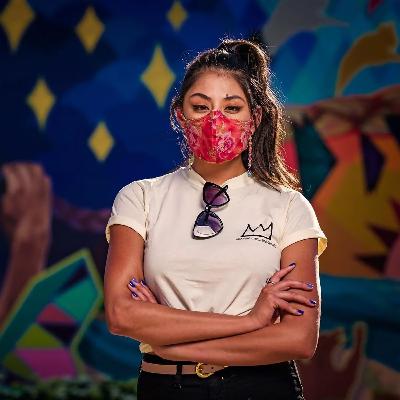
Reyna Hernandez, a distinguished painter and muralist with deep ties to her Dakota heritage, elucidates the significance of public art and its role in fostering community engagement. Throughout our conversation, we explore into Reyna's artistic journey, which is profoundly influenced by her Ihaŋktoŋwaŋ Dakota roots and the cultural narratives that shape her work. She articulates how her murals not only challenge conventional representations of Native narratives but also invite community members to actively participate in the creative process. By employing a community-based approach, Reyna emphasizes the importance of collaboration in art, ensuring that the voices of those living within the mural's context are heard and reflected in the final composition. As we explore her recent projects, it becomes evident that Reyna's commitment to authenticity and representation is not merely an artistic endeavor; it is a vital act of cultural preservation and empowerment.Takeaways: Reyna Hernandez's artistic practice is deeply rooted in her Indigenous heritage and personal narratives. The collaborative approach utilized by Reyna and her team fosters community engagement and shared storytelling. Public art serves as a crucial medium for expressing Indigenous identities and challenging colonial narratives. Reyna emphasizes the importance of authentic representation of Indigenous women in her work, countering historical misrepresentation. The community-based mural projects aim to create accessible art that resonates with local populations and fosters connection. Reyna's experiences reveal the complexities and challenges of navigating public perception and collaboration in art. Links referenced in this episode:waterers.orgelevenwarriorarts.comhttps://offthewallgallery.com/Companies mentioned in this episode: Waterers University of South Dakota Oscar House Art Institute Off the Wall GalleryMentioned in this episode:The Waterers

The conversation centers around Ryan Stopera, a multifaceted artist whose work in film, photography, and community development illustrates the potency of storytelling as a catalyst for social change. As a mixed-race, Chinese American individual, Ryan’s journey is deeply influenced by his background in social work and his commitment to community engagement. He commenced his career by supporting marginalized populations, such as those experiencing homelessness and foster care youth, which profoundly shaped his artistic lens. Throughout the conversation, Ryan articulates how his initial foray into documenting protests around the 2008 recession became a pivotal moment, igniting his passion for documentary filmmaking as a medium to amplify voices often silenced in mainstream narratives. This episode intricately weaves the threads of personal loss—specifically, the death of his sister, who was a filmmaker herself—into his creative impetus, revealing how grief can transform into a powerful narrative force. Ryan’s artistic philosophy emphasizes collaboration and the necessity of community-based storytelling. He reflects on how the supportive fabric of the Twin Cities’ artistic environment has fostered his projects, allowing for the coalescence of diverse voices and ideas. The episode further explores his current endeavors, including his work on a feature-length documentary titled 'Why We Dance', which illustrates the significance of indigenous dance as a vessel for cultural expression. Through heartfelt anecdotes and a commitment to social justice, Ryan's insights serve as a testament to the belief that art can indeed shape societal discourse, encouraging future generations to embrace their narratives and create collaborative spaces for change.Takeaways: Ryan Stopera's profound journey as a self-taught artist began with his dedication to social work, emphasizing the importance of community engagement. Through his documentary work, Ryan has elevated marginalized narratives and transformed them into powerful stories that resonate with audiences. Collaboration is a cornerstone of Ryan's artistic practice, allowing him to merge storytelling with community organizing for impactful change. Ryan's filmmaking endeavors strive to showcase the often-invisible aspects of community life, fostering connection and understanding among diverse populations. The influence of familial relationships, particularly the memory of his late sister, serves as a driving force in Ryan's creative expressions and storytelling. As an artist, Ryan advocates for the significance of building intentional relationships that sustain collaborative projects and enrich the creative process. Links referenced in this episode:www.waterers.orgelevenwarriorarts.comhttps://www.ryanstopera.com/https://www.artoftherural.org/Companies mentioned in this episode: Waterers Bank of America Art of the Rural
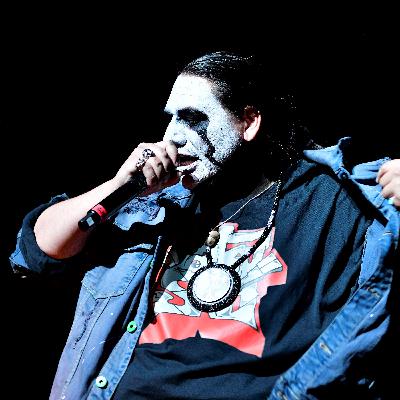
Talon "Bazille" Ducheneaux, a multifaceted rap artist from the Cheyenne River Lakota and Crow Creek Dakota nations, shares his story in this episode of 5 Plain Questions. With a profound commitment to his community, Talon is the manager of the Wicahpi Olowan Music Program Recording Studio, where he fosters the talents of Indigenous artists through mentorship and collaboration. His musical oeuvre, which includes culturally infused rap albums, embodies themes of struggle, resilience, and perseverance, drawing from his rich cultural heritage. In our conversation, we talk of Talon's influences, his journey in sound design and music production, and his vision for empowering Native youth in the arts. This episode not only highlights Talon's artistic endeavors but also underscores the importance of community support and the legacy of mentorship within Indigenous cultures.Takeaways:The podcast episode features Talon "Bazille" Ducheneaux, a multifaceted artist from the Cheyenne River Lakota and Crow Creek Dakota nations, who shares his profound journey in the music industry.Ducheneaux emphasizes the importance of community engagement through music, highlighting his role in managing the Wicahpi Olowan Music Program Recording Studio.He articulates the significance of mentorship in his career, detailing how influential figures have shaped his artistic and personal development.The conversation delves into Ducheneaux's reflections on the evolving nature of Indigenous representation in the arts and the necessity for greater recognition of Indigenous artists.His narrative illustrates the transformative power of music as a medium for cultural expression, resilience, and healing within Indigenous communities.Ducheneaux stresses the importance of creating opportunities for youth in the arts, showcasing his commitment to fostering new talent and supporting emerging artists.Chapters:00:29 - Introduction to Talon "Bazille" Ducheneaux03:45 - Talon "Bazille" Ducheneaux: Influences and Inspirations10:24 - The Journey of Musical Discovery17:06 - Opportunities and Growth in Music25:21 - Cultural Reflections on Community Celebration28:01 - The Journey of Growth and Connection32:22 - Exploring the Sound Design JourneyLinks referenced in this episode:https://www.bazille.info/aboutHttps://www.waterers.orgelevenwarrioararts.comCompanies mentioned in this episode:Wicahpi Olowan Music ProgramFirst People's FundPlaying for the ChangeOglala Lakota Art SpaceCornerstone Theatre CompanyKennedy CenterGuthrie TheatrePennsylvania Academy for the Fine ArtsUSDArt of the RuralWatersIndigenous Association in Downtown Fargoindigenous artists, indigenous music, native hip hop, talon "Bazille" Ducheneaux, native sound design, indigenous communities, cultural resilience, indigenous mentorship, indigenous music programs, first people's fund, playing for change foundation, dakota culture, lakota culture, soundscapes, indigenous theater, community engagement, native youth empowerment, music therapy, indigenous storytelling, indigenous creatorsT6vPoAPRffV0Ga62sXxbMentioned in this episode:Waterers intro
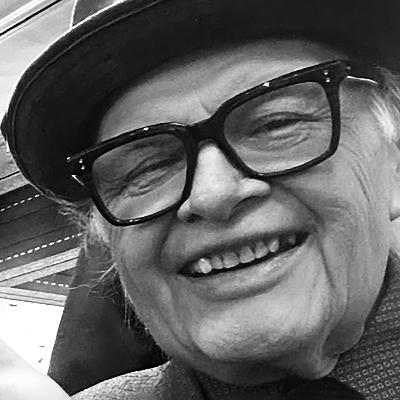
This 5 Plain Questions episode features a profound conversation with the esteemed Gary Farmer, a prominent figure in Indigenous film, arts and culture. Our conversation explores Farmer's extensive career, highlighting his notable contributions to film, television, and music, which have significantly enriched Indigenous representation in the arts. Throughout the episode, we explore the intricate narratives woven into his work, reflecting the experiences and challenges of Indigenous communities. Farmer’s insights into the importance of storytelling and cultural preservation serve as a poignant reminder of the power of art in fostering understanding and connection. Join Joe as we navigate this enriching dialogue, celebrating the legacy and ongoing journey of Indigenous artists.Takeaways:This podcast episode showcases the immense contributions of indigenous artists, emphasizing their cultural significance and community impact.Gary Farmer discusses his extensive career in acting and music, highlighting pivotal moments and personal growth within the arts.The conversation touches on the importance of preserving indigenous languages and stories through various artistic expressions.Farmer reflects on the need for indigenous representation in media and the arts, advocating for equitable opportunities and recognition of native talent.The episode emphasizes the historical context of indigenous peoples, underscoring the long-standing cultural traditions that inform contemporary artistic practices.Farmer's insights into the challenges faced by indigenous artists reveal a broader narrative about resilience, identity, and the struggle for visibility in society.Chapters:00:28 - Introducing Gary Farmer01:40 - Introduction to Gary Farmer24:53 - The Influence of Language and Culture in Indigenous Identity40:44 - The Impact of Cultural Identity on Art53:20 - Exploring Cultural Identity Through Film01:13:24 - The Power of Hemp: A New Era for Indigenous CommunitiesCompanies mentioned in this episode:Aboriginal People's Television NetworkReservation DogsResident AlienQuantum CowboysBlood QuantumGary Farmer and the TroublemakersFancy DanceHempIndigenous Music Countdown indigenous artists, Native American culture, indigenous music, Gary Farmer interview, Reservation Dogs, Blood Quantum film, Powwow Highway, indigenous storytelling, indigenous theater, indigenous creators, Native American filmmakers, cultural representation, indigenous voices, indigenous communities, indigenous musicians, Native American history, indigenous language preservation, indigenous rights, indigenous heritage, Native American podcast
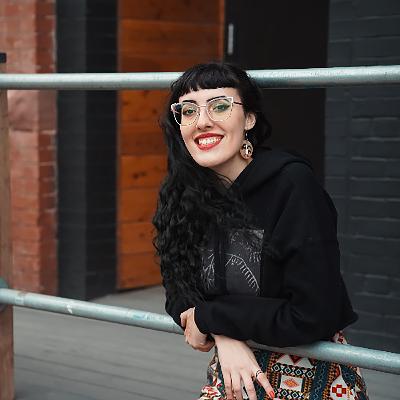
This podcast episode delves into the intricacies of effective communication within professional environments. We explore the fundamental importance of clarity and conciseness in conveying ideas. Our discussion emphasizes the necessity of active listening as a means to foster understanding and collaboration among colleagues. We also examine common pitfalls that hinder effective dialogue and offer strategies to overcome these challenges. Ultimately, our aim is to equip listeners with practical tools to enhance their communicative competencies in the workplace.The dialogue presented within the podcast delves into an array of pertinent subjects, accentuating the intricate interplay between societal norms and individual agency. The speakers elucidate the profound impact of cultural paradigms on personal decision-making processes, thereby underscoring the duality of conformity and autonomy. Throughout the discourse, we meticulously analyze case studies that exemplify how individuals navigate the labyrinth of societal expectations, often grappling with the dichotomy of adhering to collective standards versus pursuing personal authenticity. The speakers also articulate the ramifications of these choices on mental well-being, emphasizing the necessity for self-awareness and critical reflection in the face of external pressures. This exploration not only invites introspection among listeners but also encourages a broader consideration of the societal structures that shape our realities, fostering a nuanced understanding of the human experience in contemporary contexts.Takeaways: In the podcast, we elucidate the significance of effective communication in professional environments. I emphasize the necessity of adaptability in our approaches to problem-solving in diverse situations. We explore the profound impact of teamwork on achieving collective goals and fostering innovation. I highlight the importance of continuous learning and personal development in one’s career trajectory. We discuss strategies to enhance productivity and efficiency within organizational frameworks. I reflect on the necessity of emotional intelligence in leadership and interpersonal relationships.
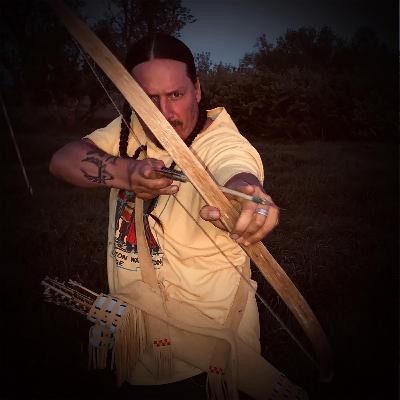
The primary focus of this podcast episode is a continuation of our dialogue with Jeremy Red Eagle, a notable cultural practitioner dedicated to the revitalization of the Dakota language and traditions. Joe speaks with Jeremy, an enrolled member of the Sisseton Wahpeton Oyate, exploring his commitment to educating Native American youth through various traditional practices, including bow making and language engagement. Throughout our conversation, we examine the intricate relationship between art, language, and community, emphasizing the importance of these elements in fostering cultural identity among younger generations. Jeremy shares his experiences and insights on the challenges and triumphs he has encountered in his efforts to reconnect with his heritage and inspire others to do the same. This episode serves as a important reminder of the enduring significance of cultural practices and the vital role they play in shaping the future of Indigenous communities.Engaging in a deep and meaningful dialogue, this episode features a conversation with Jeremy Red Eagle, who epitomizes the commitment to preserving and revitalizing Dakota culture and language. As a member of the Sisseton Wahpeton Oyate, Jeremy's personal narrative unfolds against the backdrop of historical struggles faced by indigenous communities, particularly concerning the loss of cultural identity. Through the lens of his own experiences, he articulates the complex process of connecting with his heritage, emphasizing the importance of understanding one's roots to foster a strong sense of self among youth.Jeremy's work spans over 15 years and is characterized by a holistic approach that integrates traditional practices into contemporary youth engagement. He passionately advocates for the revitalization of the Dakota language, recognizing it as a fundamental aspect of cultural identity. His initiatives, ranging from traditional bow making to storytelling—serve not only to educate young people but also to empower them by instilling pride in their heritage. As he shares his insights, the absence of a distinct term for 'art' within the Dakota language becomes a focal point, illustrating how artistic expression is inherently tied to cultural practices and daily life.In our discussion, Jeremy also addresses the challenges of working with today's youth, particularly in navigating modern influences that often conflict with traditional values. He emphasizes the significance of mentorship and the necessity of building trust with young people, advocating for a gentle approach that encourages inquiry and critical thinking. Looking ahead, Jeremy envisions a future where the next generation dismantles oppressive systems and embraces self-sufficiency, thereby reclaiming their cultural narrative. This episode serves as a powerful reminder of the resilience of indigenous communities and the vital role of cultural education in shaping a brighter future.Takeaways:This podcast episode features a compelling dialogue with Jeremy Red Eagle, who discusses his experiences as a cultural practitioner.Jeremy emphasizes the significance of revitalizing the Dakota language and traditional practices among Indigenous youth.He shares his personal journey of reconnecting with his Dakota roots, asserting the importance of identity and culture.The episode highlights the role of elders in transmitting knowledge and the impact of colonization on cultural practices.Jeremy advocates for a holistic approach to youth engagement, combining traditional teachings with contemporary methods.He envisions a future where Indigenous youth are empowered to reclaim their identities and cultural practices.Chapters:00:06 - Introduction to Indigenous Voices07:09 - Jeremy Red Eagle's Journey Towards Cultural Reconnection18:27 - The Journey into Art: A New Beginning24:51 - Language
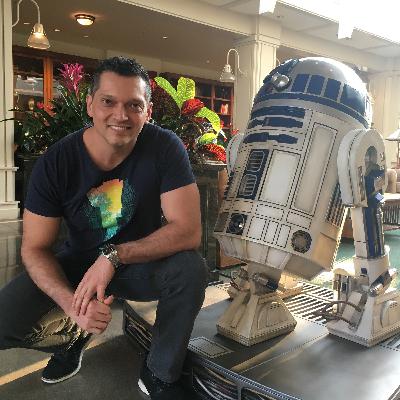
The episode of 5 Plain Questions presents an insightful conversation with Sergio Paez, a notable figure in the industry. From his early influences, which include the magic of Disney and the artistry of renowned illustrators, to his current endeavors as a director at Lucasfilm, Sergio articulates a profound understanding of the storytelling craft. The dialogue navigates through the various stages of his career, highlighting the transition from storyboard artist to director, and the critical role of education in this journey. Sergio's establishment of storyboardart.org is showcased as a significant contribution to the industry, designed to empower emerging artists with the knowledge and skills necessary for success. This episode serves not only as an informative discussion about the animation industry but also as an inspirational narrative about perseverance, creativity, and the vital connections formed within the artistic community.Takeaways:The podcast features an enlightening discussion with indigenous artist Sergio Paez, highlighting his extensive career in the entertainment industry. Sergio Paez shares insights into his journey from storyboard artist to director, emphasizing the importance of education and mentorship.Listeners gain knowledge about the significance of community support in the development of indigenous arts and storytelling. The episode underscores the value of practical training and networking within the entertainment industry for aspiring artists. Sergio discusses the evolution of his platform, storyboardart.org, designed to educate and support emerging storyboard artists.The conversation reveals the collaborative nature of the film industry, illustrating how mentorship and guidance can shape artistic careers.Links referenced in this episode:storyboardart.orgsergiopaez.comelevenwarriorarts.comCompanies mentioned in this episode:PixarLucasfilmDisneySonyindigenous artists, storytelling, visual effects, animation,film production, storyboard artist, Sergio Paez, Pixar, Lucasfilm,entertainment industry, creative development, art education, mentorshipprogram, storyboardart.org, artistic career, film and television, animationtechniques, professional artist, art community, creative processLinks referenced in this episode:storyboardart.orgsergiopaez.comelevenwarriorarts.com
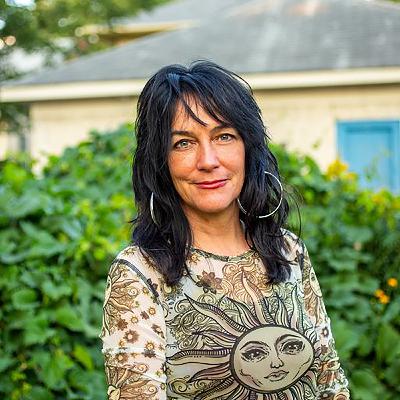
This episode of 5 Plain Questions features a profound dialogue with Tina Tavera, a Minneapolis-based Latinx artist whose work explores the intricate constructions of identity and culture through various artistic mediums. Tavera's exploration is particularly focused on the nuances of Latinidad within the United States, as informed by her transnational upbringing between Minnesota and Mexico. Throughout our conversation, we examine her artistic journey, emphasizing the pivotal role of personal milestones, such as motherhood, in shaping her work and perspective. Moreover, she discusses the essential relationship between artists and their communities, underscoring the importance of cultural engagement and dialogue in bridging divides. Tavera’s insights and experiences illuminate the transformative power of art in fostering understanding and connection across diverse cultural landscapes.This episode provides an in-depth exploration of the artistic journey of Tina Tavera, a Latinx artist whose work is a testament to the rich interplay of identity, culture, and community. Tina's artistic practice is profoundly influenced by her upbringing, straddling the worlds of Minnesota and Mexico, which informs her exploration of themes surrounding racial and ethnic identity. Her commitment to examining the complexities of Latinidad within the United States resonates throughout her work, as she utilizes various mediums to challenge conventional narratives around race and culture. The dialogue reveals Tina's introspective approach to art, highlighting how her experiences as a mother have prompted her to reflect on the cultural legacies she wishes to impart to her children.Host Joe Williams engages with Tina in a thoughtful discussion about the milestones that have shaped her career, particularly her impactful exhibition on 'Casta', which addresses the historical complexities of racial classification. Tina's insights illuminate the ongoing struggles within the Latinx community regarding self-identification and the societal pressures that accompany it. Furthermore, the episode emphasizes Tina's dedication to her community, particularly through her role at Serpentina Arts, where she advocates for the advancement of Latinx artists. The conversation culminates in a compelling reminder of the importance of cultural engagement in bridging divides, encouraging listeners to seek out and support artistic endeavors that celebrate diverse narratives. This episode serves as both an enlightening exploration of identity and a call to action for fostering community connections through the arts.Takeaways: The podcast episode features an insightful conversation with Minneapolis-based artist Tina Tavera, who explores cultural identity through her multifaceted artwork. Tina Tavera's artistic journey is deeply influenced by her transnational upbringing between Minnesota and Mexico, allowing her to reflect on issues of race and identity. The discussion emphasizes the importance of community engagement, highlighting how art can foster understanding and connection among diverse cultural groups. Tina's recent projects involve a series titled 'Bestiarios', where she incorporates mythical creatures to narrate contemporary stories and advocate for cultural awareness. The dialogue underscores the significance of cultural experiences, especially in the wake of the pandemic, encouraging audiences to engage with local art and events. Tina's reflections on her artistic practice reveal the balancing act between her professional commitments and her passion for arts advocacy in the community. Links referenced in this episode:https://www.mariacristinatavera.com/Https://www.elevenwarriorarts.comhttps://uslaf.org/member/maria-christina-tina-tavera/https://artorg.info/?page_id=1024Instagram: https://www.instagram.com/tina.tavera/Companies...

Mali Obomsawin stands at the forefront of contemporary Indigenous music, embodying a diverse range of genres that include jazz, roots music, and experimental sound. As a bassist, composer, and vocalist hailing from the Odanak First Nation, her artistic journey has led her to collaborate with esteemed musicians while forging her own path through innovative compositions that challenge the status quo. In this dialogue, we explore the nuanced influences that have shaped Mali’s musical identity, spanning her rich upbringing in rural western Maine, where folk traditions intermingle with political activism. We explore her recent endeavors, including her eponymous free jazz ensemble and the rock band Dear Lady, emphasizing her commitment to authenticity and artistic evolution. Join us as we engage with Mali’s insights on the vital interplay between creative practice and personal well-being, illuminating the profound impact of Indigenous culture on her work.Takeaways: The podcast showcases the significant contributions of indigenous artists and creators, highlighting their impact on community culture. Mali Obomsawin, a versatile bassist and composer, embodies modern indigenous artistry through her eclectic musical styles. The importance of personal experiences and environments in shaping an artist's creative journey was emphasized throughout the discussion. The conversation touched upon the challenges faced by artists regarding wellness and the need for time to reflect and engage with their creative practices. Links referenced in this episode:https://www.maliobomsawin.com/https://mali-obomsawin.bandcamp.com/album/greatest-hitshttps://elevenwarriorarts.comCompanies mentioned in this episode: Dear Lady Julia Keefe Louis Armstrong Ella Fitzgerald Buena Vista Social Club Arabic Groove New England Conservatory Berkeley College of Music Dartmouth College Bren Puppet Theater Mentioned in this episode:Check out https://www.artoftherural.org/ for more information on the work of Art of the Rural.
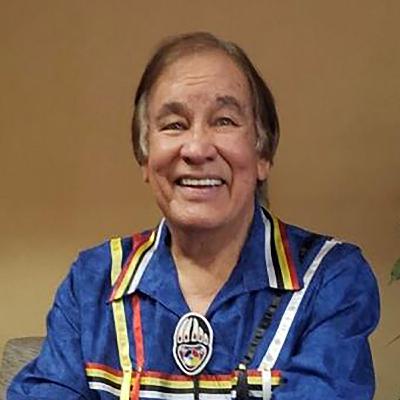
This episode features a profound dialogue with Billy Mills, the legendary Olympic gold medalist and advocate for Indigenous youth. Mills, a member of the Oglala Lakota Tribal Nation, delves into the significance of his victory in the 10,000-meter run at the 1964 Tokyo Olympics, which he transformed into a lifelong commitment to empowering Native youth through sports and health advocacy. He shares his journey, revealing how his triumph on the world stage catalyzed over five decades of advocacy, including co-founding Running Strong for American Indian Youth. Throughout our conversation, we explore the values of humility, compassion, and the importance of cultural heritage, emphasizing the role of storytelling in bridging divides and fostering understanding among diverse communities. Mills’ insights serve as both a reflection on personal resilience and a clarion call to future generations to harness their passions and dreams in the pursuit of a more equitable society.Takeaways: Billy Mills, an Olympic gold medalist, dedicated his life to advocating for Indigenous youth. He co-founded Running Strong for American Indian Youth to support health and sports initiatives. Mills emphasizes the importance of cultural values and traditions in empowering future generations. His life's work reflects a commitment to unity, diversity, and the healing of historical trauma. Links referenced in this episode:elevenwarriorarts.comindianyouth.orgindiannews.orgCompanies mentioned in this episode: Running Strong for American Indian Youth Running Brave Crazy Horse Sitting Bull Red Cloud Haskell University of Kansas Indian News Dreamstarters SD Nelson Nicholas Sparks Wings of an Eagle
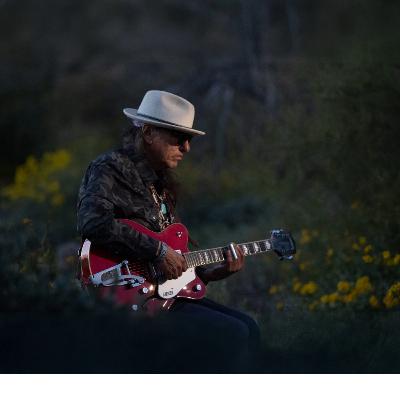
The latest episode of 5 Plain Questions delves into the life and artistry of Keith Secola, a revered figure in contemporary Native American music. Born in Cook, Minnesota, Secola's journey is marked by a profound connection to his roots and a relentless passion for music that has spanned over five decades. His seminal hit, ‘NDN Kars,' which gained prominence through the film Come Dance Me Outside, is emblematic of his ability to resonate with both indigenous and mainstream audiences alike. Throughout this episode, we explore Secola's influences, ranging from traditional powwow music to the sounds of iconic bands like The Beatles and The Rolling Stones, which have shaped his unique musical style. His reflections on songwriting reveal a deep understanding of the cultural narratives that inform his work, positioning him as not merely a musician, but a storyteller of his people's experiences. Secola's commitment to advocacy within the indigenous community is also a focal point, as he discusses the importance of addressing social issues through his art. This episode is not just a celebration of Secola's achievements but an invitation to reflect on the broader implications of art as a vehicle for cultural expression and social change.Takeaways: The podcast features a conversation with Keith Secola, a prominent Native American musician, focusing on his artistic journey and contributions to Indigenous music. Keith Secola's song ‘NDN Kars' gained immense popularity after being featured in the 1994 film 'Come Dance Me Outside', highlighting his impact on contemporary Native American music. Throughout his career, Keith emphasizes the importance of originality in music, advocating for songs that resonate with the experiences of Indigenous peoples. The episode discusses the significance of music festivals and collaborations in Keith's career, showcasing how these experiences have shaped his artistry and connections within the music industry. Keith reflects on the influence of various musical genres and artists on his work, illustrating the diverse inspirations that have contributed to his unique sound. The podcast underscores the role of advocacy in Keith's life, as he addresses Indigenous struggles and community issues through his music and performances. Links referenced in this episode:Secola.comelevenwarriorarts.comCompanies mentioned in this episode: Keith Secola NDN Kars Come Dance Me Outside Bob Dylan Gibson REM The Beatles David Bowie Lucinda Williams Tom Petty The Rolling Stones Floyd Westerman Charlie Hill Red Bone The Grateful Dead Indigo Girls
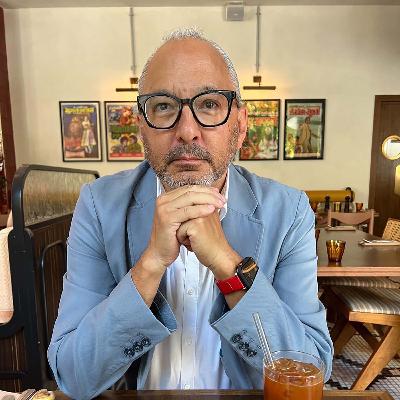
Joe Horse Capture's episode presents a compelling narrative of his evolution as a leading figure in Native American art curation. The discussion intricately weaves through his personal history, detailing his journey from a childhood influenced by the Alcatraz occupation to a distinguished career as the Vice President of Native Collections at the Autry Museum. Joe's upbringing in a culturally rich environment, guided by the mentorship of his father and other prominent figures in the Native community, significantly shaped his professional ethos, which centers on cultural integrity and community involvement. A salient theme in Joe's discourse is the urgent need for museums to recalibrate their approaches to Indigenous art and culture. He articulates a vision where museums are not merely repositories of artifacts but vibrant cultural spaces that engage with and reflect the communities they represent. This shift necessitates a collaborative model, wherein curators work alongside community members to authentically represent Indigenous narratives. Joe's commitment to fostering these relationships is evident in his curatorial projects, which prioritize the voices of Native artists and emphasize the importance of cultural context in the interpretation of artworks. The episode also addresses the complex dynamics of repatriation, as Joe discusses the ethical implications of museum collections and the essential role of Indigenous communities in determining the fate of their cultural heritage. He advocates for a future where the museum sector not only preserves history but actively participates in the cultural revitalization of Indigenous peoples. Joe's insights underscore the transformative potential of art as a tool for healing and reconciliation, serving as a powerful reminder of the ongoing journey towards cultural empowerment and recognition.Takeaways: The podcast emphasizes the importance of community engagement in curatorial practices within museums, particularly regarding Native American art. Joe Horsecapture discusses his journey from being a river guide to becoming a prominent curator in the museum field, highlighting the significance of mentorship. The conversation addresses the evolving role of museums in relation to Native communities, advocating for the repatriation of cultural artifacts and community involvement. Joe underscores the necessity of developing tribal museums that serve as cultural spaces rather than traditional museums, which often isolate artifacts from their communities. Companies mentioned in this episode: Autry Museum of the American West Minnesota Historical Society Minneapolis Institute of Arts National Museum of the American Indian Smithsonian Institution Ho Chunk Museum
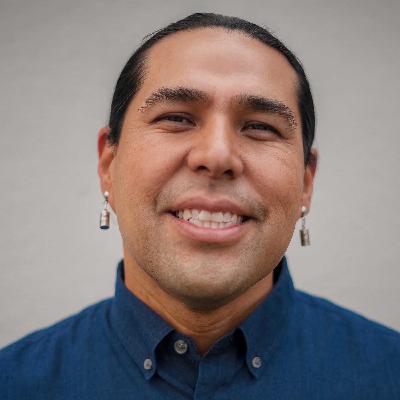
In this compelling episode of 5 Plain Questions, host Joe Williams engages in a thought-provoking dialogue with Dallas Goldtooth, a prominent Indigenous activist, actor, and comedian. Their conversation is framed by the pressing concerns surrounding the current political climate and its potential ramifications for Indigenous communities across the United States. Goldtooth articulates a clear and urgent call for awareness and action in response to policies enacted by the Trump administration, which he perceives as a significant threat to tribal sovereignty and environmental rights. The discourse is grounded in a historical context, drawing parallels to past governmental actions that have adversely affected Indigenous rights and resources, thereby establishing a continuity of struggle that resonates deeply with listeners.As the discussion unfolds, Goldtooth emphasizes the importance of community engagement and grassroots activism as vital components of resistance against oppressive policies. He advocates for a collaborative approach between tribal governments and community members, underscoring the necessity of fostering strong networks of support and advocacy. The episode also highlights the significance of narrative control, with Goldtooth urging Indigenous peoples to reclaim their stories and perspectives in a landscape often dominated by external narratives that seek to diminish their voices. This aspect of the conversation is particularly poignant, as it speaks to the broader theme of cultural preservation and the need for Indigenous communities to assert their identities and rights in the face of external pressures.Ultimately, this episode serves as both a sobering reflection on the challenges confronting Indigenous peoples and an empowering call to action. Williams and Goldtooth inspire listeners to actively participate in the advocacy for their rights, urging them to engage with their local leaders and the political process. The conversation reinforces the notion that informed and proactive community engagement is essential for safeguarding Indigenous sovereignty, cultural heritage, and environmental resources. As such, this episode encapsulates a vital message of resilience, solidarity, and the ongoing struggle for self-determination, encouraging listeners to reflect on their roles within this movement and to strive for a future that honors and respects Indigenous rights.
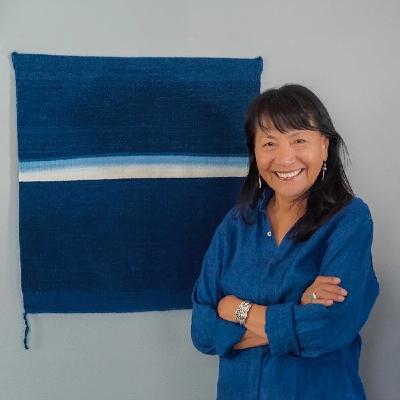
The conversation with DY Begay unfolds against the backdrop of her rich Navajo heritage, as she shares insights into her identity as a member of the Tótshoníí (Big Water) and Tachinii’ (Red Running into Earth) clans. Her narrative is steeped in familial connections, particularly highlighting her lineage as a fifth-generation weaver, which illuminates the significance of tradition in her artistic practice. Begay recounts her formative years, growing up amidst a community of skilled female weavers, where she learned not just the technical aspects of weaving but also the cultural narratives that accompany each thread. The episode reflects on how her tapestries serve as a canvas for her identity, embodying the natural beauty of the Navajo landscape and the profound connections she has to the earth. In her work, she infuses elements of innovation and contemporary design, challenging conventional aesthetics while remaining firmly grounded in her cultural roots.The dialogue also traverses the theme of influence, as DY articulates the pivotal roles played by past generations in shaping her artistic journey. She affectionately speaks of her great-great-grandmother, whose legacy of weaving has been a guiding light in her life, ensuring that the art form remains vibrant and relevant. Additionally, she acknowledges her father's influence, who encouraged her to embrace education and explore the world beyond their community. This theme of intergenerational wisdom underscores the importance of storytelling within Indigenous cultures, as each narrative serves to preserve knowledge and foster connections across time. As the episode progresses, listeners are invited to consider the broader implications of DY's work, which seeks to bridge tradition and modernity, offering a new lens through which to appreciate Indigenous artistry.As the episode draws to a close, DY discusses her future endeavors, including her upcoming exhibition at the National Museum of the American Indian. This exhibition not only showcases her remarkable tapestries but also encapsulates her journey as an artist who remains committed to preserving her cultural heritage while navigating the complexities of contemporary art. DY's approach to weaving is presented as a vital expression of identity, one that invites audiences to engage with the stories and meanings woven into each piece. The conversation serves as a poignant reminder of the significance of supporting Indigenous artists and the importance of sustaining the narratives that enrich our cultural landscape. Through her work, DY Begay stands as a testament to the resilience of Indigenous art forms and the enduring power of cultural expression.Links referenced in this episode:navajo-indian.comelevenwarriorarts.com

Comments

Download from Google Play

Download from App Store
 United States