


 Claim Ownership
Mastering Therapy
Subscribed: 17Played: 217
Subscribe

© Copyright 2026 Natalie Stott
Description
Welcome to the Mastering Therapy Podcast with me, Dr. Natalie Stott, a clinical psychologist. If you're a psychologist, psychotherapist, or counsellor looking to expand your skills, gain confidence, and discover fresh ways to make an impact with your clients, this is the show for you.
We all know that creating meaningful change for our clients is incredibly fulfilling, but let’s face it—this work can be challenging, especially if you feel like you don’t have a big team around you. Mastering Therapy is a weekly podcast that can be your go-to source of professional development and connection, where therapists can learn from one another, share practical insights, and navigate the challenges of therapy together.
Join us as Natalie sits down with experienced practitioners who dive into the nitty-gritty of what really happens in a therapy session. You’ll get a front-row seat to their methods, language, and strategies, as well as honest conversations about potential pitfalls and what to look out for.
Whether you specialise in working with adults, children, or use a particular modality—or even an integrative approach—there’s something here for everyone who wants to add practical tools to their therapy toolkit.
To stay up-to-date with new episodes and access valuable resources, visit www.masteringtherapy.com. You can also connect with us on social media and subscribe on all major podcast platforms. Looking forward to sharing this journey with you!
We all know that creating meaningful change for our clients is incredibly fulfilling, but let’s face it—this work can be challenging, especially if you feel like you don’t have a big team around you. Mastering Therapy is a weekly podcast that can be your go-to source of professional development and connection, where therapists can learn from one another, share practical insights, and navigate the challenges of therapy together.
Join us as Natalie sits down with experienced practitioners who dive into the nitty-gritty of what really happens in a therapy session. You’ll get a front-row seat to their methods, language, and strategies, as well as honest conversations about potential pitfalls and what to look out for.
Whether you specialise in working with adults, children, or use a particular modality—or even an integrative approach—there’s something here for everyone who wants to add practical tools to their therapy toolkit.
To stay up-to-date with new episodes and access valuable resources, visit www.masteringtherapy.com. You can also connect with us on social media and subscribe on all major podcast platforms. Looking forward to sharing this journey with you!
55 Episodes
Reverse
S4E7: Online Therapy Across Borders: Risk, Cover, Compliance | Dr Tess BrowneEPISODE SUMMARYWhat happens when your therapy room has no borders—literally? In this episode, Dr. Natalie Stott and Dr Tess Browne tackle the practical realities of working with clients overseas, from risk management to insurance headaches. If you’ve debated taking your private practice global, wondered about how to safeguard clients abroad, or been baffled by tax as a travelling clinician, this one’s for you. The discussion steers clear of legal jargon, focusing instead on the right questions to ask your insurer, accountant, and yourself. There's also a free downloadable with all questions you need to be asking so scroll down to get itTIMESTAMPS00:48 The real-world challenges of working with clients abroad02:00 How Dr Tess Browne built her global practice online04:12 What makes risk manageable (and when it gets tricky)08:04 Screening and safeguarding clients across borders15:08 Insurance, licensing, and crucial questions for your provider27:07 Navigating tax if you work overseas or with international clients33:21 Networks, support, and the reality of ongoing global therapy workKEY TAKEAWAYSAlways clarify both your insurance’s worldwide coverage and its legal jurisdiction—“worldwide” isn’t always what it seems.Add a clause to terms and conditions about being UK-based, subject to UK law, and the limits of confidentiality (especially when escalating risk in another country).When onboarding clients abroad, collect in-country emergency contacts and ensure the client’s consent to use them.Make sure both you and the client know the emergency services number in their country—expats often don’t.State your title clearly and honestly (e.g., UK-registered clinical psychologist), especially in countries with protected titles or different regulations.Contact local psychological societies before working with clients in unfamiliar countries—responses are often more helpful than expected.Before changing countries or tax residency, speak to an accountant who understands cross-border income and double taxation.RESOURCESMastering Therapy website and mailing list: masteringtherapy.comUK Digital Nomad Psychologists Facebook group: [LINK]Supervisor Platform: [LINK]Statutory Residence Test info (HMRC): [LINK]Guest Information:GUESTDr Tess Browne is a UK-trained clinical psychologist with NHS experience who spent 7 years practising in Hong Kong and now runs a thriving global online practice. Her main clients are often high-achieving expats and perinatal women, making her a pragmatic guide on the ins and outs of overseas therapy.Social media: @drtessbrowne (on IG & LinkedIn)Website: www.drtessbrowne.comResources mentioned:FREE RESOURCE- Downloadable Overseas toolkit- All the questions you need to ask the relevant people in one neat document** Check out Mastering Therapy’s Youtube Channel for all podcast episodes **For notification on up coming episodes and for occasional summaries of tools discussed on the podcast sign up here: www.masteringtherapy.comTo recommend a topic you’d like to hear about, or if you’d like to appear on the podcast please get in touch at www.masteringtherapy.com/guestFor private psychology services and therapy visit www.drnataliestott.com*****Subscribe to the Mastering Therapy Podcast YouTube channelFollow Mastering therapy on instagramConnect with Dr Natalie Stott on LinkedInSUPERVISOR PLATFORMSupervisor Platform is an online directory designed for therapists, psychologists, counsellors, and other mental health professionals to connect with qualified clinical supervisors. It makes it easy for practitioners to browse, compare, and contact supervisors based on their expertise, approach, and availability, while giving supervisors a professional space to showcase their services.Supervisor Platform (with 3 months free trial code 'WELCOME3')To search for a new supervisor visit HEREFor free resources on supervision visit HEREDisclaimer: The Mastering therapy podcast and the information provided by Dr Natalie Stott (Dclinpsych, HPCP reg), is solely intended for informational and educational purposes and should only be used by qualified professionals.
S4E6: The Power of Empathic Confrontation and Mode Mapping: Schema Therapy | Dr Jo WhiteEver had a client say, “I know it’s not logical, but I just feel… defective”?This episode of Mastering Therapy unpacks schema therapy with ISST-certified schema therapist and supervisor Dr Jo White. Hosts Dr Natalie Stott and Jo tackle the origins of schema therapy, why Jeff Young developed it when CBT wasn’t cutting the mustard, and what exactly a “schema” is. Expect practical metaphors, mode maps, and hear how limited reparenting can shift entrenched patterns. From how schemas form in childhood, to the therapist’s role with healthy adult mode, this episode is full of clinical pearls for anyone curious about alternative models or thinking beyond core beliefs. There’s even a nod to chairwork, imagery rescripting, and handling those confrontational moments in therapy.TIMESTAMPS• 00:00 What is schema therapy and why did it emerge?• 04:22 How to explain a schema to clients (metaphors that actually work)• 09:48 Introducing “modes”—and why behaviours matter• 17:58 Limited reparenting: what it is and how boundaries play a role• 21:59 Empathic confrontation: cold tap, hot tap, and getting the balance right• 28:29 Schema therapy in brief: is short-term work possible?• 31:15 Mapping out modes and schemas with clients• 33:53 Experiential techniques: chairwork, imagery, and mode mapping• 40:11 Therapist schemas and supervision: you’re in it too• 45:39 Training routes and schema therapy resourcesKEY TAKEAWAYS• Use “schema glasses” as a client-friendly metaphor—schemas filter every situation.• Limited reparenting is in-session modelling of healthy adult responses; boundaries are key.• Modes describe how schemas play out: learn to identify vulnerable child, coping, critic and healthy modes.• Empathic confrontation helps clients change entrenched patterns—adjust the “hot and cold” for effectiveness.• Always map modes and schemas collaboratively—help clients spot their emotional triggers and bodily responses.• Imagery rescripting can reduce schema sensitivity; the therapist actively steps in to rewrite old memories.• Long-term schema therapy is ideal, but elements can be adapted for briefer interventions (with caution).Guest Information: Dr Jo WhiteISST-certified schema therapist, trainer, and supervisor. Experienced in integrating schema therapy into clinical practice and supervision. Clear, practical approach to teaching therapists.Website: https://www.schematherapyworks.co.uk/dr-jo-whiteResources mentioned:BESQ - Brief Early Schema QuestionnaireSchema youtubeSchema blog** Check out Mastering Therapy’s Youtube Channel for all podcast episodes **For notification on up coming episodes and for occasional summaries of tools discussed on the podcast sign up here: www.masteringtherapy.comTo recommend a topic you’d like to hear about, or if you’d like to appear on the podcast please get in touch at www.masteringtherapy.com/guestFor private psychology services and therapy visit www.drnataliestott.com*****Subscribe to the Mastering Therapy Podcast YouTube channelFollow Mastering therapy on instagramConnect with Dr Natalie Stott on LinkedInSUPERVISOR PLATFORMSupervisor Platform is an online directory designed for therapists, psychologists, counsellors, and other mental health professionals to connect with qualified clinical supervisors. It makes it easy for practitioners to browse, compare, and contact supervisors based on their expertise, approach, and availability, while giving supervisors a professional space to showcase their services.Supervisor Platform (with 3 months free trial code 'WELCOME3')To search for a new supervisor visit HEREFor free resources on supervision visit HEREDisclaimer: The Mastering therapy podcast and the information provided by Dr Natalie Stott (Dclinpsych, HPCP reg), is solely intended for informational and educational purposes and should only be used by qualified professionals. Mentioned in this episode:Supervisor platformSUPERVISOR PLATFORM:
Visit www.supervisorplatform.com to search supervisors
You can list your profile for free for 3 monthsWebsite
What happens when you blend the structured world of EMDR with the nuanced, parts-based approach of IFS?Dr. Natalie Stott sits down with David Polidi—EMDR therapist and “IFS guru” (his clients’ words, not his)—to get practical about integrating Internal Family Systems and Eye Movement Desensitisation and Reprocessing in complex trauma work. They tackle everything from how to honour protectors (without bulldozing them) to what actually happens in this mysterious “Phase 2.5,” and how to avoid getting tangled in your own parts as a therapist. Plus, the age-old questions: Do you really need bilateral stimulation? And can you use a parts lens without an IFS certificate? No hype, just candour, solid tips, and welcome reassurance for therapists at every stage.TIMESTAMPS• 00:00 Introduction and purpose of blending IFS and EMDR• 02:41 The “Syzygy model” and holding both maps in session• 06:24 EMDR’s Phase 2.5/Discovery Phase—what is it, why is it useful?• 14:43 What to do when protectors hijack reprocessing work• 24:24 When negotiations with parts fail—what next?• 27:13 Why blend models at all? And do you have to pick sides?• 33:15 What happens between sessions? Homework for clients (and therapists)• 36:42 Getting started: books, trainings, and the value of consultationKEY TAKEAWAYS• Always check in with every part—genuine consent trumps protocol when reprocessing trauma memories.• Use “Phase 2.5” (Discovery Phase) with blended protectors—pause, get curious, and only proceed when all parts are on board.• The “fire drill” is a quick, practical tool: name your own therapist parts at the start of sessions and gently ask them to step aside.• Don't bulldoze protectors—forced reprocessing often brings backlash and, at best, patchy results.• EMDR's structure maps well onto IFS’s parts work, but the pace needs to match your client’s system—not your agenda.• It’s OK to use parts language without formal IFS training, as long as you’re respectful, collaborative, and guided by your client’s experience.• Encourage clients to build ongoing relationships with their parts between sessions (quick daily check-ins can genuinely help).RESOURCESS4E5: Stop processing parts without mapping their purpose first (IFS & EMDR)| Dr David PolidiGuest Information: David Polidi is a practising EMDR therapist known for integrating IFS into trauma work. He recently edited a collaborative book on IFS-informed EMDR, gathering voices from trainers, teachers, and therapists innovating at the frontier of blended models.Social media:Website:Resources mentioned:IFS Training Programs | IFS InstituteIntro to IFS informed EMDR – EMDR InsightIFS Informed EMDR Training Program — Syzygy InstituteDavid's Book** Check out Mastering Therapy’s Youtube Channel for all podcast episodes **For notification on up coming episodes and for occasional summaries of tools discussed on the podcast sign up here: www.masteringtherapy.comTo recommend a topic you’d like to hear about, or if you’d like to appear on the podcast please get in touch at www.masteringtherapy.com/guestFor private psychology services and therapy visit www.drnataliestott.com*****Subscribe to the Mastering Therapy Podcast YouTube channelFollow Mastering therapy on instagramConnect with Dr Natalie Stott on LinkedInSUPERVISOR PLATFORMSupervisor Platform is an online directory designed for therapists, psychologists, counsellors, and other mental health professionals to connect with qualified clinical supervisors. It makes it easy for practitioners to browse, compare, and contact supervisors based on their expertise, approach, and availability, while giving supervisors a professional space to showcase their services.Supervisor Platform (with 3 months free trial code 'WELCOME3')To search for a new supervisor visit HEREFor free resources on supervision visit HEREDisclaimer: The Mastering therapy podcast and the information provided by Dr Natalie Stott (Dclinpsych, HPCP reg), is solely intended for informational and educational purposes and should only be used by qualified professionals. Mentioned in this episode:Supervisor platformSUPERVISOR PLATFORM:
Visit www.supervisorplatform.com to search supervisors
You can list your profile for free for 3 monthsWebsite
S4E4: Therapist Drift. Skill or laziness? | Dr Gracie MclavenEPISODE SUMMARYIs “therapist drift” a mark of incompetence, or creative clinical freedom? In this episode, Dr. Gracie McLaven sits down with Dr. Natalie Stott to deconstruct the practical realities of blending therapy models, from DDP to EMDR and ACT, in a world obsessed with protocols and evidence bases.The conversation sidesteps the usual platitudes, digging into the messy, human reality of clinical practice, where intuition meets integration and sometimes, the best work happens outside the boxes.Expect a wry look at the NHS, a nod to the limits of randomised controlled trials, and some honest discussion about how to find your therapeutic style amid ever-mounting pressures on frontline services.KEY TAKEAWAYSUsing multiple therapy models isn’t always “drift”—sometimes, it’s exactly what complex cases require.The relationship between therapist and client can be more important than rigid protocol adherence.Formulating cases can be fluid—messy minds need not stick to neatly drawn CBT diagrams.Short-term models like CBT aren’t always containing enough for intense trauma work.There are risks in assuming the evidence base is neutral; cultural bias and financial motivations play a role.Feedback cycles with clients—check-ins, reviews, testimonials—are key to knowing whether you’re actually helping.Regular, varied supervision is crucial for independent or integrative practitioners.Guest Information:Dr. Gracie McLavenClinical psychologist in private practice, with a wide-ranging background in attachment, trauma, and integrative work. Known for her reflective, relationship-focused approach to therapy and strong views on what makes therapy effective.Social media:Website: https://brainbodywealth.co.uk/Resources mentioned:** Check out Mastering Therapy’s Youtube Channel for all podcast episodes **For notification on up coming episodes and for occasional summaries of tools discussed on the podcast sign up here: www.masteringtherapy.comTo recommend a topic you’d like to hear about, or if you’d like to appear on the podcast please get in touch at www.masteringtherapy.com/guestFor private psychology services and therapy visit www.drnataliestott.com*****Subscribe to the Mastering Therapy Podcast YouTube channelFollow Mastering therapy on instagramConnect with Dr Natalie Stott on LinkedInSUPERVISOR PLATFORMSupervisor Platform is an online directory designed for therapists, psychologists, counsellors, and other mental health professionals to connect with qualified clinical supervisors. It makes it easy for practitioners to browse, compare, and contact supervisors based on their expertise, approach, and availability, while giving supervisors a professional space to showcase their services.Supervisor Platform (with 3 months free trial code 'WELCOME3')To search for a new supervisor visit HEREFor free resources on supervision visit HEREDisclaimer: The Mastering therapy podcast and the information provided by Dr Natalie Stott (Dclinpsych, HPCP reg), is solely intended for informational and educational purposes and should only be used by qualified professionals. Mentioned in this episode:Supervisor platformSUPERVISOR PLATFORM:
Visit www.supervisorplatform.com to search supervisors
You can list your profile for free for 3 monthsWebsite
S4E3: Clinical Supervision PART 2: The Bits Nobody Taught You | Dr Paul GranthamEPISODE SUMMARYWhat really makes supervision high quality, and why do most of us avoid thinking about it until there’s a complaint on the horizon? In this episode, Dr. Natalie Stott and Dr Paul Grantham wade into the murky waters of supervision for therapists—shining a light on everything from note-taking and record keeping to supervision of supervision (yes, it’s a thing). Listen in as they pick apart the shoulds, coulds, and musts of being a supervisor, who should keep the notes, what to do when things go off-piste, and how private practice is a whole different kettle of fish. Plenty here for supervisors and supervisees alike, plus a nod to models like Acceptance and Commitment Therapy (ACT) for good measure.TIMESTAMPS00:00:02 – Why supervision matters (and what nobody tells you)00:01:57 – How to become a supervisor, and does accreditation matter?00:04:10 – Bridging theory and practice: why ongoing support trumps a certificate00:05:42 – Supervision of supervisors: why “peer groups” aren’t just for show00:10:48 – How supervisors can (accidentally) do real harm00:14:58 – Supervision records and notes: who keeps them, who gets to see them, and why it matters00:20:12 – How much experience do you really need before supervising others?00:23:04 – The markers of a genuinely good supervisor00:26:01 – What supervisees should do if their gut says “something’s not right”00:29:45 – Training, resources, and the elusive ‘perfect supervisor’KEY TAKEAWAYS• Choose supervision courses that are third-party accredited if you want real quality control—anyone can call themselves a supervisor, but not all courses are equal.• Peer supervision groups are helpful, but having an external, experienced facilitator can turn “that’s interesting…” into real professional growth.• Private practice supervisors risk creating echo chambers—seek out challenge, not just comfort.• Keep supervision records: treat them like client notes, ensure they’re agreed upon by both supervisor and supervisee, and know under what conditions they might be accessed.• Good contracts should specify who holds the records, when they can be released, and include a process for conflict (consider a “grandparent” supervisor).• For ethical dilemmas and fitness-to-practice queries, clear note-keeping protects everyone—don’t rely on memory when the court calls.• Supervision of supervision prevents stagnation and isolation and helps supervisors tackle challenges they missed in training.GUESTDr Paul GranthamA seasoned psychologist and clinical supervisor who runs one of the few independent, BPS-accredited supervision training courses. Draws on decades of experience with clinical supervision in both organisational and private practice settings.RESOURCES• SDS Seminars: info and supervision courses – [LINK]• David Milne’s book: Evidence-Based Clinical Supervision – [LINK]CALL TO ACTIONSubscribe to the podcast and join the mailing list for more CPD essentials, supervision tips, and frank discussion—minus the fluff.DISCLAIMERFor education only. Not a substitute for professional supervision or clinical judgement.Guest Information:Social media:Website:Resources mentioned:Free Editable Supervision ContractEvidence-Based Clinical Supervision: Principles and Practice | WileySDS Seminars: info and supervision courses –** Check out Mastering Therapy’s Youtube Channel for all podcast episodes **For notification on up coming episodes and for occasional summaries of tools discussed on the podcast sign up here: www.masteringtherapy.comTo recommend a topic you’d like to hear about, or if you’d like to appear on the podcast please get in touch at www.masteringtherapy.com/guestFor private psychology services and therapy visit www.drnataliestott.com*****Subscribe to the Mastering Therapy Podcast YouTube channelFollow Mastering therapy on instagramConnect with Dr Natalie Stott on LinkedInSUPERVISOR PLATFORMSupervisor Platform is an online directory designed for therapists, psychologists, counsellors, and other mental health professionals to connect with qualified clinical supervisors. It makes it easy for practitioners to browse, compare, and contact supervisors based on their expertise, approach, and availability, while giving supervisors a professional space to showcase their services.Supervisor Platform (with 3 months free trial code 'WELCOME3')To search for a new supervisor visit HEREFor free resources on supervision visit HEREDisclaimer: The Mastering therapy podcast and the information provided by Dr Natalie Stott (Dclinpsych, HPCP reg), is solely intended for informational and educational purposes and should only be used by qualified professionals. Mentioned in this episode:Supervisor platformSUPERVISOR PLATFORM:
Visit www.supervisorplatform.com to search supervisors
You can list your profile for free for 3 monthsWebsiteSupervision Contract downloadFREE Supervision Contract- Download yours at
https://supervisorplatform.com/supervision-contractWebsite
S4E2: What's the point in Clinical Supervision Part 1: Dr Paul GranthamSupervision in therapy: necessary evil or vital lifeline? This episode of Mastering Therapy sees Dr. Natalie Stott joined by Dr Paul Grantham, founder of SDS Seminars, to dig into the messy world of supervision standards, expectations, and practicalities. Whether you’re working in private practice or deep in the NHS trenches, clarity matters—especially when every regulatory body seems to follow its own script. From navigating BPS and HCPC requirements to handling complaints (without breaking into a sweat), this is a sharp, practical guide to making supervision work for you. If you’ve ever wondered whether a WhatsApp group counts (spoiler: it doesn’t), or how to get feedback that actually helps, grab your notebook. Acceptance and Commitment Therapy (ACT) may not be centre stage, but process and collaboration are—prepare for useful distinctions and a few uncomfortable truths.KEY TAKEAWAYSHCPC doesn’t require clinical supervision, but don’t get complacent—when complaints arise, absence of supervision looks very bad.BPS and BABCP differ wildly: BABCP insists on close supervision and evidence for accreditation, while BPS offers detailed but mostly “advisory” guidance.WhatsApp chats and peer chitchat do not count as proper supervision, especially when you need defensible records.Contracts in supervision are more than admin—they clarify roles, expectations, and safety, and should be reviewed regularly (not just filed and forgotten).Discussing mutual expectations before signing a contract prevents mismatched assumptions and hidden frustrations.Supervisors should actively seek feedback, using simple, solution-focused questions (not lengthy forms), to measure usefulness and adjust approaches.Power dynamics in supervision are real—addressing time, boundaries, and change needs honest discussion for effective, ethical practice.GUESTDr Paul GranthamConsultant clinical psychologist and founder of SDS Seminars, known for shaping supervision training across the UK.Resources mentioned:FREE supervision contractSupervision Guidance – BABCPSupervision guidance for psychologists – page with PDF downloadGuidance for supervisees | The HCPCGuidance for supervisors | The HCPC** Check out Mastering Therapy’s Youtube Channel for all podcast episodes **For notification on up coming episodes and for occasional summaries of tools discussed on the podcast sign up here: www.masteringtherapy.comTo recommend a topic you’d like to hear about, or if you’d like to appear on the podcast please get in touch at www.masteringtherapy.com/guestFor private psychology services and therapy visit www.drnataliestott.com*****Subscribe to the Mastering Therapy Podcast YouTube channelFollow Mastering therapy on instagramConnect with Dr Natalie Stott on LinkedInSUPERVISOR PLATFORMSupervisor Platform is an online directory designed for therapists, psychologists, counsellors, and other mental health professionals to connect with qualified clinical supervisors. It makes it easy for practitioners to browse, compare, and contact supervisors based on their expertise, approach, and availability, while giving supervisors a professional space to showcase their services.Supervisor Platform (with 3 months free trial code 'WELCOME3')To search for a new supervisor visit HEREFor free resources on supervision visit HEREDisclaimer: The Mastering therapy podcast and the information provided by Dr Natalie Stott (Dclinpsych, HPCP reg), is solely intended for informational and educational purposes and should only be used by qualified professionals. Mentioned in this episode:Supervision Contract downloadFREE Supervision Contract- Download yours at
https://supervisorplatform.com/supervision-contractWebsite
S4E1: 6 things the best ACT therapists do differently: Dr Joe OliverAre you curious about what sets great ACT therapists apart?This episode of Mastering Therapy looks at ACT with special guest Dr Joe Oliver, director of contextual consulting, a highly skilled clinical psychologist and ACT trainer. The discussion covers what experienced ACT therapists do differently, how to use perspective taking, metaphors, and present moment work well, and how to guide clients from values to real action. Listeners will get ideas on avoiding common pitfalls and practical tips to take into sessions straight away.Highlights include:03:52 Pivoting perspectives in ACT10:32 Using the therapy relationship for perspective work16:36 Crafting and using metaphors25:45 Working with workability and when clients feel stuck37:07 Turning values into committed actionGuest InfoDr Joe Oliver is a clinical psychologist, ACT trainer, supervisor, and researcher, known for making ACT’s key ideas clear and useful in day-to-day therapy. He is founder of Contextual Consulting and has written several ACT books for therapists.Website: Contextual ConsultingInstagram: Contextual Consulting (search on Instagram for up-to-date resources)Resources discussedArticle: Six things experienced ACT therapists do (by Joe Oliver)BOOK: 100 Key Points and Techniques in Act by Joe Oliver & Richard Bennett (2nd Edition)Free one-hour intro to ACT (available at Contextual Consulting website)ACT Pathway – longer-form ACT training and supervision (details on the Contextual Consulting website)This episode is perfect for therapists wanting practical ACT skills, fresh ways to work with metaphors, and new strategies to go beyond the basics with clients.Guest Information:Dr Joe OliverSocial media: https://www.instagram.com/contextualconsulting/?hl=enWebsite: https://contextualconsulting.co.uk/** Check out Mastering Therapy’s Youtube Channel for all podcast episodes **For notification on up coming episodes and for occasional summaries of tools discussed on the podcast sign up here: www.masteringtherapy.comTo recommend a topic you’d like to hear about, or if you’d like to appear on the podcast please get in touch at www.masteringtherapy.com/guestFor private psychology services and therapy visit www.drnataliestott.com*****Subscribe to the Mastering Therapy Podcast YouTube channelFollow Mastering therapy on instagramConnect with Dr Natalie Stott on LinkedInSUPERVISOR PLATFORMSupervisor Platform is an online directory designed for therapists, psychologists, counsellors, and other mental health professionals to connect with qualified clinical supervisors. It makes it easy for practitioners to browse, compare, and contact supervisors based on their expertise, approach, and availability, while giving supervisors a professional space to showcase their services.Supervisor Platform (with 3 months free trial code 'WELCOME3')To search for a new supervisor visit HEREFor free resources on supervision visit HEREDisclaimer: The Mastering therapy podcast and the information provided by Dr Natalie Stott (Dclinpsych, HPCP reg), is solely intended for informational and educational purposes and should only be used by qualified professionals. Mentioned in this episode:Supervisor platformSUPERVISOR PLATFORM:
Visit www.supervisorplatform.com to search supervisors
You can list your profile for free for 3 monthsWebsite
Season 4 coming on Thursday 12th Feb 2026** Check out Mastering Therapy’s Youtube Channel for all podcast episodes **For notification on up coming episodes and for occasional summaries of tools discussed on the podcast sign up here: www.masteringtherapy.comTo recommend a topic you’d like to hear about, or if you’d like to appear on the podcast please get in touch at www.masteringtherapy.com/guestFor private psychology services and therapy visit www.drnataliestott.com*****Subscribe to the Mastering Therapy Podcast YouTube channelFollow Mastering therapy on instagramConnect with Dr Natalie Stott on LinkedInSUPERVISOR PLATFORMSupervisor Platform is an online directory designed for therapists, psychologists, counsellors, and other mental health professionals to connect with qualified clinical supervisors. It makes it easy for practitioners to browse, compare, and contact supervisors based on their expertise, approach, and availability, while giving supervisors a professional space to showcase their services.Supervisor Platform (with 3 months free trial code 'WELCOME3')Disclaimer: The Mastering therapy podcast and the information provided by Dr Natalie Stott (Dclinpsych, HPCP reg), is solely intended for informational and educational purposes and should only be used by qualified professionals.
How do you reflect on your year in practice?This episode marks the final of season three and offers a thoughtful approach to wrapping up the therapy year. Podcast Host and Clinical psychologist Dr. Natalie Stott leads listeners through the “Big 20 Questions” – a set of prompts designed to spark reflection and help therapists take stock, plan ahead, and care for themselves as well as their clients. From considering gratitude and values to learning from challenges, listeners are guided through practical steps for personal and professional growth.Highlights include:01:02 Gratitude and noticing what’s supported you04:23 The Big 20 Questions for reflecting on your practice08:12 Insights learned from clients11:13 Light bulb moments and identity as a therapist14:02 Forward planning: Setting goals for June 2026DOWNLOAD the 20 questions hereGuest InfoDr. Natalie Stott is a clinical psychologist, founder of Supervisor Platform, and host of Mastering Therapy. She specialises in supporting therapists with supervision, reflection, and shaping meaningful careers.Website: https://www.masteringtherapy.comResources mentionedDownloadable ‘Big 20 Questions’ reflection sheet (free on masteringtherapy.com)Supervisor Platform directoryTherapeutic writing episode with Dr Hannah TaylorStreamlining your practice episodeMailing list sign-up for further tools and updatesThis episode is a gentle guide to reflecting on the year gone by, noticing growth, and getting intentional about what’s next for you and your practice. Perfect if you want practical questions and tools to help you move into the new year with clarity and purpose.** Check out Mastering Therapy’s Youtube Channel for all podcast episodes **For notification on up coming episodes and for occasional summaries of tools discussed on the podcast sign up here: www.masteringtherapy.comTo recommend a topic you’d like to hear about, or if you’d like to appear on the podcast please get in touch at www.masteringtherapy.com/guestFor private psychology services and therapy visit www.drnataliestott.com*****Subscribe to the Mastering Therapy Podcast YouTube channelFollow Mastering therapy on instagramConnect with Dr Natalie Stott on LinkedInSUPERVISOR PLATFORMSupervisor Platform is an online directory designed for therapists, psychologists, counsellors, and other mental health professionals to connect with qualified clinical supervisors. It makes it easy for practitioners to browse, compare, and contact supervisors based on their expertise, approach, and availability, while giving supervisors a professional space to showcase their services. Supervisor Platform (with 3 months free trial code 'WELCOME3')Disclaimer: The Mastering therapy podcast and the information provided by Dr Natalie Stott (Dclinpsych, HPCP reg), is solely intended for informational and educational purposes and should only be used by qualified professionals.
SHORTS: S2E4 Why therapists need to talk about sex Full episode: https://podcasts.apple.com/gb/podcast/s2e4-why-therapists-must-talk-about-sex-with-lu-cook/id1773673403?i=1000698029637Youtube: https://youtu.be/C9ViCr9kmCwGuest Information:Louise Cook is a COSRT / BACP / NCPS registered Psychosexual and Relationship Psychotherapist currently working in private practice. She specialises in working with couples and individuals who are struggling in their intimate life. She runs a busy private practice, After In Love Therapy, and hosts the podcast of the same name, where she explores sex, relationships and life after rupture with refreshing honesty. You can connect with her via After In Love Therapy and on LinkedIn.https://www.linkedin.com/in/louise-cook-33314a23/https://www.afterinlove.com/** Check out Mastering Therapy’s Youtube Channel for all podcast episodes **For notification on up coming episodes and for occasional summaries of tools discussed on the podcast sign up here: www.masteringtherapy.comTo recommend a topic you’d like to hear about, or if you’d like to appear on the podcast please get in touch at www.masteringtherapy.com/guestFor private psychology services and therapy visit www.drnataliestott.com*****Subscribe to the Mastering Therapy Podcast YouTube channelFollow Mastering therapy on instagramConnect with Dr Natalie Stott on LinkedInSUPERVISOR PLATFORMSupervisor Platform is an online directory designed for therapists, psychologists, counsellors, and other mental health professionals to connect with qualified clinical supervisors. It makes it easy for practitioners to browse, compare, and contact supervisors based on their expertise, approach, and availability, while giving supervisors a professional space to showcase their services. Supervisor Platform (with 3 months free trial code 'WELCOME3')Disclaimer: The Mastering therapy podcast and the information provided by Dr Natalie Stott (Dclinpsych, HPCP reg), is solely intended for informational and educational purposes and should only be used by qualified professionals. Mentioned in this episode:Supervisor platformSUPERVISOR PLATFORM:
Visit www.supervisorplatform.com to search supervisors
You can list your profile for free for 3 monthsWebsite
S3E12: IFS & parts work | Dr Zandra Bamford Have you ever wondered why some parts of you work so hard to protect you, while others seem to hold you back?This episode dives into Internal Family Systems (IFS) with psychologist and certified IFS consultant Dr Zandra Bamford. Together with host Dr. Natalie Stott, they break down the basics of the IFS model, from managers and firefighters to exiles and the core self. Discover how IFS works, where it comes from, and why it can help clients heal old wounds. The episode covers how IFS can be combined with other therapy styles, what training in IFS looks like, and the importance of self-awareness for therapists. There’s also a live demonstration where Dr. Natalie Stott explores her own conflicting parts, showcasing the process in action.Highlights include:00:47 What are managers, firefighters, and exiles in IFS? 04:26 Exploring the core self: is it always present? 11:15 IFS vs other therapy methods: integrating approaches 14:02 Training in IFS: why it’s different and what to expect 38:24 Live demonstration: experiencing IFS with conflicting partsGuest InfoDr. Zandra BamfordClinical Psychologist & Certified IFS ConsultantVisit Zandra Bamford’s website hereTrainings, Workshops and Retreats:https://therapy-northwest.cademy.ioBook Online Internal Family Systems Therapy:https://internalfamilysystemstherapyonline.simplybook.it/v2/Resources discussed• BOOK: No Bad Parts by Richard Schwartz• IFS informed EMDR (book, edited by David Pallidi, upcoming)• IFS training programmes (Level 1, Level 2, experiential workshops)• Mastering Therapy website and mailing list for further resourcesThis episode offers a clear look at IFS, the roles different parts play in our inner world, and how connecting to our core self can change the way we live and work. Perfect for therapists wanting fresh perspective or anyone interested in therapy models that bring compassion and curiosity to the healing journey. ** Check out Mastering Therapy’s Youtube Channel for all podcast episodes **For notification on up coming episodes and for occasional summaries of tools discussed on the podcast sign up here: www.masteringtherapy.comTo recommend a topic you’d like to hear about, or if you’d like to appear on the podcast please get in touch at www.masteringtherapy.com/guestFor private psychology services and therapy visit www.drnataliestott.com*****Subscribe to the Mastering Therapy Podcast YouTube channelFollow Mastering therapy on instagramConnect with Dr Natalie Stott on LinkedInSUPERVISOR PLATFORMSupervisor Platform is an online directory designed for therapists, psychologists, counsellors, and other mental health professionals to connect with qualified clinical supervisors. It makes it easy for practitioners to browse, compare, and contact supervisors based on their expertise, approach, and availability, while giving supervisors a professional space to showcase their services. Supervisor Platform (with 3 months free trial code 'WELCOME3')Disclaimer: The Mastering therapy podcast and the information provided by Dr Natalie Stott (Dclinpsych, HPCP reg), is solely intended for informational and educational purposes and should only be used by qualified professionals. Mentioned in this episode:Supervisor platformSUPERVISOR PLATFORM:
Visit www.supervisorplatform.com to search supervisors
You can list your profile for free for 3 monthsWebsite
S3E11: Values Clarification beyond the card sort What’s your go-to values exercise in therapy?This episode dives into values work in ACT (Acceptance and Commitment Therapy) with Dr. Natalie Stott, a clinical psychologist and founder of Supervisor Platform. The conversation busts the myth that values work is just about worksheets and gives creative ways for therapists to help clients clarify and live by their values. Dr. Natalie Stott shares practical tools, approaches for overcoming common obstacles in values work, and highlights how values fit into different models of therapy. If you’ve ever felt uninspired by the usual card sorts, this episode offers a fresh menu of ideas to use right away.Highlights include:03:09 What are values in ACT – a simple definition10:04 Creative values exercises beyond card sorts16:33 Using pain and irritation to clarify values21:42 Common problems in values work and troubleshooting26:37 Integrating values across ACT, CBT, and other modelsGuest InfoDr. Natalie StottClinical psychologist, supervisor, and founder of Supervisor PlatformWebsite: Supervisor Platform (link to be added)LinkedIn: (link to be added)Resources mentionedValues Card Sort (www.valuescardsort.com) SUPPORT it here Bullseye Exercise by Russ HarrisPlum et al. (2009) paper on valuesVIA Character Strengths SurveyPleasant Events List for DBTLinks to these resources can be found in the show notes.Looking for inspiration in your values work? This episode is packed with practical ideas for therapists who want to help clients connect motivation to meaningful directions in life, no matter what approach you use.Guest Information:Social media:Website:Resources mentioned:In Search of Meaning: Values in Modern Clinical Behavior Analysis - PMC** Check out Mastering Therapy’s Youtube Channel for all podcast episodes **For notification on up coming episodes and for occasional summaries of tools discussed on the podcast sign up here: www.masteringtherapy.comTo recommend a topic you’d like to hear about, or if you’d like to appear on the podcast please get in touch at www.masteringtherapy.com/guestFor private psychology services and therapy visit www.drnataliestott.com*****Subscribe to the Mastering Therapy Podcast YouTube channelFollow Mastering therapy on instagramConnect with Dr Natalie Stott on LinkedInSUPERVISOR PLATFORMSupervisor Platform is an online directory designed for therapists, psychologists, counsellors, and other mental health professionals to connect with qualified clinical supervisors. It makes it easy for practitioners to browse, compare, and contact supervisors based on their expertise, approach, and availability, while giving supervisors a professional space to showcase their services. Supervisor Platform (with 3 months free trial code 'WELCOME3')Disclaimer: The Mastering therapy podcast and the information provided by Dr Natalie Stott (Dclinpsych, HPCP reg), is solely intended for informational and educational purposes and should only be used by qualified professionals. Mentioned in this episode:Supervisor platformSUPERVISOR PLATFORM:
Visit www.supervisorplatform.com to search supervisors
You can list your profile for free for 3 monthsWebsiteSupervisor platformSUPERVISOR PLATFORM:
Visit www.supervisorplatform.com to search supervisors
You can list your profile for free for 3 monthsWebsite
S3E10: Bringing body work into the room | Dr Stephanie Minchin Do you want concrete ways to bring the body into your therapy room without losing clinical rigour?In this episode, Dr Stephanie Minchin (The Yoga Psychologist) lays out a clear, usable approach to integrating body work with talking therapy. We cover how to notice and use nonverbal data, why “embodiment” isn’t optional for clinicians, and simple practices you can introduce safely—no mats, no incense, just clinically sound, consent-led interventions. We also talk about pacing, consent, and how to avoid performative “somatic add-ons.”Highlights include:02:10 Why the body isn’t optional: the 90% nonverbal problem05:00 Quick wins: noticing breath, posture, micro-shifts (no yoga poses required)08:15 Pacing and consent: how to invite, not impose12:20 Therapist embodiment: doing your own work so clients don’t carry it16:05 Using the body in CBT: making the “missing quarter” explicit in formulation19:30 Language for the room: “Would it be okay to check what your ribs are doing?”23:10 Working with disconnection: repetition, misunderstanding, repair27:40 Safety first: red flags, grounding, and when not to proceed31:00 Case vignettes: micro-interventions that shift the session35:20 Integrating, not bolting on: making body work part of supervision and CPDGuest Information: Dr Stephanie Minchin is a clinical psychologist and yoga-informed therapist known as The Yoga Psychologist. Her work sits at the intersection of evidence-based therapy and bodywork, helping clinicians move beyond “head-only” practice. She teaches practical, consent-led ways to use breath, posture and nonverbal cues in session, and champions therapist embodiment as core CPD, not an optional extra.Embodied Entrepreneur Circle - monthly membership - a scared sanctuary for therapists, coaches, yogis who centre their self care at the heart of their businesshttps://www.houseofyogapsychology.com/embodied-entrepreneur-circleEmbodied Entrepreneur Mentorship - 6 months - for aspiring professionals who work in the field of psychology and/or yoga, and want to navigate their professional identity, discover their inner leader, build confidence, create purpose and passion and build dharma-based businesseshttps://www.houseofyogapsychology.com/embodied-entrepreneurINTEGRATE course - for therapists and yogis who want to learn the framework of Yoga Psychology to deepen their understanding and expand their knowledge and broaden their skills set of mind body approaches to become more integrative practitioners - self-led programme; 6 modules, onlinehttps://www.houseofyogapsychology.com/integrateother self-led programmes on my website (3 day, 5 day packages)https://www.houseofyogapsychology.com/self-practice Instagram: @theyogapsychologist @houseofyogapsychology https://www.houseofyogapsychology.com/** Check out Mastering Therapy’s Youtube Channel for all podcast episodes **For notification on up coming episodes and for occasional summaries of tools discussed on the podcast sign up here: www.masteringtherapy.comTo recommend a topic you’d like to hear about, or if you’d like to appear on the podcast please get in touch at www.masteringtherapy.com/guestFor private psychology services and therapy visit www.drnataliestott.com*****Subscribe to the Mastering Therapy Podcast YouTube channelFollow Mastering therapy on instagramConnect with Dr Natalie Stott on LinkedInSUPERVISOR PLATFORMSupervisor Platform is an online directory designed for therapists, psychologists, counsellors, and other mental health professionals to connect with qualified clinical supervisors. It makes it easy for practitioners to browse, compare, and contact supervisors based on their expertise, approach, and availability, while giving supervisors a professional space to showcase their services. Supervisor Platform (with 3 months free trial code 'WELCOME3')Disclaimer: The Mastering therapy podcast and the information provided by Dr Natalie Stott (Dclinpsych, HPCP reg), is solely intended for informational and educational purposes and should only be used by qualified professionals. Mentioned in this episode:Supervisor platformSUPERVISOR PLATFORM:
Visit www.supervisorplatform.com to search supervisors
You can list your profile for free for 3 monthsWebsite
S3E9 Therapeutic writing & journal prompts in therapy | Dr Hannah Taylor Do you use therapeutic writing in your sessions?This episode looks at therapeutic writing with clinical psychologist Dr Hannah Taylor. She shares practical ways journalling can support clients both inside and outside sessions, drawing from her background in compassion focused therapy. The conversation covers common barriers to journalling, the difference between journalling and therapeutic writing, and tips for making writing a helpful part of the therapy process. If you’re a therapist wanting to add simple writing tools to your practice, or someone thinking about journalling for yourself, this episode is full of ideas you can try straight away.Highlights include:02:43 Defining therapeutic writing versus journalling06:40 Introducing writing as a therapy tool and tackling common judgments11:00 Practical tips for creating awareness through writing14:20 Pen and paper vs. digital journalling23:25 Using writing in therapy sessions and working with client resistanceGuest Information:Dr Hannah Elizabeth Taylor’s Substack: Inner PagesResources discussedArtist’s Way by Julia Cameron (morning pages practice)** Check out Mastering Therapy’s Youtube Channel for all podcast episodes **For notification on up coming episodes and for occasional summaries of tools discussed on the podcast sign up here: www.masteringtherapy.comTo recommend a topic you’d like to hear about, or if you’d like to appear on the podcast please get in touch at www.masteringtherapy.com/guestFor private psychology services and therapy visit www.drnataliestott.com*****Subscribe to the Mastering Therapy Podcast YouTube channelFollow Mastering therapy on instagramConnect with Dr Natalie Stott on LinkedInSUPERVISOR PLATFORMSupervisor Platform is an online directory designed for therapists, psychologists, counsellors, and other mental health professionals to connect with qualified clinical supervisors. It makes it easy for practitioners to browse, compare, and contact supervisors based on their expertise, approach, and availability, while giving supervisors a professional space to showcase their services. Supervisor Platform (with 3 months free trial code 'WELCOME3')Disclaimer: The Mastering therapy podcast and the information provided by Dr Natalie Stott (Dclinpsych, HPCP reg), is solely intended for informational and educational purposes and should only be used by qualified professionals. Mentioned in this episode:Supervisor platformSUPERVISOR PLATFORM:
Visit www.supervisorplatform.com to search supervisors
You can list your profile for free for 3 monthsWebsite
 1
1Have you used this nurturing figures tool in your sessions before?In this episode of the Mastering Therapy Podcast, Dr. Natalie Stott discusses the use of nurturing figures in therapy sessions with experienced psychotherapist Wendy Castelino. The conversation covers various therapeutic modalities, such as CFT and EMDR, and the importance of nurturing figures for trauma and anxiety management. Wendy, who is accredited in multiple therapeutic disciplines, shares her journey from drama therapy to integrative psychotherapy and explains how nurturing figures can significantly impact therapy outcomes. The episode also includes practical advice on introducing and practicing nurturing figures, as well as addressing potential emotional responses from clients.00:54 Meet Wendy: An Experienced Psychotherapist02:43 Exploring Nurturing Figures in Therapy05:14 Practical Applications and Client Experiences08:19 Integrating Compassion Focused Therapy and EMDR10:53 Guiding Clients Through Nurturing Figures Exercises12:01 Addressing Challenges and Emotional Responses19:19 Scripts and Resources for Therapists25:57 Conclusion and Additional ResourcesGuest Information:Social media:Website: https://wendycastelino.com/** Check out Mastering Therapy’s Youtube Channel for all podcast episodes **For notification on up coming episodes and for occasional summaries of tools discussed on the podcast sign up here: www.masteringtherapy.comTo recommend a topic you’d like to hear about, or if you’d like to appear on the podcast please get in touch at www.masteringtherapy.com/guestFor private psychology services and therapy visit www.drnataliestott.com*****Subscribe to the Mastering Therapy Podcast YouTube channelFollow Mastering therapy on instagramConnect with Dr Natalie Stott on LinkedInSUPERVISOR PLATFORMSupervisor Platform is an online directory designed for therapists, psychologists, counsellors, and other mental health professionals to connect with qualified clinical supervisors. It makes it easy for practitioners to browse, compare, and contact supervisors based on their expertise, approach, and availability, while giving supervisors a professional space to showcase their services. Supervisor Platform (with 3 months free trial code 'WELCOME3')Disclaimer: The Mastering therapy podcast and the information provided by Dr Natalie Stott (Dclinpsych, HPCP reg), is solely intended for informational and educational purposes and should only be used by qualified professionals. Mentioned in this episode:Supervisor platformSUPERVISOR PLATFORM:
Visit www.supervisorplatform.com to search supervisors
You can list your profile for free for 3 monthsWebsite
Do you work with clients who struggle with health anxiety?This episode dives into the world of health anxiety with consultant clinical psychologist Dr. Sophie Gwinett. Sophie shares her new layered model, offering a fresh and practical way to understand and formulate health anxiety. The conversation covers how traditional CBT can sometimes fall short, introduces the "house of health anxiety" metaphor, and discusses the powerful impact of early experiences. Listeners will hear practical examples for working with shame, cycles of anxiety, and how to build a more compassionate therapeutic approach. Sophie also explains how to collaborate with GPs and health teams, and the importance of addressing health anxiety at a systemic level.Highlights include:03:05 Why current models sometimes fall short06:52 The “house of health anxiety” metaphor11:10 Avoidance and safety behaviours17:03 Formulation in session and mapping with clients23:09 EMDR and layered interventionsGuest Information:Dr. Sophie Gwinettwww.brightsidepsychology.com, Visit her health anxiety hub: www.healthanxietyhub.com, LinkedIn: @drsophiegwinnettFollow on Instagram: @rsophygwinnettResources discussedCBT model for health anxiety (Salkovskis et al.)Health Anxiety Hub website – information and articlesEMDR and flash forward interventionsACT techniques for health anxietyGP formulation letter for collaborative careSocial media:Website:Resources mentioned: ** Check out Mastering Therapy’s Youtube Channel for all podcast episodes **For notification on up coming episodes and for occasional summaries of tools discussed on the podcast sign up here: www.masteringtherapy.comTo recommend a topic you’d like to hear about, or if you’d like to appear on the podcast please get in touch at www.masteringtherapy.com/guestFor private psychology services and therapy visit www.drnataliestott.com*****Subscribe to the Mastering Therapy Podcast YouTube channelFollow Mastering therapy on instagramConnect with Dr Natalie Stott on LinkedInSUPERVISOR PLATFORMSupervisor Platform is an online directory designed for therapists, psychologists, counsellors, and other mental health professionals to connect with qualified clinical supervisors. It makes it easy for practitioners to browse, compare, and contact supervisors based on their expertise, approach, and availability, while giving supervisors a professional space to showcase their services. Supervisor Platform (with 3 months free trial code 'WELCOME3')Disclaimer: The Mastering therapy podcast and the information provided by Dr Natalie Stott (Dclinpsych, HPCP reg), is solely intended for informational and educational purposes and should only be used by qualified professionals. Mentioned in this episode:Supervisor platformSUPERVISOR PLATFORM:
Visit www.supervisorplatform.com to search supervisors
You can list your profile for free for 3 monthsWebsite
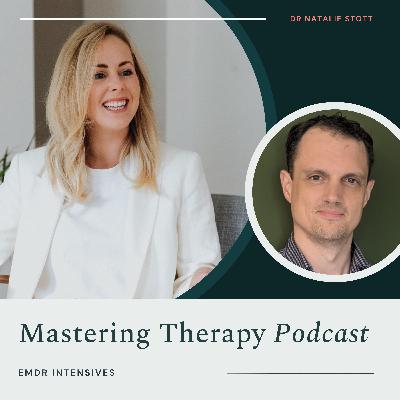
Have you ever wondered about how EMDR can be used beyond the traditional uses in trauma? or what an I-EMDR session contains?This episode features Dr. Jonathan Hutchins, a clinical psychologist, EMDR supervisor, and soon-to-be EMDR trainer. His vast experience covers EMDR for trauma, including new intensive approaches, neuropsychology, and working with those with traumatic brain injury, autism, and ADHD. The conversation offers practical ideas on adapting EMDR, insight into current research, and guidance on bringing intensives into practice.Highlights include:07:53 What are EMDR intensives?12:29 Benefits of EMDR intensives for reducing wait times and dropout rates14:29 Practical setup: How to prepare clients for an intensive session21:37 Creative ways to adapt bilateral stimulation, especially for online or neurodivergent clients24:02 Adapting EMDR for traumatic brain injury and complex neuropsychological needsGuest InfoGuest Information:Dr. Jonathan Hutchins- Consultant Clinical Psychologist, EMDR SupervisorWebsite: hutchinpsychology.co.uk EMDR Supervision: https://emdrsupervision.uk/Connect on LinkedInResources mentioned:Resources discussedEMDR Quarterly (Open Access articles on EMDR Intensives and neurodivergent adaptations)Vanguard Community Interest Company (new research on EMDR with veterans)Sarah Copsey's feasibility RCT on EMDR for Functional Neurological DisorderSpecial Interest Groups in EMDR for neuropsychology and neurodivergenceUpcoming EMDR workshops (details shared on LinkedIn and through Kadaby training)Proudlock, S., & Hutchins, J. (2016). EMDR within crisis resolution and home treatment teams. Journal of EMDR Practice and Research, 10(1), 47–56. APA PsycInfo.EMDR with neurodivergent clients training https://dr-jonathan-hutchins.cademy.io/emdr-with-neurodivergent-clients-26th-of-september-2025EMDR Intensives: https://dr-jonathan-hutchins.cademy.io/intensive-emdr-i-emdr-a-new-way-of-working** Check out Mastering Therapy’s Youtube Channel for all podcast episodes **For notification on up coming episodes and for occasional summaries of tools discussed on the podcast sign up here: www.masteringtherapy.comTo recommend a topic you’d like to hear about, or if you’d like to appear on the podcast please get in touch at www.masteringtherapy.com/guestFor private psychology services and therapy visit www.drnataliestott.com*****Subscribe to the Mastering Therapy Podcast YouTube channelFollow Mastering therapy on instagramConnect with Dr Natalie Stott on LinkedInSUPERVISOR PLATFORMSupervisor Platform is an online directory designed for therapists, psychologists, counsellors, and other mental health professionals to connect with qualified clinical supervisors. It makes it easy for practitioners to browse, compare, and contact supervisors based on their expertise, approach, and availability, while giving supervisors a professional space to showcase their services. Supervisor Platform (with 3 months free trial code 'WELCOME3')Disclaimer: The Mastering therapy podcast and the information provided by Dr Natalie Stott (Dclinpsych, HPCP reg), is solely intended for informational and educational purposes and should only be used by qualified professionals. Mentioned in this episode:Supervisor platformSUPERVISOR PLATFORM:
Visit www.supervisorplatform.com to search supervisors
You can list your profile for free for 3 monthsWebsite
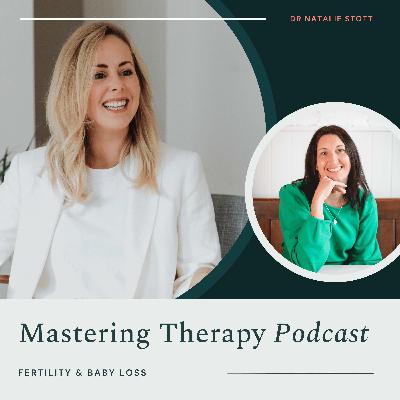
Have you supported a client through fertility treatment or baby loss?This episode welcomes Dr. Kara Davy, a clinical psychologist and EMDR consultant whose specialisms include ADHD and supporting individuals and organisations around infertility and baby loss. Kara shares her own journey and how lived experience alongside her professional background led her to focus on this area. The discussion covers practical advice for therapists, navigating the line between general and specialist support, when to refer clients onwards, and understanding the mental health impacts of fertility issues and miscarriage. Listeners will come away with clinical tips, an understanding of available services, and a compassionate approach to working with these challenges.Highlights include:01:35 Kara’s background and personal story04:05 Recognising when specialist support is needed11:30 Prevalence of infertility and baby loss18:48 The cycle of isolation, anxiety, and loss during fertility treatment23:28 Therapy approaches – trauma, grief, and self-compassionS3E6: How to support clients experiencing infertility or baby loss | Dr Kara Davy Guest Information:Dr. Kara Davy is a clinical psychologist with specialisms in ADHD and in supporting individuals affected by infertility and baby loss. She offers supervision, training, and runs support groups.Social media: Kara Davy (@karadavy)https://www.drdaveycoaching.com/aboutkaraInstagram · karadavyWebsite: https://www.karaclinicalpsychologistinsussex.co.uk/Resources discussedKara Davy’s linktree, including resource leaflets and group infoLeaflet summarizing services for baby loss and infertilityLeaflet for employers on supporting staff after lossTommy’s charityMiscarriage AssociationFertility Network UKSands (stillbirth & neonatal death charity)Maternal mental health servicesIAPT (Improving Access to Psychological Therapies) servicesResources mentioned: ** Check out Mastering Therapy’s Youtube Channel for all podcast episodes **For notification on up coming episodes and for occasional summaries of tools discussed on the podcast sign up here: www.masteringtherapy.comTo recommend a topic you’d like to hear about, or if you’d like to appear on the podcast please get in touch at www.masteringtherapy.com/guestFor private psychology services and therapy visit www.drnataliestott.com*****Subscribe to the Mastering Therapy Podcast YouTube channelFollow Mastering therapy on instagramConnect with Dr Natalie Stott on LinkedInSUPERVISOR PLATFORMSupervisor Platform is an online directory designed for therapists, psychologists, counsellors, and other mental health professionals to connect with qualified clinical supervisors. It makes it easy for practitioners to browse, compare, and contact supervisors based on their expertise, approach, and availability, while giving supervisors a professional space to showcase their services. Supervisor Platform (with 3 months free trial code 'WELCOME3')Disclaimer: The Mastering therapy podcast and the information provided by Dr Natalie Stott (Dclinpsych, HPCP reg), is solely intended for informational and educational purposes and should only be used by qualified professionals. Mentioned in this episode:Supervisor platformSUPERVISOR PLATFORM:
Visit www.supervisorplatform.com to search supervisors
You can list your profile for free for 3 monthsWebsite
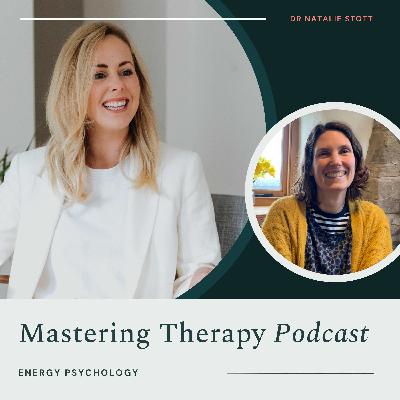
Have you ever wondered how therapy might change if you included the body’s energy systems, not just thoughts and feelings?This episode features clinical psychologist Dr Coral Westaway, who brings her training in energy psychotherapy to show how tapping, chakras, and meridians can be used safely alongside models like EMDR and IFS. The discussion covers how clinicians can use standardised energy psychology techniques in practice, how to explain them to clients, and why they can feel both gentle and powerful when working with trauma.The conversation also includes a live demonstration of EFT (Emotional freedom technique). They talk about the role of blocked energy, what happens when feelings move or change location, and how therapists can use these tools for their own boundaries as well as with clients.Highlights include:03:00 What is energy psychology and how does it work?08:00 Coral’s personal journey into this way of working12:30 Combining energy psychology with EMDR and IFS19:00 Live EFT demonstration for stress and anxiety28:00 What tapping is actually doing in the body35:00 The evidence base and where to find research37:30 Using energy psychology to support therapist boundariesGuest InformationCoral Westaway is a clinical psychologist and energy psychotherapist who integrates talking therapy with energy-based techniques. She shares resources on her website and YouTube channel. https://www.theenergypsychologist.org/ Instagram Facebook YoutubeWebsite:Resources mentioned:Association for Comprehensive Energy Psychology (ACEP) – research and practitioner resourcesEFT (Emotional Freedom Technique) – tapping protocols and training videos on YouTube“Ask and Receive” technique for connecting to self-leadership ** Check out Mastering Therapy’s Youtube Channel for all podcast episodes **For notification on up coming episodes and for occasional summaries of tools discussed on the podcast sign up here: www.masteringtherapy.comTo recommend a topic you’d like to hear about, or if you’d like to appear on the podcast please get in touch at www.masteringtherapy.com/guestFor private psychology services and therapy visit www.drnataliestott.com*****Subscribe to the Mastering Therapy Podcast YouTube channelFollow Mastering therapy on instagramConnect with Dr Natalie Stott on LinkedInSUPERVISOR PLATFORMSupervisor Platform is an online directory designed for therapists, psychologists, counsellors, and other mental health professionals to connect with qualified clinical supervisors. It makes it easy for practitioners to browse, compare, and contact supervisors based on their expertise, approach, and availability, while giving supervisors a professional space to showcase their services. Supervisor Platform (with 3 months free trial code 'WELCOME3')Disclaimer: The Mastering therapy podcast and the information provided by Dr Natalie Stott (Dclinpsych, HPCP reg), is solely intended for informational and educational purposes and should only be used by qualified professionals. Mentioned in this episode:Supervisor platformSUPERVISOR PLATFORM:
Visit www.supervisorplatform.com to search supervisors
You can list your profile for free for 3 monthsWebsite
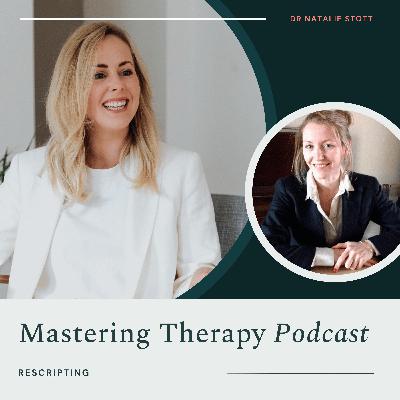
Have you ever wondered how to help clients safely rewrite the ending to painful memories?This episode features clinical psychologist and trauma specialist Dr. Melissa Snaith, who shares her training in schema therapy, trauma-focused CBT, and imagery rescripting. The discussion covers how clinicians can use rescripting techniques with clients who have experienced trauma, offering simple ways to introduce, adapt, and safely practise this powerful method in different therapeutic models. The conversation covers how to help clients manage strong feelings while working with imagery, how to use grounding if sessions become too intense, and how to tailor rescripting for individual needs. Includes practical examples, a step-by-step role play, and a friendly look at when, why, and how to use rescripting in your own therapy room.Highlights include:03:00 What is rescripting? Key principles and how it helps with trauma06:28 Working with clients who don’t remember clear details12:30 Introducing rescripting and helping clients feel safe24:00 Creative rescripting—using imagination and humour31:54 Planning rescripting sessions and session structureGuest Information:Guest InfoDr. Melissa is a clinical psychologist with specialist training in schema therapy, trauma, CBT and emotionally focused couple therapy. She trains cognitive behavioural therapists at the Charlie Waller Institute and runs her own private practice.Links to Melissa’s site: https://www.drmelissasnaith.com/Resources discussedKerry Young’s imagery-focused training (Bespoke, BABCP)Remco van der Wijngaart’s schema therapy role-play videosJustin Haven’s Dream completion technique (YouTube)Ernst (2012) review across disordersRescripting early memories linked to negative images in social phobia: a pilot study - PubMed** Check out Mastering Therapy’s Youtube Channel for all podcast episodes **For notification on up coming episodes and for occasional summaries of tools discussed on the podcast sign up here: www.masteringtherapy.comTo recommend a topic you’d like to hear about, or if you’d like to appear on the podcast please get in touch at www.masteringtherapy.com/guestFor private psychology services and therapy visit www.drnataliestott.com*****Subscribe to the Mastering Therapy Podcast YouTube channelFollow Mastering therapy on instagramConnect with Dr Natalie Stott on LinkedInSUPERVISOR PLATFORMSupervisor Platform is an online directory designed for therapists, psychologists, counsellors, and other mental health professionals to connect with qualified clinical supervisors. It makes it easy for practitioners to browse, compare, and contact supervisors based on their expertise, approach, and availability, while giving supervisors a professional space to showcase their services. Supervisor Platform (with 3 months free trial code 'WELCOME3')Disclaimer: The Mastering therapy podcast and the information provided by Dr Natalie Stott (Dclinpsych, HPCP reg), is solely intended for informational and educational purposes and should only be used by qualified professionals. Mentioned in this episode:Supervisor platformSUPERVISOR PLATFORM:
Visit www.supervisorplatform.com to search supervisors
You can list your profile for free for 3 monthsWebsite

Comments

Download from Google Play

Download from App Store
 United States