


 Claim Ownership
The Naked Heart
Subscribed: 0Played: 15
Subscribe

© Copyright 2024 All rights reserved.
Description
The Naked Heart is a weekly series of blogs and social media publications from English cardiologist Dr Edward Leatham. His brief is to apply 50 years of ”breathing and practicing” cardiology to make his day to day job more about educating patients than simply just diagnosing and treating them.
”The only way modern medicine can cope with the ever increasing demand is by educating our patients on basic principles and then encourage every patient to become their own physician, guided by their doctors”
These podcast publications are AI constructs created to broaden the audience in an attempt to explain quite complicated, yet important facts thus sharing advances in medical knowledge with more people, ideally even before they become our patients.
Each podcast is designed to broadcast alongside a weekly blog article with multiple reels and posts on social media, all accessible for free and without any product advertising via https://www.scvc.co.uk/category/naked-heart/
”The only way modern medicine can cope with the ever increasing demand is by educating our patients on basic principles and then encourage every patient to become their own physician, guided by their doctors”
These podcast publications are AI constructs created to broaden the audience in an attempt to explain quite complicated, yet important facts thus sharing advances in medical knowledge with more people, ideally even before they become our patients.
Each podcast is designed to broadcast alongside a weekly blog article with multiple reels and posts on social media, all accessible for free and without any product advertising via https://www.scvc.co.uk/category/naked-heart/
36 Episodes
Reverse
HIIT interrupts this cycle by dramatically improving insulin sensitivity and glucose uptake in skeletal muscle — particularly in the large lower-limb muscles of the thighs and glutes. A single 20-minute session of HIIT can activate GLUT-4 transporters in muscle cells for up to 24–48 hours, drawing glucose out of the bloodstream and away from storage in the liver and visceral fat depots.
Read full blog
********NOTICE***********
This is the last blog in Naked Heart Series for a year. Weekly blogs are to be released on Metabolic Health instead with a view to book launch in 2026 'The VAT Trap'.
Sign up to the new Metabolic Health newsletter to stay informed

Mitochondria are the power stations inside every cell, converting food into energy. But in modern life, with constant carbohydrate intake and low energy demand, they become overwhelmed. Just like solar panels producing too much electricity for full batteries, mitochondria have nowhere to send surplus fuel. This triggers oxidative stress, inflammation, and early ageing. Insulin is meant to divert excess glucose to safe storage — but when that system fails, metabolic chaos follows. In this article, we explore how your mitochondria manage energy, what causes them to overload, and how lifestyle changes can help restore balance and protect long-term health
Full story see blog
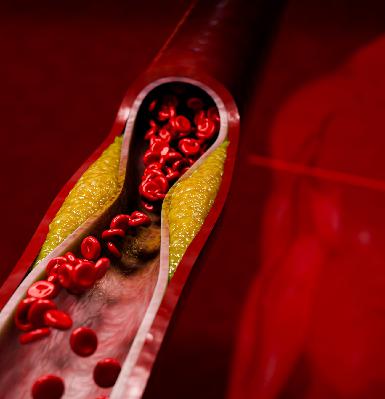
Troponin-negative chest pain presentations are often sent home without a timely work up or prompt imaging tests like a CT angiogram. A delay can be critical. As clinicians, we must identify which patients need further testing urgently. Where clinical suspicion is high, irrespective of troponin rise doctors and health commissioners should prioritise resources, so that an accurate diagnosis can to be made. Lives literally depend on a prompt anatomic test being done in time. Until this has been made available nationally, patients experiencing unexplained chest symptoms who have not had clinical follow up and diagnosis confirmed are advised to 'vote with their feet'- either head back into hospital in event of further symptoms, or even consider arranging to fund their own urgent CT angiogram from an independent medical provider.
Read full blog
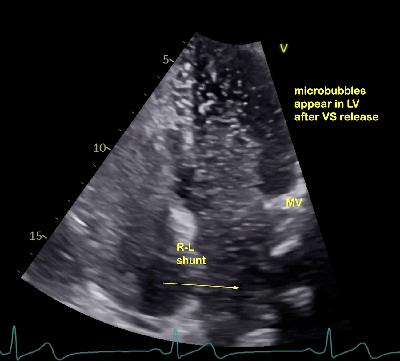
Before birth, the foramen ovale is a vital foetal opening between the right and left atria, allowing oxygen-rich placental blood to bypass the inactive lungs. After the first breath, pressure in the left atrium increases, closing the flap naturally. In around 25% of adults, the flap does not seal fully — this persistent communication is called a Patent Foramen Ovale (PFO) which is an important cause of cryptogenic stroke. All standard tests including an echocardiogram can be normal- it can be only be diagnosed using a bubble contrast study and once diagnosed, treatment with clam shell closure is high effective.
Read full blog

If you have ever found yourself feeling breathless climbing stairs or walking uphill — even though your lung and heart tests are “normal” — you are not alone. Many people attribute it to age or fitness. But recent research has uncovered a powerful hidden cause of breathlessness: visceral fat — the fat stored deep inside your abdomen, around your organs. In this blog, we will explore what visceral fat is, how it affects your breathing, and — most importantly — what you can do about it.
Read full article

“For every threat that rises against us, humanity answers with a greater invention. Show us the enemy, and we will forge the remedy.”
For much of modern cardiology, in its battle against coronary artery disease—one of mankind’s greatest threats—the “enemy” seemed clear. When I trained, the diagnostic armoury was focused on accurately identifying flow-limiting narrowing of one or more coronary arteries: the 3–4 mm vessels supplying the heart with oxygenated blood. Prognosis was measured by the number of occluded arteries, the degree of stenosis, left ventricular ejection fraction, blood pressure, and cholesterol profile.
Diabetes mellitus was acknowledged as a risk factor, but it was largely regarded as a separate, niche condition—managed primarily by GPs and endocrinologists. Invasive coronary angiography was the gold standard, the reference point against which all non-invasive tests—such as the stress ECG or nuclear cardiology scans—were judged. A patient’s future could be read from the arteries illuminated on that cath lab screen: a narrowing meant risk; an occlusion demanded action.
Yet in the last decade, a profound paradigm shift has unsettled these foundations—and in some respects, turned them on their head.

How an ILR Works
An ILR is a matchstick-sized device implanted under the skin of the chest, usually under local anaesthetic in a brief outpatient procedure. Once in place, it continuously monitors the heart’s electrical activity, storing recordings of any abnormal events it detects automatically or when triggered by the patient using a handheld activator.
Modern ILRs have:
Automatic arrhythmia detection algorithms
Wireless home monitoring (transmitting daily summaries to the cardiology team)
Battery life of 2–4 years
MRI-compatibility in most cases
When to Consider an ILR
An ILR may be recommended if you:
Have unexplained syncope with inconclusive standard tests
Have had a cryptogenic stroke, TIA, or TGA, where AF is suspected but not proven
Have infrequent but concerning palpitations that evade short-term monitoring
Have suspected intermittent AV block or sinus pauses
Full blog article
In the evolving world of preventative healthcare, one size no longer fits all. We are learning that each person has a unique biological blueprint – shaped by their DNA, lifestyle, and environment – which determines how they respond to food, exercise, and medications. Today, sophisticated tools allow us to uncover this blueprint and personalise health advice in a way never before possible. The goal? Not just to avoid disease, but to extend your healthspan – the number of years you live in good health.
See full article
Dietary fats have been wrongly maligned for much of modern nutritional history. But as the science evolves, it's clear that fat – far from being harmful – is a vital macronutrient that supports energy metabolism, hormonal health, brain and heart function, and even weight control.
Rather than fearing fat, we should focus on:
Avoiding refined carbohydrates and ultra-processed foods.
Prioritising whole food sources of fat, including nuts, seeds, dairy, eggs, fish, and healthy oils.
Understanding individual needs, especially in those with insulin resistance or carbohydrate sensitivity.
Viewing nutrition in context, rather than isolating single nutrients as heroes or villains.
The time has come to move beyond fat-phobia and embrace a more nuanced, evidence-based approach to eating. In a balanced, whole-food diet, fat is not the problem — it’s part of the solution.
Read the full article
As we age — particularly if we have inherited genes that predispose us to metabolic disarray that accompanies modern diet and lifestyles, we start to gain weight as visceral fat increases, and muscle mass declines. This double effect worsens blood pressure, cholesterol triglycerides, and blood sugar — contributing to what is known as the metabolic syndrome. Fat cells that have reached their capacity to store extra energy as a healthy reserve start to cause havoc by releasing free fatty acids and in turn worsens insulin resistance, that steepens the decline in health.
However in many cases if we can reduce visceral fat, rebuild muscle, and reach a caloric deficit, we can reverse many of these effects.
Read the blog

In the UK, the recommended minimum daily protein intake is 0.75g per kilogram of body weight. However, mounting evidence suggests that this baseline is not enough, especially for older adults, those managing chronic conditions, or anyone engaging in weight loss strategies.
In practice, most people are falling short of even this modest target. In this article and podcast, strategies to maintain skeletal muscle mass to improve metabolic health and reduce the risk of sarcopenia are aired. Could equipping our patients attending our holistic GLP-1 mimetic clinic with a food analysis app called Dr Shape and other items in our metabolic toolbox really be the answer?
Read the blog article here

Emerging evidence shows that lifetime exposure to LDL cholesterol and high glucose variability are some of the strongest predictors of cardiovascular risk. Just as lung cancer risk is tied to pack-years of smoking, heart disease risk correlates with cumulative LDL levels and impaired glucose metrics over time.
This is why some people in their 20s with risk factors (like diabetes or a family history of heart disease) are starting statin therapy preventatively. However, many are understandably hesitant to start medication so early. Lifestyle changes remain the cornerstone of early prevention.
Read the full article with references

It may seem unusual to talk about heart disease in teenagers and children, but the groundwork for heart health is laid early in life. Habits formed in youth often carry into adulthood, and many cardiovascular risk factors—like high cholesterol, high blood pressure, or obesity—can be silent, slowly progressing without symptoms.
In families where heart disease runs deep, understanding risk and prevention from a young age can be life-changing.
Read the full blog

Cardiovascular disease often strikes decades before symptoms appear, especially in the critical age range known as *"Sniper’s Alley"* (40–60 years). Waiting until 60 is too late. Early prevention, particularly LDL cholesterol control, saves lives. Learn why family history demands a proactive approach — and why starting young matters.
Read the full story

In recent years, there has been a noticeable shift in how individuals approach their health and wellbeing. With increasing public awareness around the importance of early detection and preventative medicine, combined with the reduced accessibility of primary care appointments, online home blood testing has rapidly gained popularity. This change has been further fuelled by the undeniable convenience of testing at home or visiting one of many independent providers offering blood test services across the UK.
https://www.scvc.co.uk/naked-heart/the-rise-of-online-home-blood-testing-a-paradigm-shift-in-preventative-healthcare/
Read the full blog story

With continued advancements in imaging, pharmacology, and personalised medicine, the SCVC cardiometabolic clinic is positioned to lead the way in preventative cardiology. The integration of real-time metabolic assessments, cutting-edge lipid profiling, and targeted pharmacotherapy represents a paradigm shift in how cardiovascular risk is managed.
For full blog

Stress is an unavoidable part of modern life. We encounter it at work, at home, in traffic, and even while reading the news. Although we often discuss stress casually, its impact on the human body is profound—particularly on the cardiovascular system. In this article, we will explore how stress affects the heart and blood vessels, drawing on clinical insights, expanding scientific knowledge, and practical stress-management strategies. By the end, you will see why stress is a critical factor in any heart health strategy, along with steps you can take to mitigate its harmful effects.
Read the blog article

Over the past decade, healthcare has experienced a remarkable evolution in how patients are monitored and managed remotely. Although the Covid-19 pandemic may have accelerated this trend, it is clear that even before the pandemic—when visits to see the doctor occasionally became nigh on impossible—modern technology was already paving the way for clinicians, particularly cardiologists, to care for their patients within the comfort of their own homes. By sending biometric and medical data through various monitoring devices to user-friendly dashboards, cardiology teams have been able to watch over patients without necessarily requiring them to come to clinic. This approach offers immense benefits: it minimises physical travel to the hospital or clinic, ensures timely interventions for emerging issues, and empowers patients to take greater responsibility for their own health.
Blog article
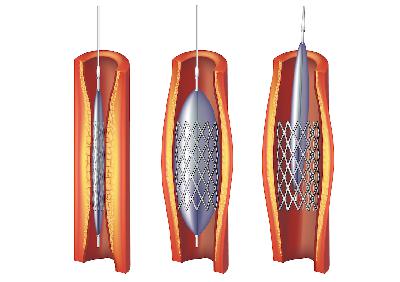
Having a stent or bypass is not the end of the story—it is the beginning of a new chapter in managing your cardiovascular health. With the right combination of medications, lifestyle changes, rehabilitation programmes, and vigilant follow-up using advanced diagnostic techniques, you can greatly reduce your risk of future events. Stay engaged with your healthcare team, keep informed about new therapies and guidelines, and commit to sustainable lifestyle adjustments to ensure the best possible long-term health.
Read the full blog article
The body’s natural “fight or flight” response is crucial for survival in dangerous situations. This response increases heart rate, boosts blood pressure, and diverts blood to muscles, preparing us for rapid action. However, in modern life, where many people feel overstimulated, this response is often triggered unnecessarily—by stress, anxiety, or medical conditions—leading to elevated heart rates, and the symptom of palpitation. Beta-blockers step in to limit this excessive sympathetic drive, helping to restore a healthier, more stable internal state.
Read the full article here

Comments

Download from Google Play

Download from App Store
 United States